Your cloud security posture findings land in one dashboard. Kubernetes workload alerts show up in a separate console. Identity entitlement risks live in a spreadsheet someone updates monthly. And runtime signals? Those come from yet another system that nobody checks until something breaks.
This is how most cloud security programs actually run: Not through unified visibility, but through fragmented point tools that each capture a slice of the risk picture. According to the Fortinet 2025 State of Cloud Security Report, 62% of cybersecurity professionals say their organizations are already implementing cloud native application protection platform (CNAPP) approaches to close those gaps.
The global CNAPP market reflects that momentum: Mordor Intelligence estimated the market at $10.9 billion in 2025, with projections reaching $28.03 billion by 2030.
For presales teams supporting security-conscious buyers, the evaluation challenge is not whether a buyer needs CNAPP. The real question is which CNAPP tools fit their cloud footprint, runtime requirements, compliance obligations, and existing security stack.
What's inside
This guide covers 20 CNAPP tools and CNAPP-adjacent component tools evaluated for presales and security engineering teams. Both commercial platforms and open-source options are included.
Selection criteria used:
- Multi-cloud coverage across AWS, Azure, Google Cloud, and Kubernetes
- Runtime protection and container security depth
- Identity risk, cloud compliance monitoring, and remediation workflow
- Pricing signals and verified G2 ratings (check both at publish time)
TL;DR
- Best overall CNAPP platform: Wiz for agentless cloud visibility, security graph risk context, and fast cloud risk assessment across multi-cloud environments
- Best native Microsoft option: Microsoft Defender for Cloud for Azure-heavy teams with an existing Microsoft security operations stack
- Best for runtime and container depth: Sysdig and Aqua Security for Kubernetes, container, and workload-focused programs
- Best for open-source components: Trivy, Wazuh, Steampipe, and Open Policy Agent cover scanning, detection, posture, and policy enforcement without licensing cost
- Best evaluation approach: Shortlist by cloud footprint first, then test runtime fidelity and remediation workflow before committing
What are CNAPP tools?
CNAPP tools are cloud native application protection platforms that combine cloud security posture management, workload protection, identity risk, vulnerability management, cloud compliance monitoring, and runtime security into one cloud-security operating layer.
Where standalone CSPM tools focus on configuration drift and policy violations, a full CNAPP also covers workloads, identities, runtime threats, and development pipeline controls. Here is what the core capability areas look like:
- CSPM (cloud security posture management): Detects misconfigurations, policy drift, and compliance violations across cloud accounts
- CWPP (cloud workload protection platform): Protects servers, containers, serverless functions, and Kubernetes workloads
- CIEM (cloud infrastructure entitlement management): Identifies overprivileged identities, excessive permissions, and entitlement risk
- KSPM: Kubernetes-specific posture, cluster configuration, and workload exposure checks
- DSPM (data security posture management): Discovers sensitive data and maps its exposure risk
- Runtime security: Detects anomalous behavior, active threats, and suspicious workload activity in real time
- Shift-left controls: IaC scanning, container image scanning, and CI/CD pipeline checks
- Risk prioritization: Attack path analysis, exploitability scoring, asset criticality, and business context
CNAPP does not replace SIEM or XDR outright. SIEM and XDR correlate events across broader environments, while CNAPP focuses on cloud-native risk and protection specifically. Open-source tools in this list typically cover one or two of these capability areas rather than the full CNAPP platform scope.
When to use CNAPP tools
Consolidate fragmented cloud security tools
If your team runs CSPM findings, container scanning alerts, IAM reviews, and compliance evidence across disconnected systems, CNAPP gives you context across posture, identity, workload, and runtime signals in one place. Correlating a misconfigured storage bucket, an overprivileged service account, and an exploitable container image requires a single graph, not four separate dashboards.
Prioritize risk across multi-cloud environments
When AWS, Azure, Google Cloud, and Kubernetes each generate their own findings, the alert volume quickly outpaces any team's remediation capacity. CNAPP tools that connect findings to attack paths, exploitability data, asset criticality, and ownership make it possible to act on the risks that matter now, not every risk at once.
Support security reviews and technical evaluations
For presales teams, CNAPP evaluations rarely involve a single buyer. Security, compliance, IT, and DevOps all have a seat at the table. A CNAPP shortlist needs to produce evidence across compliance coverage, identity controls, workload telemetry, runtime detection quality, and remediation workflow before procurement moves forward. See also: application security testing software and attack surface management software for adjacent evaluation criteria.
CNAPP tools comparison
The table below is a shortlist, not a universal ranking. The right fit depends on cloud footprint, runtime needs, regulatory pressure, team size, and how much open-source assembly a team can support. Verify pricing and G2 ratings at publish time because both change.
| # | Product | Best for | Key differentiator | Pricing | G2 rating |
|---|---|---|---|---|---|
| 1 | Wiz | Broad enterprise CNAPP | Security graph and agentless cloud visibility | Custom quote | 4.7/5 |
| 2 | Microsoft Defender for Cloud | Azure-heavy organizations | Native Microsoft cloud security integration | Free CSPM tier; paid plans usage-based | 4.4/5 |
| 3 | Prisma Cloud | Enterprise security teams | Broad Palo Alto Networks cloud security suite | Custom quote | N/A |
| 4 | Lacework | Cloud detection and anomaly analysis | Behavior-based cloud threat detection | Custom quote | 4.4/5 |
| 5 | Sysdig | Runtime and container security | Kubernetes-aware workload detection via Falco | Custom quote | 4.7/5 |
| 6 | Aqua Security | Cloud-native workload protection | Container, Kubernetes, and runtime controls | Custom quote | 4.2/5 |
| 7 | SentinelOne Singularity Cloud Native Security | Threat-focused CNAPP programs | Exploit path validation and AI-assisted analysis | From $179.99/yr per endpoint | 4.9/5 |
| 8 | Check Point CloudGuard | Governance and compliance teams | Posture, workload, and network security coverage | Custom quote | 4.4/5 |
| 9 | Trend Vision One | XDR-aligned cloud security | Cloud signals connected to broader threat detection | Custom quote | 4.7/5 |
| 10 | Tenable Cloud Security | Exposure management teams | Cloud risk tied to vulnerability context | Custom quote | 4.6/5 |
| 11 | Orca Security | Agentless cloud security | SideScanning cloud visibility without agents | Custom quote | 4.7/5 |
| 12 | FortiCNAPP | Fortinet security customers | Cloud protection aligned with Fortinet stack | Custom quote | 4.4/5 |
| 13 | CrowdStrike Falcon Cloud Security | Endpoint and cloud security teams | Cloud protection within Falcon workflows | Custom quote | 4.5/5 |
| 14 | Upwind | Runtime-first cloud security | Runtime context for cloud risk prioritization | Custom quote | 4.9/5 |
| 15 | OpenSCAP | Compliance scanning | Open-source SCAP compliance automation | Free | N/A |
| 16 | Scout Suite | Multi-cloud assessment | Open-source cloud configuration auditing | Free | N/A |
| 17 | Steampipe | Query-based cloud posture | SQL-based cloud asset and control checks | Free (CLI); hosted plans from $49/month | N/A |
| 18 | Wazuh | Open-source detection and compliance | SIEM, XDR, and endpoint security foundation | Free (self-managed); cloud from $571/month | 4.5/5 |
| 19 | Trivy | Container and IaC scanning | Developer-friendly open-source vulnerability scanning | Free | N/A |
| 20 | Open Policy Agent | Policy as code | Cloud-native authorization and policy enforcement | Free | N/A |
Best 20 CNAPP tools for cloud security in 2026
1. Wiz
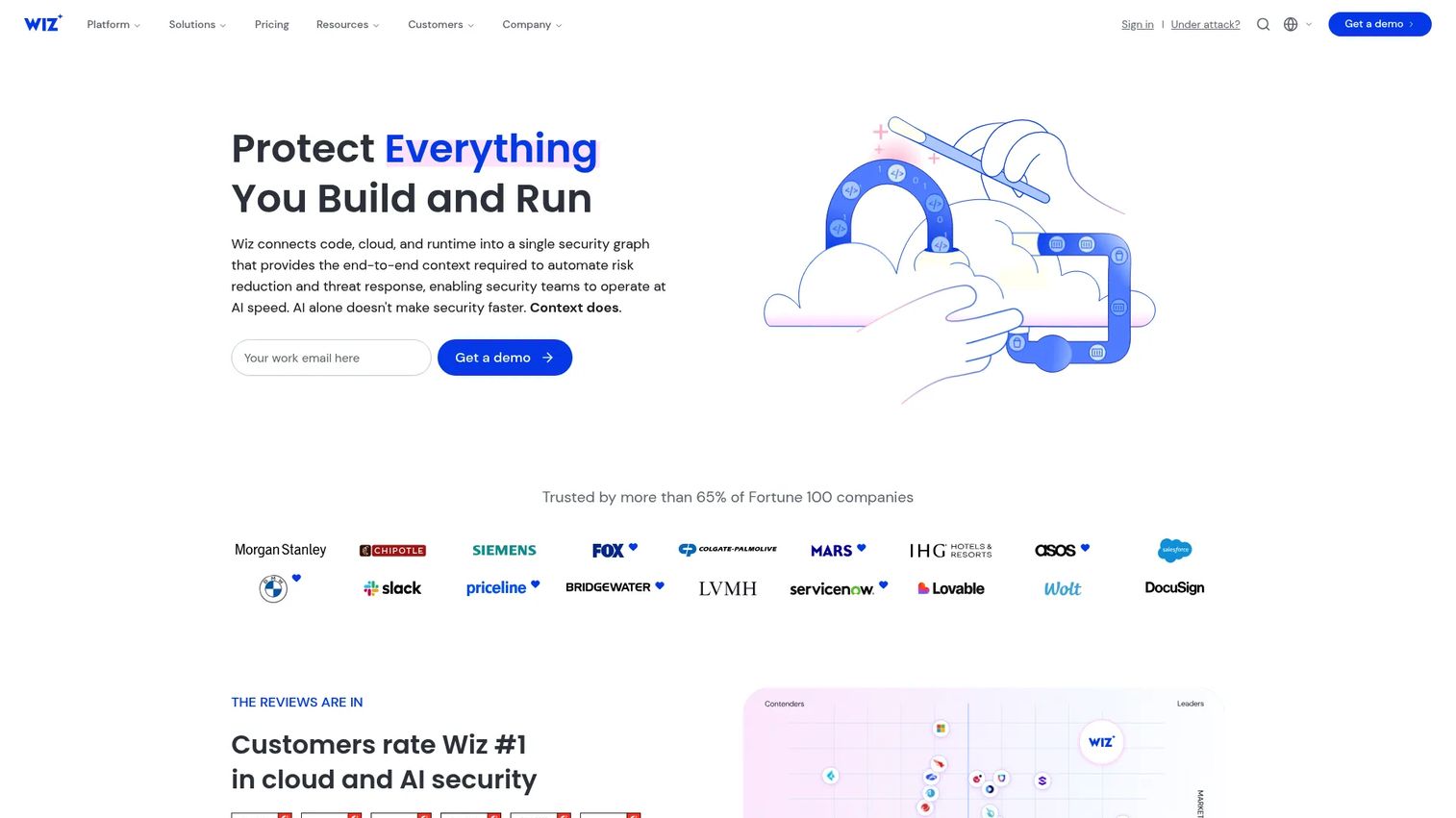
Wiz is an agentless cloud and AI security platform that maps your entire cloud environment into a security graph, connecting vulnerabilities, misconfigurations, identity risks, secrets, and data exposures into prioritized attack paths. It covers AWS, Azure, Google Cloud, and Kubernetes without requiring agents on every workload. The platform scales from posture management through runtime protection using the Wiz Sensor for teams that need deeper workload telemetry.
Best for: Enterprise cloud security teams that want fast, broad CNAPP coverage with risk correlation across multiple cloud providers.
Key features
- Agentless cloud visibility across cloud and AI environments
- Security graph and attack path analysis
- CSPM, CIEM, DSPM, and Kubernetes security
- IaC scanning and code-to-cloud correlation
- Runtime protection via Wiz Sensor
Why choose Wiz: Wiz excels when a team needs to map cloud risk quickly across a large, multi-cloud environment. For presales teams, it produces prioritized attack paths that translate directly into POC scenarios. Teams with heavy runtime enforcement needs should test Wiz Sensor coverage alongside their specific workload types.
Wiz pricing: Wiz uses modular licensing that scales with workloads, active developers, log ingestion, or sensors. A pricing request is required through their website.
G2 rating: 4.7/5
2. Microsoft Defender for Cloud
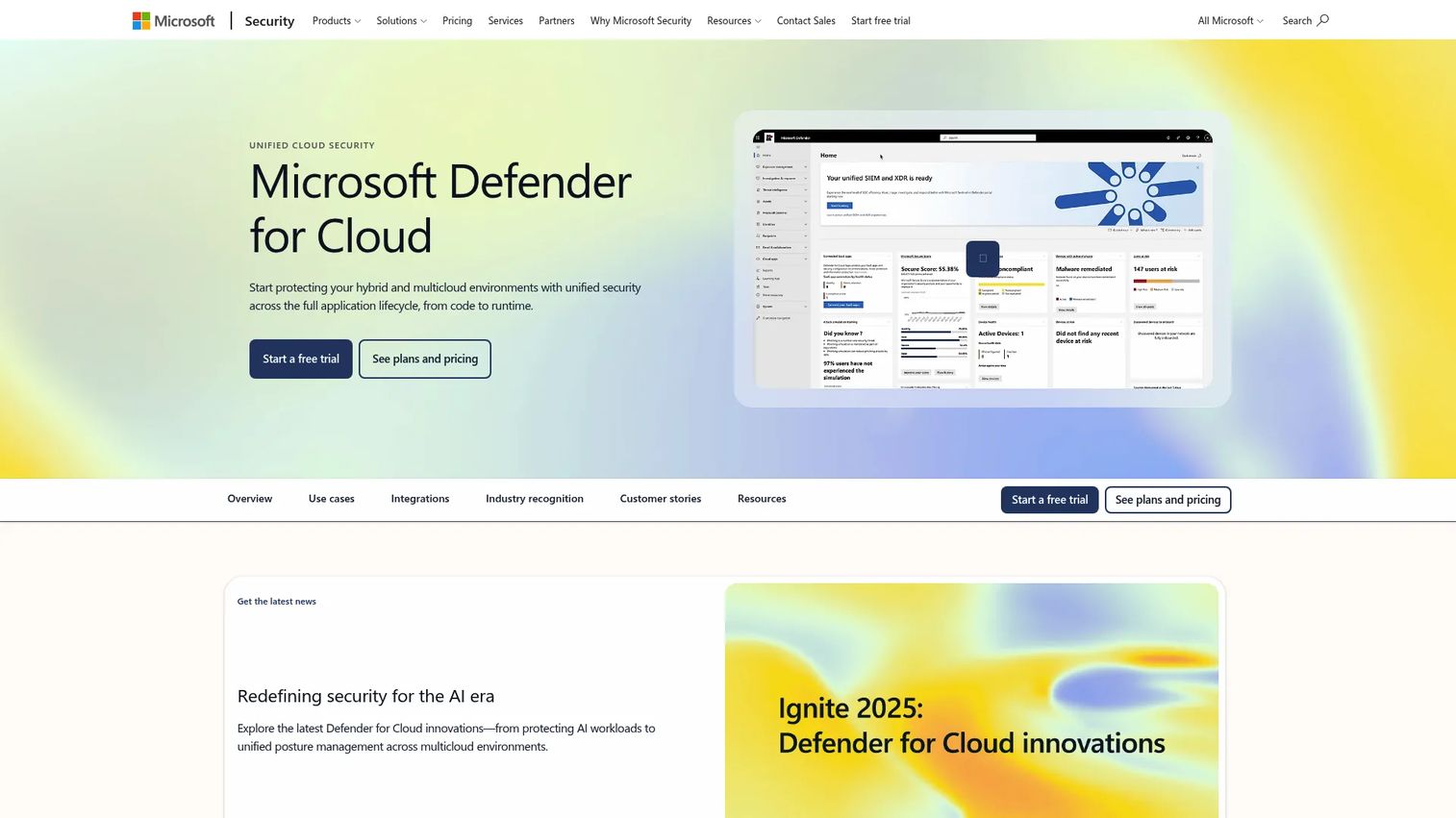
Microsoft Defender for Cloud is a cloud-native application protection platform built into the Azure ecosystem. It provides CSPM with Secure Score, DevOps security, workload protection for servers, containers, databases, and APIs, plus attack path analysis. The platform integrates with Microsoft Sentinel, Entra ID, and the Defender XDR portal, making it a natural fit for organizations already running Microsoft security operations.
Best for: Azure-heavy organizations that want CNAPP capabilities inside their existing Microsoft security workflows.
Key features
- Cloud security posture management with Secure Score
- Azure-native workload protection for servers, containers, and databases
- DevOps security across multi-pipeline environments
- Attack path analysis and agentless vulnerability scanning
- Near-real-time cloud threat detection integrated with Defender XDR
Why choose Microsoft Defender for Cloud: If the security team already runs Sentinel or Defender XDR, adding Defender for Cloud extends protection into cloud workloads without requiring a separate console. Teams should validate depth on AWS and Google Cloud coverage during a proof of concept, as Azure-native capabilities are typically more mature than multi-cloud connectors.
Microsoft Defender for Cloud pricing: Foundational CSPM is free. Paid plans covering workload protection are usage-based by resource type, so cost scales with the number of servers, containers, databases, and other protected assets. Microsoft also offers a 30-day free trial on paid plans.
G2 rating: 4.4/5
3. Prisma Cloud

Prisma Cloud is Palo Alto Networks' CNAPP platform covering CSPM, CWPP, CIEM, IaC scanning, runtime protection, and compliance across multi-cloud and hybrid environments. The platform is designed for enterprise security and DevSecOps teams that need broad code-to-cloud coverage under a single governance model. It integrates with the broader Palo Alto Networks portfolio for teams standardizing across network, endpoint, and cloud security.
Best for: Enterprise security teams that need unified CNAPP coverage and mature governance across a Palo Alto Networks security program.
Key features
- Agentless, near-real-time multicloud CSPM with attack-path analysis
- Cloud workload protection for hosts, containers, Kubernetes, serverless, and AWS Fargate
- IaC scanning, CI/CD security, and secrets detection
- CIEM with identity risk and entitlement analysis
- Enterprise policy controls and compliance reporting
Why choose Prisma Cloud: The platform suits teams that are already invested in Palo Alto Networks and want cloud security integrated with their existing policy and operations model. During a POC, test onboarding effort, alert workflow configuration, and policy tuning time, since those factors drive operational load after deployment.
Prisma Cloud pricing: Pricing is quote-based through Palo Alto Networks. Cost drivers typically include cloud resources, active workloads, modules selected, and enterprise support tier. Licensing guides are available through Palo Alto Networks.
4. Lacework
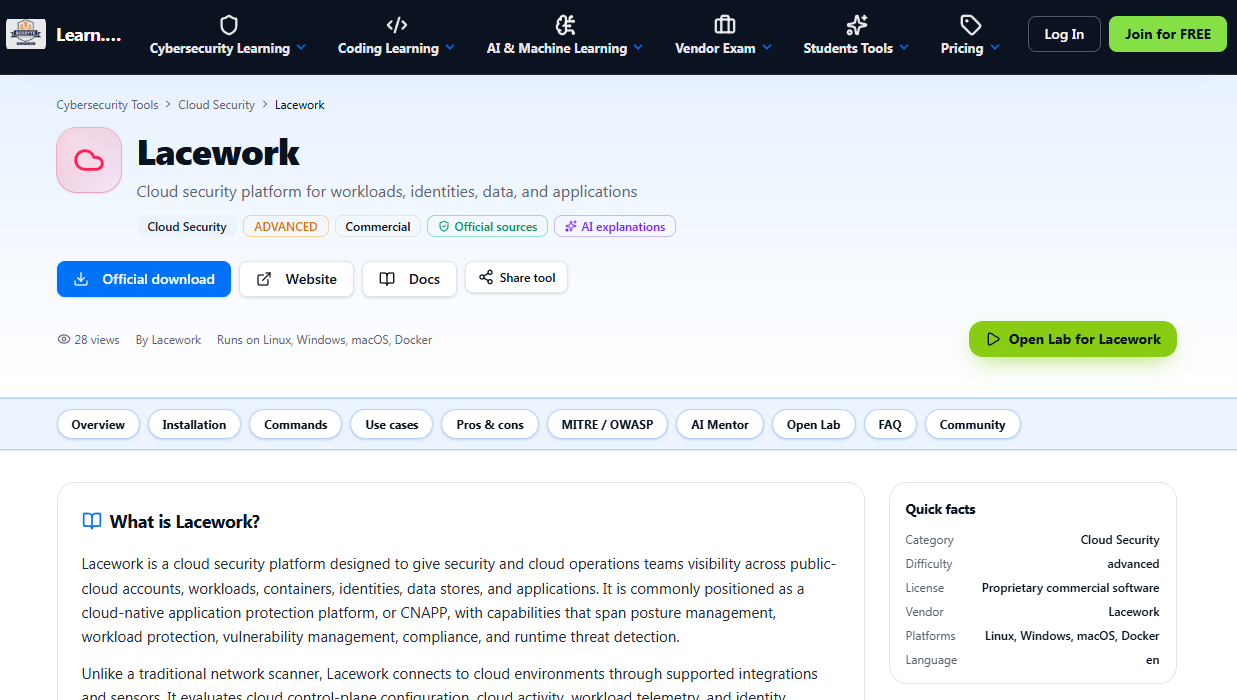
Lacework is a cloud-native application protection platform focused on behavior-based threat detection alongside posture, workload, and compliance coverage. G2 currently presents Lacework under the FortiCNAPP product name following its acquisition by Fortinet, so buyers should verify current product packaging and branding before starting an evaluation. The platform uses behavioral baselining to detect anomalous cloud activity without relying solely on signature-based rules.
Best for: Teams that want cloud threat detection grounded in behavioral context rather than static rule sets.
Key features
- Behavior analytics and anomaly-based threat detection
- Cloud security posture management and compliance
- Cloud workload and container vulnerability protection
- Kubernetes risk visibility
- Alert correlation and attack path analysis
Why choose Lacework: Lacework is worth evaluating when a security team wants to move beyond signature-only detection. The behavioral baselining approach surfaces patterns that static rules miss. Verify current product status, integration depth, and module availability directly with Fortinet before including Lacework in a shortlist.
Lacework pricing: Pricing is quote-based. Cost drivers typically include cloud accounts, workload volume, data retention, and support tier. Request current packaging through Fortinet's sales team.
G2 rating: 4.4/5 (listed as FortiCNAPP on G2)
5. Sysdig
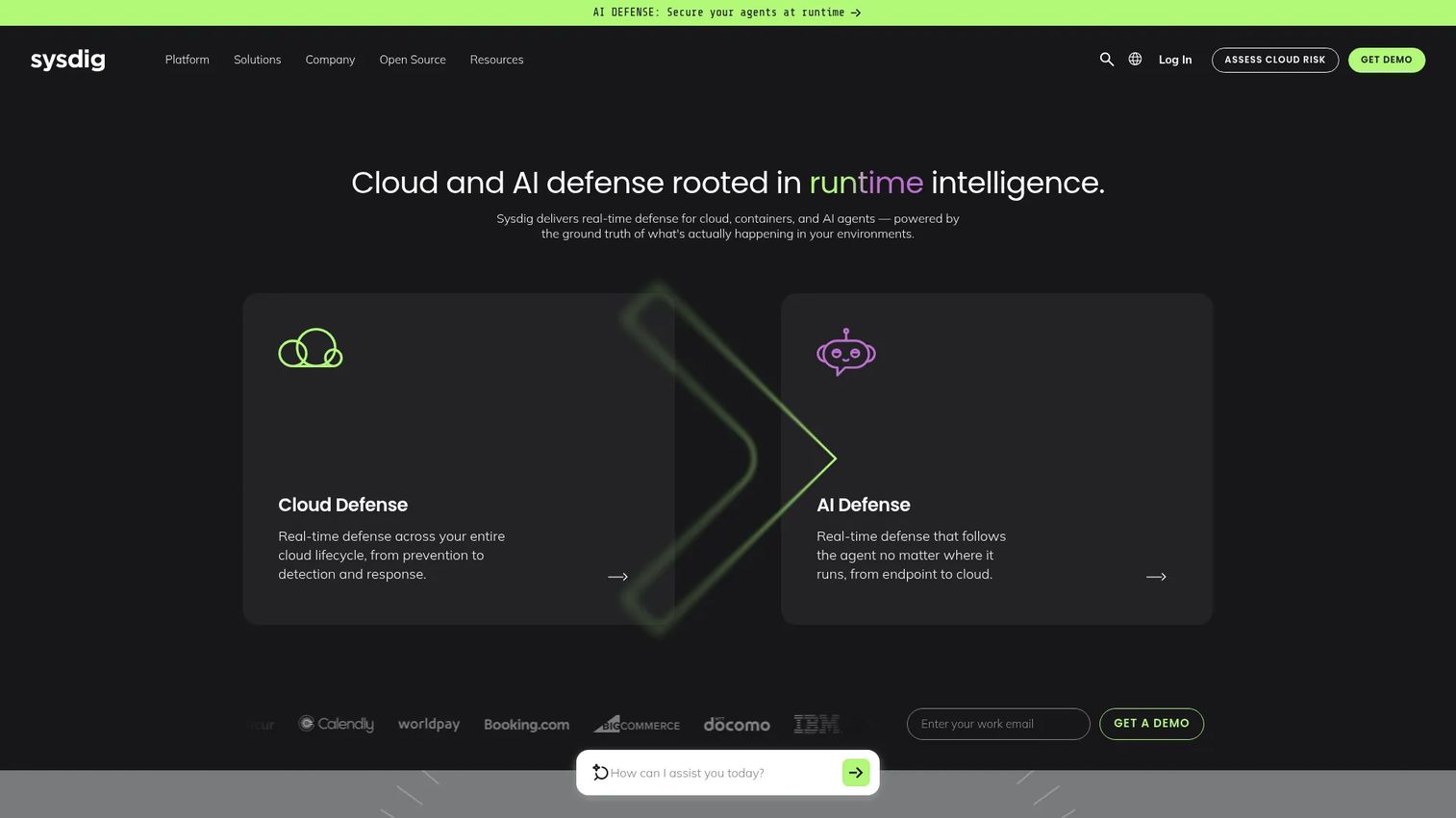
Sysdig built its CNAPP on Falco, the open-source runtime security project, giving it deep roots in container and Kubernetes threat detection. The platform covers cloud security posture, vulnerability management, Kubernetes monitoring, and runtime threat detection and response. Its Cloud Attack Graph connects runtime insights to cloud posture and vulnerability data, helping teams prioritize findings by active risk rather than theoretical exposure.
Best for: DevSecOps and cloud-native engineering teams that need runtime security depth for containers and Kubernetes.
Key features
- Real-time threat detection powered by Falco rules
- Kubernetes posture management
- Container image scanning and vulnerability prioritization
- Cloud security posture and compliance
- Cloud Attack Graph connecting runtime insights to posture findings
Why choose Sysdig: Sysdig is a strong fit when runtime fidelity and Kubernetes coverage are the primary evaluation criteria. For presales supporting container-heavy accounts, Sysdig produces concrete runtime detection scenarios that resonate with platform engineering buyers. Test live detection quality, false positive rates, and remediation routing during the POC. Also relevant: best presales software tools for supporting technical evaluations.
Sysdig pricing: Pricing is quote-based. Ask vendors about per-node, per-container, and cloud-asset pricing alongside runtime data retention options.
G2 rating: 4.7/5
6. Aqua Security
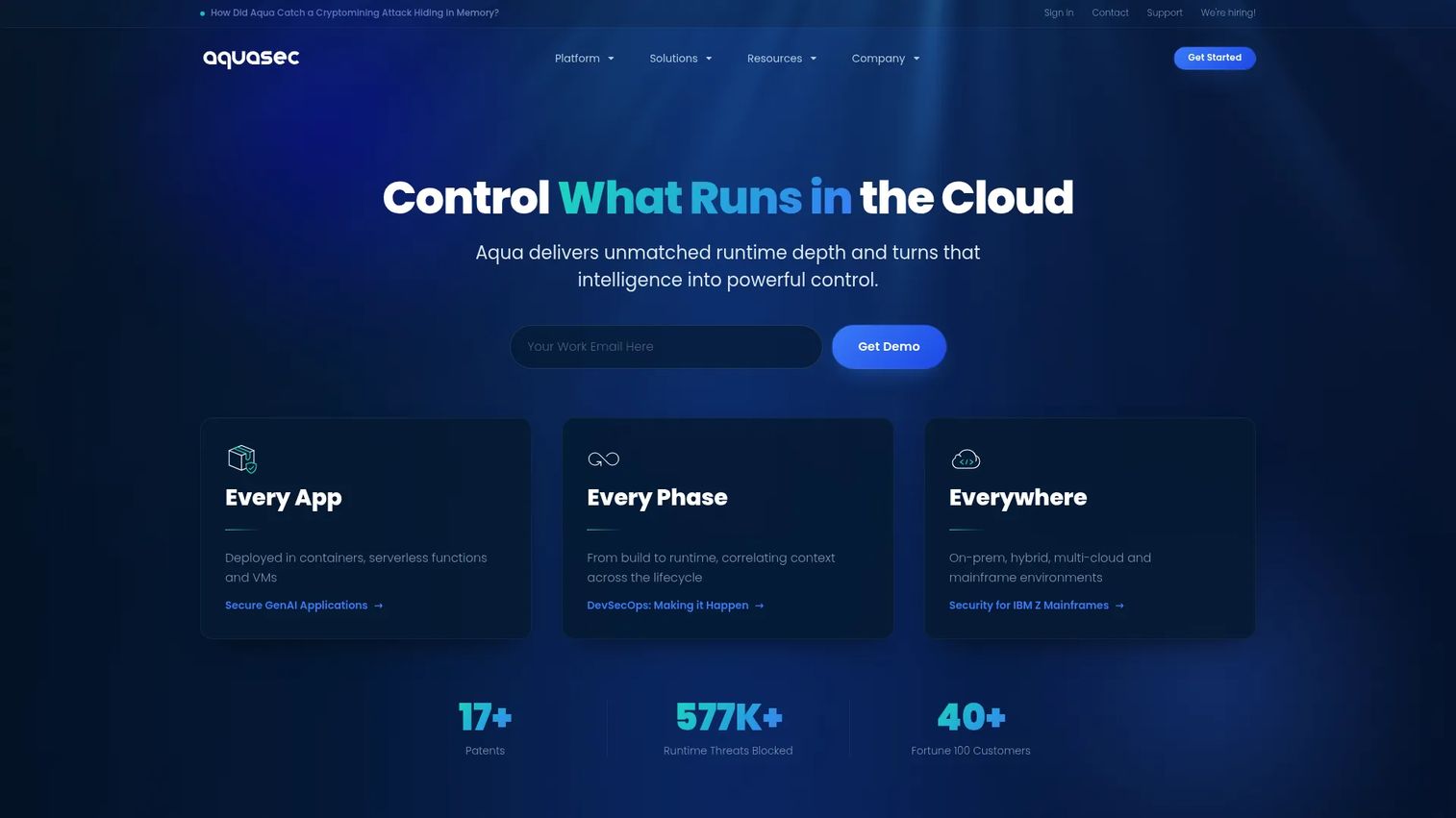
Aqua Security provides a cloud-native application protection platform that covers the full lifecycle from code and container image scanning through runtime enforcement across containers, virtual machines, serverless functions, and Kubernetes. The platform includes Dynamic Threat Analysis for detecting sophisticated malware and uses EPSS scores alongside active-exploitation intelligence for risk prioritization.
Best for: Cloud-native organizations where containers and Kubernetes are the primary attack surface.
Key features
- Container image and supply chain vulnerability scanning
- Cloud security posture management with compliance reporting
- Runtime monitoring and enforcement for containers and serverless
- Dynamic Threat Analysis for malware detection
- Risk prioritization using EPSS and active-exploitation data
Why choose Aqua Security: Aqua Security performs well when container security depth is the deciding factor. The platform is designed for engineering teams that want policy enforcement at the workload level, not just posture dashboards. Compare runtime controls, deployment model requirements, and developer workflow integration during your evaluation.
Aqua Security pricing: Pricing is based on code repositories for development security and on workload count for cloud security. Request a quote through Aqua Security's site for current figures.
G2 rating: 4.2/5
7. SentinelOne Singularity Cloud Native Security
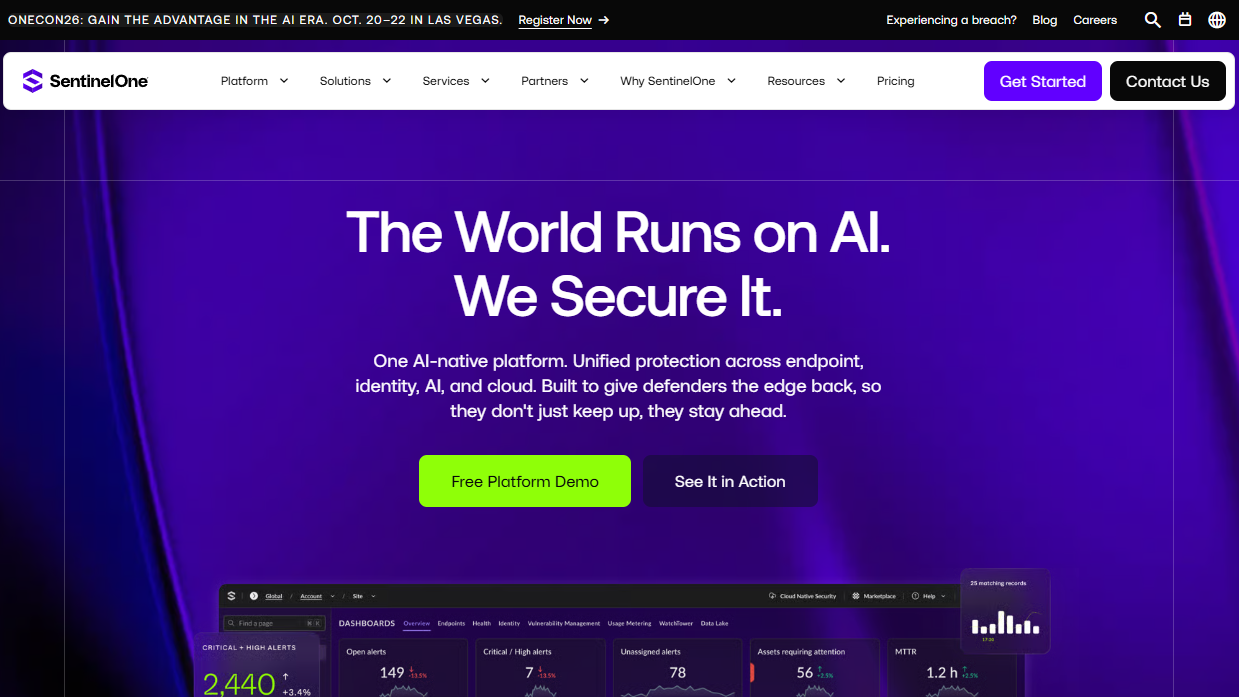
SentinelOne Singularity Cloud Native Security is an agentless CNAPP that validates exploitable cloud attack paths using an Offensive Security Engine. It maps exposures to sensitive data, supports AI security posture management, includes CI/CD scanning for secrets and misconfigurations, and offers hyperautomation workflows for remediation. The platform connects cloud-native security into the broader Singularity platform for teams running endpoint, identity, and cloud operations together.
Best for: Security teams that want verified exploitability in cloud attack paths, connected to threat operations.
Key features
- Offensive Security Engine for exploit path validation
- Attack Path Analysis mapping exposures to sensitive data
- AI security posture management and AI workload discovery
- CI/CD scanning for secrets, misconfigurations, and vulnerabilities
- Hyperautomation workflows for remediation
Why choose SentinelOne Singularity Cloud Native Security: The Offensive Security Engine differentiates this platform for buyers who want confirmed exploitability, not theoretical risk scores. Teams already running SentinelOne for endpoint detection can extend cloud coverage without adding a separate vendor relationship. Verify current module availability and cloud account pricing directly with SentinelOne.
SentinelOne Singularity Cloud Native Security pricing: Broader Singularity platform packages start at $179.99 per endpoint per year for the Complete tier, with Commercial at $229.99 per endpoint per year. Cloud Native Security-specific pricing requires a custom quote. See also: best AI security posture management tools.
G2 rating: 4.9/5
8. Check Point CloudGuard
Check Point CloudGuard is a cloud security platform covering posture management, workload protection, network security, web application and API security, and compliance across public, private, and hybrid cloud environments. The platform uses contextual AI for application and API security and connects cloud protection into Check Point's broader prevention-first security model.
Best for: Teams that want CNAPP capabilities integrated with Check Point security operations and governance.
Key features
- Cloud-native application protection and posture management
- Contextual AI web application and API security
- Cloud network security across public, private, and hybrid environments
- Workload protection and Kubernetes security
- Compliance reporting and policy management
Why choose Check Point CloudGuard: CloudGuard fits organizations that trust Check Point's prevention-first approach and want cloud security governed through the same policy framework as their network and endpoint programs. Buyers new to Check Point should evaluate onboarding time and alert management workflow before committing.
Check Point CloudGuard pricing: Pricing is quote-based. Cost drivers include protected workloads, cloud accounts, gateway capacity, and support tier. Request current figures through Check Point sales.
G2 rating: 4.4/5
9. Trend Vision One
Trend Vision One is Trend Micro's unified cybersecurity platform connecting cloud security with XDR and threat detection across hybrid and multi-cloud environments. The cloud security module covers CSPM, attack-path analysis, workload protection, container security, and code scanning. XDR correlation connects cloud signals to endpoint, network, and identity telemetry for teams running broader detection operations.
Best for: Enterprise security teams that want cloud risk signals correlated into XDR workflows across hybrid environments.
Key features
- Centralized cloud visibility and real-time risk assessment
- Attack-path analysis and exposure management
- Server, workload, container, file, and code security
- XDR with threat detection and automated response
- Credit-based Flex licensing across 30+ platform modules
Why choose Trend Vision One: This platform makes sense when a security operations team already uses Trend Micro for endpoint or network security and wants to extend visibility into cloud. Test CNAPP depth separately from XDR value during the POC, since buyers evaluating cloud security specifically should confirm cloud-native coverage is not just a dashboard add-on.
Trend Vision One pricing: Pricing uses a credit-based Flex licensing model across platform modules. Contact Trend Micro for current credit pricing. Cloud Security is also available through the AWS Marketplace.
G2 rating: 4.7/5
10. Tenable Cloud Security
Tenable Cloud Security provides cloud security posture, exposure management, identity and entitlement risk, container protection, and attack-path analysis across multi-cloud and hybrid environments. The platform connects cloud risk to Tenable's broader vulnerability exposure model, which makes it a natural extension for organizations already using Tenable One or Tenable Nessus for infrastructure vulnerability management.
Best for: Exposure management teams that want cloud risk tied directly into a vulnerability prioritization program.
Key features
- Cloud security posture management and misconfiguration detection
- CIEM with least-privilege and just-in-time access analysis
- Cloud workload protection across containers, Kubernetes, and serverless
- Sensitive-data discovery and classification
- Attack-path analysis and cloud detection and response
Why choose Tenable Cloud Security: Tenable fits organizations that think in exposure management terms and want cloud risk expressed in the same framework as infrastructure vulnerabilities. For presales teams, Tenable's language around exploitability and risk prioritization often resonates with buyers who already use Tenable products. See also: ASPM software and CIEM software for adjacent capability coverage.
Tenable Cloud Security pricing: Pricing is quote-based. Request figures through Tenable's cloud security product page, noting your cloud asset count, workload types, and exposure management bundle requirements.
G2 rating: 4.6/5
11. Orca Security
Orca Security uses its SideScanning technology to read workload data directly from cloud storage APIs without installing agents, giving it a fast deployment path into cloud environments. The platform covers cloud asset inventory, vulnerabilities, malware detection, secrets exposure, IAM risk, data security, and compliance. Attack-path analysis connects findings across these dimensions to surface the risks most likely to result in a breach.
Best for: Teams that want broad, agentless cloud visibility across multi-cloud environments without an agent rollout.
Key features
- Agentless SideScanning for workload visibility
- Cloud asset inventory and attack-path analysis
- Data exposure detection and DSPM capabilities
- Compliance monitoring across major frameworks
- AI security posture management
Why choose Orca Security: Orca's agentless approach removes the deployment friction that stalls other CNAPP rollouts. For presales teams, this is a credible answer to "how long before we see value?" during a discovery conversation. Teams with strict runtime enforcement requirements should verify whether SideScanning alone meets their workload protection needs or whether a supplemental runtime control is necessary.
Orca Security pricing: Orca uses one all-inclusive SKU priced by the number of cloud workloads protected. Request a personalized quote through Orca's website.
G2 rating: 4.7/5
12. FortiCNAPP
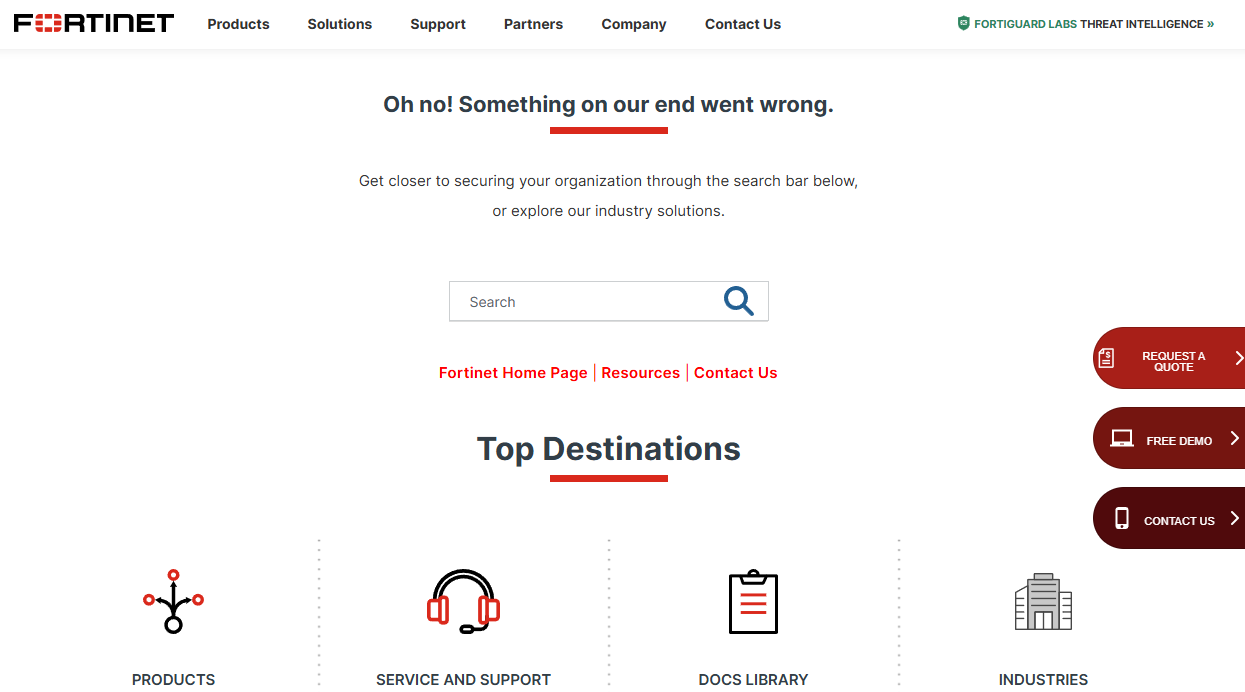
FortiCNAPP is Fortinet's cloud-native application protection platform, unifying cloud posture, workload security, container protection, identity risk, code security, and threat detection in a single product. The platform covers AWS, Azure, Google Cloud, and Oracle Cloud Infrastructure. For organizations already running Fortinet security operations, FortiCNAPP fits into the same management framework as the broader Fortinet stack.
Best for: Fortinet customers extending cloud-native security into their existing security operations model.
Key features
- Cloud security posture and compliance across AWS, Azure, GCP, and OCI
- Cloud workload and container vulnerability assessment with agent and agentless scanning
- Behavioral anomaly detection and runtime telemetry
- CIEM for excessive permissions and risky identity analysis
- IaC scanning, SAST, SCA, secrets detection, and SBOM generation
Why choose FortiCNAPP: FortiCNAPP earns consideration when a team already trusts Fortinet for network security and wants to extend that model into cloud. Verify current module availability and support packaging through Fortinet, as the product integrates Lacework capabilities following the acquisition.
FortiCNAPP pricing: Pricing is quote-based. Contact Fortinet sales for current figures, noting your protected workload count, cloud accounts, and preferred module set.
G2 rating: 4.4/5
13. CrowdStrike Falcon Cloud Security
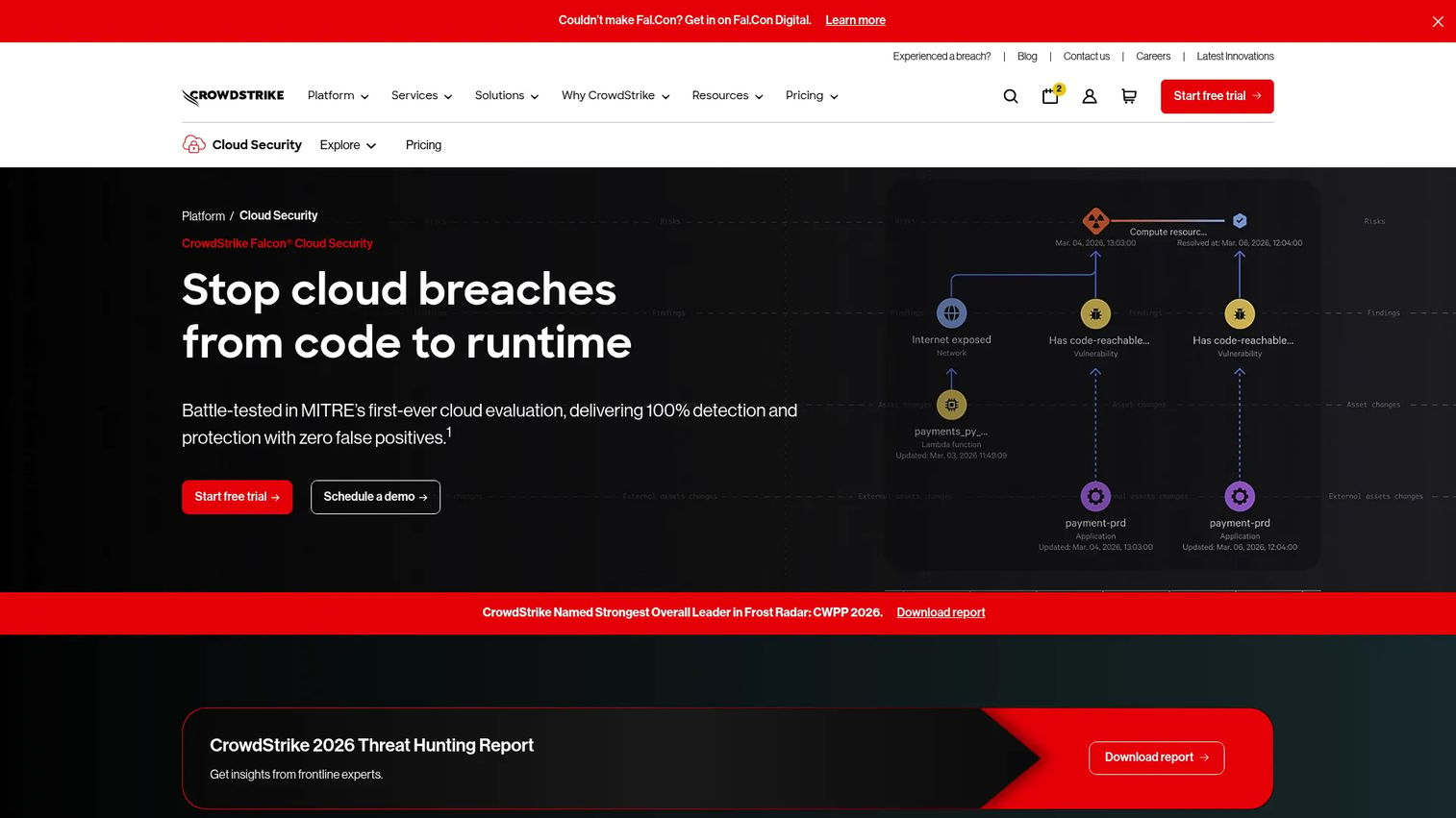
CrowdStrike Falcon Cloud Security brings cloud posture, workload protection, container and Kubernetes security, real-time cloud detection and response, and identity context into the Falcon platform. The platform handles infrastructure-as-code assessment, image scanning, and cloud compliance alongside its endpoint security coverage, giving teams that already run Falcon a single workflow for endpoint-to-cloud protection.
Best for: Teams running CrowdStrike Falcon for endpoint security who want cloud protection inside the same workflow.
Key features
- Unified security posture across cloud infrastructure, identities, and applications
- Real-time cloud detection and response
- Container and Kubernetes workload protection
- Asset inventory and cloud risk prioritization
- IaC, image, and function assessment with compliance insights
Why choose CrowdStrike Falcon Cloud Security: Operational continuity is the primary argument here. Teams that already use Falcon for endpoint detection can extend cloud coverage without adding a separate vendor, console, or alert queue. Validate Kubernetes coverage depth and confirm licensing model for cloud assets separately from endpoint licensing during the POC.
CrowdStrike Falcon Cloud Security pricing: All Falcon Cloud Security plans require a custom quote. A 15-day free trial is available through CrowdStrike's website. Cost drivers include endpoints, cloud workloads, and the specific module bundle selected.
G2 rating: 4.5/5
14. Upwind
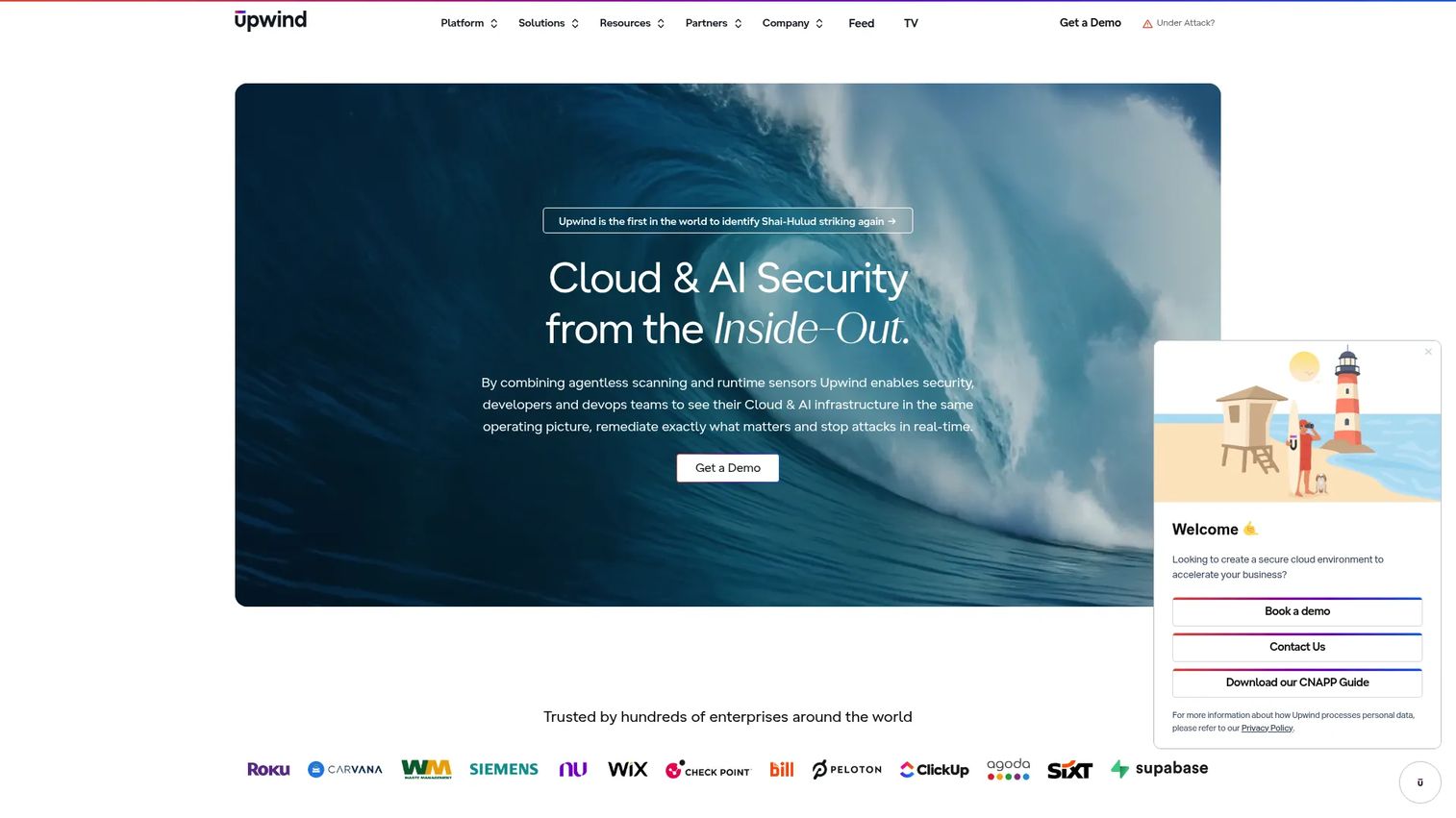
Upwind is built around the idea that static posture scanning alone produces too many low-priority findings. The platform combines agentless cloud discovery with runtime sensors to distinguish active risk from theoretical exposure, covering cloud security posture, vulnerability management, identity risk, API security, data security, and cloud detection and response.
Best for: Cloud-native engineering-heavy environments that want runtime context to cut through posture alert volume.
Key features
- Agentless cloud discovery and scanning
- Runtime workload and application monitoring
- Cloud security posture and exposure management
- Vulnerability, API, data, and AI security
- Real-time threat detection and response
Why choose Upwind: Upwind addresses one of the most common objections in CNAPP evaluations: Too many findings, not enough prioritization signal. The runtime sensor adds behavioral context to static posture findings, which helps security teams focus remediation on exposures that are actively reachable. Request a demo to validate runtime sensor deployment requirements against your workload types.
Upwind pricing: Pricing is quote-based. Contact Upwind directly to discuss cloud account count, workload volume, and runtime telemetry requirements.
G2 rating: 4.9/5
15. OpenSCAP
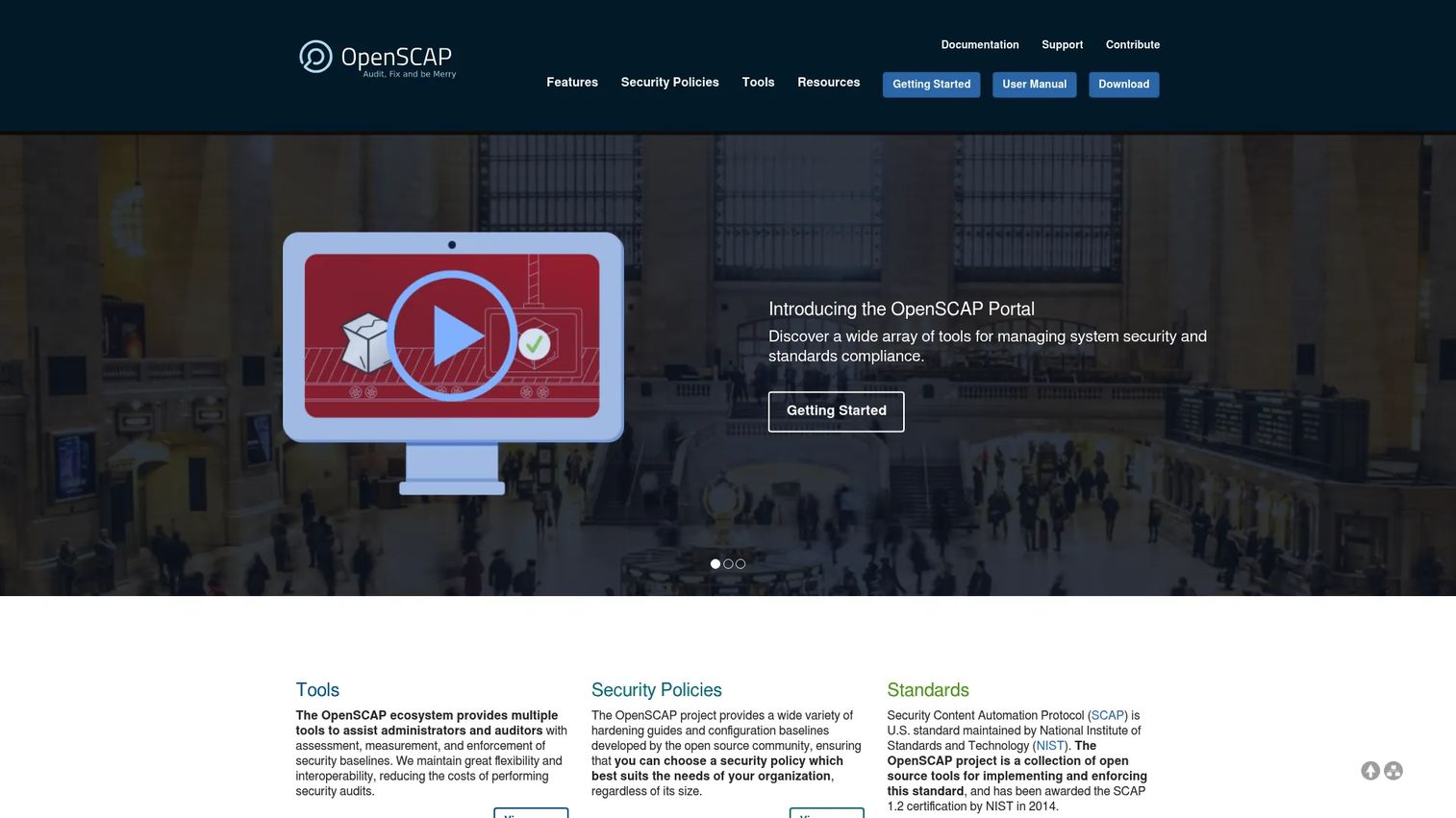
OpenSCAP is an open-source library and command-line tool for evaluating SCAP security content, covering configuration assessment, vulnerability checking, and compliance scanning. It supports XCCDF and OVAL standards, generates HTML reports and remediation guides, and can run remote scans via SSH. OpenSCAP covers Linux and Windows environments and is widely used in government and compliance-heavy programs.
Best for: Teams that need open-source, standards-based compliance scanning for system configurations.
Key features
- SCAP compliance checks and configuration assessment
- Vulnerability evaluation against OVAL definitions
- HTML report and remediation guide generation
- Remote scanning via SSH
- Linux and Windows support
Why choose OpenSCAP: OpenSCAP covers a specific and well-defined job: Automated configuration and compliance scanning against published SCAP content. It is not a full CNAPP, but it is a practical component for teams with engineering resources who need auditable compliance evidence without licensing cost. Pair it with other tools for workload protection, runtime detection, and identity risk coverage. Related: application portfolio management software.
OpenSCAP pricing: The entire OpenSCAP toolset is free and open source, available for download from the official project site.
16. Scout Suite
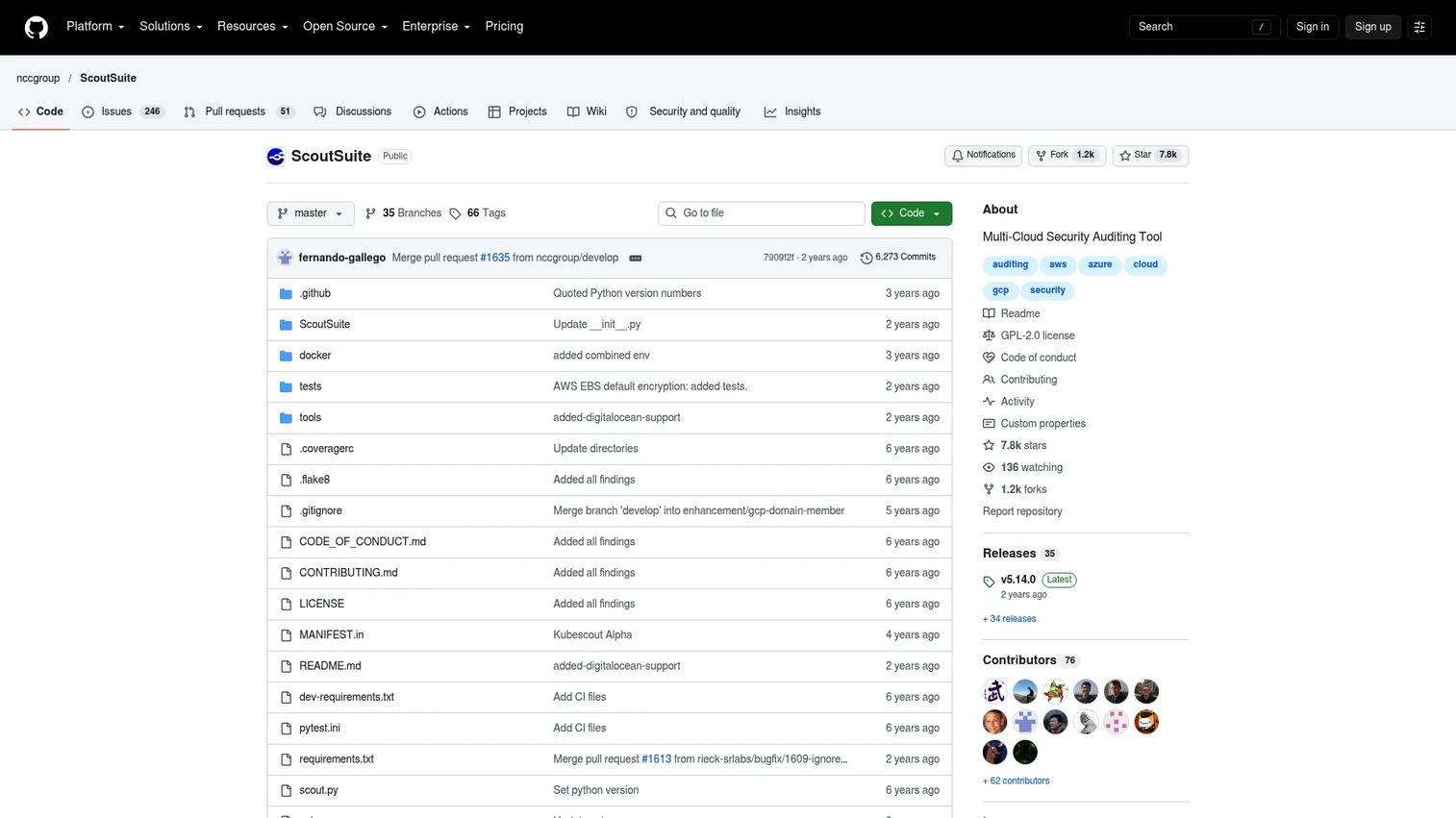
Scout Suite is an open-source, multi-cloud security auditing tool maintained by NCC Group. It assesses cloud configuration across AWS, Azure, Google Cloud, Alibaba Cloud, Oracle Cloud Infrastructure, and Kubernetes, then generates local HTML reports with findings and account configuration details. Scout Suite is a point-in-time assessment tool rather than a continuously monitored platform.
Best for: Security teams and cloud auditors that need fast, open-source cloud configuration audits without continuous monitoring overhead.
Key features
- Multi-cloud support across AWS, Azure, GCP, and additional providers
- HTML report generation with findings and account configuration
- Customizable rulesets with configurable severity levels
- Identity and configuration risk review
- No licensing cost
Why choose Scout Suite: Scout Suite earns its place in security programs where a team needs a quick, repeatable cloud configuration audit without a commercial licensing conversation. Understand clearly that it lacks commercial CNAPP workflow features, runtime detection, continuous monitoring, and dedicated vendor support. It is a starting point for cloud posture awareness, not a replacement for a full CNAPP platform.
Scout Suite pricing: Scout Suite is free and open source under the GPL-2.0 license. Verify repository activity and community support status on GitHub before adopting it in a production program.
17. Steampipe
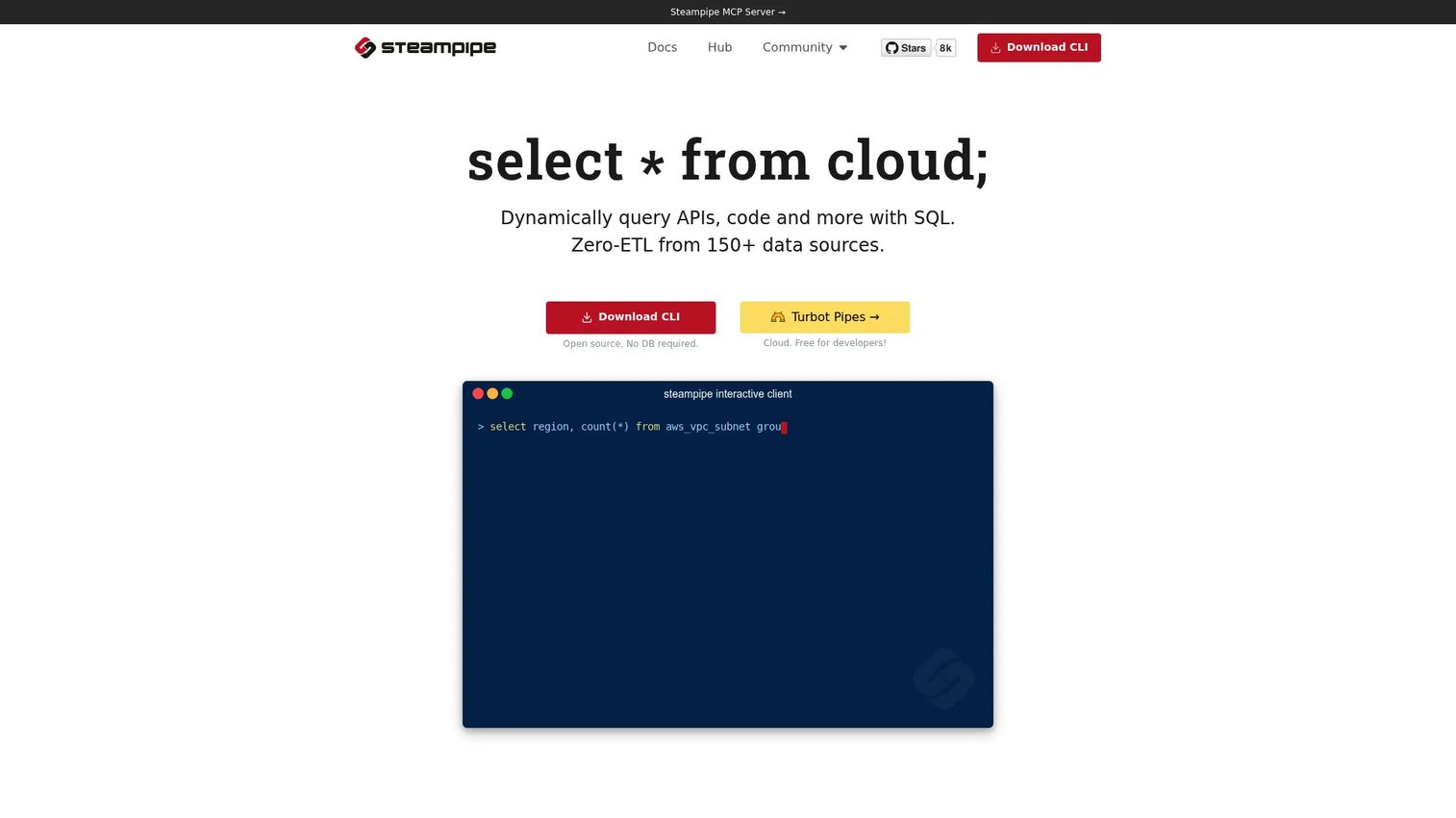
Steampipe is an open-source SQL query engine that lets teams query live cloud and SaaS APIs using standard SQL. The plugin ecosystem covers AWS, Azure, Google Cloud, and dozens of other services. Compliance mods add structured control checks mapped to frameworks like CIS Benchmarks and SOC 2. The hosted version, Turbot Pipes, adds shared workspaces and scheduled queries for teams that want persistent posture reporting.
Best for: Cloud and security engineering teams that prefer SQL-based control checks and custom posture reporting over pre-built dashboards.
Key features
- SQL-based querying of cloud APIs and services
- Plugin ecosystem for multi-cloud and SaaS services
- Compliance mods for CIS, SOC 2, and other frameworks
- Asset inventory and custom reporting
- Turbot Pipes hosted workspaces for team collaboration
Why choose Steampipe: Steampipe fits teams comfortable writing SQL who want full control over their posture queries and reporting logic. It is not a full CNAPP: It has no runtime detection, no workload protection, and no remediation workflow. Use it as a flexible posture and reporting layer alongside tools that cover runtime and workload security.
Steampipe pricing: The Steampipe CLI is open source and free. Turbot Pipes hosted workspaces start at a free Developer tier, with Team plans at $49 per month and Enterprise at $249 per month.
18. Wazuh
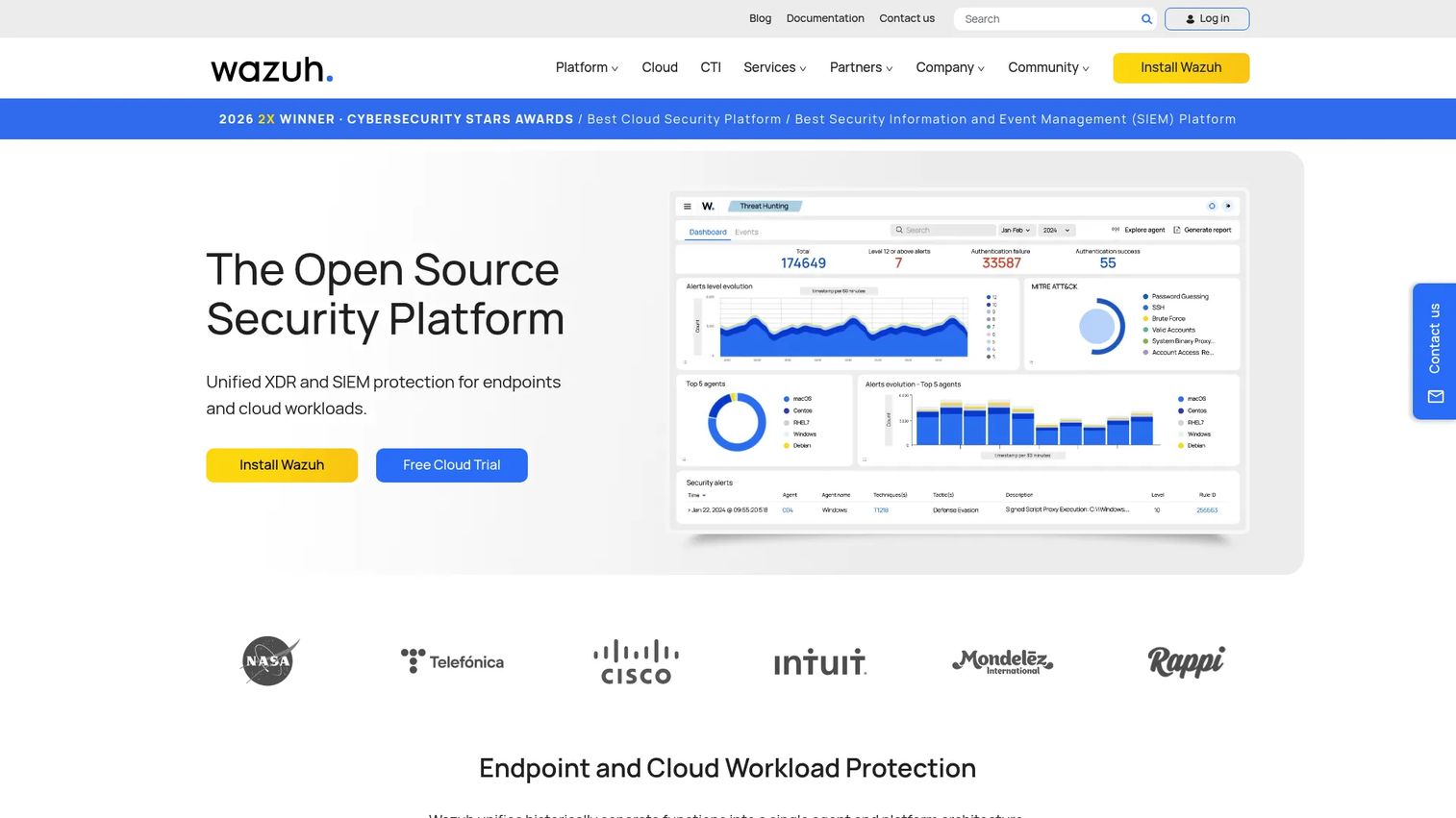
Wazuh is a free, open-source cybersecurity platform covering unified XDR and SIEM capabilities including log analysis, threat detection, file integrity monitoring, vulnerability detection, configuration assessment, malware detection, and regulatory compliance monitoring. Cloud integrations allow teams to ingest cloud audit logs and apply detection rules across cloud environments alongside endpoint telemetry.
Best for: Organizations building open-source security operations with cloud and compliance monitoring coverage.
Key features
- Log data analysis and threat detection
- File integrity monitoring
- Vulnerability detection and security configuration assessment
- Regulatory compliance monitoring
- Cloud log integrations
Why choose Wazuh: Wazuh works as a security operations foundation for teams that have engineering capacity to deploy, tune, and maintain it. It is not a full CNAPP: It lacks agentless cloud discovery, attack-path analysis, and CIEM. Plan for ongoing rule tuning and infrastructure management if you adopt it. The open-source community is active and the documentation is strong. See also: best AI cybersecurity solutions.
Wazuh pricing: The self-managed open-source edition is free. Wazuh Cloud starts at $571 per month for the Small plan, with Medium at $923 per month and Large at $1,467 per month. A 14-day free trial is available on cloud plans.
G2 rating: 4.5/5
19. Trivy
Trivy is an open-source vulnerability and misconfiguration scanner maintained by Aqua Security. It scans container images, file systems, Git repositories, Kubernetes clusters, infrastructure-as-code configurations, and generates SBOMs. Trivy integrates directly into CI/CD pipelines and produces findings in formats compatible with major build systems and reporting tools.
Best for: DevSecOps teams that need fast, pipeline-integrated container, IaC, and vulnerability scanning.
Key features
- Container image and filesystem vulnerability scanning
- IaC misconfiguration checks
- SBOM generation and scanning
- Kubernetes cluster scanning
- CI/CD integration
Why choose Trivy: Trivy is one of the most widely adopted open-source scanning tools in DevSecOps pipelines. It is fast, easy to integrate, and covers a broad scan surface. It handles the shift-left component of cloud-native security well, but it does not provide runtime detection, cloud posture management, or identity risk analysis. Teams need additional systems to cover the full CNAPP scope.
Trivy pricing: Trivy is free and open source under the Apache-2.0 license. Teams seeking enhanced capabilities or enterprise support can contact Aqua Security.
20. Open Policy Agent
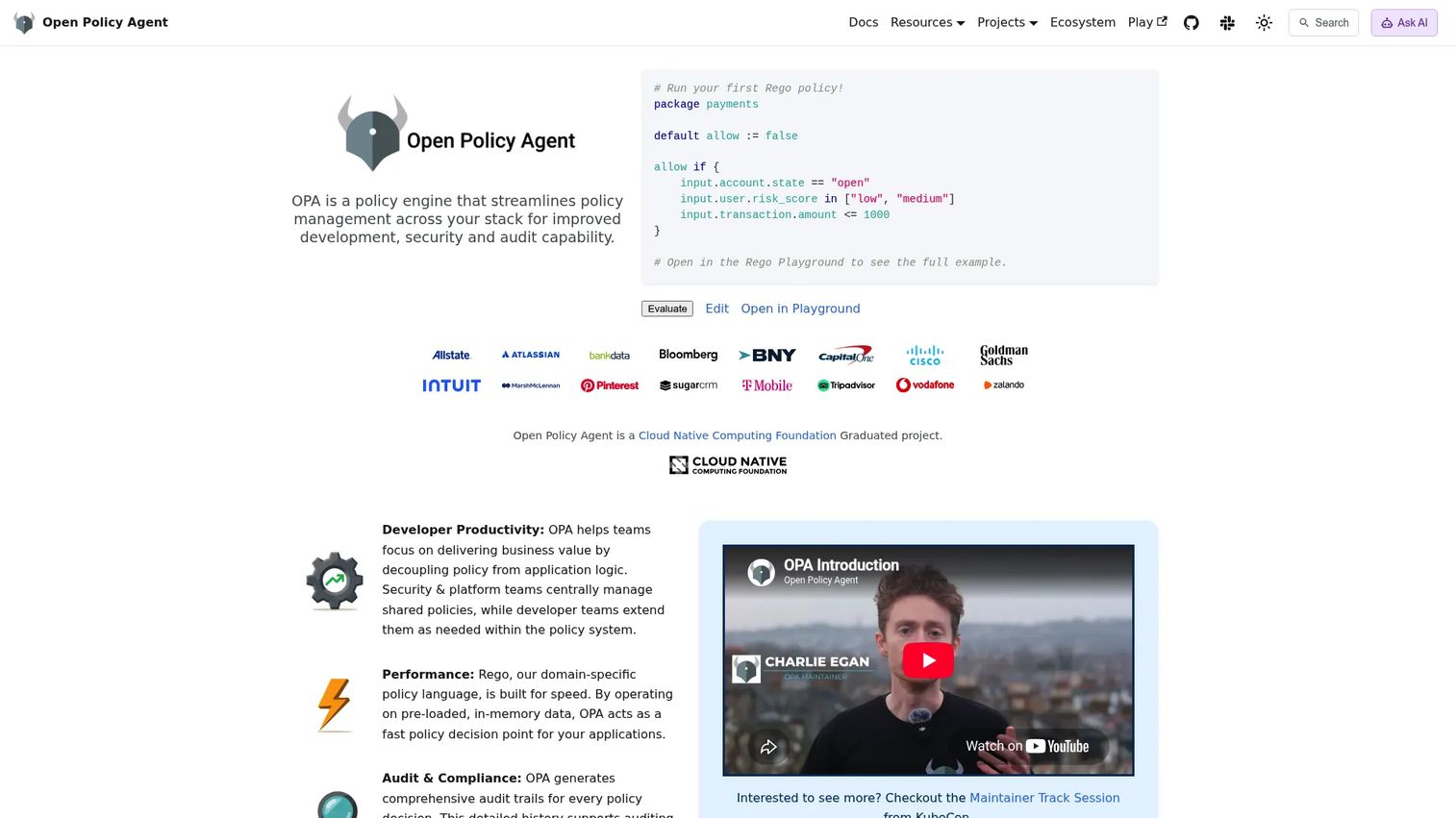
Open Policy Agent (OPA) is an open-source, general-purpose policy engine that enforces policy as code across Kubernetes admission control, microservices authorization, CI/CD guardrails, API gateways, and other infrastructure systems. It uses the Rego policy language and exposes REST APIs for policy evaluation, management, decision logging, and status monitoring. OPA can deploy as a sidecar, host-level daemon, centralized service, or embedded library depending on the architecture.
Best for: Engineering and platform teams that need centralized, context-aware policy enforcement across cloud-native systems.
Key features
- Declarative Rego policy language
- Kubernetes admission control
- REST APIs for policy evaluation and decision logging
- CI/CD guardrails and authorization decisions
- Deployment as sidecar, daemon, or embedded library
Why choose Open Policy Agent: OPA is a governance and enforcement layer, not a detection or posture tool. It pairs with CNAPP platforms and DevSecOps workflows when teams need custom, codified policy control that extends beyond what commercial platforms enforce natively. Engineering teams comfortable with Rego can use OPA to standardize authorization and admission control across a large, distributed system.
Open Policy Agent pricing: OPA is free and open source. Enterprise distribution and commercial support options are listed separately on the OPA website.
Considerations when choosing CNAPP tools
Cloud footprint and deployment model
Your cloud provider mix, Kubernetes usage, serverless adoption, and on-premises hybrid requirements define your shortlist before any feature comparison. Agentless visibility suits broad posture coverage across large cloud estates. Teams with runtime-heavy workloads and strict enforcement requirements need deeper agent or sensor coverage alongside the agentless layer.
Runtime protection and detection fidelity
Posture scanning tells you what could go wrong. Runtime detection tells you what is happening now. During any CNAPP POC, test live workload behavior scenarios: A container attempting a suspicious syscall, an identity making anomalous API calls, a Kubernetes pod with unusual egress. Measure detection latency, alert quality, false positive rate, and remediation routing before making a decision. Related reading: breach and attack simulation software.
Risk prioritization and remediation ownership
The most common complaint about CNAPP tools after deployment is alert volume. Strong platforms connect findings to attack paths, exploitability data, asset criticality, and identity permissions, then route findings to the team that owns the resource. Evaluate not just what a platform detects but how it explains which findings matter and who should fix them.
Compliance and reporting requirements
SOC 2, PCI DSS, GDPR, HIPAA, and ISO 27001 each require specific evidence quality and audit trail depth. A compliance dashboard screenshot is not the same as exportable, recurring audit evidence. During evaluation, ask vendors to demonstrate evidence export, control mapping, and report scheduling for your specific compliance framework.
Pricing, packaging, and operational load
CNAPP cost scales with cloud accounts, workloads, modules, telemetry volume, data retention, and support tier. Presales teams should ask vendors to model current cost alongside a 12-month projected cloud growth scenario before the deal moves to procurement. Open-source tools add engineering time and maintenance cost that does not appear in a licensing quote.
Conclusion
The right CNAPP shortlist starts with cloud footprint and runtime requirements, not vendor brand recognition. Wiz, Orca Security, and Microsoft Defender for Cloud stand out for fast broad visibility across multi-cloud environments. Sysdig and Aqua Security lead for teams where containers and Kubernetes runtime security are the core requirement. SentinelOne and Upwind differentiate on verified exploitability and runtime context. CrowdStrike, Tenable, Check Point, FortiCNAPP, Trend Vision One, and Prisma Cloud each make sense when a buyer has existing ecosystem investment and wants cloud security aligned to that stack.
For open-source coverage, Trivy handles pipeline scanning, Wazuh provides a SIEM and detection foundation, Steampipe enables SQL-based posture queries, OpenSCAP covers compliance assessment, Scout Suite produces point-in-time cloud audits, and Open Policy Agent enforces policy as code. None of these alone constitutes a full CNAPP, but they are practical components for teams building a layered program.
Start your evaluation by mapping your cloud footprint, then design a proof-of-concept scenario around the risks your buyers actually worry about: Misconfigured storage, overprivileged identities, vulnerable container images, and runtime suspicious behavior. Run each shortlisted tool through that scenario before any procurement decision. See also: best endpoint protection software and access review software for adjacent security program coverage.
FAQs
CNAPP stands for cloud native application protection platform. It combines cloud security posture management (CSPM), cloud workload protection (CWPP), cloud infrastructure entitlement management (CIEM), vulnerability management, compliance monitoring, and runtime security into a unified cloud-security operating layer. The term was coined by Gartner to describe the convergence of previously separate cloud security categories.
CSPM focuses specifically on cloud configuration, misconfigurations, policy drift, and compliance checks across cloud accounts. A full CNAPP includes CSPM and extends it to cover workload protection, identity entitlement risk, vulnerability management, runtime threat detection, and remediation workflow. Think of CSPM as one component of CNAPP rather than a competing category.
Open-source tools like Trivy, Wazuh, Steampipe, OpenSCAP, Scout Suite, and Open Policy Agent cover specific CNAPP components well: Scanning, compliance checks, policy enforcement, posture queries, and detection. Most enterprises still need alert correlation, continuous monitoring, support SLAs, and remediation workflow orchestration that individual open-source tools do not provide together. Open-source tools work best as components in a layered program or as proof-of-concept instruments before a commercial platform selection.
Sysdig and Aqua Security are purpose-built for Kubernetes and container environments, with runtime detection depth that most broad CNAPP platforms do not match. Wiz, Prisma Cloud, and Orca Security also cover Kubernetes posture and risk prioritization well at scale. For open-source scanning specifically, Trivy handles Kubernetes cluster scanning and container image analysis as a pipeline component. During evaluation, test cluster visibility, admission control integration, runtime detection, and image scanning coverage separately.
Build scenario-based POC tests rather than feature checkbox reviews. Useful scenarios include a misconfigured storage bucket with public access, an overprivileged service account with lateral movement potential, a vulnerable container image in a running workload, an exposed Kubernetes service, and a simulated runtime threat from an unusual process execution. Measure time to detection, prioritization quality, remediation ownership routing, compliance evidence export, and reporting depth across each scenario. See also: best presales software tools for the broader evaluation toolkit.
CNAPP does not replace SIEM or XDR. CNAPP focuses on cloud-native risk, posture, workload protection, and runtime detection within cloud environments. SIEM and XDR correlate security events across broader environments including endpoints, networks, identities, and cloud. Many enterprise security programs run all three: CNAPP for cloud-native depth, SIEM for log aggregation and correlation, and XDR for cross-domain detection and response.
When requesting pricing, ask vendors to model cost across cloud accounts, asset and workload count, module selection, telemetry volume, data retention period, support tier, and user seats. Request a 12-month projected cost alongside current usage cost to account for cloud growth. For open-source tools, model engineering time for deployment, rule tuning, and ongoing maintenance as an equivalent cost. See also: best pricing software.
CNAPP focuses on cloud-native infrastructure, workloads, identities, and runtime risk. Application security posture management (ASPM) focuses on application security across code, dependencies, build pipelines, and application-layer risk. The two categories overlap at shift-left controls like IaC scanning and SAST, but CNAPP operates primarily at the infrastructure and workload layer while ASPM operates primarily at the application and code layer. Many security programs adopt both as complementary capabilities.