Running AI models in isolation works until it doesn't. The moment you have multiple LLMs, data pipelines, and agents that need to coordinate, problems emerge. You're either building custom glue code or watching things break in unpredictable ways.
AI orchestration platforms solve this by acting as the coordination layer. They route tasks, manage state, and keep your AI systems working together instead of against each other.
This guide breaks down what orchestration actually means and compares 15 platforms across enterprise, developer, and no-code categories. It helps you pick the right tool for your stack.
What's inside
This guide covers what AI orchestration platforms are, how they work, and 15 tools compared across enterprise, developer, and automation categories. You'll find selection criteria, a comparison table, and detailed breakdowns to help you pick the right platform for your stack.
TL;DR
- AI orchestration platforms: unify, manage, and automate AI models, data pipelines, and agentic workflows into a single system.
- Three main categories: enterprise platforms (IBM, UiPath), developer frameworks (LangChain, CrewAI), and no-code automation tools (Zapier, n8n).
- Selection criteria that matter: integration depth, security posture, ease of use, and whether you want code-first or visual builders.
- Multi-agent orchestration: outperforms single-agent systems when workflows require handoffs between specialized AI components.
What is an AI orchestration platform
AI orchestration platforms are software solutions that unify, manage, and automate the lifecycle of AI models, data pipelines, and agentic workflows. Rather than running isolated tools that don't communicate, an orchestration platform routes tasks, manages state, handles failures, and coordinates AI systems toward shared outcomes.
Think of orchestration as the coordination layer sitting above individual AI components. One agent might handle document retrieval while another generates responses, and the orchestration layer ensures they work together without stepping on each other.
Key components of an orchestrator tool
- Workflow engine: manages task sequencing, dependencies, and conditional logic across AI operations
- Integration layer: connects AI models to external APIs, databases, CRMs, and data sources
- State management: tracks progress, handles retries, and maintains context across multi-step processes
- Agent orchestration layer: coordinates communication and task delegation between multiple AI agents
AI orchestration market overview
With 40% of enterprise apps integrating AI agents in 2026, the market breaks into three main categories. Enterprise platforms like IBM watsonx and UiPath focus on governance, security, and scale. Developer frameworks such as LangChain and CrewAI give engineering teams fine-grained control over agent behavior.
No-code automation tools like Zapier and n8n let business users build AI workflows without writing code.
The shift toward agentic AI is driving demand for robust orchestration infrastructure. Multiple specialized agents now collaborate on complex tasks, and 23% of organizations are already scaling agentic AI systems.
How AI orchestration frameworks work
Orchestration platforms handle three core functions that make AI systems operate reliably at scale.
AI integration
Platforms connect disparate AI models, LLMs, and external systems into unified workflows. This includes API connections to foundation models, data pipeline management, and routing between specialized components.
AI automation
Orchestrators automate repetitive tasks, trigger workflows based on conditions, and reduce manual intervention. When a customer submits a support ticket, for example, an orchestrated workflow might classify intent, retrieve relevant documentation, and draft a response automatically.
AI management
This covers monitoring, performance tracking, resource allocation, and model lifecycle management. Orchestration platforms self-manage compute resources, prioritizing memory where it's needed and scaling capacity based on demand.
AI orchestration vs AI agents
| Aspect | AI orchestration | AI agents |
|---|---|---|
| Role | Coordinates and manages | Executes tasks |
| Scope | System-wide | Task-specific |
| Function | Routes, schedules, monitors | Reasons, acts, responds |
Orchestration is the conductor. Agents are the musicians. You typically want both: agents that perform specialized work and an orchestration layer that coordinates their efforts across the entire workflow.
Benefits of AI orchestration and automation platforms
- Centralized control: unifies disparate models and prevents brittle handoffs between disconnected tools
- Scalability: manage thousands of agents and models efficiently without proportional headcount increases
- Reduced manual maintenance: automates deployment, updates, and resource allocation
- Better data integration: connects pipelines to transform raw data into actionable insights
- Improved governance: maintains compliance, audit trails, and access controls across AI systems
What to look for in AI orchestration tools
Integration capabilities
Look for pre-built connectors, API flexibility, and compatibility with your existing tech stack. The best platforms integrate with CRMs, analytics tools, and communication systems without requiring custom development.
Automation and workflow features
Evaluate visual workflow builders, conditional logic, error handling, and scheduling capabilities. Can you build complex multi-step processes without writing code? How does the platform handle failures?
Scalability and performance
Consider how the platform handles increased workloads, concurrent agents, and resource allocation. Some tools work well for prototypes but struggle when running hundreds of workflows simultaneously.
Security and governance
Enterprise buyers prioritize data encryption, access controls, audit logs, and compliance certifications like SOC 2 and GDPR. Cloud providers and established enterprise vendors typically offer the strongest security postures.
Ease of use
Consider no-code vs code-first approaches, learning curve, and documentation quality. Developer frameworks offer more control but require engineering resources. Visual builders get you moving faster but may limit customization.
Pricing and subscription models
Common models include usage-based, seat-based, and enterprise contracts. Evaluate total cost including implementation, compute resources, and API usage fees.
AI orchestration platform comparison table
| # | Product | Best for | Key differentiator | Pricing | G2 rating |
|---|---|---|---|---|---|
| 1 | Domo | Enterprise analytics | Unified data and AI orchestration | Custom | 4.4/5 |
| 2 | Apache Airflow | Data pipelines | Open-source DAG workflows | Free | 4.4/5 |
| 3 | IBM watsonx | Enterprise AI | Pre-built skills, governance | Custom | 4.3/5 |
| 4 | UiPath | Agentic automation | Maestro orchestration engine | Custom | 4.6/5 |
| 5 | LangChain | LLM applications | Composable agent tooling | Free | 4.3/5 |
| 6 | Zapier | No-code automation | 8,000+ app integrations | Free + $19/mo | 4.5/5 |
| 7 | Prefect | Data orchestration | Python-native observability | Free + custom | 4.5/5 |
| 8 | Amazon Bedrock | Cloud AI | Managed foundation models | Usage-based | 4.3/5 |
| 9 | Google Vertex AI | Cloud AI | Grounding and extensions | Usage-based | 4.3/5 |
| 10 | Microsoft Azure AI | Enterprise AI | Copilot integration | Usage-based | 4.4/5 |
| 11 | Kore.ai | Conversational AI | Banking/healthcare focus | Custom | 4.7/5 |
| 12 | Botpress | Chatbot builder | Visual conversation design | Free + custom | 4.5/5 |
| 13 | Microsoft AutoGen | Multi-agent | Human-in-the-loop agents | Free | 4.2/5 |
| 14 | CrewAI | Collaborative agents | Role-playing autonomous agents | Free | 4.4/5 |
| 15 | n8n | Self-hosted automation | Open-source workflow builder | Free + $20/mo | 4.5/5 |
15 top AI orchestration platforms for enterprise and business
1. Domo
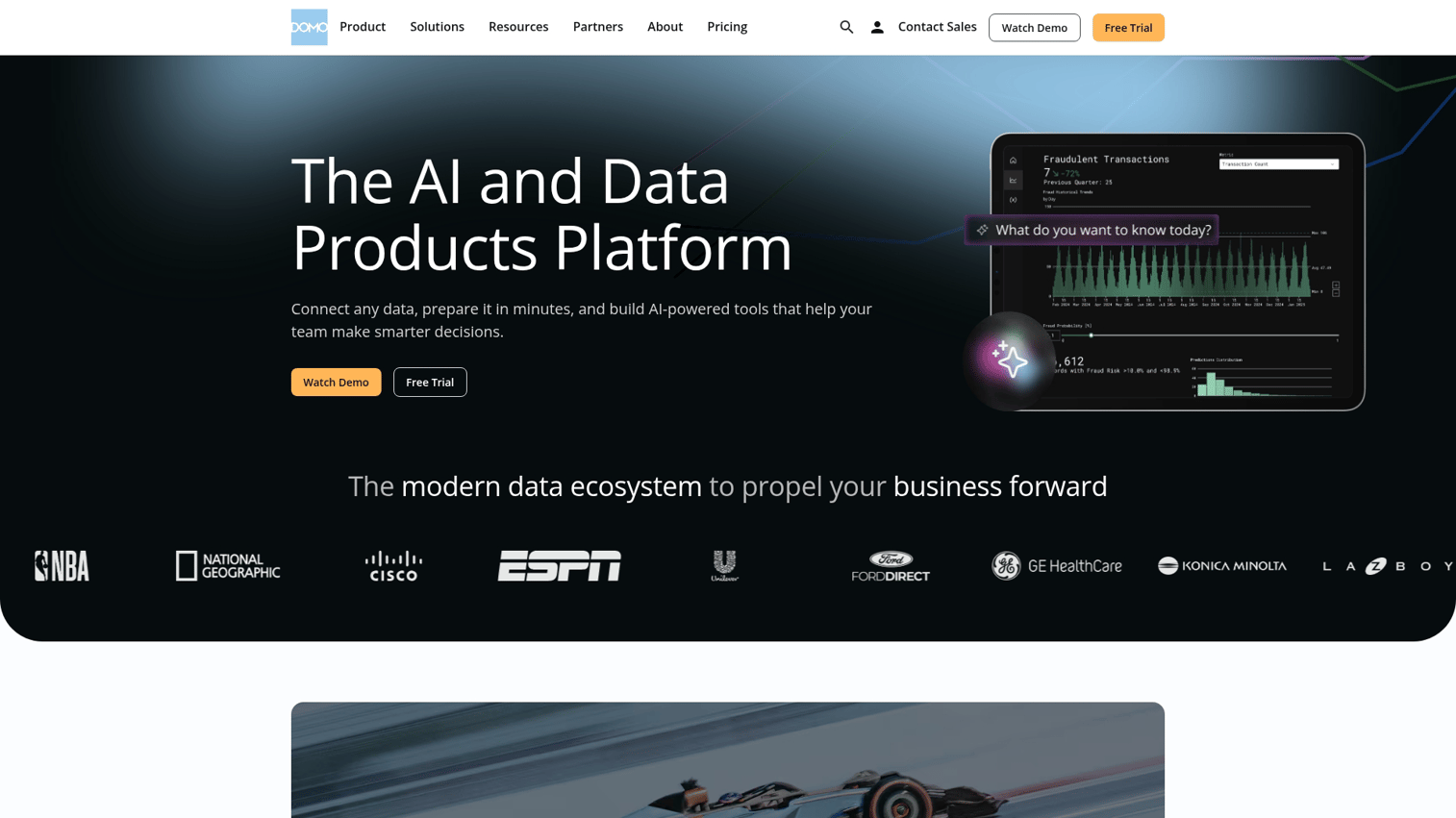
Domo is an enterprise AI orchestration platform that unifies data, analytics, and AI model management. It connects to hundreds of data sources and lets you build AI-powered workflows without moving data between systems.
Best for: Data-driven organizations that want unified analytics and AI orchestration in one platform.
Key strengths
- Connects to 1,000+ data sources with pre-built connectors
- Visual workflow builder for non-technical users
- Embedded AI for predictions and recommendations
Pricing: Custom pricing based on usage and features.
2. Apache Airflow
Apache Airflow is an open-source platform for orchestrating complex computational workflows and data processing pipelines. It uses directed acyclic graphs (DAGs) to define task dependencies and execution order.
Best for: Engineering teams with Python expertise who want full control over workflow logic.
Key strengths
- Extensible architecture with thousands of community plugins
- Scales to handle massive data pipelines
- No licensing costs
Pricing: Free and open-source. Infrastructure costs vary by deployment.
3. IBM watsonx Orchestrate
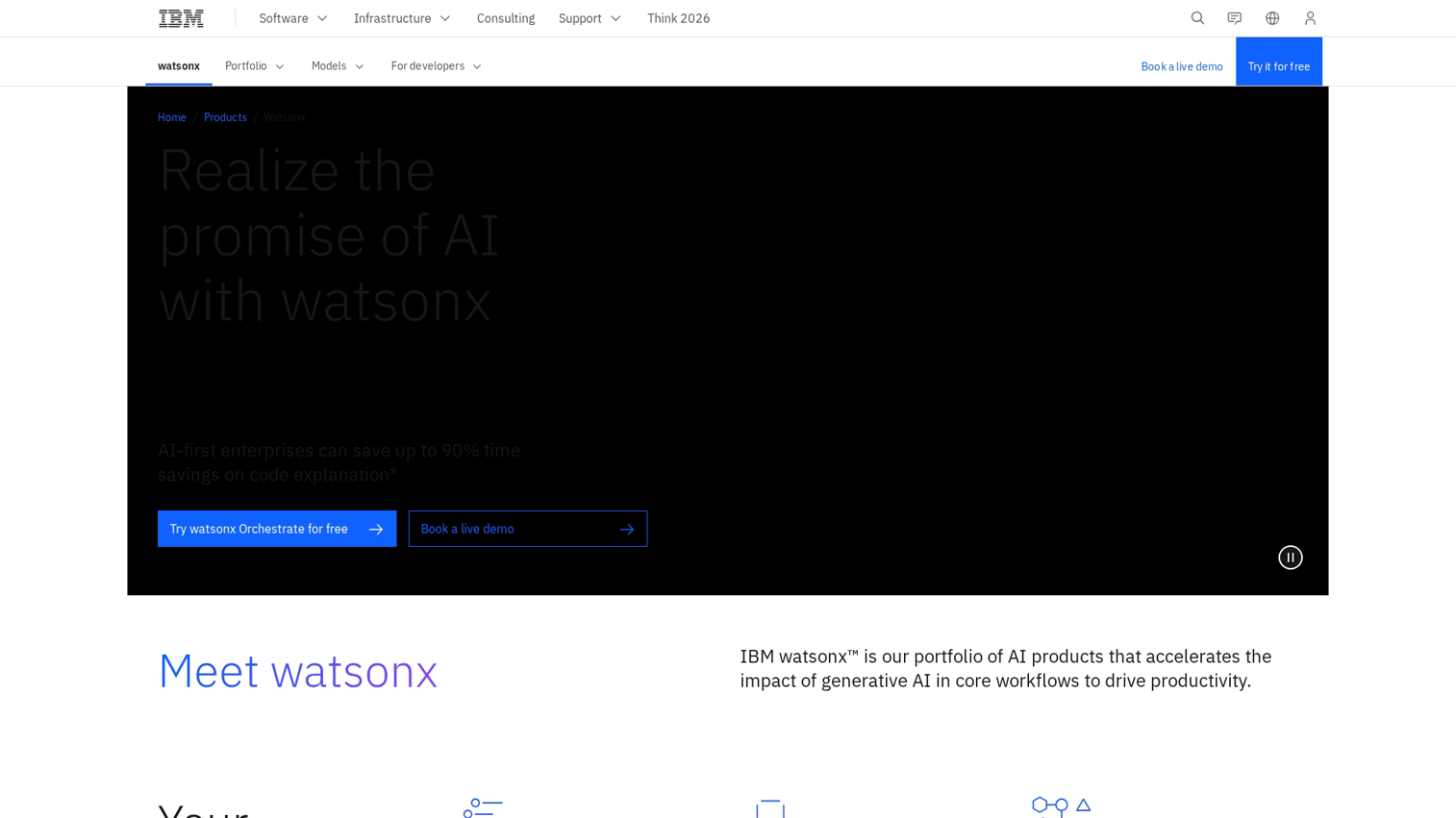
IBM watsonx Orchestrate is an enterprise AI orchestration platform with pre-built skills, conversational interfaces, and robust governance.
Best for: Large enterprises with complex AI deployments and strict compliance requirements.
Key strengths
- Pre-built skills for common business tasks
- Natural language interface for workflow creation
- Enterprise-grade security and audit trails
Pricing: Custom enterprise pricing.
4. UiPath Agentic Automation Platform
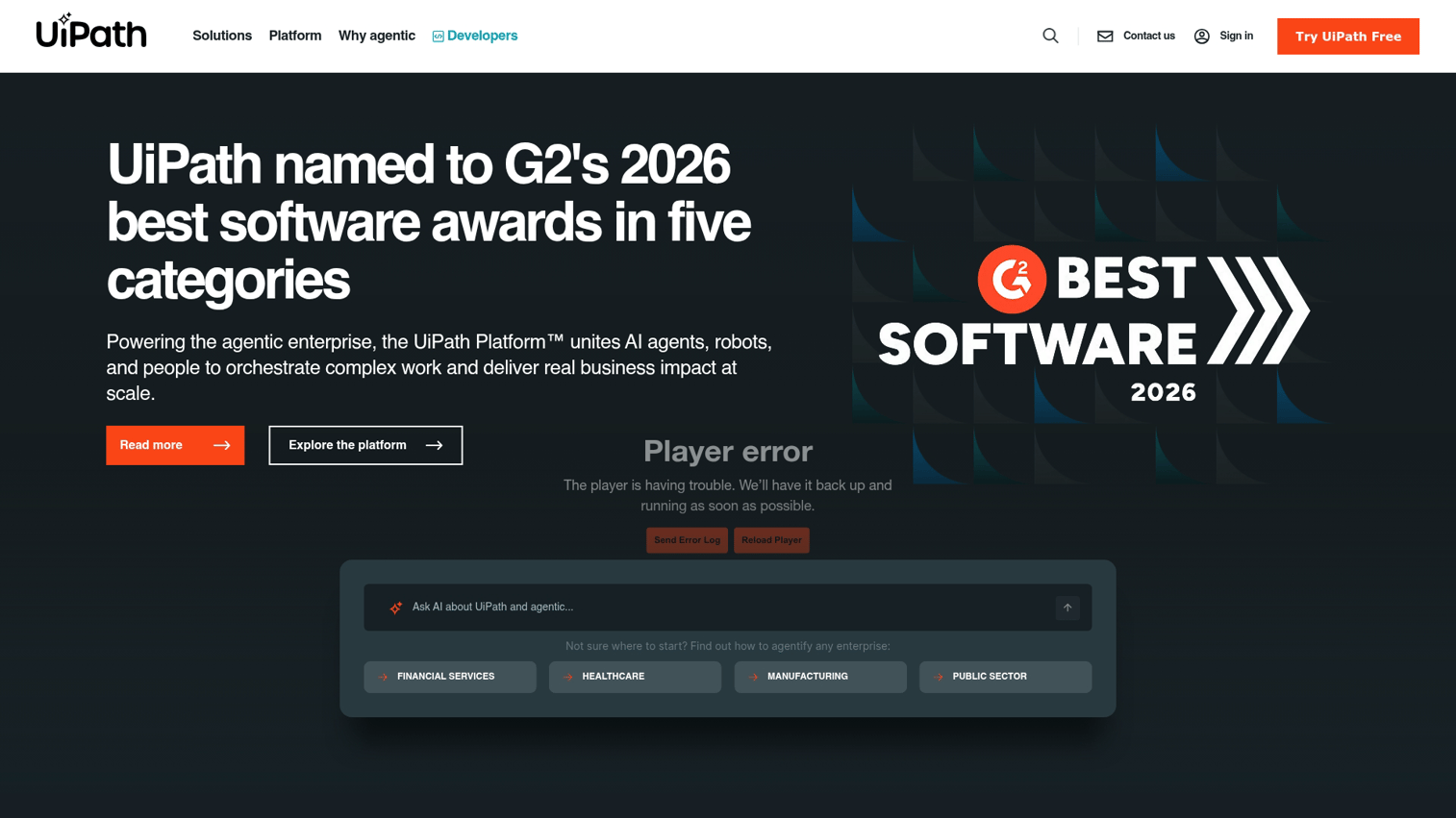
UiPath uses its Maestro engine to orchestrate autonomous AI agents and manage complex, collaborative processes.
Best for: Organizations with existing RPA investments expanding into agentic AI.
Key strengths
- Maestro orchestration engine for agent coordination
- Deep process automation capabilities
- ROI tracking and performance analytics
Pricing: Custom pricing based on automation volume.
5. LangChain
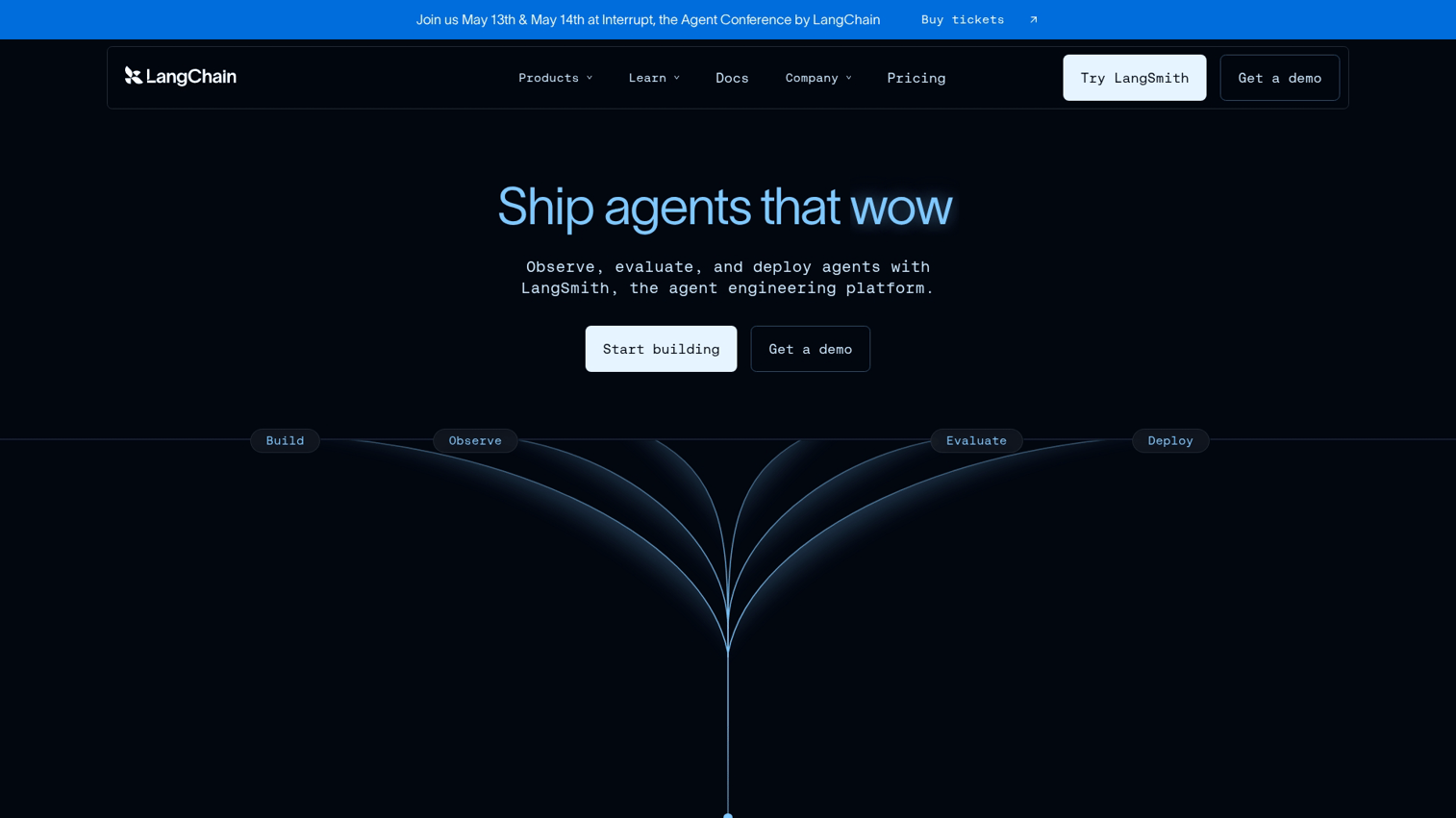
LangChain is a developer-first framework for building custom LLM applications. It provides composable components for agents, memory, retrieval, and tool use.
Best for: Developers building custom LLM applications who want maximum flexibility.
Key strengths
- Composable architecture for complex agent systems
- Extensive tool and integration ecosystem
- Active open-source community
Pricing: Free and open-source. LangSmith (observability) has paid tiers.
6. Zapier
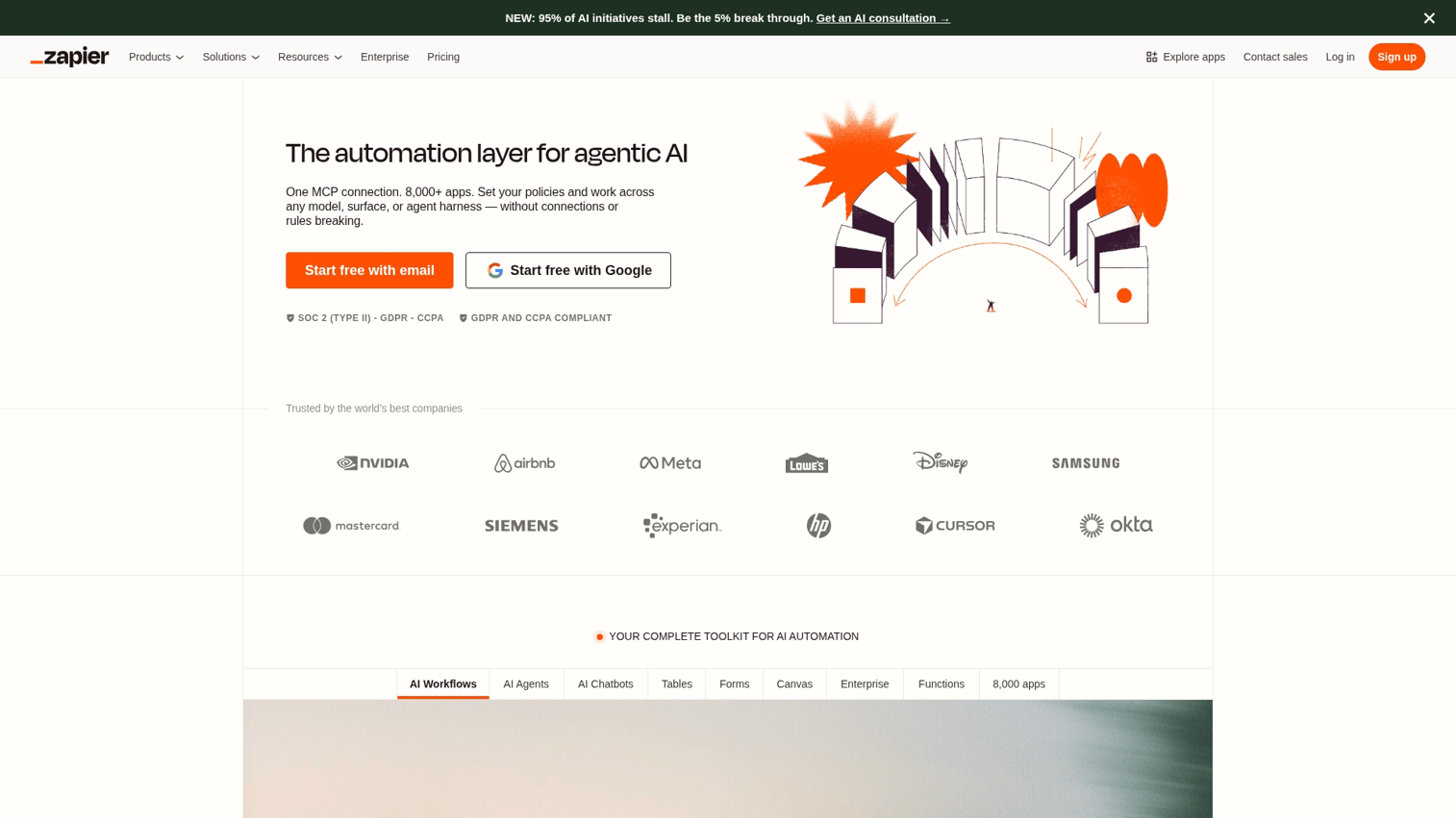
Zapier is a no-code AI workflow orchestration platform that connects 8,000+ apps. It's accessible to business users who want to automate AI-powered workflows without writing code.
Best for: Business users and small teams who want AI automation without engineering resources.
Key strengths
- Visual workflow builder with conditional logic
- Built-in AI agents and chatbot capabilities
- Quick setup and low learning curve
Pricing: Free tier available. Paid plans start at $19/month.
7. Prefect
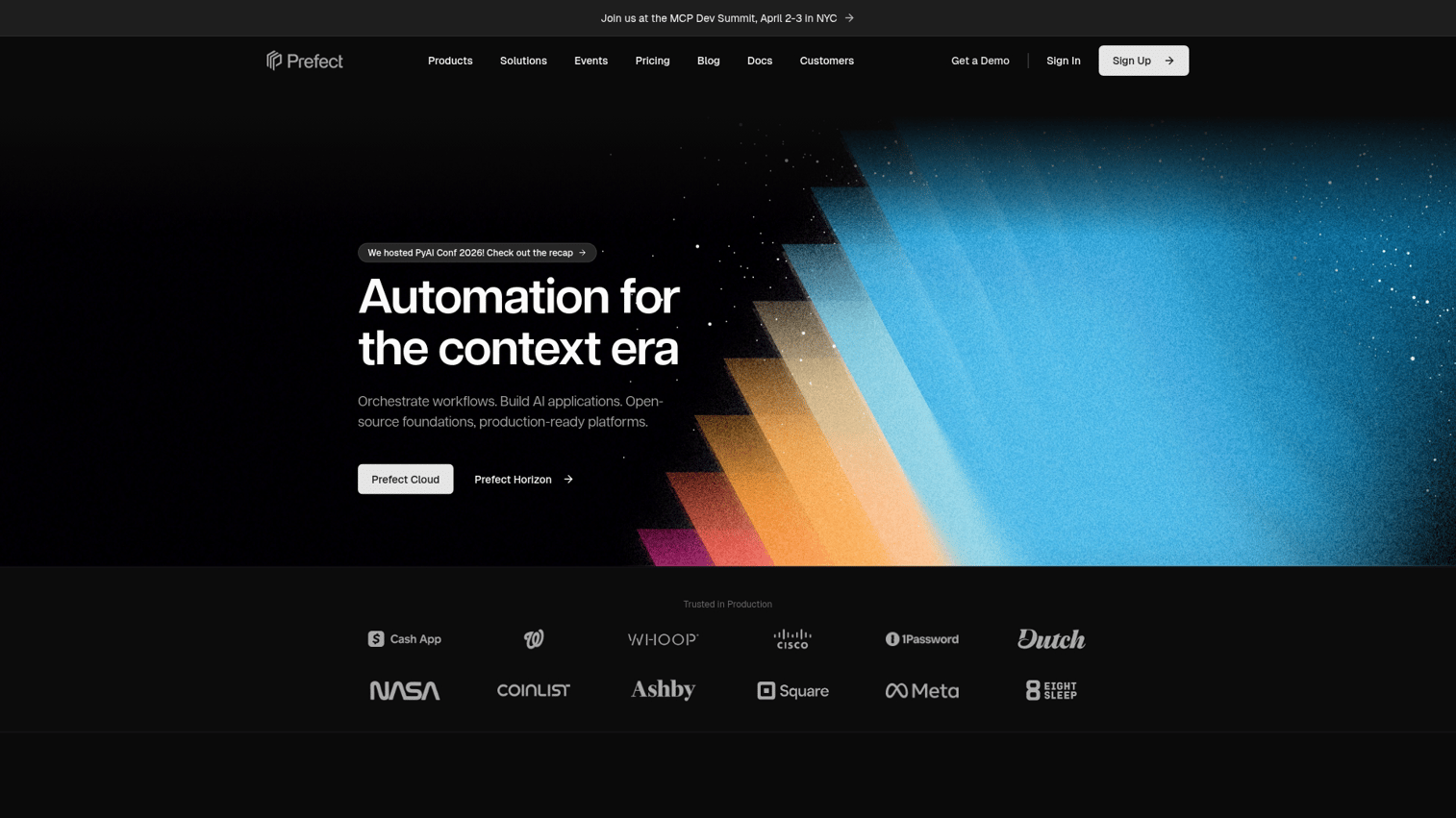
Prefect is a modern data orchestration platform built for Python developers. It emphasizes observability, hybrid execution, and developer experience.
Best for: Data engineering teams who want Python-native orchestration with strong observability.
Key strengths
- Python-native workflow definition
- Hybrid execution across cloud and on-premise
- Real-time monitoring and alerting
Pricing: Free tier available. Cloud plans have custom pricing.
8. Amazon Bedrock
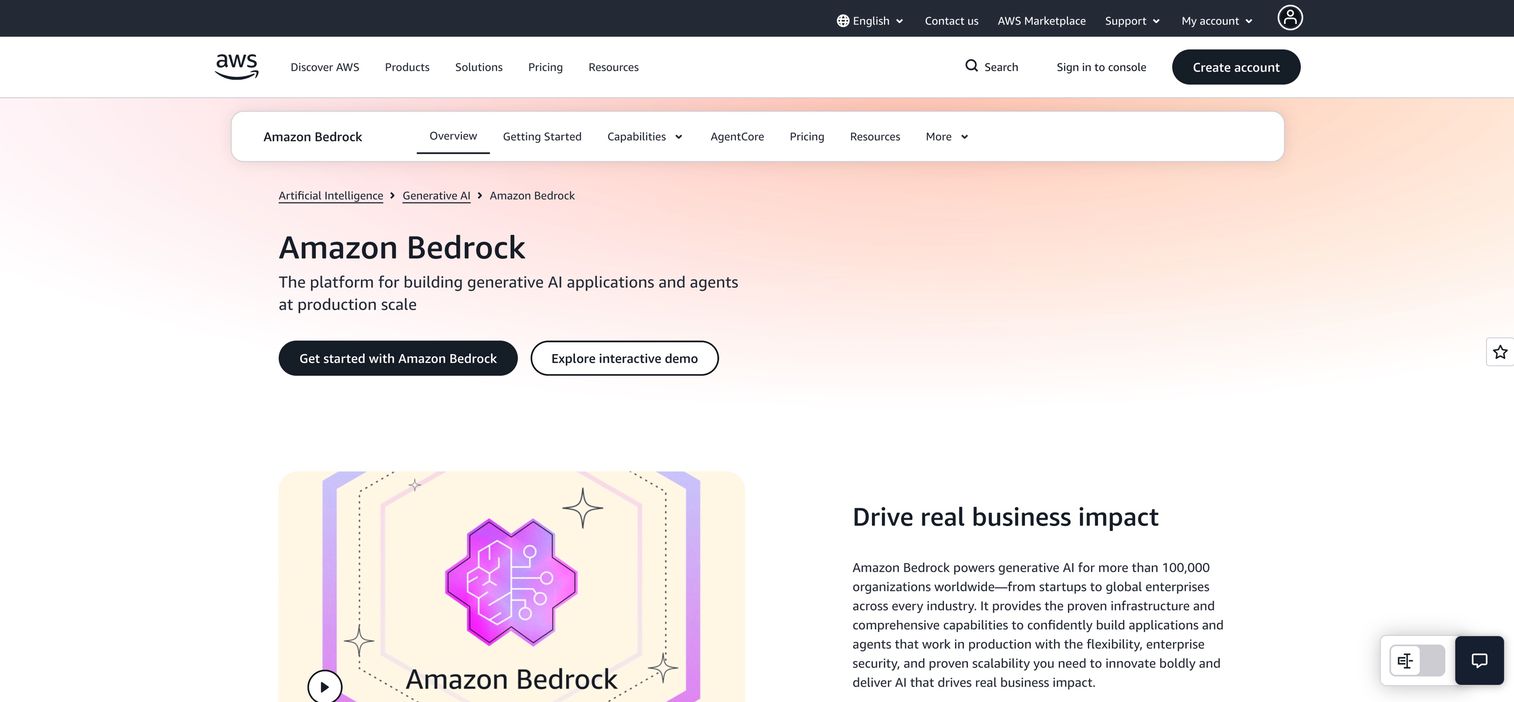
Amazon Bedrock is a cloud-native AI orchestration service that provides access to managed foundation models and agent building capabilities.
Best for: AWS-centric organizations who want managed AI infrastructure.
Key strengths
- Access to multiple foundation models (Claude, Llama, etc.)
- Agent builder for custom AI workflows
- Deep AWS service integration
Pricing: Usage-based pricing per model and token.
9. Google Vertex AI Agent Builder
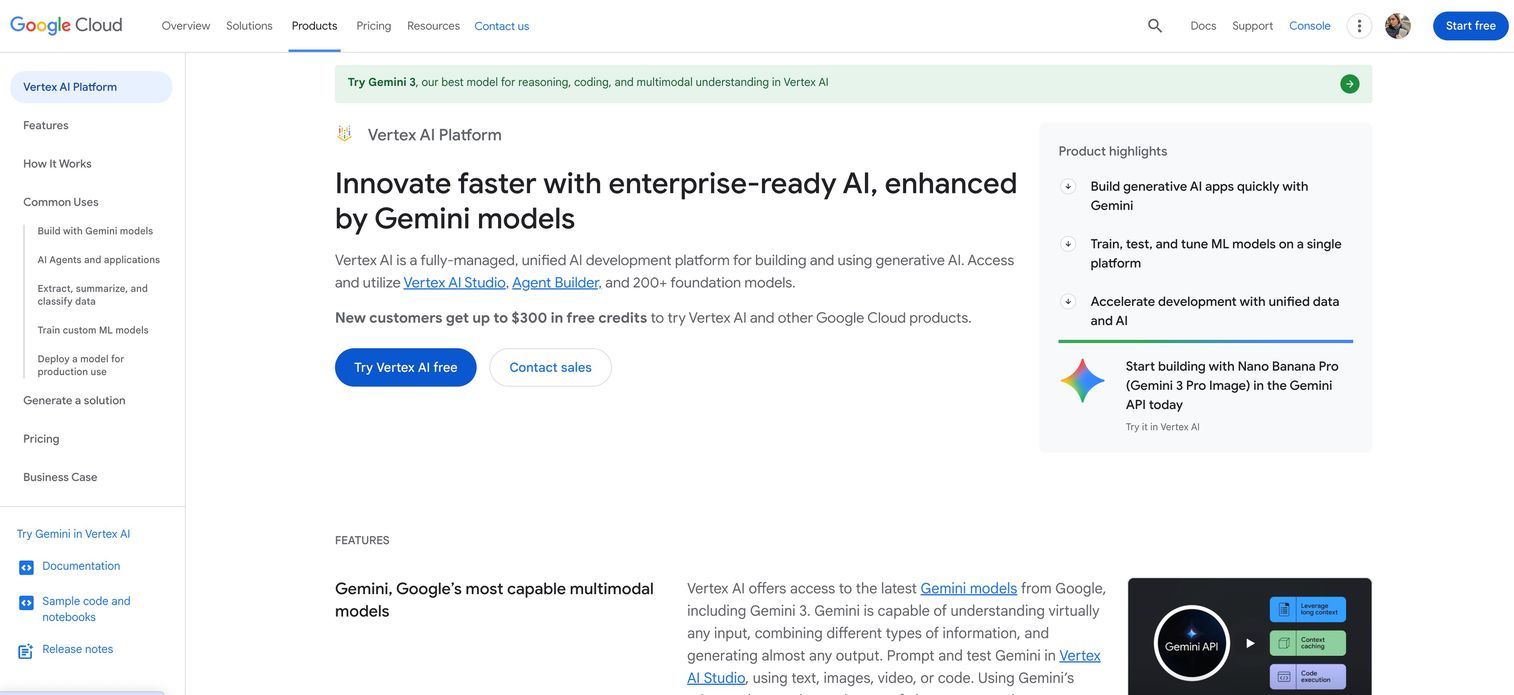
Google Vertex AI provides enterprise AI agent orchestration with grounding, extensions, and enterprise search integration.
Best for: Google Cloud users who want integrated AI orchestration.
Key strengths
- Grounding for factual accuracy
- Extensions for external tool use
- Managed infrastructure
Pricing: Usage-based pricing.
10. Microsoft Azure AI Agent Service
Microsoft Azure AI offers enterprise AI orchestration with Copilot integration and hybrid deployment options.
Best for: Microsoft ecosystem organizations who want AI orchestration integrated with existing tools.
Key strengths
- Copilot integration across Microsoft 365
- Enterprise security and compliance
- Hybrid deployment options
Pricing: Usage-based pricing.
11. Kore.ai
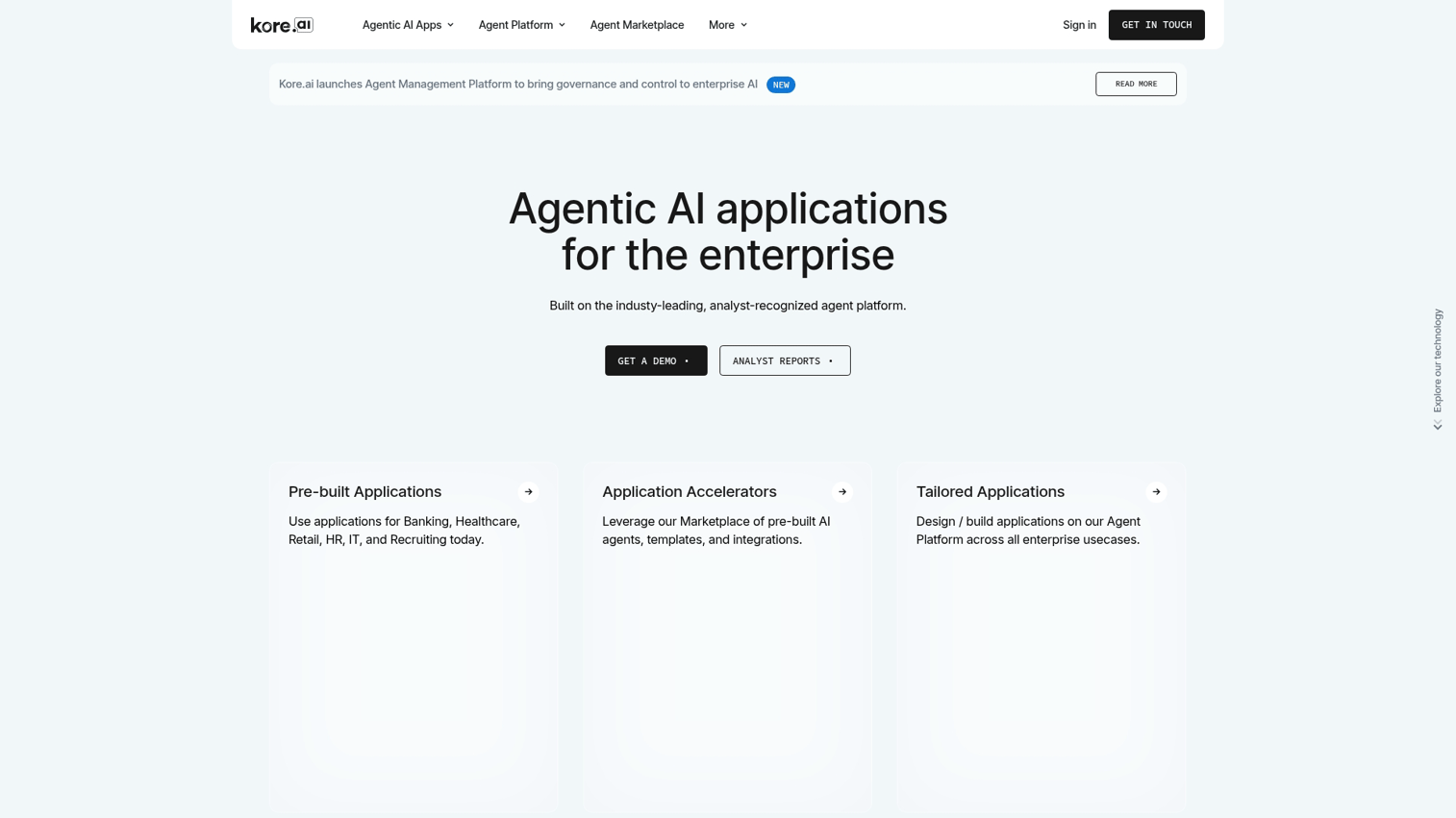
Kore.ai specializes in conversational AI orchestration, powering chatbots, virtual assistants, and voicebots for enterprises in regulated industries.
Best for: Enterprises needing multi-channel virtual assistants in banking or healthcare.
Key strengths
- Banking and healthcare specialization
- Multi-channel deployment (voice, chat, messaging)
- Strong compliance capabilities
Pricing: Custom enterprise pricing.
13. Botpress
Botpress is a visual AI agent builder designed for creating conversational workflows with a low-code interface.
Best for: Teams building conversational AI workflows who want visual design tools.
Key strengths
- Visual conversation flow builder
- Multi-step conversation management
- Open-source foundation
Pricing: Free tier available. Paid plans have custom pricing.
14. Microsoft AutoGen
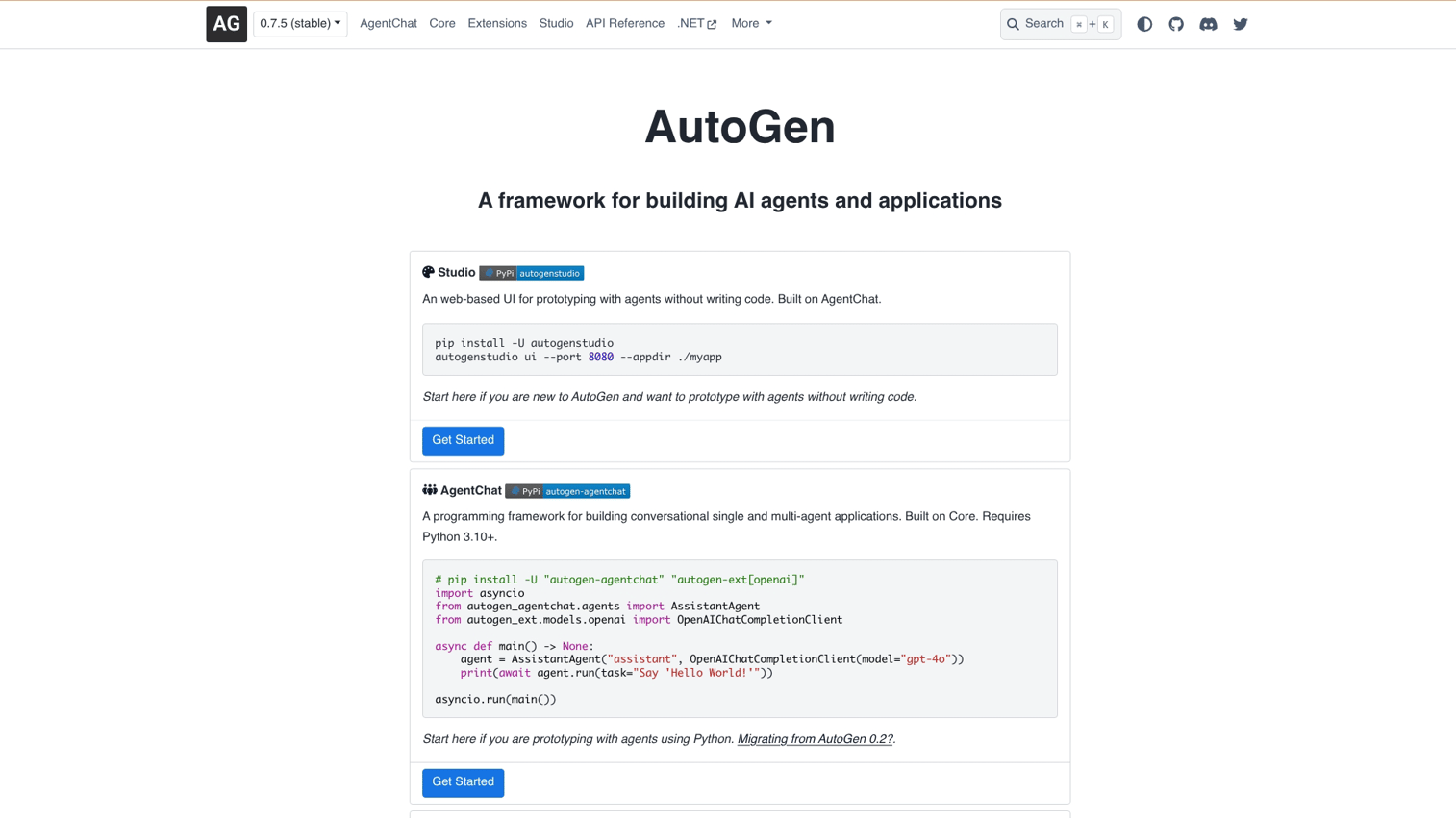
Microsoft AutoGen is an open-source framework for building multi-agent systems where agents converse with each other and with humans.
Best for: Developers building collaborative agent systems with human-in-the-loop capabilities.
Key strengths
- Agent-to-agent conversation patterns
- Human-in-the-loop workflows
- Active research community
Pricing: Free and open-source.
14. CrewAI
CrewAI is a Python-based framework for orchestrating role-playing autonomous AI agents that collaborate to complete complex tasks.
Best for: Developers building role-based autonomous agent systems.
Key strengths
- Role-based agent design
- Task delegation and collaboration
- Growing community and tooling
Pricing: Free and open-source.
15. n8n
n8n is an open-source workflow automation platform with AI agent capabilities and self-hosted options.
Best for: Technical teams who want self-hosted automation with AI capabilities.
Key strengths
- Visual workflow builder
- Self-hosting option for data control
- AI agent and LLM integrations
Pricing: Free self-hosted. Cloud plans start at $20/month.
When multi-agent orchestration beats single-agent systems
Multi-agent architectures can outperform single-agent systems by up to 80% in specific scenarios:
- Complex workflows requiring different expertise: a research task might use one agent for web search, another for document analysis, and a third for synthesis.
- Tasks with handoffs between reasoning, retrieval, and action: separating concerns improves reliability and makes debugging easier.
- Processes needing parallel execution: multiple agents can work simultaneously on different subtasks.
The tradeoff is complexity. Multi-agent systems require more sophisticated orchestration, state management, and error handling. Start with single-agent approaches and add agents only when you hit clear limitations.
How to choose the right AI workflow orchestration tool
Your choice depends on technical expertise, use case, and existing infrastructure:
- No-code simplicity: consider Zapier, n8n, or Botpress
- Developer control: evaluate LangChain, CrewAI, or Apache Airflow
- Enterprise security: look at IBM watsonx, UiPath, or cloud providers
- Conversational AI: explore Kore.ai or Botpress
Start building your AI orchestration stack today
The right platform depends on where you are today and where you're headed. Developer frameworks offer maximum flexibility but require engineering investment. Enterprise platforms provide governance and scale but come with longer implementation cycles.
No-code tools get you moving fast but may limit customization as requirements grow.
For product marketing teams and pre-sales teams building orchestrated buyer journeys, adding interactive demos creates a self-serve evaluation path. This captures engagement data and accelerates pipeline.
FAQs about AI orchestration platforms
AI orchestration specifically manages AI models, agents, and LLMs, coordinating their interactions and handling state across complex AI workflows. Workflow automation handles general business processes and may not involve AI components at all.
Yes. No-code platforms like Zapier and n8n make AI orchestration accessible without dedicated engineering resources or large budgets.
Implementation varies widely. No-code tools like Zapier can be productive within hours. Developer frameworks like LangChain require days to weeks.
Enterprise platforms with custom integrations often take weeks to months.
Common hidden costs include API usage fees for foundation models, compute resources for hosted workflows, integration development time, and ongoing maintenance for custom workflows.
Many platforms offer free options: Apache Airflow (open-source), n8n (self-hosted), CrewAI (open-source), LangChain (open-source), and limited free tiers from Zapier and Guideflow.
Enterprise platforms typically offer encryption at rest and in transit, role-based access controls, audit logging, and compliance certifications like SOC 2 and GDPR.
The agent orchestration layer coordinates communication, task delegation, and state management between multiple AI agents working on related tasks. It handles routing, error recovery, and ensures agents collaborate effectively.