Your company probably uses more SaaS applications than anyone can accurately list. Finance sees invoices. IT sees identity logs. Product sees only the tools that slow down launches. Nobody has the full picture.
That fragmentation is expensive. According to Zylo's SaaS Management Index (2025), organizations waste an average of $21 million annually on unused SaaS licenses. BetterCloud's State of SaaS (2025) found that companies now run an average of 106 applications, and 35% of ITAM teams report their SaaS waste increased over the past year, per Flexera's State of ITAM (2025).
Unused licenses keep renewing. Shadow apps create security and data risks. Offboarding leaves accounts active in dozens of tools. Product managers wait for access approvals while engineering handles manual provisioning tickets.
A good SaaS management platform fixes the system, not the symptoms. This guide compares 10 platforms so you can match the right tool to the gap you need to close first.
What's inside
This guide is for IT, operations, procurement, finance, and product stakeholders evaluating SaaS management software. Each platform was selected based on:
- Discovery coverage: How the platform finds sanctioned, unsanctioned, and shadow applications
- Lifecycle automation: Depth of onboarding, offboarding, and access workflow automation
- Spend and renewal visibility: License utilization, contract tracking, and renewal intelligence
- Governance and integrations: Access controls, audit trails, identity provider and HRIS connectors
All 10 platforms are compared against those criteria. Guideflow does not appear in the list or table, as SaaS management is an unrelated category.
TL;DR
- Best for broad SaaS operations and automation: BetterCloud, for IT teams that need discovery plus automated administration in one platform
- Best for enterprise portfolio visibility: Zylo, for organizations managing a large application estate and renewal process
- Best for identity-centered governance: Zluri, for teams where SaaS visibility and access lifecycle overlap
- Best for usage-based spend decisions: Productiv was the specialist here, though it ceased operations in August 2026
- Best for access request orchestration: Lumos, for organizations that want employees to self-serve access through a governed workflow
- Best for shadow IT governance at enterprise scale: Beamy, for large organizations bringing business-led software adoption into a controlled operating model
What are SaaS management platforms?
SaaS management platforms are systems that discover, govern, optimize, and automate the software applications a company uses across its workforce.
What SaaS management platforms do
These platforms sit above your identity provider, finance systems, and HRIS to give IT, procurement, and operations teams a unified view of the application estate. Core jobs include:
- Building and maintaining an application inventory
- Detecting sanctioned applications and unmanaged shadow IT, including shadow AI tools
- Tracking owners, users, spend, and renewal dates
- Provisioning and removing access across applications
- Identifying unused licenses and duplicate subscriptions
- Supporting access reviews, audit trails, and policy enforcement
Core capabilities to evaluate
When comparing SaaS management tools, look for:
- SaaS discovery through SSO logs, expense data, browser extensions, finance records, and direct API integrations
- Application inventory with ownership mapping and usage segmentation
- License utilization reporting and reclamation workflows
- Renewal and contract visibility tied to budget cycles
- Onboarding and offboarding automation connected to HRIS and identity providers
- Access request workflows with approval routing and audit logs
- Integrations with identity, HRIS, finance, and collaboration systems
How SaaS management differs from adjacent categories
| Category | Primary purpose | Where it overlaps | What it does not replace |
|---|---|---|---|
| SaaS management platform | Discover, govern, optimize, and automate SaaS | Spend, access, inventory | Full IT service management or procurement operations |
| Software asset management | Manage broader software assets and license compliance | License compliance, contracts | Deep SaaS discovery and lifecycle automation |
| Identity governance | Control access and approvals | Provisioning, access reviews | SaaS spend and renewal ownership |
| Procurement platform | Source, buy, and renew software | Contract and spend data | Application usage and access governance |
For product managers specifically, the category matters when fragmented software ownership slows onboarding, makes instrumentation inconsistent, or produces duplicate tooling across product, analytics, and experimentation stacks.
When to use a SaaS management platform
Build a trustworthy SaaS inventory
Use a SaaS management platform when your company cannot answer which applications are active, who owns them, and which departments pay for them. Discovery is the prerequisite for every cost, security, or renewal decision. Without a reliable application inventory, license optimization and access governance have no reliable data to act on.
Reduce access and lifecycle overhead
Use one when onboarding and offboarding require repetitive manual work across dozens of applications. HRIS and identity integrations can standardize provisioning and deprovisioning, reducing the engineering overhead that delays new hire access and leaves former employee accounts active.
Control renewals, licenses, and duplicate spend
Use one when procurement learns about renewals after the fact, or when teams cannot connect license counts to usage data. Savings require identifying unused seats, reclaiming licenses before auto-renewals, and retiring duplicate tools. Start with discovery, then move to utilization and renewal intelligence.
If you have no trustworthy inventory, start with discovery. If your inventory is reliable but access work is manual, prioritize lifecycle automation. If your stack is visible but spend is uncontrolled, prioritize utilization and renewal intelligence.
SaaS management platforms comparison
The table below compares all 10 platforms by primary fit, key differentiator, pricing approach, and G2 rating. Platforms that sell exclusively through annual contracts are noted with "Custom pricing." Verify current pricing and ratings directly with each vendor before finalizing your evaluation.
| # | Product | Best for | Key differentiator | Pricing | G2 rating |
|---|---|---|---|---|---|
| 1 | BetterCloud | Broad SaaS operations and automation | Discovery, no-code workflows, and file governance | Free tier available; full platform by quote | 4.4/5 |
| 2 | Zylo | Enterprise SaaS portfolio governance | Spend intelligence, portfolio benchmarks, and renewal management | Custom pricing | 4.7/5 |
| 3 | Zluri | Identity-led SaaS governance | Access lifecycle, provisioning, and SaaS discovery | Custom pricing | 4.6/5 |
| 4 | Josys | Mid-market IT operations | SaaS and identity discovery with lifecycle automation | From $100/month (Discovery plan) | 4.3/5 |
| 5 | Torii | Automated SaaS operations | Workflow automation across SaaS, AI, and desktop apps | Custom pricing | 4.5/5 |
| 6 | Productiv | Usage-based cost optimization | Application usage intelligence and license optimization | N/A (ceased operations August 2026) | 4.5/5 |
| 7 | CloudEagle | SaaS procurement and renewal control | Procurement workflows, renewal alerts, and price benchmarking | Custom pricing | 4.7/5 |
| 8 | Lumos | Access governance and self-service | Employee access requests, provisioning, and identity governance | Custom pricing | 4.7/5 |
| 9 | Flexera | Enterprise software asset management | Broad SAM with SaaS, cloud, and hardware visibility | Custom pricing | 4.4/5 |
| 10 | Beamy | Enterprise SaaS governance and discovery | Application portfolio decisions and shadow IT visibility | Custom pricing | 5.0/5 |
Best 10 SaaS management platforms for 2026
1. BetterCloud
BetterCloud is an AI-powered SaaS management platform built for IT teams that need to automate user lifecycle operations, optimize spend, and enforce governance policies across a growing application stack. It connects discovery, no-code workflow automation, file governance, and an AI agent into one operating layer. The platform covers over 100 integrations and more than 1,000 configurable actions.
Best for: IT and operations teams that need discovery, onboarding, offboarding, and recurring SaaS administration in one place.
Key features
- No-code workflow automation for onboarding, offboarding, and mid-lifecycle changes
- SaaS spend optimization, license reclamation, and contract benchmarking
- Google Workspace management and file governance
- AI Governance and natural-language IT Agent
- 100+ integrations with 1,000+ configurable actions
Why choose BetterCloud: Choose it when manual SaaS administration creates real operational drag and your team needs workflows, not only spend reporting. It is strongest when Google Workspace sits at the center of your stack.
BetterCloud pricing: A Spend Optimization Basic plan is available at $0/month, and a 21-day File Governance trial runs at no cost. The full platform and additional modules are priced by quote based on license count, connected applications, and selected modules.
G2 rating: 4.4/5
2. Zylo
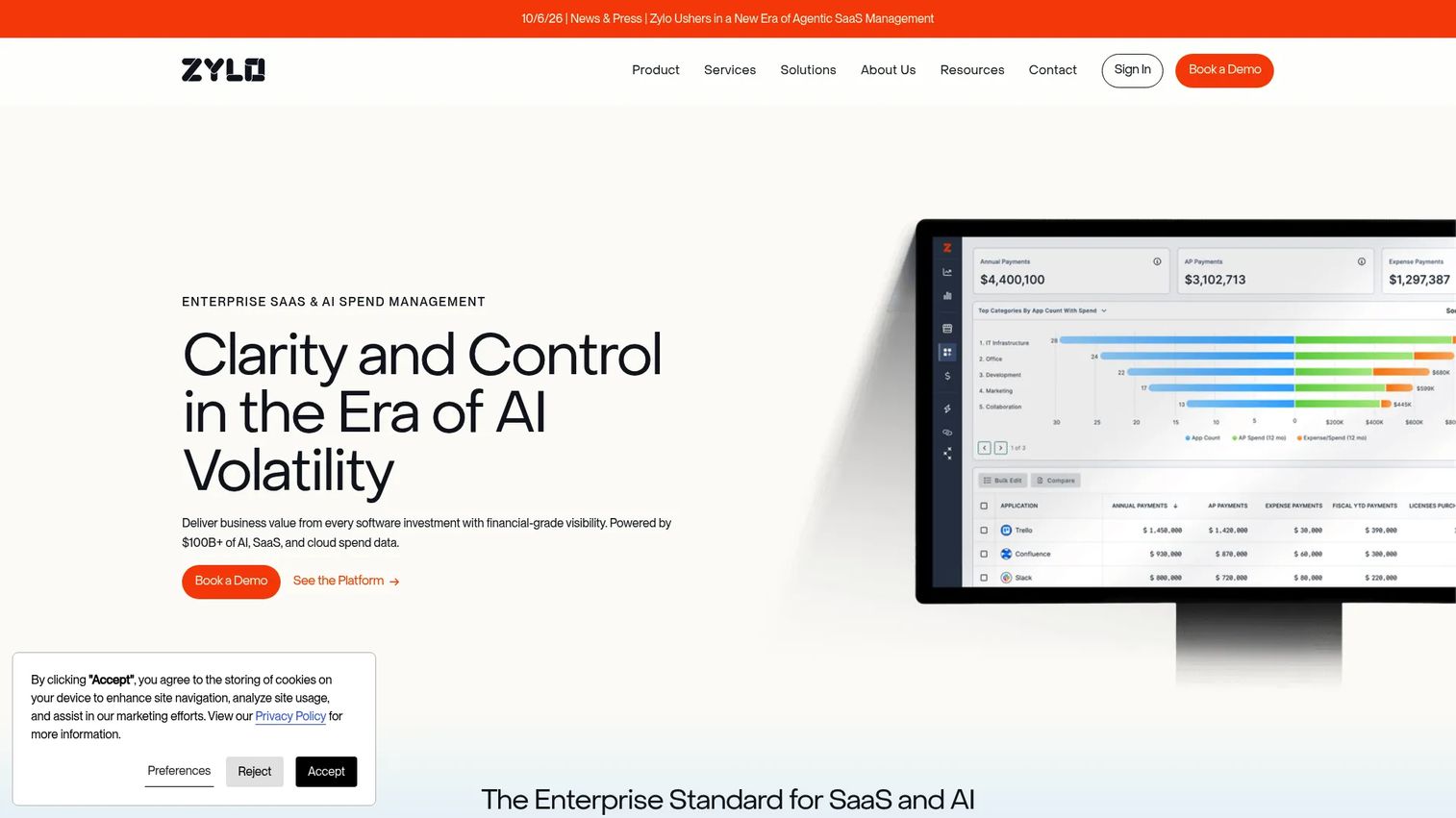
Zylo is an enterprise SaaS and AI spend management platform purpose-built for organizations managing a large, complex application portfolio. It centralizes spend visibility, contract management, license optimization, and renewal planning across IT, finance, procurement, and business teams. The platform includes an MCP integration, direct API access, and portfolio pricing benchmarks to support vendor negotiations.
Best for: Enterprise organizations that need a cross-functional system of record for SaaS applications, contracts, spend data, and renewal timelines.
Key features
- AI-powered application discovery and continuous spend visibility
- SaaS and AI usage, contract, license, and spend management
- Usage Data Connections, direct integrations, API, and MCP
- Automated alerts, reports, workflows, and ITSM/IAM automations
- Portfolio and pricing benchmarks with cost allocation support
Why choose Zylo: Choose it when the scale of your SaaS estate requires a dedicated portfolio management layer. Its benchmarking and cross-functional visibility make it a strong fit for organizations where IT, finance, and procurement share governance responsibility.
Zylo pricing: Zylo offers Core, Premium, and Enterprise plans. Core covers discovery, spend visibility, usage connections, and reporting. Premium adds benchmarks, IAM actions, and ITSM automations. Enterprise adds multi-business-unit support and advanced security. All plans are sold through a custom quote.
G2 rating: 4.7/5
3. Zluri
Zluri is an Identity Governance and Administration platform that combines SaaS application visibility with access lifecycle automation. It helps IT and security teams discover identities and applications, manage access, automate access reviews, and reduce identity-related risk across the application estate.
Best for: IT and security teams that need stronger control over SaaS access, onboarding, offboarding, and approval workflows, particularly where access risk is a primary concern.
Key features
- Application and identity discovery
- Access management and no-code provisioning workflows
- Automated user offboarding and deprovisioning
- Access reviews and identity-risk remediation
- SaaS spend, license, contract, and optimization management
Why choose Zluri: Choose it when the SaaS inventory problem overlaps with identity governance. If access risk and access review software requirements sit alongside license and spend questions, Zluri covers both in one platform.
Zluri pricing: Zluri sells through a custom quote. No self-serve pricing tiers are listed on the vendor's site. Contact their sales team for current package details.
G2 rating: 4.6/5
4. Josys
Josys is an AI-native identity security and governance platform focused on SaaS discovery, identity lifecycle management, and access governance. It covers over 350 pre-built integrations and offers a 14-day free trial on its Discovery plan, making it one of the more accessible entry points in this category for mid-market IT teams.
Best for: Mid-market IT teams and MSPs that need centralized SaaS visibility, identity governance, and lifecycle automation without a large internal admin function.
Key features
- SaaS and shadow IT discovery
- Automated identity lifecycle management and access governance
- Access review surveys with automated reminders and remediation
- 350+ pre-built integrations plus custom integration building
- License, contract, and SaaS cost optimization
Why choose Josys: Choose it when reducing repetitive IT work around employee lifecycle changes is the primary goal. Its Discovery plan entry point makes it practical for teams that want to start with visibility before committing to full lifecycle automation.
Josys pricing: The Discovery plan starts at $100/month billed annually, covering up to 300 identities. Automated Identity Governance is priced by custom quote. A 14-day free trial is available for the Discovery plan.
G2 rating: 4.3/5
5. Torii
Torii is a SaaS and AI management platform centered on automated workflows, application discovery, and governance. It covers SaaS applications, AI tools, and desktop applications in one discovery layer, and offers dedicated offerings for identity governance and AI management alongside its core SaaS management platform.
Best for: IT and SaaS operations teams that want to automate repeatable administrative actions across a growing, heterogeneous application stack, including AI tools.
Key features
- Continuous SaaS, AI, and desktop application discovery
- Access requests, reviews, governance, and audit trails
- License reclamation, renewal management, and cost optimization
- Employee lifecycle management with workflow automation
- Integration-based automation across applications
Why choose Torii: Choose it when the bottleneck is repeated administrative work across many application types rather than procurement workflow alone. Torii's separate IGA and AI Management offerings mean teams can expand scope as governance needs grow.
Torii pricing: Torii lists IGA, SaaS Management Platform, and AI Management offerings. All plans are priced through a custom quote. Contact their team for current package details.
G2 rating: 4.5/5
6. Productiv
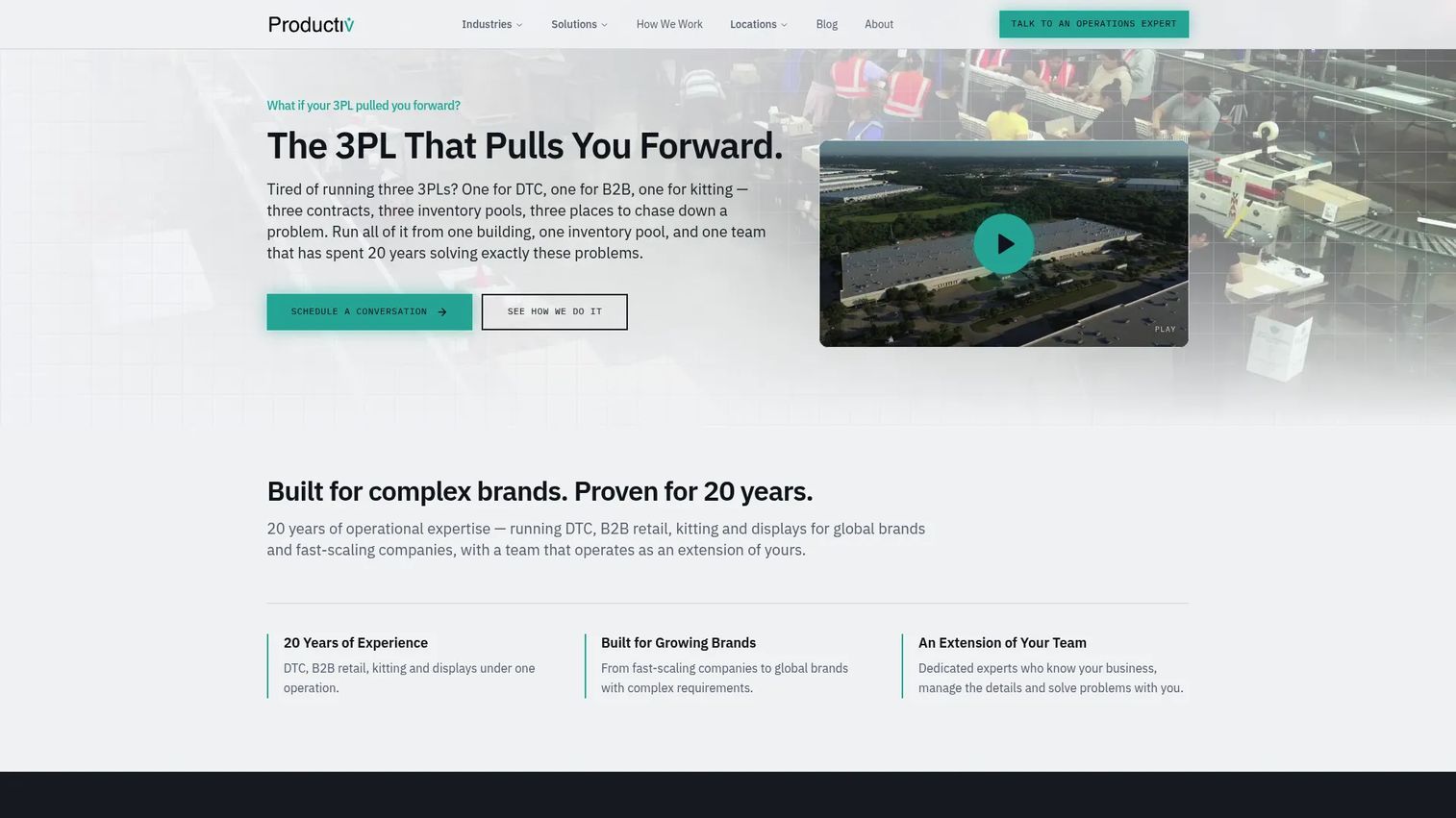
Productiv was a SaaS intelligence platform that connected application usage data to license, spend, and renewal decisions. It gave finance, IT, and product operations teams a granular view of which paid software was being actively adopted and which seats could be reclaimed. Productiv ceased operations on August 6, 2026, and platform access ended August 5, 2026.
Best for: Organizations evaluating this space should note that Productiv is no longer available as an active platform.
Key features
- Application usage intelligence and engagement analytics
- License utilization analysis and reclamation reporting
- Spend optimization and renewal decision support
- SaaS and AI application visibility
- Portfolio analytics across the application estate
Why choose Productiv: This entry is included for completeness and for teams who encountered Productiv during prior evaluations. For active usage-intelligence capabilities, evaluate Zylo, CloudEagle, or Beamy as current alternatives with overlapping focus areas.
Productiv pricing: Productiv is no longer available for purchase. The platform shut down in August 2026.
G2 rating: 4.5/5
7. CloudEagle
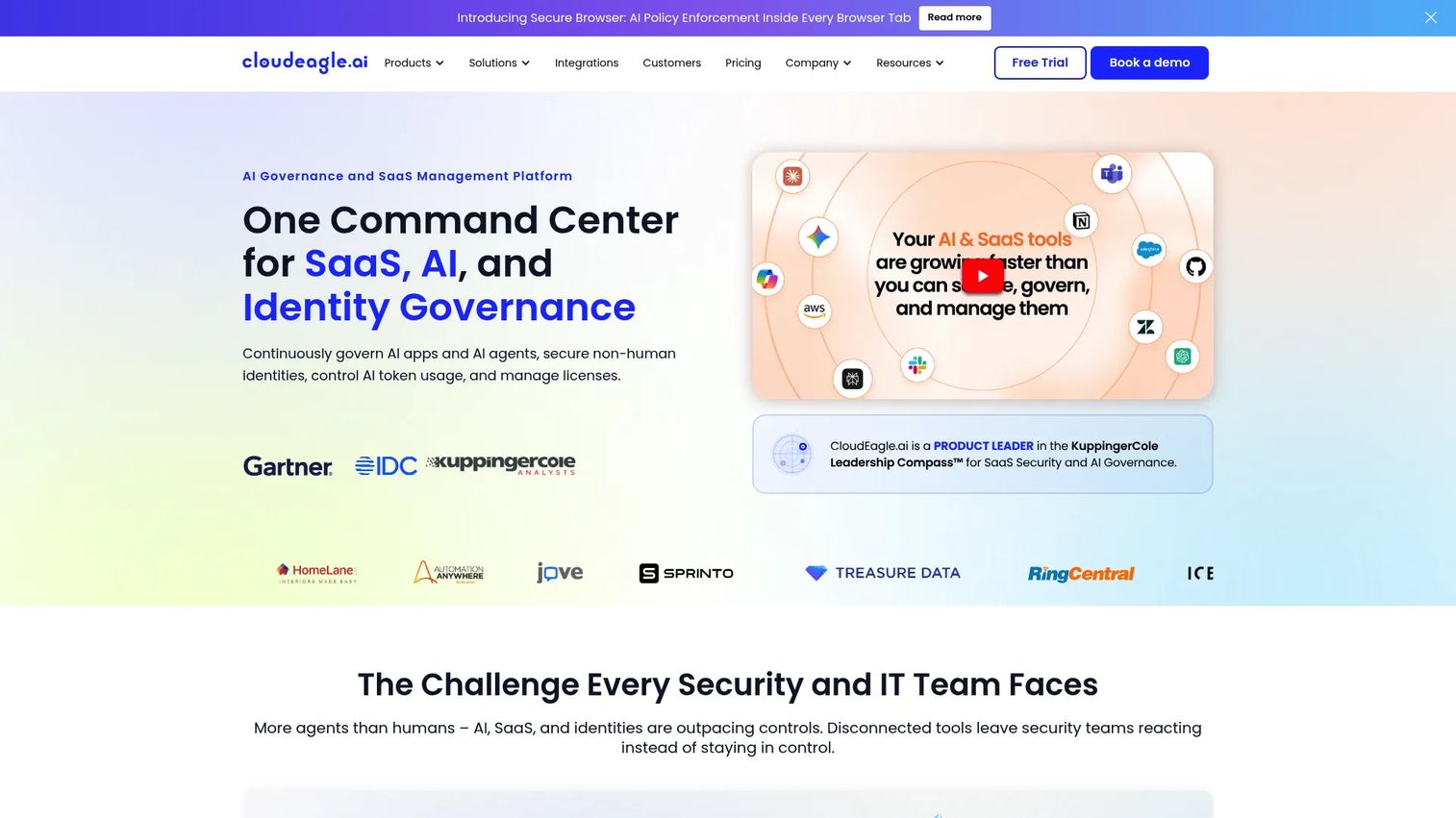
CloudEagle is an AI-powered platform combining SaaS management, identity governance, security, spend management, and procurement. Its five-module structure lets organizations activate only the capabilities they need: AI Governance, SaaS Security and Compliance, Identity Governance, SaaS Management, and SaaS Procurement. It offers over 500 integrations and includes shadow IT and shadow AI detection.
Best for: Procurement and finance teams that need earlier visibility into renewals, stronger control over SaaS buying, and price benchmarking to inform vendor negotiations.
Key features
- 500+ integrations and SaaS discovery
- Shadow IT and shadow AI detection
- License tracking and harvesting
- Contract management, renewal alerts, and price benchmarking
- Automated access reviews and provisioning/deprovisioning
Why choose CloudEagle: Choose it when renewal risk, purchasing discipline, and vendor management drive the evaluation. Its best contract management software capabilities and procurement workflows make it the strongest fit when finance and procurement lead the platform decision.
CloudEagle pricing: Pricing is organized by module. No numeric prices appear on the vendor's site. Contact their team for a quote based on the modules and organization size.
G2 rating: 4.7/5
8. Lumos
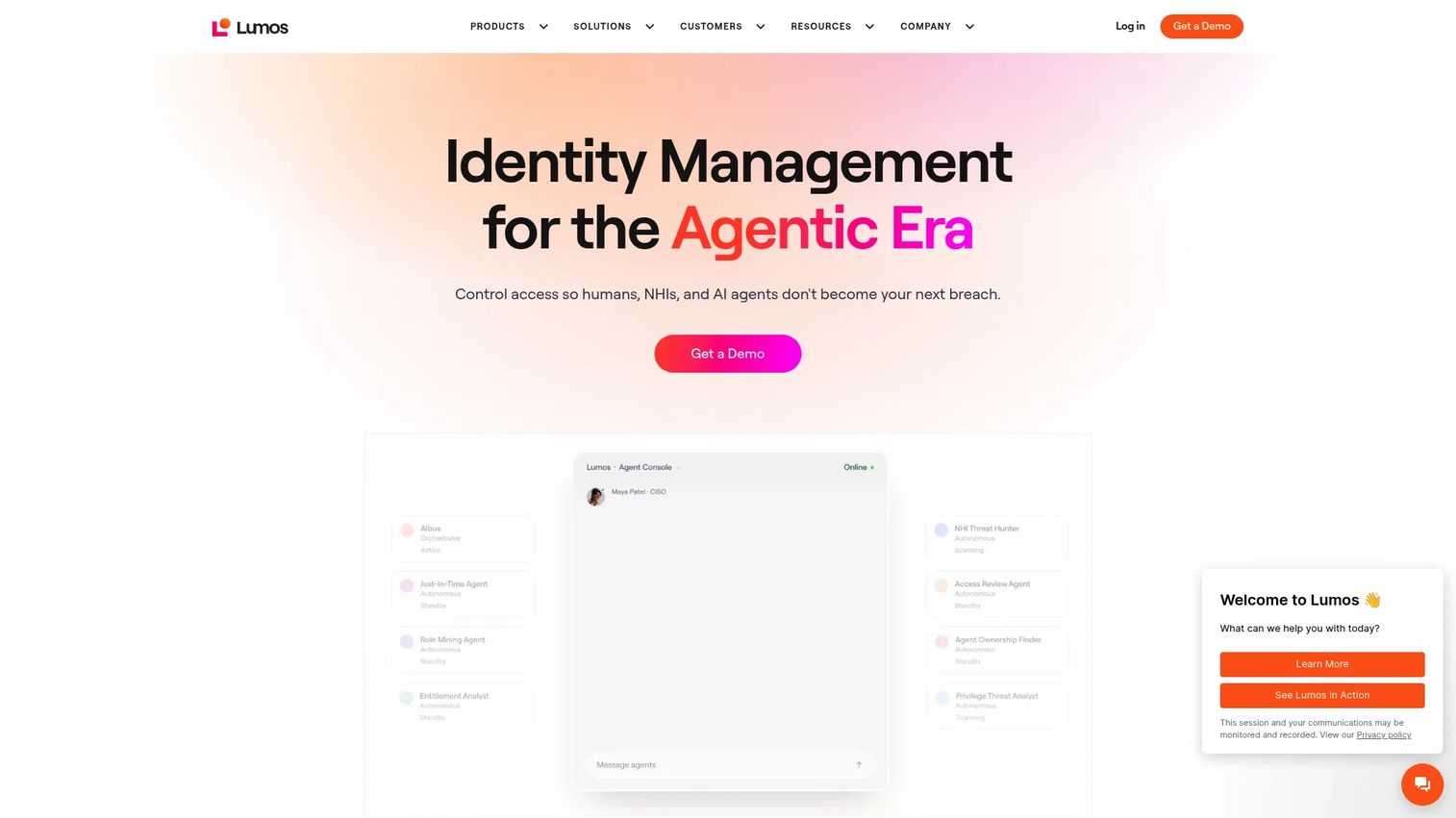
Lumos is an autonomous identity platform for governing access across human, machine, and AI identities. It handles joiner-mover-leaver lifecycle automation, just-in-time access with automatic revocation, and employee self-service access requests through a governed approval workflow. The platform is designed to reduce informal access requests and the manual ticketing they generate.
Best for: Enterprise IT and security teams that want employees to request application access through a structured, auditable process rather than through Slack or manual tickets.
Key features
- Identity governance and access reviews
- Joiner-mover-leaver lifecycle automation
- Just-in-time access with automatic revocation
- Self-service access request portal
- Role-based access controls and approval routing
Why choose Lumos: Choose it when access control software and access governance are the root problem and SaaS spend visibility is secondary. Its identity-first design fits security-driven buyers who need auditability and least-privilege enforcement above portfolio analytics.
Lumos pricing: Lumos sells through a custom enterprise quote. Exact pricing is not listed on the vendor's site. Their homepage mentions a free identity assessment, though this is not a product tier.
G2 rating: 4.7/5
9. Flexera
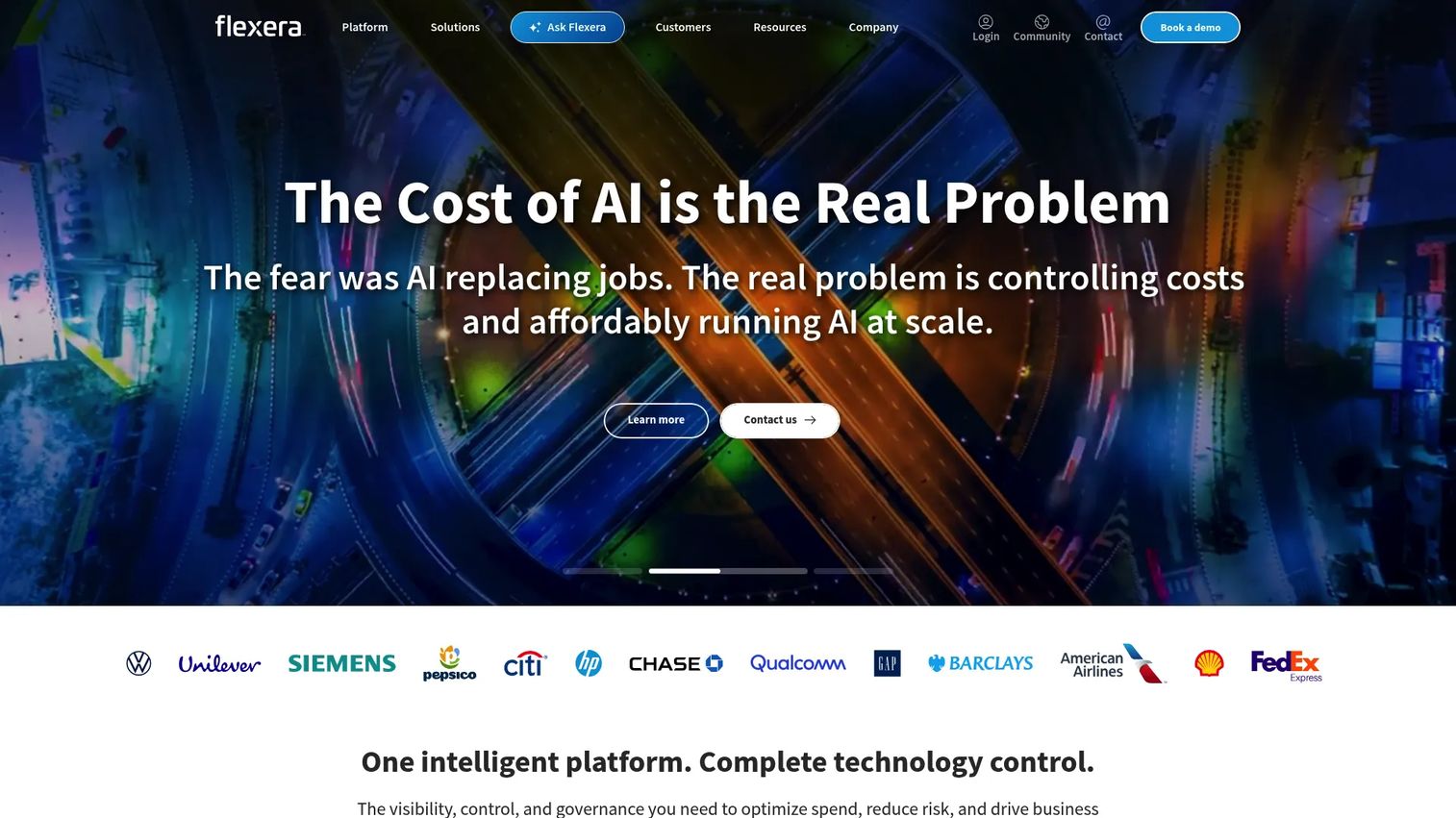
Flexera provides technology intelligence and management across hybrid environments: AI, SaaS, cloud, software, and hardware. It sits at the broader end of the asset lifecycle management software spectrum, covering IT asset management, license optimization, compliance, audit support, and FinOps capabilities under one platform. According to Flexera's State of ITAM (2025), 55% of ITAM teams are now responsible for tracking SaaS use.
Best for: Enterprise organizations that need SaaS management within a wider software asset management and technology governance program.
Key features
- Hybrid IT visibility across hardware, software, SaaS, and cloud
- IT asset management, license optimization, compliance, and audit support
- FinOps and cloud cost visibility with forecasting and governance
- SaaS application discovery
- IT asset governance
Why choose Flexera: Choose it when SaaS governance must connect to a broader application portfolio management software strategy. It fits organizations where SaaS is one layer of a complex technology estate that includes on-premises software and cloud infrastructure.
Flexera pricing: Pricing is subscription-based with a fixed fee tied to term length and usage metrics. No plan tiers or numeric prices appear on Flexera's site. Contact their team for a current quote.
G2 rating: 4.4/5
10. Beamy
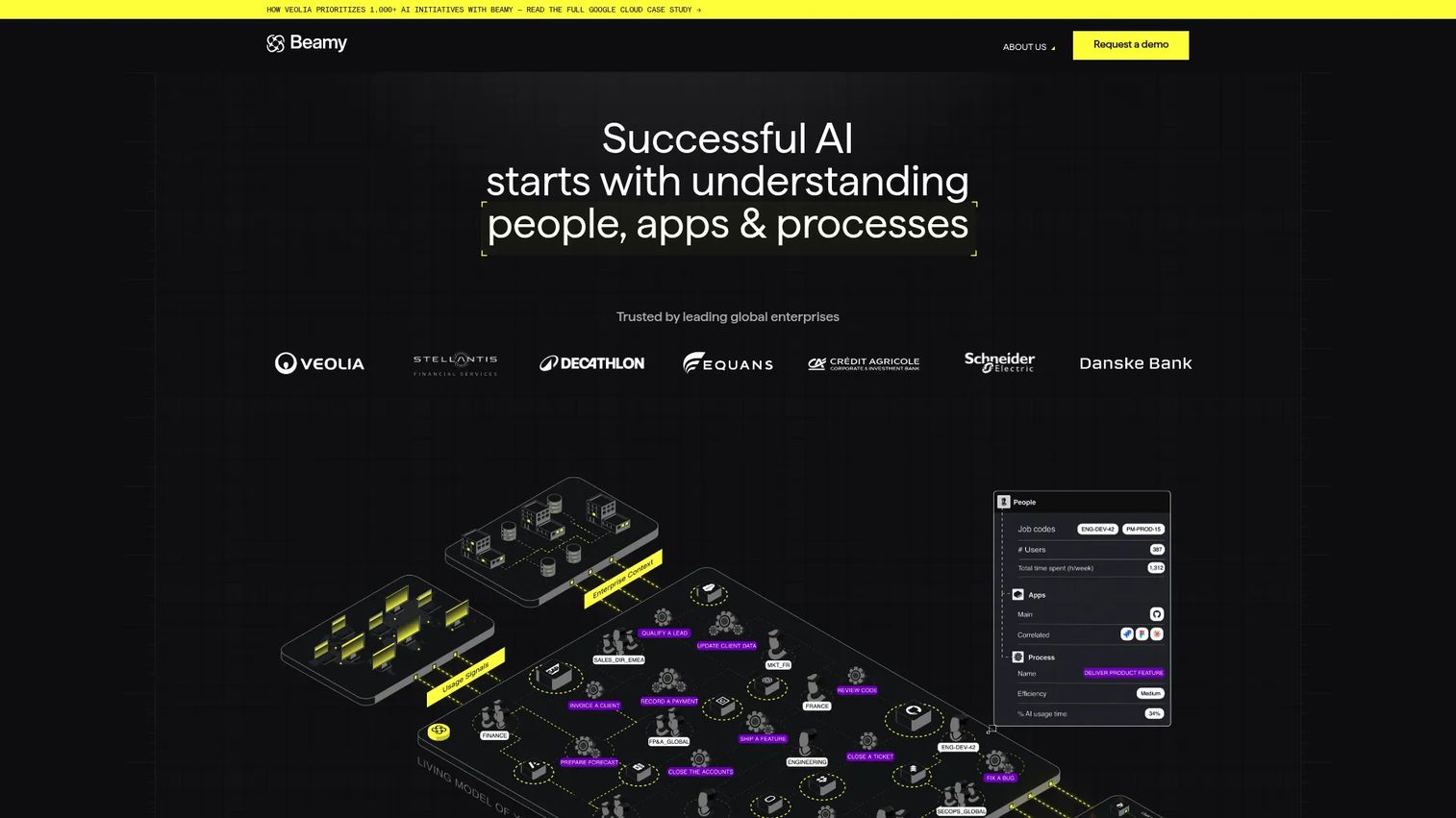
Beamy is an AI-driven enterprise business transformation platform that models people, processes, applications, and usage data to support portfolio decisions. It covers real-time shadow IT visibility, application overlap detection, AI transformation prioritization, and contextual in-app guidance to drive employee behavior change. Beamy positions itself above standard SaaS management, helping enterprises decide which applications to invest in, retire, or replace with AI agents.
Best for: Large enterprises seeking usage intelligence for SaaS governance, application portfolio management, and AI transformation prioritization.
Key features
- Real-time modeling of people, processes, and technology
- AI-driven application portfolio decisions (invest, retire, or agentify)
- Real-time shadow IT visibility and application overlap detection
- Contextual in-app guidance to drive employee behavior change
- Usage-based application value and process-overlap scoring
Why choose Beamy: Choose it when shadow IT governance, ai governance tools, and application portfolio optimization are the primary drivers. It fits organizations moving beyond inventory and spend into decisions about which tools to keep, consolidate, or replace with AI-native workflows.
Beamy pricing: Beamy sells through a custom enterprise quote. No pricing tiers or numeric prices appear on the vendor's site. Contact their team for details.
G2 rating: 5.0/5
Considerations when choosing a SaaS management platform
Discovery data quality
Ask where the platform gets its application data. Strong discovery typically combines identity logs, expense records, browser data, SSO, and direct API integrations. Confirm how the platform handles duplicate applications, inactive accounts, and unmanaged browser-based tools that never touch your identity provider.
Lifecycle automation depth
Check whether the platform automates onboarding, offboarding, access changes, approvals, and license reclamation, or whether it only reports on them. For product teams, ask specifically whether access changes can keep pace with contractor onboarding, team reorganizations, and rapid hiring cycles without generating engineering tickets.
Spend and renewal ownership
Do not treat spend visibility as spend control. A dashboard showing renewal dates is not the same as a workflow that routes contracts to owners, triggers negotiation reviews, and flags duplicate subscriptions before renewal. Verify which of those steps the platform handles and which require manual follow-through.
Governance and auditability
Review access controls, approval logs, permission management, and policy enforcement before committing. Determine whether the platform supports the access review software requirements your security and compliance teams already use, including audit trails that hold up during security reviews and procurement.
Integration and rollout effort
Prioritize platforms that connect natively with your identity provider, HRIS, finance systems, and core SaaS stack. Assign a named owner for application data quality, renewal workflows, and automation maintenance before implementation. Platforms with deep integrations but no assigned owner will drift back toward manual operations within months.
Conclusion
No single SaaS management platform fits every organization. The right choice depends on what is breaking first.
Start with BetterCloud if broad SaaS operations and automation are the priority, particularly when Google Workspace is central to your stack. Choose Zylo for enterprise portfolio visibility and renewal governance across IT, finance, and procurement. Zluri or Lumos fit teams where identity and access governance are the dominant constraints. CloudEagle is strongest when procurement and renewal risk drive the evaluation. Flexera belongs in organizations that need SaaS management connected to a wider asset inventory software and technology governance program. Beamy fits enterprises ready to move beyond inventory into portfolio optimization and AI transformation decisions.
Before selecting a platform, document your top 20 applications by spend, users, and security sensitivity. Then choose based on the gap you can measure today: Discovery, access lifecycle, spend control, or renewal governance.
If your team creates self-serve product experiences to educate users or onboard new buyers, Start your journey with Guideflow today!
FAQs about SaaS management platforms
A SaaS management platform centralizes discovery, governance, access operations, license usage, spend, and renewals across cloud applications in one system. Feature depth varies by vendor: Some focus on spend and renewals, others on identity governance and lifecycle automation. The category is distinct from traditional software asset management, which covers broader software estates and license compliance rather than cloud application workflows.
Software asset management typically covers broader software estates, including on-premises licenses and hardware, with a focus on license compliance and audit support. SaaS management focuses more specifically on cloud application discovery, user access lifecycles, recurring subscription spend, and application owner workflows. Many enterprise organizations use both, with SaaS management handling day-to-day application governance and software asset management covering compliance and broader IT asset visibility.
Most platforms combine multiple discovery sources to find unmanaged applications. Common sources include SSO authentication logs, expense report data, finance and credit card records, browser extensions, direct API connections, employee surveys, and HRIS data. Discovery quality depends heavily on which sources are connected: A platform with only SSO data will miss browser-based tools and expense-paid subscriptions. Ask each vendor which discovery methods are active by default and which require additional configuration or permissions.
Platforms can identify unused licenses, duplicate applications, inactive accounts, and upcoming renewals before they auto-renew. Spend reduction still requires owners to act on recommendations: Renegotiating contracts, retiring unused tools, and reclaiming licenses from inactive users. Discovery creates the visibility; savings come from decisions made on top of that data. Treat vendor-published savings figures as directional rather than guaranteed, and calculate your own baseline from current spend before measuring impact.
Many platforms automate application provisioning and deprovisioning through HRIS, identity, and application integrations. Onboarding workflows can provision role-specific applications automatically when a new hire record appears in your HRIS. Offboarding workflows can trigger deprovisioning across connected applications when an employee exits. The depth of that automation varies significantly by platform and by how many of your applications have native connectors versus requiring custom integration work.
Focus on access speed for new hires and contractors, governance of analytics and experimentation tools, reliable HRIS and identity integrations, and low ongoing maintenance requirements. A platform that requires constant engineering involvement to stay current is not solving the operational overhead problem. Look for auditability features that satisfy security reviews without adding process overhead, and confirm that the platform integrates with the identity provider and HRIS your organization already uses.
They become useful once SaaS ownership, renewals, access removal, or spend visibility becomes genuinely difficult to manage manually. For teams under 50 people with fewer than 20 applications, a spreadsheet and a shared calendar may be sufficient. As headcount and application count grow, the cost of manual governance compounds. Josys offers an accessible entry point with a published starting price and a free trial, which makes it practical for smaller teams evaluating the category for the first time.
Implementation timelines depend on application count, identity and HRIS integrations required, data cleanup needed, contract ownership gaps, and workflow complexity. Discovery-first rollouts typically take a few weeks to produce reliable initial data once integrations are connected. Full lifecycle automation with access reviews and renewal workflows can take several months if integration work is extensive. A phased approach works well: Start with discovery, then layer in lifecycle automation or spend optimization once the application inventory is trustworthy.