An officer picks up a stray complaint at 8 a.m., snaps three photos on scene, and scribbles notes on a paper form. By the time that case reaches the office, half the detail is gone. The animal enters intake under one record, the licensing team never sees the owner history, and the monthly report to the county takes a full day to assemble by hand.
That gap between the field and the office is the real problem animal control teams are trying to close. It is not a paperwork problem. It is a continuity problem. When intake, field notes, licensing, and reporting live in separate places, every handoff loses something, and someone spends their afternoon reconstructing what already happened.
The category is growing fast because agencies are done patching spreadsheets. The animal shelter software market sat around USD 1.8B in 2025 and is projected to reach USD 4.3B by 2034, a 9.7% CAGR, according to DataIntelo (2025). Cloud deployments now dominate too, holding 58.43% of the related veterinary software market in 2025 per Mordor Intelligence (2026). Remote access is no longer a nice-to-have for field-first teams.
This guide compares 6 tools against the criteria that actually matter for animal control agencies: intake to outcome tracking, mobile field access, reporting depth, licensing workflows, and how well each fits your operating model. No single tool wins every category, so the goal here is to help you shortlist two or three, not crown one.
What's inside
This is a buyer's comparison for animal control agencies, municipal shelters, and rescue operations that have outgrown paper and spreadsheets and need real software. We looked at tools across the operational range, from municipal case management platforms to dedicated shelter management software to supporting registry and public-listing services.
We chose tools based on four things: case and lifecycle tracking, field staff and mobile inspections support, reporting and analytics, and fit with a specific operating model (field-first, shelter-first, or hybrid). Pricing and ratings are included where the vendor publishes them and left out where they do not, rather than guessed.
TL;DR
- Best for municipal field and code-enforcement teams: Comcate, built around CRM/311 case management and configurable forms.
- Best for cloud-based shelter operations: PetPoint Professional, covering intake, medical care, and adoption.
- Best for larger multi-location shelters: ShelterBuddy Pro, with centralized records and licensing workflows.
- Best for transparent pricing and web-based access: Shelter Manager, with published subscription fees and mobile task support.
- Best supporting tools: 24Petwatch for microchip registration and reunification, and 24Petconnect for public-facing adoptable and lost pet listings.
What is animal control software?
Animal control software is a system that manages the intake, field, and administrative work of animal control agencies and shelters in one place, replacing paper forms and disconnected spreadsheets.
At its core, the category handles the full path an animal or case takes through an agency. It captures the first complaint or intake, records what happens next, and tracks the outcome, whether that is adoption, return to owner, transfer, or another result.
Most animal control and animal shelter management software covers these functions:
- Case management: complaint intake, bite reports, investigations, and case notes tied to a single record.
- Intake to outcome tracking: lifecycle visibility from the first entry through the final outcome.
- Field staff and mobile inspections: on-scene updates, photo uploads, and real-time sync from tablets and phones.
- Licensing workflows: pet license issuance, renewals, and owner records.
- Reporting and analytics: trend visibility, compliance reports, and leadership dashboards.
- Configurable forms and notices: custom intake forms, citations, and notices that match local code.
- Adoption management: listings, applications, and matching for animals ready for placement.
- Public-facing animal listings: searchable adoptable, lost, and found animals for residents.
The strongest platforms connect all of this so an update in the field appears instantly in the office, and a monthly report pulls from live data instead of a manual tally.
When to use animal control software
Not every agency needs the same feature depth. Here is how to match the category to your reality.
Track cases from intake to outcome
When three or four staff touch the same animal or complaint, the record has to travel with it. An officer logs the intake, a vet tech adds medical notes, an adoption coordinator updates status, and an administrator closes it out. Without shared lifecycle tracking, each handoff is a phone call or a lost sticky note. Intake to outcome tracking keeps notes, history, and outcome visibility in one place so nobody reconstructs the story from memory.
Support field officers on mobile devices
Field work is where paper hurts most. Officers need to log inspections, upload photos, and update case status from the scene, not from a desk two hours later. Cloud-based animal control software with strong field staff and mobile inspections support turns a truck into a mobile office. Real-time sync means the office sees the update the moment the officer hits save, and the next shift picks up an accurate record.
Simplify reporting and compliance
Leadership wants numbers. The county wants compliance reports. Municipal code changes mean notices and citations have to be reworded overnight. One-click reporting and analytics plus configurable forms and notices turn what used to be a full-day manual export into a few minutes. When code changes, you update a template once instead of reprinting stacks of paper.
Comparison table
Pricing and ratings below reflect what each vendor publishes or what verified third-party sources show. Where a figure is not publicly available, the cell is left blank rather than estimated.
| # | Product | Intent | Key use case | Pricing | G2 rating |
|---|---|---|---|---|---|
| 1 | Comcate | Municipal case management | CRM/311, code enforcement, animal control cases | Custom (Essential, Professional, Enterprise) | - |
| 2 | PetPoint Professional | Cloud shelter management | Intake, medical, adoption workflows | Contact vendor | - |
| 3 | ShelterBuddy Pro | Shelter operations | Records, licensing, multi-location | Quote-based (Express, Pro, Gold) | - |
| 4 | Shelter Manager | Web-based shelter management | Intake, movements, outcomes, mobile tasks | From $130 per 3 months | 5.0/5 |
| 5 | 24Petwatch | Microchip registry | Microchip registration, reunification | Contact vendor | - |
| 6 | 24Petconnect | Public pet listings | Adoptable, lost, and found search | Contact vendor | - |
The 6 best animal control software tools for 2026
1. Comcate
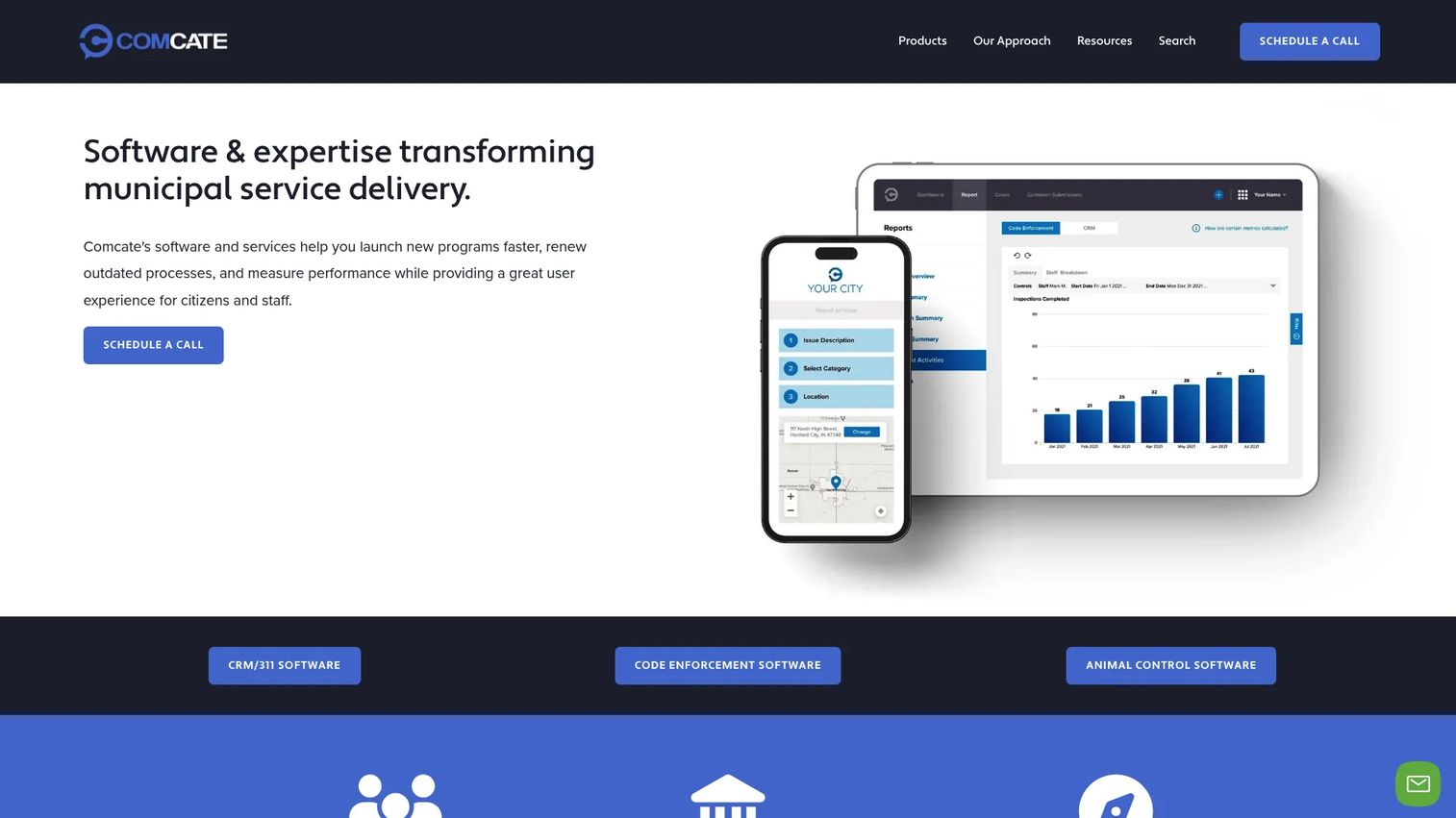
Comcate is local-government software built around CRM/311, code enforcement, and animal control. It treats an animal complaint the same way it treats any citizen service request: capture it, route it, act on it, and report on it. For agencies where animal control sits inside a broader municipal operation, that shared case model keeps everything in one system instead of a standalone silo.
The platform leans into configurability. Automations, GIS mapping, and multichannel citizen support let an agency shape workflows around local code rather than forcing local code into a rigid template. Role-based user management means field officers, office staff, and administrators each see what they need without exposing the whole system to everyone.
Best for: Municipal agencies that need a configurable citizen service request platform where animal control lives alongside code enforcement and 311.
Key strengths
- CRM/311 case management: Complaints, requests, and investigations tracked as structured, routable cases.
- Automations and GIS: Workflow automation plus map-based case context for field routing.
- Role-based access and security: Granular permissions so each team sees only what it should.
Why choose Comcate: If your animal control function is one department inside a city or county that already juggles code enforcement and citizen requests, a shared platform beats a bolt-on tool. Comcate fits agencies that value configurable workflows and want field and office staff working from the same case record.
Comcate pricing: Comcate does not publish a numeric price. The vendor states that pricing is flexible because no two agencies are alike, and lists three tiers: Essential, Professional, and Enterprise. Expect to request a quote scoped to your agency size and module needs.
2. PetPoint Professional
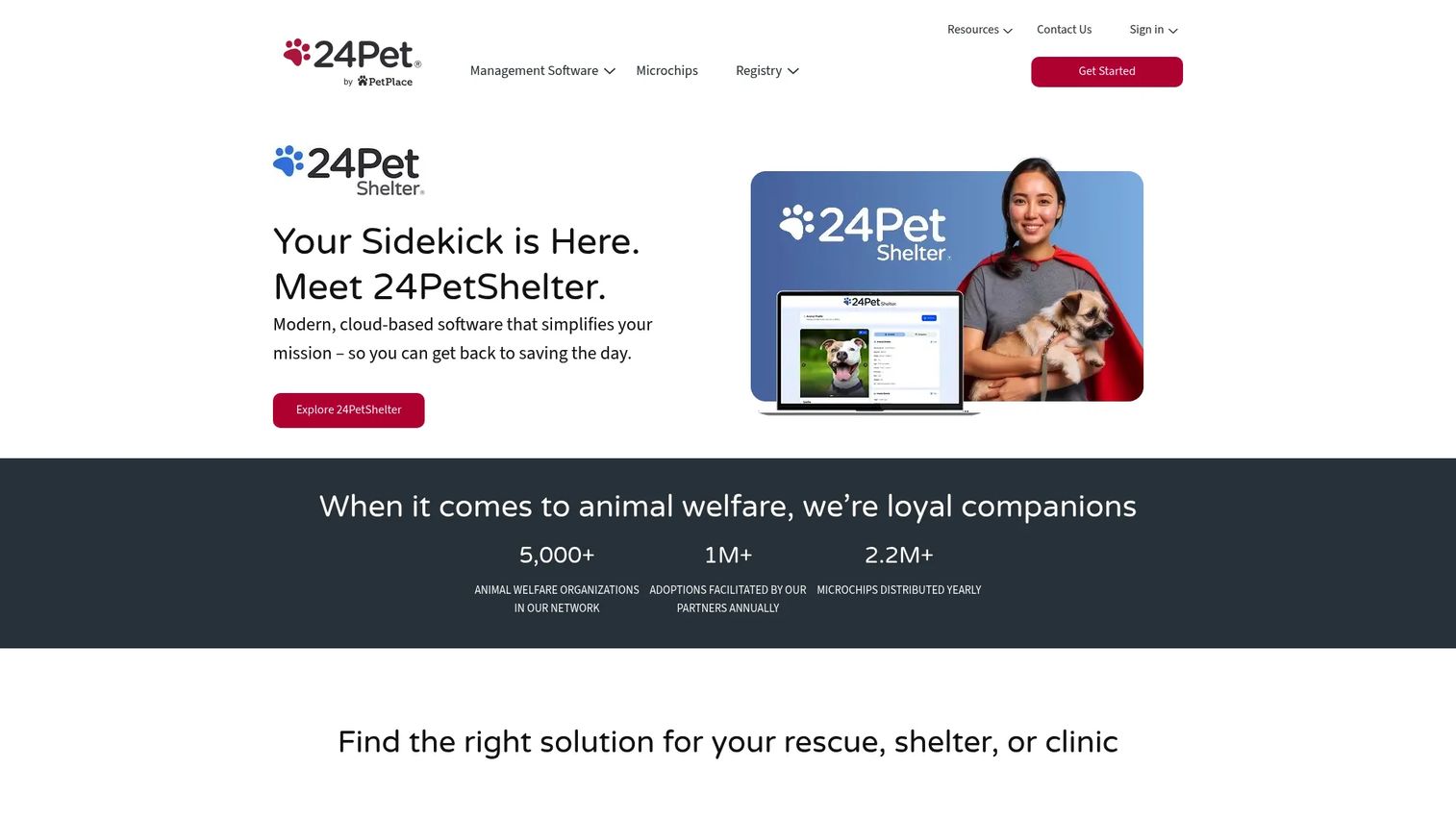
PetPoint Professional is cloud-based shelter management software for animal welfare organizations. It centers on the daily operational reality of a shelter: getting animals in the door, tracking their care, and moving them to an outcome. For agencies whose center of gravity is the shelter floor rather than the field, that operational depth matters.
The platform covers animal intake and kennel management, medical care and adoption workflows, and customizable reporting. Because it is cloud-based, staff can access records from multiple locations or devices without maintaining local servers. That deployment model fits agencies that want IT overhead low and access broad.
Best for: Animal shelters and municipalities that need a cloud-based data management system with strong intake, medical, and adoption coverage.
Key strengths
- Intake and kennel management: Structured animal records from the moment an animal arrives.
- Medical and adoption workflows: Care tracking and placement processes in one system.
- Customizable reporting: Reports shaped to the metrics your agency and funders track.
Why choose PetPoint Professional: If your operation is shelter-first, with animals entering, receiving care, and being adopted or transferred, PetPoint concentrates on that lifecycle. It fits teams that want deep shelter operations and admin visibility over field-first case routing.
PetPoint Professional pricing: PetPoint positions itself as a custom or enterprise-style solution and does not display public pricing. Plan on a vendor conversation scoped to your organization's size and module requirements to get a quote.
3. ShelterBuddy Pro
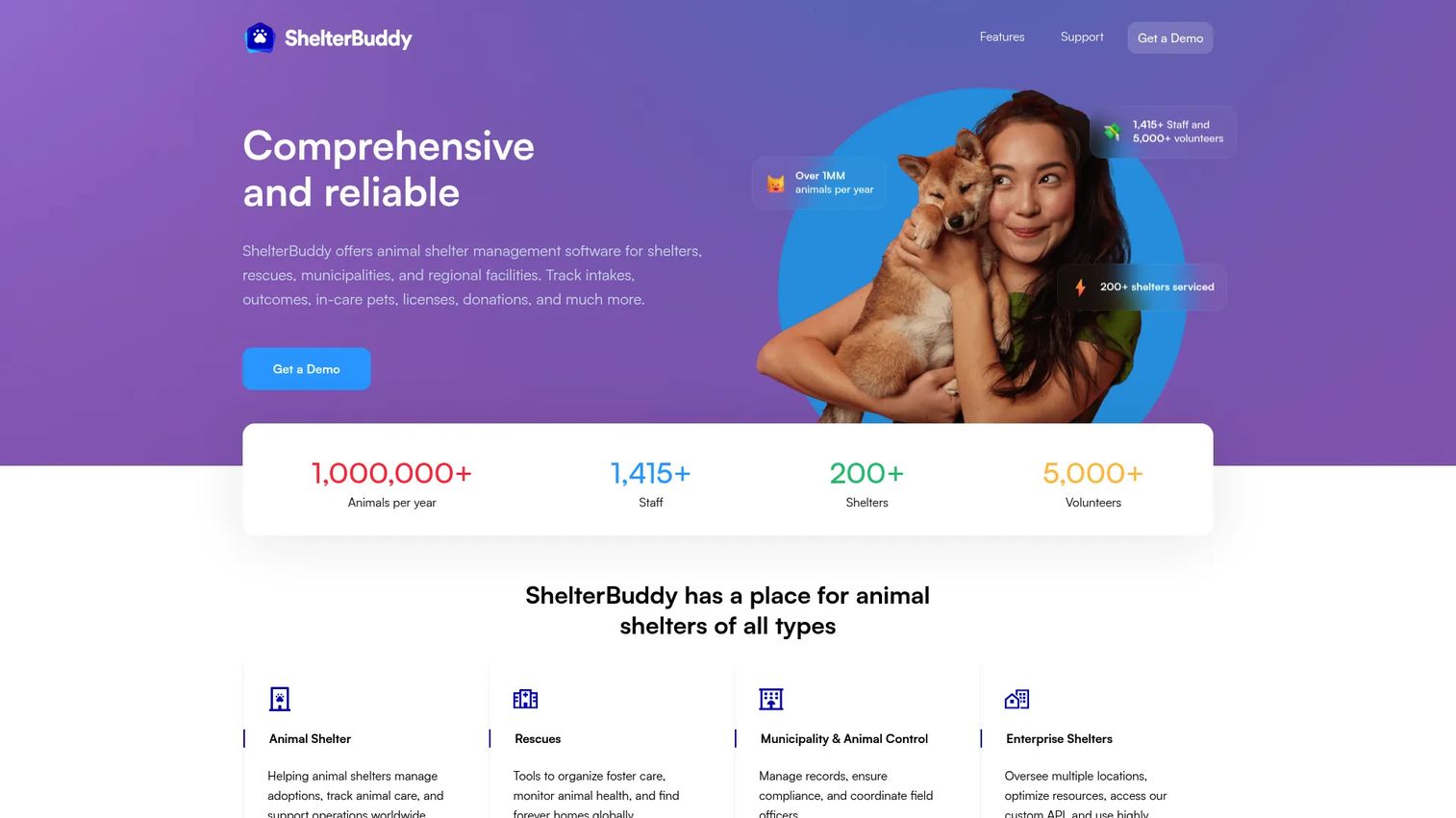
ShelterBuddy Pro is animal shelter management software built for shelters, rescues, municipalities, and regional facilities. Its strength is depth across the operational spectrum, which makes it a candidate for larger teams or multi-site agencies where a single animal record needs to stay consistent across locations.
The platform centralizes animal record management and covers adoption, lost and found, and licensing workflows. Reporting, an API, and multi-location support round it out, which matters when a regional facility has to consolidate data across sites or connect the shelter system to other municipal tools. Configurable forms and licensing handling make it a fit for agencies that issue and renew pet licenses at volume.
Best for: Animal shelters and animal control agencies that need a dedicated shelter operations system with multi-location and licensing depth.
Key strengths
- Centralized records: One consistent animal record across sites and teams.
- Licensing and lost & found: Structured workflows for licensing, adoption, and reunification.
- API and multi-location support: Integration hooks and consolidated data across facilities.
Why choose ShelterBuddy Pro: Larger and multi-site operations shortlist ShelterBuddy Pro when they need record consistency across locations and built-in licensing at scale. The Express, Pro, and Gold tiers let an agency start smaller and grow into more capability.
ShelterBuddy Pro pricing: ShelterBuddy Pro lists three plans, Express, Pro, and Gold, but does not publish prices. Pricing appears quote-based, so expect to scope your facility count and workflow needs with the vendor before seeing a number.
4. Shelter Manager
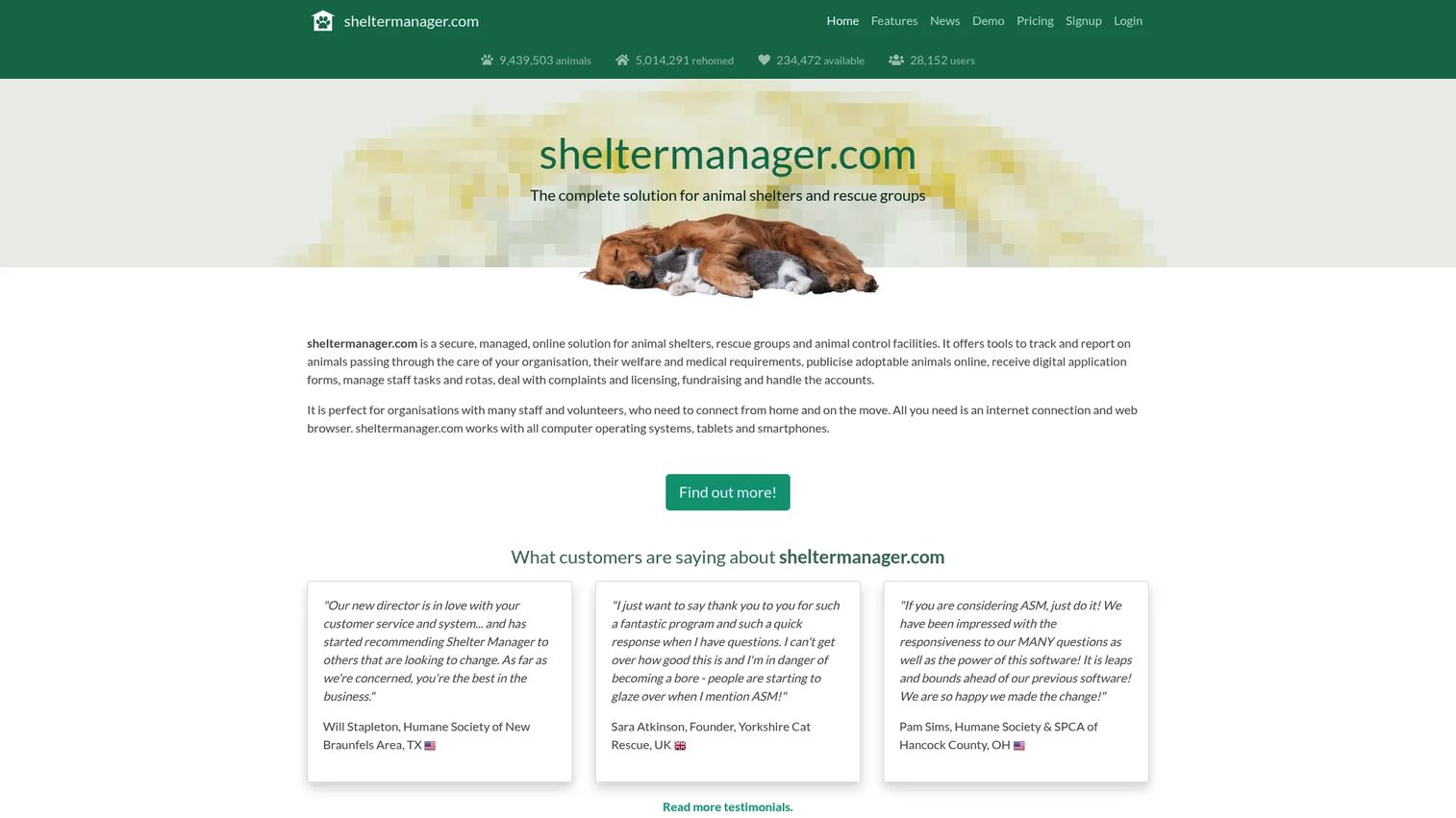
Shelter Manager is managed online software for animal shelters, rescue groups, and animal control facilities. Two things stand out immediately: it publishes its pricing openly, and it is genuinely web-based, so teams can work from any browser without local installs. For agencies burned by opaque quotes and heavy IT setups, that transparency is refreshing.
The platform tracks animal intake, movements, and outcomes, the full lifecycle animal control teams care about. Unlimited users with role-based permissions and audit trails mean you can add volunteers and staff without per-seat anxiety, and mobile access covers common shelter tasks for teams working away from a desk. The audit trail matters for accountability when multiple people touch the same record.
Best for: Animal shelters and rescue organizations that want a managed, web-based system with transparent pricing and remote access.
Key strengths
- Intake to outcome tracking: Full lifecycle from arrival through movements and outcomes.
- Unlimited users with audit trails: Role-based permissions and change history for accountability.
- Mobile access: Common shelter tasks handled from phones and tablets.
Why choose Shelter Manager: If budget clarity and remote, browser-based access rank high, Shelter Manager delivers both. Unlimited users make it a strong fit for volunteer-heavy operations where per-seat pricing would penalize you for growing your team.
Shelter Manager pricing: Shelter Manager uses a single-fee hosting subscription billed every 3, 6, or 12 months, with longer terms slightly cheaper. Published USD pricing starts at $130.00 for 3 months, $220.00 for 6 months, and $395.00 for 12 months. There is no free tier, and the platform holds a 5.0/5 rating on G2.
5. 24Petwatch microchip registry
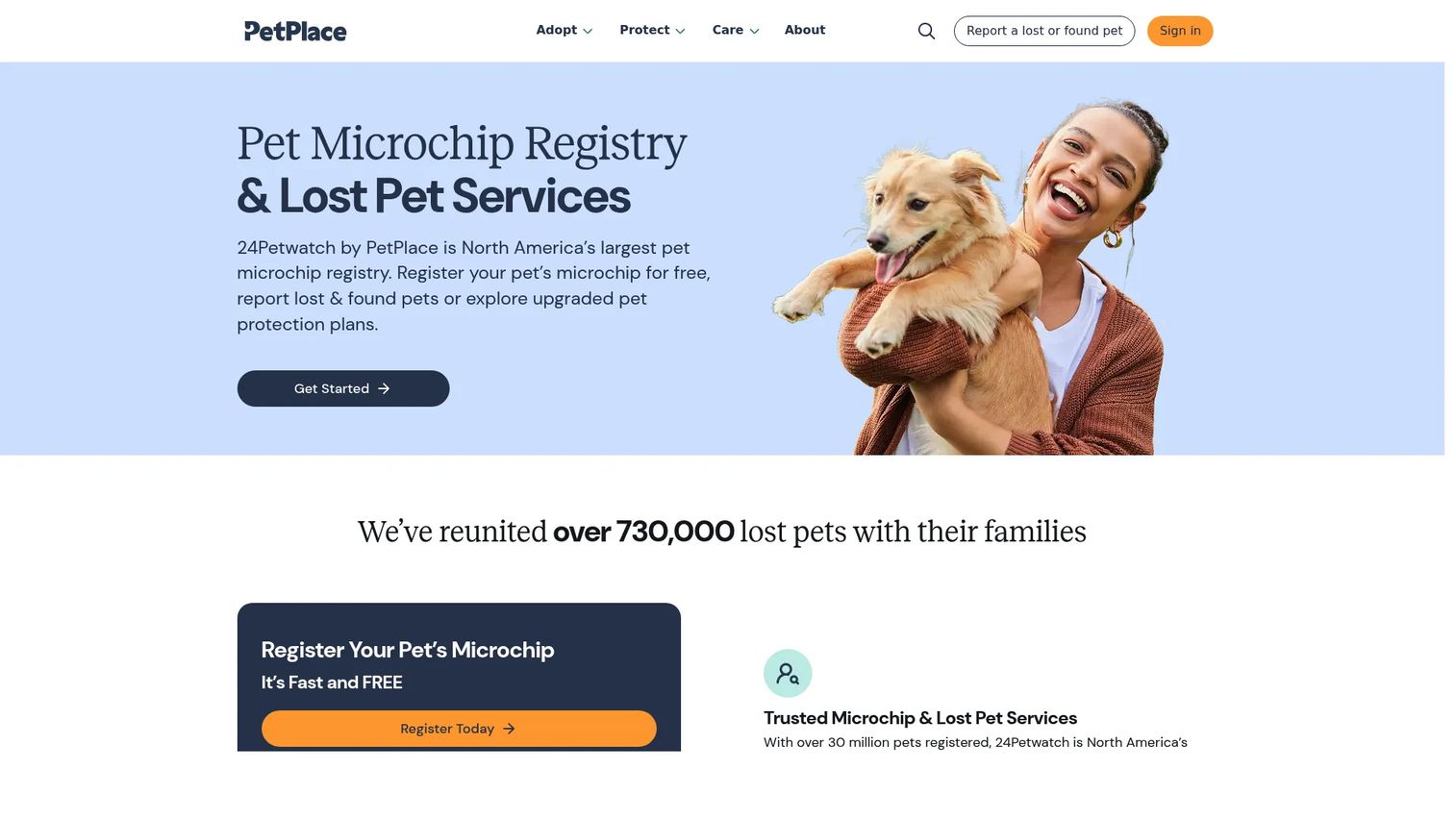
24Petwatch is a microchip registration and lost-pet recovery service. It is not a full operations platform, and it should not be evaluated as one. Its role in the animal control ecosystem is supporting: it strengthens the identification and reunification side of intake, which is exactly where a stray with no visible ID becomes a research project.
The service covers microchip registration, lost pet recovery, DirectConnect finder contact, and 24/7/365 lost pet recovery specialists. For an agency, that means a scanned microchip can route back to an owner faster, shortening the time an animal spends in the shelter and improving return-to-owner rates. Pair it with your core case system rather than expecting it to run intake or reporting.
Best for: Pet owners and agencies that need reliable microchip registration and reunification support alongside a core operations system.
Key strengths
- Microchip registration: Owner records tied to a chip for fast identification.
- Lost pet recovery: DirectConnect finder contact to reconnect animals with owners.
- Round-the-clock specialists: 24/7/365 recovery support for active cases.
Why choose 24Petwatch: Choose it as a complement, not a core system. When return-to-owner speed and reliable identification matter, 24Petwatch fills that specific gap while your shelter or case platform handles the rest.
24Petwatch pricing: Public pricing for the registry and membership services was not visible on the brand site in this review. Contact the vendor directly to scope registration and membership options for your agency or shelter.
6. 24Petconnect
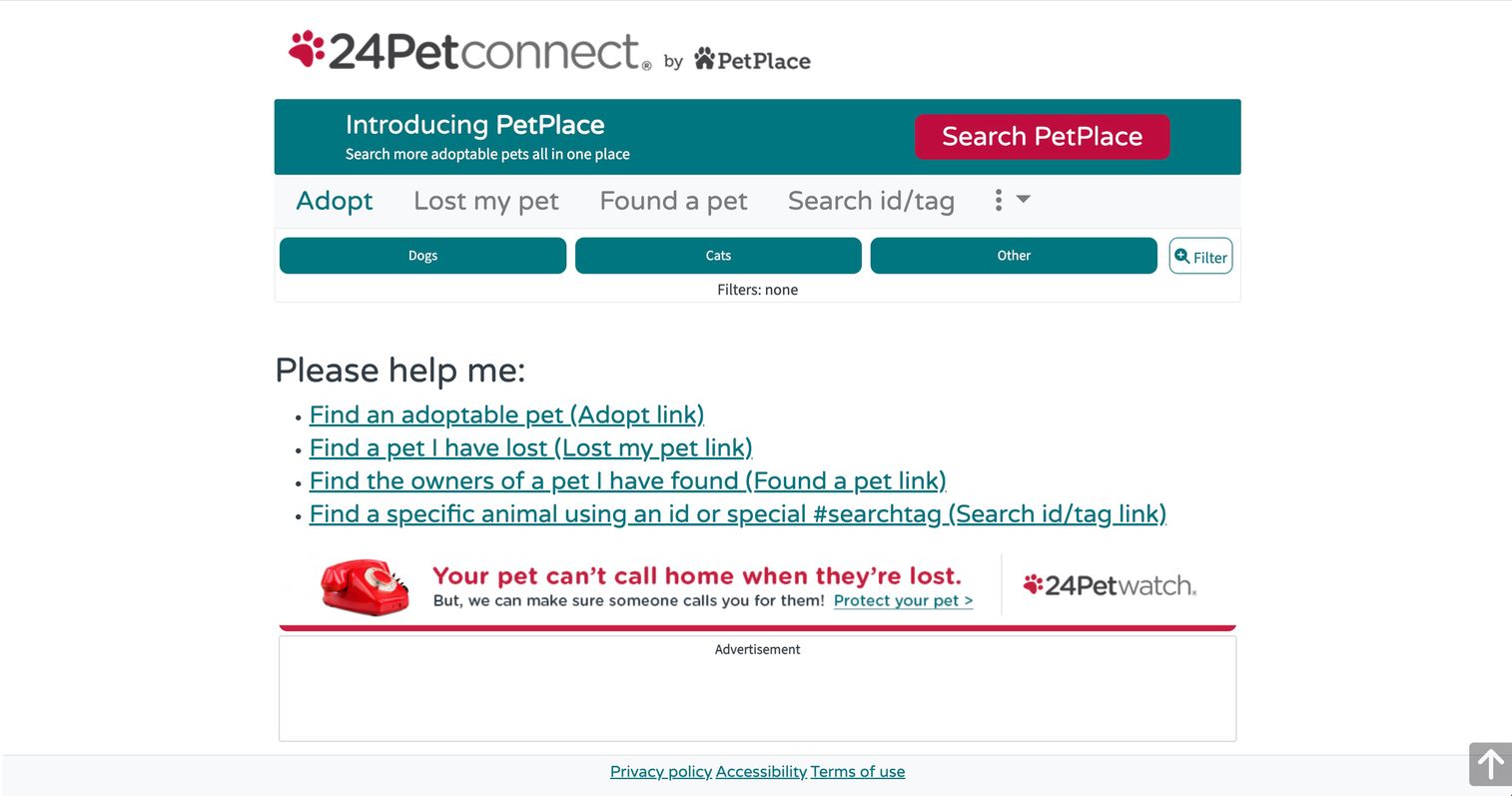
24Petconnect is an online lost, found, and adoptable pet search portal with shelter partner tools. Like 24Petwatch, it is an adjacent tool rather than a full operations platform, and its value is public visibility for animals moving through the system. When a resident can search adoptable and lost pets from home, discovery improves and animals find homes faster.
The portal lets the public search adoptable, lost, found, and all animals, look up an animal by ID or microchip number, and filter by radius, breed, and species through a shelter and partner portal. For an agency, that means the animals in your care get public-facing exposure without your team building and maintaining a listings site from scratch.
Best for: Shelters, rescues, and pet owners searching for lost, found, or adoptable animals who need a public discovery layer.
Key strengths
- Public animal search: Adoptable, lost, and found listings searchable by residents.
- Lookup by ID or microchip: Direct animal lookup for fast matches.
- Partner portal and filters: Radius, breed, and species filters through a shelter portal.
Why choose 24Petconnect: Use it to extend public visibility for your listings. It improves adoption discovery and lost pet reunification without replacing your core case or shelter management software.
24Petconnect pricing: No public pricing for the core platform was found on the brand site. The service is part of the broader Pethealth group, so contact the vendor to understand how partner access is provisioned for your agency.
Considerations before you commit
A shortlist means nothing until you test it against your real workflows. Here is what to verify before signing.
Workflow and operating model fit
Decide whether your agency is field-first, shelter-first, or hybrid before you evaluate a single tool. A municipal team routing complaints and inspections needs different strengths than a shelter tracking medical care and adoptions. Map your top three daily workflows and check that the tool handles them without workarounds.
Mobile and field access
If officers work from trucks, mobile is not optional. Test the actual mobile experience, not the marketing screenshots. Can an officer log an inspection, attach photos, and sync in an area with weak signal? Confirm how offline updates behave and how fast field data reaches the office.
Reporting and compliance depth
Ask to see the exact reports your county or leadership requires, generated from sample data. Reporting and analytics that look good in a demo sometimes miss the specific compliance report you file every month. Verify you can build or configure the reports you actually need.
Licensing and configurable forms
If you issue pet licenses, test the full licensing workflow: issuance, renewal, and owner lookup. Confirm that configurable forms and notices can match your local code and that changes do not require a vendor ticket every time an ordinance shifts.
Deployment and pricing clarity
Cloud-based animal control software reduces IT overhead, but confirm data ownership, export options, and what happens if you leave. On pricing, several tools on this list quote rather than publish, so scope your agency size and module needs early to avoid surprises.
Conclusion
The right animal control software depends less on a feature checklist and more on how your team actually works. Field-first municipal agencies gravitate toward Comcate for its CRM/311 case model and configurable workflows. Shelter-first operations lean toward PetPoint Professional or ShelterBuddy Pro for intake, medical, adoption, and licensing depth. Teams that value transparent pricing and browser-based access with unlimited users find a strong match in Shelter Manager. And supporting tools like 24Petwatch and 24Petconnect strengthen identification, reunification, and public discovery around whatever core platform you choose.
The move now is simple: shortlist two or three that fit your operating model, then test each one against your real intake, field, and reporting workflows with sample data. Do not buy on the demo alone. Buy on how the tool handles a Tuesday morning stray complaint from the first photo to the closed case.
FAQs
At minimum, look for case management, intake to outcome tracking, field staff and mobile inspections support, reporting and analytics, and configurable forms and notices. Licensing workflows and public-facing animal listings matter if your agency issues licenses or posts adoptable animals. The connective tissue is what counts: a field update should appear in the office instantly, and a report should pull from live data.
Animal shelter software centers on the shelter floor: intake, medical care, kennel management, and adoption. Animal control software adds the field and enforcement side: complaint intake, inspections, bite reports, citations, and licensing. Many agencies need both, which is why hybrid platforms and supporting tools often appear together in a single stack.
For any team with field officers, yes. Officers log inspections, upload photos, and update case status from the scene, not from a desk hours later. Cloud-based animal control software with real-time sync means the office sees updates immediately and the next shift picks up an accurate record. Test the mobile experience in low-signal conditions before committing.
Reporting is often the deciding factor. Leadership needs trend visibility, and counties require specific compliance reports on a schedule. Strong reporting and analytics turn a full-day manual export into a few minutes. Before buying, ask the vendor to generate the exact reports you file, using sample data, so you confirm the tool covers your real requirements.
Several tools do. Look for issuance, renewals, and owner lookup handled in one place, tied to the animal and owner records. Configurable forms and notices matter here too, because licensing rules change with local ordinances. Confirm you can update templates yourself rather than filing a vendor ticket every time code shifts.
Clarify the deployment model first. Cloud-based systems reduce IT overhead and support remote and multi-location access, while confirming data ownership and export options protects you long term. On onboarding, ask how long implementation takes, what training is included, and how existing paper or spreadsheet records get migrated. Fast, supported setup separates a tool that gets adopted from one that gathers dust.
Start with the field workflow, not the feature list. Have an officer test logging an inspection, attaching photos, and syncing from a phone or tablet. Check how the tool behaves with weak signal and whether offline updates hold. Then confirm that field data flows cleanly into case records and reporting so nothing gets re-entered back at the office.
For distributed and field-first teams, usually yes. Cloud-based animal control software gives officers, office staff, and multi-site facilities access from any browser without local servers, and cloud deployments now dominate the related market. The tradeoff to verify is data ownership and export, so confirm you can retrieve your records if you ever change vendors.