Payment plans look simple until the second missed installment, the third spreadsheet tab, and the first customer asking for a new due date. At that point you're not offering flexible billing anymore. You're running a collections operation from your inbox.
According to the Federal Reserve (2026), 16% of U.S. adults used buy now pay later in 2025. That figure understates the broader appetite for installment-based purchasing, which spans everything from consumer BNPL at checkout to merchant-owned payment schedules for high-ticket services. The operating models behind those two experiences are completely different, and choosing the wrong one means rebuilding a workflow you didn't want to manage in the first place.
This guide maps 15 installment payment software options across merchant plans, payment processors, accounting tools, ecommerce platforms, automation layers, lending systems, and spreadsheets. The goal is to help you choose the right model before you choose the vendor.
What's inside
This guide compares 15 installment payment software options for 2026, covering a range of operating models and business types.
- Who it's for: Founders, finance leads, operators, and ecommerce teams deciding how to structure and collect payment plans
- Selection criteria: Workflow fit for the payment-plan operating model, automation depth (reminders, retries, collection), reporting and export quality, and stack integration with existing payment and accounting tools
- Tools covered: Merchant payment-plan software, payment processors, invoice-linked accounting tools, ecommerce platforms, automation layers, free and spreadsheet-based options, and BNPL providers
- Verification: Pricing and G2 ratings checked against live vendor pages and G2 listings
TL;DR
- Best for merchant-owned payment plans: Paythen handles payment links, schedules, automated reminders, and failed-payment follow-up without monthly fees
- Best for payment infrastructure teams: Stripe powers installment billing through Billing, Invoicing, Payment Links, and APIs for teams with RevOps or engineering support
- Best for invoice-linked installments: Daftra ties installment agreements to invoices, customer balances, and accounting workflows in one system
- Best for ecommerce storefronts: WooCommerce gives WordPress stores maximum checkout flexibility; Shopify suits merchants who want BNPL and app-based installments with less configuration
- Best for lender-style workflows: Vergent LMS, Infinity ELS, and Infinity LMS serve licensed lenders managing loan origination, servicing, and compliance
- Best starting point before dedicated software: Excel or Google Sheets work for a handful of active plans, but both break down once reminders and reconciliation become routine
What is installment payment software?
Installment payment software helps businesses create, collect, track, and manage payment plans that split a purchase, invoice, loan, or service fee into scheduled payments.
Core jobs installment payment software handles
- Payment plan creation with custom intervals and amounts
- Deposits and down payments before the schedule begins
- Due-date management and automated payment collection
- Failed-payment retries and overdue reminders
- Customer balance visibility and self-service access
- Receipts, payment confirmation, and audit history
- Reporting, exports, and collections history for finance teams
Main types of installment payment software
Merchant payment-plan tools: The business owns the schedule and collects through a connected payment processor. The merchant, not a lender, carries the receivables.
BNPL platforms: A third-party financing provider underwrites the transaction at checkout. The merchant gets paid upfront; the buyer repays the provider. Approval, risk, and repayment all sit with the BNPL company.
Accounting and invoice tools: Installments link directly to invoices, customer accounts, and receivables ledgers. This model fits businesses that manage payment plans inside their back-office finance stack.
Ecommerce platforms: Installments happen at checkout through payment gateway options, apps, or BNPL integrations. The platform handles order management; payment logic depends on the connected method.
Loan management systems: Built for licensed lenders. These handle origination, underwriting, compliance, servicing, and collections across loan portfolios. They are categorically different from merchant payment-plan tools.
Spreadsheets: Useful for validating a payment-plan model at low volume. Manual, error-prone, and not built for follow-up workflows or customer balances at scale.
Category boundary
Installment payment software is not always lending software. Some tools let merchants split payments for products or services. Others extend consumer financing at checkout. That difference affects cash flow timing, compliance exposure, merchant fees, and who owns the customer relationship when a payment fails.
When to use installment payment software
Offer payment flexibility without becoming a lender
Service businesses, coaching programs, SaaS implementation projects, and event organizers often want to split payments without offering consumer financing. Merchant-owned plans let you collect on a schedule using an existing payment processor, keep the customer relationship intact, and avoid the underwriting complexity that comes with BNPL.
Automate collection before spreadsheets break
The warning signs are clear: More than 20 to 30 active payment plans being tracked manually, staff checking due dates by hand, missed follow-up on overdue accounts, or the founder reconciling payments every week. At that threshold, a dedicated tool pays for itself in recovered time and reduced collection risk.
Support checkout financing for higher-ticket purchases
BNPL improves affordability at checkout for consumer-facing businesses. According to PayPal (2025), 52% of U.S. shoppers said they were more likely to complete a purchase when BNPL was available. Before enabling it, evaluate merchant fees, buyer approval rates, settlement timing, dispute handling, and geographic availability.
Installment payment software comparison
The table below maps each tool by operating model, pricing, and G2 rating. Use it to shortlist by business type before reading the full entries. For tools with no relevant G2 listing, the rating is listed as N/A.
| # | Product | Best for | Key use case | Pricing | G2 rating |
|---|---|---|---|---|---|
| 1 | Paythen | Merchant-owned payment plans | Payment links, schedules, reminders, failed-payment follow-up | 2% per live transaction | 4.5/5 |
| 2 | Stripe | Payment infrastructure teams | Cards, billing, payment links, subscriptions, APIs | 2.9% + 30¢ per transaction | 4.4/5 |
| 3 | Daftra | Invoice-linked installments | Installments tied to invoices, balances, and accounting | From $20/month | N/A |
| 4 | WooCommerce | WordPress ecommerce stores | Checkout installments via plugins and payment gateways | Free core; extensions from $29/year | 4.4/5 |
| 5 | Shopify | Ecommerce storefronts | BNPL and app-based payment options at checkout | From $29/month (annual billing) | 4.4/5 |
| 6 | Eventbrite | Event payment collection | Ticketing and paid event registration | No fees for free events; 3.7% + $1.79/ticket for paid | 4.3/5 |
| 7 | Zapier | Workflow automation | Connect installment tools to CRM, spreadsheets, and alerts | Free tier; paid from $19.99/month | 4.5/5 |
| 8 | Timeline Free Installment Manager | Offline small-business tracking | Free Windows-based installment schedules and receipts | Free forever | N/A |
| 9 | Jarbas | Small retail and service businesses | POS, inventory, and financial management with installment tracking | Free tier; Pro from $2.99/month | N/A |
| 10 | Vergent LMS | Licensed lenders | Loan origination, servicing, collections, and compliance | Custom pricing | 4.3/5 |
| 11 | Infinity ELS | Enterprise lenders | End-to-end loan origination and servicing | Custom pricing | N/A |
| 12 | Infinity LMS | Loan servicing teams | Installment loans and borrower portfolio management | Custom pricing | N/A |
| 13 | Excel | Manual tracking at low volume | Custom installment trackers with formulas | Free (web); from $9.99/month for Microsoft 365 Personal | N/A |
| 14 | Google Sheets | Collaborative manual tracking | Shared installment trackers for small teams | Free with Google account; Google Workspace from $7/user/month | N/A |
| 15 | Affirm | Consumer BNPL financing | Pay-over-time checkout for retail and ecommerce | Custom merchant fees | 4.2/5 |
Best 15 installment payment software for 2026
1. Paythen
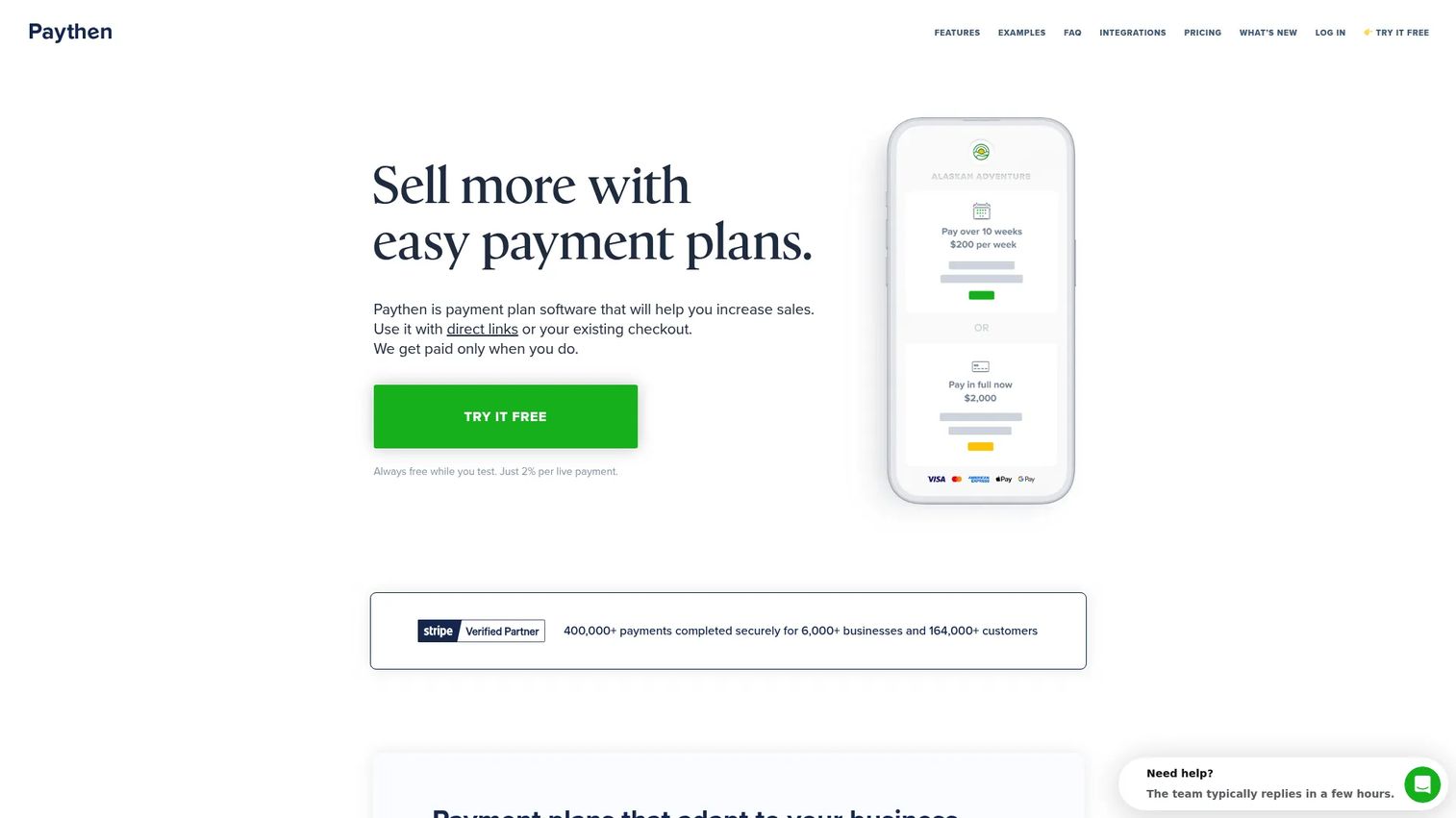
Paythen is a payment plan and subscription platform built for businesses that want to offer branded, flexible installment options without monthly software fees. It uses Stripe for payment collection and supports shareable payment links, fixed plans, flexible billing intervals, automated reminders, and failed-payment follow-up workflows. Customers get self-service pages where they can view their balance and payment history.
Best for: Service businesses, course creators, coaching programs, event organizers, and merchants that want automated payment-plan collection without BNPL lending complexity.
Key features
- Flexible payment plan links and billing intervals
- Automated reminders and failed-payment follow-ups
- Customer self-service pages with balance visibility
- Subscriptions and one-time payments on one platform
- Zapier integration connecting to 7,000+ apps
Why choose Paythen: Paythen is the most direct fit for merchant-owned installment plans. If your goal is to offer payment flexibility without touching BNPL underwriting or rebuilding Stripe's native billing logic yourself, Paythen handles the full workflow from link creation to collection.
Paythen pricing: Live payments cost 2% per transaction, with no monthly, setup, or hidden fees. Stripe processing fees apply separately on top. Testing is free forever.
G2 rating: 4.5/5
2. Stripe
Stripe is financial infrastructure rather than a dedicated installment-management app. It processes payments through cards, bank transfers, and selected pay-later methods and offers products including Payment Links, Billing, Invoicing, and Checkout that together can support installment-style workflows. Teams with RevOps or engineering capacity can build custom schedules, subscription logic, and customer payment pages on top of Stripe's APIs.
Best for: SaaS and ecommerce teams with engineering or RevOps support that want installment logic built around a robust payment processor they already run.
Key features
- Payment Links for shareable, one-click collection
- Stripe Billing for recurring and subscription workflows
- Invoicing with due dates and automatic reminders
- Checkout with pay-later payment methods where available
- Developer APIs for custom installment logic
Why choose Stripe: Choose Stripe when the team wants maximum control and the existing payment stack already runs on it. Account for implementation work: Custom schedules, customer self-service portals, and failed-payment recovery require building, not just switching on a setting.
Stripe pricing: Standard card processing costs 2.9% + 30¢ per successful transaction. Stripe Billing adds 0.7% of billing volume on a pay-as-you-go basis, or starts from $620/month on a one-year contract. Invoicing and other products carry separate fees.
G2 rating: 4.4/5
3. Daftra
Daftra is a cloud-based business management platform built for small and midsize companies that need installment tracking embedded inside broader back-office operations. Its modules cover accounting, sales, invoicing, inventory, POS, HR, CRM, and payment reporting. Installment agreements tie directly to invoices and customer balances, so finance teams get a single view of receivables without reconciling across separate tools.
Best for: Companies that need installment tracking connected to invoicing, accounting, and customer balance management in one system.
Key features
- Invoice-linked installment schedules with due dates
- Customer balance tracking and overdue notifications
- Accounting synchronization and payment reports
- Inventory, POS, and CRM modules in one platform
- 14-day free trial before committing
Why choose Daftra: Daftra is strongest when installment management needs to live with finance operations rather than a standalone payment link. It is less ideal if you only want lightweight shareable payment links without the broader ERP layer.
Daftra pricing: Plans start at $20/month. Annual pricing is $240/year for the basic tier, $495/year for the advanced tier, and $600/year for the full plan, with discounts of up to 30% on annual billing.
G2 rating: N/A (no verified G2 listing at time of writing)
4. WooCommerce
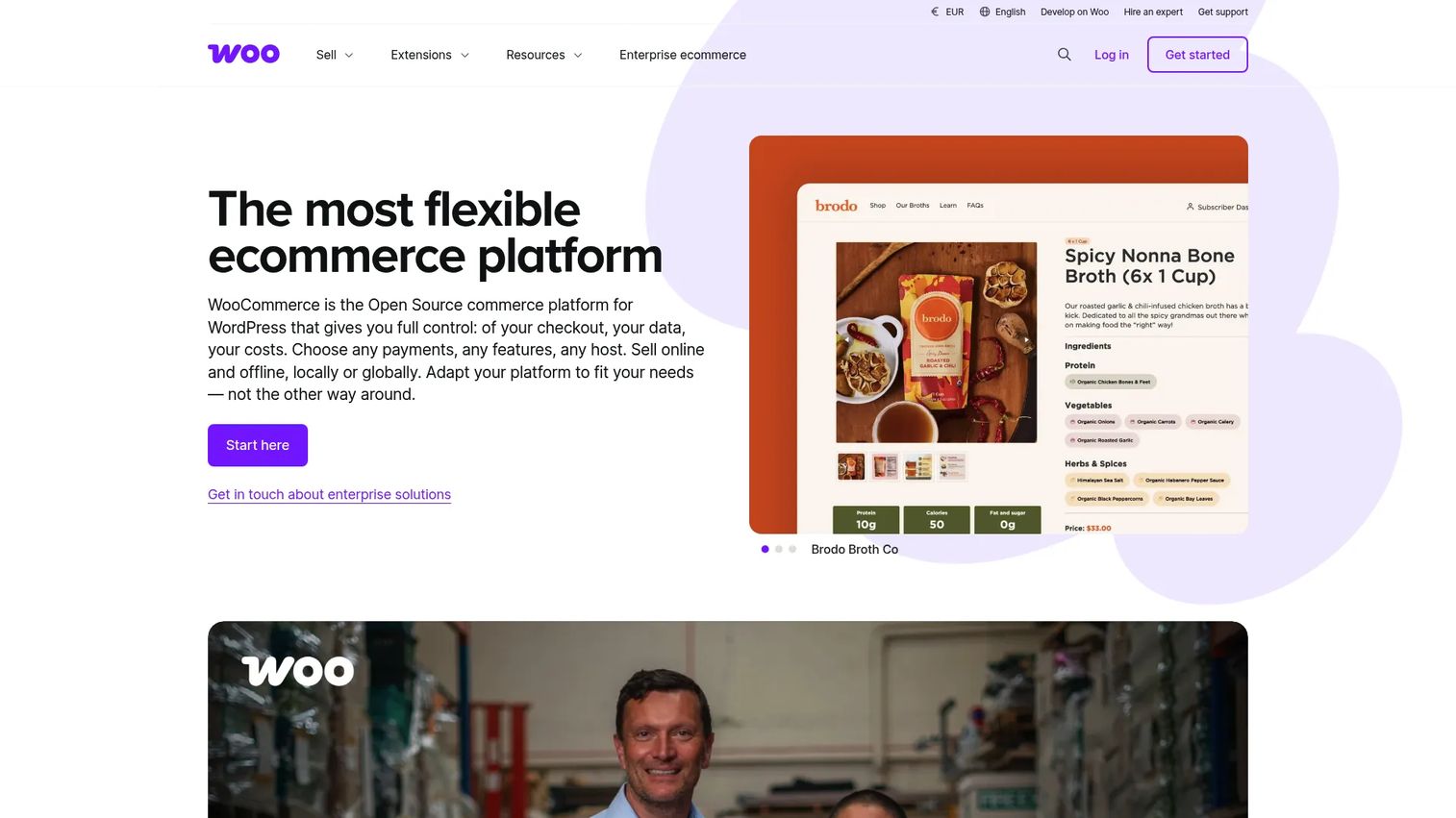
WooCommerce is an open-source ecommerce platform built on WordPress. It supports installment and payment-plan options through payment gateway extensions, checkout plugins, and BNPL integrations, giving store owners significant control over how payment methods appear at checkout. The core platform is free; installment-specific functionality depends on which extensions and gateways you add. For a broader comparison of ecommerce platforms for small business, that guide covers WooCommerce alongside its main competitors.
Best for: WordPress stores that want checkout-level installment control without migrating to a hosted commerce platform.
Key features
- Checkout extensions for installment and BNPL payment methods
- Product-level payment controls and pricing rules
- Multiple payment gateways including WooPayments, Stripe, PayPal, and Square
- Full WordPress customization with open-source code access
- Order management with inventory and tax automation
Why choose WooCommerce: Choose WooCommerce when the store already runs on WordPress and needs installment flexibility at checkout. Extension quality, update cadence, and support contracts matter here because the platform's power comes from its extension marketplace, not a managed feature set.
WooCommerce pricing: The core platform is free with no revenue share. Extensions run from $29 to $299/year each, and hosting typically costs $25 to $350/month for most stores. Payment gateway fees apply separately.
G2 rating: 4.4/5
5. Shopify

Shopify is a hosted ecommerce platform where installment and buy now pay later options arrive through native payments, BNPL provider integrations, and the Shopify app marketplace. It is not a standalone installment management system, but it is a strong fit for online merchants who want payment flexibility at checkout without building a custom billing layer.
Best for: Ecommerce brands that want BNPL and installment options at checkout on a fully managed platform.
Key features
- Shopify Checkout with native payment options
- App marketplace with BNPL and installment providers
- Order management and commerce analytics
- Omnichannel selling across web, POS, and social
- 3-day free trial followed by 3 months for $1/month
Why choose Shopify: Shopify makes sense when the business wants a managed commerce platform first and installment payments second. Evaluate payment provider eligibility, merchant fees, settlement timing, and buyer geography before enabling specific BNPL options.
Shopify pricing: Plans start at $29/month on annual billing (Basic), with Grow at $79/month and Advanced at $299/month. Shopify Plus starts from $2,300/month on a three-year term.
G2 rating: 4.4/5
6. Eventbrite
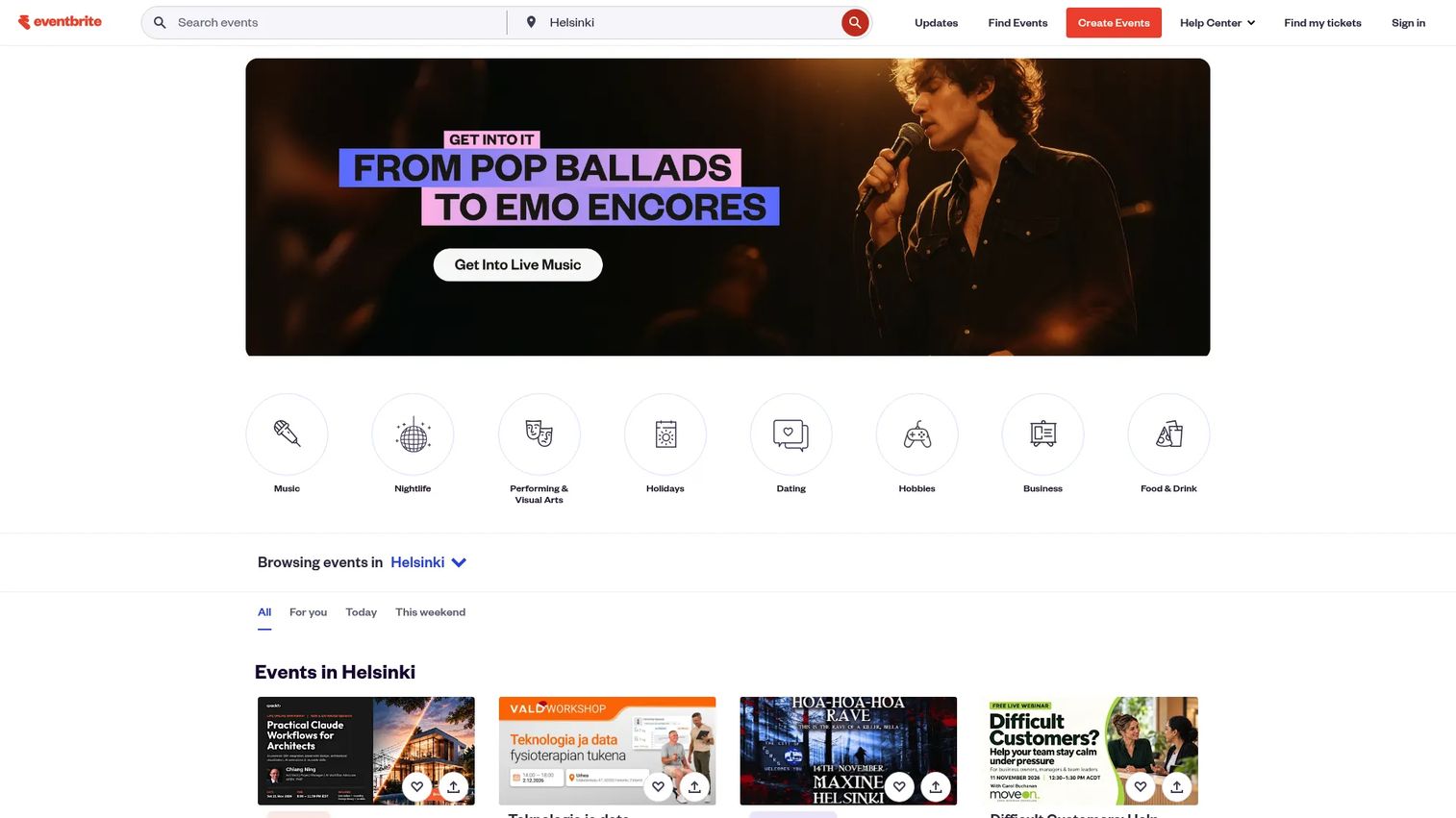
Eventbrite is an event management and ticketing platform that handles paid registrations, ticket tiers, promo codes, and attendee checkout. It is not a broad installment system. Its fit in this list is specific: Event organizers collecting upfront or tiered payments for workshops, conferences, and training events within the Eventbrite ecosystem.
Best for: Event organizers that need ticketing, registration, and payment collection in a single workflow without a separate billing tool.
Key features
- Customizable event pages with embedded checkout
- Multiple ticket tiers, promo codes, and add-ons
- Organizer mobile app with real-time attendee data
- Email marketing and social advertising integrations
- Reporting and analytics for event performance
Why choose Eventbrite: Use Eventbrite when the payment plan is part of event registration, not a standalone finance operation. For multi-installment tracking across a customer base, a dedicated payment-plan tool will serve better.
Eventbrite pricing: Free events have no fees. Paid-ticket events cost 3.7% + $1.79 service fee per ticket, plus 2.9% payment processing per order. Eventbrite Premium is $69/month or $708/year for organizers needing advanced features.
G2 rating: 4.3/5
7. Zapier
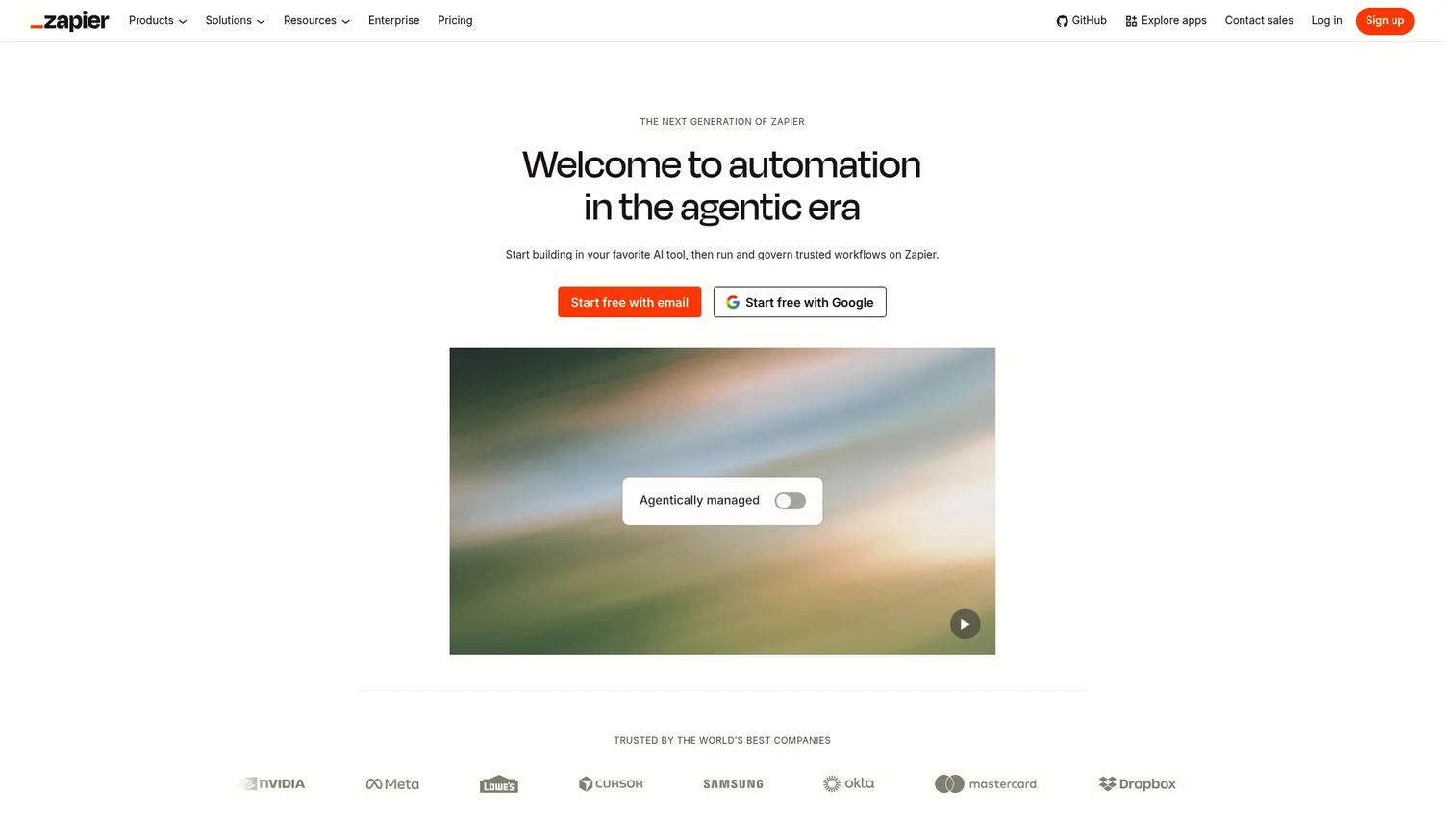
Zapier is an automation platform that connects apps across payment tools, CRMs, spreadsheets, messaging systems, and accounting platforms. It is not installment payment software by itself. Its role is workflow glue: Triggering reminders when a payment is due, updating a CRM when a plan is created, or syncing payment status to a shared spreadsheet.
Best for: Teams that need to automate handoffs between installment tools and the rest of their operational stack.
Key features
- Payment workflow triggers and multi-step Zaps
- CRM updates when payment events occur
- Spreadsheet syncs for balance and status data
- Reminder automation across email and messaging apps
- Connections across 9,000+ apps with no-code builder
Why choose Zapier: Zapier fits when the problem is workflow connectivity rather than payment collection itself. It amplifies existing installment tools but should not be the system of record for customer balances or payment history.
Zapier pricing: The free plan includes 100 tasks/month with unlimited two-step Zaps. Professional plans start from $19.99/month. Team plans start from $69/month with collaboration features and SAML SSO.
G2 rating: 4.5/5
8. Timeline Free Installment Manager
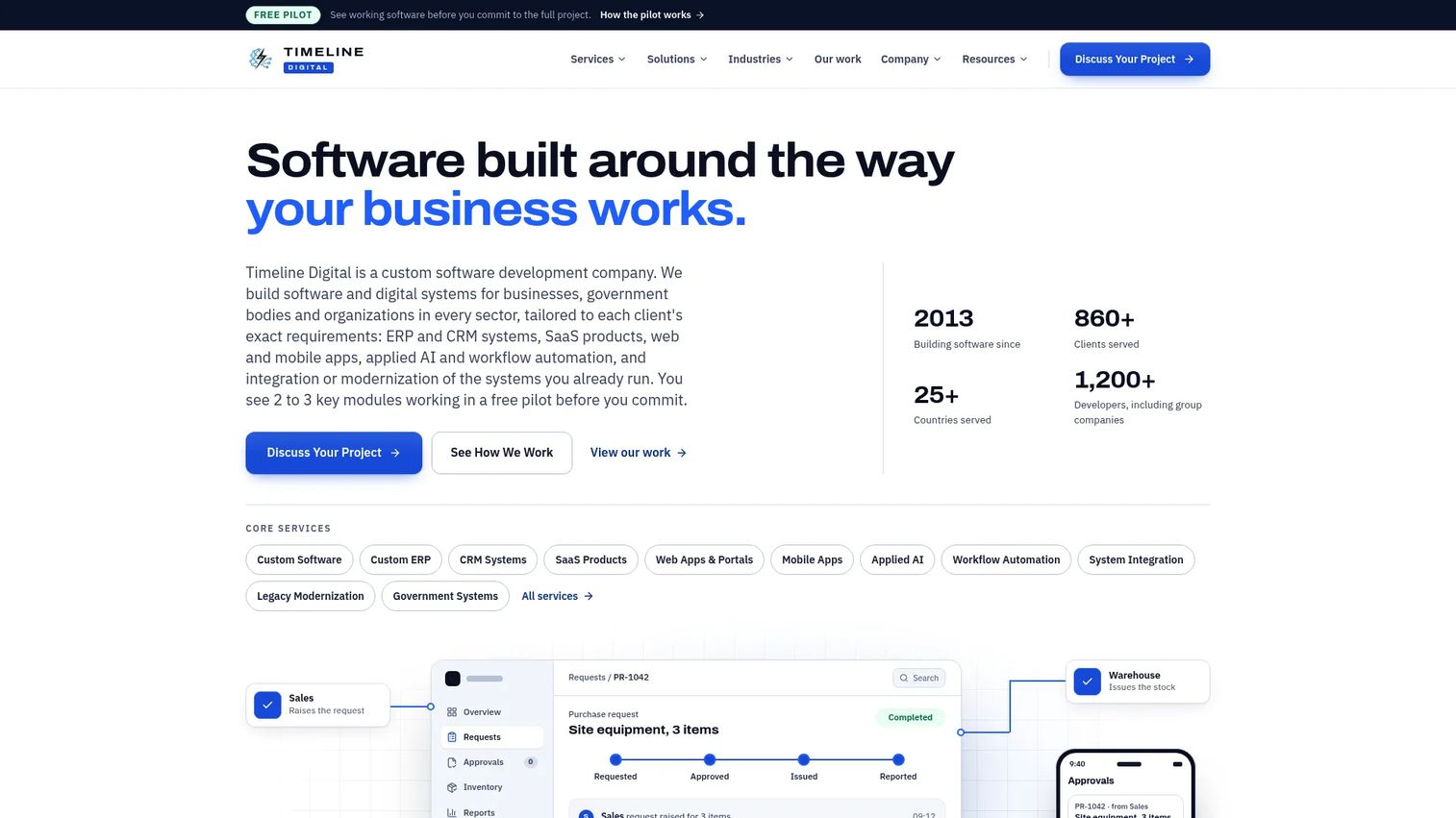
Timeline Free Installment Manager is a free, offline Windows application for tracking customers, installment schedules, payments, receipts, overdue accounts, and reports. It suits small shops and showrooms selling through EMI, layaway, or hire-purchase models on Windows, with no internet connection or monthly subscription required.
Best for: Small retail or service businesses that need free, local installment schedule tracking before investing in cloud-based billing software.
Key features
- Automatic installment schedules with live previews
- Branded printed or PDF receipts
- Overdue recovery lists with customer and guarantor details
- 11 exportable reports
- Offline local database with one-click backup
Why choose Timeline Free Installment Manager: It is the right starting point for businesses managing installments at low volume on Windows hardware. Before relying on it at scale, verify the backup process, data export format, and update support, because free tools require manual discipline that paid tools automate.
Timeline Free Installment Manager pricing: Free forever with no trial, subscription, or per-user fee.
G2 rating: N/A (no verified G2 listing)
9. Jarbas
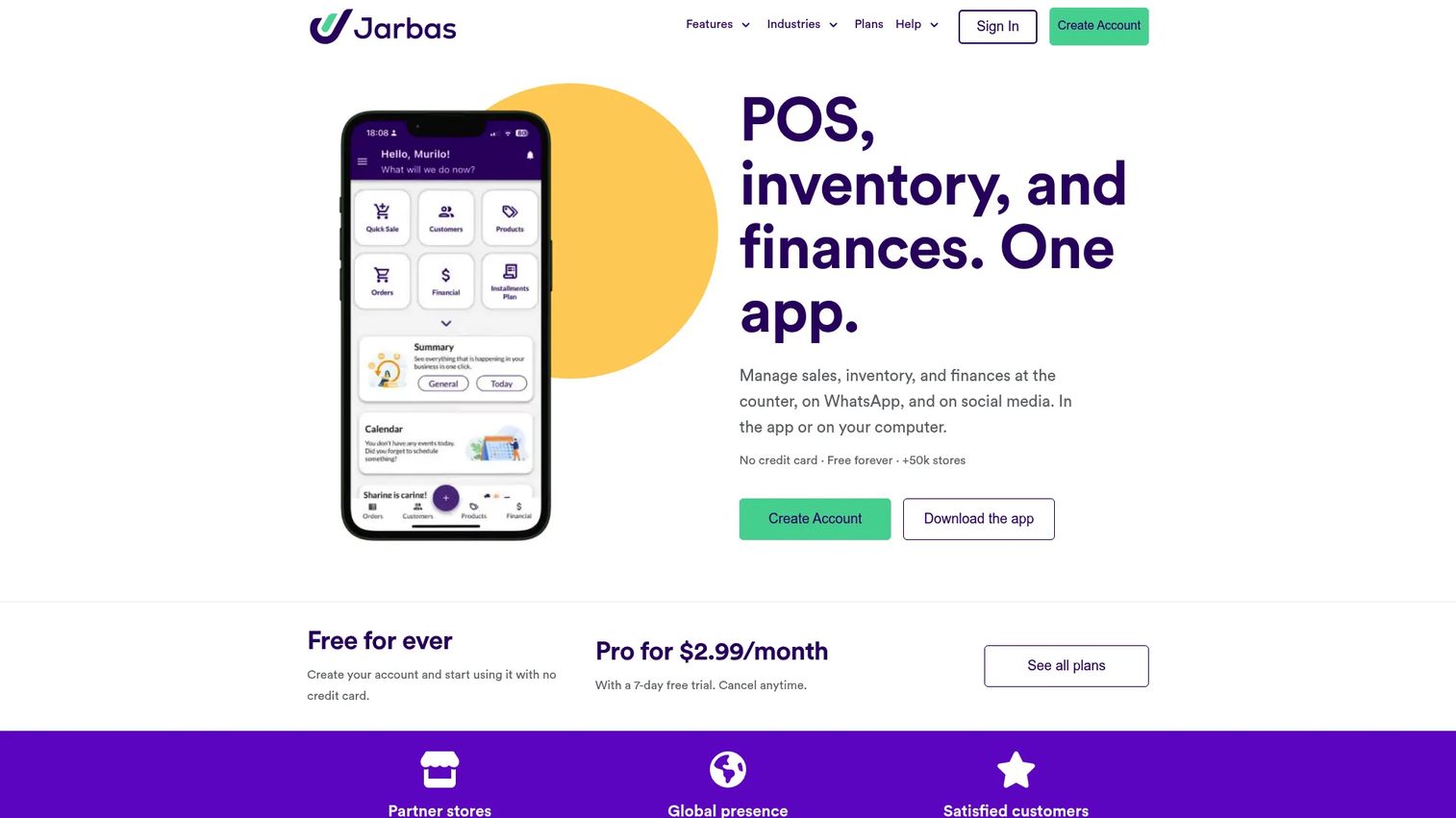
Jarbas is a mobile-first POS, inventory, sales, and financial management platform for small retail and service businesses. It combines point-of-sale with customer management, order control, and financial reporting in one app. While it is not a dedicated installment-plan tool, it supports customer and financial tracking that small businesses use alongside installment workflows.
Best for: Small retail and service businesses that need mobile POS, inventory, and customer management with financial oversight.
Key features
- Point of sale and order control
- Inventory and customer management
- Online catalog and product variations
- Financial control and reporting
- Web access and Excel report exports (Pro and Premium)
Why choose Jarbas: Jarbas fits small businesses managing customer accounts and sales through a mobile-first interface. It is not the right fit for a SaaS founder running card-based online payment plans at scale; for that use case, Paythen or Stripe are more direct.
Jarbas pricing: The Basic plan is free forever. Pro costs $2.99/month or $29.90/year. Premium costs $6.99/month or $69.90/year, adding web access, mass imports, and cash-register control.
10. Vergent LMS
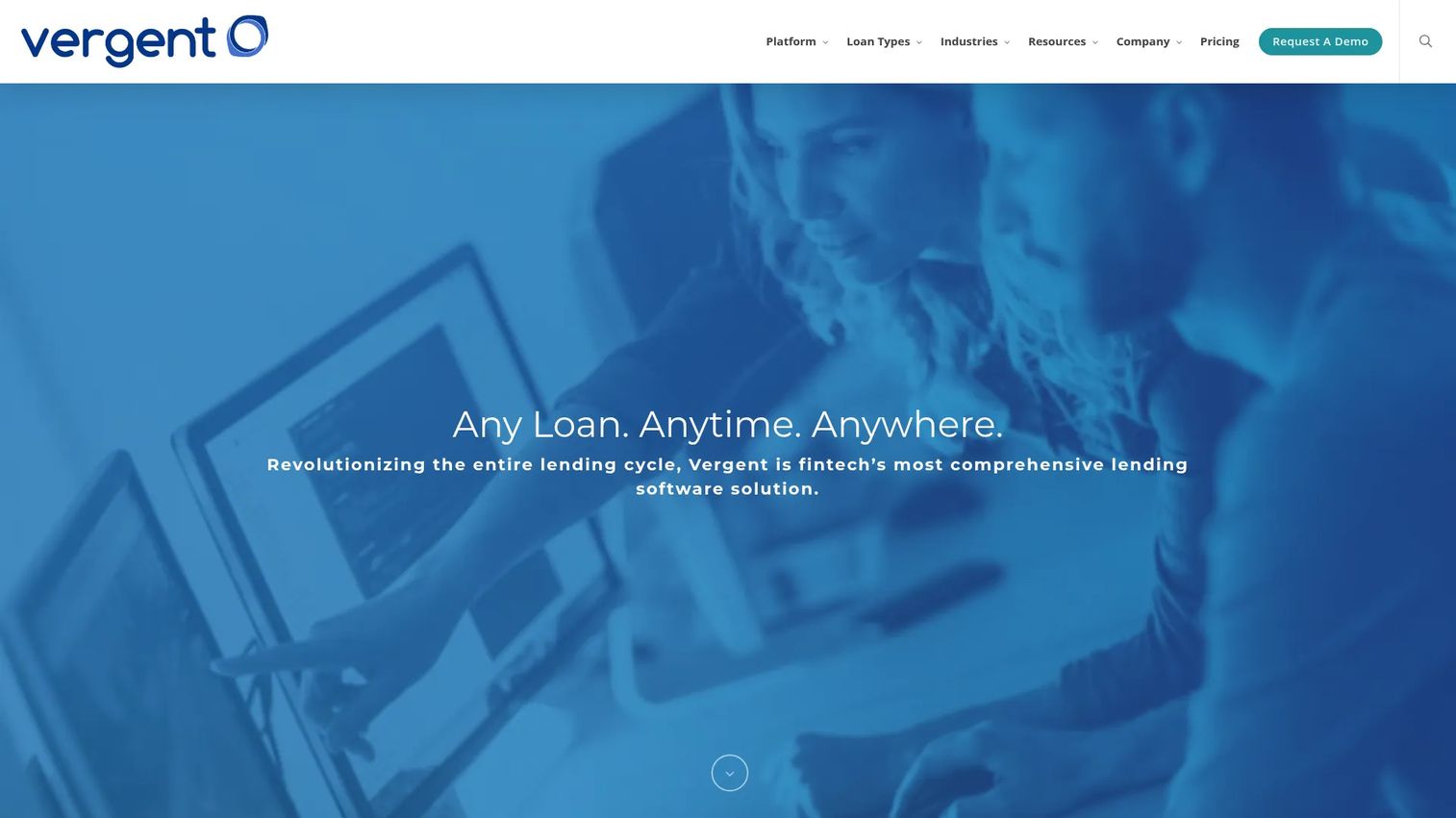
Vergent LMS is a cloud-based loan management system for consumer, commercial, specialty, and multi-state lenders. It covers loan origination, automated underwriting, servicing, payment processing, collections, borrower management, compliance controls, and 400+ customizable reports. This is categorically different from a merchant payment-plan tool. If your business originates or services loans, Vergent is worth evaluating; if you're simply splitting SaaS implementation fees into milestones, it is too heavy.
Best for: Licensed lenders and finance companies managing installment loan portfolios across origination, servicing, and compliance.
Key features
- Configurable loan origination and automated underwriting
- End-to-end loan servicing and payment processing
- Multi-state compliance controls
- Bilingual English/Spanish borrower portal
- 400+ customizable reports with 80+ integrations
Why choose Vergent LMS: Vergent covers the full loan lifecycle for lenders who need compliance controls and multi-state regulatory support. For businesses that simply want to offer a customer a three-payment schedule, the scope here is more than necessary.
Vergent LMS pricing: Custom pricing based on transaction volume, portfolio size, and integration needs. Contact Vergent for a quote. Two plan tiers exist (Small-Lender Bundle and Enterprise Standard), but prices are not displayed.
G2 rating: 4.3/5
11. Infinity ELS
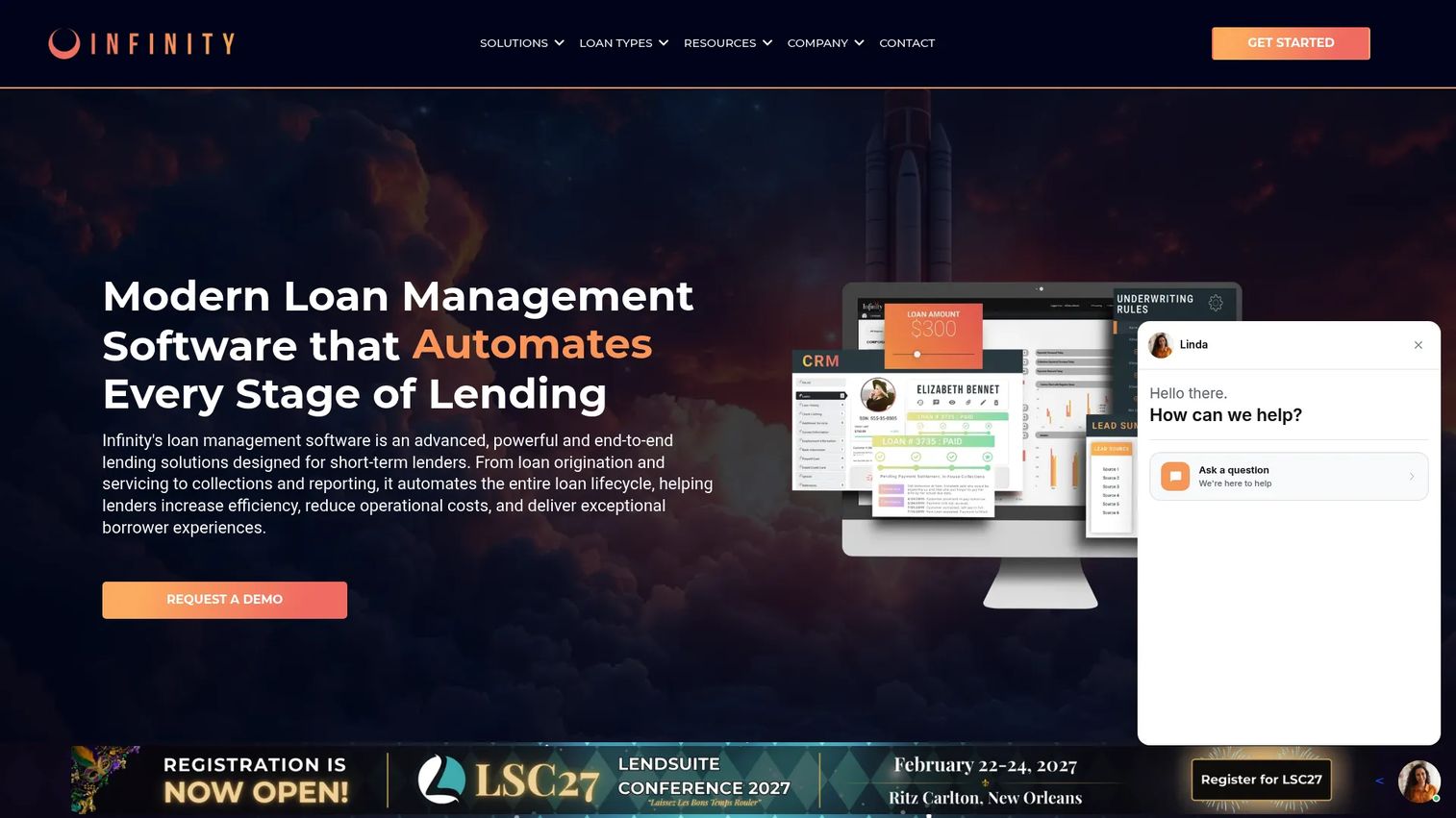
Infinity ELS is enterprise lending software for short-term, consumer, installment, payday, auto-title, and alternative lenders that need configurable end-to-end lending operations. It handles loan origination, automated underwriting, servicing, payment processing, collections, and compliance. Like Vergent LMS, it is built for licensed lending operations, not merchant payment plans.
Best for: Larger lenders building origination-to-servicing infrastructure for installment and alternative loan products.
Key features
- Loan origination and automated underwriting
- Loan servicing and payment processing
- Configurable loan products and compliance tools
- Customer account records and portfolio workflows
- Enterprise reporting and CRM integrations
Why choose Infinity ELS: Infinity ELS fits organizations building lending operations from origination through collections. Teams looking for a lightweight payment-plan tool for their own customers should look at Paythen or Stripe instead.
Infinity ELS pricing: Custom pricing. Contact Infinity Software for a quote based on users, loan volume, integrations, and support requirements.
12. Infinity LMS

Infinity LMS is a cloud-based loan management system from the same vendor as Infinity ELS, designed for storefront and online lenders managing installment loan portfolios. It covers borrower account management, payment schedules, collections, real-time dashboards, and CRM integrations. The audience is lenders, not merchants.
Best for: Loan servicing teams that need structured borrower and portfolio management for installment loan products.
Key features
- Installment loan servicing and payment processing
- Borrower account management and customer portal
- Configurable loan products and lending workflows
- Collections tools and real-time dashboards
- CRM and third-party integrations
Why choose Infinity LMS: Choose it when lending operations are central to the business model and the team needs borrower-level portfolio management. Avoid positioning it as a checkout tool or a quick-start payment plan option.
Infinity LMS pricing: Custom pricing based on users, loan volume, and integration requirements. Contact Infinity Software for a quote.
13. Excel
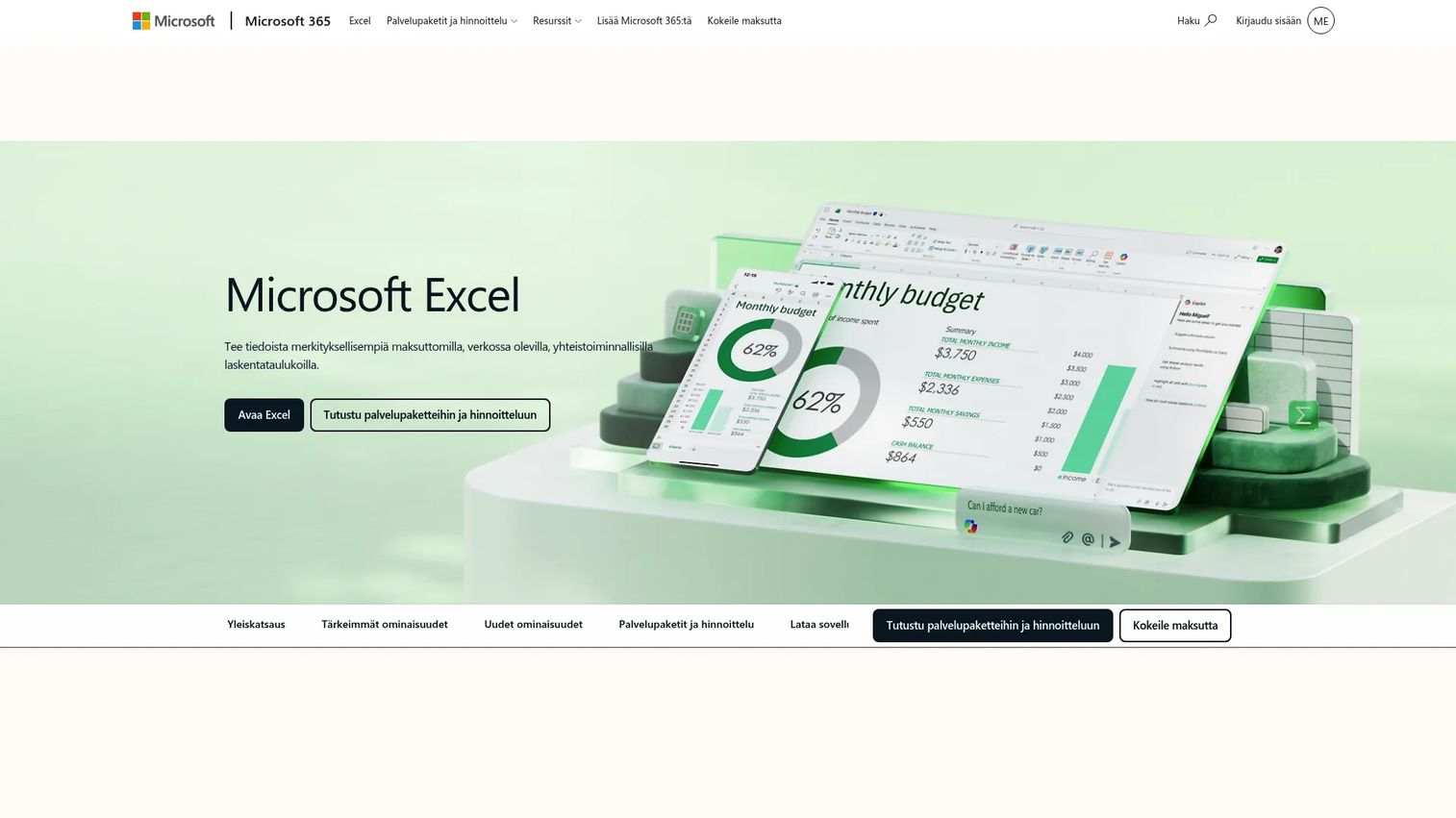
Microsoft Excel is the most flexible manual option for early-stage installment tracking. A well-built spreadsheet can handle due dates, running balances, payment status, customer notes, and overdue flags. It breaks down the moment multiple people are editing the same file, payment reminders need to go out automatically, or the founder is spending weekend time reconciling collections.
Best for: Founders and small teams managing fewer than 20 active payment plans manually while validating the model.
Key features
- Custom trackers with formula-based running balances
- Manual due dates and payment status columns
- Local file storage with export flexibility
- Copilot-assisted formulas and formatting (Microsoft 365)
- Real-time collaboration on the web version
Why choose Excel: Excel is the right answer for early validation and one-off tracking. The risk appears when multiple people edit files, customer balances change frequently, or missed follow-up starts costing real revenue. At that point, a dedicated tool recovers the time faster than the subscription costs.
Excel pricing: Excel for the web is free with a Microsoft account. Microsoft 365 Personal costs $9.99/month. Microsoft 365 Family is $12.99/month, and Microsoft 365 Premium is $19.99/month, adding desktop applications and additional storage.
G2 rating: 4.7/5
14. Google Sheets
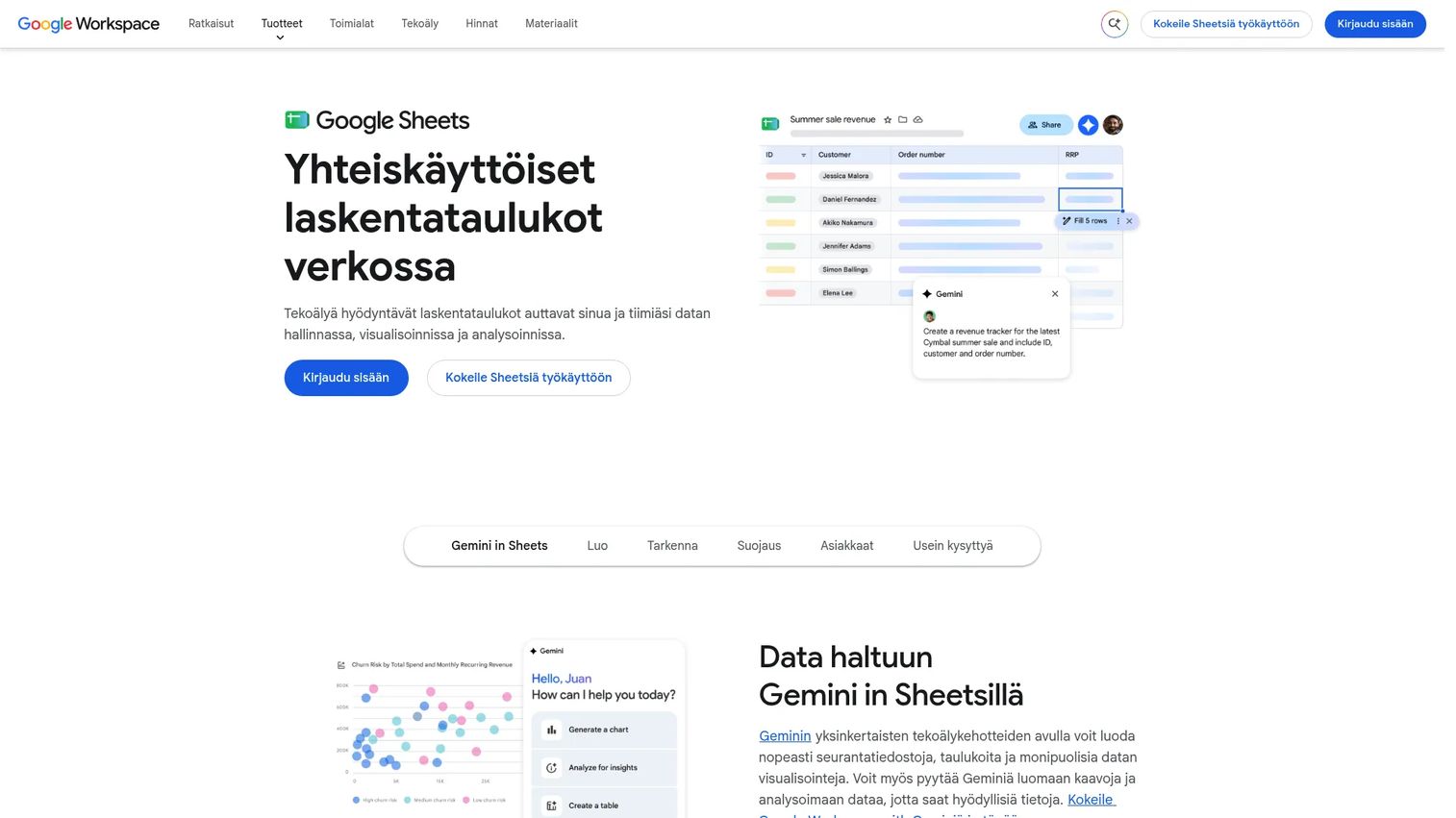
Google Sheets is a collaborative, cloud-based spreadsheet that improves on local Excel files for teams that need shared access. Multiple people can view and edit in real time without emailing files. It still requires the same manual discipline as Excel: Someone has to build the tracker, write the formulas, send the reminders, and reconcile the data.
Best for: Small teams that need shared installment tracking before the volume or complexity justifies dedicated software.
Key features
- Real-time collaboration with view, comment, and edit permissions
- Gemini-assisted formula writing and data analysis
- Connected Sheets integration with BigQuery for larger datasets
- Offline access and editing
- Microsoft Excel import and compatibility
Why choose Google Sheets: Choose it for quick setup and collaborative access. Move beyond it when payment reminders need automation, overdue accounts require systematic follow-up, or formula errors start producing unreliable balances.
Google Sheets pricing: Free for anyone with a Google account. Google Workspace plans for businesses start at $7/user/month (Business Starter), $14/user/month (Business Standard), and $22/user/month (Business Plus). Enterprise pricing requires contacting sales.
15. Affirm

Affirm is a buy now pay later and consumer financing provider for merchants that want to offer installment options at checkout. It differs from merchant-owned payment-plan tools in a fundamental way: Affirm underwrites the transaction, funds the merchant upfront, and collects repayments from the buyer directly. The merchant avoids carrying receivables. The buyer gets Pay in 4 or longer monthly installment options.
Best for: Ecommerce and retail merchants that want to offer consumer financing on higher-ticket purchases without managing repayment themselves.
Key features
- Adaptive Checkout with Pay in 4 and monthly installment options
- Prequalification flows for buyers before cart checkout
- Direct API, mobile SDK, and hosted checkout integration options
- Promotional messaging and merchant analytics
- Marketplace exposure through Affirm's consumer network
Why choose Affirm: Choose Affirm when checkout conversion and consumer affordability matter more than owning the payment-plan workflow. Evaluate merchant fees (which vary by business size, risk profile, and selected program), buyer approval rates, settlement timing, dispute resolution, and geographic availability before enabling it.
Affirm pricing: Affirm charges a base percentage plus a per-transaction fee that varies by business type, size, and program. No integration, monthly, or annual platform fees apply. Contact Affirm's merchant team for specific rates.
G2 rating: 4.2/5
Considerations when choosing installment payment software
Start with the operating model
Before comparing features, decide which payment model fits the business: Merchant-owned plans, BNPL, invoice-linked installments, or loan management software. This single decision drives cash flow timing, compliance exposure, merchant fees, and who handles a failed payment. Getting this wrong means rebuilding the workflow when the original tool doesn't fit.
Check collection automation depth
Manual collection breaks down fast. Evaluate whether the tool handles saved cards, scheduled charges, automatic retries on failed payments, overdue reminders, and customer self-service pages. The more manual the collection process, the faster founder or finance team time disappears into follow-up work that software should own.
Look at reporting and export quality
A Series B founder handing off finance operations to a VP or RevOps lead needs clean receivables visibility. Prioritize tools that export customer balances, payment status, overdue accounts, and collection history in formats your accounting stack can consume. A tool with no export path creates a data silo.
Match the tool to your existing stack
Map the candidate tool against Stripe, your accounting system, ecommerce platform, CRM, and automation tools before committing. A payment-plan tool that doesn't connect to what you already run either adds manual reconciliation work or becomes another business process management problem. The best payment processing software guide covers the broader infrastructure layer if you're evaluating gateway options alongside installment tools.
Know when free stops being cheap
Spreadsheets and free tools are the right answer at low volume. They become operational risk once missed follow-up, formula errors, or founder involvement become routine. Set a threshold: When managing active plans consumes more than a few hours a week, the subscription cost of a dedicated tool is usually recovered in the first month.
Conclusion
The right installment payment software starts with a model choice, not a feature list. Paythen handles merchant-owned payment plans cleanly with a 2%-per-transaction model and no monthly fee. Stripe is the right foundation when the team can build installment logic on top of payment infrastructure they already operate. Daftra ties installment management to invoicing and accounting for businesses that need everything in one back-office system. WooCommerce and Shopify cover checkout-based installment and BNPL options for ecommerce stores at different levels of platform control.
For lending operations, Vergent LMS, Infinity ELS, and Infinity LMS serve licensed lenders with origination-to-servicing workflows that sit far outside the merchant payment-plan category. Timeline Free Installment Manager, Excel, and Google Sheets are legitimate starting points at low volume, but each one requires manual discipline that breaks down with growth. Affirm covers consumer BNPL financing for merchants who want to improve checkout conversion without carrying receivables.
Start by choosing the operating model, then shortlist tools. A payment-plan tool should reduce founder involvement, give finance leadership clean receivables visibility, and earn its place in the stack within the first quarter.
FAQs
Installment payment software helps businesses create and manage payment plans that split a purchase, invoice, loan, or service fee into scheduled payments. Core functions include plan creation, automated collection, due-date management, overdue reminders, failed-payment retries, customer balance tracking, and reporting. Some tools are built for merchants; others serve licensed lenders.
Merchant installment software lets the business own the payment plan and collect through its own payment processor. The merchant carries the receivables and manages follow-up. BNPL software involves a third-party financing provider who underwrites the transaction, funds the merchant upfront, and collects repayments from the buyer. The two models differ in who takes the credit risk, who owns the customer relationship on repayment, and how merchant fees and settlement timing work.
For small businesses offering service-based payment plans, Paythen is the most direct fit. For invoice-based businesses needing accounting integration, Daftra connects installments to invoicing and customer balances. Shopify or WooCommerce work for ecommerce stores. At very low volume, a well-structured spreadsheet in Excel or Google Sheets is a reasonable starting point before volume justifies a subscription.
Yes, for a small number of active plans. A spreadsheet can track due dates, running balances, and payment status. The risk appears when plans multiply, follow-up becomes frequent, multiple team members edit the same file, or overdue accounts require systematic tracking. At that point, formula errors and missed reminders become operational costs that exceed the price of dedicated software.
Look for custom payment schedules with configurable intervals and deposit support, automated card or gateway collection, failed-payment retries, overdue reminders, customer self-service access to balances and receipts, and data exports for accounting reconciliation. For founder-stage companies handing off finance operations, clean reporting on overdue accounts and collection history matters as much as the collection mechanics themselves.
Stripe is payment infrastructure that can support installment workflows through Billing, Invoicing, Payment Links, Checkout, and developer APIs. Out of the box it is not a dedicated installment management application. Building custom payment schedules, customer self-service pages, and failed-payment recovery on Stripe requires engineering or RevOps effort. Teams without that capacity typically get further, faster with a tool like Paythen that is built specifically for payment-plan management on top of Stripe.
Use loan management software when the business originates, underwrites, or services loans as a licensed lending operation. Tools like Vergent LMS and Infinity LMS handle multi-state compliance, borrower portals, underwriting rules, and collection workflows for loan portfolios. Use payment-plan software when the business simply splits a service fee, invoice, or product purchase into scheduled payments for its own customers.
Pricing varies significantly by model. Spreadsheets are free or bundled with an existing Microsoft 365 or Google Workspace subscription. Merchant payment-plan tools like Paythen charge per live transaction (2%) rather than a monthly fee. Payment processors like Stripe charge per transaction (2.9% + 30¢ for card payments, plus product-specific fees for Billing). Ecommerce platforms like Shopify start from $29/month. BNPL providers like Affirm charge merchant fees that vary by business profile and program. Lending management systems from Vergent, Infinity ELS, and Infinity LMS all use custom, sales-led pricing based on volume and configuration.