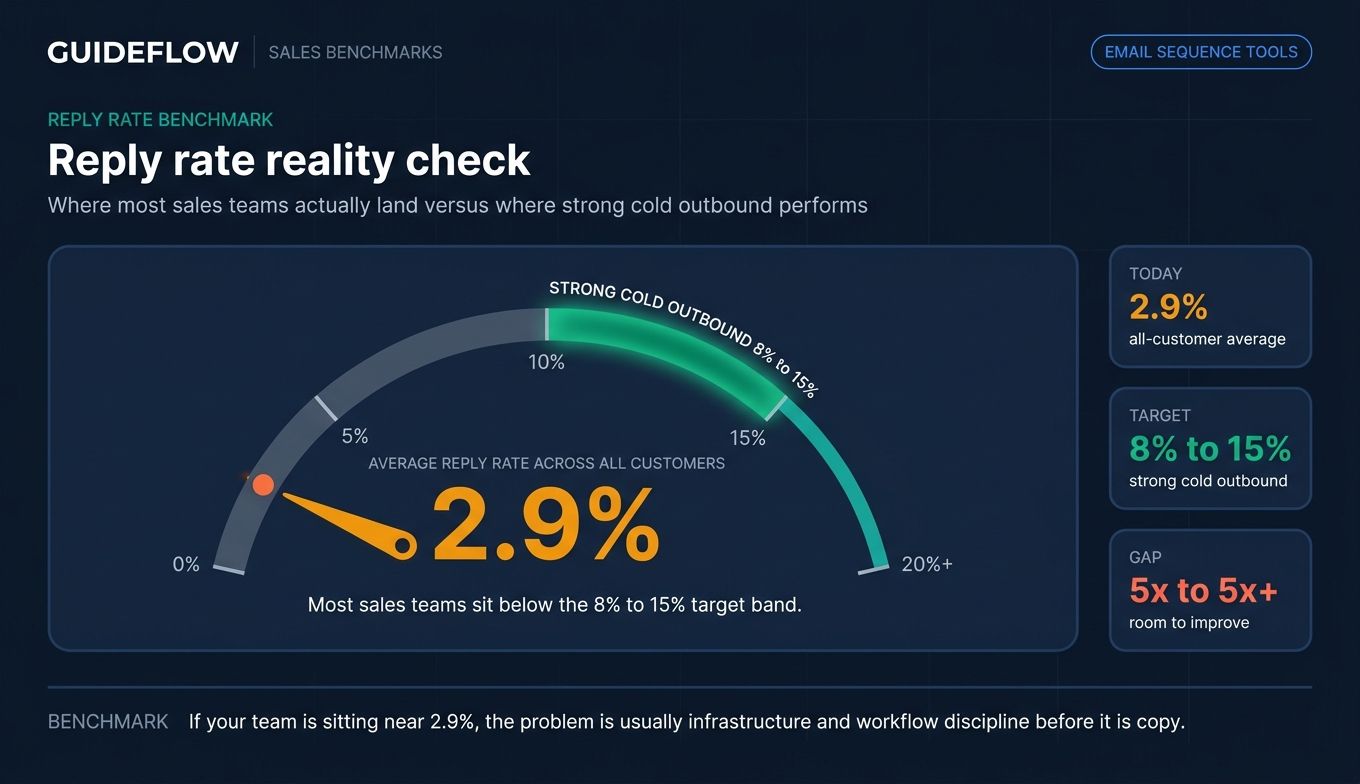
Reply rates are getting worse, not better. Outreach's 2026 sequence benchmarks put the average reply rate across all customers at 2.9%, with cold outbound landing somewhere between 8% and 15% on a good day. Most sales teams are below that band and don't know why.
The honest answer is usually a stack problem more than a copy problem. The sender mailbox is overheated. The CRM is half-synced. The sequencing tool was picked by one rep two years ago and the rest of the team copy-pasted into it. Reps don't trust their own data, managers can't tell what's working, and every quarter the conversation cycles back to "maybe we should switch tools."
That conversation is the one this guide is built for. Not a generic best-of, not a feature dump, but a working shortlist of email sequence tools that hold up under real sales workflows: SDR pods running cold outbound, AEs sending post-demo follow-ups, sales managers trying to standardize a play across 12 reps.
The 11 platforms below cover the realistic range of options sales teams shortlist in 2026: cold email infrastructure tools, full sales engagement platforms, CRM-native sequencers, and personalization-first outreach tools. Pricing is taken from each vendor's live pricing page. G2 ratings are taken from each tool's current listing on G2's sales engagement category rankings. Where a value couldn't be confirmed, it's flagged.
What's inside
This guide is built for sales teams evaluating email sequence software in 2026: SDRs, AEs, sales managers, RevOps leaders, and enablement managers. Every tool below was selected against four criteria:
- Built for sales sequences, not repurposed marketing automation.
- Deliverability and inbox-placement infrastructure (warm-up, sender rotation, bounce handling).
- CRM and stack fit with Salesforce, HubSpot, Pipedrive, and the sales tech around them.
- Pricing transparency and adoption ease for teams that need to ship sequences in week one, not quarter two.
Tools that show up only in marketing automation comparisons were excluded. Tools without verifiable pricing or active G2 presence were excluded.
TL;DR
- Best for high-volume cold outbound: Instantly
- Best for enterprise multichannel sales engagement: Salesloft
- Best for AI-driven enterprise revenue workflows: Outreach
- Best CRM-native sequencing: HubSpot Sales Hub
- Best for prospecting plus sequencing in one tool: Apollo.io
- Best for agencies and high-volume infrastructure: Smartlead
- Best flat-fee value for SMB cold outreach: Saleshandy
- Best for personalization-heavy outbound: Lemlist
- Best for multichannel sequences with AI: Reply.io
- Best for simple, fast-setup cold email: Mailshake
- Best mid-market multichannel at SMB pricing: Klenty
What email sequence tools actually do
Email sequence tools automate multi-step outbound and follow-up email campaigns for sales teams, triggering messages based on time delays, recipient actions, and CRM events.
That's the definition. The capabilities behind it are what separate a usable sequencing tool from a glorified scheduler:
- Timed multi-step follow-ups that pause when a prospect replies, books a meeting, or opts out.
- Reply detection and bounce handling so the sequence stops automatically when it should.
- A/B testing on subject lines, copy, and send timing across statistically meaningful sample sizes.
- Personalization variables pulled from CRM fields, enrichment data, or uploaded CSVs.
- Deliverability infrastructure: domain warm-up, sender rotation across multiple mailboxes, custom tracking domains, SPF, DKIM, and DMARC authentication standards.
- CRM sync that logs activity back to the right contact and opportunity without double entry.
- Sequence analytics with open, reply, bounce, and meeting-booked rates at the step level.
- Multichannel touchpoints combining email with LinkedIn, calls, SMS, or tasks.
It's worth separating sales sequence software from marketing automation platforms, because the two often get lumped together in procurement conversations. Sales sequences are 1-to-1 personalized, lower volume per sender, and run from individual rep mailboxes so they look like real human emails. Marketing automation is 1-to-many broadcast from a shared marketing domain, optimized for nurture and lifecycle, not for booking a meeting from a cold inbox.
The tools below are built for the first job, not the second.
When sales teams use email sequence tools
Run outbound cold email at scale
SDR pods build targeted prospect lists, drop them into multi-step sequences, and rely on the tool's deliverability infrastructure to land in primary inboxes. The tool handles warm-up, sender rotation, and bounce hygiene so reps don't burn domains every time they scale a campaign. Cold sequences typically run 5 to 8 steps and combine email with LinkedIn or call tasks. Teams running this motion often layer in AI SDR tools to handle list-building and first-draft personalization.
Automate follow-ups after warm conversations
AEs use sequences for the work that happens between live calls: post-demo follow-ups, multi-thread outreach to a buying committee, nurture between procurement and contract - a pattern grounded in B2B buying committee research. These sequences are shorter, more personalized, and tied tightly to opportunity stage in the CRM. The tool's job is mostly reliability and timing, not raw deliverability muscle.
Standardize plays across the team
Sales enablement managers and frontline leaders use sequencing tools to lock in the plays that work, a behavior reinforced by state of sales productivity research. A top-performing AE's discovery follow-up becomes a templated sequence the whole team uses. A new SDR ramps faster because the first-week outbound play is already built. Sequences become the closest thing sales orgs have to a system of record for messaging.
Comparison table
The table below is sorted by relevance to sales teams running outbound today, not alphabetically. Pricing reflects each vendor's published starting tier on its live pricing page at time of writing. G2 ratings reflect each tool's current G2 listing.
| # | Product | Intent | Key differentiation | Pricing | G2 rating |
|---|---|---|---|---|---|
| 1 | Instantly | Cold outbound at scale | Unlimited sending accounts plus AI lead intelligence | From $37.60/month | 4.8/5 |
| 2 | Salesloft | Enterprise sales engagement | Cadences plus forecasting plus conversation intelligence | Custom | 4.5/5 |
| 3 | Outreach | Enterprise AI revenue platform | Agentic AI agents across engagement, deals, and forecasting | Per user, no platform fees | 4.3/5 |
| 4 | HubSpot Sales Hub | CRM-native sequencing | Sequencing inside the HubSpot CRM with no sync layer | Not publicly listed | 4.4/5 |
| 5 | Apollo.io | Prospecting plus sequencing | 230M+ contact database joined to outreach in one tool | Free tier available | 4.7/5 |
| 6 | Smartlead | Cold email infrastructure | Unified master inbox plus AI warm-up at scale | From $39/month | 4.5/5 |
| 7 | Saleshandy | SMB cold outreach | Volume-based flat pricing plus B2B lead finder | From $25/month annually | 4.5/5 |
| 8 | Lemlist | Personalization-heavy outbound | Custom images, video, and landing pages per recipient | From $31/user/month annually | 4.6/5 |
| 9 | Reply.io | Multichannel AI sequences | Conditional sequences across email, LinkedIn, calls, SMS | From $59/user/month | 4.6/5 |
| 10 | Mailshake | Simple, fast cold email | Fast setup with Lead Catcher reply hub | From $29/month | 4.7/5 |
| 11 | Klenty | Mid-market multichannel | Agentic cadences plus dialer at SMB pricing | From $50/month annually | 4.6/5 |
The 11 best email sequence tools for sales teams in 2026
1. Instantly
Instantly is an AI-powered sales engagement and lead intelligence platform built around cold email at scale. The tool combines a 450M+ B2B lead database with automated outreach and sales workflow automation, and it's a common pick for SDR teams and agencies that need to send across many mailboxes without per-inbox pricing pain.
Best for: SDR teams and agencies running high-volume cold outbound where deliverability and sending infrastructure dominate the decision.
Key strengths
- B2B lead database at scale: 450M+ contacts with advanced filters for ICP-driven list building.
- AI sequence and reply creation: Native AI for drafting sequences, replies, and follow-ups inside the tool.
- Sales workflow automation: Connects CRM, inbox, ads, and other sales tools into the outbound motion.
Why choose Instantly: Performs best when volume and deliverability are the constraint, not stakeholder governance. SDR leaders running outbound-heavy motions tend to land here. Mid-market teams that need deeper CRM workflows often pair it with a separate system of record.
Instantly pricing: Growth starts at $37.60/month, Hypergrowth at $77.60/month, Supersonic at $97/month, and Light Speed at $286.30/month. Lead intelligence credit plans start at $197/month for Hyper Credits. Enterprise and VIP tiers are custom-priced. Confirm at instantly.ai/pricing.
2. Salesloft
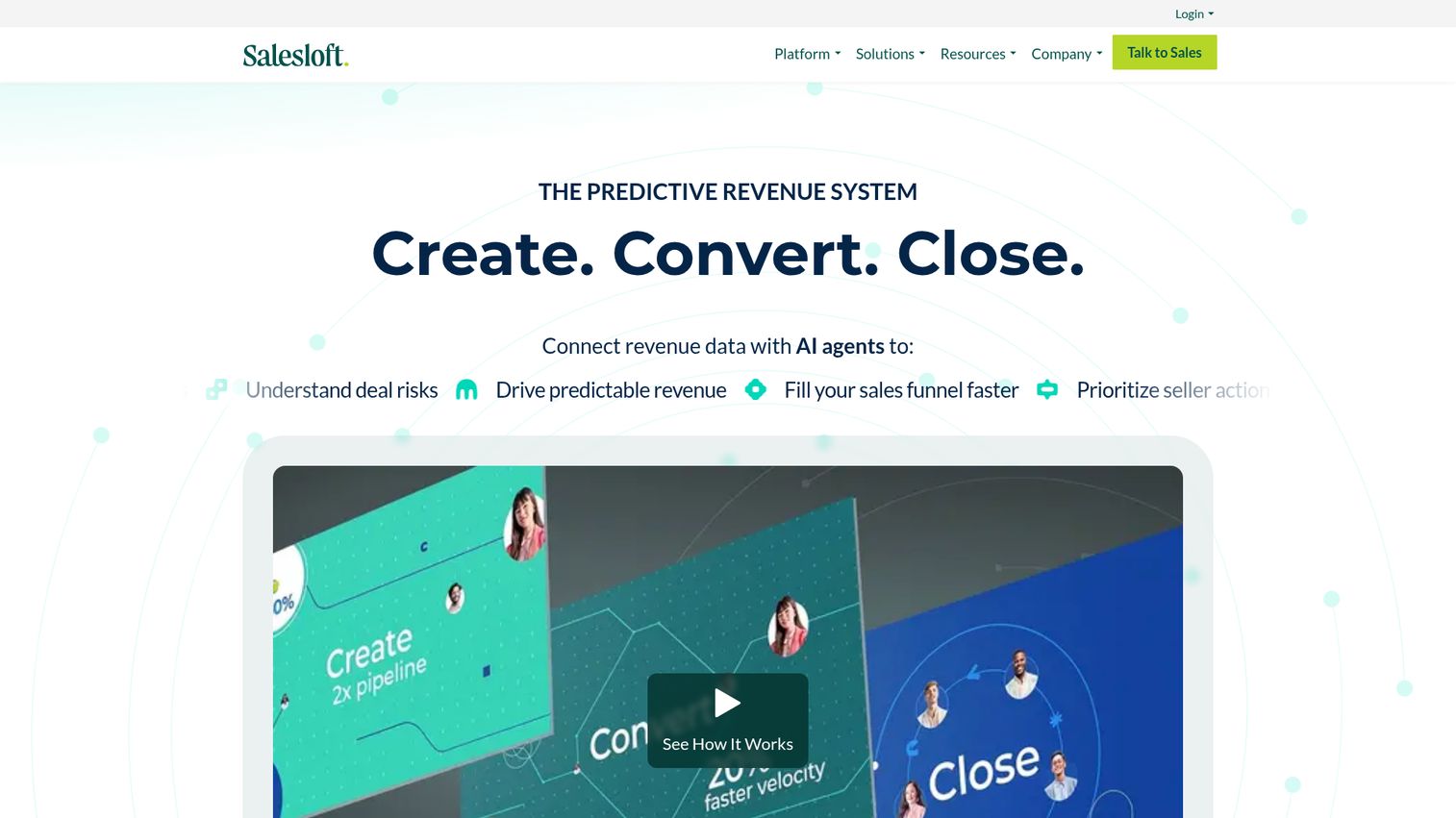
Salesloft is a revenue orchestration platform that combines cadences, forecasting, conversation intelligence, and AI agents into one system. Mid-market and enterprise sales orgs adopt it when they want one tool covering the SDR-to-AE workflow with deep Salesforce integration.
Best for: Mid-market and enterprise sales teams that want sequencing tied tightly to forecasting, coaching, and CRM workflow.
Key strengths
- Cadence management: Multi-step, multi-channel cadences for pipeline generation, nurture, and renewals.
- Forecasting with real-time deal data: AI-assisted forecast accuracy based on live pipeline signals.
- Conversation intelligence: Call recording and AI coaching insights sit alongside sequencing.
Why choose Salesloft: Performs best when the buying committee includes RevOps and sales leadership wanting one system across the team. Smaller teams typically find lighter cold-outreach tools faster to ramp.
Salesloft pricing: Salesloft does not publish list pricing. The pricing page directs prospects to contact sales for plan details. Confirm at salesloft.com/pricing.
3. Outreach
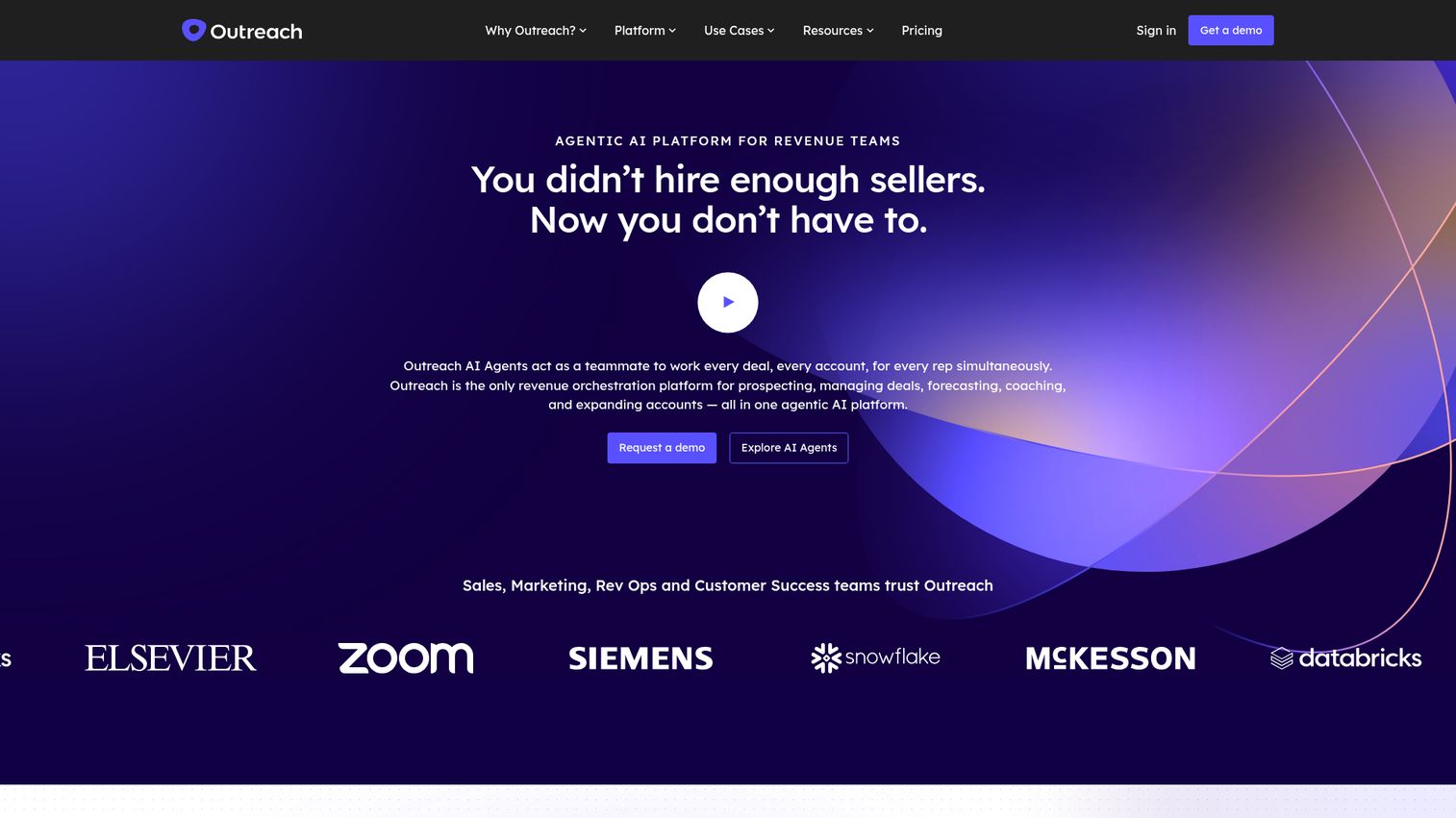
Outreach is an agentic AI revenue platform unifying prospect engagement, customer retention, coaching, and revenue intelligence with AI agents across the workflow. It's one of the long-standing enterprise sales engagement platforms and a frequent shortlist entry for orgs standardizing the SDR-to-AE motion.
Best for: Enterprise sales organizations consolidating engagement, deals, and forecasting on one AI-driven platform.
Key strengths
- AI agents: Agentic AI across prospect engagement, deal management, and coaching.
- Sales forecasting: Real-time deal data drives forecast accuracy and pipeline health.
- Pipeline management: Sequencing tied to opportunity stage and deal momentum.
Why choose Outreach: Performs best when sales leadership wants a system of record for sales activity, not just sequencing. Smaller teams running pure cold outbound often find lighter tools a better fit.
Outreach pricing: Per-user pricing with no platform fees, organized into customizable packages: Engage, Call (Voice), Meet, Deal, Forecast, and Amplify. List prices are not published. Confirm at outreach.io/pricing.
4. HubSpot Sales Hub
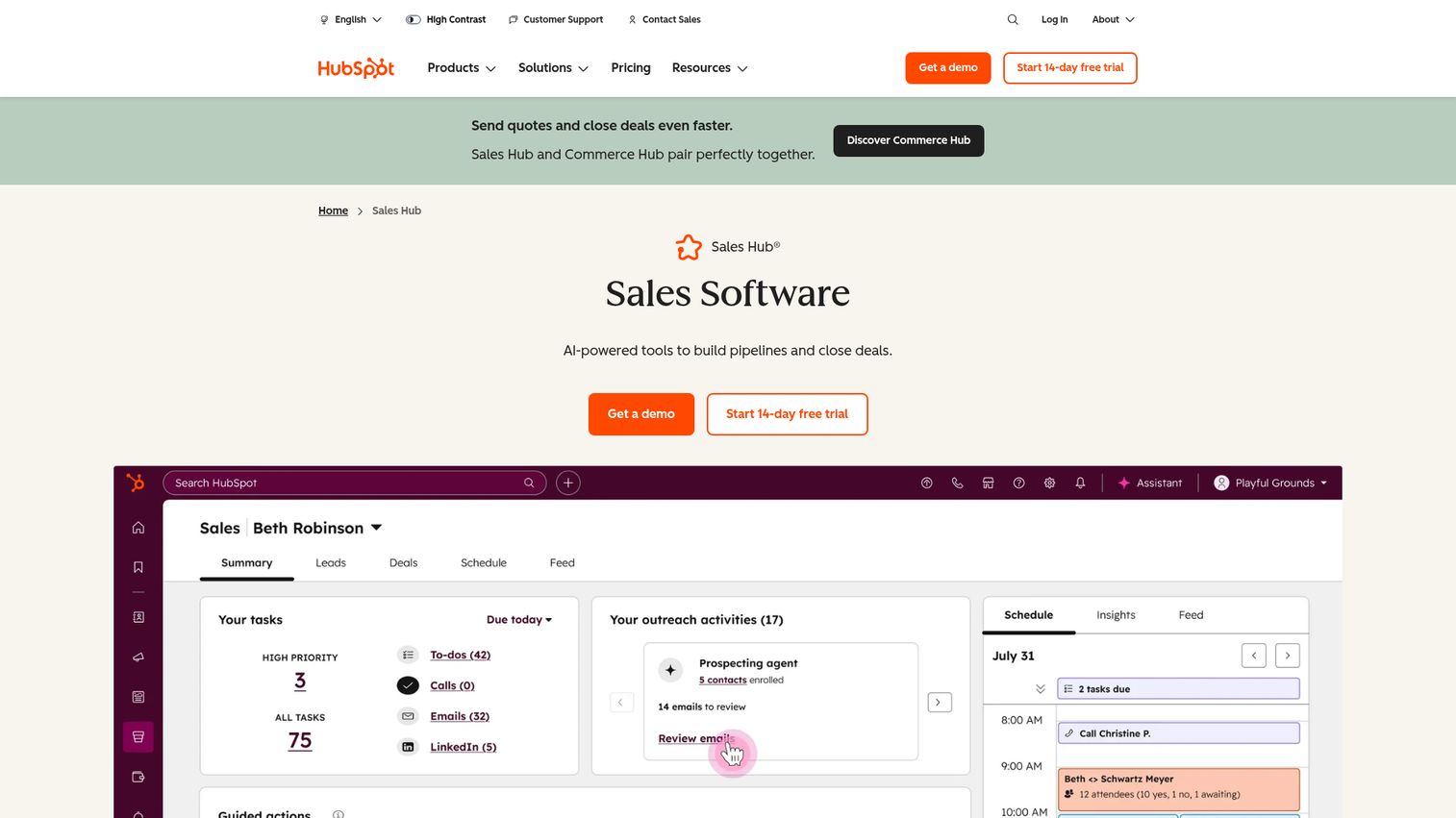
HubSpot Sales Hub brings AI-powered sales software directly into the HubSpot CRM, covering lead management, sales automation, and sales analytics. For teams already standardized on HubSpot, sequences live natively in the same system as contacts and deals.
Best for: SMB and mid-market sales teams already running HubSpot CRM who want sequencing without a separate sync layer.
Key strengths
- Lead management: Sequencing, lead routing, and CRM data sit in one platform.
- Sales automation: Templated sequences with personalization tokens pulled from CRM properties.
- Sales analytics and reporting: Sequence performance reports live inside CRM dashboards.
Why choose HubSpot Sales Hub: Performs best when consolidation and CRM consistency matter more than best-in-class cold sending. Outbound-heavy teams often pair it with a specialized cold email tool for high-volume work.
HubSpot Sales Hub pricing: HubSpot publishes pricing on its sales pricing page but the live tier figures could not be confirmed at time of writing. Confirm tier names, seat prices, and any free CRM tier at hubspot.com/pricing/sales.
5. Apollo.io
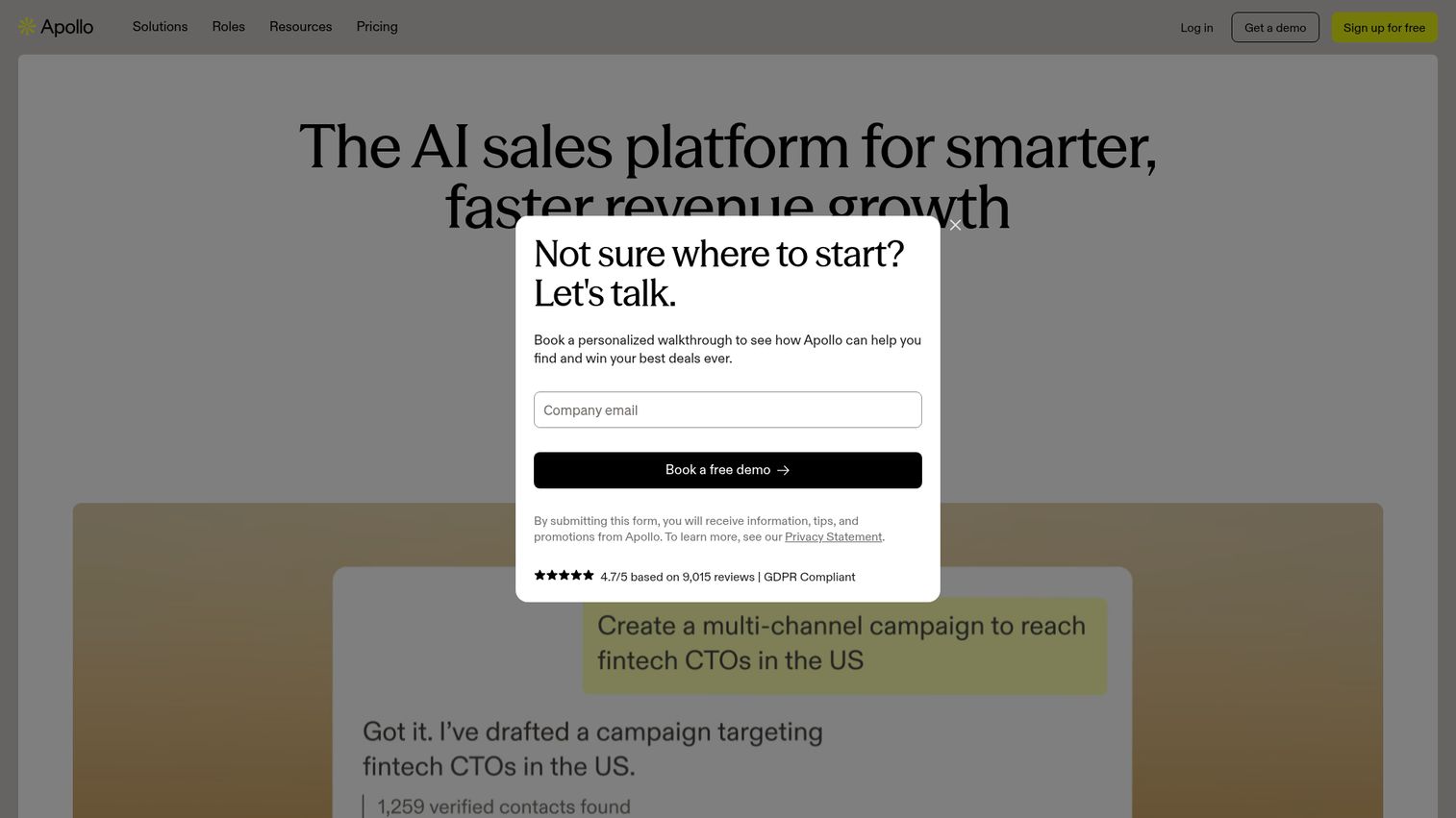
Apollo.io is a data intelligence and sales engagement platform combining a 230M+ contact database with multichannel sequences and CRM enrichment. It's a common first stack pick for SDR teams who want prospecting and outreach in one workflow.
Best for: SDRs who source prospects and run sequences inside the same tool, and teams that want a free tier to start with.
Key strengths
- B2B prospecting database: 230M+ contacts with 65+ filters for ICP-driven list building.
- Automated multichannel sequences: Email, calls, and LinkedIn tasks in one cadence.
- CRM and API enrichment: Data enrichment and workflow management across the sales stack.
Why choose Apollo.io: Performs best when list-building and sequencing should live in one tool. Larger teams often pair Apollo with a dedicated CRM rather than using Apollo as the system of record.
Apollo.io pricing: Apollo offers a free Starter plan and references custom plans for larger teams in its pricing FAQ. Specific paid tier prices were not visible on the rendered pricing page at time of writing. Confirm at apollo.io/pricing.
6. Smartlead
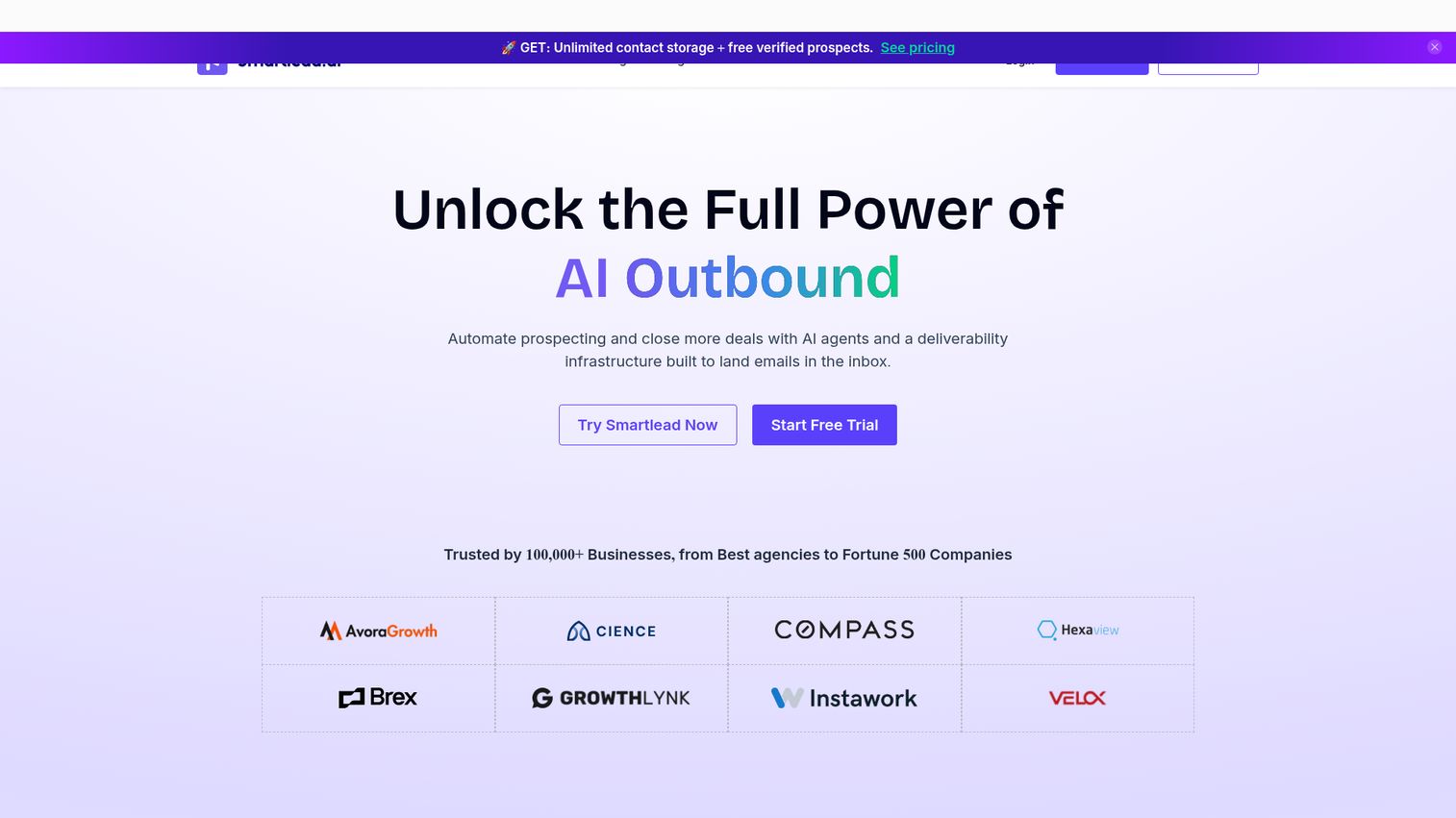
Smartlead is a cold email outreach platform built for scaling outbound with unlimited mailboxes, automated warm-ups, deliverability tooling, and a unified master inbox. It's a common pick for agencies and outbound-heavy teams running thousands of sends per day.
Best for: Agencies and outbound-heavy in-house teams running high-volume cold email where deliverability infrastructure dominates the decision.
Key strengths
- Unified Master Inbox: Centralized inbox for managing replies across all connected mailboxes and clients.
- Unlimited AI warm-ups: AI-generated warm-up activity across unlimited mailboxes.
- APIs and integrations: Connects to CRMs and external workflow automation tools.
Why choose Smartlead: Performs best when the team owns the cold outbound motion end-to-end and wants infrastructure-grade tooling. Teams new to outbound may prefer a tool with more guided workflows and templates out of the box.
Smartlead pricing: Base at $39/month, Pro at $94/month, Unlimited Smart at $174/month, and Unlimited Prime at $379/month. Annual billing saves 17% across all plans, and every plan includes a free trial. Confirm at smartlead.ai/pricing.
7. Saleshandy
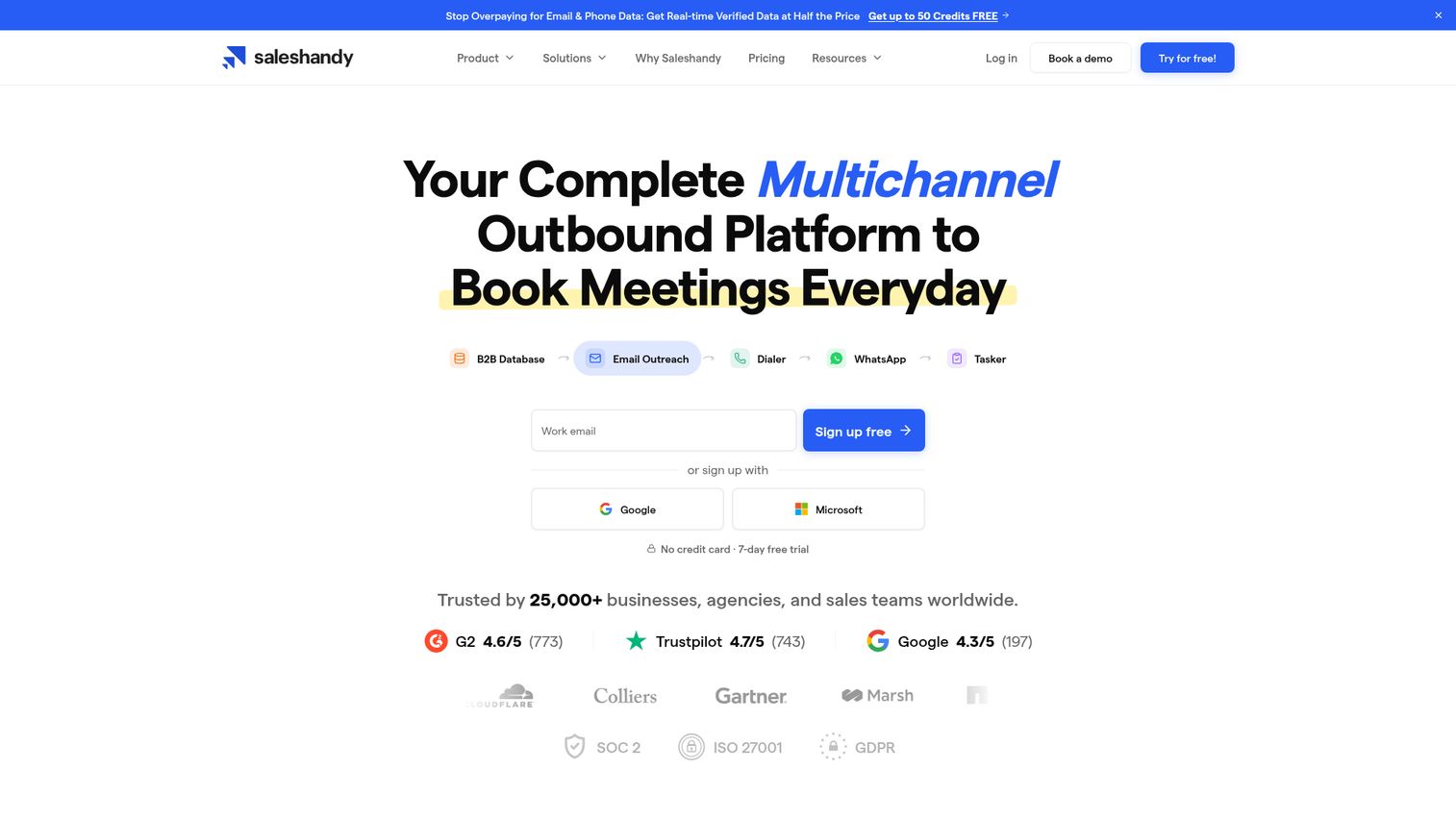
Saleshandy is an all-in-one cold outreach platform combining lead discovery, automated outreach, and unified reply management. It's known for volume-based pricing rather than per-seat fees, which makes it attractive to SMB teams scaling outbound.
Best for: SMB sales teams and founders running cold outreach who want predictable, volume-based pricing as the team scales.
Key strengths
- Unlimited email accounts: No per-inbox fees on any tier.
- Built-in B2B database: 852M+ contact records integrated with sequencing.
- Unified inbox: Centralized reply management across connected mailboxes.
Why choose Saleshandy: Performs best when the team is scaling outbound volume and wants pricing that doesn't punish team growth. Enterprise teams needing deep CRM workflows usually look elsewhere.
Saleshandy pricing: Outreach Starter at $25/month (billed $300/year), Outreach Pro at $69/month ($828/year), Outreach Scale at $139/month ($1,668/year), and Outreach Scale Plus at $209/month ($2,508/year). A 7-day free trial is available with no credit card. Confirm at saleshandy.com/pricing.
8. Lemlist
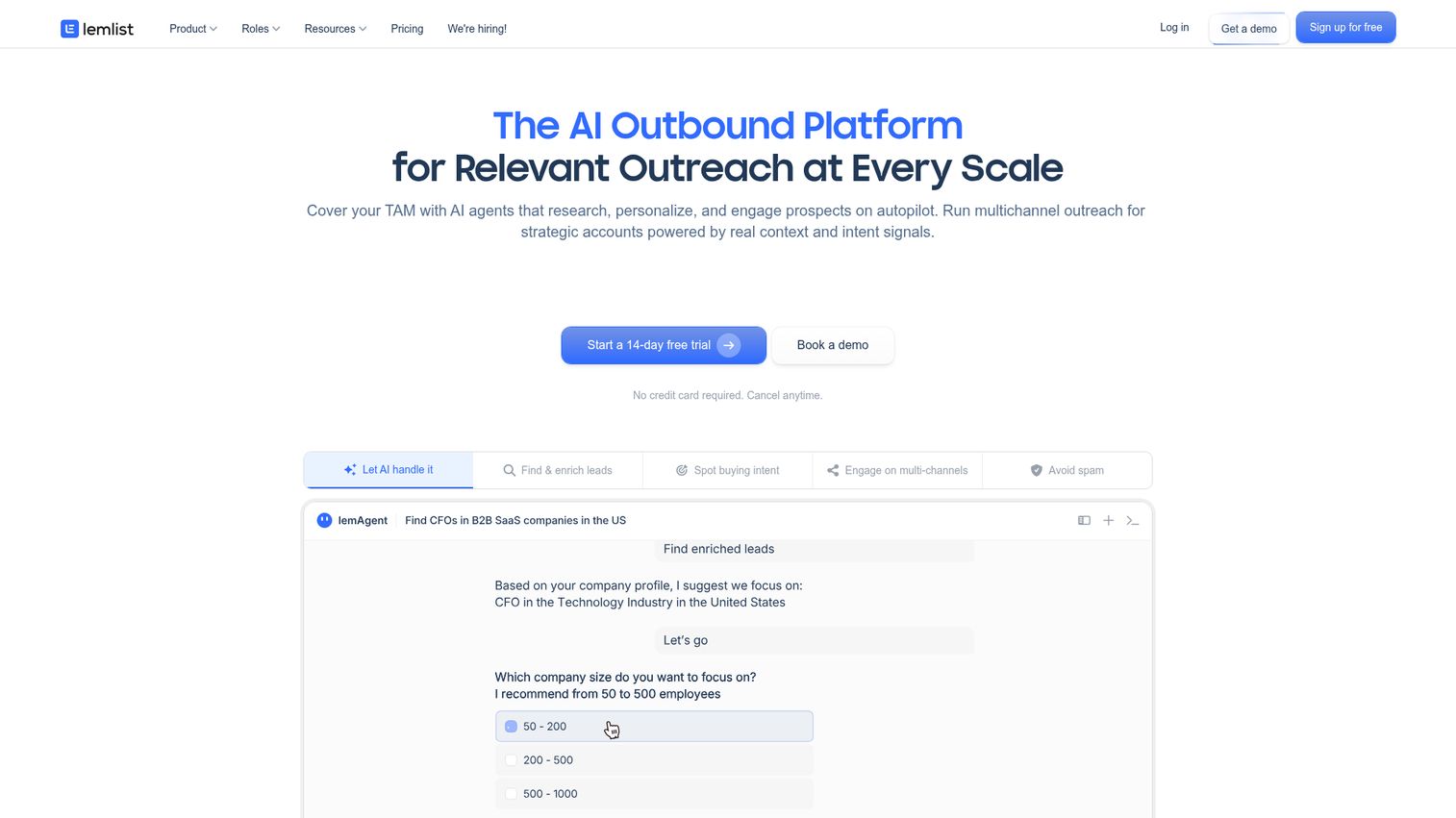
Lemlist is an AI-powered sales engagement platform combining lead finding, personalization, and multichannel outreach. It's the tool sales teams reach for when personalization quality matters more than raw sending volume.
Best for: SDRs and AEs running moderate-volume outbound where personalization quality drives reply rate.
Key strengths
- 650M+ leads database: Lead and email finding plus phone number lookup built in.
- Multichannel outreach: Email, LinkedIn, calls, WhatsApp, and SMS in one workflow.
- Deliverability hub and warm-up: Native tooling to help emails land in inboxes.
Why choose Lemlist: Performs best when reply rate per send matters more than sending volume. Personalization features add prep time but lift response rates when used well.
Lemlist pricing: Email at $31/user/month, Multichannel at $87/user/month, and Enterprise on custom pricing (all billed annually with 20% savings vs. monthly). A 14-day free trial is available. Confirm at lemlist.com/pricing.
9. Reply.io
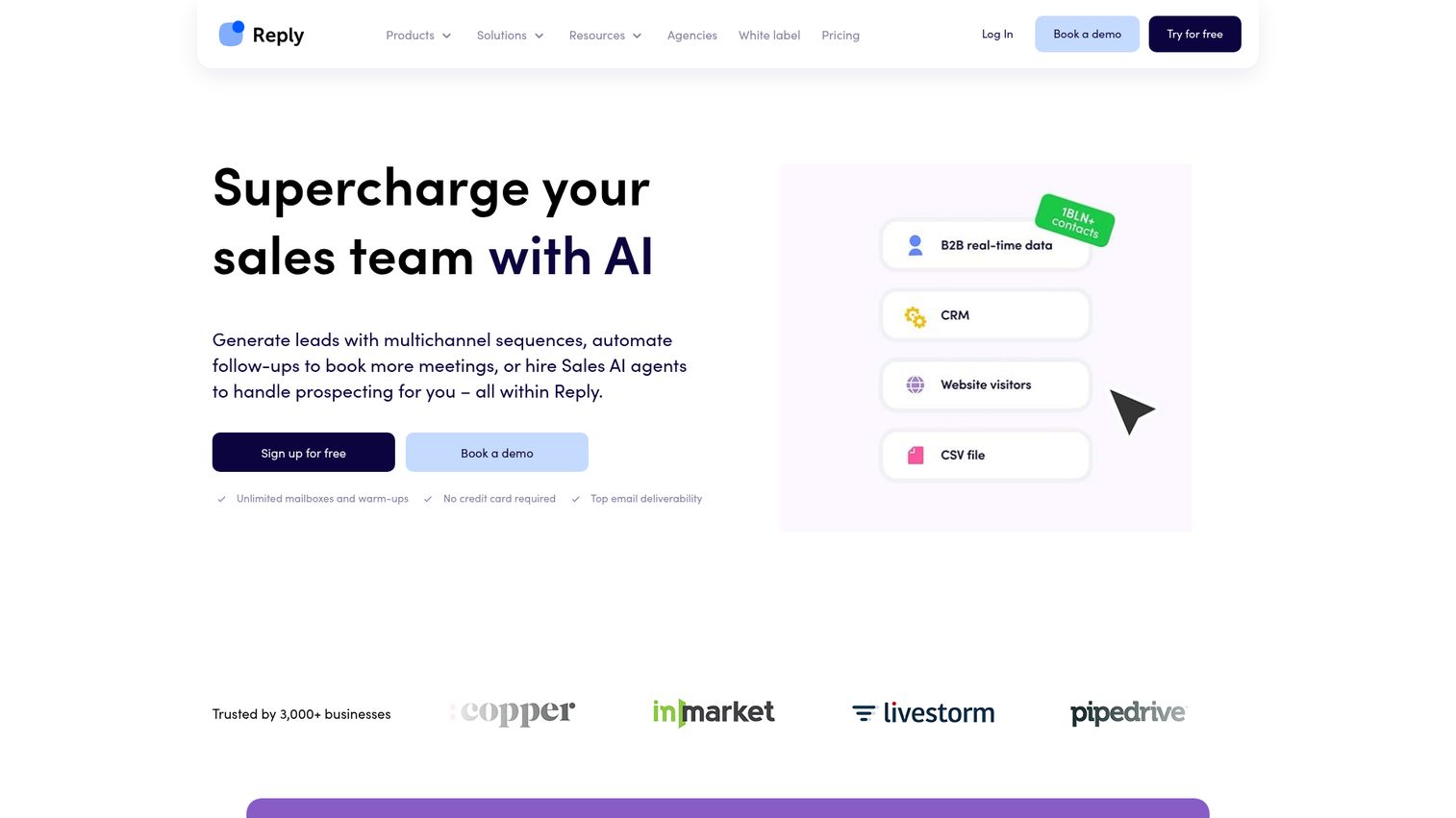
Reply.io is an AI sales outreach platform built for multichannel prospecting, follow-ups, and meeting booking. Conditional sequences span email, LinkedIn, WhatsApp, SMS, and calls, with AI personalization layered across the workflow.
Best for: Sales teams running true multichannel outbound who want AI assistance on both drafting and reply handling.
Key strengths
- Multichannel conditional sequences: Email, LinkedIn, WhatsApp, SMS, calls, and Zapier steps in one cadence.
- AI variables and personalization: AI-driven personalization at the prospect level.
- LinkedIn automation and Task Flow: Semi-automated execution of LinkedIn and task-based outreach.
Why choose Reply.io: Performs best when multichannel touch is the sales motion, not a nice-to-have. Email-only teams may find the broader feature set wider than they need.
Reply.io pricing: Email Volume from $59/user/month, Multichannel from $99/user/month, and AI SDR from $500/month. Agency pricing is also referenced on the pricing page. A 14-day free trial is available. Confirm at reply.io/pricing.
10. Mailshake
Mailshake is a sales engagement platform for automating personalized outreach across email, phone, and social. It's built for SMB sales teams that want simple, fast setup rather than enterprise complexity.
Best for: Small sales teams and solo sellers running cold outreach without enterprise complexity.
Key strengths
- Automated email outreach: Personalized mail merge with automatic follow-ups.
- Lead activity tracking: Opens, clicks, replies, and built-in A/B testing.
- Multichannel features: Data Finder, dialer, and CRM integrations alongside email.
Why choose Mailshake: Performs best when simplicity and time-to-value matter more than advanced personalization or AI-heavy workflows.
Mailshake pricing: Starter at $29/month, Email Outreach at $49/month, Sales Engagement at $99/month, and a custom-priced Agency plan. The pricing page shows discounted yearly figures alongside monthly prices. Confirm at mailshake.com/pricing.
11. Klenty
Klenty is an AI sales engagement platform for executing strategic, goal-driven outreach across email, calls, and SMS. CRM integrations span Salesforce, HubSpot, Pipedrive, and Zoho, and the tool is positioned for mid-market teams that want Salesloft-style features at SMB-friendly pricing.
Best for: Mid-market sales teams that want multichannel sales engagement and dialer features without enterprise platform pricing.
Key strengths
- Multi-channel outreach: Email, calls, and SMS in one cadence.
- Agentic Cadences: AI-built custom cadences tailored per account.
- AI Account Research: Hyper-personalized outreach at scale based on account-level signal.
Why choose Klenty: Performs best when the team wants enterprise-style multichannel features at mid-market pricing. Teams running pure cold email at scale may prefer infrastructure-focused tools.
Klenty pricing: Starter at $50/month, Growth at $70/user/month, and Plus at $99/user/month (all billed annually). A Parallel & Power Dialer add-on is $45/user/month. A 14-day free trial is available with no credit card. Confirm at klenty.com/sales-engagement-platform/pricing.
Where interactive demos fit into your email sequences
The tool above handles delivery, timing, and reply detection. It doesn't solve the other half of the cold email problem: getting a prospect to do something after they open the message.
A pattern that's spread quickly across B2B sales teams in 2026 is embedding a short interactive demo link inside step 1 or step 2 of the sequence, instead of asking for a meeting upfront. The reasoning is mechanical. A "book a 30-minute call" ask carries real cognitive cost: the prospect has to commit calendar time before they know if the product is worth it. A clickable demo carries almost none. They can see the product, validate the use case, and self-qualify in two minutes, on their own time.
The workflow is split cleanly. The sequencing tool handles deliverability, send timing, and reply detection. The interactive demo handles product education and intent capture. The two systems talk to each other through CRM signal: prospects who engage with the demo get scored higher and routed faster - a pattern explored in more depth in the buyer enablement playbook.
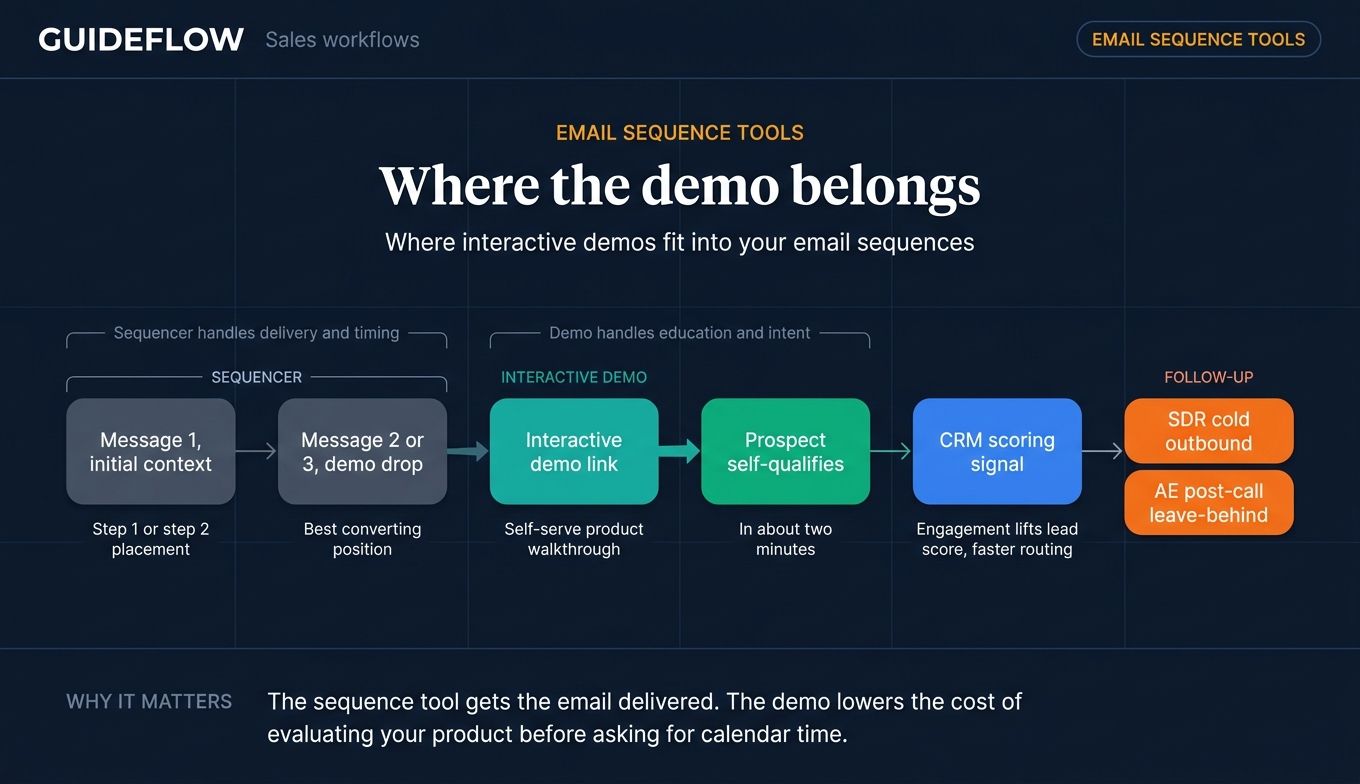
This works best at message 2 or 3 in a sequence, after initial context-setting, when the prospect has read enough to be curious but hasn't been asked for time yet. It works across every tool in the list above, because the demo lives outside the sequencer as a shareable link. SDRs drop it into cold outbound. AEs send it as a post-call leave-behind that the champion forwards inside the buying committee. Sales managers add it to standardized plays so every rep ships the same product story without rebuilding the asset - often through a shared demo center that houses every approved variant.
It's a tactic worth layering on top of whatever sequencing infrastructure you pick.
What to verify before you buy
Deliverability infrastructure
Confirm what warm-up, sender rotation, custom tracking domains, and bounce handling are included on the entry tier versus locked behind enterprise. Cold-outreach-heavy teams should treat deliverability tooling as a primary buying factor, not a checkbox.
CRM sync depth
Bidirectional sync vs. one-way matters more than it sounds. Verify field-level mapping, activity logging back to the right contact and opportunity, and whether the sync runs in real time or on a delay. Klenty, Salesloft, and HubSpot Sales Hub are typically strongest here, as outlined in Salesforce CRM integration documentation. Check each vendor's integrations page to confirm support for the rest of your stack.
Pricing model
Per-seat pricing scales aggressively with team growth. Flat-fee or volume-based pricing (Saleshandy, Smartlead, Instantly) protects budgets for outbound-heavy teams. Per-user models (Salesloft, Outreach, Klenty) tie tightly to seat count, which matters at hiring time.
Security and procurement readiness
For mid-market and up, confirm SOC 2 Type II compliance framework, GDPR requirements for B2B outbound email, SSO, and role-based permissions. These are usually the line items that delay procurement, not the feature set.
Adoption ease
Measure time from contract signature to a rep sending their first live sequence. Lighter cold-email tools land in days. Enterprise sales engagement platforms typically take weeks of configuration before reps are in production.
How to pick the right email sequence tool for your team
The shortlist depends on the motion, not the brand:
- SMB and cold-outbound-heavy: Instantly, Smartlead, or Saleshandy. Pick on pricing model fit and existing mailbox infrastructure.
- Mid-market multichannel: Salesloft, Reply.io, or Klenty. Pick on CRM depth and whether AI workflow features matter to leadership.
- HubSpot-native teams: HubSpot Sales Hub, with a specialized cold email tool layered in if outbound volume is heavy.
- Personalization-focused outbound: Lemlist for image, video, and landing page personalization at moderate volume.
- Apollo as a first stack: Strong fit for teams that want database plus sequencing in one tool, especially with a free starting tier.
The practical next step is the same regardless of which way you lean: shortlist two or three tools, run a two-week pilot with a single SDR pod against a controlled list, and measure reply rate and meetings booked before rolling out team-wide. Tool selection is the easy part. Sequence copy, list quality, and deliverability discipline are the work that actually moves the number.
FAQs
An email sequence tool is sales software that automates a series of outbound or follow-up emails sent from individual rep mailboxes, with timing, personalization, and reply detection handled by the platform. Unlike a one-off send, sequences pause automatically when prospects reply, bounce, or opt out, and they track step-by-step performance. Most modern tools also handle deliverability infrastructure like warm-up and sender rotation.
Email sequence software is built for 1-to-1 sales outreach sent from individual rep mailboxes, optimized for reply rates and meetings booked. Email marketing tools are built for 1-to-many broadcast from a shared marketing domain, optimized for opens, clicks, and nurture across larger lists. The two often integrate but solve different jobs: sequences book pipeline, marketing automation nurtures it.
A common practitioner range is 5 to 8 emails, though the right number varies by audience, offer, and channel mix. Outreach's 2026 sequence guidance suggests evaluating whether to add more steps based on whether the final step still produces a reply rate above 3%. Cold sequences typically run longer than warm follow-ups, and most teams test sequence length per segment rather than picking a universal number.
Sales sequences are typically behavior-triggered, sent from individual sales reps at lower volumes, and aimed at booking a meeting or progressing a deal. Drip campaigns are marketing-driven, time-based, sent from a marketing domain at higher volumes, and aimed at nurture, education, or lifecycle engagement. The infrastructure overlaps but the use cases, sender identity, and success metrics diverge.
Several tools offer free tiers or trials. Apollo.io has a free Starter plan, Smartlead and Klenty offer free trials, and HubSpot has a free CRM tier with limited sequencing on paid plans. Free plans typically cap on sequence count, integrations, and deliverability features. For sustained outbound at team scale, expect to land on a paid tier within the first month.
Yes, if used carelessly. Sending high volumes from a cold domain without warm-up, ignoring bounce rates, or skipping authentication setup (SPF, DKIM, DMARC) damages deliverability quickly, especially under Google and Yahoo bulk sender requirements. Tools like Instantly, Smartlead, Lemlist, and Saleshandy include warm-up networks and sender rotation specifically to protect reputation. Reviewing cold email reply rate benchmarks alongside ramping volume gradually and maintaining clean lists is the actual safeguard.
Most tools on this list integrate with both, but the depth varies. Salesloft, Outreach, and Klenty are known for deep bidirectional Salesforce sync with field-level mapping. HubSpot Sales Hub is native to HubSpot, so no sync is needed. Lighter cold email tools may rely on Zapier or one-way activity logging, which is fine for SDR pods but limits AE workflow.
For high-volume cold outbound, Instantly, Smartlead, and Saleshandy are the most common shortlist. All three prioritize deliverability infrastructure: unlimited or high-count mailbox connections, native warm-up, sender rotation, and bounce handling. Sales engagement platforms like Salesloft and Outreach are stronger for mid-funnel and enterprise motions where sequencing is one piece of a broader workflow, not the main job.