Sales reps spend 70% of their time on activities that don't directly generate revenue: researching prospects, updating CRMs, drafting follow-up emails, and chasing down information across disconnected tools. Agentic AI tools change that equation by executing multi-step workflows autonomously, from prospecting to pipeline management, without waiting for instructions at every turn.
This guide breaks down what agentic AI actually means for sales teams, when it makes sense to adopt, and ranks the 11 best agentic AI platforms we tested for real sales workflows.
What's inside
This guide covers what agentic AI tools are, how they fit into sales workflows, and a ranked list of the best agentic AI platforms tested for sales teams. We selected tools based on three criteria: integration depth with existing sales stacks, ability to execute multi-step tasks autonomously, and measurable impact on pipeline velocity.
TL;DR
- Agentic AI defined: Autonomous systems that plan and execute multi-step sales tasks without constant supervision
- Best for sales teams: Tools that handle prospecting, outreach personalization, demo delivery, and pipeline intelligence
- Key consideration: Match the agentic tool to your specific sales motion (PLG vs. enterprise outbound)
What is an agentic AI tool
Agentic AI tools are autonomous, goal-oriented systems that plan and execute multi-step tasks across applications without constant human supervision. Unlike traditional chatbots that wait for prompts and respond one message at a time, agentic AI reasons through problems, takes action, and adapts based on results.
Here's the difference in practice: a chatbot answers your question about a prospect. An agentic tool researches the prospect, drafts a personalized message, schedules the send, monitors for replies, and adjusts the follow-up sequence based on engagement.
How agentic AI differs from traditional automation
Traditional automation follows rigid if/then logic. Agentic AI reasons through context and adapts, similar to how live demos create authentic experiences while maintaining control.
| Capability | Traditional automation | Agentic AI |
|---|---|---|
| Task execution | Rule-based, linear | Goal-oriented, adaptive |
| Decision making | Pre-programmed logic | Context-aware reasoning |
| Human involvement | Constant oversight needed | Minimal supervision |
| Learning | Static rules | Improves from feedback |
The practical difference? Traditional automation breaks when conditions change. Agentic AI adjusts its approach.
Core capabilities of agentic AI platforms
Three capabilities define what makes a tool truly "agentic":
- Autonomous decision making: The system assesses context and takes action rather than waiting for instructions. It decides what to do next based on goals, not just triggers.
- Tool use via APIs: Agentic tools interact with your CRM, email platform, calendar, and databases to execute real actions like sending messages, updating records, or scheduling meetings.
- Memory and planning: The system remembers previous interactions and breaks complex goals into sequential steps, maintaining context across a multi-week sales cycle rather than just a single conversation.
How agentic AI works for sales teams
The shift from passive assistants to active workflow execution changes what's possible for sales teams. Instead of asking AI to help with individual tasks, you can delegate entire workflows.
Autonomous prospecting and lead qualification
Agentic tools research prospects by pulling from multiple data sources, cross-referencing signals, and prioritizing accounts without manual intervention. The agent enriches contact records, scores leads based on fit and intent signals, and surfaces the accounts most likely to convert.
Manual research eats hours. A rep spending 30 minutes per prospect can only work a fraction of their territory. An agentic tool processes hundreds of accounts overnight.
Personalized outreach at scale
Traditional sequences mail-merge variables into templates. Agentic AI reasons about prospect context and crafts individualized messages.
The agent decides what to say based on the prospect's role, company situation, recent news, and engagement history. It chooses when to send based on optimal timing patterns. And it adjusts follow-up cadence based on response signals.
Agentic AI tools comparison table
| # | Product | Intent | Key differentiation | Pricing | G2 rating |
|---|---|---|---|---|---|
| 1 | Salesforce Einstein | CRM intelligence | Native Salesforce integration | Included in higher tiers | 4.3/5 |
| 2 | HubSpot AI | Mid-market automation | All-in-one platform | Included in paid tiers | 4.4/5 |
| 3 | Gong | Conversation intelligence | Autonomous deal insights | Custom pricing | 4.8/5 |
| 4 | Outreach | Sales engagement | Sequence optimization | Custom pricing | 4.3/5 |
| 5 | Apollo | Prospecting | Data + outreach combined | Free + paid plans | 4.8/5 |
| 6 | Clari | Revenue intelligence | Forecast accuracy | Custom enterprise | 4.5/5 |
| 7 | Regie.ai | Content generation | AI message drafting | Per-seat pricing | 4.5/5 |
| 8 | Lavender | Email coaching | Real-time writing feedback | Free + paid plans | 4.9/5 |
| 9 | Clay | Data enrichment | Custom workflow building | Usage-based | 4.9/5 |
| 10 | Relevance AI | Custom agents | No-code agent builder | Usage-based | 4.7/5 |
| 11 | n8n | Workflow automation | Open-source flexibility | Free self-hosted | 4.5/5 |
Best agentic AI tools for sales teams
We tested agentic tools for sales-specific workflows, evaluating autonomous task execution, CRM integration depth, and time-to-value. Rankings reflect fit for sales teams, not general-purpose agentic capabilities.
1. Salesforce Einstein
Salesforce Einstein is the native AI layer for Salesforce-centric sales organizations. It provides autonomous lead scoring, opportunity insights, and next-best-action recommendations directly within the CRM.
Best for: Enterprise sales teams already using Salesforce as their primary CRM who want AI capabilities without data migration.
Key strengths
- Native CRM integration: No separate tool or data sync required
- Predictive lead scoring: Automatically prioritizes leads based on conversion likelihood
- Opportunity insights: Surfaces deal risks and recommended actions
- Einstein Copilot: Conversational interface for CRM tasks and analysis
Why choose Salesforce Einstein: If Salesforce is your system of record, Einstein adds agentic capabilities without introducing another vendor or integration layer.
Pricing: Included in higher Salesforce tiers. Add-on pricing for lower tiers varies by feature set.
2. HubSpot AI
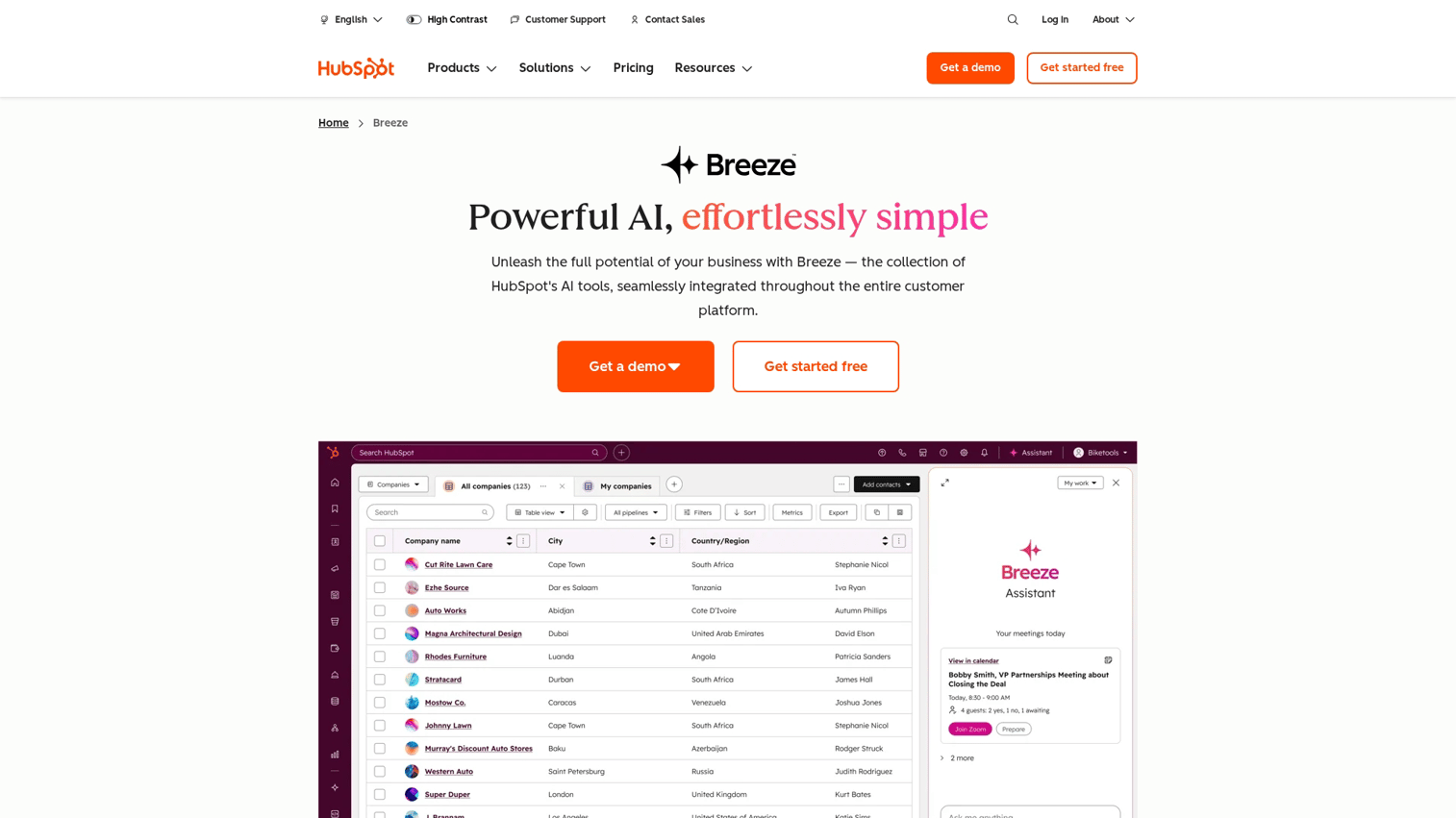
HubSpot AI embeds agentic features across HubSpot Sales Hub, including autonomous email composition, meeting scheduling, and deal prioritization.
Best for: SMB and mid-market teams using HubSpot CRM who want AI capabilities without adding separate tools.
Key strengths
- Email writing assistant: Drafts personalized outreach based on contact context
- Meeting scheduler: Handles booking logistics autonomously
- Deal prioritization: Surfaces opportunities most likely to close
- Workflow automation: Triggers actions based on contact behavior
Why choose HubSpot AI: No separate tool purchase if you're already on HubSpot. AI features integrate directly into existing workflows.
Pricing: Included in paid HubSpot tiers. Feature availability varies by plan level.
3. Gong
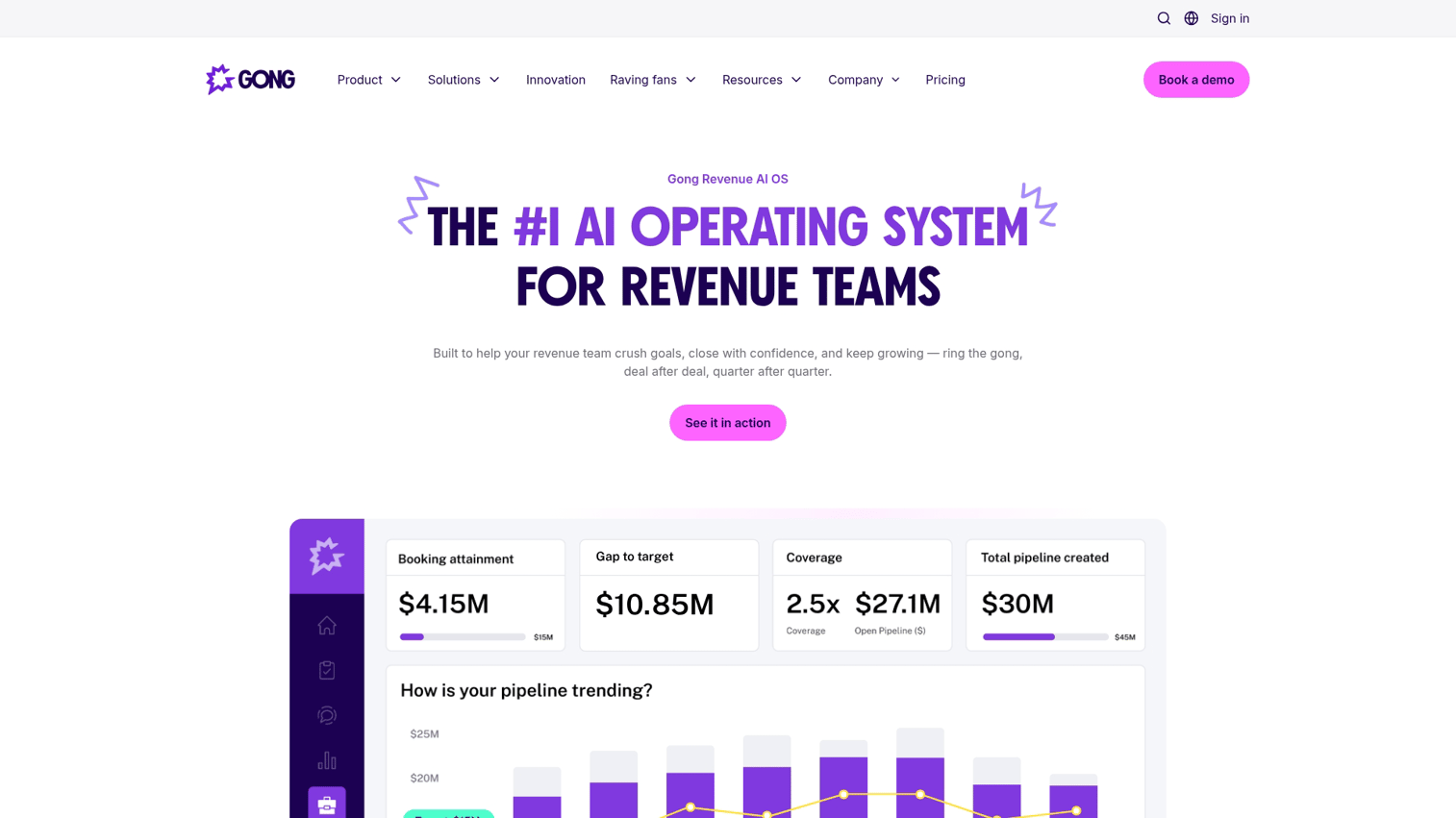
Gong is a revenue intelligence platform that analyzes sales conversations and provides autonomous deal insights. It identifies risks, coaching opportunities, and next steps without manual call review.
Best for: Sales teams wanting autonomous deal insights extracted from conversations.
Key strengths
- Conversation analysis: Automatically transcribes and analyzes calls
- Deal risk identification: Flags opportunities showing warning signs
- Coaching recommendations: Surfaces specific improvement areas for reps
- Competitive intelligence: Tracks competitor mentions across conversations
Why choose Gong: Surfaces insights that would take hours of manual call review. Particularly valuable for sales managers overseeing large teams.
Pricing: Custom pricing based on seats and usage.
4. Outreach
Outreach is a sales engagement platform with AI-driven sequence optimization. It autonomously adjusts send times, A/B tests messaging, and optimizes cadences based on response patterns.
Best for: Outbound-heavy teams running multi-touch sequences who want autonomous optimization.
Key strengths
- Sequence optimization: Automatically adjusts timing and messaging based on results
- Send-time selection: Chooses optimal delivery windows per prospect
- A/B testing: Tests variations and shifts volume to winners
- Multi-channel orchestration: Coordinates email, phone, and social touches
Why choose Outreach: Optimizes sequences without manual intervention. Useful for teams running high-volume outbound where small improvements compound.
Pricing: Custom pricing based on team size and features.
7. Apollo
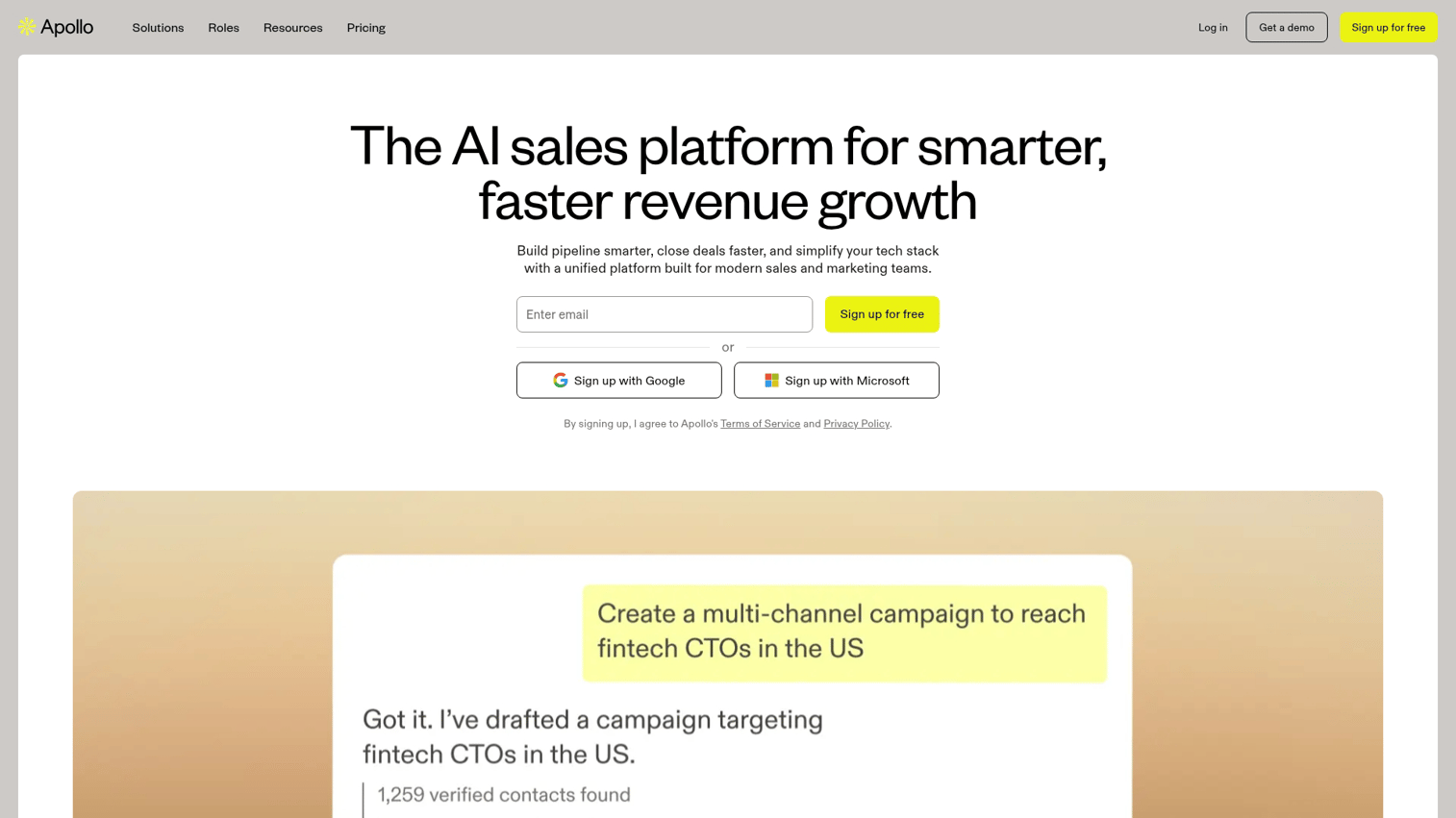
Apollo combines prospecting data with outreach capabilities in one platform. The agentic features handle lead finding, enrichment, and initial outreach autonomously.
Best for: Teams wanting prospecting data and outreach in one tool without juggling multiple vendors.
Key strengths
- Built-in database: Access to contact and company data without separate data provider
- Automated enrichment: Fills in missing contact details automatically
- Sequence automation: Runs multi-step outreach based on prospect actions
- Intent signals: Surfaces accounts showing buying behavior
Why choose Apollo: Consolidates prospecting stack into one platform. Reduces tool sprawl and data sync headaches.
Pricing: Free tier available. Paid plans scale by credits and features.
8. Clari
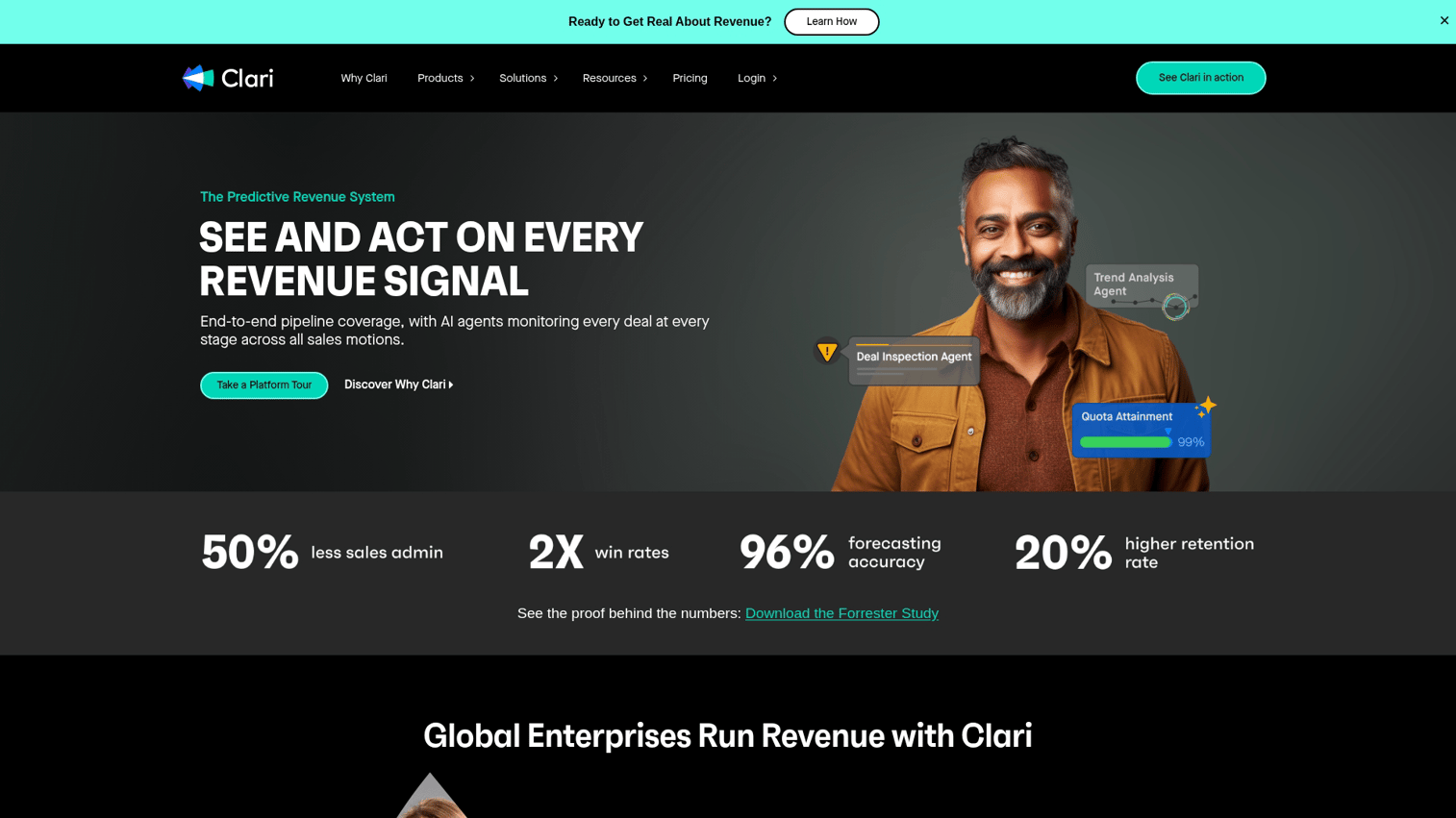
Clari is a revenue platform focused on forecast accuracy and pipeline inspection. Its agentic capabilities monitor deal health and surface risks proactively.
Best for: Sales leaders wanting autonomous pipeline intelligence and forecast accuracy.
Key strengths
- Forecast accuracy: Predicts outcomes based on deal signals, not rep optimism
- Deal health monitoring: Flags opportunities showing risk patterns
- Activity capture: Automatically logs engagement without rep data entry
- Revenue analytics: Tracks pipeline trends and conversion rates
Why choose Clari: Proactive deal risk alerts without manual pipeline inspection. Valuable for organizations where forecast accuracy matters for planning.
Pricing: Custom enterprise pricing.
7. Regie.ai
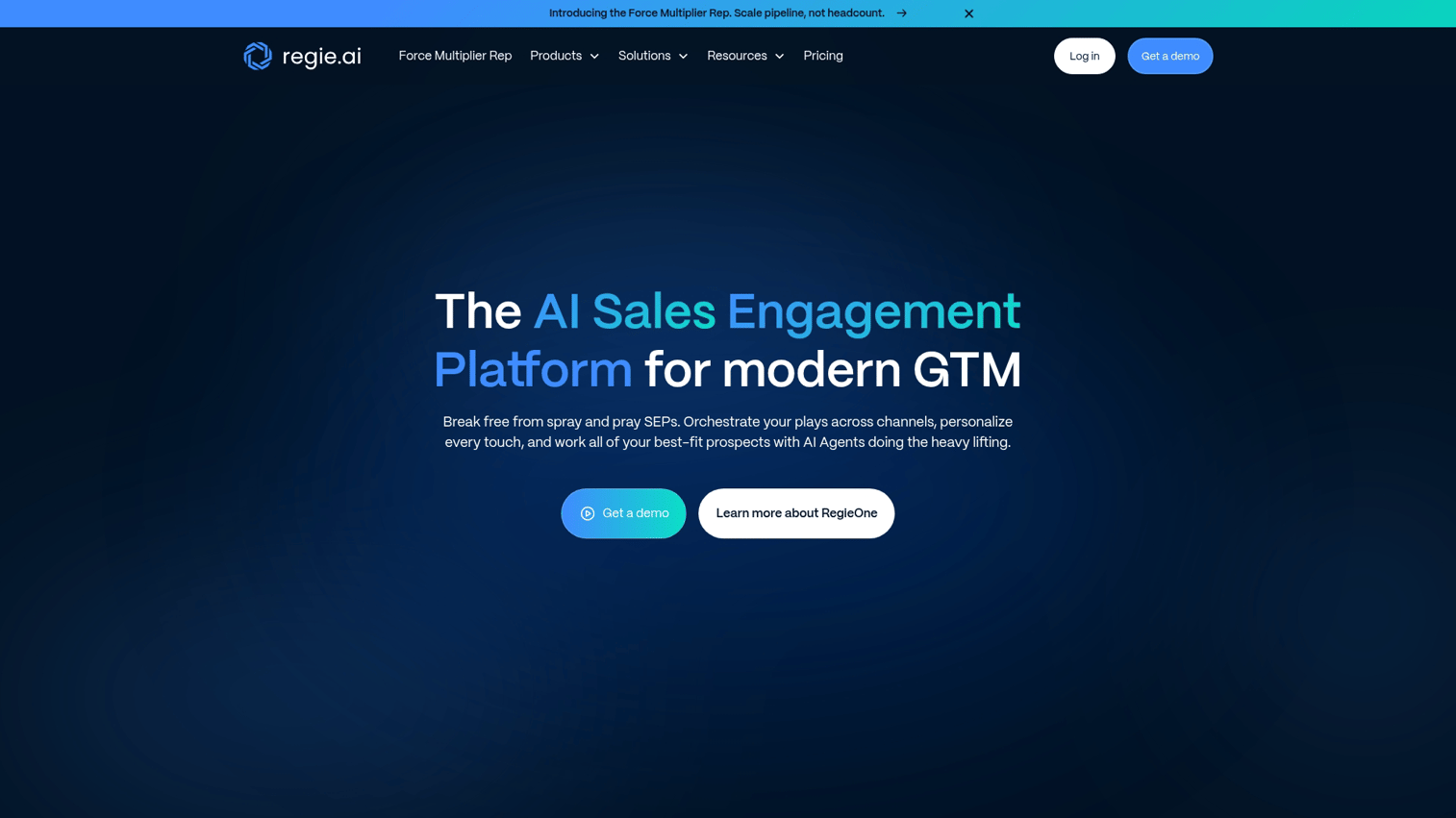
Regie.ai is an AI content platform for sales outreach. It autonomously generates prospecting messages and builds sequences based on persona and use case.
Best for: SDR teams wanting autonomous message drafting at scale.
Key strengths
- Message generation: Creates personalized outreach based on prospect context
- Sequence building: Assembles multi-step cadences automatically
- Brand voice training: Learns your company's tone and messaging
- Performance optimization: Adjusts content based on response rates
Why choose Regie.ai: Reduces time spent writing personalized outreach. Useful for teams where message volume is a constraint.
Pricing: Per-seat pricing with usage limits.
8. Lavender
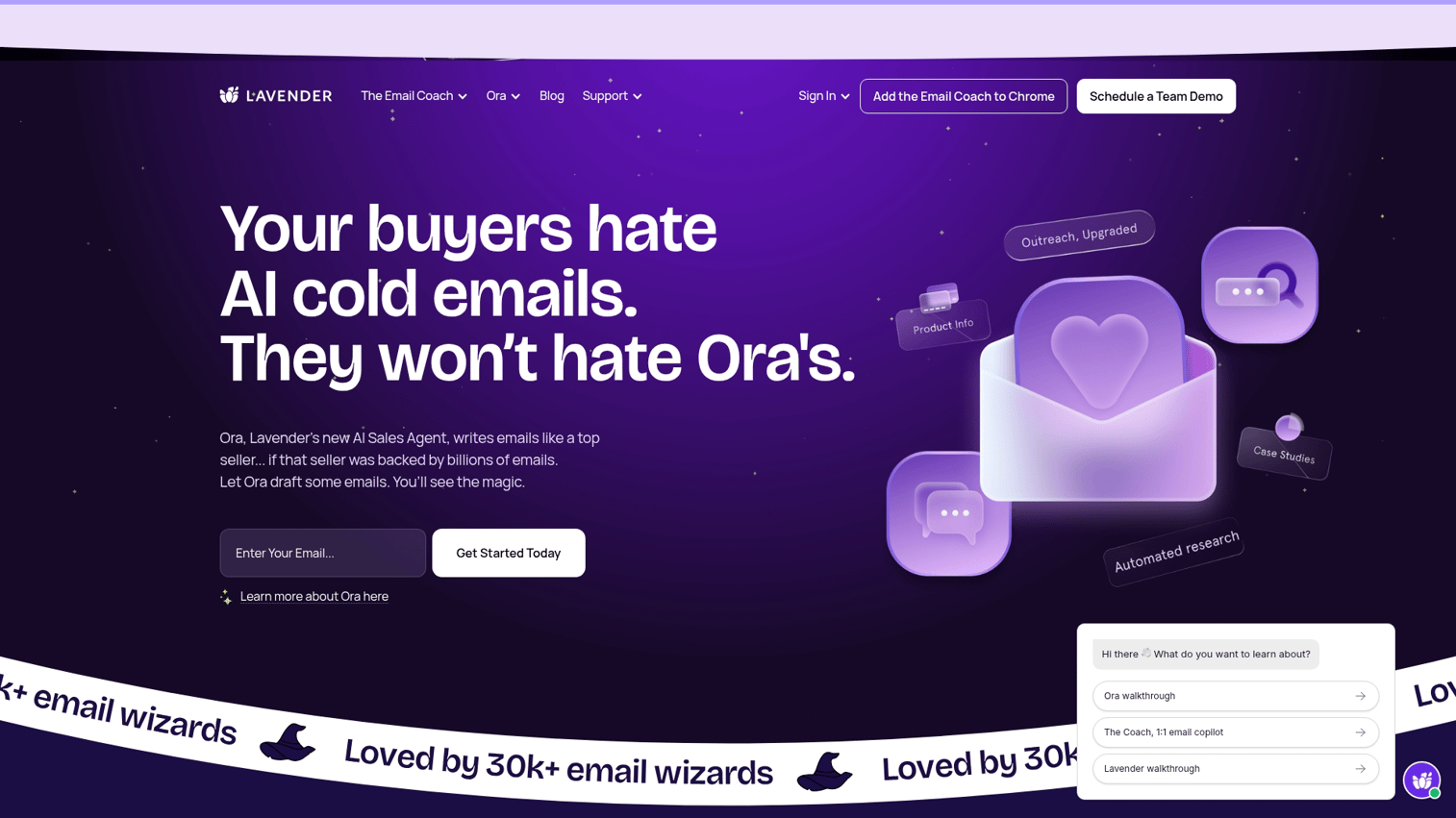
Lavender is an email intelligence tool that provides real-time coaching on sales emails. It scores messages and suggests improvements before you send.
Best for: Individual reps wanting to improve email performance with lightweight tooling.
Key strengths
- Email scoring: Rates messages on likelihood to get replies
- Improvement suggestions: Specific recommendations for subject lines, length, and tone
- Send-time optimization: Recommends optimal delivery windows
- Performance tracking: Shows which changes improved results
Why choose Lavender: Lightweight and works alongside existing email tools. Good for reps who want coaching without changing their workflow.
Pricing: Free tier available. Paid plans per user.
9. Clay
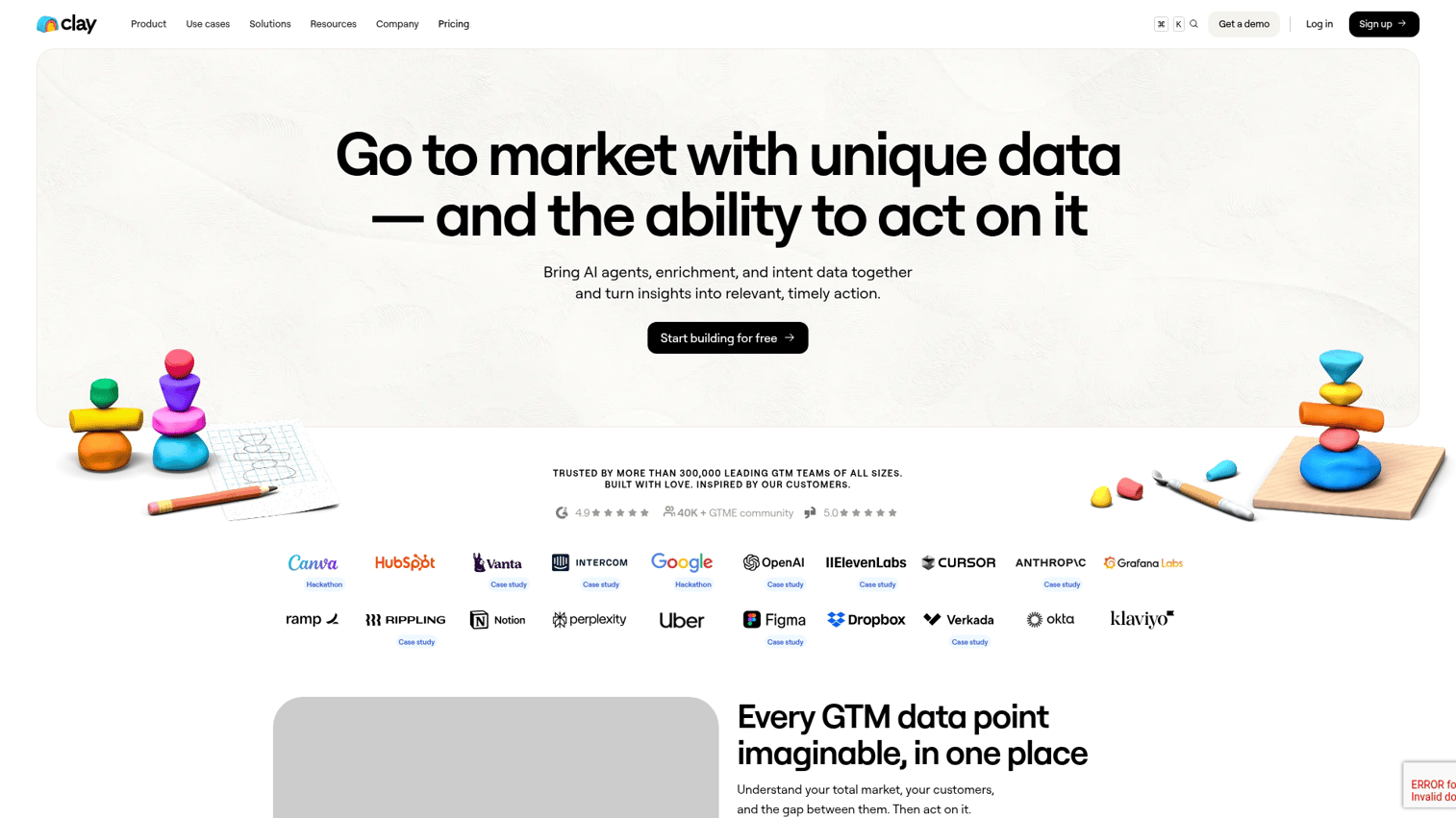
Clay is a data enrichment platform with workflow automation capabilities. It lets you build custom agentic prospecting workflows that pull from multiple data sources.
Best for: Ops teams building custom agentic prospecting workflows with specific data requirements.
Key strengths
- Multi-source enrichment: Pulls data from dozens of providers in one workflow
- Custom workflows: Build specific automation logic without code
- Waterfall enrichment: Tries multiple sources until data is found
- CRM sync: Pushes enriched data back to your system of record
Why choose Clay: Flexibility to create custom agentic workflows. Best for teams with specific data requirements that off-the-shelf tools don't address.
Pricing: Usage-based by enrichment credits.
10. Relevance AI
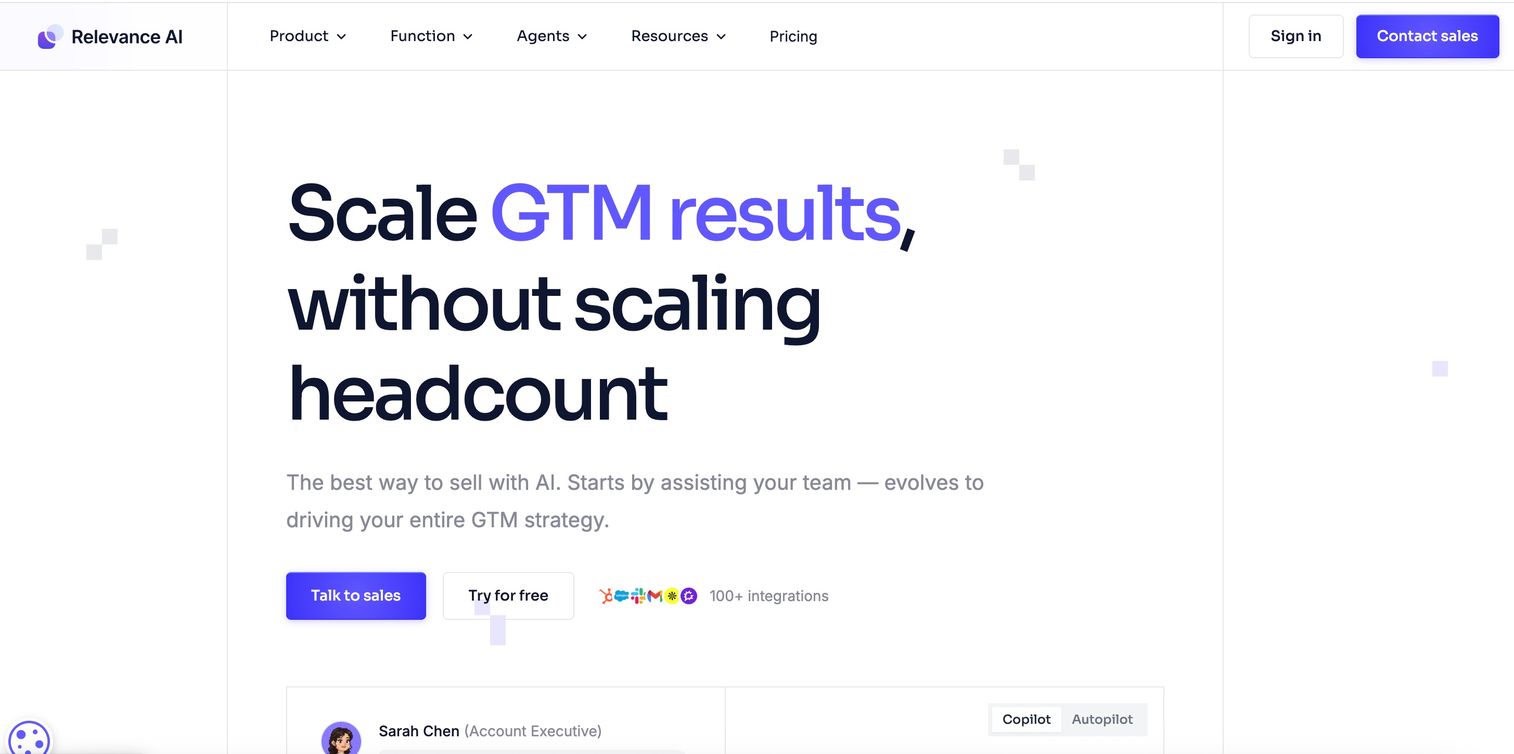
Relevance AI is a platform for building and deploying custom AI agents without code. You can create bespoke agents for specific sales tasks.
Best for: Teams wanting to build custom agentic workflows without engineering resources.
Key strengths
- No-code agent builder: Create custom agents through visual interface
- Tool integrations: Connect agents to your existing sales stack
- Custom logic: Define specific behaviors and decision trees
- Deployment flexibility: Run agents on schedules or triggers
Why choose Relevance AI: Full control over agent behavior and logic. Useful when pre-built tools don't match your specific workflow.
Pricing: Usage-based pricing.
11. N8n
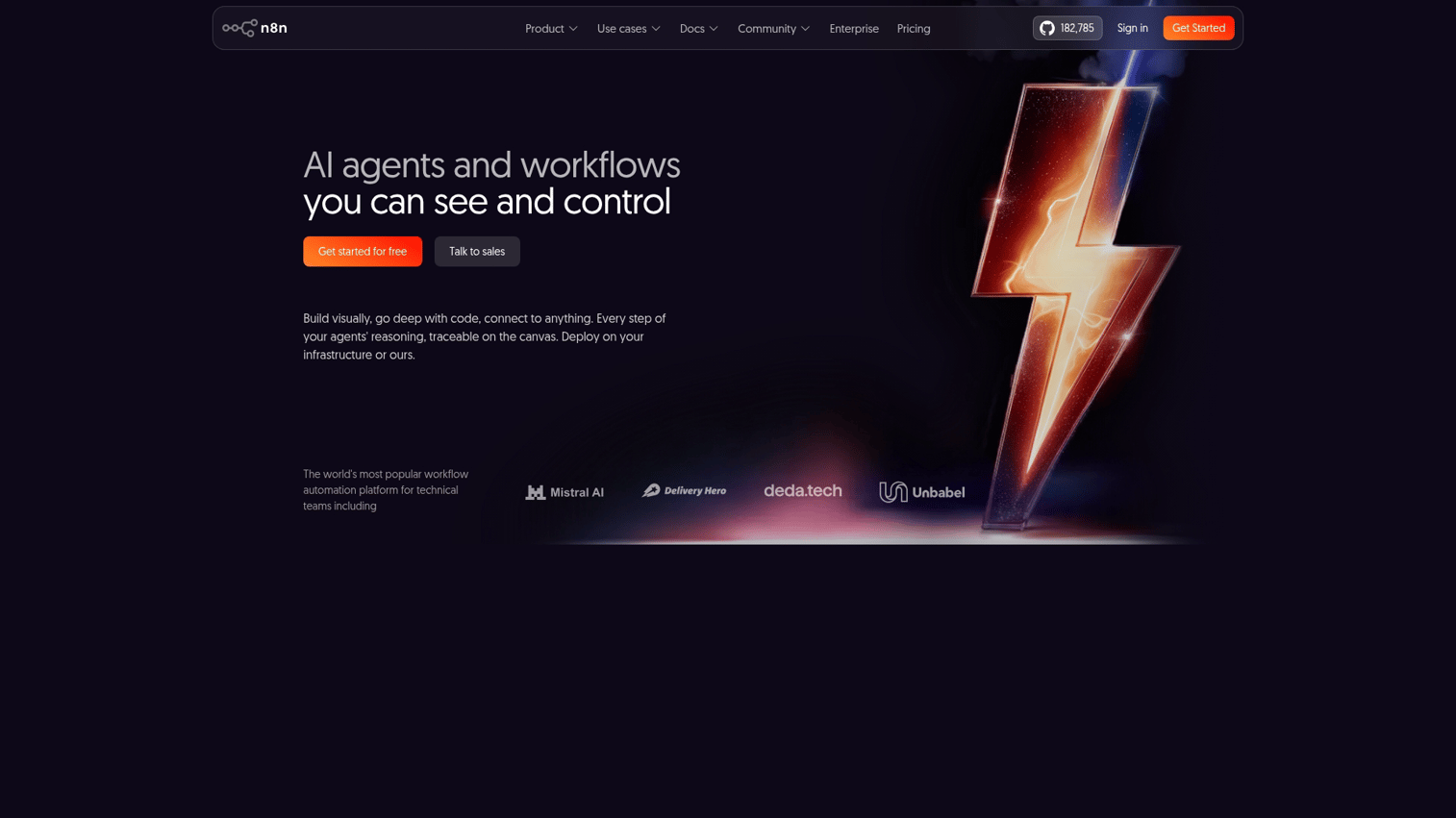
N8n is an open-source workflow automation tool with agentic capabilities. It connects sales tools with autonomous multi-step workflows.
Best for: Technical teams wanting full control over agentic workflows without vendor lock-in.
Key strengths
- Open-source: Self-hostable with no vendor dependency
- Extensive integrations: Connects to hundreds of sales and marketing automation tools
- Custom logic: Build complex conditional workflows
- AI nodes: Incorporate LLM capabilities into workflows
Why choose n8n: Maximum flexibility and control. Best for teams with technical resources who want to own their automation infrastructure.
Pricing: Free self-hosted. Cloud plans available for managed hosting.
How to choose the right agentic AI platform
The right tool depends on your sales motion, existing stack, and implementation capacity.
Match the tool to your sales motion
Different sales motions benefit from different agentic capabilities:
- High-velocity outbound: Prioritize autonomous prospecting and sequence optimization (Apollo, Outreach)
- Product-led growth: Prioritize self-serve demo delivery and intent capture (Guideflow)
- Enterprise ACV: Prioritize conversation intelligence and deal forecasting (Gong, Clari)
- Hybrid motion: Consider platforms that span multiple use cases (Salesforce Einstein, HubSpot AI)
Evaluate integration with your existing stack
Agentic tools require access to your CRM, email, calendar, and product data to reason effectively. Key questions to ask:
- Does it connect natively to your CRM?
- Can it trigger actions in your existing tools?
- Does data flow bidirectionally?
Marketing teams often benefit from alignment between sales and marketing agentic tools to avoid conflicting automation.
Assess implementation complexity and time-to-value
Enterprise platforms requiring months of setup deliver different value than tools that work in days. Ask vendors for realistic implementation timelines and what resources you'll need internally.
Tools with browser-based capture capabilities typically have faster time-to-value than tools requiring deep technical integration.
Considerations before adopting agentic AI software
Data security and compliance requirements
Agentic AI tools require access to sensitive sales data: contacts, conversations, deal values, and customer information. Questions to ask before deployment:
- Where is data stored and processed?
- What compliance certifications does the vendor hold (SOC 2, GDPR)?
- Can you control what data the agent accesses?
This is especially critical for enterprise deployments with strict security requirements.
Human oversight and approval workflows
Most sales teams start with "human-in-the-loop" configurations where agents recommend but humans approve. This makes sense for high-stakes actions like sending messages to enterprise accounts.
Consider the spectrum from full autonomy to supervised execution. Start with lower-stakes tasks like data enrichment before graduating to autonomous outreach.
Measuring ROI on agentic AI investments
Track practical metrics to justify the investment:
- Time saved on manual tasks (hours per rep per week)
- Response rates on AI-drafted outreach vs. manual
- Pipeline generated from self-serve demo engagement
- Forecast accuracy improvement (for intelligence tools)
Build your agentic sales stack today
Agentic AI tools shift sales teams from reactive to proactive by automating multi-step workflows that previously required constant human attention. The key is starting with one use case rather than trying to automate everything at once. Pick the workflow that's currently eating the most time or losing the most opportunities. For many teams, that's the gap between buyer interest and product understanding. The fastest path to value starts with letting buyers experience your product on their terms.
FAQs about agentic AI tools for sales
Generative AI creates content like text and images in response to prompts. Agentic AI takes autonomous action toward goals by planning, executing, and adapting across multiple steps without waiting for instructions at each stage.
Agentic tools handle repetitive tasks like research, outreach drafting, and data entry. Complex negotiations, relationship building, and strategic decisions still require human judgment and connection.
Implementation ranges from hours for lightweight tools with browser extensions to months for enterprise platforms requiring deep CRM integration and custom workflow configuration.
Most agentic sales tools require access to CRM records, email history, calendar availability, and product usage data to make informed decisions and take relevant actions.
Enterprise-grade platforms offer SOC 2 compliance, data encryption, SSO integration, and granular access controls. Verify specific certifications and data handling practices before deployment.
Track time savings on manual tasks, changes in response rates and meeting bookings, pipeline generated from automated workflows, and forecast accuracy improvements compared to your pre-implementation baseline.