Your company signs up for a new tool. Someone expenses it on a card. Six months later, half the seats sit unused, the contract auto-renews, and nobody remembers who owns it. Multiply that by a few hundred apps and you have the quiet budget leak that finance eventually turns into a hard question.
The problem is structural, not lazy. SaaS stacks grow faster than the ownership around them. Global SaaS end-user spending grew 19.1% year over year, according to BetterCloud (2026), while the teams tasked with tracking that spend rarely grow at the same pace. The SaaS spend management software market itself reached $9.8B in 2025 and is projected to hit $26.4B by 2034 at an 11.6% CAGR, per Dataintelo (2025). Buyers are spending on visibility because the alternative is guessing.
For anyone who touches the sales stack, this is not just a finance concern. If you run enablement, you already feel it: overlapping call recording tools, duplicate content platforms, seats assigned to reps who left. The same governance discipline that keeps a contract lifecycle management process clean is what keeps SaaS spend honest, and it lives at the intersection of finance, IT, procurement, and revenue operations. This guide ranks the tools that make that visibility real.
What's inside
This is a ranked shortlist of SaaS spend management software built for teams that want to discover spend, rightsize licenses, control renewals, and improve governance. It is not a general expense-tool roundup, and it is not a category primer only.
We evaluated each platform against four criteria that actually decide outcomes:
- Discovery and visibility: how completely it surfaces apps, seats, and shadow IT
- Renewal and contract control: whether it prevents surprise auto-renewals
- Rightsizing and usage data: how well it maps license waste to real usage
- Cross-functional fit: whether finance, IT, and RevOps can share one view
Ranking reflects relevance to SaaS cost control and operational visibility, not brand size. Some tools here are pure SaaS management platforms; others are broader spend suites that handle SaaS as part of a wider motion.
TL;DR
- Best overall for SaaS visibility and governance: Zylo, for depth of app discovery and renewal risk mapping
- Best for negotiation and renewal leverage: Vertice, for benchmarking and procurement support
- Best for behavioral usage intelligence: Fullstory, when you care about how tools get used, not just who logged in
- Best for broad enterprise spend controls: Coupa, when SaaS sits inside a larger procure-to-pay motion
- Best for finance-forward, all-in-one spend: Ramp, for card spend, expenses, and vendor visibility in one place
- Best for teams already unifying HR, IT, and access: Rippling, when SaaS spend is tied to the employee lifecycle
The rest of this guide breaks down each pick, plus a buyer's checklist and FAQs at the end. If governance is your real pain, treat these picks the way you would evaluate audit management software: ownership and traceability first.
What is SaaS spend management software?
SaaS spend management software is a category of tools that discover, track, optimize, and govern a company's subscription software spending across its entire application portfolio. It gives finance, IT, and operations teams a single view of what apps exist, who uses them, what they cost, and when they renew.
Most platforms in this category share a common set of capabilities:
- App discovery: automatically detect every SaaS app in use, including shadow IT bought outside procurement
- Usage analytics: connect to apps to show active seats, idle licenses, and adoption patterns
- Renewal management: track contract end dates and flag renewals before they auto-charge
- Contract and vendor visibility: centralize terms, pricing, and owners in one place
- License rightsizing: match seat counts to actual usage to cut waste
- Workflows and approvals: route new software requests and purchases for review
- Integrations: pull data from finance, SSO, HR, and expense systems
- Reporting and forecasting: model spend trends and budget for upcoming renewals
SaaS spend management differs from general expense management. Expense tools track transactions and reimbursements after money moves. SaaS spend management focuses on the software itself: the licenses, the usage, the renewals, and the ownership behind each subscription. One answers "what did we pay for?" The other answers "should we still be paying for this, and for how many seats?"
Why do 2026 buyers care more than they used to? Because SaaS cost management has moved from a spreadsheet chore to an operational discipline. With cloud platforms holding 74.18% of the expense management software market in 2025, per Mordor Intelligence (2026), the systems are mature enough to automate discovery, flag waste, and forecast renewals. The pressure to prove SaaS spend optimization is now year-round, not just at budget season. Teams treating software spend management with the same rigor as contract management are the ones staying ahead of the leak.
When to use SaaS spend management software
Not every company needs a dedicated platform on day one. These three triggers tell you it is time.
When SaaS costs rise faster than headcount
If your software bill is growing while your team stays flat, you have a rightsizing problem. Idle licenses, duplicate tools, and forgotten trials pile up quietly. SaaS spend management software surfaces the gap between seats purchased and seats used, then helps you reclaim the difference. The measurable outcome is a lower cost per active user and a cleaner license footprint.
When renewals are missed or handled manually
Auto-renewals are where money leaks fastest. A contract renews at last year's inflated seat count because nobody flagged it in time. Renewal management features track every end date, alert owners weeks ahead, and give you a window to renegotiate or cancel. The outcome is fewer surprise charges and stronger leverage at the table, similar to how disciplined event management software prevents last-minute overspend.
When nobody has a reliable view of usage, ownership, or redundancy
When three teams each buy their own version of the same tool, that is shadow IT reduction waiting to happen. If you cannot answer who owns an app, whether it is used, or if a cheaper duplicate exists, you need discovery and usage analytics. The outcome is consolidation: fewer redundant contracts, clearer ownership, and a stack you can actually defend in a budget review.
Comparison table
Here is the shortlist at a glance. The strongest fit for pure SaaS spend management sits in row one, with broader spend suites further down. Pricing and ratings reflect verified sources at the time of writing; several vendors gate pricing behind a sales conversation.
| # | Product | Intent | Key differentiation | Pricing | G2 rating |
|---|---|---|---|---|---|
| 1 | Zylo | SaaS visibility and governance | AI-powered app discovery and renewal risk | Quote-based (Core, Premium, Enterprise) | 4.8/5 |
| 2 | Vertice | Procurement and renewal leverage | Pricing benchmarks and negotiation support | Contact sales | 4.6/5 |
| 3 | Fullstory | Behavioral usage intelligence | Session replay and product analytics | Free plan; paid on request | 4.5/5 |
| 4 | Coupa | Enterprise procure-to-pay | Procurement workflows and supplier portal | Contact sales | 4.2/5 |
| 5 | Ramp | Finance-forward spend | Cards, expenses, and AP in one platform | Free; Plus $15/user/mo | 4.8/5 |
| 6 | Brex | Corporate cards and controls | Cards, expenses, and bill pay | Essentials $0; Premium $12/user/mo | Not listed |
| 7 | Rippling | Workforce and app access | HR, IT, and access management in one | Per employee per month | 4.8/5 |
Use this table to shortlist, then read the sections below for the fit that matches your maturity level. The same evaluation logic applies to adjacent tooling like marketing resource management software, where usage and ownership drive value.
1. Zylo
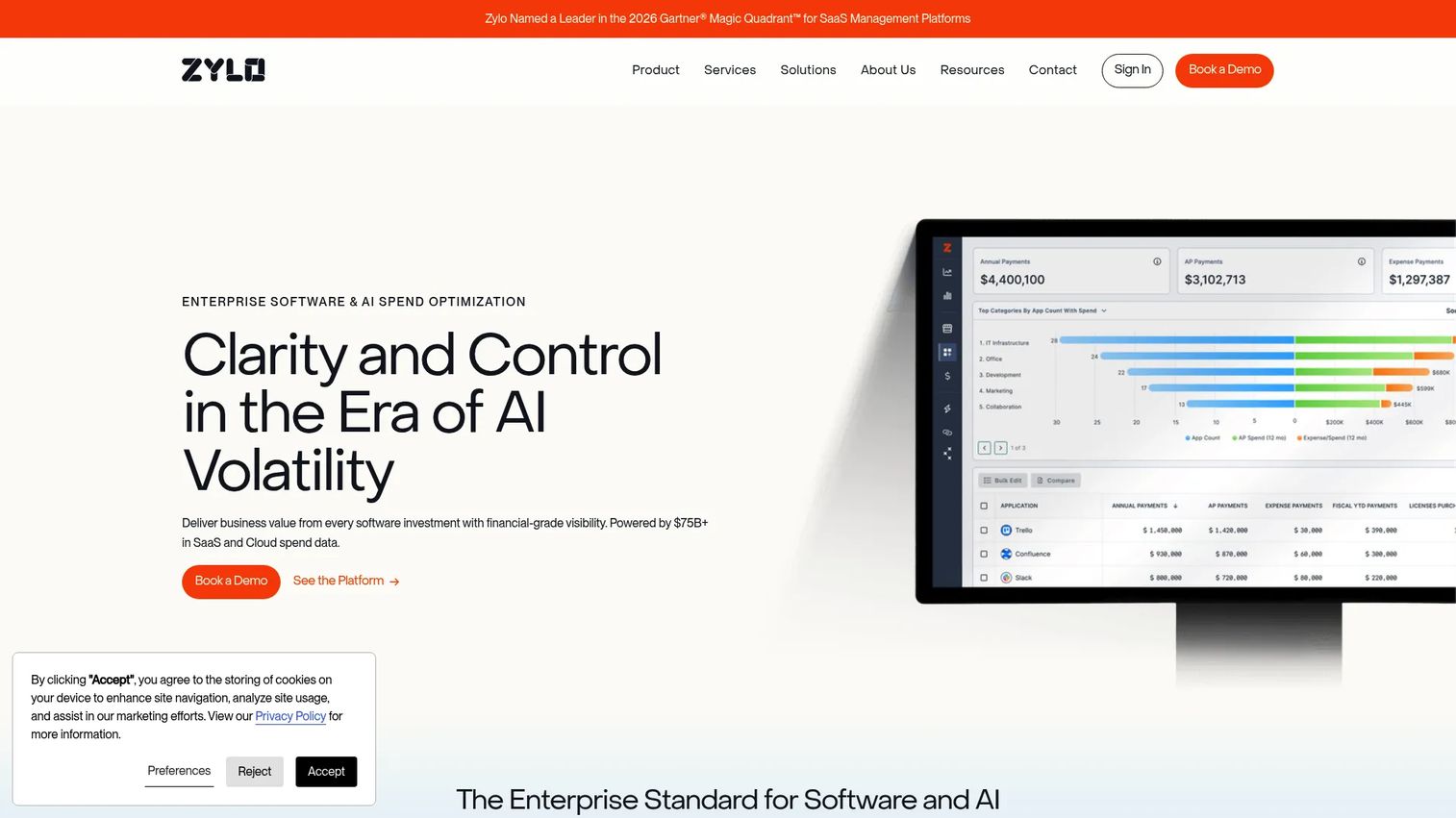
Zylo is an enterprise SaaS management platform built for software spend visibility, optimization, and compliance. It leans hard into discovery: finding every app in your portfolio, including the ones bought quietly on a corporate card. For teams that want centralized SaaS governance rather than a broad finance suite, Zylo is the most focused pick on this list.
Best for: Large enterprises that need SaaS and AI spend optimization with governance and compliance baked in.
Key strengths
- AI-powered app discovery: Surfaces the full application portfolio, including shadow IT bought outside procurement
- Continuous spend visibility: Keeps a live view of what apps cost and how spend trends over time
- Contract management and benchmarking: Centralizes contracts and compares your pricing against market data
Why choose Zylo: If your core problem is that nobody knows what you own, Zylo solves that first. It connects usage data and direct integrations to map ownership, utilization, and renewal risk in one place. That makes it a strong fit for organizations trying to operationalize SaaS license management across finance, IT, and procurement at once.
Zylo pricing: Zylo does not publish numeric pricing. Its site lists three tiers, Zylo Core, Zylo Premium, and Zylo Enterprise, and prompts you to request a quote. That structure fits enterprise buyers who expect a scoped, seat-based conversation rather than a self-serve checkout. Zylo holds a 4.8/5 rating on G2.
2. Vertice
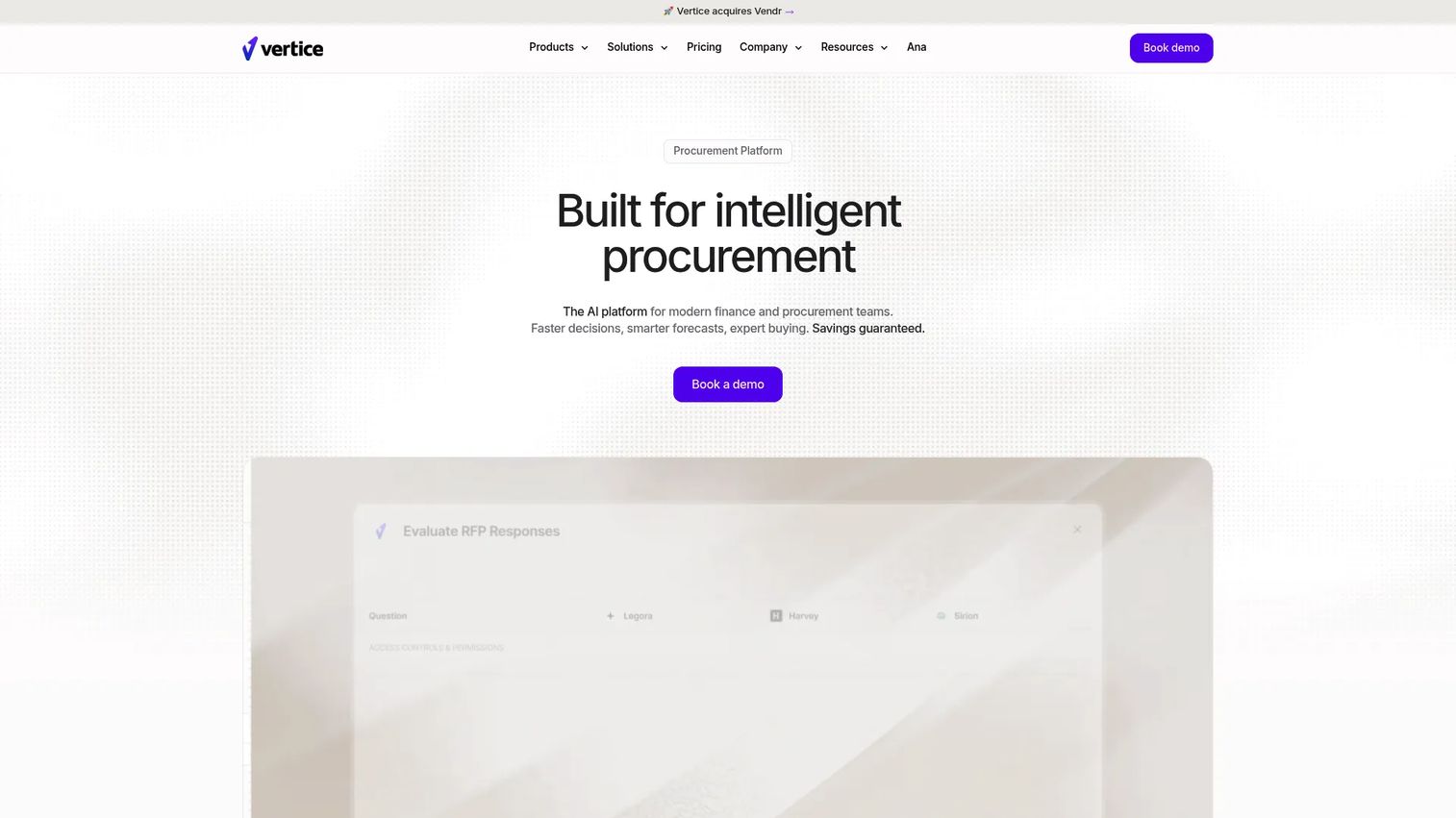
Vertice is a procurement platform for managing SaaS, cloud, and contract spend, with benchmarking and negotiation support built in. Where Zylo emphasizes discovery, Vertice emphasizes leverage: using usage data and market pricing to win better renewal terms. For teams that already know what they own and want to pay less for it, Vertice is the sharper tool.
Best for: Mid-market and enterprise teams optimizing SaaS procurement and contract renewals.
Key strengths
- Intake-to-procure workflows: Routes new software requests through a structured buying process
- Contract management and renewal tracking: Flags renewals early so you negotiate instead of auto-renewing
- SaaS pricing benchmarks and negotiation support: Brings market pricing data and hands-on help to the table
Why choose Vertice: Vertice is built around savings. It combines renewal management with negotiation muscle, so the platform pays for itself when a single contract gets renegotiated down. That makes it a strong fit for procurement-led teams that treat SaaS spend optimization as an active, ongoing motion rather than a once-a-year cleanup.
Vertice pricing: Vertice uses contact-sales pricing across its offerings, including SaaS Purchasing, Intake-to-Procure, and Cloud Cost Optimization, with annual billing noted on its pricing page. There is no public numeric price. The model fits companies that expect procurement value to be scoped against their actual spend. Vertice holds a 4.6/5 rating on G2.
3. Fullstory
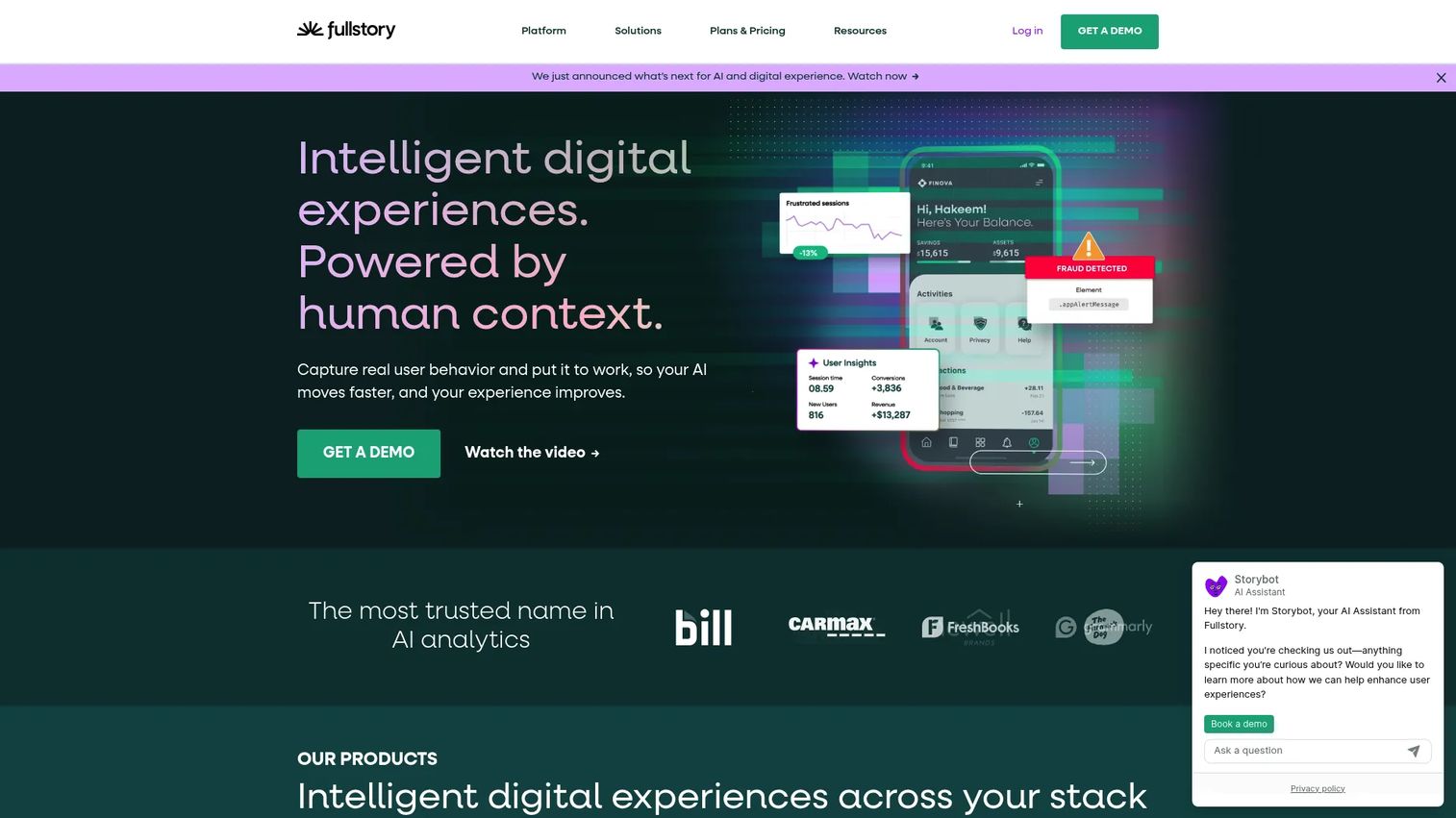
Fullstory is a behavioral data and analytics platform for understanding digital customer and employee experiences. It is not a pure SaaS spend tool, and that is exactly the point. Login counts tell you a seat is active. Fullstory tells you what people actually do inside a tool, which is the difference between "used" and "used well."
Best for: Teams that need behavioral analytics, session replay, and product or experience insights to judge adoption.
Key strengths
- Session replay and live session viewing: Shows how people move through a tool, not just whether they logged in
- Product analytics: Funnels, journeys, heatmaps, and segmentation reveal where adoption stalls
- Free plan: FullstoryFree offers 30,000 monthly sessions with 12 months of retention
Why choose Fullstory: When you are deciding whether to renew or cut a tool, adoption depth matters more than a login report. Fullstory gives you behavioral evidence of whether a platform earns its seat count. For enablement leaders judging whether reps actually use a content or coaching tool, that signal is gold.
Fullstory pricing: Fullstory does not display paid-plan prices publicly. Its site lists Business, Advanced, and Enterprise tiers alongside a free FullstoryFree plan, with paid plans requiring a pricing or demo request. The free tier makes it easy to test the behavioral angle before committing budget. Fullstory holds a 4.5/5 rating on G2.
4. Coupa
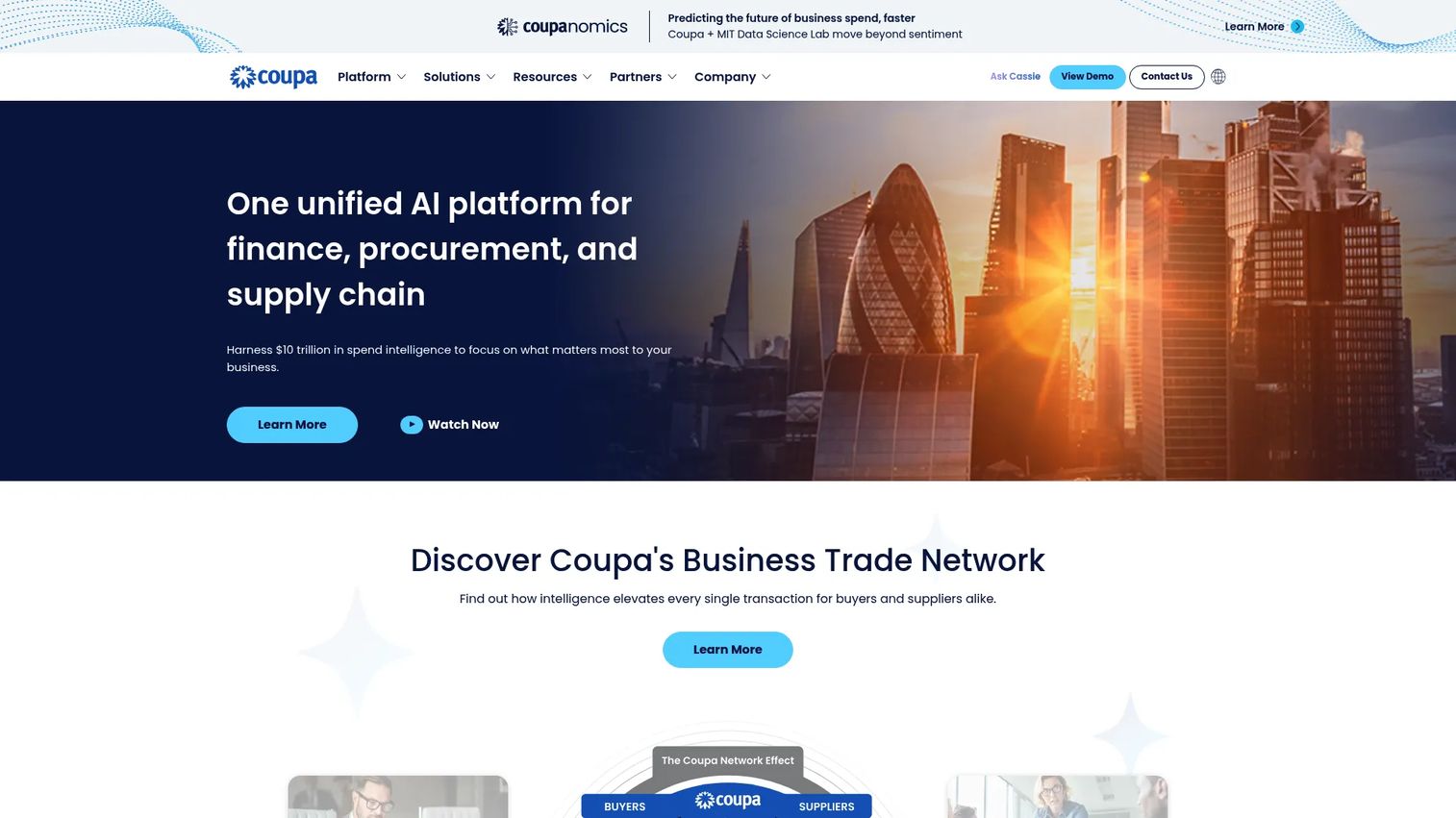
Coupa is business spend management software for procurement, invoicing, payments, and supplier collaboration. It handles SaaS spend as one thread inside a much larger procure-to-pay motion. If your organization already runs procurement through a formal process, Coupa folds software purchases into the same governed workflow.
Best for: Mid-market and enterprise teams managing procurement and spend workflows across categories, not just SaaS.
Key strengths
- Procure-to-pay workflows: Governs the full buying cycle from request to payment
- Supplier portal and catalogs: Centralizes vendor relationships and approved purchasing
- App marketplace and integrations: Connects spend controls to the rest of the finance stack
Why choose Coupa: A narrow SaaS-only tool wins on depth of app intelligence. A broad suite like Coupa wins when SaaS is one line item among many and you want one governed process for all of it. Choose Coupa when enterprise controls, supplier management, and cross-category spend visibility matter more than SaaS-specific discovery.
Coupa pricing: Coupa does not publish public pricing for its core platform; engagements are scoped through sales. That is typical for enterprise procurement suites, where deployment spans multiple spend categories and integrations. Coupa holds a 4.2/5 rating on G2.
5. Ramp
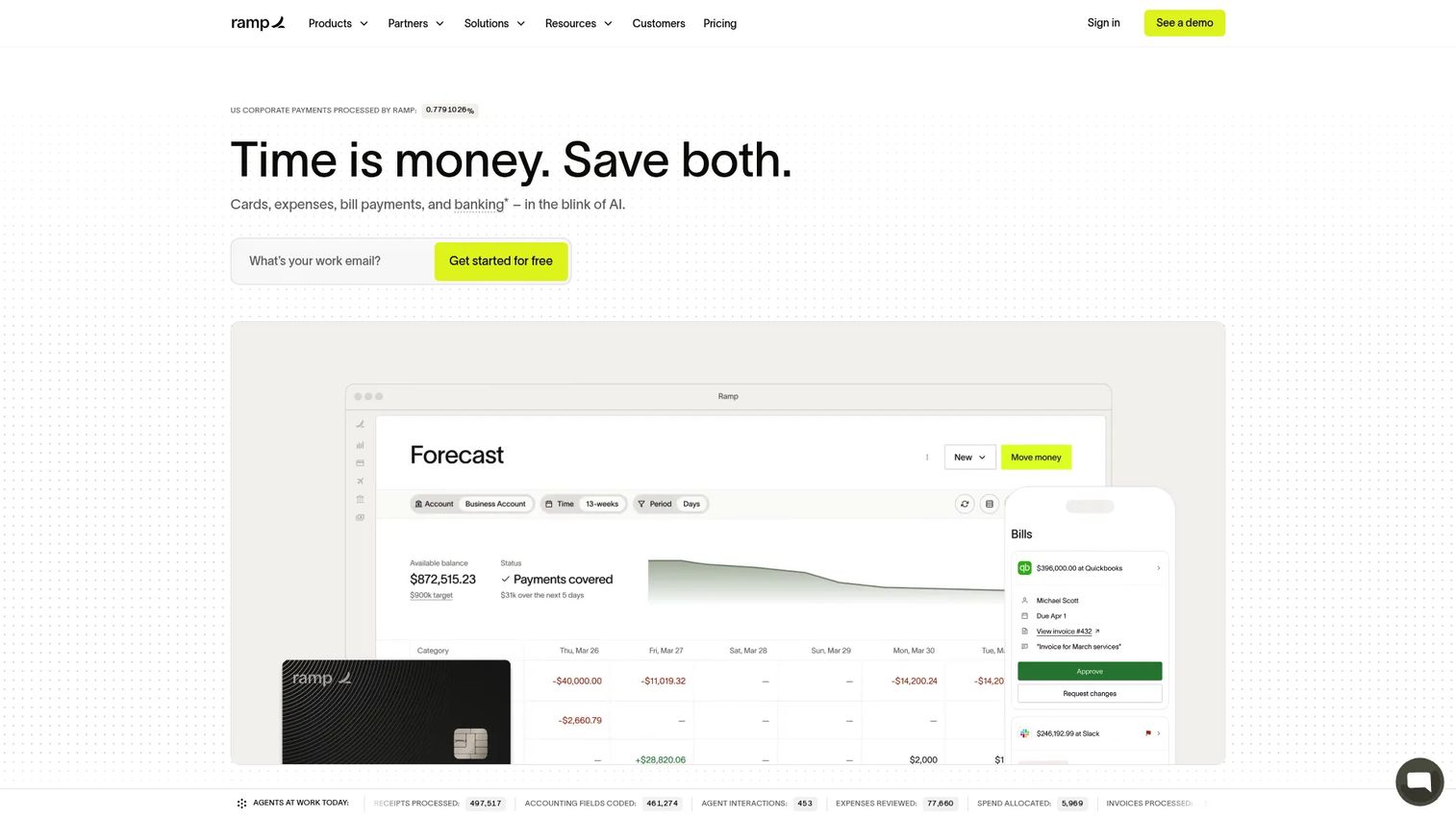
Ramp is a spend management platform for corporate cards, expenses, AP, travel, procurement, and reporting. It approaches SaaS spend from the finance side: every subscription hits a card or an invoice, and Ramp gives you the controls and visibility to catch waste at the source. For teams that want to unify card spend and vendor visibility, it is the most complete finance-forward pick here.
Best for: Teams that want an all-in-one spend management and finance operations platform.
Key strengths
- Unlimited cards with controls: Physical and virtual cards with spend limits and policies built in
- Expense management: Receipt automation and reimbursements reduce manual finance work
- Accounts payable automation: Invoice extraction and approvals streamline vendor payments
Why choose Ramp: Ramp fits when SaaS spend is best controlled at the transaction layer, alongside broader company spend. It catches new subscriptions the moment a card is used, which doubles as early shadow IT reduction. It suits finance teams that want spend discipline across cards, expenses, and AP in one operating platform rather than a SaaS-only lens.
Ramp pricing: Ramp offers a Free plan at $0 per user per month, a Plus plan at $15 per user per month plus a platform fee based on team size, with annual billing saving 20%, and a custom-priced Enterprise plan. The free tier makes it accessible for smaller teams testing spend controls. Ramp holds a 4.8/5 rating on G2.
6. Brex
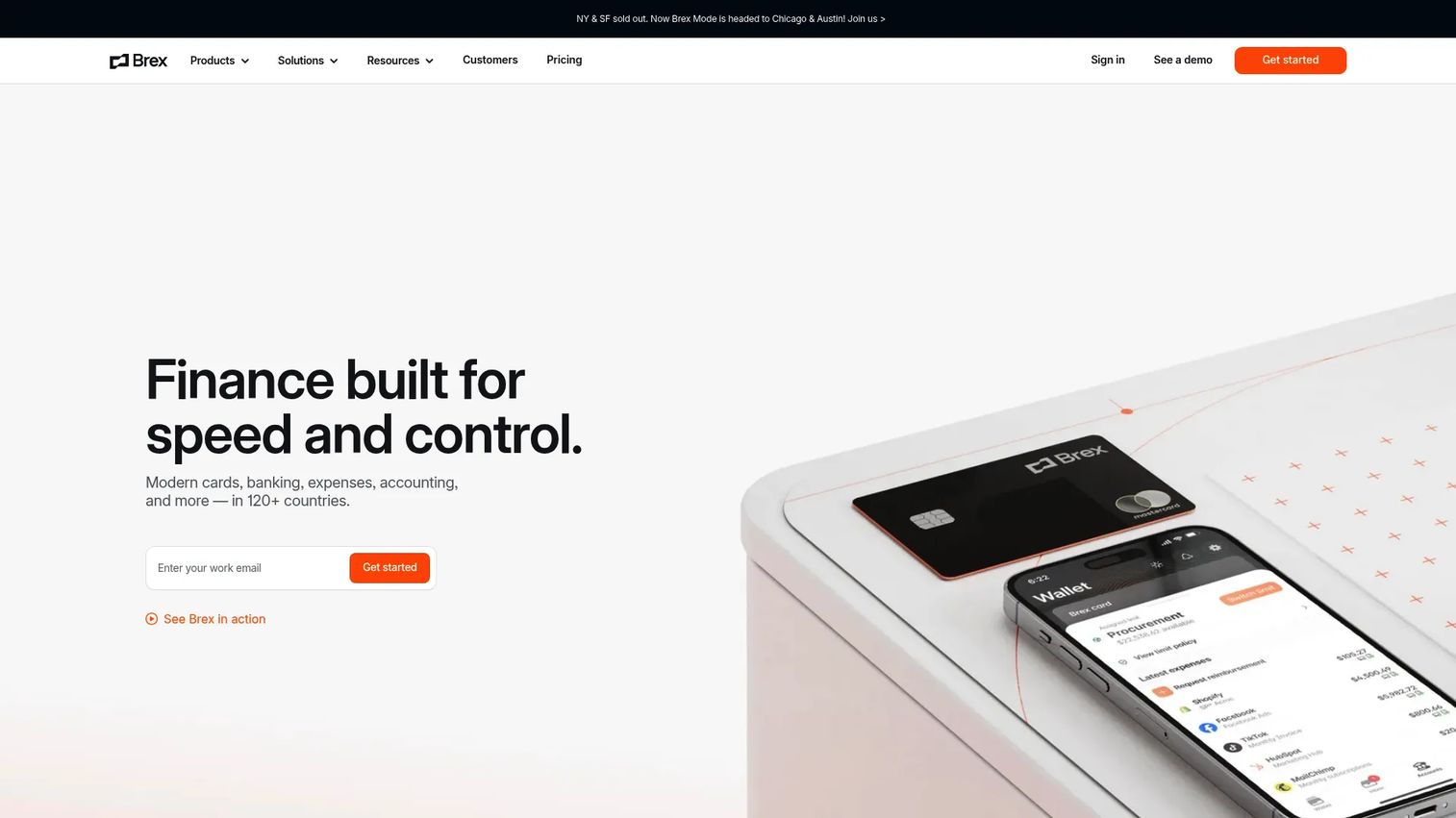
Brex is a finance software platform for spend management, cards, bill pay, travel, and reporting. Like Ramp, it comes at SaaS spend from budgets and cards rather than app-level discovery. Its strength is control: setting budgets, issuing cards with guardrails, and reporting on where money goes across the business.
Best for: Companies wanting an all-in-one spend management and corporate card platform.
Key strengths
- Corporate cards: Issue cards with built-in budget and policy controls
- Expense management: Track and categorize spend with reporting visibility
- Bill pay: Manage vendor invoices and payments in one place
Why choose Brex: Brex is a better fit than a pure SaaS optimizer when your priority is broad company spend management with strong budget controls. It ties software costs into the same reporting layer as travel, expenses, and bill pay. Choose it when you want budget discipline and card controls across the whole company, not narrow SaaS license rightsizing.
Brex pricing: Brex lists an Essentials plan at $0 per user per month, a Premium plan at $12 per user per month, and a custom-priced Enterprise plan, and it notes that some products carry associated fees. The free Essentials tier lowers the barrier for smaller teams. Brex publishes pricing on its own site; a G2 rating was not listed at the time of writing, though it carries strong reviews on Capterra.
7. Rippling
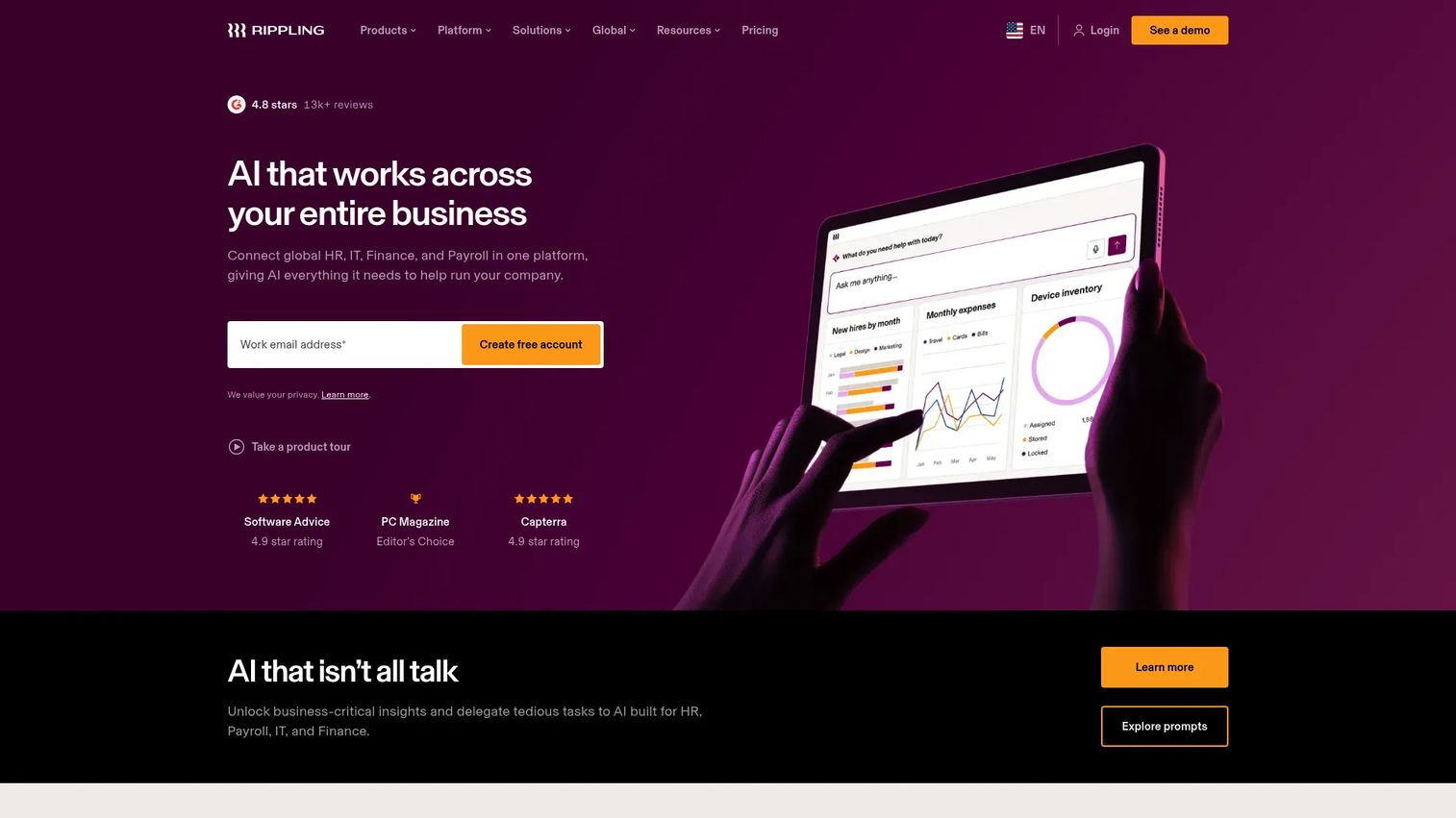
Rippling is a unified workforce management platform for HR, payroll, IT, and finance. Its SaaS angle is provisioning: because Rippling manages the employee lifecycle, it knows who joins, who leaves, and what app access each person should have. That makes it powerful where SaaS spend is tied directly to headcount and access.
Best for: Businesses that want one system for HR, payroll, IT, and workforce management.
Key strengths
- HRIS and employee lifecycle management: Ties app access to hires, role changes, and departures
- Payroll and global payroll: Runs pay alongside workforce data in one system
- Time and attendance: Scheduling and attendance connect to the same employee record
Why choose Rippling: When a rep leaves and their seats keep billing, that is a lifecycle problem, not a spreadsheet problem. Rippling deprovisions access as part of offboarding, so SaaS waste stops at the source. It fits companies that want HR, IT, and access management in one motion rather than a standalone spend optimizer, and it doubles as a shadow IT reduction layer through centralized provisioning.
Rippling pricing: Rippling bills most products per employee per month, with some using a monthly base fee, and products can be purchased separately alongside the required core Rippling Platform. No public starting price is listed. The modular model fits companies consolidating HR, IT, and finance tooling. Rippling holds a 4.8/5 rating on G2.
Considerations before you buy
The right platform depends on your maturity, your team structure, and where your waste actually lives. Use this checklist before committing.
Discovery depth and shadow IT coverage
Ask how the tool finds apps. Does it rely only on SSO, or does it also read finance and expense data to catch card-bought subscriptions? Shadow IT reduction is only as good as the discovery method behind it. A tool that misses half your stack cannot rightsize it.
Renewal and contract control
Confirm how far ahead the platform flags renewals and whether it centralizes contract terms. Renewal management is where the biggest savings hide. If the tool cannot give owners a real window to renegotiate, you will keep paying last year's rate.
Usage data and rightsizing accuracy
Look at how the platform measures usage. Login counts are a blunt signal; active-seat and behavioral data are sharper. The more precise the usage picture, the more confidently you can cut idle licenses without breaking a workflow someone quietly depends on.
Cross-functional ownership and integrations
SaaS spend touches finance, IT, procurement, and RevOps. Make sure the tool integrates with your SSO, HR, finance, and expense systems, and that each team can work from the same view. A platform only one team uses becomes another silo, not a source of truth.
Forecasting and reporting
Check whether the platform supports SaaS budgeting and forecasting, not just historical reporting. Budget season is easier when you can model upcoming renewals and project spend by team. Good forecasting turns spend management from reactive cleanup into planning.
Conclusion
Three takeaways cut through the shortlist. First, if you lack a reliable inventory, start with visibility: Zylo gives the deepest SaaS discovery and governance. Second, if your waste is already obvious and renewals are the problem, start with leverage: Vertice brings benchmarking and negotiation muscle. Third, if SaaS spend is really a slice of broader company spend, a suite like Ramp, Brex, or Coupa keeps it inside one governed process, while Rippling shines when spend is tied to the employee lifecycle. Fullstory earns its place when adoption depth, not login counts, decides what stays.
Prioritize by maturity. No inventory yet? Get discovery first. Inventory in hand but waste bleeding out? Get renewal control. Then layer forecasting on top so next year's budget review is a report, not a scramble.
Pick the one that matches your biggest leak, run a discovery pass, and turn your SaaS stack into something you can defend line by line.
Start your journey with Guideflow today!
FAQs
SaaS spend management software discovers, tracks, and optimizes a company's subscription software spending across its full application portfolio. It shows what apps exist, who uses them, what they cost, and when they renew. The goal is to cut waste, control renewals, and give finance, IT, and operations one shared view of software spend.
Expense management tracks transactions and reimbursements after money moves. SaaS spend management focuses on the software itself: licenses, usage, renewals, and ownership. Expense tools answer "what did we pay for?" SaaS spend management answers "should we still be paying for this, and for how many seats?" Many finance platforms now blend both.
Look for app discovery, usage analytics, renewal management, contract and vendor visibility, license rightsizing, approval workflows, integrations with finance and SSO systems, and reporting with forecasting. Strong SaaS license management and shadow IT detection separate a serious platform from a basic tracker. Cross-functional access matters as much as any single feature.
It surfaces the gap between seats purchased and seats actually used, flags idle licenses, and catches duplicate tools bought by different teams. Renewal alerts stop auto-renewals at inflated seat counts. Together, discovery, usage data, and renewal management turn invisible SaaS cost management problems into a list of specific savings you can act on.
Ownership is usually shared. Finance owns the budget, IT owns provisioning and security, procurement owns contracts and negotiation, and RevOps or department leads own the tools their teams use. The best outcomes come from one platform all of them can read, so no single group guesses about spend the others control.
Track reclaimed licenses, canceled duplicate tools, renegotiated renewal savings, and reduced cost per active user. Compare software spend growth against headcount growth over time. If the platform surfaces more savings than it costs, and it usually does through renewals alone, the ROI is straightforward to defend in a budget review.
No. Large enterprises held 67.05% of the expense management software market in 2025, per Mordor Intelligence (2026), but growing mid-market teams often feel SaaS sprawl hardest. Finance-forward platforms with free tiers make spend controls accessible to smaller teams, so the discipline scales down as easily as it scales up.
Start where your pain is sharpest. If you lack an inventory, begin with a discovery pass to see every app and seat. If renewals are the leak, prioritize renewal management and contract visibility. Then add SaaS budgeting and forecasting so you plan ahead instead of reacting at renewal time each year.