Your finance team sent 200 invoices this quarter. A quarter of them are past due. Nobody knows exactly which customers to chase first, and cash application is still a Friday-afternoon spreadsheet exercise.
That is the friction accounts receivable software is built to remove. Manual collections eat hours. Disconnected ERP data hides where the cash actually is. And every day an invoice sits unpaid, DSO climbs and working capital tightens. The market has responded fast: the global accounts receivable automation market is projected to grow from USD 5.40B in 2026 to USD 12.86B by 2033, a 13.2% CAGR, according to Grand View Research (2025).
If you are evaluating tools on behalf of RevOps, finance, or a growth-stage leadership team, you are less interested in a feature dump and more interested in fit. Which platform matches your company size? Which one plugs cleanly into your ERP? Where is pricing actually visible versus quote-gated? This guide answers those questions directly, the same way you would want a peer to answer them.
If your broader evaluation touches adjacent finance and operations systems, it can help to cross-reference how buyers approach related categories like contract lifecycle management software and audit management software, since AR data rarely lives in isolation.
What's inside
This guide compares eight accounts receivable software platforms built for invoice-to-cash workflows: HighRadius, BILL, Upflow, Billtrust, BlackLine, Invoiced, Tesorio, and Quadient A/R (YayPay). We chose them based on four criteria that matter to a cross-functional buyer:
- Workflow coverage: invoicing, collections, cash application, deductions, and reporting
- Integrations: ERP and accounting system fit
- Company-size fit: SMB, mid-market, or enterprise
- Pricing visibility and implementation effort: how much you can see upfront and how fast you reach time to value
Each item section covers where the tool is strongest, who it fits, and what to verify before you buy.
TL;DR
Short on time? Here is the quick map by buyer need:
- Best for enterprise automation: HighRadius, deep AI-driven order-to-cash across collections, cash application, and deductions
- Best for SMB teams: BILL, combined AP and AR with the most transparent entry pricing on this list
- Best for pricing transparency: Upflow, a free forever tier plus visible plan structure
- Best for collections-heavy teams: Billtrust and Quadient A/R (YayPay), built for high-volume receivables operations
- Best for fast implementation and billing-to-collections: Invoiced
- Best for cash flow visibility and forecasting: Tesorio
- Best for ERP-heavy finance ops: BlackLine, AR inside a broader financial close stack
What is accounts receivable software?
Accounts receivable software is a category of finance tools that automates the invoice-to-cash process, from sending invoices through collecting payment and applying cash to open receivables. It replaces manual follow-ups, spreadsheet tracking, and disconnected payment records with a connected workflow.
The core workflow spans several stages:
- Invoicing: generating and delivering invoices, often across email, portal, and print
- Collections: automated reminders, dunning sequences, and prioritized follow-up
- Cash application: matching incoming payments to open invoices, including remittance data
- Deductions and disputes: flagging short pays, chargebacks, and resolving them
- Payments: offering customer payment portals and multiple payment methods
- Reporting and forecasting: aging reports, DSO tracking, and cash flow visibility
Key capabilities buyers evaluate include:
- Collections automation and workflow rules
- Cash application matching accuracy, often AI-assisted
- Credit management and risk scoring
- Customer self-service payment portals
- ERP integrations and accounting sync
- Analytics dashboards for DSO, aging, and cash forecasting
The strongest receivables software connects these stages into one system so finance teams stop stitching together tools. This is the same consolidation logic that drives buyers toward platforms like marketing automation software and contract management software: fewer disconnected steps, cleaner data, more predictable outcomes.
When to use accounts receivable software
Not every team needs the same thing. Here are three concrete triggers that signal it is time to evaluate.
Reduce manual follow-up and overdue invoices
When collectors spend more time building call lists than making calls, manual process is the bottleneck. Accounts receivable collections software automates reminder sequences, prioritizes accounts by risk and value, and frees your team to focus on the accounts that actually move cash. The trigger: rising overdue balances and a collections team stuck in admin.
Improve cash application and payment matching
When payments arrive without clean remittance data, cash application turns into manual detective work. AR automation software uses matching logic, often AI-driven, to tie payments to open invoices at scale. The trigger: a growing backlog of unapplied cash and month-end reconciliation crunches.
Standardize AR across growing teams and ERP systems
When your company adds entities, currencies, or ERP instances, receivables process fragments fast. Accounts receivable management software standardizes workflows and connects to your ERP so every region runs the same playbook. The trigger: acquisitions, new markets, or an ERP migration that exposes inconsistent AR practices.
Comparison table
The table below places the most enterprise-relevant platforms first, then moves toward lighter-weight and specialized options. Pricing reflects what each vendor publishes; several use quote-based models, which is common in this category.
| # | Product | Intent | Key differentiation | Pricing | G2 rating |
|---|---|---|---|---|---|
| 1 | HighRadius | Enterprise order-to-cash automation | AI-driven collections, cash application, deductions, treasury | Quote-based | 4.3/5 |
| 2 | BILL | SMB to mid-market AP and AR | Combined AP/AR plus spend management | From $0/user/mo | Not listed |
| 3 | Upflow | B2B collections and cash visibility | Transparent free tier, collections workflows | Free forever, then quote | 4.8/5 |
| 4 | Billtrust | Enterprise collections and payments | Invoice delivery, payment portals, order-to-cash | Quote-based | 4.4/5 |
| 5 | BlackLine | Finance close plus AR | AR inside close, controls, and consolidation | Quote-based | 4.5/5 |
| 6 | Invoiced | Billing to collections automation | Fast implementation, self-service portals | Quote-based | 4.5/5 |
| 7 | Tesorio | Cash flow visibility and forecasting | Collections agents plus cash forecasting | Quote-based | 4.7/5 |
| 8 | Quadient A/R (YayPay) | Credit-to-cash automation | ERP-connected collections and disputes | Quote-based | 4.4/5 |
Best accounts receivable software for 2026
1. HighRadius
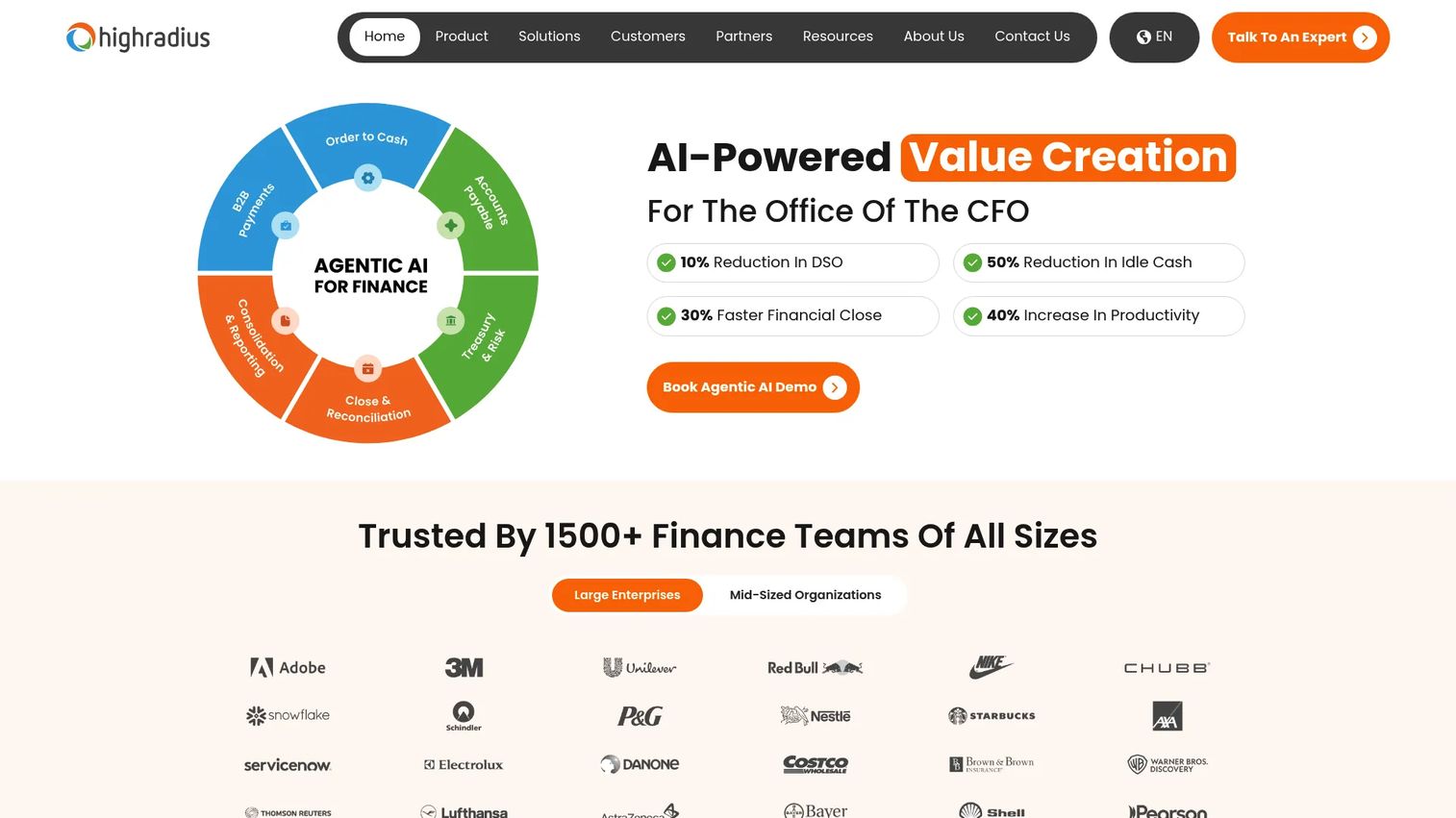
HighRadius is autonomous finance software covering order-to-cash, treasury, record-to-report, and accounts payable in one platform. It is the option enterprise finance teams shortlist when they want AI running across the full receivables lifecycle rather than a single slice of it. The depth is the differentiator: collections, cash application, deductions, and credit all sit inside the same automation layer.
Best for: Mid-market and enterprise finance teams automating AR, AP, treasury, and close processes at scale.
Key strengths
- Order-to-cash automation: Runs collections, cash application, and deductions end to end so teams reduce manual touchpoints across the receivables cycle.
- Treasury and risk management: Extends beyond AR into cash forecasting and risk, giving finance leaders one view of working capital.
- Close and reconciliation automation: Connects receivables data into the record-to-report process for cleaner month-end.
Why choose HighRadius: If your evaluation is driven by DSO reduction targets and a mandate to automate across finance functions, HighRadius is built for that scope. It fits organizations with the volume and complexity to justify a broad platform, and the internal resources to run a structured implementation.
HighRadius pricing: HighRadius uses flexible, quote-based pricing. Its pricing pages describe subscription and outcome-based models but do not publish numeric prices, so expect a tailored quote tied to your module mix and volume. On G2, HighRadius holds a 4.3/5 rating.
2. BILL
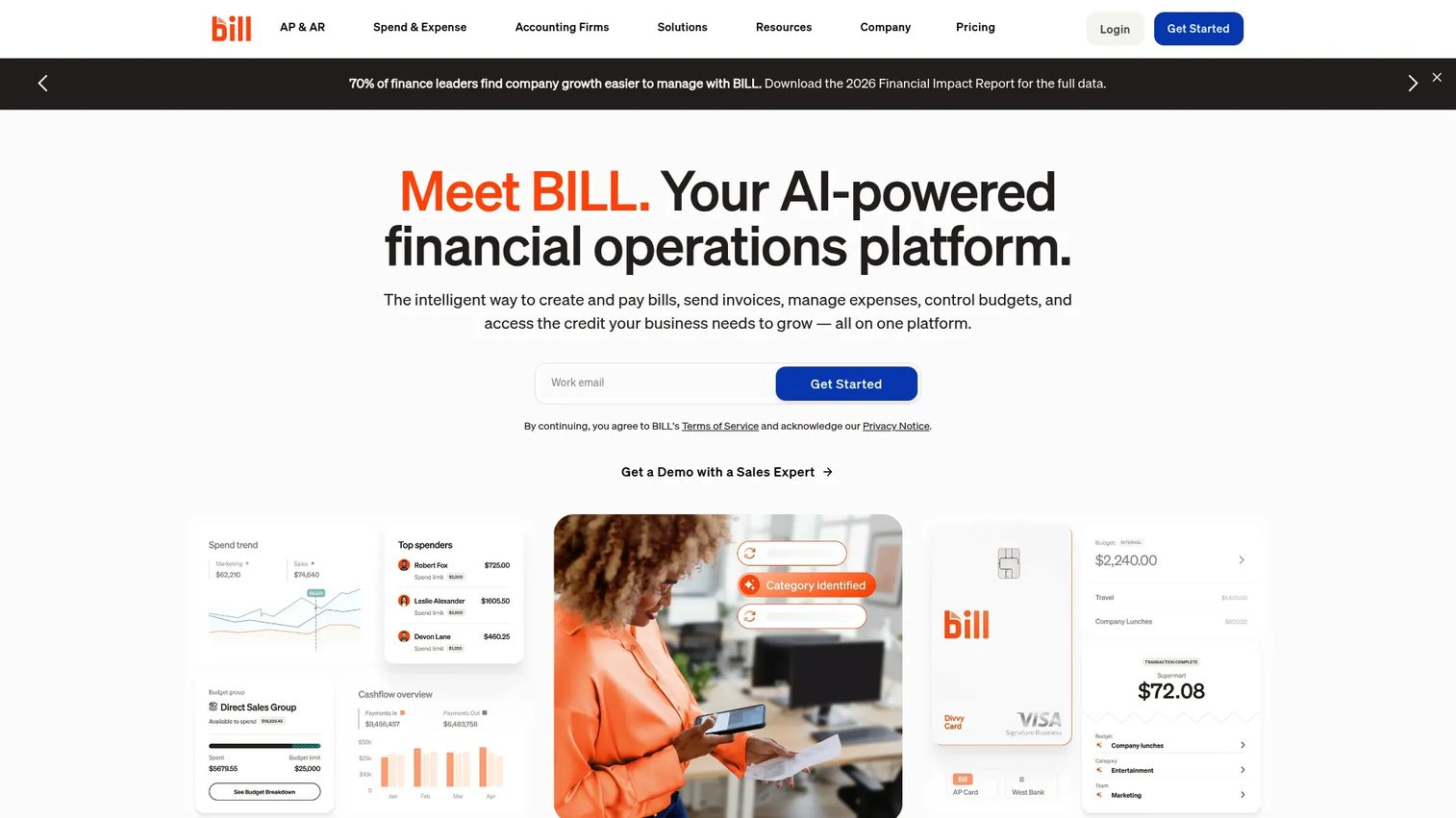
BILL is a financial operations platform that combines accounts payable, accounts receivable, spend management, and payments. That combined footprint is the appeal for SMBs and accounting teams who want to run payables and receivables from one place instead of buying separate tools. It is also the most price-transparent option on this list.
Best for: SMBs and accounting teams that want AP/AR automation plus spend control in one platform.
Key strengths
- Accounts payable and receivable automation: Handles both sides of the ledger, so growing teams consolidate workflows rather than stitch tools together.
- Spend and expense management: Adds corporate cards and expense control alongside invoicing and collections.
- Broad accounting integrations: Connects to major accounting systems and enterprise tools, which keeps books clean as you scale.
Why choose BILL: BILL fits teams that value ease of use and transparent pricing over deep AR specialization. Larger, collections-heavy operations may eventually need a more receivables-focused platform, but for SMB to lower mid-market finance teams, the all-in-one model is hard to beat.
BILL pricing: BILL publishes clear pricing. Spend & Expense starts at $0 per user/month, and AP/AR plans run Essentials at $49, Team at $65, and Corporate at $89 per user/month, with a custom-priced Enterprise tier. This visibility makes budgeting straightforward compared with quote-only vendors.
3. Upflow
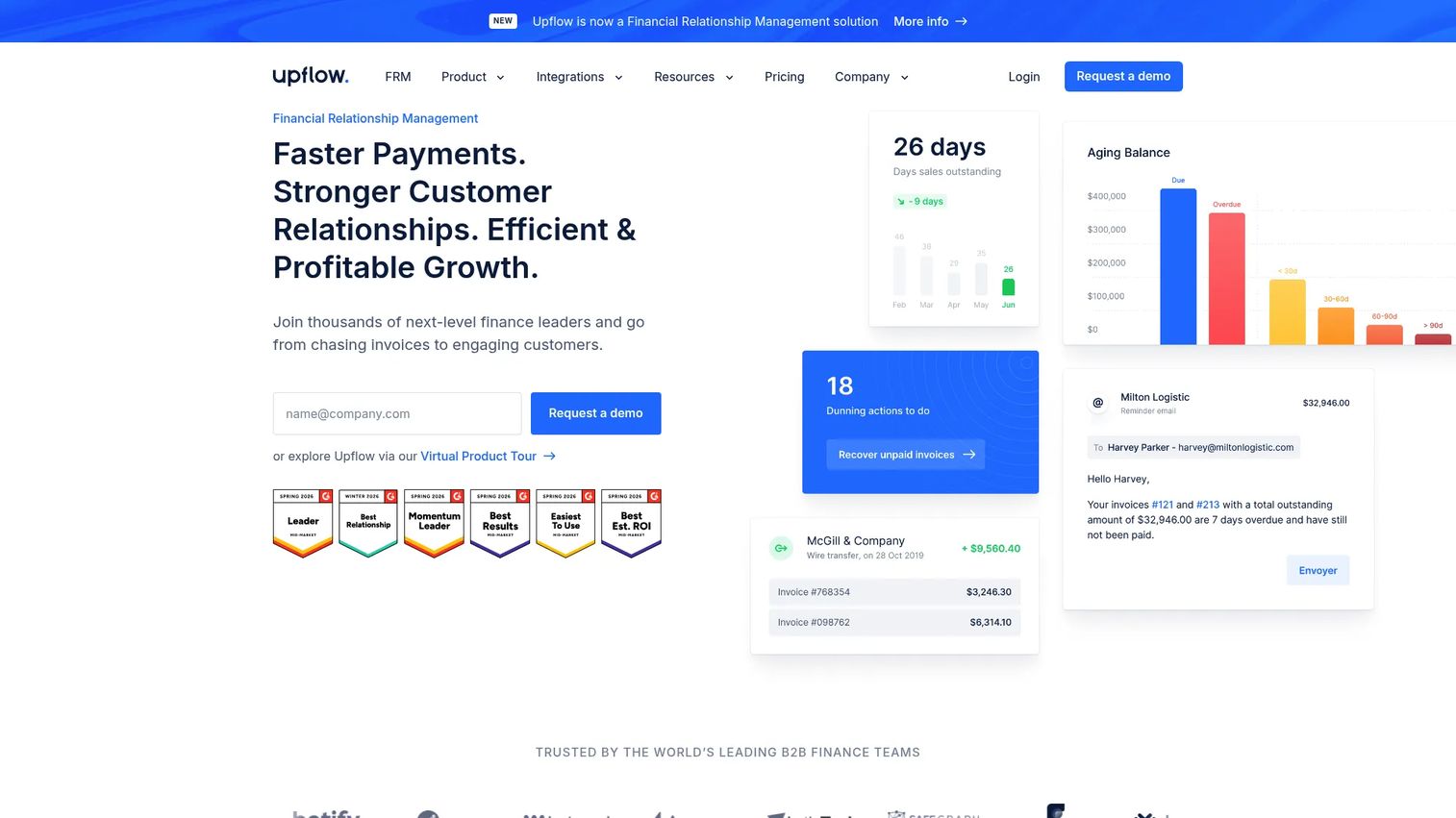
Upflow is accounts receivable automation software built for B2B finance teams that want to automate collections, improve cash visibility, and speed up receivables. It is a strong fit when time to value matters and you want to start without a sales cycle, thanks to a free forever tier that lets teams trial the workflow before committing.
Best for: B2B finance teams that want to automate collections, improve cash visibility, and speed up receivables.
Key strengths
- Automated collections workflows: Sequences reminders and follow-ups so overdue invoices get chased consistently without manual effort.
- Cash application and payment matching: Ties incoming payments to open invoices to shrink unapplied cash.
- AR analytics and forecasting: Surfaces DSO, aging, and cash forecasts so finance sees where the money is.
Why choose Upflow: Upflow rewards teams that want quick, visible entry rather than a long enterprise procurement. The free tier lowers the risk of trying it, and the analytics give fast cash flow visibility. Its G2 rating of 4.8/5 is the highest on this list.
Upflow pricing: Upflow offers a free forever plan, then Grow, Scale, and Strategic tiers. Paid plan prices are not published and require contacting sales, but the free entry point and visible plan structure make it more transparent than most enterprise-only vendors.
4. Billtrust
Billtrust is AI-powered accounts receivable software for automating order-to-cash workflows at scale. It leans into enterprise collections, invoice delivery, customer payment portals, and cash application, which makes it a common shortlist entry for larger AR operations with buyer committees and high invoice volume.
Best for: Midmarket and enterprise finance teams automating AR and B2B payments.
Key strengths
- AR platform automation: Coordinates collections, credit, and cash application across a high-volume receivables operation.
- Invoice delivery and invoicing automation: Delivers invoices across channels, including print, email, and portal, which matters for diverse customer bases.
- Payments and eCommerce: Combines payment processing and self-service portals so customers can pay how they prefer.
Why choose Billtrust: Billtrust is buyer-committee friendly, with breadth across order-to-cash that satisfies finance, IT, and operations stakeholders in a larger evaluation. It performs best in enterprise environments where invoice volume and payment complexity justify the platform.
Billtrust pricing: Billtrust does not publish pricing on its site, which is demo-led and contact-sales oriented, so expect a tailored quote. On G2, Billtrust holds a 4.4/5 rating.
5. BlackLine
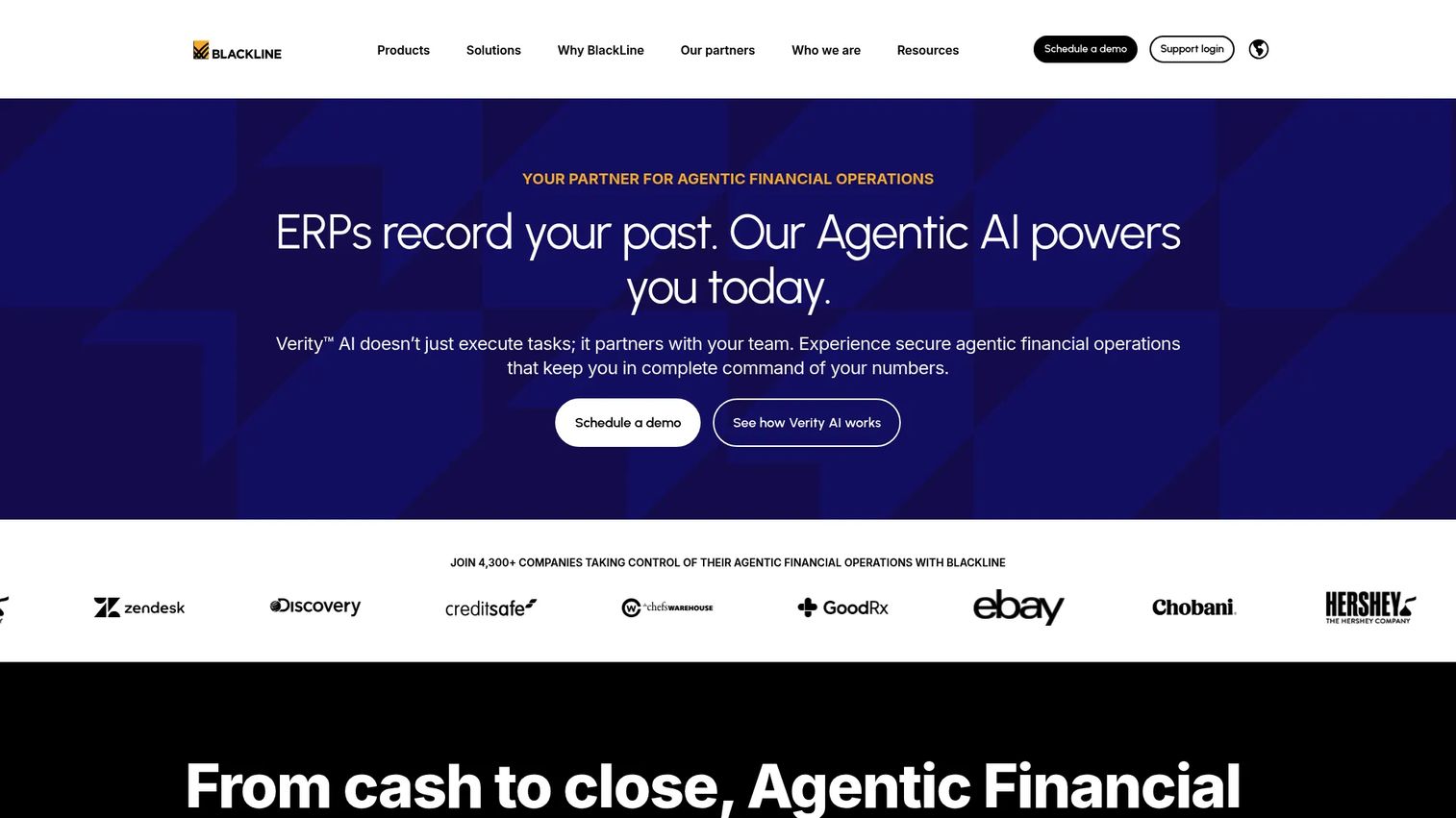
BlackLine is cloud software for financial close and accounting automation, with invoice-to-cash sitting inside a broader finance control stack. It fits finance operations teams that want receivables managed alongside close, reconciliation, and consolidation rather than as a standalone motion.
Best for: Mid-market and enterprise finance teams modernizing close and consolidation processes.
Key strengths
- Financial close and consolidation automation: Runs close workflows and consolidation, giving AR a home inside the broader finance process.
- Reconciliations and transaction matching: Handles account reconciliations, journal entries, and task management with audit-ready controls.
- Verity AI reporting: Adds AI-powered reporting, analysis, and trusted auditability for finance leaders.
Why choose BlackLine: BlackLine makes sense when your priority is finance process control and governance, not just collections. Teams that want AR inside a larger close and controls environment get credibility with auditors and cleaner consolidation. It carries a 4.5/5 G2 rating for its financial close management product.
BlackLine pricing: BlackLine does not publish public pricing; its site describes products and support and directs buyers to sales. Expect a quote tied to your module set and organization size.
6. Invoiced
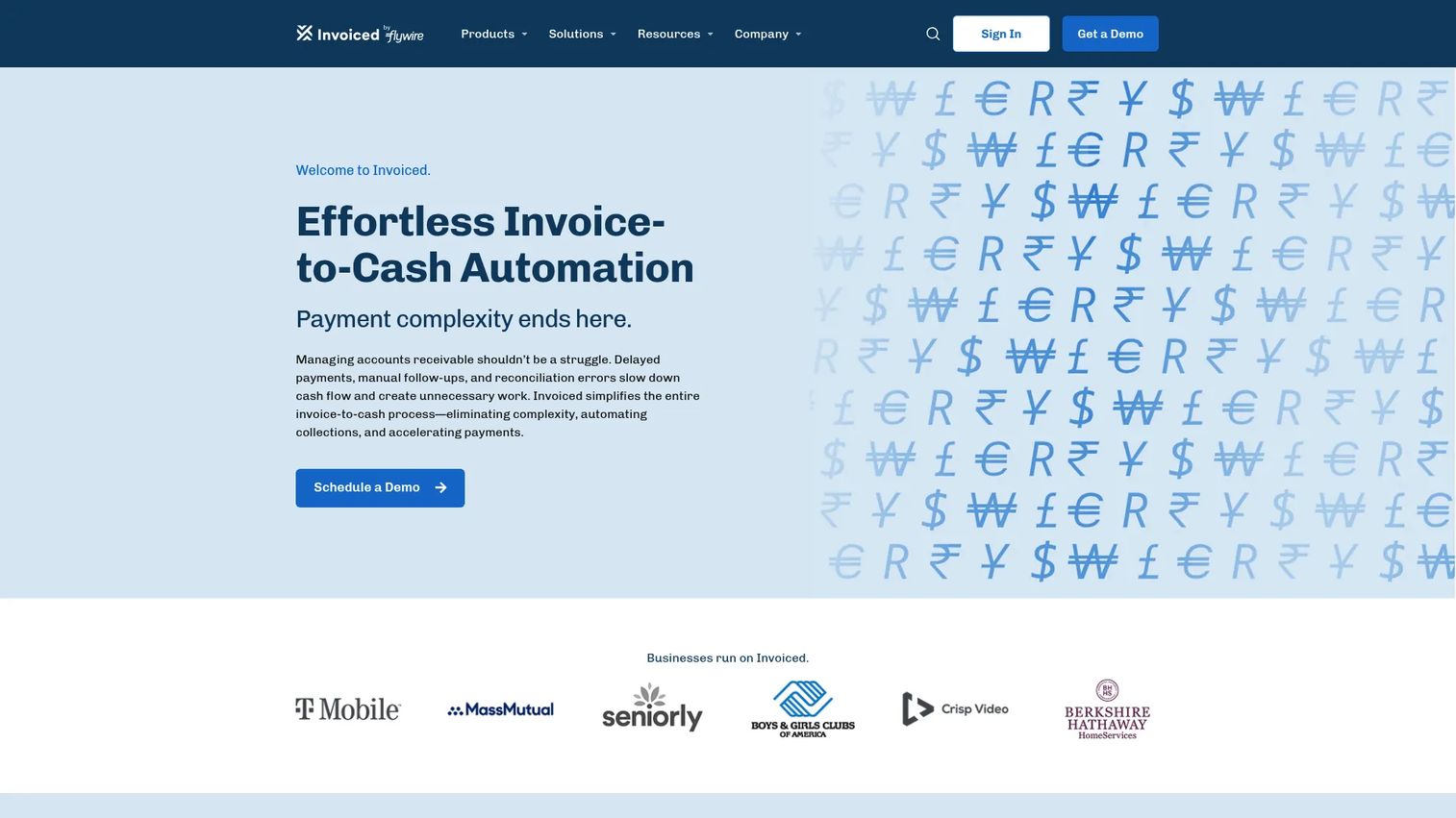
Invoiced is accounts receivable automation software focused on invoice-to-cash workflows, from billing through collections and cash application. Finance teams evaluating a billing-to-collections motion often prefer it for its self-service portals and reputation for approachable implementation.
Best for: Businesses that want to automate accounts receivable, collections, and customer payment workflows.
Key strengths
- A/R automation and collections: Automates dunning and follow-up so receivables get worked consistently.
- Cash application and reconciliation: Matches payments to invoices to reduce manual reconciliation.
- Customer portal and reporting: Gives customers a self-service payment portal and finance clear reporting.
Why choose Invoiced: Invoiced is a practical pick for teams that want billing and collections in one flow without a heavy rollout. The self-service portal reduces inbound payment questions, and the reporting keeps DSO visible. It holds a 4.5/5 G2 rating, with strong Capterra sentiment as well.
Invoiced pricing: Invoiced does not publish public pricing on its site, which directs visitors to schedule a demo. Pricing is quote-based, so request a tailored proposal for your invoice volume and workflow needs.
7. Tesorio
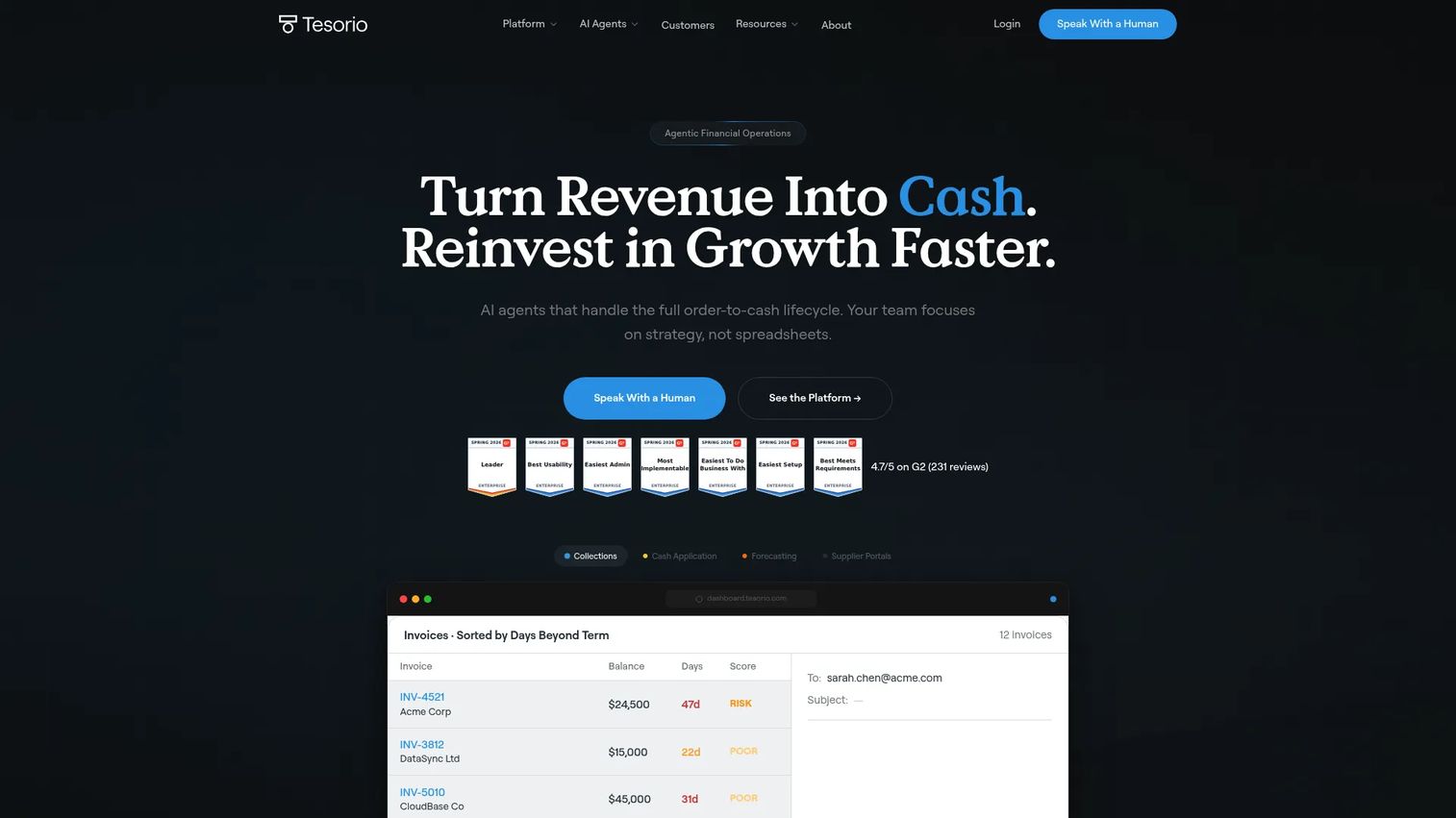
Tesorio is an AI-powered financial operations platform for automating order-to-cash, with a distinct emphasis on cash flow visibility and forecasting. It is a strong choice for teams that treat collections as proactive rather than reactive and want forecasting built into the same system.
Best for: Mid-market and enterprise finance teams automating AR, collections, cash application, and customer payments.
Key strengths
- Collections Agent: Automates dunning and follow-ups so overdue accounts get worked without manual list-building.
- Cash Application Agent: Matches invoices and reconciles payments to reduce unapplied cash.
- Payment Portal: Gives customers self-service payments and dispute handling in one place.
Why choose Tesorio: Tesorio fits teams whose top priority is forecasting and prioritized collections, not just automation for its own sake. If your leadership wants tighter cash flow visibility to plan working capital, the forecasting focus is the draw. Tesorio reports a 4.7/5 G2 rating across 231 reviews.
Tesorio pricing: Tesorio does not list public pricing; its site directs buyers to request a demo and speak with sales. Pricing is quote-based, tied to your volume and module needs.
8. Quadient A/R (YayPay)
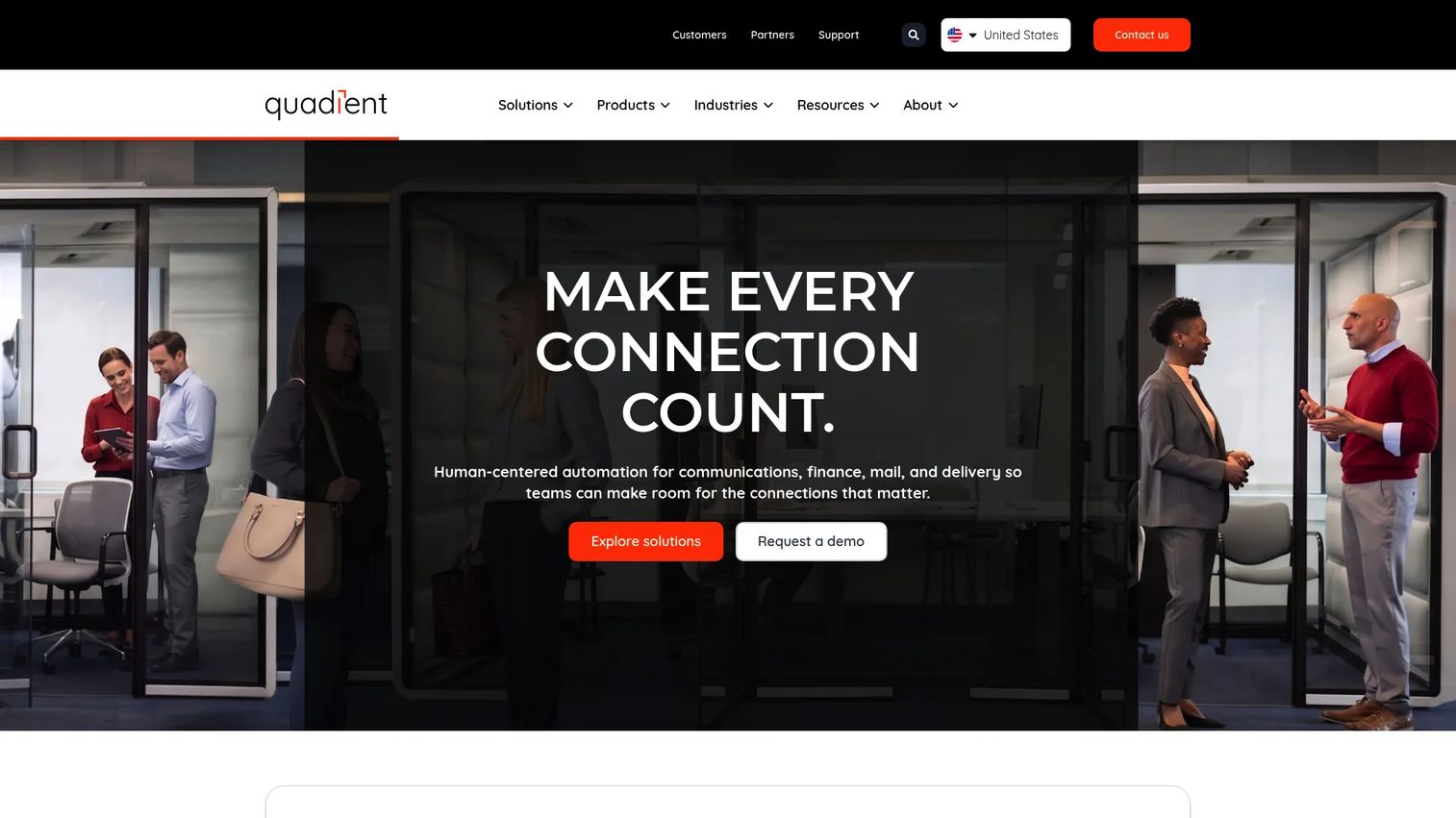
Quadient A/R (YayPay) is an ERP-connected accounts receivable automation platform covering collections, credit, disputes, cash application, customer payments, and reporting. Longtime AR buyers will recognize YayPay, now part of Quadient, and its reputation for collections automation and receivables visibility carries into the current product.
Best for: B2B finance teams needing AR automation across credit-to-cash workflows.
Key strengths
- Credit and collections automation: Manages credit risk and automates collections across the credit-to-cash cycle.
- Dispute management: Tracks and resolves deductions and disputes so short pays do not stall cash.
- Customer payments and cash application: Combines self-service payments with matching to keep receivables current.
Why choose Quadient A/R (YayPay): The platform fits collections-heavy B2B teams that need ERP-connected workflows and strong customer communications. Its breadth across credit, collections, disputes, and cash application supports a full receivables operation. It holds a 4.4/5 G2 rating.
Quadient A/R (YayPay) pricing: Quadient does not publish public pricing; its AR pages describe capabilities and invite demo requests. Pricing is quote-based, so budget for a sales conversation to scope your requirements.
Considerations before you buy
A shortlist is only useful if you pressure-test it against your own environment. Here is what to verify before signing.
ERP and accounting integrations
Your AR software is only as good as its connection to your ERP or accounting system. Confirm native integrations for your specific stack, not just a generic API. Ask about sync frequency, bidirectional data flow, and how the vendor handles multiple ERP instances if you run more than one.
Collections complexity
Map your actual collections motion before you buy. High-volume, low-touch collections need different automation than complex enterprise accounts with dedicated collectors. Verify that dunning rules, prioritization logic, and dispute handling match how your team actually works.
Invoice volume and payment mix
A tool that shines at 500 invoices a month may strain at 50,000. Check volume limits and how the platform handles your payment mix, including cards, ACH, wire, and portal payments. Cash application accuracy matters most when remittance data is messy.
Implementation time and internal resources
Time to value varies widely across this category. Some platforms go live in weeks; broad enterprise suites take longer and demand internal resources. Ask for a realistic implementation timeline, required internal roles, and what the vendor owns versus what you own.
Pricing model and TCO
Several vendors here use quote-based pricing, so total cost of ownership can be hard to compare. Push for the full picture: platform fees, per-user costs, payment processing rates, implementation fees, and any premium module gating. Model TCO across three years, not one.
Conclusion
The right accounts receivable software depends less on a leaderboard and more on your profile. Enterprise finance teams automating across order-to-cash gravitate to HighRadius, Billtrust, or Quadient A/R (YayPay). SMB and mid-market teams that want simplicity and visible pricing lean toward BILL or Upflow. Teams anchored in the financial close find AR at home inside BlackLine. And if forecasting or fast billing-to-collections is the priority, Tesorio and Invoiced earn a close look.
The practical next step is straightforward: build a shortlist based on your company size and ERP stack, then run demos and request pricing from your top two or three. Score them against the considerations above, ERP fit, collections complexity, volume, implementation, and TCO, and the right choice usually separates itself quickly. If your evaluation spans adjacent systems, it can also help to see how buyers weigh categories like event management software and loyalty management software using the same criteria-first approach.
FAQs
Accounts receivable software automates the invoice-to-cash process, from sending invoices and chasing collections to applying cash and reporting on receivables. It replaces manual follow-ups and spreadsheet tracking with connected workflows. The goal is faster payment, lower DSO, and clearer cash flow visibility for finance teams.
AR automation software connects to your ERP or accounting system, pulls in open invoices, and runs automated collections sequences based on rules you set. It matches incoming payments to invoices through cash application logic, often AI-assisted, and surfaces analytics on aging and DSO. The effect is fewer manual touchpoints and a more predictable collections process.
Pricing varies widely. BILL publishes clear per-user plans starting at $0 for Spend & Expense and rising to $89 per user/month for its Corporate tier, while Upflow offers a free forever plan. Most enterprise platforms, including HighRadius, Billtrust, BlackLine, Tesorio, and Quadient A/R (YayPay), use quote-based pricing tied to module mix and volume, so request a tailored proposal and model total cost of ownership across three years.
Look for collections automation, cash application, credit management, deductions and dispute handling, a customer payment portal, and strong reporting for DSO and aging. ERP integrations are essential so data stays clean. The best receivables software connects these stages into one workflow rather than leaving them siloed.
For small and growing businesses, BILL is a strong fit because it combines AP, AR, and spend management with transparent per-user pricing. Upflow also suits smaller B2B finance teams thanks to its free forever tier and fast time to value. Both let you start without a lengthy enterprise procurement cycle.
Enterprise finance teams typically shortlist HighRadius for its breadth across order-to-cash, treasury, and close, along with Billtrust and Quadient A/R (YayPay) for high-volume collections and payments. BlackLine fits enterprises that want AR managed inside a broader financial close and controls environment. The right pick depends on your ERP stack and how much of finance you want to automate.
Implementation time depends on scope. Lighter, billing-to-collections tools like Invoiced and Upflow can go live in weeks, while broad enterprise suites take longer and require dedicated internal resources. Ask each vendor for a realistic timeline, the internal roles needed, and a clear split of what they own versus what your team owns.
Start with company size and ERP stack, then map your collections complexity, invoice volume, and payment mix. Shortlist two or three tools that fit, run demos, and request pricing so you can compare total cost of ownership honestly. Score each against ERP integration depth, implementation effort, and workflow fit, and the strongest match for your team usually becomes clear.