Loyalty management software drives customer retention and increases lifetime value through rewards programs, AI-powered personalization, and engagement analytics. The category spans everything from simple points tracking to enterprise platforms managing millions of members across a market projected to reach $31.11 billion by 2033.
Choosing the wrong platform means months of implementation for features you don't need, or outgrowing a basic tool within a year. This guide covers what loyalty software actually does, when you need it, and 11 platforms evaluated by feature depth, integration capabilities, and real user ratings.
What's inside
Loyalty management software helps businesses retain customers and increase lifetime value through rewards programs, AI-powered personalization, and engagement analytics. This guide covers what loyalty platforms actually do, when you need one, and which tools fit different business models.
You'll find 11 loyalty management solutions evaluated by feature depth, integration capabilities, and verified user ratings. The selection spans enterprise platforms like Capillary Technologies and Salesforce down to SMB-friendly options like Smile.io and Kangaroo Rewards.
TL;DR
- Loyalty management software automates rewards programs, tracks member behavior, and personalizes engagement across channels
- Enterprise picks: Capillary Technologies for AI-driven global programs, Salesforce Loyalty Management for CRM-native workflows, Antavo for complex tier structures
- E-commerce picks: Smile.io and LoyaltyLion for Shopify stores, Yotpo for DTC brands wanting loyalty plus reviews
- Key decision factors: Your program model (points vs. tiers vs. paid membership), integration requirements, and whether you need omnichannel support
- Teams evaluating loyalty vendors can use Guideflow to create interactive product demos that let prospects experience the platform before committing
What is loyalty management software
Loyalty management software is a category of customer engagement platforms that helps businesses create, run, and measure rewards programs. The tools handle everything from points accrual and tier management to personalized offers and program analytics.
The core difference between basic loyalty card software and full loyalty management systems comes down to depth. A simple punch-card app tracks visits. A loyalty management platform connects visit data to your CRM, triggers personalized campaigns based on behavior, and shows you which program elements actually drive repeat purchases.
Core capabilities of loyalty platforms:
- Points and rewards tracking: Automates earning rules, redemption logic, and balance management across touchpoints
- Member management: Stores customer profiles, transaction history, and engagement data in one place
- Campaign tools: Launches targeted promotions, bonus point events, and personalized offers based on segments
- Analytics and reporting: Measures program ROI, redemption rates, member lifetime value, and churn indicators
- Omnichannel delivery: Syncs rewards across web, mobile app, POS, and email so members get a consistent experience
Modern loyalty technology platforms also include AI-powered personalization that tailors rewards to individual behavior patterns. Generic "10% off everything" offers perform worse than targeted rewards based on what each customer actually buys.
When to use customer loyalty program software
Launching a new rewards program
Starting from scratch means defining earning rules, reward tiers, and redemption options. Loyalty software handles program setup without custom development, giving you templates and configuration tools to get a program live in weeks rather than months.
Replacing manual tracking systems
If your team tracks loyalty in spreadsheets or uses basic loyalty card management software, you're likely losing data and missing opportunities. Automated loyalty systems eliminate manual entry errors and free up time for strategy instead of administration.
Scaling personalized engagement
Once you move beyond generic discounts to behavior-based, segment-specific offers, manual processes break down. Loyalty technology platforms enable hyper-personalized interactions at scale, triggering the right offer to the right member at the right moment.
Unifying loyalty data across channels
Retailers and e-commerce brands with both online and physical presence need a single loyalty platform to track activity everywhere. Without unified tracking, members earn points in-store but can't redeem online, or vice versa. That friction kills engagement.
Key features of loyalty management platforms
Not all loyalty solution providers offer the same depth. The following features separate basic rewards program software from enterprise-grade loyalty management solutions.
Points and rewards management
Points and rewards management is the foundation of any loyalty platform. Look for flexible points accrual rules (spend-based, action-based, tiered multipliers), multiple reward types (discounts, free products, experiences), and easy redemption across channels.
Customer segmentation
The best customer loyalty software groups members by behavior, spend level, purchase frequency, or demographics. Segmentation powers targeted campaigns that perform better than batch-and-blast approaches.
Personalization and targeting
Dynamic offers, triggered messaging, and AI-driven recommendations separate modern platforms from legacy systems. Personalization typically drives 10 to 15 percent revenue lift compared to generic rewards.
Analytics and reporting dashboards
Track what matters: redemption rates, member lifetime value, program ROI, enrollment growth, and churn indicators. Without visibility into program performance, you're guessing at what works.
Omnichannel program delivery
Your loyalty platform needs to support web, mobile app, POS, and email touchpoints seamlessly. Members expect to earn and redeem anywhere they interact with your brand.
CRM and e-commerce integrations
Loyalty data becomes more valuable when it flows into your existing systems. Look for native integrations with Salesforce, HubSpot, Shopify, Magento, and marketing automation software. Integration depth determines whether loyalty insights actually inform your broader customer strategy.
Best loyalty program software compared
| No. | Product | Best for | Key differentiator | Pricing | G2 rating |
|---|---|---|---|---|---|
| 1 | Antavo | Enterprise retail | No-code program builder with gamification | Enterprise (contact) | 4.6/5 |
| 2 | Yotpo | DTC e-commerce | Loyalty plus reviews plus referrals | Free tier available | 4.3/5 |
| 3 | Smile.io | SMB e-commerce | Fast Shopify setup | From $49/mo | 4.8/5 |
| 4 | LoyaltyLion | Mid-market Shopify | Deep segmentation | From $199/mo | 4.6/5 |
| 5 | Talon.One | Enterprise promotions | API-first rules engine | Enterprise (contact) | 4.6/5 |
| 6 | Annex Cloud | Omnichannel B2C | Modular loyalty suite | Enterprise (contact) | 4.3/5 |
| 7 | Zinrelo | Data-driven programs | Predictive analytics | Tiered (contact) | 4.7/5 |
| 8 | Kangaroo Rewards | Local businesses | White-label app | From $59/mo | 4.8/5 |
| 9 | Salesforce Loyalty | Salesforce users | Native CRM integration | Enterprise (contact) | 4.2/5 |
| 10 | Capillary Technologies | Global enterprise | AI recommendations | Enterprise (contact) | 4.5/5 |
| 11 | Open Loyalty | Custom builds | Headless API-first | Open-source available | 4.5/5 |
11 best customer loyalty software tools
1. Antavo
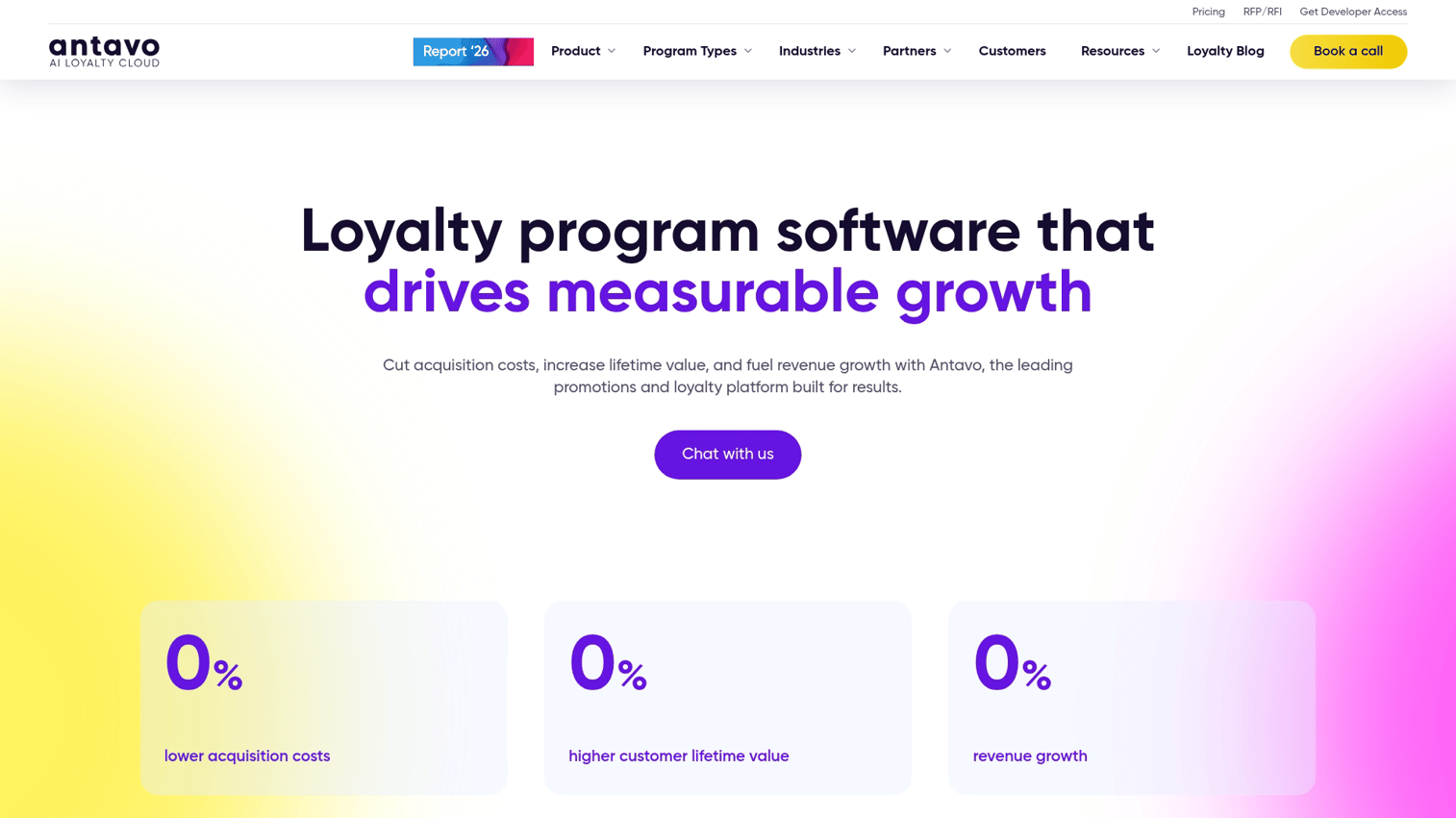
Antavo positions itself as an enterprise loyalty program platform built for large retailers and brands with complex program requirements. The platform emphasizes no-code configuration, letting marketing teams build and modify programs without developer involvement.
What sets Antavo apart is its focus on experiential loyalty. Beyond points and discounts, you can create programs around gamification, challenges, and non-transactional engagement like social sharing or sustainability actions.
Best for: Large retailers and consumer brands needing sophisticated tier structures and experiential program elements.
Key strengths
- No-code program builder: Marketing teams configure earning rules, tiers, and rewards without engineering tickets
- Gamification modules: Challenges, badges, and progress tracking to drive engagement beyond purchases
- Headless architecture: API-first design integrates with any frontend or commerce platform
- Advanced analytics: Real-time dashboards showing program performance, member behavior, and ROI metrics
Why choose Antavo: Pick it when your program needs to go beyond simple points-for-purchases. The experiential and gamification capabilities justify the enterprise investment for brands wanting differentiated loyalty experiences.
Pricing: Enterprise pricing, contact for quote.
2. Yotpo
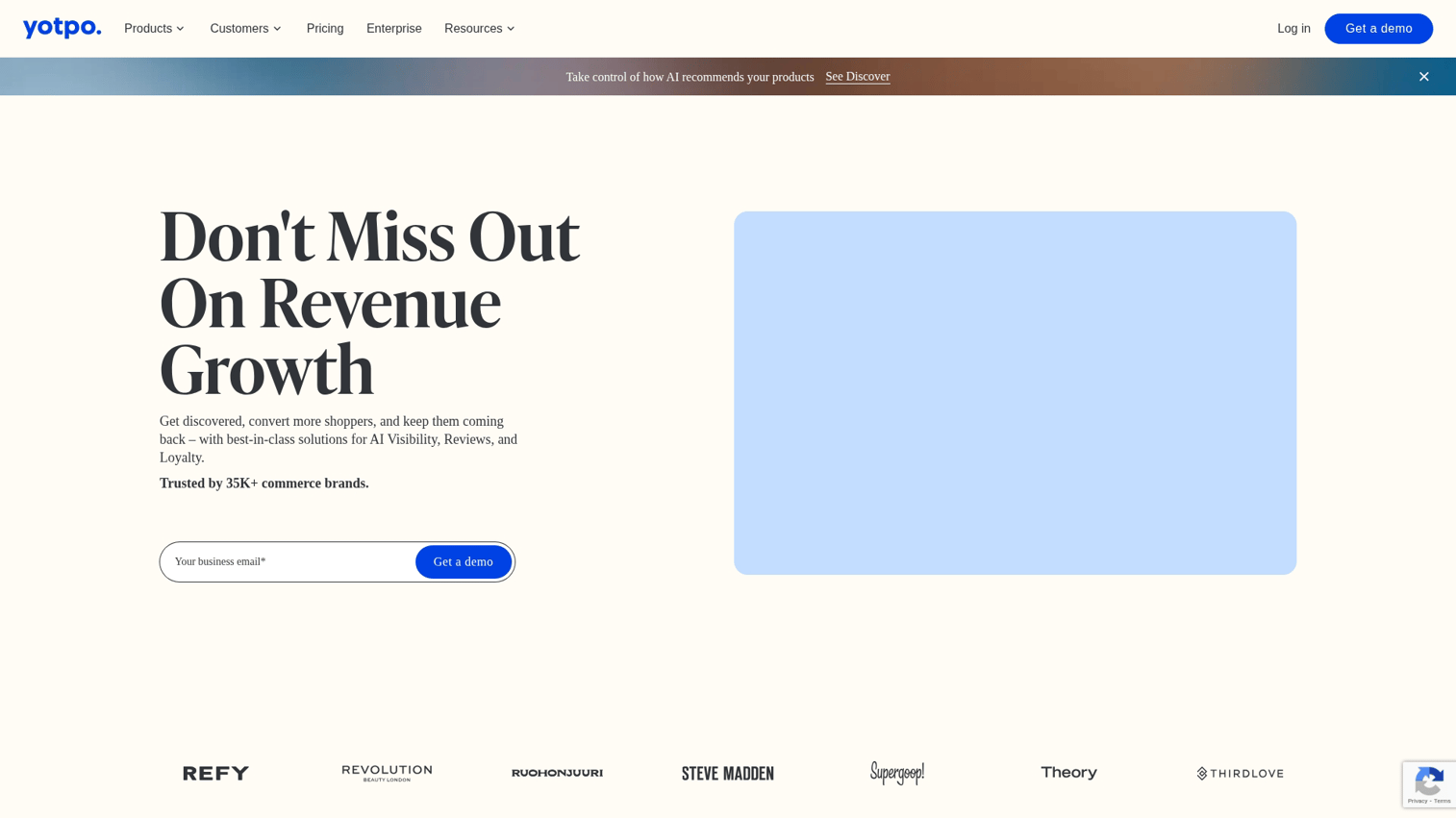
Yotpo combines loyalty and referral programs with reviews and user-generated content in one platform. For DTC e-commerce brands, this integration matters because social proof and loyalty work together to drive conversions and repeat purchases.
The platform connects directly with Shopify, making setup straightforward for e-commerce teams. You get VIP tiers, referral rewards, and the ability to reward customers for leaving reviews or sharing on social media.
Best for: Direct-to-consumer brands on Shopify wanting loyalty, referrals, and reviews in one system.
Key strengths
- Unified platform: Loyalty, referrals, reviews, and SMS marketing share customer data
- VIP tiers: Create exclusive experiences and rewards for top customers
- Referral program: Built-in tools to turn loyal customers into acquisition channels
- Shopify integration: Native connection with deep data sync
Why choose Yotpo: Pick it when you want to consolidate loyalty and UGC tools rather than managing separate vendors.
Pricing: Free tier available with limited features. Paid plans scale with order volume.
3. Smile.io
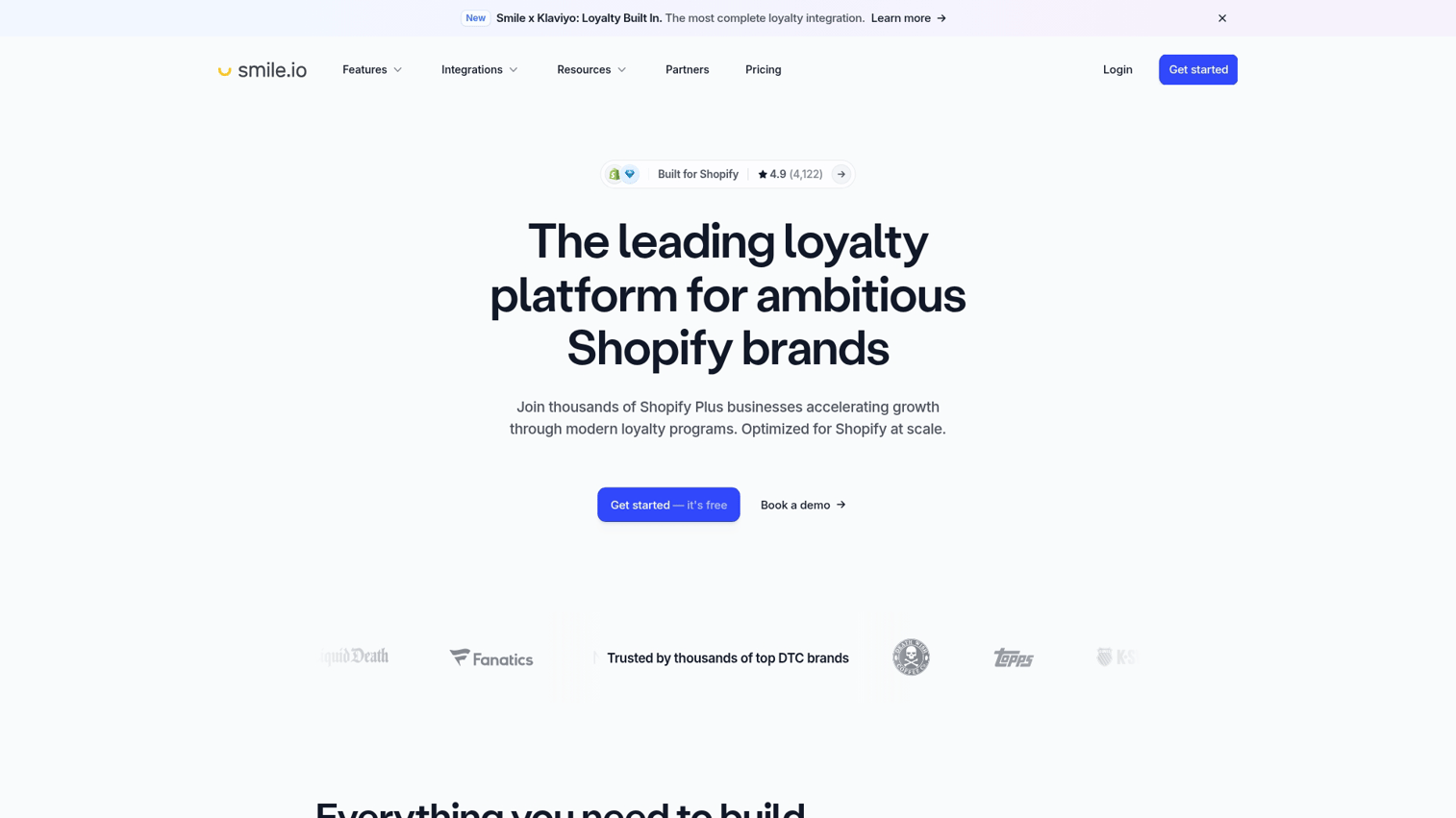
Smile.io focuses on making loyalty accessible for small to mid-size e-commerce stores. The platform emphasizes fast deployment and ease of use, letting merchants launch a points program in hours rather than weeks.
Integration with Shopify, BigCommerce, and Wix means most e-commerce teams can connect without technical help. The tradeoff is less customization than enterprise platforms, but for many SMBs, simplicity beats flexibility.
Key strengths
- Fast setup: Launch a basic program in under a day with pre-built templates
- Points and referrals: Core program types covered with straightforward configuration
- E-commerce integrations: Native connections to Shopify, BigCommerce, and Wix
- Branded experience: Customize the look to match your store without coding
Why choose Smile.io: Pick it when speed to launch matters more than advanced features.
Pricing: Free plan available. Paid plans start at $49/month.
4. LoyaltyLion
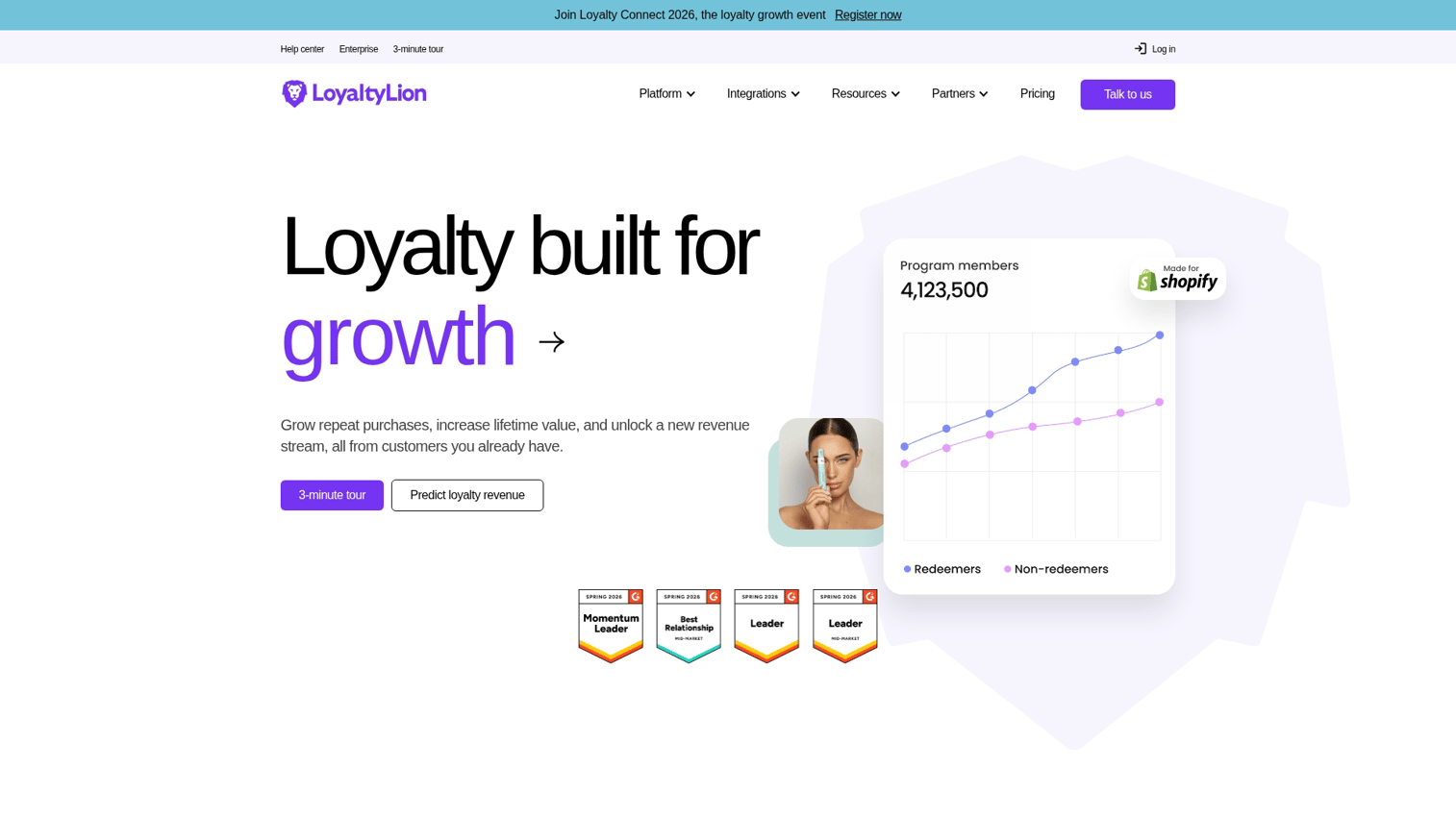
LoyaltyLion targets growing e-commerce brands that have outgrown basic loyalty tools but don't need full enterprise platforms. The focus is on segmentation and personalization capabilities that drive program performance.
Deep Shopify and Magento integrations mean customer and order data flows automatically. You can create segments based on purchase behavior, program engagement, and customer attributes, then target different groups with tailored rewards.
Key strengths
- Advanced segmentation: Create customer groups based on behavior, spend, and engagement patterns
- Loyalty tiers: Configure VIP levels with exclusive benefits and accelerated earning
- Custom rewards: Offer discounts, free products, early access, or experiences
- Analytics focus: Detailed reporting on program ROI and member behavior
Why choose LoyaltyLion: Pick it when you've validated that loyalty drives retention and want more sophisticated targeting.
Pricing: Plans start around $199/month.
5. Talon.One
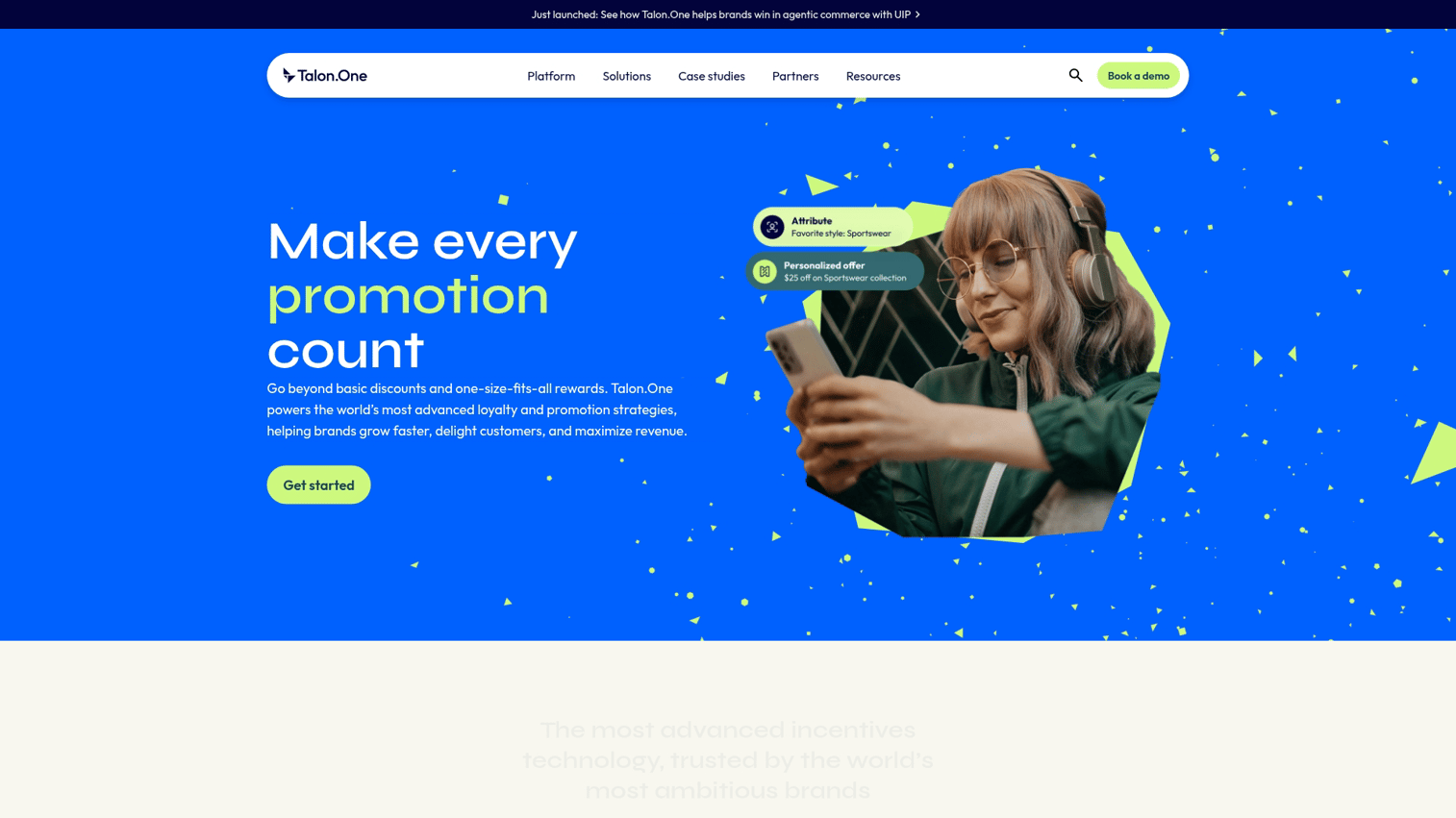
Talon.One positions itself as a promotion and loyalty engine for enterprises needing maximum flexibility. The platform uses a rules engine approach, letting you define complex conditions and actions without code.
This works well for companies running promotions alongside loyalty, or for multi-brand, multi-market programs requiring different rules in different contexts. The API-first architecture means developers can integrate deeply with existing systems.
Best for: Enterprises needing flexible promotion management alongside loyalty programs.
Key strengths
- Rules engine: Define complex earning and redemption logic with if-then conditions
- API-first design: Deep integration capabilities for custom implementations
- Real-time personalization: Trigger offers based on cart contents, behavior, or segment
- Multi-program support: Run different programs for different brands or markets from one platform
Why choose Talon.One: Pick it when your program requirements don't fit standard templates.
Pricing: Enterprise pricing, contact for quote.
6. Annex Cloud
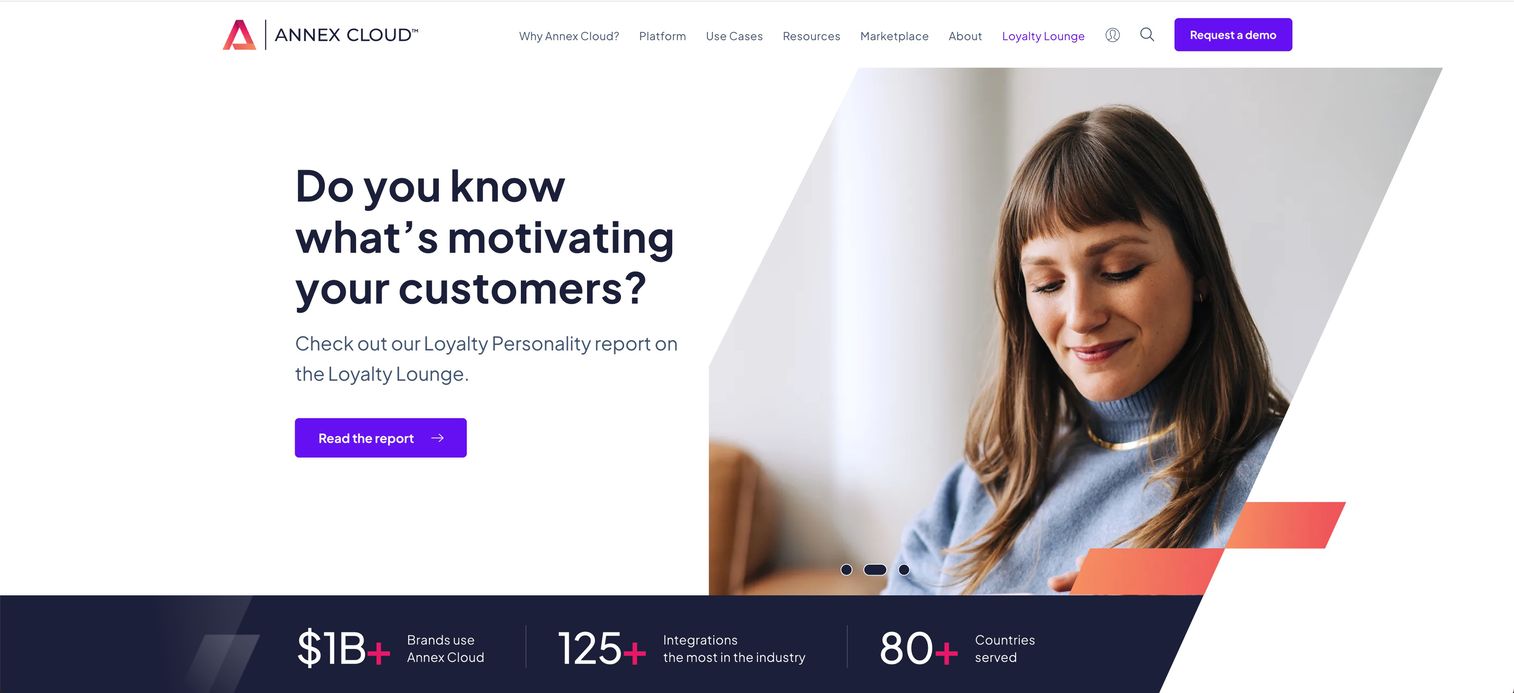
Annex Cloud offers a modular loyalty experience platform for large B2C brands with omnichannel presence. The platform combines loyalty, referral marketing, and user-generated content capabilities.
Enterprise security and compliance features make it suitable for regulated industries or companies with strict data requirements. The modular approach means you can start with loyalty and add referral or UGC capabilities later.
Key strengths
- Modular suite: Add loyalty, referrals, and UGC as needed
- Omnichannel delivery: Consistent experience across web, mobile, and in-store
- Enterprise security: SOC 2 compliance and data protection features
- Referral marketing: Built-in tools for customer advocacy programs
Why choose Annex Cloud: Pick it when you need enterprise security and compliance alongside loyalty capabilities.
Pricing: Enterprise pricing, custom quotes based on requirements.
7. Zinrelo
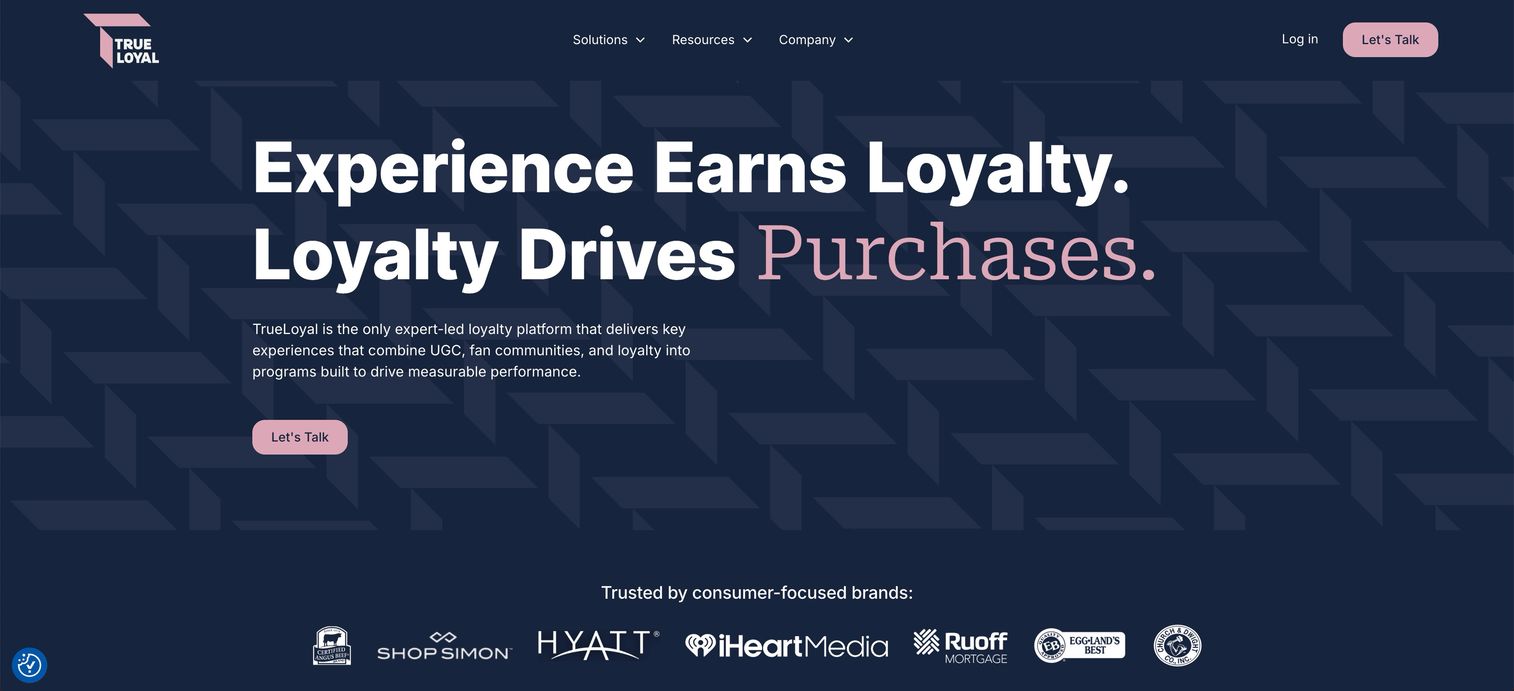
Zinrelo emphasizes data-driven loyalty with machine learning capabilities. The platform creates a 360-degree customer view and uses predictive analytics to identify at-risk members and optimization opportunities.
Multi-dimensional loyalty means you can reward customers for purchases, referrals, social engagement, and other actions in one program. The analytics focus helps teams understand what drives program performance.
Key strengths
- 360-degree customer view: Unified profile combining purchase, engagement, and program data
- Predictive analytics: Machine learning identifies churn risk and optimization opportunities
- Multi-dimensional loyalty: Reward purchases, referrals, social actions, and more
- Omnichannel support: Consistent program across all customer touchpoints
Why choose Zinrelo: Pick it when analytics and optimization matter as much as program execution.
Pricing: Tiered plans, contact for details.
8. Kangaroo Rewards
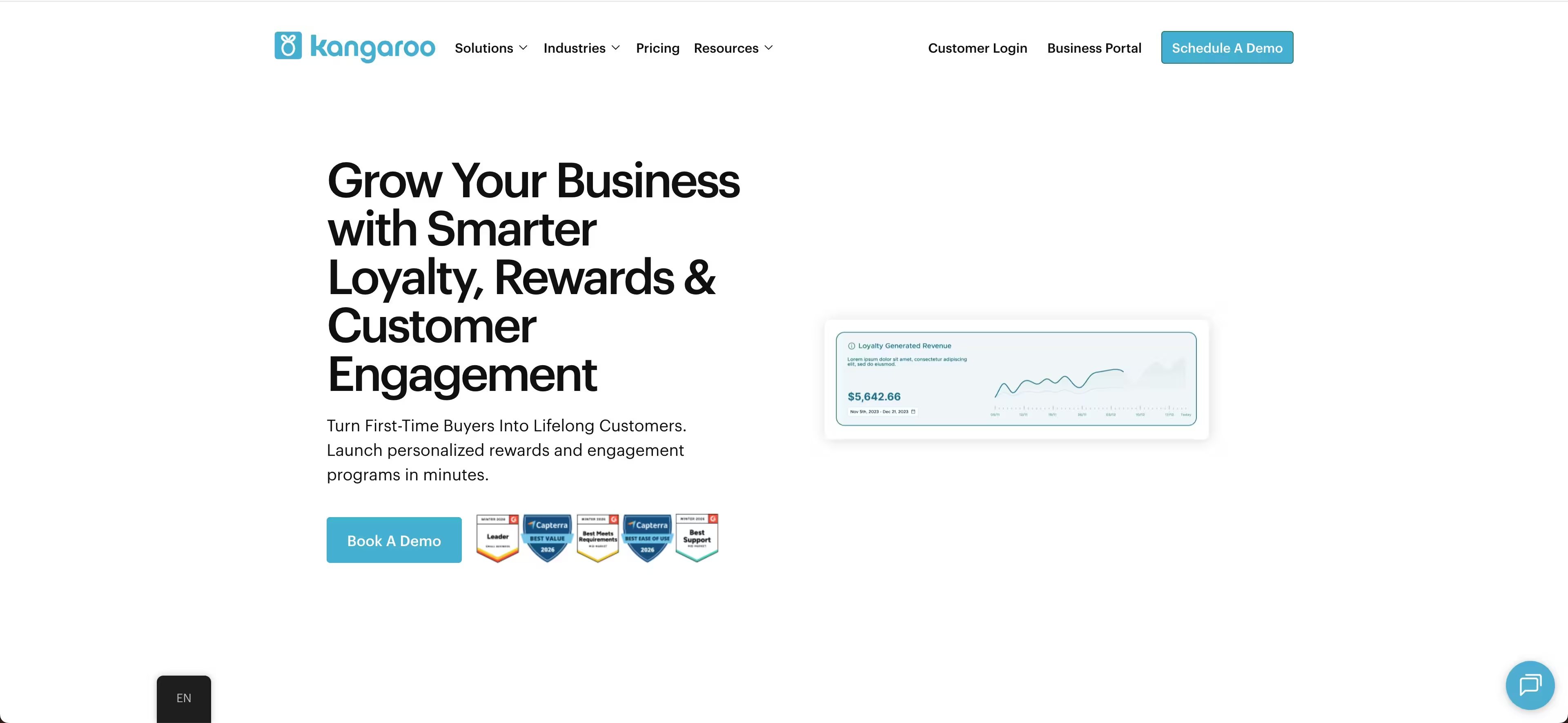
Kangaroo Rewards targets local businesses and franchises wanting loyalty without enterprise complexity. The platform includes a white-label mobile app, making it accessible for businesses without development resources.
POS integrations and coalition program support work well for multi-location businesses or franchise networks. Marketing automation features help smaller teams run campaigns without dedicated marketing ops.
Key strengths
- White-label app: Branded mobile experience without development costs
- Coalition programs: Support for multi-business loyalty networks
- POS integrations: Connect with common point-of-sale systems
- Marketing automation: Built-in tools for email and SMS campaigns
Why choose Kangaroo Rewards: Pick it when you need a mobile-first loyalty experience without the budget for custom app development.
Pricing: Plans start around $59/month.
9. Salesforce Loyalty Management
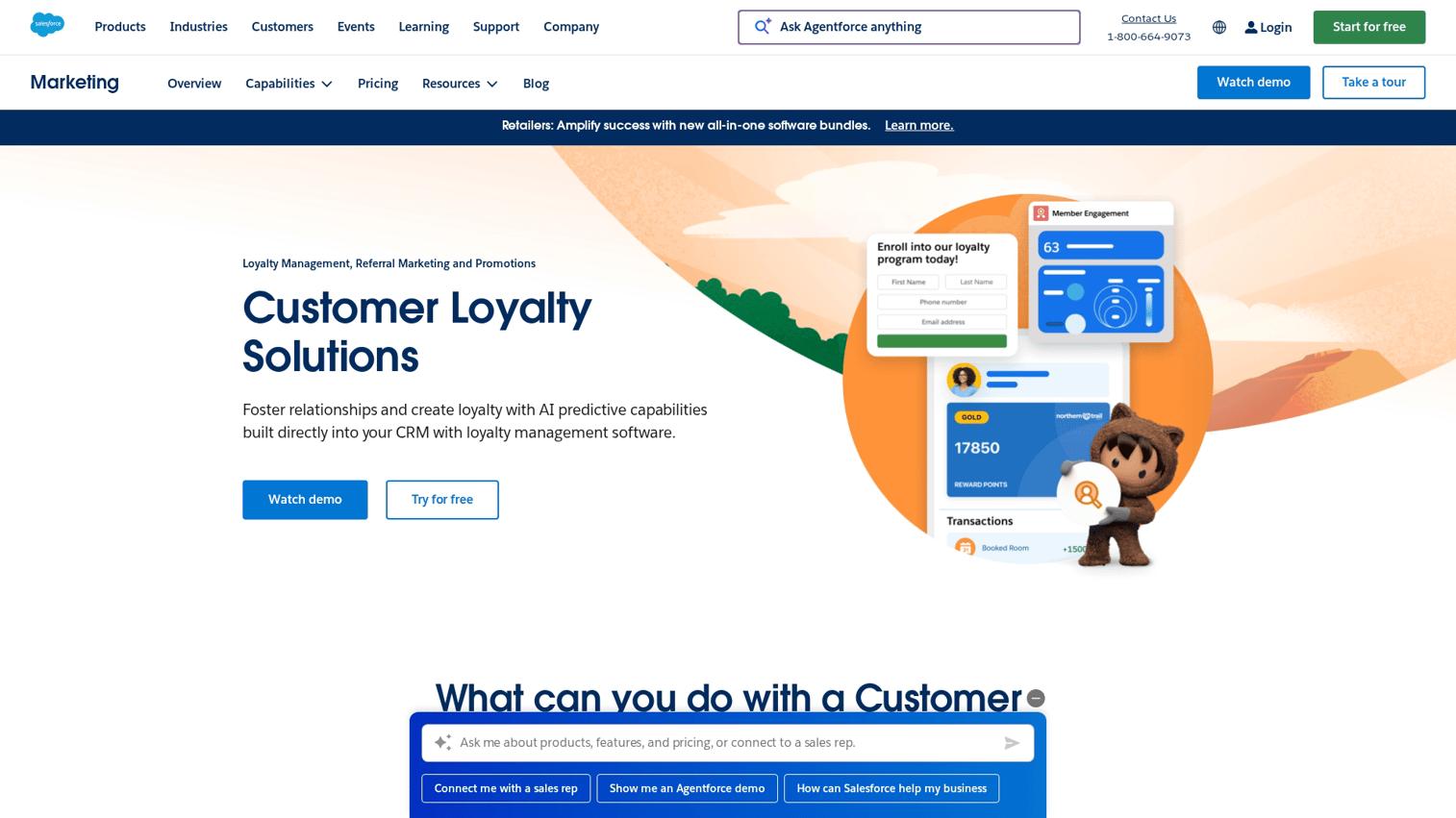
Salesforce Loyalty Management brings loyalty capabilities into the Salesforce ecosystem. For companies already using Salesforce CRM, loyalty data lives alongside sales, service, and marketing data without integration complexity.
AI-powered personalization uses Salesforce's Einstein capabilities to tailor rewards and offers. B2B and B2C support means the platform works for channel partner programs as well as consumer loyalty.
Key strengths
- Native CRM integration: Loyalty data flows directly into Salesforce without middleware
- AI personalization: Einstein-powered recommendations and offer targeting
- B2B and B2C support: Works for consumer programs and partner/channel loyalty
- Partner program management: Tools for managing distributor and reseller incentives
Why choose Salesforce Loyalty Management: Pick it when you're committed to the Salesforce ecosystem and want loyalty data unified with your CRM.
Pricing: Enterprise pricing with multiple editions, contact Salesforce for details.
10. Capillary Technologies
Capillary Technologies serves global enterprises with AI-powered loyalty and customer engagement. The platform combines loyalty management with customer data platform capabilities, creating unified profiles that power personalization.
Strong presence in retail, travel, and consumer goods means the platform handles complex, multi-market programs. AI recommendations go beyond basic segmentation to predict individual customer preferences and optimal offer timing.
Key strengths
- CDP integration: Unified customer profiles combining loyalty, transaction, and behavioral data
- AI recommendations: Machine learning predicts preferences and optimal engagement timing
- Omnichannel orchestration: Coordinate loyalty across web, app, store, and partner channels
- Global scale: Multi-language, multi-currency support for international programs
Why choose Capillary Technologies: Pick it when you need enterprise scale with sophisticated AI capabilities.
Pricing: Enterprise pricing, contact for quote.
11. Open Loyalty
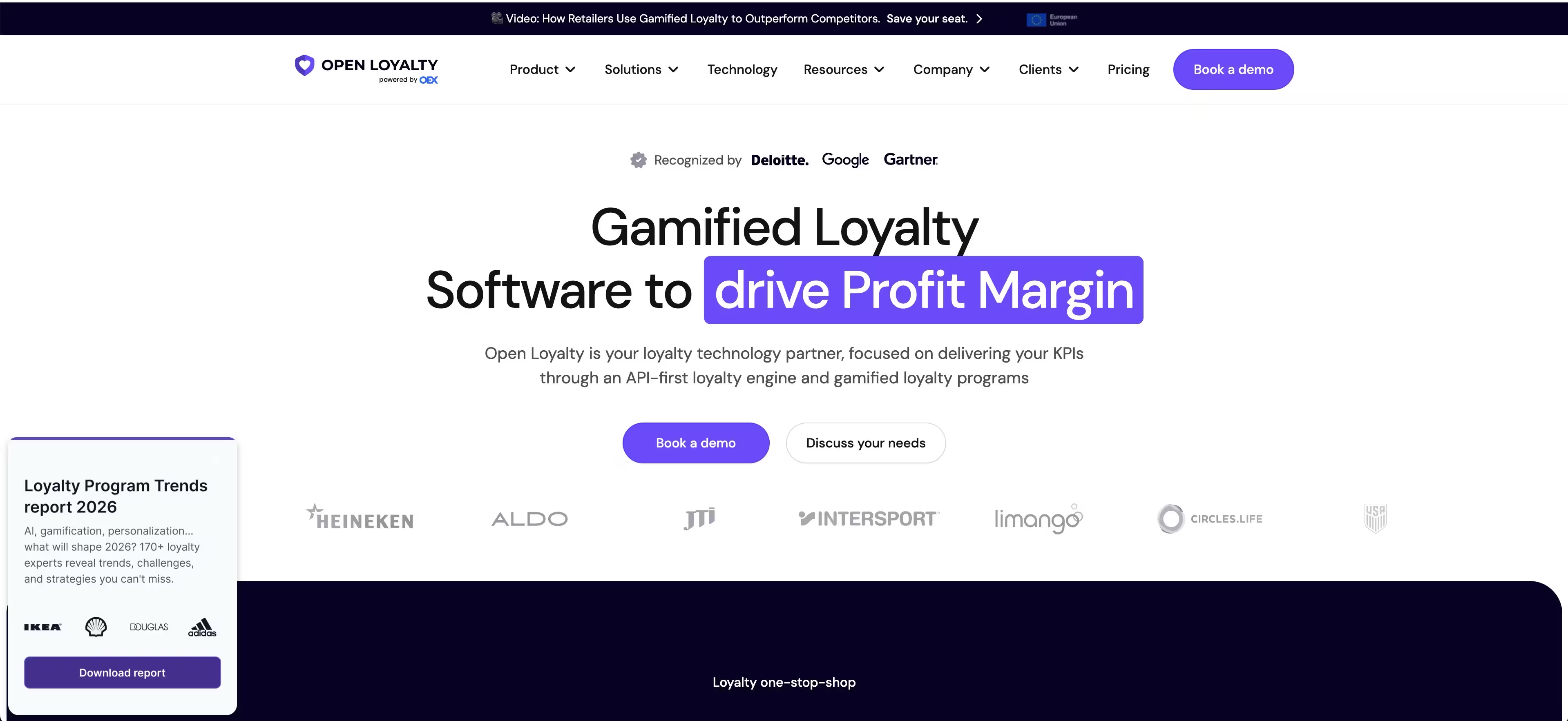
Open Loyalty takes a headless, API-first approach to loyalty. The platform provides the backend engine while you build the frontend experience however you want. An open-source option makes it accessible for teams wanting to self-host.
This works well for tech-forward companies with development resources who want maximum control over the customer experience. The tradeoff is more implementation work compared to turnkey solutions.
Key strengths
- Open-source option: Self-host for maximum control and cost efficiency
- Headless architecture: Build any frontend experience on top of the loyalty engine
- Flexible API: Deep integration capabilities for custom implementations
- White-label ready: No vendor branding in customer-facing experiences
Why choose Open Loyalty: Pick it when you have development resources and want to build a differentiated loyalty experience.
Pricing: Open-source version available free. Enterprise plans with support available.
Teams evaluating loyalty platforms can use interactive demos to let stakeholders experience different solutions before committing to trials or contracts.
How to choose the right loyalty platform
Match software to your program model
Different program types require different platform capabilities:
- Points-based: Most loyalty platforms support points-based programs natively with configurable earning and redemption rules
- Tiered programs: Require flexible tier configuration with automatic progression and exclusive benefits
- Paid membership: Need subscription billing integration and member-only experience management
- Coalition: Require multi-brand or partner management with shared earning and redemption
Audit your integration requirements
Your loyalty platform connects to existing systems. Map out what you need:
- E-commerce platform (Shopify, Magento, BigCommerce)
- CRM (Salesforce, HubSpot)
- POS systems for in-store transactions
- Marketing automation tools for campaign orchestration
- CDP or data warehouse for unified customer profiles
Evaluate analytics and personalization depth
Basic reporting shows redemption rates and member counts. Advanced platforms offer predictive analytics, churn risk scoring, and AI-powered offer optimization. Match the analytics depth to your team's ability to act on insights.
Calculate total cost of ownership
Pricing models vary: per member, flat fee, transaction-based, or hybrid. Factor in implementation costs, integration development, and ongoing support. A $500/month platform with $50,000 implementation may cost more than a $2,000/month platform with turnkey setup.
Test the platform before you commit
Hands-on evaluation beats feature comparison spreadsheets. Marketing teams can use interactive product demos to assess platform fit quickly without lengthy trials or sales cycles.
Build your loyalty program tech stack
Loyalty management software works best as part of a connected stack. Your CRM holds customer relationships, marketing automation handles campaigns, and loyalty tracks program engagement. Data flows between systems to create unified customer views.
When evaluating vendors, look beyond the loyalty platform itself. Consider how it connects to your existing product marketing tools and whether the integration depth supports your use cases.
Many loyalty solution providers now offer self-serve demos. For teams building or selling loyalty technology, interactive demos help buyers experience the product before committing to lengthy evaluation cycles.
Start your journey with Guideflow today!
FAQs about loyalty management software
Loyalty software manages rewards programs, point accrual, and member tiers specifically. CRM software tracks broader customer relationships, sales pipelines, and communication history. Many businesses use both, with loyalty platforms feeding engagement data into CRM systems.
Implementation timelines range from a few days for simple e-commerce plugins to several months for enterprise loyalty management solutions requiring custom integrations and data migration.
Most modern loyalty program vendors offer native integrations or APIs for Shopify, Salesforce, and other major e-commerce and CRM platforms. Check each vendor's integration directory to confirm compatibility with your specific tech stack.
Retail, e-commerce, hospitality, restaurants, and financial services see the strongest returns from loyalty programs because of frequent repeat purchase opportunities - a 5% retention increase can boost profits up to 95%. However, any business with recurring customer interactions can benefit from structured loyalty rewards management.
Track metrics like member lifetime value, repeat purchase rate, redemption rate, program enrollment growth, and incremental revenue attributable to loyalty members versus non-members.
Pricing varies widely from free tiers for basic customer rewards software to enterprise contracts exceeding thousands per month. Most mid-market loyalty platform software falls between $200 and $1,000 monthly depending on features and member volume.
The 4 C's are Consistency (reliable experience), Communication (relevant engagement), Convenience (easy interactions), and Care (genuine customer focus). Program managers use the 4 C's framework to guide effective loyalty program management beyond just points and rewards.
Points-based programs with tiered VIP levels tend to perform well for e-commerce because points-based programs reward both purchase frequency and spend amount. Referral program add-ons further amplify acquisition for online brands.