


Most of your website traffic leaves without filling out a form. Visitor identification software reveals who those anonymous visitors are by matching IP addresses, cookies, or first-party data to company databases, turning invisible traffic into actionable sales leads.
This guide covers how visitor identification works, when it makes sense for B2B teams, and 12 tools worth evaluating based on identification depth, data accuracy, and pricing transparency.
What's inside
This guide covers what visitor identification software actually does, how to pick the right tool for your team, and 12 options worth evaluating in 2026. We selected tools based on identification depth, data accuracy, CRM connectivity, and pricing transparency.
TL;DR
Visitor identification software reveals which companies or individuals visit your website by matching IP addresses, cookies, or first-party data to business databases
Person-level tools like RB2B identify individual contacts; company-level tools like Lead Forensics show only the organization
Match rates vary by region and company size, so test with your actual traffic before committing
Pair identification with interactive demos to convert identified visitors into pipeline faster
Most tools integrate with Salesforce, HubSpot, and Slack for real-time alerts
What is website visitor identification software
Visitor identification software matches anonymous website traffic to companies or individuals using IP lookup, browser cookies, or first-party data. The core value: turning the visitors who leave without filling out a form into actionable sales leads.
Here's how the main identification methods work:
IP-based identification: Matches visitor IP addresses to company databases with 70-80% accuracy rates, revealing which organizations browse your site
Cookie-based tracking: Uses browser cookies to track returning visitors across sessions
First-party data matching: Connects visitor behavior to known contacts in your CRM
Website deanonymization: Combines multiple data sources to reveal identity behind anonymous traffic
Most B2B websites convert 2-3% of traffic without interactive marketing strategies. Visitor identification helps you work the other 97% by surfacing companies showing buying intent before they raise their hand.
When to use B2B website visitor tracking
Identifying anonymous website traffic
Most B2B traffic leaves without converting. If you're running paid campaigns or content marketing, you're paying to attract visitors who disappear without a trace. Visitor identification reveals which companies browse your pricing page or read case studies, even when they don't fill out a form.
Prioritizing outbound sales outreach
Sales teams waste hours researching accounts that aren't in-market. When you know which companies visited your site this week, you can prioritize outreach to accounts already showing interest. A prospect who spent 10 minutes on your pricing page is warmer than a cold list pull.
Measuring account-based marketing engagement
ABM campaigns target specific accounts and drive a 28% increase in account engagement, but measuring that engagement beyond form fills is difficult. Visitor identification shows whether target accounts are visiting, which pages they view, and how often they return. This data feeds directly into your demand generation tools and campaign optimization.
Triggering real-time alerts for target accounts
Speed matters in sales. Many visitor identification tools push alerts to Slack or email when high-value accounts visit. Your rep can reach out while the prospect is still thinking about you, not three days later.
How we evaluated the best visitor identification tools
We looked at five factors when selecting tools:
Data accuracy and match rates: How reliably does the tool identify visitors? Vendors often overstate accuracy
Identification depth: Person-level reveals individual contacts; company-level shows only the organization
Integration ecosystem: CRM, marketing automation, and Slack connections
Pricing transparency: Clear pricing vs sales-required quotes
Privacy compliance: GDPR and CCPA considerations
Comparison of the top website visitor identification software
No. | Product | Best for | Identification type | Pricing | G2 rating |
|---|---|---|---|---|---|
1 | RB2B | Person-level US identification | Individual + Company | Free tier available | 4.9/5 |
2 | ZoomInfo | Enterprise sales intelligence | Company + Contact | Custom pricing | 4.4/5 |
3 | Clearbit | HubSpot-native enrichment | Company + Contact | Credit-based | 4.4/5 |
4 | Lead Forensics | Dedicated visitor identification | Company | Custom pricing | 4.3/5 |
5 | Albacross | European B2B companies | Company | Tiered pricing | 4.4/5 |
6 | Cognism | Phone-verified contact data | Company + Contact | Custom pricing | 4.6/5 |
7 | Apollo.io | Budget-conscious teams | Company + Contact | Freemium | 4.8/5 |
8 | UpLead | Data accuracy guarantees | Company + Contact | Credit-based | 4.7/5 |
9 | Dealfront | European compliance focus | Company | Multiple products | 4.3/5 |
10 | 6sense | Enterprise ABM | Company + Intent | Enterprise pricing | 4.3/5 |
11 | Warmly | Real-time on-site engagement | Individual + Company | Tiered pricing | 4.7/5 |
12 | Factors.ai | Marketing attribution | Company | Usage-based | 4.6/5 |
1. RB2B
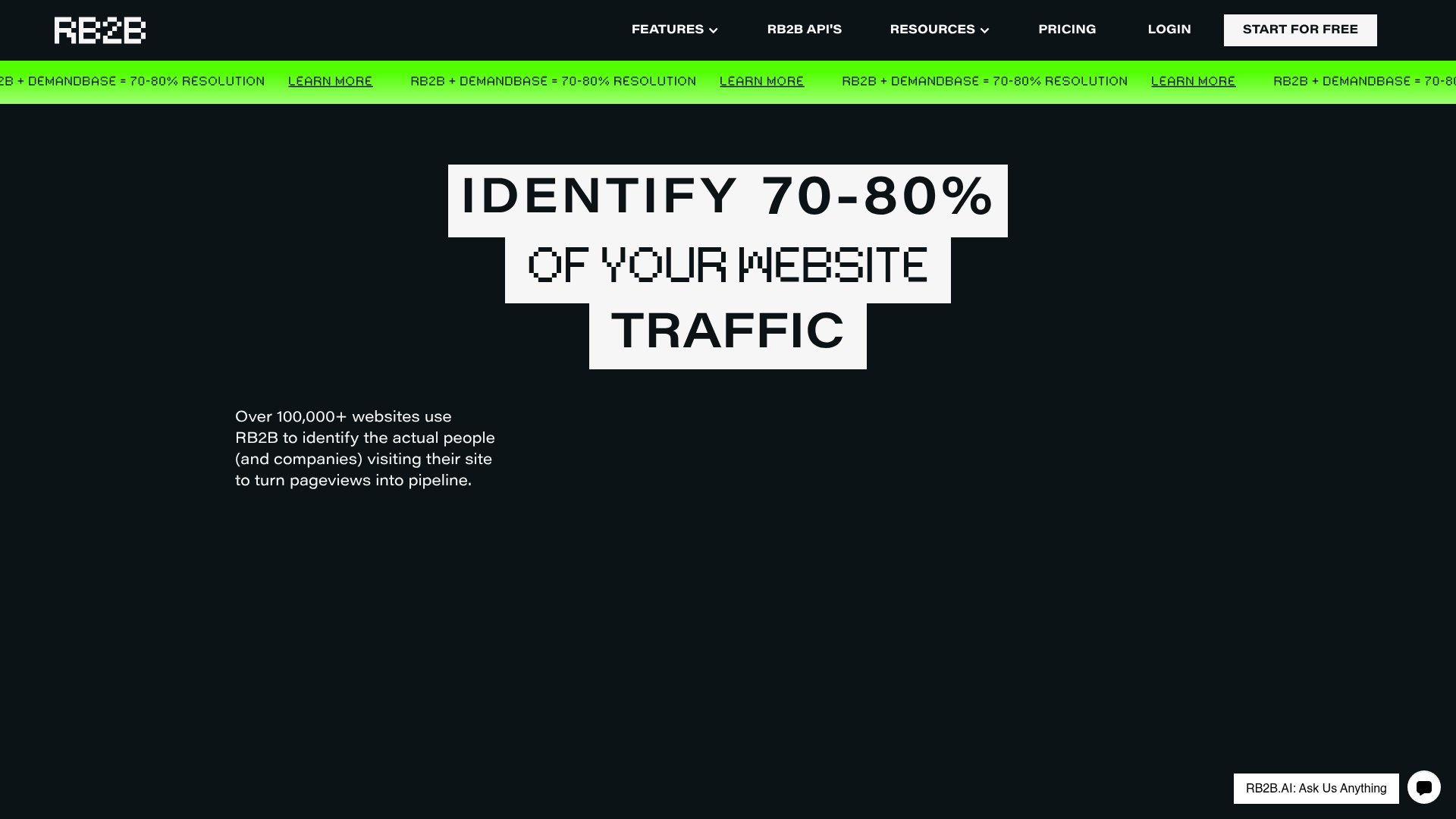
RB2B identifies individual visitors to your website, not just companies. For US traffic, it reveals the actual person browsing, including their LinkedIn profile, email, and company details.
Key strengths
Person-level identification: Reveals individual contacts for US website visitors, not just company names
Real-time Slack alerts: Get notified instantly when prospects visit
Free tier: Test the tool with meaningful functionality before paying
LinkedIn integration: See visitor profiles for immediate context
Pricing
Free tier available with limited features. Paid plans scale based on identified visitors.
Why choose RB2B
Best for teams wanting to know exactly who visited, not just which company. The free tier makes testing easy.
2. ZoomInfo
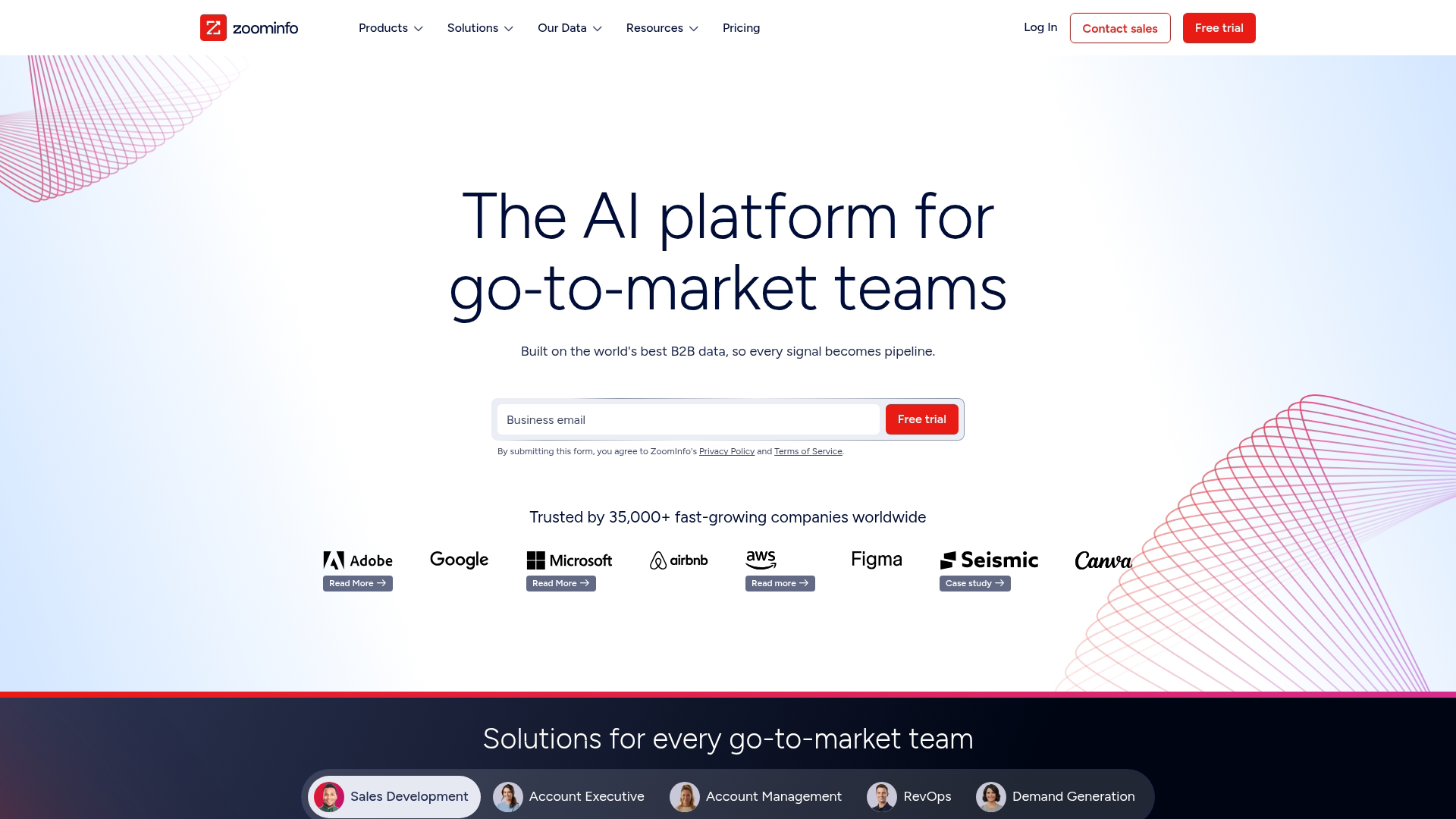
ZoomInfo is an enterprise sales intelligence platform where visitor identification is one capability among many. WebSights reveals which companies visit your site and connects that data to ZoomInfo's B2B database.
Key strengths
Large B2B database: Extensive contact enrichment options
Intent data: Signals beyond just website visits
Workflow automation: Built-in lead routing
Deep integrations: Connects to major CRMs and marketing platforms
Pricing
Enterprise pricing requires sales engagement. Typically starts at $15,000+ annually.
Why choose ZoomInfo
Best for enterprise teams needing comprehensive sales intelligence beyond visitor identification alone.
3. Clearbit
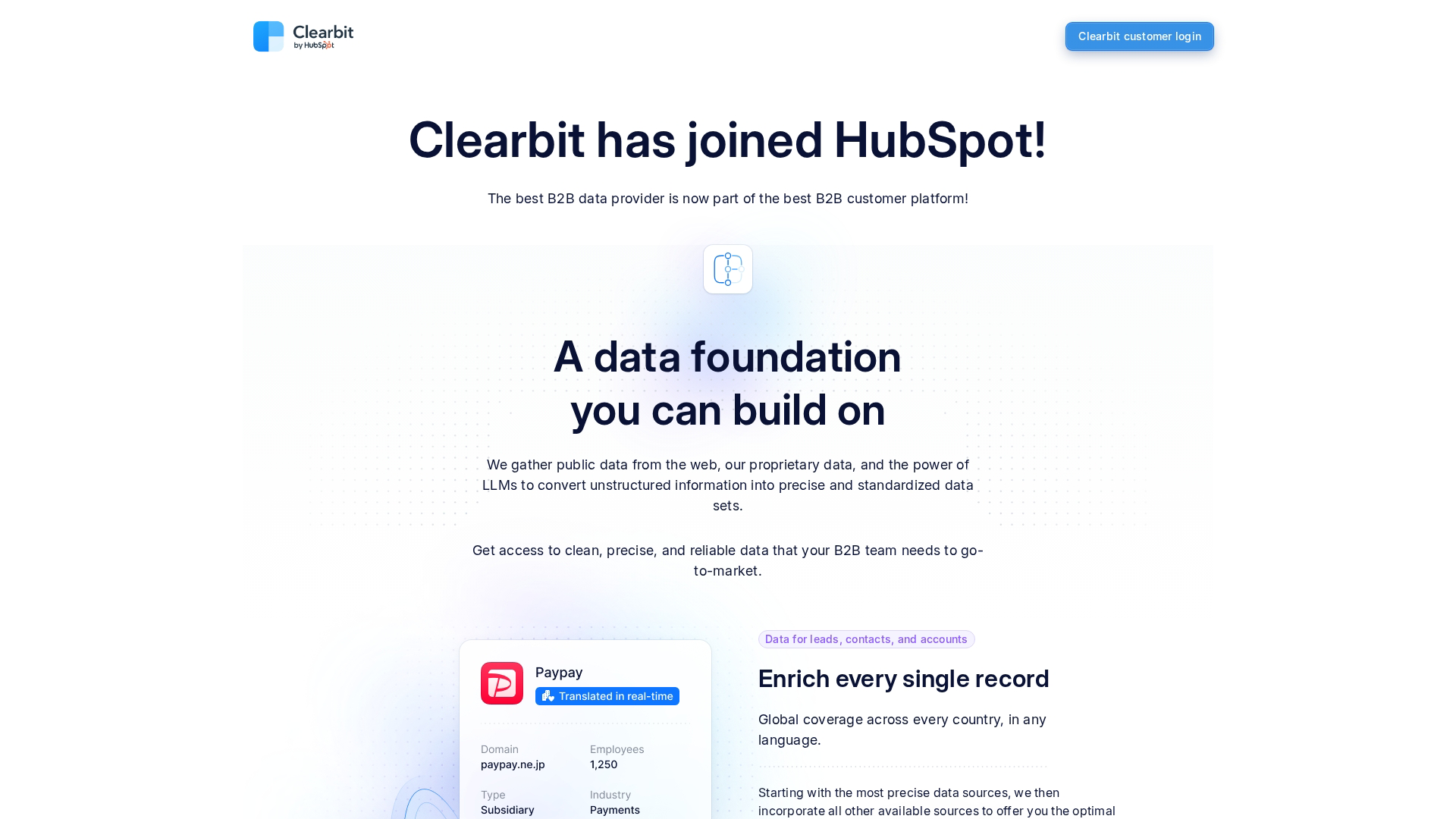
Clearbit, now part of HubSpot as Breeze Intelligence, focuses on real-time enrichment and website visitor identification. It reveals which companies visit and enriches form submissions with firmographic data.
Key strengths
Native HubSpot integration: Works seamlessly within the HubSpot ecosystem
Real-time form enrichment: Shortens forms while capturing more data
Company reveal: Identifies anonymous traffic by organization
Credit-based pricing: Predictable costs based on usage
Pricing
Credit-based model scaling with usage. HubSpot customers get bundled access through Breeze Intelligence.
Why choose Clearbit
Best for HubSpot users wanting native visitor identification without adding another vendor.
4. Lead Forensics
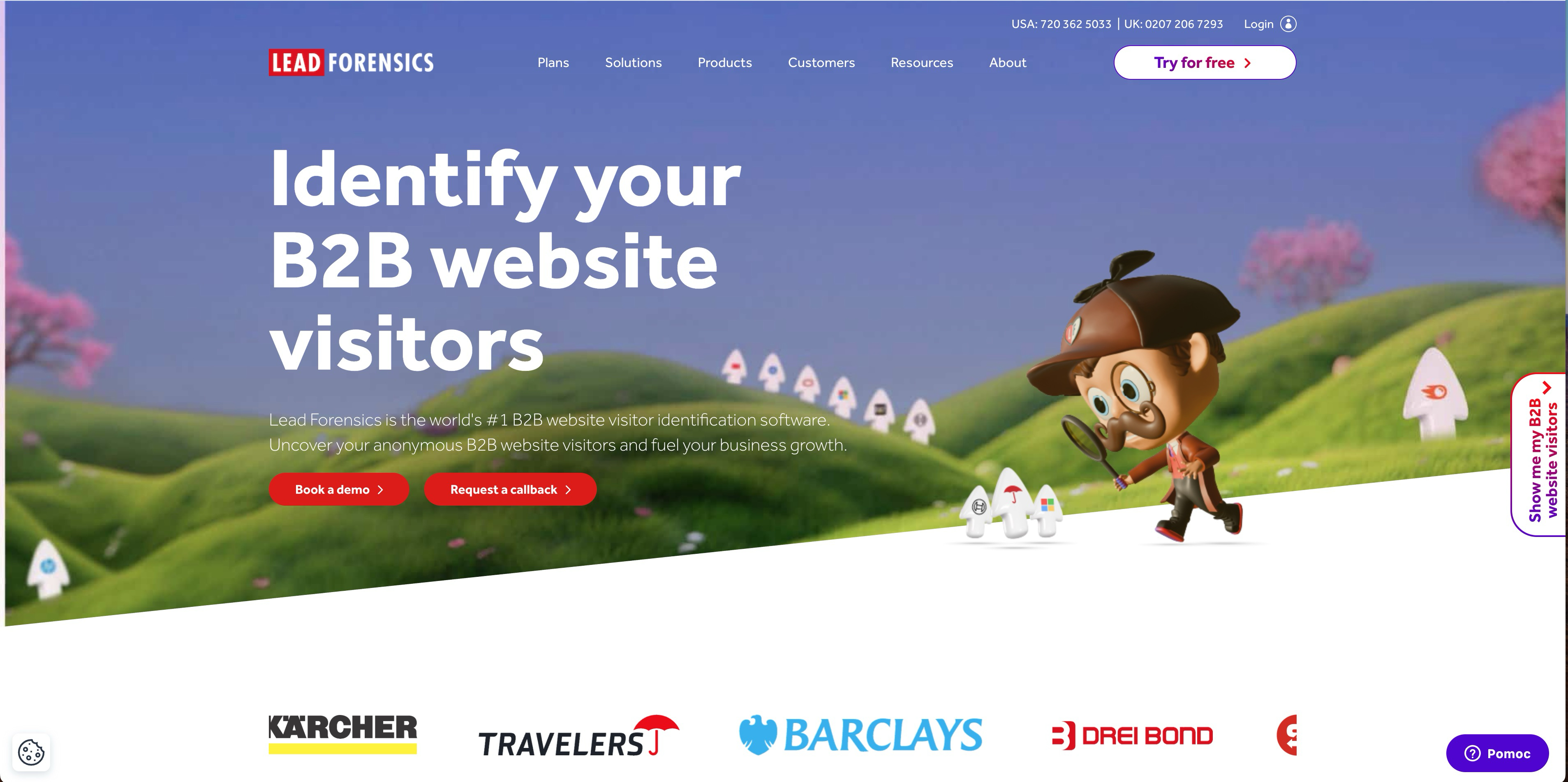
Lead Forensics is a dedicated visitor identification tool with one of the largest IP-to-company databases. It focuses purely on revealing which companies visit and tracking their journey.
Key strengths
Large IP database: Strong company matching capabilities
Journey tracking: See which pages visitors view and in what order
CRM integrations: Connects to major sales platforms
Dedicated support: Hands-on customer success
Pricing
Custom pricing based on traffic volume. Requires a demo to get a quote.
Why choose Lead Forensics
Best for teams wanting a focused visitor identification tool with strong support.
5. Albacross
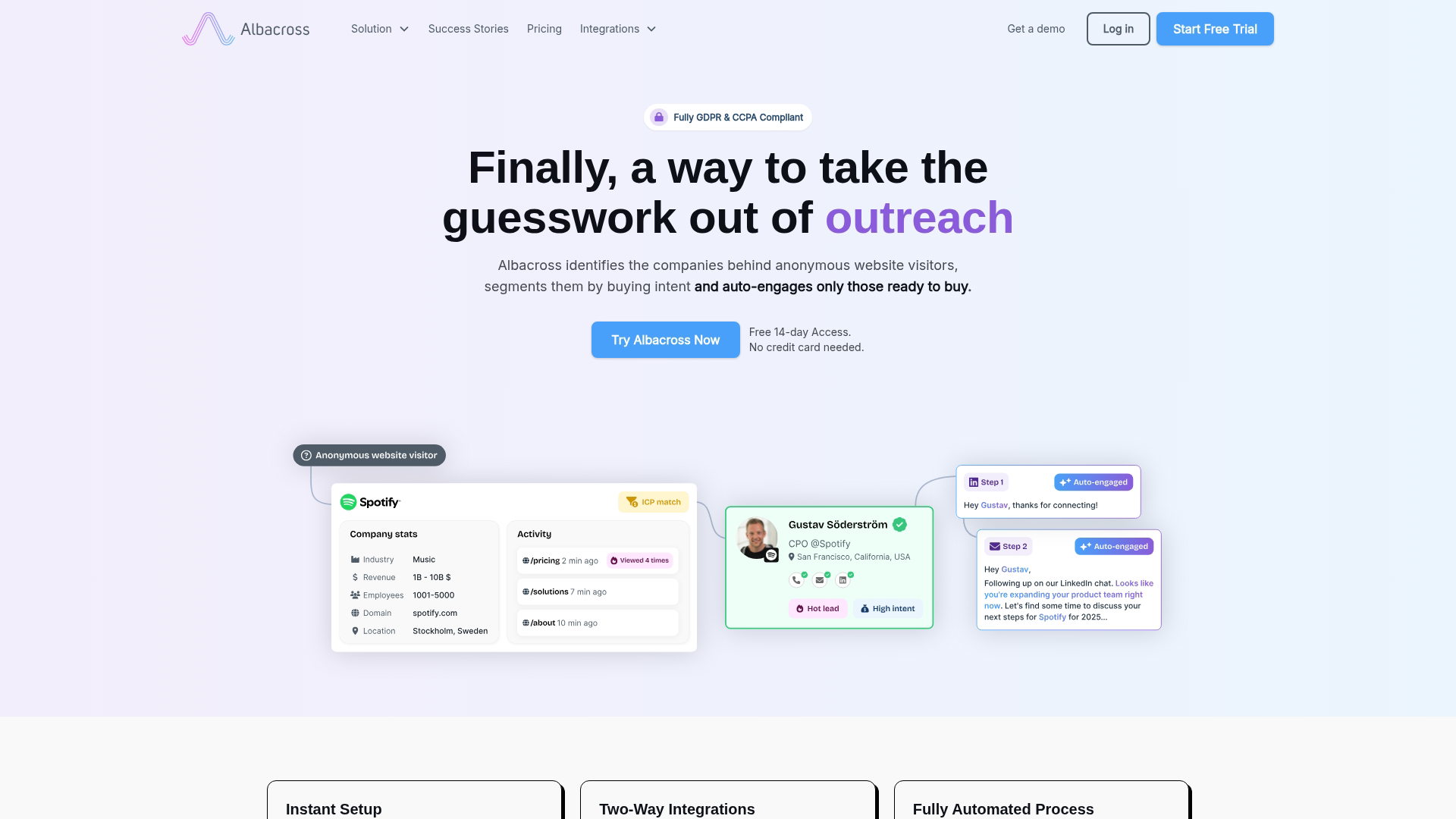
Albacross serves European B2B companies with strong GDPR compliance built in. Its database performs particularly well for European traffic.
Key strengths
GDPR-compliant: Built for European privacy requirements
European database: Strong match rates for EU traffic
Intent data: Signals beyond page views
Self-serve pricing: Accessible without sales calls
Pricing
Tiered pricing with self-serve options available.
Why choose Albacross
Best for European companies or teams with significant EU website traffic.
6. Cognism
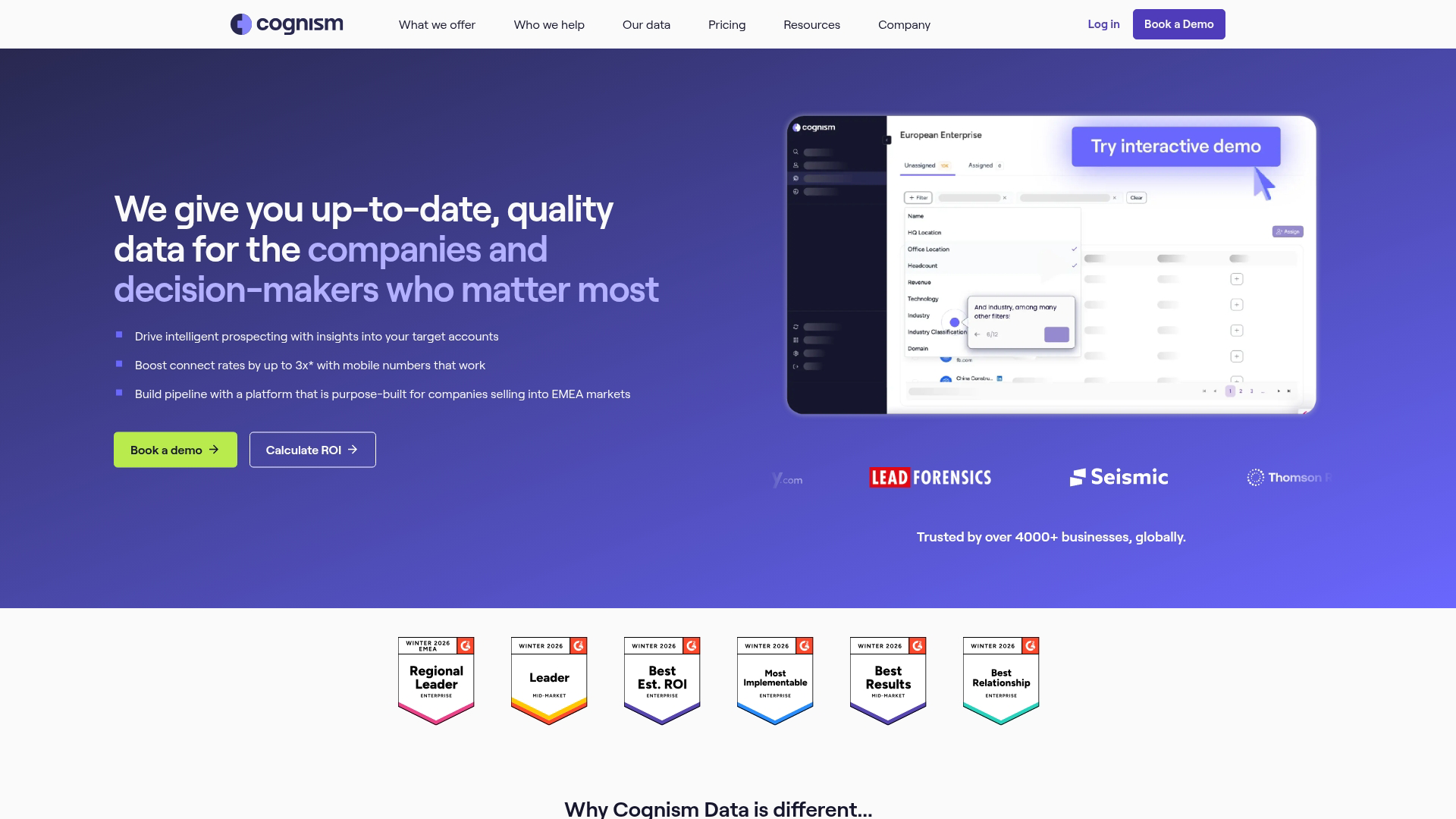
Cognism combines visitor identification with phone-verified mobile numbers. The platform emphasizes data quality and GDPR compliance across European markets.
Key strengths
Phone-verified numbers: Mobile contacts verified by humans
GDPR compliance: Built for European data requirements
European coverage: Strong data in EU markets
Chrome extension: Prospect directly from LinkedIn
Pricing
Custom pricing for mid-market and enterprise.
Why choose Cognism
Best for sales teams needing verified contact data alongside visitor identification, especially in Europe.
7. Apollo.io
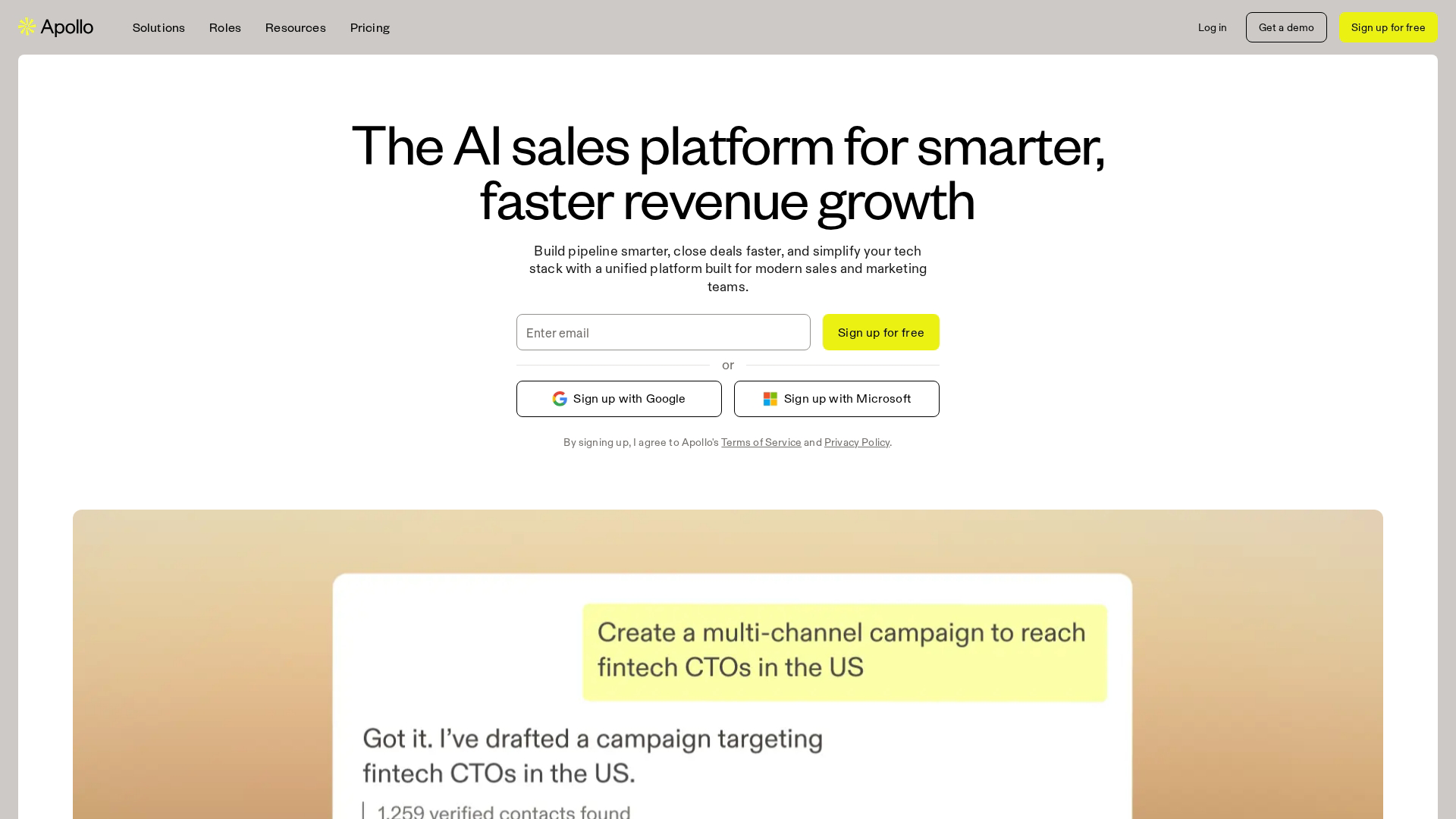
Apollo.io bundles visitor tracking with a full outbound sales platform. You get prospecting, email sequences, and visitor identification in one tool at accessible pricing.
Key strengths
Contact database included: Large B2B database bundled in
Email sequencing: Outbound automation built in
Visitor tracking: Website identification as part of broader platform
Transparent pricing: Clear tiers published on website
Pricing
Freemium model with paid plans starting around $49/month per user.
Why choose Apollo.io
Best for budget-conscious teams wanting visitor identification bundled with outbound tools.
8. UpLead
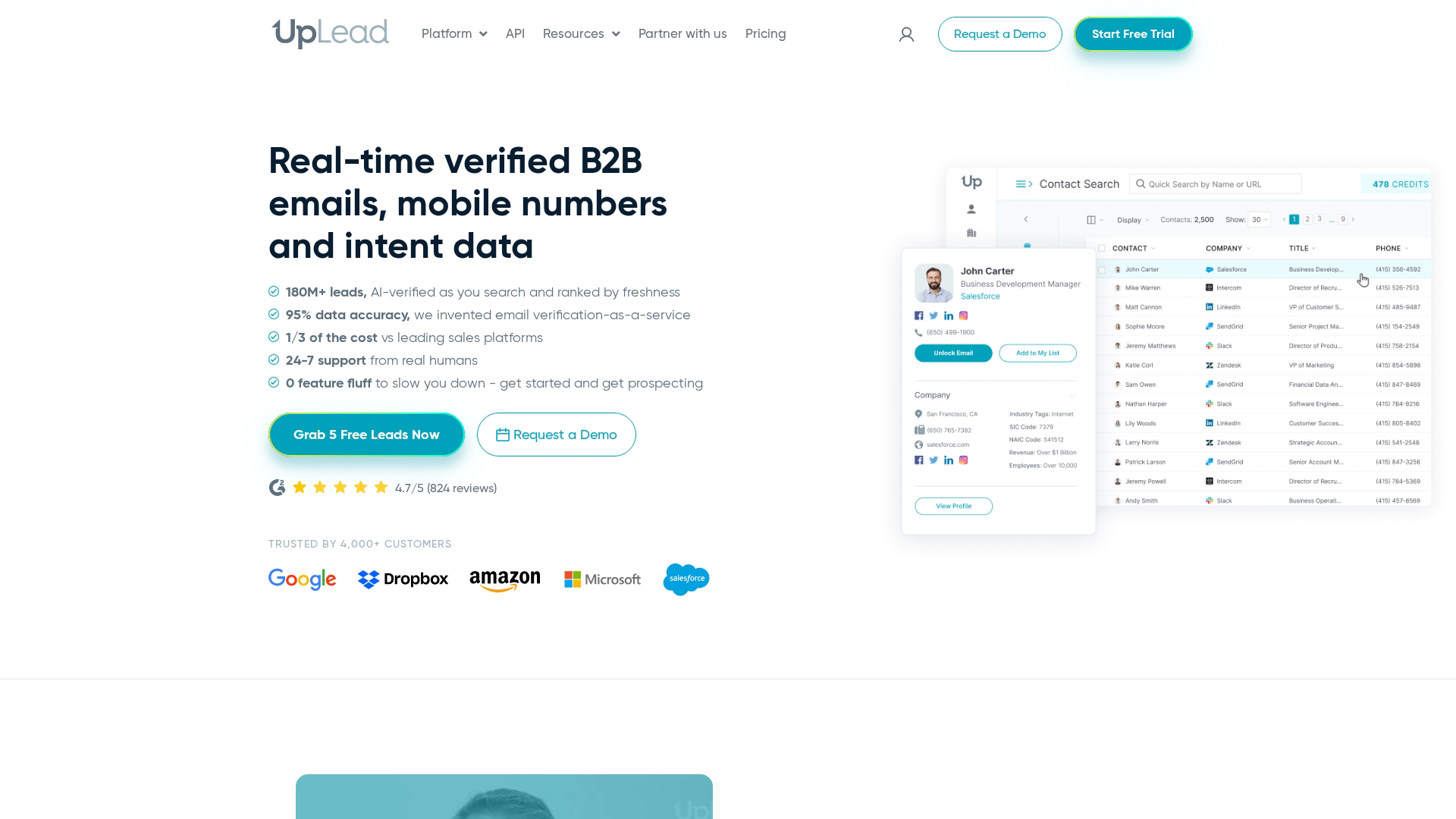
UpLead emphasizes data accuracy with real-time email verification and a 95% accuracy guarantee. Visitor identification connects to their verified B2B database.
Key strengths
Email verification: Real-time validation before export
Accuracy guarantee: 95% data accuracy commitment
Technographic data: See what tools prospects use
Intent signals: Buying behavior indicators
Pricing
Credit-based pricing with clear tiers published on the website.
Why choose UpLead
Best for teams prioritizing data accuracy who want verification guarantees.
9. Dealfront
Dealfront formed from the merger of Leadfeeder and Echobot, combining visitor identification with European sales intelligence. The platform takes a GDPR-first approach.
Key strengths
Leadfeeder included: Established visitor tracking technology
European compliance: GDPR-first design
Sales intelligence: Data beyond identification
ABM tools: Account-based features built in
Pricing
Multiple products with separate pricing. Visitor identification available standalone.
Why choose Dealfront
Best for European B2B companies wanting compliant visitor identification and sales intelligence together.
10. 6sense
6sense is an enterprise revenue intelligence platform where visitor identification feeds into AI-powered intent predictions. It identifies accounts, predicts buying stage, and orchestrates ABM campaigns.
Key strengths
Intent predictions: AI-powered buying signals
Buying stage detection: See where accounts are in their journey
ABM orchestration: Campaign coordination across channels
Account identification: Enterprise-scale matching
Pricing
Enterprise pricing requiring sales engagement. Typically six-figure annual contracts.
Why choose 6sense
Best for enterprise ABM teams wanting predictive intelligence beyond basic identification.
11. Warmly
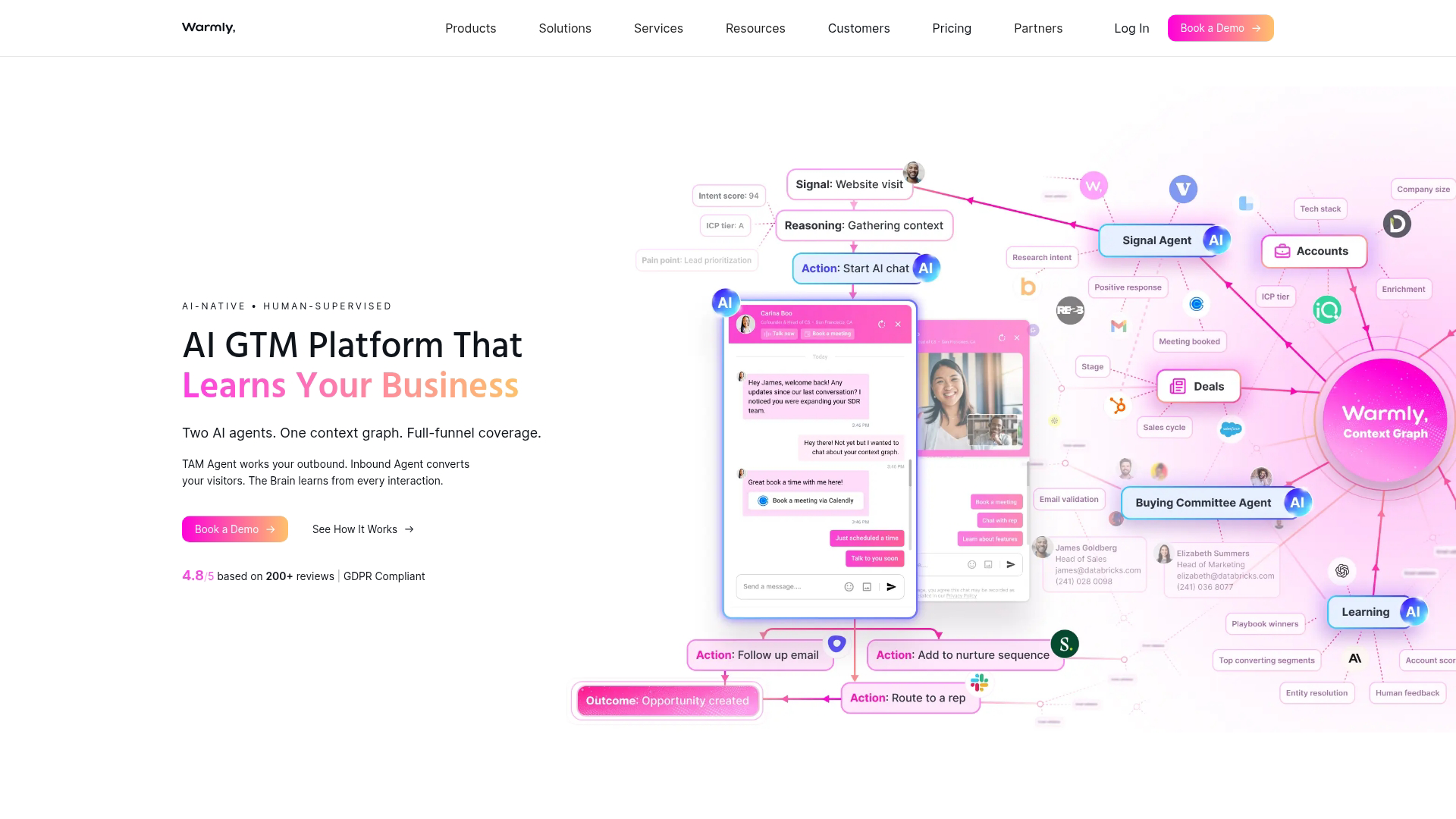
Warmly combines visitor identification with AI-powered chatbots for real-time engagement. When a target account visits, you can identify them and engage them on-site simultaneously.
Key strengths
Real-time identification: Know who's on your site right now
AI chat engagement: Automated conversations with visitors
Slack alerts: Instant notifications for target accounts
Multi-source data: Aggregates from multiple providers
Pricing
Tiered pricing with a free tier for basic features.
Why choose Warmly
Best for teams wanting to identify and engage visitors in real-time, not just track them.
12. Factors.ai
Factors.ai combines account identification with marketing attribution. You see which companies visit and connect that data to campaign performance.
Key strengths
Account identification: Company-level visitor tracking
Marketing attribution: Connect visits to campaigns
LinkedIn integration: See ad engagement alongside visits
Journey tracking: Follow accounts across touchpoints
Pricing
Usage-based pricing with self-serve options.
Why choose Factors.ai
Best for marketing teams wanting visitor identification tied directly to campaign attribution.
Key considerations when choosing visitor identification software
Data accuracy and match rates
Match rates vary dramatically by region, company size, and identification method. A tool claiming 30% match rates might deliver 5% for your specific traffic. Test with your actual visitors before committing to annual contracts.
Person-level vs company-level identification
Person-level identification reveals individual contacts; company-level shows only the organization. Person-level data is more actionable but carries stricter privacy requirements. Most tools default to company-level.
CRM and tech stack integrations
Visitor data sitting in a standalone dashboard doesn't help anyone. Look for native integrations with your CRM, Slack, and marketing automation stack. The faster data flows to your sales team, the more valuable it becomes.
Privacy compliance and GDPR requirements
GDPR and CCPA affect how you can collect and use visitor data, with GDPR fines totaling over €6.7 billion since 2018. Company-level identification typically has fewer restrictions than person-level. If you operate in Europe or target European companies, prioritize tools with compliance built in.
Pricing models and total cost of ownership
Pricing varies widely: per-identified-visitor, credit-based, flat-rate, or traffic-based. Watch for overage charges and minimum commitments. A tool that looks cheap at 1,000 visitors might become expensive at 10,000.
How to identify website visitors and convert them into pipeline
Knowing who visits is step one. Converting them with the right presales software is where the value lives.
Once you identify a target account on your site, speed and relevance determine whether they become pipeline. Pre-sales teams can use interactive demos to engage identified accounts with self-serve product experiences. Instead of waiting for a form fill, you can send a personalized sandbox demo link while the prospect is still warm.
The combination works: visitor identification tells you who's interested, and interactive demos let them experience your product without scheduling a call through a demo center.
Start your journey with Guideflow today!
FAQs about website visitor identification software
How accurate is website visitor identification software?
Accuracy varies by tool, region, and company size. Most tools identify 10-30% of B2B traffic, with higher rates for enterprise visitors and lower rates for small businesses or remote workers. Test with your actual traffic before trusting vendor claims.
What is the difference between IP-based and cookie-based visitor tracking?
IP-based tracking matches network addresses to company databases, identifying the organization. Cookie-based tracking follows individual browser sessions across visits. Many tools combine both methods for better coverage.
Is website visitor identification software GDPR compliant?
Compliance depends on implementation and consent mechanisms. Company-level identification typically has fewer restrictions than person-level. Tools focused on European markets usually build compliance in.
Can visitor identification tools identify individual people or just companies?
Some tools identify only companies, others reveal individual contacts. Person-level identification is typically limited to specific regions and carries stricter privacy requirements.
How long does website visitor identification software take to implement?
Most tools require adding a JavaScript snippet to your website. Setup typically takes hours, not days. CRM integrations add time but rarely require engineering resources.
What should sales teams do after identifying a website visitor?
Prioritize outreach based on pages visited and engagement signals. A prospect who viewed pricing three times is warmer than someone who bounced from the homepage. Reference browsing behavior in outreach to show relevance.



.avif)