
Customer success training turns reactive support habits into proactive retention skills. The difference between a CSM who firefights tickets and one who prevents churn before it starts often comes down to structured frameworks that formal programs teach, similar to how demo centers help sales teams structure their product demonstrations.
This guide covers the 15 best customer success training programs available in 2026, what skills they build, and how to choose the right one for your career stage and goals.
What is customer success training
Customer success training refers to structured programs that teach professionals how to drive customer retention, reduce churn, and expand accounts through proactive engagement. The programs cover onboarding methodology, health scoring, renewal management, and stakeholder communication. Whether you're switching careers or you've been a CSM for years and want a certification, training programs give you frameworks that turn reactive support habits into proactive success work.
Here's the thing: customer success isn't about answering tickets faster. It's about making sure customers get real value from your product before problems show up in the first place. Training programs typically cover four core areas:
- Onboarding methodology: How to guide new customers to value quickly, which reduces early-stage churn
- Health scoring: Tracking account engagement signals to spot risk before it turns into a cancellation request
- Renewal and expansion: Recognizing upsell opportunities and timing conversations around business impact
- Stakeholder management: Communicating with executives and navigating relationships across multiple contacts within accounts
Formal certification programs differ from informal learning in one key way: they provide recognized credentials that stand out when nearly 70% of CS teams still lack formal enablement. A LinkedIn Learning badge carries different weight than a SuccessHACKER CCSM certification. The right choice depends on where you are in your career and what you're trying to accomplish.
Best customer success training programs and courses
The customer success training landscape includes everything from free self-paced courses to premium cohort-based certifications. Programs vary by format, recognition level, and target audience. Some focus on career changers who want to break into the field. Others target experienced CSMs seeking advanced frameworks or leadership skills.
Before diving into individual programs, here's a comparison of the most recognized options:
| Program | Format | Certification | Best for | Price range |
|---|---|---|---|---|
| SuccessHACKER CCSM | Cohort-based | Yes (CCSM) | Experienced CSMs | $1,500-$2,500 |
| Gainsight Pulse Academy | Self-paced | Yes | All levels | Free/Paid tiers |
| LinkedIn Learning | Self-paced | Yes (badge) | Beginners | $30/month subscription |
| Aspireship | Self-paced | Yes | Career changers | Free for individuals |
| HubSpot Academy | Self-paced | Yes | Beginners | Free |
| USF Executive Education | Cohort-based | Yes | Leaders | $3,000+ |
SuccessHACKER CCSM certification
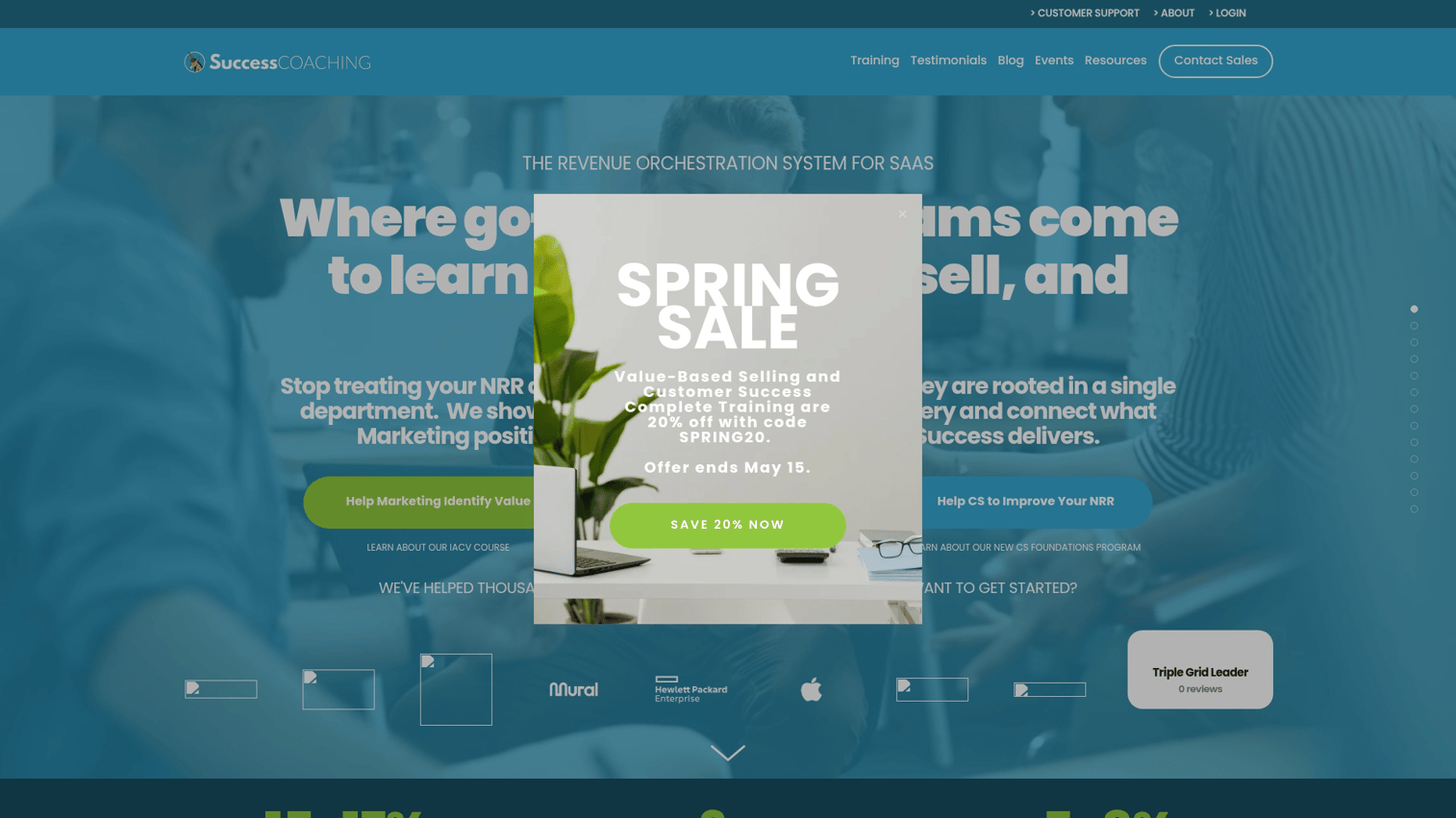
SuccessHACKER offers the Certified Customer Success Manager (CCSM) program across multiple levels, from foundational to leadership. The certification carries significant industry recognition, particularly among enterprise SaaS companies.
The cohort-based format means you learn alongside peers and complete assignments with deadlines. If you benefit from accountability and networking, this structure works well. The curriculum covers practical frameworks for customer health, QBRs, and expansion conversations that you can apply immediately.
Gainsight Pulse Academy
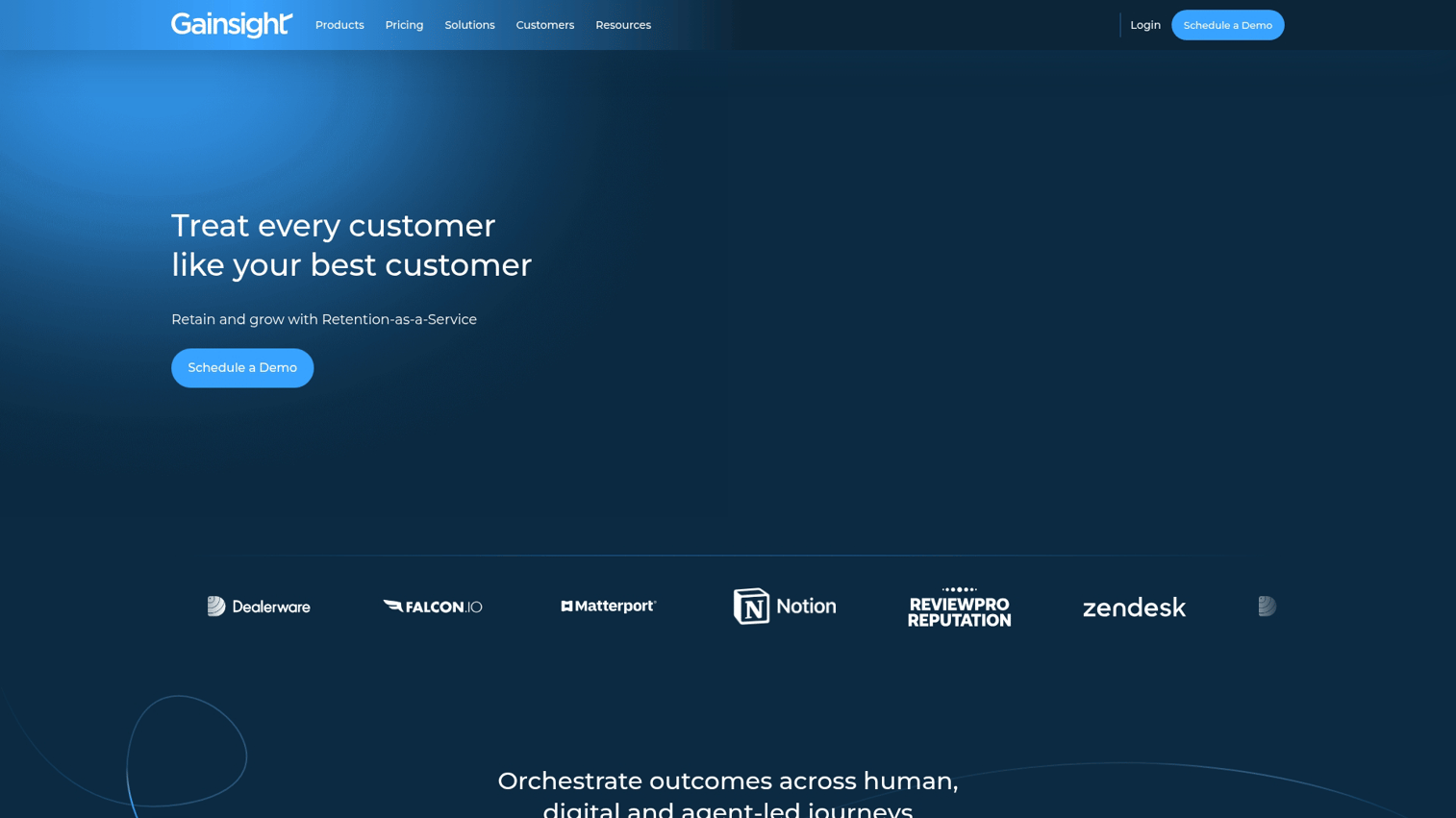
Gainsight's Pulse Academy combines free foundational courses with paid advanced tracks. The platform teaches customer success operations alongside data-driven approaches to retention and expansion.
One advantage: if your company uses Gainsight, the training doubles as platform certification. Even if you don't use Gainsight, the methodology content stands on its own. The self-paced format lets you complete modules around your existing workload.
Customer Success Collective certifications
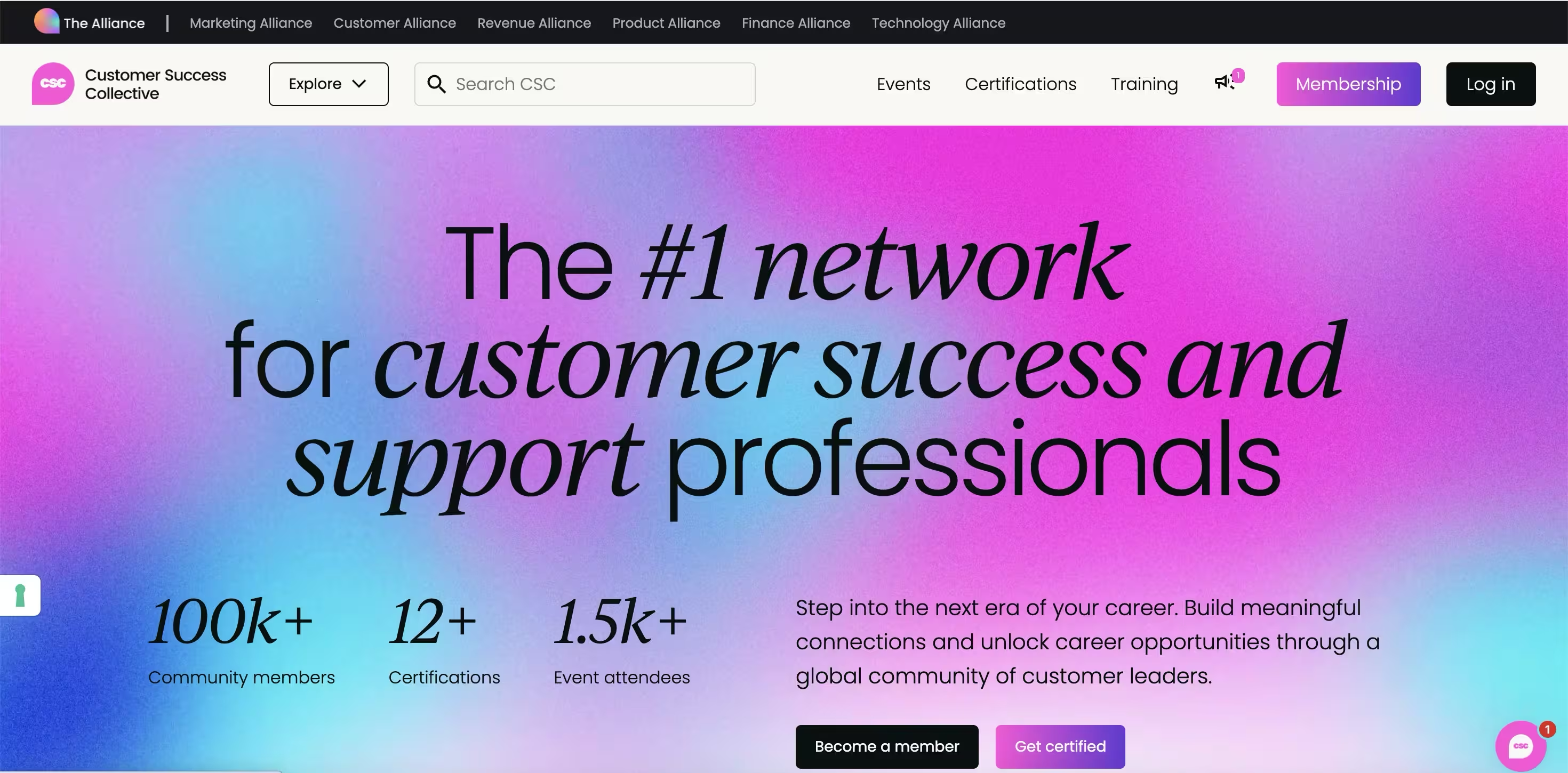
The Customer Success Collective takes a community-driven approach to certification. Programs emphasize peer learning and industry networking alongside curriculum content.
This option works particularly well if you value connections with other CS professionals. The community aspect means you're not just learning frameworks but building relationships with people facing similar challenges.
LinkedIn Learning customer success foundations
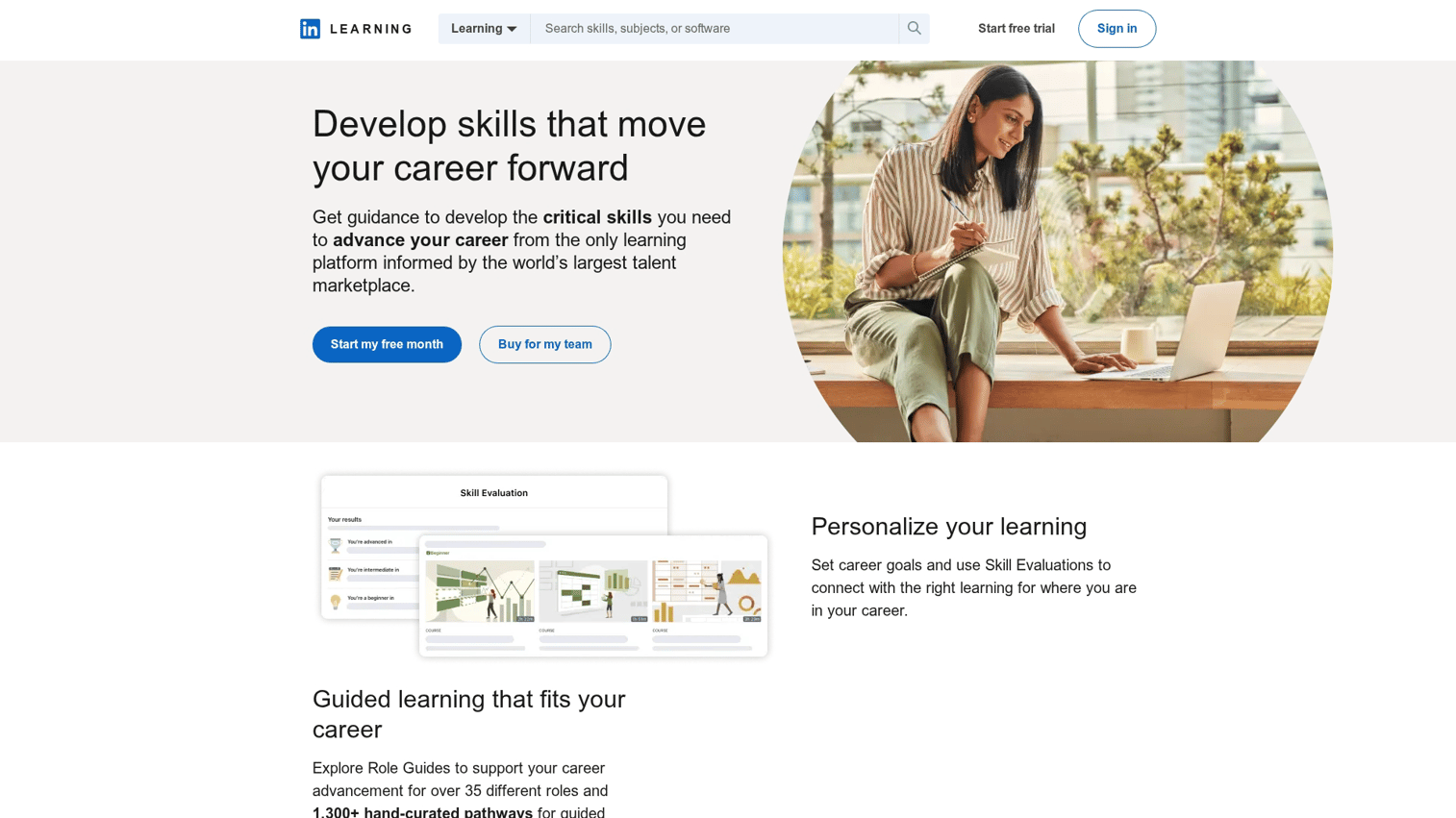
LinkedIn Learning partnered with ChurnZero to create a Customer Success Foundations Professional Certificate. The program covers service mindset, rapport building, customer journey mapping, and loyalty across modular courses.
The accessibility makes this a strong starting point for beginners entering roles up 29% from 2024 to 2025. You can complete individual courses or pursue the full certificate path. The LinkedIn badge displays on your profile, which helps with job searches.
Coursera customer success specializations
Coursera offers university-partnered courses covering customer success, CRM, and customer analytics. The platform provides flexibility through self-paced learning with optional deadlines.
The variety of specializations means you can focus on specific skill gaps. Some courses come from recognized universities, which adds credibility to your learning. Pricing works on a subscription model, so you can complete multiple courses for one monthly fee.
HubSpot Academy customer success training
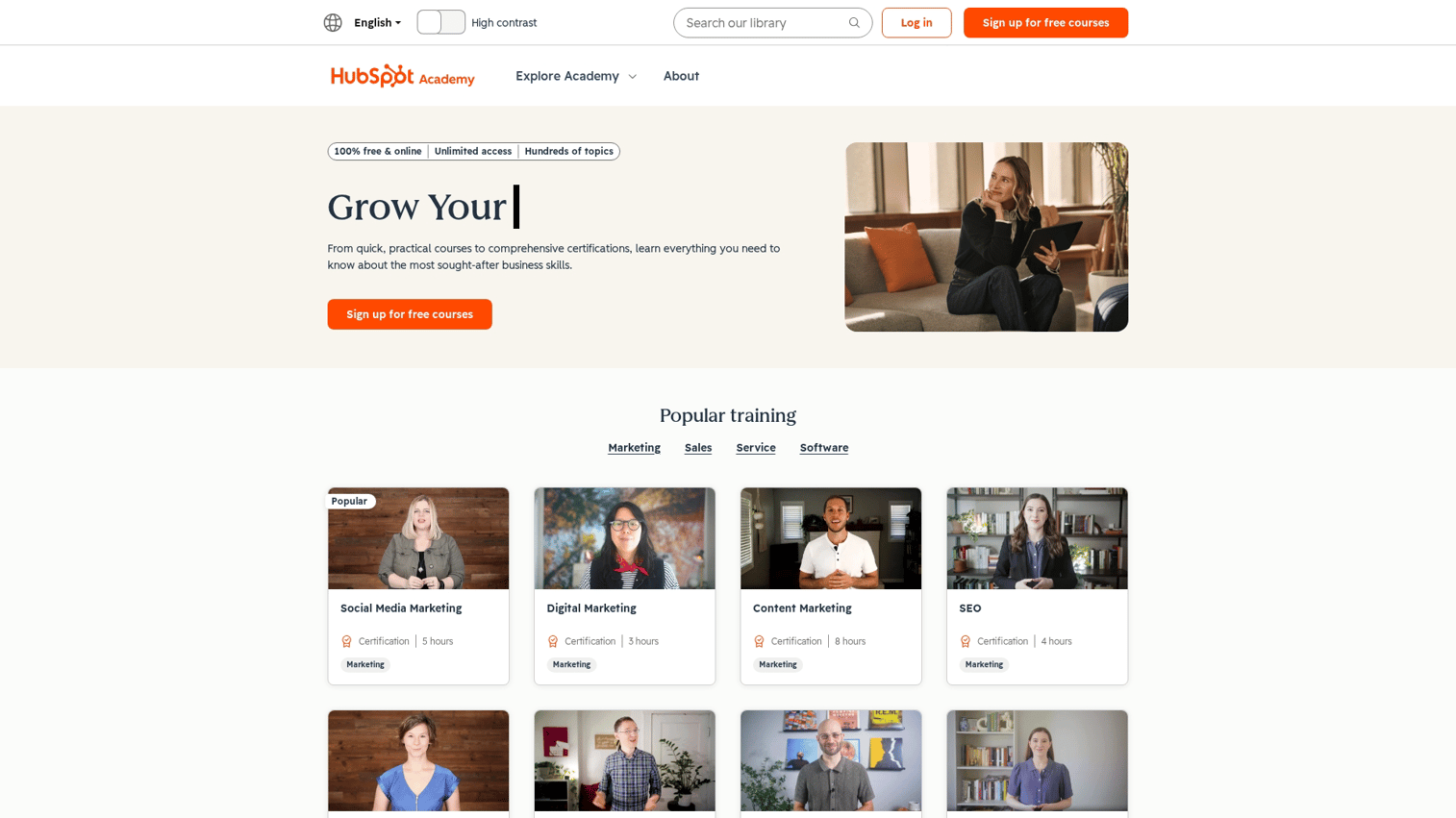
HubSpot Academy provides free certification programs that integrate customer success concepts with CRM training. If your organization uses HubSpot, this training serves double duty.
The free access removes barriers for career changers or those exploring the field. The curriculum covers fundamentals well, though it naturally emphasizes HubSpot-specific workflows.
Aspireship customer success intensive
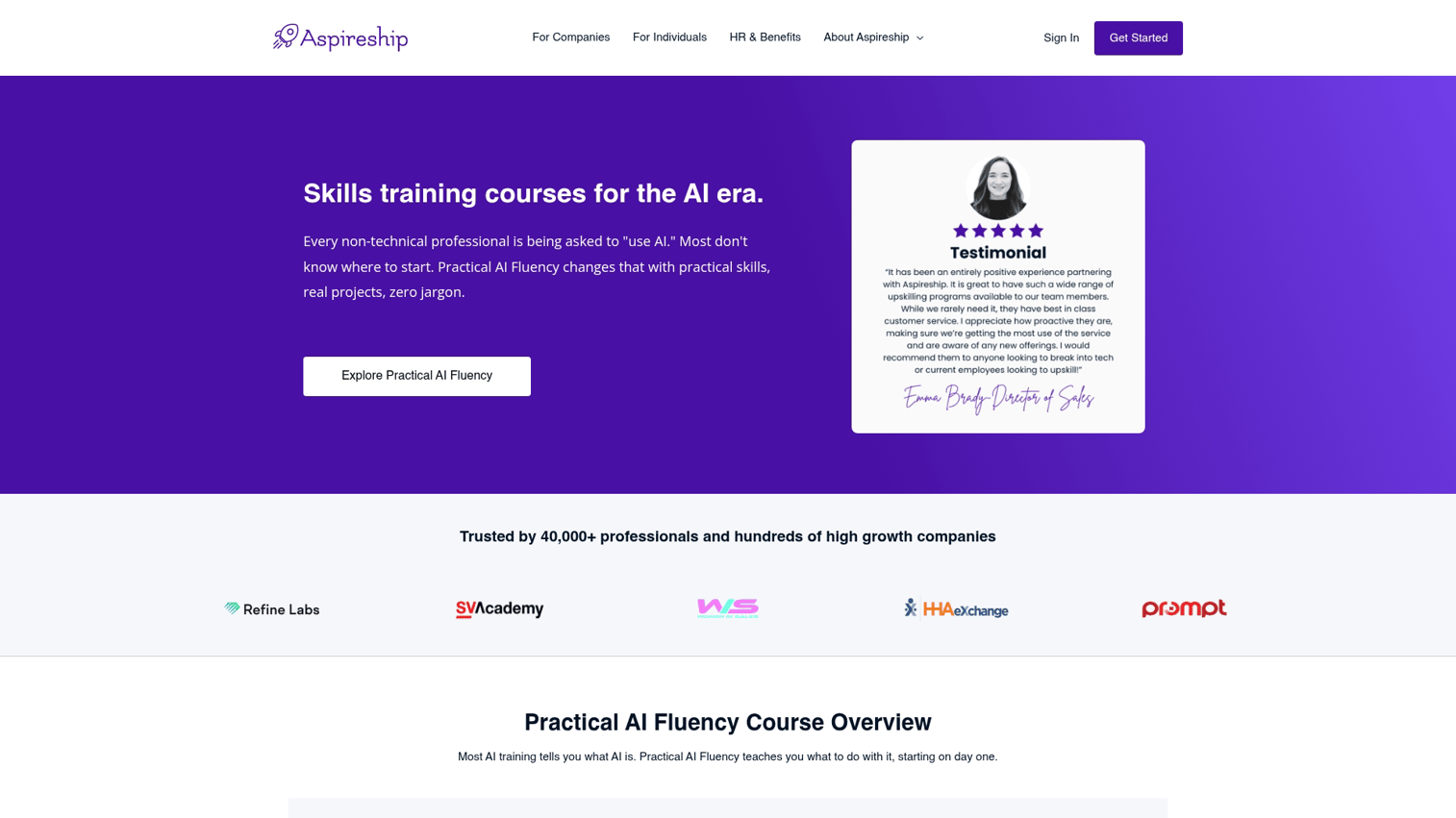
Aspireship designed their free training specifically for career changers entering customer success. The program covers practical skills including handling difficult customer situations, monitoring customer health, and driving adoption.
What sets Aspireship apart: job placement support. The program connects graduates with hiring companies, making it particularly valuable if you're transitioning from another field and lack CS-specific experience on your resume.
Totango customer success certification
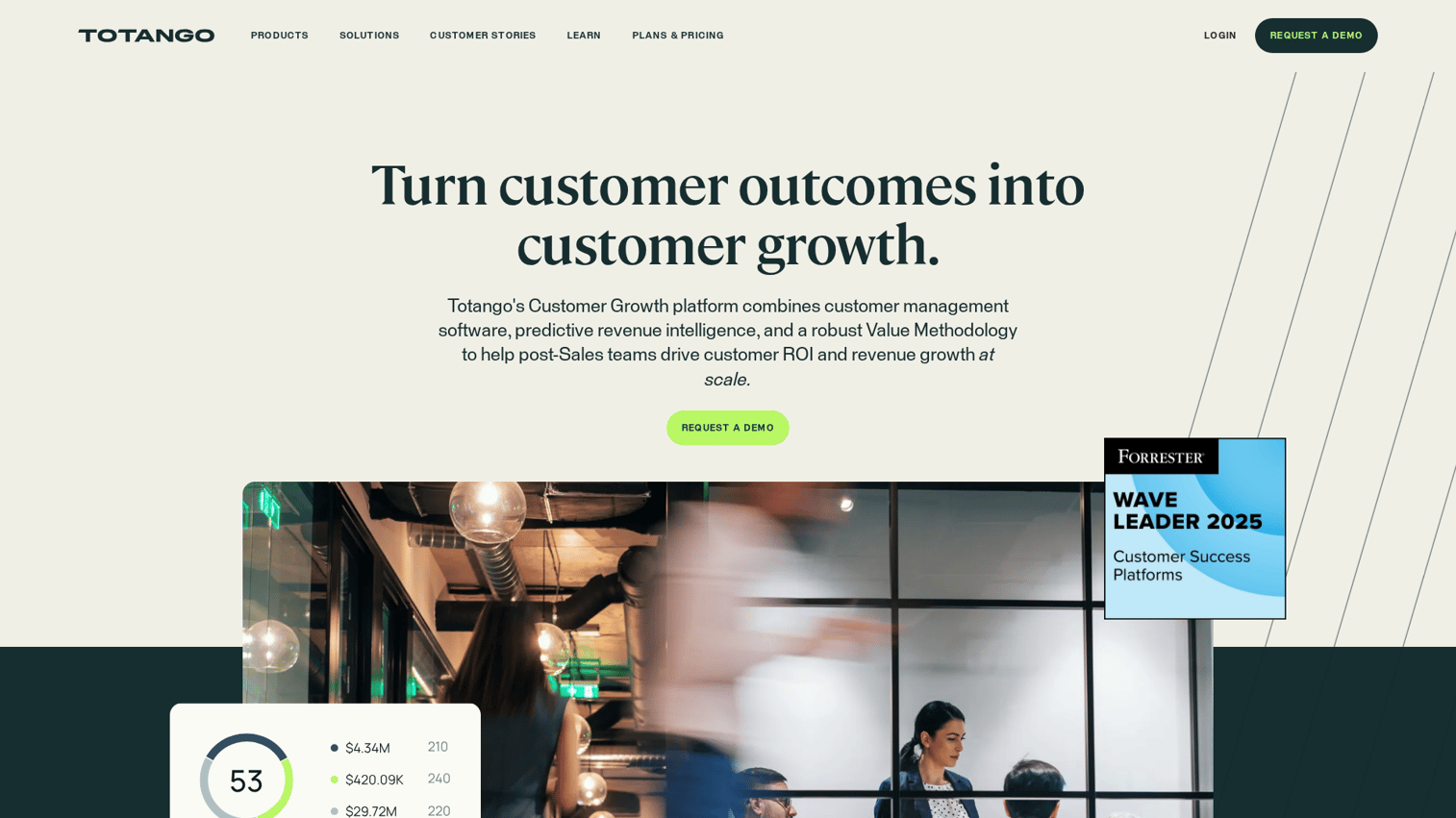
Totango offers platform-specific training combined with broader customer success methodology. The curriculum emphasizes customer journey orchestration and proactive engagement.
Like Gainsight's offering, this works best if your company uses Totango. However, the methodology content applies regardless of your tech stack.
Winning by Design customer success courses
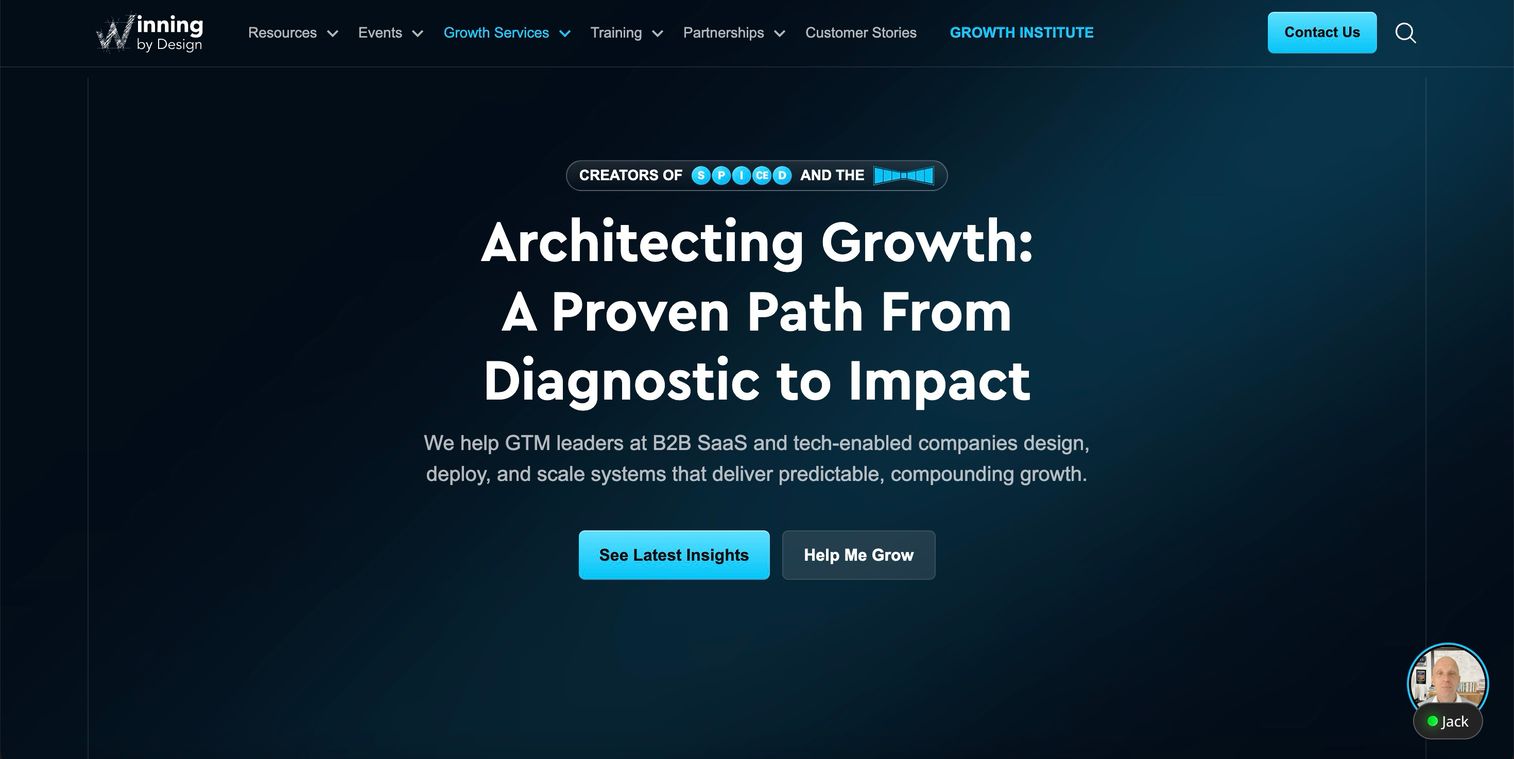
Winning by Design takes a revenue-focused approach to customer success training. The curriculum emphasizes recurring revenue operations and cross-functional alignment between CS, sales, and marketing.
This program fits experienced CSMs who want to connect their work more directly to business outcomes. The frameworks help you speak the language of finance and leadership, which matters for career advancement.
CSM Practice training programs
CSM Practice offers consulting-based training with customization options for enterprise teams. The approach focuses on practical playbook development rather than theoretical frameworks.
Organizations often use CSM Practice for team-wide training initiatives. The customization means content aligns with your specific product, customer base, and processes.
Udemy customer success courses
Udemy's marketplace includes dozens of individual customer success courses from various instructors. Prices typically range from $15 to $100 per course, with frequent sales.
The variety means you can find courses on specific topics like QBR execution or churn analysis. Quality varies by instructor, so check reviews before purchasing. This option works well for filling specific skill gaps rather than comprehensive certification.
Customer Success Association certifications
The Customer Success Association provides industry-standard certifications backed by a professional community. The curriculum follows established best practices and standards.
Membership in the association provides ongoing resources beyond initial certification. This option appeals to CSMs who want to stay connected to industry developments and standards.
SaaStr customer success resources
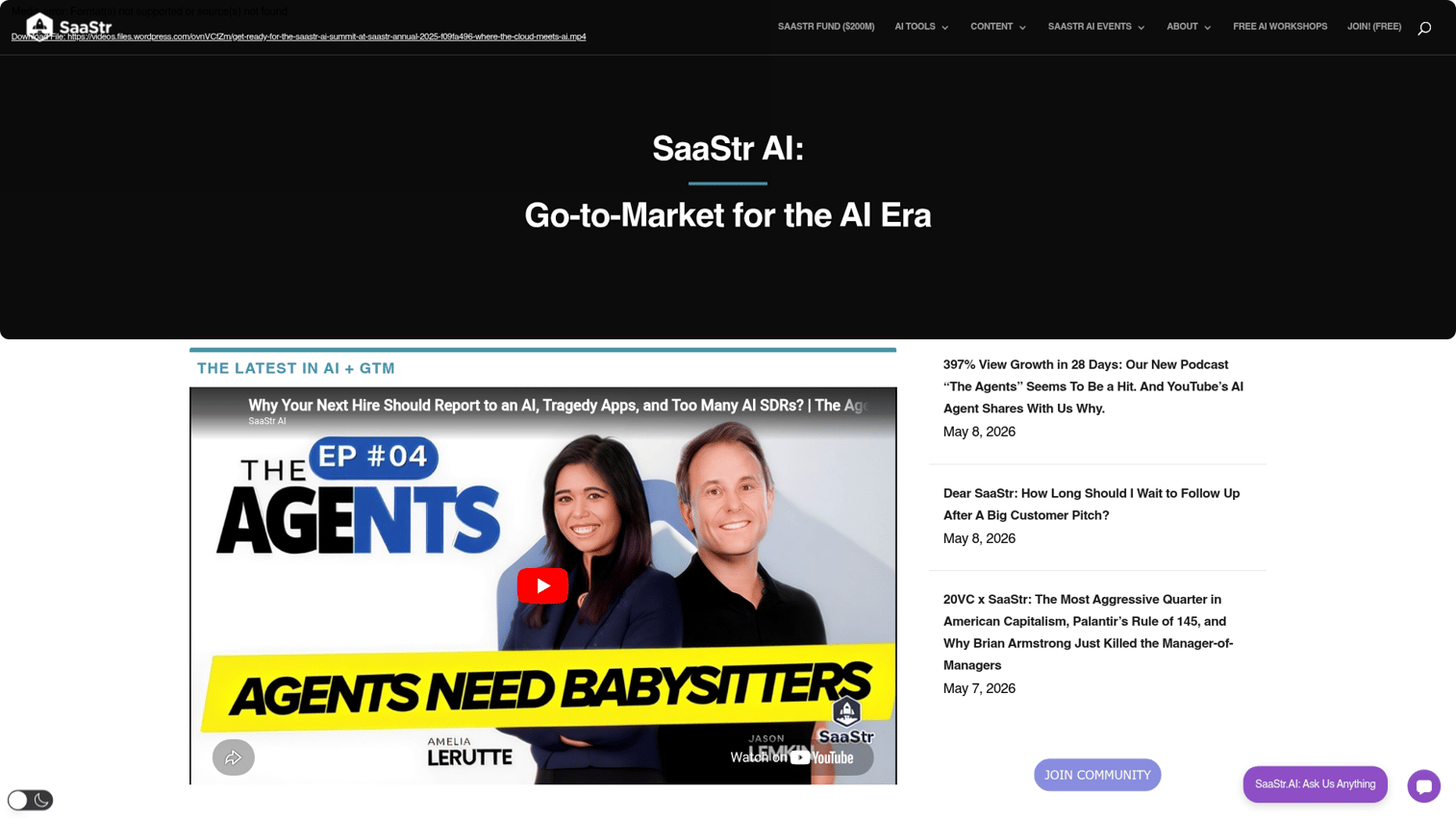
SaaStr offers free resources and event-based learning focused on SaaS-specific customer success challenges. Content comes from experienced CS leaders sharing real-world insights.
While not a formal certification program, SaaStr's resources complement structured training. The leadership perspectives help you understand how executives think about customer success.
ChurnZero Academy
ChurnZero Academy combines platform training with customer success best practices. The curriculum emphasizes proactive engagement and automation for scaling CS operations.
The focus on automation and efficiency makes this valuable for CSMs managing large books of business. You'll learn how to use technology to maintain quality relationships at scale.
Skilljar customer education certification
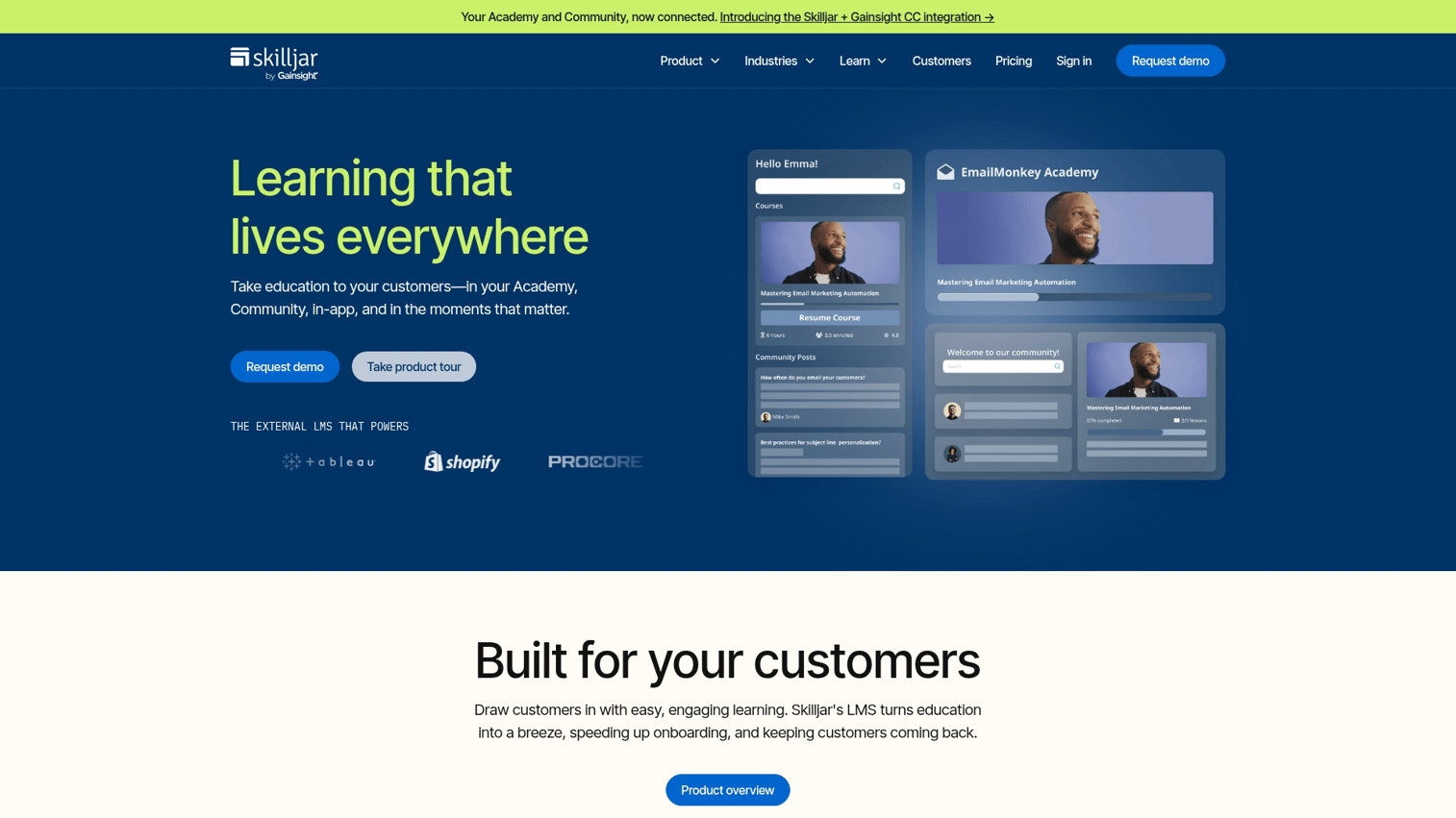
Skilljar's certification focuses on building customer education programs rather than individual CSM skills. The curriculum teaches you how to create scalable training content for customers.
This program fits CSMs who want to scale their impact through self-serve resources. Learning to build interactive product tours and guided walkthroughs becomes increasingly valuable as customer bases grow.
What skills does customer success training cover
Customer success training builds both technical capabilities and interpersonal skills. Most programs cover a core set of competencies, though emphasis varies. Understanding skill areas helps you identify gaps in your current abilities and choose programs that address them.
Customer onboarding and implementation
Onboarding is the process of guiding new customers from purchase to first value. Training covers project management fundamentals, technical configuration guidance, and success milestone tracking.
Effective onboarding directly impacts first year retention by 25%. See strategies to scale customer onboarding for practical approaches. Training teaches you to define clear milestones, identify blockers early, and maintain momentum through the implementation process.
The goal is getting customers to their first "aha moment" as quickly as possible.
Account health scoring and monitoring
Health scores are composite metrics that predict retention risk. Training teaches you to build and interpret scores using product usage data, support ticket patterns, and engagement signals.
The skill isn't just reading dashboards. It's knowing which signals matter for your specific product and customer base.
A drop in login frequency might indicate risk for one product but mean nothing for another. Training helps you calibrate scoring models to your context.
Churn prevention and risk identification
Proactive churn prevention differs fundamentally from reactive support. Training covers early warning signal recognition and intervention playbooks that address problems before customers consider leaving.
You'll learn to distinguish between symptoms and root causes. A customer complaining about a feature might actually be struggling with adoption.
A quiet customer might be disengaging entirely. Training builds pattern recognition that helps you intervene at the right moment.
Expansion revenue and upselling
Identifying expansion opportunities requires understanding customer business outcomes, not just product usage. Training covers timing, approach, and positioning for upsell conversations that feel consultative rather than pushy.
The best expansion conversations happen when customers already see value. Training teaches you to recognize buying signals and connect additional products or features to business goals the customer has already expressed.
Executive communication and stakeholder management
Business reviews, executive presentations, and multi-stakeholder management require different communication skills than day-to-day customer interactions. Training covers how to speak to business outcomes rather than features.
You'll learn to prepare QBRs that executives actually want to attend. This means focusing on ROI, strategic alignment, and future opportunities rather than feature updates and support ticket summaries.
Customer journey mapping and touchpoint optimization
Customer journey mapping visualizes the customer experience across all interactions with your company. Training teaches you to identify friction points and optimize touchpoints for better retention.
The skill extends beyond creating diagrams. You'll learn to use journey maps as diagnostic tools, identifying where customers struggle and where they succeed. This insight drives improvements across onboarding, adoption, and renewal processes.
How to choose the right customer success training program
The best program depends on your career stage, learning style, budget, and goals. A career changer needs different training than an experienced CSM seeking leadership credentials. Here's how to evaluate your options.
1. Define your learning goals and career stage
Start by assessing what you actually need. Career changers benefit from foundational programs that provide vocabulary, frameworks, and credentials that signal competency to employers. Aspireship and HubSpot Academy serve this audience well.
Experienced CSMs often need advanced frameworks or leadership skills rather than basics. SuccessHACKER's higher-level certifications and Winning by Design's revenue-focused curriculum fit this profile. Match program depth to your current knowledge level.
2. Evaluate format and time commitment
Self-paced programs offer flexibility but require self-discipline. Cohort-based programs provide accountability and networking but demand scheduled time commitments.
Consider your learning style honestly. If you've started and abandoned multiple online courses, a cohort-based program with deadlines might serve you better. If your schedule is unpredictable, self-paced options prevent wasted enrollment fees.
Typical time commitments range from 10 hours for basic certifications to 40+ hours for comprehensive programs. Cohort-based certifications often run 4 to 8 weeks with weekly sessions and assignments.
3. Compare pricing and certification value
Free programs exist and cover fundamentals effectively. HubSpot Academy, Gainsight basics, and Aspireship (for individuals) provide solid foundations without cost.
Premium certifications carry more industry recognition but require investment. Evaluate ROI based on your career goals.
If you're job hunting, recognized credentials like CCSM can differentiate your application. If you're building skills for your current role, free programs might suffice.
- Free options: HubSpot Academy, Aspireship (for individuals), Gainsight basics
- Subscription-based: LinkedIn Learning ($30/month), Coursera ($40-60/month)
- Premium certifications: SuccessHACKER CCSM ($1,500-2,500), USF Executive Education ($3,000+)
4. Check instructor credentials and reviews
Verify that instructors have actual customer success leadership experience, not just training credentials. Look for backgrounds that include building CS teams, managing enterprise accounts, or leading CS organizations.
Check G2 reviews, LinkedIn recommendations, and community feedback before enrolling. Reddit's r/CustomerSuccess community often discusses training program quality. A few minutes of research can prevent wasted time and money.
Customer success training vs customer service training
Many people confuse customer success training with customer service training, but the two represent fundamentally different approaches. Customer service is reactive: responding to issues after they arise. Customer success is proactive: driving outcomes before problems occur.
| Aspect | Customer success training | Customer service training |
|---|---|---|
| Focus | Proactive value delivery | Reactive problem resolution |
| Metrics taught | NRR, churn rate, expansion | CSAT, ticket resolution time |
| Typical role | CSM, Account Manager | Support rep, Service agent |
| Relationship model | Long-term partnership | Transactional interactions |
| Skills emphasis | Business outcomes, strategy | Issue handling, empathy |
Customer service training teaches you to resolve tickets efficiently and maintain customer satisfaction during problems. Customer success training teaches you to prevent tickets from happening by ensuring customers achieve value proactively.
Both skill sets matter. Many customer success teams handle some support responsibilities, especially in smaller organizations.
But the strategic orientation differs. Customer success training prepares you to think about retention, expansion, and lifetime value rather than individual interactions.
How to measure customer success training ROI
Training only creates value when applied. Measuring ROI helps justify investment and identify whether programs can deliver 107% ROI in three years.
Tip: Track baseline metrics before training begins. Without a "before" measurement, you can't demonstrate improvement.
Leading indicators show immediate impact:
- Course completion rates: Did team members finish the program?
- Assessment scores: Did they demonstrate comprehension?
- Manager observation: Are they applying new frameworks in customer conversations?
Lagging indicators show business impact:
- Churn reduction: Did retention improve after training?
- NRR improvement: Did expansion revenue increase?
- Customer health score trends: Are accounts healthier overall?
Qualitative signals matter too. Customer feedback, internal stakeholder confidence, and reduced escalations all indicate whether training translated into better performance.
For team-wide training initiatives, compare cohort performance before and after. Individual CSMs can track their own book of business metrics to demonstrate personal growth.
How to scale customer education after training
Trained CSMs can multiply their impact by creating self-serve resources for customers. Instead of explaining the same concepts repeatedly, build content that customers can access independently.
This is where training intersects with tooling. Platforms like Guideflow help customer success teams build interactive product experiences that customers explore on their own. The result: CSMs spend less time on repetitive education and more time on strategic account work.
Consider three applications:
- Self-serve onboarding: Interactive demos that walk customers through setup without requiring live calls. Customers complete initial configuration at their own pace, and CSMs focus on accounts that need hands-on help.
- Feature adoption content: Guided tours for new releases that reduce support tickets. When you launch a feature, customers can explore it immediately rather than waiting for a training session.
- Renewal preparation: Sandbox demo environments where customers explore advanced features before expansion conversations. Prospects who experience value firsthand convert more readily.
The shift from one-to-one education to one-to-many content scales your impact across your entire book of business. Training teaches you the frameworks. Tools help you deliver frameworks efficiently.
Turn customer success training into retention results
Training creates value only when applied. Start with one program aligned to your goals, then reinforce learning through practice. The frameworks you learn become habits through repetition in real customer conversations.
Trained CSMs who adopt scalable education tools multiply their impact. Instead of explaining the same concepts to every customer, build self-serve resources that deliver consistent experiences. Interactive guides for customer success, guided walkthroughs, and sandbox environments let customers learn at their own pace while you focus on strategic accounts.
The combination of strong frameworks and efficient tooling turns customer success from a cost center into a retention engine.
FAQs about customer success training
Yes. Structured training provides frameworks and vocabulary that accelerate career transitions. Programs like Aspireship specifically design curriculum for career changers and include job placement support, which addresses the "no experience" barrier that often blocks entry into CS roles.
Most self-paced programs take between 10 and 40 hours total, spread across several weeks. Cohort-based certifications often run 4 to 8 weeks with scheduled sessions and assignments. The time investment depends on program depth and your available hours per week.
Yes. HubSpot Academy, Gainsight Pulse Academy basics, and Aspireship (for individuals) offer free customer success training with certifications.
Free programs cover foundational skills effectively. Premium certifications may carry more weight with employers, but free options provide solid starting points.
Customer success training focuses on driving measurable outcomes for individual accounts through proactive engagement. Customer experience training addresses the overall perception customers have across all touchpoints.
CSMs manage relationships with specific accounts. CX professionals design systems and processes that affect all customers.
Most employers do not require certification, but recognized credentials like CCSM can differentiate candidates in competitive job markets. Certification matters more for career changers who lack direct customer success experience. Experienced CSMs often advance based on track record rather than credentials.
Teams benefit from refresher training annually or when major product changes, market shifts, or strategy updates occur. Ongoing micro-learning through communities and resources keeps skills current between formal programs. The field evolves, and frameworks that worked two years ago may need updating.
Focus on CRM platforms (Salesforce, HubSpot), customer success platforms (Gainsight, Totango, ChurnZero), and product analytics tools. Learning to create interactive demos for customer education and interactive demos for training and enablement also differentiates CSMs who want to scale their impact across larger books of business.