You updated a procedure in your flight operations manual. Now that same change has to appear in crew training materials, MEL references, safety documentation, and the controlled distribution log. Miss one touchpoint and you have created an audit exposure before the inspector even walks through the door.
Aviation documentation is not an editing problem. It is an operational control problem. A stale revision, an untracked approval, or a manually updated spreadsheet of effective pages creates frontline confusion and audit risk simultaneously. The global aviation authoring software market was valued at $3.8 billion in 2025 and is projected to reach $7.9 billion by 2034, growing at 8.5% CAGR, according to Dataintelo (2025), which signals that operators worldwide are finally treating documentation infrastructure as a business-critical system rather than an administrative function.
This guide cuts through the category to give you a decision-ready shortlist, organized by document type and operational fit, so you can brief your VP of Operations or Head of Compliance without spending a week on vendor calls.
What's inside
This guide evaluates 12 aviation authoring tools for 2026, chosen for relevance to controlled documentation workflows, not broad aviation software directories.
- Aviation-native manual authoring and controlled distribution platforms
- Technical publication and component content management systems for structured content
- Best-fit notes for airlines, operators, MROs, UAS teams, and technical publications groups
- Selection criteria covering revision control, approval workflows, distribution evidence, standards support, and implementation risk
- Pricing and G2 ratings verified at writing time against vendor pages and G2 listings
TL;DR
- Best for flight operations manuals: Web Manuals, with aviation-native authoring, revision tracking, and digital distribution built for operators
- Best for integrated safety and compliance operations: Centrik, connecting documentation to quality management and risk workflows
- Best for airline-scale document distribution: Comply365 Productivity Suite, with mobile access and connected operational content management
- Best for aircraft technical publications: Flatirons Solutions, supporting S1000D, ATA iSpec 2200, and digital task-card workflows for MROs and OEMs
- Best for structured CCMS teams: MadCap IXIA CCMS, with DITA-based authoring and enterprise content governance
- Best for teams modernizing from Word and PDF workflows: TrustFlight (Smart Documents) or Yonder, depending on whether you prioritize connected operational workflows or dynamic role-specific content delivery
What is aviation authoring software?
Aviation authoring software helps aviation teams create, revise, approve, publish, and distribute controlled operational and technical documentation. The category covers everything from flight operations manuals and maintenance procedures to UAS CONOPS and training curricula, organized under structured revision control, approval evidence, and controlled access.
The distinction from general document editors matters. Aviation documents are operational control systems. A crew member who accesses an outdated SOP, or an auditor who cannot see who approved the current version, faces consequences that go beyond administrative inconvenience.
Key capabilities to look for include:
- Controlled authoring: Role-based editing with tracked changes and version history
- Revision control: Automated revision status pages, revision bars, and List of Effective Pages
- Approval workflows: Configurable multi-step review and electronic signatures
- Audit trails: Immutable records of who changed what, when, and who approved it
- Modular content reuse: Write once, reference across multiple manuals or publications
- Multi-format publishing: PDF, web, mobile, EFB, and controlled portals from a single source
- Frontline access controls: Role-based permissions with proof of receipt and read-and-sign acknowledgment
- Standards support: S1000D, DITA, XML, and ATA iSpec 2200 for technical publications teams
- AI-assisted drafting: With human review and approval workflows intact
The category also breaks cleanly into two sub-segments. Aviation-native platforms are designed for operations teams managing controlled manuals, compliance libraries, and crew access. Technical publication and CCMS platforms are built for structured content at scale, supporting OEMs, MROs, and publishers producing aircraft documentation to industry standards. Some organizations need both.
No aviation authoring software makes a team compliant. What it does is help teams maintain the evidence, controlled content, and documentation workflows that underpin a compliance program.
When to use aviation authoring software
Keep operational manuals current
Airlines, charter operators, and business aviation teams need controlled manuals across pilots, dispatchers, ground teams, and maintenance stakeholders. When a regulatory change triggers a procedure update, the tool has to track revision bars, regenerate the List of Effective Pages, route for approval, and distribute the new version with proof of access. Manual tracking in spreadsheets breaks at the third document. Check out our guide to aviation document distribution software for a deeper look at the distribution side.
Manage technical publications at scale
OEMs, MROs, and technical publications groups need structured content, component reuse, XML or DITA authoring, and multi-format publishing. This is not document storage. It is a content supply chain where a change to a task card propagates correctly across all affected publications, with S1000D or ATA iSpec 2200 structure preserved.
Prove document control during audits
An auditor's question is not "do you have a manual?" It is "who changed this document, who approved it, what version was active on this date, and can you show me which users had access?" Aviation audit management software and authoring tools that maintain immutable audit trails answer those questions without a manual reconstruction of version history. For aviation compliance monitoring workflows, audit-ready documentation is the foundation.
Aviation authoring software comparison
The table below is a buyer shortcut. Run every tool through a controlled document test, specifically authoring, approval, publishing, and distribution, before signing a contract. Verify current pricing and ratings directly from vendor pages and G2 listings.
| # | Product | Best for | Key differentiator | Pricing | G2 rating |
|---|---|---|---|---|---|
| 1 | Web Manuals | Flight operations manual control | Aviation-native authoring, revision tracking, and EFB distribution | From €4,000/year | 4.4/5 |
| 2 | Centrik | Safety, quality, and compliance operations | Integrated QMS with document management, safety, and risk workflows | Custom pricing | N/A |
| 3 | Comply365 Productivity Suite | Airline-scale document distribution | AI-powered operational content, safety, and training in one platform | Custom pricing | 5.0/5 |
| 4 | TrustFlight | Digital aviation operations | Connected safety intelligence and AI-assisted document workflows | Custom pricing | N/A |
| 5 | eDocs-Aero | Airline document lifecycle management | Customized operational website with controlled distribution and read-and-sign | Custom pricing | N/A |
| 6 | IDMR InForm | Aviation maintenance documentation | Paperless task-card creation from OEM data with full revision control | Custom pricing | N/A |
| 7 | Yonder | Operational knowledge delivery | Dynamic role-specific content with regulatory linking and offline access | Custom pricing | 5.0/5 |
| 8 | Flatirons Solutions | Aircraft technical publications | S1000D, ATA iSpec 2200, and digital task-card management for MROs and OEMs | Custom pricing | N/A |
| 9 | Veryon | Maintenance and MRO operations | Integrated maintenance tracking, technical publications, and AI-assisted troubleshooting | Custom pricing | 4.6/5 |
| 10 | MadCap Flare | Flexible technical documentation | Single-source publishing to web, PDF, and help formats | From $3,150/author/year | 4.4/5 |
| 11 | MadCap IXIA CCMS | Enterprise structured content | DITA-based component content management with governance and translation workflows | Custom pricing | N/A |
| 12 | DOCUFY GmbH | Modular technical documentation | AI-supported XML authoring and multi-channel publication for manufacturing and engineering | Custom pricing | 5.0/5 |
Best 12 aviation authoring software tools for 2026
1. Web Manuals
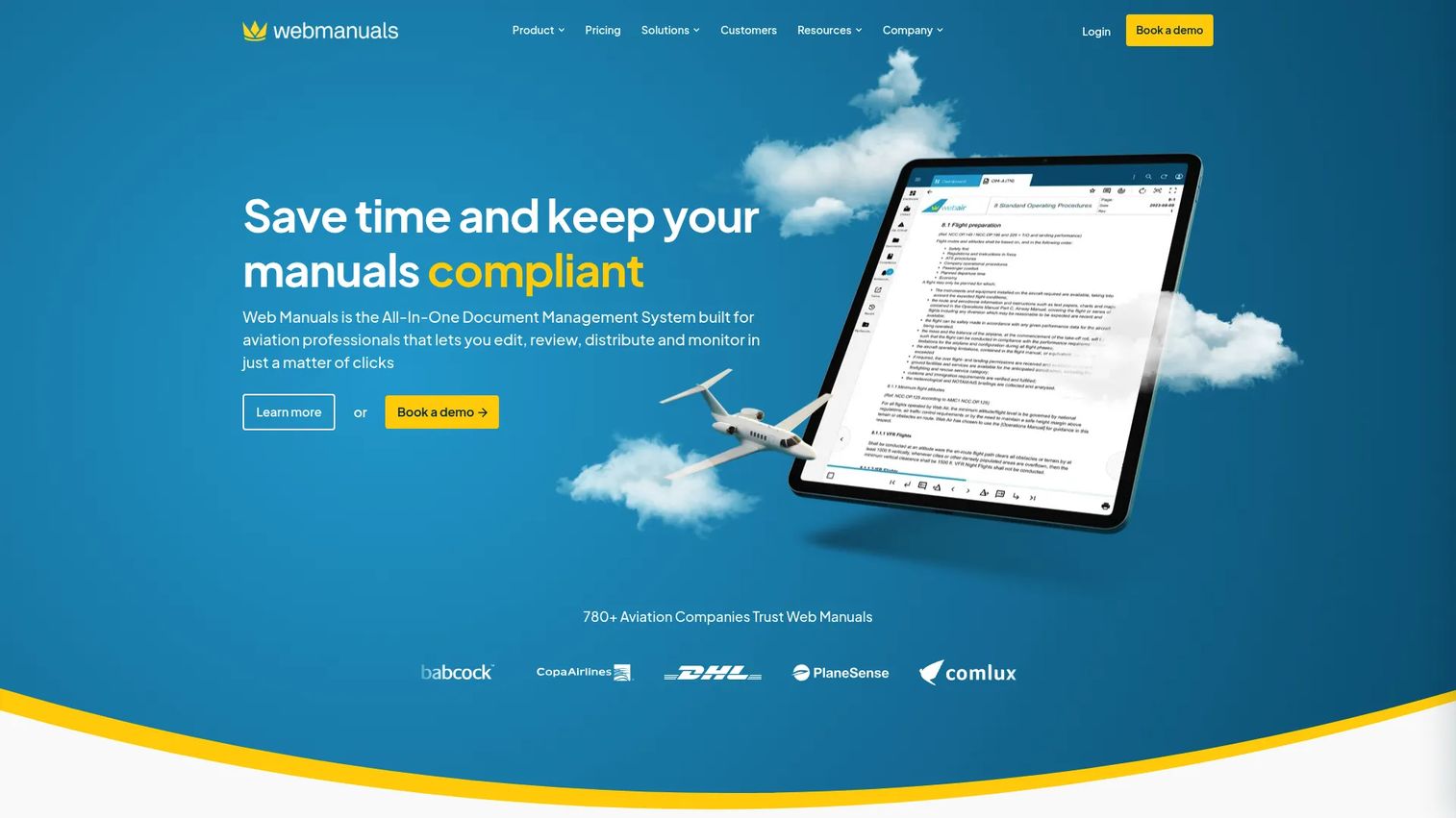
Web Manuals is an all-in-one aviation document management system built for operators who need controlled authoring, compliance monitoring, and digital distribution in one place. The platform covers the full manual lifecycle: Authoring, review, approval, revision tracking, and distribution to crew and ground teams. Its AI search assistant, Amelia, helps users locate information across manuals without manual searching.
Best for: Airlines, business aviation operators, and charter teams moving away from Word and PDF workflows who need aviation-native revision control and EFB-compatible distribution.
Key features
- Controlled authoring with collaboration, revision tracking, and smart editing
- Compliance monitoring with linked regulatory libraries, alerts, and traceability
- Online and offline distribution through reader and EFB applications
- XML editing for importing and managing OEM manuals
- Amelia AI search across all manual content
Why choose Web Manuals: Web Manuals is purpose-built for aviation operators, so concepts like List of Effective Pages, revision bars, and controlled crew access are native to the product rather than adapted from a general document tool.
Web Manuals pricing: The Essentials Package starts at €4,000 per year (annual billing). Professional plans are €170 per editor per month on an annual commitment. Enterprise plans are available on a 5-year initial term; contact their sales team for pricing.
G2 rating: 4.4/5
2. Centrik
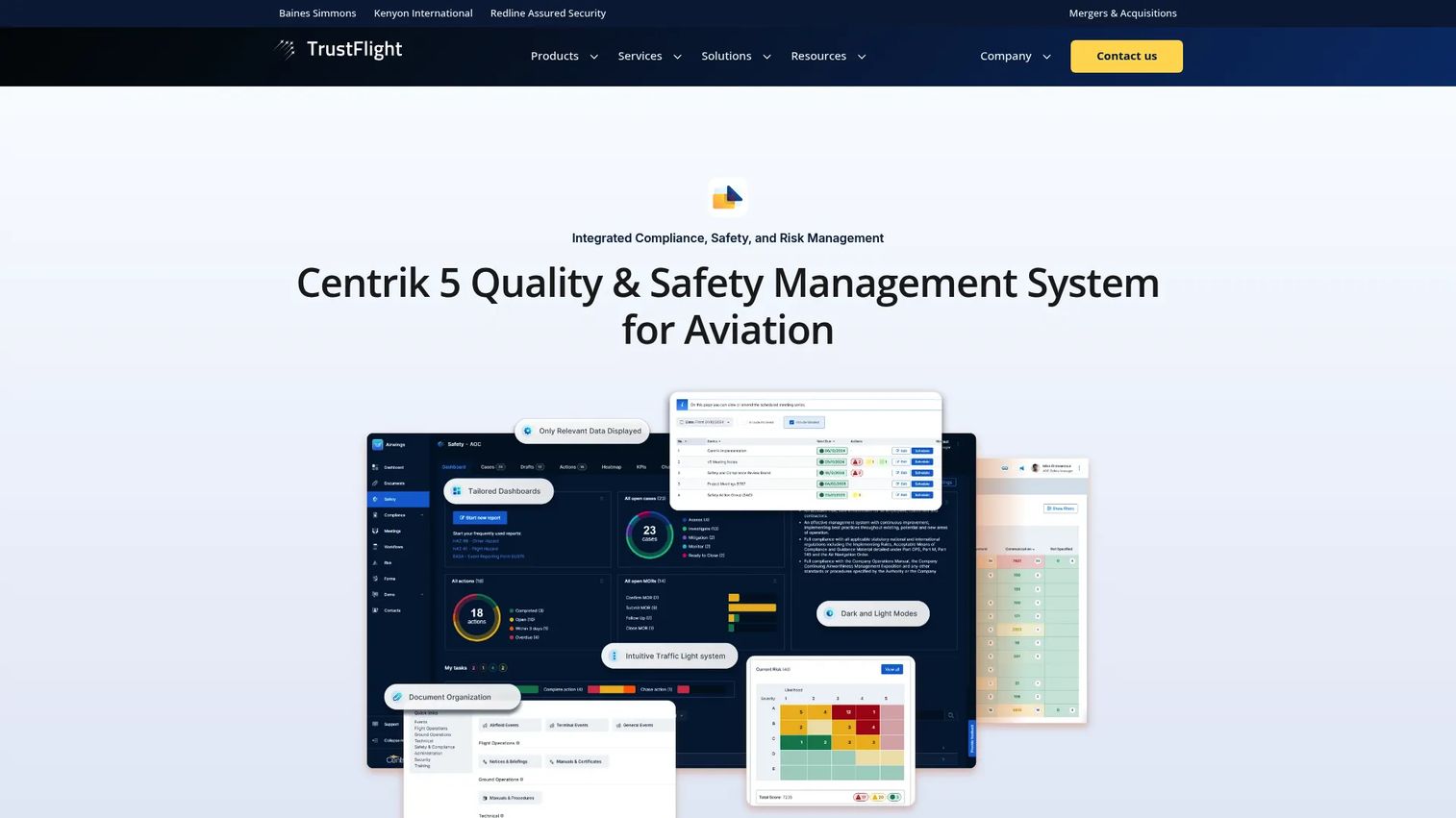
Centrik is an integrated compliance, safety, and risk management system for aerospace operators, MROs, and regulators. Document management and distribution are core modules within a broader quality management system (QMS) that also covers safety incidents, risk assessments, action management, and training tracking. It sits under the TrustFlight group.
Best for: Aerospace and aviation organizations that want operational documentation connected to safety management, compliance findings, and risk workflows rather than managed in a separate authoring tool.
Key features
- Document management, distribution, and acknowledgment tracking
- Safety incident recording, action management, and progress monitoring
- Risk assessments linked to SMS reports and compliance findings
- Quality audit and finding management
- Training record tracking integrated with operational workflows
Why choose Centrik: Choose Centrik when you need documentation connected to broader operational governance. If your compliance program runs on separate systems for safety, quality, and document control, Centrik consolidates those into one auditable environment. For teams whose only requirement is manual authoring and distribution, a narrower tool may fit better.
Centrik pricing: Expect quote-based pricing reflecting modules selected, user count, and implementation scope. Contact TrustFlight directly for a demo and pricing discussion.
3. Comply365 Productivity Suite
Comply365 Productivity Suite is an AI-powered operational performance platform connecting content management, safety management, and training management for aviation, defense, and rail organizations. The suite's strength is unifying operational content with frontline delivery, so a crew member on a mobile device sees the current version, with acknowledgment tracked back to the operations center.
Best for: Regulated aviation and defense organizations that need operational content, safety compliance, and training management connected in one platform with a unified mobile experience.
Key features
- Operational content and document management with controlled distribution
- Safety, quality, and risk management modules
- Training management with completion tracking
- Unified mobile experience with SSO and push notifications
- AI-powered insights, automation, and regulatory content management
Why choose Comply365: At airline scale, the problem is not authoring, it is proving that the right version reached the right person. Comply365 targets that distribution and acknowledgment challenge as a primary use case, with the authoring side feeding directly into frontline delivery.
Comply365 pricing: Pricing reflects content modules, frontline user count, integrations, and deployment model. Contact the team directly.
G2 rating: 5.0/5
4. TrustFlight
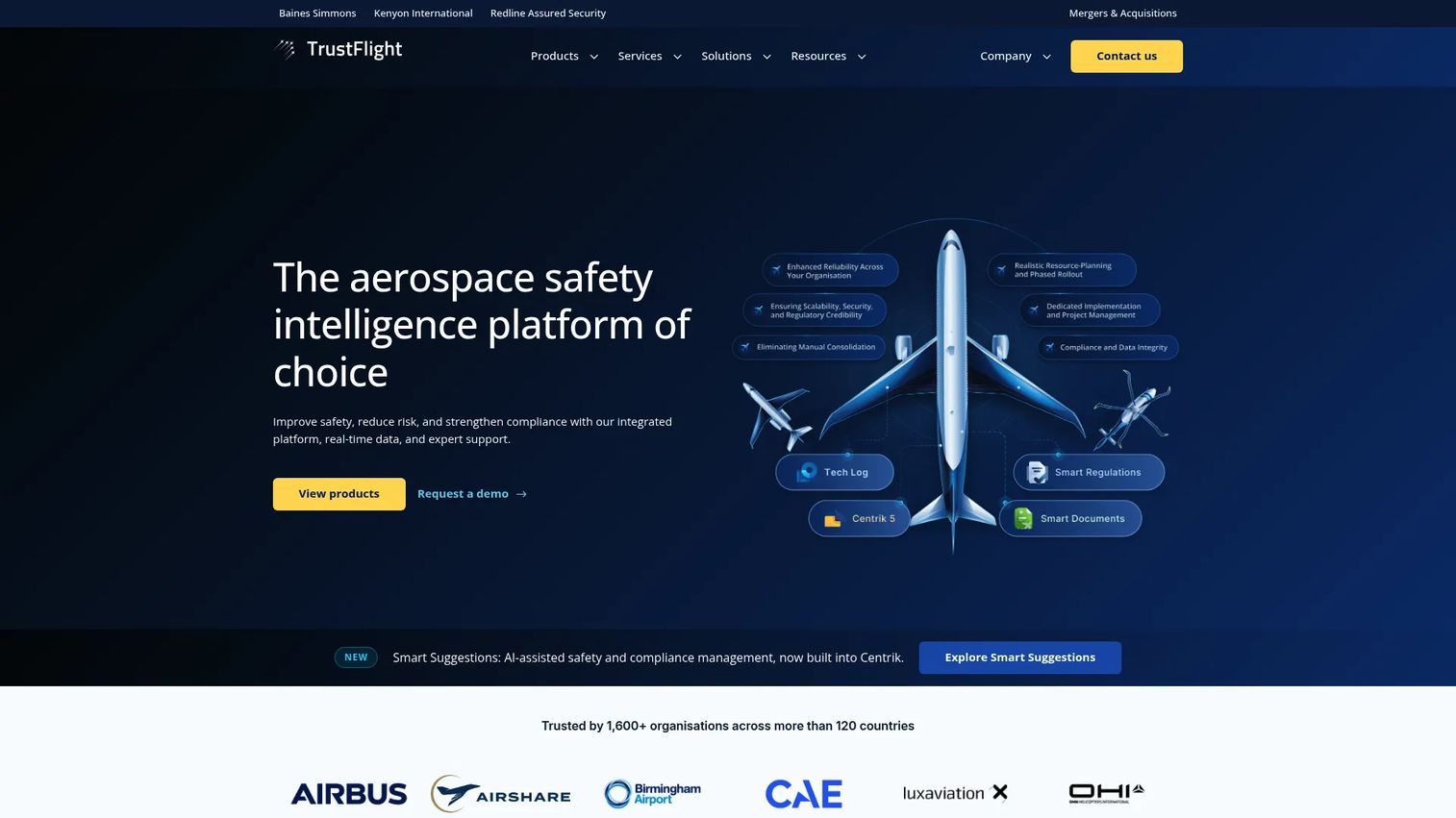
TrustFlight provides an integrated aerospace safety intelligence platform covering quality management (via Centrik 5), electronic technical logbooks (Tech Log), and AI-assisted document authoring (Smart Documents). Smart Documents specifically addresses aviation manual authoring, with regulatory reference links, review and approval workflows, and controlled distribution. Pricing for Smart Documents scales with operation size and includes unlimited authors and readers.
Best for: Aerospace organizations digitizing paper-heavy compliance and documentation processes who want authoring connected to safety management, airworthiness, and operational records in one platform.
Key features
- Smart Documents: AI-assisted authoring with regulatory reference links
- Review and approval workflows with controlled distribution
- Centrik 5 QMS: Quality, safety, risk, and compliance management
- Tech Log: Electronic flight logs, defect reporting, and maintenance workflows with offline access
- Dashboard and data export across operational modules
Why choose TrustFlight: TrustFlight's value is connection. A defect recorded in Tech Log, a safety finding in Centrik, and a document update in Smart Documents all live in one audit trail. Operators running separate systems for each of those functions will recognize the gap TrustFlight closes. For teams that only need manual authoring, the broader platform may be more than required.
TrustFlight pricing: Contact TrustFlight for a demo and quote.
5. eDocs-Aero
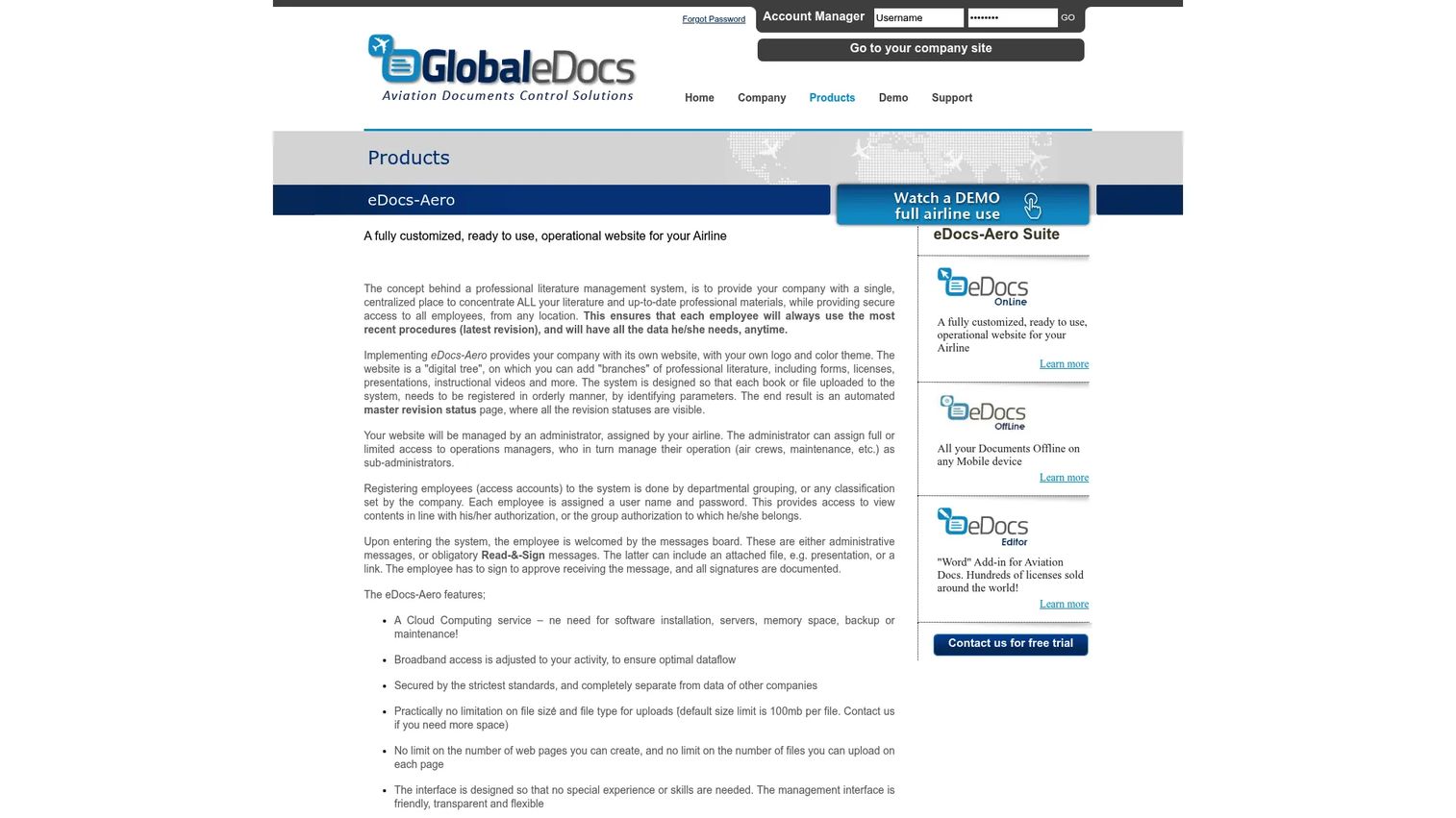
eDocs-Aero is a cloud-based aviation documentation management system that gives each airline a customized operational website for centralized document distribution, revision control, and employee access. The platform manages the full document lifecycle: Manuals, forms, licenses, presentations, and other professional literature, with an automated master revision-status page and read-and-sign acknowledgment.
Best for: Airlines and aviation organizations that need a centralized, branded document portal with role-based access, automated revision status tracking, and documented proof of receipt.
Key features
- Customized airline operational website with company branding
- Centralized management of manuals, forms, and professional literature
- Automated master revision-status page
- Role-based employee access with departmental permissions
- Read-and-sign messaging with documented signatures
- Offline document access and synchronization
Why choose eDocs-Aero: eDocs-Aero focuses tightly on the controlled distribution and acknowledgment side of aviation document management. The branded operational website approach gives airlines a clear, recognizable portal for crew and ground staff, with revision status visible without manual queries.
eDocs-Aero pricing: The service is offered at a low monthly cost with a free 30-day trial. Subscriptions are customized based on user count and document scope. Contact GlobaleDocs for specific figures.
6. IDMR InForm
IDMR InForm is an aviation document management program built specifically for airline regulatory and maintenance documentation requirements. Its distinctive capability is paperless maintenance task-card creation using OEM MPD and AMM task-card data, reducing manual rekeying and revision errors. The platform also covers authoring, maintenance of controlled documents, and integration with OEM and maintenance-and-engineering systems.
Best for: Airlines and MROs managing regulated maintenance documentation, particularly teams wanting paperless task-card workflows connected directly to OEM source data.
Key features
- Authoring and maintenance of regulated aviation documents
- Paperless task-card creation using OEM MPD and AMM data
- Integration with OEM and maintenance-and-engineering systems
- Full revision control with automated workflows
- Web-based centralized access, no local installation required
Why choose IDMR InForm: Most aviation authoring tools start from the content editor and treat maintenance integration as an afterthought. InForm starts from the maintenance documentation requirement and builds authoring controls around it. If your documentation burden is MRO-heavy and your current process involves manual rekeying from OEM task cards, InForm addresses that specific friction directly.
IDMR InForm pricing: Contact IDMR directly for a quote; pricing reflects user count, modules, and integration scope.
7. Yonder
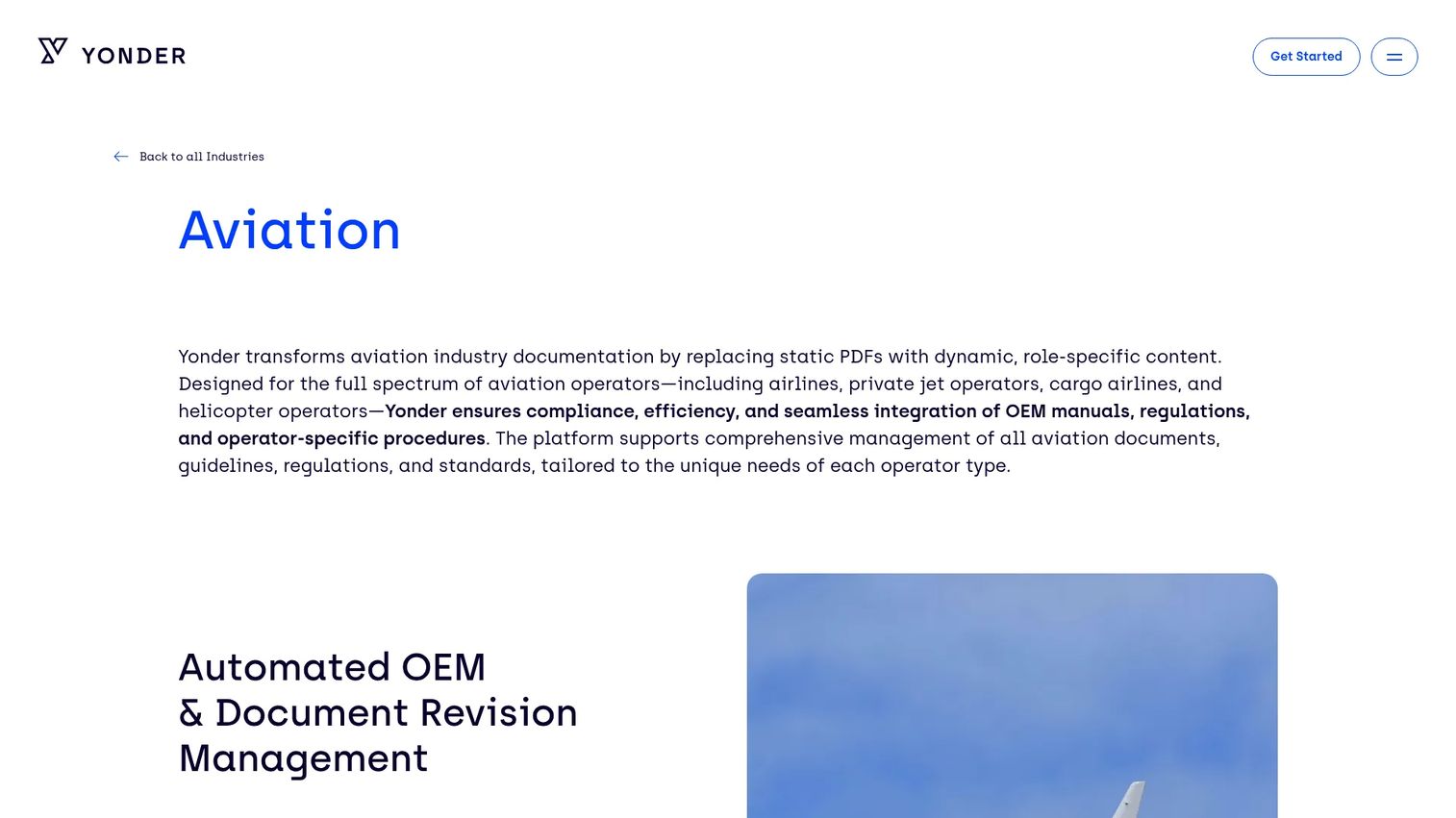
Yonder is a smart documentation platform that converts manuals and regulations into dynamic, role-specific content for aviation and other regulated industries. Where most authoring tools produce a static document, Yonder delivers content filtered by role, context, and query, so a captain and a dispatcher both access the same source but see only what is relevant to them. Pricing is based on aircraft tail count for aviation customers.
Best for: Aviation operators and regulated organizations with complex, frequently changing documentation who need frontline users to find the right information fast, not search through an entire manual.
Key features
- Automated OEM and document revision management
- Regulatory linking with automated change requests and compliance tracking
- Role-specific content delivery with powerful search and filters
- Offline access through iOS, Android, and Windows applications
- Integrated approval workflows, audit trails, and version history
Why choose Yonder: Yonder excels when the consumption problem is as significant as the authoring problem. If your crew or operations teams struggle to find the current procedure in a long document, Yonder's role-based delivery changes the access experience fundamentally. For teams focused primarily on authoring and approval workflows rather than structured content delivery, other tools in this list may fit better.
Yonder pricing: The Base Module includes 50 users, onboarding, document creation and editing, approval and publishing workflows, and online/offline viewing. Aviation pricing is based on aircraft tail count. Additional users and modules are quoted individually. Contact Yonder for specific figures.
G2 rating: 5.0/5 (based on 1 review; confirm current rating before shortlisting)
8. Flatirons Solutions

Flatirons Solutions provides aircraft technical publications software for MROs, airlines, aerospace manufacturers, and defense organizations. The platform manages technical content across S1000D, ATA iSpec 2200, PDFs, and service bulletins, with digital maintenance task cards that include electronic signoffs, photo capture, and PDF export. Workflow automation covers publication revisions and task-card execution with real-time analytics. See also our guide to aviation MRO software for related tooling context.
Best for: MROs, OEMs, airlines, and defense organizations managing regulated aircraft technical publications with S1000D or ATA iSpec 2200 structure requirements.
Key features
- Technical content viewing and management for S1000D and ATA iSpec 2200
- Digital maintenance task cards with electronic signoffs and photo capture
- Workflow automation with real-time analytics and audit trails
- Support for PDFs and service bulletins alongside structured formats
- Publication revision tracking and task-card execution management
Why choose Flatirons Solutions: Flatirons Solutions is purpose-built for aircraft technical publications. If your team publishes to S1000D or ATA iSpec 2200, and you need digital task-card execution connected to that content, Flatirons targets that specific workflow. General document management tools do not handle these standards natively.
Flatirons Solutions pricing: Pricing reflects standards support, content volume, integrations, and implementation scope. Contact Flatirons directly for a quote.
9. Veryon
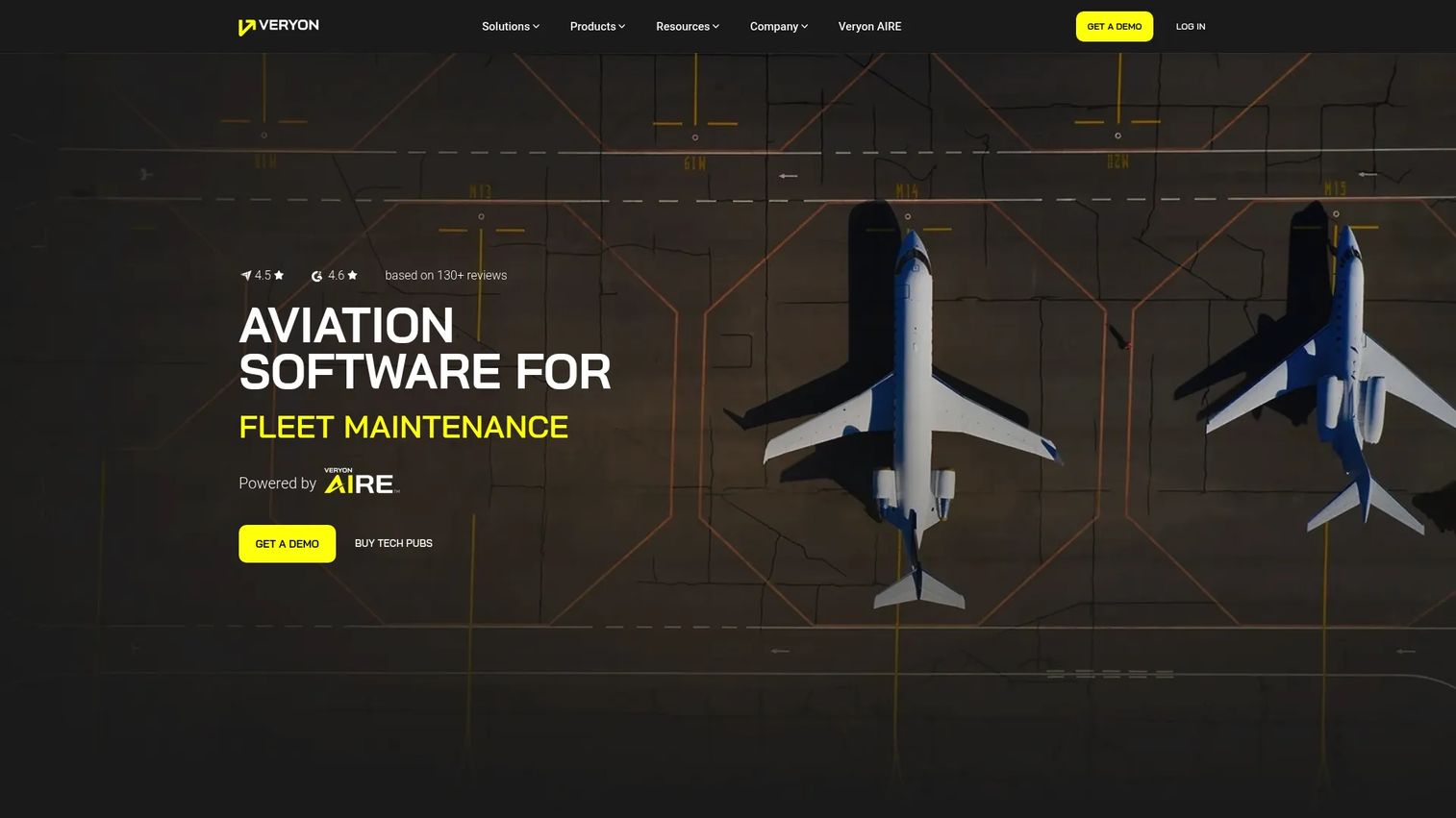
Veryon provides aviation maintenance and MRO management software for aircraft operators, MROs, OEMs, and service providers. The platform covers fleet maintenance tracking, compliance, inventory, MRO work orders, technical publications with mobile and offline access, and fleet reliability analytics. Its AI-powered defect analysis and guided troubleshooting bring documentation directly into the maintenance workflow rather than keeping it in a separate system.
Best for: Aviation organizations that need maintenance tracking, MRO workflows, and technical publications in one connected environment rather than separate tools for each function.
Key features
- Fleet maintenance tracking, compliance, and flight operations
- MRO work orders, parts management, labor, quoting, and billing
- Technical publications with mobile and offline access
- Fleet performance and reliability analytics
- AI-powered defect analysis and guided troubleshooting
Why choose Veryon: Veryon is broader than a documentation tool. Its differentiation is connecting technical publications to active maintenance workflows, so a technician accessing a task card and the maintenance record for that task live in the same system. If your team manages MRO operations and documentation separately today, Veryon addresses the integration gap.
Veryon pricing: Veryon Tracking pricing varies by aircraft make and model and includes an annual per-aircraft subscription plus a one-time enrollment fee. Request a quote directly.
G2 rating: 4.6/5
10. MadCap Flare
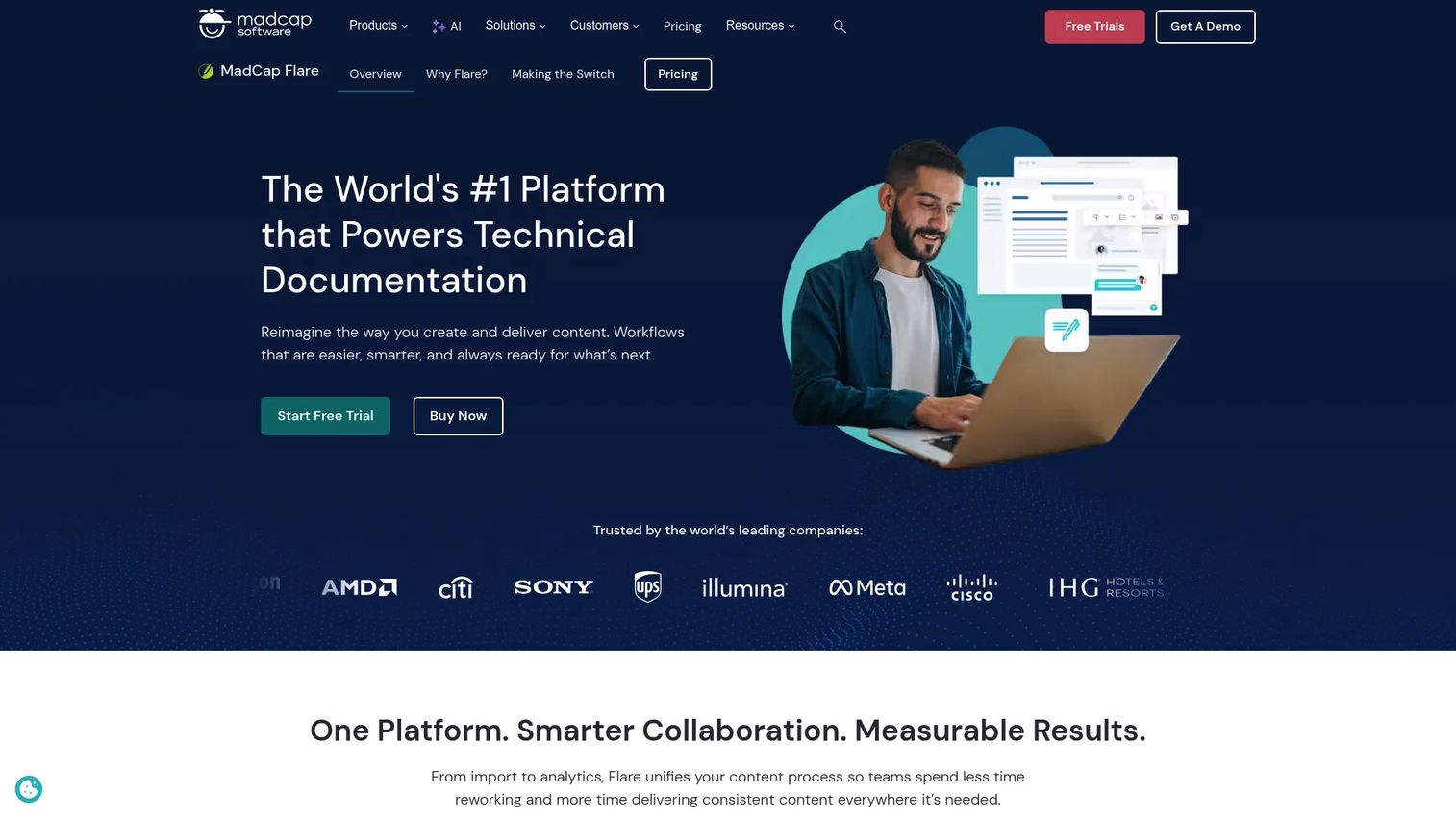
MadCap Flare is a mature technical documentation and authoring platform for teams creating single-source content published across web, print, online help, and training outputs. It is not aviation-native. Its value for aviation teams lies in flexible, topic-based authoring and multi-channel publishing for aviation software documentation, training content, and technical guides where structured output matters more than aviation-specific controlled distribution.
Best for: Technical documentation teams at aviation software companies, training content producers, and documentation groups that need flexible multi-channel publishing without aviation-native workflow requirements.
Key features
- Topic-based and micro-content authoring
- Single-source, multi-channel publishing across web, PDF, and help formats
- Content import from Word, Excel, Confluence, and DITA
- SCORM/xAPI-compatible eLearning creation
- Real-time browser-based collaboration and review via Flare Online
- Translation management and multilingual publishing
Why choose MadCap Flare: Flare fits teams that need production-grade publishing flexibility. Its aviation relevance is for documentation groups producing technical content that is not subject to aviation-specific controlled distribution requirements. Teams managing flight operations manuals or airworthiness records should evaluate aviation-native tools instead.
MadCap Flare pricing: Flare Desktop is $3,150 per author per year (annual billing). Flare Online plans (Individual, Team, Business) require contacting sales for pricing; annual billing and a 12-month commitment apply. No free tier; a free trial is available.
G2 rating: 4.4/5
11. MadCap IXIA CCMS
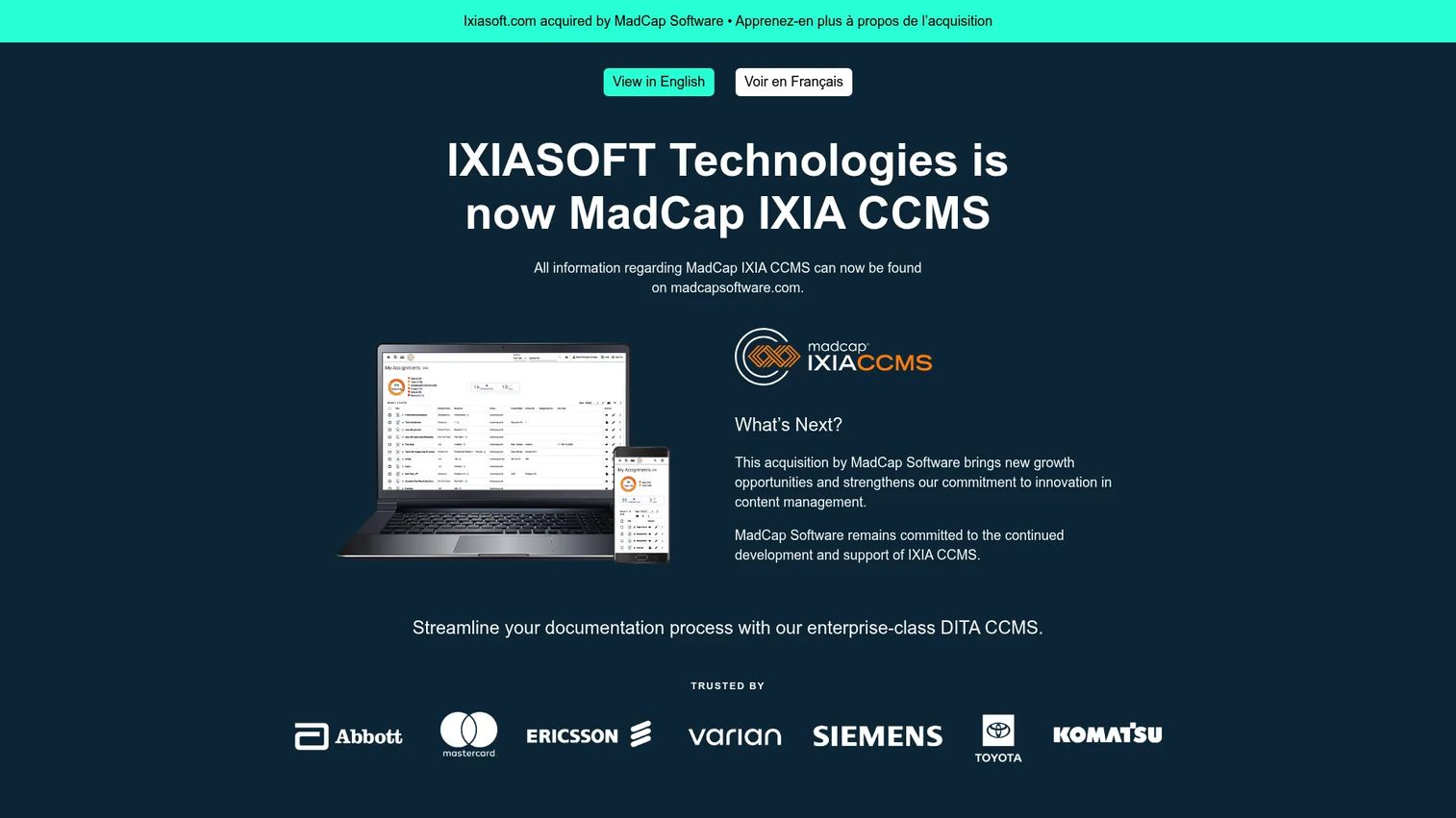
MadCap IXIA CCMS is an enterprise-class, DITA-compliant component content management system for teams creating, managing, reviewing, localizing, and publishing structured technical content at scale. For aviation teams with large modular documentation libraries, particularly OEMs and technical publications groups publishing to multiple outputs and markets, IXIA CCMS provides the governance, branching, and content reuse architecture that general authoring tools cannot match.
Best for: Enterprise technical documentation teams managing large, reusable, multilingual DITA content libraries with controlled publishing and localization workflows.
Key features
- Web-based DITA authoring, contribution, and collaborative review
- Configurable workflows, release management, branching, and content merging
- Integrated translation and localization management
- Taxonomy and semantic content management
- Content Level Security and audit trails
- Multi-channel publishing and system integrations
Why choose MadCap IXIA CCMS: IXIA CCMS fits teams with structured content maturity and large documentation libraries. If your team already uses DITA and is managing hundreds of reusable components across multiple publications and languages, this is built for that scale. It is not the right tool for operators who need flight manual revision control but have no structured authoring infrastructure in place.
MadCap IXIA CCMS pricing: Enterprise pricing is customized by user count and modules. Contact MadCap Software directly; there is no self-serve pricing on the IXIA CCMS pricing page.
12. DOCUFY GmbH
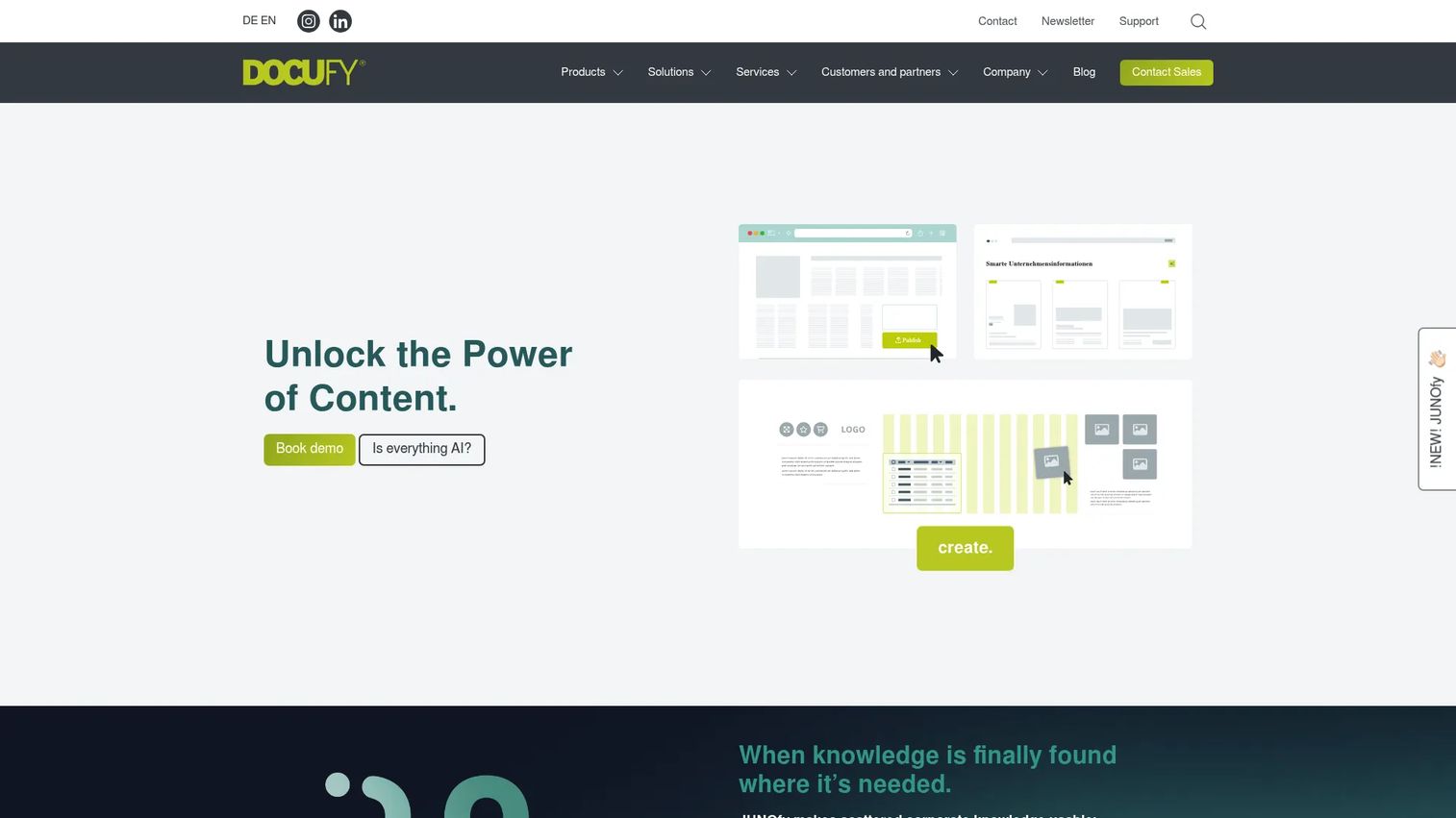
DOCUFY GmbH provides software for technical documentation, knowledge management, product lifecycle management, and machine-safety risk assessment. Its flagship authoring product, COSIMA, uses AI-supported XML editing for structured technical documentation, with flexible publication to PDF, web portals, and mobile applications. DOCUFY serves manufacturing and engineering organizations, making it relevant for aviation suppliers, component manufacturers, and engineering-heavy organizations that produce technical documentation under controlled conditions.
Best for: Manufacturing and engineering organizations in the aviation supply chain needing structured technical documentation, modular content reuse, and multi-channel publication.
Key features
- AI-supported XML editing and structured authoring with COSIMA
- Flexible publication to PDF, web portals, and mobile applications
- Context-based content delivery with search, filtering, and automatic updates
- Legally compliant machine-safety risk assessments
- CAD/CAx data quality management and analytics
Why choose DOCUFY: DOCUFY fits engineering-heavy aviation suppliers and manufacturers rather than airline operations teams. If your documentation requirement is technical product documentation for aircraft components or ground support equipment rather than crew-facing operational manuals, DOCUFY's structured authoring and PLM integration are relevant.
DOCUFY pricing: DOCUFY publicly lists a €2,950 fixed-price 90-day package for the CAx Quality Manager specifically. Pricing for COSIMA and other DOCUFY products requires contacting the company directly.
G2 rating: 5.0/5 (based on 1 review; verify current rating before shortlisting)
Considerations when choosing aviation authoring software
Match the tool to the document type
Flight operations manuals, aircraft technical publications, maintenance task cards, training material, and UAS documentation have different structure requirements, distribution audiences, and regulatory contexts. A platform optimized for crew manual distribution may not replace a structured CCMS for OEM publications. Define your primary document type before shortlisting, then eliminate tools that target a different document class.
Check revision control and approval evidence
The buyer's question during an audit is specific: Who changed this document, who approved it, and can you produce that evidence for the version active on a given date? Ask vendors to demonstrate version history, audit trails, electronic signatures, revision bars, and List of Effective Pages in a live walkthrough with your own test document. Answers that require manual reconstruction are a warning sign.
Validate standards support before signing
Do not assume that "structured authoring" means S1000D, DITA, XML, or ATA iSpec 2200 compliance. These standards have specific schema and output requirements. Ask vendors for documentation of their standards support and, if possible, run a sample conversion of your existing content through their import process before signing. For related guidance on structured content tools, see our roundup of audit management software and aviation compliance monitoring software.
Plan migration ownership before buying
Word documents, PDFs, and legacy manual content do not move cleanly into a new system without someone owning the migration. Identify who will clean metadata, map approval workflows, and test distribution with frontline users before the contract is signed. For a founder or executive framing this decision, migration risk is a leadership and implementation cost, not a vendor problem. Build it into the evaluation.
Test frontline access, not just authoring
A controlled manual only works if the right person sees the current version at the moment they need it. Test mobile access, offline availability, EFB compatibility, permission controls, and proof-of-access reporting before committing. The authoring workflow matters. The access workflow is where aviation documentation actually fails in practice.
Conclusion
The right aviation authoring software depends on what you are documenting and who needs to access it.
For flight operations manual control, Web Manuals is the most aviation-native starting point. Centrik fits operations teams that need documentation connected to safety management and quality workflows. Comply365 Productivity Suite targets airlines with large frontline distribution requirements. Flatirons Solutions serves MROs and OEMs managing S1000D or ATA iSpec 2200 technical publications. For aviation MRO software with broader maintenance tracking, Veryon connects technical publications to operational workflows.
On the structured content side, MadCap IXIA CCMS handles enterprise DITA libraries with governance and localization at scale. MadCap Flare fits flexible technical publishing for documentation teams without aviation-native requirements. DOCUFY serves engineering organizations in the aviation supply chain. TrustFlight and Yonder both address operations teams modernizing from paper and PDF, with TrustFlight emphasizing connected safety intelligence and Yonder emphasizing role-specific content delivery.
One practical next step: Shortlist tools by document type first, then run one controlled manual through authoring, approval, publishing, and distribution before signing. That single test will surface access control gaps, approval workflow friction, and distribution evidence limitations faster than any sales demo.
Start your journey with Guideflow today!
FAQs
Aviation authoring software is a category of tools that helps aviation teams create, revise, approve, publish, and distribute controlled operational and technical documentation. It covers flight operations manuals, maintenance and technical publications, compliance manuals, training content, and UAS operational documentation. Unlike general document editors, aviation authoring tools include revision control, approval workflows, audit trails, and controlled distribution designed for regulated aviation environments.
Authoring software focuses on creating and revising controlled content, with revision tracking, approval workflows, and structured editing as core capabilities. Document management focuses on storage, permissions, distribution, and lifecycle control. The distinction blurs in practice because most aviation-native platforms combine both. The question to ask a vendor is whether the tool covers the authoring and revision workflow, the distribution and access workflow, or both.
Web Manuals is the most purpose-built option for flight operations manual authoring and controlled distribution. Centrik, Comply365 Productivity Suite, TrustFlight (Smart Documents), and eDocs-Aero also cover flight operations documentation, with different emphases on safety system integration, frontline distribution, and digital workflow connectivity. The best fit depends on whether your priority is authoring controls, distribution evidence, or connection to a broader compliance platform.
Support varies significantly by tool and market. Technical publication platforms like Flatirons Solutions and CCMS platforms like MadCap IXIA CCMS are built for S1000D, ATA iSpec 2200, and DITA workflows. Operations-manual tools like Web Manuals, Centrik, and Comply365 are not structured around these standards. DOCUFY supports XML-based structured authoring relevant to technical publications. Verify standards support during evaluation by asking for a sample conversion of your own content, not just a feature checklist.
It can help teams maintain the evidence auditors ask for, specifically revision history, approval records, distribution logs, and access documentation. A platform with immutable audit trails, electronic signatures, and proof-of-receipt acknowledgment gives your team a clear answer to "who approved this version and who received it?" No software guarantees compliance. What it does is make the evidence easier to produce and harder to lose.
UAS documentation commonly includes CONOPS, operational risk assessments, emergency procedures, ground control station documentation, maintenance instructions, training content, and checklist control. The key requirements are revision control, approval workflows, and controlled distribution to operators and regulators. Teams using AI to assist with drafting these documents need to verify that human review and approval workflows are in place before any AI-generated content enters the controlled document set.
For producing technical content, possibly. For managing controlled aviation documentation with the revision control, approval evidence, distribution tracking, and audit trail that regulators expect, usually not. General tools like MadCap Flare are strong for technical publishing but lack aviation-native features such as automated List of Effective Pages, read-and-sign acknowledgment, and EFB-compatible distribution. The right answer depends on your document risk level and whether the content is crew-facing, maintenance-facing, or for internal reference.
Start with one high-value manual rather than moving the entire library at once. Define an internal owner for the migration, clean metadata and structure before import, map your existing approval process to the new workflow, and test distribution with a small group of frontline users before full rollout. The most common migration failure is treating the tool deployment as a technical project rather than a documentation ownership change. Someone has to own every document in the new system before the old files are retired.