You inspected 14 hives last Saturday. By Wednesday, you can't remember which two were queenless, which one you flagged for mites, and whether you already fed the split at the far apiary.
That gap is the actual problem. Not a lack of effort. A lack of retrieval. Paper logs get wet, spreadsheets never sync to the field, and scattered phone notes fall apart the moment you manage more than a handful of colonies.
The market has noticed. The global apiary management software market was valued at $0.3 billion in 2025 and is projected to reach $0.65 billion by 2034, growing at a 9.5% CAGR, according to MarketIntelo (2025). Cloud-based tools already account for 68.3% of usage by revenue, which tells you where beekeepers want their records: accessible from anywhere, not locked in a notebook at home.
So the question isn't whether to move off paper. It's which tool fits how you actually work in the field.
What's inside
This guide compares four beekeeping software tools that are real, category-relevant, and currently maintained. No filler brands.
We chose and ranked them against the criteria that matter once you're standing in front of an open hive:
- Record keeping and inspection history: can you pull up a colony's full timeline in seconds?
- Mobile and field use: does it work on your phone, and does it work with no signal?
- Analytics and reporting: can you spot trends and export what you need?
- Collaboration: can helpers or partners log inspections across apiaries?
The most operationally complete tool is listed first. The rest follow based on how well they fit specific workflows.
TL;DR
- Best for full apiary management and cross-platform record keeping: ApiManager. Apiaries, hives, inspections, tasks, harvests, finances, and offline mode across every device.
- Best for beginners who want learning built in: Apiary Book. QR and NFC tagging, voice logging, plus an academy and mentorship angle.
- Best for field data plus deeper analysis: HiveTracks. Free mobile inspections paired with desktop analytics and biodiversity tracking.
- Best for hive hardware plus software in one place: HiveiQ. Free hobbyist tier with forage insights, aimed at people buying hives and software together.
- Decision shortcut: hobbyists with a few hives should start free; anyone managing multiple yards or helpers should prioritize offline mode and shared access.
What is beekeeping software
Beekeeping software is a digital tool that lets beekeepers record and manage apiaries, hives, inspections, tasks, harvests, and colony health data in one place, usually across web and mobile devices.
It replaces the paper log and the spreadsheet with a structured record you can search, sort, and act on. The core jobs it handles:
- Hive and apiary records: create a profile for every colony and every yard, with location, queen source, and equipment notes.
- Inspection logs: capture what you saw on each visit (brood pattern, stores, temperament, disease signs) and keep the full history attached to the hive.
- Harvest tracking: log honey pulls, weights, and dates per hive or per apiary.
- Tasks and reminders: schedule feeding, treatment, and follow-up so nothing slips between visits.
- Analytics and reporting: surface trends across colonies and export data for records or tax purposes.
- Mobile and offline access: log inspections in the field, with or without signal, and sync when you're back online.
Adoption is still early, which is part of why the category is worth understanding now. Roughly 22% of global commercial beekeeping operations and 8% of hobbyist beekeepers had adopted digital apiary management software by 2026, per MarketIntelo. That leaves a lot of beekeepers still fighting the retrieval problem by hand.
When to use beekeeping software
Replace paper logs and spreadsheets
Manual tracking works fine at three hives. It breaks somewhere between ten and twenty, when you can no longer hold the state of every colony in your head.
The signal is retrieval speed. If it takes you longer than a few seconds to answer "when did I last treat hive 7?", the notebook has become a liability. Software fixes consistency too: every inspection follows the same structure, so you're not deciphering your own shorthand from three months ago.
Track inspections and hive history in one place
A single inspection means little on its own. Value comes from the sequence. Was the brood pattern improving or declining? Is this colony trending toward a swarm? Did the mite count drop after treatment?
Software keeps every visit attached to the hive, so each new inspection sits in context. That history also drives follow-up: you flag an issue on one visit and the tool reminds you to check it on the next.
Improve field work and team coordination
If you run more than one apiary, or work with a partner or helper, coordination becomes its own job. Who inspected the north yard? Was the split fed?
Mobile access with offline mode matters here because cell coverage in rural apiaries is unreliable. You log in the field, the data syncs later. Shared access and permissions let a team keep one clean record instead of four conflicting ones.
Comparison table
Here's the side-by-side. The tools are ranked by fit for full apiary management and record keeping, the jobs most beekeepers are actually trying to solve.
| # | Product | Best for | Key use case | Pricing | Rating |
|---|---|---|---|---|---|
| 1 | ApiManager | Full apiary management across devices | Apiaries, hives, inspections, tasks, harvests, finances, offline mode | Free plan; paid from $14.99/year | Not available |
| 2 | Apiary Book | Beginners who want education built in | Record keeping, QR/NFC tags, voice logging, academy | Free plan; paid from about €3.33/month | 4.3/5 |
| 3 | HiveTracks | Field capture plus desktop analysis | Mobile inspections, hive history, biodiversity tracking | Free mobile app; Pro from $6.99/month | Not available |
| 4 | HiveiQ | Hive hardware plus software together | Beekeeping management with forage/flora insights | Free hobbyist plan; paid subscription for more | Not available |
Best beekeeping software tools for 2026
1. ApiManager
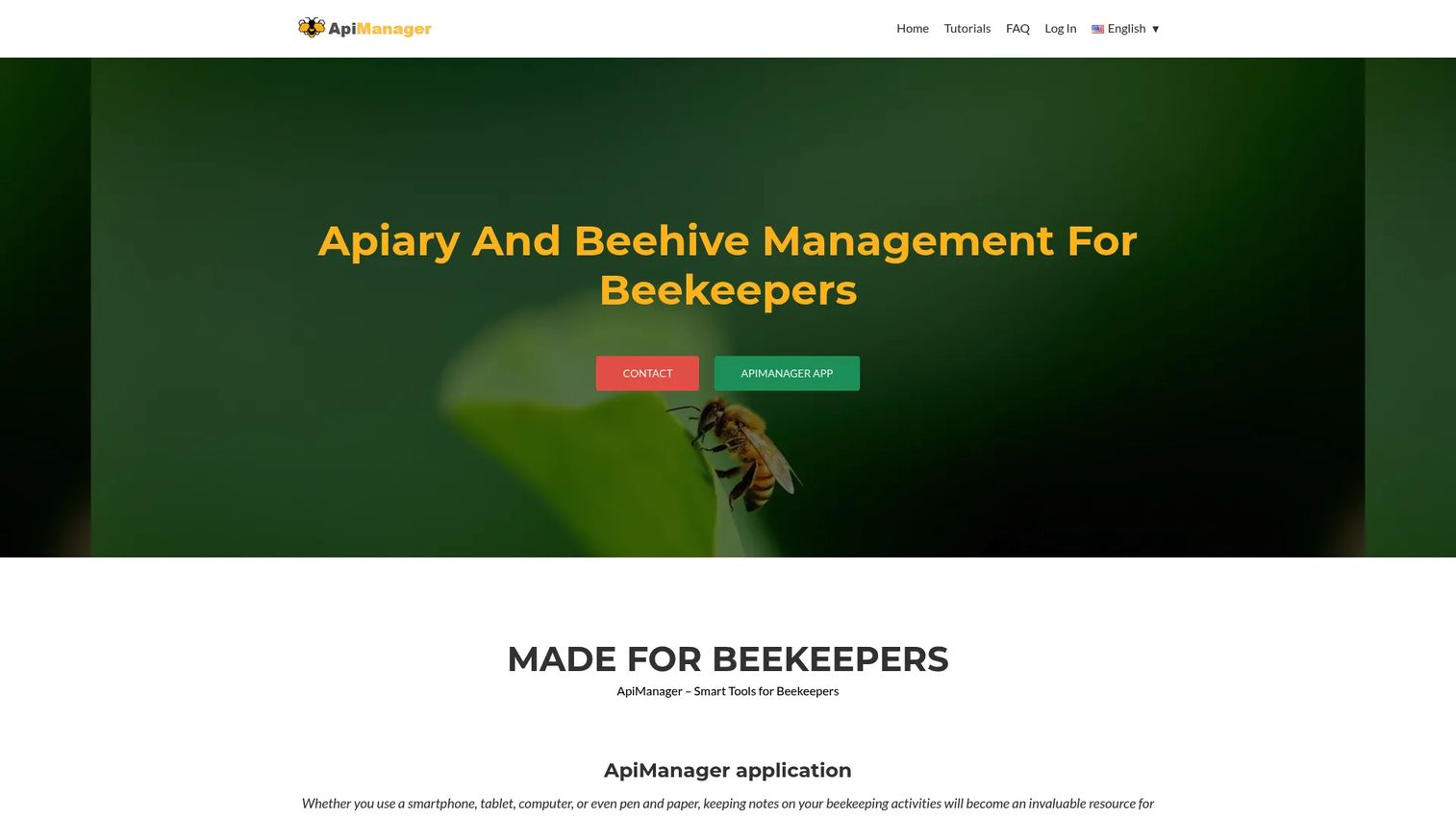
ApiManager is the densest record-keeping tool in this roundup. It covers apiaries, hives, inspections, tasks, harvests, finances, and reports, and it syncs across web, iOS, Android, Mac, and Windows. If you want one system that holds every operational detail of your beekeeping, this is the one built for that.
The finances module sets it apart. Most beekeeping apps stop at colony health. ApiManager lets you track costs and returns alongside your hive records, which matters the moment beekeeping stops being purely a hobby.
Best for: beekeepers who want a cross-platform tool that captures the full operation, from inspections to harvests to finances.
Key strengths
- Apiaries and hive management in one structured system
- Inspections, tasks, harvests, and finances tracking
- Cloud sync across web, iOS, Android, Mac, and Windows
- Offline mode for logging in the field
- All features included on every plan, including free
Why choose ApiManager: it's the pick for operators who want depth without paywalling core features. Every plan includes the full feature set; the only thing that changes across tiers is how many hives you can manage. That structure rewards people who want to start small and scale without losing tools.
ApiManager pricing: the Free plan covers up to 20 hives at $0 per year. Paid plans are billed annually: Basic at $14.99/year (up to 50 hives), Standard at $30.99/year (up to 100 hives), and Premium at $64.99/year (up to 10,000 hives). Every plan includes all features.
2. Apiary Book
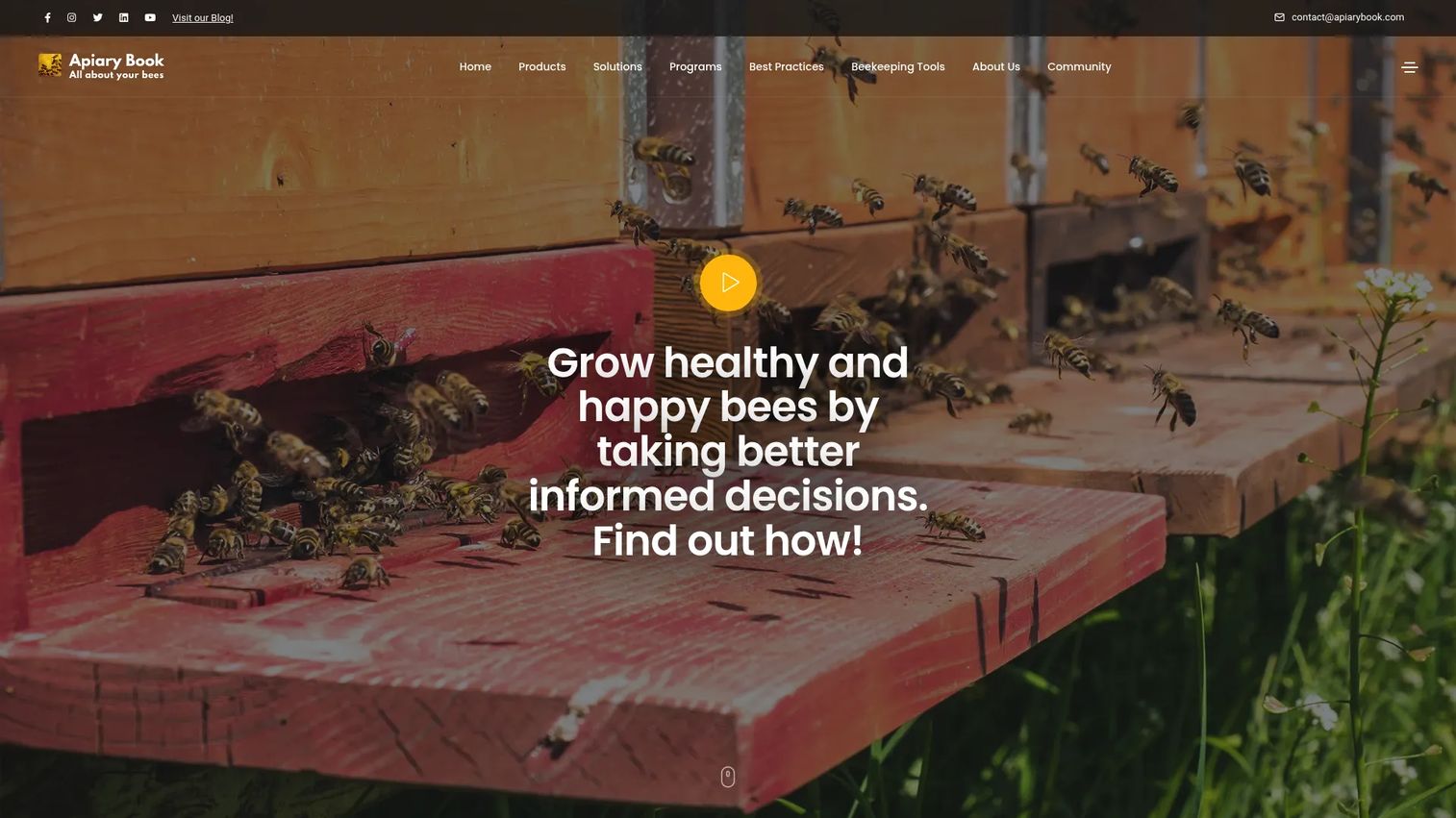
Apiary Book pairs apiary management with an education-heavy approach. It runs on web, Android, and iOS, and it leans into learning through an academy, mentorship framing, and an active community alongside the core record keeping. For a beginner, that combination shortens the gap between "I bought a hive" and "I know what I'm looking at."
Its standout field features are QR code and NFC hive tagging plus a voice assistant. Tag a hive, tap your phone to it, and log an inspection hands-free while you're still holding a frame. That's a real workflow win when both hands are busy.
Best for: new and hobbyist beekeepers who want an app to track apiaries, hives, and field tasks while they're still learning the craft.
Key strengths
- QR code and NFC hive tagging for fast field identification
- Voice assistant for hands-free logging
- Multi-device access with cloud backup and reporting
- Academy and mentorship content for beginners
Why choose Apiary Book: it fits beekeepers who value learning support as much as record keeping. The QR and voice features also make it a strong choice for anyone who finds typing in the field awkward, which is most people wearing gloves.
Apiary Book pricing: there's a free Core features plan. The most popular paid plan runs €80 for one year (shown as roughly €6.66/month), and an Extra features option is available at €50 for six months. Pricing is displayed in euros on the first-party site.
3. HiveTracks
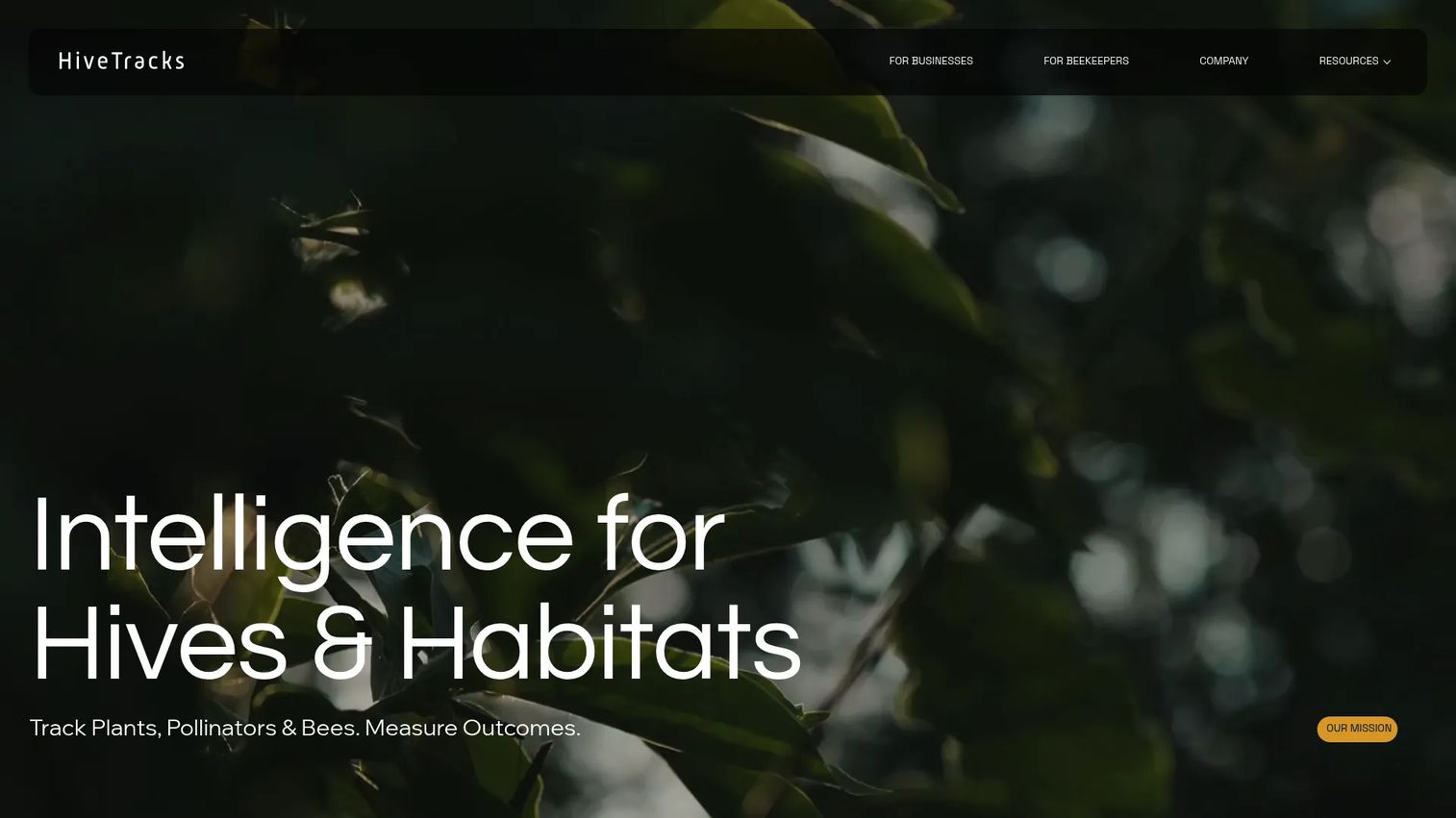
HiveTracks splits its work between a free mobile app for field capture and a desktop Pro tier for analysis. You run inspections and build hive history on your phone, then move to the desktop for seasonal trends, exports, and deeper reporting. That division suits beekeepers who want quick logging in the yard and real analysis at the kitchen table.
Its distinct angle is biodiversity monitoring. HiveTracks captures geo-stamped and time-stamped field data, which extends its use beyond hive health into habitat and environmental tracking. If you care about forage conditions and the land around your bees, not just the colonies themselves, that lens is useful.
Best for: beekeepers and biodiversity teams who need mobile field capture plus desktop-grade analysis.
Key strengths
- Mobile hive inspections with full hive history
- Desktop Pro analytics with seasonal trends and exports
- Biodiversity monitoring via geo and time-stamped data
- Free mobile app to start with no commitment
Why choose HiveTracks: it's the fit for people who want more than a logbook. The environmental measurement angle is genuinely different from the pure hive-management tools, and the free mobile app lets you test the field workflow before paying for analytics.
HiveTracks pricing: the mobile app is free. The desktop Pro plan starts at $6.99/month or $69.99/year, with a 30-day free trial.
4. HiveiQ
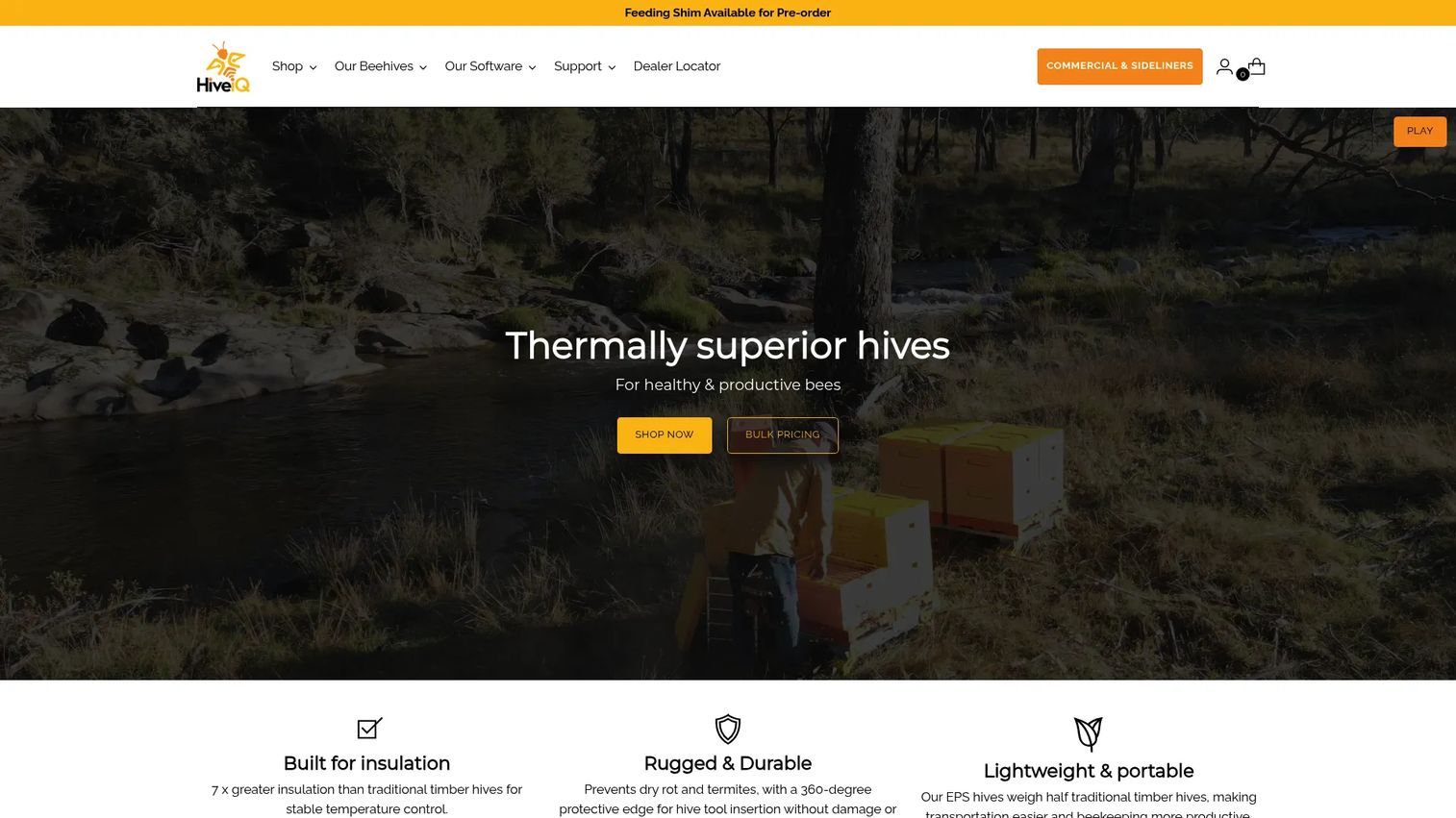
HiveiQ approaches the category from a different direction: it sells beehive hardware and accessories alongside its Clover management software. If you're buying hives and want the record-keeping tool to come from the same place, that bundling is the draw. The software handles apiary management and adds a Flora module with flowering and forage insights.
That forage lens ties software back to the physical operation. Knowing what's blooming and when helps you time feeding and harvests, and it pairs naturally with hardware built by the same team.
Best for: beekeepers or apiaries who want physical hive products and management software from one provider.
Key strengths
- Beehive products and accessories alongside software
- HiveiQ Clover software for beekeeping management
- Flora module with flowering and forage insights
- Free forever hobbyist plan
Why choose HiveiQ: it's the lighter-weight pick, and the hardware-plus-software model is its real differentiator. If you're setting up hives from scratch and want fewer separate vendors, keeping equipment and records under one roof simplifies the whole setup.
HiveiQ pricing: the Hobbyist plan is free forever. A paid subscription is required once you manage more than 20 hives or need additional features. The software page does not list a numeric subscription price.
Considerations before you choose
Picking beekeeping software isn't about the longest feature list. It's about fit with how you actually work. Run through these before you commit.
Offline mode
Rural apiaries rarely have reliable signal. If you can't log an inspection without a connection, you'll end up back on paper for the visits that matter most. Confirm the app captures data offline and syncs later, not just that it "works on mobile."
Record depth versus simplicity
More fields aren't always better. A beginner with four hives may want fast logging over a finance module they'll never open. A commercial operator needs the depth. Match the tool to your scale, and remember you can outgrow a tool as easily as you can outgrow a notebook.
Export and data ownership
Your records are the point. Check that you can export inspections, harvests, and history in a usable format. If the data is trapped, switching tools later becomes painful and your years of history are hostage to one vendor.
Collaboration and permissions
If anyone else touches your hives, a helper, a partner, a mentee, you need shared access with clear permissions. One clean shared record beats four conflicting ones. Verify how many users a plan supports before you buy.
Total cost at your hive count
Most tools here gate by hive count, not features. Map your current colonies and your realistic growth against each tier. The free plan that covers 20 hives today may need an upgrade next spring.
Conclusion
The right beekeeping software depends entirely on how you work, not on which tool has the most features.
If you want full apiary management with finances and cross-platform record keeping, ApiManager is the most complete pick. If you're new and want learning built into the app, Apiary Book pairs record keeping with an academy and hands-free voice logging. If you want field capture plus deeper desktop analysis and a habitat lens, HiveTracks fits. And if you're buying hives and want software from the same provider, HiveiQ keeps hardware and records together.
Start with the free tier of whichever tool matches your workflow. Log a week of real inspections in the field, offline, and see whether retrieval actually feels faster. That first week tells you more than any feature comparison. Choose based on the workflow, not the spec sheet.
FAQs
For beginners, prioritize simplicity, mobile access, and learning support over feature depth. Apiary Book fits this well because it combines straightforward record keeping with an academy, mentorship framing, and hands-free voice logging. A free tier also lets you learn the habit of logging before committing money.
Many do, and offline mode matters more than most buyers expect. Rural apiaries often have weak or no signal, so the app needs to capture inspections locally and sync once you're back online. ApiManager includes offline mode, and HiveTracks is built for mobile field capture. Always confirm offline behavior before you rely on it in the yard.
Yes, this is the core use case. Every tool in this guide keeps inspections attached to individual hives, so each visit sits inside the colony's full timeline. That history is what makes the software useful: you can see whether a brood pattern is improving, whether treatment worked, or whether a colony is trending toward a swarm.
For small apiaries and hobbyists, look for a tool that balances easy logging with a free or low-cost tier. ApiManager's free plan covers up to 20 hives with all features included, and HiveiQ's Hobbyist plan is free forever. Both let you keep clean records without paying until your operation grows.
Professional operations benefit most from collaboration, exports, and analytics. Shared access lets a team log inspections across multiple yards into one record, exports support tax and compliance needs, and analytics surface trends across many colonies. ApiManager's finances module and HiveTracks' desktop analytics both speak to operators running beekeeping as a business.
Focus on inspection logs, tasks and reminders, harvest tracking, and notes, all attached to individual hives. Then check mobile use with offline mode, analytics or reporting, and reliable data backup and export. If you work with others, add shared access and permissions to the list. These cover the operational core of any working apiary.
It helps indirectly, as a decision-support and record-keeping aid rather than a cure. By keeping consistent inspection history and reminding you to follow up on flagged issues like mite loads or queen problems, the software makes it easier to catch trouble early. The bees still depend on your judgment; the software just makes sure the right information is in front of you when you need it.