

Venue management software centralizes booking calendars, client communication, invoicing, and staff coordination into one system so event spaces stop losing leads to spreadsheet chaos. The alternative is double-bookings, missed follow-ups, and hours spent chasing updates across email threads.
This guide breaks down what venue management software actually does, when different venue types benefit most, and ranks 8 platforms with pricing and use cases to help you find the right fit.
What's inside
This guide covers what venue management software actually does, the core features to evaluate, and when different venue types benefit most from specific platforms. You'll find a ranked list of 8 tools with pricing, G2 ratings, and use case breakdowns. Our selection was based on venue type specialization, feature depth, integration capabilities, and real-world adoption by event spaces.
TL;DR
- Venue management software centralizes booking calendars, client communication, invoicing, and staff coordination for event spaces of all sizes.
- Best for large venues: Momentus handles stadiums, convention centers, and universities with enterprise-grade portfolio management.
- Best for hospitality: Event Temple and Tripleseat serve hotels, restaurants, and wedding venues with hospitality-specific workflows.
- Best for small to mid-size venues: Releventful and Planning Pod offer comprehensive toolsets without enterprise complexity.
- Key selection factor: Match the platform's specialization to your venue type. A theater has different needs than a convention center or hotel ballroom.
What is venue management software
Venue management software is a category of platforms - part of a $15.2 billion market in 2026 - that help event spaces, theaters, arenas, and hospitality venues manage operations in one system. It replaces spreadsheets and disconnected tools by centralizing booking calendars, client communication, invoicing, staff scheduling, and event logistics.
The core problem it solves? Double-bookings, lost leads, and the chaos of coordinating catering, AV, and staffing across multiple events happening at the same time. Without a centralized system, venue teams spend hours chasing updates across email threads, spreadsheets, and sticky notes.
- Booking management: Prevents double-booking with real-time calendar visibility across multiple rooms or spaces.
- Lead and client tracking: Follows inquiries from first contact to final payment, functioning as a venue CRM.
- Event logistics: Coordinates catering, AV requirements, room setup, and staffing assignments.
- Financial operations: Automates contracts, invoicing, and payment processing with accounting integrations.
Key features of event venue management software
Venue booking and calendar management
Real-time calendar systems show availability across multiple rooms or spaces, preventing conflicts and identifying open inventory. Many platforms allow clients to view availability and request holds through web-based booking portals. This visibility alone can save hours of back-and-forth emails.
Client communication and venue CRM
Venue CRM tracks every interaction from inquiry to post-event follow-up. It replaces scattered emails and texts with automated email sequences, proposal delivery, and centralized communication threads. You can see the full history of a client relationship in one place.
Staff scheduling and resource allocation
Staff scheduling tools assign team members to events, track labor hours, and manage equipment or inventory. Venue operation software coordinates bartenders, servers, AV techs, and security across simultaneous events. The goal is knowing who's working what event without a whiteboard covered in sticky notes.
Payment processing and contract management
Payment and contract features automate contract generation, e-signatures, deposit schedules, and payment collection. Most platforms handle split payments, retainers, and final invoices. Integration with accounting tools like QuickBooks and Xero keeps financial data synchronized.
Floor planning and event design
Visual layout tools create 2D or 3D room configurations, allowing clients to see table arrangements, seating capacity, and equipment placement before signing contracts. This feature often closes deals faster because clients can visualize their event.
Analytics and revenue reporting
Dashboards show booking trends, revenue by event type, space utilization, and lead conversion. Reports help identify peak periods and underutilized inventory so you can adjust pricing or marketing accordingly.
When to use venue management software
Wedding venues and private event spaces
Wedding venues and private event spaces benefit from strong CRM and visual floor planning. The focus is on proposal management, client communication portals, BEO (banquet event order) generation, and vendor coordination. Wedding clients - 72% of whom used digital planning tools in 2025 - expect a polished, responsive experience from first inquiry to final walkthrough.
Hotels and conference centers
Hotels coordinate sleeping rooms with event space bookings, which adds complexity. Multi-room booking, group sales management, catering integration, and PMS (property management system) connections become essential. The sales team often juggles corporate events, weddings, and conferences simultaneously.
Stadiums and entertainment venues
Concert management software handles ticketing integration, artist contract management, production schedules, and large-scale staffing. Entertainment venues deal with unique challenges like rider requirements, load-in schedules, and security coordination that general-purpose tools don't handle well.
Corporate facilities and universities
Internal booking workflows, departmental chargebacks, recurring reservations, and resource request forms matter most here. Corporate and university venues often have multiple stakeholders requesting the same spaces, so approval workflows and conflict resolution become critical.
Comparison of top venue management platforms
1. Momentus
Momentus is the enterprise-grade event and venue management software for large venues like stadiums, arenas, convention centers, and universities. It offers different tiers including Momentus Enterprise and Momentus Elite, providing advanced event production capabilities and analytics that smaller platforms can't match.
The platform excels at managing complex, multi-venue portfolios where you're coordinating dozens of spaces across multiple buildings or campuses. If you're running a convention center with 50+ bookable spaces and hundreds of events per month, this is the category of tool you're evaluating.
Key strengths
- Multi-venue portfolio management with centralized reporting
- Advanced space optimization and scheduling algorithms
- Real-time event analytics dashboards for utilization tracking
- Integration with ticketing, catering, and production systems
Best for: Convention centers, universities, stadiums, and venue portfolios with complex operations.
Pricing: Custom quote based on venue size and requirements.
G2 Rating: 4.3/5
2. Event Temple
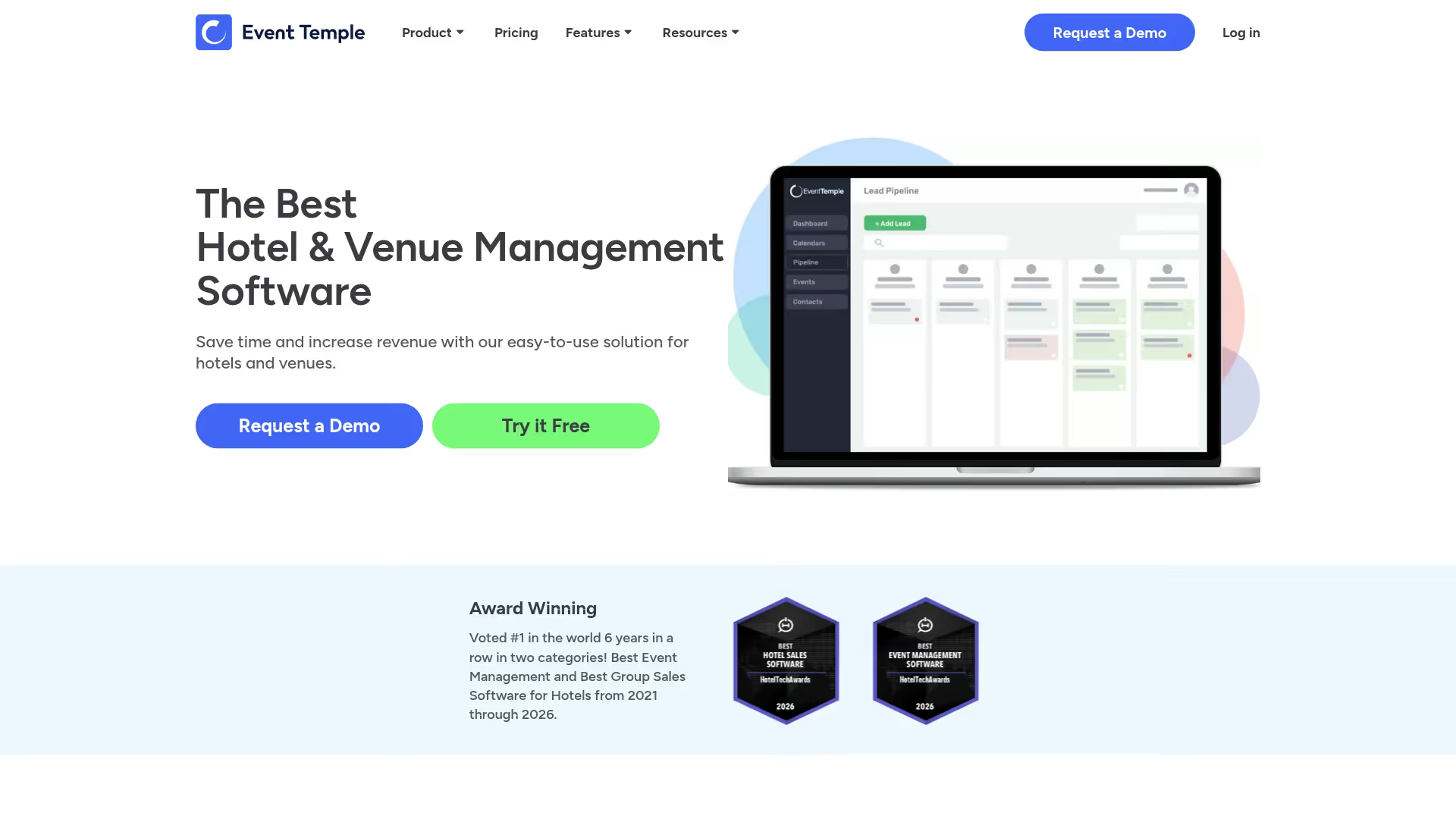
Event Temple positions itself as the best hotel venue management software, focusing on hotels, wedding venues, clubs, and conference centers. It uses a cloud-based approach with strong emphasis on group sales workflows and hospitality-specific features that general venue software often lacks.
The platform understands that hotel event sales teams work differently than standalone venue operators. You're often coordinating room blocks, F&B minimums, and group contracts alongside event space bookings.
Key strengths
- Advanced lead management and pipeline tracking for group sales
- Automated proposal and contract generation with e-signatures
- Detailed BEO (Banquet Event Order) creation and management
- Integrations with leading hotel Property Management Systems
Best for: Hotels, resorts, and conference centers with group sales operations.
Pricing: Custom quote.
G2 Rating: 4.6/5
3. Releventful
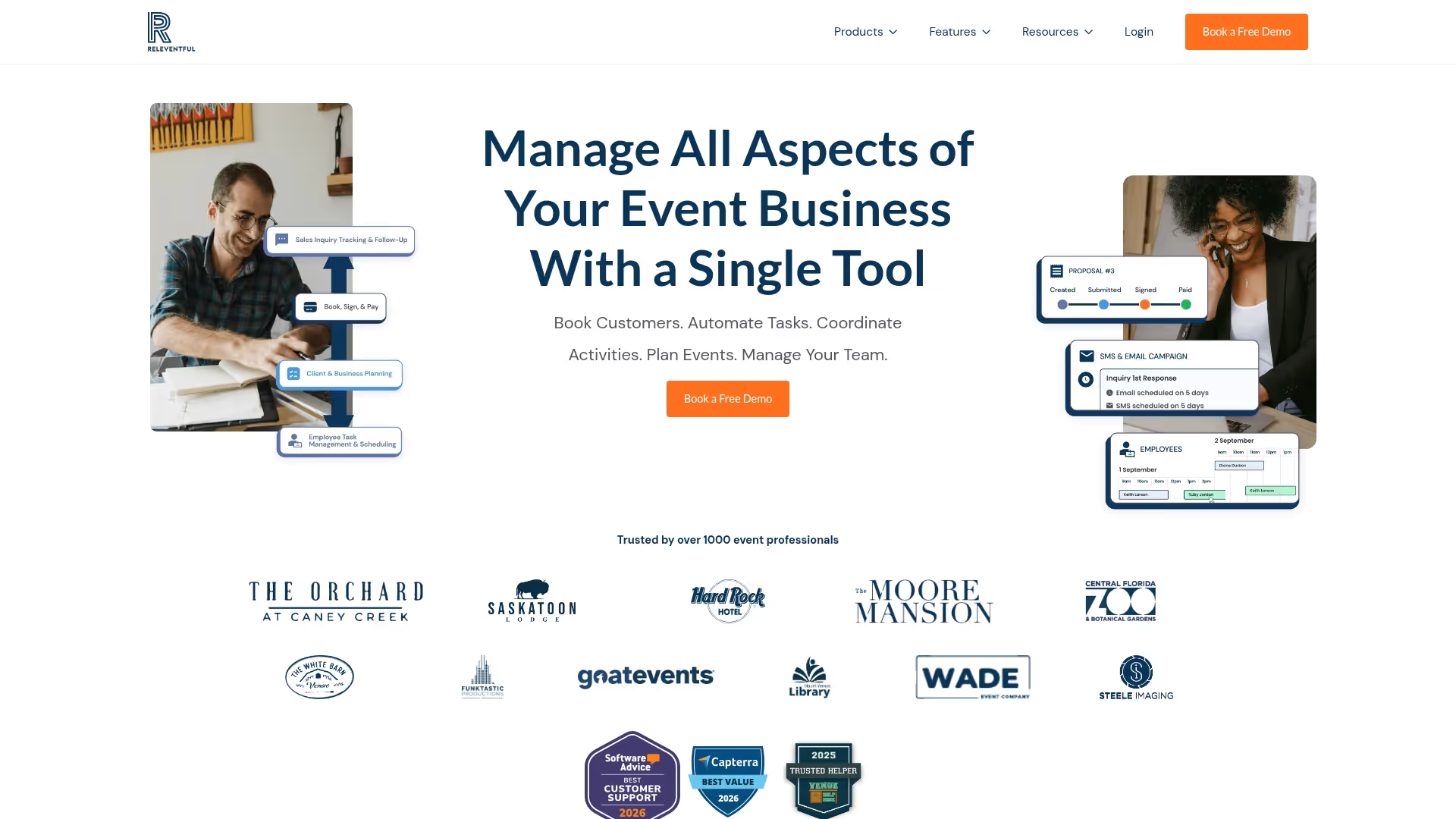
Releventful is a venue-first system combining sales, payments, communication, and planning with a focus on wedding venues and private event spaces. It features native payment processing built specifically for venues and two-way SMS communication that keeps clients engaged throughout the booking process.
What sets Releventful apart is the attention to the client experience. Wedding clients expect quick responses and a polished process. Releventful's automation handles much of that communication automatically.
Key strengths
- Booking automation with automated proposals and contracts
- Staff scheduling and task management for event day
- Inventory management for rentals and add-ons
- Two-way SMS for real-time client communication
Best for: Wedding venues, private event spaces, and smaller hospitality venues.
Pricing: From $99/month.
G2 Rating: 4.9/5
4. EventPro
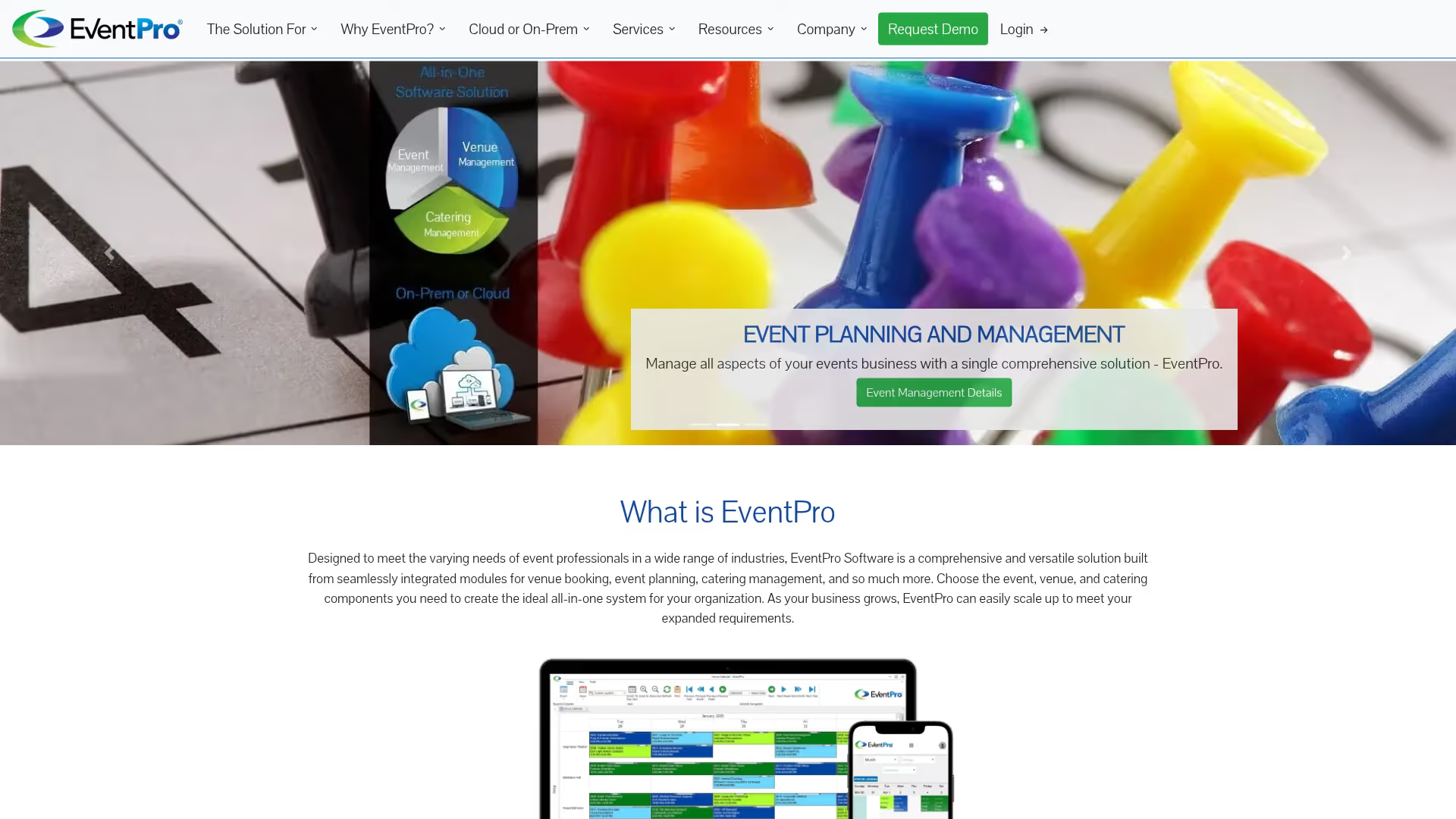
EventPro is a comprehensive venue management system with a modular approach, offering separate modules for venue booking, event planning, and catering management. It's available with both desktop and cloud deployment options, which matters for organizations with specific IT requirements.
The modular design means you can start with core booking functionality and add catering, resource management, or CRM modules as your operation grows. This flexibility appeals to venues that don't want to pay for features they won't use.
Key strengths
- Integrated CRM for client and lead management
- Customizable reporting and analytics
- Detailed resource and equipment scheduling
- Flexible deployment options (cloud or on-premise)
Best for: Diverse venue types that want modular, customizable software.
Pricing: Custom quote.
G2 Rating: 4.2/5
5. Tripleseat
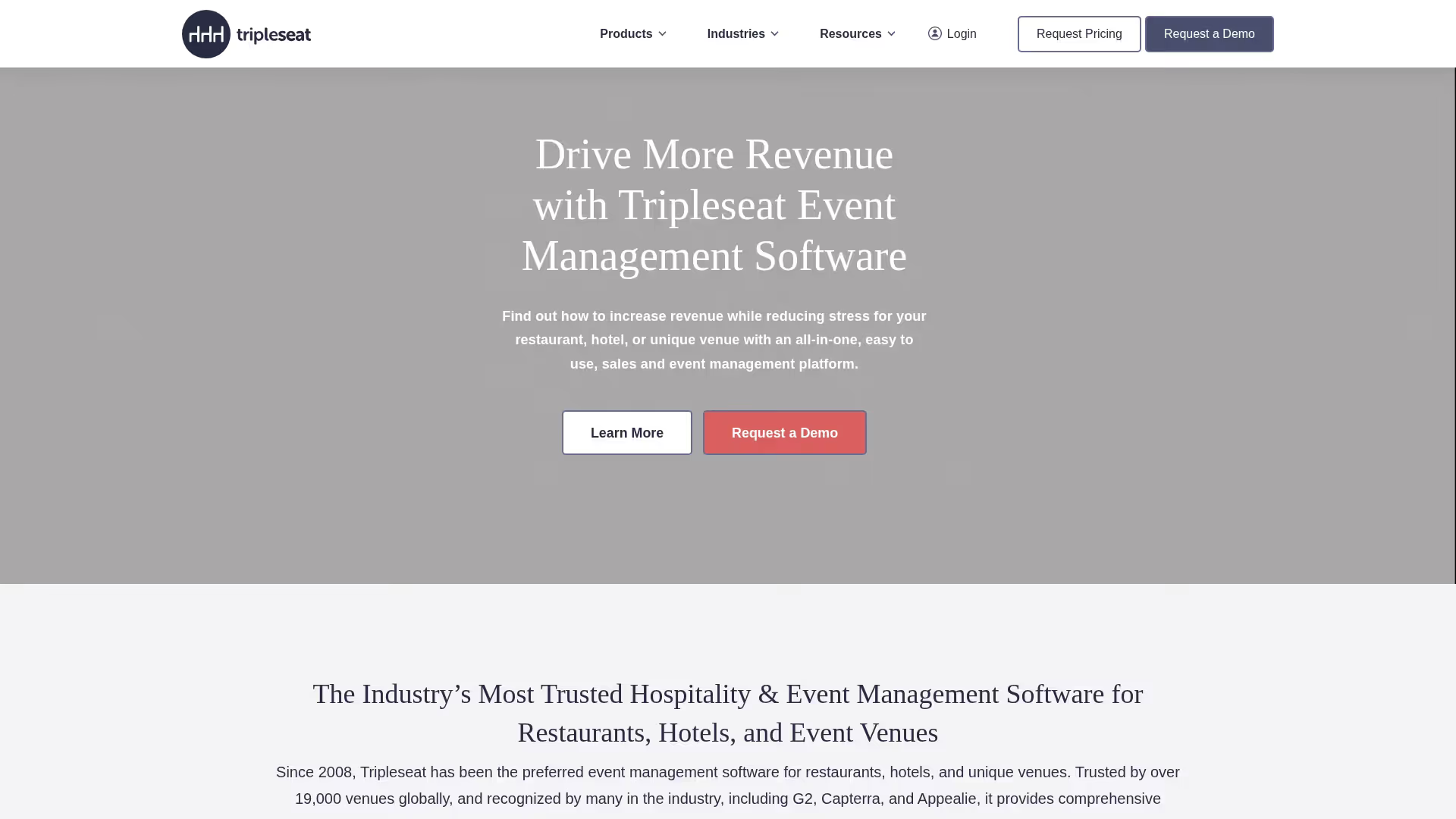
Tripleseat is a hospitality event management solution for restaurants, hotels, and unique venues, focused on driving event revenue and managing private dining. Its venue sales software capabilities streamline the booking process for high-volume operations.
Restaurants and hotels with private dining programs face unique challenges. Tripleseat understands that you might book 20 small events per week, not 2 large ones per month. The workflow is optimized for speed and volume.
Key strengths
- Customizable lead capture forms for your website
- Fast proposal building and e-signature capabilities
- BEO creation with restaurant-specific details
- Integration with POS systems for seamless billing
Best for: Restaurants with private dining, hotels, and unique hospitality venues.
Pricing: Custom quote.
G2 Rating: 4.4/5
6. Planning Pod
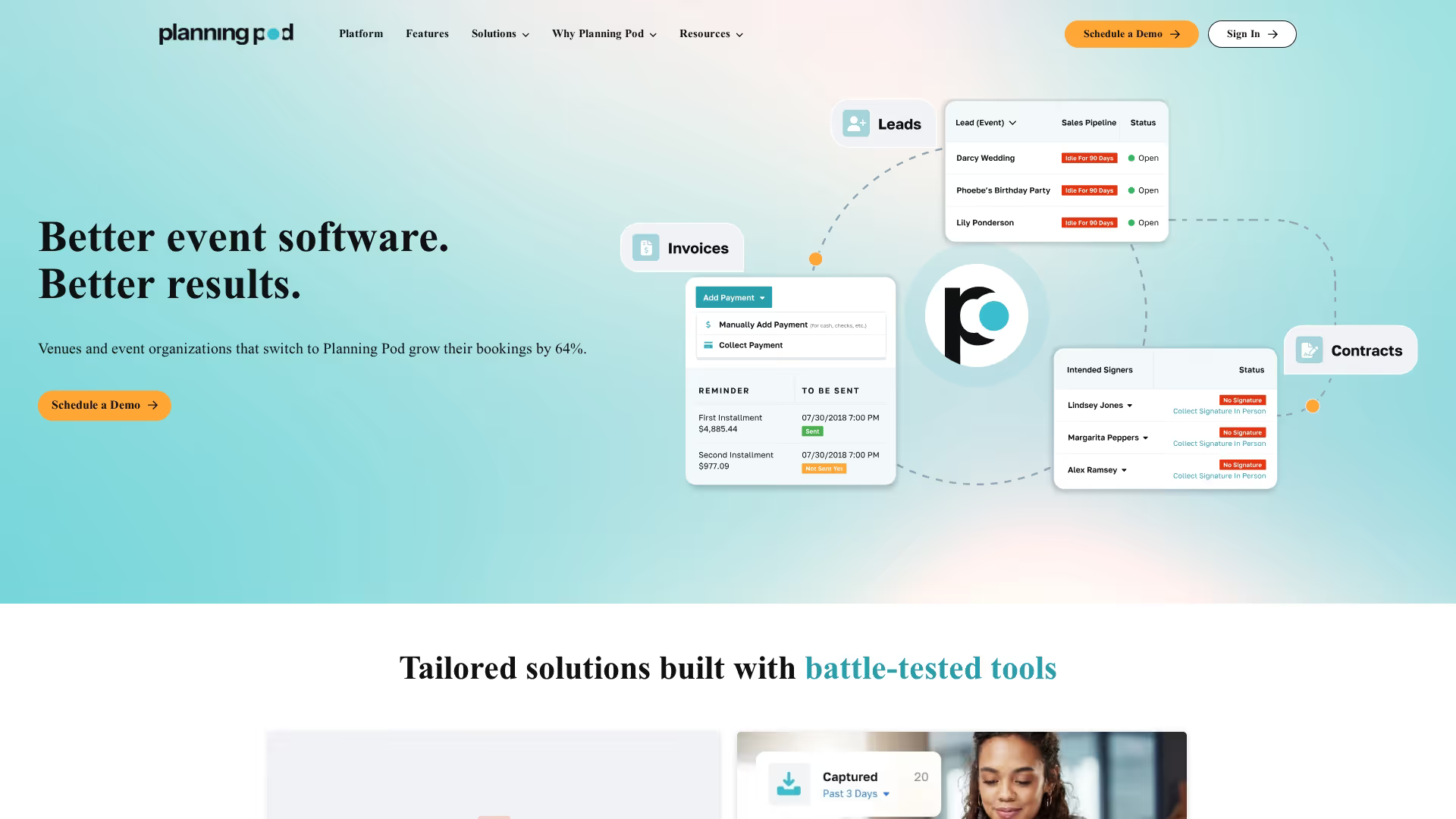
Planning Pod is a venue management platform with an extensive toolset including floor planning, check-in, and event space management features. It's well-suited for caterers and mid-size venues that want all-in-one functionality without enterprise pricing.
The platform tries to be comprehensive rather than specialized. If you're a venue that also does catering and wants to manage attendee registration, Planning Pod covers all of it in one system.
Key strengths
- Interactive floor planning and seating arrangement tools
- Attendee management, registration, and check-in
- Task tracking and team collaboration workflows
- Vendor coordination and communication portals
Best for: Mid-size venues and caterers wanting all-in-one functionality.
Pricing: From $59/month.
G2 Rating: 4.4/5
7. Skedda
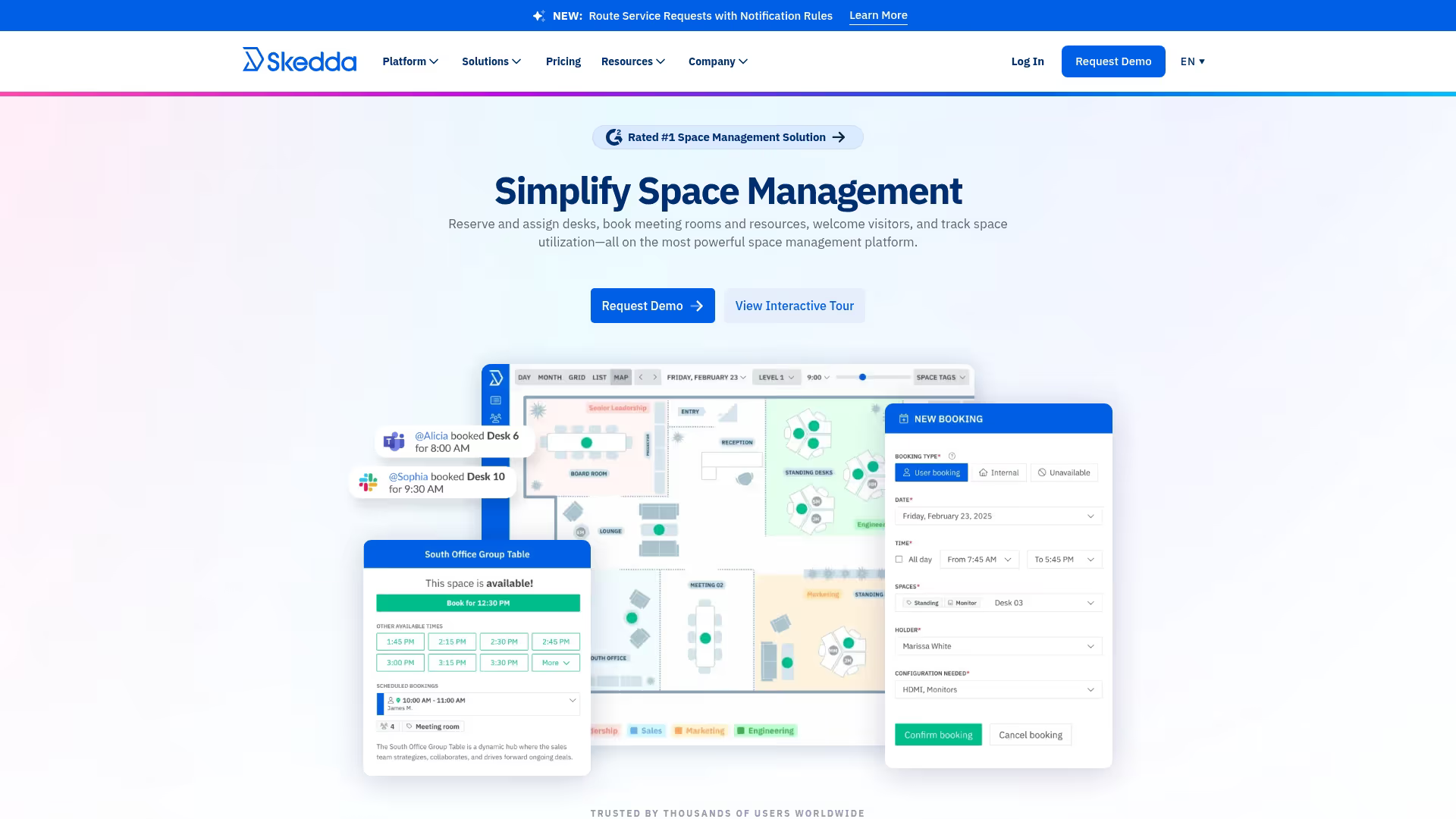
Skedda is venue reservation software focused on space booking and scheduling. It's known for self-service booking portals and a simple interface, making it a good choice for venues prioritizing ease of use over complex event production features.
Not every venue requires catering management, BEOs, and production scheduling. If you're running a community center, coworking space, or simple meeting room operation, Skedda does the core job without overwhelming you with features you'll never touch.
Key strengths
- Online booking portal for self-service reservations
- Real-time calendar sync and availability display
- Access control integration for automated entry
- Simple setup with minimal training required
Best for: Simple spaces, coworking facilities, and venues prioritizing ease of use.
Pricing: Free plan available, paid plans from $7/month.
G2 Rating: 4.6/5
8. iVvy
iVvy is cloud-based event venue booking software with an integrated booking engine for end-to-end management from inquiry to execution. Its approach allows for instant online bookings, which appeals to venues that want to reduce the back-and-forth of traditional inquiry processes.
The instant booking capability changes the sales dynamic. Instead of waiting for a proposal, clients can see availability and book immediately. This works well for venues with standardized packages and pricing.
Key strengths
- Instant booking engine for live availability and reservations
- Built-in CRM for managing leads and clients
- Event ordering for catering, AV, and other services
- Comprehensive reporting and analytics
Best for: Venues wanting instant online booking capabilities.
Pricing: Custom quote.
G2 Rating: 4.3/5
Venue management software by venue type
Hotel event management solutions
Hotels have unique requirements including deep integration with property management systems (PMS) to manage sleeping room blocks alongside event bookings. You're handling group contracts, coordinating banquet services, and often managing multiple event types simultaneously.
Concert and entertainment venue platforms
Entertainment venues require ticketing integration, artist contract management, production schedules, and large-scale staffing coordination. General-purpose venue software typically doesn't handle rider requirements, load-in schedules, or security coordination at the level entertainment venues require.
Conference center booking software
Conference centers require software capable of managing multiple breakout rooms simultaneously, coordinating AV requirements and catering across different spaces, and integrating with attendee registration systems. The complexity multiplies when you have concurrent events sharing common areas.
Wedding venue scheduling systems
Success in the wedding market often depends on a superior client experience. Wedding venue systems benefit from client-facing portals, timeline building tools, vendor coordination features, and visually appealing proposal tools that help close bookings faster.
How to evaluate event space booking software
Use this checklist to guide your evaluation:
- Venue type fit: Does the platform specialize in your venue category (hospitality vs convention vs entertainment)?
- Integration requirements: Can it connect with your accounting (QuickBooks, Xero), POS, email marketing, and existing tools?
- Deployment model: Do you prefer cloud-based web access or on-premise installation?
- Scalability: Can it handle your event volume and grow with multiple locations?
- Mobile access: Does staff require on-site event management from phones or tablets?
- Implementation support: What training and data migration assistance is included?
- Pricing structure: Is it per-user, per-venue, or flat monthly fee?
Many platforms offer demos or trials. Interactive demos can help teams evaluate software before committing to sales calls, letting you explore the interface and workflows at your own pace.
Transform your venue operations with the right software
Venue management software eliminates scattered spreadsheets and manual coordination, creating a single source of truth for your operations. The right platform pays for itself through faster bookings, fewer errors, and better space utilization.
To find the best fit, match your venue type to specialized platforms. A wedding venue has different requirements than a convention center, and the software that excels for one may frustrate the other.
Start your journey with Guideflow today!