Every social platform is asking for your team's time, budget, and creative output. Most marketing teams cannot sustain more than a handful of channels well, yet the pressure to "be everywhere" keeps growing. According to DataReportal's April 2026 report, there are now 5.79 billion social media user identities worldwide, equal to 69.9% of the global population. The typical user visits 6.5 different platforms each month and spends nearly 18 hours and 36 minutes per week on social media.
The numbers make the problem clear: Your audience is distributed, but your team is not infinite. Opening another account does not create a channel strategy. Showing up with inconsistent content, zero community management, and no attribution path just creates reporting noise.
This guide cuts through the list of social media platforms to answer a more useful question: Which platforms deserve your focus in 2026, and what job should each one do for your marketing program?
What's inside
This guide is for growth marketers, demand gen leads, and small business owners deciding where to invest social media attention and budget. We evaluated 20 social network platforms against four criteria:
- Audience match: Does the platform reach the people you need to reach?
- Content format fit: Can your team actually produce what this platform rewards?
- Business utility: Does the platform support measurable marketing outcomes?
- Marketing intent: Is there a clear path from presence to pipeline?
For supporting social media marketing tools, social media management tools, and social media analytics tools, we have separate roundups worth bookmarking alongside this one.
TL;DR
- Best for B2B pipeline: LinkedIn gives growth teams the clearest professional targeting and a direct content-to-lead path
- Best for searchable video: YouTube works when your team can produce evergreen educational content people search repeatedly
- Best for visual brand building: Instagram fits teams with strong creative systems and frequent visual output
- Best for short-form discovery: TikTok works when creative testing volume and speed are achievable for your team
- Best for local visibility: Google Business is essential for any business where intent-to-purchase starts in Google Search
- Best for community insight: Reddit and Discord surface high-intent buyer language before you commit paid budget
What is a social network platform?
Social network platforms are digital networks where people, brands, creators, and communities publish content, interact, exchange messages, and build relationships around shared identities, interests, or goals.
The category includes several distinct formats. Feed-based social media sites like Facebook and Instagram organize content around the follower graph. Professional networks like LinkedIn surface content by job title, industry, and company. Video platforms like YouTube and TikTok distribute content by interest and algorithm. Community platforms like Reddit and Discord organize around topic-specific groups. Messaging apps like WhatsApp and Telegram function as social networks when they support channels, groups, and business broadcast features. Niche networks like Behance and Stack Overflow serve specific creative or technical audiences.
The difference between a social network and an owned channel matters for attribution. Your website, email list, and in-app community are assets you control completely. Social platforms are rented distribution with algorithm risk, moderation policies, and audience data you do not fully own.
Key capabilities to evaluate when choosing platforms:
- Audience targeting by role, interest, location, or behavior
- Organic reach potential without paid support
- Paid advertising options and minimum viable budgets
- Search and discovery beyond the follower graph
- Community features including groups, comments, and threads
- Messaging and direct customer communication
- Creator and influencer collaboration tools
- Analytics depth and export options
- Content lifespan (hours for Stories, months for YouTube search)
- Regional adoption, especially for global campaigns
Social network advertising globally was forecast to reach $306.4 billion in 2025, growing 14.9% year over year according to WARC. That spend is not evenly distributed. Most of it concentrates on a handful of platforms with proven ad infrastructure. Choose the platforms where your audience concentrates, not the ones with the largest total numbers.
When to use social network platforms
Build awareness before demand exists
Social platforms help you reach buyers before they know they need your product. Creator-led content, founder thought leadership, short-form video, and shareable posts can create category awareness that email and search cannot touch. This works best when the content teaches something useful rather than just promoting the brand.
Turn audience engagement into qualified traffic
The post is never the finish line. Every social platform should serve a conversion path: A landing page, a lead magnet, a product experience, a webinar, or a community. Growth marketers who track social traffic through UTMs and attribute it to pipeline can defend the channel. Those who cannot will lose budget to channels with cleaner attribution.
Learn from communities before scaling spend
Reddit, Discord, X, LinkedIn, and niche forums surface real buyer language. Read what people complain about, what they compare, and what questions they cannot answer from vendor sites. This research costs nothing and often produces better ad copy and content angles than any paid research tool.
Social network platforms comparison
Below is a side-by-side view of all 20 platforms. G2 ratings are listed where a verified listing exists; social platforms are not consistent SaaS products, so several entries have no applicable G2 score.
| # | Product | Best for | Key use case | Pricing | G2 rating |
|---|---|---|---|---|---|
| 1 | Broad consumer reach | Local pages, groups, paid social | Free account, paid ads available | 4.3/5 | |
| 2 | Visual brand building | Reels, Stories, creator content | Free account, paid ads available | 4.5/5 | |
| 3 | B2B marketing | Thought leadership, ABM, lead gen | Free account, paid plans from $39.99/mo | 4.4/5 | |
| 4 | YouTube | Searchable video | Education, tutorials, product content | Free channel, paid ads available | N/A |
| 5 | TikTok | Short-form discovery | Creator-led awareness and testing | Free account, paid ads available | 4.8/5 |
| 6 | X | Real-time conversation | PR, news, founder voice | Free account, Premium from $3/mo | 4.3/5 |
| 7 | Visual search | Lifestyle, retail, evergreen discovery | Free account, paid ads available | 4.6/5 | |
| 8 | Snapchat | Younger audiences | AR, short video, local campaigns | Free account, paid ads available | 4.2/5 |
| 9 | Community insight | Research, AMAs, niche discussions | Free account, paid ads available | 4.1/5 | |
| 10 | Discord | Owned community | Customer and creator communities | Free account, Nitro from $2.99/mo | N/A |
| 11 | Direct messaging | Support, broadcast lists, commerce | Free app, Business Platform varies | 4.5/5 | |
| 12 | Telegram | Broadcast communities | Channels, groups, global communities | Free account, Premium varies by region | N/A |
| 13 | China market reach | Messaging, payments, mini programs | Free, setup varies by region | N/A | |
| 14 | Quora | Intent-based answers | Thought leadership and Q&A traffic | Free account, paid ads available | 4.3/5 |
| 15 | Tumblr | Fandom and culture | Visual microblogging, niche fandoms | Free, Premium from $6.99/mo | N/A |
| 16 | Behance | Creative portfolios | Design discovery, creative hiring | Free, Pro from $9.99/mo | 4.5/5 |
| 17 | Stack Overflow | Developer trust | Technical credibility, hiring brand | Free, Organizations by quote | 4.5/5 |
| 18 | Twitch | Live community | Streaming, creator partnerships | Free channel, subscriptions from $5.99/mo | 4.4/5 |
| 19 | Threads | Text-based social reach | Brand voice, creator conversation | Free account | N/A |
| 20 | Google Business | Local search visibility | Reviews, maps, business discovery | Free profile, paid ads separate | 4.6/5 |
Best 20 social network platforms for 2026
1. Facebook
Facebook is the broadest general-purpose social network available to brands. It supports local business pages, community groups, events, Marketplace listings, and paid social campaigns through Meta Ads Manager. Despite younger demographic drift toward other platforms, Facebook remains important for local discovery, community-led businesses, and campaigns targeting audiences over 35.
Best for: Local businesses, consumer brands, and teams running paid social through Meta infrastructure.
Key features
- Business pages with contact info, hours, and reviews
- Facebook Groups for community building and moderation
- Events with RSVP, ticketing, and promotion tools
- Marketplace for local commerce
- Meta Ads Manager for targeted paid campaigns
Why choose Facebook: Choose it when local community reach, retargeting, or older demographic access matters. It becomes less useful when you cannot maintain a consistent content cadence or community moderation.
Facebook pricing: Creating a page and posting organically is free. Paid advertising runs through Meta Ads Manager with no fixed minimum, though budgets vary by campaign objective and audience.
G2 rating: 4.3/5 (Meta Platforms overall)
2. Instagram
Instagram is the primary visual social platform for consumer brands, DTC companies, food, fitness, design, travel, and founder-led storytelling. Reels carry the highest organic reach for new audiences; Stories sustain engagement with existing followers. Creator collaborations and shopping integrations extend reach into commerce.
Best for: Visual storytelling, consumer brands, and creator-led awareness campaigns.
Key features
- Reels for short-form video discovery
- Stories for daily engagement and polls
- Instagram Shops for product tagging and in-app purchase
- Creator collaboration and branded content tools
- Meta Ads for targeted reach and retargeting
Why choose Instagram: Choose it when your product or brand benefits from visual proof and your team can ship short-form creative at volume. Avoid making it the default channel if content production is slow or inconsistent.
Instagram pricing: Business and creator accounts are free. Paid advertising runs through Meta Ads Manager.
G2 rating: 4.5/5 (Instagram for Business)
3. LinkedIn
LinkedIn is the default professional network for B2B marketing. It supports company pages, founder thought leadership, ABM campaigns, lead gen form ads, newsletters, events, and recruiting. The audience targeting by job title, seniority, company size, and industry is more precise than any other social media marketing platform for B2B buyers.
Best for: B2B pipeline, professional trust building, and demand generation targeting specific roles.
Key features
- Company pages with follower analytics
- LinkedIn Ads with job title and company targeting
- Lead gen forms that pre-fill from profile data
- LinkedIn Newsletters for subscriber-based content distribution
- Events with registration and promotion
Why choose LinkedIn: Strong fit when buyer role, company size, or industry targeting drives campaign performance. Content quality matters more than volume here. Check out our guide to best LinkedIn lead generation tools for tools that extend LinkedIn's native functionality.
LinkedIn pricing: Basic accounts and company pages are free to create. Premium Career starts at $39.99/month, Premium All-in-One at $89.99/month, and Premium Company Page at $99.99/month. Sales Navigator and Recruiter Lite carry separate pricing.
G2 rating: 4.4/5
4. YouTube
YouTube functions as both a video platform and the world's second-largest search engine. Long-form educational content, product explainers, tutorials, and customer reviews can drive traffic for months or years after publication. YouTube Shorts extends the platform into short-form discovery, while channel subscriptions build a direct audience.
Best for: Searchable, evergreen educational video content with long attribution windows.
Key features
- Long-form video with chapter markers and transcripts
- YouTube Shorts for short-form discovery
- Playlists and channel subscriptions for content organization
- YouTube Ads through Google Ads for targeting and remarketing
- Live streaming and community posts
Why choose YouTube: Choose it when your team can produce educational content that answers specific questions people search repeatedly. Generic brand update videos rarely gain traction here without a search-driven content strategy.
YouTube pricing: Channels and uploads are free. Paid ads run through Google Ads. YouTube Premium membership pricing for viewers varies by region and was not publicly listed at time of review.
5. TikTok
TikTok is built for short-form video discovery, creator culture, and fast creative iteration. Its algorithm distributes content to non-followers at scale, which means even new accounts can reach large audiences with a well-executed video. TikTok Shop has added a direct commerce layer for product-focused brands.
Best for: Rapid creative testing and audiences in the 18 to 35 age range where short-form video drives discovery.
Key features
- Short-form video creation with in-app editing tools
- Trend discovery and audio-driven content formats
- TikTok Creator Marketplace for brand and creator partnerships
- TikTok Shop for in-app product discovery and purchase
- Business analytics and post scheduling tools
Why choose TikTok: Strong when your team can test many creative angles quickly and iterate based on performance. Weak fit for teams with slow approval processes or a content calendar that cannot flex.
TikTok pricing: Business accounts are free. TikTok recommends a minimum daily ad group budget of $30 in North America and EMEA for paid campaigns.
G2 rating: 4.8/5
6. X
X (formerly Twitter) is a real-time, text-first platform for news, public conversation, executive voice, journalists, and fast-moving category debates. It remains the fastest surface for PR announcements, live event commentary, and founder-led brand building in tech and media.
Best for: Public voice, PR, real-time commentary, and building a founder or executive presence.
Key features
- Posts with extended character limits on paid tiers
- Spaces for live audio conversation
- Communities for organized topic discussions
- Premium tiers with reduced ad exposure and Grok access
- Media Studio for content management
Why choose X: Useful when speed and public conversation are the core goal. Generic brand posts perform poorly here. A sharp point of view or a niche community gives X its value.
X pricing: Free accounts are available. Premium starts at $3/month, Premium at $8/month, and Premium+ at $40/month (all billed monthly; annual options reduce the cost).
G2 rating: 4.3/5
7. Pinterest
Pinterest is a visual discovery and planning platform where users save ideas for future purchases and projects. Content here has a much longer lifespan than feed-based social media sites. A well-designed Pin can drive traffic for months. It works for retail, home goods, fashion, food, travel, beauty, and education content.
Best for: Evergreen visual discovery, retail, and audiences in planning or consideration mode.
Key features
- Pins across image, video, rich, and product formats
- Boards for organizing and curating saved content
- Visual search for finding similar products and ideas
- Shopping features with product catalog integration
- Promoted Pins for paid reach
Why choose Pinterest: Strong when buyers plan purchases over time and save references before buying. Content stays relevant longer here than on most social media websites, which reduces the publishing frequency required.
Pinterest pricing: Personal and business accounts are free. Advertising campaigns are optional and use budget-based pricing with no fixed minimum publicly listed.
G2 rating: 4.6/5
8. Snapchat
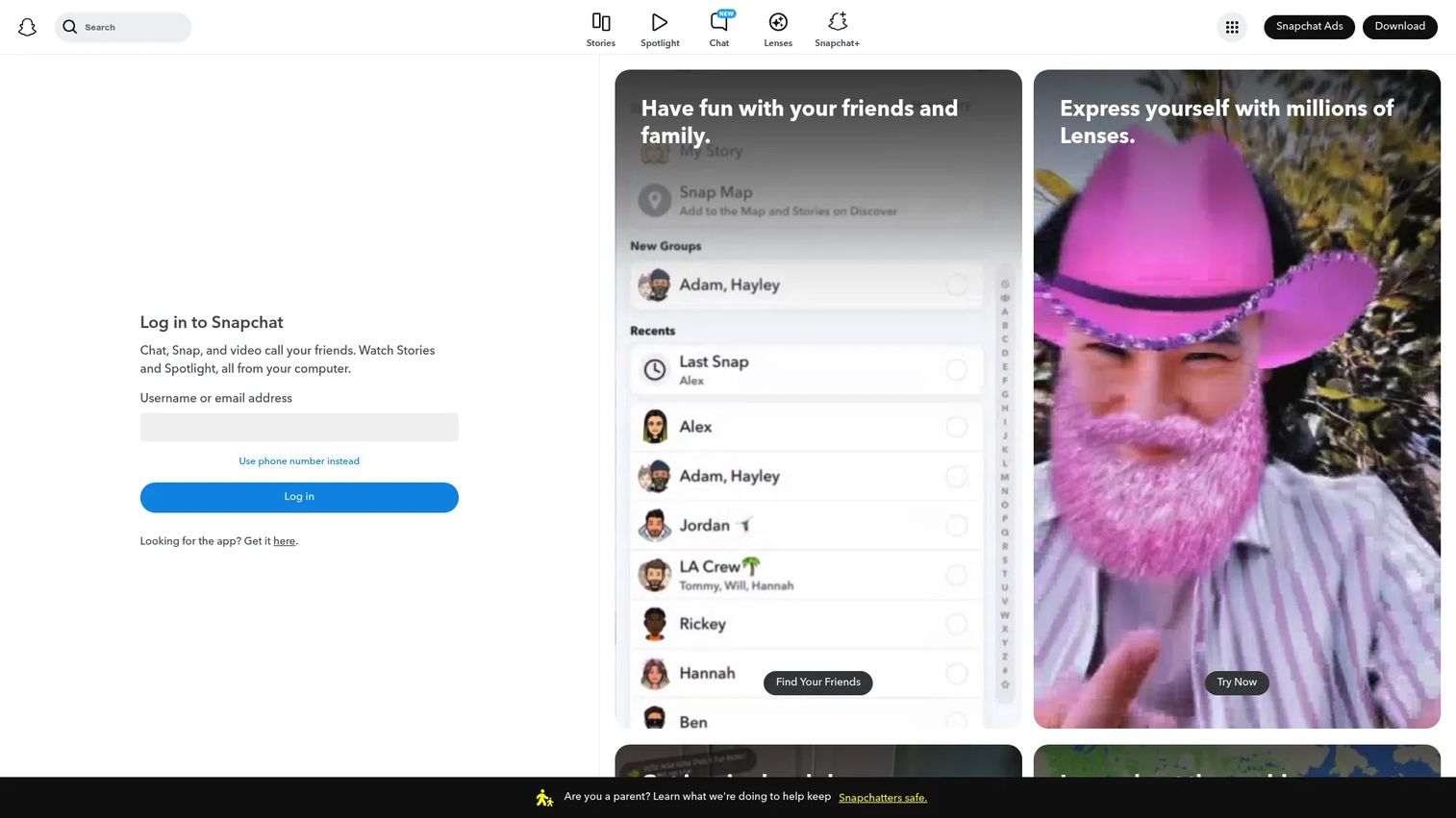
Snapchat is a camera-first messaging and content platform with strong reach among younger audiences, a robust AR Lens ecosystem, and location-based tools through Snap Map. It suits brands with camera-native creative, short ephemeral content, and campaigns targeting the 13 to 30 age range.
Best for: Youth marketing, AR-driven campaigns, entertainment brands, and local event promotion.
Key features
- Stories and Spotlight for public content sharing
- Augmented reality Lenses and filters
- Snap Map for location-based discovery
- Ads Manager for audience targeting and campaign management
- Snapchat+ premium subscription for users
Why choose Snapchat: Useful when the campaign needs immediacy, camera-native formats, or AR interaction. Creative built for other platforms rarely transfers well here.
Snapchat pricing: Account creation is free. Paid advertising is available through Ads Manager. Snapchat+ subscription pricing is shown at checkout and varies by region and plan.
G2 rating: 4.2/5
9. Reddit
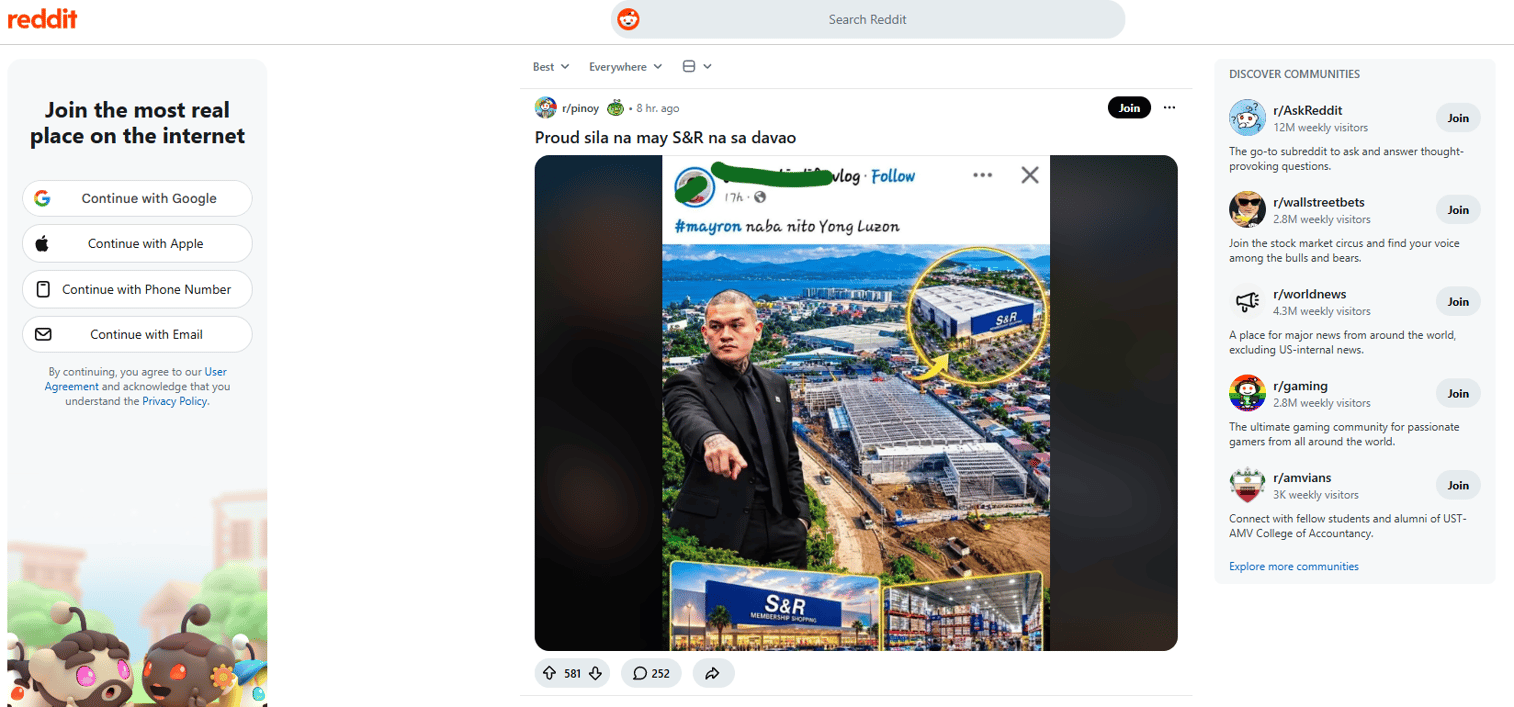
Reddit is a community and discussion platform organized around thousands of topic-specific subreddits. It is one of the most valuable research surfaces available to growth marketers because users discuss problems and compare options honestly, without vendor influence. Reddit Ads let you target by community, interest, and keyword.
Best for: Community research, authentic participation in niche discussions, and reaching high-intent audiences through targeted ads.
Key features
- Subreddits organized around specific topics and communities
- AMAs (Ask Me Anything) for direct community engagement
- Upvote and downvote signals for content quality
- Reddit Ads with community and keyword targeting
- Multiple ad formats including conversation, video, and carousel
Why choose Reddit: Valuable for understanding how buyers talk before you spend on distribution. Participation requires contributing useful content before promoting anything. Overt selling gets rejected by moderators and users.
Reddit pricing: Accounts and community participation are free. Advertising uses CPC, CPM, or CPV models without a publicly listed starting price.
G2 rating: 4.1/5
10. Discord
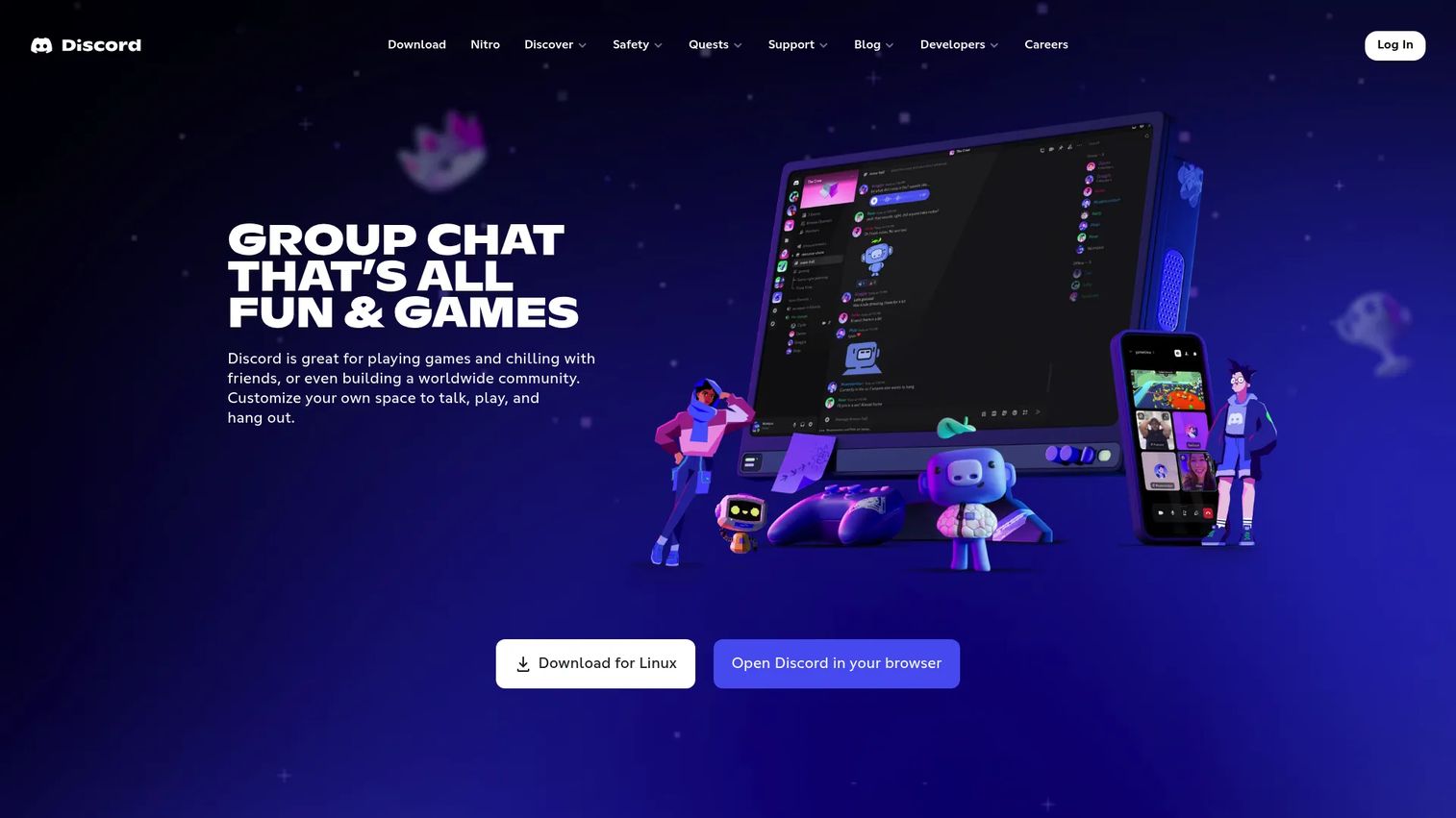
Discord is a community chat platform built around servers, text channels, voice rooms, and video. It works for creators, gaming communities, developer audiences, product-led customer communities, and any brand that needs ongoing member interaction rather than one-way publishing.
Best for: Owned community building with real-time member participation and ongoing dialogue.
Key features
- Servers with organized text and voice channels
- Role-based permissions and access control
- Community moderation tools and bot support
- Voice and video chat for live events
- Cross-device access on desktop and mobile
Why choose Discord: Choose it when the business needs a community that returns regularly and interacts, not just receives content. Running a Discord server requires active community management and a reason for members to come back.
Discord pricing: Creating a server and account is free. Nitro Basic costs $2.99/month or $29.99/year. Nitro costs $9.99/month or $99.99/year. Paid tiers add enhanced customization and file sharing.
11. WhatsApp
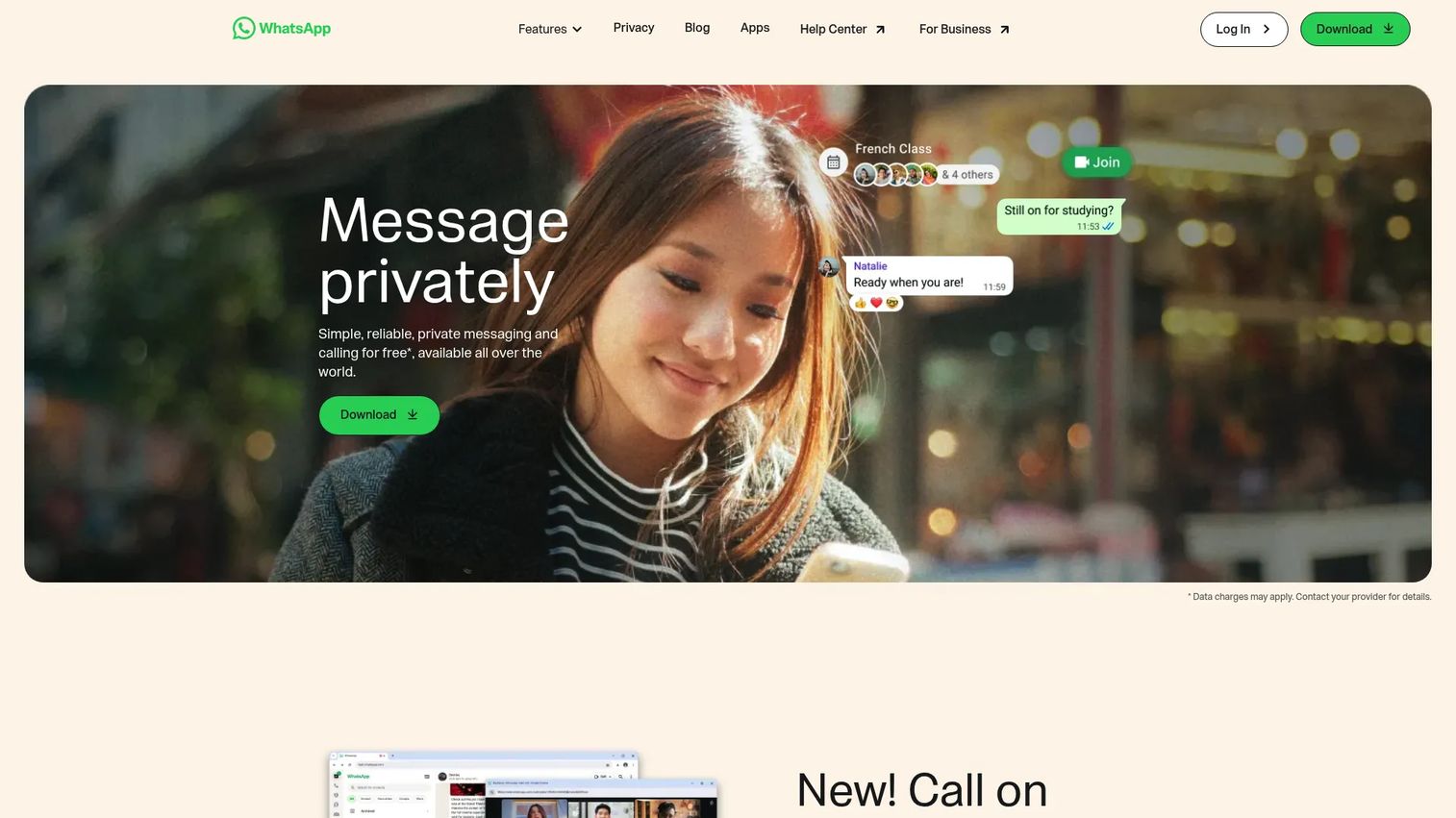
WhatsApp is the dominant messaging platform across large parts of Europe, Latin America, India, and the Middle East. For businesses in these markets, WhatsApp is where customers already expect to communicate. The WhatsApp Business app covers small businesses, while the WhatsApp Business Platform handles automation and high-volume messaging.
Best for: Direct customer communication in markets where WhatsApp is the default messaging layer.
Key features
- Business profiles with company information and categories
- Broadcast lists and group messaging
- Product and service catalogs
- Quick replies, greeting messages, and away messages
- WhatsApp Channels for one-to-many updates
Why choose WhatsApp: Useful when customers in your market already prefer messaging over web forms or email for support and commerce. Business use requires opt-in consent and attention to message frequency.
WhatsApp pricing: The WhatsApp Business app is free. WhatsApp Business Platform pricing is usage-based and varies by conversation type and recipient country code.
G2 rating: 4.5/5
12. Telegram
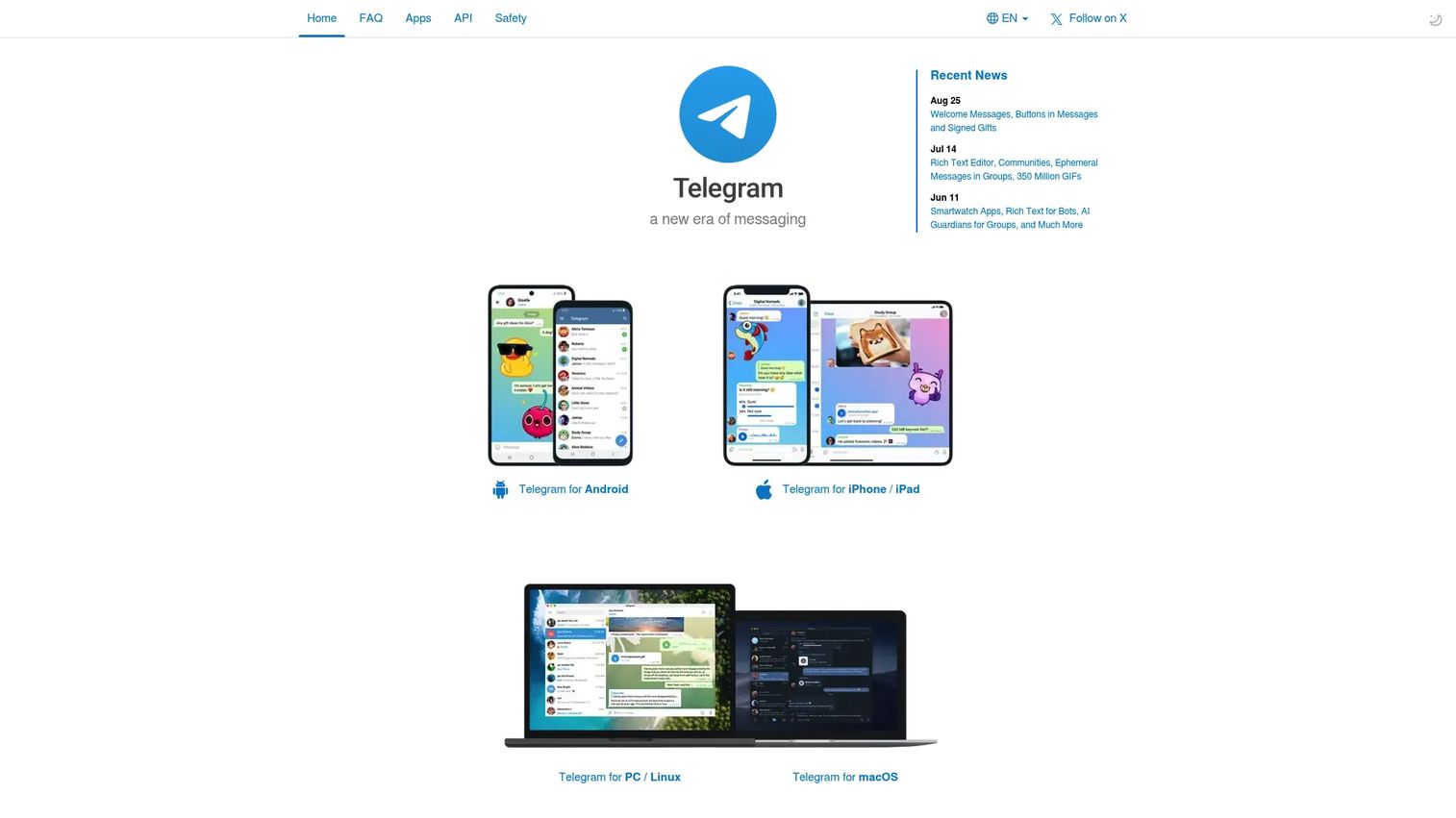
Telegram is a cloud-based messaging platform known for large group support, public channels, bot automation, and fast file sharing. It has strong adoption in Eastern Europe, Central Asia, crypto communities, and creator-led subscription groups. Channels allow one-to-many broadcast at scale.
Best for: Broadcast communities, creator-led channels, regional audiences, and developer or crypto communities.
Key features
- Channels for one-to-many broadcasts with unlimited subscribers
- Groups supporting up to 200,000 members
- Bots and Mini Apps for automation and in-chat tools
- Telegram Premium with enhanced features
- Multi-device sync and large file sharing
Why choose Telegram: Useful when the audience expects direct updates and prefers open messaging platforms over walled garden social media. Brand safety requires active moderation in larger groups.
Telegram pricing: The core app is free. Telegram Premium pricing varies by country and payment method and is not fixed globally on the official pricing page.
13. WeChat
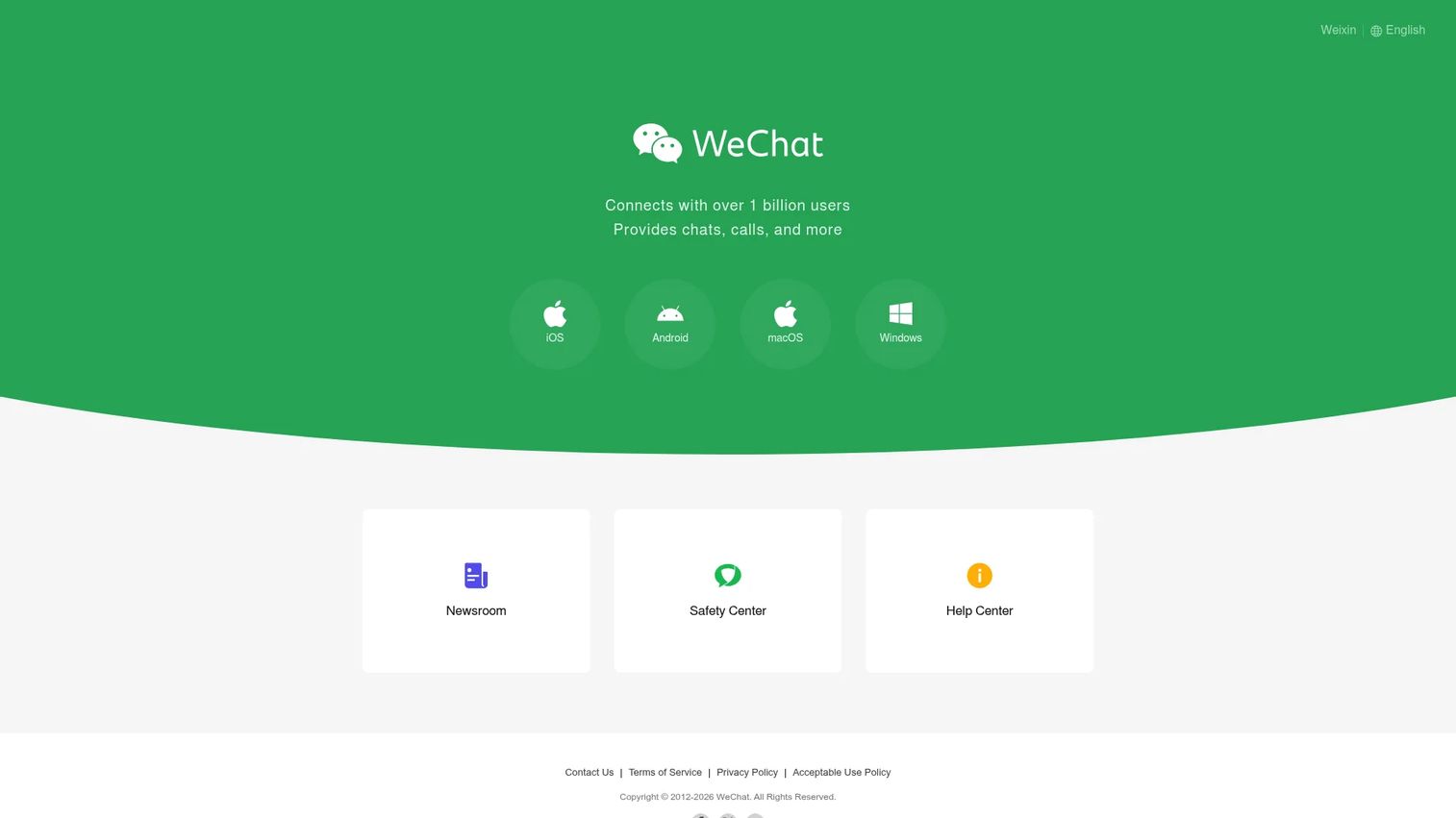
WeChat is an all-in-one platform dominant in China, combining messaging, Moments social feeds, Official Accounts for brands, Mini Programs for apps-within-apps, and Weixin Pay for mobile payments. For any brand targeting Chinese consumers or operating within China, WeChat is not optional.
Best for: China-focused social, commerce, customer communication, and in-app services.
Key features
- Official Accounts for brand publishing and CRM
- Mini Programs enabling full apps embedded in WeChat
- Weixin Pay for in-platform mobile payments
- Moments feed for social sharing
- Messaging across text, voice, video, and location
Why choose WeChat: Essential when China-market reach is a business objective. Setup requires regional registration, localization, and operational infrastructure that is different from Western platforms.
WeChat pricing: The app is free with in-app purchases. Business account setup and advertising requirements vary by entity type and region.
14. Quora
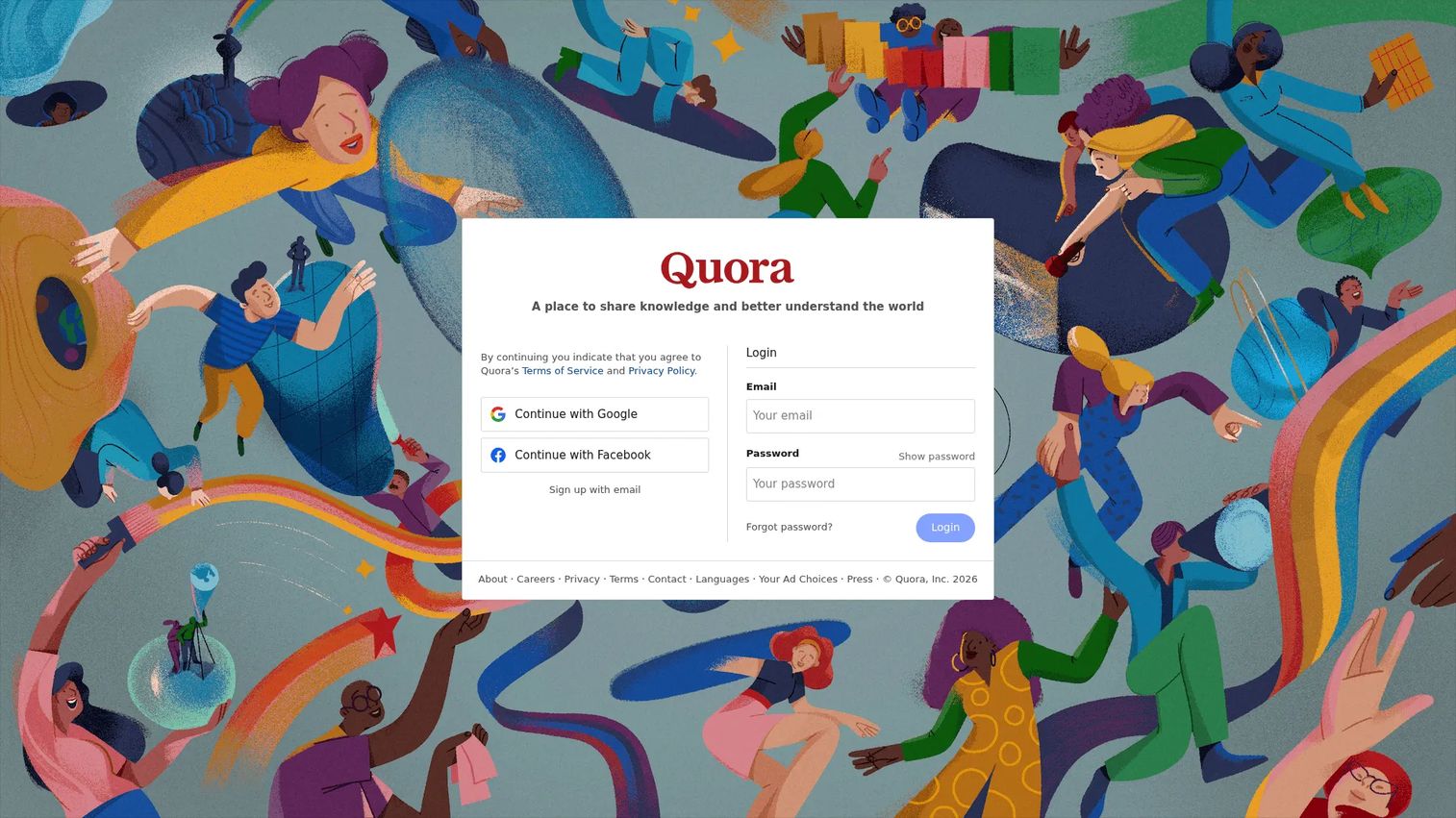
Quora is a question-and-answer platform where users seek and share expertise on specific topics. For growth marketers, it provides a channel for thought leadership through substantive answers, and a surface where high-intent buyers research before visiting vendor sites.
Best for: Answering buyer questions in the research phase and building category authority through long-form answers.
Key features
- Topic-based questions and answers with upvoting
- Personalized feeds by followed topics and writers
- Spaces for topic-based communities
- Answer requests to prompt expert contributors
- Quora Ads with promoted answers and lead gen formats
Why choose Quora: Useful when your buyers research problems through long-tail questions before entering vendor evaluation. Works best with substantive, genuinely helpful answers rather than promotional copy.
Quora pricing: Creating an account and answering questions is free. Quora+ subscription for ad-free browsing is $6.99/month or $47.88/year. Quora Ads uses advertiser-set budgets.
G2 rating: 4.3/5
15. Tumblr
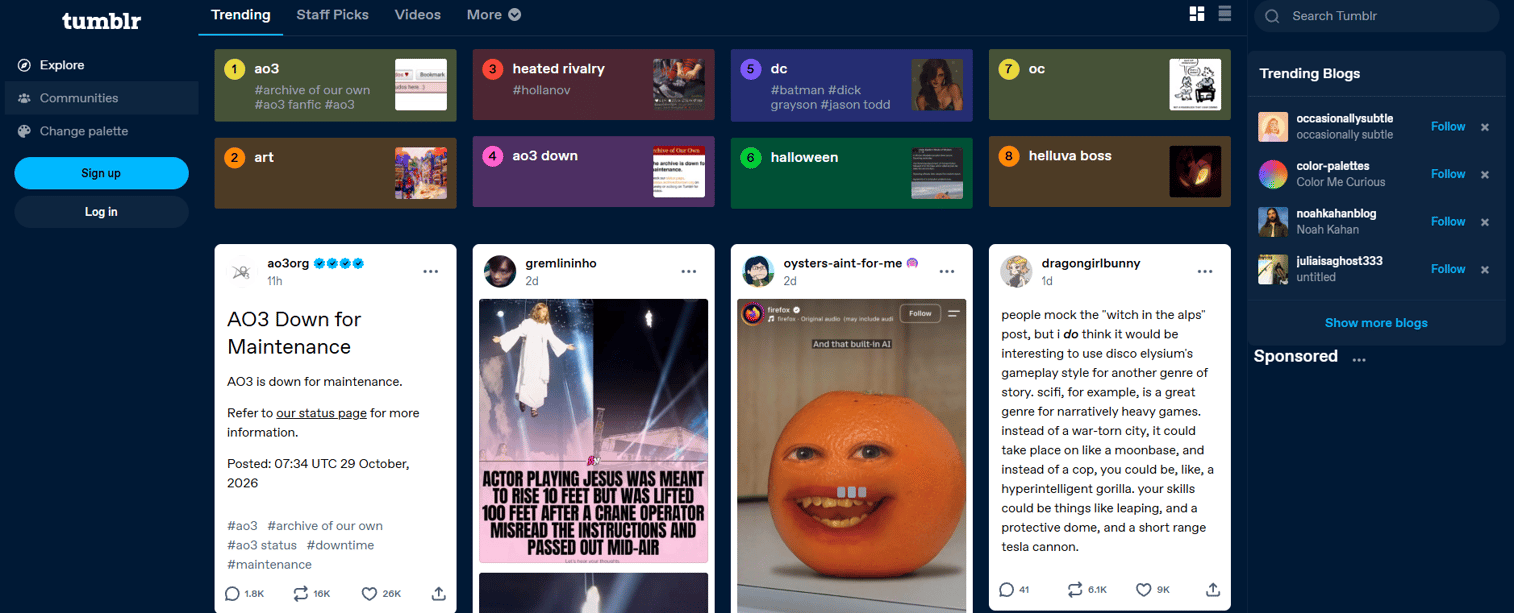
Tumblr is a microblogging and social platform with deep fandom roots, strong creative and meme culture, and niche community identity. It rewards brands with a distinctive voice or a fit with a specific subculture. It is not a default B2B channel.
Best for: Brands with genuine creative subculture fit, fandom adjacency, or a highly distinctive content voice.
Key features
- Multimedia microblogs supporting text, images, GIFs, video, audio, and polls
- Reblogging for organic content sharing
- Tag-based discovery and community threading
- Custom themes and blog design
- Following-based and For You feeds
Why choose Tumblr: Useful when the brand fits a creative subculture without forcing it. Skip it if the audience fit is not clear, as thin participation in a niche community creates more confusion than value.
Tumblr pricing: Accounts are free. Tumblr Premium costs $6.99/month or $69.99/year. The Supporter plan costs $2.99/month or $29.99/year.
16. Behance
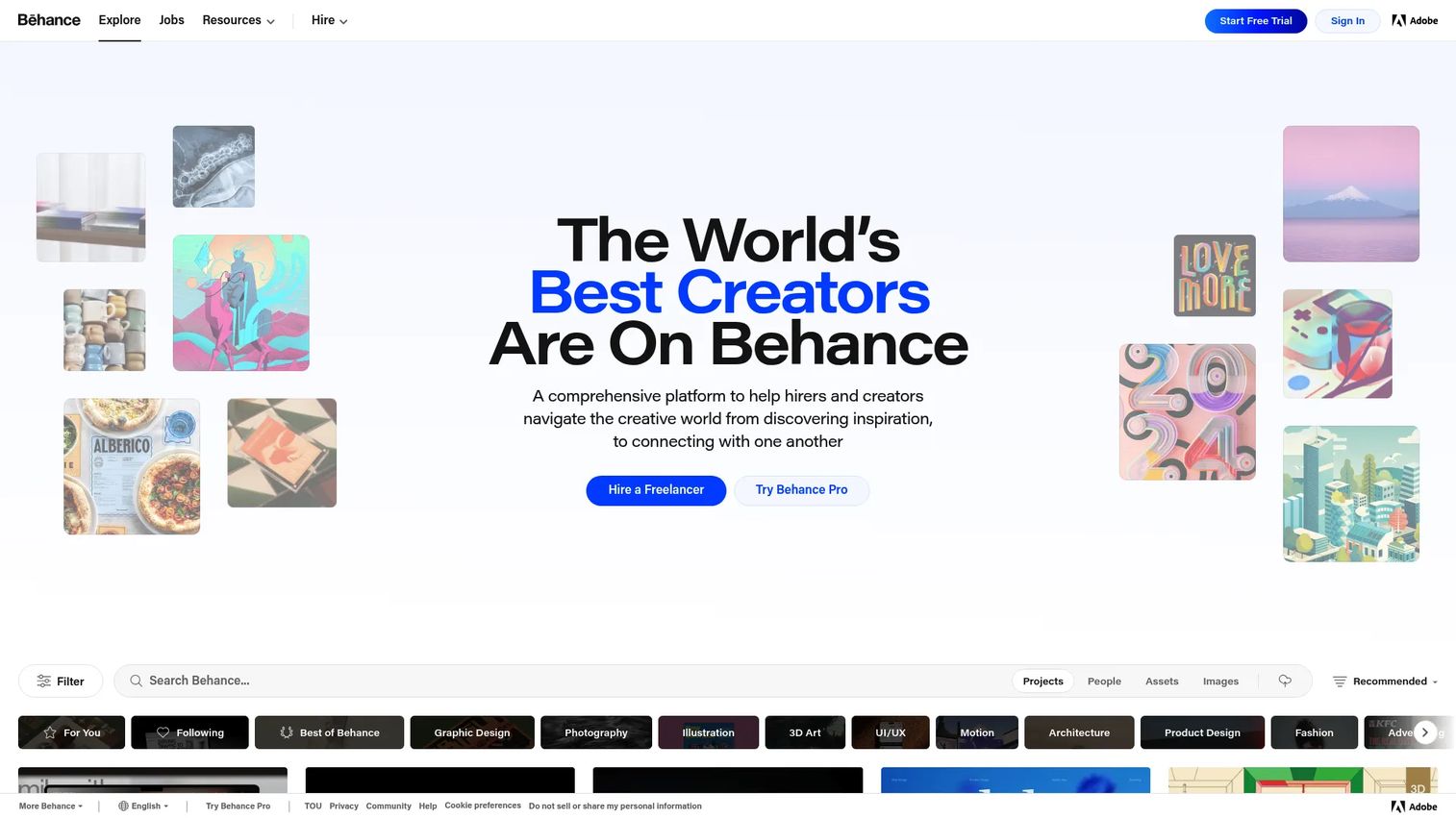
Behance is Adobe's creative portfolio and discovery network. Designers, illustrators, photographers, motion artists, UX researchers, and agencies use it to publish work, get discovered, find clients, and hire. For brands, it matters for creative hiring and for agencies demonstrating work quality.
Best for: Creative professionals, design-led agencies, and brands that need to demonstrate visual work quality for client acquisition or hiring.
Key features
- Portfolio project publishing and creative discovery
- Freelance services and proposal tools
- Adobe integration for connected workflows
- Job discovery and talent sourcing
- Behance Pro with advanced analytics and project controls
Why choose Behance: Useful when visual work quality is the proof of capability. Strong for agencies, creative studios, and design-led brands recruiting or winning clients.
Behance pricing: Free accounts include project publishing, discovery, freelance listings, and basic stats. Behance Pro costs $9.99/month billed annually and adds advanced analytics, boosts, and zero platform fees.
G2 rating: 4.5/5
17. Stack Overflow
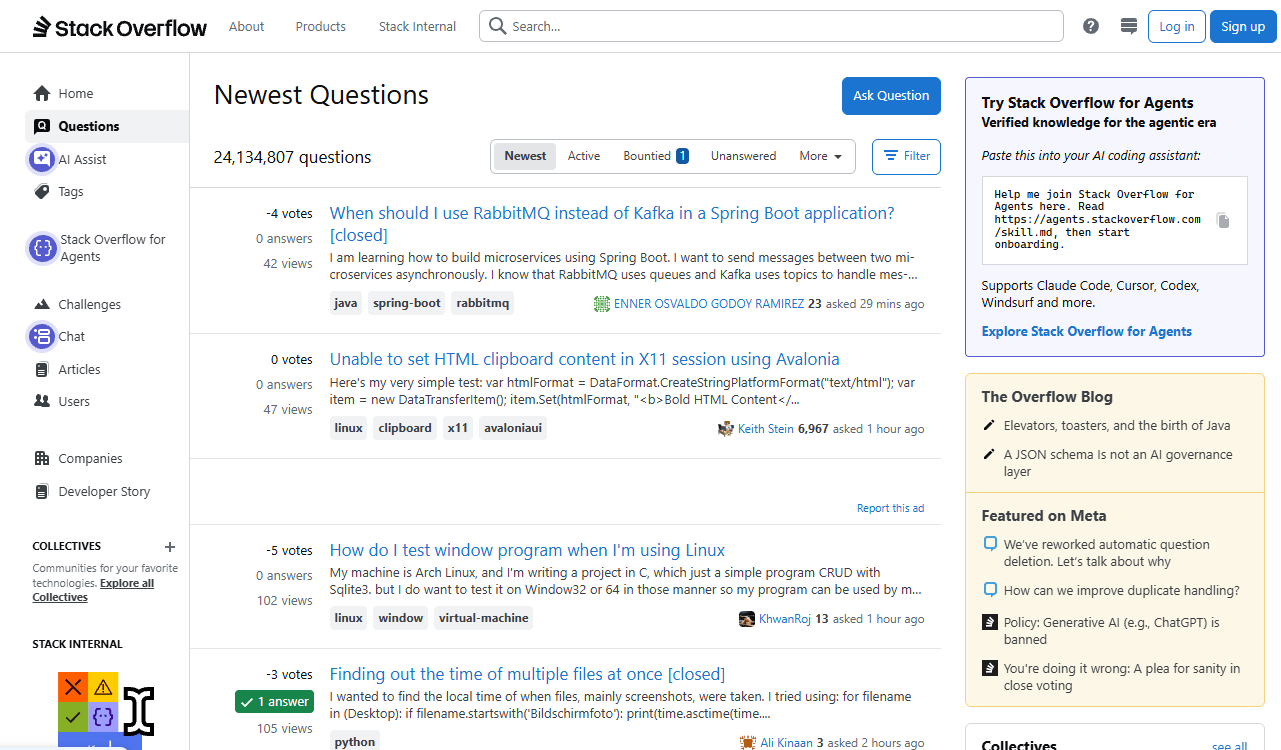
Stack Overflow is the dominant developer Q&A community and technical knowledge network. For companies selling developer tools, hiring engineers, or building technical credibility, an active presence here signals expertise. Stack Overflow for Teams extends the platform into internal knowledge management.
Best for: Developer-focused companies, technical hiring brands, and organizations building credibility with engineering audiences.
Key features
- Community-verified technical Q&A with reputation signals
- Tags for organizing questions by language and framework
- Stack Overflow Teams for internal knowledge layers
- Employer products for technical recruiting and branding
- Knowledge ingestion from connected sources and APIs
Why choose Stack Overflow: Useful when technical buyers need credible practitioner answers and your team can contribute meaningfully. Treat it as a community contribution channel, not a broadcast channel.
Stack Overflow pricing: Public account participation is free. Stack Overflow for Teams has a free Starter plan for up to 3 collaborators. The Organization plan requires contacting sales for pricing.
G2 rating: 4.5/5
18. Twitch
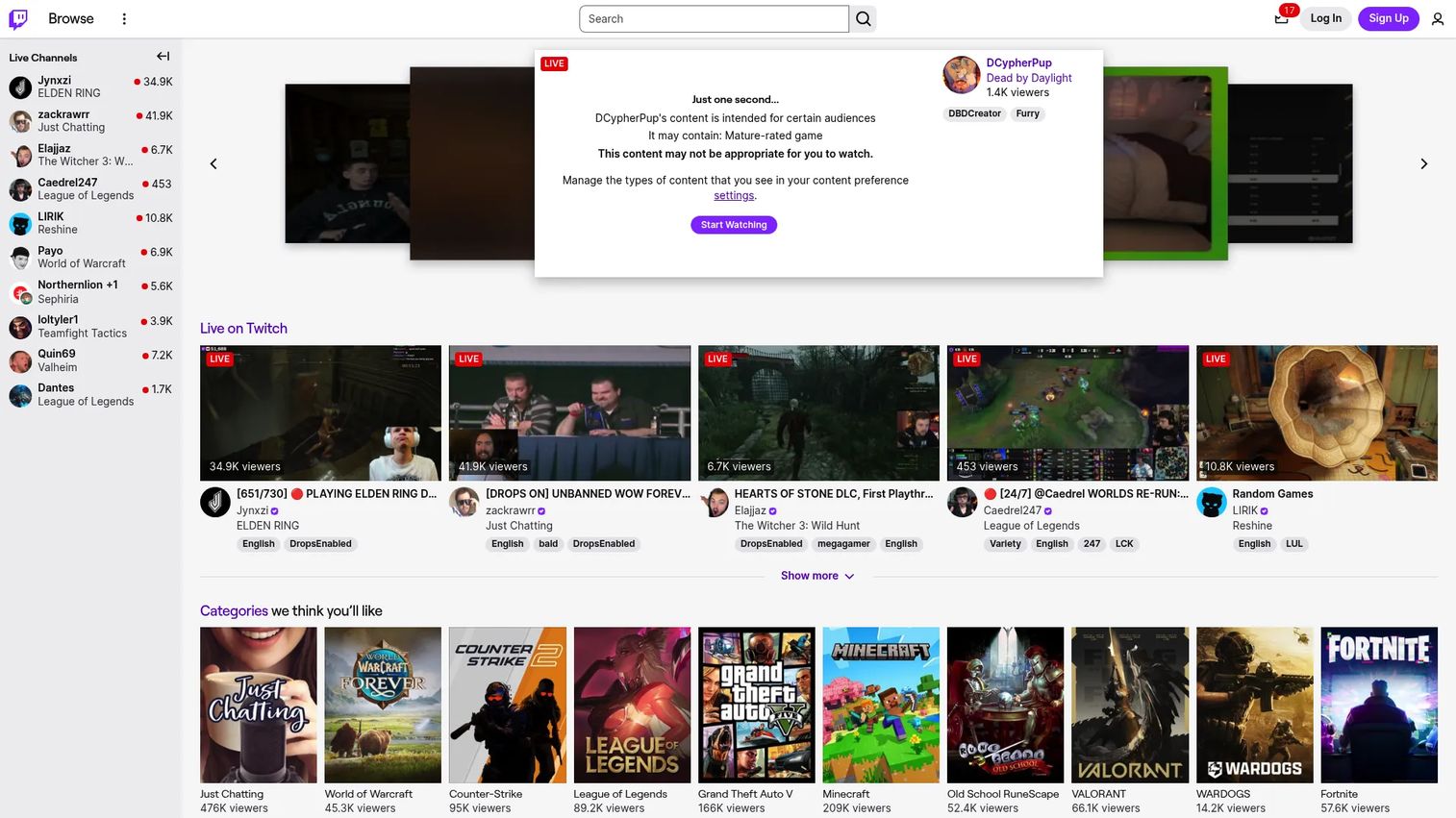
Twitch is the primary live-streaming platform for gaming, entertainment, and creator-driven community events. For brands, Twitch matters through creator partnerships, live sponsorships, product integrations during streams, and campaign-specific drops. Running a brand channel works only with consistent live programming.
Best for: Brands with gaming or entertainment adjacency, creator sponsorship strategies, and live product launch moments.
Key features
- Live video streaming with interactive chat
- Channel subscriptions with custom emotes and badges
- Drops for game-linked reward distribution
- Video archives and highlight clips
- Twitch Turbo and channel subscription monetization
Why choose Twitch: Choose it when the campaign requires live presence and creator trust rather than polished brand publishing. Sponsorship strategy outperforms a standalone brand channel here.
Twitch pricing: Creating a channel is free. Channel subscriptions start at $5.99/month (Tier 1, U.S. web price). Twitch Turbo for viewers costs $11.99/month.
G2 rating: 4.4/5
19. Threads
Threads is Meta's text-based social app connected to Instagram's account graph. Brands with existing Instagram presence can cross-post audiences and build a conversational text voice. The platform skews toward creators, journalists, and brands comfortable with casual, unpolished text conversation.
Best for: Brands with Instagram traction that want a text-based brand voice without the political intensity of X.
Key features
- Text posts with photos, polls, and link sharing
- Replies and threaded conversations
- Instagram account integration and cross-audience access
- Reposts for content amplification
- Direct messaging for one-to-one conversation
Why choose Threads: Useful when Instagram reach is already established and the team wants a lighter-weight text channel. It still requires a channel-native voice rather than recycled Instagram captions.
Threads pricing: Account creation is free.
20. Google Business
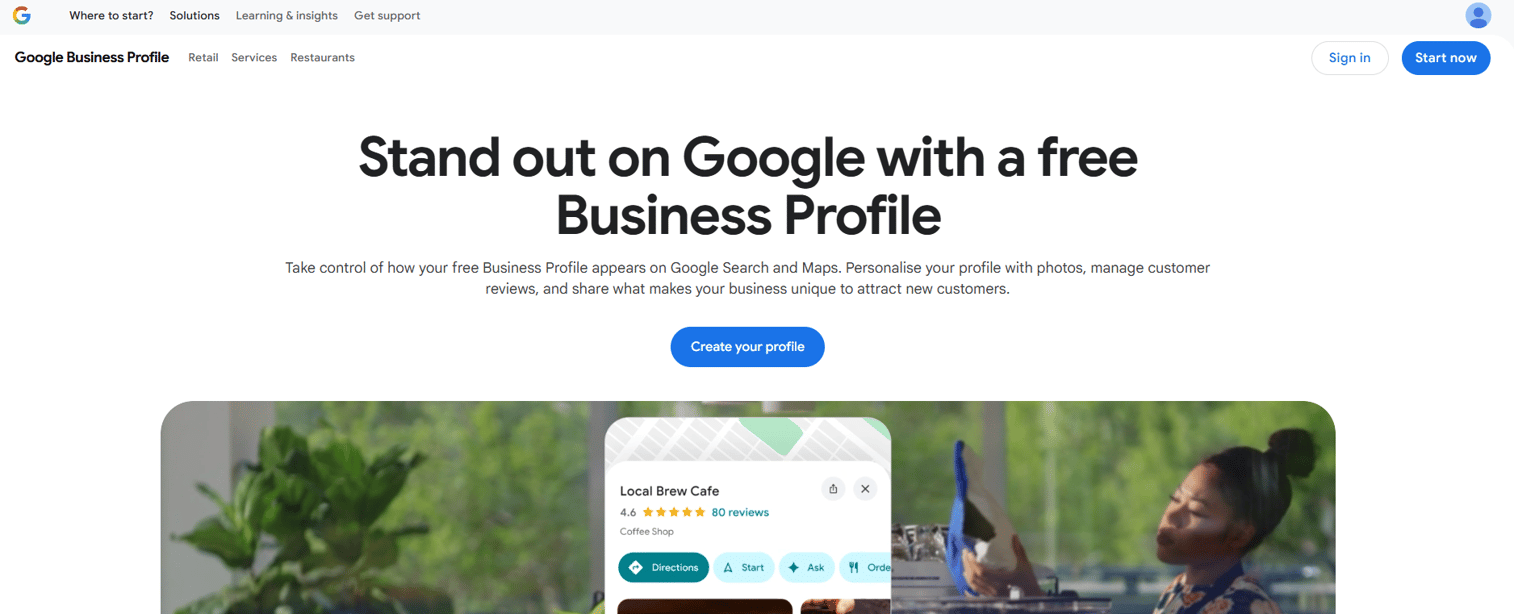
Google Business Profile is a free tool for managing how a business appears on Google Search and Maps. It is not a traditional feed-based social network, but it appears in every serious social media for business discussion because reviews, photos, updates, and local discovery directly affect customer behavior at the moment of purchase intent.
Best for: Local businesses and any brand where purchase decisions start with a Google search.
Key features
- Business profiles with hours, location, contact, and service details
- Photo and video uploads for visual credibility
- Customer review reading and response tools
- Posts, offers, and event updates
- Insights on how customers find and interact with the profile
Why choose Google Business: Essential for local businesses because it captures intent at the point closest to purchase. Keep hours, photos, services, and review responses current. Neglected profiles cost you conversions to competitors with maintained ones.
Google Business pricing: Creating and maintaining a Business Profile is free. Paid advertising runs separately through Google Ads.
G2 rating: 4.6/5
Considerations when choosing social network platforms
Match platform audience to buyer reality
Push beyond broad demographics. The question is whether the specific decision-makers, end users, or community influencers you need are actively present and reachable. LinkedIn reaching "professionals" is not the same as reaching VP-level buyers at SaaS companies with over 200 employees.
Choose by content format you can sustain
Short-form video, long-form video, text threads, live streams, and image carousels all require different production systems. Pick platforms that fit what your team can actually ship consistently. Opening an account and posting four times before stopping creates more damage than not being on the platform.
Decide what the platform should replace
Growth marketers dealing with tool sprawl need every new channel to justify its place. Each platform should either replace a less efficient channel or produce a measurable outcome like pipeline, email subscribers, or attributed traffic. If neither condition applies after 90 days, reallocate the time. For a broader view of social media marketing platforms and the tools that support them, our dedicated guide covers the full stack.
Check attribution before scaling spend
Set UTMs, dedicated landing pages, and CRM source fields before increasing publishing volume or paid spend on any channel. Attribution your CFO trusts starts with setup, not with reporting. Teams that skip this step cannot defend budget when growth stalls.
Start narrow, then expand
Two to four platforms, executed well, outperform ten platforms maintained poorly. Add a new channel only when you have engagement data, creative capacity, and a named owner for that channel's performance.
Conclusion
No marketing team needs every social network platform. The most popular social media platforms by user count are not automatically the right ones for your program.
For most B2B teams, LinkedIn handles professional pipeline, YouTube covers long-form education, and Google Business manages local and intent-based discovery. Instagram and TikTok fit teams with visual or short-form creative capacity. Facebook remains valuable for community-led and local programs.
Reddit, Discord, and Quora deserve attention for community research and high-intent audience access even before paid budgets follow. WhatsApp and Telegram matter when your audience geography demands messaging-first communication. Behance, Stack Overflow, and Twitch are specialists worth the investment only when the audience fit is clear.
The right social strategy is a focused system, not a logo collection. Pick the channels that match your audience, content format, funnel role, and measurement capability. Run them well before adding more.
Once your social channels are generating traffic, make sure it lands somewhere useful. If your goal is to show a product rather than send people to another static page, build an interactive product experience they can explore on their own terms.
Start your journey with Guideflow today!
FAQs
Social network platforms are digital platforms where people, brands, and communities create profiles, share content, interact with each other, and build relationships around shared interests or goals. The category includes social media sites like Facebook and Instagram, professional networks like LinkedIn, video platforms like YouTube, community forums like Reddit, and messaging apps like WhatsApp and Telegram when they support groups and channels.
LinkedIn is the strongest default for B2B pipeline due to professional identity and targeting precision. YouTube works for businesses with an educational video strategy. Instagram suits visual consumer brands. Facebook remains useful for local discovery and community reach. Google Business is essential for any business relying on local search. TikTok fits teams capable of fast creative iteration. The right mix depends on your audience and content capacity.
No. Under-maintained social media accounts create reporting noise, inconsistent brand presentation, and wasted team time. Start with two to four platforms where your audience is demonstrably active, execute them well, then expand only when you have evidence and a clear owner for each channel.
LinkedIn is generally the strongest starting point for B2B because it allows targeting by job title, company size, industry, and seniority. YouTube, X, Reddit, Quora, and Stack Overflow can also support B2B programs depending on the content format and the specific audience. YouTube and Quora work particularly well for reaching buyers in the research phase.
For local small businesses, Google Business, Facebook, and Instagram cover the highest-value ground at low cost. WhatsApp is worth adding in markets where customers already use it for business communication. LinkedIn and YouTube become relevant for service businesses with a clear educational or professional content angle. The priority is manageable maintenance over platform count.
Social networking services is the broader technical category describing platforms designed to connect people and facilitate relationship building. Social media platforms is the more common marketing phrase for the same category. Most business readers and practitioners use the terms interchangeably. The functional distinction matters only when comparing early community-based networks to broadcast-heavy content platforms.
Start with four questions: Where does your specific audience spend time, what content format can your team produce consistently, what conversion path will you track from social to pipeline, and who owns that channel's performance metrics. Answer those four questions before opening any account. Pick the platform where your answers are clearest first.
Messaging apps like WhatsApp, Telegram, Discord, and WeChat function as social network platforms when they support groups, channels, communities, or business communication at scale. They differ from feed-based social media sites in that distribution is typically opt-in through group membership or channel subscription rather than algorithm-driven. For retention, support, broadcast updates, and community, they often outperform public social platforms.