Your sales team runs 50 calls a week. Without conversation intelligence, the insights from those calls live only in the heads of the reps who took them, and maybe in a few scattered notes that never make it into the CRM.
Conversation intelligence software records, transcribes, and analyzes those interactions automatically, turning unstructured dialogue into data you can actually use for coaching, forecasting, and understanding what buyers care about. This guide breaks down 11 tools, compares their strengths, and walks through how to pick the right one for your team.
What's inside
This guide covers what conversation intelligence software actually does, when it makes sense to use it, and a breakdown of 11 tools with pricing, ratings, and key differentiators. We also walk through selection criteria so you can match the right platform to your team's workflow. Tools here were evaluated based on CRM integration depth, coaching capabilities, and real-time analytics.
TL;DR
- Best for revenue intelligence: Gong
- Best for small teams: Fathom or Avoma
- Best for enterprise compliance: CallMiner
- Key selection factor: Prioritize CRM integration depth and real-time coaching over feature count
- Complementary approach: Pair conversation insights with interactive demos to act on what you learn from calls
What is conversation intelligence software
Conversation intelligence software uses AI to automatically record, transcribe, and analyze sales calls, video meetings, and emails. It converts unstructured dialogue into structured, actionable data by uncovering buying signals, automating CRM updates, and enabling data-driven coaching.
Think of it as a system that listens to every customer conversation your team has, then surfaces the patterns that matter. Instead of relying on rep self-reporting or sitting in on calls manually, you get objective data about what's working.
Key features of conversation intelligence platforms
Most platforms share a common feature set, though depth varies:
- Automated transcription and recording: Captures all interactions across calls and video meetings without manual note-taking
- AI sentiment tracking: Detects emotion, keywords, and topics to understand customer intent
- Actionable insights and summaries: Generates meeting notes, action items, and CRM field updates automatically
- Performance coaching tools: Identifies top-performing talk tracks so managers can provide targeted feedback
- Deal and pipeline intelligence: Surfaces risks, competitive threats, and momentum blockers in active deals
How AI conversation analytics improve sales performance
New reps ramp faster because they can learn from a library of recorded winning calls rather than shadowing for weeks. U.S. sales teams using conversation intelligence report win-rate improvements of 10–18% by identifying which talk tracks and behaviors lead to closed deals.
Revenue becomes more predictable through better pipeline visibility. Customer experience improves because teams gain deeper understanding of pain points directly from conversation data.
When to use conversation intelligence tools
The right time to adopt CI software depends on your team's primary pain point.
Sales coaching and rep enablement
This is the primary use case for most sales-led organizations. Highspot's research found that companies using AI coaching programs are 20% more likely to see higher revenue outcomes. CI software lets managers scale that coaching by reviewing calls asynchronously, identifying key moments, and sharing best practices without sitting in on every call.
If your sales managers are spending more than 10 hours a week on call reviews or new rep shadowing, automation here pays off quickly.
Deal intelligence and pipeline forecasting
Revenue leaders often struggle with visibility into whether deals will actually close. CI tools analyze conversation signals to predict deal outcomes and can integrate with your CRM for automated deal scoring. This reduces reliance on rep self-reporting.
Voice of customer and competitive intel
Product marketing teams use CI data to understand the exact language customers use, common objections, and competitor mentions. This intelligence feeds directly into positioning, messaging, and competitive battlecards. You can find more tools for this workflow in our guide to product marketing software tools.
Best conversation intelligence software comparison
| Product | Intent | Key differentiator | Use case | Pricing | G2 rating |
|---|---|---|---|---|---|
| Gong | Revenue intelligence | AI-powered deal insights and risk alerts | Contact sales | Contact sales | 4.7/5 |
| Chorus | ZoomInfo data enrichment | Built-in contact and company data | Contact sales | Contact sales | 4.5/5 |
| Fathom | Small teams and ease of use | Free tier and instant setup | Free tier available | Free tier available | 4.8/5 |
| Fireflies.ai | Searchable transcripts | Powerful search across all conversations | Free tier available | Free tier available | 4.5/5 |
| Clari | Revenue operations | Full funnel visibility beyond just calls | Contact sales | Contact sales | 4.7/5 |
| Avoma | SMB meeting management | Meeting lifecycle automation | Free trial available | Free trial available | 4.6/5 |
| Jiminny | Real-time coaching | Live coaching cues and gamification | Contact sales | Contact sales | 4.6/5 |
| Salesloft | All-in-one sales engagement | CI embedded in broader sales platform | Contact sales | Contact sales | 4.5/5 |
| Outreach | Outbound-heavy teams | CI tied to sequence performance | Contact sales | Contact sales | 4.3/5 |
| CallMiner | Enterprise compliance | Advanced security for regulated industries | Contact sales | Contact sales | 4.4/5 |
| Grain | Video highlight sharing | Easy clip creation from video calls | Free tier available | Free tier available | 4.6/5 |
1. Gong
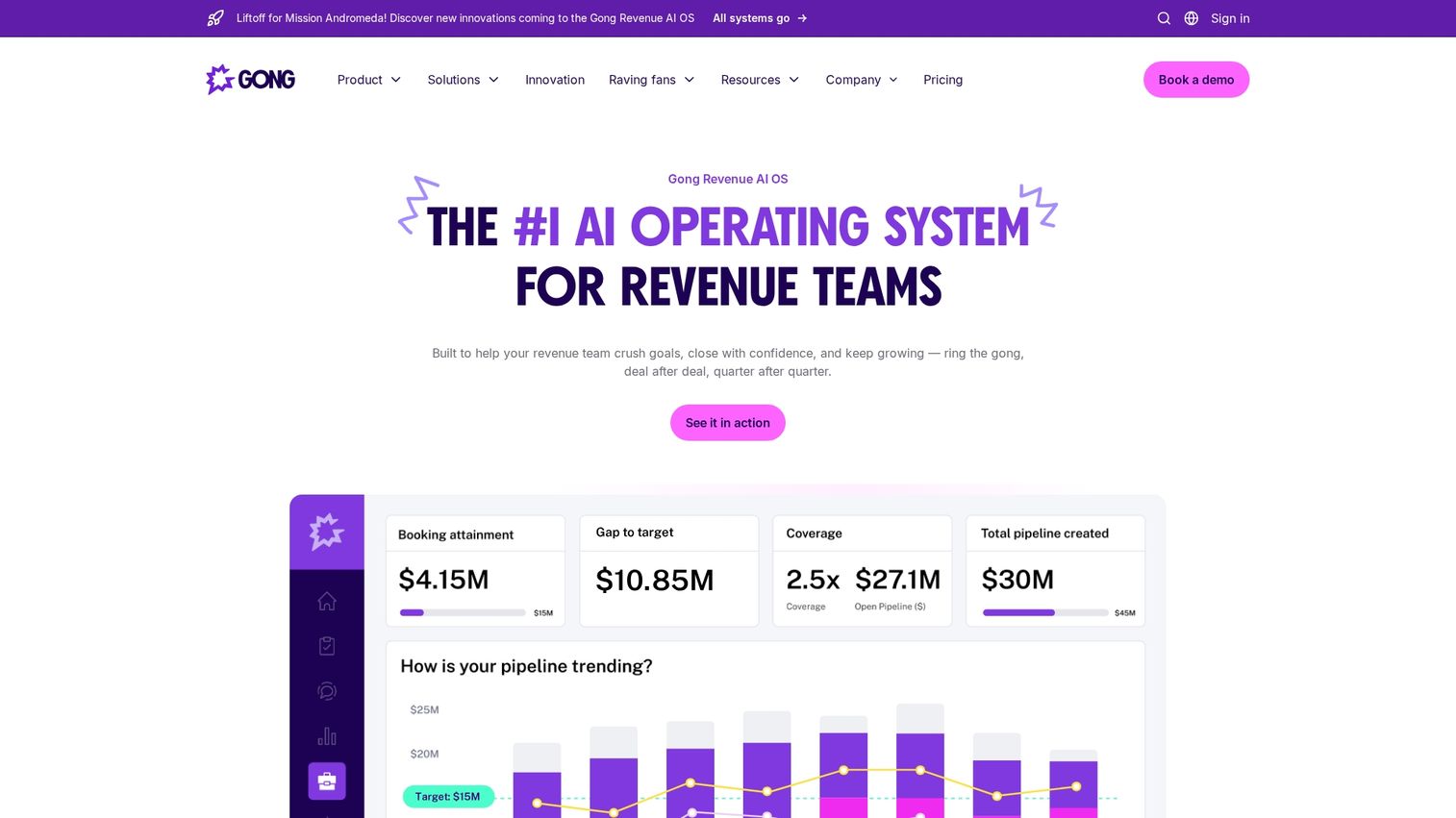
Gong is the leading conversation intelligence platform for B2B sales teams, positioned as a revenue intelligence solution. It analyzes customer-facing interactions across calls, emails, and web conferencing to surface deal insights and improve team performance.
The platform goes beyond basic transcription. Gong's AI identifies deal risks, competitive mentions, and buying signals across your entire pipeline. This makes it particularly valuable for revenue leaders who want objective data about deal health.
Key strengths
- AI-powered deal insights and risk alerts
- Extensive CRM integration with Salesforce, HubSpot, and Dynamics
- Competitive intelligence extracted from conversation analysis
- Large library of coaching and training content
Gong pricing
Custom pricing requires contacting sales. Gong typically serves mid-market to enterprise teams.
2. Chorus by ZoomInfo
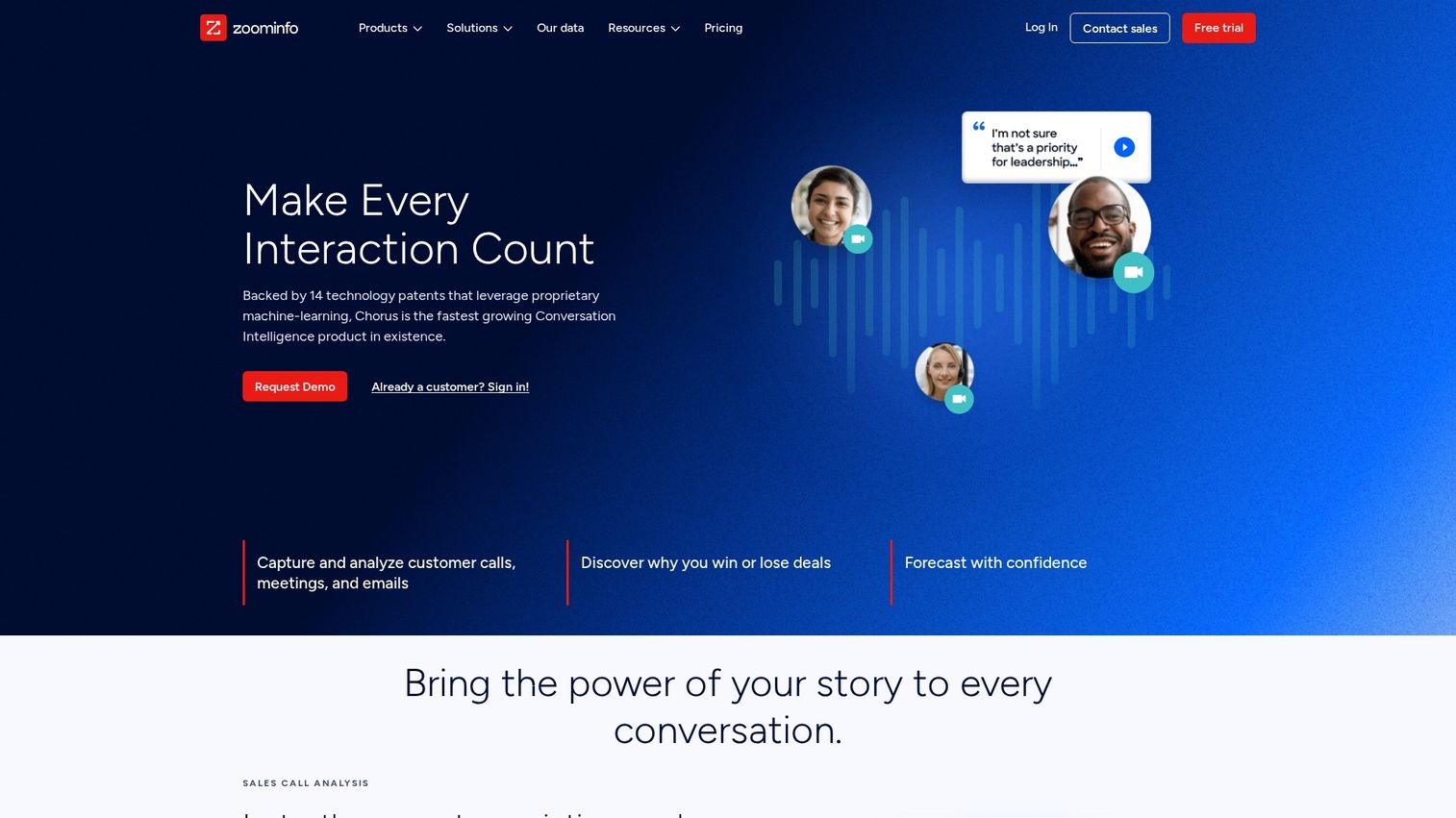
Chorus specializes in analyzing, scoring, and providing insights for sales teams. Its key differentiator is deep integration with ZoomInfo's B2B data, which enriches conversations with contact and company information automatically.
If your team already uses ZoomInfo for prospecting, Chorus creates a natural workflow where conversation data connects directly to account intelligence.
Key strengths
- Built-in ZoomInfo contact and company data
- Call scoring and analytics dashboards
- Conversation trend analysis across team
- Strong Salesforce integration
Chorus pricing
Custom pricing, often bundled with ZoomInfo packages. Primarily focused on enterprise clients.
3. Fathom
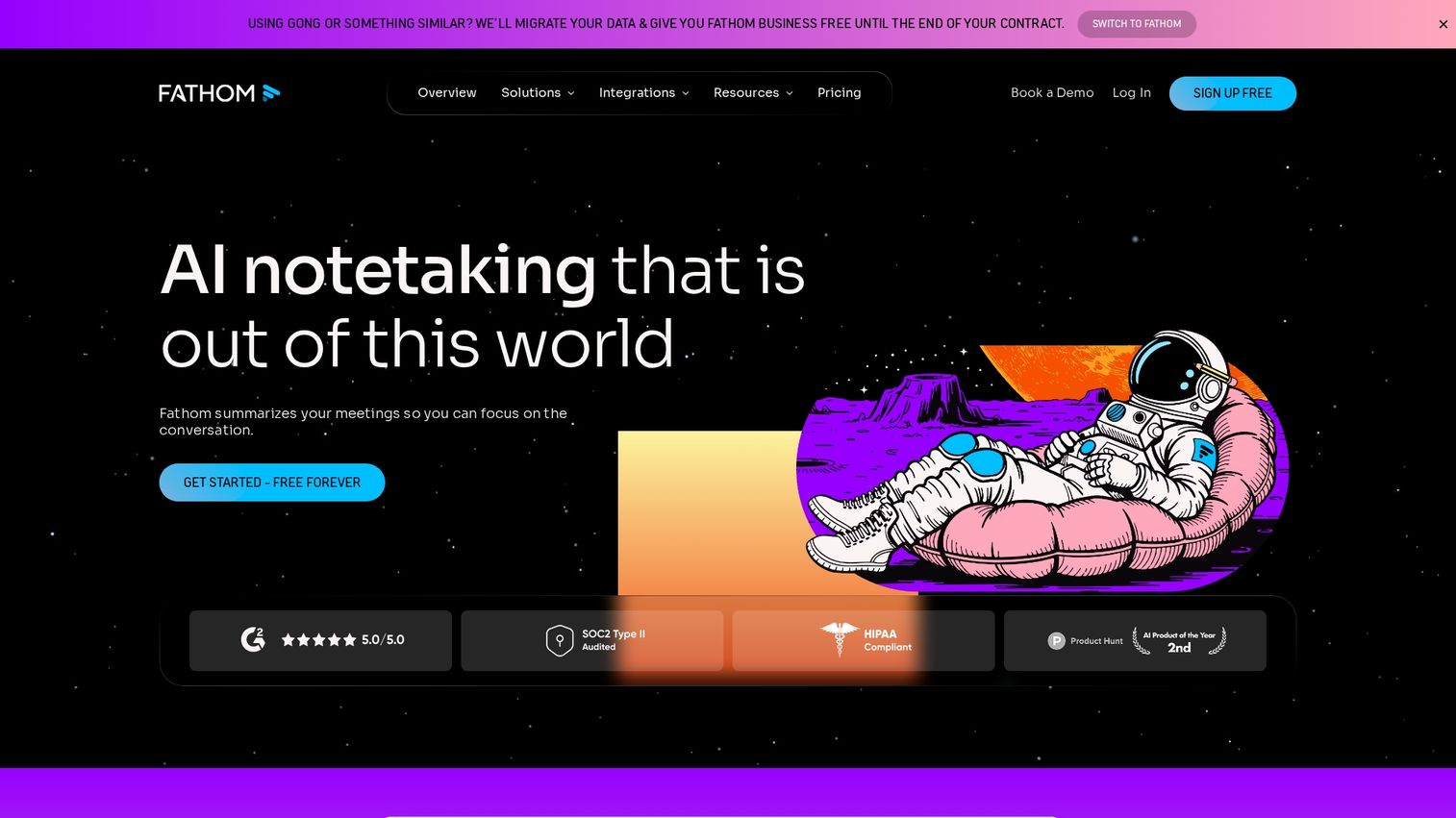
Fathom positions itself as the easiest conversation intelligence platform to set up. It emphasizes speed and simplicity, making it an excellent entry point for teams new to CI who want call summaries and action items without complex implementation.
Setup takes minutes rather than days. You connect your calendar, and Fathom starts joining and recording your meetings automatically.
Key strengths
- Free tier available for individual users
- Setup in minutes, not days
- Automatic meeting notes and action items
- Works with Zoom, Google Meet, and Microsoft Teams
Fathom pricing
Free tier for individuals. Paid plans for teams start at an accessible price point.
4. Fireflies.ai
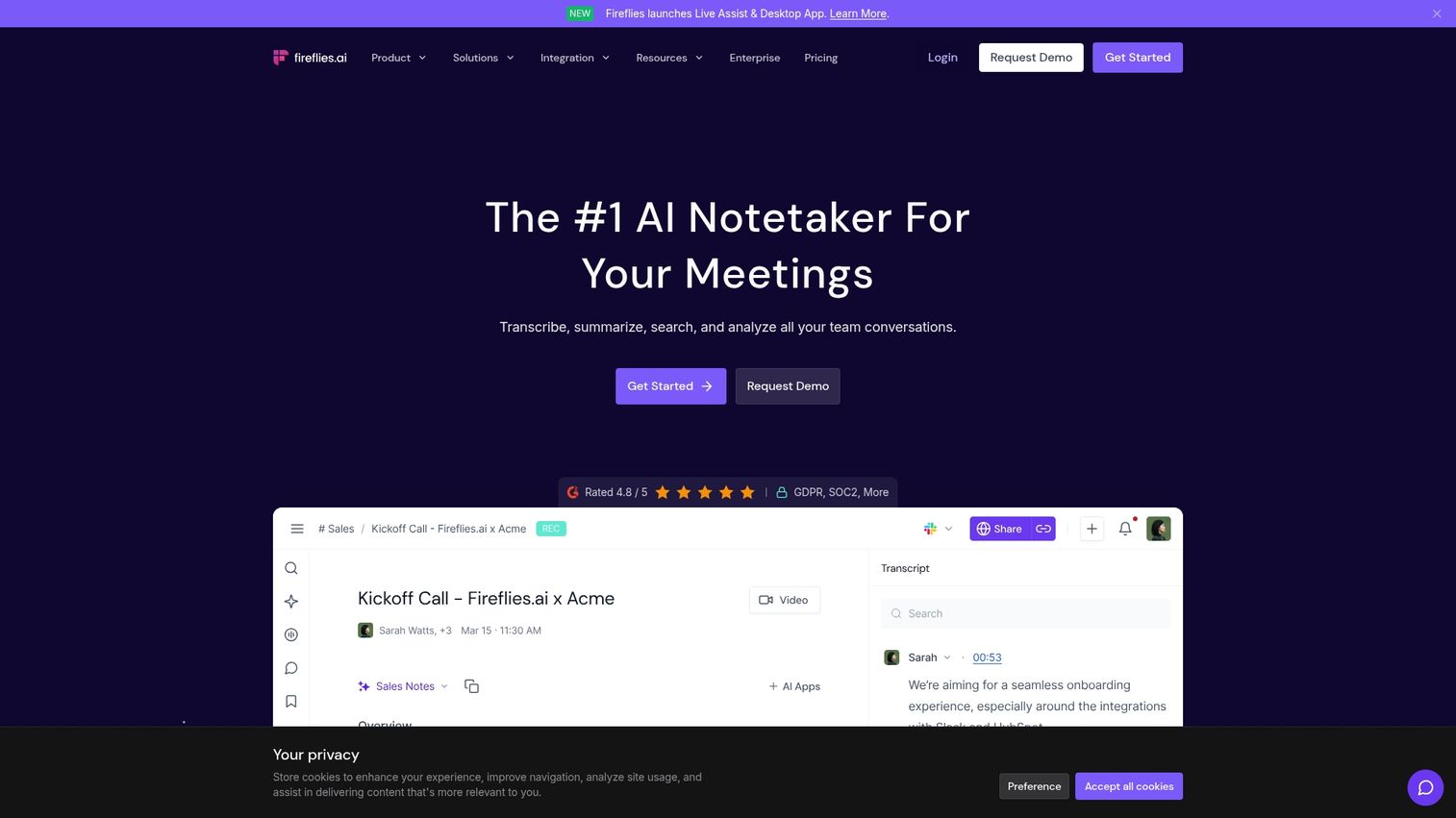
Fireflies.ai excels at searchable call transcripts and meeting documentation. Its standout feature is AI-powered search that lets you query across all recorded conversations.
The search functionality matters when you're trying to answer questions like "What did prospects say about our pricing in the last quarter?" Fireflies makes that data accessible without manual tagging.
Key strengths
- Powerful search across all transcripts
- AI-generated summaries and action items
- CRM auto-sync for conversation data
- Collaboration features for sharing snippets
Fireflies pricing
Free tier available. Paid plans scale based on features and storage needs.
5. Clari
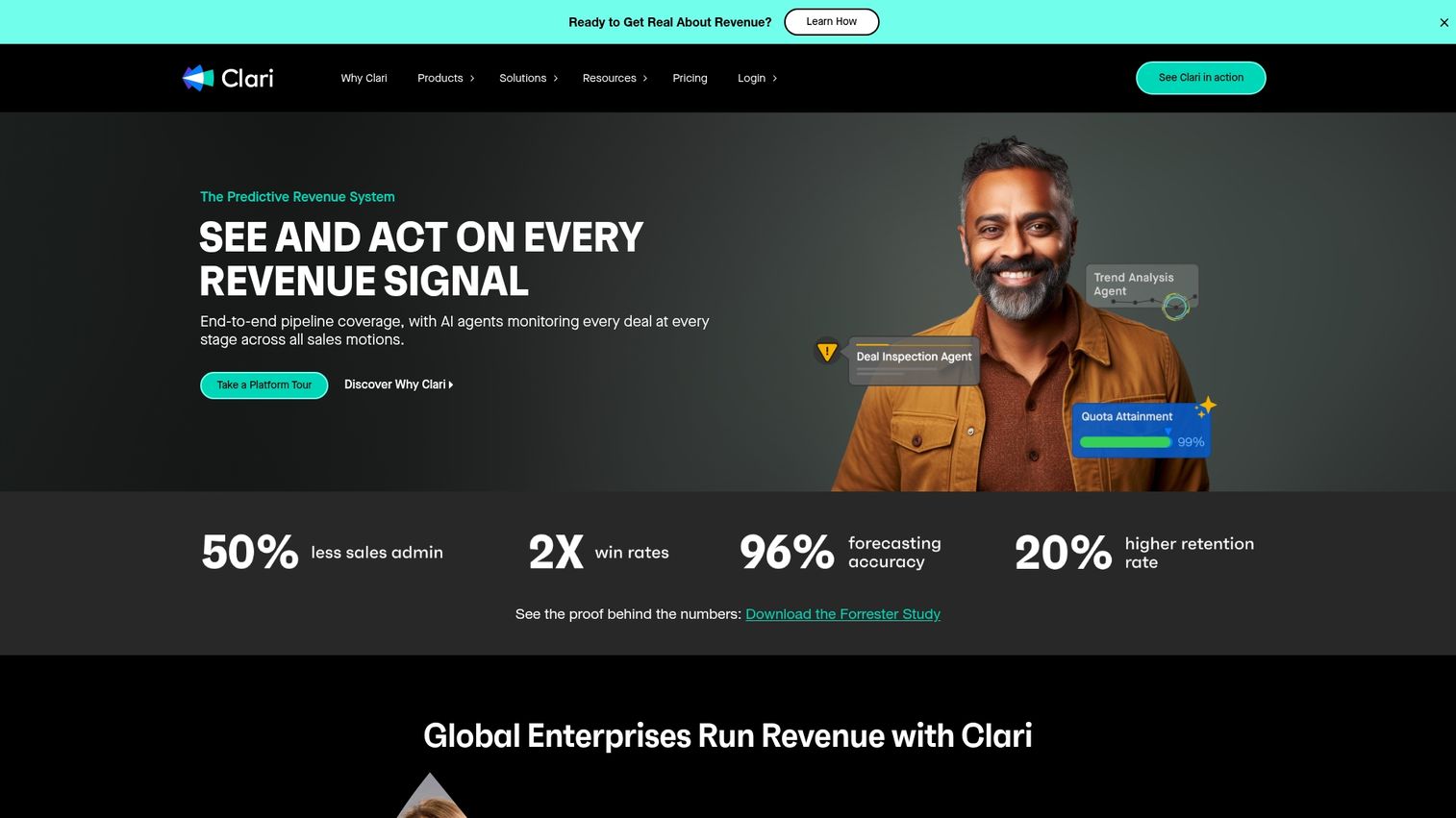
Clari integrates conversation intelligence with revenue operations and pipeline management. It connects conversation data with CRM and marketing data for full-funnel visibility.
While other tools focus primarily on call analysis, Clari takes a broader view by pulling in data from across your revenue stack.
Key strengths
- Revenue intelligence beyond just call recording
- Pipeline inspection and forecasting tools
- Connects marketing, sales, and customer success data
- Deal health scoring from conversation signals
Clari pricing
Custom pricing model. Positioned for mid-market and enterprise revenue teams.
6. Avoma
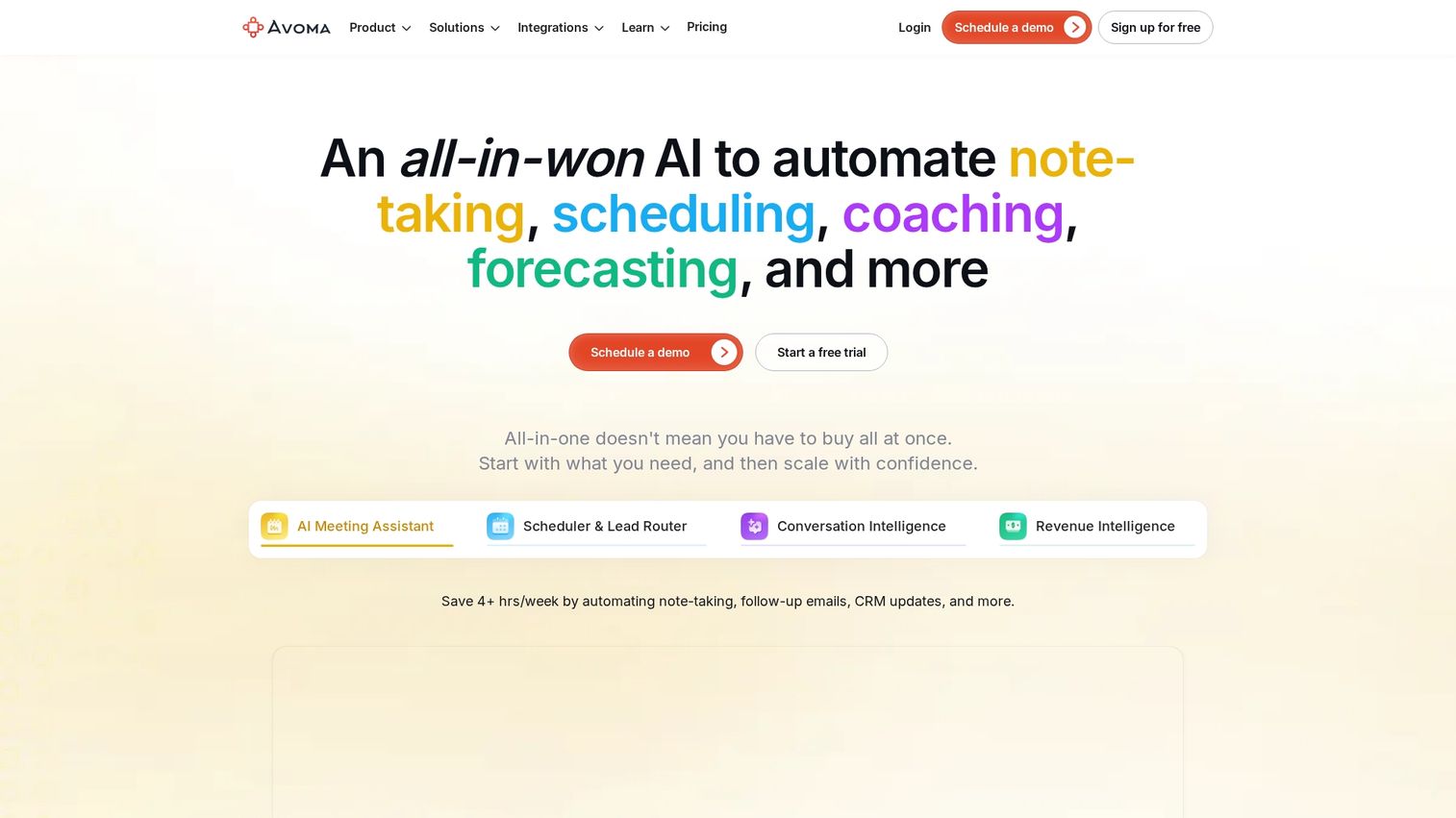
Avoma offers affordable meeting intelligence for small and mid-sized teams. It provides a good balance of features and price, known for meeting lifecycle management that covers before, during, and after the call.
The platform handles scheduling, note-taking, transcription, and follow-up in one place.
Key strengths
- Meeting lifecycle management from scheduling to follow-up
- AI-generated notes and action items
- Conversation analytics and coaching scorecards
- CRM integration for automatic updates
Avoma pricing
Tiered pricing with an accessible entry point. Free trial available.
7. Jiminny
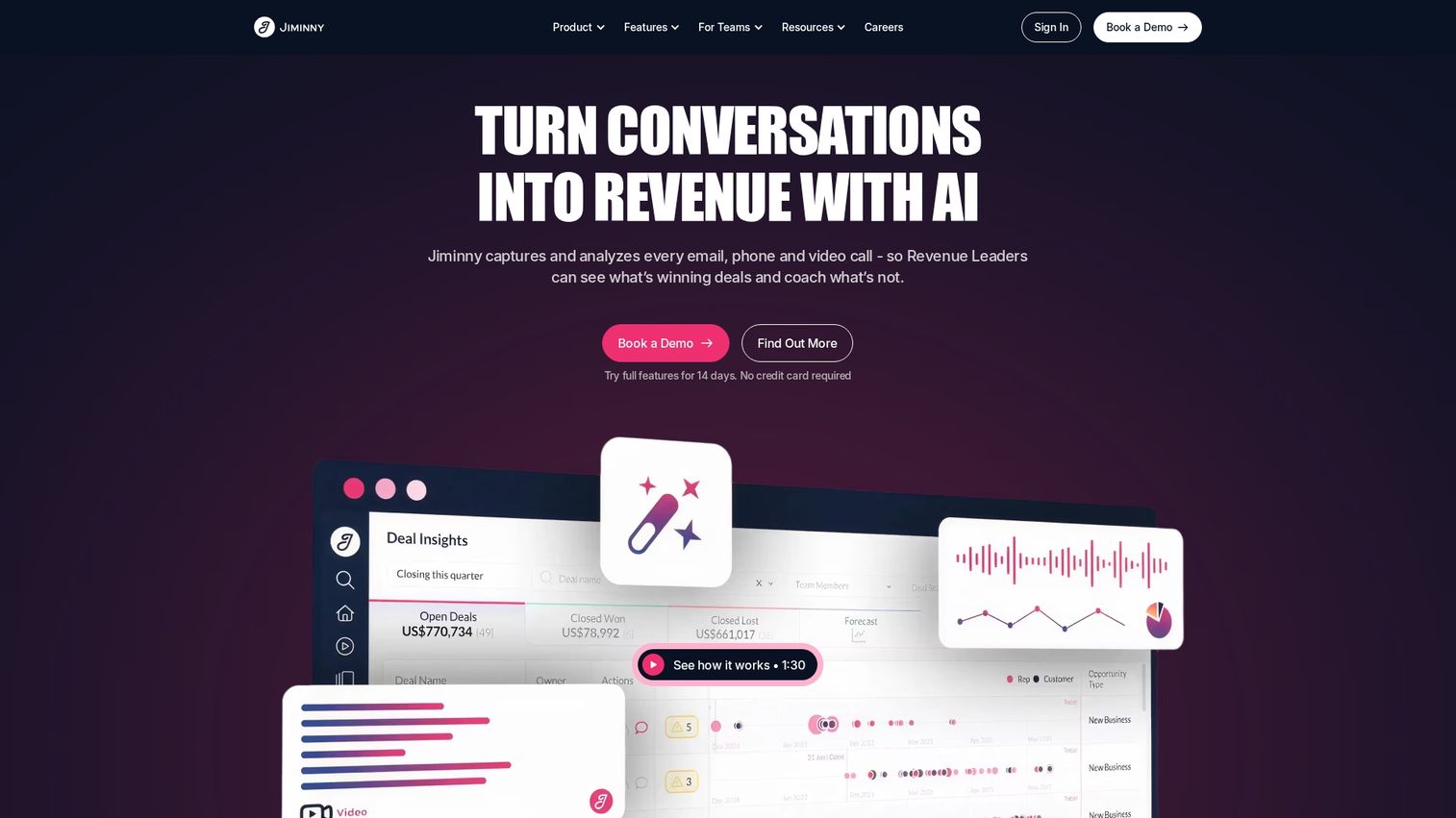
Jiminny takes a coaching-first approach with real-time guidance during calls. It provides live cues without disrupting conversations and has strong presence in European markets with good international language support.
The real-time element differentiates Jiminny from tools focused on post-call analysis.
Key strengths
- Real-time coaching cues during calls
- Call and email intelligence combined
- Strong coaching playlists and training library
- European language support
Jiminny pricing
Per-user pricing. Contact sales for enterprise packages.
8. Salesloft
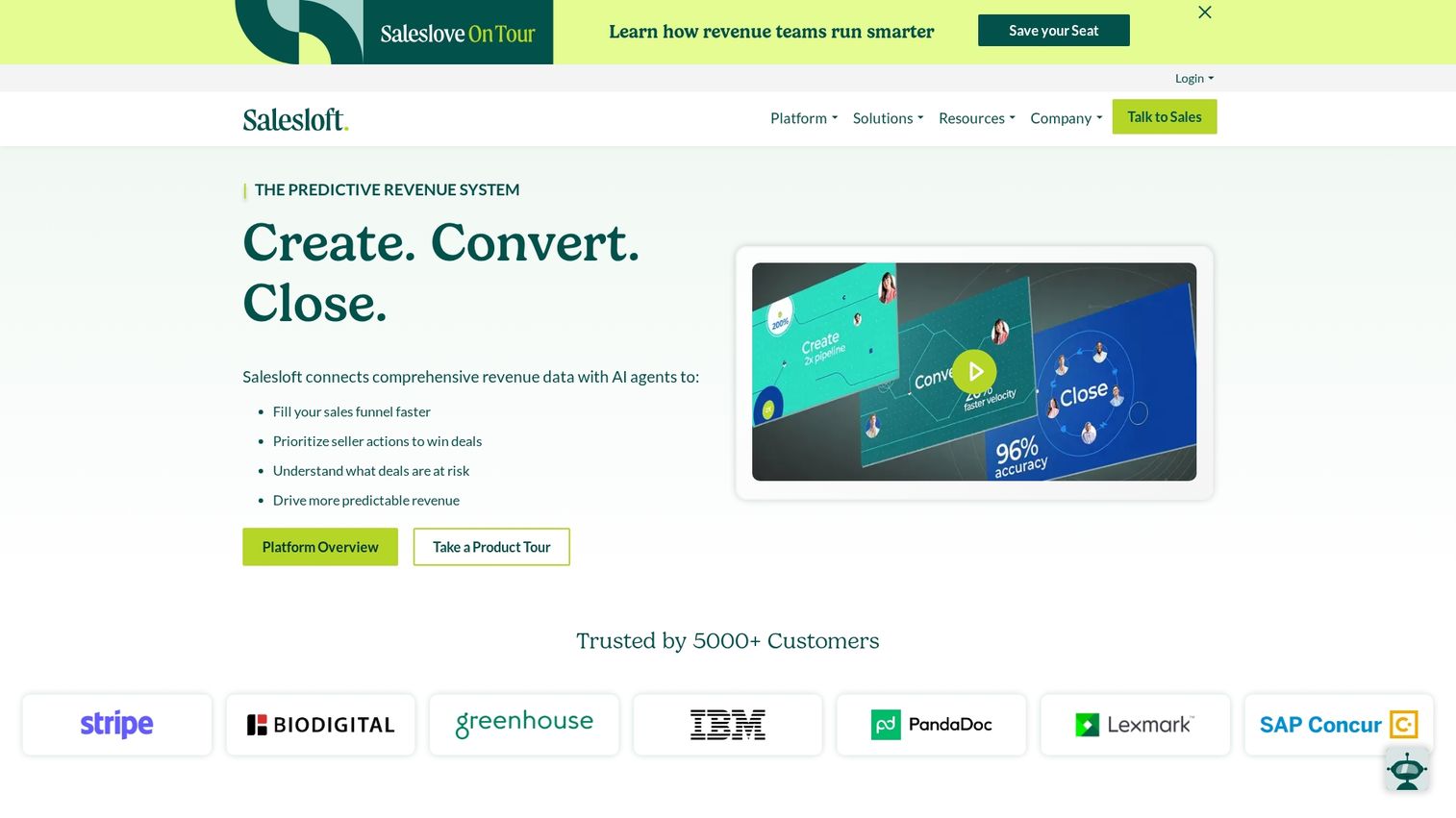
Salesloft offers conversation intelligence embedded within a broader sales engagement platform. It's the best choice for teams already using sales engagement tools who want unified workflow.
Rather than adding another standalone tool, Salesloft lets you keep cadences, calls, and analytics in one place.
Key strengths
- Unified sales engagement and conversation intelligence
- Cadence and workflow automation
- Call recording with AI transcription
- Extensive integration ecosystem
Salesloft pricing
Custom pricing based on modules selected.
9. Outreach
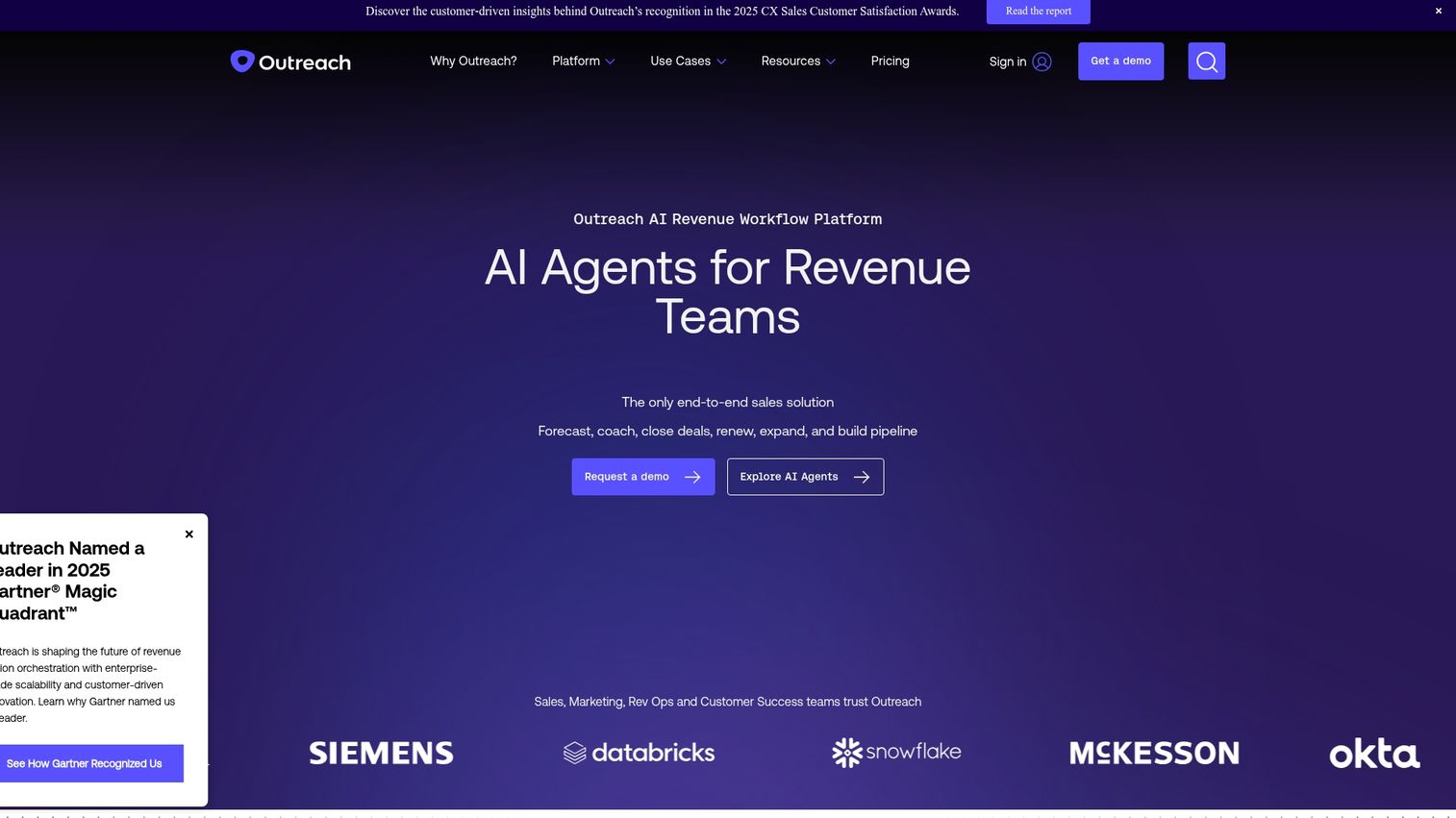
Outreach provides conversation insights that feed directly into deal execution. It offers CI within a broader engagement platform and is particularly strong for outbound-heavy sales motions.
The platform ties conversation data to sequence performance, so you can see which outreach approaches lead to better conversations.
Key strengths
- Conversation intelligence tied to sequence performance
- AI-powered deal health and next-step recommendations
- Strong outbound and cold calling support
- Large integration marketplace
Outreach pricing
Custom, enterprise-focused pricing.
10. CallMiner
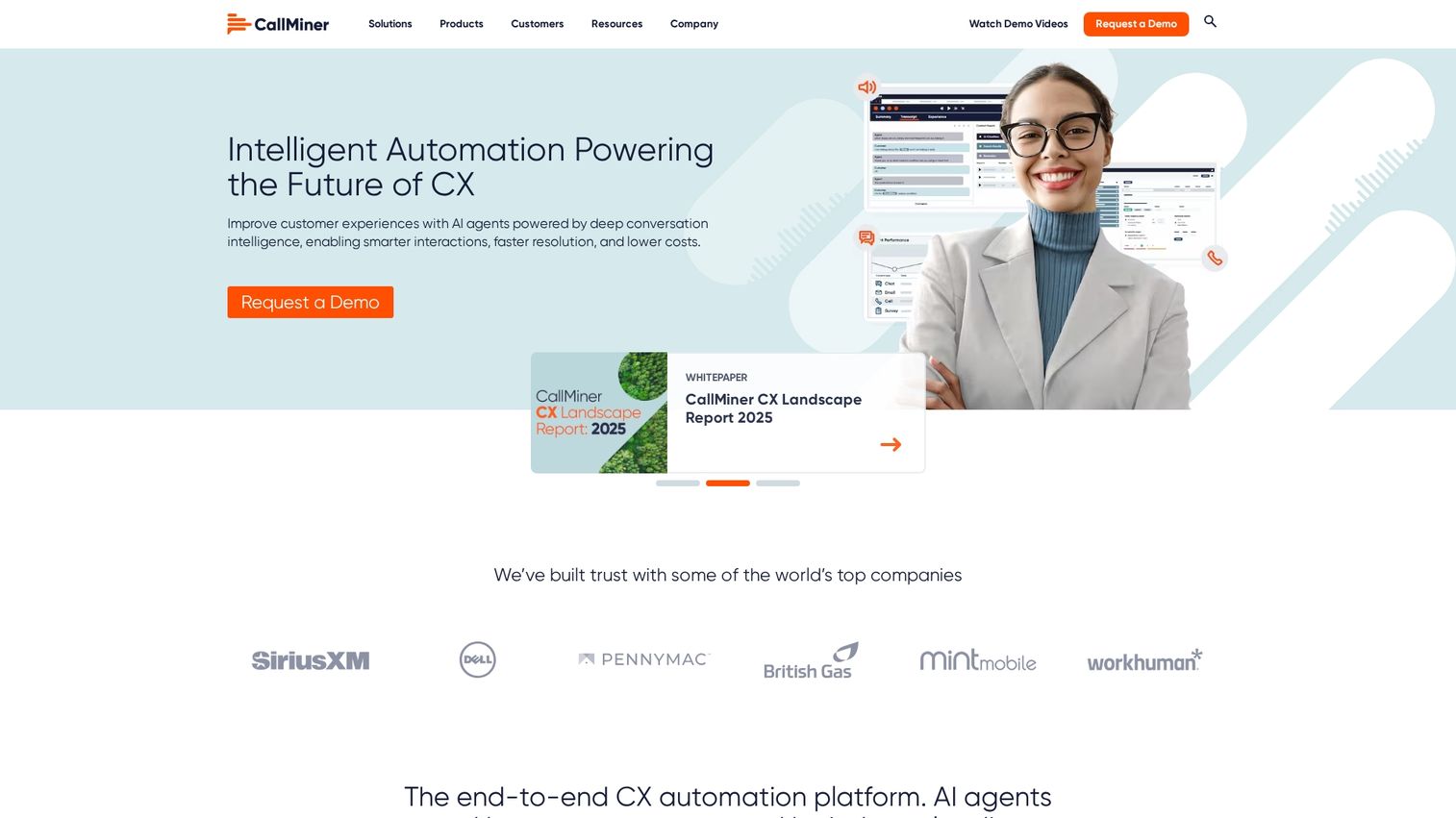
CallMiner is an enterprise-scale analytics platform with built-in compliance features. It's the best choice for regulated industries like financial services and healthcare.
The platform handles omnichannel analysis across calls, chat, and email with security features that go deeper than most alternatives.
Key strengths
- Enterprise-grade compliance and security
- Omni channel conversation analysis
- Advanced sentiment and emotion detection
- Customizable scoring and QA workflows
CallMiner pricing
Enterprise pricing. Contact sales for custom quotes.
11. Grain
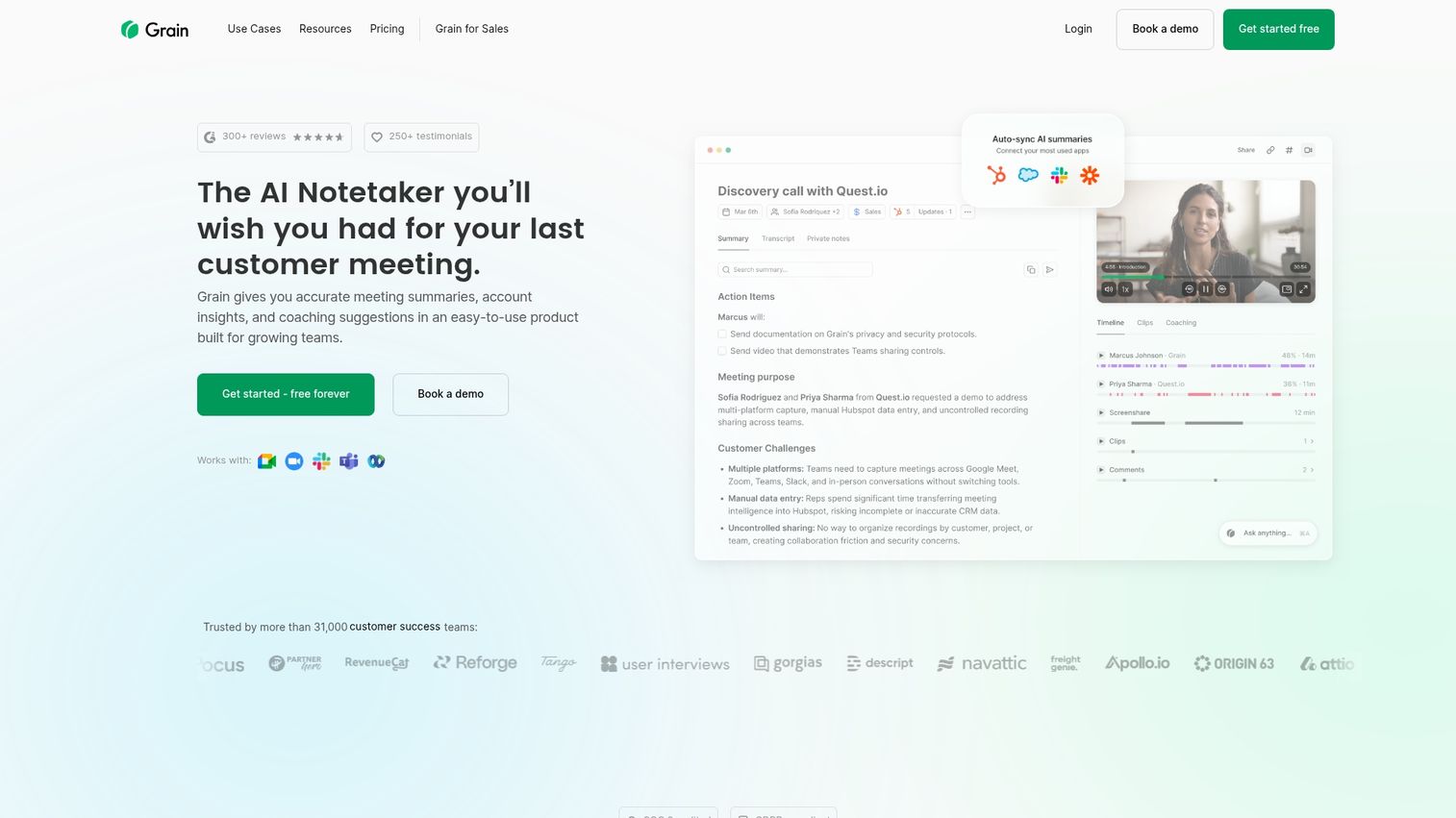
Grain is a lightweight, video-focused tool for teams that want to easily clip, share, and organize key moments from video calls.
The focus on shareable clips makes Grain useful beyond just sales. Product teams use it to share customer feedback, and marketing teams use it to capture voice-of-customer moments.
Key strengths
- Easy clip creation from video calls
- Shareable video snippets for team collaboration
- Automatic transcription and highlights
- Integration with Slack, Notion, and CRM tools
Grain pricing
Free tier available. Paid plans for teams include additional features.
How to choose the right conversation intelligence platform
The best tool depends on your team size, primary use case, and existing tech stack.
Evaluate CRM integration depth
Solutions that integrate deeply with your CRM create more value by automatically syncing insights. Ask potential vendors: does the tool update deal fields, log activities, and surface insights directly within the CRM? A shallow integration leads to duplicate data entry and lower adoption.
Assess real-time coaching capabilities
There's a meaningful difference between post-call coaching and real-time conversation intelligence. Teams focused on ramping new reps or improving in-the-moment performance may prioritize real-time features, which vary significantly across tools.
Consider international language support
For global teams, language support is critical. Not all tools handle non-English languages with the same accuracy. Ask about transcription and analysis accuracy for all languages your team uses.
Calculate ROI before committing
McKinsey research shows companies investing in AI see a sales ROI uplift of 10 to 20 percent. Estimate the return based on time saved from manual note-taking, environment improvements in coaching effectiveness, and gains from better pipeline visibility. Most vendors offer trials to help validate value.
Tip: Teams often pair CI data with interactive demos to act on insights. When calls reveal what prospects care about, you can respond with personalized product experiences that address specific concerns.
Turn conversation insights into action
The true value of conversation intelligence comes from acting on insights, not just collecting them. When CI reveals what prospects care about, your team can respond with relevant, personalized content.
Pairing CI tools with demo automation platforms like Guideflow allows you to turn call insights into personalized product experiences. If a prospect mentions a specific use case or pain point, you can send them an interactive demo that addresses exactly that.
Start your journey with Guideflow today!
FAQs about conversation intelligence software
Fathom and Grain offer the fastest setup with free tiers, making them ideal for small teams testing conversation intelligence for the first time. Both connect to your calendar and start working within minutes.
Most major platforms including Gong, Chorus, Clari, Avoma, and Fireflies offer native CRM integrations. The depth varies from basic activity logging to full deal field automation.
Teams typically measure ROI through reduced ramp time for new reps, increased win rates, time saved on manual CRM updates, and improved forecast accuracy.
Language support varies significantly by vendor. Jiminny and CallMiner offer stronger European language support, while most US-based tools optimize primarily for English.
Basic call recording captures audio for playback. Conversation intelligence adds AI-powered transcription, sentiment analysis, keyword tracking, coaching insights, and automated CRM updates.
Jiminny, Gong, and some Salesloft and Outreach features offer real-time coaching cues. Most platforms focus primarily on post-call analysis.
Enterprise platforms like CallMiner and Gong include SOC 2 compliance, data encryption, and consent management features. Teams in regulated industries like financial services or healthcare can verify specific certifications before purchasing.
Several platforms including Gong, CallMiner, and Salesloft analyze emails and chat alongside calls, providing a more complete picture of customer interactions across all touchpoints.