Candidate notes sit in the ATS. Client feedback stays in email. Placement forecasts depend on whichever recruiter remembers the latest update.
This setup works until the founder or top biller becomes the routing layer. Recruiting agency software gives the team a shared workflow across job orders, candidates, submissions, offers, and placements.
The category is also changing quickly. Staffing Hub reported that 61% of staffing agencies used AI for business applications in 2025. Another 37% planned to buy software within the following year.
The buying question is practical: Which system can reduce duplicate work while giving leadership a reliable view of placement activity and revenue?
What’s inside
This guide focuses on permanent placement firms, executive search teams, and recruiting agencies managing several client relationships.
We assessed each platform against four operating needs:
- Agency desk fit: Candidate pipelines, submissions, interviews, offers, and placements
- CRM depth: Client contacts, job orders, follow-ups, and relationship history
- Search and sourcing: Database search, matching, enrichment, and outreach
- Operating visibility: Recruiter activity, placement performance, revenue, and reporting
Staffing and back-office capabilities appear where they affect permanent recruitment. Pricing and ratings reflect vendor pages and current G2 listings.
TL;DR
- Best overall for established recruiting agencies: Bullhorn offers broad ATS, CRM, automation, analytics, and staffing operations
- Best for AI-assisted agency workflows: Recruiterflow combines recruiting operations with sourcing agents and multichannel outreach
- Best for small and midsize placement firms: Recruit CRM offers an integrated agency ATS and CRM with a 30-day trial
- Best for budget-conscious teams: Manatal starts at $15 per user monthly with annual billing
- Best for outbound executive search: Loxo combines talent intelligence, sourcing, outreach, and relationship management
- Best for broader staffing operations: Vincere, JobDiva, and Avionté add operational depth beyond permanent placement
What is recruiting agency software?
Recruiting agency software helps recruiting firms manage candidate relationships, client job orders, submissions, interviews, offers, placements, and reporting within a shared workflow.
Unlike a corporate ATS, an ATS for recruiting agencies must support several clients and job orders simultaneously. Recruiters need to connect each candidate with the right company, role, submission, and fee opportunity.
A recruiting CRM adds the relationship layer. It records business development activity, client communication, candidate history, and future opportunities. Recruitment CRM software also helps agencies maintain relationships after a role closes.
Permanent placement firms need different capabilities from temp staffing businesses. Placement agency software prioritizes search, submissions, interviews, offers, fees, and reusable candidate relationships. Staffing platforms may extend into onboarding, timesheets, payroll, billing, or workforce management.
Core capabilities include:
- ATS workflow: Jobs, candidates, stages, interviews, and offers
- Recruiting CRM: Companies, contacts, job orders, and follow-ups
- Candidate database: Search, tagging, parsing, enrichment, and deduplication
- Client submissions: Shortlists, resumes, notes, feedback, and interview stages
- Recruiting automation: Tasks, reminders, sequences, and status updates
- AI assistance: Matching, sourcing, drafting, and note summaries
- Analytics: Desk activity, source quality, submission ratios, and placement rates
- Revenue tracking: Fees, commissions, forecasts, and recruiter performance
- Integrations: Email, calendars, job boards, accounting, and e-signature tools
The best recruiting firm software keeps every role, candidate, client, and placement connected. Recruiters shouldn’t need to copy the same update into several systems.
For founders, this creates a simple test: Can a new desk manager understand pipeline health without asking the firm’s strongest operator?
When to use recruiting agency software
Run a permanent placement desk without spreadsheet debt
Spreadsheets become unreliable once several recruiters manage overlapping candidates and client roles. Candidate tracking software creates shared ownership, structured stages, and searchable history.
The system becomes necessary when “who knows what” starts delaying submissions or confusing recruiters. A common database also reduces dependence on founder memory.
Manage client submissions and feedback in one workflow
Permanent placement firms need to connect candidate profiles with client feedback, interviews, offers, and placement outcomes. Client submission software keeps those records tied to the correct role.
Leadership gains a clearer fee forecast because submission progress no longer hides inside inboxes. Recruiters also see the next required action without reconstructing the search.
Scale recruiter output without losing relationship quality
Recruiting automation software can create reminders, update stages, and support candidate outreach. Saved searches and reusable sequences reduce repetitive work.
Automation should protect recruiter judgment rather than replace it. The goal is more time for candidate assessment and client conversations.
Recruiting agency software comparison
The table below compares 15 platforms through a permanent placement lens. Some focus tightly on agency ATS and recruiting CRM workflows. Others include staffing operations, workforce management, or payroll.
Pricing units matter. Per-user plans can become expensive during growth, while broad platforms may add migration or implementation costs.
| # | Product | Best for | Key differentiator | Pricing | G2 rating |
|---|---|---|---|---|---|
| 1 | Bullhorn | Established recruiting agencies | Broad ATS, CRM, automation, and staffing operations | From $99/user/month | 4.2/5 |
| 2 | Recruiterflow | AI-assisted recruiting agencies | AI agents with multichannel outreach | From $149/user/month | 4.6/5 |
| 3 | Recruit CRM | Small and midsize placement firms | Integrated agency ATS and CRM | From $95/user/month | 4.8/5 |
| 4 | Manatal | Budget-conscious recruiting firms | Low entry price with AI matching | From $15/user/month annually | 4.8/5 |
| 5 | Crelate | Relationship-led recruiting teams | Flexible CRM and candidate pipelines | From $85/user/month annually | 4.4/5 |
| 6 | JobAdder | Agencies needing job distribution | Job posting with recruitment operations | Custom pricing | 4.4/5 |
| 7 | Tracker | Teams managing electronic hiring compliance | Electronic I-9 and E-Verify workflows | Custom pricing | N/A |
| 8 | Loxo | Executive search and outbound sourcing | Talent intelligence with AI search | From $149/user/month annually | 4.6/5 |
| 9 | Vincere | Multi-office recruitment firms | Recruiting operations with Pay and Bill | From £85/user/month | 4.5/5 |
| 10 | Zoho Recruit | Agencies wanting a low-cost entry | Free plan and annual paid tiers | Free, paid from $25/recruiter/month | 4.4/5 |
| 11 | Top Echelon | Small firms and split networks | Agency ATS with recruiting network access | From $79/month annually | 4.6/5 |
| 12 | PCRecruiter | Configurable recruiting databases | Flexible workflows and database control | Around $115/user/month | 4.4/5 |
| 13 | Ceipal | Firms spanning recruitment and staffing | ATS, workforce management, and VMS coverage | Workforce from $85/month | 4.7/5 |
| 14 | JobDiva | High-volume staffing operations | Recruiting with onboarding and back-office depth | Custom pricing | 4.7/5 |
| 15 | Avionté | Staffing firms with placement workflows | Recruiting, onboarding, payroll, and billing | Custom pricing | 4.3/5 |
Best 15 tools for recruiting agency software
Each platform below is assessed against the permanent placement workflow. Focus on how well the system connects intake, search, submissions, interviews, placements, and reporting.
1. Bullhorn
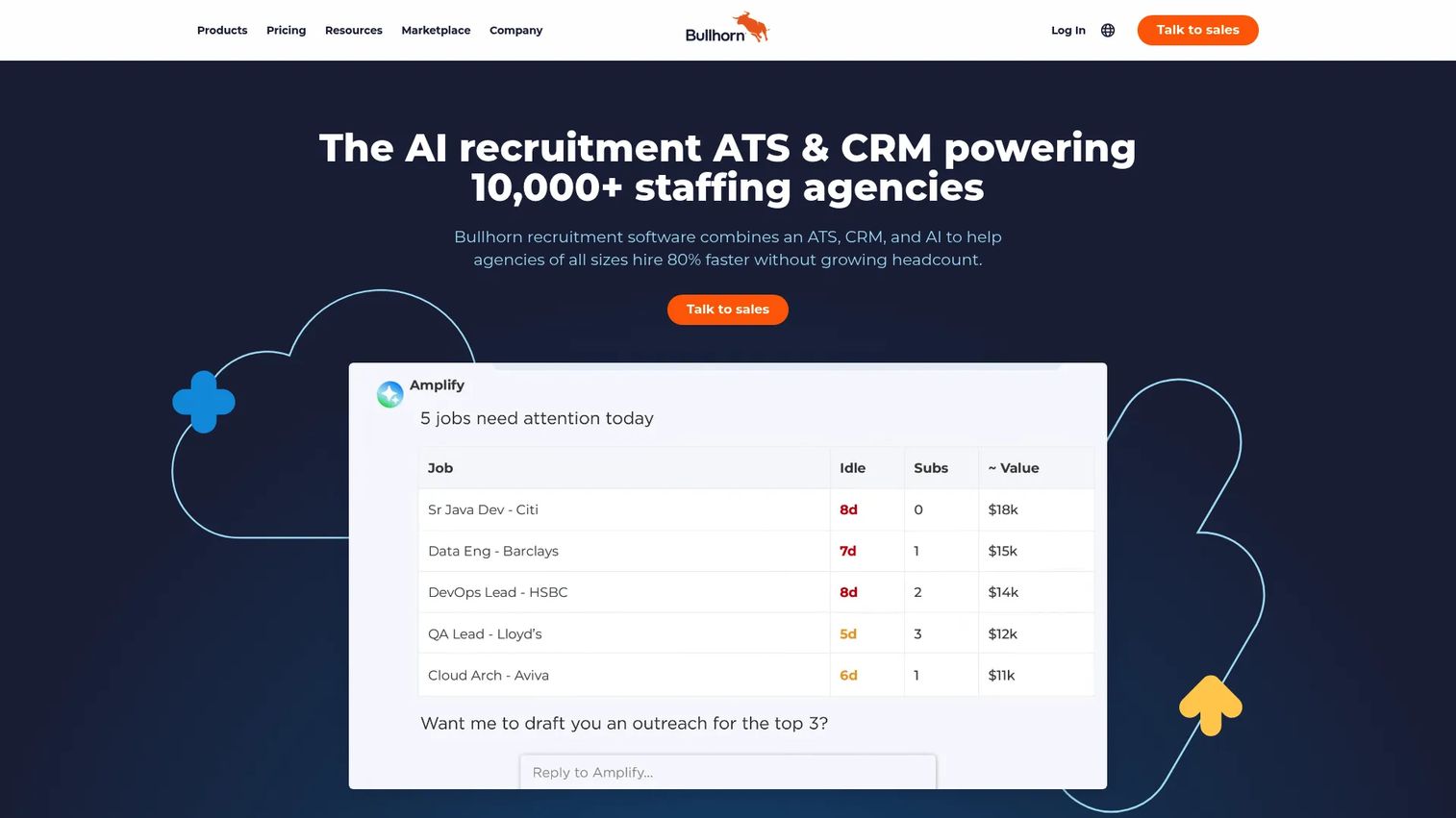
Bullhorn combines applicant tracking, recruiting CRM, operations, analytics, onboarding, and pay-and-bill capabilities. It suits firms that need a broad system across recruiting and staffing workflows.
Its scope makes it relevant when several offices or desks need consistent processes. Permanent placement teams can manage job orders, candidate records, client activity, and pipeline forecasts within the same platform.
Best for: Established recruiting firms that need operational scale and stronger reporting.
Key features
- ATS and recruitment CRM
- Candidate search and matching
- Workflow automation
- Marketplace integrations
- Pay and billing operations
Why choose Bullhorn: Choose Bullhorn after lightweight recruiting pipeline software starts creating reporting gaps. Its operational breadth fits firms with several recruiters or mixed placement models.
A founder evaluating an agency partner may also see Bullhorn as evidence of process maturity. However, smaller boutiques should compare that breadth against implementation effort and total seat cost.
Bullhorn pricing: Starter costs $99 per user monthly. Core costs $165 per user monthly, while larger plans use custom pricing.
G2 rating: 4.2/5.
2. Recruiterflow
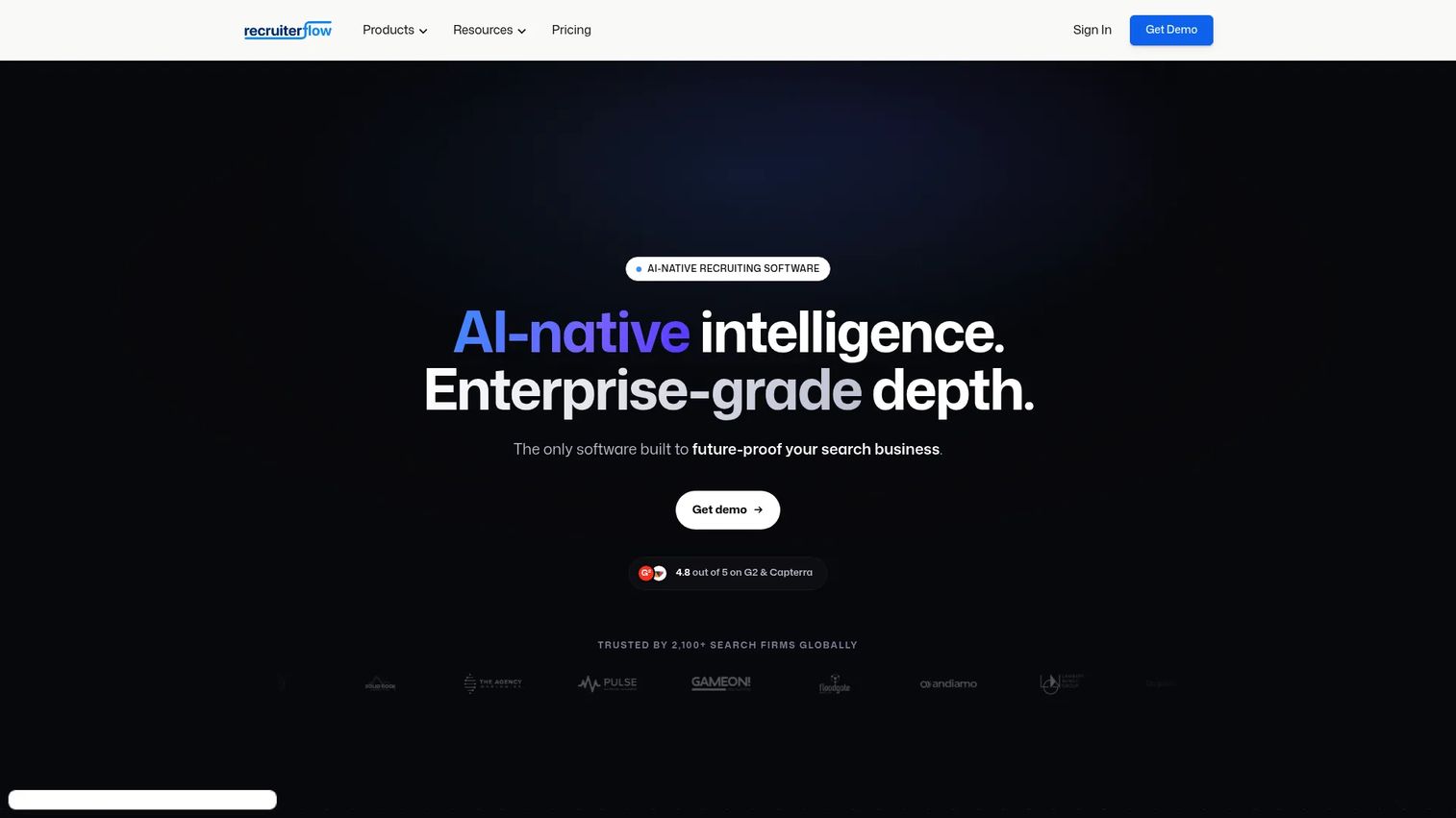
Recruiterflow is an integrated ATS and CRM for recruiting, staffing, and executive search firms. It combines agency workflow management with multichannel sequences, reporting, and AI agents.
The platform supports firms that source actively rather than waiting for applicants. Recruiters can manage outreach alongside candidate and client records, reducing the need for separate sourcing and sequencing tools.
Best for: Agencies that want AI-assisted workflows with integrated sourcing and outreach.
Key features
- Integrated ATS and CRM
- AIRA AI agents
- Multichannel sequences
- Workflow automation
- Recruiting analytics
Why choose Recruiterflow: It fits search desks where outbound sourcing drives placements. Recruiters can run outreach and manage pipeline activity without switching between several applications.
The AI angle is concrete rather than decorative. AIRA plans add agents, communication synchronization, and custom business intelligence dashboards.
Recruiterflow pricing: The Platform plan starts at $149 per user monthly. AIRA uses custom pricing.
G2 rating: 4.6/5.
3. Recruit CRM
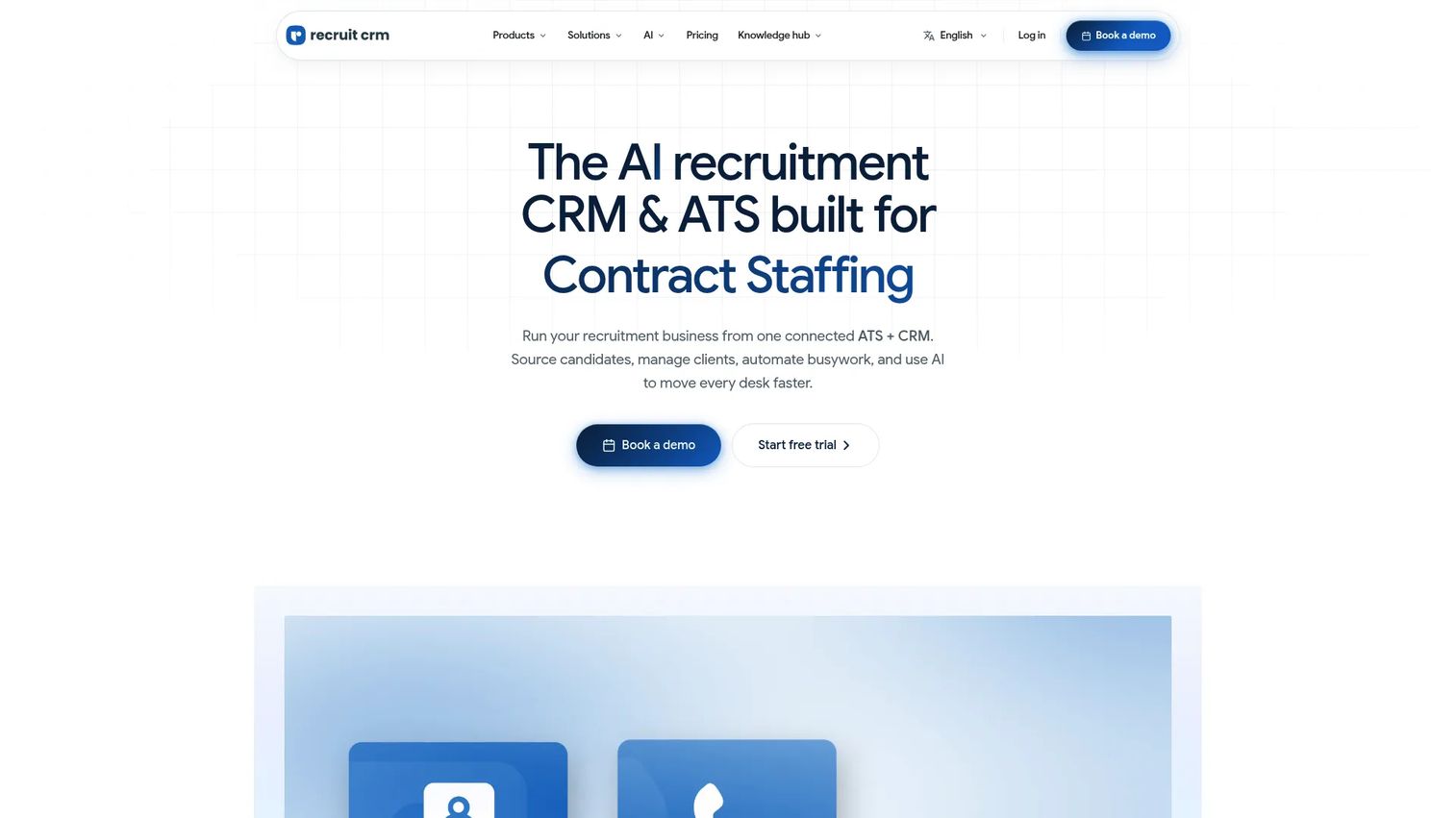
Recruit CRM combines an agency ATS, recruiting CRM, sourcing tools, outreach, and workflow automation. It serves recruitment agencies and executive search businesses.
The platform supports resume parsing, candidate matching, and communication across several channels. Its practical structure makes it relevant for firms leaving spreadsheets or a generic CRM.
Best for: Small and midsize permanent placement firms wanting an integrated agency system.
Key features
- Candidate and client CRM
- AI resume parsing
- Candidate matching
- Multichannel outreach
- Workflow automation
Why choose Recruit CRM: Choose it when quick adoption matters more than broad staffing operations. It provides enough structure for candidates, clients, job pipelines, and communication without requiring several modules.
For an owner-led agency, the 30-day trial creates room to test a live placement workflow. Run one job from intake through client submission before committing.
Recruit CRM pricing: Pro costs $95 per user monthly. Business costs $135, while Enterprise costs $215 per user monthly.
A 30-day free trial is available. Annual billing can reduce the total by up to 17%.
G2 rating: 4.8/5.
4. Manatal
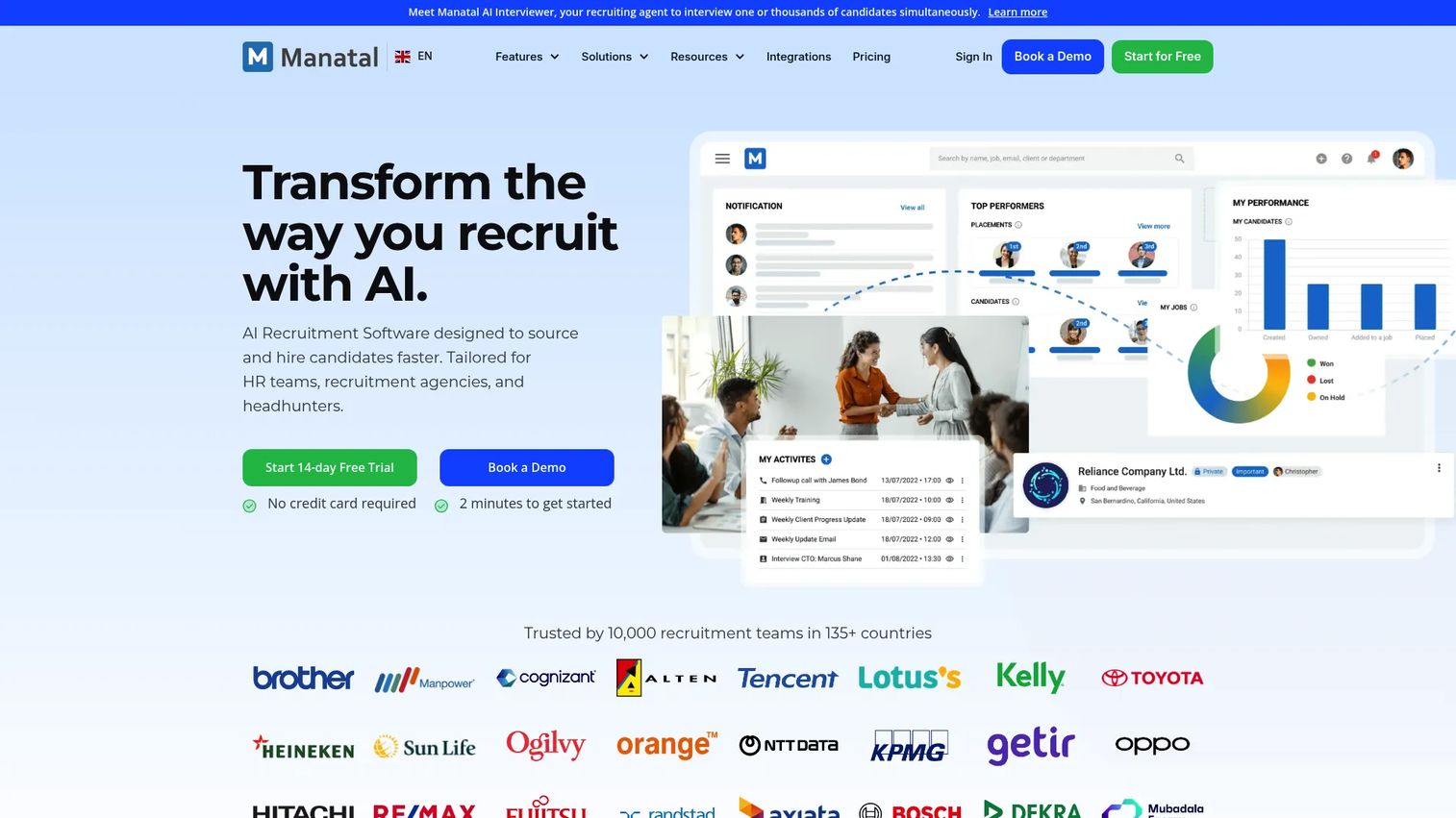
Manatal provides applicant tracking, recruitment CRM, candidate enrichment, and AI recommendations. It also supports job distribution across more than 2,500 channels.
The low entry price makes it accessible to lean recruiting firms. Customizable pipelines give agencies a structured path from candidate discovery to placement.
Best for: Cost-conscious firms that need an ATS and recruiting CRM without a large initial commitment.
Key features
- AI candidate matching
- Recruitment CRM
- Candidate enrichment
- Customizable pipelines
- Job posting distribution
Why choose Manatal: Manatal fits small teams replacing spreadsheets with structured candidate tracking software. It offers a shorter buying path than platforms built around extensive staffing operations.
Firms with payroll or deep back-office requirements may need a broader product. Permanent placement boutiques can avoid paying for those functions before they need them.
Manatal pricing: Annual plans cost $15, $35, or $55 per user monthly. Monthly billing costs $19, $39, or $59.
A 14-day free trial is available.
G2 rating: 4.8/5.
5. Crelate
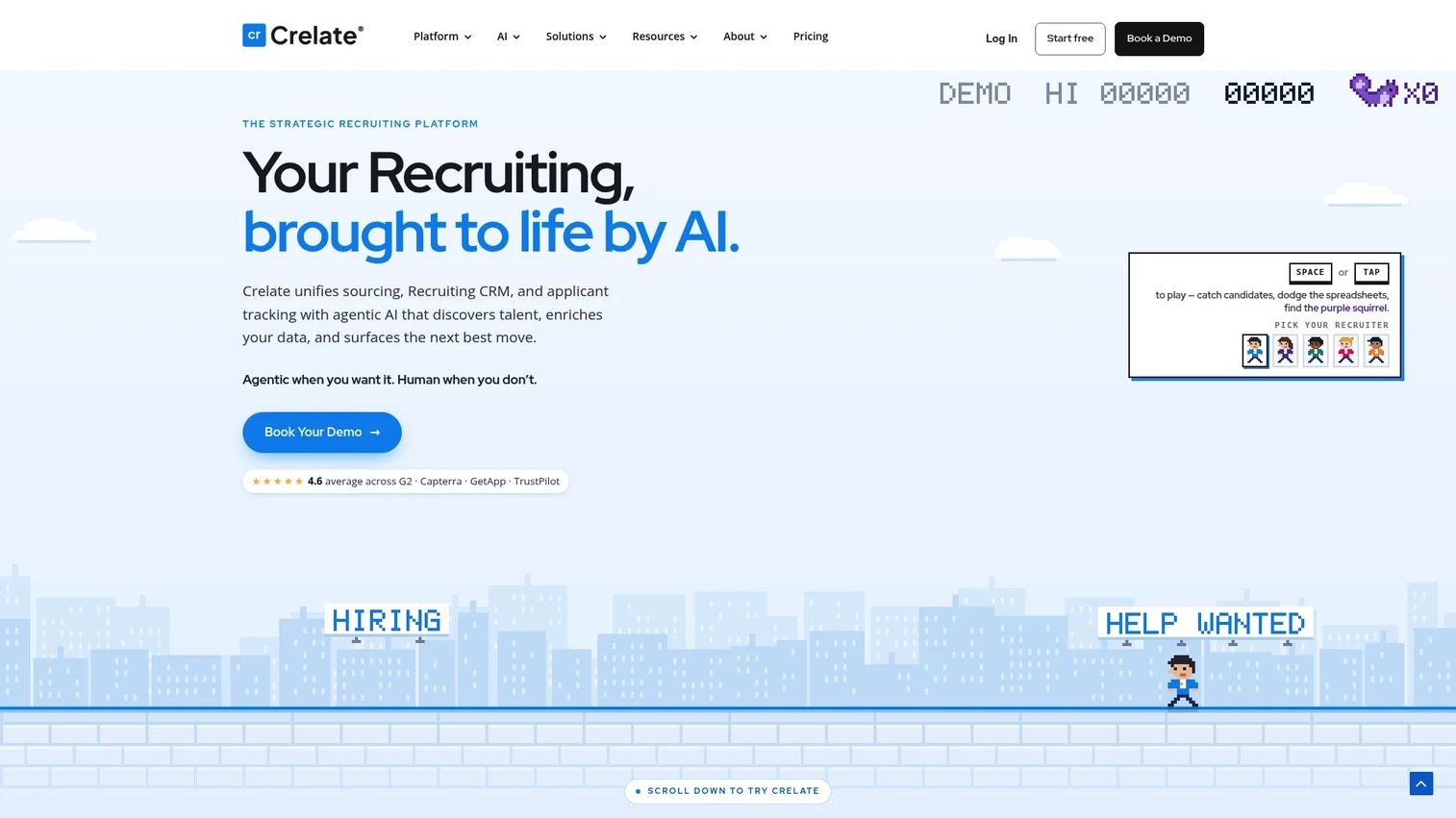
Crelate combines applicant tracking, recruiting CRM, sourcing, automation, portals, and reporting. It serves staffing firms, executive search teams, and corporate recruiters.
Its relationship focus suits agencies managing long candidate histories and repeat client business. Recruiters can connect business development activity with active talent pipelines.
Best for: Relationship-led recruiting teams that need flexible pipelines and detailed contact history.
Key features
- Applicant tracking and CRM
- AI candidate discovery
- Data enrichment
- Automation and sequencing
- Client and job portals
Why choose Crelate: Choose Crelate when your candidate database is a reusable asset rather than an applicant archive. It supports search firms where placements develop through long-running relationships.
The platform also gives leaders visibility into recruiting execution and business development. This matters when client pipeline health affects future placement revenue.
Crelate pricing: Essentials costs $85 per user monthly with annual billing. Business costs $119 per user monthly, with monthly billing also available.
Business Plus and Platform use custom pricing. Crelate offers a free trial.
G2 rating: 4.4/5.
6. JobAdder
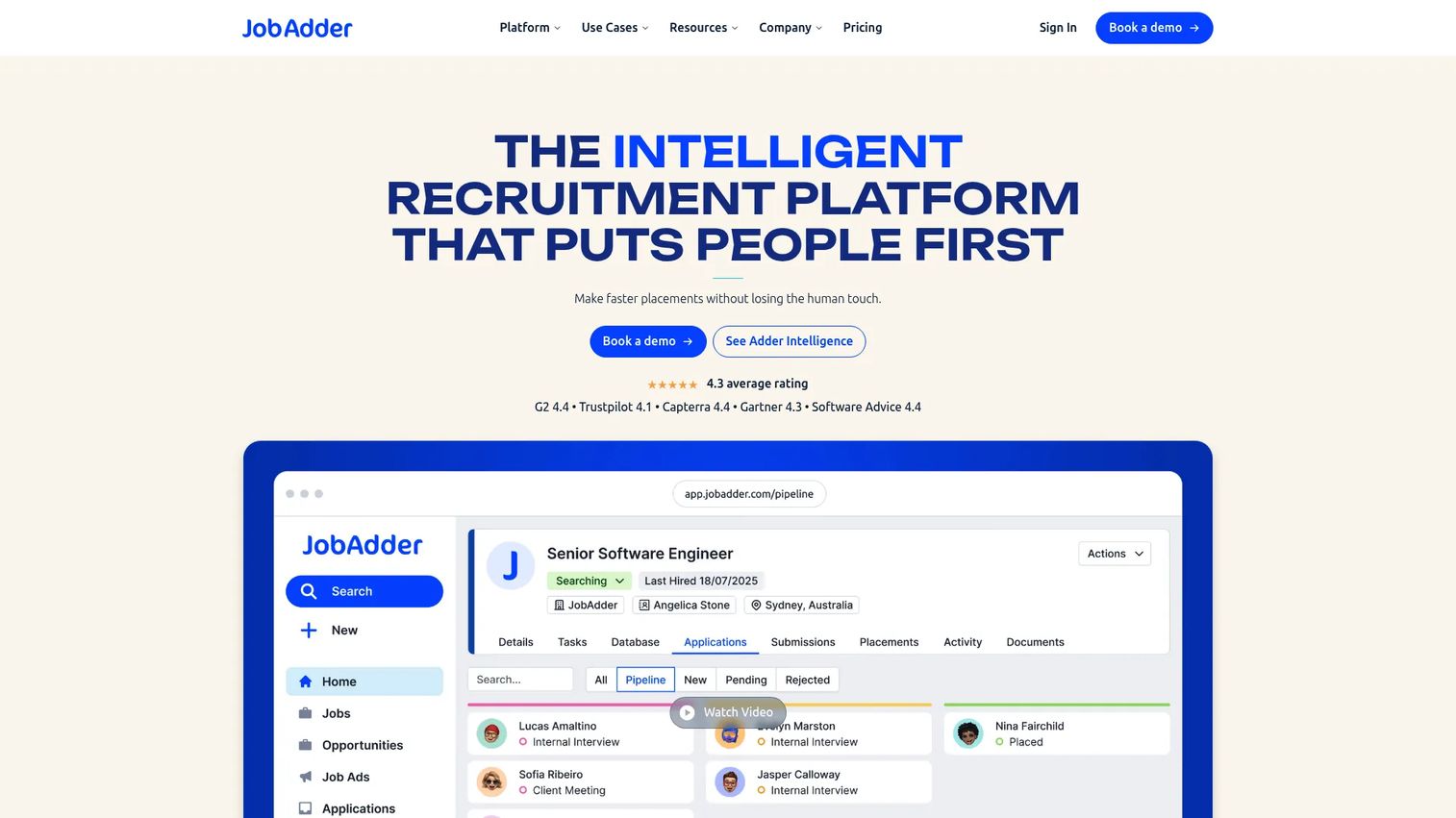
JobAdder combines applicant tracking, recruitment CRM, job distribution, business development, automation, and analytics. It serves recruitment agencies and internal talent teams.
Job posting distribution is a central strength. Candidate, client, and hiring manager portals also help keep external participants connected to the process.
Best for: Agencies that need job distribution and structured recruitment operations.
Key features
- Applicant tracking
- Job distribution
- Recruitment CRM
- Business development pipeline
- Workflow automation
Why choose JobAdder: It fits firms managing many open roles across several advertising channels. Recruiters can move from posting into candidate and client workflows without rebuilding context.
Agency leaders also gain dashboards covering activity and recruitment KPIs. Assess whether its annual contract matches your expected hiring volume and team size.
JobAdder pricing: Recruiter Lite, Essential, Pro, and Business use custom pricing. Annual contracts are standard, with monthly or yearly payment options.
G2 rating: 4.4/5.
7. Tracker
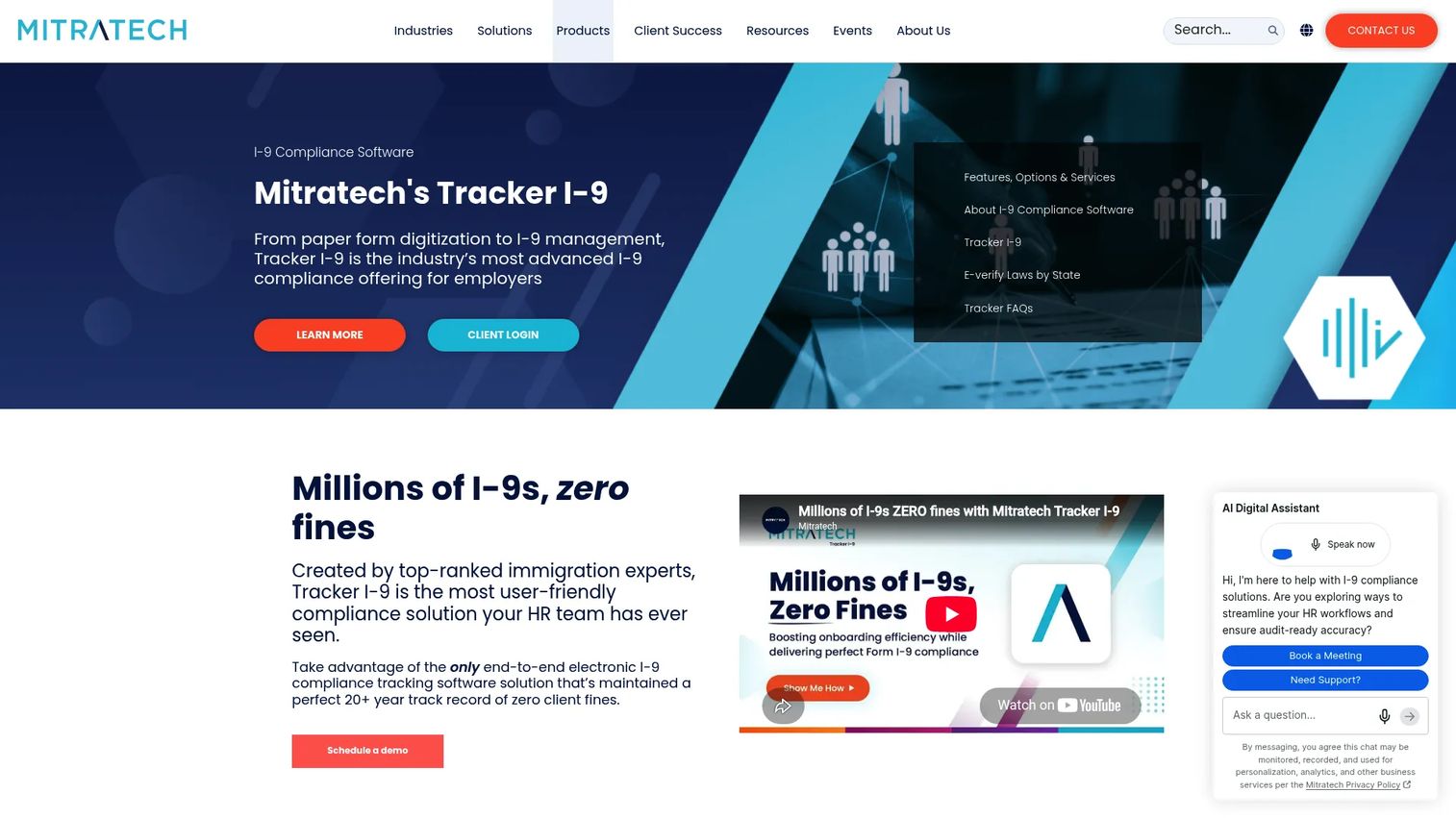
Tracker currently resolves to an electronic I-9 compliance platform. Its documented capabilities focus on E-Verify, audit trails, remote verification, and HRIS connectivity.
That evidence does not establish a recruiting ATS, agency CRM, or permanent placement workflow. Buyers seeking the recruitment product associated with this name should confirm the exact vendor and product before evaluation.
Best for: Employers managing electronic I-9 compliance and remote verification workflows.
Key features
- Electronic I-9 management
- E-Verify submission
- HRIS API integration
- Detailed audit trails
- Remote verification support
Why choose Tracker: Consider this platform when employment verification is the primary requirement. It may complement recruiting software for staffing firms that manage onboarding compliance.
It should not replace an ATS or CRM without confirmed recruiting functionality. This distinction matters if your shortlist came from a similarly named product or an older vendor reference.
Tracker pricing: Custom pricing. Ask for costs covering users, verification volume, implementation, and support.
8. Loxo
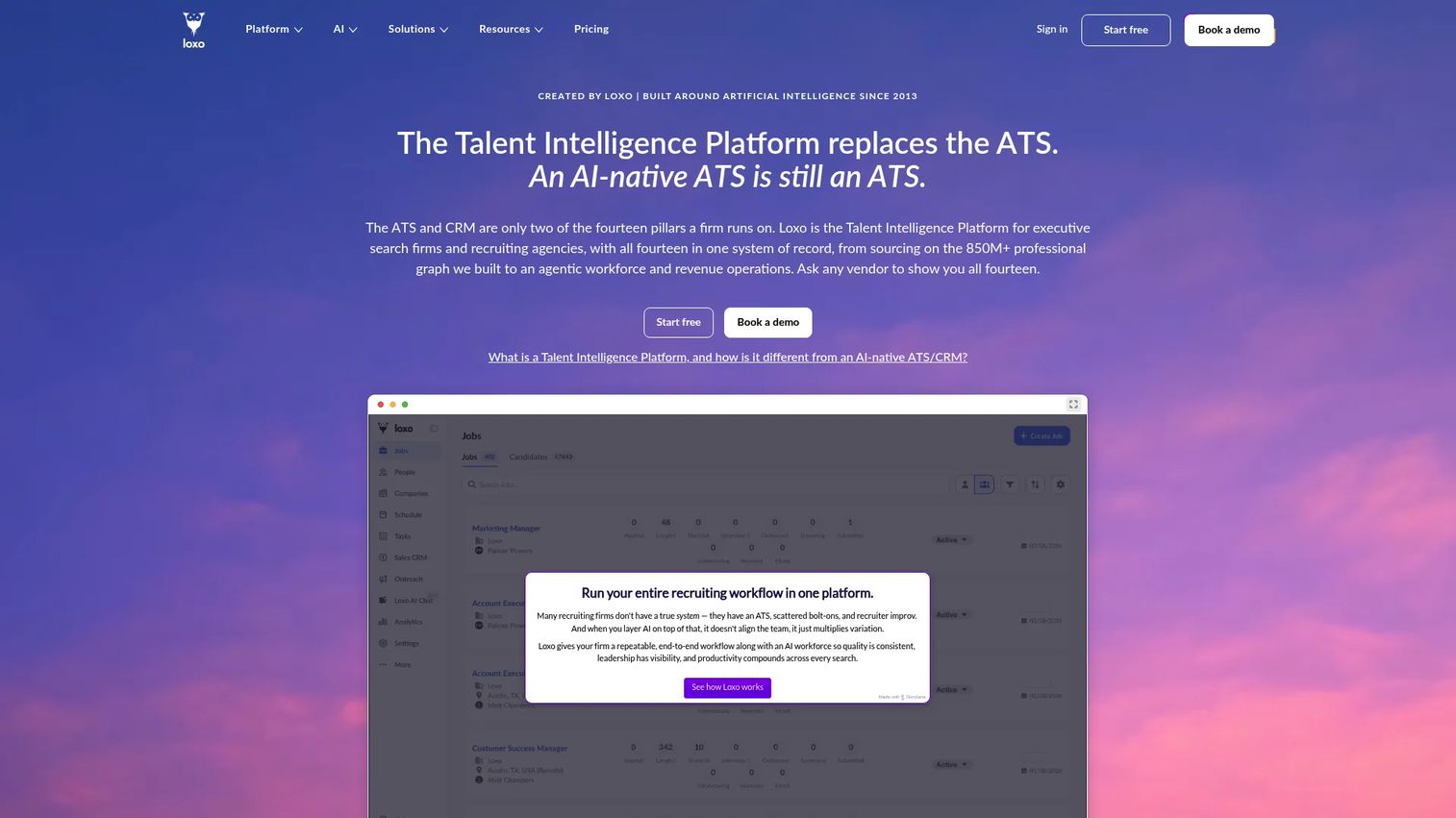
Loxo combines ATS, recruiting CRM, sourcing, outreach, AI search, and talent intelligence. Its talent graph covers more than 850 million professional profiles.
The product suits executive search software buyers who need passive candidate discovery. Natural-language search and AI agents support intake, longlisting, shortlisting, outreach, and database maintenance.
Best for: Executive search firms and outbound teams sourcing passive candidates.
Key features
- AI-native ATS and CRM
- Natural-language candidate search
- Talent intelligence database
- Multichannel outreach
- AI recruiting agents
Why choose Loxo: Choose Loxo when sourcing quality constrains growth. It helps search firms find candidates beyond their existing database and manage those relationships through placement.
Its broad sourcing stack can also reduce separate tool costs. Compare the included credits and professional-plan pricing against current recruiter activity.
Loxo pricing: Core starts at $149 per user monthly with annual billing. Professional and Enterprise use custom pricing.
G2 rating: 4.6/5.
9. Vincere
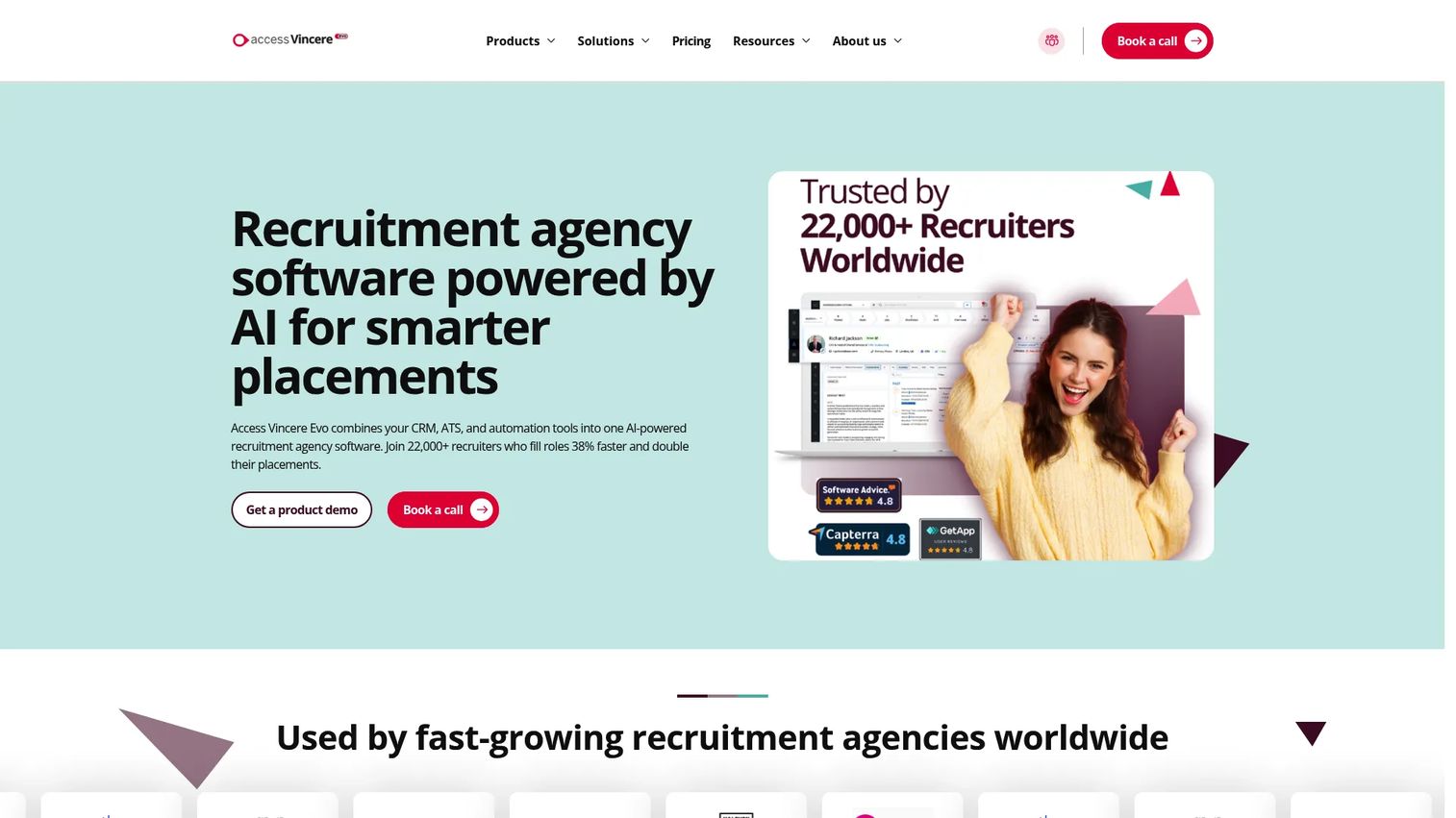
Vincere combines recruitment ATS, CRM, automation, analytics, and Pay and Bill capabilities. It serves recruitment agencies that need visibility across candidate and operational workflows.
Candidate matching, shortlisting, and pipeline management support permanent placement teams. Reporting dashboards help leaders compare activity across recruiters or offices.
Best for: Growing recruitment firms needing visibility across desks and revenue operations.
Key features
- Recruitment ATS and CRM
- AI candidate matching
- Candidate shortlisting
- Reporting dashboards
- Pay and Bill
Why choose Vincere: Choose Vincere when leadership needs stronger operational control across several desks. The platform links recruiting execution with broader agency management.
Its rolling contract options reduce commitment compared with longer agreements. Pure placement firms should still test whether they need Pay and Bill functionality.
Vincere pricing: Startup costs £150 monthly for one user. Core costs £95 per user monthly for teams with two to seven users.
Pro starts at £85 per user monthly for teams with seven or more users.
G2 rating: 4.5/5.
10. Zoho Recruit
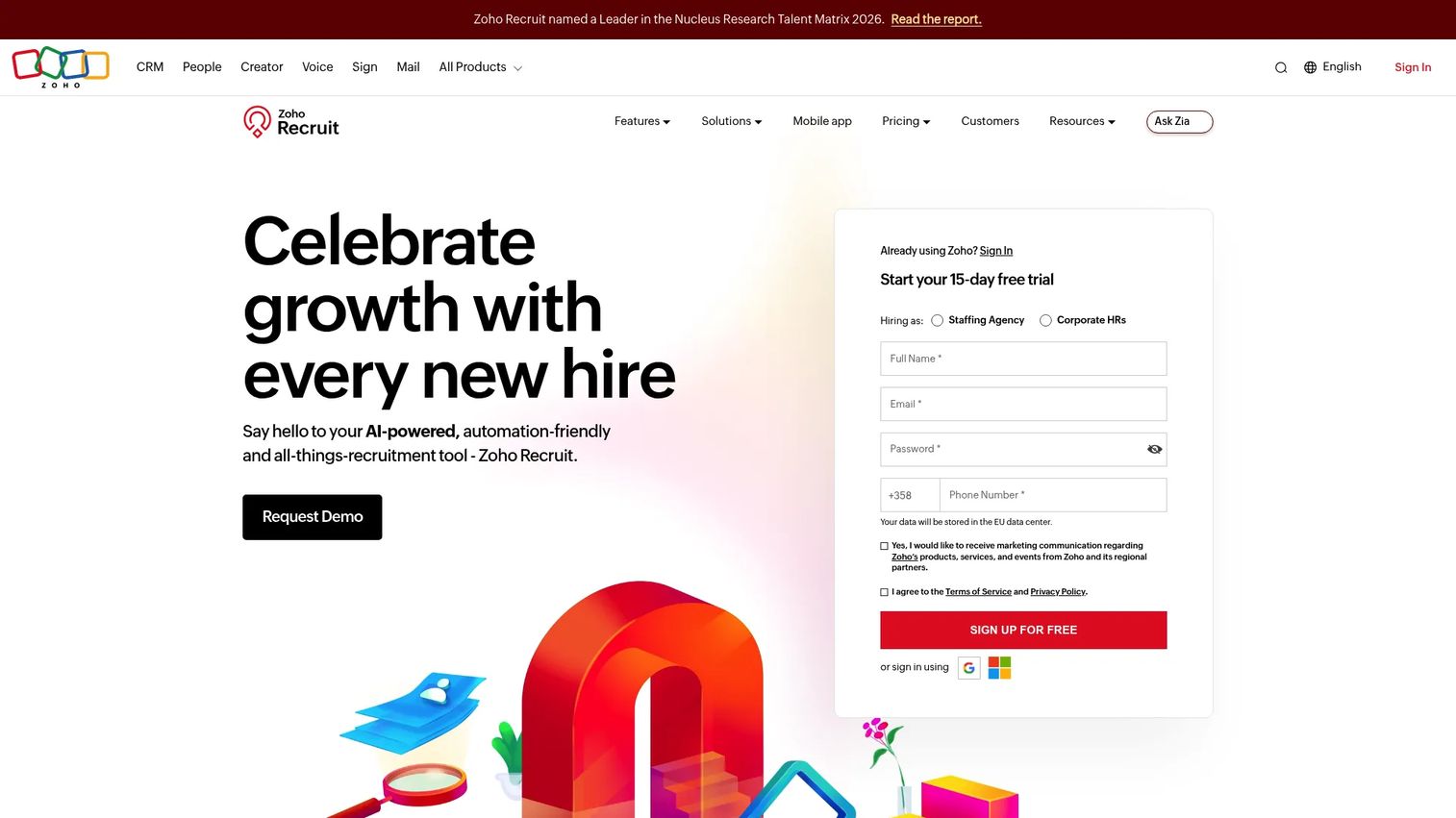
Zoho Recruit provides applicant tracking, sourcing, candidate management, workflow automation, and reporting. It serves staffing agencies alongside internal HR teams.
The free plan offers an accessible starting point. Paid tiers increase active job allowances and add broader recruiting capabilities.
Best for: Small agencies wanting a low-cost entry into structured recruiting operations.
Key features
- Applicant tracking
- Candidate sourcing
- Resume parsing
- Workflow automation
- Reports and dashboards
Why choose Zoho Recruit: Choose it when cost control matters and the agency needs core ATS functions. Its broader business suite can also support stack consolidation.
The platform serves agency and internal recruitment use cases. Confirm that its client workflow meets your permanent placement needs before moving historical records.
Zoho Recruit pricing: The Free plan costs $0. Standard costs $25 per recruiter monthly, while Enterprise costs $50 with annual billing.
A 15-day free trial is available.
G2 rating: 4.4/5.
11. Top Echelon
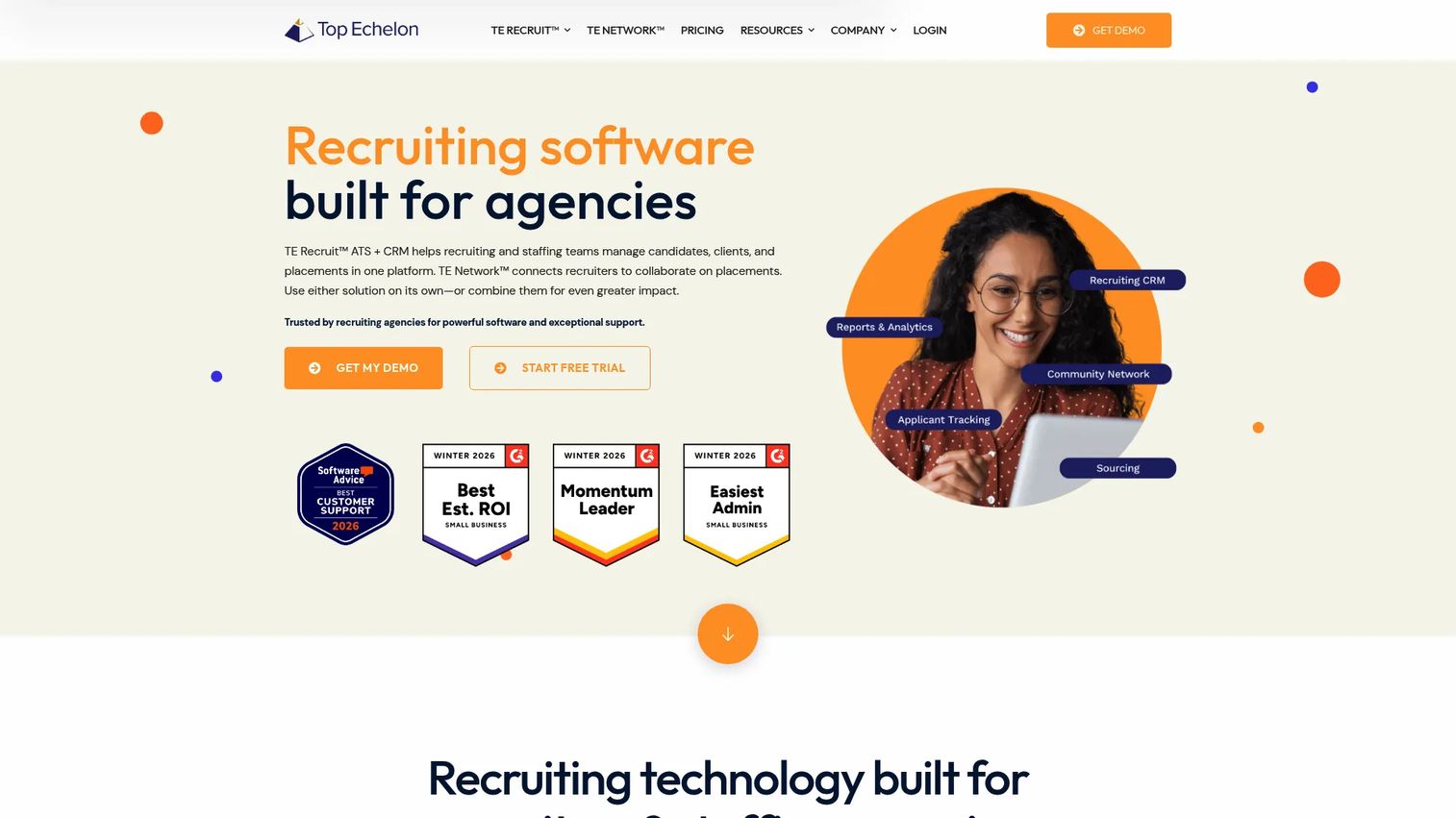
Top Echelon offers an agency ATS and CRM through TE Recruit. TE Network adds split-placement access for independent and boutique firms.
The product supports resume parsing, job records, candidate pipelines, and advanced database search. Professional plans add automation, sequences, AI search, and API access.
Best for: Small permanent placement firms wanting agency software and recruiting network access.
Key features
- Agency ATS and CRM
- Candidate database search
- Pipeline management
- Recruiting automation
- Split-placement network
Why choose Top Echelon: Choose it when a small firm wants a practical desk system with optional network access. The network can support placements beyond the agency’s existing reach.
Its pricing is easier to model than many custom platforms. Separate TE Recruit and network costs when comparing the total.
Top Echelon pricing: Standard starts at $79 monthly with annual billing. Professional starts at $95 monthly on the same billing basis.
TE Network starts at $135 monthly when billed annually.
G2 rating: 4.6/5.
12. PCRecruiter
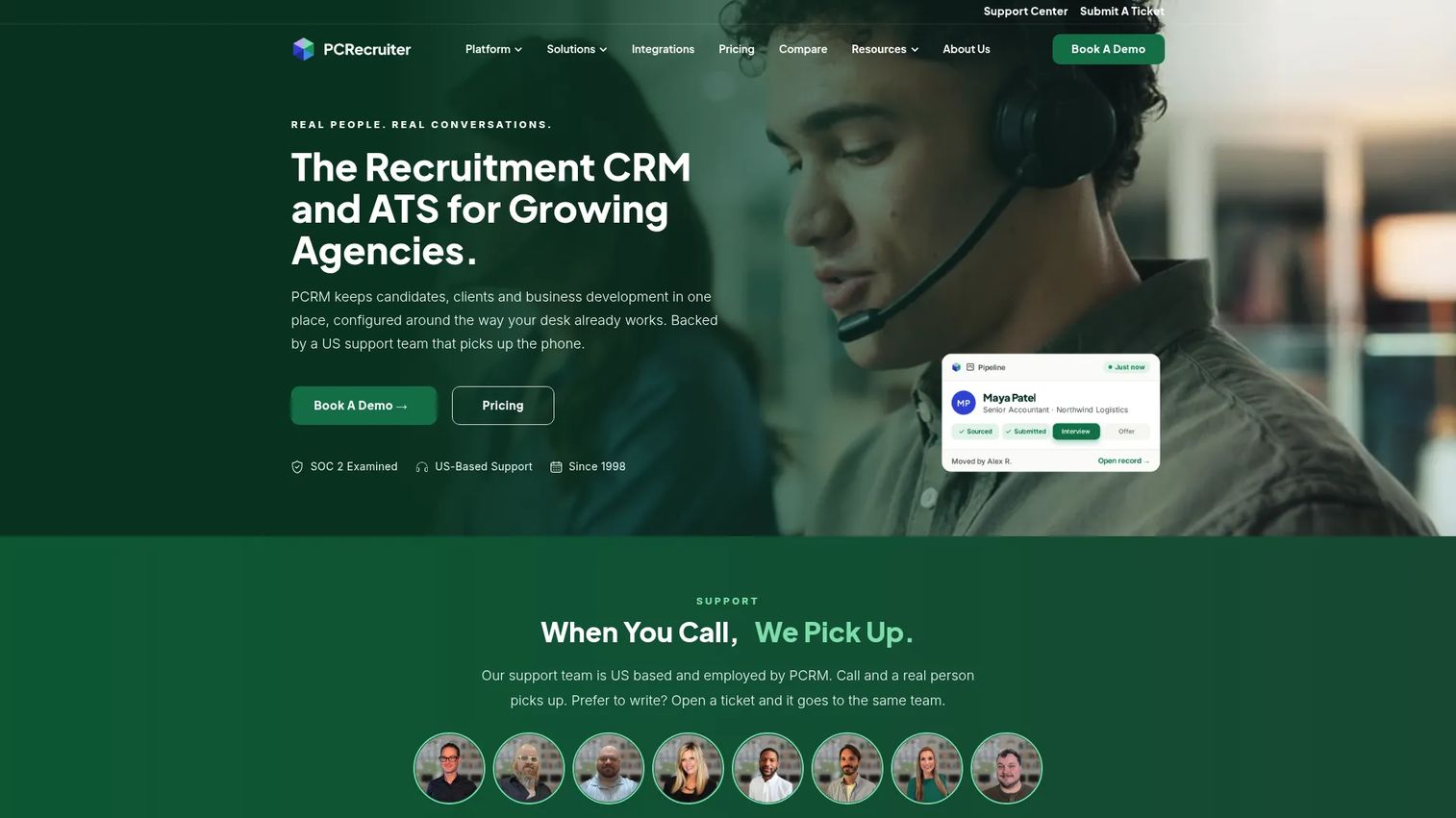
PCRecruiter is a configurable recruiting CRM and applicant tracking system. It supports sourcing, pipeline management, client development, and database workflows.
Configurable pipelines suit agencies with established processes or extensive historical records. The platform also supports automated email and text sequences.
Best for: Recruiting firms with deep databases and configurable workflow requirements.
Key features
- Configurable applicant pipelines
- Recruiting CRM
- Private database search
- Email and text sequences
- Mobile recruiting access
Why choose PCRecruiter: Choose it when database control matters more than a minimalist interface. Firms can adapt workflows around established search and placement processes.
The platform also suits agencies treating candidate history as a long-term commercial asset. Include setup and training when comparing first-year cost.
PCRecruiter pricing: Monthly accounts start around $115 per user. Installed enterprise deployments use custom pricing.
Setup and training add a variable one-time fee.
G2 rating: 4.4/5.
13. Ceipal
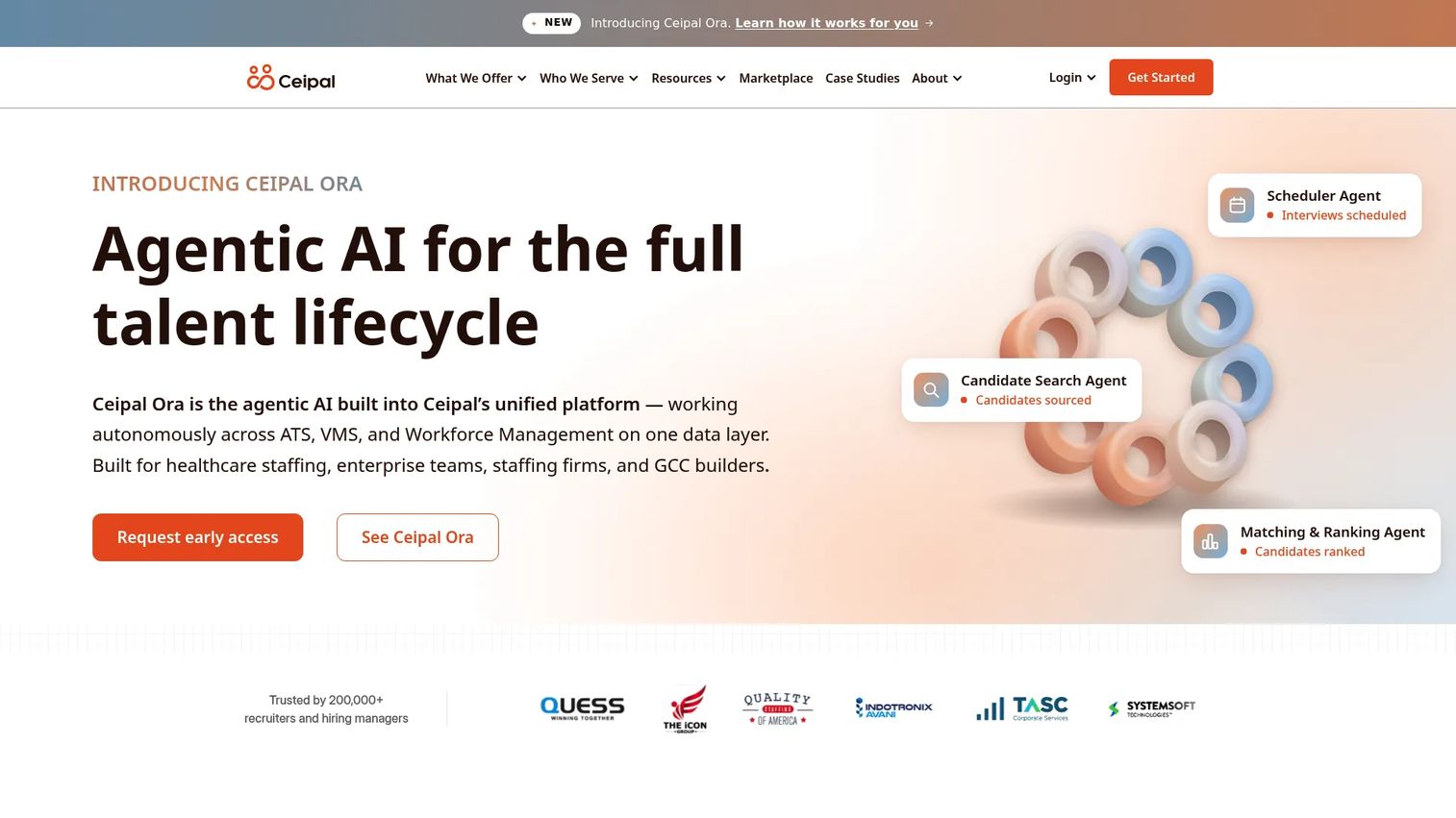
Ceipal combines ATS, CRM, vendor management, and workforce operations. Its recruiting capabilities include candidate matching, resume harvesting, workflow automation, and reporting.
The platform fits firms spanning permanent recruiting and staffing. Workforce capabilities cover timesheets, expenses, and work authorization processes.
Best for: Firms combining permanent placement with broader staffing workflows.
Key features
- ATS and CRM
- AI candidate matching
- Resume harvesting
- Vendor management
- Workforce operations
Why choose Ceipal: Choose Ceipal when recruiting sits inside a wider staffing operation. It offers more operational coverage than a pure permanent placement boutique usually needs.
Buyers should separate ATS costs from workforce pricing. The confirmed entry figure below applies to Ceipal Workforce rather than the entire platform.
Ceipal pricing: Workforce starts at $85 monthly for up to 25 employee logins. Pricing increases to $150 monthly for 25 to 50 logins.
Broader platform pricing is custom.
G2 rating: 4.7/5 for Ceipal ATS.
14. JobDiva
JobDiva combines applicant tracking, CRM, recruiting workflows, onboarding, financial operations, and analytics. It is designed for midsize and enterprise staffing organizations.
Resume harvesting and candidate matching support high-volume sourcing. VMS synchronization and vendor management extend its reach beyond standard placement agency software.
Best for: Large recruiting and staffing operations managing high candidate volume.
Key features
- Applicant tracking and CRM
- Resume harvesting
- Candidate matching
- Onboarding workflows
- VMS synchronization
Why choose JobDiva: Choose it when operational depth matters more than a lightweight buying process. The platform supports firms with defined recruiting and workforce procedures.
A permanent placement boutique may find the coverage broader than necessary. Larger operators gain recruiting, onboarding, vendor, and financial workflows within the same system.
JobDiva pricing: Custom pricing. Cost is set for each customer and may include implementation or integration requirements.
G2 rating: 4.7/5.
15. Avionté
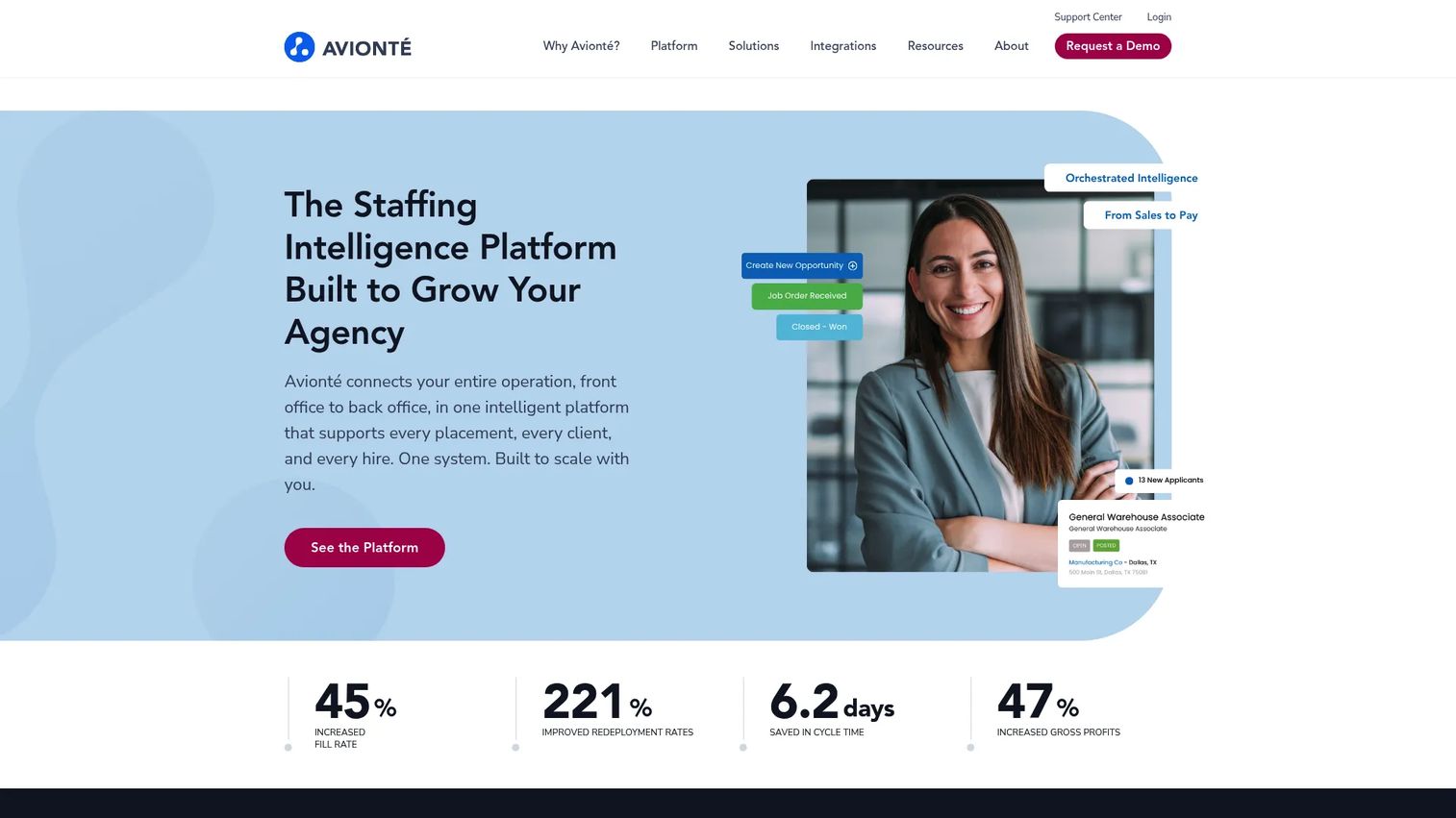
Avionté provides ATS, CRM, onboarding, workforce management, payroll, billing, analytics, and talent engagement. It serves staffing and recruiting agencies with high-volume workflows.
Permanent placement teams can use its recruiting front office for sourcing and job-order management. The wider platform supports post-placement processes when staffing forms part of the business model.
Best for: Staffing firms that also need permanent placement visibility.
Key features
- Integrated ATS and CRM
- Candidate sourcing
- Automated onboarding
- Payroll and billing
- Workforce management
Why choose Avionté: Choose it when recruiting and back-office processes need closer coordination. It fits firms managing placements alongside payroll or ongoing workforce administration.
Pure permanent placement agencies should test whether the additional operational scope earns its place. Migration and process design may matter as much as subscription cost.
Avionté pricing: Custom pricing. Ask for separate figures covering modules, migration, implementation, and ongoing support.
G2 rating: 4.3/5.
Considerations when choosing recruiting agency software
Match the tool to your placement model
Permanent placement, executive search, and mixed staffing firms run different workflows. Start with your revenue model before comparing feature counts.
A boutique search desk may prioritize sourcing and relationship history. A staffing business may also need onboarding, payroll, billing, or workforce management.
Check candidate database quality before features
Your recruitment agency database software should preserve candidate history as a compounding asset. Test parsing, duplicate handling, tagging, enrichment, and private-database search.
Run several difficult searches using historical records. A polished dashboard cannot compensate for weak retrieval.
Look closely at client submission workflow
Check how the platform creates shortlists and shares resumes. Review feedback capture, interview status, candidate notes, and communication history.
This workflow directly affects placement speed. Ask whether clients need portal access and whether recruiters can see every pending response.
Verify reporting against operator metrics
Recruitment analytics software should answer specific commercial questions. Can leaders see submission ratios, placement rates, recruiter activity, source quality, and fee forecasts?
Commission tracking recruiting software varies widely. Test fee and commission reporting before signing, especially if compensation relies on split placements.
Price the migration, not only the subscription
Include data cleanup, field mapping, integrations, training, and workflow redesign. Add implementation and support fees where they apply.
A low subscription can still create a costly project. Choose the platform that reduces duplicate work within the first quarter.
Conclusion
The best recruiting agency software depends on how your firm earns revenue and manages candidate relationships.
Bullhorn fits established firms needing broad operational coverage. Recruiterflow serves agencies investing in AI-assisted sourcing and outreach. Recruit CRM offers a practical path for smaller permanent placement teams.
Manatal provides the lowest confirmed paid entry price in this list. Loxo focuses on outbound search, while Crelate supports relationship-heavy recruiting.
Vincere, JobDiva, and Avionté suit firms with broader staffing operations. Top Echelon and PCRecruiter fit agencies that treat their candidate database as a long-term asset.
Shortlist three platforms. Then map one live role from intake through placement inside each system.
Test candidate search, client submissions, reporting, and recruiter adoption. Include migration work in the total cost.
The right system should remove the founder from routine routing while giving leadership a defensible view of placement health.
FAQs
There is no universal winner. Bullhorn suits established agencies, while Recruit CRM fits smaller permanent placement teams needing an integrated ATS and CRM.
Recruiterflow works well for outbound sourcing and AI-assisted operations. Crelate and Loxo suit relationship-led or executive search workflows.
Recruiting agency software manages candidates across several clients, job orders, submissions, and fee-based placements. It also includes relationship management for business development and repeat searches.
A corporate ATS usually manages internal requisitions for one employer. Its workflows center on hiring teams rather than external clients.
Most permanent placement firms need both functions. The ATS manages job orders, candidate stages, interviews, and offers.
A CRM for recruiting manages client contacts, business development, follow-ups, and long-term candidate relationships. Integrated products reduce duplicate records across those workflows.
Prioritize fast setup, clean database search, communication sync, and client submission workflows. Practical reporting should show active roles and candidate movement.
Avoid buying payroll or workforce modules before your placement model requires them. Test the software using a live role rather than a vendor sample.
Confirmed entry prices in this comparison range from free to £150 monthly for a single-user plan. Other products start between $15 and $149 per user monthly.
Custom platforms price around seats, modules, migration, implementation, and support. Compare the first-year total rather than the subscription alone.
Loxo suits firms focused on passive candidate sourcing and outbound engagement. Crelate supports relationship history and flexible talent pipelines.
Recruit CRM, Top Echelon, and PCRecruiter also serve search-oriented agencies. Compare database retrieval, notes, outreach, and client communication before deciding.
Look for shortlist creation, branded candidate profiles, resume sharing, and feedback tracking. Interview status and communication history should remain attached to each role.
Strong submission workflows show recruiters what the client has reviewed. They also expose stalled feedback before it delays the placement.
Some platforms track placement revenue, fees, or recruiter performance directly. Others rely on payroll or accounting connections for commission calculations.
Test split-fee rules and payment timing before signing. A generic revenue dashboard may not support your exact compensation model.