Your GTM stack probably has fifteen tools that don't talk to each other, and your team spends more time switching between tabs than actually selling. Meanwhile, the companies closing deals faster aren't working harder. They've just figured out which tools actually move pipeline and which ones just generate dashboards nobody reads.
This guide breaks down 27 go to market tools across six categories, from prospecting platforms to interactive demos. Each entry includes honest assessments of what the tool does well and where it falls short.
What's inside
This guide covers 27 GTM tools across six categories: demo and product experience, sales intelligence, sales engagement, marketing automation, ABM, and analytics. You'll find a comparison table, detailed breakdowns of each tool, and practical guidance on matching platforms to your GTM motion. We selected tools based on real-world adoption, integration depth, and how well they solve the coordination problems that slow down launches.
Summary of key takeaways
- GTM tools defined: Software that unifies sales, marketing, and data teams to accelerate product launches, target ideal customers, and manage outreach at scale
- Core categories: Data and prospecting, sales engagement, marketing automation, revenue intelligence, demo and product experience, and customer data platforms
- Top picks by function: Apollo.io for prospecting, HubSpot for all-in-one marketing, Gong for revenue intelligence, and Guideflow for interactive demos
- Selection tip: Match tools to your GTM motion. Product-led teams prioritize demo and analytics tools, while sales-led teams focus on prospecting and engagement platforms
What are go to market tools
Go to market tools are software platforms that unify sales, marketing, and data teams to accelerate product launches, target ideal customers, and manage sales outreach. GTM platforms replace manual coordination with automation, lead scoring, and analytics. The average B2B purchase now involves multiple stakeholders, which makes coordinated GTM execution more critical than ever.
The real challenge isn't finding GTM software. It's finding tools that work together without creating data silos or adding more admin work than they save.
Core GTM software categories
- Data and prospecting: Tools that find and enrich lead information (Apollo, ZoomInfo, Cognism)
- Sales engagement and automation: Platforms for multi-channel outreach sequences (Outreach, Salesloft)
- Marketing automation: Software that automates campaigns, nurture flows, and scoring (HubSpot, Marketo)
- Revenue intelligence and analytics: Tools that analyze calls, deals, and attribution (Gong, HockeyStack)
- Demo and product experience: Platforms that let prospects experience products without live calls (interactive demos, sandboxes)
- Customer data and integration: Tools that connect systems and unify customer data (Clearbit, Segment)
Key functions of GTM platforms
- Lead generation and enrichment: Automate finding and refining prospect data so reps spend time selling, not searching
- Account-based marketing: Identify high-intent accounts and personalize outreach across sales and marketing
- Sales outreach coordination: Enable multi-channel prospecting at scale with automated sequences
- Workflow automation: Connect disparate tools into unified pipelines that reduce manual handoffs
- Analytics and attribution: Track what's working across the funnel and tie marketing actions to revenue
When to use GTM software for your team
Launching new products or entering new markets
GTM tools help coordinate cross-functional teams during launches. Market research, competitive positioning, and campaign execution all benefit from centralized platforms. Without centralized GTM software, teams often discover misalignment after launch, when it's expensive to fix.
Scaling outbound sales and marketing operations
Teams hit a ceiling with manual processes around 500 active prospects. GTM software automates prospecting, sequencing, and follow-up so reps can focus on conversations instead of data entry - given that sales teams spend only 16% of their day engaging customers, the difference shows up in pipeline velocity.
Improving pipeline velocity and conversion rates
GTM tools provide visibility into what's working. Analytics, lead scoring, and intent data help teams prioritize high-value opportunities. When you can see which campaigns drive revenue, you can double down on what works.
GTM tools comparison table
# | Product | Category | Key use case | Pricing model | G2 rating |
|---|---|---|---|---|---|
1 | Guideflow | Demo & product experience | Interactive product demos | Free + paid from $40/mo | 5.0/5 |
2 | Apollo.io | Sales intelligence | All-in-one prospecting | Free + paid from $49/mo | 4.8/5 |
3 | ZoomInfo | Sales intelligence | Enterprise B2B data | Custom pricing | 4.4/5 |
4 | Cognism | Sales intelligence | GDPR-compliant data | Custom pricing | 4.6/5 |
5 | Lusha | Sales intelligence | Contact enrichment | Free + paid from $29/mo | 4.3/5 |
6 | Outreach | Sales engagement | Enterprise sequences | Custom pricing | 4.3/5 |
7 | Salesloft | Sales engagement | Sales engagement | Custom pricing | 4.5/5 |
8 | Groove | Sales engagement | Salesforce-native engagement | Custom pricing | 4.7/5 |
9 | Highspot | Sales enablement | Content management | Custom pricing | 4.7/5 |
10 | Seismic | Sales enablement | Enterprise enablement | Custom pricing | 4.7/5 |
11 | Gong | Revenue intelligence | Conversation analytics | Custom pricing | 4.7/5 |
12 | HubSpot Marketing Hub | Marketing automation | All-in-one marketing | Free + paid from $800/mo | 4.4/5 |
13 | Marketo Engage | Marketing automation | Enterprise marketing | Custom pricing | 4.1/5 |
14 | Pardot | Marketing automation | Salesforce marketing | Custom pricing | 4.0/5 |
15 | Demandbase | ABM | Account-based marketing | Custom pricing | 4.3/5 |
16 | 6sense | ABM | Intent and ABM | Custom pricing | 4.4/5 |
17 | HockeyStack | Analytics | B2B attribution | Custom pricing | 4.5/5 |
18 | Dreamdata | Analytics | Revenue attribution | Custom pricing | 4.8/5 |
19 | Grow | Analytics | GTM dashboards | Custom pricing | 4.5/5 |
20 | Clearbit | Data enrichment | Real-time enrichment | Custom pricing | 4.4/5 |
21 | Chili Piper | Lead routing | Inbound scheduling | From $150/mo | 4.6/5 |
22 | Default | Lead routing | Inbound GTM platform | Custom pricing | 4.8/5 |
23 | Pendo | PLG & product analytics | Product analytics | Custom pricing | 4.4/5 |
24 | Userpilot | PLG & product analytics | Product adoption | From $249/mo | 4.6/5 |
25 | UserGems | PLG & product analytics | Buyer intent tracking | Custom pricing | 4.7/5 |
26 | Salesforce Sales Cloud | CRM | Enterprise CRM | From $25/user/mo | 4.3/5 |
27 | HubSpot CRM | CRM | SMB/mid-market CRM | Free + paid tiers | 4.4/5 |
27 go-to-market tools and GTM software for teams
Demo and product experience tools
Demo tools let prospects experience products without scheduling live calls. For product-led and hybrid GTM motions, demo platforms often determine whether a prospect moves forward or goes silent. The engagement data from demo interactions helps sales teams prioritize follow-up based on actual interest rather than guesswork.
1. Guideflow
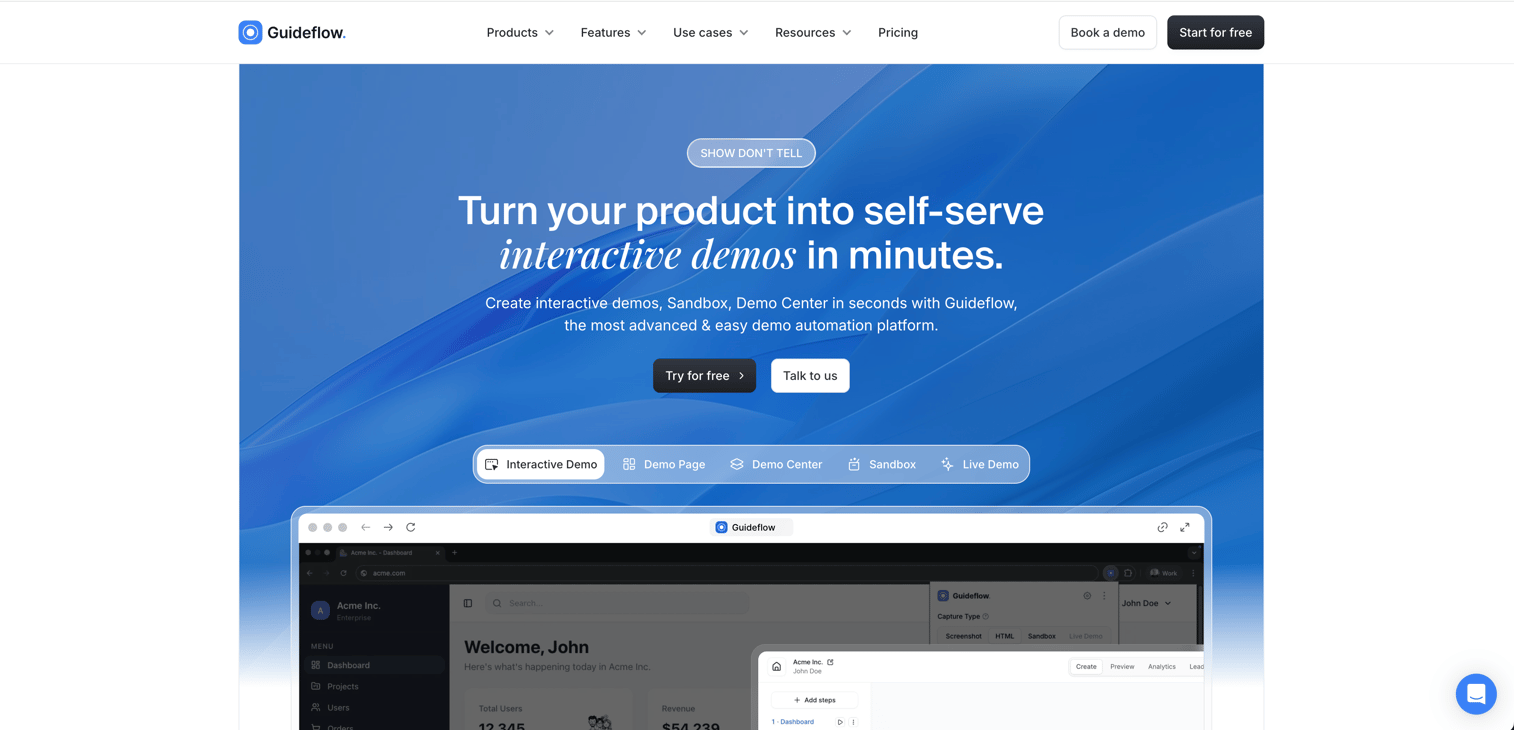
Guideflow is an interactive demo platform for teams that want prospects to experience the product before a call. Instead of pushing everyone into a "book a demo" funnel, you capture your product flow and turn it into clickable, step-by-step demos. You can embed these on landing pages, link in outbound, or drop into docs.
Best for: Product marketing, growth, and pre-sales teams using PLG-style distribution. Ideal for those who want a self-serve "try it now" experience without engineering lift.
Key strengths
- Interactive demos and step-by-step guides: Create clickable walkthroughs and guided product narratives designed to be shared broadly
- Publish anywhere: Distribute via public links, site embeds, email, Notion, social, or ads
- Analytics and conversion visibility: Track impressions, completion rate, leads collected, and engagement to see which flows move people
- Lead capture in-demo: Paid tiers include lead forms and surveys, plus visitor identification
- Integrations: 3,000+ integrations that feed demo engagement to your CRM and routing
Why choose Guideflow: Pick it when GTM for you is less about drip sequences and more about removing friction between interest and comprehension. Interactive demos function like automation because they scale a core sales action: showing, not telling.
Pricing: Free tier available. Solo at $40/month, Growth at $499/month, Advanced at $1,499/month, Enterprise from $2,999/month.
Start your journey with Guideflow today!
Sales intelligence and prospecting platforms
Sales intelligence tools provide B2B contact data, company information, and intent signals to fuel outbound prospecting. For sales-led GTM motions, data quality directly impacts pipeline quality.
2. Apollo.io
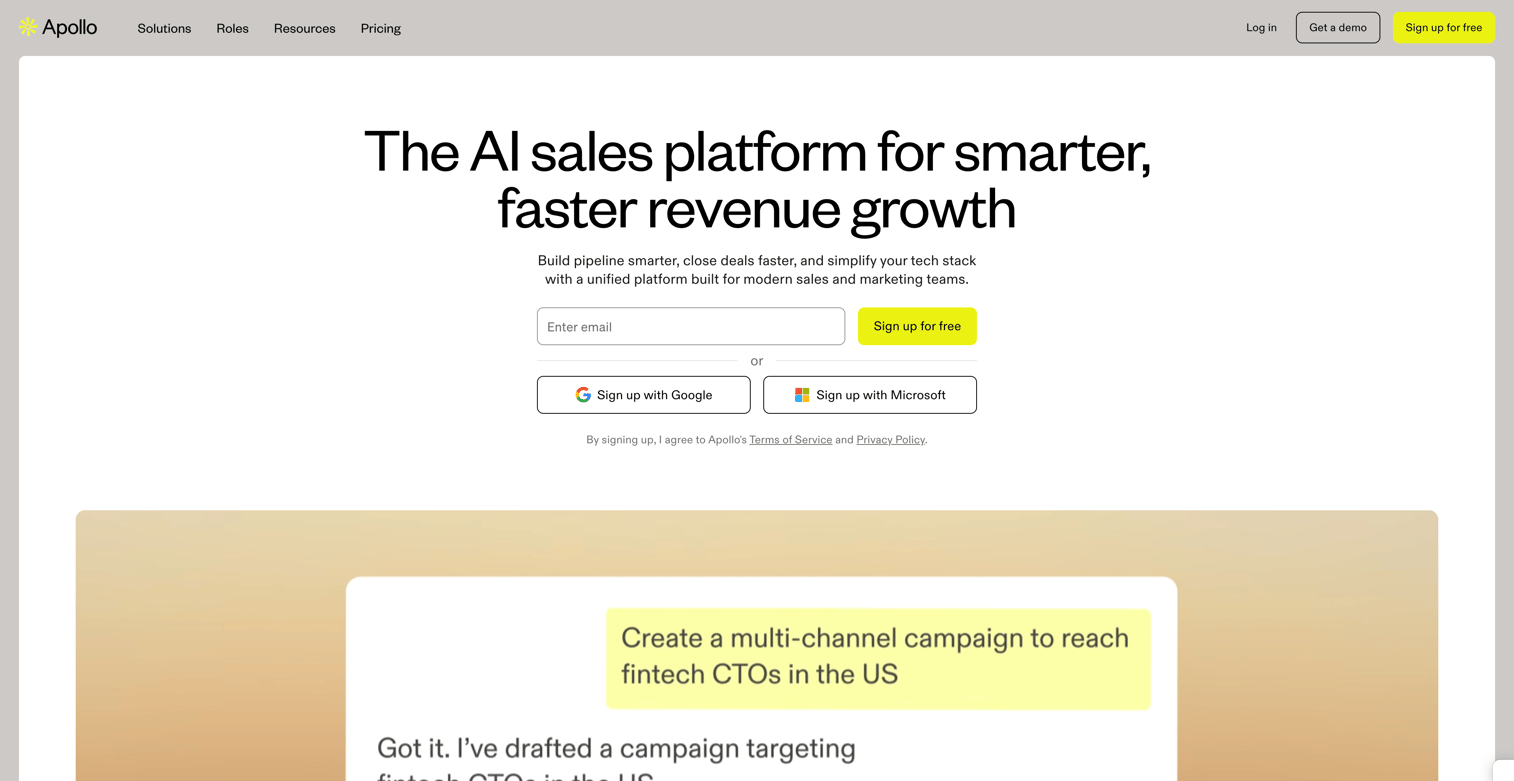
Apollo.io combines a large B2B database with built-in sequencing. You can find contacts, enrich data, and run outreach from one platform.
Best for: SMB and mid-market sales teams who want prospecting and engagement in one tool.
Key strengths
- 275M+ contact database: Access verified emails and phone numbers
- Built-in sequences: Run multi-channel outreach without a separate engagement tool
- Intent data: Identify accounts showing buying signals
- Chrome extension: Prospect directly from LinkedIn and company websites
Pricing: Free tier available. Paid plans from $49/user/month.
3. ZoomInfo
ZoomInfo is the enterprise standard for B2B intelligence. Deep company and contact data, intent signals, and extensive integrations make it the choice for larger sales organizations.
Best for: Enterprise sales teams who want comprehensive data and are willing to pay for accuracy.
Key strengths
- Extensive B2B database: Company hierarchies, org charts, and verified contacts
- Intent data: Track which accounts are researching relevant topics
- Workflow automation: Trigger actions based on data changes and signals
- Native integrations: Deep connections with Salesforce, HubSpot, and major sales tools
Pricing: Custom pricing based on data access and features.
4. Cognism
Cognism focuses on European markets with strong GDPR compliance. Diamond-verified mobile numbers and international coverage make it valuable for global GTM.
Best for: Teams selling into European markets who prioritize compliance and mobile data.
Key strengths
- GDPR-compliant data: Built for European privacy requirements
- Diamond data verification: Human-verified mobile numbers
- International coverage: Strong data across EMEA and APAC
- Intent data: Bombora integration for buying signals
Pricing: Custom pricing based on usage.
5. Lusha
Lusha offers lightweight prospecting with a browser extension. Quick contact enrichment makes it popular with individual reps who want fast data access.
Best for: Individual reps and small teams who want simple, fast contact enrichment.
Key strengths
- Browser extension: Find contact data while browsing LinkedIn or company sites
- Quick enrichment: Get emails and phone numbers in seconds
- Freemium model: Start free and scale as needed
- CRM sync: Push contacts directly to Salesforce or HubSpot
Pricing: Free tier available. Paid plans from $29/user/month.
Sales engagement software
Sales engagement platforms orchestrate multi-channel outreach into automated sequences. Sales engagement tools help reps execute at scale while tracking engagement across email, calls, and LinkedIn.
6. Outreach
Outreach is the enterprise sales engagement platform. Advanced sequencing, AI-powered insights, and deep Salesforce integration make it the choice for larger sales organizations.
Best for: Enterprise sales teams with complex outreach workflows and Salesforce as their CRM.
Key strengths
- Multi-channel sequences: Coordinate email, calls, and LinkedIn in automated workflows
- AI insights: Get recommendations on timing, messaging, and next steps
- Deal intelligence: Track engagement across opportunities
- Salesforce integration: Native sync keeps CRM data current
Pricing: Custom pricing based on team size.
7. Salesloft
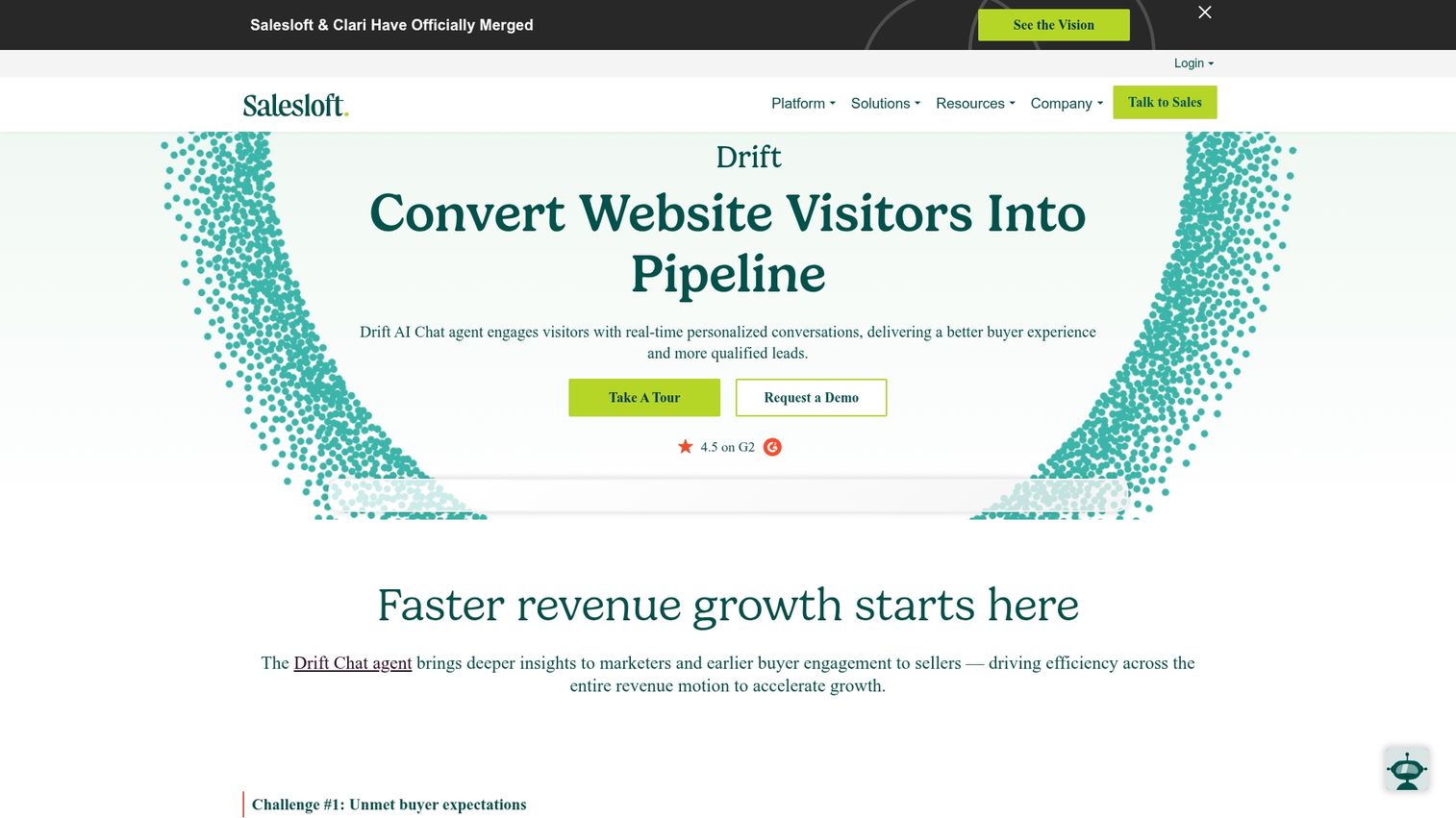
Salesloft competes directly with Outreach. Known for a user-friendly interface and strong coaching features, it's popular with teams focused on rep development.
Best for: Sales teams who prioritize ease of use and coaching alongside engagement.
Key strengths
- Intuitive interface: Lower learning curve than some competitors
- Coaching tools: Built-in features for manager feedback and rep development
- Cadence automation: Multi-step sequences across channels
- Analytics: Track rep performance and sequence effectiveness
Pricing: Custom pricing based on features and team size.
8. Groove
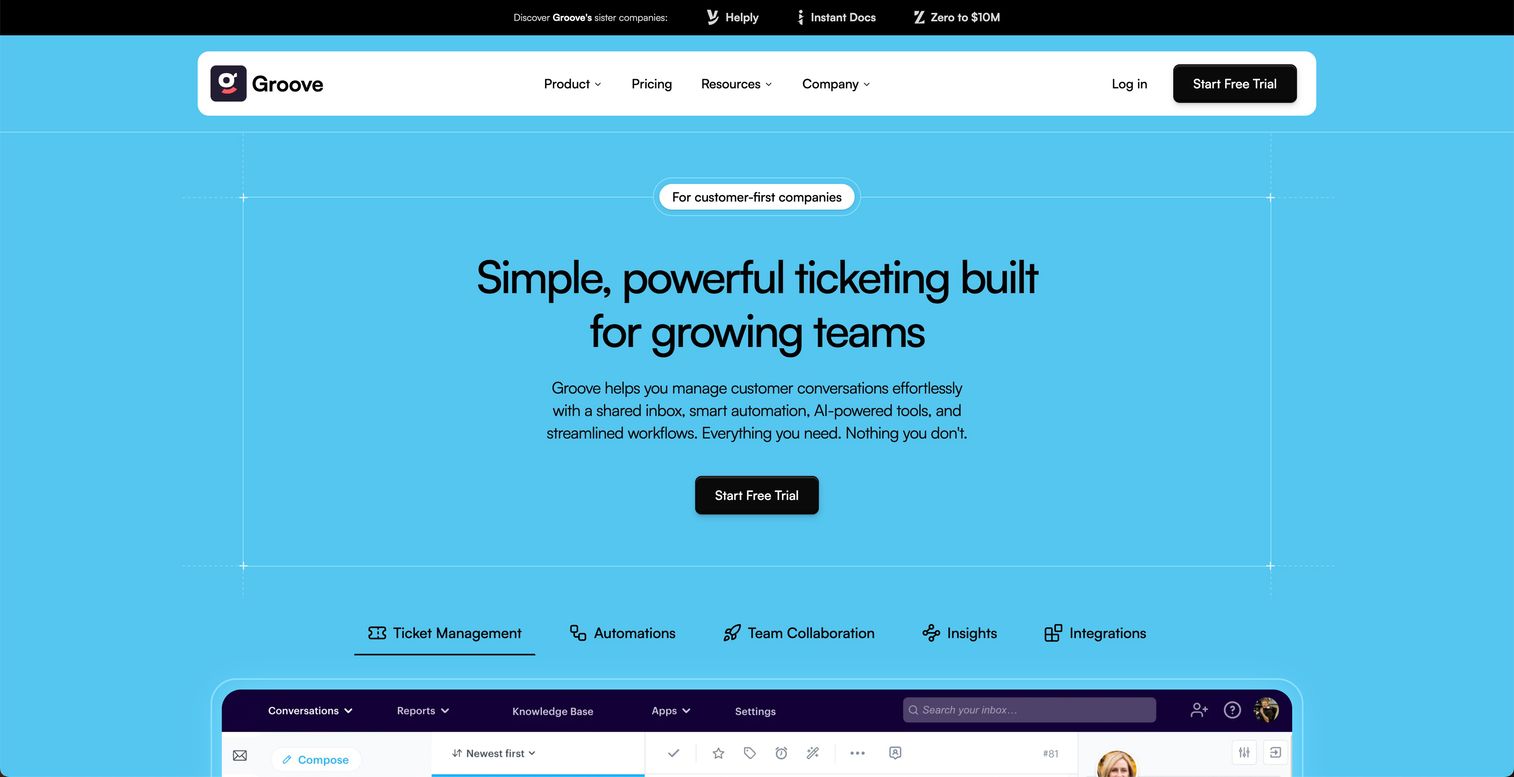
Groove is Salesforce-native, meaning it lives inside your CRM rather than alongside it. For teams heavily invested in Salesforce, Groove reduces context-switching.
Best for: Salesforce-centric teams who want engagement tools that feel native to their CRM.
Key strengths
- Salesforce-native: Works inside Salesforce rather than as a separate app
- Email and calendar sync: Automatically logs activity to Salesforce records
- Flows: Automates multi-step outreach sequences across channels
- Analytics: Tracks performance within Salesforce
Pricing: Custom pricing.
Sales enablement platforms
Sales enablement tools help reps find, share, and track content. Enablement platforms ensure the right materials reach buyers at the right time and give marketing teams visibility into what actually gets used.
9. Highspot
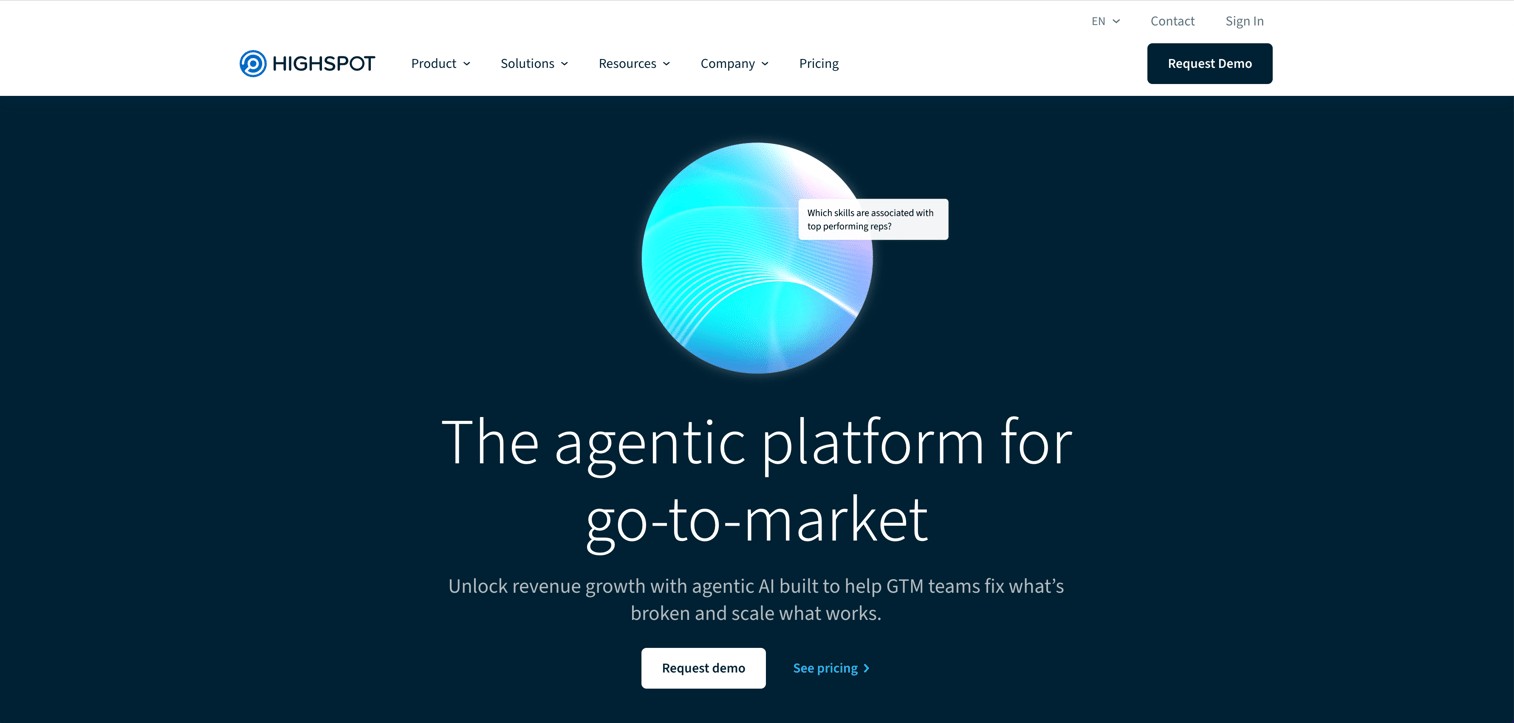
Highspot combines content management with AI-powered recommendations. Reps get the right content surfaced automatically, and marketing sees what drives deals.
Best for: Teams with large content libraries who want AI to surface relevant materials.
Key strengths
- AI content recommendations: Surface relevant content based on deal context
- Content analytics: See which materials get used and which drive outcomes
- Training integration: Combine content with learning and coaching
- Integrations: Connect with CRM, email, and sales engagement tools
Pricing: Custom pricing.
10. Seismic

Seismic serves enterprise enablement with content automation and personalization at scale. Strong in regulated industries where compliance matters.
Best for: Enterprise teams in regulated industries who want content governance and personalization.
Key strengths
- Content automation: Generate personalized materials at scale
- Compliance controls: Governance features for regulated industries
- Analytics: Track content performance and rep adoption
- Integrations: Deep connections with enterprise tech stacks
Pricing: Custom pricing.
11. Gong
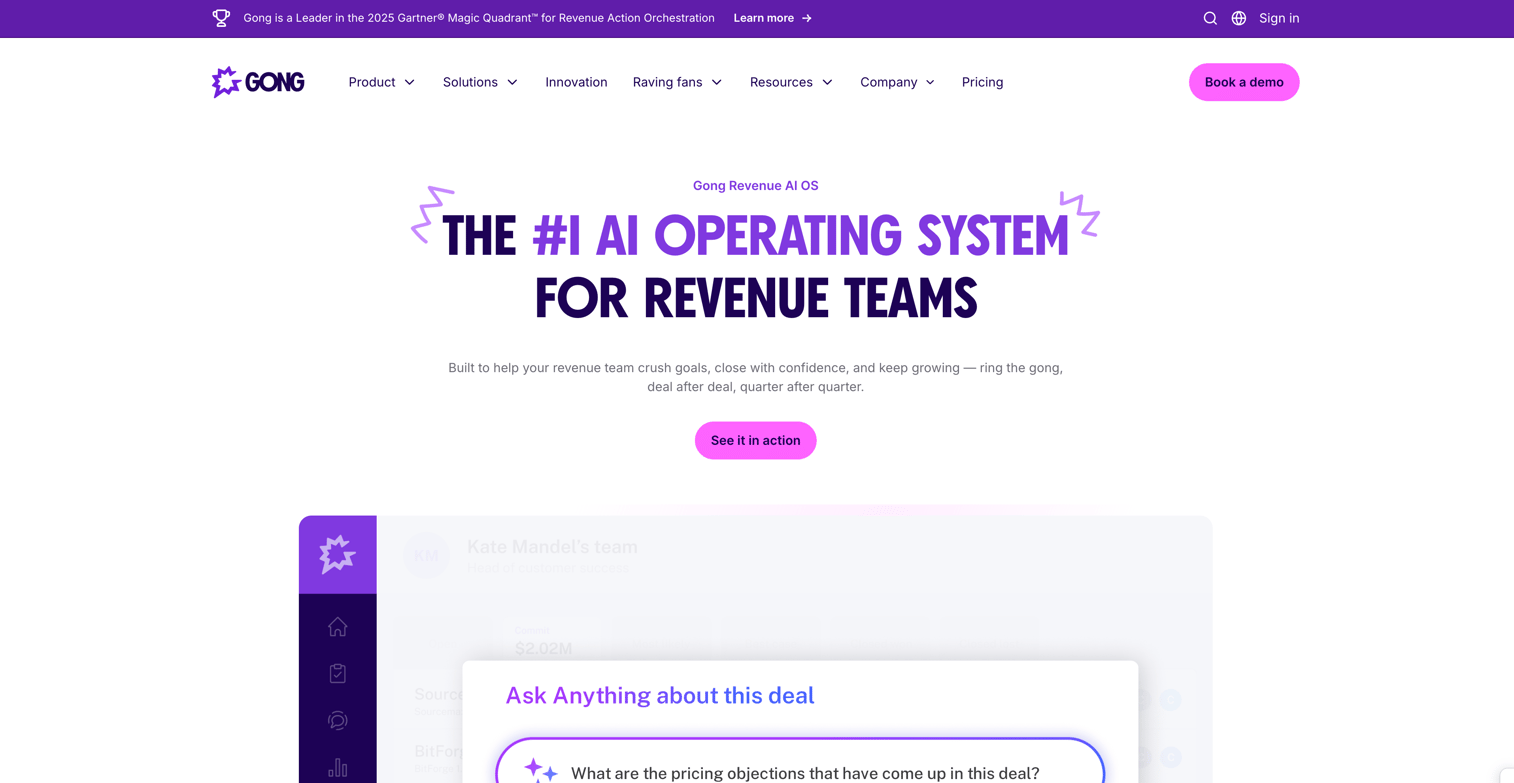
Gong records and analyzes sales conversations. The platform provides coaching insights and deal intelligence by understanding what's actually said in calls.
Best for: Sales teams who want to improve through conversation analysis and deal insights.
Key strengths
- Conversation intelligence: Automatic recording and transcription of calls
- Deal insights: Identify risks and opportunities based on conversation patterns
- Coaching tools: Highlight moments for feedback and training
- CRM integration: Sync insights to deal records
Pricing: Custom pricing.
Marketing automation tools
Marketing automation platforms manage campaigns, nurture flows, lead scoring, and email marketing. Marketing automation tools are the operational backbone of marketing-led GTM motions.
12. HubSpot Marketing Hub
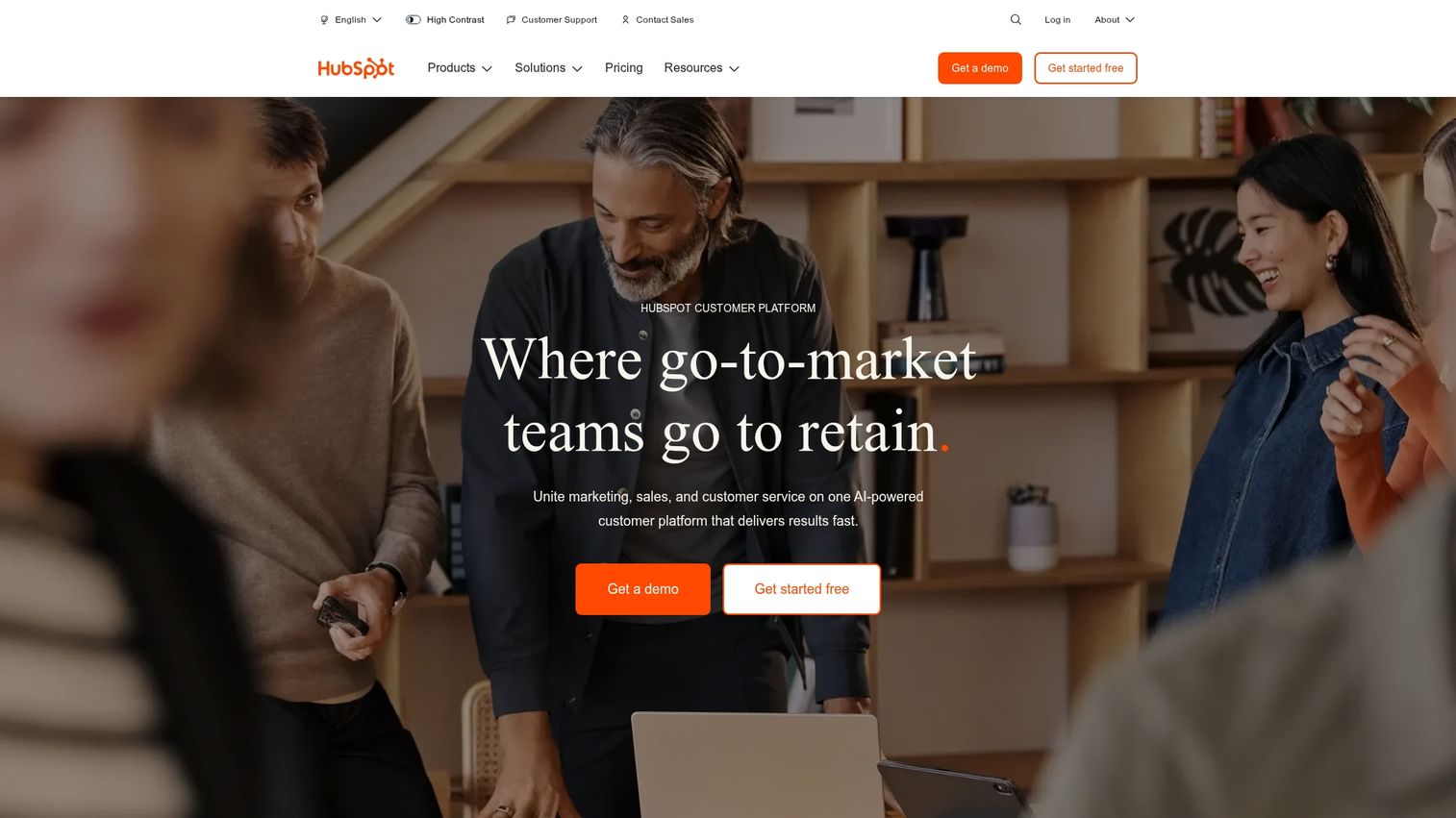
HubSpot Marketing Hub offers all-in-one marketing with a CRM foundation. The free tier makes it accessible, and the ecosystem grows with your team.
Best for: SMB and mid-market marketing teams who want marketing and CRM in one platform.
Key strengths
- Visual workflow builder: Drag-and-drop automation without coding
- Lead scoring: AI-powered prioritization of prospects
- Attribution reporting: See which campaigns drive revenue
- Free CRM: Marketing connects natively to HubSpot CRM
Pricing: Free tier available. Marketing Hub Professional from $800/month.
13. Marketo Engage
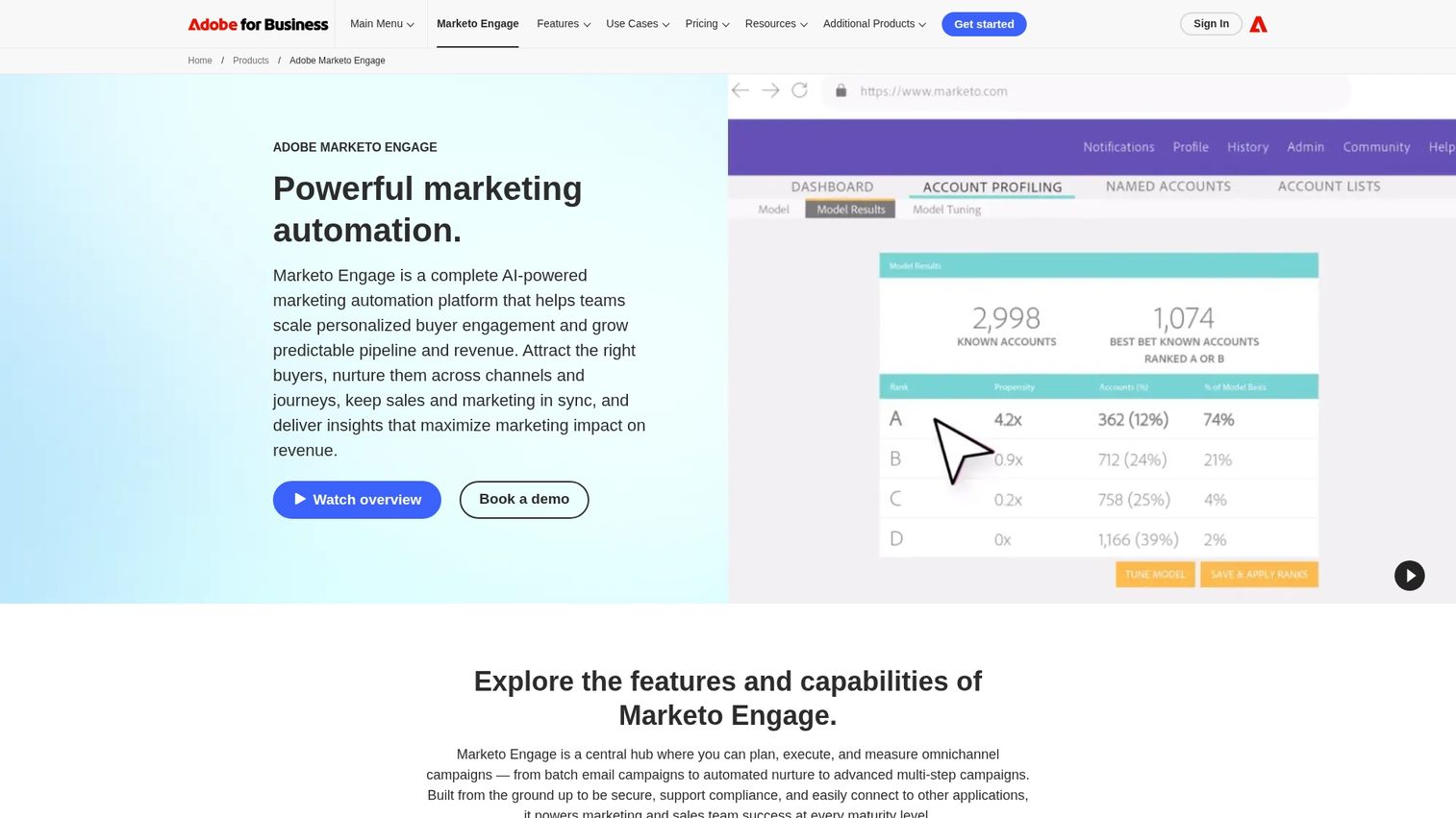
Marketo Engage is Adobe's enterprise marketing automation platform. Advanced segmentation, account-based marketing features, and complex workflows serve sophisticated marketing operations.
Best for: Enterprise marketing teams with dedicated ops resources and complex requirements.
Key strengths
- Advanced segmentation: Granular audience targeting
- ABM features: Account-level marketing capabilities
- Multi-touch attribution: Understand the full buyer journey
- Adobe ecosystem: Native integration with Experience Cloud
Pricing: Custom pricing.
14. Salesforce Marketing Cloud Account Engagement
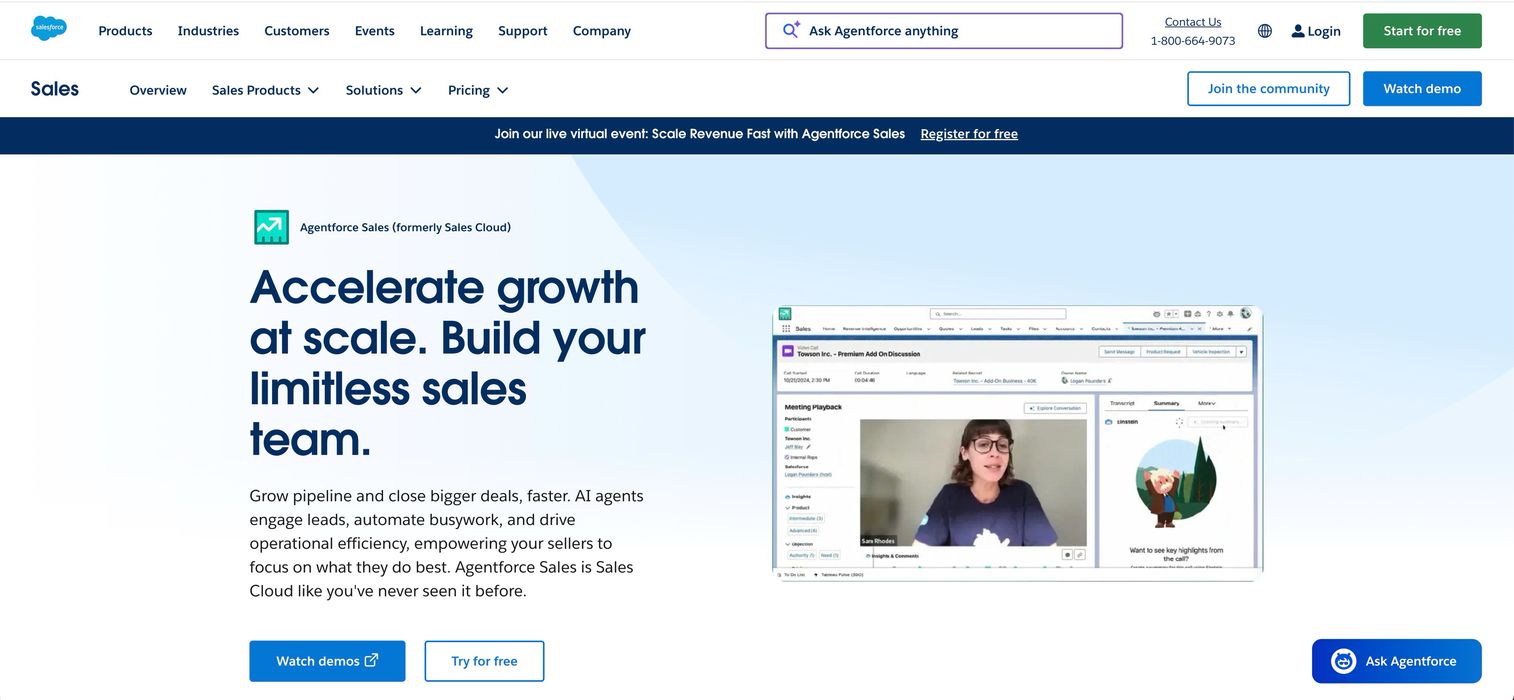
Pardot (now Marketing Cloud Account Engagement) is Salesforce's B2B marketing automation. Native Salesforce integration makes it the natural choice for teams already on that platform.
Best for: Salesforce-centric teams who want marketing automation that lives in their ecosystem.
Key strengths
- Salesforce-native: Integrates deeply with Sales Cloud
- Lead scoring and grading: Prioritizes prospects based on fit and engagement
- B2B focus: Builds specifically for B2B marketing workflows
- Einstein AI: Delivers AI-powered insights and recommendations
Pricing: Custom pricing.
ABM and account-based platforms
ABM platforms help identify high-intent accounts and coordinate personalized outreach across sales and marketing. ABM tools are particularly valuable for enterprise GTM motions where deals involve multiple stakeholders.
15. Demandbase
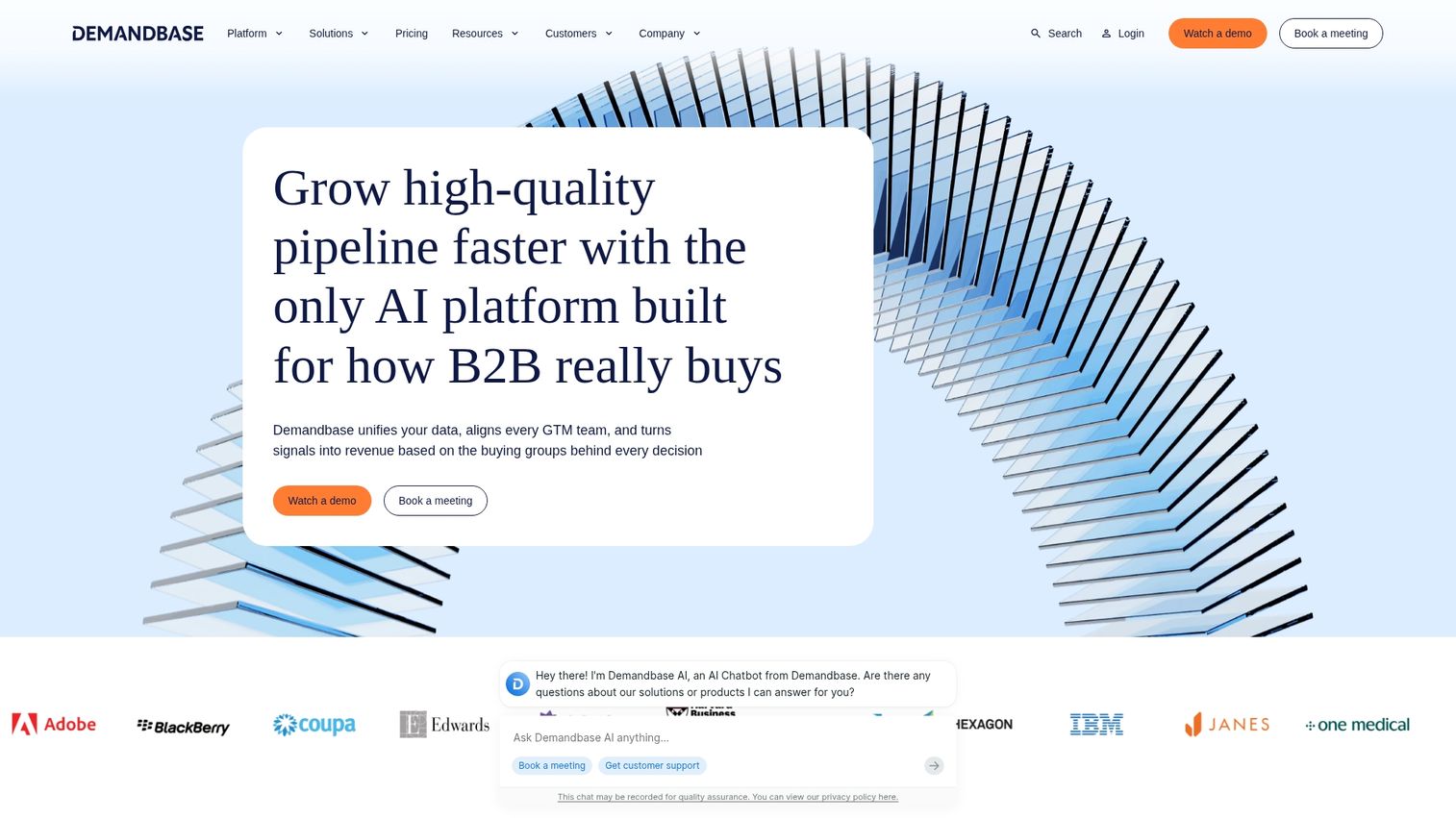
Demandbase combines ABM with advertising, intent data, and account intelligence. The platform coordinates marketing and sales on target accounts.
Best for: Teams running coordinated ABM programs across advertising and sales outreach.
Key strengths
- Account identification: Identify anonymous website visitors by company
- Intent data: Track which accounts are researching relevant topics
- ABM advertising: Target accounts with display and LinkedIn ads
- Sales intelligence: Give reps account-level insights
Pricing: Custom pricing.
16. 6sense
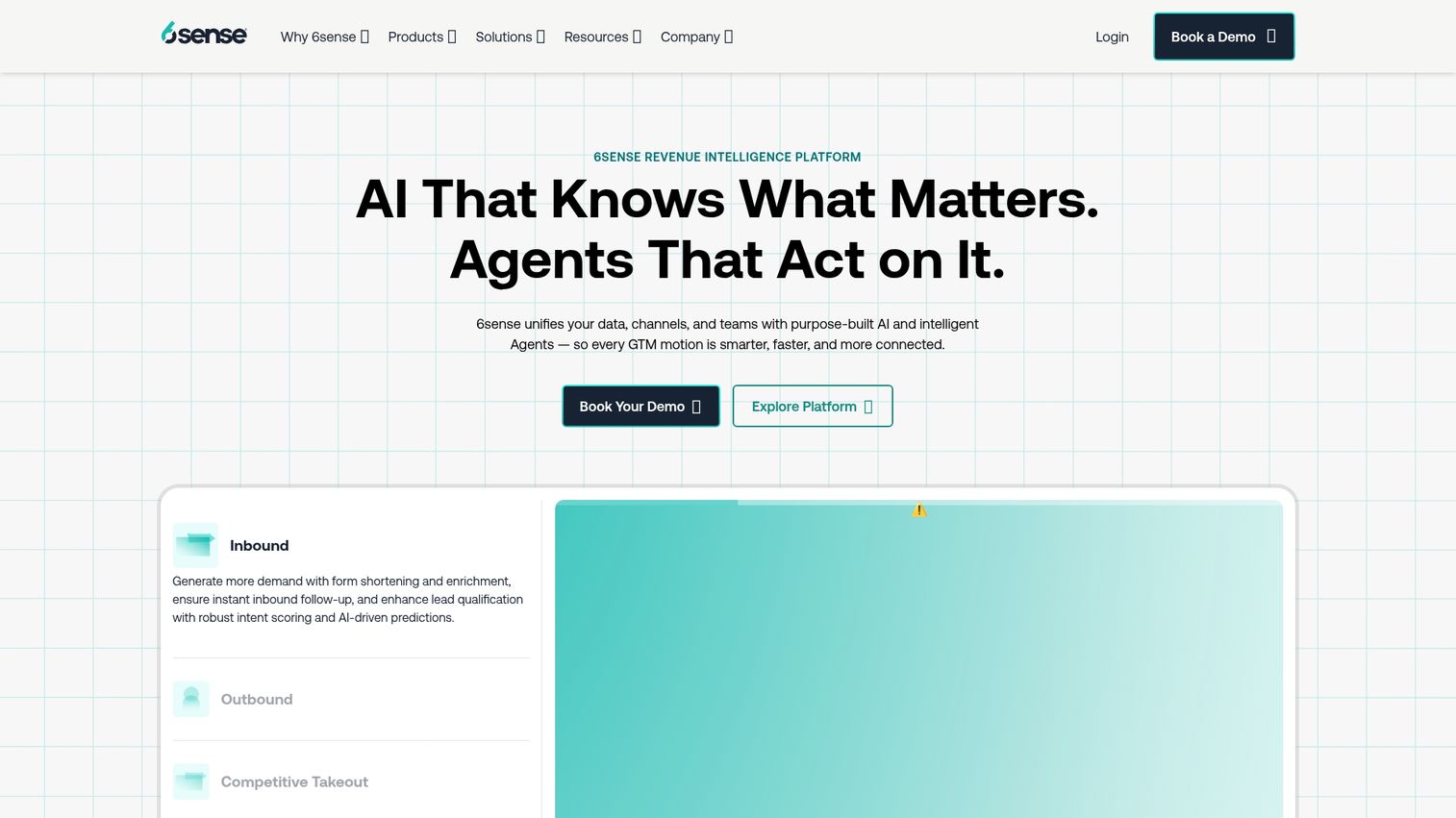
6sense uses AI to predict which accounts are in-market. The platform identifies buying signals before prospects raise their hands.
Best for: Teams who want to prioritize accounts based on predicted buying intent.
Key strengths
- Predictive analytics: AI identifies accounts likely to buy
- Intent data: Track research behavior across the web
- Orchestration: Coordinate outreach based on buying stage
- Revenue AI: Prioritize accounts by predicted value
Pricing: Custom pricing.
GTM analytics and attribution tools
Go to market tools for analytics unify data from across the GTM stack to show what's working. Attribution, pipeline analytics, and revenue forecasting help teams optimize spend and prove impact.
17. HockeyStack
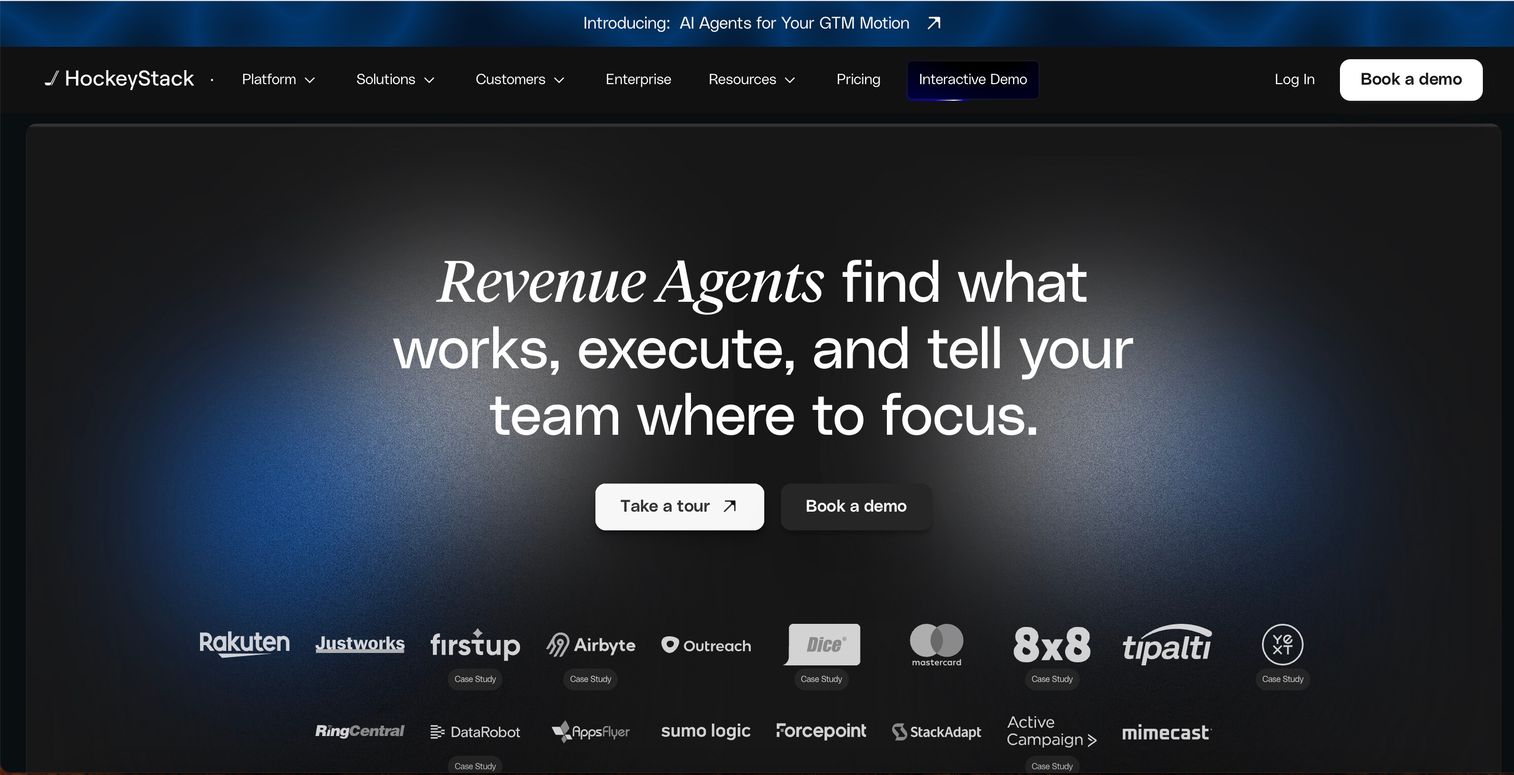
HockeyStack provides modern B2B attribution and analytics. The platform unifies marketing and sales data without requiring a data team to set up.
Best for: Marketing teams who want to prove revenue impact without complex implementation.
Key strengths
- No-code setup: Get attribution running without engineering
- Multi-touch attribution: Understand the full buyer journey
- Revenue analytics: Connect marketing to pipeline and closed revenue
- Integrations: Pull data from CRM, ads, and marketing tools
Pricing: Custom pricing.
18. Dreamdata
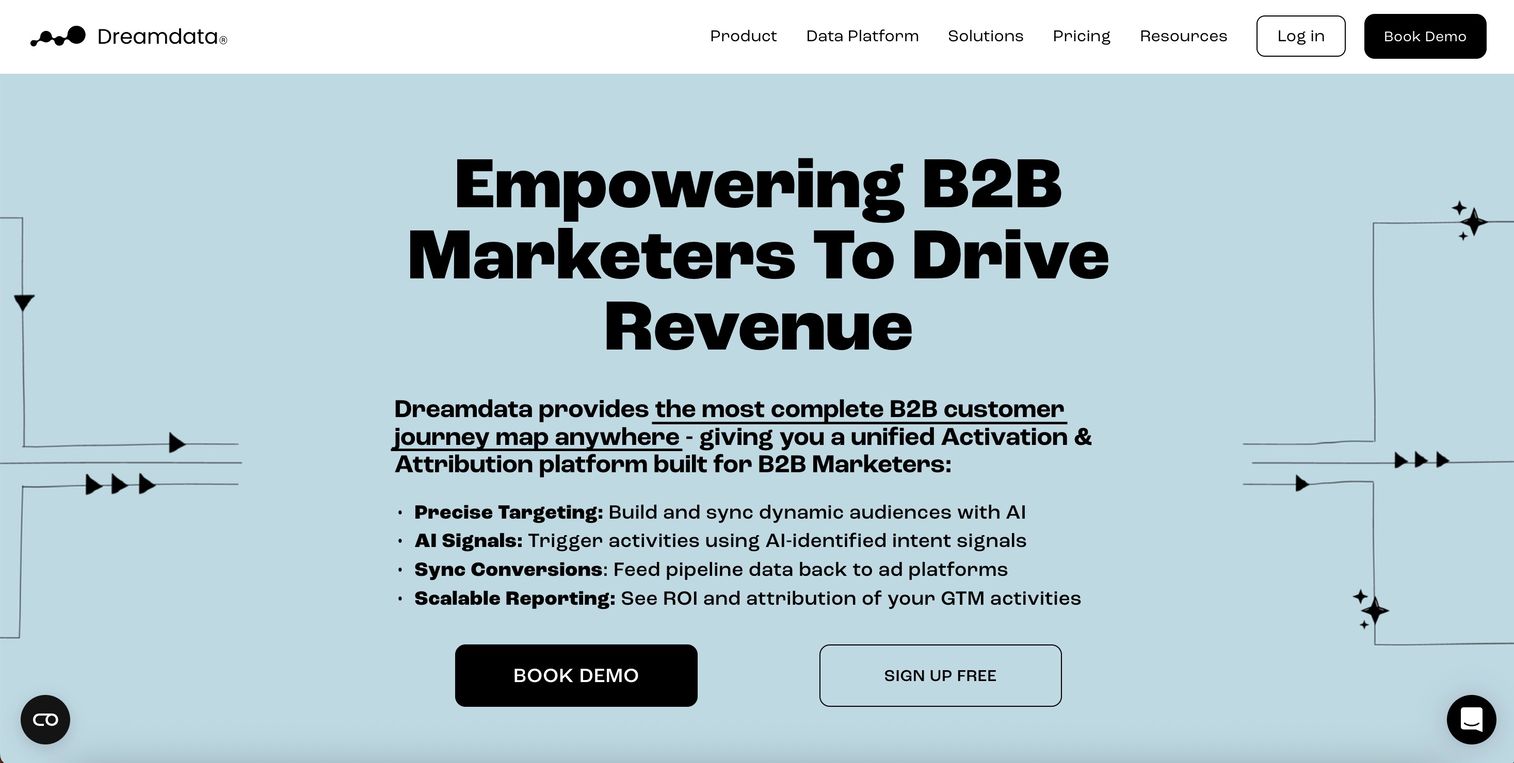
Dreamdata focuses on B2B revenue attribution with strong data privacy compliance. European company with a focus on accurate journey mapping.
Best for: B2B teams who want detailed attribution with strong data governance.
Key strengths
- Multi-touch attribution: Credit across the full buyer journey
- Customer journey mapping: Visualize how accounts move through the funnel
- Data privacy: Built with GDPR compliance in mind
- Integrations: Connect with major B2B tools
Pricing: Custom pricing.
19. Grow
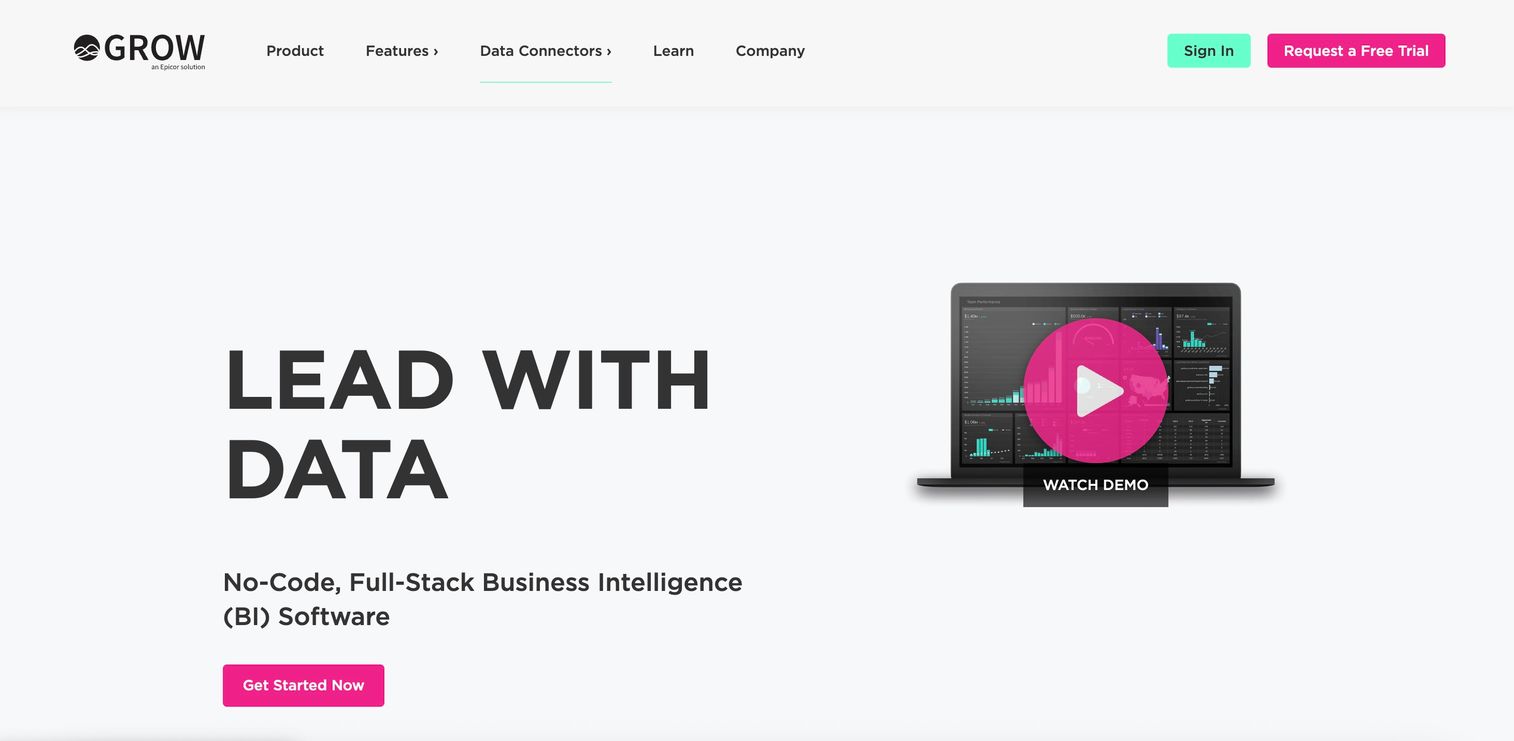
Grow provides business intelligence for GTM teams. Custom dashboards and reporting across tools help RevOps build the analytics they want.
Best for: RevOps teams who want to build custom GTM dashboards without SQL.
Key strengths
- No-code dashboards: Build reports without technical skills
- Data connections: Pull from CRM, marketing, and other tools
- Custom metrics: Define the KPIs that matter to your team
- Sharing: Distribute dashboards across the organization
Pricing: Custom pricing.
Lead routing and data enrichment
Lead routing and enrichment tools ensure leads get to the right reps quickly and arrive with complete data. Leads contacted within 5 minutes are 9x more likely to convert, making speed-to-lead critical.
20. Clearbit
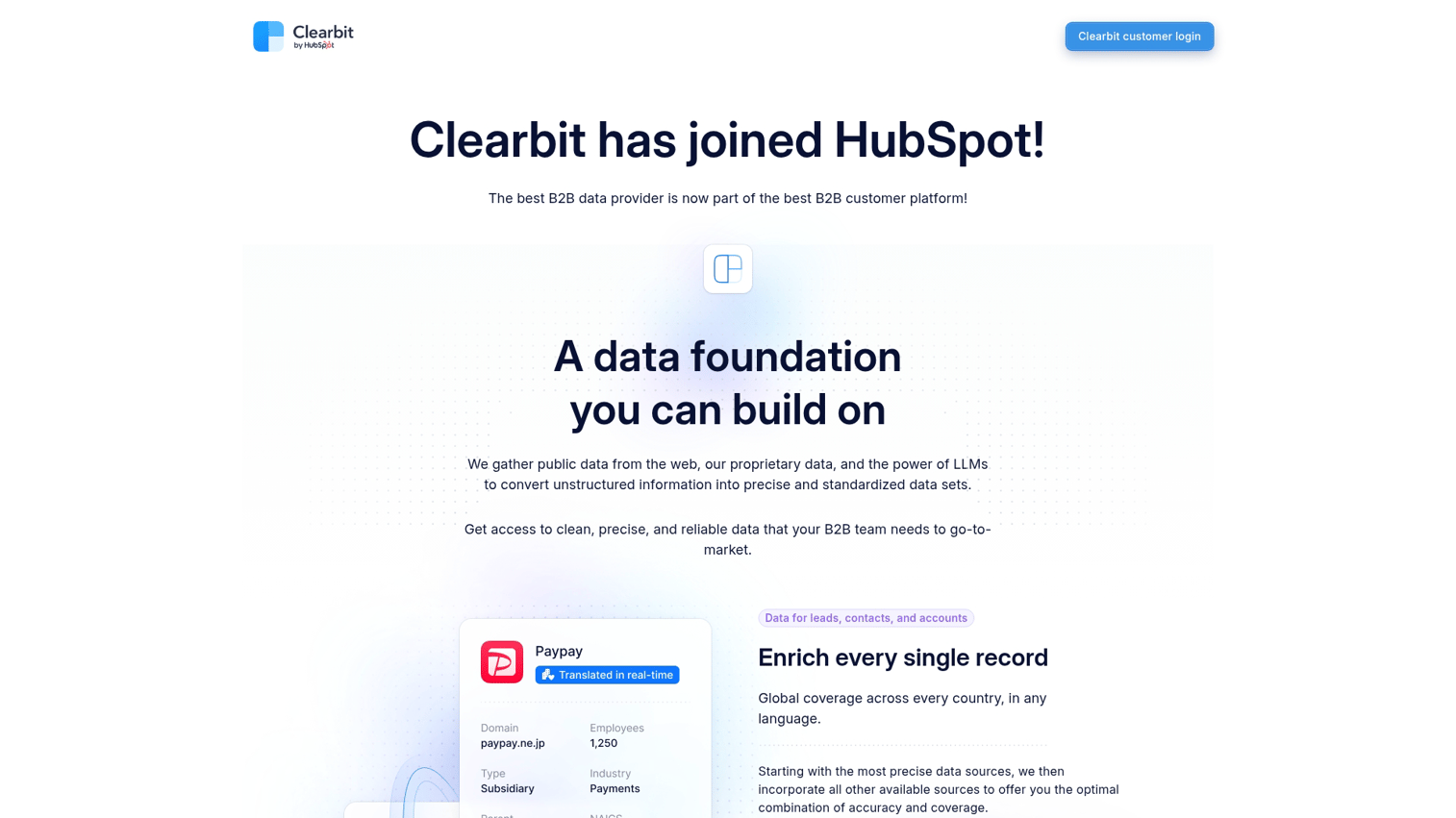
Clearbit provides real-time data enrichment. The platform appends company and contact data to forms and CRM records automatically. Now part of HubSpot.
Best for: Teams who want to enrich leads in real-time without manual research.
Key strengths
- Real-time enrichment: Append data as leads come in
- Form optimization: Shorten forms by auto-filling fields
- CRM enrichment: Keep records current automatically
- HubSpot integration: Native connection as part of HubSpot
Pricing: Custom pricing.
21. Chili Piper
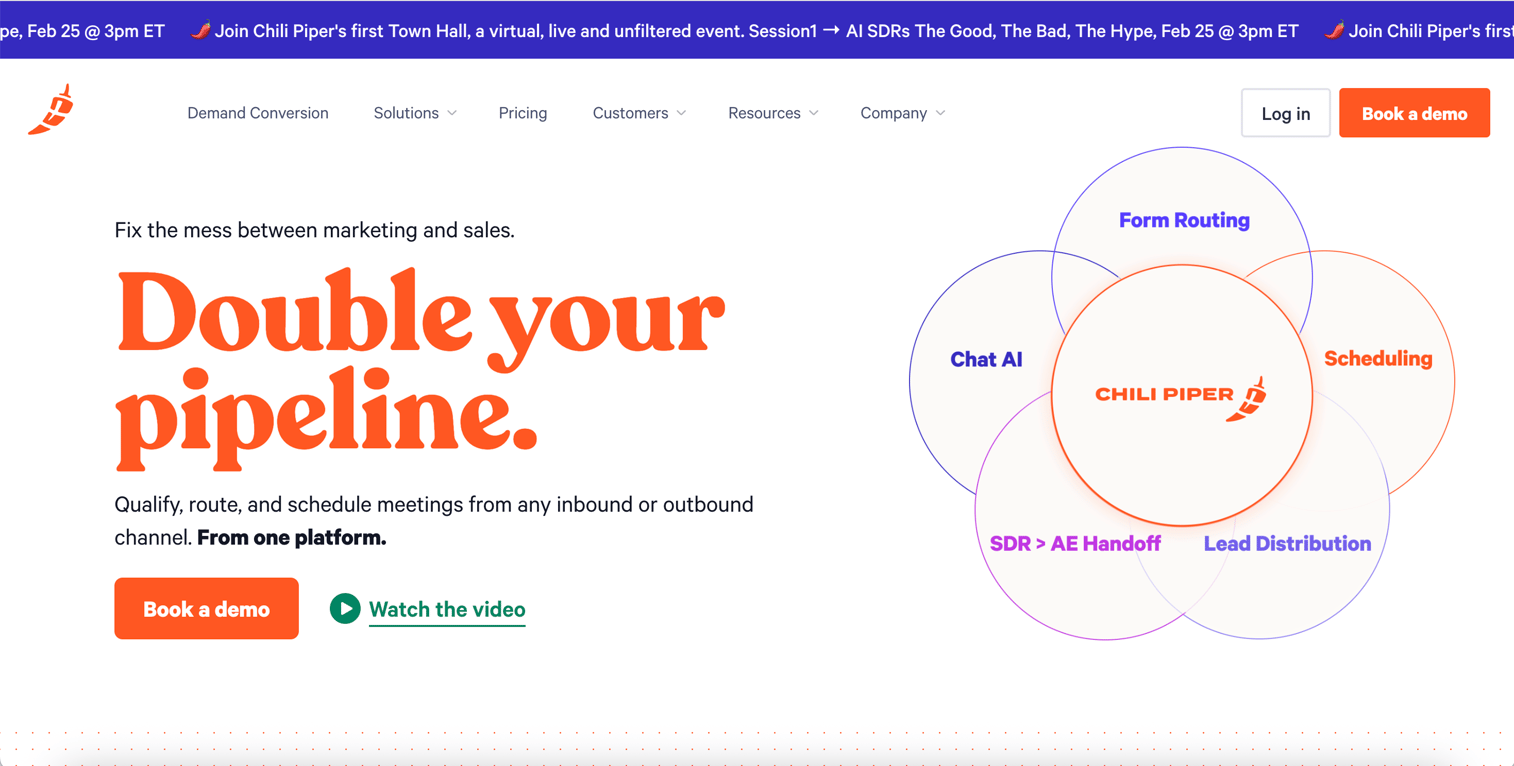
Chili Piper handles inbound lead routing and scheduling. Instant booking from forms and round-robin distribution reduce time-to-meeting.
Best for: Teams who want to book meetings instantly from inbound forms.
Key strengths
- Instant booking: Let prospects schedule during form submission
- Round-robin routing: Distribute leads fairly across reps
- Qualification: Route based on lead attributes
- CRM sync: Meetings and activities log automatically
Pricing: From $150/user/month.
22. Default
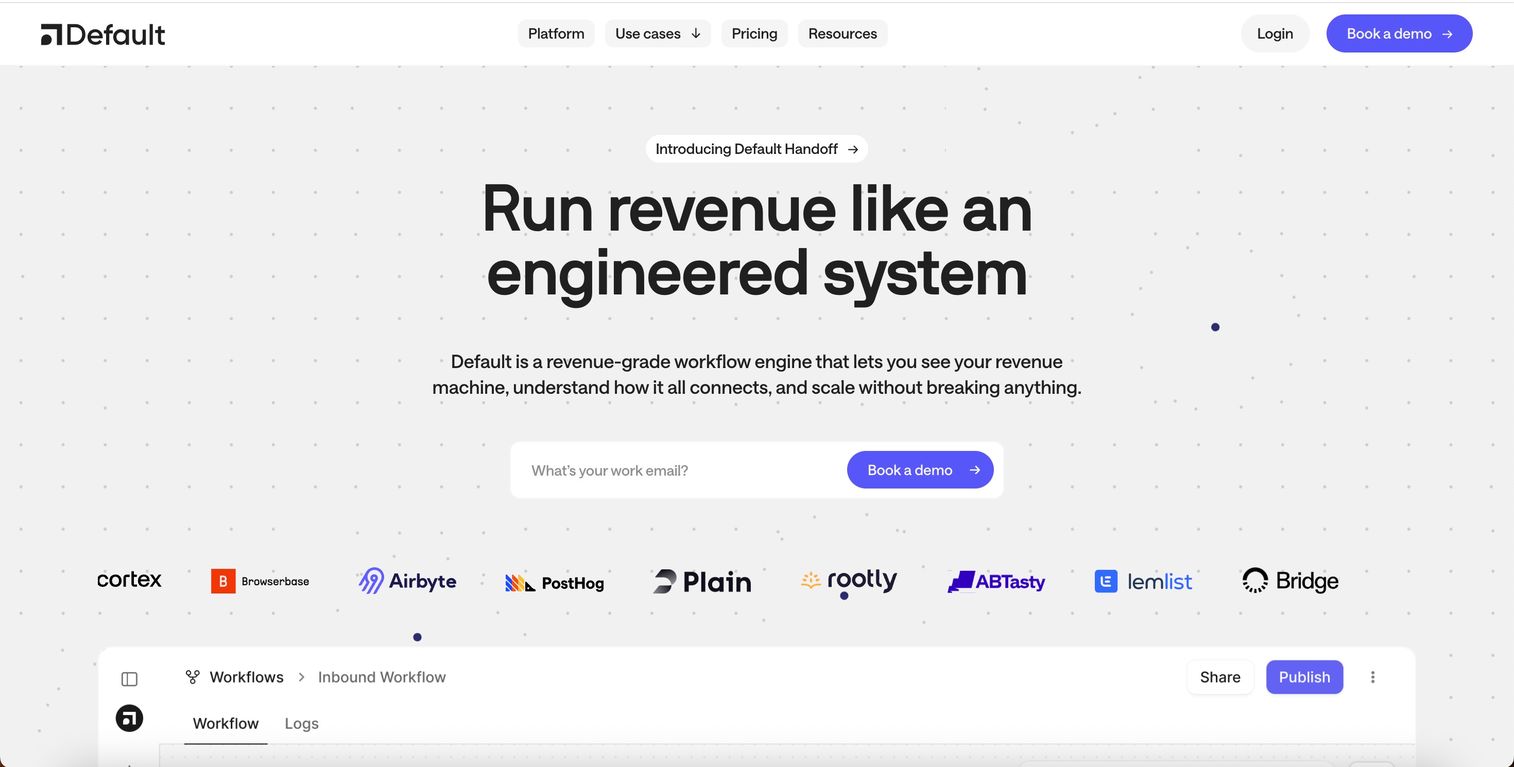
Default combines routing, enrichment, and scheduling in one inbound GTM platform. No-code workflow builder for RevOps.
Best for: RevOps teams who want to build custom inbound workflows without code.
Key strengths
- Unified platform: Routing, enrichment, and scheduling together
- No-code workflows: Build complex logic without engineering
- Enrichment: Append data from multiple sources
- Analytics: Track inbound performance
Pricing: Custom pricing.
PLG and product analytics software
Product-led growth tools track in-product behavior, drive activation, and identify expansion opportunities. PLG analytics are particularly valuable for product-led GTM motions.
23. Pendo
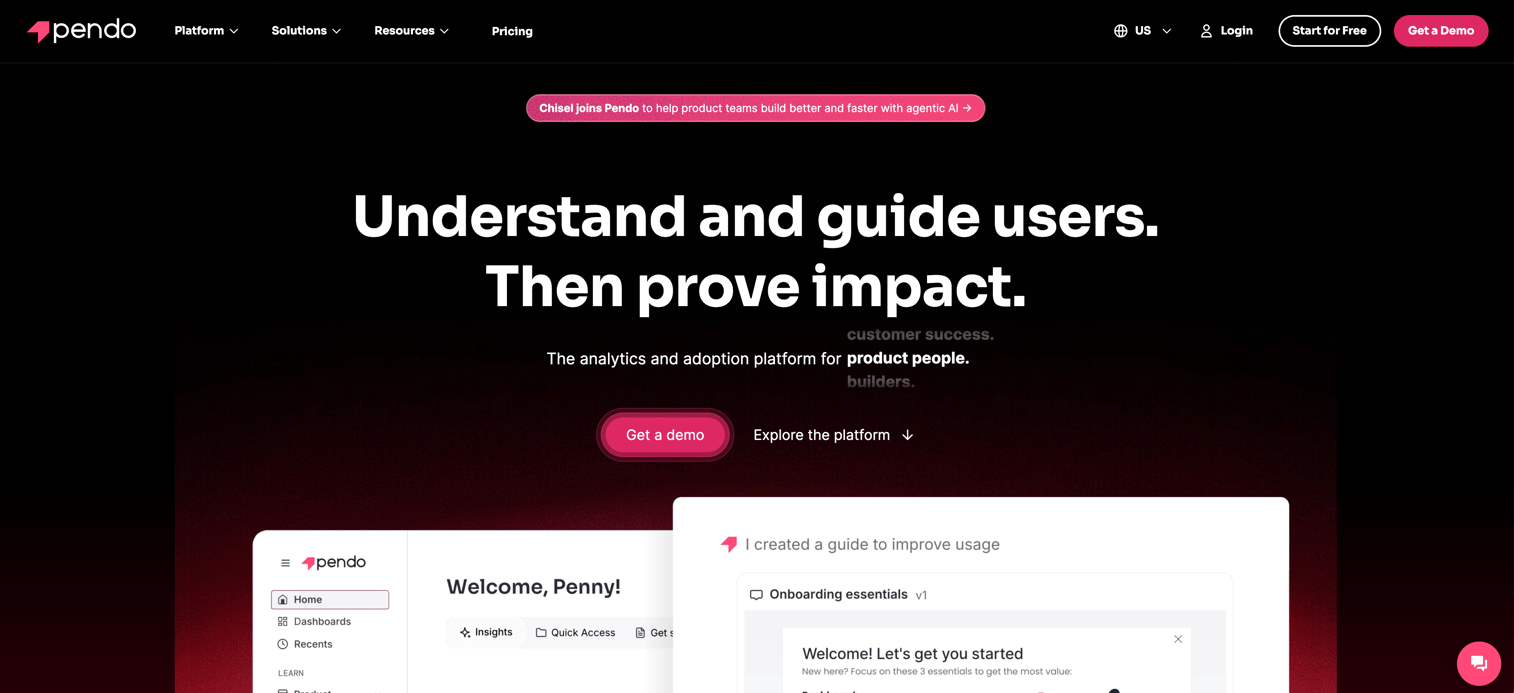
Pendo provides product analytics and in-app guidance. Track feature usage and enable in-app messaging to drive adoption.
Best for: Product teams who want to understand usage and guide users in-app.
Key strengths
- Product analytics: Track feature adoption and user behavior
- In-app guides: Create walkthroughs and announcements
- Feedback collection: Gather user input in-product
- Integrations: Connect with CRM and support tools
Pricing: Custom pricing.
24. Userpilot
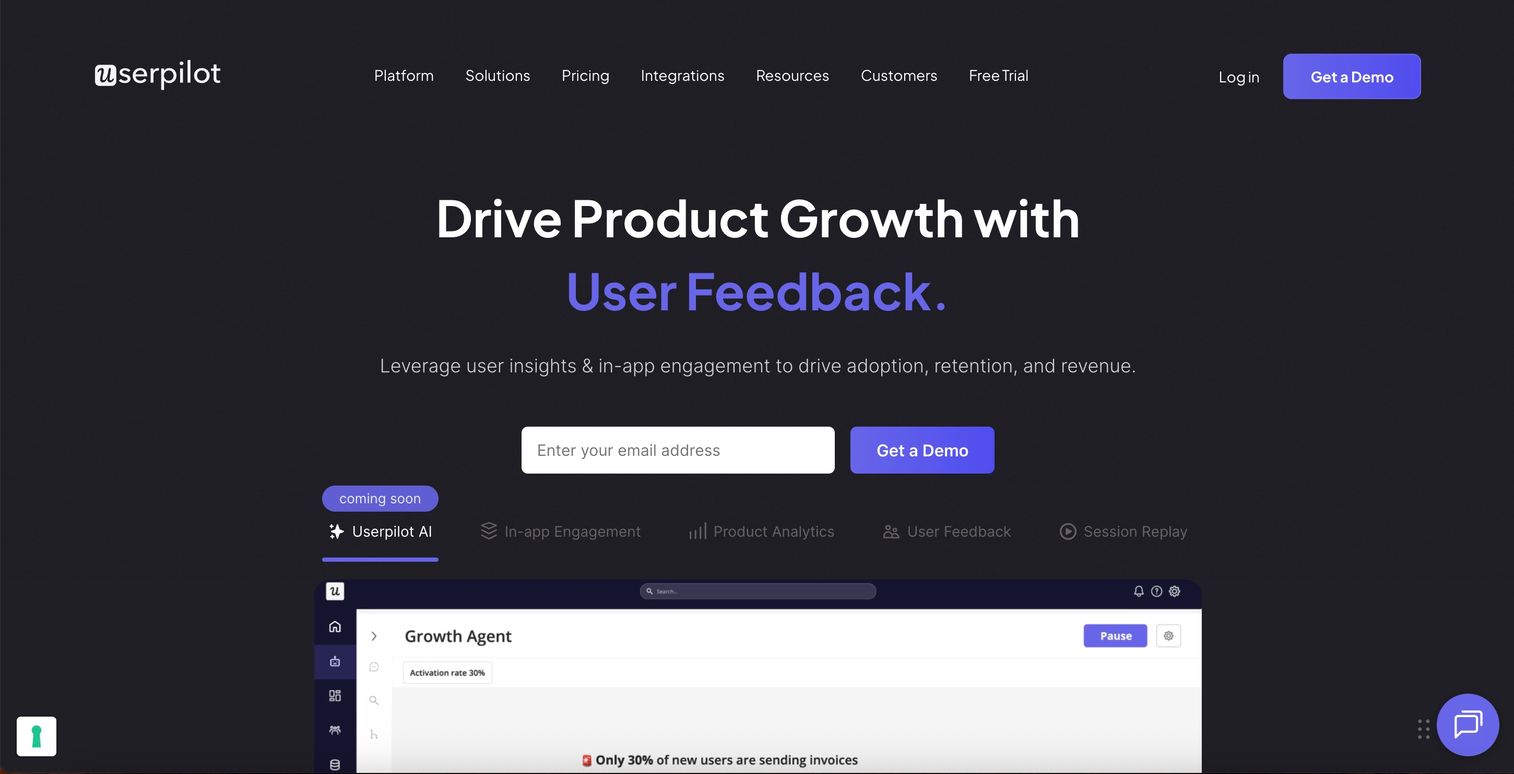
Userpilot focuses on product adoption and onboarding. In-app flows, feature announcements, and NPS surveys help drive activation.
Best for: Teams who want to build onboarding flows and measure adoption without code.
Key strengths
- No-code builder: Create in-app experiences without engineering
- Onboarding flows: Guide new users through activation
- Feature announcements: Highlight new capabilities
- Analytics: Track adoption and engagement
Pricing: From $249/month.
25. UserGems
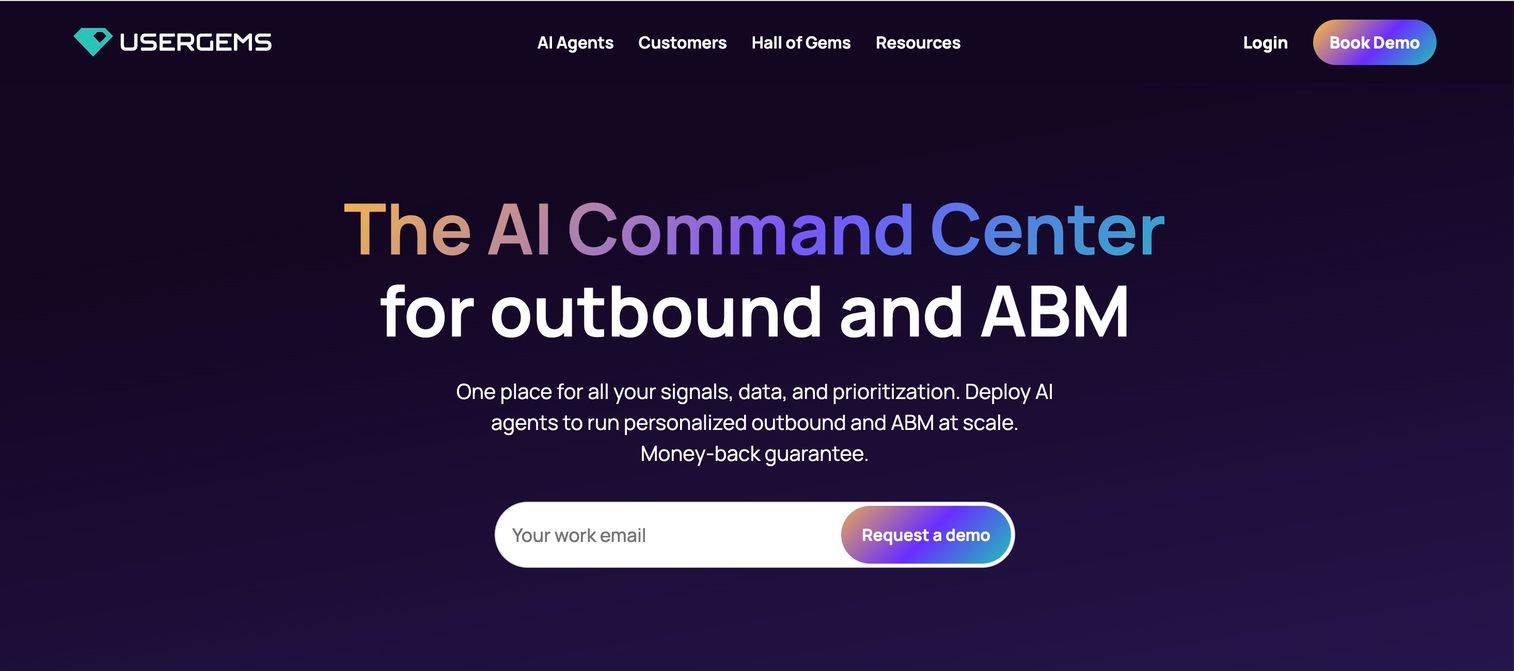
UserGems tracks job changes to identify buyer intent. Alerts when champions or past customers move to new companies create warm outbound opportunities.
Best for: Sales teams who want to leverage relationship data for outbound.
Key strengths
- Job change tracking: Know when contacts move companies
- Champion tracking: Follow past buyers to new opportunities
- CRM integration: Alerts and data sync to Salesforce
- Prioritization: Focus on the warmest opportunities
Pricing: Custom pricing.
CRM and pipeline management
CRM is the foundation of most GTM stacks. Everything else connects to it. CRM platforms manage contacts, accounts, opportunities, and pipeline.
28. Salesforce Sales Cloud
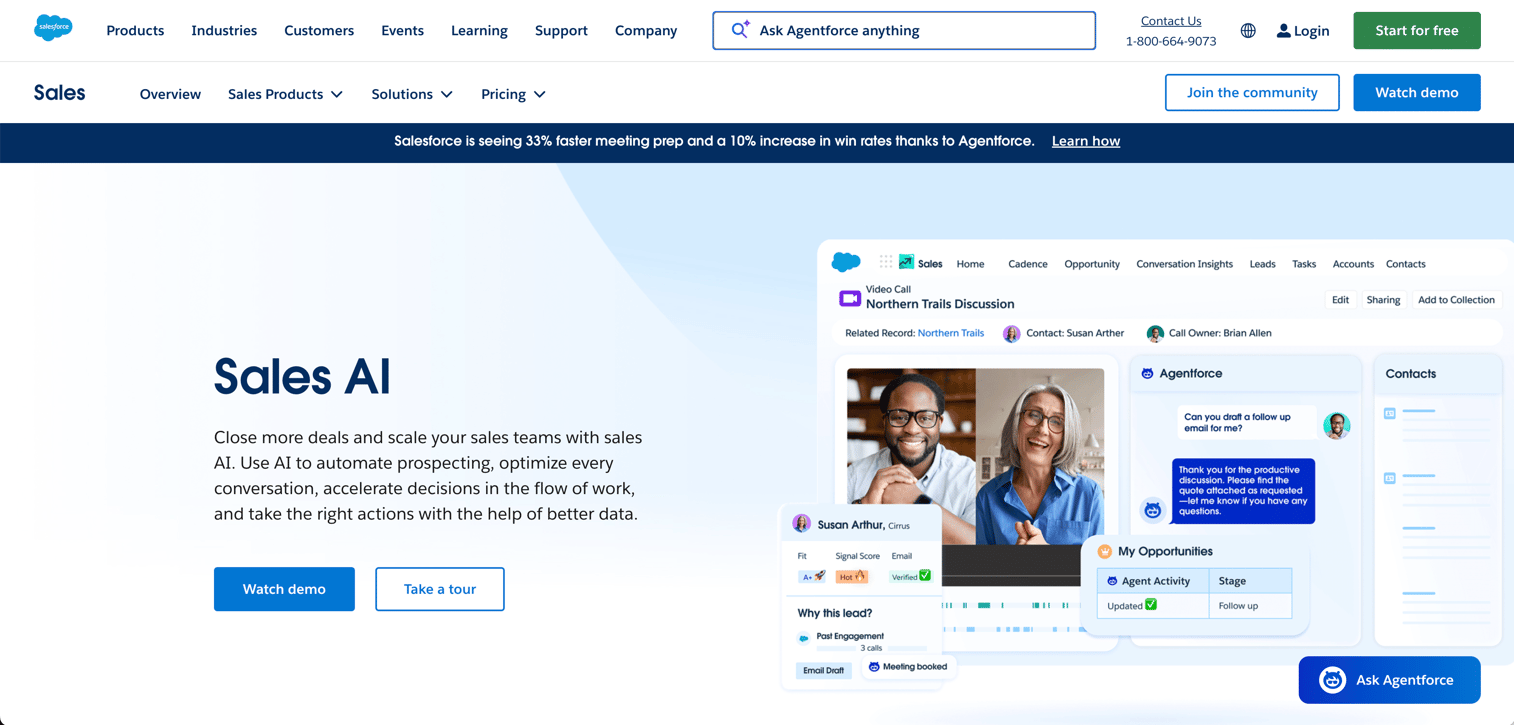
Salesforce is the enterprise CRM standard. Highly customizable with a massive ecosystem, it serves larger organizations with complex requirements.
Best for: Enterprise teams who want customization and can invest in administration.
Key strengths
- Customization: Build exactly what your process requires
- Ecosystem: Thousands of apps and integrations
- Reporting: Advanced analytics and dashboards
- Scalability: Grows with enterprise requirements
Pricing: From $25/user/month for Essentials, scaling up significantly for enterprise features.
27. HubSpot CRM
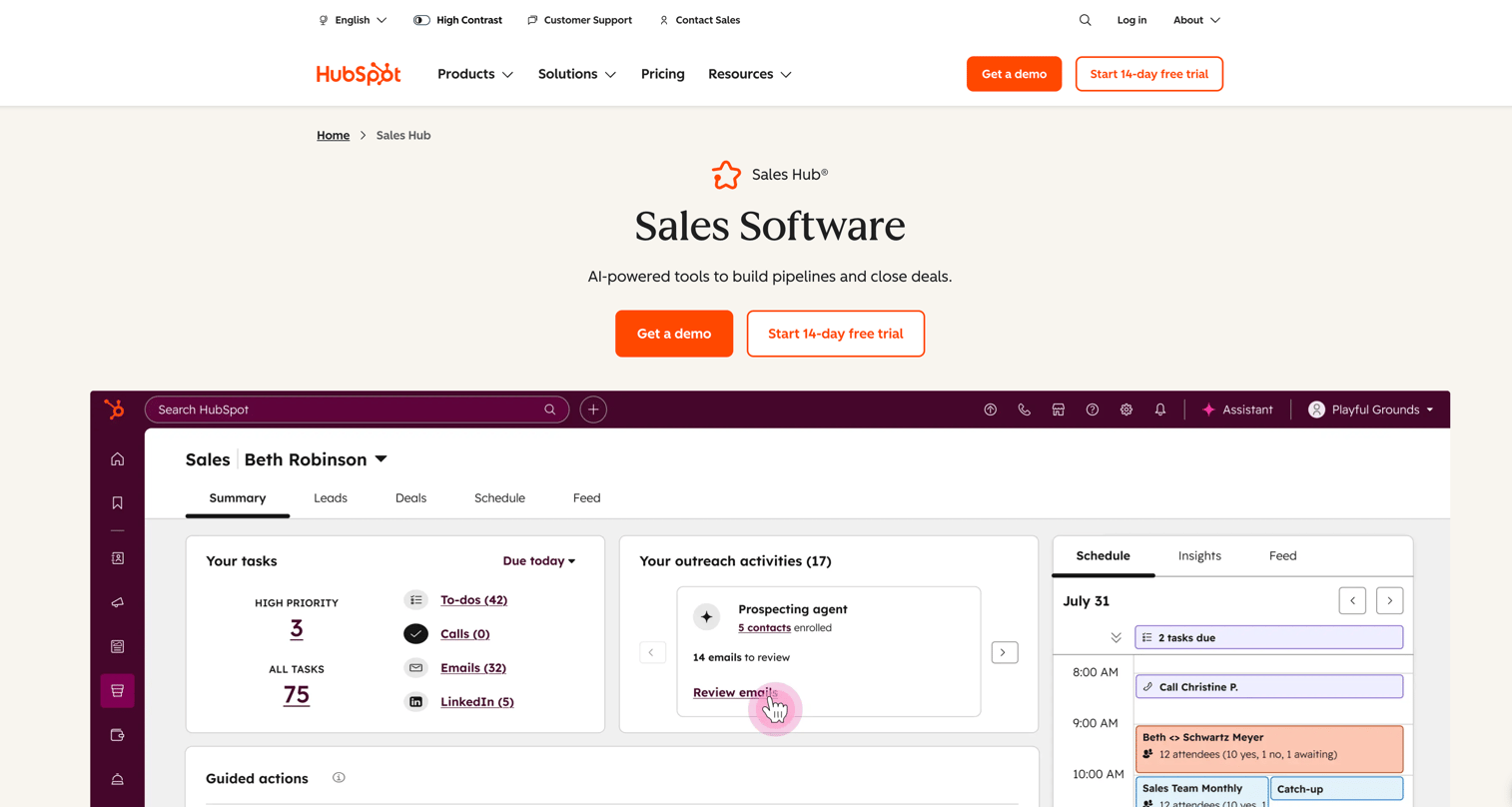
HubSpot CRM offers a free CRM with paid upgrades. Easier to use than Salesforce, it serves SMB and mid-market teams well.
Best for: Growing teams who want CRM that's easy to adopt and connects to marketing.
Key strengths
- Free tier: Start without budget commitment
- Ease of use: Lower learning curve than enterprise alternatives
- Marketing connection: Native integration with HubSpot Marketing
- Scalability: Paid tiers add features as you grow
Pricing: Free tier available. Paid tiers scale with features and contacts.
How to choose the right go to market tools for your team
Evaluate integration with your existing tech stack
GTM tools create value when they connect. Siloed data creates friction and manual work. Before buying, check native integrations with your CRM, marketing automation, and communication tools.
Questions to consider:
- Does it sync bidirectionally with your CRM?
- Can it trigger actions in your other tools?
- How does data flow between systems?
- What happens when integrations break?
Match tools to your GTM motion
Different GTM motions require different tool priorities:
GTM motion | Priority categories | Key tools |
|---|---|---|
Sales-led | Prospecting, engagement, enablement | ZoomInfo, Outreach, Gong |
Marketing-led | Automation, ABM, attribution | HubSpot, Demandbase, HockeyStack |
Product-led | Product analytics, in-app guidance, interactive demos | Pendo, Userpilot, Guideflow |
Hybrid | Demo experience, routing, CRM | Guideflow, Chili Piper, HubSpot |
Prioritize time-to-value and adoption
Complex tools often become shelfware. Look for easy onboarding, intuitive UI, and clear ROI timeline. The best tool is the one your team actually uses.
Tip: Ask vendors for time-to-value benchmarks. How long until you see results? What does implementation actually require?
GTM stack examples with interactive demos
The best go to market tools reduce friction for buyers. Interactive demos let prospects experience products on their own terms, feeding engagement data back to sales. Instead of forcing everyone through "book a demo" funnels, you give buyers what they want: a way to evaluate without commitment - 94% of buying groups rank vendors before ever contacting sales.
Guideflow fits into GTM workflows across the funnel. Marketing embeds demos on landing pages to increase conversion. Sales includes demos in outreach to stand out from text-only emails.
Customer success uses demos for onboarding and feature education. The engagement data flows to CRM, helping teams prioritize follow-up based on actual interest.
Start your journey with Guideflow today!
FAQs about go-to-market tools
The five pillars typically include market research, competitive analysis, product positioning, marketing and promotion, and launch execution. The five pillars guide teams from strategy through successful market entry and help ensure alignment across sales, marketing, and product.
Yes, Salesforce is a foundational GTM tool serving as the CRM layer where pipeline, accounts, and customer data live. Most other GTM tools integrate with Salesforce to create a unified system, making it the hub of many GTM tech stacks.
CRM manages customer relationships and pipeline data, while GTM software is a broader category that includes CRM plus prospecting, engagement, automation, and analytics tools. CRM is typically one component within a larger GTM tech stack.
Most B2B companies use between five and fifteen go to market tools depending on team size and complexity. The key is ensuring tools integrate well rather than accumulating disconnected point solutions that create data silos.
Startups typically benefit from all-in-one platforms like HubSpot or Apollo that consolidate functionality, while enterprises often require specialized best-of-breed tools with advanced customization. Budget, team size, and workflow complexity guide the decision.
Interactive demos reduce friction by letting prospects experience products without scheduling calls, making them valuable across marketing (landing pages), sales (follow-up), and customer success (onboarding). Interactive demos capture engagement data that helps teams prioritize high-intent buyers.
GTM intelligence refers to data and insights that help teams identify, prioritize, and engage target accounts and buyers. GTM intelligence includes intent data, contact information, company firmographics, and engagement signals aggregated across tools.