DEI reporting often starts in five places at once. Workforce data sits in the HRIS, candidate data lives in the ATS, and compensation analysis happens in spreadsheets. Survey results and manager behavior add further context.
Turning those inputs into a credible report takes more than another dashboard. You need dependable data, appropriate privacy controls, clear ownership, and a reporting cadence leaders will follow.
Harvard Business School reported in its 2025 State of the Market that 57% of surveyed C-suite executives were expanding DEI efforts. The survey included 320 executives and was conducted in 2024.
The practical question is which DEI software matches your first reporting need without adding another disconnected system.
What’s inside
This guide compares 17 products across dedicated DEI platforms, recruiting tools, employee listening systems, HR suites, and business intelligence software.
- Who it is for: HR, People Ops, talent, total rewards, DEI, and enablement teams
- How tools were chosen: Category relevance, reporting depth, integration fit, and use-case coverage
- What to compare: Data sources, privacy controls, reporting cadence, and actionability
- What to verify: Pricing, G2 ratings, implementation requirements, and current integrations
For sales enablement leaders, the emphasis is operational. Look for data that can inform manager coaching, readiness programs, inclusive communication, and measurable behavior change.
TL;DR
- Best overall for DEI measurement: Diversio combines DEI analytics, benchmarking, sentiment analysis, and reporting in a focused platform
- Best for recognition-led inclusion: Workhuman connects recognition activity with employee experience and workforce insights
- Best for employee listening: Culture Amp combines engagement surveys with inclusion insights and action planning
- Best for pay equity: Syndio supports continuous compensation analysis and governed pay decisions
- Best for inclusive hiring: SeekOut, Textio, Greenhouse, Applied, and DataPeople address different recruiting stages
- Best for enterprise people data: Workday, SAP SuccessFactors, Oracle HCM, ADP, Visier, and Tableau support mature reporting environments
What is DEI software?
DEI software helps organizations collect, analyze, report, and act on diversity, equity, inclusion, and belonging data across the employee lifecycle.
Diversity equity and inclusion software covers several product categories. Some platforms focus entirely on DEI analytics. Others support one specific job, such as pay equity analysis or inclusive recruiting.
Core DEI software categories
- DEI analytics platforms: Representation, sentiment, benchmarks, dashboards, and action tracking
- Employee listening tools: Engagement, belonging, feedback, and employee sentiment analysis
- Pay equity tools: Compensation gaps, pay decisions, monitoring, and remediation planning
- Inclusive hiring tools: Sourcing, job content, structured interviews, and pipeline analysis
- HR suites and HRIS systems: Workforce records, talent data, payroll connections, and reporting
- BI and reporting tools: Custom DEI dashboards across multiple workforce systems
Key features to look for
- Demographic data management
- Employee anonymity controls
- Inclusion and belonging surveys
- Pay equity analysis
- Recruiting funnel analytics
- HRIS, ATS, payroll, and survey integrations
- Scheduled reports and dashboard exports
- Benchmarks by team, level, geography, and function
- Access controls for sensitive workforce data
- Explainability and governance for AI features
DEI reporting tools should help teams move from isolated observations to repeatable decisions. That may mean flagging a representation gap or comparing belonging scores between functions.
What DEI software cannot do alone
Software can reveal disparities, sentiment gaps, and process inconsistencies. It cannot replace leadership accountability or policy decisions.
The same applies to manager readiness. A dashboard might show that one region reports lower inclusion scores. Enablement teams still need to turn that finding into coaching, communication, and observable management practices.
Treat the software as measurement infrastructure. The operating rhythm around the data determines whether anything changes.
When to use DEI software
Report DEI progress without spreadsheet chaos
Use DEI software when representation, hiring, promotion, retention, and pay data sit across different systems. A shared reporting workflow reduces manual consolidation and conflicting definitions.
Set a cadence that fits the decision. Monthly leadership reviews support operational changes, while quarterly reviews work for broader progress updates.
Measure inclusion beyond headcount
Representation data shows who works at the company. It doesn’t explain whether people feel heard, recognized, or able to advance.
Inclusion software combines demographic analysis with surveys, recognition patterns, or engagement signals. Managers then need action plans and coaching prompts that connect scores to daily behavior.
Improve hiring and advancement workflows
Diversity recruiting software can support candidate sourcing, structured interviews, inclusive language, and ATS diversity reporting. Workplace equity software adds compensation or workforce movement analysis.
These systems should support human oversight. They can identify patterns and standardize processes, but people remain responsible for decisions.
DEI software comparison
This table is a shortlist, not a final purchasing decision. Start with the report or workflow you need, then examine the relevant product category.
Pricing reflects vendor information reviewed for 2026. Ratings come from current G2 listings where available. A missing score means a current product-level G2 rating wasn’t available in the supplied research.
| # | Product | Best for | Key differentiator | Pricing | G2 rating |
|---|---|---|---|---|---|
| 1 | Diversio | Dedicated DEI analytics | Benchmarks, sentiment analysis, and DEI dashboards | From $10,000 | Not available |
| 2 | Workhuman | Recognition-led belonging | Recognition data connected to workforce insights | Custom pricing | 4.7/5 |
| 3 | Culture Amp | Employee listening | Engagement, inclusion, and performance insights | Custom pricing | 4.5/5 |
| 4 | Syndio | Pay equity analysis | Continuous compensation monitoring | Custom pricing | 4.5/5 |
| 5 | SeekOut | Diverse candidate sourcing | Search across large talent datasets | From $149 monthly, annual payment | 4.5/5 |
| 6 | Textio | Inclusive workplace language | Guidance for recruiting and performance feedback | Custom pricing | 4.2/5 |
| 7 | Greenhouse | Structured recruiting | Interview kits, scorecards, and recruiting analytics | Custom pricing | 4.4/5 |
| 8 | Mathison | Workforce equity assessment | Workforce analysis with action recommendations | Custom pricing | No G2 reviews |
| 9 | Workday | Enterprise HR data | HR, payroll, talent, and workforce analytics | Custom pricing | 4.2/5 |
| 10 | SAP SuccessFactors | Global HCM reporting | Module-based enterprise HR suite | From $1.96 per user monthly | Not available |
| 11 | Oracle HCM | Integrated enterprise HCM | Unified HR, talent, payroll, and analytics | From $15 per employee monthly | Not available |
| 12 | ADP | Payroll-connected reporting | Workforce reporting grounded in payroll data | Custom pricing | 4.2/5 |
| 13 | Visier | Advanced people analytics | Governed workforce modeling and planning | Custom pricing | 4.6/5 |
| 14 | Tableau | Custom DEI dashboards | Flexible visual analytics across data sources | From $15 per user monthly | 4.4/5 |
| 15 | Applied | Structured, skills-based hiring | Anonymized review and independent scoring | Custom pricing | 4.5/5 |
| 16 | DataPeople | Recruiting content analytics | Job content governance and inclusive language checks | Custom pricing | 4.4/5 |
| 17 | SurveyMonkey | Lightweight inclusion surveys | Fast survey creation and feedback collection | Free plan, paid from $30 per user monthly | 4.4/5 |
Best 17 tools for DEI software in 2026
1. Diversio
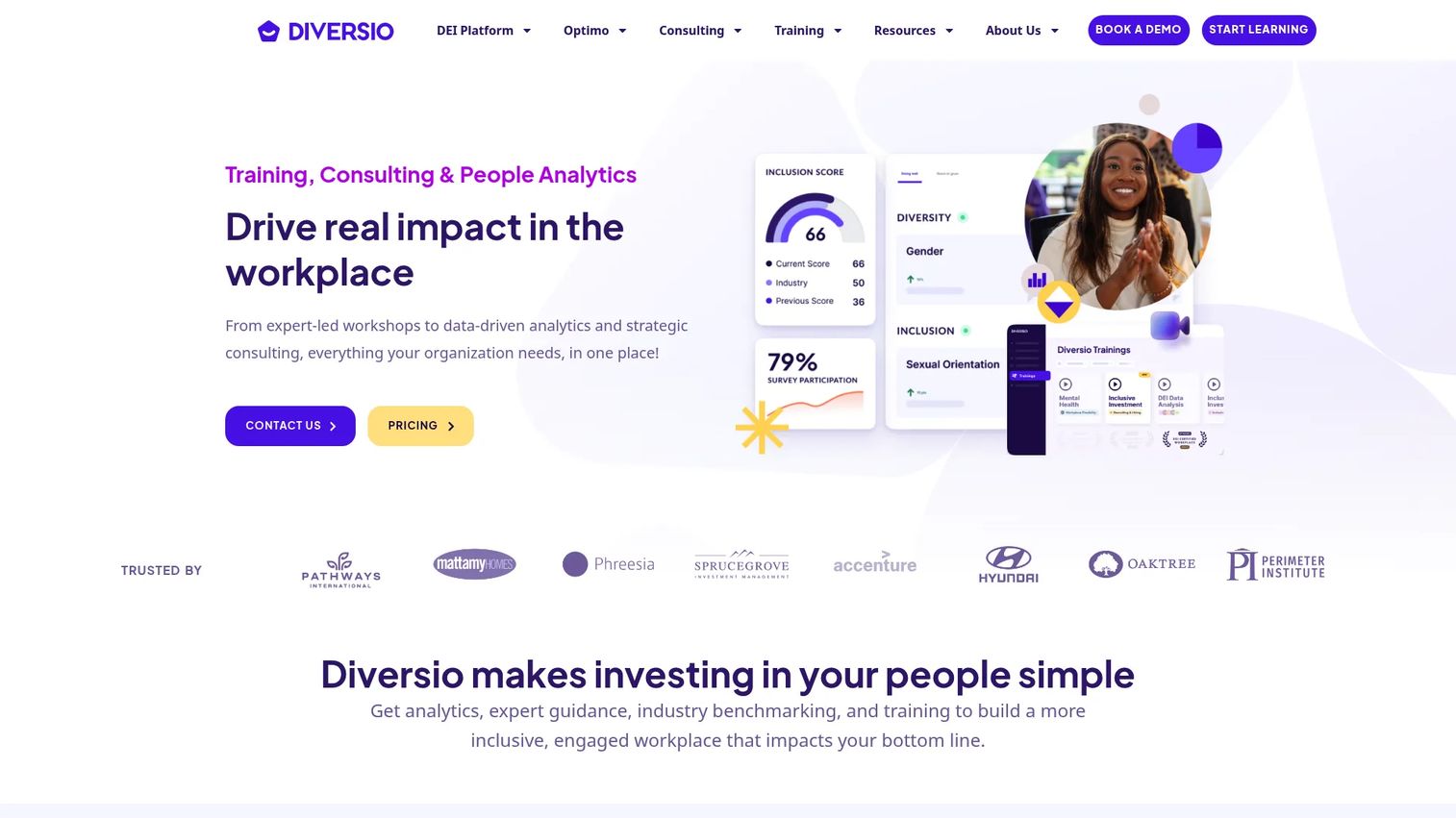
Diversio is a focused DEI analytics platform with employee surveys, HRIS integration, benchmarking, and performance dashboards. It also analyzes inclusion, engagement, equity, and employee sentiment.
The platform can compare workforce findings with industry and census benchmarks. Intersectionality profiles help teams examine overlapping demographic factors without relying on company-wide averages.
Best for: HR and DEI teams that need dedicated diversity analytics and repeatable inclusion reporting.
Key features
- Anonymous employee surveys
- HRIS data integration
- Inclusion and equity analytics
- Industry and census benchmarks
- Goal and KPI tracking
Why choose Diversio: Choose it when a general HR dashboard cannot provide enough DEI context. Its focused measurement model supports leadership reporting and targeted action planning.
For enablement teams, findings can inform manager coaching or readiness programs. Keep access to sensitive findings tightly governed.
Diversio pricing: DEI Platform plans start at $10,000. Standard Plus starts at $22,000, while Advanced starts at $36,000.
2. Workhuman
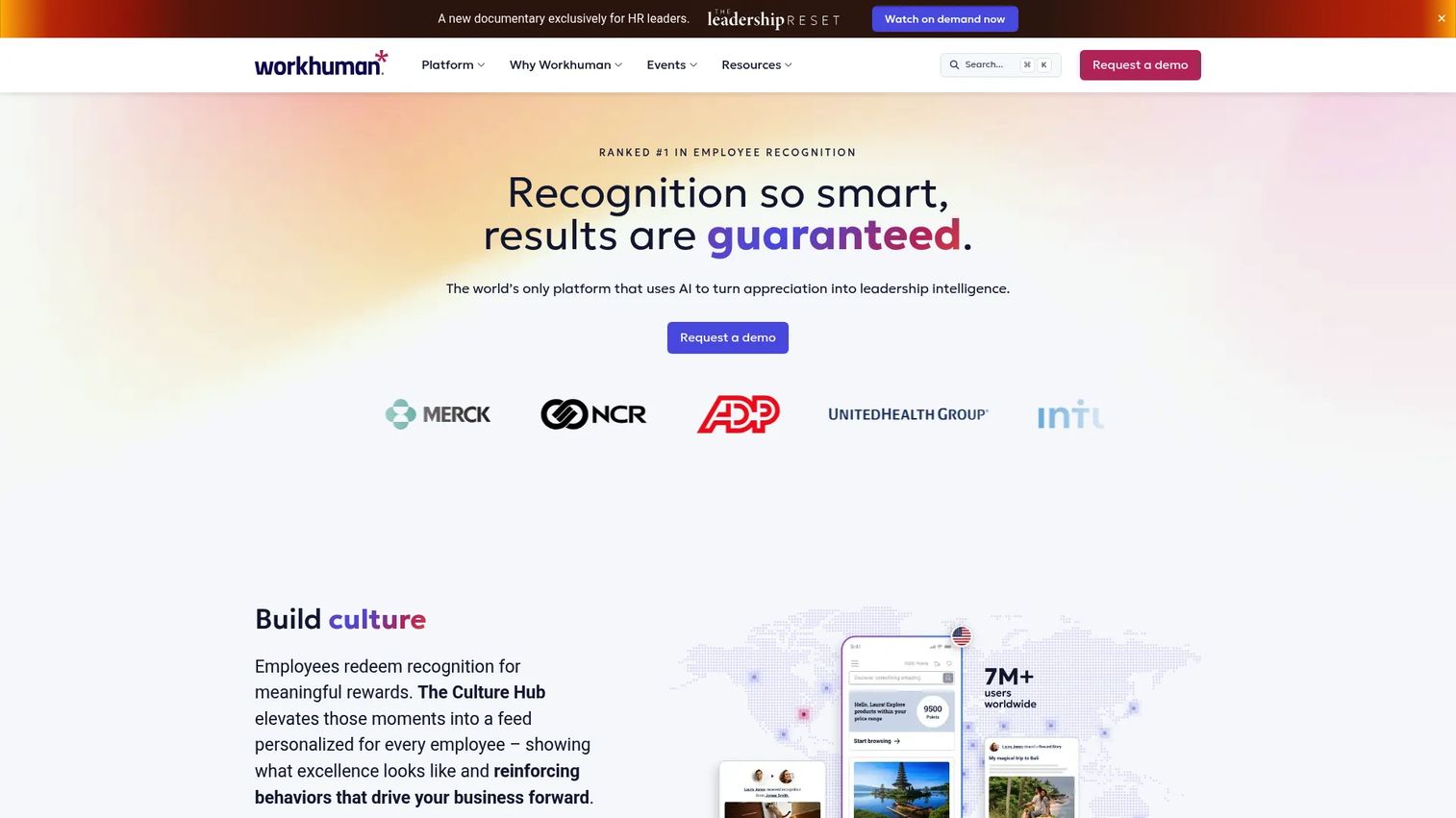
Workhuman combines peer recognition, rewards, feedback, milestones, and workforce insights. Its inclusion software angle comes from analyzing how appreciation and workplace participation appear across employee groups.
Social recognition data gives leaders another view of belonging beyond annual survey scores. The platform also supports continuous performance conversations and program administration.
Best for: Mid-market and enterprise employers connecting employee belonging software with recognition programs.
Key features
- Peer social recognition
- Global rewards catalog
- Recognition analytics
- Continuous performance conversations
- Inclusion writing guidance
Why choose Workhuman: Use it when daily recognition behavior is central to the inclusion strategy. It gives enablement leaders data for manager coaching and recognition practices.
This platform fits a broader employee experience program. Teams seeking dedicated pay equity analysis will need a different product category.
Workhuman pricing: Custom pricing. The supplied research did not include a verified third-party price range.
G2 rating
Workhuman Social Recognition has a 4.7/5 G2 rating.
3. Culture Amp
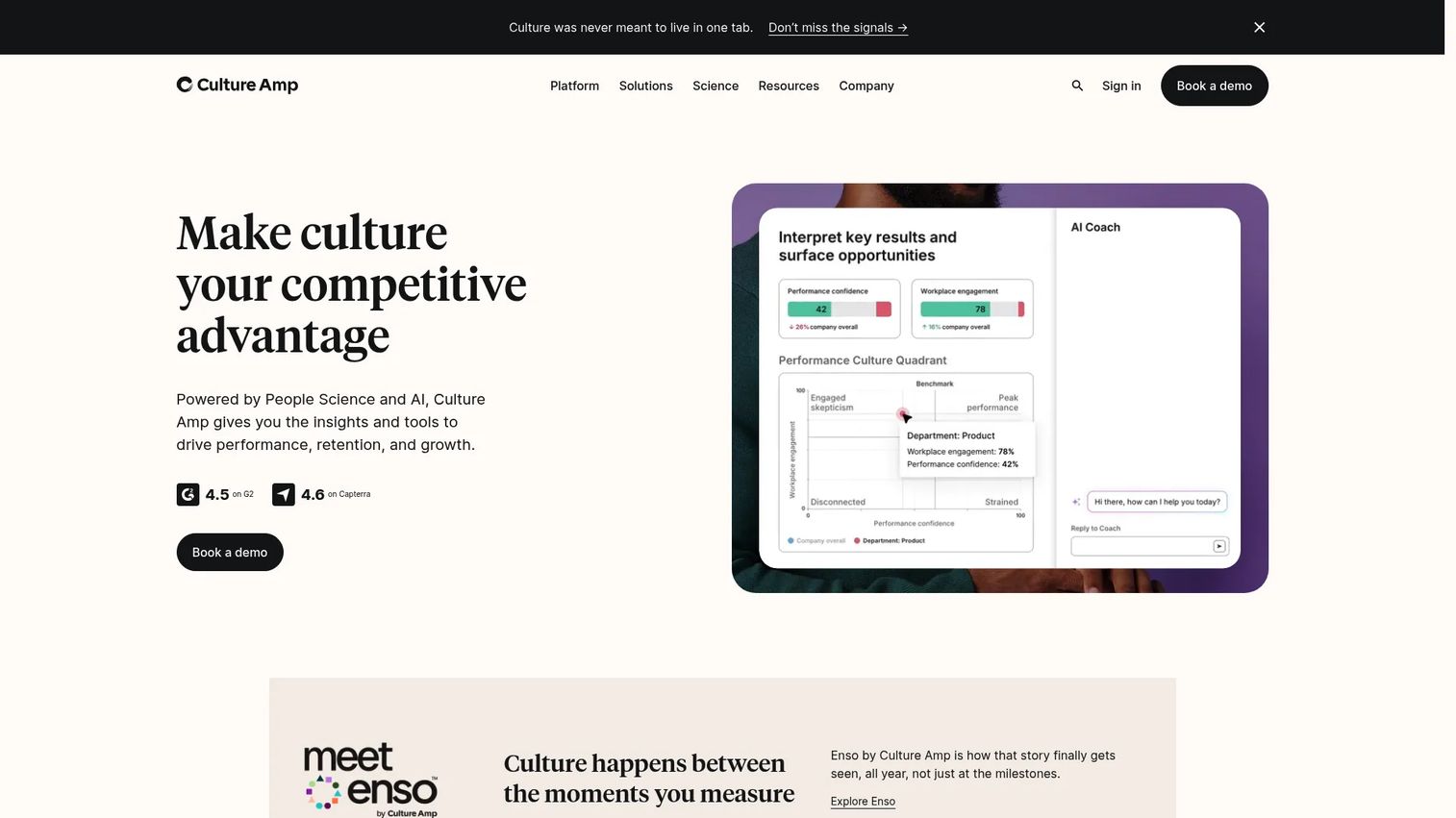
Culture Amp is an employee experience platform for engagement, performance, development, and people insights. It combines survey data with benchmarks and action planning.
Its DEI analytics value comes from connecting inclusion and belonging results with the wider employee experience. Teams can examine sentiment patterns, then move findings into manager workflows.
Best for: People teams that want employee listening connected to performance and development.
Key features
- Employee engagement surveys
- Inclusion and belonging insights
- Benchmark reporting
- Continuous feedback
- Goals and action planning
Why choose Culture Amp: It fits organizations that treat inclusion as part of the employee experience. Survey findings can guide manager action plans instead of remaining in a quarterly deck.
Enablement teams can use those insights to shape coaching programs. Access controls and demographic thresholds still need careful review.
Culture Amp pricing: Custom pricing for Engage, Perform, and consulting services. Products use annual billing.
G2 rating
Culture Amp has a 4.5/5 G2 rating.
4. Syndio
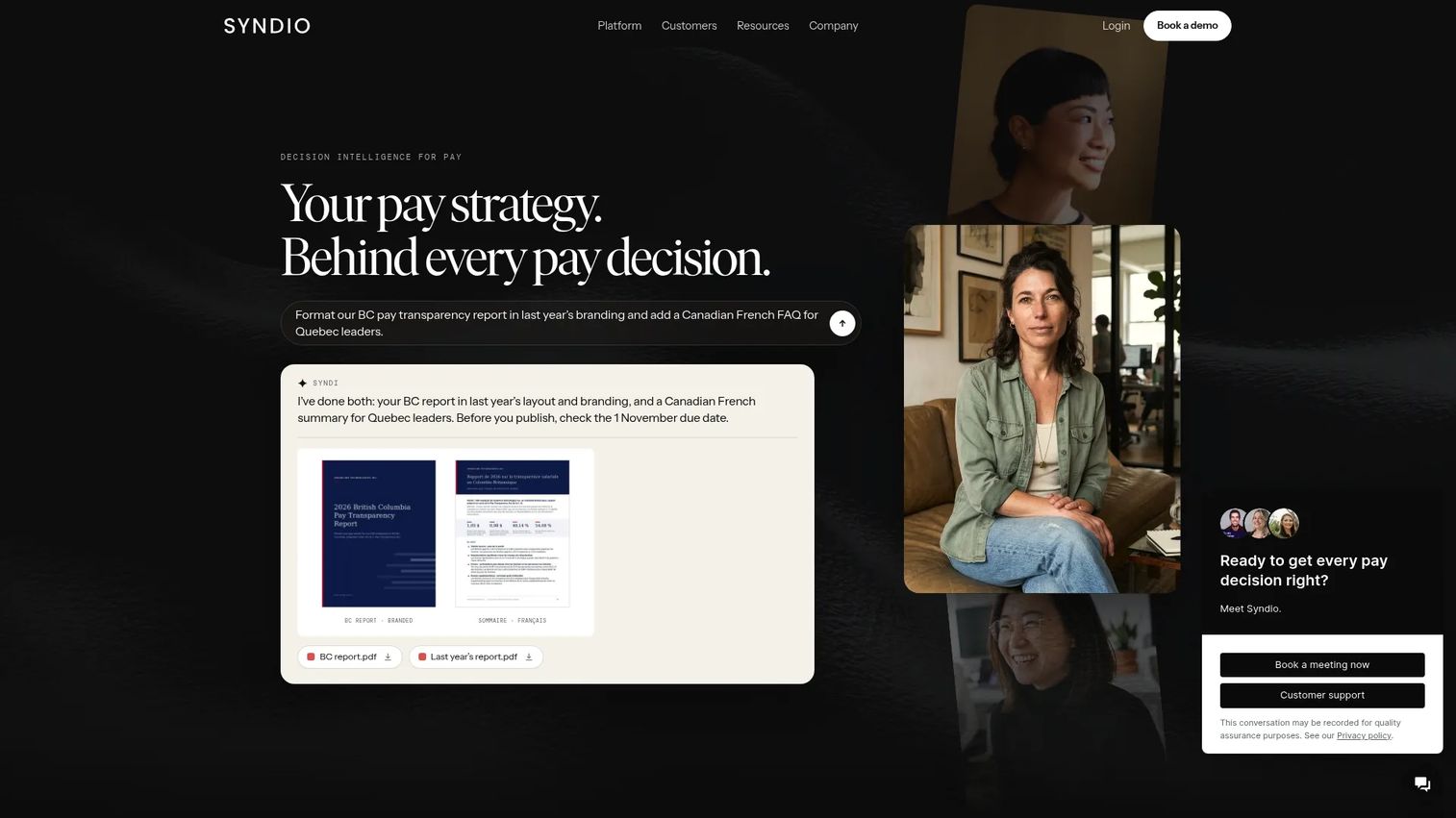
Syndio focuses on continuous pay equity and compensation decision governance. It analyzes pay consistency while supporting reporting and remediation planning.
The platform also covers pay gap reporting and guidance for offers, promotions, or raises. Integrations connect the analysis with HR information and workplace systems.
Best for: Total rewards and HR teams focused on pay equity and governed compensation decisions.
Key features
- Continuous pay equity analysis
- Pay consistency monitoring
- Global pay gap reporting
- Compensation decision guidance
- HRIS and ATS integrations
Why choose Syndio: Choose Syndio when compensation equity is the primary reporting question. Its workflow is more specialized than general workplace equity software inside an HCM suite.
The analysis still needs clear ownership. Total rewards, HR, and leadership must agree on review cadence and remediation authority.
Syndio pricing: Custom pricing. No verified third-party range was available in the supplied research.
G2 rating
Syndio has a 4.5/5 G2 rating.
5. SeekOut
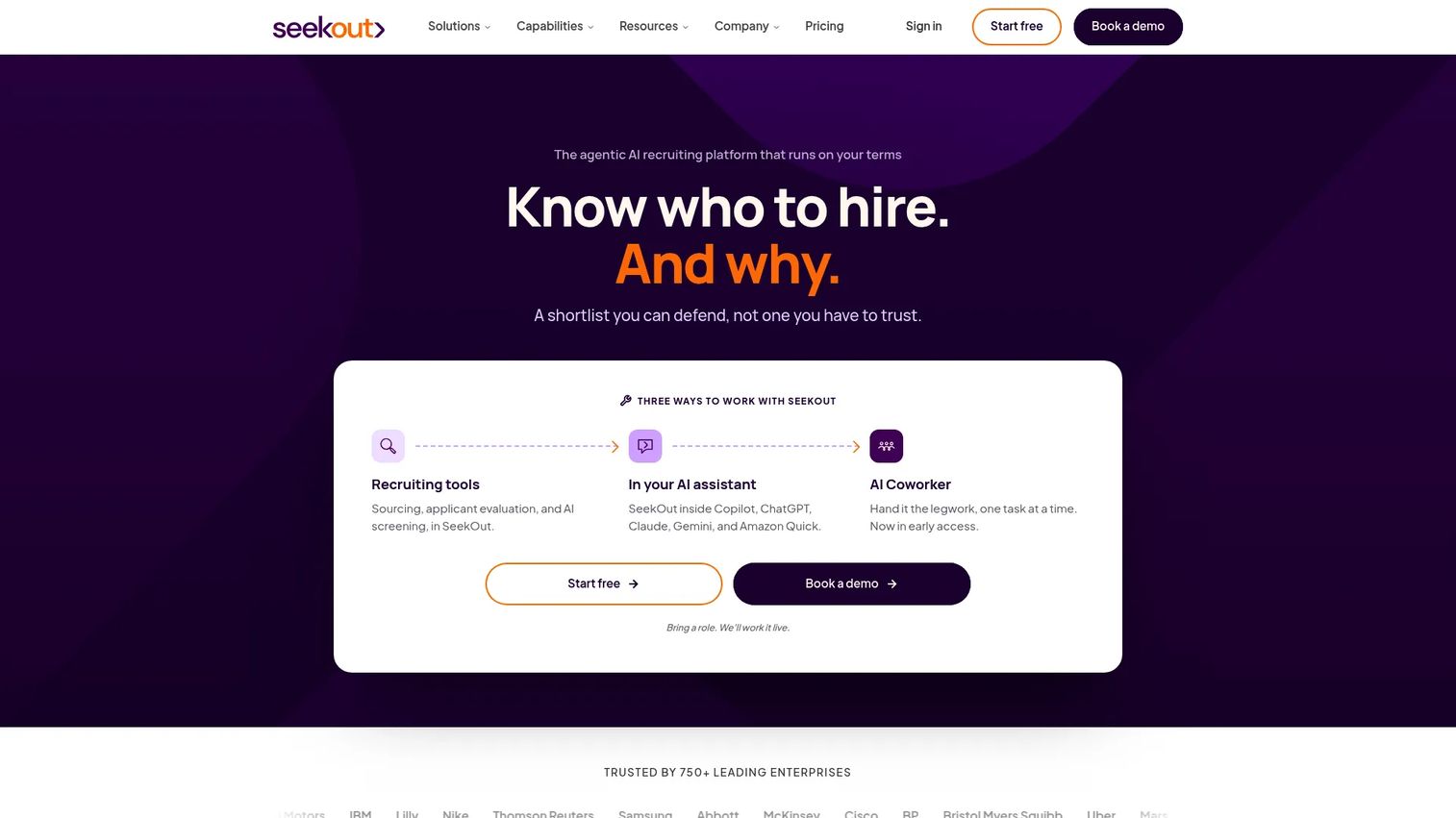
SeekOut is a recruiting platform for candidate sourcing, evaluation, screening, and engagement. Its search covers more than one billion profiles, according to its verified product research.
Talent teams can search candidate pools, rediscover applicants in their ATS, and analyze market availability. Outreach campaigns support follow-up after sourcing.
Best for: Recruiting teams that need stronger candidate sourcing and talent market visibility.
Key features
- Candidate search filters
- ATS candidate rediscovery
- Talent market intelligence
- Applicant evaluation
- Multi-step outreach campaigns
Why choose SeekOut: Choose it when diverse sourcing is the main constraint. The platform addresses top-of-funnel access rather than internal inclusion or pay equity reporting.
Talent leaders should define which pipeline metrics matter before rollout. Useful measures include representation by stage and candidate progression.
SeekOut pricing: Recruit Core costs $149 monthly with annual payment, or $179 month to month. A 14-day trial is available.
G2 rating
SeekOut has a 4.5/5 G2 rating.
6. Textio
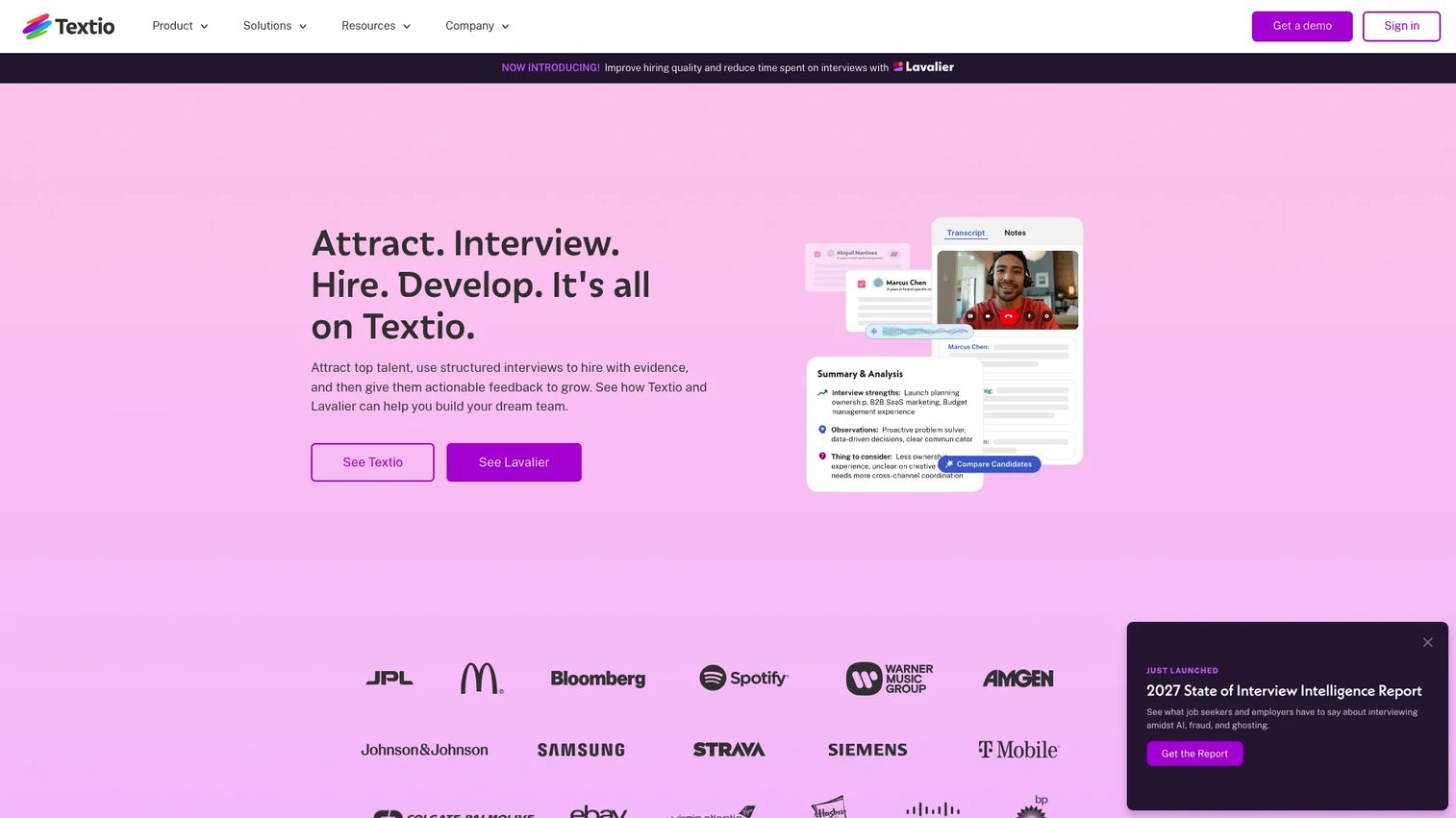
Textio provides language guidance for recruiting, interviews, and performance feedback. It analyzes workplace communication and offers writing assistance during content creation.
Recruiting features include a Textio Score, age graph, and gender meter. Performance workflows cover tone adjustment, feedback guidance, and language risk detection.
Best for: Recruiting and enablement teams improving language in job posts and employee feedback.
Key features
- Inclusive language guidance
- Job content scoring
- Structured interview feedback
- Performance feedback assistance
- Team writing analytics
Why choose Textio: Use Textio when communication quality is the main operational problem. It supports consistency across job content and manager feedback.
For sales enablement, the same evaluation principle applies to training and manager communication. Textio is not a workforce representation analytics platform.
Textio pricing: Custom pricing based on organization size. Packages include unlimited users, documents or feedback, and AI access.
G2 rating
Textio has a 4.2/5 G2 rating.
7. Greenhouse
Greenhouse is an applicant tracking system covering sourcing, interviewing, candidate management, and onboarding. Structured interview kits and scorecards support consistent evaluation.
Its reporting features help recruiting teams examine funnel performance. Greenhouse should be considered an ATS with diversity reporting options, rather than a dedicated DEI analytics platform.
Best for: Recruiting teams that want structured hiring and reporting within their ATS.
Key features
- End-to-end applicant tracking
- Structured interview kits
- Candidate scorecards
- Recruiting analytics
- Candidate experience tools
Why choose Greenhouse: Choose it when hiring process consistency matters alongside ATS diversity reporting. Interview kits can support repeatable evaluation across recruiters and managers.
Enablement leaders can apply the same governance model to interviewer training. Define scorecard ownership and review completion before launch.
Greenhouse pricing: Custom pricing across Core, Plus, and Pro packages.
G2 rating
Greenhouse has a 4.4/5 G2 rating.
8. Mathison
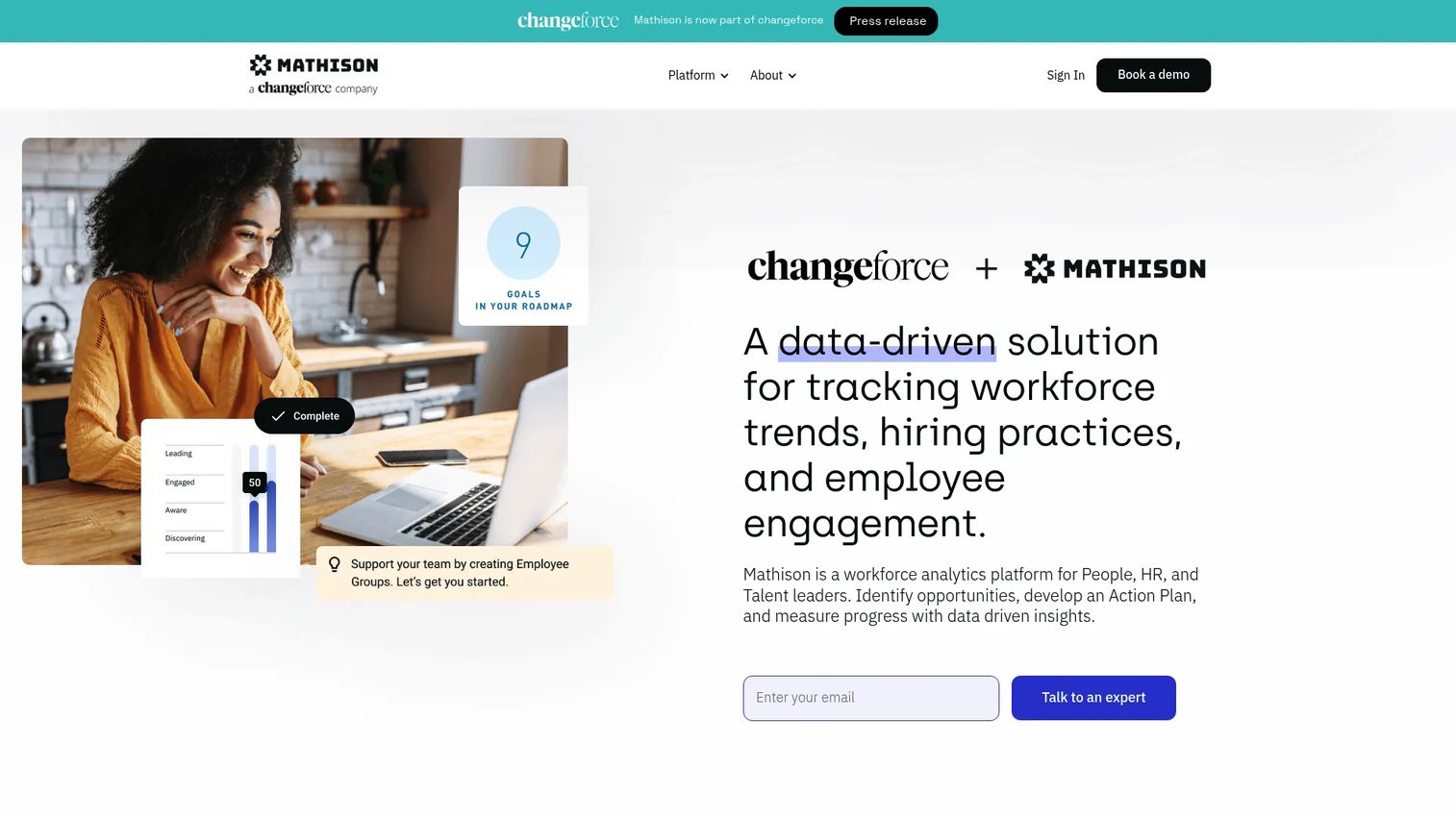
Mathison provides workforce analytics for People, HR, and talent teams. It combines HRIS data analysis with workplace assessment and action recommendations.
The platform includes a 37-point workplace assessment, employee sentiment measurement, and policy adoption tracking. Its Bias Scanner provides inclusive writing suggestions.
Best for: Teams moving from disconnected DEI activities toward structured assessment and action planning.
Key features
- HRIS workforce analytics
- Workplace equity assessment
- Action-plan recommendations
- Inclusive writing suggestions
- Employee sentiment measurement
Why choose Mathison: Mathison fits teams that want assessment, workforce trends, and action planning together. It covers a broader operational program than a single-purpose recruiting tool.
Its G2 profile had no reviews in the supplied research. Buyers should place more weight on product validation and reference conversations.
Mathison pricing: Custom pricing. No verified pricing range was available.
9. Workday
Workday is an enterprise platform for human capital management, finance, payroll, planning, and workforce operations. Its DEI value sits within broader people data infrastructure.
Organizations can connect core HR records with talent, recruiting, learning, and workforce analytics. This makes HRIS DEI reporting part of the employee system of record.
Best for: Midsize and large organizations connecting DEI reporting to core HR data.
Key features
- Human capital management
- Core employee records
- Payroll and workforce management
- Talent and recruiting data
- Analytics and planning
Why choose Workday: Choose it when the organization already needs broad HCM infrastructure. DEI reporting can then use the same employee and talent records.
The buying case extends beyond DEI. Implementation, governance, and data ownership require cross-functional planning.
Workday pricing: Custom pricing. Cost drivers include employee counts, user counts, organizational size, and service usage.
G2 rating
Workday has a 4.2/5 G2 rating.
10. SAP SuccessFactors
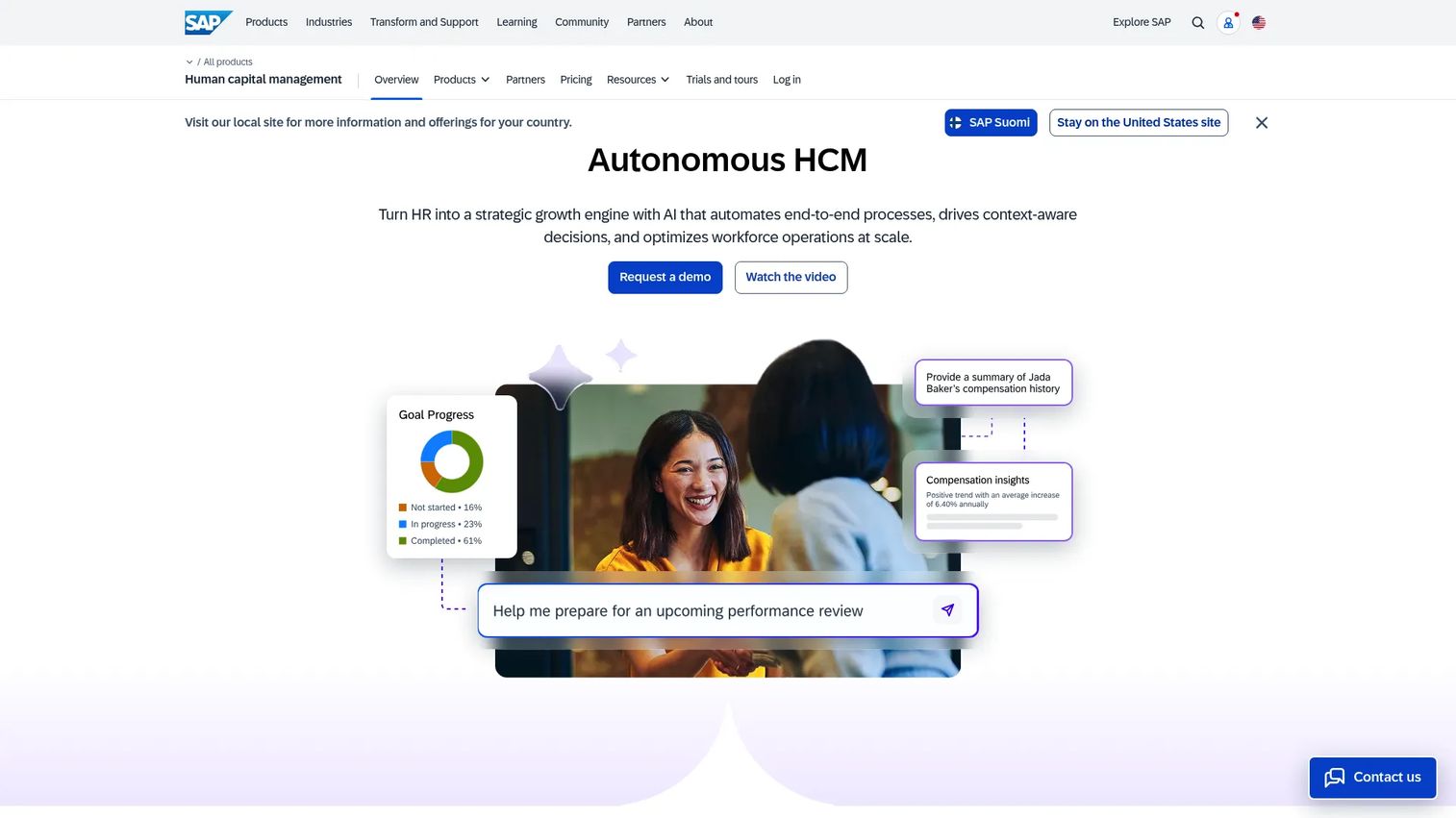
SAP SuccessFactors is a cloud HCM suite covering core HR, talent, learning, payroll, and workforce analytics. It supports global organizations with distributed HR operations.
Employee Central provides a shared HR data foundation. Reporting capabilities include embedded reports and interactive dashboards across workforce processes.
Best for: Large organizations using global HR infrastructure or existing SAP systems.
Key features
- Employee Central data
- Embedded HR reporting
- Interactive workforce dashboards
- Performance and goal management
- Learning and talent data
Why choose SAP SuccessFactors: It fits global employers that need workforce reporting across regions and HR processes. DEI reporting becomes one use case within a larger HCM program.
Buyers should identify which module owns each required dataset. Module pricing and contract terms differ.
SAP SuccessFactors pricing: Compensation starts at $1.96 per user monthly. Employee Central Core HR starts at $6.30 per user monthly.
11. Oracle HCM
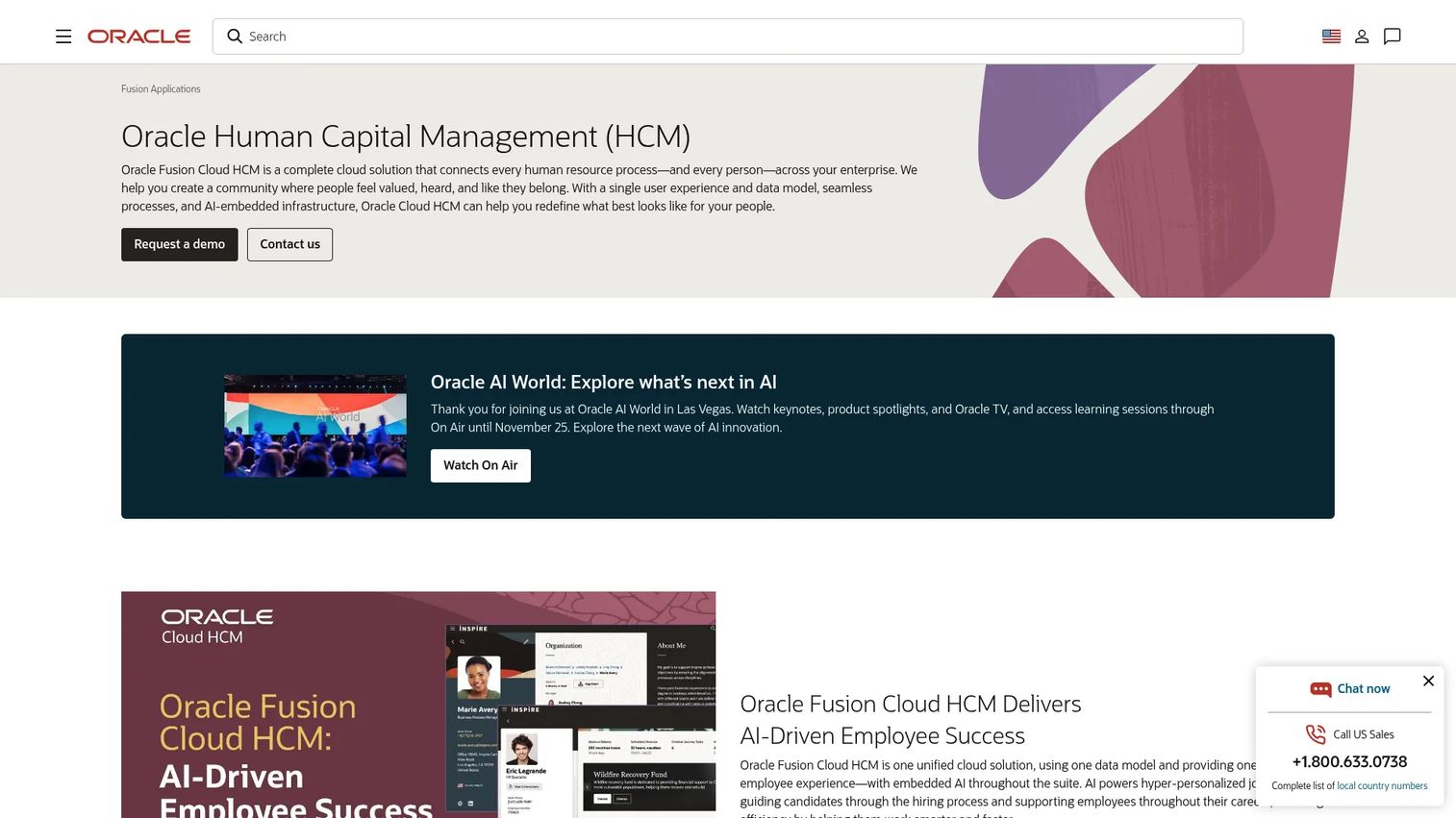
Oracle HCM connects core HR, talent, workforce management, payroll, employee experience, and analytics. The suite supports large organizations with broad workforce data requirements.
Talent capabilities cover recruiting, performance, compensation, learning, and succession planning. Workforce management includes time, labor, scheduling, and absence processes.
Best for: Enterprises connecting DEI reporting with HR, talent, payroll, and planning data.
Key features
- Core workforce data
- Talent management
- Compensation records
- Payroll connections
- Workforce analytics
Why choose Oracle HCM: Choose it when DEI reporting must fit an enterprise HR architecture. The shared data model can reduce separate extraction work across HR functions.
The platform serves a broader purpose than dedicated pay equity software. Define the intended report before selecting modules.
Oracle HCM pricing: The base HCM cloud service starts at $15 per hosted employee monthly. The standard term is three years with a 500-employee minimum.
12. ADP
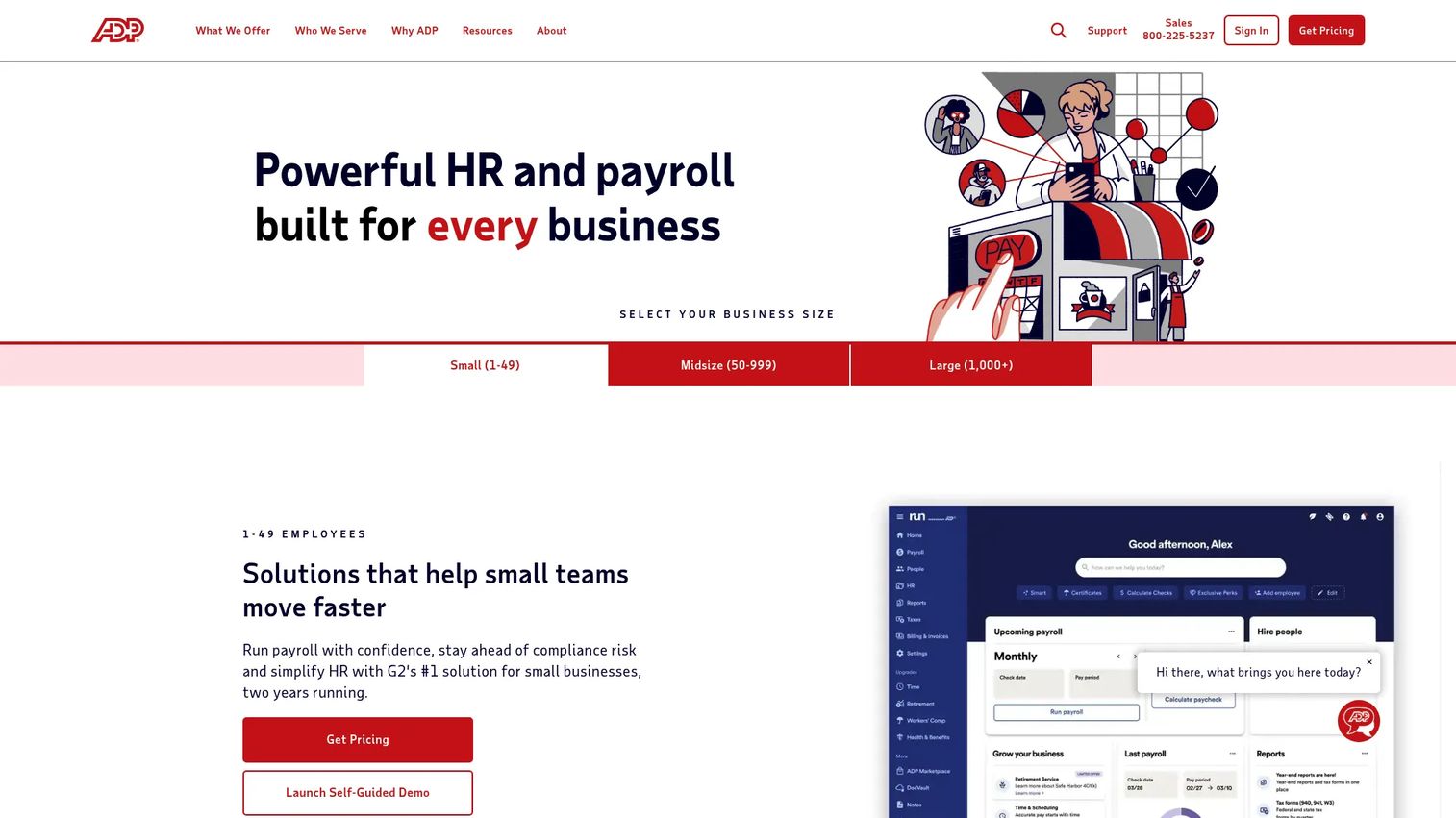
ADP provides payroll, HR, workforce management, talent, benefits, and workforce analytics. Its DEI reporting value starts with payroll-connected employee data.
Teams can use demographic records and HR reporting as inputs for workforce analysis. ADP is not positioned as a dedicated DEI analytics platform.
Best for: Organizations grounding workforce reporting in payroll and HR administration data.
Key features
- Payroll data reporting
- Employee management records
- Time and attendance data
- Talent management tools
- Workforce analytics
Why choose ADP: ADP is a practical choice when payroll data quality underpins the reporting model. It keeps core workforce information close to operational HR processes.
Enablement teams can use aggregated findings when planning manager programs. Sensitive employee data should remain within governed access boundaries.
ADP pricing: Custom pricing across payroll and HR packages. Available packages include Essential Payroll, Enhanced Payroll, Select, Plus, and Premium.
G2 rating
ADP Workforce Now has a 4.2/5 G2 rating.
13. Visier
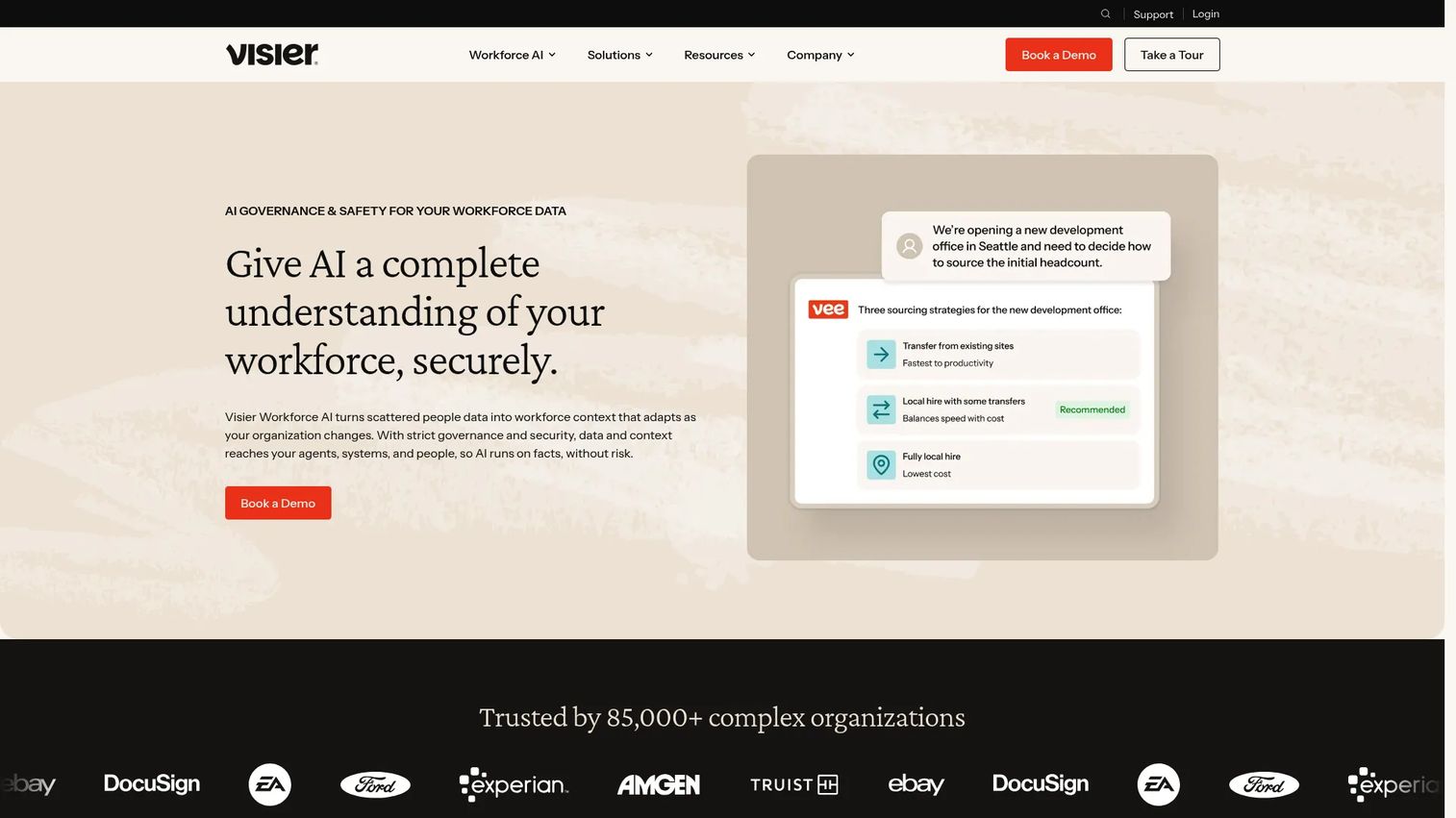
Visier provides enterprise people analytics, workforce planning, and governed workforce insights. It connects data from HCM, payroll, ATS, spreadsheets, and warehouses.
Its analytics can support representation reporting, retention analysis, benchmarking, and workforce movement reviews. Scenario modeling adds planning context beyond static DEI dashboards.
Best for: People analytics teams needing deeper workforce analysis across multiple systems.
Key features
- Workforce data integration
- People analytics dashboards
- Workforce benchmarking
- Predictive workforce insights
- Scenario planning
Why choose Visier: Choose Visier when DEI analytics must connect with broader workforce planning. It suits mature data environments that need governed analysis across sources.
The platform requires clear metric definitions. Agree on representation, movement, and retention calculations before executive reporting begins.
Visier pricing: Custom pricing based on employee count and selected modules.
G2 rating
Visier has a 4.6/5 G2 rating.
14. Tableau
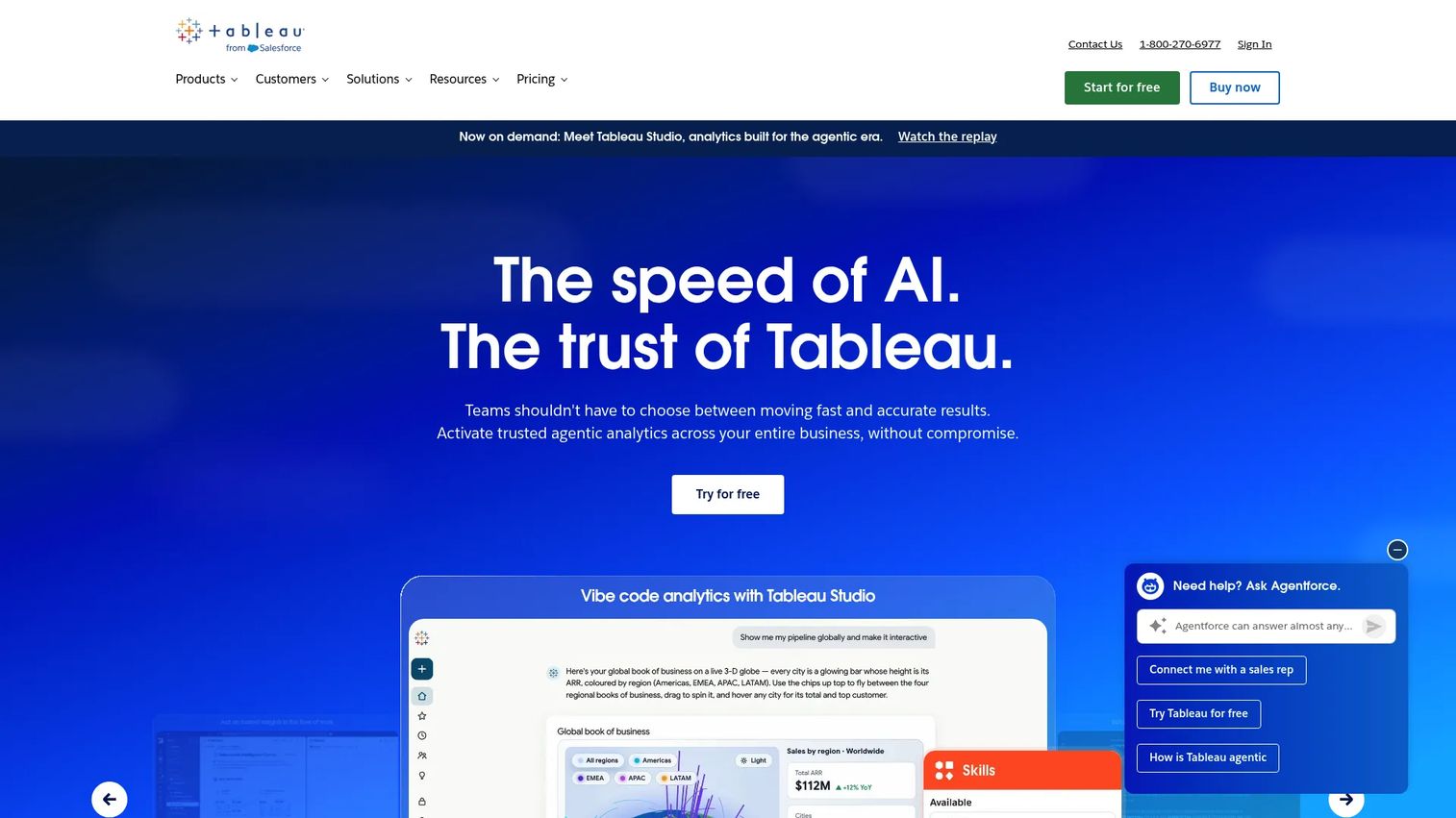
Tableau is a visual analytics platform for combining and exploring data across multiple sources. Teams can build custom DEI dashboards from HRIS, ATS, payroll, and survey data.
Tableau offers extensive control over visualization and reporting design. It does not provide a ready-made DEI operating model.
Best for: Analytics teams building custom diversity analytics across mixed data sources.
Key features
- Interactive dashboard building
- Multiple data source connections
- Data preparation tools
- Scheduled reporting
- Role-based analytics access
Why choose Tableau: Use Tableau when the organization has analytics resources and wants control over dashboard design. It can support custom executive reports without replacing source systems.
Data modeling remains the buyer’s responsibility. Privacy thresholds and demographic aggregation must be designed into each dashboard.
Tableau pricing: Standard starts at $15 per user monthly, billed annually. Enterprise starts at $35, while Tableau Next starts at $40.
G2 rating
Tableau has a 4.4/5 G2 rating.
15. Applied
Applied is an applicant tracking and recruitment platform built around anonymized, skills-based hiring. Its workflows focus on process consistency during candidate evaluation.
The platform supports anonymized applications, scenario-based assessments, independent panel scoring, and recruitment analytics. EDI metrics are included in its reporting capabilities.
Best for: Hiring teams seeking structured, consistent, and bias-aware evaluation workflows.
Key features
- Anonymized candidate applications
- Skills-focused assessments
- Independent panel scoring
- Structured interview workflows
- EDI recruiting analytics
Why choose Applied: Choose it when inclusive hiring software needs to change the evaluation process itself. Its structure supports evidence-based review rather than informal candidate comparison.
Training remains important. Interviewers still need clear rubrics, calibration, and accountability for completing scorecards.
Applied pricing: Custom pricing. No verified third-party range was available in the supplied research.
G2 rating
Applied has a 4.5/5 G2 rating.
16. DataPeople
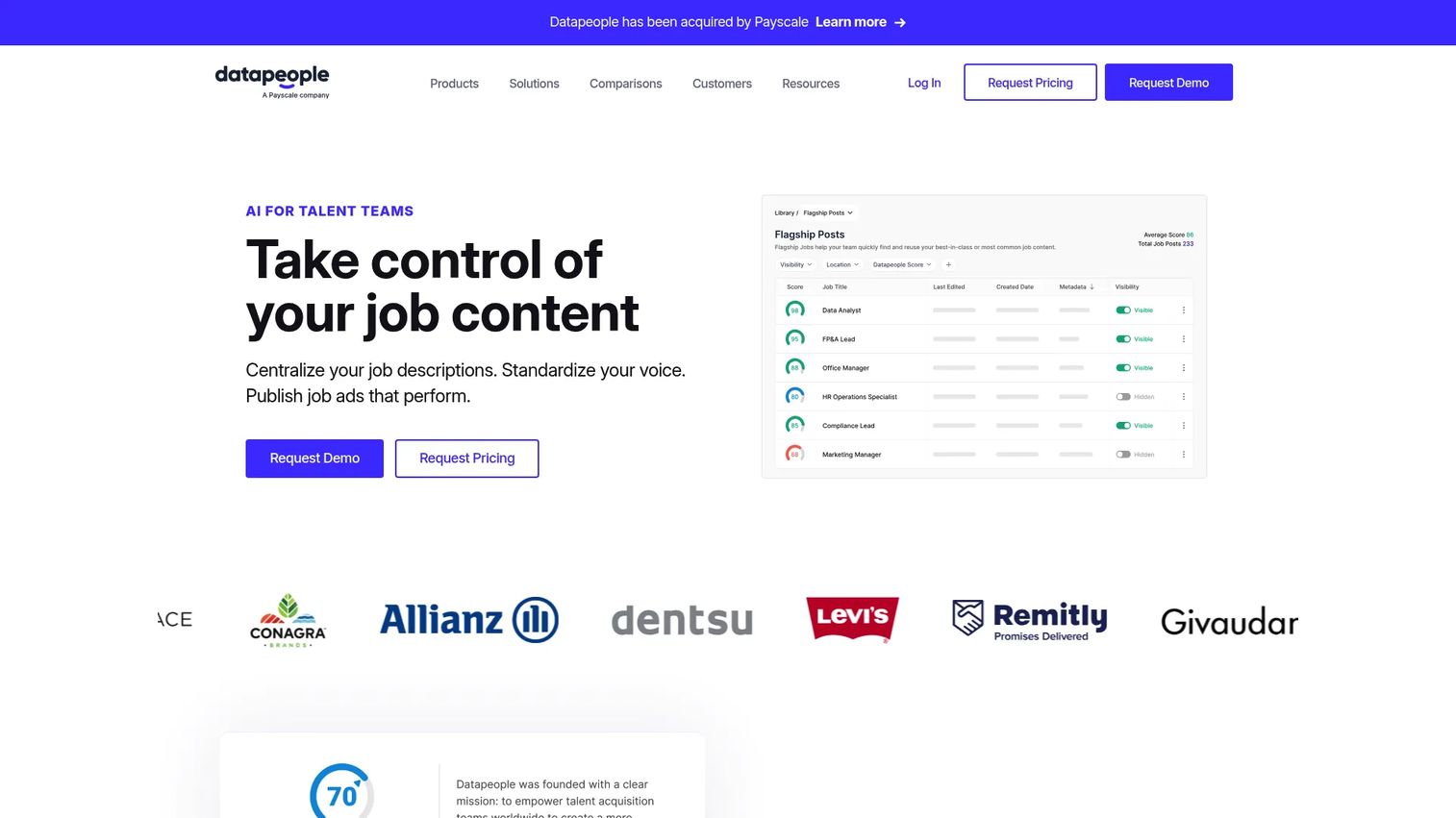
DataPeople helps recruiting teams create, govern, and analyze job content. It combines collaborative editing with job content guidance and recruiting insights.
The platform includes templates, version control, audit trails, and ATS integrations. Its reporting covers content health, compliance, recruiting performance, and candidate pipelines.
Best for: Talent teams improving job descriptions and recruiting content at scale.
Key features
- Collaborative job content editor
- Inclusive language checks
- Job content analytics
- Templates and version control
- ATS workflow support
Why choose DataPeople: Use DataPeople when inconsistent recruiting content is slowing reviews or weakening governance. It brings inclusive language software into the existing content workflow.
For enablement leaders, the governance model will feel familiar. Owners can standardize language while preserving controlled local edits.
DataPeople pricing: Custom pricing across Comply, Architect, and Attract plans.
G2 rating
DataPeople has a 4.4/5 G2 rating.
17. SurveyMonkey
SurveyMonkey is an online survey and forms platform for collecting feedback and conducting research. It can support inclusion pulses, belonging surveys, and manager feedback.
The platform offers more than 400 templates, skip logic, multilingual surveys, and reporting tools. It is a general feedback system rather than dedicated employee belonging software.
Best for: Teams that need fast inclusion surveys without a large implementation project.
Key features
- Survey and form templates
- Anonymous response collection
- Question and page logic
- Multilingual surveys
- Analytics and data exports
Why choose SurveyMonkey: Choose it when the first requirement is collecting feedback quickly. It provides a lower-commitment starting point than a full HCM or people analytics program.
Teams must design demographic questions carefully. Response thresholds and access controls affect employee trust and reporting quality.
SurveyMonkey pricing: A free Basic plan is available. Team Advantage starts at $30 per user monthly, billed annually with at least three users.
G2 rating
SurveyMonkey has a 4.4/5 G2 rating.
Considerations when choosing DEI software
Start with the reporting question
Define the required output before comparing features. It might be a board update, pay equity review, hiring funnel analysis, or manager action plan.
A concrete deliverable clarifies which category belongs on the shortlist. It also gives stakeholders a shared success measure.
Map the data sources before buying
Document where employee records, candidate data, compensation information, and survey responses live. Include recognition or performance systems where relevant.
Check data quality before purchasing a dashboard. Weak source data produces polished reports with unreliable conclusions.
Protect employee privacy and trust
Review anonymity thresholds, role-based access, demographic sensitivity, and aggregation rules. Small teams may require stricter suppression to prevent identification.
Involve HR, security, and legal stakeholders in the review. This article does not provide legal advice.
Match the tool to the use case
Pay equity software and employee listening platforms solve different problems. Recruiting tools, HR suites, and BI platforms also serve distinct owners.
A strong stack may include multiple categories. Avoid buying overlapping products without defining which system owns each metric.
Plan the reporting cadence
Set monthly dashboards for operational monitoring and quarterly reviews for broader decisions. Annual disclosures or pay equity cycles need separate preparation.
Connect findings to existing manager coaching and readiness programs. Data becomes useful when it changes a play, process, or leadership decision.
Conclusion
The right DEI software depends on the first question you need to answer.
Diversio fits teams seeking dedicated DEI analytics and benchmarking. Workhuman connects recognition with belonging, while Culture Amp focuses on employee listening and action planning.
Syndio is the specialist option for pay equity. SeekOut, Textio, Greenhouse, Applied, and DataPeople support different parts of inclusive hiring.
Enterprise teams may already have relevant data in Workday, SAP SuccessFactors, Oracle HCM, or ADP. Visier adds deeper people analytics, while Tableau supports custom reporting across multiple sources.
SurveyMonkey offers a practical entry point for lightweight inclusion surveys.
Start with the report, decision, or workflow your organization needs. Then shortlist products by data source, privacy model, owner, and reporting cadence. That sequence prevents a familiar problem: Buying software before agreeing on what the team needs to measure.
FAQs
DEI software helps organizations collect, analyze, report, and act on diversity, equity, inclusion, and belonging data. Common sources include HRIS records, ATS data, payroll, surveys, and employee experience systems.
The category includes dedicated DEI analytics, pay equity platforms, recruiting tools, HR suites, and business intelligence software.
The best choice depends on the reporting model. Diversio offers a focused DEI platform, while Visier supports broader people analytics.
Tableau fits custom dashboard requirements. Workday, SAP SuccessFactors, and Oracle HCM suit organizations that want reporting inside an enterprise HCM suite.
Common controls include anonymity thresholds, aggregation, role-based access, and restricted demographic reporting. These controls reduce the risk of identifying employees within small groups.
Review data handling with HR, security, and legal stakeholders. Employee trust directly affects survey participation and data quality.
Relevant systems include HRIS, ATS, payroll, performance management, learning tools, and employee surveys. Recognition data and business intelligence platforms may also matter.
Priorities depend on the use case. Hiring analysis requires ATS data, while pay equity work depends on compensation and employee records.
DEI software can identify patterns, standardize workflows, and flag potential issues. Structured interview tools can also improve process consistency.
Software cannot remove bias by itself. Leadership decisions, manager training, process design, and accountability remain necessary.
HR analytics software addresses broad workforce questions such as attrition, headcount, performance, and planning. DEI software focuses on representation, equity, inclusion, belonging, and related outcomes.
Some platforms cover both areas. The distinction depends on the data model and intended report.
Pricing varies sharply by category. Survey tools may offer free or self-serve plans, while enterprise HCM and pay equity platforms often use custom pricing.
Implementation work, employee counts, selected modules, and contract terms can change the total cost. Compare those drivers alongside subscription fees.
Small teams often start with a survey or focused hiring tool. SurveyMonkey supports feedback collection, while DataPeople and Applied address recruiting workflows.
A dedicated analytics platform may fit when leadership needs formal reporting. Full HCM suites make more sense when the organization also needs broader HR infrastructure.