
Most sales teams talk about value. Few actually show it. The gap between claiming ROI and proving it is where deals stall, competitors win, and buying committees lose confidence.
Value selling tools close that gap by helping reps quantify business impact, build defensible business cases, and let prospects experience product value firsthand. This guide compares 14 platforms across ROI calculators, interactive demos, sales enablement suites, and conversation intelligence to help you find the right fit for your sales motion.
What's inside
This guide compares 14 value selling tools across ROI calculators, interactive demo platforms, sales enablement suites, and conversation intelligence. We selected tools based on G2 ratings, integration depth with common sales stacks, and fit for B2B sales teams focused on selling value rather than features.
You'll find honest evaluations of each platform's strengths, pricing, and best-fit scenarios. Whether you're looking to quantify ROI for prospects, demonstrate product value through hands-on experiences, or enable reps with better content, this comparison helps you match the right tool to your specific challenge.
TL;DR
Value selling tools help sales teams quantify and communicate business impact instead of listing features
Categories span ROI calculators, interactive demos, sales enablement platforms, and deal intelligence
Guideflow stands out for letting prospects experience product value firsthand through interactive demos
Choose tools based on your primary use case: quantifying ROI, demonstrating product, or enabling reps
Integration with your CRM and existing sales stack determines adoption success
What are value selling tools
Value selling tools are software platforms that help sales teams shift conversations from product features to business outcomes. ROI calculators, business case builders, and interactive demo platforms all fall into this category. They enable reps to quantify the financial and operational impact of a solution, transforming sales from feature-based pitching to value-driven, consultative engagements.
Instead of claiming your product saves time, value selling tools help you calculate exactly how much time and money a specific prospect would save based on their situation.
The category includes several distinct tool types:
ROI and value quantification: Calculate and present financial impact specific to each prospect using their actual numbers
Interactive product experiences: Let buyers see value through hands-on demos rather than slides or screen shares
Content personalization: Tailor materials to buyer role, industry, and pain points automatically
Engagement analytics: Track which value messages resonate and drive deals forward
Sales enablement: Equip reps with talk tracks, battlecards, and proof points for value conversations
When to use value selling tools
Complex products that require ROI justification
When your product solves problems across multiple departments or requires significant implementation investment, buyers typically want to see quantified business impact before committing. A CFO won't approve a six-figure purchase based on feature lists alone - 79% of purchases require CFO approval, making quantified business impact essential.
Value selling tools help build that business case with real numbers. They turn vague promises like "increased efficiency" into specific projections like "47 hours saved per month based on your current workflow."
Long sales cycles with multiple stakeholders
Buying committees with 5 to 16 decision makers create a specific challenge: your champion can't be in every room where your deal gets discussed. They want shareable proof of value that speaks to different stakeholders' priorities.
Value selling tools create assets that champions can circulate internally to build consensus. The economic buyer sees ROI projections while the technical evaluator sees integration details, all from the same source.
Competitive markets where differentiation is hard
When features look similar across vendors, selling value becomes the differentiator. If three competitors all offer "automated reporting," the winner is usually whoever best articulates the specific business impact for that buyer's situation.
Hybrid product-led and sales-led motions
For teams combining self-serve trials with sales assistance, value selling tools help translate product usage into business impact conversations. Interactive demos work particularly well here because they let prospects experience value on their own terms before engaging with sales.
Comparison table
# | Product | Intent | Key differentiation | Pricing | G2 rating |
|---|---|---|---|---|---|
1 | Guideflow | Interactive value demonstration | No-code demo creation with personalization | Free + paid from $40/mo | 5.0/5 |
2 | Mediafly | Revenue enablement | Value calculators + content hub | Contact for pricing | 4.4/5 |
3 | Highspot | Sales content enablement | AI-powered content recommendations | Contact for pricing | 4.7/5 |
4 | Seismic | Enterprise enablement | Content automation at scale | Contact for pricing | 4.7/5 |
5 | Showpad | Seller effectiveness | Coaching + content management | Contact for pricing | 4.6/5 |
6 | LeveragePoint | ROI quantification | Value calculators + TCO models | Contact for pricing | 4.5/5 |
7 | Conga | Revenue lifecycle | CPQ + value-based quoting | Contact for pricing | 4.3/5 |
8 | DealHub | Deal acceleration | CPQ + DealRoom | Contact for pricing | 4.7/5 |
9 | Qwilr | Interactive proposals | Embedded calculators + tracking | From $35/mo | 4.5/5 |
10 | PandaDoc | Document automation | Proposals + e-signatures | From $19/mo | 4.7/5 |
11 | Gong | Conversation intelligence | Deal analytics + coaching | Contact for pricing | 4.8/5 |
12 | Clari | Revenue intelligence | Forecasting + deal inspection | Contact for pricing | 4.6/5 |
13 | Vidyard | Video selling | Personalized video outreach | Free + paid from $29/mo | 4.5/5 |
14 | Loom | Async video | Quick value demonstrations | Free + paid from $15/mo | 4.7/5 |
1. Guideflow
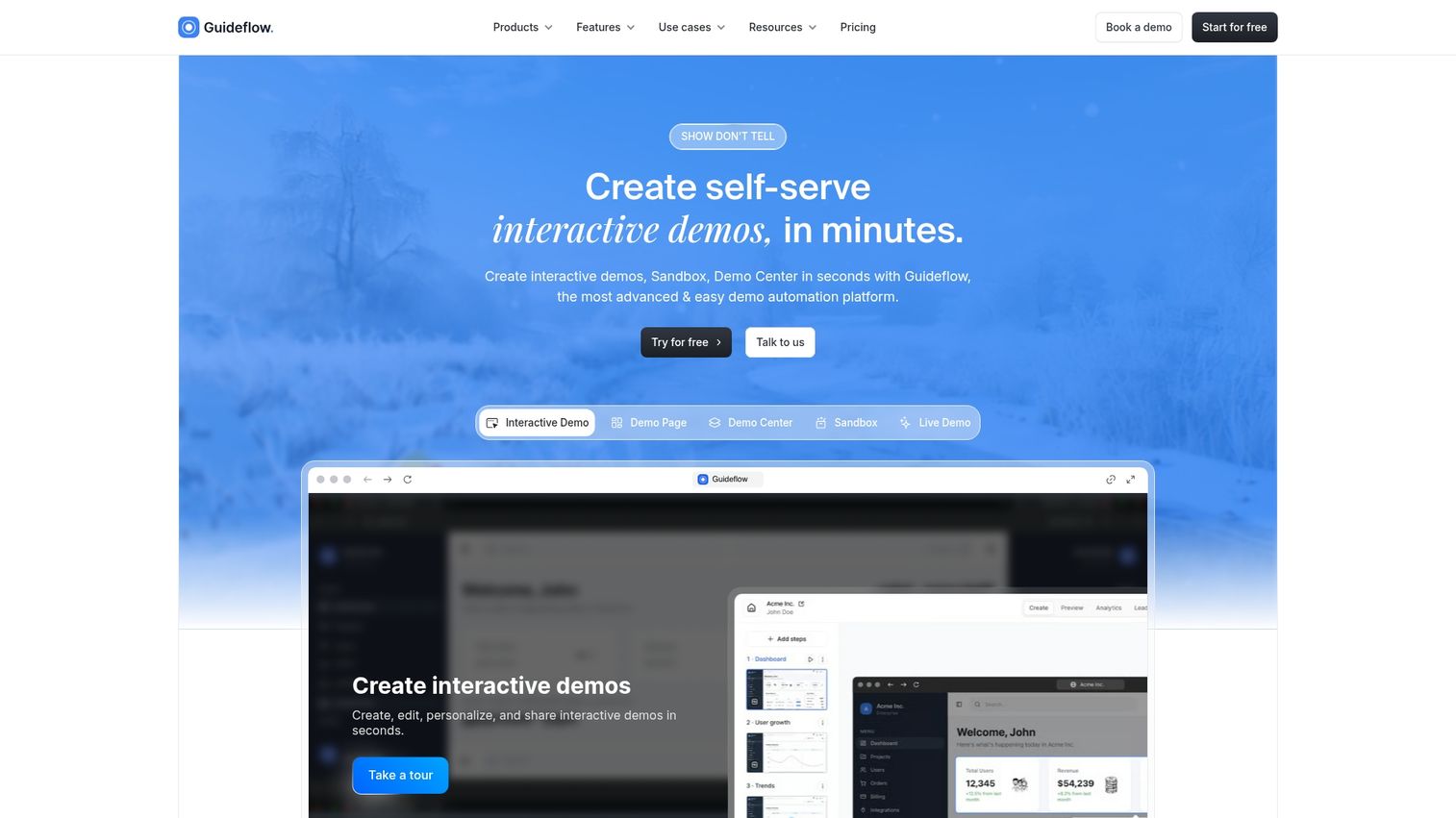
Guideflow is an interactive demo platform that lets prospects experience your product's value firsthand rather than just hearing about it. Instead of describing ROI in a slide deck, buyers can click through your actual product solving their specific problems.
The platform works by capturing your product flow directly from your browser, then turning it into a clickable, personalized demo you can share anywhere. No engineering work required, no sandbox environments to maintain, no risk of exposing production data.
For value selling, the most convincing proof of value is experiencing it. When a prospect can see exactly how your product handles their workflow, the value conversation shifts from theoretical to tangible.
Best for: Pre-sales teams and marketing teams who want prospects to experience product value before a call, especially in PLG-style motions.
Key strengths
No-code demo creation from browser capture in minutes
Personalization by prospect company, role, and use case at scale
Engagement analytics showing which features resonate with each prospect
Multi-format support including sandbox environments for hands-on exploration
CRM integration for lead scoring based on demo engagement
Pricing: Free tier available. Paid plans start at $40/month for Solo, $499/month for Growth, and scale to Enterprise.
Start your journey with Guideflow today!
2. Mediafly
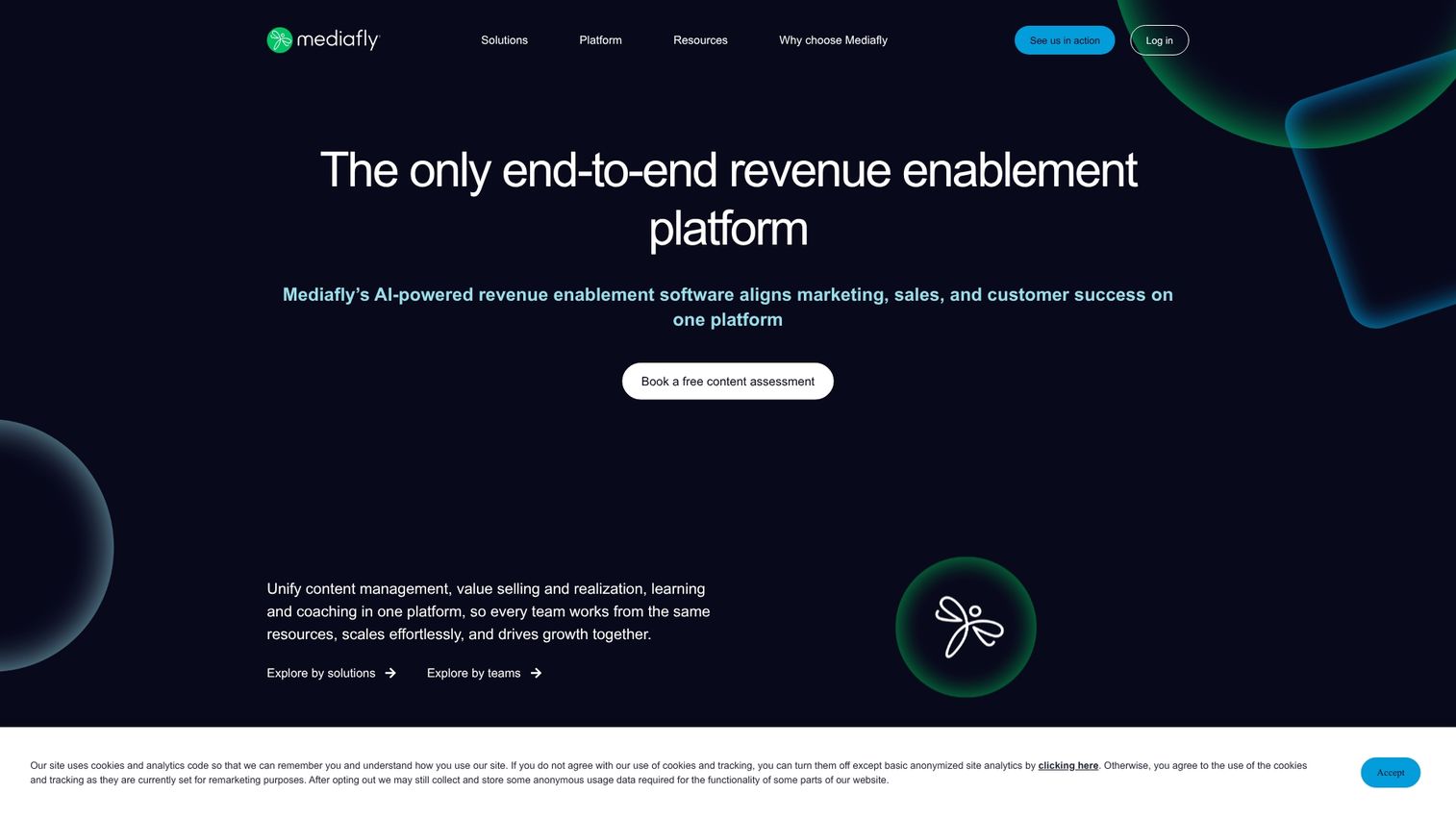
Mediafly is a revenue enablement platform with value selling and ROI calculator capabilities built in. The platform combines content management, buyer engagement tracking, and value quantification tools in one system.
Mediafly focuses on value messaging throughout the sales process. Reps can access ROI calculators, business case builders, and value-focused content from the same interface where they manage deals.
Best for: Enterprise sales teams that want value selling tools integrated directly into their enablement workflow.
Key strengths
Interactive value calculators that prospects can use during calls
Content hub with value-focused materials organized by buyer stage
Engagement tracking showing which value messages drive deals forward
Integration with major CRMs and marketing automation platforms
Pricing: Contact Mediafly for custom pricing based on team size and requirements.
3. Highspot
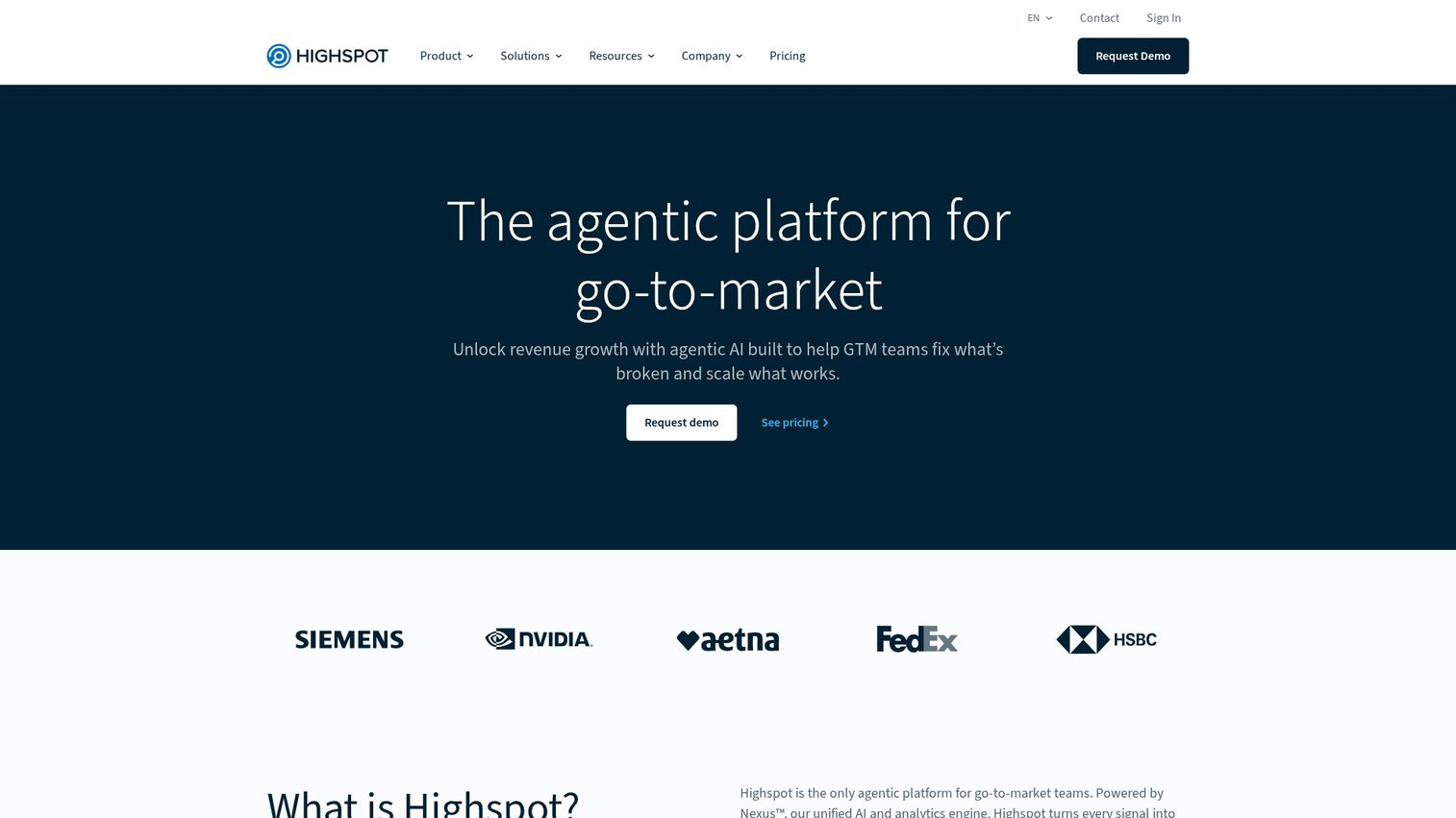
Highspot is a sales enablement platform that uses AI to recommend the right content for each deal situation. The platform helps reps find and share value-focused materials at the moment they need them.
The AI recommendations work by analyzing what content performs best in similar deal situations, then surfacing those assets when reps are preparing for calls or following up with prospects.
Best for: Sales teams with large content libraries who struggle to find the right value-focused materials for each conversation — a widespread problem given 60–70% of sales content goes unused.
Key strengths
AI-powered content recommendations based on deal context
Sales plays that guide reps through value conversations
Training integration so reps learn value selling alongside content access
Analytics showing which content correlates with closed deals
Pricing: Contact Highspot for enterprise pricing.
4. Seismic

Seismic is an enterprise sales enablement platform focused on content personalization at scale. The platform automates the creation of tailored buyer experiences so reps can deliver value-focused materials without manual customization.
Seismic's strength is handling complexity. When you have hundreds of content assets, multiple buyer personas, and various industries to serve, the platform helps ensure each prospect gets relevant value messaging.
Best for: Large enterprise sales organizations with complex content requirements and multiple buyer segments.
Key strengths
Content automation that personalizes materials based on CRM data
Enablement intelligence showing what's working across the organization
Integration ecosystem connecting to most enterprise sales tools
Governance controls for brand consistency across personalized content
Pricing: Contact Seismic for enterprise pricing.
5. Showpad
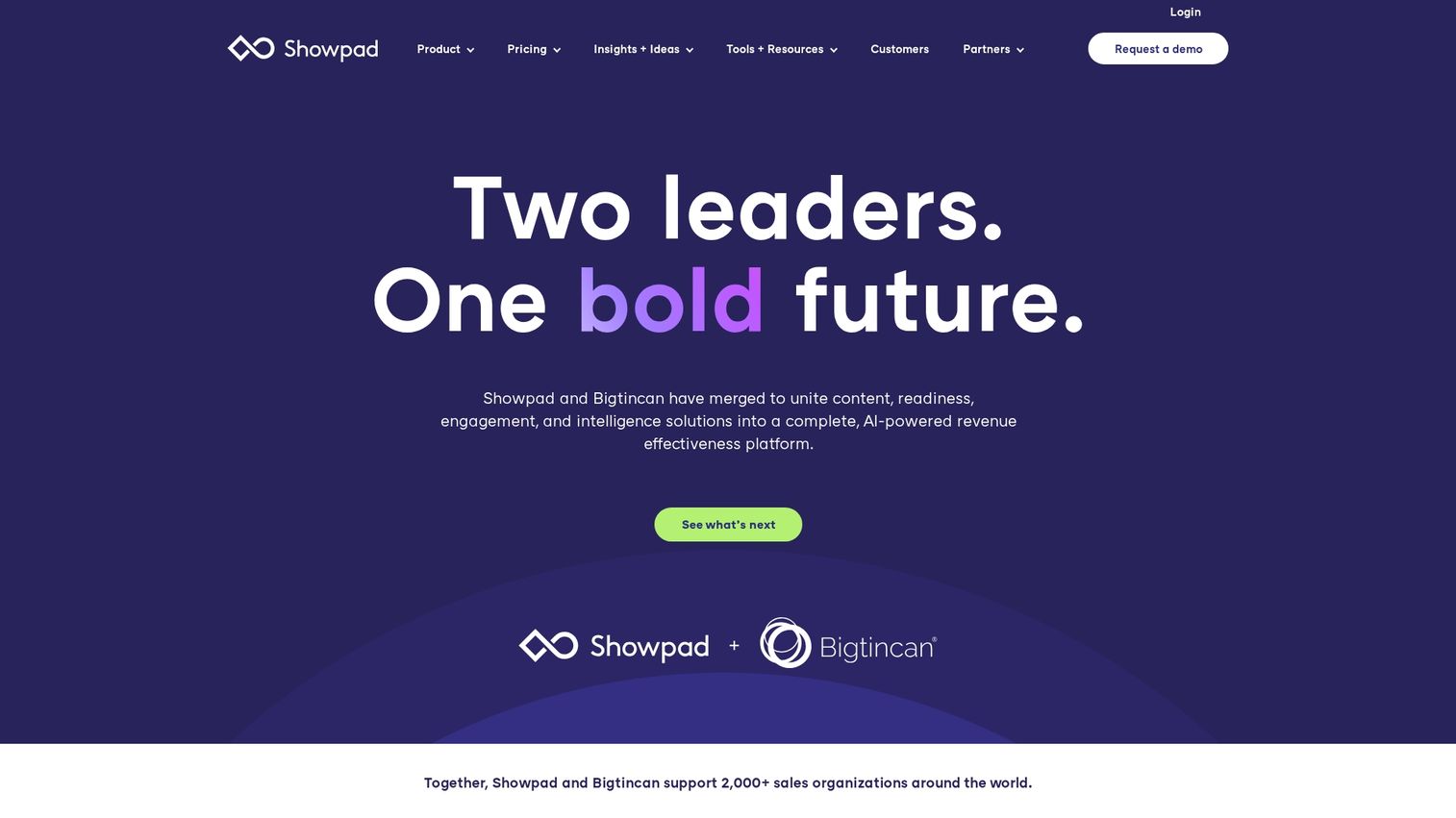
Showpad combines content management with seller effectiveness tools, including coaching capabilities that help reps improve their value conversations over time.
Beyond organizing materials, Showpad focuses on helping reps actually use content effectively through training, practice, and feedback loops.
Best for: Sales teams that want to improve rep skills alongside content access, especially for value-based selling approaches.
Key strengths
Content management with intuitive search and organization
Coaching tools for practicing value conversations
Buyer engagement tracking in shared content spaces
Mobile access for field sales teams
Pricing: Contact Showpad for pricing based on team size and features.
6. LeveragePoint
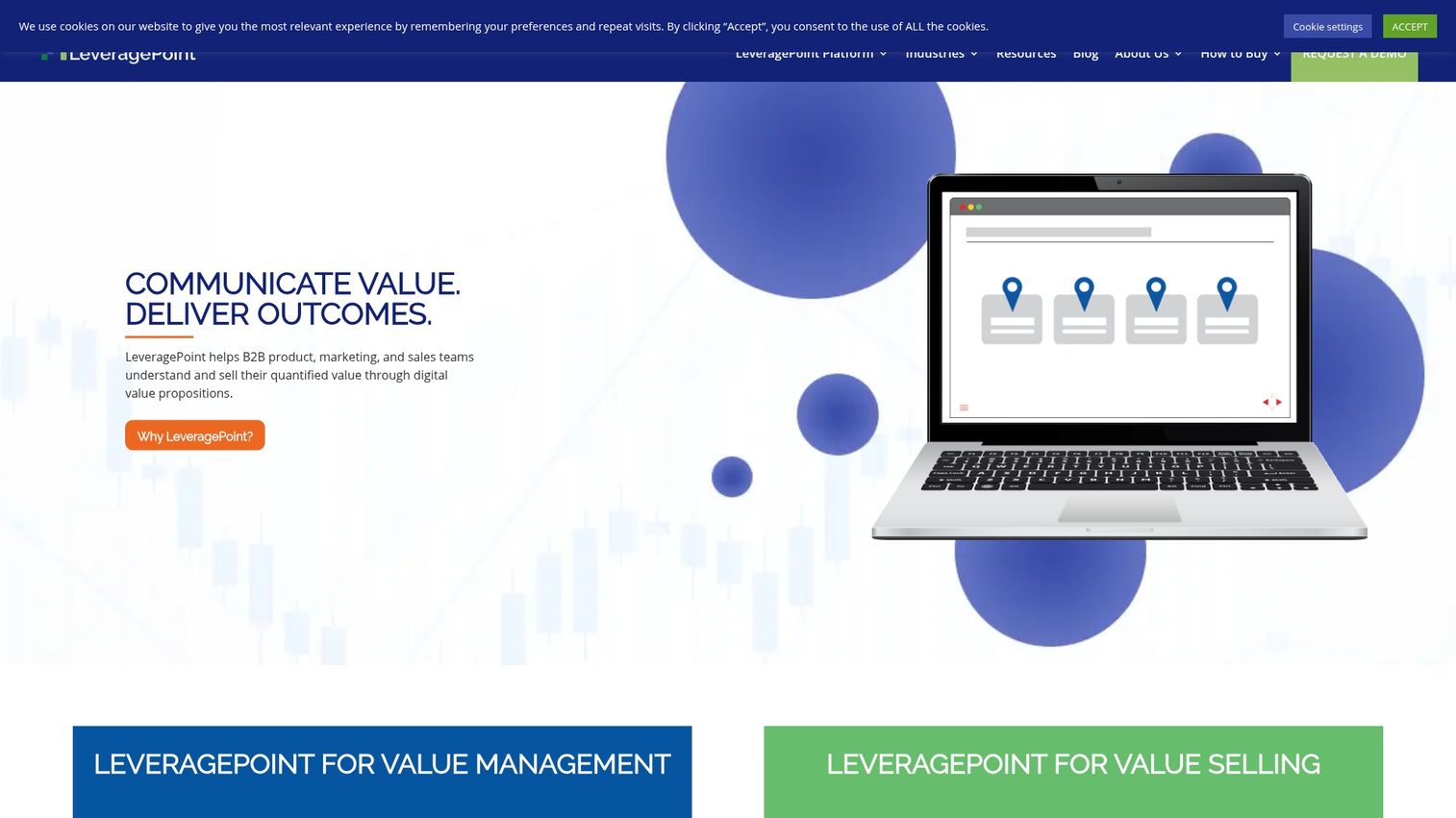
LeveragePoint is a dedicated value selling platform focused on ROI calculators, business case builders, and value-based pricing support. The platform helps quantify the specific financial impact your solution delivers.
Unlike general enablement tools, LeveragePoint specializes in the quantification side of value selling. The platform helps you build defensible ROI models that stand up to procurement scrutiny.
Best for: Sales teams selling high-value solutions where ROI justification is central to the buying decision.
Key strengths
Value calculators that prospects can interact with during calls
TCO models comparing your solution to alternatives
Business case creation with exportable presentations
Value documentation that supports procurement processes
Pricing: Contact LeveragePoint for pricing.
7. Conga
Conga is a revenue lifecycle platform with CPQ (configure, price, quote) capabilities that support value-based selling and pricing. The platform helps create proposals that reflect the specific value delivered to each customer.
Conga's strength is connecting value conversations to actual quotes and contracts. When you've established value during the sales process, the platform helps translate that into pricing that reflects the impact.
Best for: Sales teams with complex pricing models who want quotes to reflect customer-specific value.
Key strengths
CPQ that supports value-based pricing strategies
Contract lifecycle management from quote to renewal
Revenue intelligence showing deal health and risk
Proposal automation with personalized content
Pricing: Contact Conga for enterprise pricing.
8. DealHub
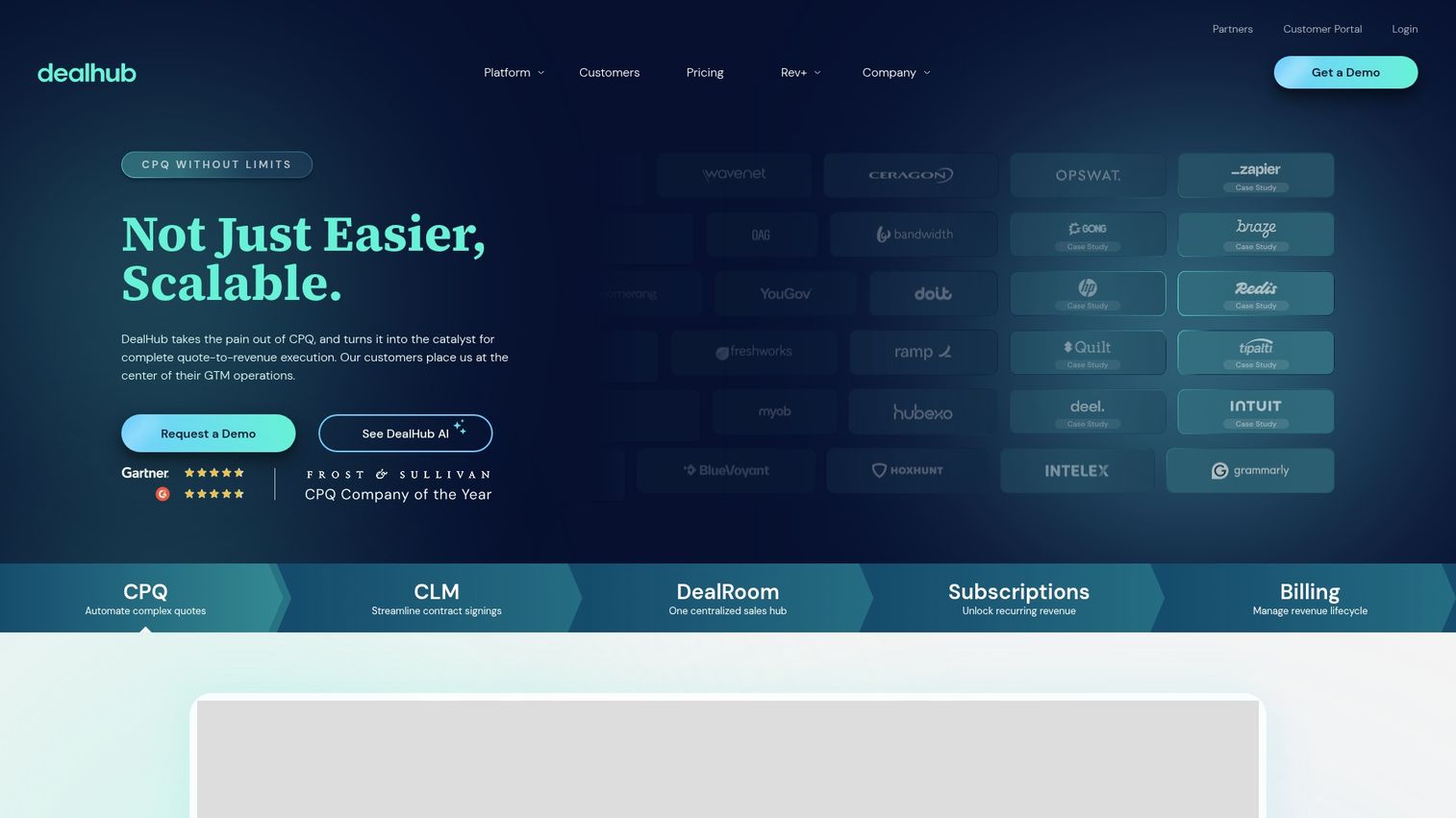
DealHub is a revenue platform combining CPQ with DealRoom capabilities for creating personalized buyer experiences. The platform helps present value through interactive proposals and ROI-focused content.
DealHub's DealRoom feature creates a dedicated space for each deal where buyers can access proposals, ROI calculations, and supporting materials. This centralizes the value conversation in one trackable location.
Best for: Sales teams that want to create personalized deal experiences with embedded value content.
Key strengths
CPQ with guided selling for complex configurations
DealRoom for centralized buyer engagement
Subscription management for recurring revenue models
Integration with major CRMs and billing systems
Pricing: Contact DealHub for pricing.
9. Qwilr
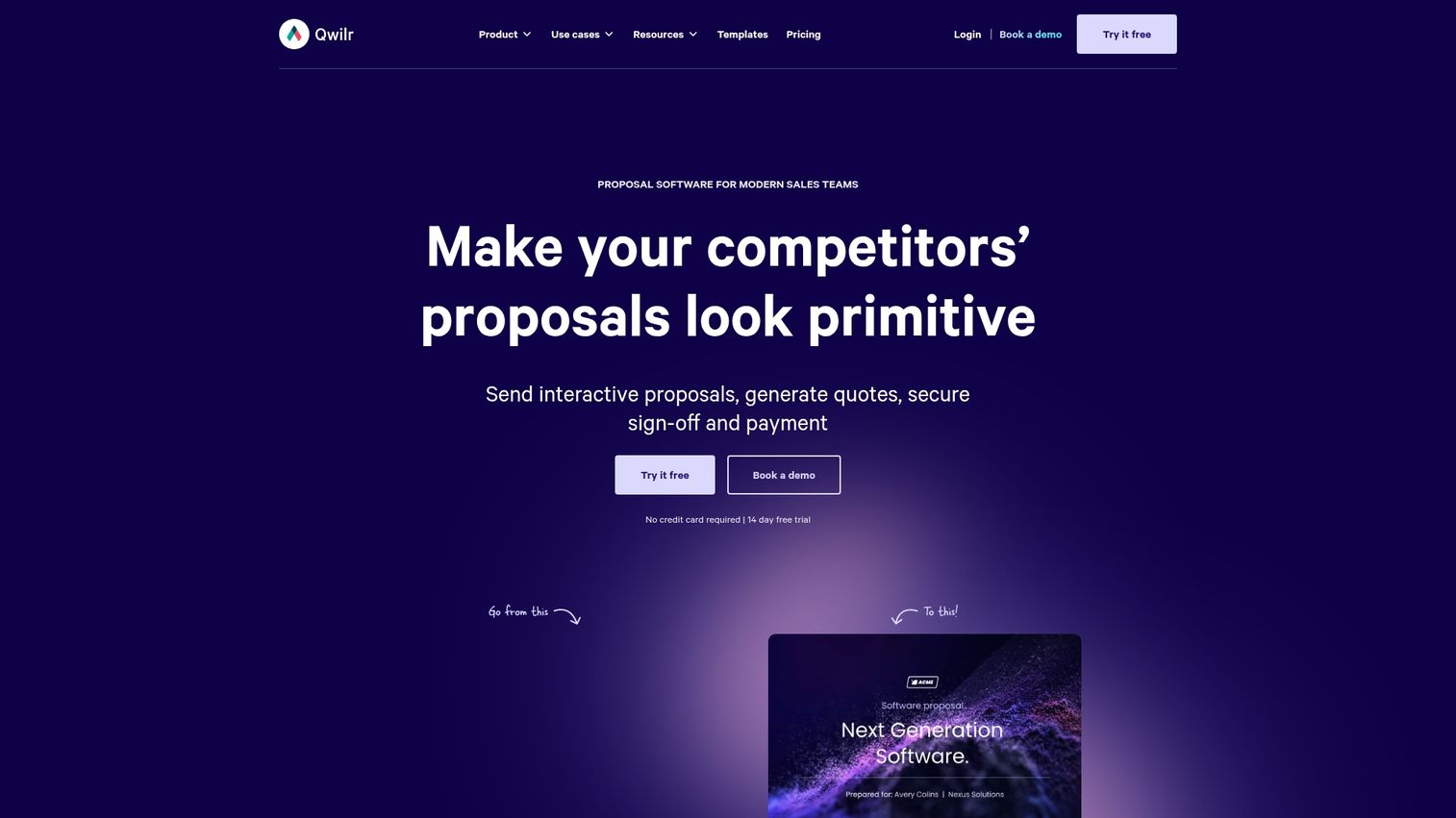
Qwilr is a proposal platform for creating interactive, trackable sales materials. The platform helps present value visually with embedded calculators, dynamic content, and engagement tracking.
Qwilr allows you to embed interactive elements directly in proposals. Instead of static ROI claims, prospects can adjust variables and see how value changes based on their situation.
Best for: Sales teams that want visually compelling proposals with interactive value elements.
Key strengths
Interactive proposals with embedded ROI calculators
Engagement analytics showing what prospects view and for how long
Template library for consistent value messaging
E-signature integration for faster closing
Pricing: Plans start at $35/month per user.
10. PandaDoc
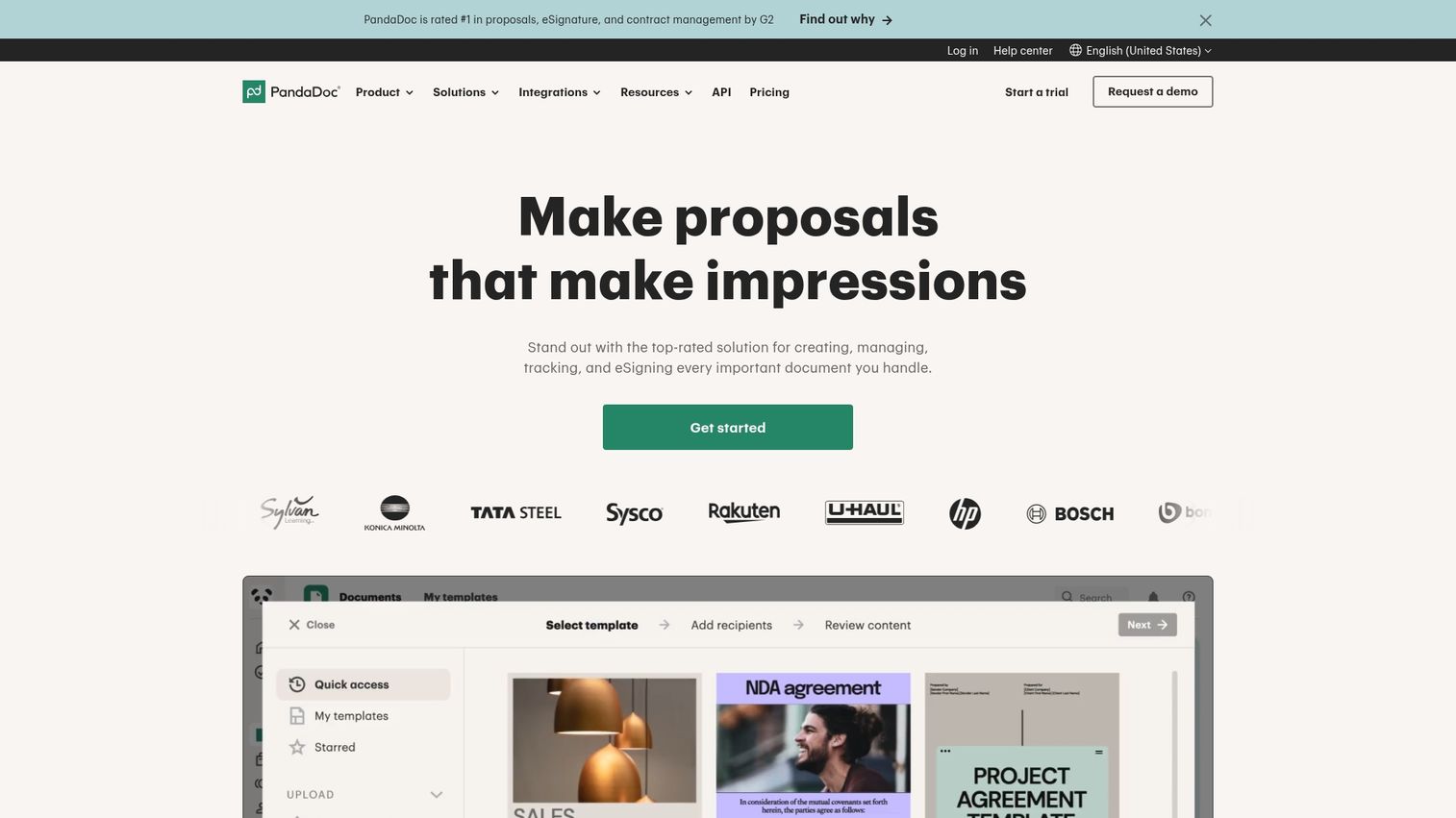
PandaDoc is a document automation platform with proposal, quote, and contract capabilities. Teams use it to create value-focused proposals with pricing tables, content blocks, and e-signatures in one workflow.
PandaDoc works well for value selling when you want to move quickly from value conversation to formal proposal. The platform's templates and content library help maintain consistent value messaging across deals.
Best for: Sales teams that want streamlined document workflows from proposal to signature.
Key strengths
Document automation with reusable content blocks
Templates for consistent value-focused proposals
E-signatures integrated into the document flow
CRM integration for pulling deal data into documents
Pricing: Plans start at $19/month per user with a free tier available.
11. Gong
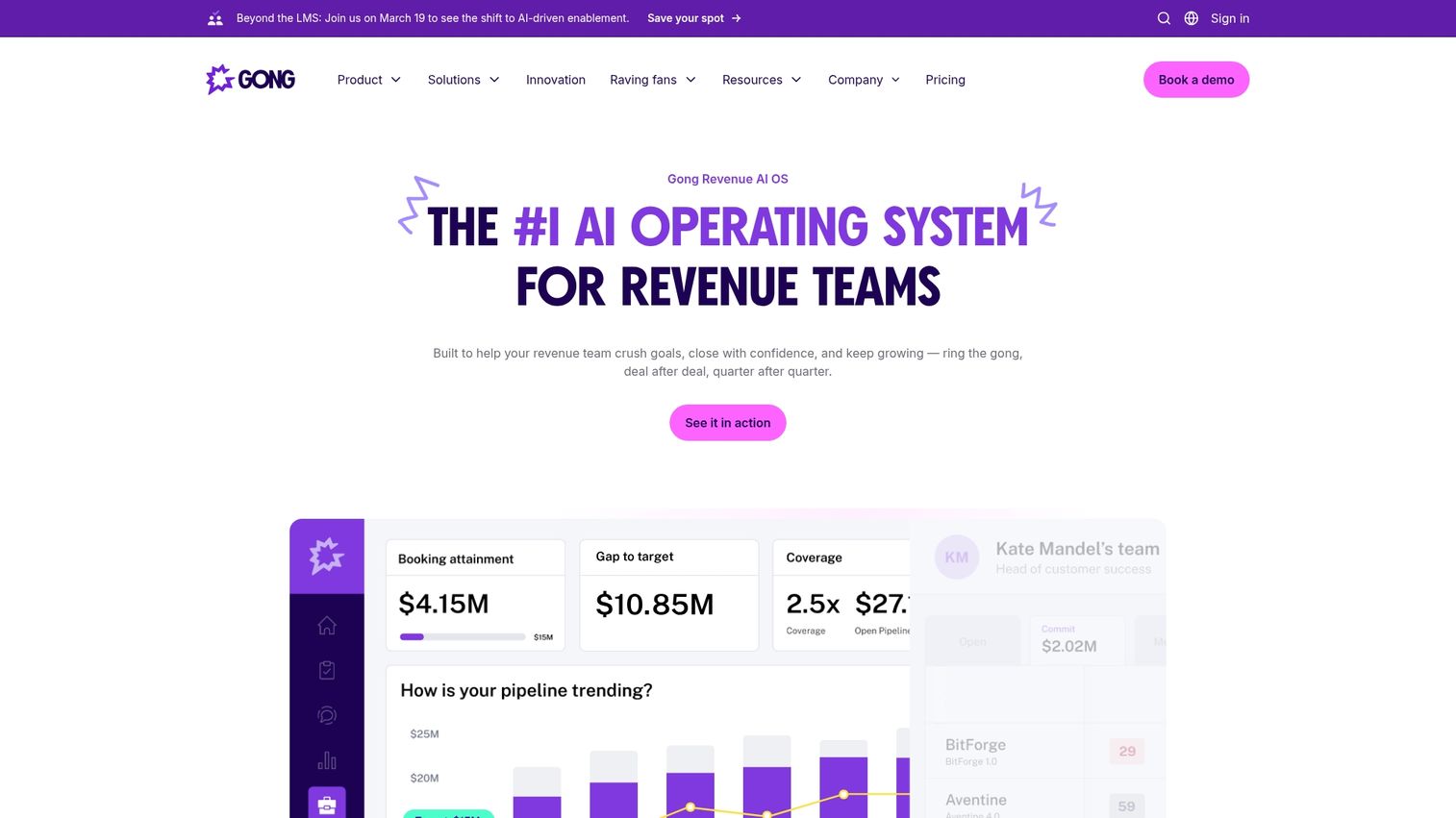
Gong is a revenue intelligence platform that analyzes sales conversations to understand what's working. The platform helps teams identify which value messages win deals and coach reps accordingly.
For value selling, Gong provides insight into how reps actually communicate value during calls. You can see which talk tracks correlate with wins, where deals stall, and how top performers handle value conversations differently.
Best for: Sales teams that want data-driven insights into which value messages actually work.
Key strengths
Conversation intelligence analyzing calls, emails, and meetings
Deal analytics showing risk factors and next steps
Coaching insights based on what top performers do differently
Competitive intelligence from conversation mentions
Pricing: Contact Gong for enterprise pricing.
12. Clari
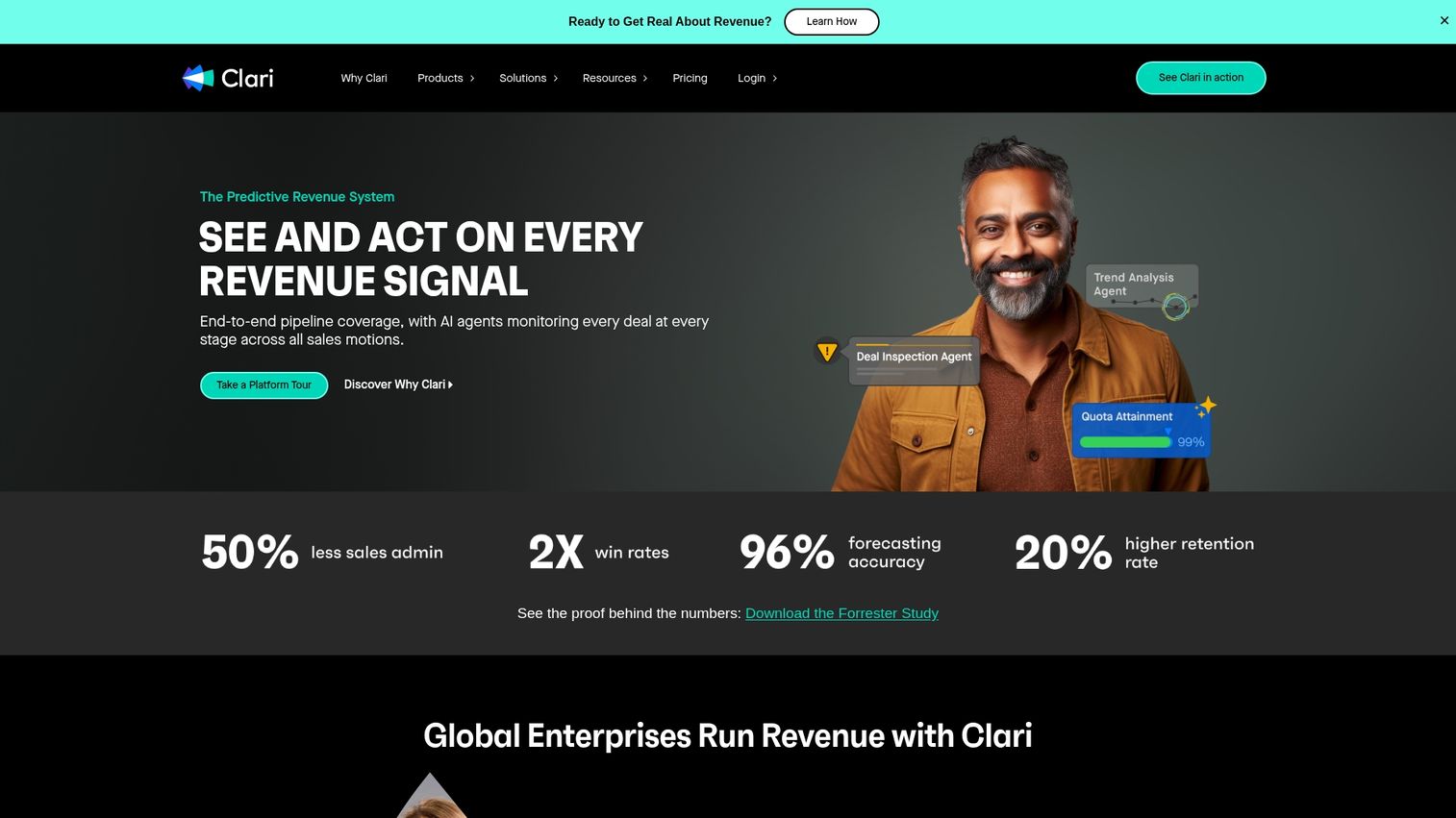
Clari is a revenue platform with forecasting and deal intelligence capabilities. The platform helps teams focus value selling efforts on opportunities most likely to close.
Clari's value for value selling is prioritization. When you can see which deals are healthy and which are at risk, you can focus your best value selling efforts where they'll have the most impact.
Best for: Sales leaders who want visibility into deal health to prioritize value selling resources.
Key strengths
Revenue forecasting with AI-powered predictions
Deal inspection showing engagement and risk signals
Pipeline analytics for identifying patterns
Integration with CRM and communication tools
Pricing: Contact Clari for enterprise pricing.
13. Vidyard
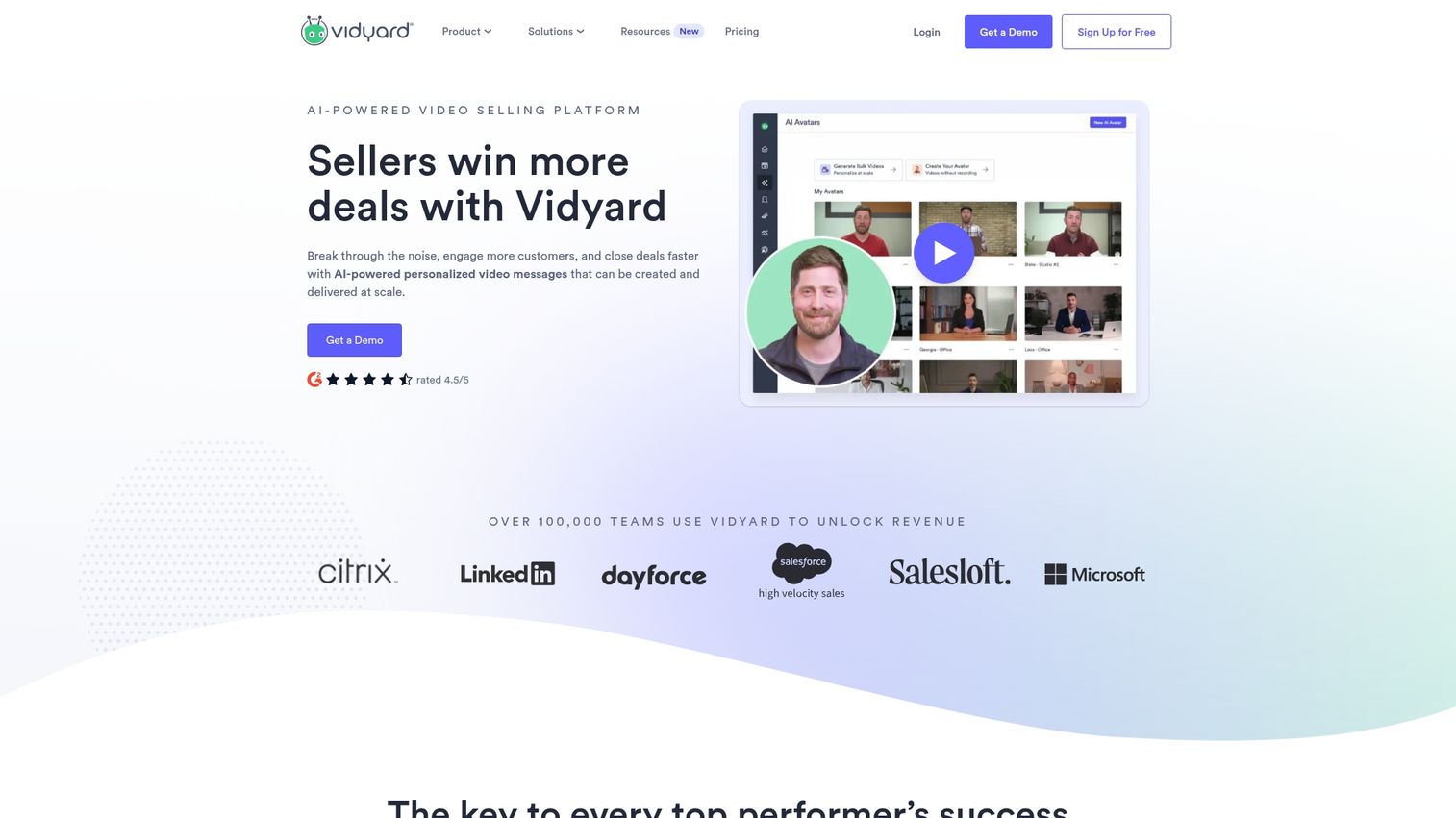
Vidyard is a video platform for sales outreach and communication. The platform helps reps communicate value more effectively through personalized video rather than text-heavy emails.
Video works well for value selling because it's easier to explain complex value propositions when prospects can see your face and watch you walk through examples. Vidyard tracks engagement so you know who watched and what interested them.
Best for: Sales teams that want to stand out in crowded inboxes with personalized video outreach.
Key strengths
Video creation with screen recording and webcam
Personalization at scale with video templates
Engagement tracking showing who watched and for how long
Integration with email and CRM tools
Pricing: Free tier available. Paid plans start at $29/month.
14. Loom
Loom is an async video messaging platform for quick value demonstrations. Sales teams use it for personalized prospecting, deal communication, and explaining complex value propositions without scheduling calls.
Loom's simplicity is its strength. When you want to quickly show a prospect how your product solves their specific problem, you can record and share in minutes rather than scheduling a meeting.
Best for: Sales teams that want fast, simple video communication for value demonstrations.
Key strengths
Async video with screen recording and webcam
Viewer analytics showing engagement
Transcription and closed captions for accessibility
Integration with common sales and communication tools
Pricing: Free tier available. Paid plans start at $15/month per user.
How to choose the right value selling tool
The best tool depends on your primary challenge: demonstrating value, quantifying ROI, enabling reps, or understanding what works. Most teams benefit from tools in multiple categories working together.
Match tool type to your primary use case
Start by identifying where value selling breaks down in your current process:
ROI calculators and business case builders: When buyers want hard numbers to justify purchase internally
Interactive demo platforms: When prospects want to experience the product to understand value
Sales enablement suites: When reps want content, training, and coaching for value conversations
Conversation intelligence: When you want to understand which value messages actually win
Evaluate integration with your existing tech stack
Value selling tools work best when they connect to your CRM, marketing automation, and communication tools. Siloed data reduces adoption because reps won't use tools that require extra steps.
Check integration depth, not just integration existence. A native Salesforce integration that syncs engagement data automatically is more valuable than a basic connection that requires manual updates.
Prioritize sales adoption and ease of use
The most powerful tool fails if reps don't use it. Look for intuitive interfaces, mobile access, and workflow integration that fits how your team already sells.
Ask during evaluation: How many clicks does it take for a rep to use this during a live call? If the answer is more than two or three, adoption will suffer.
Assess analytics and buyer intent capabilities
Understanding which content and messages resonate helps improve value selling over time. Look for engagement tracking, buyer intent signals, and reporting that connects activities to outcomes.
The best tools show not just what happened, but what it means for the deal. Knowing a prospect watched your ROI video is useful. Knowing they rewatched the cost savings section three times is actionable.
Key features in value selling software
While platforms vary, certain capabilities define effective value selling tools.
ROI calculators and value quantification
ROI calculators allow reps and buyers to input variables and see calculated business impact. The best calculators customize by industry and company size, using benchmarks that feel credible to buyers.
Look for calculators that prospects can interact with themselves, not just static outputs. When buyers adjust the inputs and see results change, they trust the numbers more.
Interactive product demonstrations
Letting buyers experience the product creates understanding that slides cannot. Interactive demos differ from traditional screen shares because prospects control the pace and focus on what matters to them.
Content personalization by persona
Tailoring value messages to buyer role increases relevance and impact. The economic buyer cares about ROI and risk. The technical evaluator cares about integration and security. The end user cares about daily workflow impact.
CRM and sales engagement integrations
Connectivity matters because data flows between systems, activities log automatically, and insights surface where reps work. Common integrations include Salesforce, HubSpot, Outreach, and Salesloft.
Engagement analytics and intent signals
Tracking what buyers view, click, and share reveals their priorities and readiness to buy. This data helps reps prioritize follow-up and tailor conversations to what each prospect actually cares about.
Start selling value instead of features
Value selling tools help teams shift from product pitches to business impact conversations. The right tool depends on whether you want to quantify ROI, demonstrate product, enable reps, or analyze what works.
Interactive demos are particularly effective because they let buyers experience value firsthand rather than just hearing about it. When prospects can click through your product solving their specific problems, the value conversation becomes tangible.
Start your journey with Guideflow today!
Frequently asked questions
Solution selling focuses on matching product capabilities to buyer problems. Value selling goes further by quantifying the economic impact of solving those problems in dollars, time saved, or other measurable outcomes.
Interactive demos let buyers experience the product solving their specific problems, making value tangible rather than theoretical. Instead of claiming your product saves time, prospects can see exactly how it handles their workflow.
The 70/30 rule suggests salespeople listen 70% of the time and talk 30%. This ratio helps reps understand buyer priorities before presenting relevant value.
Implementation ranges from same-day for simple tools like video platforms to several weeks for enterprise sales enablement suites requiring content migration and CRM integration.
Smaller teams often see faster ROI because they can implement quickly and every rep improvement has proportionally larger impact on revenue. Many tools offer free tiers or affordable entry points.
Key metrics include content usage rates, demo engagement, win rates on deals using value tools, and sales cycle length changes.
Tools enable and reinforce training but cannot replace it. Reps still benefit from understanding value selling methodology and how to conduct effective discovery conversations.