You pull a backlink report and something looks off. A cluster of referring domains you don't recognize. Anchors that don't match your content. A site that links to you but has the hallmarks of a link farm. Now what?
That's the moment most marketers reach for a spam score checker. The problem: Scores vary by tool, interpretations vary by marketer, and the instinct to disavow everything above a certain threshold can do more harm than good. According to GoDaddy's 2026 security report, 35.2% of detected website threats in 2025 were SEO spam, which means suspicious link patterns are worth taking seriously. They're just not worth panicking over.
A spam score checker helps you triage. It flags domains worth inspecting. What you do after that inspection still requires judgment, context, and a clear workflow.
This guide compares 12 tools for 2026, from free single-domain checkers to full backlink audit platforms, so you can match the right tool to your actual workflow.
What's inside
This guide is for SEO managers, growth marketers, agency teams, and link builders who need a defensible backlink review process.
Tools were selected based on:
- Spam risk scoring methodology and signal coverage
- Bulk checking and export capabilities
- Backlink investigation depth and index freshness
- Fit across free, mid-market, and enterprise budgets
You'll see when a free checker is enough and when a paid platform earns its place in the stack.
TL;DR
- Best for Moz-style spam risk: Moz Spam Score, the original metric and still the category reference point
- Best free bulk checker: DA Checker for no-signup domain checks, Small SEO Tools for quick multi-URL inputs
- Best for backlink investigation: Ahrefs Site Explorer or Semrush Backlink Audit when you need context beyond a score
- Best for Google-native link review: Google Search Console, free and essential for verified properties
- Best for disavow preparation: Google disavow tool, but only after manual review and documentation
- Best for agency-grade risk analysis: LinkResearchTools when you're handling large profiles or penalty recovery
What is a spam score checker?
A spam score checker is an SEO tool that estimates how likely a domain, page, or backlink profile is to show spam-like signals based on link quality, site patterns, authority metrics, and other risk indicators.
Moz popularized the term "Spam Score" as a named metric in its Link Explorer product. Other tools use related concepts under different labels: Toxicity score, link risk score, spam rating, or trust metrics. Each provider builds its score from its own link index and signal weighting, which is why a domain can score differently across two tools checked on the same day.
The most important framing to hold: A high score means "investigate this," not "disavow this."
Key features to look for
When evaluating a spam score checker, check for:
- Domain and URL-level checks
- Bulk input (multiple domains at once)
- Backlink source review
- Authority metrics alongside spam signals
- Link risk or toxicity scoring
- Exportable reports (CSV or Excel)
- Disavow file preparation
- Link index freshness
- Filtering by score, anchor text, or source
Spam score versus authority metrics
These two measurement types serve different purposes:
- Spam Score, Toxicity Score, Spam Rating: Estimate risk. High scores flag domains for review.
- Domain Authority, Domain Rating: Estimate ranking strength or link equity potential.
- Page Authority, URL Rating: Page-level strength estimates.
- Trust Flow, Citation Flow: Majestic's signal for link quality relative to known trusted seed sites.
A site can have strong authority and risky link patterns simultaneously. Run both types of checks before drawing conclusions.
When to use a spam score checker
Vet backlink prospects before outreach
Before pursuing guest posts, niche edits, sponsorships, or directory placements, run prospect domains through a spam checker as an initial filter. A high score should prompt deeper inspection, not automatic rejection. Check traffic, content quality, linking patterns, and topical relevance before passing judgment.
Audit suspicious ranking drops
When traffic volatility appears without an obvious cause, a backlink audit can help isolate whether recent link acquisition is a contributing factor. A spam checker narrows the list of domains worth manual review. Rankings drop for many reasons; treat the score as one diagnostic signal in a broader investigation.
Review domains before buying or redirecting
Expired domain acquisition and 301 redirect decisions carry link-profile risk. A spam checker gives you a fast first screen before you commit. Compare multiple signals across tools before purchasing or pointing a redirect, since a single tool's score may miss context that another surface reveals.
Spam score checker tools comparison
The table below covers all 12 tools with verified pricing and G2 ratings. Free tools are marked as free. Tools with no G2 profile are listed as N/A.
| # | Product | Best for | Key differentiator | Pricing | G2 rating |
|---|---|---|---|---|---|
| 1 | Moz Spam Score | Moz-style domain spam risk | Original Spam Score metric inside Moz link data | From $39/mo | N/A (Moz Pro listed separately) |
| 2 | DA Checker | Free bulk domain checks | Combines spam, DA, and PA in bulk with no signup | Free | N/A |
| 3 | Website SEO Checker | Credit-based SEO audits | One-time credit packs with bulk URL checks and CSV export | From $99 one-time | N/A |
| 4 | Small SEO Tools | Free bulk spam checking | Free multi-URL input with broad SEO toolset | Free / $9.99/mo | N/A |
| 5 | Solvid Spam Rating | Second-opinion risk scoring | Proprietary Spam Rating with heuristic domain checks | Free checker | N/A |
| 6 | Google Search Console | Google-native backlink review | Official link data for verified properties | Free | 4.7/5 |
| 7 | Google disavow tool | Disavow file submission | Official Google mechanism for disavow uploads | Free | N/A |
| 8 | Ahrefs Site Explorer | Deep backlink investigation | Large link index with DR, UR, and anchor context | From $29/mo | 4.5/5 |
| 9 | Semrush Backlink Audit | Toxic backlink workflows | AI-based toxicity scoring with outreach-disavow workflow | From $139.95/mo | N/A |
| 10 | Majestic | Link trust analysis | Trust Flow and Citation Flow for link quality | From $49.99/mo | 4.3/5 |
| 11 | SE Ranking Backlink Checker | Affordable backlink monitoring | Domain Trust and Toxicity scores with CSV/XLS export | From $103.20/mo (annual) | 4.7/5 |
| 12 | LinkResearchTools | Advanced link risk analysis | Link Detox and risk scoring for agency-scale audits | From $599/mo | 4.0/5 |
Best 12 spam score checker tools for 2026
This list covers the full range: Free one-off checkers, bulk domain auditors, and enterprise-grade backlink risk platforms. Use the comparison table above to match your budget and workflow, then dig into the tool descriptions below for the specifics that matter before making a decision.
1. Moz Spam Score
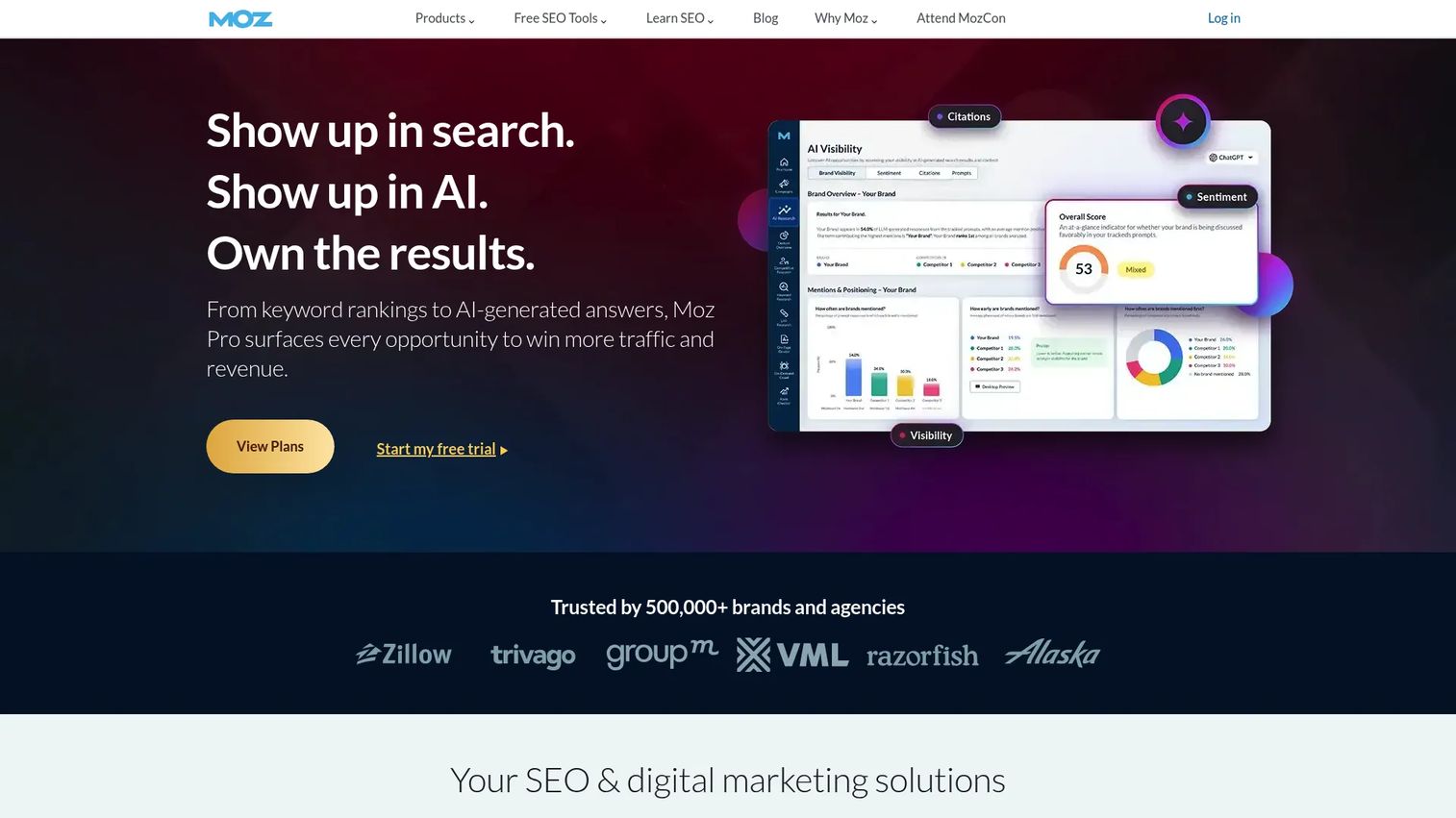
Moz created Spam Score as a named metric and it remains the category reference point that most marketers recognize. The score appears inside Moz's Link Explorer, where it sits alongside Domain Authority and Page Authority as part of a broader link research workflow. Moz calculates Spam Score by identifying features correlated with sites that have been penalized or removed from Google's index, then expressing that as a percentage from 0 to 100.
Best for: SEOs and marketers who want the canonical Spam Score metric inside a recognized link research environment.
Key features
- Spam Score (0 to 100 scale)
- Domain Authority and Page Authority
- Link Explorer with inbound link analysis
- Linking domain and anchor text data
- Spam Score filtering inside link reports
Why choose Moz Spam Score: Moz Spam Score makes the most sense when your team or your clients already speak the Moz metric language. Stakeholders who understand DA will understand Spam Score in context. Pair it with Link Explorer's full backlink data rather than treating the score as a standalone verdict.
Moz pricing: Moz Pro starts at $39/month (billed annually) for the Starter plan, with higher tiers at $79, $143, and $239 per month. A 30-day free trial is available. Spam Score access sits inside Link Explorer across paid plans.
2. DA Checker
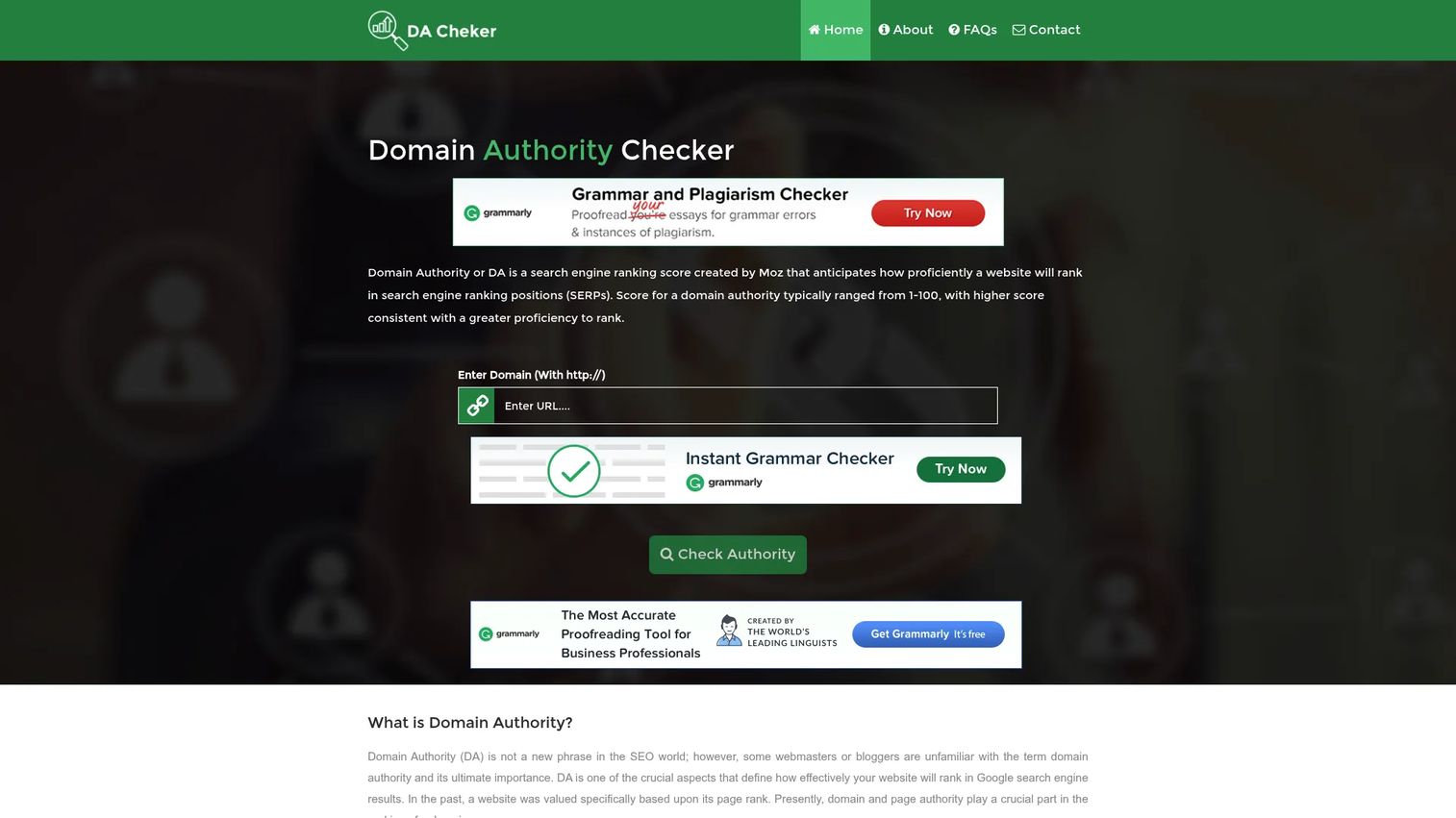
DA Checker is a free browser-based tool for bulk domain-authority and spam score checks. Enter up to 20 domains at once and get Spam Score, Domain Authority, Page Authority, and IP data back in a single table. No signup, no CAPTCHA, no paid plans blocking the core output. Results export to Excel, which makes it useful for agencies screening prospect lists before deeper analysis.
Best for: Marketers and link builders who need a fast, free bulk screen across multiple domains before committing time to deeper research.
Key features
- Bulk checking for up to 20 URLs
- Spam Score, DA, and PA in one view
- IP address and PageRank data
- Excel export with no account required
- No signup or CAPTCHA to run a check
Why choose DA Checker: The right fit for early triage when you're working through a prospect list or doing a first-pass domain screen. It won't replace a full backlink audit, but it cuts review time significantly before you commit to manual investigation.
DA Checker pricing: Entirely free. No paid tiers were found on the official site.
3. Website SEO Checker
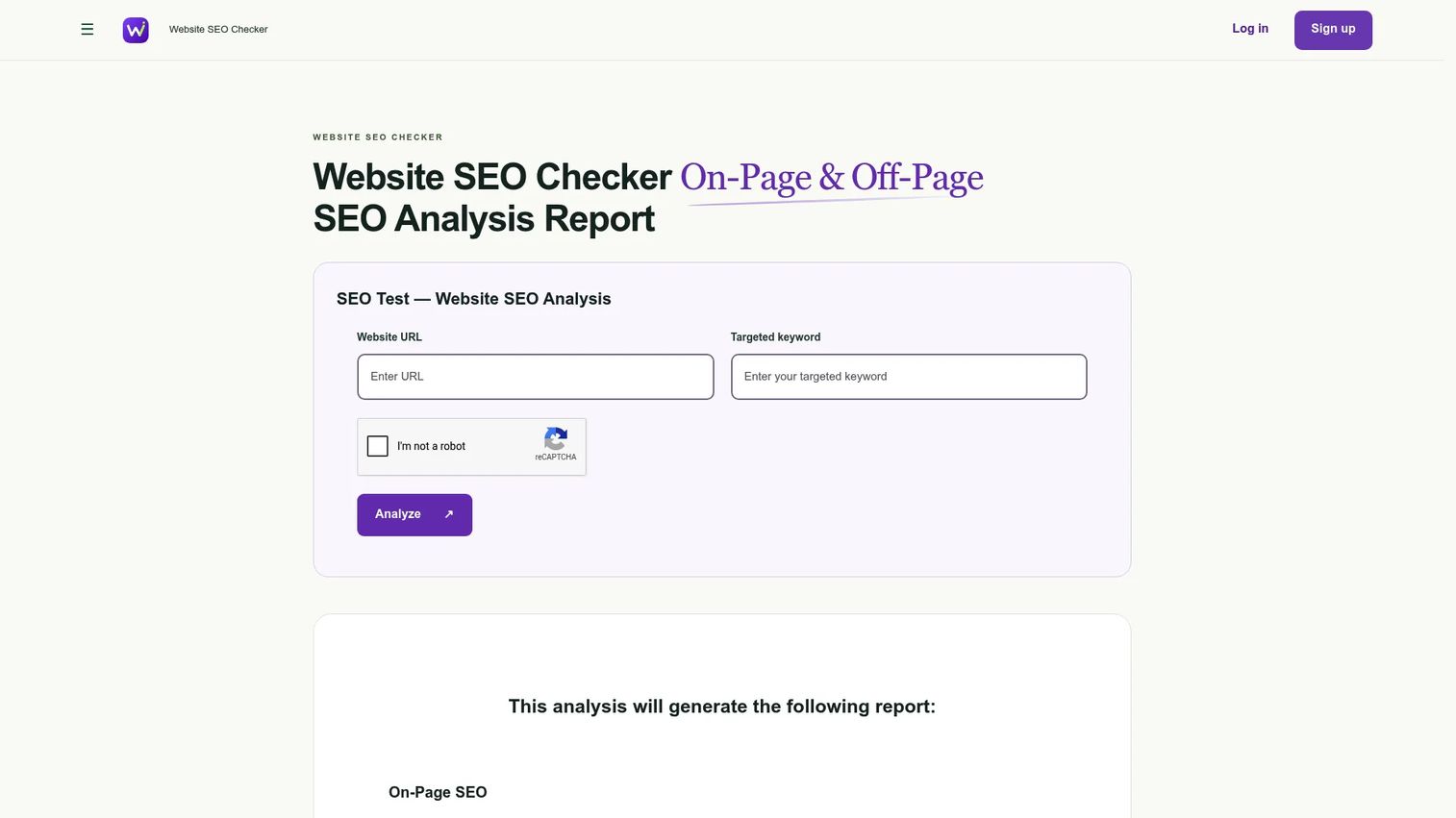
Website SEO Checker offers an SEO toolkit built around credit-based access rather than monthly subscriptions. Credits cover domain and page authority checks, backlink analysis, keyword research, website traffic data, and bulk URL processing with CSV export. The model suits teams that run periodic audits rather than continuous monitoring, since credits don't expire once purchased.
Best for: SEO professionals and agencies that want bulk domain checks and related SEO utilities without a recurring monthly commitment.
Key features
- Domain and page authority checking
- Backlink analysis tools
- Bulk URL input with CSV export
- Keyword research and difficulty data
- API access on the Enterprise credit pack
Why choose Website SEO Checker: The credit model works when your audit volume is project-driven rather than ongoing. If you check domains in batches for client deliverables or link-building campaigns, buying credits as needed costs less than a monthly subscription sitting idle between projects.
Website SEO Checker pricing: Starter pack is $99 (one-time, 60,000 credits). Professional is $299 and Business is $499. Enterprise credits are $999 and include API access. Credits are one-time purchases and do not expire. No free tier was confirmed on the pricing page.
4. Small SEO Tools
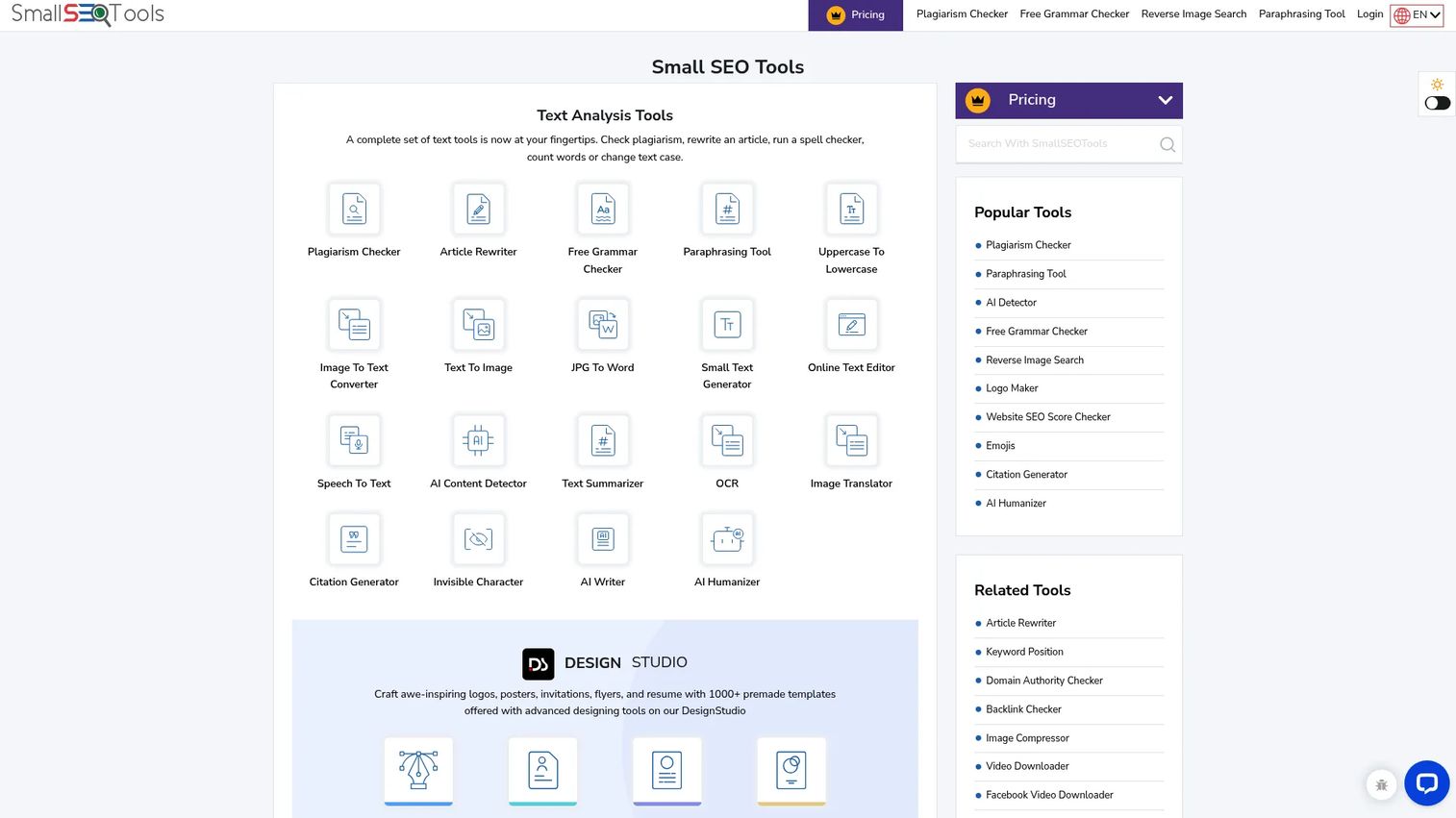
Small SEO Tools bundles a spam score checker inside a broad collection of free SEO, content, and domain analysis utilities. The spam score checker accepts multiple URLs in one input and returns results without requiring an account. The wider platform covers keyword tools, plagiarism checking, backlink analysis, and domain authority checking across a large shared toolset.
Best for: Small teams and freelancers who want free multi-URL spam score checks without a dedicated SEO platform subscription.
Key features
- Bulk multi-URL spam score input
- Free access to core checker
- Domain authority and backlink tools in the same platform
- Broad content and keyword toolset
- Paid plans for premium tool bundles
Why choose Small SEO Tools: The free tier covers quick spam checks with no signup friction. Use it for triage across a short list of domains before escalating to a full backlink audit platform. The bundled toolset adds value if you already need keyword or content tools alongside link research.
Small SEO Tools pricing: Core tools including the spam score checker are free. Paid plans start at $9.99/month (billed monthly) or $119.88/year. Enterprise pricing is custom. The paid tier covers premium bundled tools beyond the free checker.
5. Solvid Spam Rating
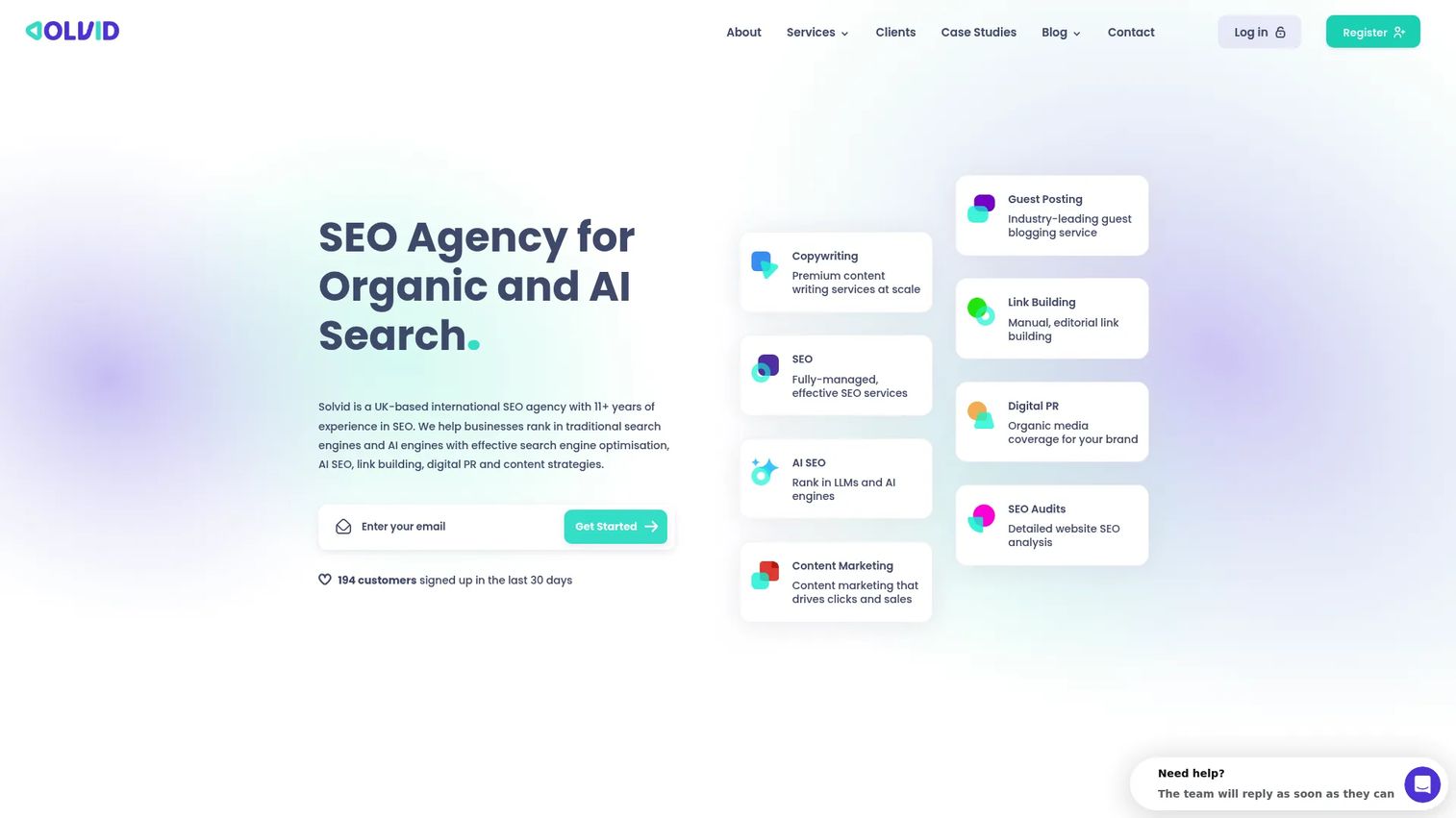
Solvid is a UK-based SEO agency that publishes a free spam score checker alongside its managed SEO services. The checker provides Solvid's own proprietary Spam Rating alongside Moz Spam Score data, with heuristic domain checks covering patterns like HTTPS status, TLD risk indicators, and content signals. The dual-score output gives a useful second opinion when a single metric feels inconclusive.
Best for: Marketers who want a second data point beyond one provider's score when evaluating a suspicious domain.
Key features
- Solvid proprietary Spam Rating
- Moz Spam Score alongside
- Domain heuristic checks (HTTPS, TLD, content signals)
- Risk band interpretation
- Free access with fair-use caching
Why choose Solvid Spam Rating: The dual-score format is genuinely useful when you're on the fence about a domain. Seeing Solvid's rating and Moz Spam Score together, plus the heuristic breakdown, gives you more signal than a single number. Keep in mind this is a free tool on a fair-use basis, so it suits spot checks rather than bulk workflows.
Solvid Spam Rating pricing: The spam score checker is free. Solvid's managed SEO services start at $3,250/month for the Starter package, but those are separate agency engagements unrelated to the checker.
6. Google Search Console
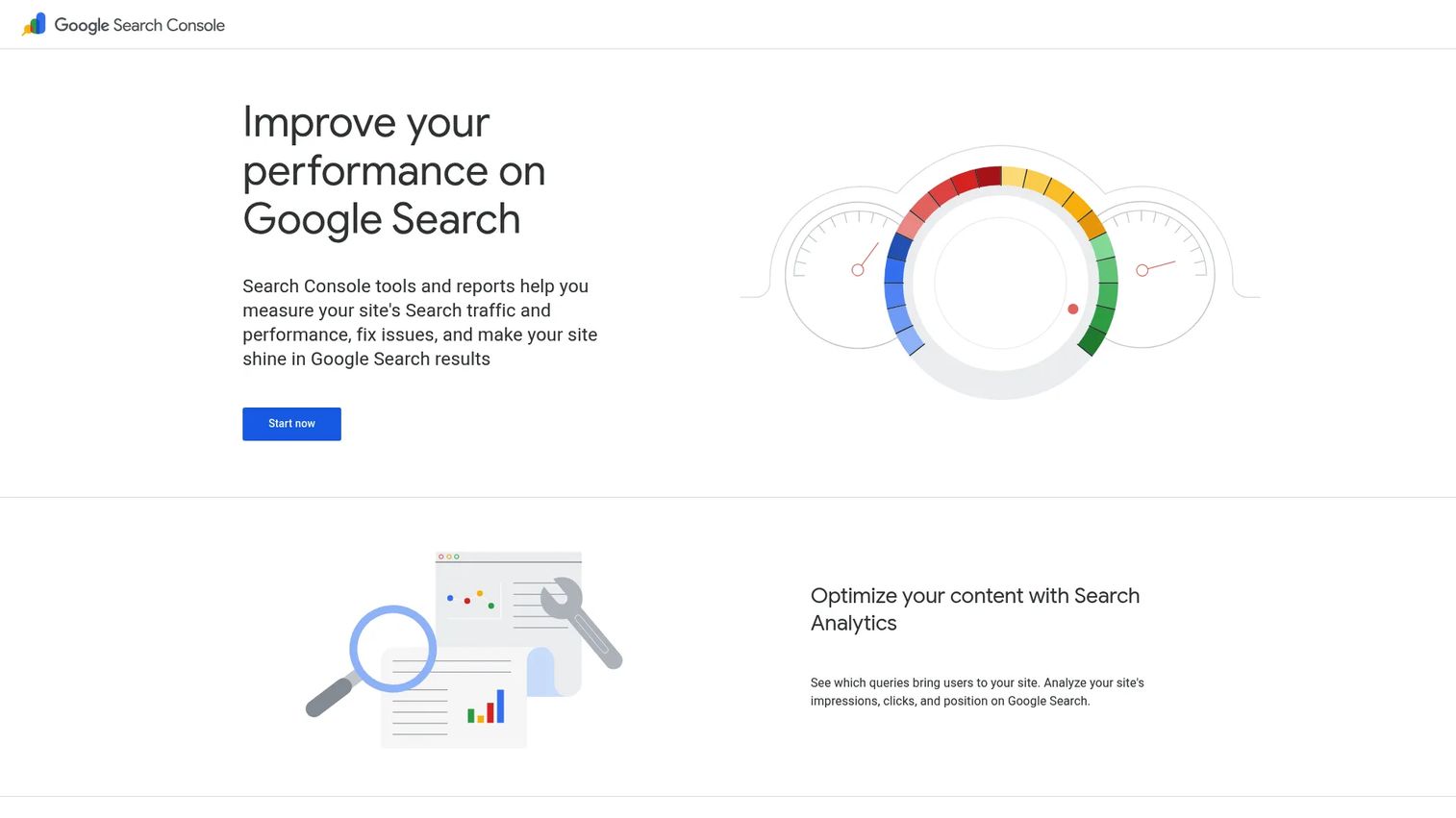
Google Search Console is not a spam score checker by name, but it's essential for anyone investigating their own site's backlink health. The Links report shows top linking sites, top linked pages, and anchor text distribution based on what Google has actually crawled and associated with your property. That's a different data source than third-party link indexes, and for your own domain it's the most authoritative view available.
Best for: Site owners reviewing backlinks for their own verified properties, particularly when investigating manual actions or ranking drops.
Key features
- Links report with top linking sites
- Top linked pages and anchor text data
- Manual actions report for penalty review
- URL Inspection for crawl and index status
- Core Web Vitals and security issue monitoring
Why choose Google Search Console: Use it whenever you're investigating your own domain rather than a third-party prospect. It won't give you a spam score, but it shows you what Google sees, which is the most relevant context for any disavow or cleanup decision. Pair it with a third-party checker for a complete picture.
Google Search Console pricing: Free.
G2 rating: 4.7/5.
7. Google disavow tool
The Google disavow tool is accessed through Search Console and lets verified site owners submit a list of URLs or domains they want Google to ignore when assessing their site's backlinks. It's not a diagnostic tool. It's the action step at the end of a backlink review workflow, and Google's own guidance makes clear it should be used only for severe, documented cases where unnatural links exist and removal isn't realistic.
Best for: Experienced SEOs handling documented unnatural-link patterns, typically following a manual action or after a thorough backlink audit.
Key features
- Disavow file upload (.txt format)
- Domain-level entries using the domain: Operator
- URL-level entries for specific links
- Applies to one verified property at a time
- Disavowed links remain visible in the Links report
Why choose Google disavow tool: Include it in your toolkit because it's the only official mechanism for telling Google to disregard specific backlinks. Don't use it as a default reaction to a high spam score. Disavow decisions require documented evidence of manipulative or harmful links, not a score threshold.
Google disavow tool pricing: Free.
8. Ahrefs Site Explorer
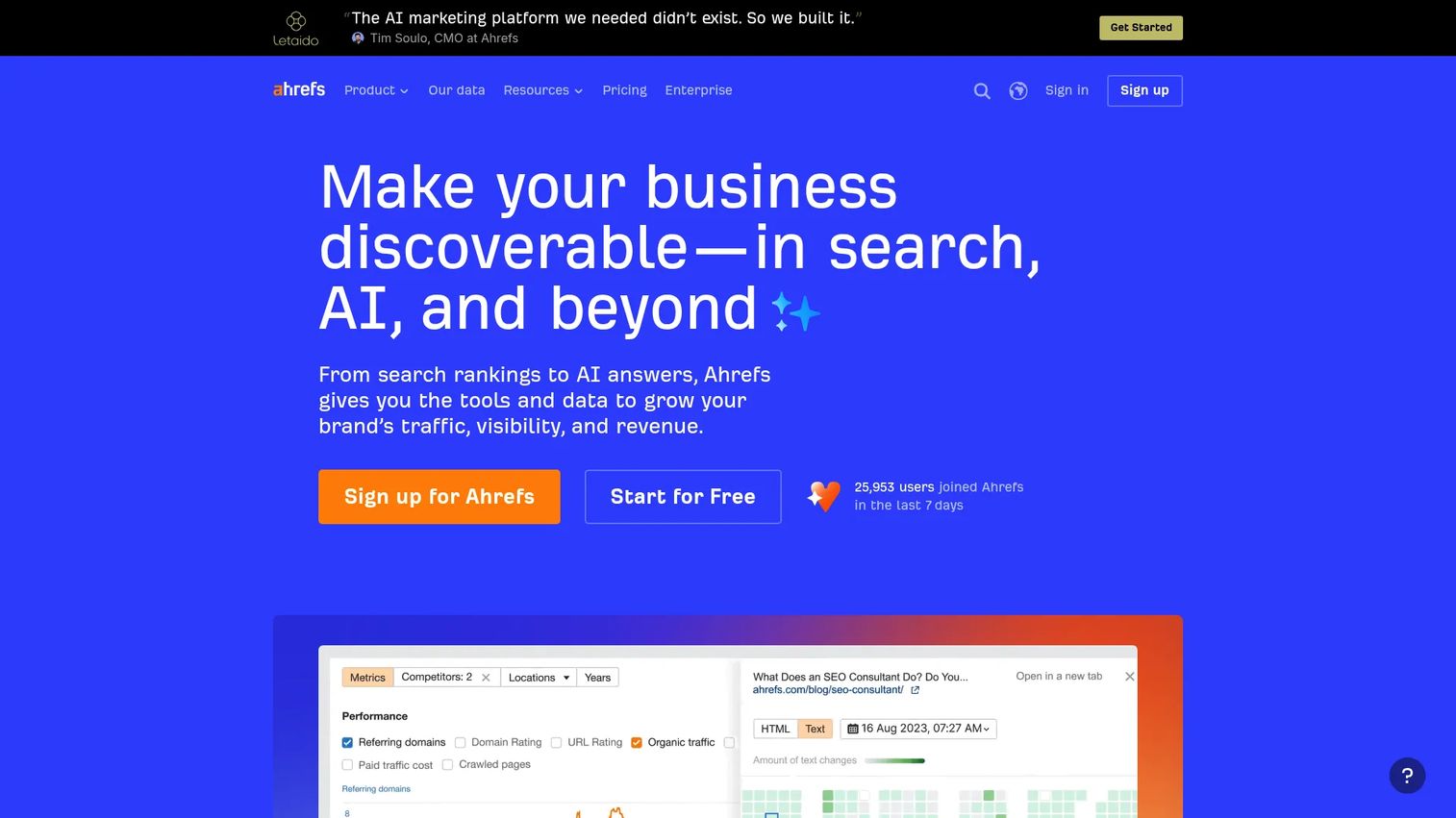
Ahrefs Site Explorer is a backlink research platform built around one of the largest link indexes in the industry. After a spam score checker flags a domain as suspicious, Ahrefs is where you go to confirm whether the concern is warranted. Domain Rating (DR) and URL Rating (UR) give you authority context, while referring domain reports, anchor text analysis, and link growth charts let you understand the full backlink profile before making any decisions.
Best for: SEO teams that need deeper backlink context to validate or dismiss what a spam checker flagged.
Key features
- Domain Rating (DR) and URL Rating (UR)
- Backlink index with referring domains and anchors
- Link growth and lost-link charts
- Outbound link analysis
- Competitive backlink research
Why choose Ahrefs Site Explorer: Ahrefs earns its place after initial screening, not instead of it. When a domain scores high on a spam checker, Site Explorer tells you whether the backlink pattern supports that concern or whether the score is a false positive based on a thin index elsewhere.
Ahrefs pricing: Starter plan is $29/month. Lite is $129/month, Standard is $249/month, and Advanced is $449/month. Enterprise starts at $1,499/month (annual commitment required). A free plan with limited access is also available.
G2 rating: 4.5/5.
9. Semrush Backlink Audit
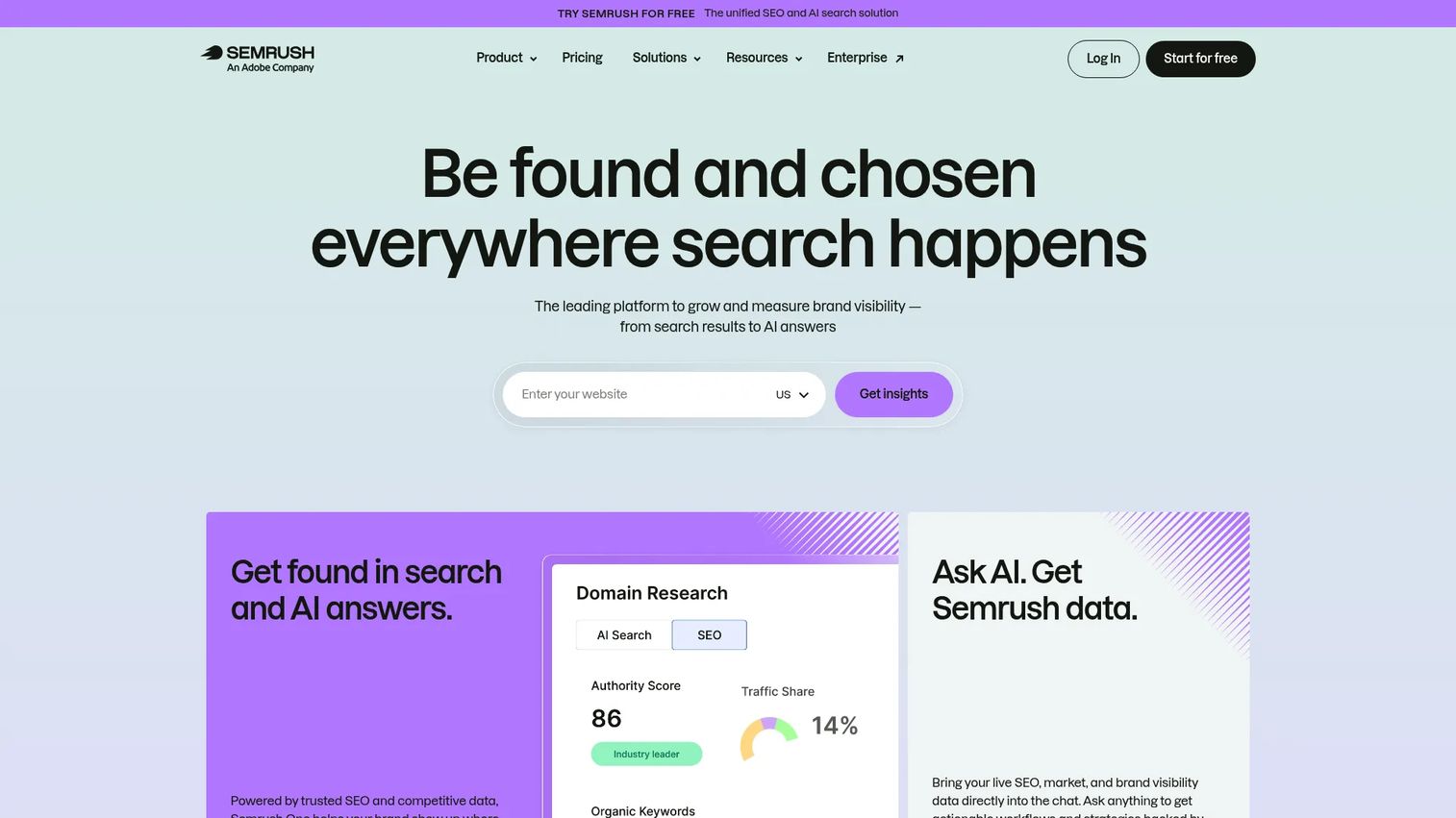
Semrush Backlink Audit evaluates backlinks using 50+ parameters and assigns an AI-based Toxicity Score to each link. The tool connects to Google Search Console and runs inside a project structure, making it suited for teams that run recurring audits rather than one-off checks. Built-in outreach workflows let you contact linking site owners directly, and disavow file export integrates with Google Search Console when removal isn't possible.
Best for: Teams running structured, repeatable backlink cleanup projects with outreach and disavow workflows built in.
Key features
- Toxicity Score based on 50+ parameters
- Google Search Console and Google Analytics integration
- Outreach workflow for link removal requests
- Disavow file generation and export
- New, lost, and broken backlink monitoring
Why choose Semrush Backlink Audit: The structured project workflow makes it stronger for ongoing monitoring than one-off checks. If your team runs link audits quarterly or responds to ranking drops with a documented cleanup process, the outreach-to-disavow pipeline saves meaningful time compared to managing that manually.
Semrush pricing: Pro plan is $139.95/month. Guru is $249.95/month and Business is $499.95/month. Backlink Audit is included in the SEO Toolkit across paid plans. A limited free account is available.
10. Majestic
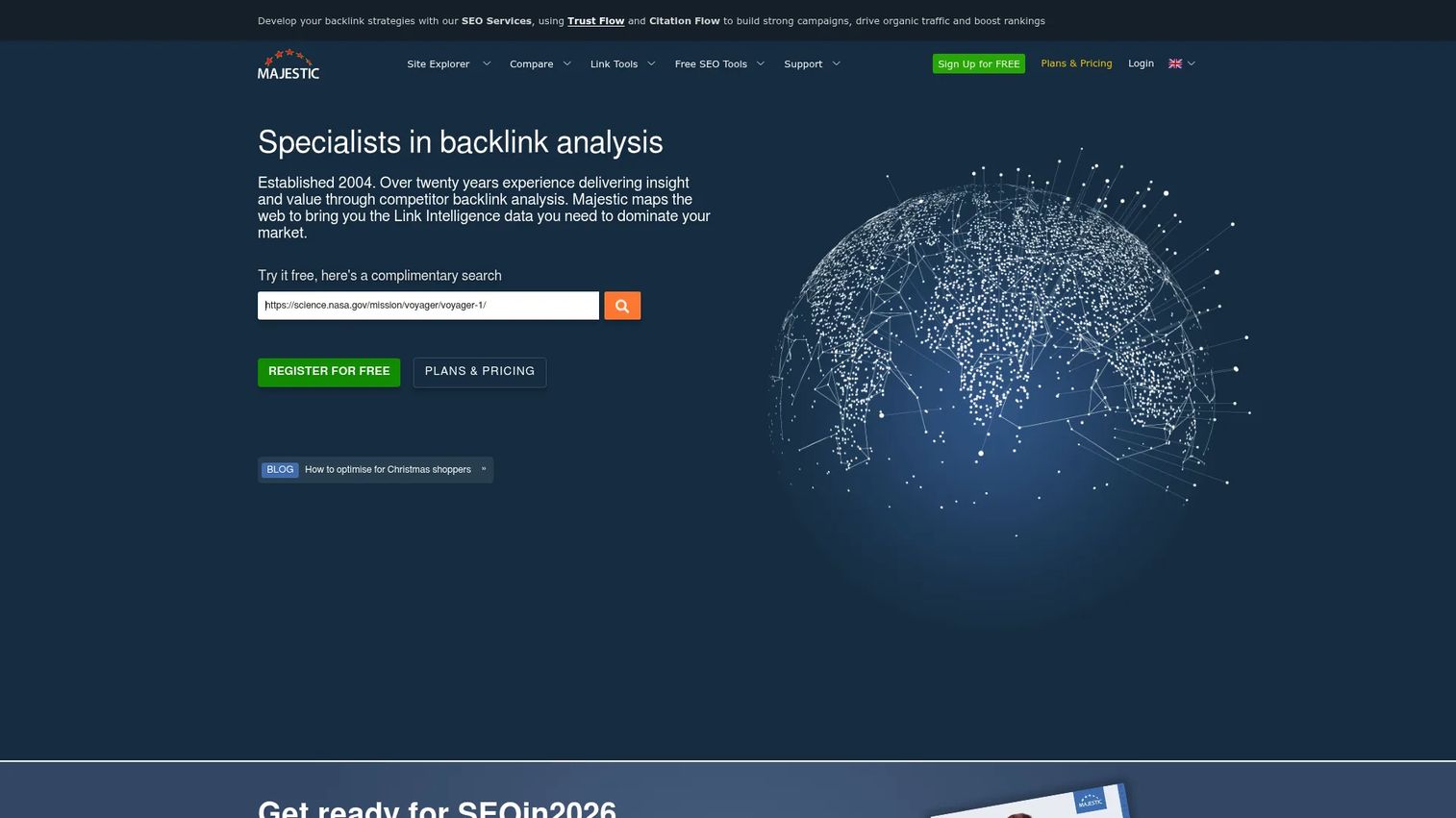
Majestic built its reputation around Trust Flow and Citation Flow, two proprietary metrics that measure link quality relative to trusted seed sites. Where spam scores flag domains based on pattern-matching, Trust Flow evaluates link quality relative to a known set of authoritative sources. The combination of both approaches gives link builders and domain buyers a richer picture of backlink health than either metric alone.
Best for: SEOs evaluating link trust and topical relevance, particularly for domain acquisition, link building, and competitive link research.
Key features
- Trust Flow and Citation Flow
- Topical Trust Flow (by category)
- Fresh Index and Historic Index
- Bulk Backlink Checker
- Link Graph and Link Context tools
Why choose Majestic: The Trust Flow model complements spam scoring well because it uses a different methodology. A domain might score low on spam risk but still carry low-trust links pointing to irrelevant content. Running both checks surfaces patterns that one approach misses.
Majestic pricing: Lite plan is $49.99/month. Pro is $99.99/month and includes Historic Index. The API plan is $399.99/month. A free registration exists with limited access. Prices exclude VAT.
G2 rating: 4.3/5.
11. SE Ranking Backlink Checker
SE Ranking Backlink Checker covers backlink analysis and monitoring across all subscription plans, with Domain Trust and Toxicity scores included alongside standard metrics. The tool reports referring domains, anchor text distribution, dofollow/nofollow split, lost and new backlinks, and HTTP status codes. Export to CSV or XLS makes it practical for client reporting. For agencies that need a solid backlink audit platform without LinkResearchTools pricing, it sits in a useful middle tier.
Best for: Small agencies and growth teams that need ongoing backlink monitoring and export workflows without enterprise-level costs.
Key features
- Domain Trust and Toxicity scoring
- Referring domain and anchor text reports
- New and lost backlink tracking
- CSV and XLS export
- Backlink Research included in all plans
Why choose SE Ranking Backlink Checker: The price-to-capability ratio works for teams that need recurring backlink monitoring and structured exports but aren't handling large-scale penalty recovery or agency-level complexity. It replaces a gap in the stack without adding a redundant layer.
SE Ranking pricing: Core plan starts at $103.20/month (billed annually). Growth is $223.20/month (annual) and Enterprise pricing is custom. A 14-day free trial is available. Backlink Research is included in all plans, though detailed analysis may carry usage-based costs.
G2 rating: 4.7/5.
12. LinkResearchTools
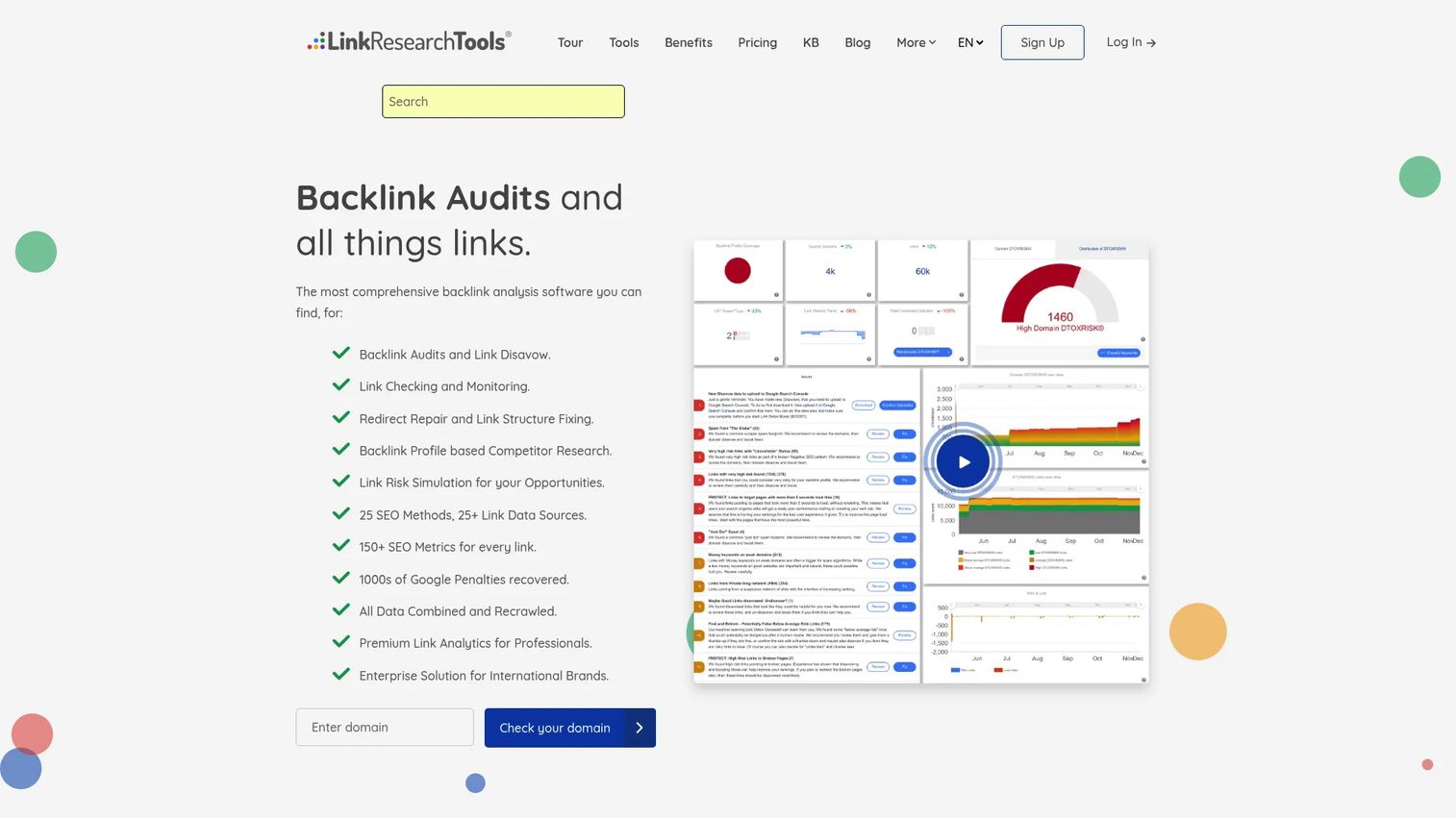
LinkResearchTools is a professional link risk platform built for technical SEOs and agencies handling large backlink profiles, penalty recovery, or competitive link research. Link Detox (DTOX) scores individual links for risk and generates disavow recommendations based on aggregated signals across multiple data sources. The platform also includes link building, link monitoring, and competitive backlink analysis tools.
Best for: Agencies and technical SEO teams managing complex backlink audits, penalty recovery, or high-stakes link risk analysis.
Key features
- Link Detox (DTOX) with individual link risk scoring
- Disavow workflow and file generation
- Link building and prospecting tools
- Competitive backlink analysis
- Link monitoring for negative SEO detection
Why choose LinkResearchTools: The depth of link risk scoring is the differentiator here. If you're handling a manual action recovery, working with a site that has years of questionable link acquisition, or running audits at agency scale, the DTOX workflow gives you more granular evidence for disavow decisions than simpler tools allow. For one-off checks, it's more than you need.
LinkResearchTools pricing: A 7-day trial is available at $17, then converts to $599/month for the Superhero Small plan. Superhero Standard is $999/month and Superhero Plus is $2,499/month. Enterprise pricing is custom. No permanent free tier is available.
G2 rating: 4.0/5.
How to interpret spam score results
Low score does not mean zero risk
A domain can score low on spam signals and still carry irrelevant links, manipulative anchor text, or content designed to game rankings. Use a low score as a starting point for review, not a clearance certificate.
High score does not mean penalty
A high Spam Score, Toxicity Score, or Spam Rating indicates that the domain shares characteristics with sites that have been penalized. It doesn't confirm a manual action or algorithmic demotion. Confirm in Google Search Console before treating a high score as a crisis.
Compare similar domains using the same tool
Scores are only meaningful relative to other domains measured by the same provider at a similar point in time. Mixing a Moz Spam Score with a Semrush Toxicity Score to draw comparative conclusions leads to unreliable outputs. Run your screening consistently within one tool for each workflow.
What to do when a domain has a high spam score
A high score starts a process, not a decision. Work through this in order:
- Export the referring domain list from your backlink platform
- Sort by suspicious anchors and domains flagged by your checker
- Inspect each domain manually: Check content quality, traffic signals, link placement, and topical relevance
- Identify whether each link is editorial, paid, scraped, or autogenerated
- Review link timing and acquisition velocity for any unusual spikes
- Document the reason each link is suspicious before taking action
- Pursue link removal first; submit a disavow file only when removal is not feasible and evidence is clear
A threshold of 20 or 30 on a spam scale is not a universal trigger for disavowal. Treat it as a prompt to look more carefully at a domain, not as an automatic action cue.
Considerations when choosing a spam score checker
Match the tool to your audit frequency
Free checkers work for one-off or low-volume spot checks. Paid backlink platforms are worth the cost when you need recurring monitoring, historical data, structured reporting, or workflow integration. Audit how often you actually need this data before adding a monthly line item.
Evaluate the underlying link index
A score is only as reliable as the data behind it. Tools with smaller or less frequently updated link indexes may miss backlinks that a competitor surfaces. Ask whether the index covers your niche and updates at a cadence that matches your monitoring needs.
Look for export and filtering options
Agencies and growth teams working across multiple clients or campaigns need CSV or Excel output, score-based filtering, and ways to segment results by project. A tool that shows results on screen without exporting them adds friction to every reporting cycle.
Treat disavow support as a last step, not a feature
Some platforms generate disavow files automatically based on toxicity thresholds. That feature can save time, but automated disavow lists should be reviewed manually before submission. A tool that recommends disavowal is not making the decision for you.
Assess stack overlap before adding a subscription
Growth marketers already manage crowded SEO stacks. Before adding a backlink audit platform, check whether your current tools already cover spam checking or toxicity scoring. A new tool earns its place by filling a genuine gap, not by duplicating something you already pay for.
Conclusion
For most backlink risk workflows, the right starting point is a free checker. DA Checker or Small SEO Tools handle quick bulk screening without setup or cost. Moz Spam Score provides the named metric that clients and stakeholders already recognize. Google Search Console adds the Google-native view for your own verified properties.
Move to a paid platform when decisions carry real stakes. Ahrefs Site Explorer and Semrush Backlink Audit give you the backlink depth needed to validate what a free checker flags. SE Ranking covers the mid-market monitoring use case at a price that makes sense for smaller agencies. LinkResearchTools handles the high-complexity end: Penalty recovery, large profiles, and evidence-grade disavow documentation.
The most important piece of this workflow is the gap between screening and action. Run the check, investigate the results, document what you find, and treat disavowal as a last resort rather than a default response.
Start your journey with Guideflow today!
FAQs
A spam score checker is an SEO tool that estimates how likely a domain, URL, or backlink profile is to show spam-like signals based on link patterns, site characteristics, authority metrics, and other risk indicators. It's a triage tool, not a direct report on Google penalties or algorithmic actions. Use it to prioritize which domains deserve closer inspection, then investigate manually before taking action.
No. A high score indicates that a domain shares characteristics with sites that have faced penalties, but it doesn't confirm a manual action or algorithmic demotion. Check Google Search Console for any manual actions against your property, and review actual backlink quality before treating a score as evidence of a penalty.
"Good" depends on the tool and scoring model. Lower scores generally mean fewer spam-like signals, but the more useful approach is to compare domains within the same tool and time period rather than applying a universal threshold. A score of 10 from one tool is not directly comparable to a score of 10 from another provider.
For active SEO programs, monthly checks give you a consistent baseline. After major link-building campaigns, run a check to confirm the new referring domains don't introduce risk. Sites in competitive niches or with a history of link issues may benefit from more frequent monitoring.
Some tools include toxicity scoring or link risk signals at the individual backlink level, Semrush Backlink Audit and LinkResearchTools in particular. A basic spam checker flags suspicious domains, but identifying specific toxic links requires a backlink platform that evaluates placement, anchor text, link type, and site characteristics at the individual link level.
No. Disavow decisions should come after manual review, evidence collection, and a removal attempt. Scores help you prioritize which links to inspect, but automatic disavowal can remove links that still contribute value. Google advises using the disavow tool only for severe, documented cases of unnatural links where removal isn't feasible.
Spam Score estimates risk: How likely a domain is to show patterns associated with spammy or penalized sites. Domain Authority estimates strength: How likely a domain is to rank well in search results based on its link profile. A site can have high authority and high spam signals simultaneously, so both metrics need to be read together with backlink context.
The best free option depends on what your workflow requires. DA Checker handles bulk domain checks across up to 20 URLs with no signup and Excel export. Small SEO Tools covers multi-URL inputs with a broader toolset. Solvid's free checker adds a second data point with its proprietary Spam Rating alongside Moz data. For checking your own site's backlinks through Google's data, Search Console is free and essential regardless of which other tools you use.