Your building generates thousands of data points a day. HVAC runtime, lighting schedules, badge swipes, meter readings, occupancy counts. Most of it never reaches one screen. So the facilities lead checks one dashboard for energy, another for access control, a spreadsheet for maintenance, and an email chain for tenant complaints. Nobody sees the full picture until something breaks.
That fragmentation costs money. The global smart building software market was valued at USD 116.9 billion in 2025 and is projected to reach USD 270.0 billion by 2034, a 10.7% CAGR, according to The Insight Partners (2024). Buyers are moving because the operational math finally works: centralize the data, and you cut energy waste, catch equipment failures earlier, and run more square footage with the same headcount.
The problem is choosing. The category spans deep control platforms, energy-only analytics, occupancy sensors, and full portfolio suites. A tool built for a single office tower behaves very differently from one built to manage 200 sites. Picking wrong means either overbuying capability you never use or outgrowing the platform in a year.
This guide fixes that. If you evaluate software the way most operators do, the same discipline applies whether you're comparing marketing automation software tools or building platforms: match the tool to the job, not the feature list. We break down nine platforms by what they actually do best, so you can shortlist in an afternoon instead of a quarter.
What's inside
This is a comparison-led shortlist of the 9 best smart building software platforms for 2026. It's written for facility leaders, building operations teams, proptech buyers, and technically minded operators who already know the category exists and want a practical vendor list.
We ranked and grouped tools by four criteria that matter in real deployments:
- Interoperability with existing building systems and protocols
- Monitoring depth across HVAC, lighting, energy, and occupancy
- Analytics and automation, including predictive maintenance and digital twin support
- Scalability, from a single building to a full portfolio
Every entry states who it fits best and what it's strongest at, so you can match the platform to your operational job.
TL;DR
- Best for deep interoperability and unified control: ICONICS, with broad protocol support and a single operational layer across systems.
- Best for an operational framework: Priva, built around connect, control, collaborate, and conserve.
- Best for enterprise portfolios: Honeywell Forge and Johnson Controls OpenBlue, both built for multi-site operations at scale.
- Best for centralized building management: Siemens Desigo CC and Schneider Electric EcoStruxure Building Operation, for operators controlling large, multi-discipline systems.
- Best for energy cost visibility: Verdigris, for electrical-level intelligence and analytics.
- Best for occupancy and space use: PointGrab, for sensor-driven workplace analytics.
The right pick depends on the job: monitoring, control, energy, or occupancy. Read the item sections to match your situation.
What is smart building software?
Smart building software is a platform that collects data from a building's connected systems and sensors, centralizes it into dashboards, and uses controls and analytics to optimize energy, comfort, safety, and operations. It turns disconnected building systems into one manageable, measurable operation.
Most platforms in this category share a common set of capabilities. Here's what defines modern smart building systems:
- IoT sensor data collection: Smart building IoT sensors capture temperature, occupancy, air quality, energy draw, and equipment status in real time.
- Centralized dashboards: A single interface pulls together smart building monitoring across HVAC, lighting, security, and energy so operators see one source of truth.
- Integration with building systems: The software connects to existing BMS, HVAC, lighting, access control, and metering hardware, often across mixed protocols.
- Energy and comfort optimization: Automated smart building controls adjust setpoints, schedules, and loads to cut waste while holding occupant comfort.
- Predictive maintenance: Analytics flag equipment drift before it becomes downtime, so teams fix problems on their schedule, not the building's.
- Digital twin support: Some platforms build a virtual model of the building to simulate changes and monitor performance against expected behavior.
- Portfolio deployment: Enterprise platforms roll out across many connected buildings, giving portfolio owners one view of every site.
That last point separates intelligent building platforms from single-purpose tools. Commercial smart buildings increasingly demand software that scales from one asset to hundreds without a rebuild.
When to use smart building software
Not every building needs a full platform on day one. These are the operational triggers that justify the investment.
Reduce energy waste across HVAC and lighting
HVAC and lighting are usually the two largest controllable energy loads in a commercial building. When utility bills climb and nobody can explain why, smart building software gives you the granular data to find waste, then the smart building controls to fix it automatically. This is often the fastest path to measurable ROI and the clearest driver of energy efficiency.
Centralize building operations across multiple systems
If your team jumps between a BMS, a separate lighting controller, an access system, and a maintenance log, you're paying a coordination tax. Building automation software that unifies these into one control layer removes that tax. Unified control building operations mean fewer blind spots and faster response when something drifts out of range.
Predict maintenance issues before they become outages
Reactive maintenance is expensive and disruptive. Predictive analytics watch equipment behavior and flag anomalies early, so a failing compressor becomes a scheduled repair instead of an emergency and a tenant complaint. For teams running critical facilities, this alone can justify the platform.
Improve occupant comfort and space utilization
Occupancy analytics show how space actually gets used, not how you assume it does. That data drives better comfort control, smarter cleaning schedules, and real decisions about whether you need every floor you lease. In hybrid-work offices, occupancy data is one of the strongest arguments for smart building technology.
Comparison table
Here's the shortlist at a glance. Use it to narrow by intent, then read the full section on any platform that fits. Pricing across this category is almost universally quote-based, so treat the pricing column as a note on transparency, not a quote.
| # | Product | Intent | Key differentiation | Pricing | G2 rating |
|---|---|---|---|---|---|
| 1 | ICONICS | Unified control and analytics | SCADA/HMI depth with broad protocol support | Quote-based | 4.2/5 |
| 2 | Priva | Building intelligence platform | Connect, control, collaborate, conserve framework | Quote-based (Starter, Essentials, Plus) | Not listed |
| 3 | HaloDetect | Sensor-driven safety and occupancy | Multi-function privacy-safe smart sensor | Quote-based, free trial | Not listed |
| 4 | Honeywell Forge | Enterprise operations intelligence | AI-enabled connected operations at scale | Quote-based | 5.0/5 |
| 5 | Johnson Controls OpenBlue | Enterprise smart building ecosystem | AI-powered energy, equipment, and workplace suite | Quote-based | 4.1/5 |
| 6 | Siemens Desigo CC | Centralized building management | Open multi-discipline BMS integration | Quote-based | Not listed |
| 7 | Schneider Electric EcoStruxure Building Operation | Scalable building operations | Modular, tiered licensing for large buildings | Quote-based (Essential, Advanced, Advanced Plus) | 4.8/5 |
| 8 | Verdigris | Energy intelligence | High-frequency electrical monitoring and AI analytics | Quote-based | Not rated |
| 9 | PointGrab | Occupancy analytics | AI-powered workplace occupancy sensing | Quote-based | Not rated |
1. ICONICS
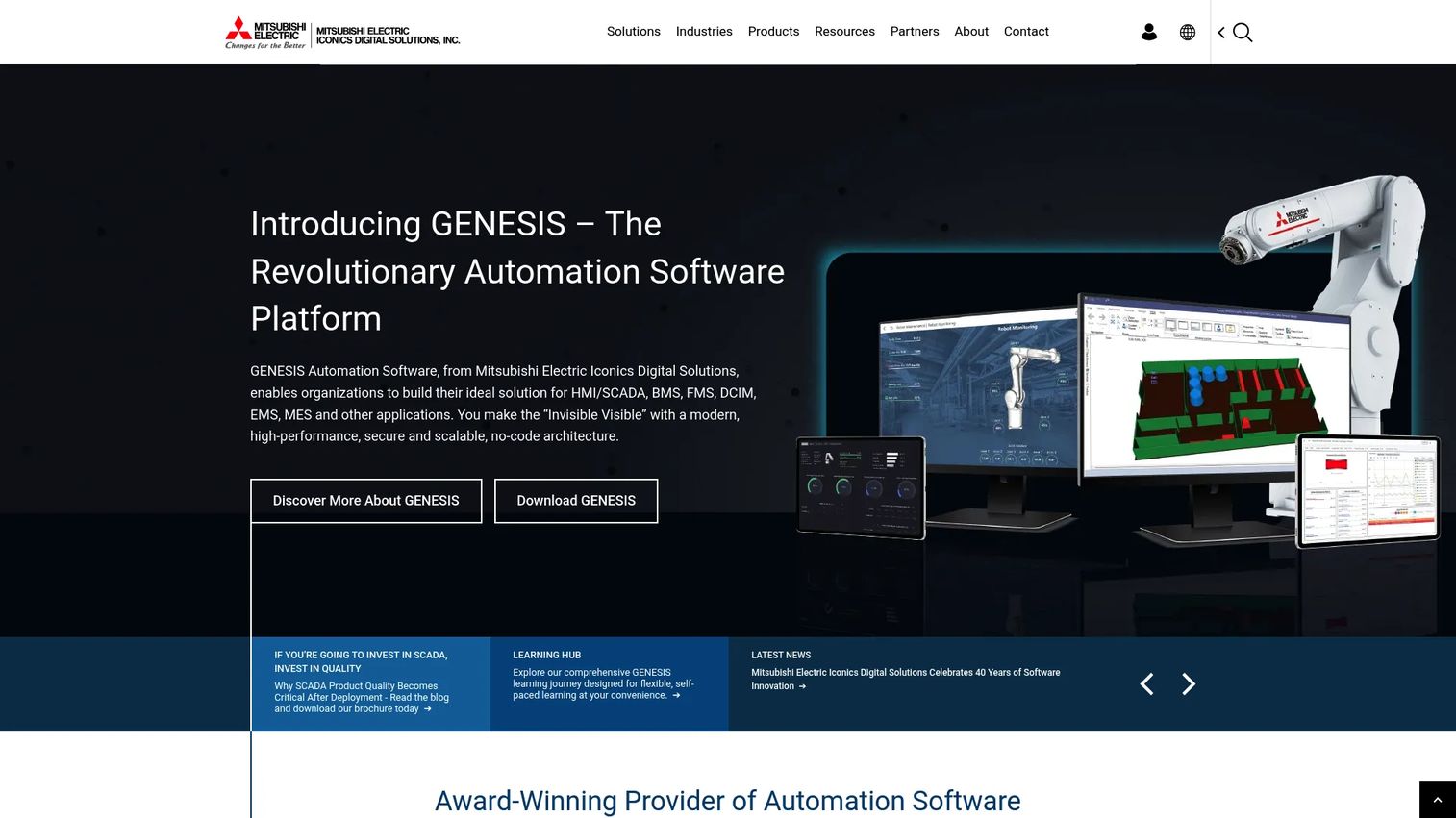
ICONICS is an industrial automation software vendor offering SCADA, HMI, analytics, mobility, and IIoT capabilities. In a building context, that heritage translates into deep operational dashboards and real control, not just monitoring. Teams that need a single layer sitting over many disconnected systems tend to gravitate here because of how much the platform can talk to.
Best for: Manufacturing and building operators who need SCADA/HMI depth and operational analytics in one control layer.
Key strengths
- GENESIS HMI/SCADA: Combines building automation with industrial-grade visualization and control.
- Advanced visualization and control: Real-time, historical, and predictive views across systems in a single interface.
- Industrial historian and analytics: Long-term data capture that supports trending, diagnostics, and predictive maintenance.
Why choose ICONICS: If your priority is interoperability and you want one control surface across mixed hardware and protocols, ICONICS earns its place. The SCADA lineage means it handles complexity that lighter monitoring tools weren't built for. It suits operators who care as much about control as they do about dashboards.
ICONICS pricing: ICONICS does not publish public pricing on its website, and pricing appears to be quote-based or otherwise not disclosed. Its G2 seller page shows a 4.2/5 rating. Plan on a scoping conversation to get a figure tied to your building count and system complexity.
2. Priva

Priva builds horticulture, building automation, and indoor growing software and control solutions. For buildings, its platform is organized around a clean operational framework: connect systems, control them, collaborate across teams, and conserve energy. That framing makes it easy for operations teams to reason about what the software is doing and why.
Best for: Organizations that want a broad building intelligence platform with cloud-based monitoring and control, wrapped in a clear operational model.
Key strengths
- Cloud-based building data solutions: Centralized data access for monitoring and control across sites.
- Integrated modules: Monitoring, analytics, notifications, APIs, and remote commissioning in one platform.
- Comfort and sustainability focus: Operational framing built around occupant comfort and energy conservation.
Why choose Priva: The connect, control, collaborate, conserve model gives teams a shared language for building operations, which matters when facilities, sustainability, and IT all touch the same systems. Its cloud-based approach and remote commissioning suit operators who manage buildings they aren't physically standing in every day.
Priva pricing: Priva's product page lists three packages, Starter, Essentials, and Plus, but does not display public prices. Pricing is presented as quote or demo based. Expect to talk to sales to map a package to your building profile.
3. HaloDetect
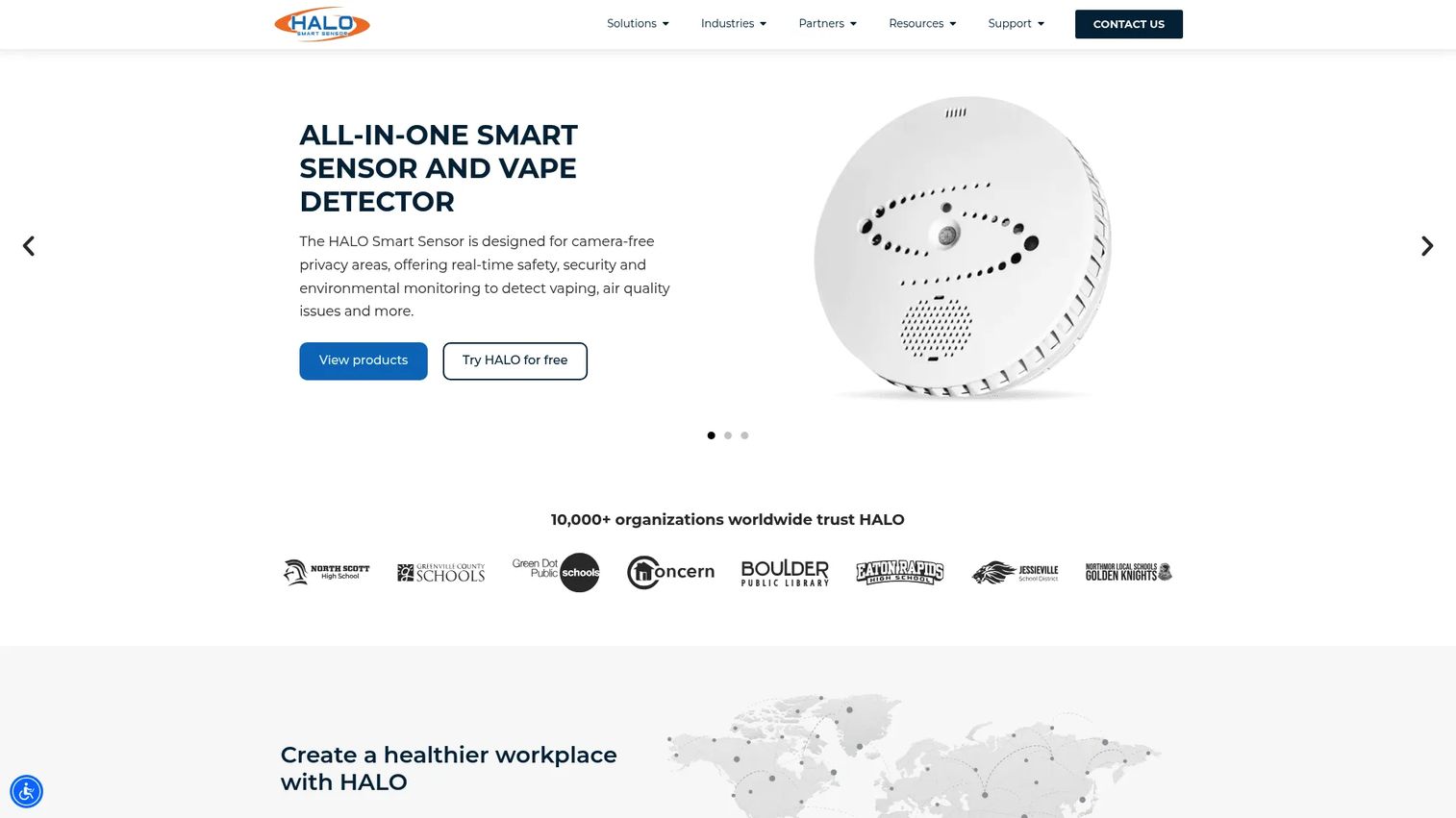
HaloDetect takes a sensor-first approach. The HALO Smart Sensor is a multi-function, privacy-safe device that handles vape and air-quality detection, gunshot and keyword detection, and occupancy monitoring, all without cameras. For buyers who want smart building monitoring that respects privacy in sensitive spaces, this is a distinct angle in the category.
Best for: Schools, workplaces, and other privacy-sensitive environments needing multi-sensor safety and occupancy monitoring.
Key strengths
- Vape, smoke, and substance detection: Detects vape, smoke, nicotine, and THC in spaces where cameras aren't appropriate.
- Air quality and health index monitoring: Tracks environmental quality alongside safety signals.
- Gunshot, keyword, and occupancy detection: Multiple safety and utilization signals from a single device.
Why choose HaloDetect: If your smart building priorities include safety and occupancy in restrooms, classrooms, or other camera-free zones, HaloDetect fills a gap most control platforms don't touch. It pairs well with a broader building platform rather than replacing one, adding sensor coverage where privacy rules out video.
HaloDetect pricing: Pricing is not publicly displayed; the site asks visitors to request a free quote, and a free trial is mentioned on the homepage. Scope your sensor count and coverage areas before the quote conversation.
4. Honeywell Forge

Honeywell Forge is an AI-enabled industrial operations software and services platform. For connected buildings, it focuses on performance, energy optimization, and enterprise-wide operations visibility. It's built to contextualize operational data in real time across large, complex estates, which is why it shows up on so many enterprise shortlists.
Best for: Large industrial organizations and commercial portfolios needing connected operations intelligence and automation.
Key strengths
- AI-enabled applications: Software and services for intelligent, efficient, and secure operations.
- Real-time data contextualization: Connects existing assets and makes their data usable across sites.
- Broad operational scope: Supports connected buildings, industrial operations, supply chain, and OT cybersecurity.
Why choose Honeywell Forge: For multi-site portfolios where the goal is one operational view across dozens or hundreds of buildings, Forge is built for that scale. Its strength is turning scattered asset data into decisions, which matters most when the volume of data would otherwise overwhelm a smaller platform.
Honeywell Forge pricing: Honeywell Forge does not publish public pricing; the site uses request-a-demo and contact flows. A G2 rating of 5.0/5 exists for a specific Forge cybersecurity product rather than a single universal Forge listing. Budget for an enterprise scoping process.
5. Johnson Controls OpenBlue
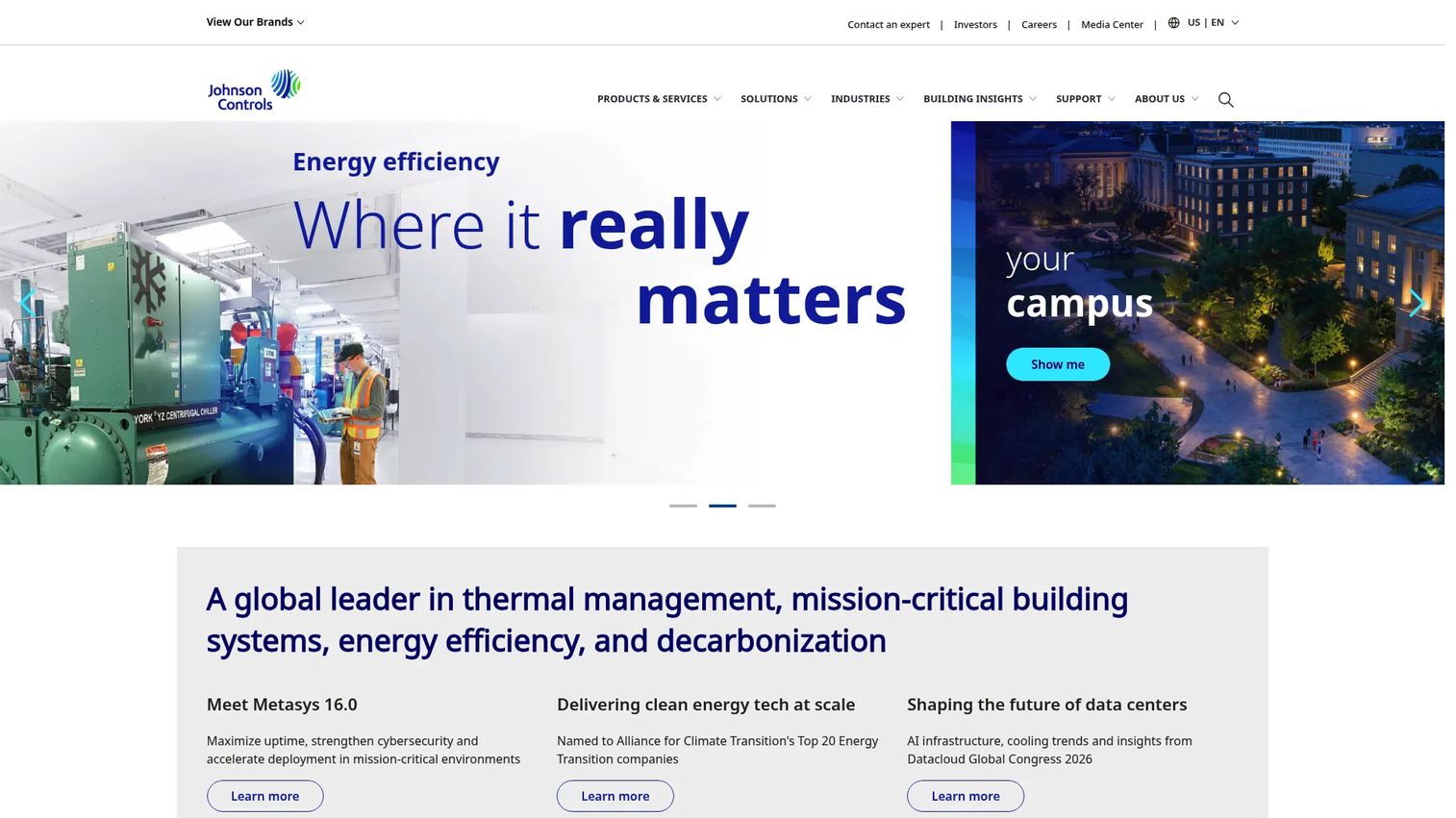
Johnson Controls OpenBlue is a cyber-secured, AI-powered smart building ecosystem covering energy, equipment, workplace, and operations optimization. It's aimed at enterprises modernizing how they run buildings, facilities, and real estate portfolios, with a strong emphasis on both efficiency and occupant experience.
Best for: Enterprises managing smart buildings, facilities, or real estate portfolios that want an integrated ecosystem rather than point tools.
Key strengths
- AI-powered ecosystem: Ties energy, equipment, and workplace data into one connected system.
- Energy and sustainability optimization: Built-in tooling for efficiency and sustainability goals.
- Workplace experience management: Planning and management features that treat occupants as part of the operation.
Why choose Johnson Controls OpenBlue: OpenBlue fits organizations that want equipment performance, energy, and workplace experience under one roof. Its ecosystem approach suits operators pursuing operational modernization across a portfolio, with a G2 seller rating of 4.1/5 reflecting the broader Johnson Controls presence.
Johnson Controls OpenBlue pricing: Public pricing is not shown; the site directs visitors to contact sales or talk to an expert. As with most enterprise smart building systems here, pricing tracks your portfolio size and the modules you deploy.
6. Siemens Desigo CC
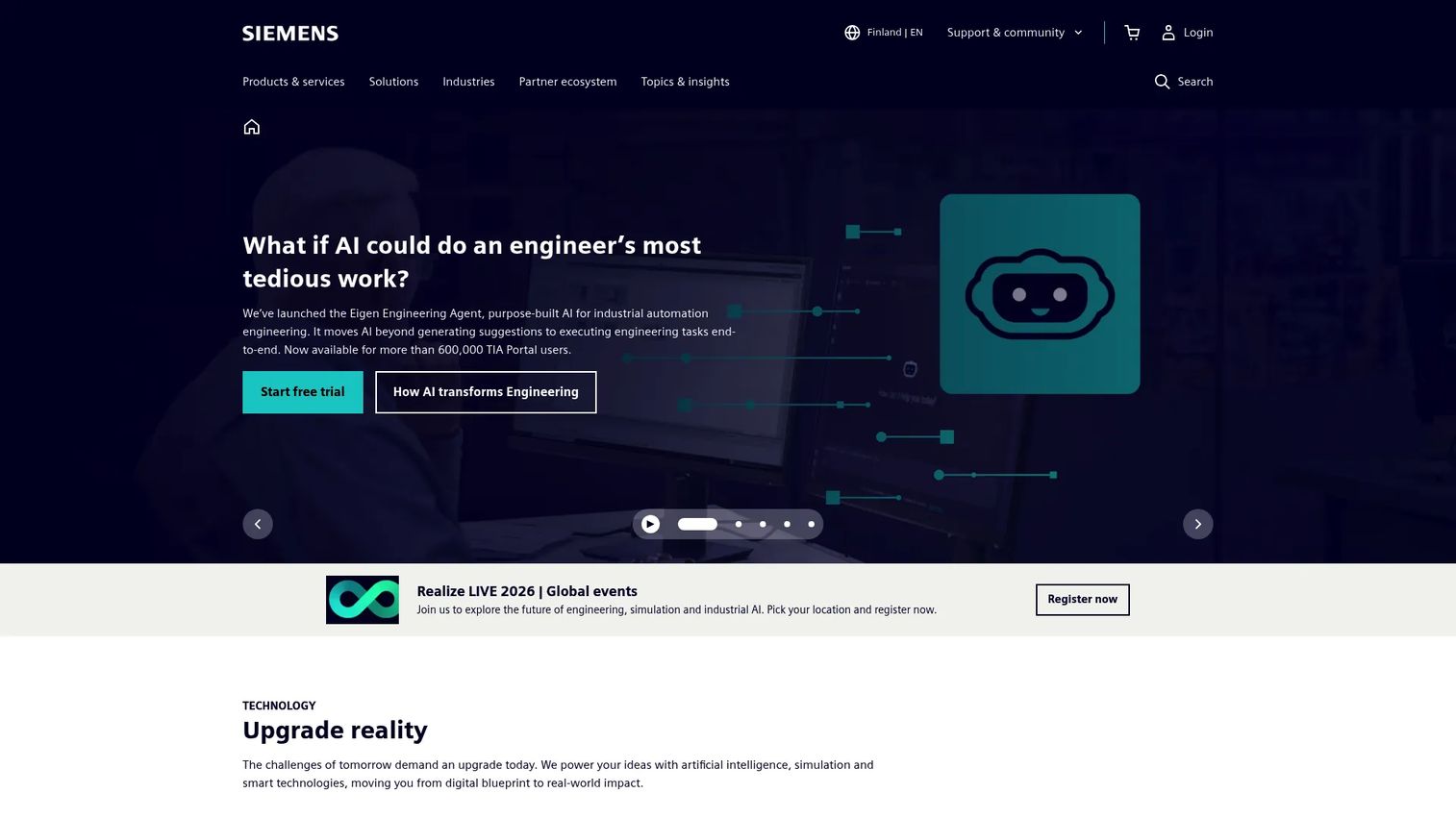
Siemens Desigo CC is an open, scalable building management platform for integrated control of HVAC, lighting, fire safety, security, and energy systems. Its core strength is unifying multiple disciplines under one monitoring and control interface, which is exactly what large, complex buildings tend to need.
Best for: Large or complex buildings that need a unified BMS controlling multiple disciplines from one place.
Key strengths
- Open multi-discipline integration: One platform spanning HVAC, lighting, fire safety, and security.
- Centralized monitoring and control: A single interface for operators managing many building systems.
- Mobile Flex Client: Mobile access with push notifications so operators stay informed away from the desk.
Why choose Siemens Desigo CC: If you operate a large building with many disciplines to coordinate, Desigo CC's open integration model reduces the number of separate systems your team has to touch. It suits operators who want centralized control as the primary job, with strong integration across fire, security, and comfort systems.
Siemens Desigo CC pricing: Siemens directs visitors to contact sales or request a quote; no public price is shown, and a dedicated G2 rating for Desigo CC wasn't available. Expect a scoping conversation tied to building size and discipline count.
7. Schneider Electric EcoStruxure Building Operation
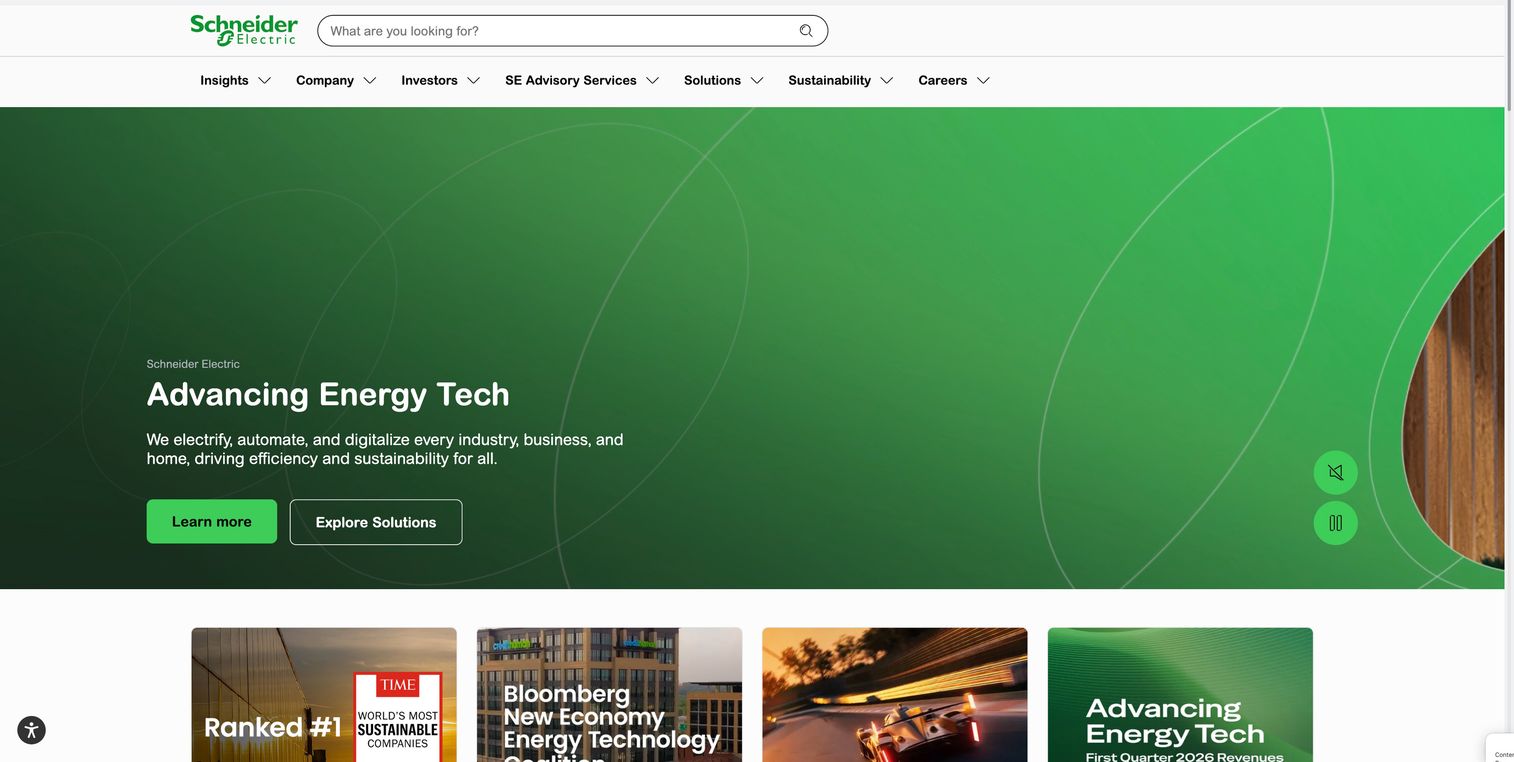
Schneider Electric EcoStruxure Building Operation is building management software for large buildings, with a mobile-enabled control center for monitoring, management, and control. Its calling card is scalability: an open platform that supports many building systems and devices, with tiered licensing so you deploy what you need.
Best for: Organizations managing large buildings that need centralized systems control with room to scale.
Key strengths
- Open and scalable platform: Supports a wide range of building systems and devices.
- Mobile-enabled control center: Monitoring, management, and control from anywhere.
- Tiered licensing: Essential, Advanced, and Advanced Plus plans to match deployment needs.
Why choose Schneider Electric EcoStruxure Building Operation: The modular, tiered model makes EcoStruxure a strong fit for portfolios that will grow. You start with the tier you need and expand without swapping platforms, which is valuable when your building count is trending up. It carries a 4.8/5 G2 rating under the broader EcoStruxure product name.
Schneider Electric EcoStruxure pricing: The product page confirms three licensing tiers, Essential, Advanced, and Advanced Plus, but does not display public prices. Licensing scales with the systems and devices you connect, so map your deployment before requesting a quote.
8. Verdigris
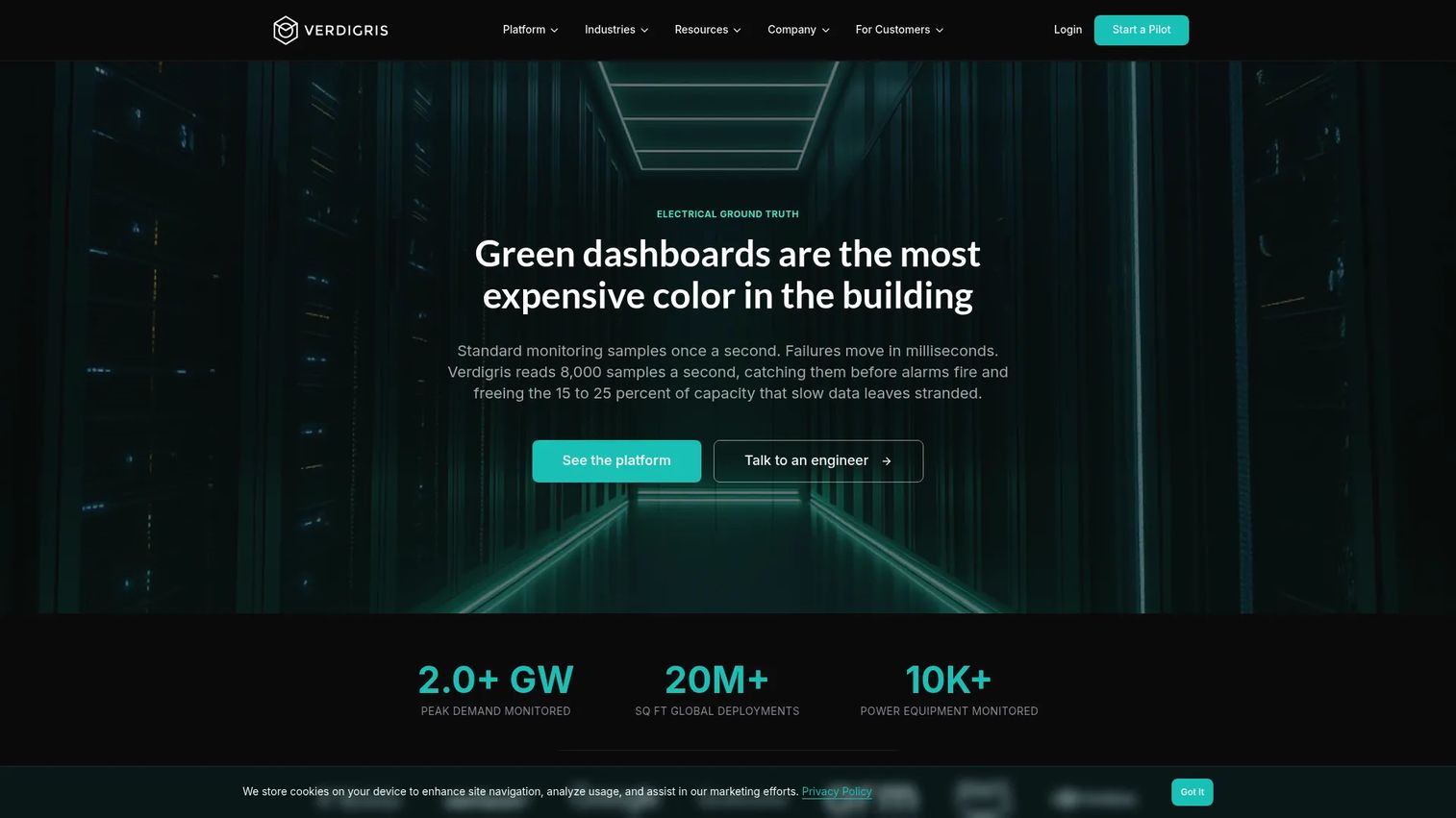
Verdigris is an AI-powered electrical intelligence platform for data centers and buildings. Where broad BMS platforms cover many systems, Verdigris goes deep on one: electricity. High-frequency electrical data capture gives it a level of energy visibility that general monitoring tools rarely match.
Best for: Enterprise facilities and data center teams that need granular, electrical-level energy visibility.
Key strengths
- High-frequency electrical data capture: Fine-grained visibility into where power actually goes.
- Cloud-based analytics and M&V: Measurement and verification to prove energy savings.
- Adaptive automation and forecasting: AI-driven forecasting and automated response to consumption patterns.
Why choose Verdigris: If energy cost is the problem you're solving and you want circuit-level insight rather than building-level averages, Verdigris is purpose-built for it. It pairs well with a broader control platform, adding electrical intelligence that helps teams prove and defend energy savings. Its G2 seller page currently shows no meaningful review volume.
Verdigris pricing: Verdigris does not publish public pricing on its site; the model is presented as a recurring SaaS cost without a displayed figure. Scope your facility's electrical footprint before the pricing conversation.
9. PointGrab
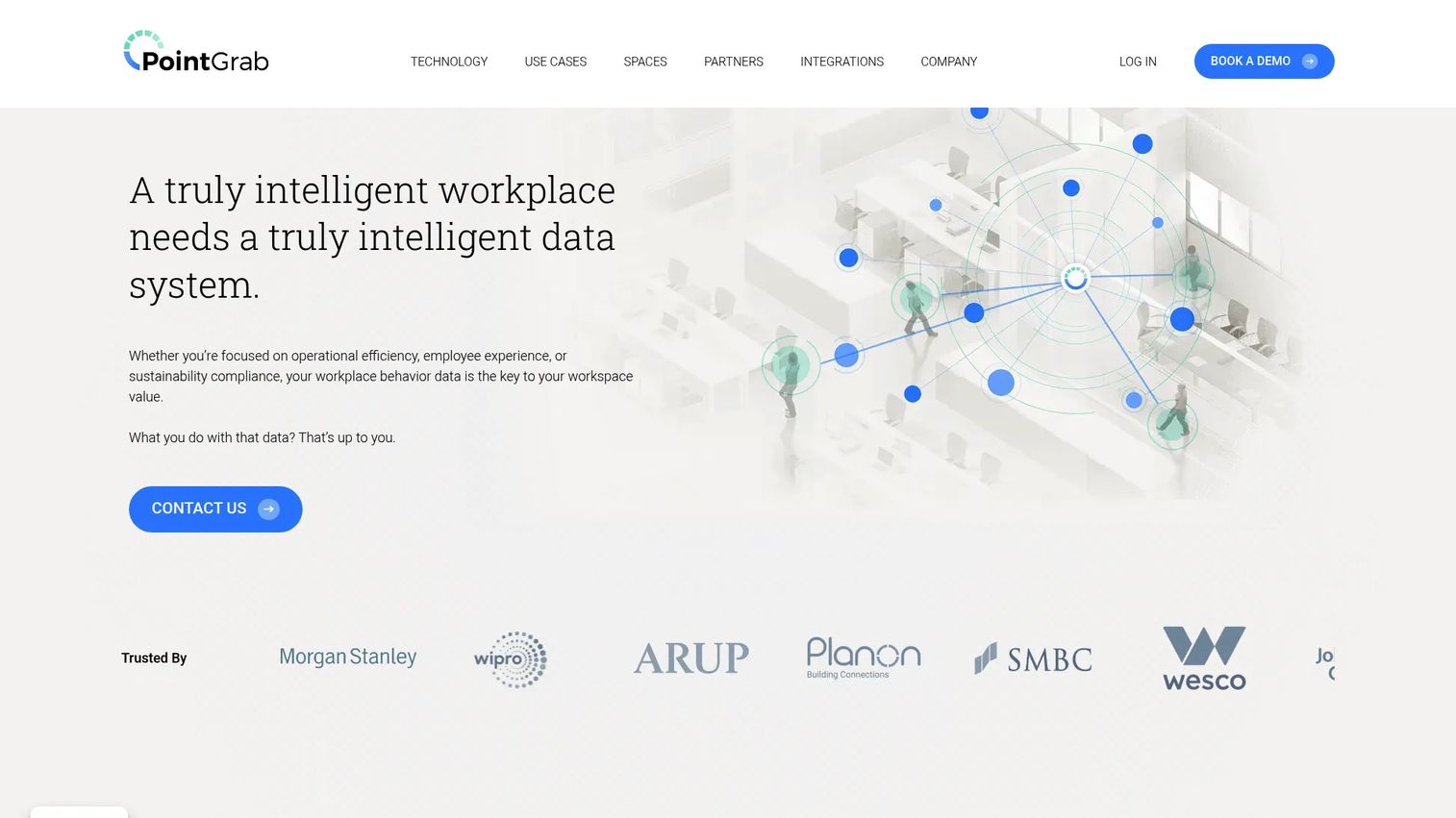
PointGrab provides AI-powered workplace occupancy sensing and analytics for smart buildings. Its CogniPoint sensors count occupancy, detect people in motion, and track space use, feeding a cloud platform that turns raw movement into utilization data. It answers a different question than control platforms: not how systems run, but how space gets used.
Best for: Workplaces and commercial buildings that need reliable occupancy and space-utilization data.
Key strengths
- CogniPoint sensors: Wired and wireless options for flexible deployment.
- Detailed detection: Occupancy count, people-in-motion, object detection, and virtual traffic line detection.
- Cloud Management Platform: REST API and data export so occupancy data flows into your other systems.
Why choose PointGrab: For organizations optimizing how space is used rather than how systems are controlled, PointGrab is the specialist. Its occupancy data supports real-estate decisions, comfort control, and cleaning schedules, and its API lets that data feed a broader building platform. Its G2 listing currently shows no review volume.
PointGrab pricing: PointGrab does not expose public pricing; the site routes to contact and demo flows. Sensor count and coverage areas drive the quote, so define your spaces first.
Considerations before you buy
The right platform depends less on feature checklists and more on the job you need done. Run any shortlist through these four filters before you commit.
Interoperability with your existing systems
Your building already runs hardware from multiple vendors across mixed protocols. The single most important question is whether the software talks to what you already own. Platforms like ICONICS and Siemens Desigo CC lead on open integration, but always confirm support for your specific BMS, controllers, and meters before signing.
Monitoring depth versus control
Some tools monitor, some control, and the strongest do both. Decide which job matters most. If you need to actively adjust setpoints and schedules, prioritize control depth. If you mainly need visibility and alerts, a monitoring-focused platform may serve you well and cost less.
Portfolio scale and growth
A tool that shines on one building can strain across fifty. If you manage or plan to manage a portfolio, weight platforms built for multi-site deployment, such as Honeywell Forge, Johnson Controls OpenBlue, and EcoStruxure. Tiered licensing helps you avoid overbuying on day one.
Specialist versus generalist fit
Energy intelligence and occupancy analytics are deep specialties. Verdigris and PointGrab go further on their focus areas than any generalist platform, and both expose APIs so their data feeds a broader system. If one problem dominates your list, a specialist paired with a general platform often beats a single do-everything tool.
Conclusion
There's no single best smart building software, only the best fit for your operational job. For deep interoperability and a true control layer, ICONICS and Siemens Desigo CC lead. For an operational framework the whole team can reason about, Priva stands out. For enterprise portfolios, Honeywell Forge, Johnson Controls OpenBlue, and Schneider Electric EcoStruxure Building Operation are built to scale.
For sharper focus, the specialists win. Verdigris owns electrical-level energy intelligence. PointGrab owns occupancy and space utilization. HaloDetect covers privacy-safe sensing where cameras can't go.
Your next step: name the one problem driving this purchase, whether it's energy cost, fragmented operations, portfolio visibility, or space use. Shortlist the two or three platforms that solve that job, then run each through the interoperability check against your existing hardware. That single test will eliminate more candidates than any feature comparison. The same discipline that helps teams choose the right component content management systems applies here: buy for the job in front of you, not the feature list.
FAQs
Smart building software is a platform that collects data from a building's sensors and systems, centralizes it into dashboards, and applies controls and analytics to optimize energy, comfort, safety, and operations. It connects previously siloed systems, such as HVAC, lighting, security, and metering, into one manageable operation.
It gathers data through smart building IoT sensors and connections to existing building systems. Sensors measure temperature, occupancy, air quality, energy use, and equipment status, while integrations pull data from the BMS, meters, and controllers. That data streams into a central platform in real time for monitoring and analysis.
Most platforms connect to HVAC, lighting, access control and security, fire safety, energy metering, and building management systems. Open platforms support multiple communication protocols so they can integrate hardware from different vendors. Always confirm support for your specific equipment before buying, since coverage varies by platform.
No. While enterprise platforms target large portfolios, plenty of tools fit a single building or a small set of sites. Specialist tools for energy intelligence or occupancy analytics can deliver value even in one facility. The right scale depends on your building count and the problem you're solving.
It gives granular visibility into where energy goes, then uses automated smart building controls to cut waste. The software adjusts HVAC setpoints, lighting schedules, and loads based on occupancy and conditions, and flags anomalies that signal waste. Energy analytics also support measurement and verification so teams can prove savings.
Building automation software focuses on controlling systems such as HVAC and lighting through a BMS. Smart building software is broader: it layers data collection, analytics, predictive maintenance, and often portfolio management on top of automation. In short, automation runs the systems, while smart building platforms make the whole operation measurable and intelligent.
Some platforms do. A digital twin is a virtual model of the building that simulates changes and monitors real performance against expected behavior. Not every tool includes it, so if digital twin capability matters to you, confirm it directly with the vendor during evaluation.
Start with interoperability: confirm the platform connects to your existing hardware and protocols. Then weigh monitoring depth versus control, portfolio scalability, and whether you need a specialist or a generalist. Match the platform to the single problem driving your purchase, and validate it against your real systems before committing.