Your reps spend hours researching prospects, only to find outdated emails and wrong phone numbers. Meanwhile, competitors with better data are already in conversations with your target accounts.
Sales intelligence tools solve this by aggregating contact data, company information, and buying signals into platforms that make prospecting faster and more accurate.
What's inside
This guide covers the best sales intelligence tools for B2B teams in 2026. You'll find a comparison table, 25 tool reviews with pricing and G2 ratings, selection criteria, and common implementation challenges. We selected tools based on G2 ratings, feature depth, data accuracy, and real-world adoption by sales and marketing teams.
What is sales intelligence software
Sales intelligence tools are software solutions that use data, AI, and analytics to help sales teams identify, research, and engage high-value prospects. These platforms pull together contact databases, company information, technology stack data, and buying signals so reps can prioritize outreach and personalize conversations at scale.
The core functionalities include:
- B2B contact databases: Verified emails, phone numbers, and org charts
- Firmographic data: Company size, revenue, industry, and location
- Technographic data: The software and tools a company uses
- Intent signals: Indicators that a prospect is actively researching solutions
- CRM integration: Automatic enrichment and workflow triggers
Without sales intelligence tools, reps spend hours manually researching prospects, chasing outdated contact info, and guessing which accounts to prioritize. Sales intelligence automates that work so your team focuses on selling.
How sales intelligence differs from CRM
CRM systems store data about existing customers and manage ongoing relationships. Sales intelligence provides external data to find and qualify new prospects before they enter your pipeline.
| # | Aspect | Product manager (PM) |
|---|---|---|
| 1 | Focus | Building the product |
| 2 | Key question | What do we build and how? |
| 3 | Primary stakeholders | Engineering, design |
| 4 | Success metric | Product adoption, feature usage |
Core data types in a sales intelligence platform
Most platforms combine several data types to give you a complete picture of target accounts:
- Contact data: Direct dials, verified emails, job titles, and reporting structures
- Firmographic data: Company demographics like employee count, revenue, and headquarters
- Technographic data: What software the company already uses, which helps with competitive positioning
- Intent data: Online behavior signaling buying interest, like researching your category
- Trigger events: Job changes, funding rounds, office expansions, or leadership moves
The best tools layer data types together so you can build highly targeted lists and time your outreach to moments when prospects are most receptive.
Types of sales intelligence tools
Sales intelligence is a broad category. Understanding the different types helps you pick tools that match your specific workflow.
Contact and company data providers
Contact and company data providers focus on B2B contact databases with verified emails and phone numbers. Examples include ZoomInfo, Cognism, and Lusha. These tools work best for building prospecting lists and enriching CRM records with accurate contact information.
Intent data and buyer signal platforms
Intent platforms identify prospects actively researching solutions based on online behavior. Bombora and 6sense track content consumption across publisher networks to surface accounts showing buying signals. These tools help you prioritize accounts that are already in-market.
Conversation intelligence software
Conversation intelligence tools like Gong analyze sales calls and meetings to extract insights. They transcribe conversations, identify winning patterns, and flag deal risks. Sales managers use them for coaching and understanding what messaging resonates.
Lead scoring and data enrichment tools
Enrichment tools automatically fill in firmographic and technographic data on leads. Clearbit and Apollo.io keep CRM records fresh and score leads by fit and intent. They reduce manual data entry and help reps prioritize outreach.
Competitive intelligence solutions
Competitive intelligence tools track competitor activity, pricing changes, and positioning shifts. Sales teams use the insights for battlecards and objection handling during deals.
Demo intelligence and engagement analytics
Demo intelligence tools track how prospects engage with interactive demos and product content. They reveal which features prospects explore, how long they spend, and where they drop off. This engagement data adds another intent signal layer beyond traditional contact and firmographic information.
Why B2B sales intelligence tools matter
Sales teams invest in intelligence tools because manual research doesn't scale. According to Salesforce, data-driven companies are 58% more likely to beat revenue targets. Here's what changes when you have the right data.
Reduce manual research time
Reps typically spend 71% of their time on non-selling tasks, according to Salesforce. Sales intelligence automates data gathering so that time goes toward actual selling. Instead of hunting for email addresses, reps can focus on crafting personalized outreach.
Personalize outreach at scale
With firmographic, technographic, and intent data, you can tailor messaging to each prospect's situation. Knowing a company just raised funding or uses a competitor's product changes how you open the conversation.
Prioritize high-intent prospects
Intent signals help teams focus on accounts actively researching solutions. Cold outreach to uninterested buyers wastes time. Warm outreach to in-market accounts converts at higher rates.
Shorten sales cycles with better data
Better data means fewer bounced emails, more direct dials that connect, and conversations with the right stakeholders faster. When you reach decision-makers with relevant messaging, deals move quicker.
Sales intelligence software comparison table
| # | Product | Intent | Key differentiation | Pricing | G2 Rating |
|---|---|---|---|---|---|
| 1 | Guideflow | Demo intelligence | Engagement analytics from interactive demos | Free tier available | 5.0/5 |
| 2 | ZoomInfo | All-in-one data | Massive B2B database with conversation intelligence | Custom enterprise | 4.4/5 |
| 3 | Cognism | Compliant data | Phone-verified mobiles, strong EMEA coverage | Custom | 4.6/5 |
| 4 | LinkedIn Sales Navigator | Social selling | Advanced search on LinkedIn network | Tiered plans | 4.3/5 |
| 5 | Apollo.io | All-in-one | Large database with built-in sequences | Free tier, paid from $49/mo | 4.8/5 |
| 6 | 6sense | Intent data | AI-powered account identification | Enterprise custom | 4.3/5 |
| 7 | Gong | Conversation intelligence | Call analysis and deal insights | Custom | 4.8/5 |
| 8 | Lusha | Contact data | Simple browser extension | Free tier, paid from $36/mo | 4.3/5 |
| 9 | Clearbit | Data enrichment | Real-time CRM enrichment | Usage-based | 4.4/5 |
| 10 | Bombora | Intent data | Company Surge intent signals | Enterprise custom | 4.4/5 |
| 11 | Demandbase | ABM platform | Intent plus advertising | Enterprise custom | 4.3/5 |
| 12 | Lead411 | Trigger events | Growth signals and unlimited exports | Flat-rate plans | 4.5/5 |
| 13 | Seamless.AI | Contact finder | Real-time web search | Free tier, credit-based | 4.2/5 |
| 14 | UpLead | Contact data | Real-time email verification | From $99/mo | 4.7/5 |
| 15 | Hunter.io | Email finder | Domain search and verification | Free tier, from $49/mo | 4.4/5 |
| 16 | Kaspr | Contact data | European phone coverage | Free tier, credit-based | 4.4/5 |
| 17 | Dealfront | Website visitors | European company database | Modular pricing | 4.3/5 |
| 18 | D&B Hoovers | Enterprise data | Deep financials and org charts | Enterprise custom | 4.0/5 |
| 19 | Datanyze | Technographics | Technology stack tracking | From $29/mo | 4.2/5 |
| 20 | Vainu | European data | Nordic company coverage | Plans by users | 4.6/5 |
| 21 | Crystal | Personality insights | DISC predictions from LinkedIn | Free limited, paid plans | 4.5/5 |
| 22 | LeadIQ | Prospecting | One-click capture to CRM | Free tier, seat-based | 4.2/5 |
| 23 | DemandScience | Lead generation | Intent plus content syndication | Custom | 4.3/5 |
| 24 | Winmo | Ad industry intel | Agency and brand relationships | Annual subscription | 4.2/5 |
| 25 | HubSpot Sales Hub | CRM with intelligence | Native CRM with built-in insights | Free CRM, paid tiers | 4.4/5 |
25 best sales intelligence platforms
Here are the top-rated sales intelligence tools for prospecting, enrichment, intent signals, and engagement analytics.
1. Guideflow
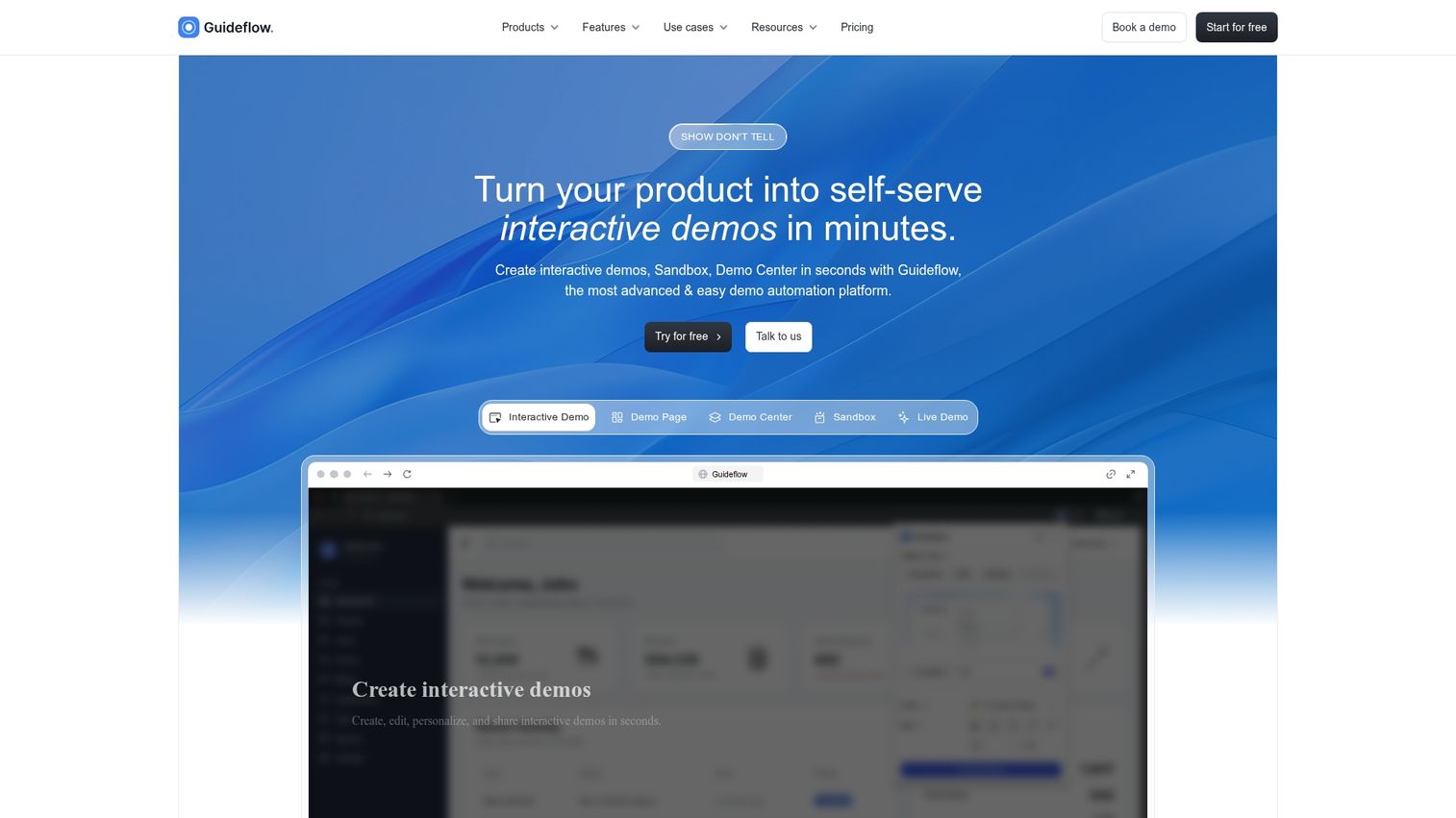
Guideflow is a demo intelligence platform that shows what prospects actually care about through engagement analytics. Instead of guessing which features matter to a buyer, you see exactly what they explored, how long they spent, and where they dropped off.
The platform turns your product into clickable, self-serve demos that prospects can experience before a call. When someone engages with an interactive demo, Guideflow captures that behavior and feeds it into your CRM for lead scoring.
Best for: Pre-sales teams wanting engagement-based lead scoring and product marketing teams running product-led motions.
Key strengths
- Analytics that reveal prospect intent based on demo engagement
- Personalization at scale for each account
- CRM integration for lead scoring based on demo behavior
- No-code capture and editing to create demos in minutes
Pricing: Free tier available with 5 guideflows. Paid plans start at $40/month for unlimited guideflows and advanced analytics.
Start your journey with Guideflow today!
2. ZoomInfo
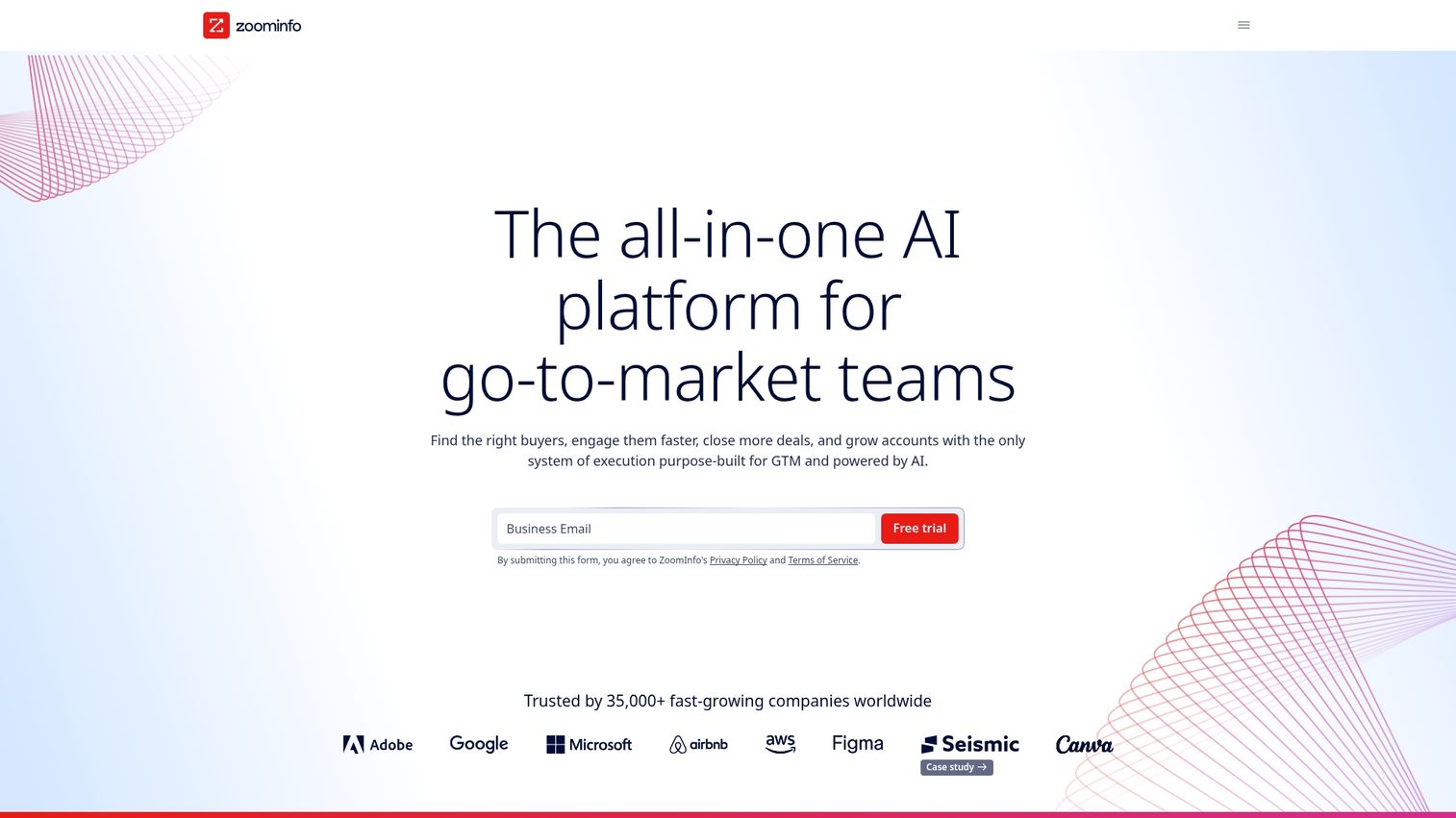
ZoomInfo is the leading B2B contact and company database, known for massive data coverage and deep org charts. The platform includes conversation intelligence through its Chorus acquisition, combining contact data with call analysis.
Best for: Enterprise teams needing comprehensive contact data, direct dials, and integrated conversation intelligence.
Key strengths
- Extensive B2B database with verified emails and direct dials
- Conversation intelligence for call recording and analysis
- Intent data and website visitor tracking
- Deep CRM integrations with Salesforce and HubSpot
Pricing: Custom enterprise pricing, typically annual contracts.
3. Cognism
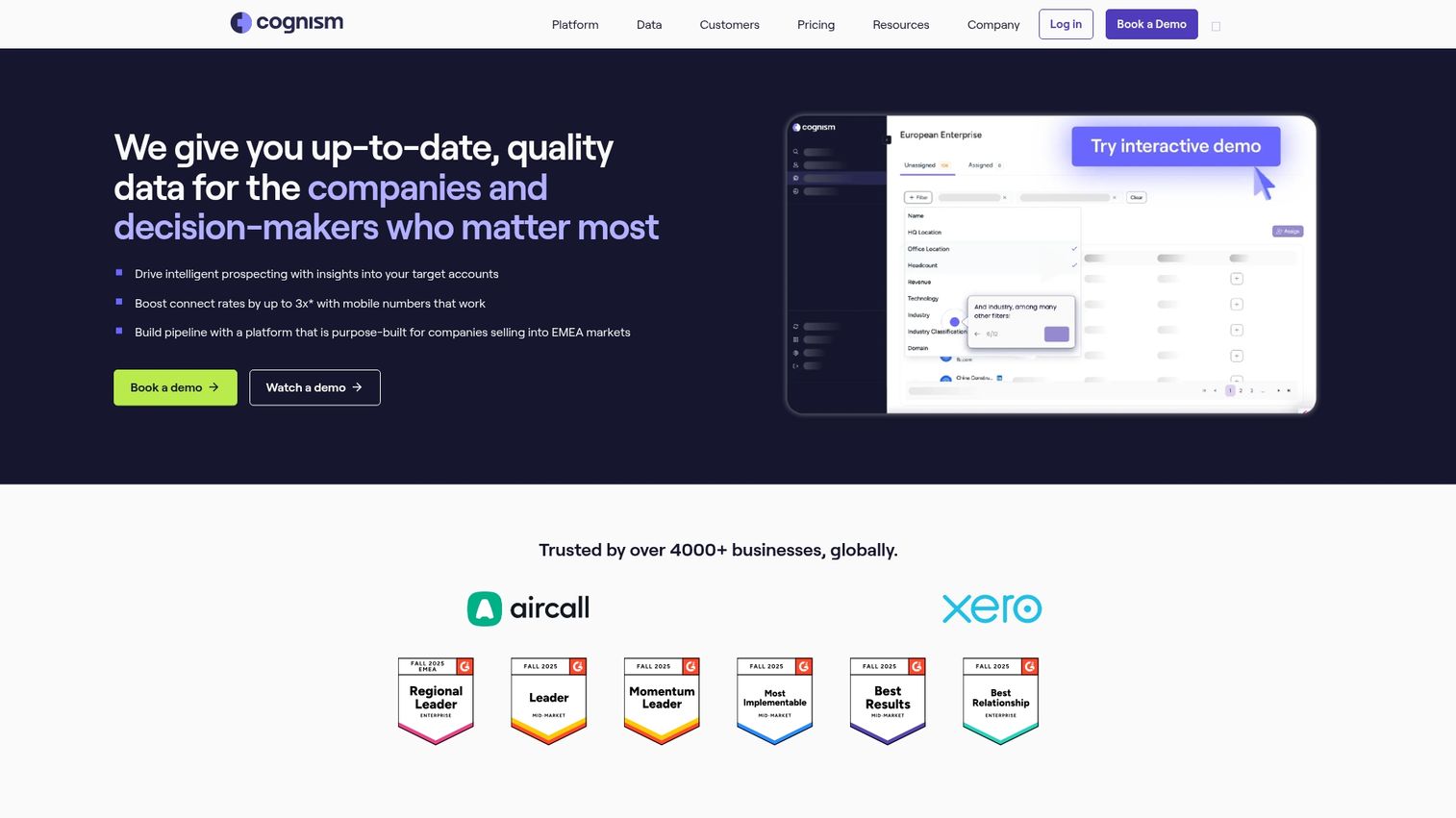
Cognism is a European-headquartered data provider known for GDPR-compliant, high-quality contact data. Their Diamond Data offering includes phone-verified mobile numbers, which is particularly valuable for reaching prospects directly.
Best for: Teams selling into EMEA markets or organizations with strict compliance requirements.
Key strengths
- Phone-verified mobile numbers with high connect rates
- Strong EMEA and US coverage
- GDPR and CCPA compliant data practices
- Chrome extension for LinkedIn prospecting
Pricing: Custom pricing based on seats and data credits.
4. LinkedIn Sales Navigator
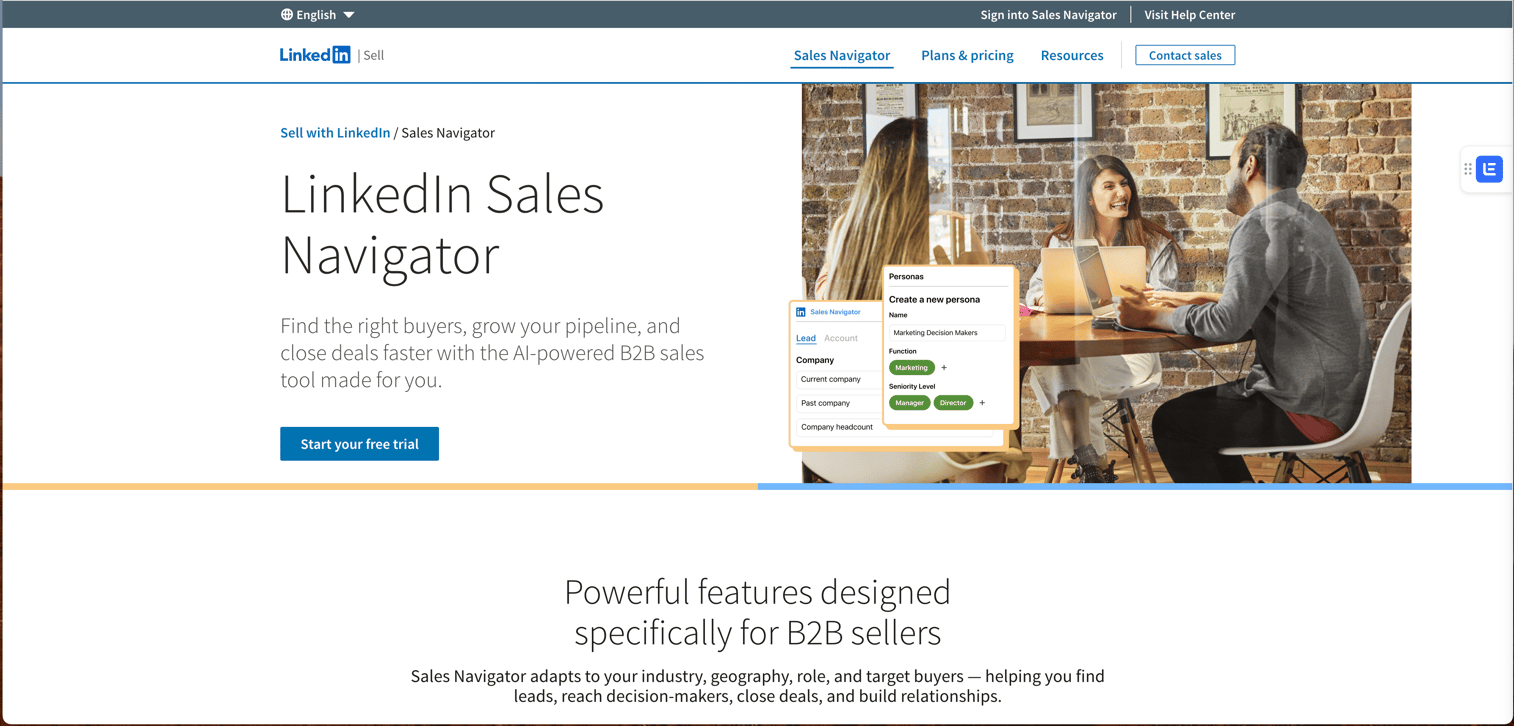
LinkedIn Sales Navigator is the social selling tool built on LinkedIn's professional network. It offers advanced search filters to identify decision-makers and warm introduction paths through shared connections.
Best for: Sales teams that rely on relationship-based selling and want to leverage LinkedIn's network for prospecting.
Key strengths
- Advanced search filters by job title, company size, and industry
- InMail for direct outreach to non-connections
- Real-time alerts on job changes and company news
- CRM sync for Salesforce and HubSpot
Pricing: Tiered plans from Core to Advanced Plus, available monthly or annually.
5. Apollo.io
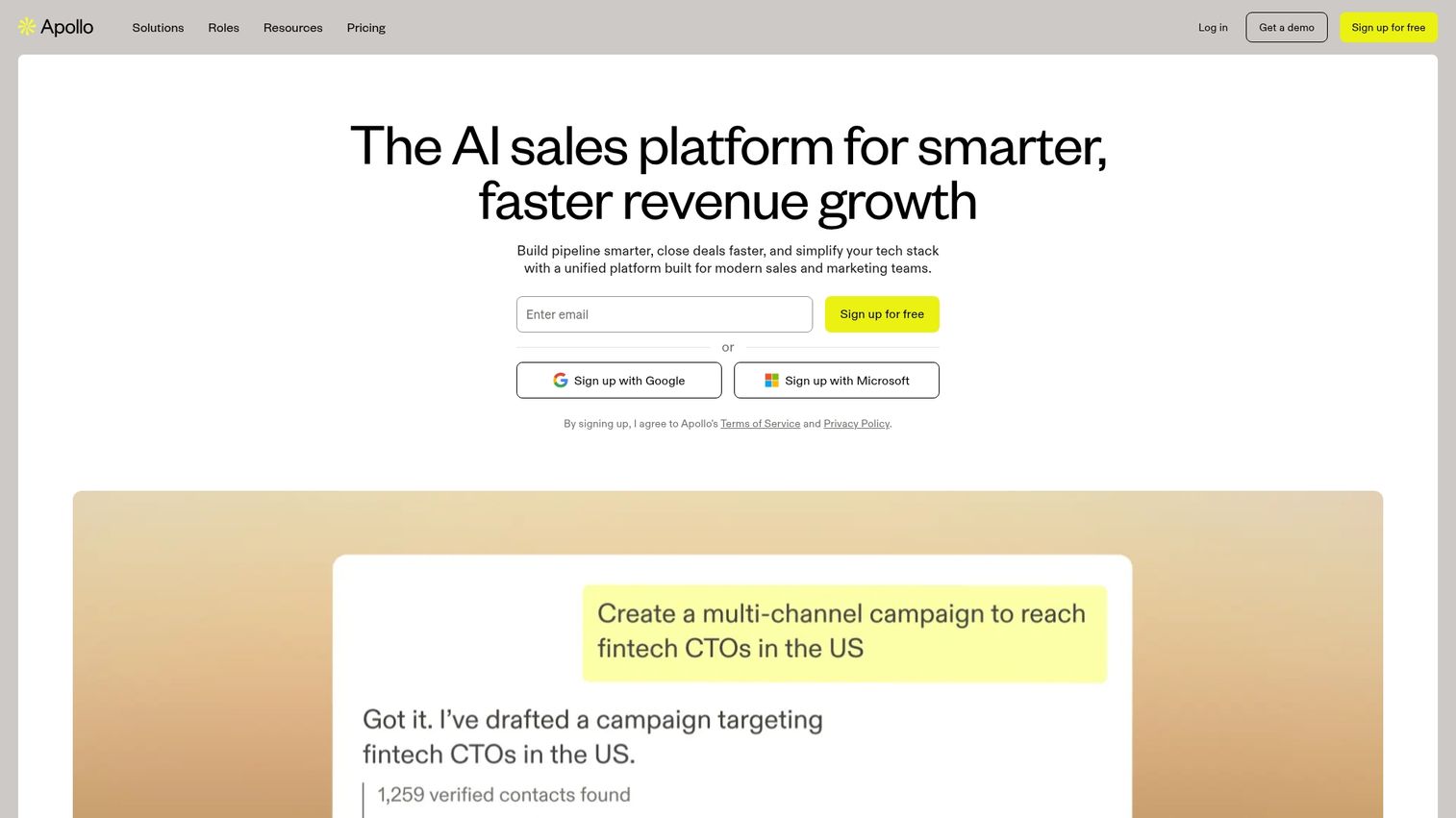
Apollo.io is an all-in-one sales intelligence and engagement platform. It combines a large contact database with built-in email sequences, a dialer, and AI-driven recommendations.
Best for: Startups and SMBs wanting contact data and outreach tools in one platform without enterprise pricing.
Key strengths
- Extensive B2B database with email and phone data
- Built-in email sequences and dialer
- AI-powered lead scoring and recommendations
- Generous free tier for early-stage teams
Pricing: Free tier available. Paid plans start at $49/month.
6. 6sense
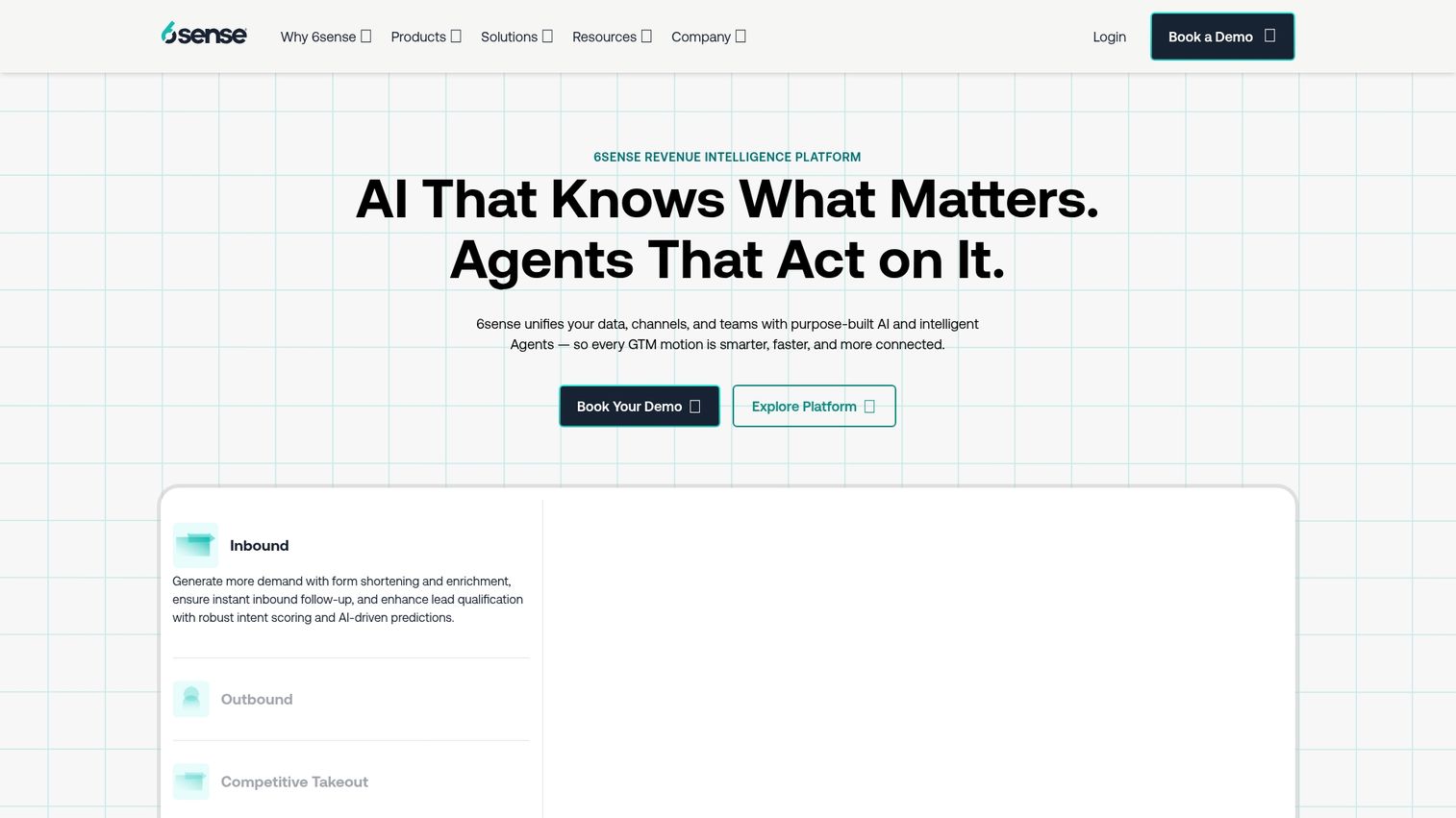
6sense is an AI-powered account-based marketing and sales platform specializing in intent data. It identifies accounts in active buying cycles by tracking research behavior across a network of B2B publishers.
Best for: Enterprise B2B teams running account-based strategies who want to prioritize accounts showing buying intent.
Key strengths
- Proprietary intent data from B2B publisher network
- Account identification from anonymous website visitors
- Predictive analytics for pipeline forecasting
- ABM orchestration across channels
Pricing: Enterprise pricing with custom quotes based on accounts tracked.
7. Gong
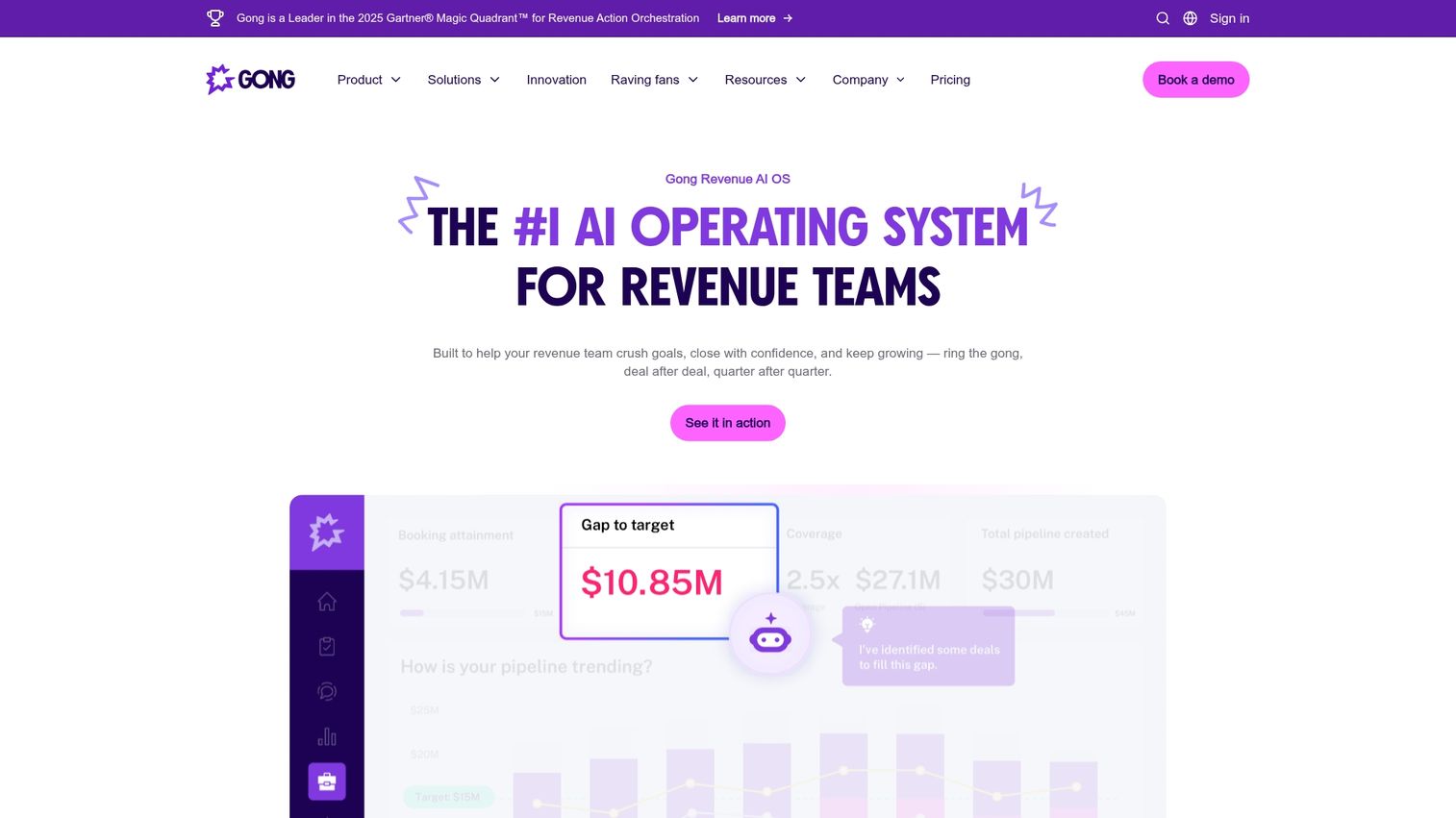
Gong is a conversation intelligence platform that analyzes sales calls, demos, and meetings. It transcribes conversations, identifies patterns in winning deals, and surfaces coaching opportunities.
Best for: Sales leaders who want data-driven coaching and visibility into what's actually happening in customer conversations.
Key strengths
- Automatic call recording and transcription
- AI-powered deal insights and risk alerts
- Competitor mention tracking across calls
- Coaching recommendations for reps
Pricing: Custom pricing based on users and recording volume.
8. Lusha
Lusha is a contact data platform with a browser extension for quick prospecting on LinkedIn and company websites. It's known for simplicity and ease of use.
Best for: Individual reps or small teams who want fast contact lookup without complex workflows.
Key strengths
- Simple Chrome extension for instant contact lookup
- Direct dials and verified business emails
- Salesforce and HubSpot integrations
- Team collaboration features
Pricing: Free tier with limited credits. Paid plans start at $36/month.
9. Clearbit
Clearbit (now part of HubSpot) is a data enrichment platform that automatically fills in firmographic and technographic data on leads. It reveals anonymous website visitors and enriches form submissions in real time.
Best for: Marketing and sales teams wanting automatic data enrichment without manual research.
Key strengths
- Real-time data enrichment for forms and CRM
- Company and contact reveal from website visitors
- Technographic data on software stack
- Native HubSpot integration
Pricing: Usage-based pricing, integrated with HubSpot plans.
10. Bombora
Bombora is an intent data provider that tracks B2B research behavior across a co-op of publisher websites. Their Company Surge data identifies accounts consuming content related to your solution.
Best for: Teams wanting topic-level intent signals to prioritize accounts actively researching their category.
Key strengths
- Company Surge intent data from B2B content consumption
- Topic-level intent signals (not just account level)
- Integrations with major ABM and sales platforms
- Privacy-compliant data collection
Pricing: Enterprise pricing based on intent topics and integrations.
11. Demandbase
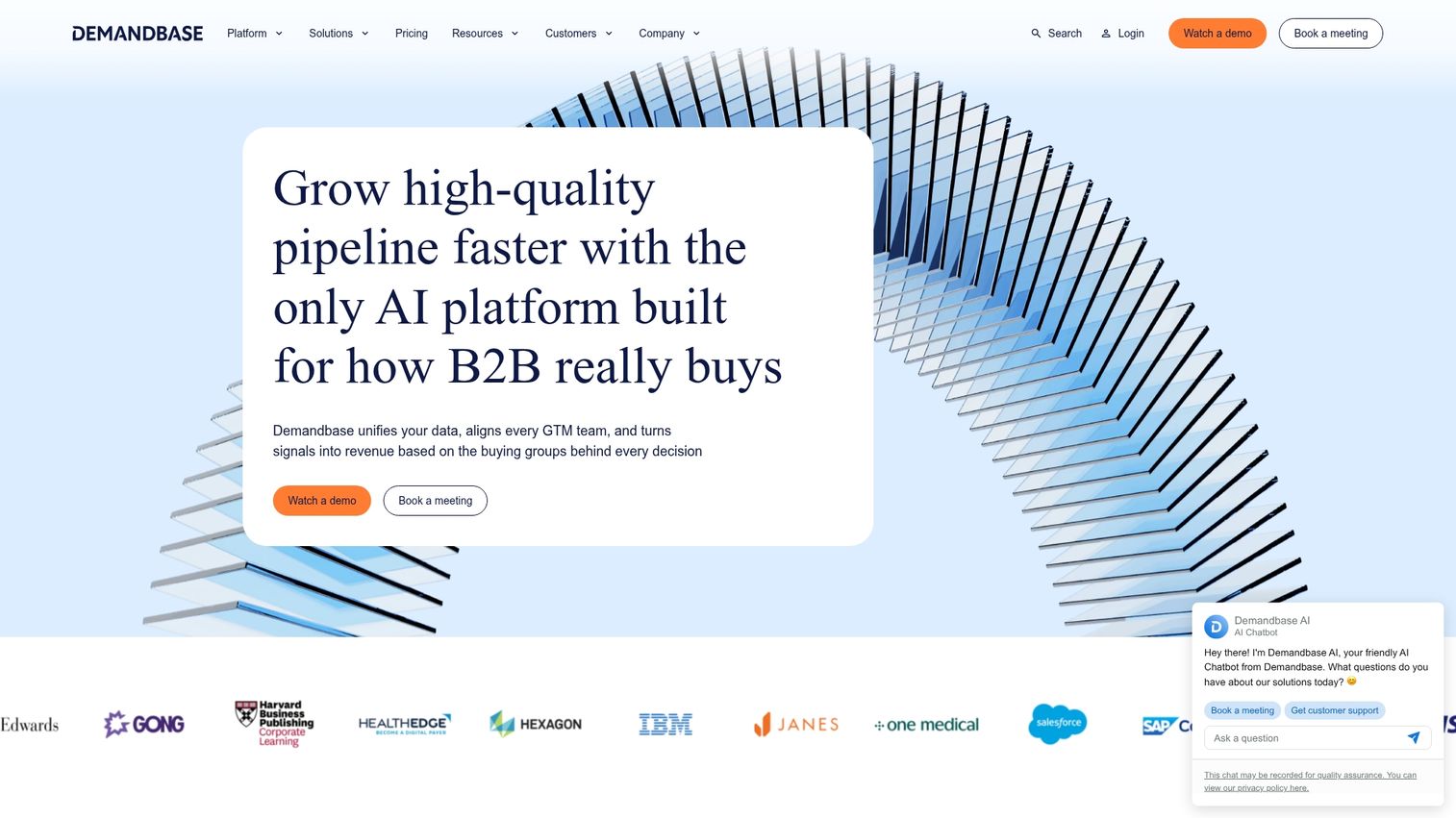
Demandbase is an account-based marketing platform combining intent data, advertising, and sales intelligence. It helps enterprise B2B teams identify, engage, and convert target accounts.
Best for: Large B2B organizations running coordinated ABM programs across marketing and sales.
Key strengths
- Account identification and intent signals
- ABM advertising and personalization
- Sales intelligence dashboards
- Journey analytics across touchpoints
Pricing: Enterprise pricing with modular product bundles.
12. Lead411
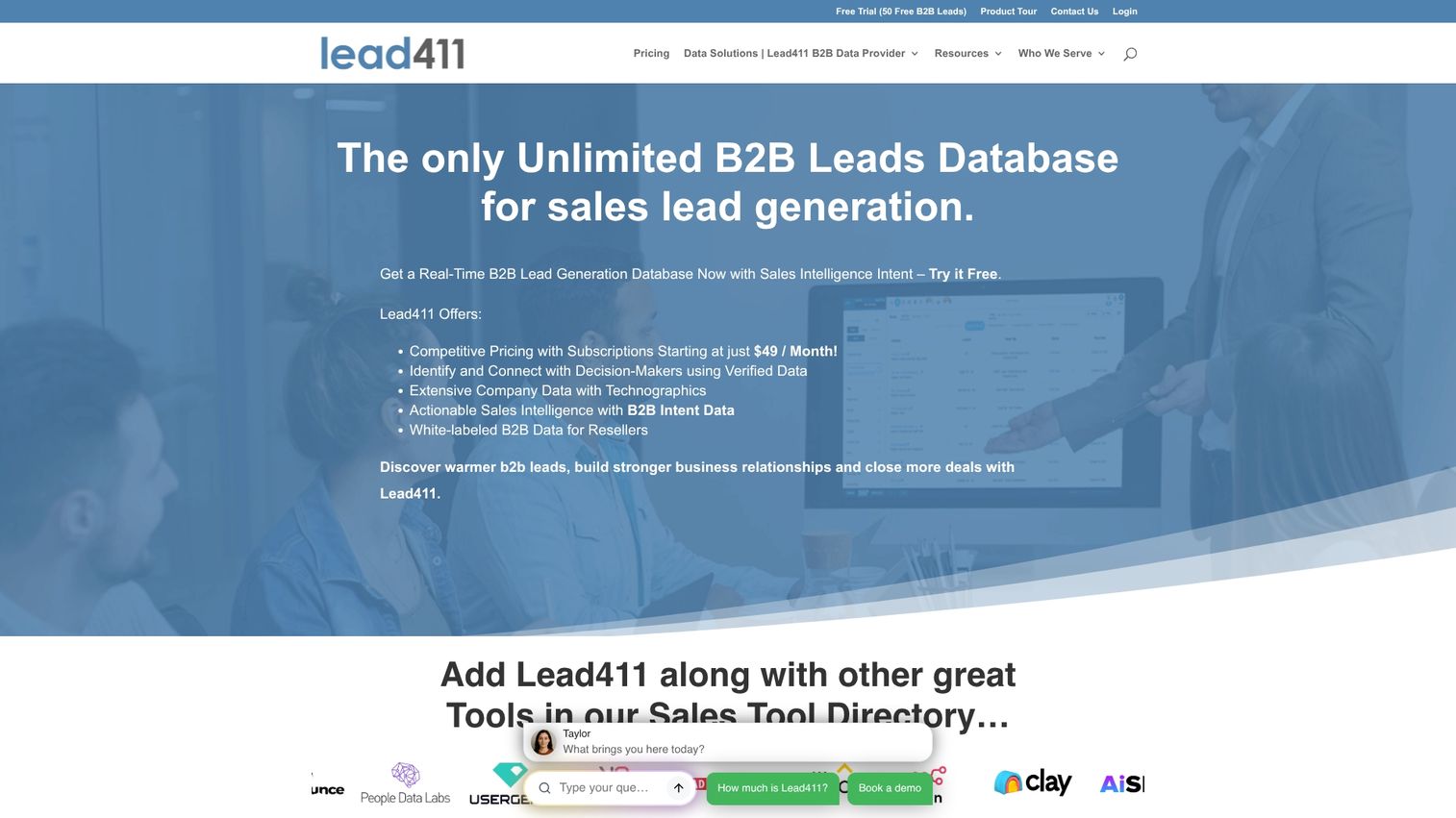
Lead411 focuses on trigger events like funding, hiring, and executive changes alongside contact data. Their growth intent signals help you time outreach to moments of change.
Best for: Teams wanting to reach companies during growth phases or leadership transitions.
Key strengths
- Growth intent data from hiring and funding signals
- Verified direct dials and emails
- Chrome extension for LinkedIn
- Unlimited data plans available at higher tiers
Pricing: Flat-rate plans with unlimited exports at higher tiers.
13. Seamless.AI
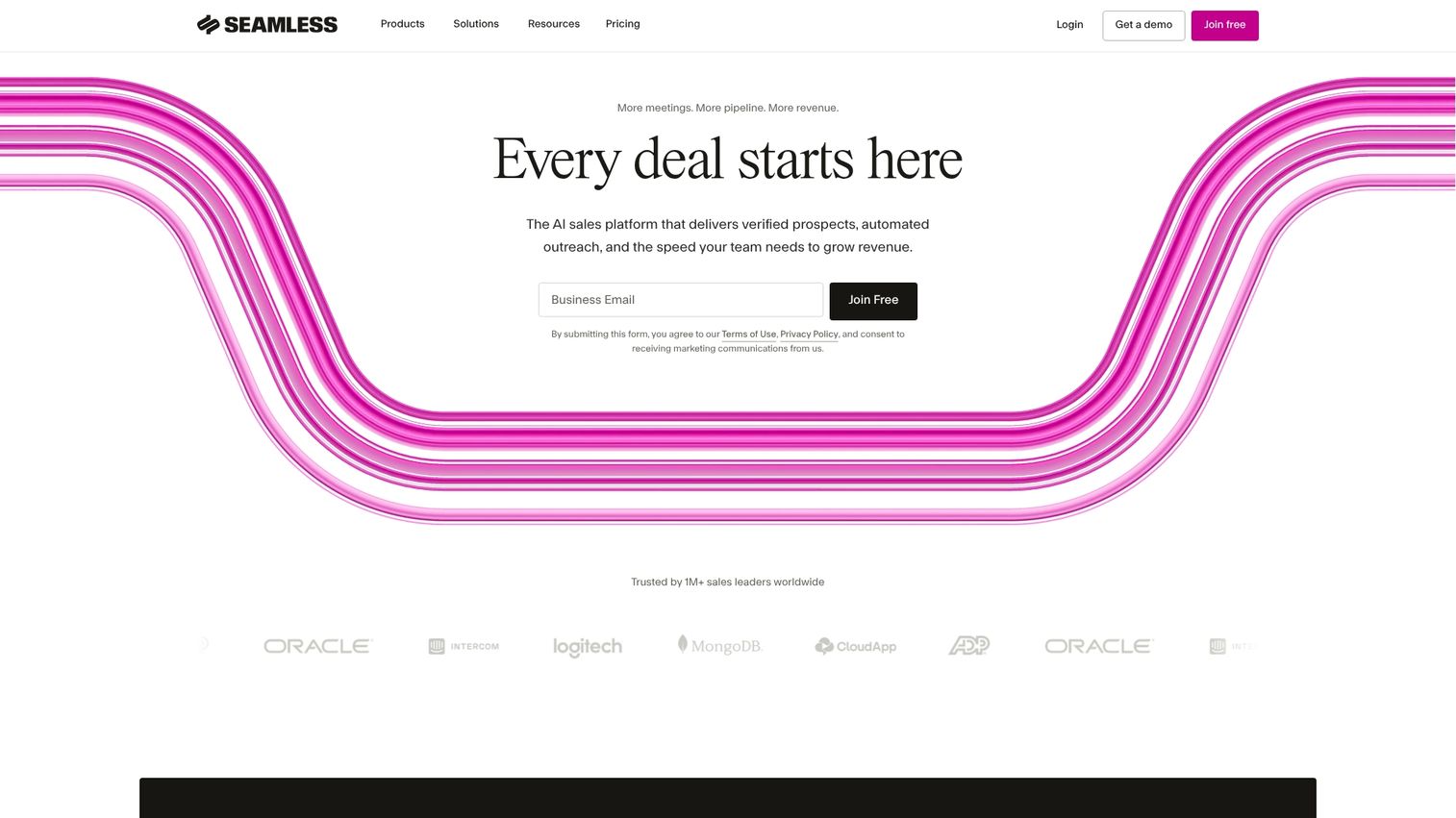
Seamless.AI is an AI-powered contact finder that searches the web in real-time to find emails and phone numbers. It builds lists dynamically rather than pulling from a static database.
Best for: Reps who want to find contacts on-demand without subscription limits.
Key strengths
- Real-time contact search engine
- Chrome extension for LinkedIn and websites
- Autopilot feature for list building
- CRM integrations
Pricing: Free tier available. Paid plans based on credits.
14. UpLead
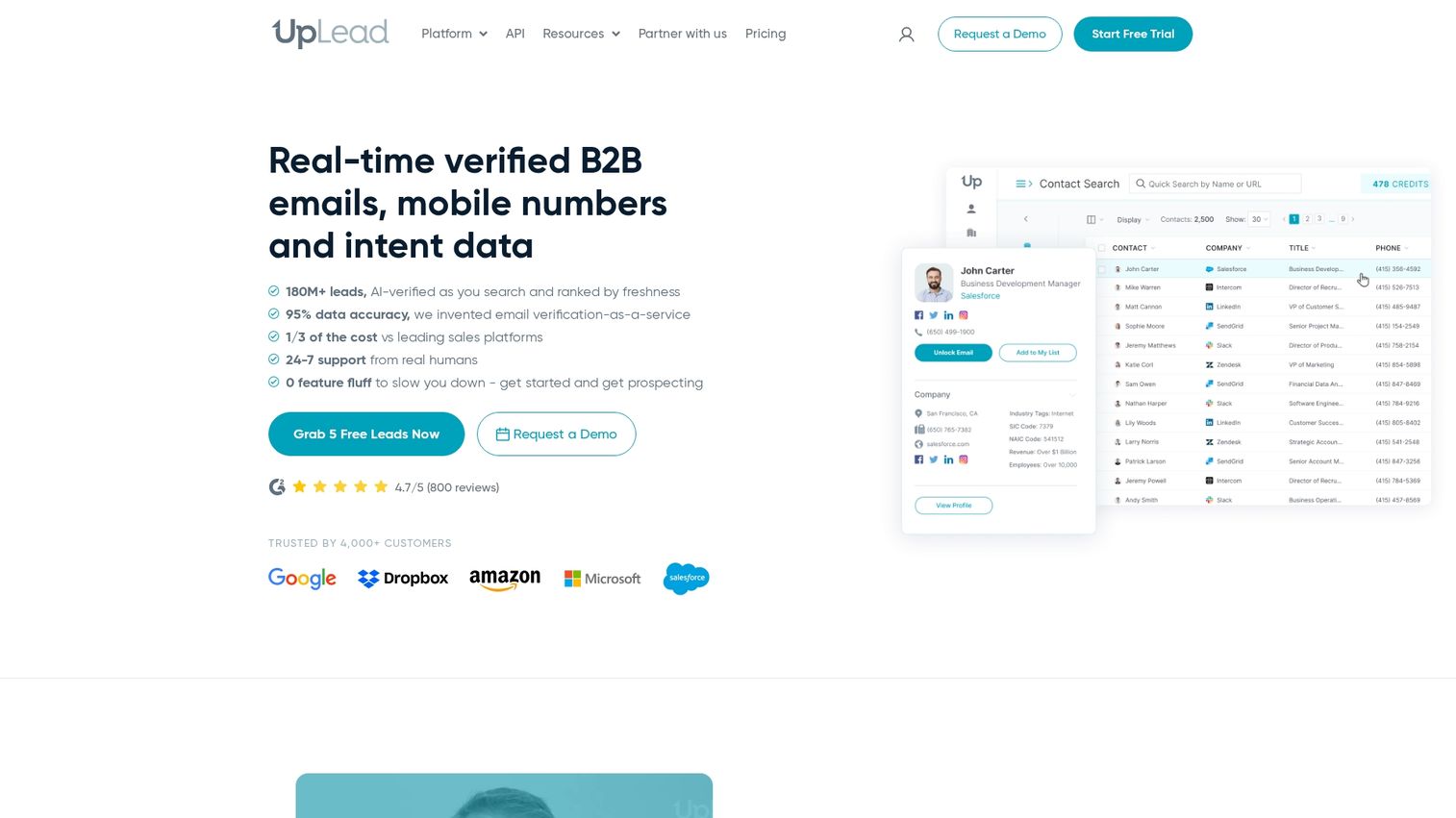
UpLead is a B2B contact database emphasizing data accuracy with real-time email verification before export. It's positioned as a more affordable alternative to enterprise platforms.
Best for: SMB teams wanting accurate contact data without enterprise pricing.
Key strengths
- Real-time email verification before export
- Technographic filtering by software used
- Intent data integration
- Affordable pricing for small teams
Pricing: Credit-based plans starting at $99/month.
15. Hunter.io
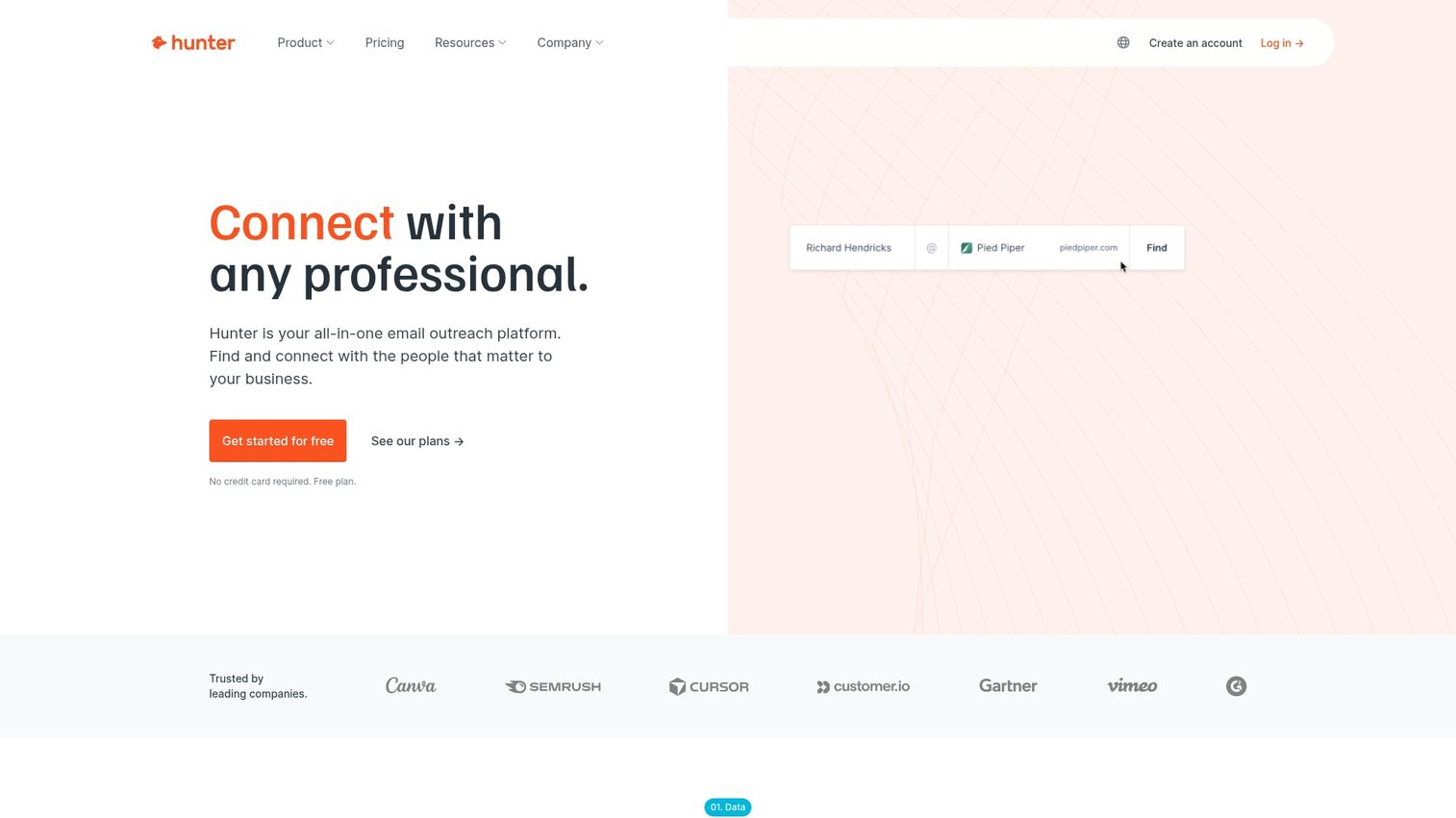
Hunter.io is an email finder and verification tool for finding email addresses associated with any domain. It's simple, focused, and widely used for cold outreach.
Best for: Teams focused on email outreach who want reliable email finding and verification.
Key strengths
- Domain search for all emails at a company
- Email verification to reduce bounces
- Chrome extension and API
- Campaign feature for cold outreach
Pricing: Free tier available. Paid plans start at $49/month.
16. Kaspr
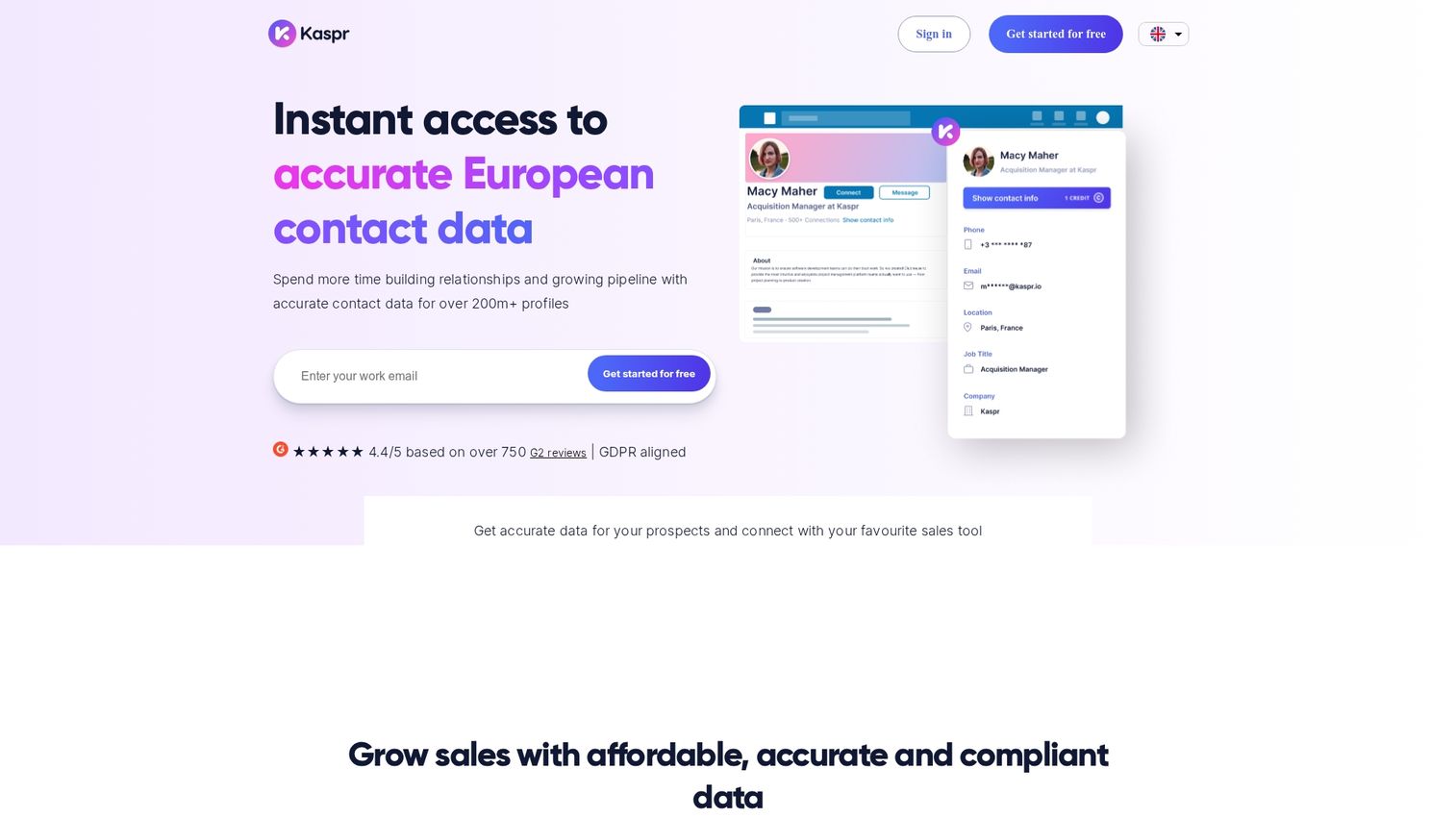
Kaspr is a LinkedIn-focused contact data tool with a browser extension for quick phone and email lookup. It has strong coverage in European markets.
Best for: Teams prospecting heavily on LinkedIn, especially in European markets.
Key strengths
- Chrome extension for LinkedIn prospecting
- European phone number coverage
- Team workflow and credits sharing
- CRM integrations
Pricing: Free tier available. Paid plans by credits per month.
17. Dealfront
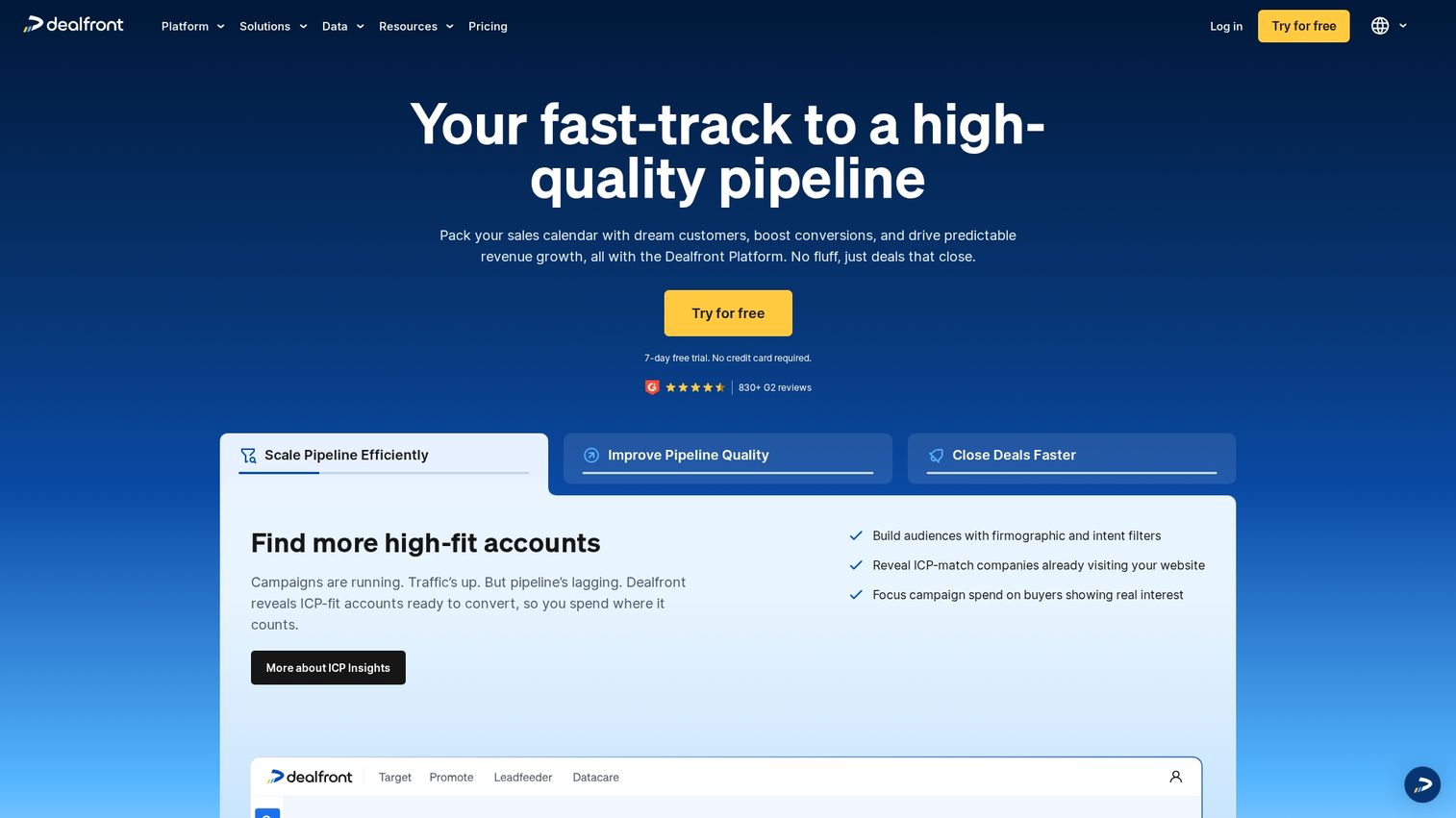
Dealfront (merger of Leadfeeder and Echobot) is a European B2B sales intelligence platform for website visitor identification and company data.
Best for: European teams wanting to identify website visitors and access compliant company data.
Key strengths
- Website visitor identification
- European company database
- GDPR-compliant data practices
- Target account identification
Pricing: Modular pricing for different products.
18. D&B Hoovers
D&B Hoovers is enterprise sales intelligence from Dun & Bradstreet with deep company data and financial insights.
Best for: Enterprise teams needing detailed financials, corporate family trees, and risk data.
Key strengths
- Extensive company database with financials
- Corporate family trees and org charts
- Risk and compliance data
- Enterprise CRM integrations
Pricing: Enterprise pricing with annual contracts.
19. Datanyze
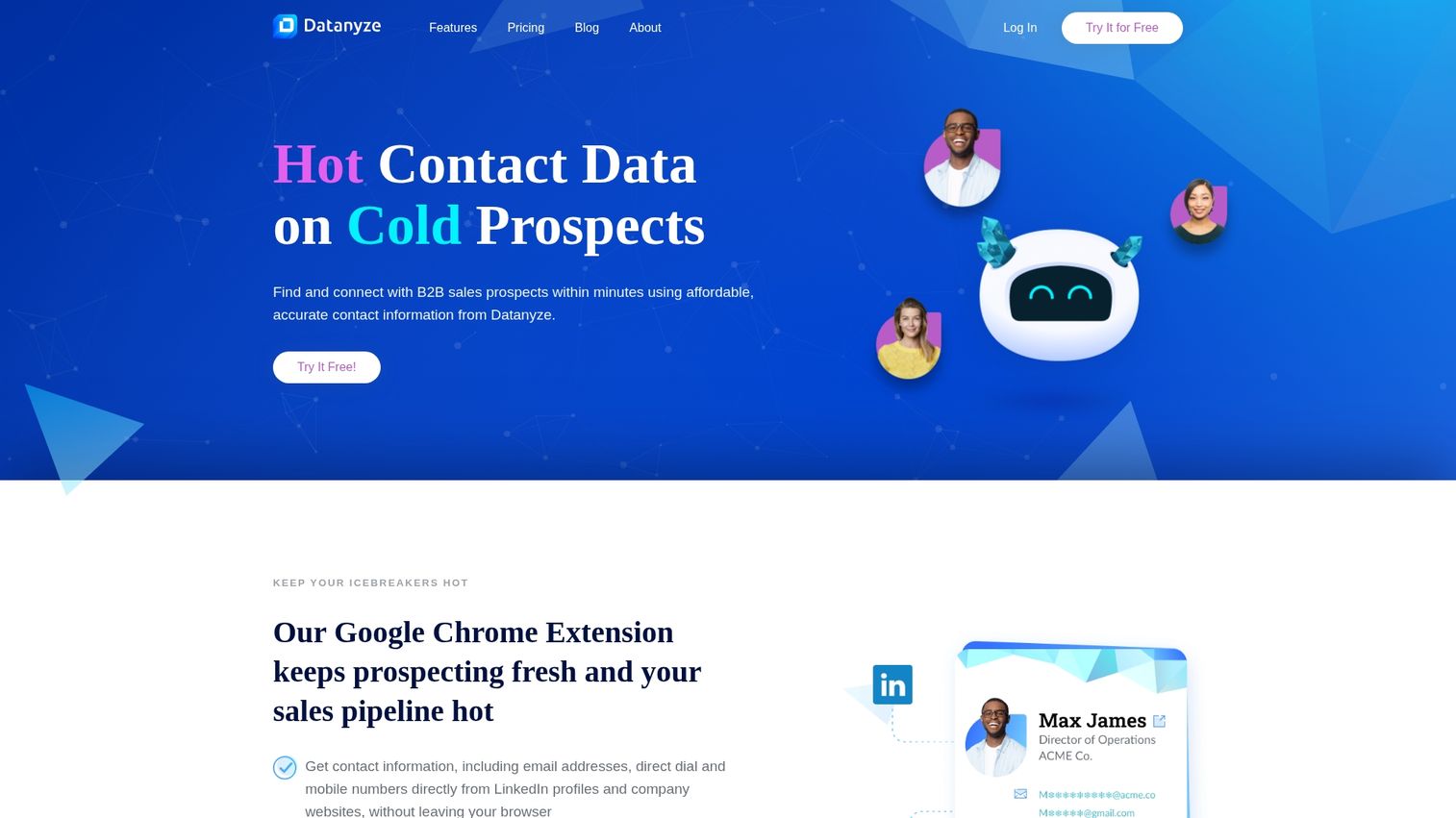
Datanyze (owned by ZoomInfo) tracks technology installations across websites. It helps you find companies using specific software.
Best for: Teams selling to companies based on their technology stack.
Key strengths
- Technology stack data for target accounts
- Chrome extension for quick lookup
- Affordable pricing for SMBs
- Simple interface
Pricing: Plans start at $29/month for individuals.
20. Vainu
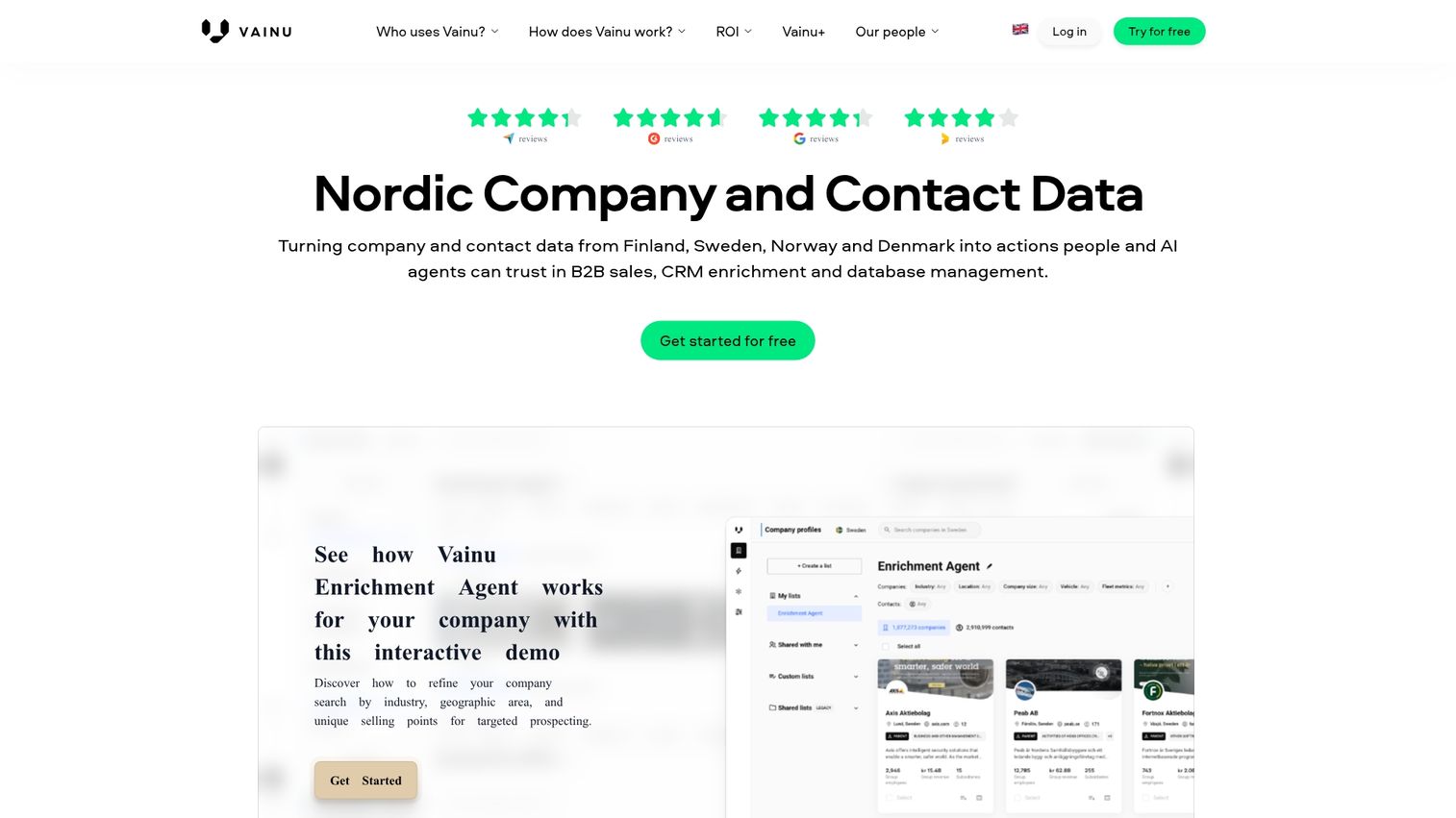
Vainu is a Nordic sales intelligence platform with real-time company data and trigger alerts for European markets.
Best for: Teams selling into Nordic and European markets wanting local data coverage.
Key strengths
- Real-time company data updates
- Nordic and European company coverage
- Custom workflow triggers
- CRM integrations
Pricing: Plans based on users and company lookups.
21. Crystal
Crystal predicts communication styles from LinkedIn profiles using DISC personality assessments. It helps reps personalize outreach based on how prospects prefer to communicate.
Best for: Reps who want to tailor messaging style to individual prospects.
Key strengths
- DISC personality predictions from LinkedIn
- Communication style recommendations
- Email and meeting coaching
- Team collaboration features
Pricing: Free limited access. Paid plans for full profiles.
22. LeadIQ
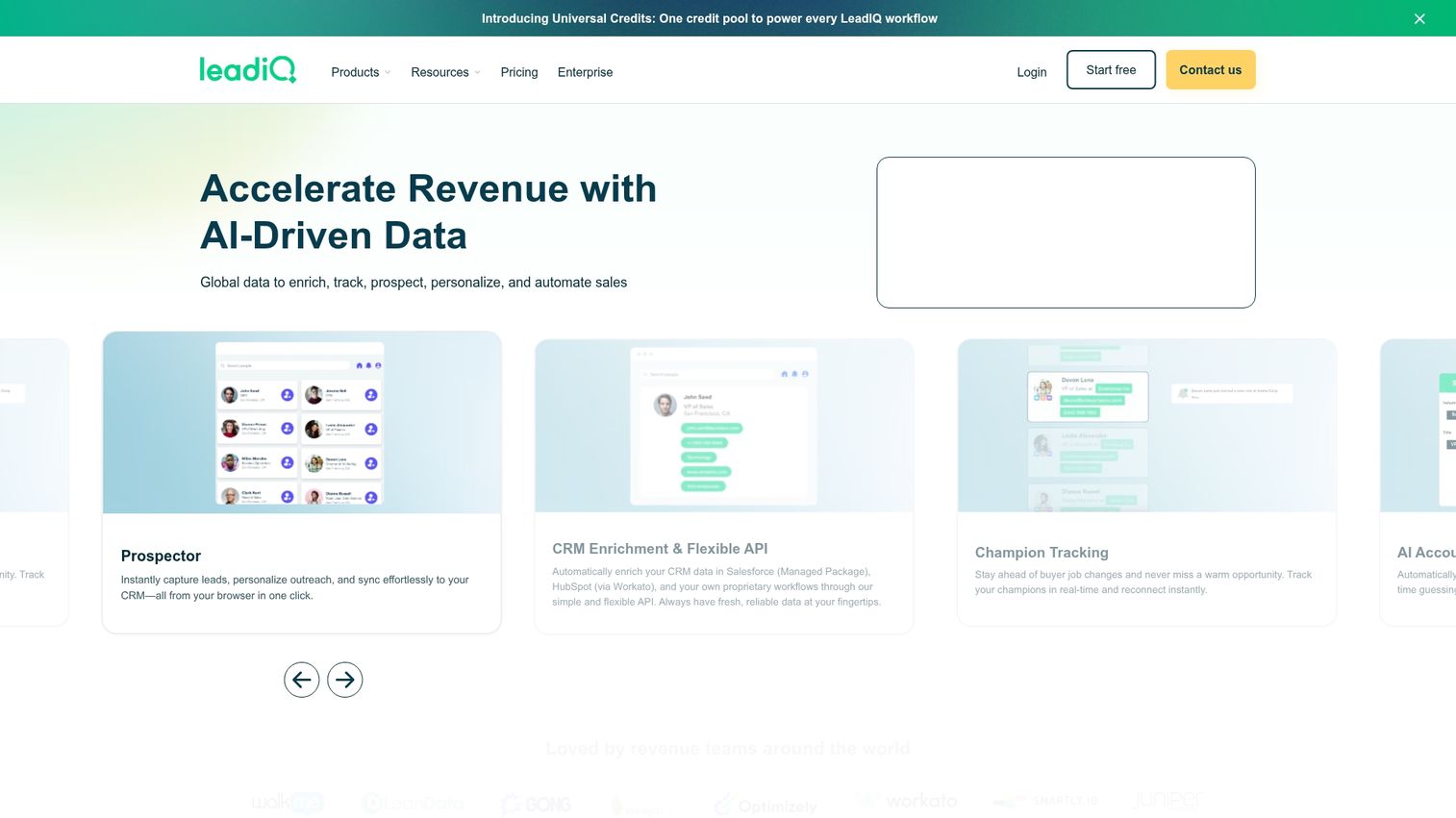
LeadIQ captures contact data from LinkedIn and syncs directly to CRM and sales engagement tools. It streamlines the prospecting workflow.
Best for: SDR teams wanting one-click capture from LinkedIn to their CRM.
Key strengths
- One-click capture from LinkedIn to CRM
- Contact data enrichment
- Salesforce and Outreach integrations
- Team prospecting workflows
Pricing: Free tier available. Paid plans by seats.
23. DemandScience
DemandScience combines B2B intent data with lead generation services including content syndication.
Best for: Teams wanting intent data bundled with lead generation services.
Key strengths
- Intent data and lead generation combined
- Content syndication services
- ABM data and targeting
- Global data coverage
Pricing: Custom pricing based on services and data needs.
24. Winmo
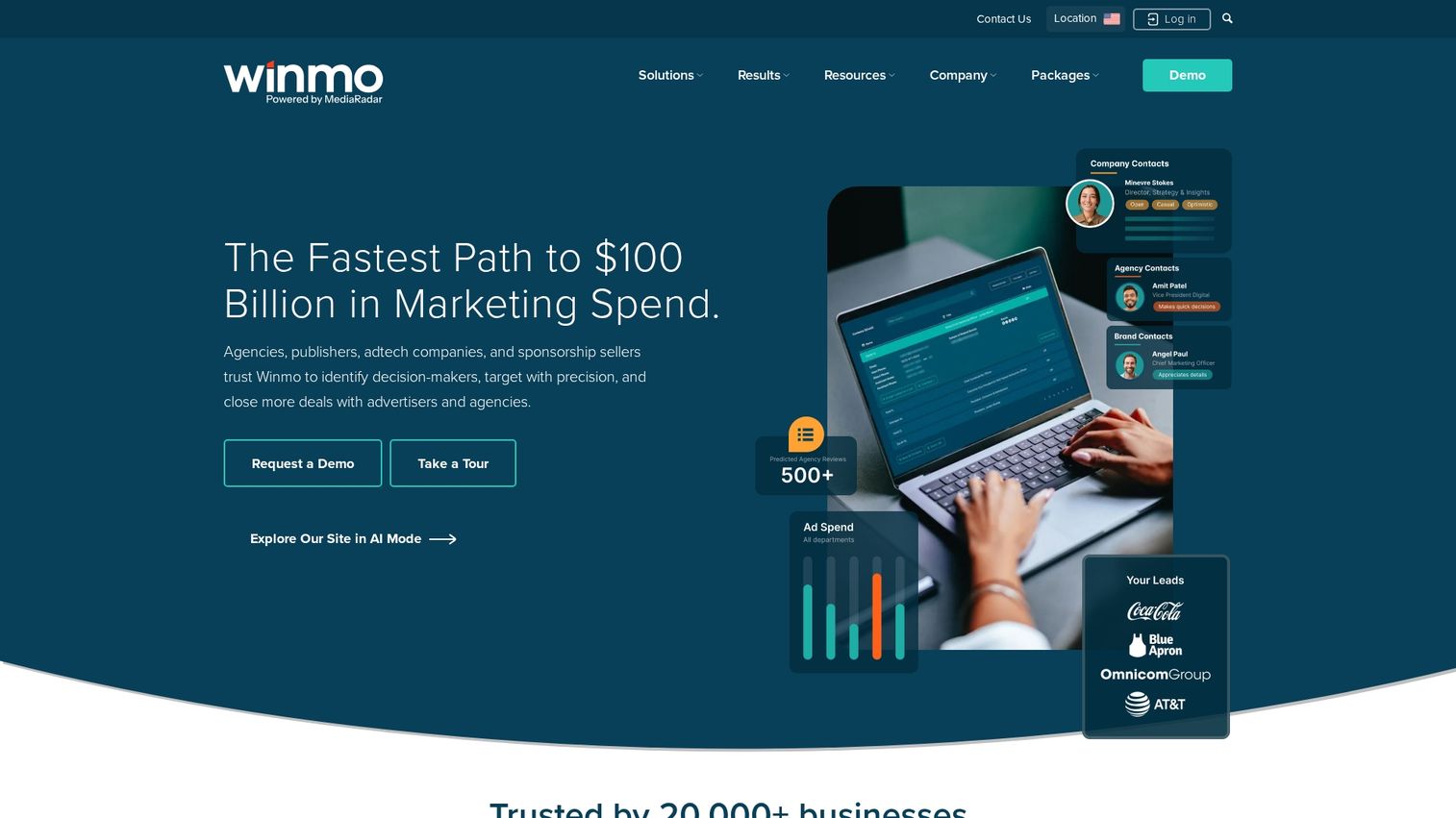
Winmo provides sales intelligence for the advertising and marketing industry, including agency/brand relationships and ad spend data.
Best for: Teams selling to agencies, brands, and media companies.
Key strengths
- Advertising spend and agency data
- Brand decision-maker contacts
- Opportunity alerts for account changes
- Industry-specific intelligence
Pricing: Annual subscriptions with custom pricing.
25. HubSpot Sales Hub
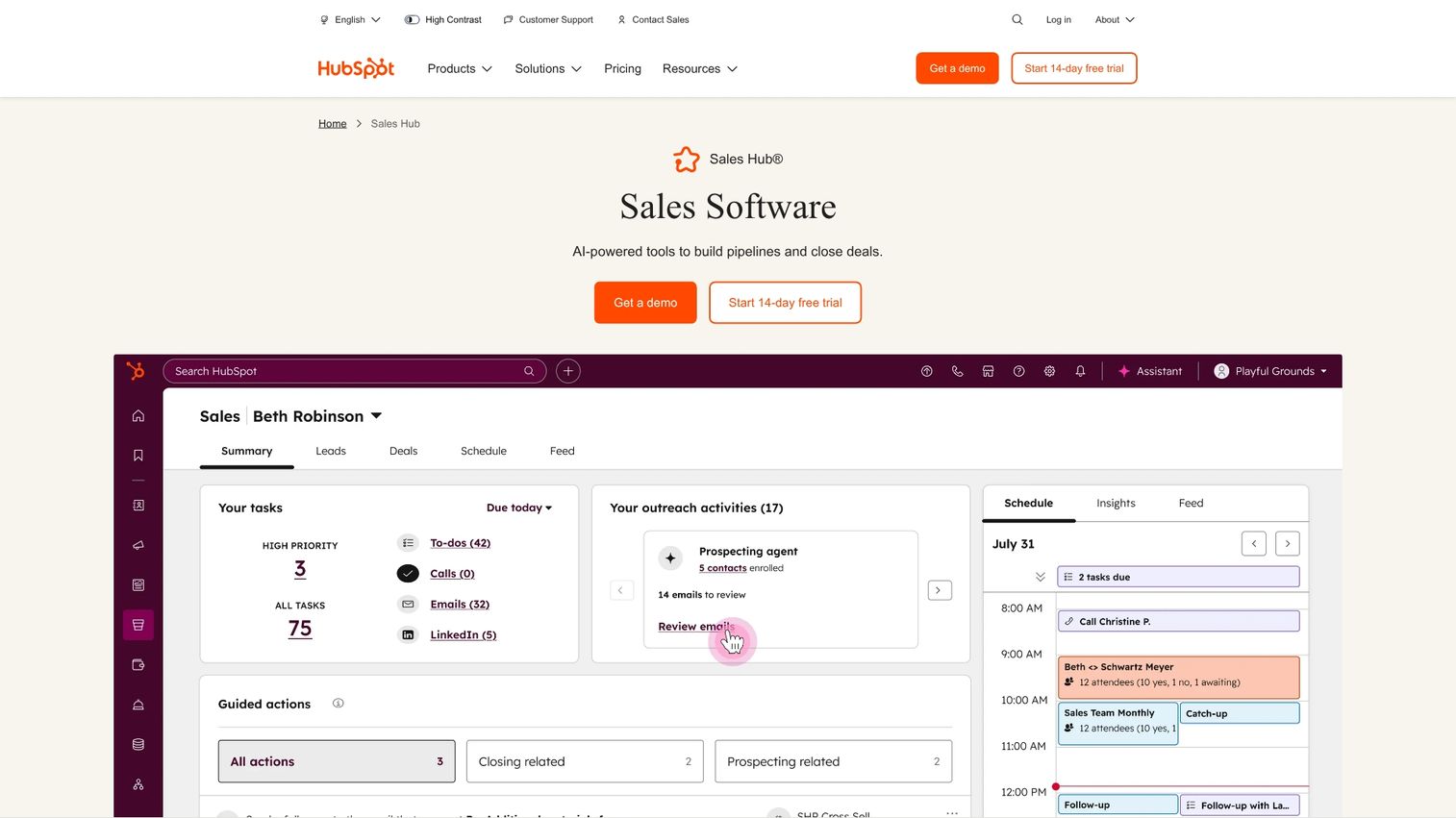
HubSpot Sales Hub is a CRM with built-in sales intelligence features including email tracking, company insights, and predictive lead scoring.
Best for: Teams already using HubSpot who want sales intelligence integrated with their CRM.
Sales intelligence data feeds into lists for segmented outreach - this tutorial shows how to organize enriched leads into actionable lists
Key strengths
- Native CRM with sales intelligence built in
- Email tracking and templates
- Company insights and news
- Sequences for automated outreach
Pricing: Free CRM available. Sales Hub tiers from Starter to Enterprise.
How to choose the right sales intelligence solution
Picking the right tool depends on your specific workflow and priorities. Here's how to evaluate options.
Define your primary use case
Start by asking: Do you need contact data for cold outreach? Intent signals for ABM? Conversation insights for coaching? Demo engagement data for lead scoring? Match the tool category to your primary use case before comparing features.
Evaluate data accuracy and coverage
Test data quality before committing. Request trials and verify contact data in your target market. European teams need EMEA coverage. US-focused teams have more options but accuracy still varies by industry and company size.
Check CRM and tech stack integrations
Ensure the tool integrates with your CRM, marketing automation, and engagement platforms. Native integrations reduce friction. API-only connections require more setup and maintenance.
Compare pricing models and contracts
Understand credit-based versus seat-based versus unlimited models. Watch for annual commitments and overage charges. Ask about startup or SMB pricing if relevant to your situation.
Assess onboarding time and support quality
Complex platforms require training. Evaluate documentation, customer success resources, and time to value. Some tools offer white-glove onboarding while others are entirely self-serve.
Common challenges when implementing sales intelligence
Setting realistic expectations helps you avoid common pitfalls.
Data quality and ongoing maintenance
Contact data decays quickly as people change jobs and companies move - up to 30% of B2B data goes bad annually. Plan for ongoing data hygiene and verification processes. Even the best databases have some outdated records.
Driving user adoption across teams
Sales reps may resist new tools if workflow changes are significant. Involve end users in selection and provide adequate training. The best tool is useless if reps don't use it.
Managing integration complexity
Connecting multiple data sources to CRM can create duplicates and sync issues. Plan your data architecture before implementation. Define which system is the source of truth for each data type.
Navigating compliance and privacy requirements
GDPR, CCPA, and other regulations affect how you can use contact data. Choose vendors with compliant data sourcing and respect opt-out requests. Document your data practices.
How sales intelligence connects to your existing tech stack
Sales intelligence tools work best when integrated with your broader go-to-market stack:
- CRM (Salesforce, HubSpot): Enrich records and trigger workflows based on new data
- Sales engagement (Outreach, Salesloft): Fuel sequences with fresh contact data
- Marketing automation: Score and route leads based on intent signals
- Demo platforms: Combine engagement data with contact intelligence for a complete buyer picture
When you integrate analytics from demo engagement with traditional sales intelligence, you get both who the prospect is and what they actually care about.
Turn sales intelligence data into qualified pipeline
Sales intelligence tools provide the data. Converting that data to pipeline requires combining multiple signal types: contact information, intent signals, and engagement behavior.
The teams seeing the best results route high-intent accounts to sales quickly and use demo engagement to understand what prospects actually care about. When you know a prospect spent five minutes exploring your reporting features, that's a different conversation than a cold call based on firmographic fit alone.
Start your journey with Guideflow today!
FAQs about sales intelligence tools
A sales intelligence tool is software that provides data, insights, and signals to help sales teams identify, research, and prioritize prospects for outreach. Sales intelligence platforms combine contact databases, company information, and buying signals to make prospecting more efficient.
CRM systems store and manage data about existing customers and deals. Sales intelligence software provides external data about potential prospects and market signals to find new opportunities. CRM looks backward at what happened. Sales intelligence looks forward at who to target.
ZoomInfo and Cognism consistently rank highest on G2 for enterprise teams needing comprehensive contact databases and compliance features. 6sense leads for intent data and account-based strategies.
Pricing varies widely from free tiers (Apollo.io, Lusha) to enterprise contracts costing tens of thousands annually (ZoomInfo, 6sense). Most platforms price by seats, credits, or accounts tracked.
Yes. Tools like Apollo.io, Hunter.io, and UpLead offer affordable plans or free tiers that give small teams access to contact data and basic intent signals without enterprise budgets.
Reputable providers source data through compliant methods, honor opt-out requests, and provide documentation on their data practices. Always verify compliance certifications before purchasing, especially for EMEA markets.
The 10 3 1 rule suggests that for every ten prospects contacted, three will engage in conversation, and one will convert to a qualified opportunity. Sales intelligence improves these ratios by enabling better targeting and timing.
Common metrics include reduction in time spent researching, increase in email deliverability, improvement in connect rates, and growth in qualified pipeline attributed to intelligence-sourced leads.
Yes. Combining contact and intent data with interactive demo engagement analytics creates a complete picture of prospect interest. You can prioritize based on both who they are and how they engage with your product.