Your pipeline is full of names. The problem is, 79% of leads never convert into sales.
Lead generation software exists to fix that gap between "someone filled out a form" and "someone is actually ready to talk to sales." This guide breaks down 25 tools across prospecting databases, form builders, CRM platforms, and email automation, with honest takes on when each one makes sense for your team.
What's inside
This guide covers the best B2B lead generation software across prospecting databases, form builders, CRM platforms, email automation, and website visitor tracking. The 25 tools were selected based on integration capabilities, lead capture methods, and qualification features.
What categories of lead gen tools are covered: Prospecting databases, form and landing page builders, CRM with lead management, email automation, and website visitor tracking.
How the 25 tools were selected: We evaluated tools based on core lead generation features, integration capabilities with sales and marketing software, lead capture methods, and automated qualification features.
Who this guide is for: Sales reps, marketers, and growth teams looking to automate and scale lead generation efforts.
TL;DR
Lead generation software automates finding, attracting, and qualifying potential customers for your business.
The main categories include prospecting databases, form and landing page builders, CRM with nurturing capabilities, and email automation tools.
Choose tools based on your primary strategy (inbound vs. outbound) and ensure compatibility with your CRM.
For converting passive website traffic, consider using interactive demos from platforms like Guideflow to turn product exploration into qualified leads.
What is lead generation software
Lead generation software streamlines finding, attracting, and capturing potential customers to build sales pipelines. Top platforms in 2026 include Apollo for all-in-one prospecting, Leadfeeder for website visitor identification, and Pipedrive's LeadBooster for chatbot and web form capture.
The main types break down like this:
Lead prospecting and B2B databases: Tools that scan websites, social networks like LinkedIn, and public records to build databases of professional contact information. Many include intent data to signal which companies are actively researching solutions like yours.
Form and landing page builders: Tools for creating pop-ups, embedded forms, and dedicated landing pages. They capture visitor information through behavior-based campaigns like exit-intent pop-ups or content downloads.
CRM and sales automation: Central hubs for managing customer data. They track interactions across the customer lifecycle, automate nurturing sequences through email, and manage the overall sales pipeline.
Why B2B teams use lead generation tools
Capture higher quality leads through automated qualification
Lead generation software automatically scores and qualifies leads based on engagement, demographic fit, and firmographic data. By leveraging intent data and behavior tracking, lead gen tools replace manual research and guesswork. Sales teams then spend their time on prospects most likely to convert.
Build pipeline faster with less manual prospecting
Automation replaces countless hours of manual work, from searching for contact information to sending follow-up emails. This frees up sales teams to focus on building relationships and closing deals rather than administrative prospecting tasks.
Increase conversion rates with targeted outreach
Personalized, behavior-based outreach consistently outperforms generic mass-market campaigns - businesses report 38% more consumer spending when experiences are personalized. By using enrichment data to understand a lead's role, industry, and needs, teams can tailor messaging for maximum impact.
Track attribution and prove marketing ROI
Lead generation tracking software connects marketing campaigns and channels directly to the leads and revenue they generate. This provides clear attribution, helping teams understand which channels are most effective.
Key features to evaluate in lead generation software
Lead capture and form building
This feature includes tools for creating lead capture forms, pop-ups, and landing pages. Look for options that enable behavior-triggered campaigns, such as showing a pop-up when a user is about to leave the page (exit-intent).
Contact data enrichment and verification
Enrichment automatically fills in missing data points for a lead, such as job title, company size, or verified email address. Verification confirms email addresses are valid, which reduces bounce rates and is critical for successful outbound prospecting.
Email automation and drip sequences
Email automation allows you to create personalized outreach sequences sent automatically over time. For cold email, look for features like email warmup capabilities, which gradually increase sending volume to protect your domain's reputation.
CRM and marketing automation integration
Your lead generation data flows seamlessly into your existing CRM when integrations work well. Look for tools with bi-directional sync capabilities to ensure data consistency across platforms. Many of the best marketing automation tools rely on tight integrations with lead gen software.
Intent data and website visitor identification
Intent data and anonymous visitor tracking are key differentiators for B2B lead generating software. Intent data reveals buying signals, like which companies are visiting your site or researching competitors, before a prospect ever fills out a form.
Lead scoring and qualification logic
Lead scoring automatically ranks leads based on fit and engagement level. This involves assigning points for demographic attributes (like job title or industry) and behavioral actions (like visiting the pricing page or downloading an ebook).
Analytics, reporting, and attribution
Effective lead generation software provides analytics for tracking performance across the entire funnel, from initial lead source to final conversion. Look for real-time dashboards that give a clear view of lead generation activities and their impact.
When to use different types of lead gen tools
Inbound focus (forms and content): When you have existing website traffic to convert into leads, use form builders, landing page tools, and conversational chat platforms.
Outbound focus (email and prospecting): When you build new lists from scratch and reach cold prospects, use prospecting databases and email automation tools.
Full-funnel need: When you support both inbound and outbound efforts, choose comprehensive CRM platforms with built-in lead gen features or integrate a stack of specialized tools.
Best lead generation tools comparison
# | Product | Intent | Key use case | Pricing | G2 rating |
|---|---|---|---|---|---|
1 | Guideflow | Inbound | Interactive demo lead capture | Free tier | 4.8/5 |
2 | HubSpot Marketing Hub | Inbound | All-in-one CRM and marketing | Free tier | 4.4/5 |
3 | Salesforce Sales Cloud | Full-funnel | Enterprise lead management | Per-user | 4.3/5 |
4 | Pipedrive | Full-funnel | Sales-focused CRM | Per-user | 4.2/5 |
5 | Apollo | Outbound | Prospecting database and outreach | Free tier | 4.8/5 |
6 | ZoomInfo | Outbound | Enterprise intent data | Custom | 4.4/5 |
7 | Leadfeeder | Inbound | Website visitor identification | Free tier | 4.3/5 |
8 | Intercom | Inbound | Conversational chat and bots | Custom | 4.5/5 |
9 | Drift | Inbound | Conversational marketing | Custom | 4.3/5 |
10 | Calendly | Inbound | Meeting scheduling | Free tier | 4.7/5 |
11 | Mailchimp | Inbound | Email marketing and forms | Free tier | 4.3/5 |
12 | ActiveCampaign | Full-funnel | Marketing automation and CRM | Per-contact | 4.5/5 |
13 | Unbounce | Inbound | Landing page optimization | Per-conversion | 4.4/5 |
14 | Typeform | Inbound | Conversational forms | Free tier | 4.5/5 |
15 | OptinMonster | Inbound | Pop-ups and lead capture | Per-pageview | 4.5/5 |
16 | Hunter | Outbound | Email finding and verification | Free tier | 4.4/5 |
17 | Clearbit | Full-funnel | Data enrichment | Custom | 4.4/5 |
18 | Demio | Inbound | Webinar lead generation | Per-attendee | 4.6/5 |
19 | LinkedIn Sales Navigator | Outbound | LinkedIn prospecting | Per-seat | 4.3/5 |
20 | Outreach | Outbound | Sales engagement platform | Custom | 4.3/5 |
21 | Salesloft | Outbound | Sales engagement and revenue | Custom | 4.5/5 |
22 | Chili Piper | Inbound | Instant lead routing | Per-user | 4.6/5 |
23 | Lusha | Outbound | B2B contact finder | Free tier | 4.3/5 |
24 | Seamless.AI | Outbound | AI-powered contact search | Free tier | 4.2/5 |
25 | Cognism | Outbound | GDPR-compliant B2B data | Custom | 4.6/5 |
25 best B2B lead generation software tools
1. Guideflow
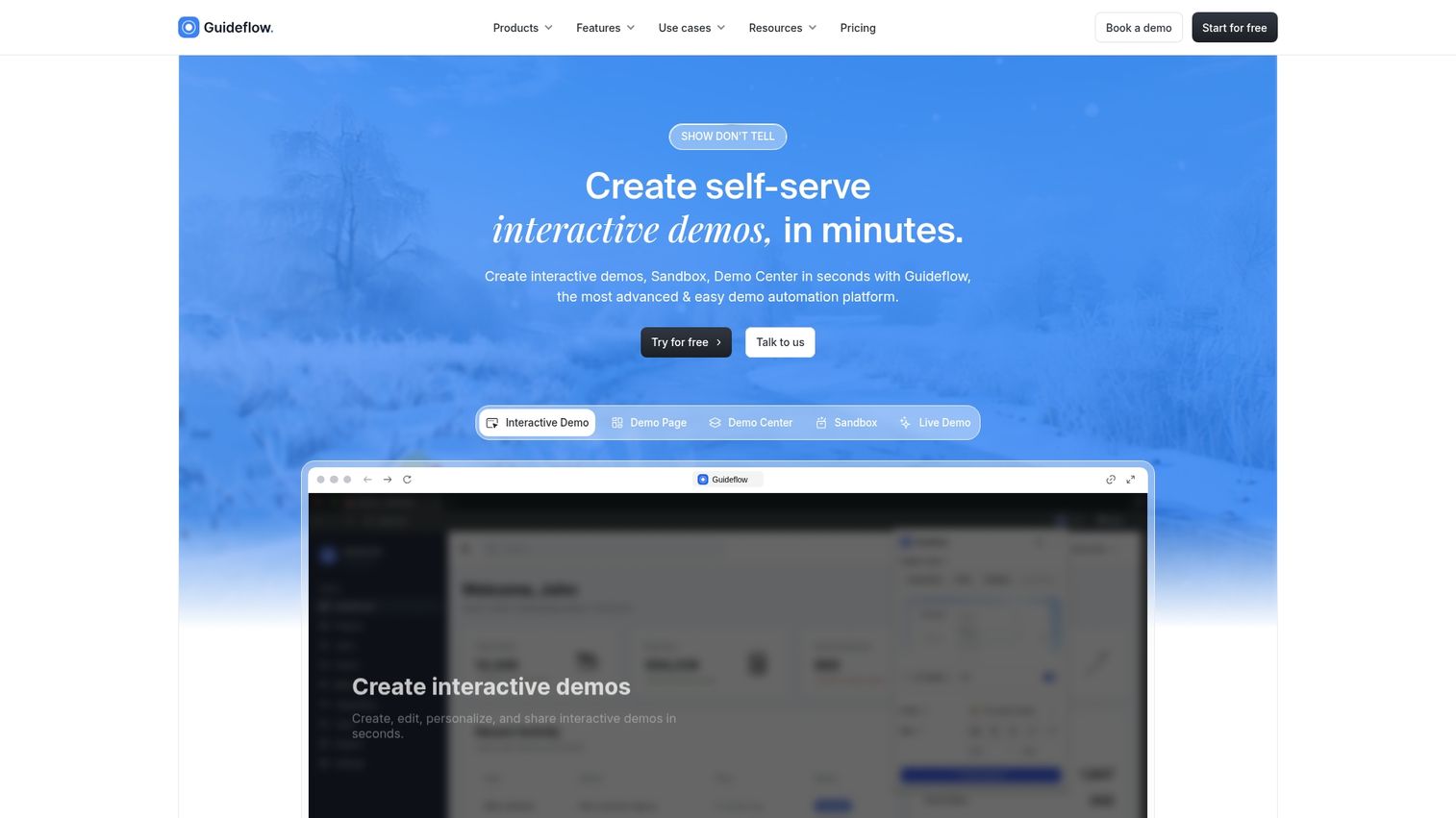
Guideflow is an interactive demo platform built for lead generation. B2B companies capture and qualify leads by letting prospects experience the product directly on the website before booking a call. Visitors explore key features, understand value, and self-qualify, so sales conversations are reserved for high-intent buyers.
Best for: B2B SaaS teams looking to convert website traffic into qualified pipeline.
Key strengths
No-code demo creation from browser capture
Lead capture forms and gating within demos
CRM integration for automated lead routing
Why choose: Prospects self-qualify by interacting with the product, which significantly reduces unqualified meetings for your sales team.
Pricing: Free tier available, with paid plans for advanced features.
Start your journey with Guideflow today!
2. HubSpot Marketing Hub
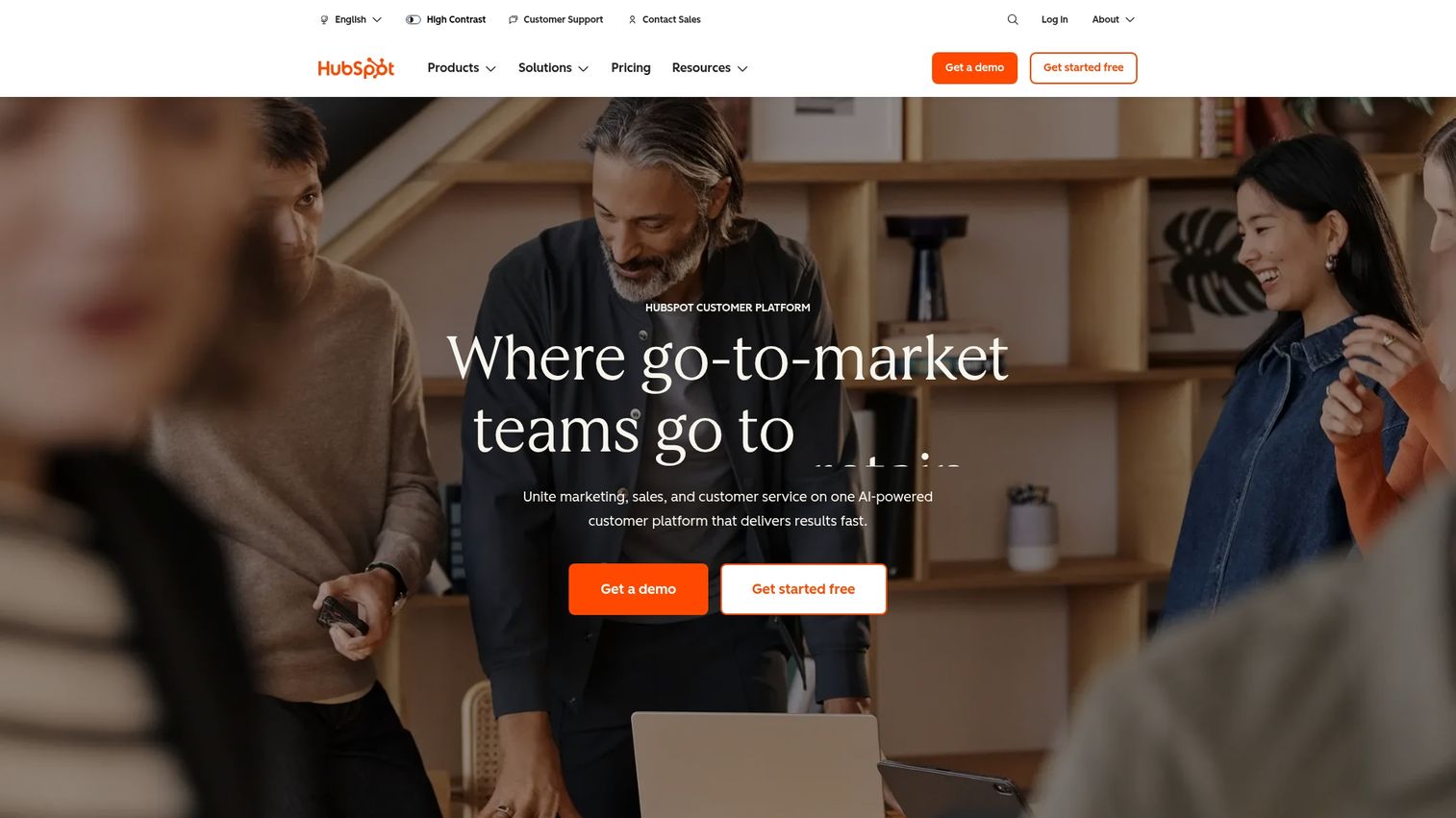
HubSpot Marketing Hub is a comprehensive CRM platform with powerful built-in lead generation tools. It combines forms, landing pages, email automation, and lead scoring into a single integrated platform.
Best for: Teams wanting an all-in-one inbound lead generation system.
Key strengths
- Forms, landing pages, email nurturing, lead scoring, and free CRM tier
Why choose: A single platform for lead capture, nurturing, and CRM management without integrating multiple tools.
Pricing: Generous free tier available, with paid plans that scale with contacts.
3. Salesforce Sales Cloud
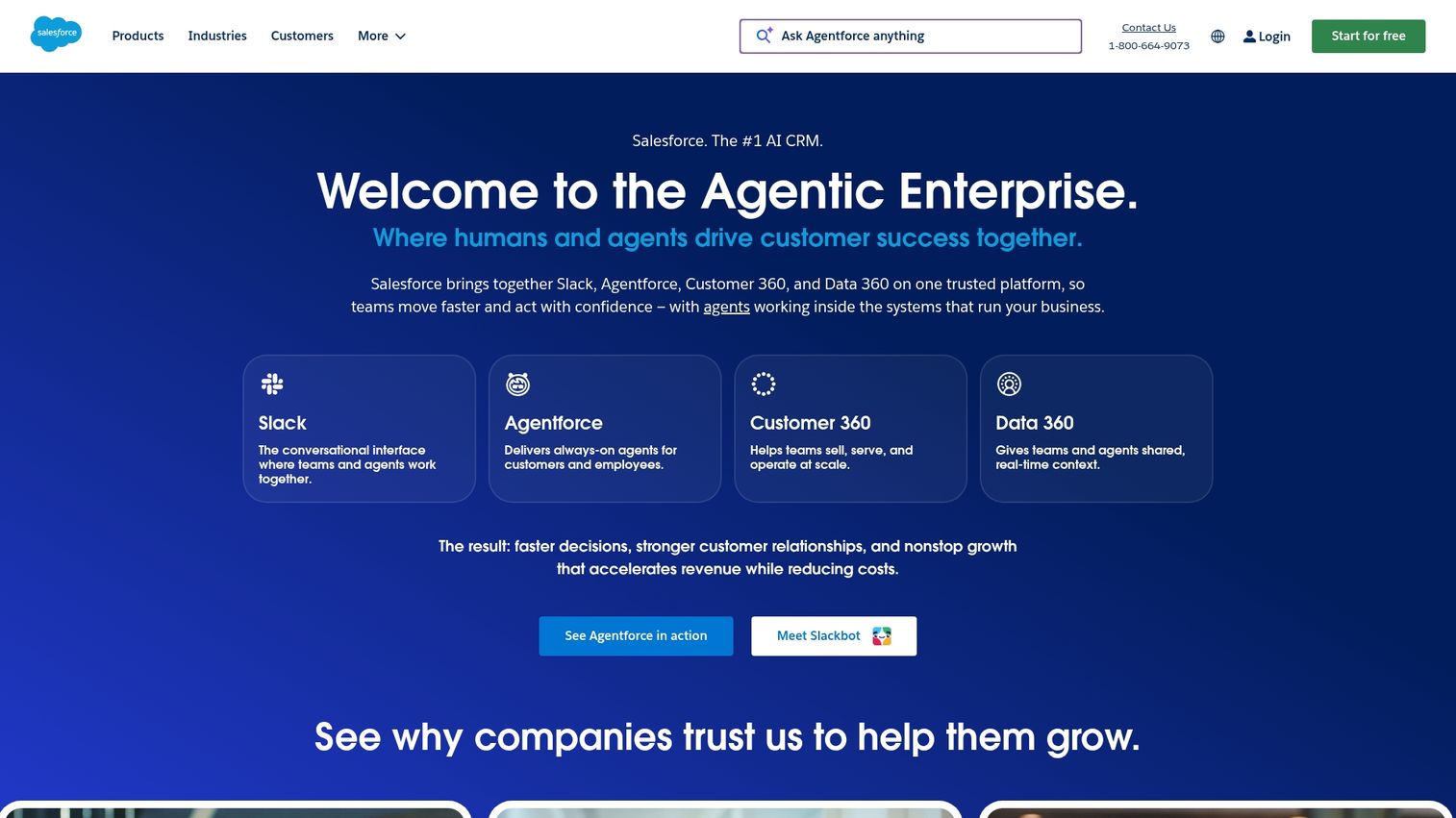
Salesforce Sales Cloud is the enterprise standard for CRM and lead management. It offers robust features for lead routing, AI-powered lead scoring, and complex sales automation.
Best for: Enterprise teams that require robust lead generation management software.
Key strengths
- Advanced lead assignment rules, Einstein AI lead scoring, extensive integrations, and workflow automation
Why choose: Scales to handle complex sales processes and large distributed teams.
Pricing: Per-user pricing across multiple tiers.
4. Pipedrive
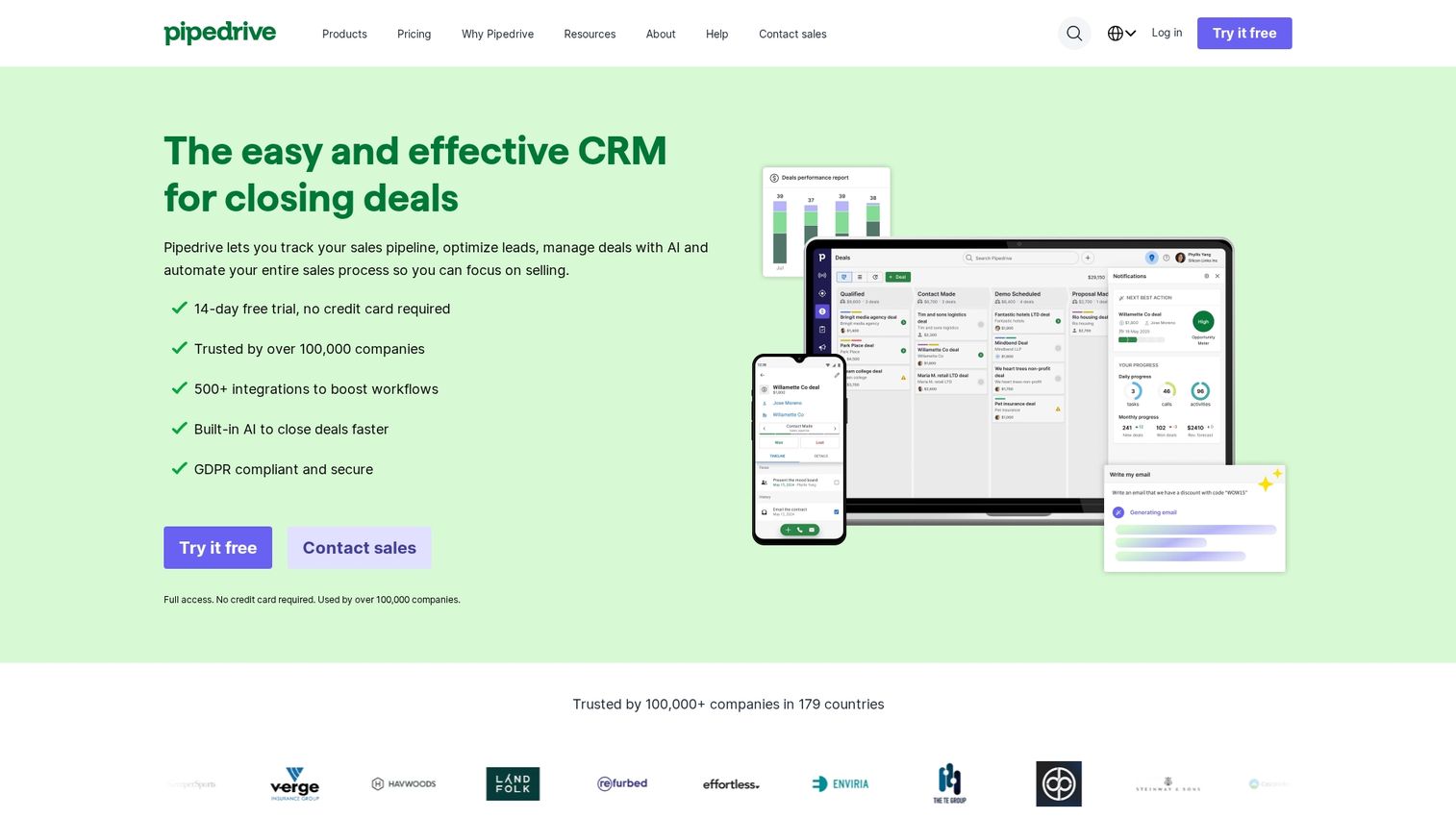
Pipedrive is a sales-focused CRM known for its intuitive visual pipeline. It helps teams manage deals, track communications from a central lead inbox, and capture leads directly into the pipeline.
Best for: Sales teams wanting visual pipeline management with built-in lead capture features.
Key strengths
- Visual sales pipeline, lead inbox, email tracking, and powerful mobile app
Why choose: Intuitive interface designed for high adoption among sales teams who want to focus on selling.
Pricing: Per-user monthly pricing.
5. Apollo
Apollo is a powerful B2B prospecting database combined with an outreach automation platform. It provides access to a massive contact database, intent data signals, and built-in email sequencing.
Best for: Outbound sales teams building prospect lists with verified contact data.
Key strengths
- Large B2B contact database, intent signals, email sequences, and Chrome extension
Why choose: Combines a prospecting database with outreach automation, eliminating the need for separate tools.
Pricing: Free tier available, with paid plans based on credit usage.
6. ZoomInfo
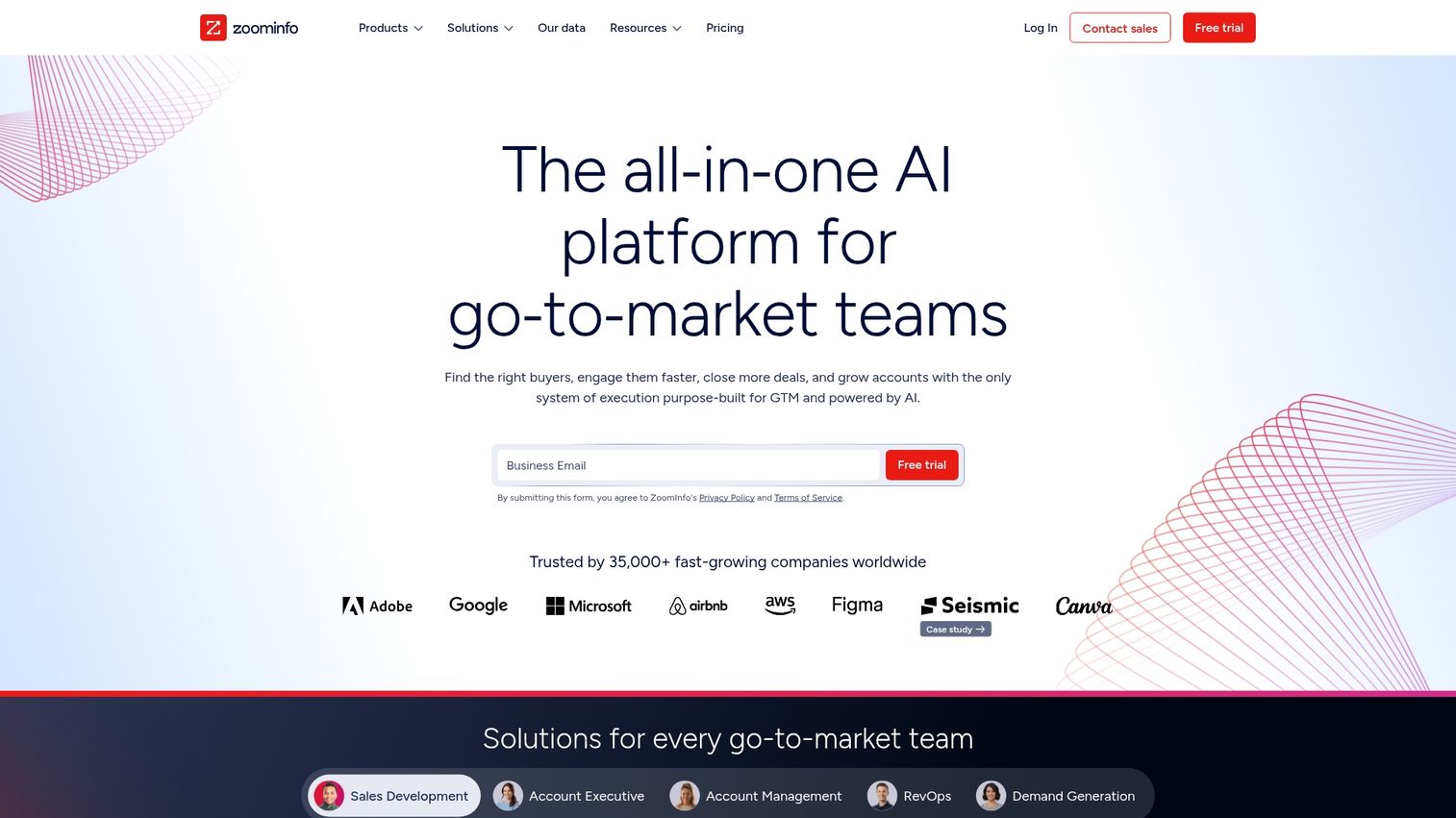
ZoomInfo is an enterprise-grade B2B data provider specializing in intent signals. It helps teams identify accounts actively in-market and provides deep data for effective account-based targeting.
Best for: Enterprise teams focused on identifying accounts with high-intent buying signals.
Key strengths
- Extensive B2B database, deep intent data, account-based targeting, and data enrichment
Why choose: Deep intent data helps sales and marketing teams prioritize accounts already showing buying behavior.
Pricing: Custom enterprise pricing.
7. Leadfeeder
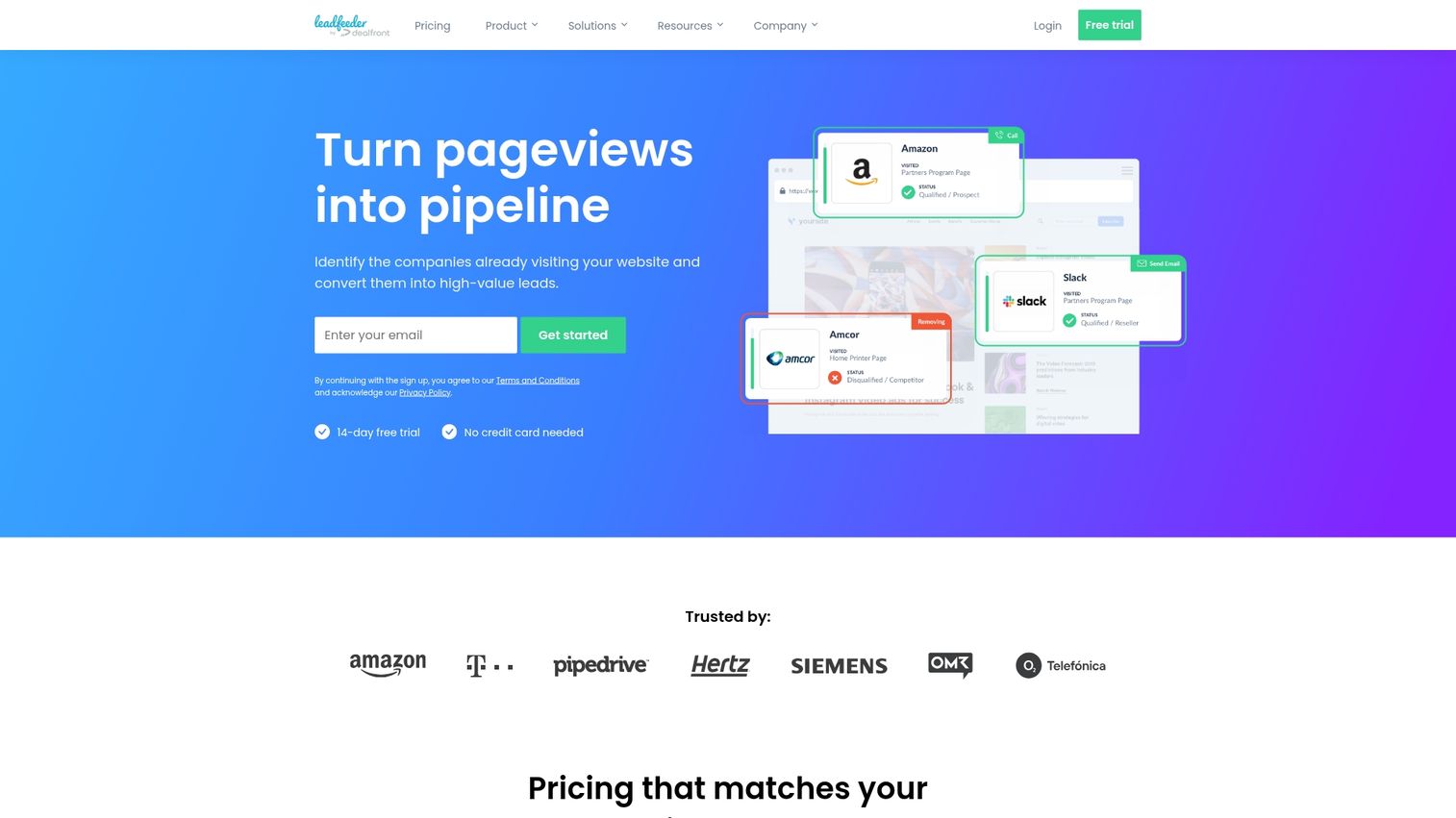
Leadfeeder is a website visitor identification tool that reveals companies visiting your site, even without form fills. It turns anonymous traffic into actionable leads by tracking behavior and syncing company data to your CRM.
Best for: B2B teams wanting to identify and engage anonymous website visitors.
Key strengths
- Company identification, behavior tracking, CRM sync, and lead scoring
Why choose: Turns anonymous website traffic into a new source of actionable sales leads.
Pricing: Free limited tier available, with paid plans based on leads identified.
8. Intercom
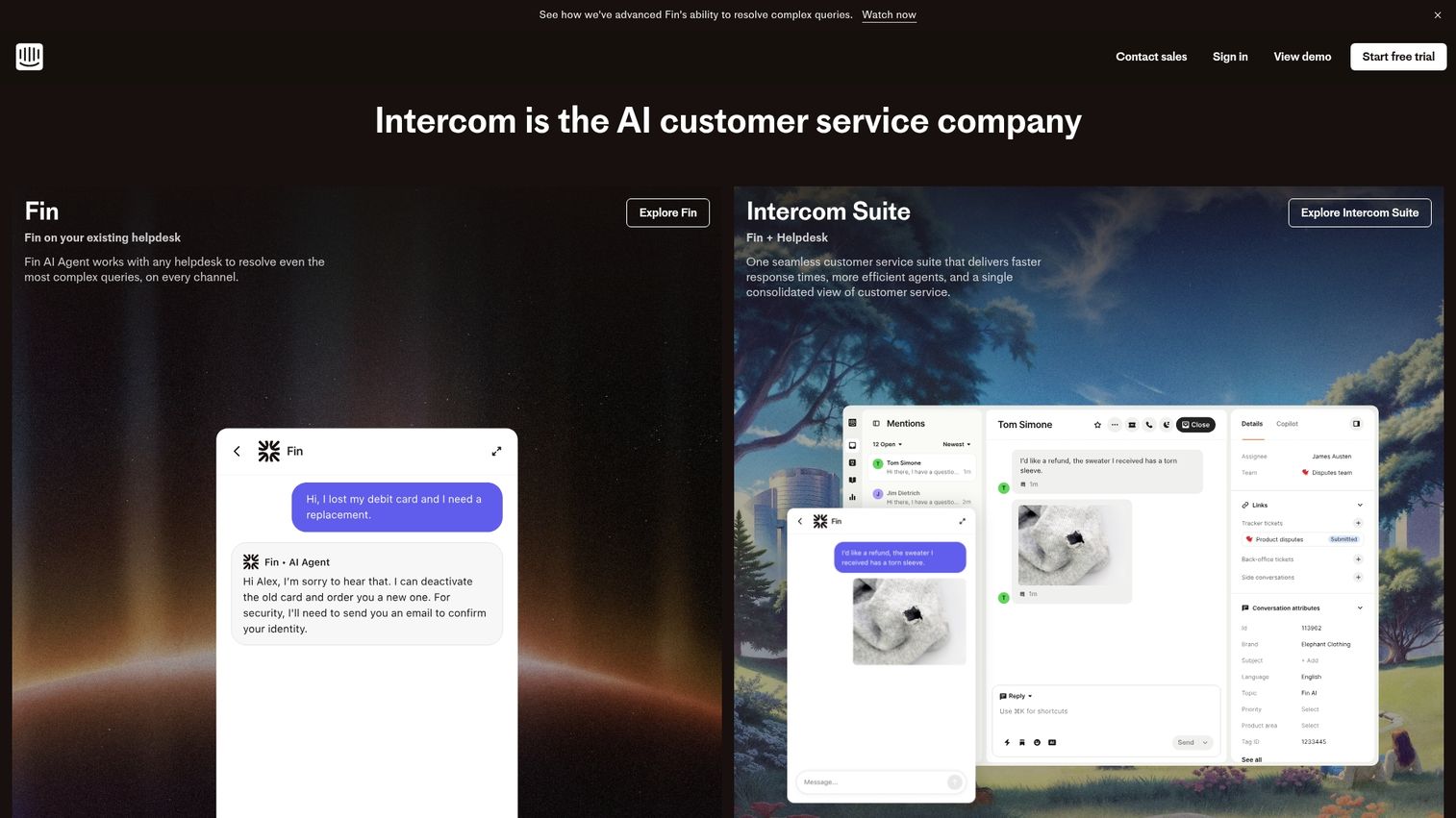
Intercom is a conversational lead capture platform using live chat and AI-powered chatbots to engage website visitors. It qualifies leads in real-time and routes them to the appropriate sales rep.
Best for: Teams focused on capturing leads through real-time website conversations.
Key strengths
- AI chatbots, live chat, automated lead routing, and help desk integration
Why choose: Engages visitors in real-time when buying intent is highest.
Pricing: Multiple products with separate pricing structures.
9. Drift
Drift is a conversational marketing platform using AI chatbots to automate lead qualification and meeting booking. It replaces static forms with interactive conversations.
Best for: B2B teams looking to automate lead qualification and scheduling through chat.
Key strengths
- AI chatbots, automated meeting scheduling, ABM targeting, and conversation analytics
Why choose: Qualifies and routes high-intent leads to your sales team instantly.
Pricing: Tiered plans based on features.
10. Calendly
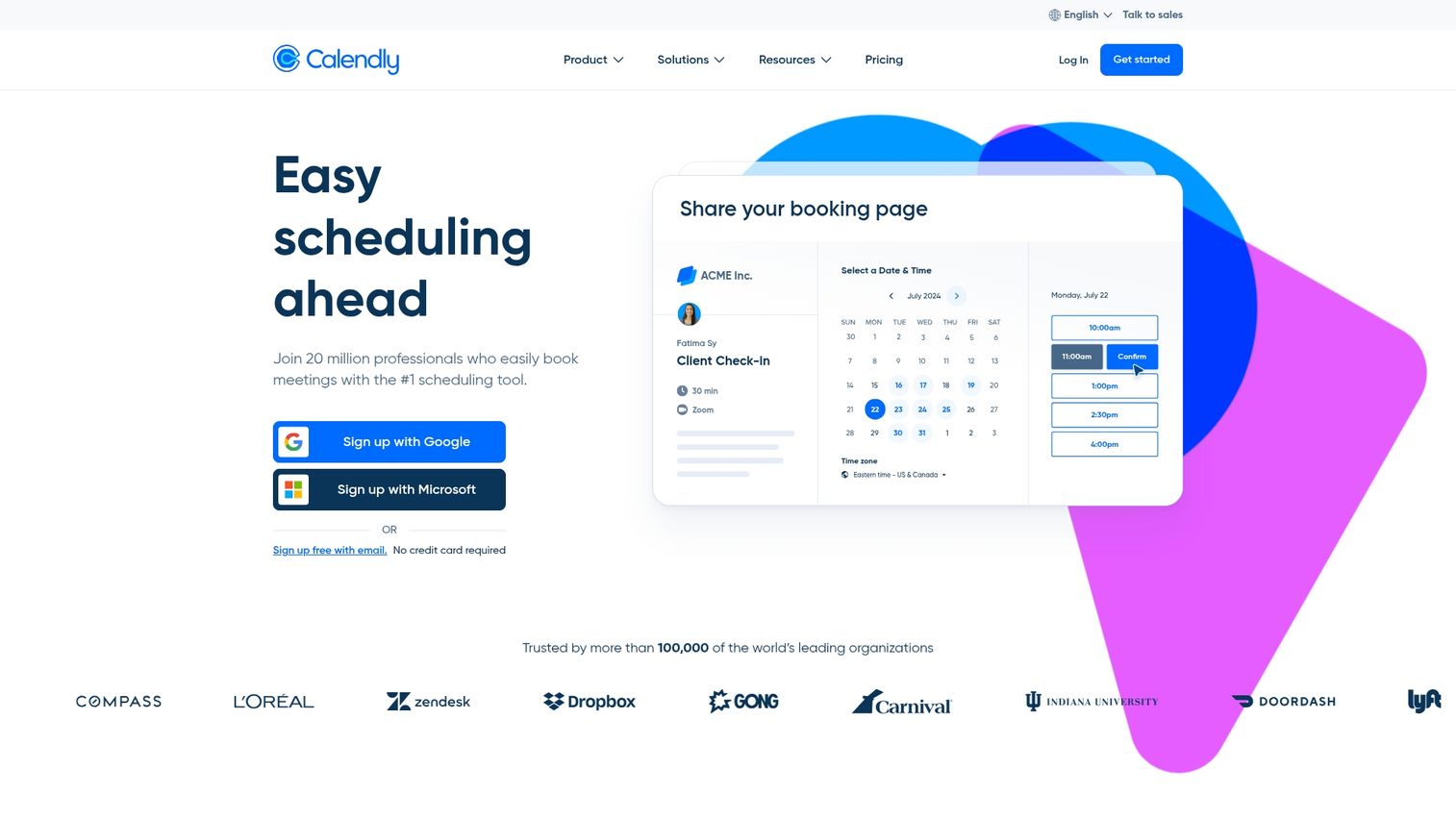
Calendly is a meeting scheduling tool that dramatically reduces friction in booking sales calls. Leads book a time with one click, eliminating back-and-forth emails.
Best for: Teams that book meetings directly from lead gen campaigns.
Key strengths
- One-click scheduling, custom form fields, CRM integration, and lead routing rules
Why choose: Removes friction between lead capture and the first sales conversation.
Pricing: Free tier available, with paid plans adding more features.
11. Mailchimp
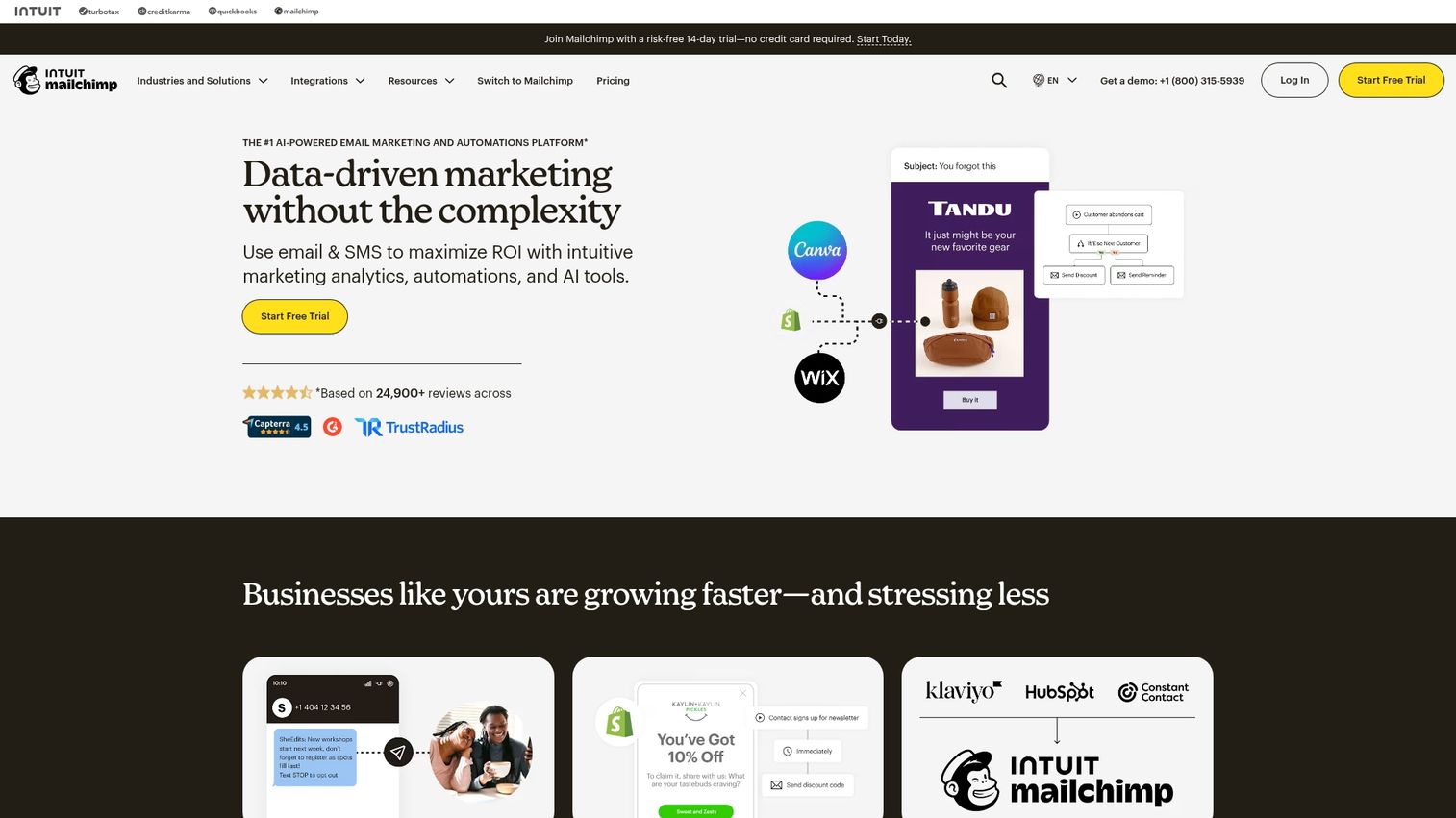
Mailchimp is a popular email marketing platform with simple lead capture tools. It offers forms, landing pages, and automated drip campaigns for small businesses.
Best for: Small businesses looking to build email lists and nurture leads.
Key strengths
- Email automation, landing pages, forms, and audience segmentation
Why choose: Accessible and user-friendly email lead generation software for small business teams.
Pricing: Free tier available, with paid plans scaling with contacts.
12. ActiveCampaign
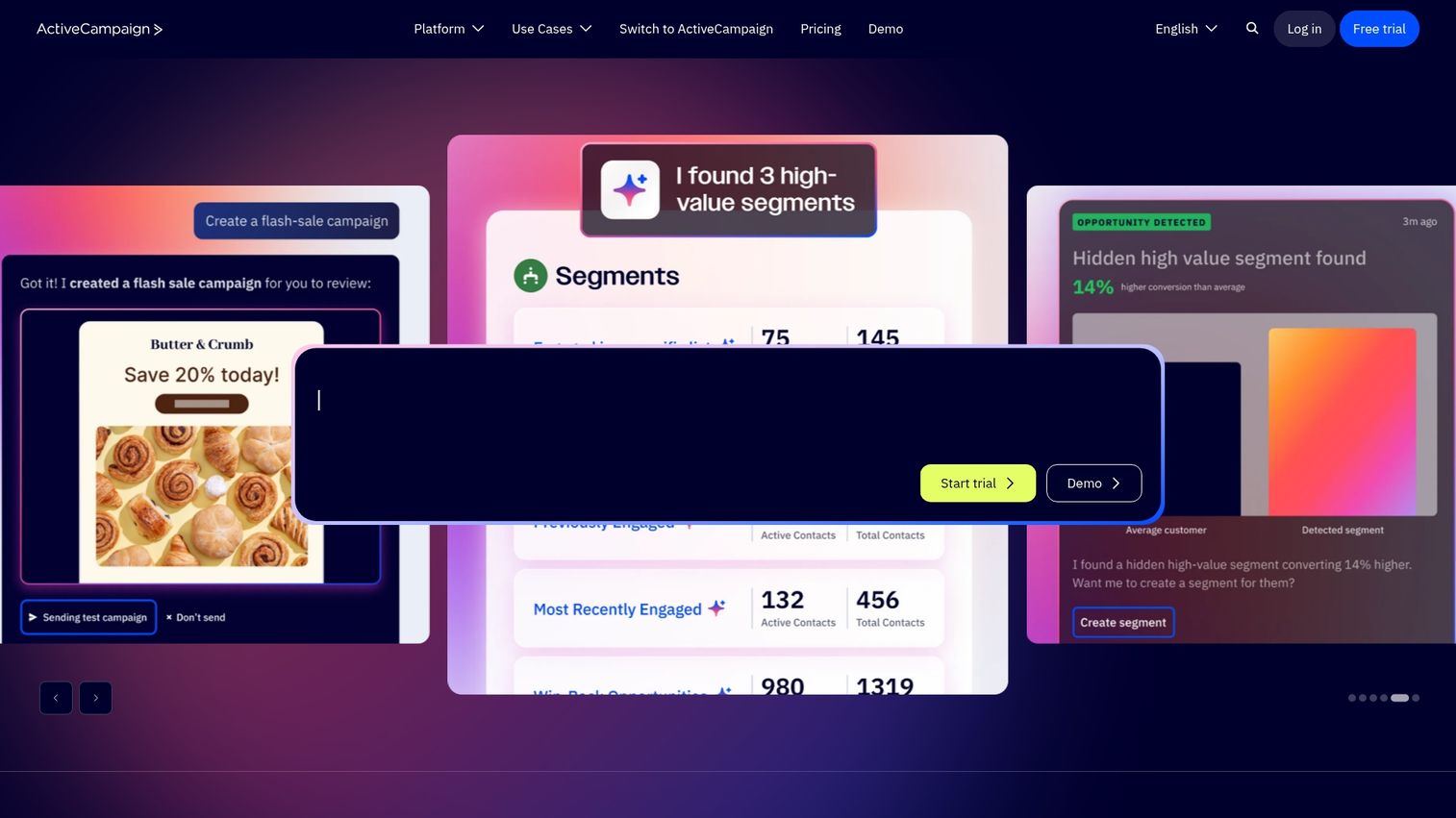
ActiveCampaign is a powerful marketing automation platform with a built-in CRM. It excels at creating sophisticated email sequences, lead scoring, and sales automation.
Best for: Growing teams that require advanced email automation combined with a sales CRM.
Key strengths
- Advanced email sequences, lead scoring, built-in CRM, site tracking, and powerful automations
Why choose: Effectively connects marketing and sales in one automated lead generation software platform.
Pricing: Tiered pricing based on contacts and features.
13. Unbounce
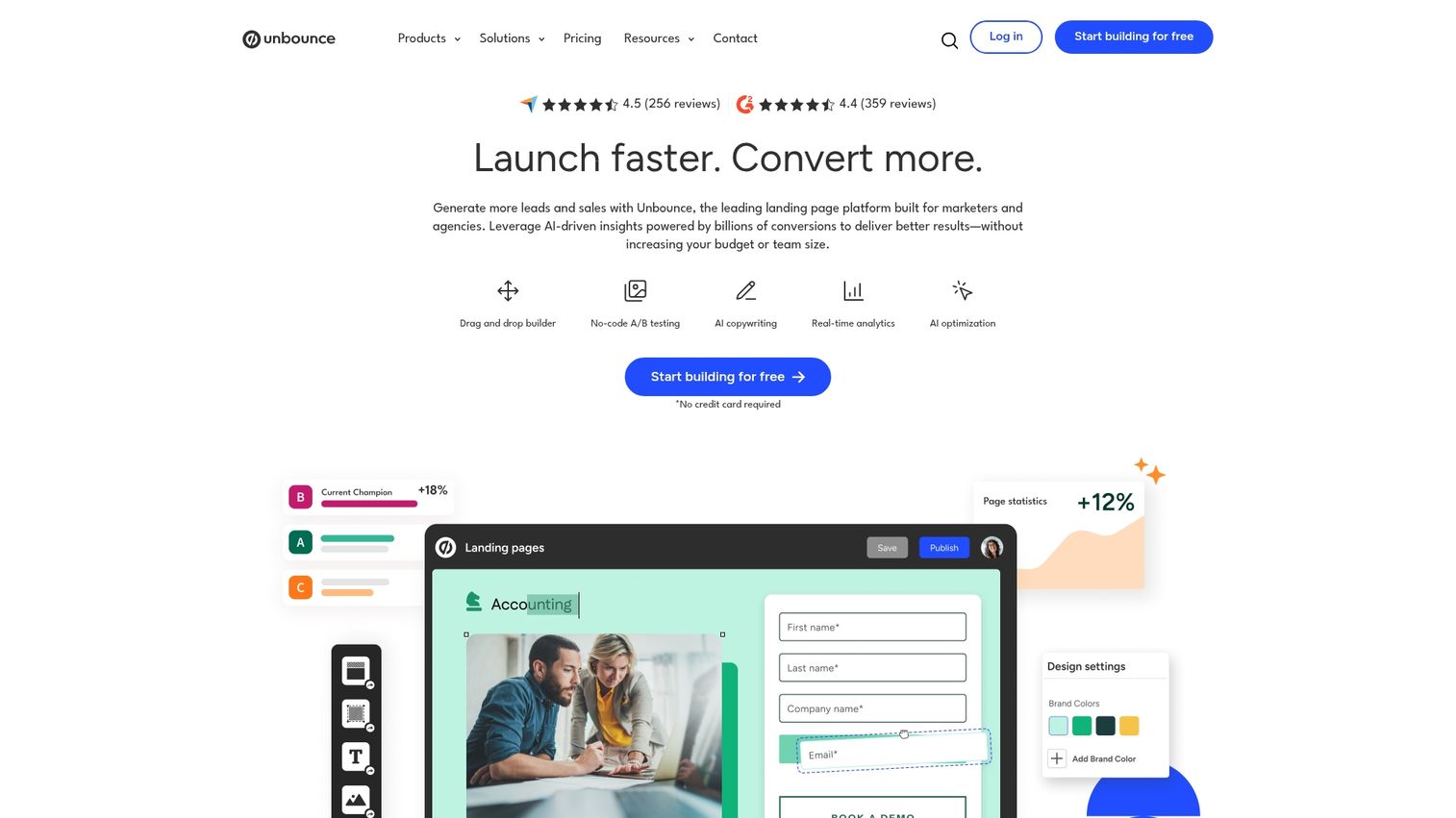
Unbounce is a specialized landing page builder designed for conversion optimization. It uses a drag-and-drop editor, AI-powered copywriting, and robust A/B testing.
Best for: Marketing teams focused on optimizing landing page conversion rates.
Key strengths
- Drag-and-drop builder, AI copywriting, A/B testing, and pop-ups
Why choose: Purpose-built for landing page conversion optimization with features general-purpose builders lack.
Pricing: Based on conversions and pages.
14. Typeform
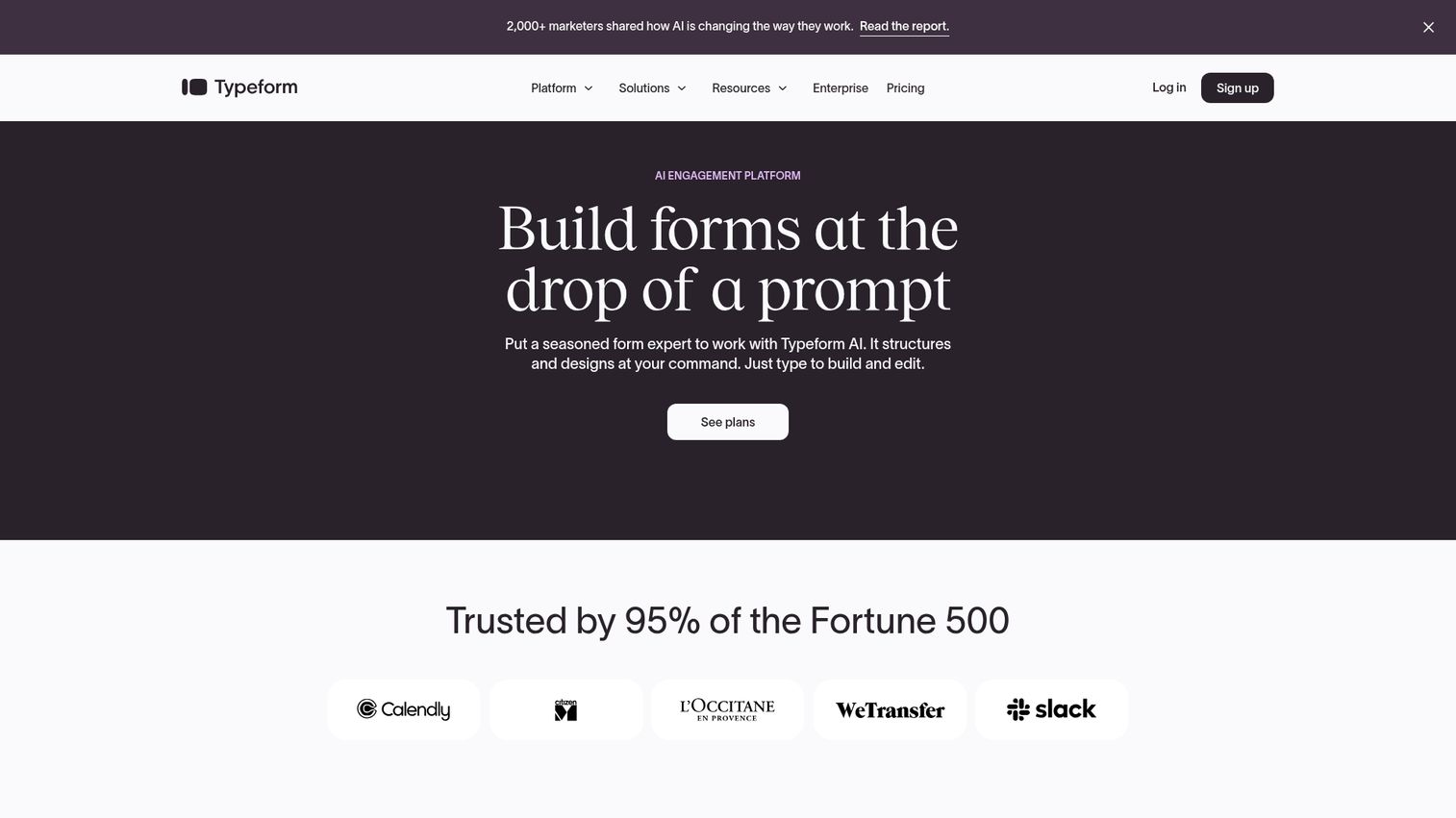
Typeform creates conversational forms that feel more like a conversation than an interrogation. Its one-question-at-a-time format leads to higher completion rates.
Best for: Teams wanting to create engaging forms with higher completion rates.
Key strengths
- Conversational format, logic branching, extensive integrations, and analytics
Why choose: Unique form experience feels like a natural conversation, encouraging more completions.
Pricing: Free limited tier available, with paid plans adding more responses.
15. OptinMonster
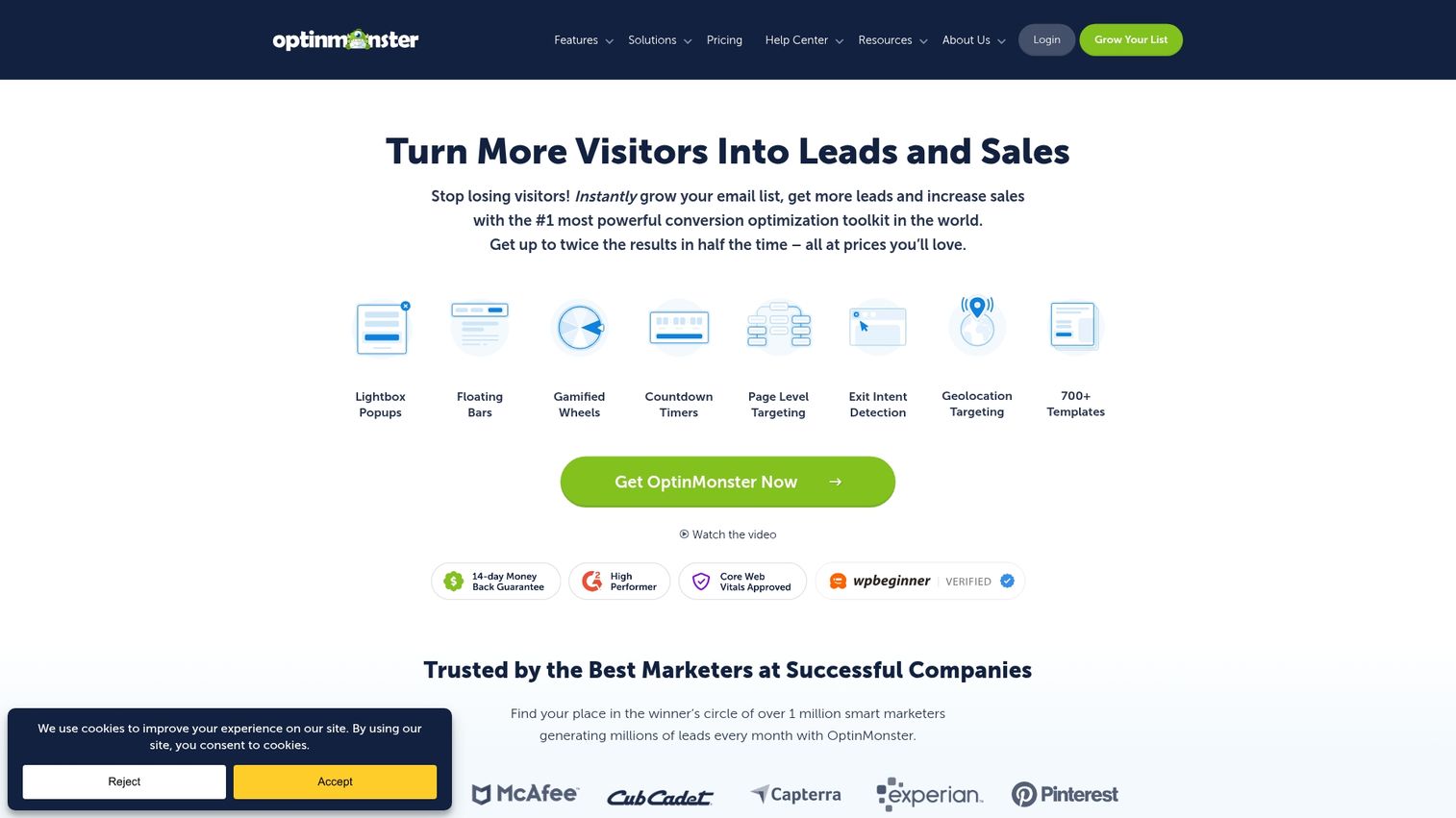
OptinMonster is a powerful pop-up and form builder focused on conversion. It specializes in behavior-triggered campaigns like exit-intent pop-ups and page-level targeting.
Best for: Website owners looking to convert more visitors with targeted pop-ups.
Key strengths
- Exit-intent pop-ups, A/B testing, page-level targeting, and campaign analytics
Why choose: Behavior-based triggers capture leads at optimal moments in their journey.
Pricing: Annual plans based on pageviews.
16. Hunter
Hunter is a simple yet powerful email finder and verifier. Find professional email addresses by searching a company's domain and verify email lists for high deliverability.
Best for: Outbound teams that find and verify professional email addresses.
Key strengths
- Domain search, email finder, bulk verification, and Chrome extension
Why choose: Clean, verified email data is essential for successful cold outreach campaigns.
Pricing: Free tier available, with paid plans based on requests.
17. Clearbit
Clearbit is a data enrichment platform that helps qualify and personalize outreach to leads. It works in real-time to enrich forms and CRM with over 100 data points.
Best for: Teams looking to enrich lead data for better qualification and personalization.
Key strengths
- Real-time enrichment, company reveal, form shortening, and API access
Why choose: Enriched data enables smarter lead scoring, accurate routing, and highly personalized messaging.
Pricing: Based on usage and data volume.
18. Demio
Demio is a webinar platform built for lead generation. It provides tools for creating registration pages, hosting live and automated webinars, and tracking engagement analytics.
Best for: Teams generating leads through webinars and virtual events.
Key strengths
- Branded registration pages, live and automated webinars, engagement analytics, and marketing integrations
Why choose: Webinars capture high-intent leads already interested in learning about your solution.
Pricing: Based on attendees and features.
19. LinkedIn Sales Navigator
LinkedIn Sales Navigator is the essential prospecting tool for B2B sales teams. It unlocks advanced search filters, provides lead recommendations, and allows direct contact through InMail.
Best for: B2B sales teams relying on LinkedIn for prospecting.
Key strengths
- Advanced search filters, lead recommendations, InMail credits, and CRM sync
Why choose: Unparalleled access to LinkedIn's professional network for highly targeted prospecting.
Pricing: Per-seat annual subscription.
20. Outreach
Outreach is an enterprise-grade sales engagement platform for scaling outbound prospecting. Build and execute multi-channel sequences including emails, calls, and social touches.
Key strengths
- Email sequences, call integration, meeting scheduling, and robust analytics
Why choose: Enterprise-grade sales lead generation tool with powerful reporting for optimizing performance.
Pricing: Custom pricing based on seats.
21. Salesloft
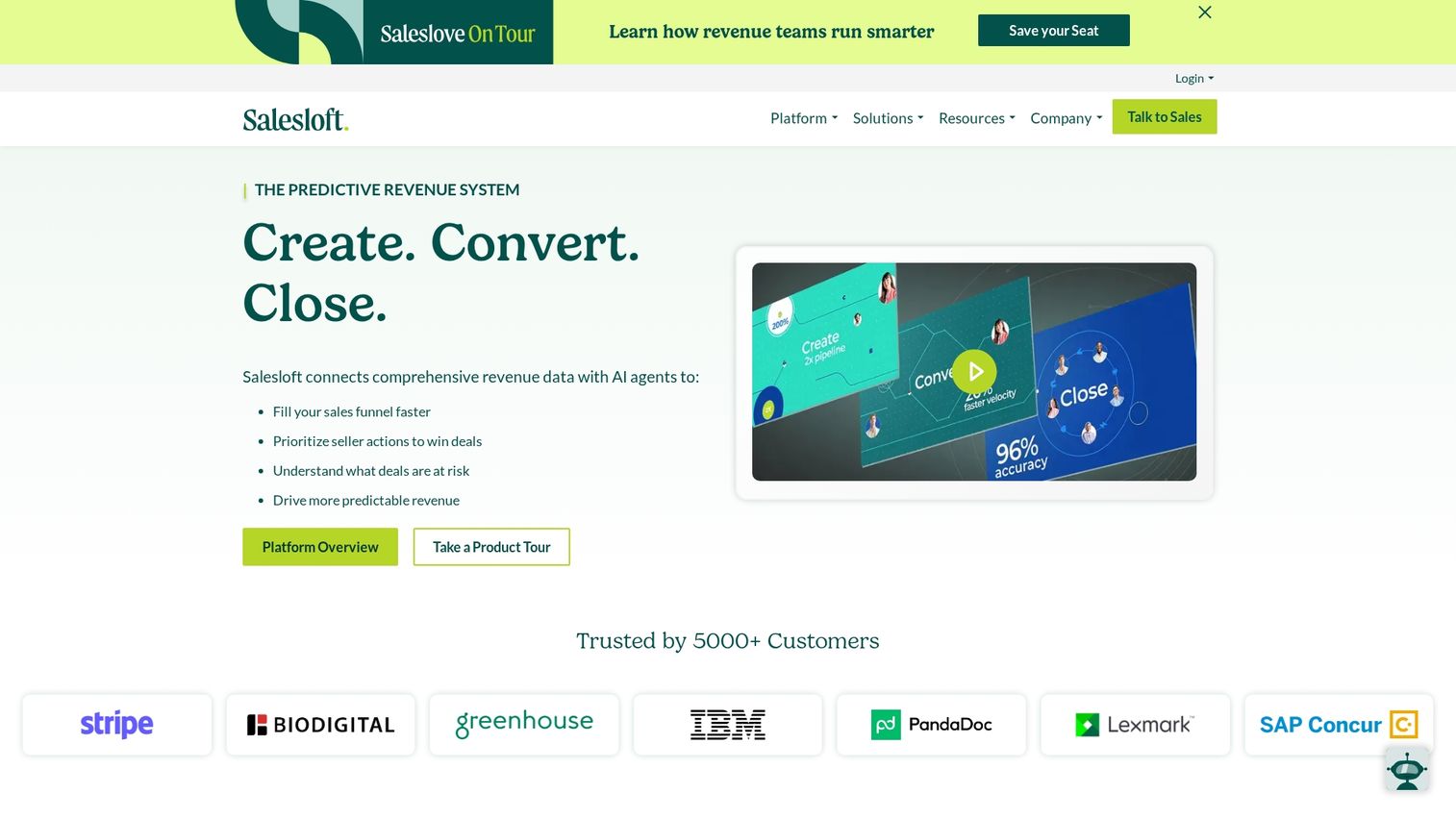
Salesloft is a sales engagement platform combining prospecting with revenue intelligence. Execute multi-channel "Cadences" with conversation intelligence and forecasting.
Key strengths
- Cadences, conversation intelligence, forecasting, and deep integrations
Why choose: Combines lead generation programs with deal management and revenue intelligence.
Pricing: Custom pricing.
22. Chili Piper
Chili Piper specializes in instant lead routing and scheduling. When a high-intent lead fills out a form, Chili Piper instantly routes them to the correct rep and allows one-click meeting booking - critical given that responding within 5 minutes increases conversions by 100x compared to waiting 30 minutes.
Best for: Teams that route inbound leads to the right sales rep instantly.
Key strengths
- Form routing, instant scheduling, round-robin distribution, and CRM sync
Why choose: Reduces lead response time from hours to seconds, dramatically increasing conversion rates.
Pricing: Based on users and features.
23. Lusha
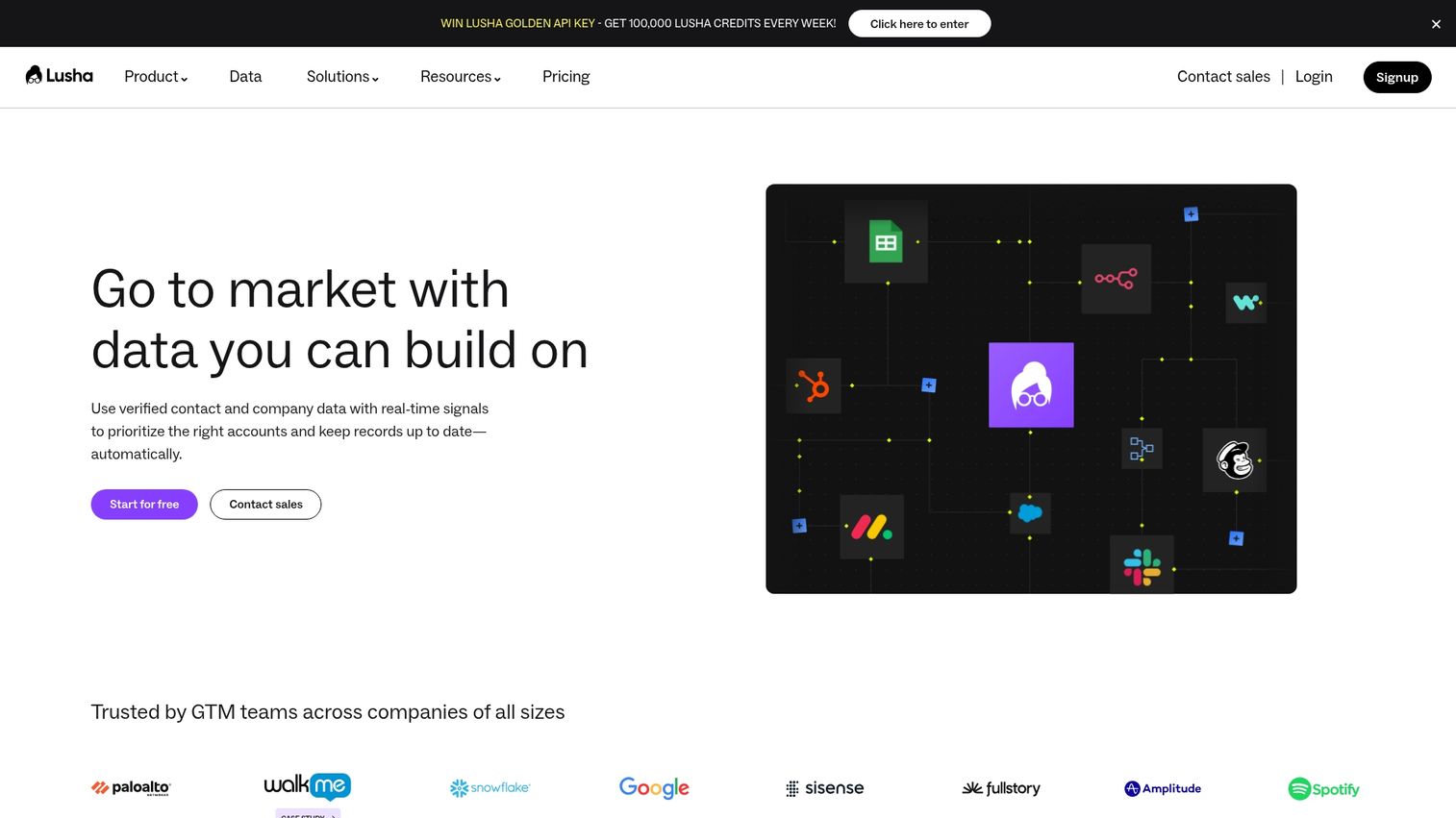
Lusha is a B2B contact data provider known for accuracy and a user-friendly Chrome extension. Sales reps quickly find direct dials and email addresses while browsing LinkedIn or company websites.
Best for: Sales reps who find direct contact information quickly.
Key strengths
- Chrome extension, direct dials, email addresses, and CRM enrichment
Why choose: Quick and easy access to contact data directly within a rep's prospecting workflow.
Pricing: Free tier available, with paid plans based on credits.
24. Seamless.AI
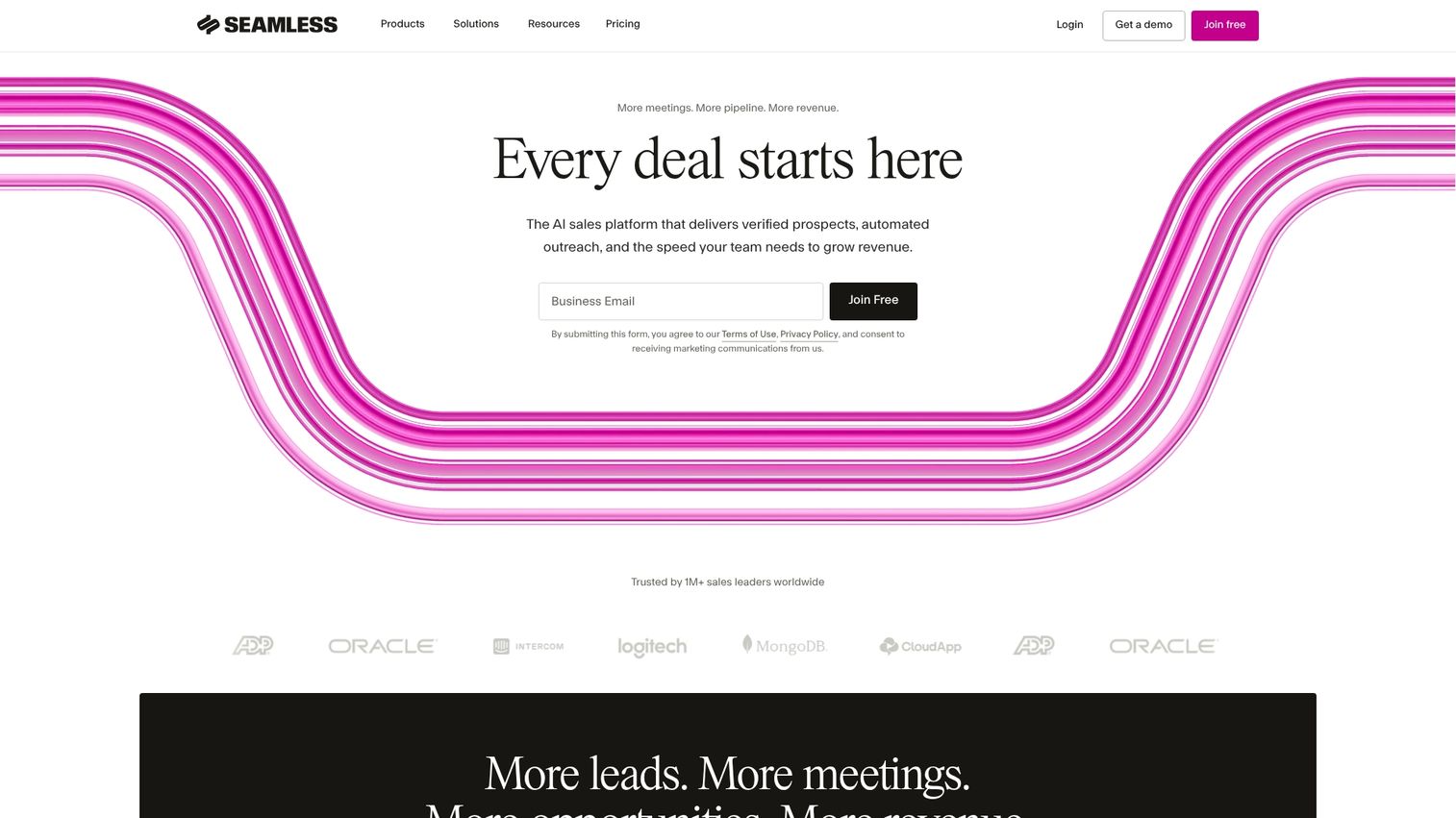
Seamless.AI is an AI-powered contact search engine that finds and verifies B2B contact data in real-time. Instead of pulling from a static database, its AI searches the web for current data.
Best for: Teams that build prospect lists with real-time verified data.
Key strengths
- AI-powered search, real-time verification, Chrome extension, and list-building features
Why choose: Real-time data search provides more up-to-date information than static databases.
Pricing: Free tier available, with paid plans adding credits and features.
25. Cognism
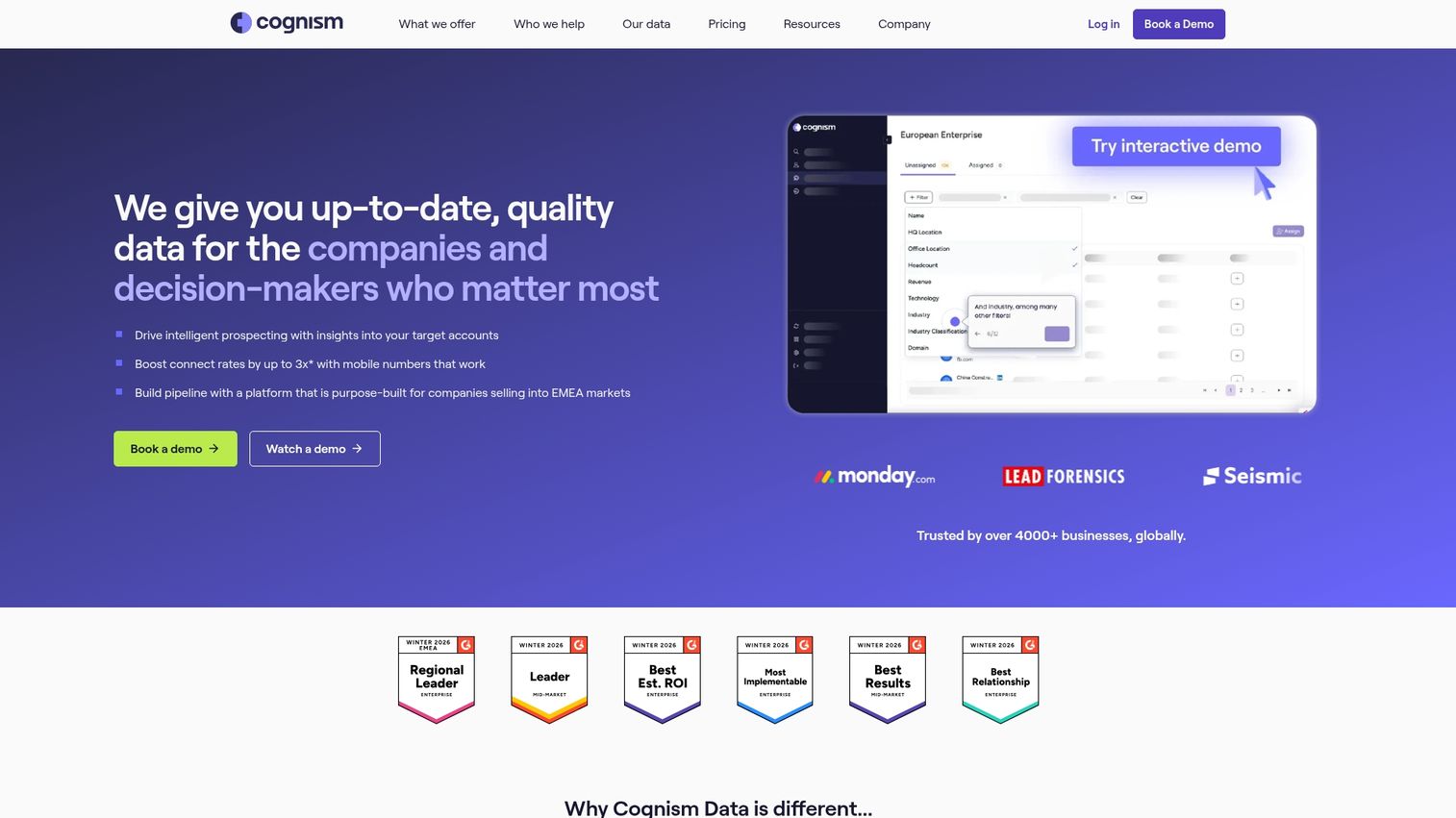
Cognism is a B2B data provider emphasizing GDPR and CCPA compliance. It is particularly strong in European markets and provides phone-verified mobile numbers.
Best for: Teams requiring compliant B2B contact data, especially for European markets.
Key strengths
- GDPR compliance, phone-verified mobiles, intent data, and deep integrations
Why choose: Compliance-first approach is essential for teams operating in regulated industries and regions.
Pricing: Custom pricing based on needs.
How to choose the right lead gen software
Define your lead generation goals first
Before evaluating tools, determine your primary need. Is it converting existing inbound traffic, or building lists for outbound prospecting? This fundamental question determines which category of tools to focus on.
Audit your current marketing and sales stack
Your new tool works with existing systems. List integrations critical for your workflow, especially your CRM, marketing automation platform, and analytics tools. Ensure data flows seamlessly between them.
Compare pricing models and scalability
Lead generation software is priced in various ways: per-user, per-contact, per-credit, or flat rate. Consider your team's growth trajectory and calculate total cost of ownership, not just initial price.
Prioritize tools your team will actually use
A complex tool with powerful features is a waste of budget if adoption is low. Consider ease of use and training required. Whenever possible, involve end users in the evaluation process.
Turn website traffic into sales conversations
Generating website traffic is only half the battle. Turning that traffic into pipeline is what matters. While lead generation software captures contact information, there's often a gap between a form fill and a truly qualified lead.
To close this gap, product marketing teams increasingly use interactive demos to let prospects self-qualify. By allowing potential buyers to experience product value firsthand before booking a call, you filter your pipeline down to genuinely interested buyers ready for a sales conversation.
Start your journey with Guideflow today!
FAQs about lead generation software
Yes, most lead gen tools work as standalone solutions. However, their value increases significantly when integrated with a CRM, which allows for better tracking, automated follow-up, and a complete view of the customer journey.
Inbound tools capture interest from visitors who come to you (forms, chatbots, landing pages). Outbound tools help you find and proactively reach prospects who may not know you yet (prospecting databases, email automation).
Costs range from free tiers for basic needs to thousands of dollars per month for enterprise-level data providers. Your budget depends on team size, contact volume, and whether you require expensive prospecting data or simple lead capture tools.
Yes, AI assists with tasks like prospecting research, personalizing email copy, and powering chatbot conversations. However, you still require dedicated lead generation software to capture, enrich, manage, and route contact data effectively.
Yes, in most regions cold email is legal if you follow regulations like CAN-SPAM in the US and GDPR in the EU. Regulations typically require honest subject lines, clear sender identity, a physical address, and an easy opt-out method.
HubSpot CRM, Mailchimp, and Apollo all offer excellent free tiers with basic lead capture and management features. Free tiers are great options for small teams just starting with lead generation.
Interactive demos capture leads by gating access behind a lead form. They then qualify leads by tracking which features a prospect engages with, revealing specific interests and buying intent before a sales conversation takes place.