Your prospects are scrolling LinkedIn right now, researching solutions and forming opinions before they ever talk to sales. The reps who show up in their feed with relevant insights get the meeting. The ones who don't get ignored.
Social selling tools help you find those prospects, start conversations that feel natural, and track which activities actually generate pipeline. This guide covers nine platforms built for B2B sales teams, with comparison tables, pricing breakdowns, and guidance on matching tools to your workflow.
What's inside
Social selling tools help sales professionals identify, engage, and nurture prospects on social media, working alongside demand generation tools to build pipeline. The top platforms for B2B teams in 2026 include LinkedIn Sales Navigator for targeting decision-makers, Hootsuite and Sprout Social for multi-platform management, and AI-driven tools like Apollo.io and Amplemarket for prospecting automation.
This guide covers nine tools built for B2B sales teams who prospect primarily on LinkedIn. Selection criteria include LinkedIn integration depth, CRM sync capabilities, analytics quality, and G2 ratings. You'll find comparison tables, pricing breakdowns, and guidance on matching tools to your team's workflow.
TL;DR
- Best for LinkedIn-first prospecting: LinkedIn Sales Navigator offers the deepest targeting and InMail capabilities
- Best for multi-platform social listening: Hootsuite monitors conversations across LinkedIn, Twitter, and Facebook from one dashboard
- Best all-in-one for small teams: Apollo.io combines contact data with sequencing at an accessible price point
- Best for AI-powered outreach: Amplemarket generates personalized messages and tracks job changes automatically
- Best for content and personal branding: Taplio helps individual reps build thought leadership on LinkedIn
- Best for analytics and tracking: Shield provides deep LinkedIn performance data for teams
What is a social selling tool
A social selling tool is software that helps sales reps turn social media interactions into pipeline. Rather than cold calling or blasting generic emails that 73% of buyers avoid, reps use social platforms to research prospects, build relationships, and start conversations that feel natural.
The core job of a social selling tool breaks down into four parts:
- Prospect identification: Finding and filtering decision-makers by role, company size, and industry
- Engagement automation: Scheduling connection requests, messages, and content shares
- Social listening: Monitoring brand mentions, competitor activity, and buying signals
- Analytics: Tracking which activities generate meetings and pipeline
The shift toward relationship-based selling created demand for this category. Buyers research vendors independently before talking to sales. By the time a prospect agrees to a call, 92% of buyers already have a vendor in mind.
Social selling tools vs social media marketing software
First-time buyers often confuse social selling tools with social media marketing software. The distinction matters because buying the wrong type wastes budget and creates adoption friction.
Social selling tools focus on 1:1 sales conversations. Individual reps use them to find prospects, send personalized outreach, and track relationship progress. Success metrics include meetings booked, reply rates, and deals influenced.
Social media marketing software focuses on brand reach. Marketing teams use marketing platforms to schedule content, grow audiences, and measure engagement rates. Success metrics include impressions, followers, and content performance.
Factor | Social selling tool | Social media marketing software |
|---|---|---|
Primary user | Individual sales rep | Marketing team |
Goal | Generate pipeline and close deals | Build brand awareness and engagement |
Key metric | Meetings booked, replies, deals influenced | Impressions, followers, engagement rate |
Typical platforms | LinkedIn, Twitter | All social platforms |
Some platforms span both categories. Hootsuite and Sprout Social serve marketing teams primarily but include features useful for sales. LinkedIn Sales Navigator is purely a sales tool with no marketing functionality.
What to look for in social selling software
Before evaluating specific tools, understand which criteria matter for your team's workflow and goals.
LinkedIn integration and automation safety
LinkedIn dominates B2B social selling. Your tool's integration depth determines how much value you extract from the platform.
Check whether the tool uses LinkedIn's official API or browser extensions. Official API integrations are safer but more limited. Browser extensions offer more automation but risk account restrictions if you exceed LinkedIn's daily limits for connection requests and messages.
LinkedIn restricts accounts that send too many connection requests or messages in short periods. The safest tools throttle activity automatically and mimic human behavior patterns.
CRM and sales engagement sync
Social activity is invisible to sales management if it doesn't flow into your CRM. Look for bidirectional sync with Salesforce, HubSpot, or your sales engagement platform.
Good integrations log social touches on contact and deal records automatically. Without CRM sync, social selling becomes a silo that's hard to measure or optimize.
Content sharing and distribution
Reps build credibility by sharing valuable content, both company materials and personal insights. Look for employee advocacy features that make sharing easy and compliant.
Content libraries let marketing pre-approve posts that reps can share with one click. Some tools support personalized video and interactive demos that reps can send directly in LinkedIn messages.
Analytics and engagement tracking
LinkedIn's Social Selling Index (SSI) measures profile strength and activity on a 0-100 scale. SSI tracks four components: establishing your professional brand, finding the right people, engaging with insights, and building relationships.
Beyond SSI, track profile views, connection acceptance rates, message reply rates, and content engagement. The best tools tie social metrics to pipeline outcomes so you can see which activities generate revenue.
Team collaboration and compliance
Teams larger than a few reps benefit from shared content libraries, approval workflows, and compliance guardrails. Regulated industries like financial services require message archiving and pre-approval for outbound content.
Look for role-based access controls and manager dashboards that show rep activity without micromanaging.
Social selling tools comparison table
# | Product | Intent | Key differentiation | Pricing | G2 rating |
|---|---|---|---|---|---|
1 | LinkedIn Sales Navigator | LinkedIn prospecting and targeting | Deepest LinkedIn integration with InMail credits | $99/mo | 4.3/5 |
2 | Data plus outreach in one platform | B2B contact database with multi-channel sequences | $49/user/mo | 4.8/5 | |
3 | Amplemarket | AI-powered prospecting | AI message personalization and job change alerts | Custom | 4.6/5 |
4 | Lemlist | Creative personalized outreach | Personalized images and videos in sequences | $59/user/mo | 4.4/5 |
5 | Taplio | LinkedIn personal branding | AI content suggestions and scheduling | $49/mo | 4.7/5 |
6 | Shield | LinkedIn analytics | Deep performance data and team dashboards | $25/mo | 4.5/5 |
7 | Hootsuite | Multi-platform management | Social listening across LinkedIn, Twitter, Facebook | $99/mo | 4.2/5 |
8 | Sprout Social | Enterprise social management | Advanced reporting and employee advocacy | $249/seat/mo | 4.4/5 |
9 | Oktopost | B2B employee advocacy | Lead attribution and content curation | Custom | 4.5/5 |
Best social selling tools for B2B sales teams
1. LinkedIn Sales Navigator
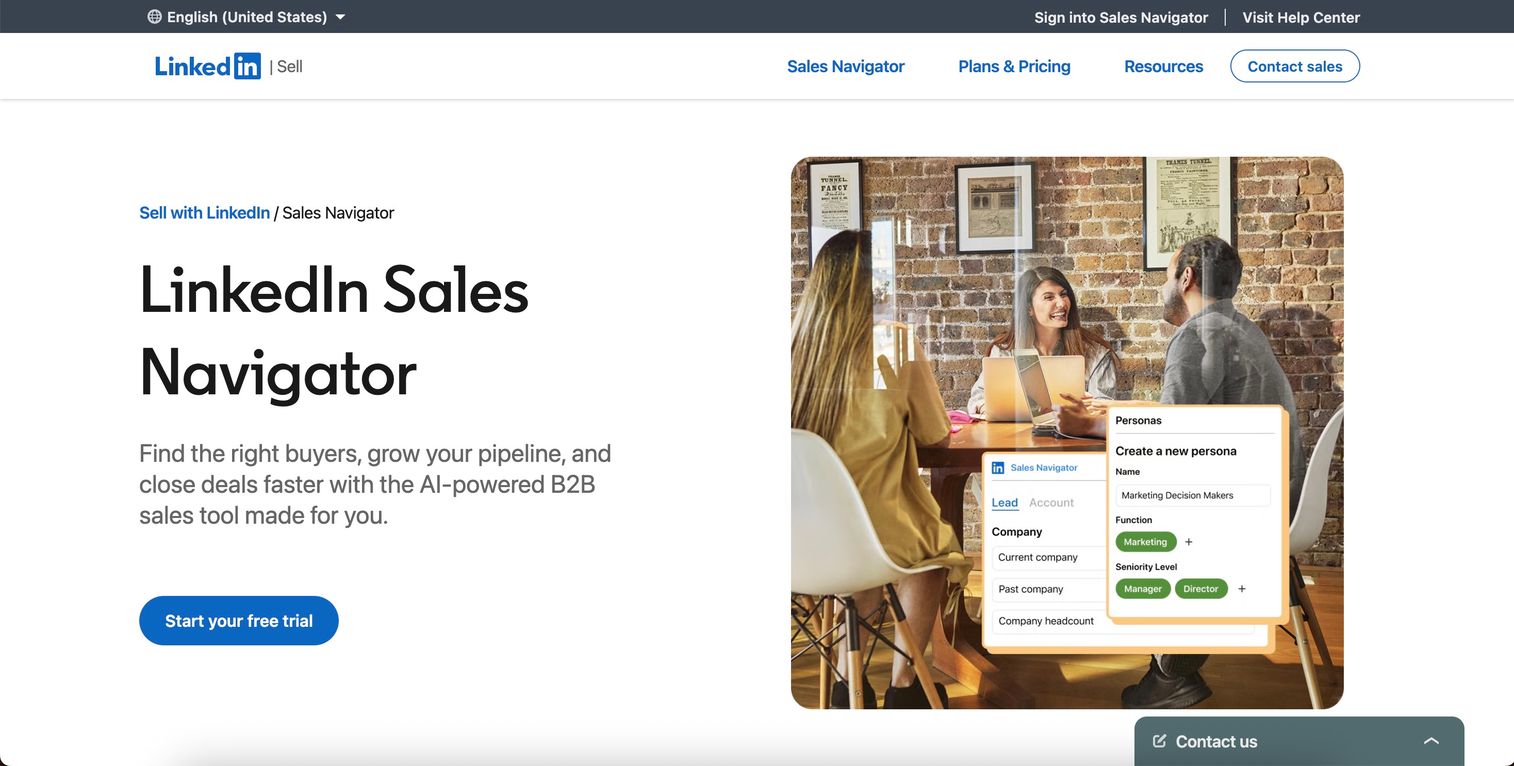
LinkedIn Sales Navigator is the default social selling tool for B2B teams. The platform provides advanced search filters, lead and account list building, and InMail credits for reaching prospects outside your network.
Best for: B2B teams whose primary prospecting happens on LinkedIn.
Key strengths
- Advanced lead filters: Boolean search across company size, role, industry, seniority, and more
- InMail and warm introductions: Direct outreach to prospects you're not connected with
- CRM sync: Native integrations with Salesforce and HubSpot that log activity automatically
Why choose LinkedIn Sales Navigator
Choose Sales Navigator when LinkedIn is your primary prospecting channel and you want the deepest targeting capabilities available. The platform excels at finding specific decision-makers and tracking their activity.
The trade-off is cost. Enterprise pricing adds up quickly for large teams. And if your buyers aren't active on LinkedIn, the investment delivers limited value.
LinkedIn Sales Navigator pricing
Professional starts at $99/month billed annually. Team and Enterprise tiers require annual commitment and include additional features like TeamLink and advanced reporting.
2. Apollo.io
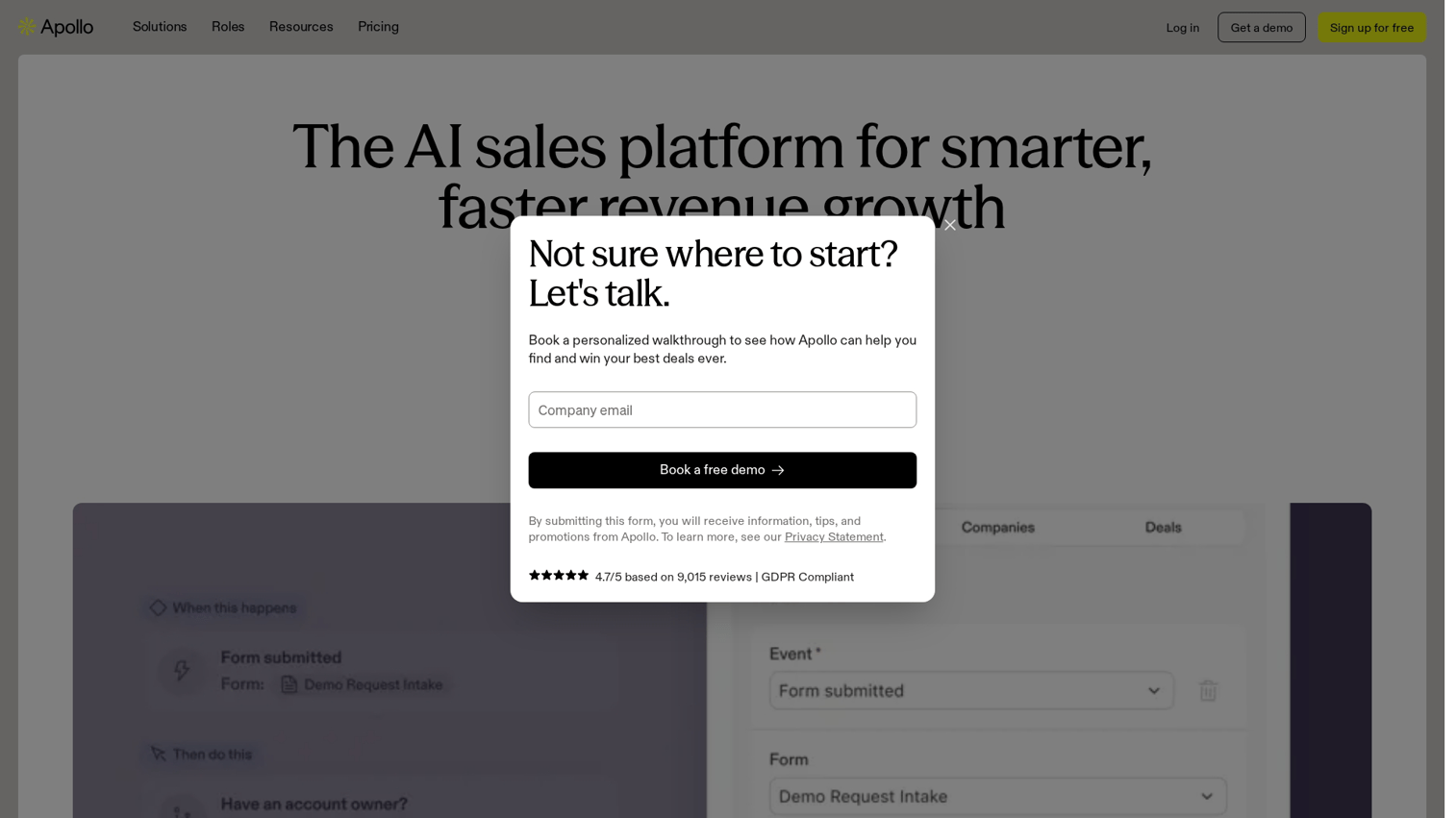
Apollo.io combines a B2B contact database with sales engagement capabilities. You get verified emails and phone numbers plus the ability to build multi-channel sequences without switching platforms.
Best for: Teams that want prospecting data and outreach automation in one platform.
Key strengths
- B2B contact database: Access to verified emails and direct dials across millions of contacts
- Multi-channel sequences: Email, LinkedIn, and phone steps in unified workflows
- Intent signals: Identify companies actively researching your category
Why choose Apollo.io
Choose Apollo when you want to consolidate your prospecting stack. Instead of paying separately for data, sequencing, and LinkedIn automation, you get everything in one platform.
Data quality varies by region and industry. Test accuracy for your target market before committing. LinkedIn automation requires careful setup to avoid account restrictions.
Apollo.io pricing
A free tier includes limited credits. Paid plans start at $49/user/month with higher tiers for teams needing more data and features.
3. Amplemarket
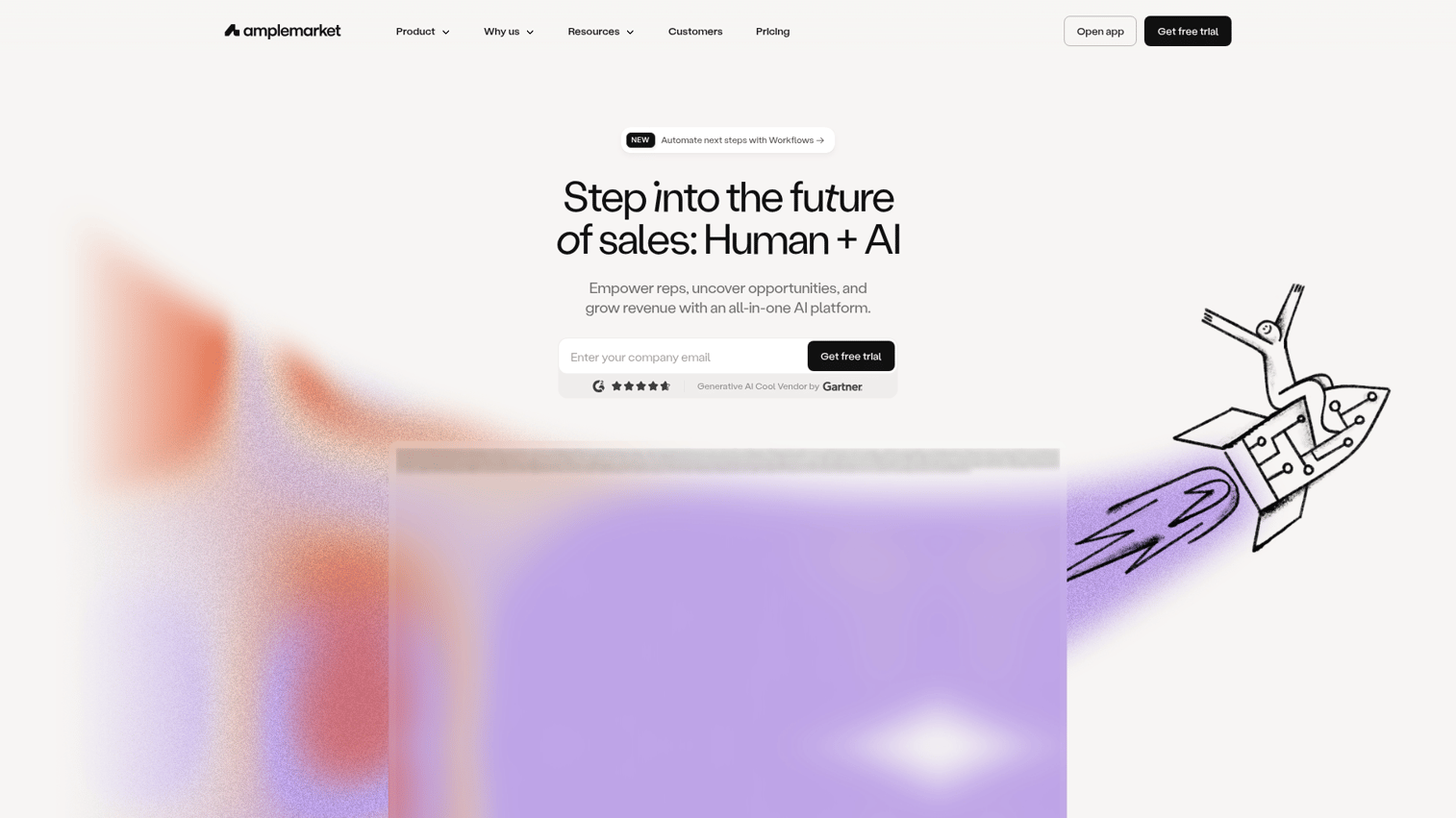
Amplemarket uses AI to personalize outreach at scale. The platform generates tailored first lines, tracks when champions change jobs, and orchestrates multi-channel sequences automatically.
Best for: Mid-market teams ready to invest in AI-assisted outreach.
Key strengths
- AI-generated personalization: Tailored messaging based on prospect data and activity
- Job change tracking: Alerts when champions move to new companies (a high-conversion trigger)
- Multi-channel orchestration: LinkedIn, email, and phone coordinated in intelligent sequences
Why choose Amplemarket
Choose Amplemarket when rep time is your bottleneck and you want AI to handle message drafting. The platform works best for teams with enough volume to justify the investment and willingness to tune AI output.
The trade-off is price point and learning curve. You'll spend time training the AI to match your voice and reviewing output quality.
Amplemarket pricing
Custom pricing based on team size and usage. Expect mid-market pricing appropriate for teams of 10+ reps.
4. Lemlist
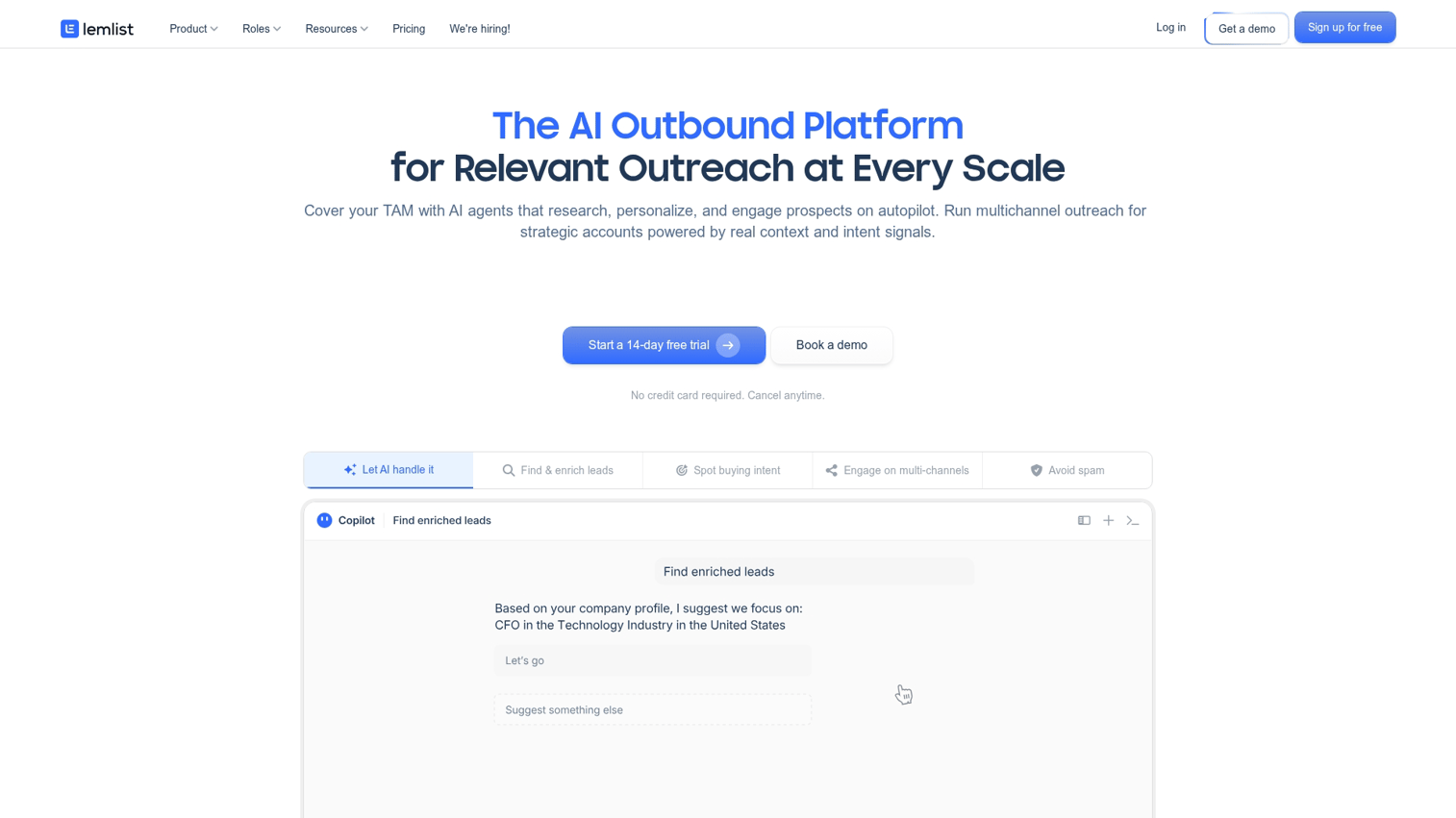
Lemlist focuses on creative, attention-grabbing outreach. The platform supports personalized images and videos that stand out in crowded inboxes, plus LinkedIn automation for connection requests and messages.
Best for: SDR teams focused on creative, personalized outreach that breaks through noise.
Key strengths
- Personalized images and videos: Dynamic visuals with prospect names, logos, and custom elements
- LinkedIn automation: Connection requests and messages within the platform
- Deliverability suite: Warm-up and spam testing to protect sender reputation
Why choose Lemlist
Choose Lemlist when your outreach competes with dozens of other messages daily. Creative personalization increases reply rates, especially for cold outreach to executives who ignore generic templates.
LinkedIn automation carries account risk. Lemlist's approach is relatively conservative, but any automation tool requires monitoring.
Lemlist pricing
Plans start at $59/user/month. Higher tiers include more sending capacity and advanced features.
5. Taplio
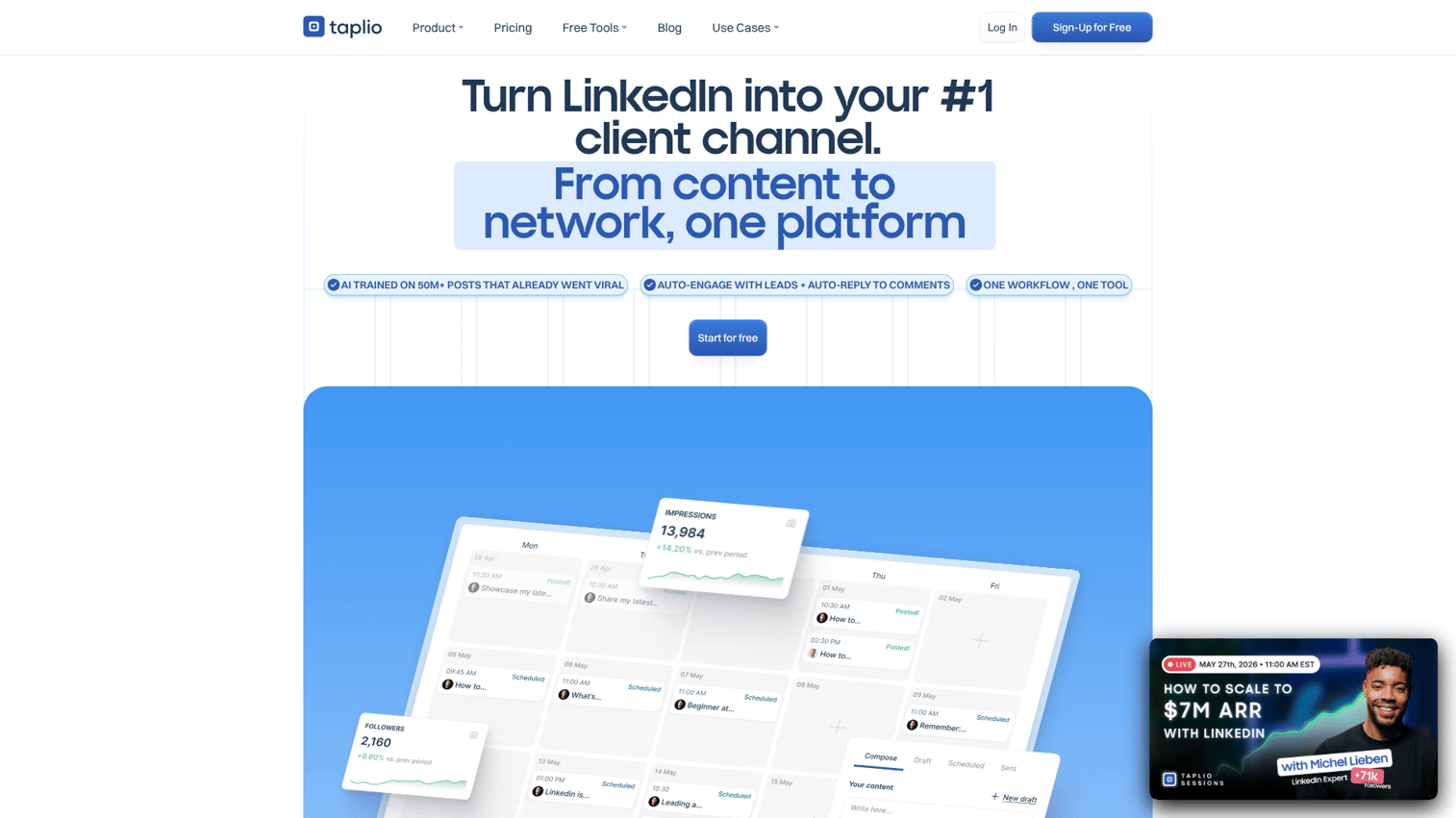
Taplio helps individual reps and founders build personal brands on LinkedIn. The platform suggests content ideas, schedules posts, and tracks which content drives profile views and connections.
Best for: Individual reps and founders building thought leadership that attracts inbound interest.
Key strengths
- AI content suggestions: Generate post ideas based on trending topics and your expertise
- Carousel and post scheduling: Plan your content calendar in advance
- Engagement analytics: Track which posts drive profile views, connections, and conversations
Why choose Taplio
Choose Taplio when personal profiles drive 2.60% engagement and you want to build a personal brand that generates inbound leads. Consistent LinkedIn content establishes credibility and keeps you top-of-mind with prospects.
Taplio is not a prospecting tool. It works best alongside Sales Navigator or an outreach platform.
Taplio pricing
Plans start at $49/month for individuals. Team plans available for coordinated content strategies.
6. Shield
Shield provides deep LinkedIn analytics that go beyond what the native platform offers. Track post performance, follower growth, and engagement trends over time.
Best for: Teams tracking rep LinkedIn activity and content ROI.
Key strengths
- Deep LinkedIn analytics: Post reach, engagement trends, follower growth, and content performance
- Team dashboards: Aggregate view of rep activity across the organization
- Content benchmarking: Compare performance across team members to identify what works
Why choose Shield
Choose Shield when you want visibility into what's working on LinkedIn. The platform helps you understand which content types, posting times, and topics generate the most engagement.
Shield is analytics only. It doesn't include outreach or automation features. Pair it with Sales Navigator or a content tool like Taplio.
Shield pricing
Plans start at $25/month for individuals. Team plans provide aggregate dashboards and benchmarking.
7. Hootsuite
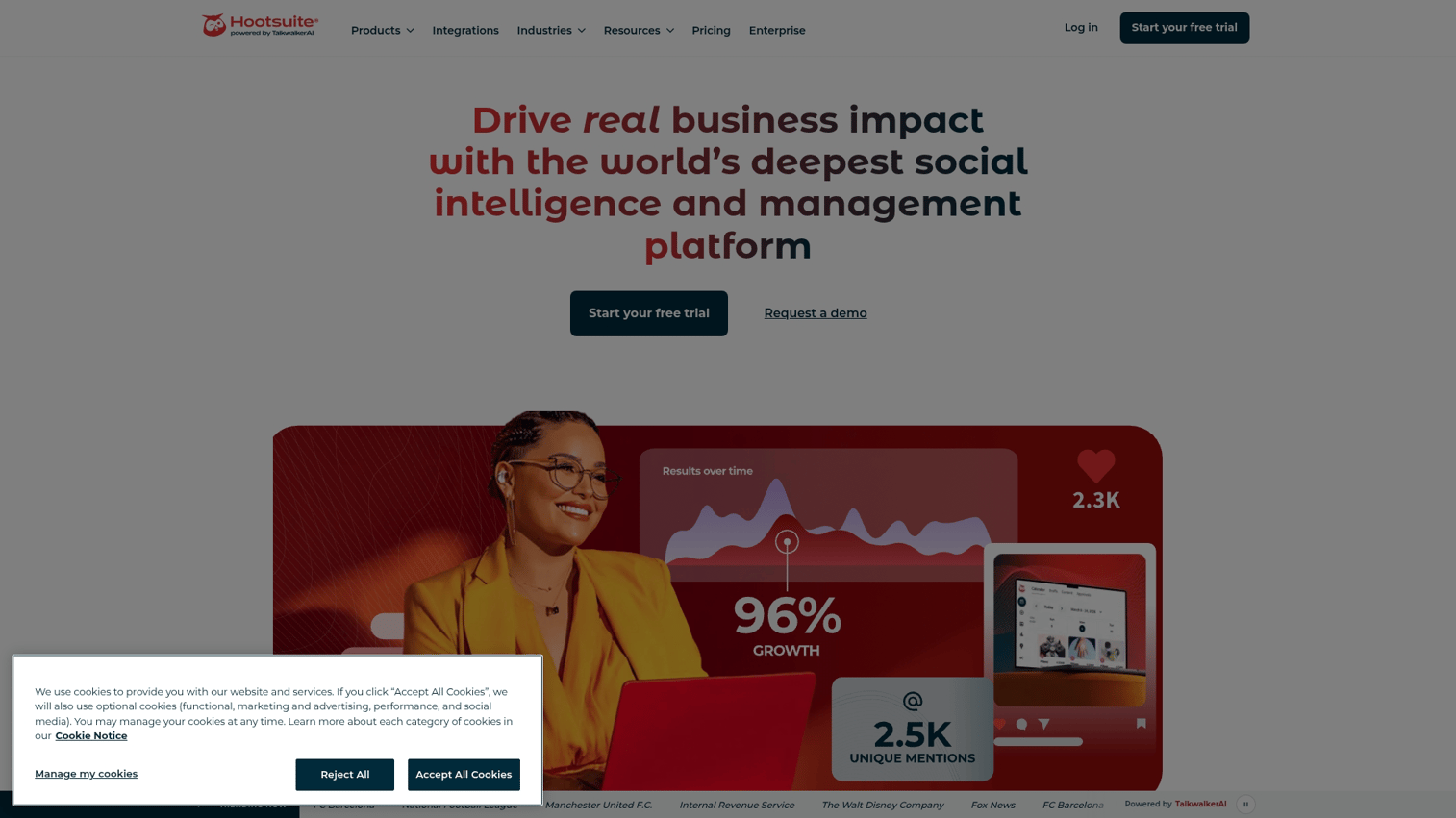
Hootsuite manages social presence across multiple platforms from one dashboard. The platform handles scheduling, social listening, and team collaboration for LinkedIn, Twitter, Facebook, and more.
Best for: Teams managing social presence across LinkedIn, Twitter, and other platforms.
Key strengths
- Multi-platform scheduling: Manage LinkedIn, Twitter, Facebook, and Instagram from one place
- Social listening: Monitor brand mentions, competitor activity, and industry conversations
- Team collaboration: Shared content calendars and approval workflows
Why choose Hootsuite
Choose Hootsuite when social selling spans multiple platforms and you want centralized management. The platform excels at monitoring conversations and scheduling content across channels.
Hootsuite is a broad tool, not deep on LinkedIn-specific prospecting features. It works better for social listening and content distribution than for direct outreach.
Hootsuite pricing
Professional plans start at $99/month. Team and Enterprise tiers add collaboration features and higher usage limits.
8. Sprout Social
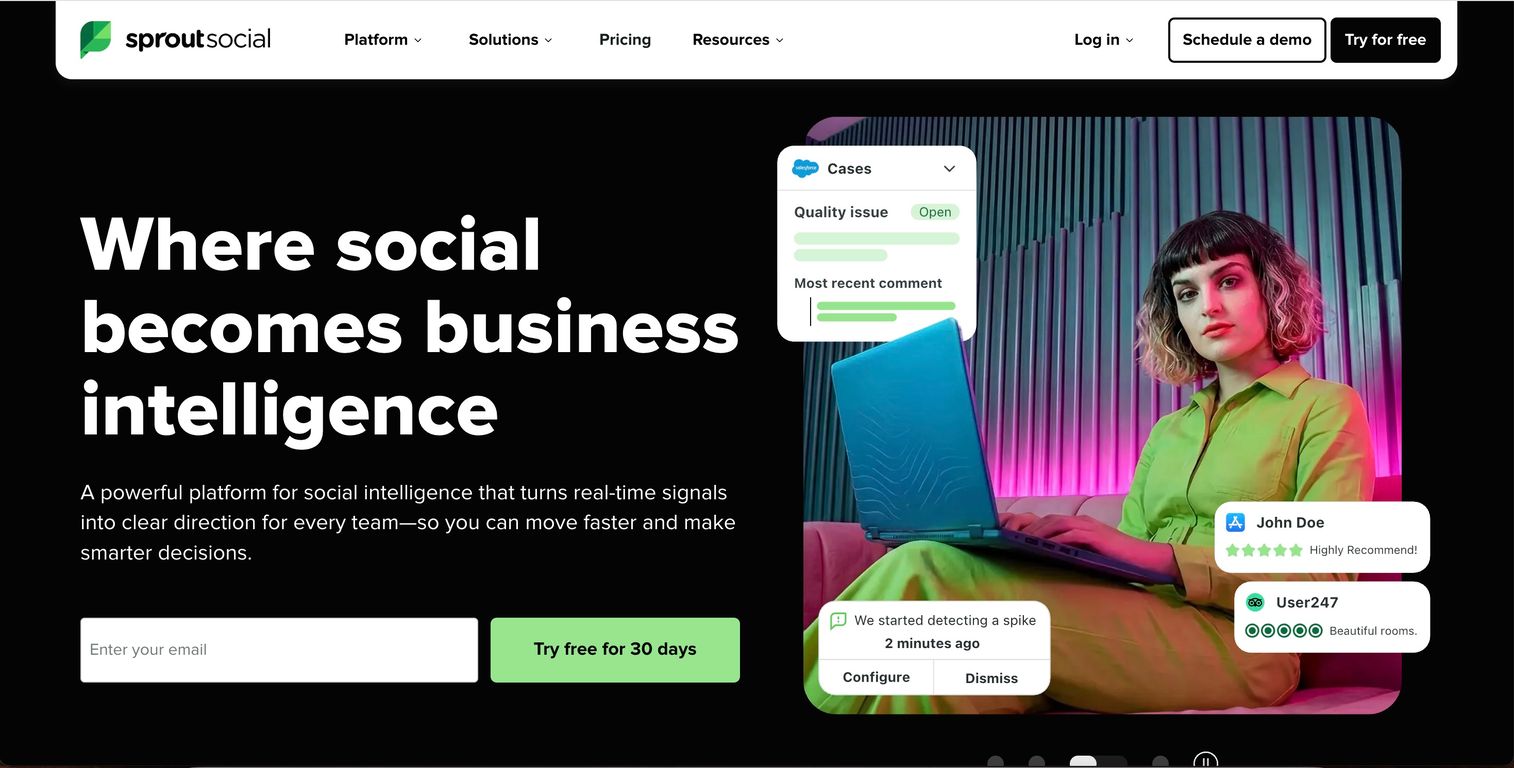
Sprout Social provides enterprise-grade social media management with strong analytics and compliance features. The platform includes Bambu for employee advocacy, helping marketing teams enable sales social activity at scale.
Best for: Larger teams needing robust analytics, compliance features, and employee advocacy.
Key strengths
- Unified inbox: Respond to messages and comments across platforms from one place
- Advanced reporting: Custom reports for social ROI and team performance
- Employee advocacy: Bambu integration makes it easy for reps to share approved content
Why choose Sprout Social
Choose Sprout Social when you want enterprise-grade social management with strong analytics. The platform suits organizations that coordinate social selling across large sales teams.
The trade-off is price. Sprout Social costs significantly more than alternatives, which may be overkill for small teams or those focused only on LinkedIn.
Sprout Social pricing
Plans start at $249/month per seat. Enterprise pricing available for larger deployments.
9. Oktopost
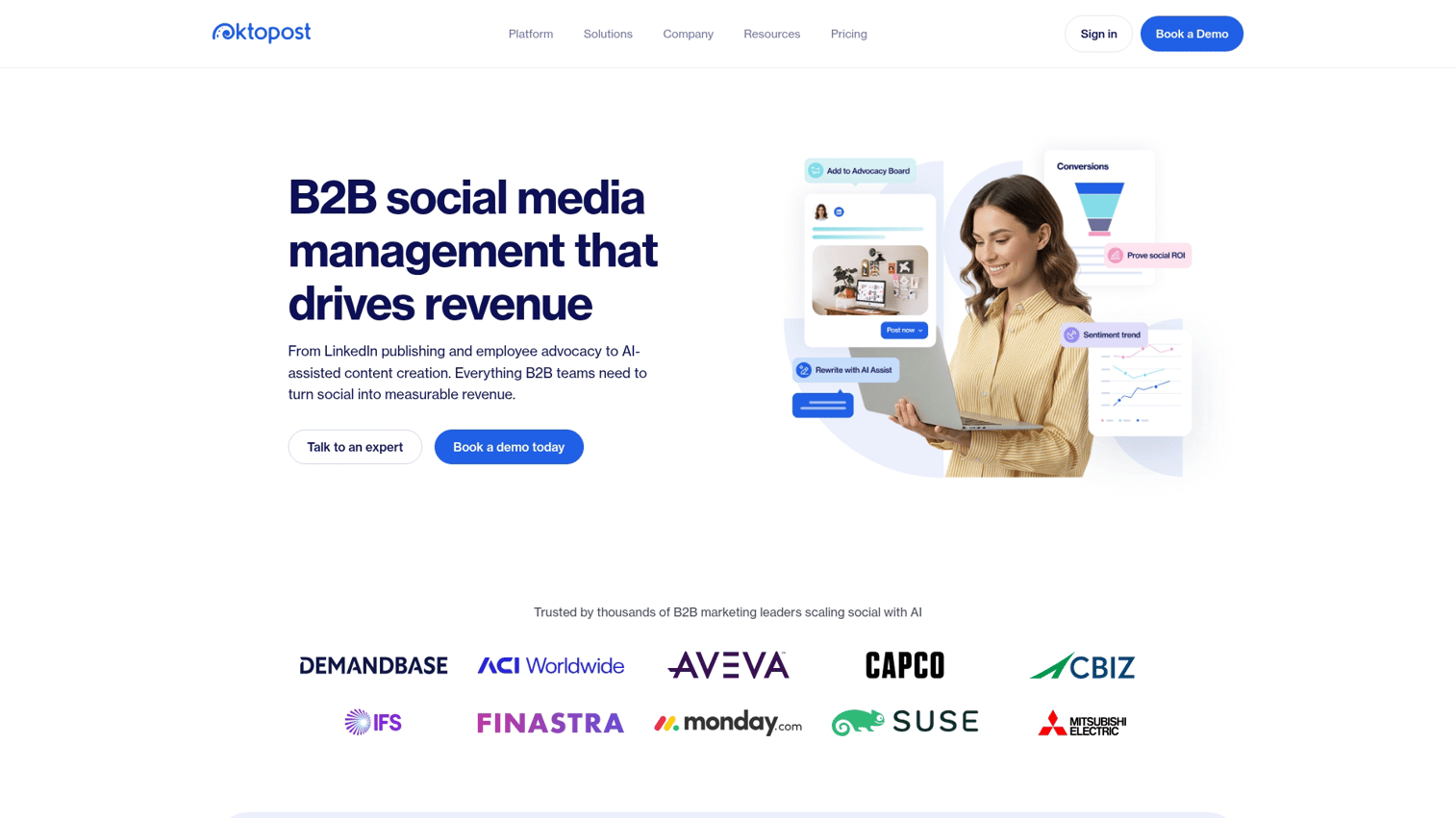
Oktopost focuses on B2B social media management with strong employee advocacy features. The platform helps marketing enable sales social activity and attributes leads back to social engagement.
Best for: B2B marketing teams coordinating social selling across the sales organization.
Key strengths
- Employee advocacy platform: Enable reps to share approved content with one click
- Lead attribution: Connect social engagement to CRM leads and pipeline
- Content curation: Central library for sales-ready content
Why choose Oktopost
Choose Oktopost when marketing wants to enable sales social activity at scale. The platform works best when marketing and sales coordinate on content strategy and distribution.
Oktopost requires marketing-sales coordination to deliver value. It's less suited for individual reps working independently.
Oktopost pricing
Custom pricing based on team size and feature requirements.
How to choose the right social selling tool
The best tool depends on your team's primary platform, budget, and workflow preferences.
Match the tool to your primary platform
If LinkedIn is your channel, prioritize LinkedIn-native tools. Sales Navigator, Taplio, and Shield all focus exclusively on LinkedIn and provide deeper capabilities than multi-platform tools.
If you sell across Twitter and LinkedIn, consider Hootsuite or Sprout Social. Multi-platform tools sacrifice LinkedIn depth for broader coverage.
Weigh all-in-one platforms against point solutions
All-in-one tools like Apollo.io and Amplemarket reduce context-switching. You get data, sequencing, and LinkedIn automation in one platform. The trade-off is that no single capability matches a dedicated point solution.
Point solutions like Shield (analytics) or Taplio (content) excel at one job but require more tools in your stack. Smaller teams often prefer all-in-one simplicity. Larger teams with specialized roles may prefer best-of-breed tools.
Evaluate CRM integration depth
Social activity that doesn't flow into your CRM is invisible to sales management. Check for native integrations with Salesforce, HubSpot, or your sales engagement platform.
Native integrations work better than Zapier workarounds. They're more reliable, require less maintenance, and typically sync more data fields.
Assess team adoption and enablement needs
The best tool is the one reps actually use, complementing your existing presales software tools and workflows.
Consider ease of onboarding, mobile apps, and whether the UI fits rep workflows.
If reps won't adopt the tool, it delivers zero value regardless of features. Pilot with a small group before rolling out to the full team.
How to measure social selling results
Proving ROI requires tracking both leading indicators and pipeline outcomes.
Engagement rate and Social Selling Index
LinkedIn's Social Selling Index (SSI) scores profiles from 0-100 based on four components: professional brand, finding the right people, engaging with insights, and building relationships. Higher SSI correlates with 51% more likely to hit quota, though it's a directional metric rather than a KPI.
Engagement rate (likes, comments, replies) indicates relationship quality. Reps with high engagement typically convert more connections into conversations.
Connection to conversation conversion
Measure what happens after a connection accepts. Track acceptance rate, first-message reply rate, and meetings booked from social touches.
High connection acceptance with low reply rates suggests messaging problems. Low acceptance rates suggest targeting or profile issues.
Pipeline influenced by social activity
Connect social metrics to revenue by tagging deals or contacts as "social-sourced" or "social-touched" in your CRM. This requires CRM integration and consistent tagging discipline.
Pipeline influence is the metric leadership cares about. It answers the question: "Is social selling worth the investment?"
Start building your social selling stack
Start with LinkedIn Sales Navigator if LinkedIn is your primary channel. It provides the foundation for targeting and outreach that other tools build on.
Add analytics (Shield) and content tools (Taplio) as you mature. Consider all-in-one platforms (Apollo.io, Amplemarket) if you want data plus engagement in one place.
When you're ready to let prospects experience your product directly from a LinkedIn message, pair social outreach with interactive demos from a demo center that convert interest into qualified pipeline.
Start your journey with Guideflow today.
FAQs about social selling tools
Stay within LinkedIn's daily limits for connection requests (typically 100-200 per week) and messages. Use tools that operate through official APIs or mimic human behavior patterns with randomized delays. Avoid aggressive automation that sends hundreds of requests in short periods.
Yes. Any industry where buyers research on LinkedIn or Twitter benefits from social selling. Financial services, professional services, manufacturing, and healthcare all use social selling tools effectively. The key is whether your buyers are active on social platforms.
Expect 3-6 months before social selling generates measurable pipeline. Relationship-building takes time. Early indicators include profile views, connection growth, and reply rates. Track leading metrics while waiting for pipeline impact.
SSI is LinkedIn's score (0-100) measuring profile strength, search activity, content engagement, and relationship building. It's a useful directional metric but not a KPI to optimize directly.
Quantify the cost of current prospecting (time per lead, tools already used). Estimate pipeline influenced by social activity based on industry benchmarks. Compare the cost of the tool to the value of deals sourced or accelerated through social selling.
Often, yes. SDRs benefit from prospecting and automation tools (Apollo.io, Lemlist) that help them reach more prospects efficiently. AEs benefit from relationship tracking and content tools (Sales Navigator, Taplio) that help them nurture existing relationships. Some teams standardize on one platform for simplicity.