You closed the deal. The contract said $120,000. The invoice went out at $98,000.
Nobody caught it until month-end close, three weeks later. By then the customer had already paid the wrong amount, the CS team had promised a proration that never got billed, and the usage overage from March quietly disappeared into a rounding error.
That gap has a name. Revenue leakage. It is money you already earned that never reaches the bank because of a billing miss, a pricing error, a skipped renewal, an uncredited usage event, or a reconciliation gap between your CRM, ERP, and billing system.
It is hard to catch manually because it hides inside systems that were never designed to talk to each other. And it hits where it hurts: margin, cash flow, and the confidence you have in your own forecast.
Companies lose between 2% and 10% of earned revenue to leakage, with B2B SaaS typically losing 3% to 5% of ARR, according to LeakShield and MGI Research (2024 to 2026). For a $20M ARR business, that is $600K to $1M gone every year. Not lost deals. Earned revenue that never got collected.
This guide breaks down the software that finds it before close, not after.
What's inside
This guide is for finance, RevOps, and subscription operations teams comparing revenue leakage software. It also matters for sales enablement leaders who need to explain this revenue infrastructure across Sales, RevOps, and Finance.
We ranked seven tools by how directly they address leakage. Selection criteria:
- Leak source coverage: contracts, billing, invoicing, renewals, usage rating, credits, and reconciliation
- Real-time detection: catching misses before close, not after
- Integrations: CRM, ERP, billing, and quote-to-cash systems
- Audit-ready evidence trails: documentation auditors and leadership can trust
- ROI and reporting: clear leakage estimates and recovery numbers
TL;DR
Short on time? Here are the decision shortcuts:
- Best for operational billing accuracy: BillingPlatform
- Best for contract-to-billing reconciliation: MRI Software
- Best for NetSuite-native billing teams: Zone & Co
- Best for ERP-linked finance controls: NetSuite
- Best for CRM-to-billing data handoff: Salesforce
- Best for subscription and recurring revenue: Zuora
- Best for audit-ready close and reconciliation: BlackLine
What is revenue leakage software
Revenue leakage software is a category of finance and revenue assurance tools that identify and prevent earned revenue from being lost across contracts, billing, invoicing, renewals, usage rating, credits, and downstream reconciliation.
It works by monitoring the data that flows between your quote-to-cash systems and flagging the mismatches humans miss. A contract says one price. Billing charges another. The software catches the gap.
Core capabilities you should expect:
- Real-time detection: anomaly alerts on billing, pricing, and usage as they happen
- Root-cause tracing: pinpoints where a leak started, not just that it exists
- Reconciliation workflows: matches contracts, invoices, payments, and ledger entries
- Audit trails: timestamped evidence for every adjustment and control
- Integrations: connects to CRM, ERP, billing, and quote-to-cash platforms
- ROI and leakage estimates: quantifies what you are losing and recovering
The revenue leakage detection software market was USD 1.74B in 2024, projected to reach USD 4.78B by 2033 at a 16.8% CAGR, according to Growth Market Reports (2024). The category is growing fast because the problem is expensive and mostly invisible.
When to use
Not every team needs a dedicated platform. Here is when the investment pays off.
Catch revenue misses before close
Monthly close is where most teams discover leakage, and by then it is too late to fix cleanly. If your finance team keeps finding billing mismatches during reconciliation, real-time detection changes the timing. You catch the wrong invoice the day it goes out, not three weeks later when the customer has already paid.
Reconcile contracts, billing, and downstream systems
When your CRM, ERP, and billing system disagree, revenue slips through the cracks. Pricing drift, amendment errors, and broken data flows create silent mismatches. Billing reconciliation software matches these systems automatically and surfaces where the contract and the invoice stopped agreeing.
Protect subscription and recurring revenue
Subscription revenue leakage hides in renewals, proration, usage overages, and failed collections. A renewal that never triggered. A mid-cycle upgrade that was never billed. Usage that exceeded the plan but never got rated. For recurring revenue businesses, these misses compound month over month until they show up as a churn number that is really a billing number.
Comparison table
The list below is organized by how directly each tool addresses revenue leakage detection, reconciliation, and audit readiness. Some are dedicated to the problem. Others are platforms where leakage controls are one capability among many. Pricing for enterprise finance software is largely quote-based, so we note that where it applies.
| # | Product | Best for | Key differentiator | Pricing | G2 rating |
|---|---|---|---|---|---|
| 1 | BillingPlatform | Operational billing accuracy | Enterprise revenue lifecycle automation | Quote-based | 4.8/5 |
| 2 | MRI Software | Contract-vs-billing traceability | AI contract intelligence and audit trails | From $48/mo | Not listed |
| 3 | Zone & Co | NetSuite-native billing teams | Native NetSuite financial operations | Quote-based | 4.5/5 |
| 4 | NetSuite | ERP-linked finance controls | Unified cloud ERP and billing | Quote-based | Not listed |
| 5 | Salesforce | CRM-to-billing data handoff | Revenue lifecycle on the CRM | From $25/user/mo | 4.4/5 |
| 6 | Zuora | Subscription revenue operations | Recurring billing and revenue recognition | Quote-based | Not listed |
| 7 | BlackLine | Audit-ready close and reconciliation | Close automation and reconciliation controls | Quote-based | 4.5/5 |
Best 7 revenue leakage software for 2026
Each section below covers what the tool does, who it fits, its key features, and what you actually pay. Read them against your own leak source, not as a generic ranking.
1. BillingPlatform
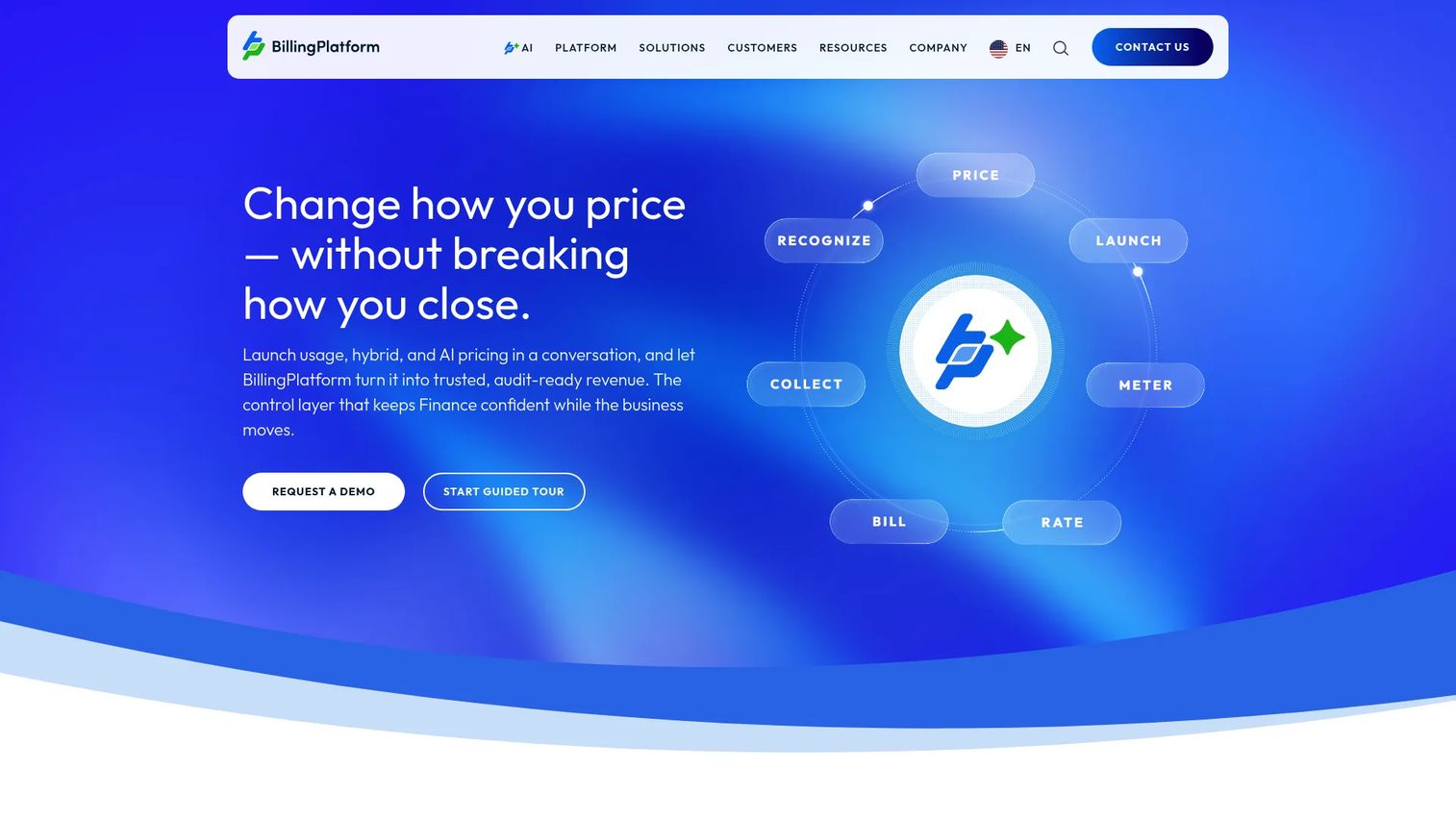
BillingPlatform is an enterprise revenue lifecycle management and billing platform built for subscription, usage-based, and hybrid monetization models. It handles the full path from product catalog and rating through invoicing, revenue recognition, payments, tax, and reporting. Because it owns the billing engine, it prevents leakage at the source: the point where a contract becomes a charge.
Best for: Large businesses that need configurable enterprise billing and want to stop leakage inside the billing and invoicing workflow itself.
Key features
- Product catalog and pricing/rating engine
- Usage-based billing and metering
- Revenue lifecycle automation across billing and invoicing
- Revenue recognition, payments, and tax
- Reporting across the monetization cycle
Why choose this tool: BillingPlatform fits teams whose leakage starts at rating and invoicing, where usage goes unbilled or complex pricing gets applied wrong. Owning the billing engine means fewer handoffs where revenue can slip. It is a strong fit for subscription and usage-based businesses with billing complexity that generic tools cannot model.
Pricing: BillingPlatform does not publish pricing publicly. The site directs you to request a demo or trial, and pricing is scoped to your monetization model and transaction volume.
BillingPlatform holds a 4.8/5 rating on G2, among the higher scores in enterprise billing.
2. MRI Software
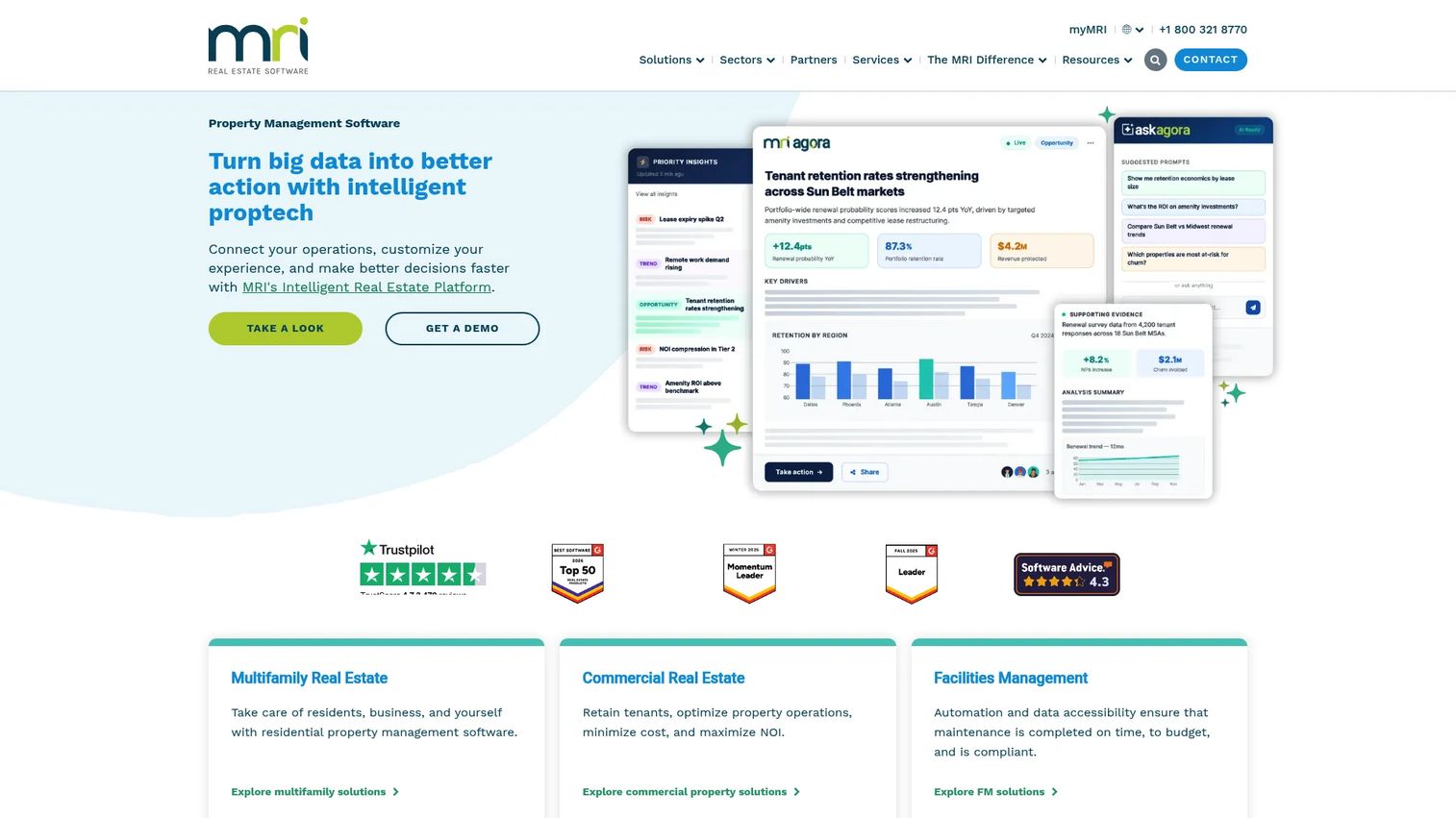
MRI Software is a global real estate software platform, and its revenue assurance capabilities center on contract intelligence and audit trails. For businesses with complex, document-heavy agreements, the strength here is comparing what the contract says against what actually got billed. When a lease escalation, a rent step, or a service charge should have changed the invoice and did not, contract intelligence catches the drift.
Best for: Teams that need document-side traceability, where the leak starts in the contract terms and the fix requires comparing the agreement to the billing.
Key features
- AI-powered contract intelligence
- Contract-vs-billing comparison
- Audit trail workflows for adjustments
- Open, connected platform integrations
- Reporting and analytics across the portfolio
Why choose this tool: MRI Software fits when your leakage lives in the gap between a signed agreement and the invoice that should reflect it. The AI contract intelligence traces terms to charges, so an escalation clause that never made it into billing surfaces before it compounds. Teams with high contract volume and complex terms get the most value.
Pricing: MRI Software is largely quote-based across its platform. Public pricing was found for its CTM eContracts product, starting at $48/month for the realtor plan or $450/year billed annually. Broader platform pricing is scoped to your portfolio and requires a conversation with sales.
3. Zone & Co
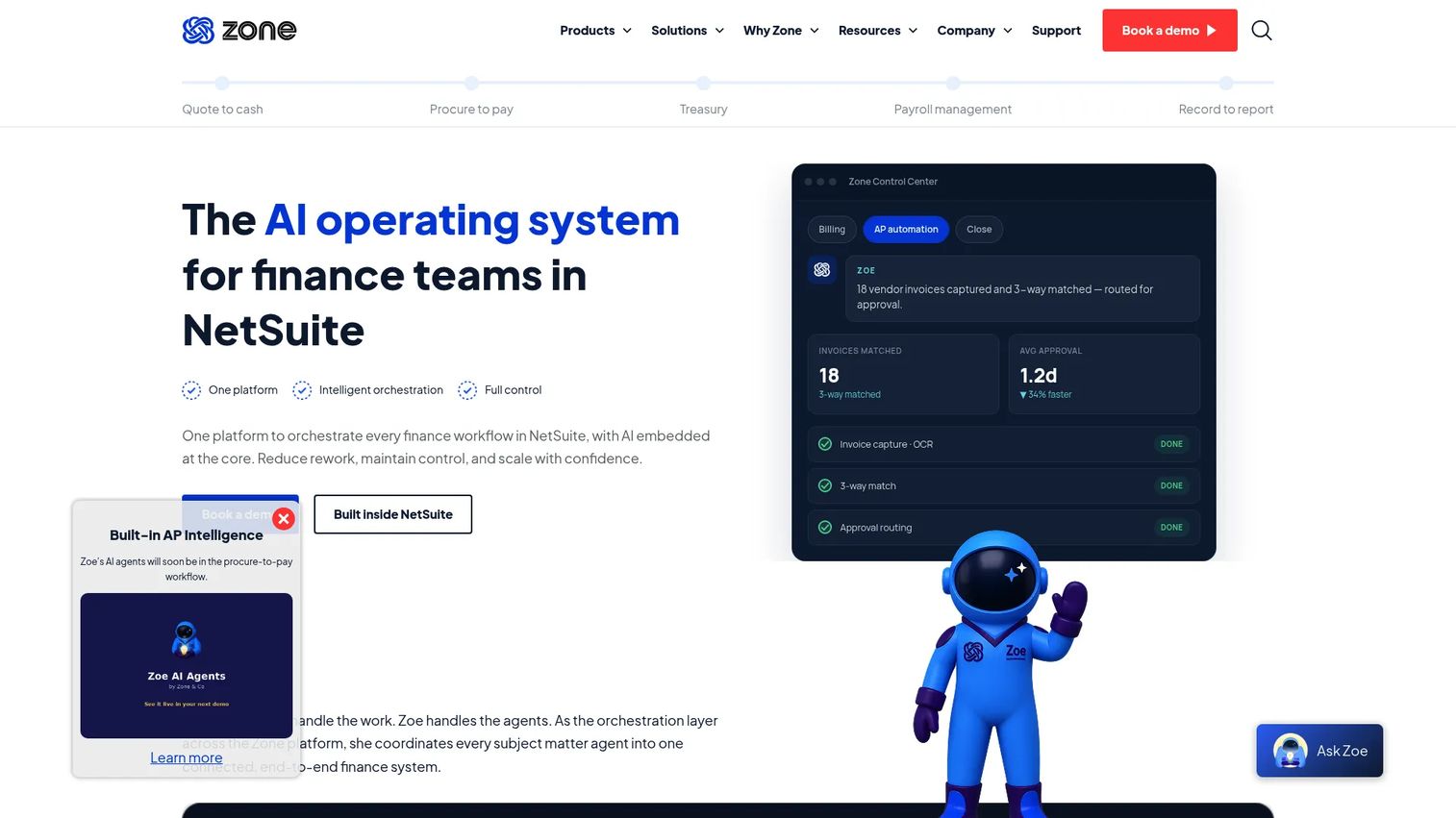
Zone & Co is NetSuite-native financial operations software covering billing, AP, reporting, payroll, and reconciliation. For teams that run their finance stack inside NetSuite, the value is order-to-cash visibility without leaving the ERP. Subscription records, billing schedules, and reconciliation all live in the same environment, which closes the handoff gaps where revenue usually leaks.
Best for: NetSuite-based finance teams that want native automation for billing and adjacent back-office workflows, without stitching in an external system.
Key features
- NetSuite-native billing automation
- Usage-based, subscription, hybrid, and milestone pricing
- Subscription record management
- Reconciliation inside NetSuite
- Financial operations across billing, AP, and reporting
Why choose this tool: Zone & Co makes sense when NetSuite is already your system of record and you want billing accuracy to live there too. Native means no data sync lag between billing and the ledger, which removes one of the most common reconciliation leak points. It fits growing subscription businesses standardized on NetSuite.
Pricing: Zone & Co does not publish public pricing. The site runs on a book-a-demo model, with pricing scoped to your NetSuite environment and the modules you need.
Zone & Co holds a 4.5/5 rating on G2.
4. NetSuite
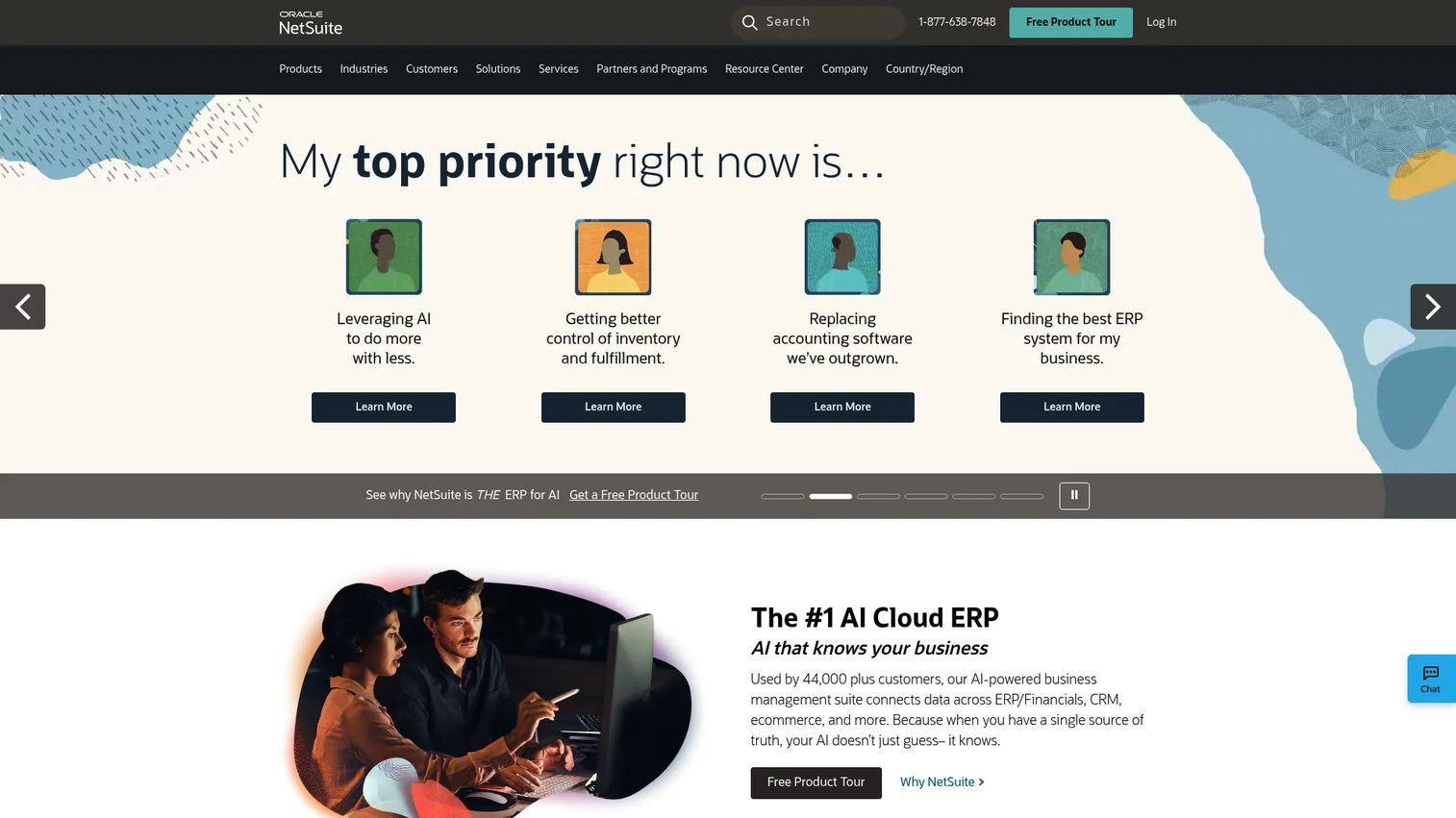
NetSuite is a cloud ERP and business management suite covering finance, CRM, ecommerce, and operations. It matters to the leakage conversation as a platform choice rather than a point solution. When your finance team wants tighter, ERP-linked controls, keeping billing, revenue recognition, and the general ledger in one system reduces the reconciliation gaps that live between separate tools.
Best for: Mid-market to enterprise teams that want an integrated suite where finance controls sit close to the ledger, not in a bolted-on billing app.
Key features
- ERP and financial management
- Built-in CRM
- SuiteCloud platform and SuiteApps
- Revenue recognition and reporting
- Unified data across finance and operations
Why choose this tool: NetSuite is the right call when the decision is platform versus point solution. A single suite means fewer system boundaries for revenue to slip across. The trade-off is that it is a full ERP commitment, not a lightweight leakage tool, so it fits teams ready to standardize their finance stack around one system.
Pricing: NetSuite pricing is quote-based. There is no public price list; cost is scoped to modules, users, and your business size through a sales conversation.
5. Salesforce
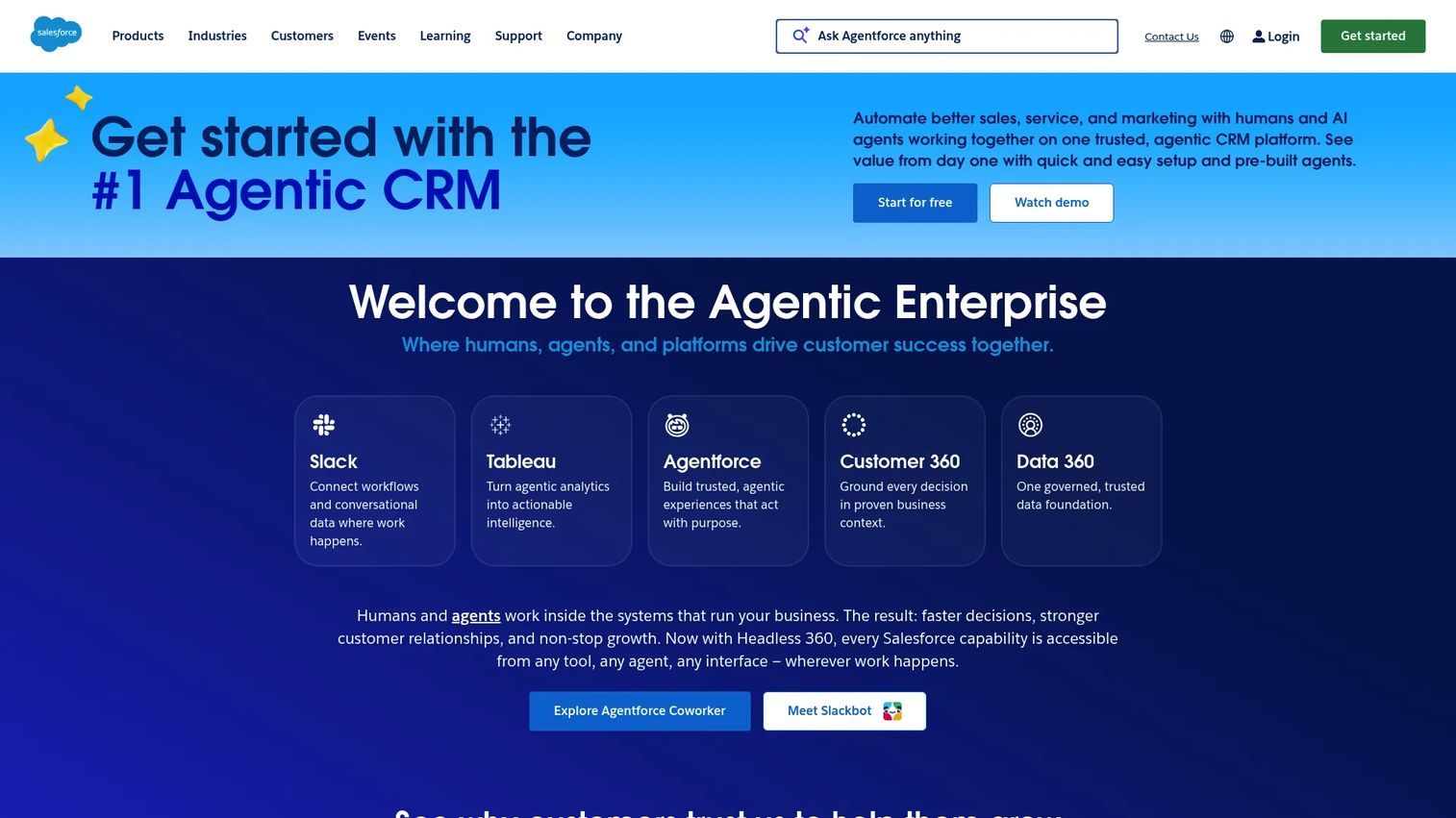
Salesforce is a cloud CRM and enterprise platform, and its relevance to leakage is the handoff. Most leaks start where the deal leaves the CRM and enters billing. A quote gets approved at one price, then the amount that reaches billing does not match. Salesforce revenue lifecycle management keeps quote, order, and downstream billing data connected, which is exactly where CRM hygiene intersects with leakage.
Best for: Sales-led teams whose leakage starts at the quote-to-cash handoff, where CRM data and billing data drift apart.
Key features
- CRM suite for sales teams
- Revenue lifecycle management
- Quote-to-billing data continuity
- AI and Agentforce capabilities
- Enterprise integrations across the stack
Why choose this tool: Salesforce fits when your leakage is a data-handoff problem, not a billing-engine problem. If quotes get approved correctly but the wrong number reaches billing, tightening the CRM-to-billing flow closes that gap. Teams already standardized on Salesforce get the most value from keeping revenue data in one place.
Pricing: Salesforce publishes pricing for its sales suite. A Free Suite starts at $0/user/month, Starter Suite at $25/user/month, Pro Suite at $100/user/month, Enterprise at $175/user/month, and Unlimited at $350/user/month. Revenue lifecycle capabilities are typically scoped separately.
Salesforce holds a 4.4/5 rating on G2.
6. Zuora
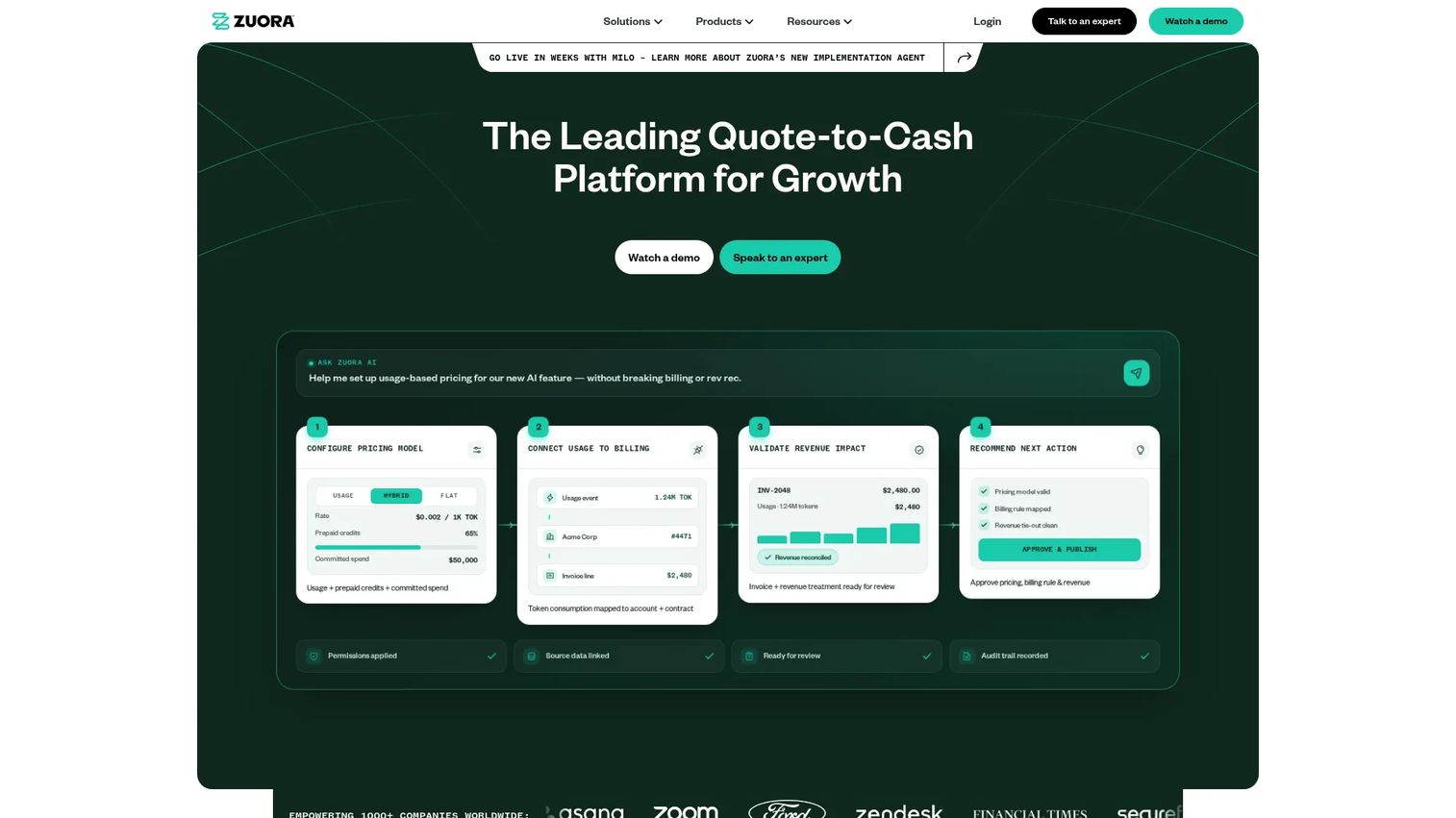
Zuora is a cloud monetization platform built for subscription, usage, and hybrid billing plus revenue recognition. For recurring revenue businesses, it targets the leak sources that compound: renewals that never triggered, proration errors on mid-cycle changes, usage overages that never got rated, and order-to-cash gaps. Because it is purpose-built for recurring models, it models the pricing complexity where subscription revenue leakage usually hides.
Best for: Enterprises running complex subscription and usage models that need billing and revenue operations tuned for recurring revenue.
Key features
- Subscription and recurring billing
- Usage, tiered, volume, and hybrid pricing
- Revenue recognition automation
- Order-to-cash automation
- Renewal and proration handling
Why choose this tool: Zuora fits when your leakage is a recurring-revenue problem. Proration, renewals, and usage rating are the three places subscription revenue quietly disappears, and Zuora is built to model all three. It is a strong fit for businesses whose pricing is too complex for a generic billing tool.
Pricing: Zuora does not publish public pricing. Evaluation is sales-led, with cost scoped to your billing volume and the modules you deploy.
7. BlackLine
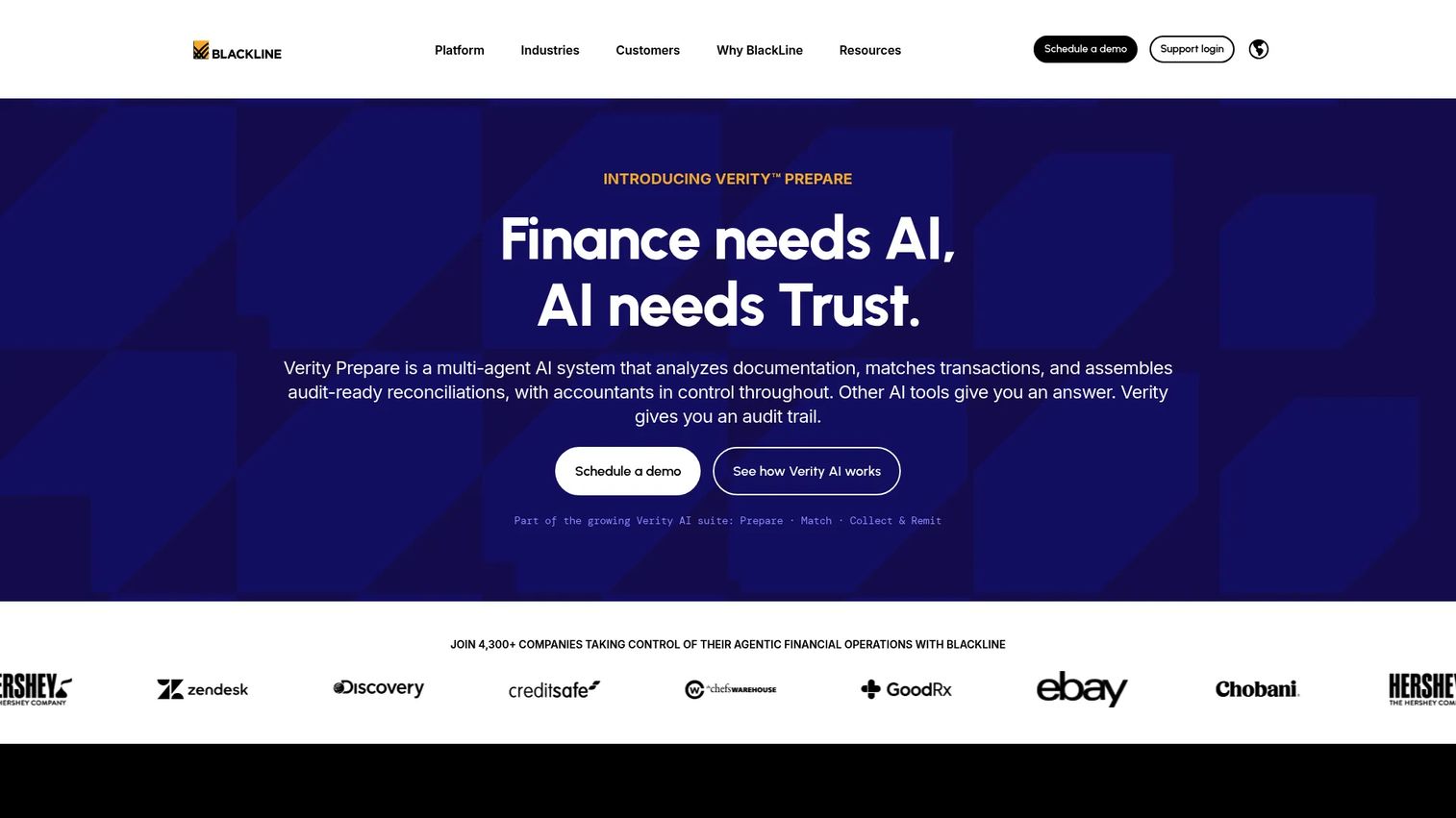
BlackLine is cloud financial close and accounting automation software for the office of the CFO. Its relevance to leakage is the reconciliation and control layer. BlackLine automates journal entries, reconciliations, and financial statement generation, then adds audit-ready evidence around each. Finance teams use it for close assurance: the point where mismatches between what was billed, collected, and recognized get caught and documented.
Best for: Mid-market to enterprise finance teams that need audit readiness and reconciliation controls at close, sitting on top of their billing systems.
Key features
- Studio360 platform to orchestrate financial operations
- Automated journal entries and reconciliations
- Financial statement generation
- Verity AI suite for audit-ready reconciliations
- Workflow insights and controls
Why choose this tool: BlackLine fits as a control layer, not a billing engine. It does not stop the leak at invoicing, but it catches the mismatch at reconciliation and gives you the audit trail to prove it. For teams where the priority is audit-ready revenue controls and close assurance, it is the reconciliation backbone.
Pricing: BlackLine does not publish public pricing. The site runs on a demo-and-contact model, with cost scoped to your close volume and the modules you need.
BlackLine holds a 4.5/5 rating on G2.
Considerations
Before you commit, work through this checklist. The right tool depends less on features and more on where your money is actually leaking.
Which leak source do you need to fix
Map the leak before you shop. Is it billing accuracy, contract drift, renewals, usage rating, or reconciliation? A tool that fixes invoicing errors will not catch a renewal that never triggered. Name the source first, then match the tool.
Do you need detection, prevention, or reconciliation
These are three different jobs. Detection flags anomalies in real time. Prevention stops the leak at the source, usually inside the billing engine. Reconciliation catches mismatches at close. Some teams need all three; most start with the one that hurts most.
How deep the integrations must go
A leakage tool is only as good as the systems it can see. Check that it connects to your CRM, ERP, billing, and quote-to-cash stack. Shallow integrations create new blind spots between systems, which is exactly where leakage lives.
What evidence auditors or leadership need
If the goal is audit-ready revenue controls, the evidence trail matters as much as the detection. Timestamped adjustments, documented controls, and traceable root causes turn a leakage tool into an audit asset. Ask what the audit trail actually captures.
How fast the system can be implemented and maintained
Enterprise finance software can take months to deploy. Weigh time-to-value against the leakage you are trying to stop. A platform that recovers $500K annually justifies a longer rollout; a narrow fix should not require a year of implementation.
Conclusion
Revenue leakage is not a deals problem. It is an infrastructure problem, and the right tool depends entirely on where your money slips.
If it starts at billing, BillingPlatform and Zuora stop it at the source, with Zuora built specifically for recurring revenue. If your finance stack lives in NetSuite, Zone & Co keeps billing accurate inside the ERP. If the leak is a CRM-to-billing handoff, Salesforce tightens that flow. And if you need audit-ready reconciliation at close, BlackLine is the control layer. MRI Software covers the contract-to-billing gap where document terms and invoices drift apart.
The next step is not a full rollout. Pick one leak source that costs you the most, choose the tool category that targets it, and run a focused pilot. Validate it against that single source before you scale. You cannot fix leakage you have not measured, so start by measuring one leak, then prove the recovery.
FAQs
Subscription revenue leakage usually comes from renewals that never triggered, proration errors on mid-cycle upgrades, usage overages that never got rated, and failed collections. These compound month over month because recurring models multiply small errors across every billing cycle. A single unbilled proration on a large account can quietly cost thousands per quarter.
They monitor the data flowing between your CRM, ERP, and billing systems and flag mismatches in real time. When a contract says one price and the invoice shows another, the tool catches the discrepancy and traces it to the source system. The best tools do this before month-end close, not after, so you fix the wrong invoice the day it goes out.
Revenue assurance is about making sure you actually collect the money you earned, catching leaks in billing, pricing, and reconciliation. Revenue recognition is an accounting function that determines when and how earned revenue is recorded on the books under standards like ASC 606 and IFRS 15. Assurance protects the cash; recognition governs the accounting treatment. You need both, and they solve different problems.
Yes. Most revenue leakage and reconciliation tools integrate directly with NetSuite and Salesforce because those systems hold the contract, order, and billing data that leakage detection depends on. Zone & Co is NetSuite-native, and Salesforce offers revenue lifecycle management on its own platform. Integration depth is the thing to verify during evaluation.
Audit-ready revenue controls give finance teams timestamped evidence for every adjustment, reconciliation, and control. When auditors or leadership ask why a number changed, the trail answers it without a manual reconstruction. Tools like BlackLine build this evidence into the close process, which shortens audit cycles and reduces the risk of restatements.
Start by quantifying leakage from a single source before you buy anything. Pick your most likely leak, whether it is unbilled usage, missed renewals, or proration errors, and measure the dollar value over a quarter. That baseline becomes your ROI benchmark. Companies typically lose 1% to 5% of realized EBITDA annually to leakage, according to MGI Research and EY via BillingPlatform (2024), so even a partial recovery usually justifies the tool.
Across industries, companies lose 2% to 10% of earned revenue to leakage, with B2B SaaS typically losing 3% to 5% of ARR, according to LeakShield and MGI Research (2024 to 2026). Around 42% of companies experience some form of revenue leakage, per MGI Research. For most businesses, the recoverable amount is large enough to fund the software that finds it.