Your Q1 plan lives in seven browser tabs. One spreadsheet for paid social. Another for search. A shared doc for the influencer budget nobody updates. And a Slack thread where finance keeps asking why the numbers don't reconcile.
You know the drill. Somebody edits the master tab. Somebody else edits a copy. By Thursday, no one can say what the real committed spend is.
The stakes keep rising. Global advertising spend reached an estimated USD 1.1 trillion in early 2026, up 5.1% year over year, according to Epom (2026). More money moving across more channels means more coordination, not less. And the tooling market is growing to match: the global media planning software market was valued at USD 2.34 billion in 2025, projected to hit USD 5.02 billion by 2032 at an 11.5% CAGR, per Maximize Market Research (2025).
Media planning software exists to end the spreadsheet chaos. It puts cross-channel planning, spend visibility, and reporting in one place, so media, creative, and finance work from the same numbers. The question is which tool fits your motion. That's what this guide sorts out.
What's inside
This guide is for growth marketers, media buyers, and marketing ops teams comparing media plan software to replace fragmented spreadsheets and disconnected dashboards.
We chose these seven media planning tools against four criteria that matter for cross-channel planning:
- Cross-channel and omnichannel planning: can it hold every channel in one plan
- Reporting and dashboards: does leadership get numbers they trust
- Collaboration and workflow sync: do media, creative, and finance share one source of truth
- Data freshness and integrations: how current is the audience data and how well does it connect to buying and finance systems
The comparison table lets you shortlist two or three fast, then read the item sections for detail.
TL;DR
- Best for enterprise planning and finance sync: Mediaocean, for teams running omnichannel operations at scale.
- Best for agency-style workflow coordination: MediaPlanHQ, for plan creation, approvals, and creative project management in one flow.
- Best for audience-first strategy: GWI, when audience understanding drives the plan.
- Best for measurement and audience intelligence: Nielsen, for teams that need trusted research inputs.
- Best for cross-platform audience planning: Comscore, for reach and audience measurement across screens.
- Best for global planning and media effectiveness: Kantar Media Planning Suite, for research-led planning.
- Best for lightweight, collaborative planning: Mediatool (now Camphouse), for teams wanting a simpler operational system.
What is media planning software
Media planning software is a tool that helps marketing teams plan, organize, track, and optimize advertising campaigns across channels from a single system, so budgets, audiences, and reporting stay connected instead of scattered across spreadsheets.
It replaces the manual work of stitching together channel plans, spend trackers, and dashboards by hand. Instead of reconciling tabs, teams plan once and report from a single source of truth.
Core features of media plan software include:
- Cross-channel budget planning: allocate and pace spend across paid search, paid social, display, video, and offline in one plan
- Audience and channel selection: use audience planning tools and audience insights to match segments to channels
- Spend tracking and reporting: monitor committed versus actual spend with reporting and dashboards leadership can trust
- Collaboration and approvals: route plans through media, creative, and finance with shared visibility
- Integrations with buying and finance systems: sync plans to ad platforms and finance for a clean finance handoff
- Performance measurement and dashboards: tie planned outcomes to actual performance measurement
The strongest digital media planning tools also handle data freshness well, refreshing audience data and campaign reporting often enough that decisions rest on current numbers, not last month's.
When to use media planning software
Replace spreadsheet chaos
Use it when your plan lives across tabs, email threads, and ad hoc updates. The moment two people edit two versions of the same budget, you've lost spend visibility. A media planning tool gives you one plan, one version, and one committed number everyone reads from. That's the spreadsheet replacement most teams are actually buying.
Coordinate across teams
Use it when media, creative, ops, and finance all need the same version of truth. Cross-channel planning breaks down when creative timelines and budget approvals live in different tools. Workflow sync keeps the plan, the assets, and the sign-offs connected, so a change in one place shows up everywhere.
Improve spend visibility
Use it when leadership needs dashboards, forecasts, and reporting they can trust. When the CFO asks what you've committed this quarter, the answer should take a click, not a day of spreadsheet archaeology. Reporting and dashboards with current data turn spend visibility from a scramble into a standing view.
Comparison table
Here is a side-by-side view of the seven tools. Use it to shortlist, then read the item sections for depth on workflow fit, integrations, and reporting. Pricing and ratings reflect verified values at the time of writing; several vendors use custom, quote-based pricing.
| # | Product | Best for | Key differentiator | Pricing | G2 rating |
|---|---|---|---|---|---|
| 1 | Mediaocean | Enterprise omnichannel operations and finance sync | End-to-end media buying and finance workflow automation | Custom pricing | 4.1/5 |
| 2 | MediaPlanHQ | Agency-style plan creation and approvals | Plan tracking plus creative project management and request forms | From $45/user/month | 4.6/5 |
| 3 | GWI | Audience-first strategy | Custom audiences from 250K+ data points across 50+ markets | Free tier; Plus $150/user/month | 4.4/5 |
| 4 | Nielsen | Measurement and audience intelligence | Cross-platform audience measurement and planning tools | Custom pricing | 3.8/5 |
| 5 | Comscore | Cross-platform audience planning | Audience measurement across digital, TV, and OTT | Custom pricing | 4.2/5 |
| 6 | Kantar Media Planning Suite | Global planning and media effectiveness | Media planning and effectiveness research | Custom pricing | 3.8/5 |
| 7 | Mediatool (Camphouse) | Lightweight collaborative planning | End-to-end media operations with real-time reporting | Custom pricing | 3.8/5 |
Best media planning software for 2026
1. Mediaocean
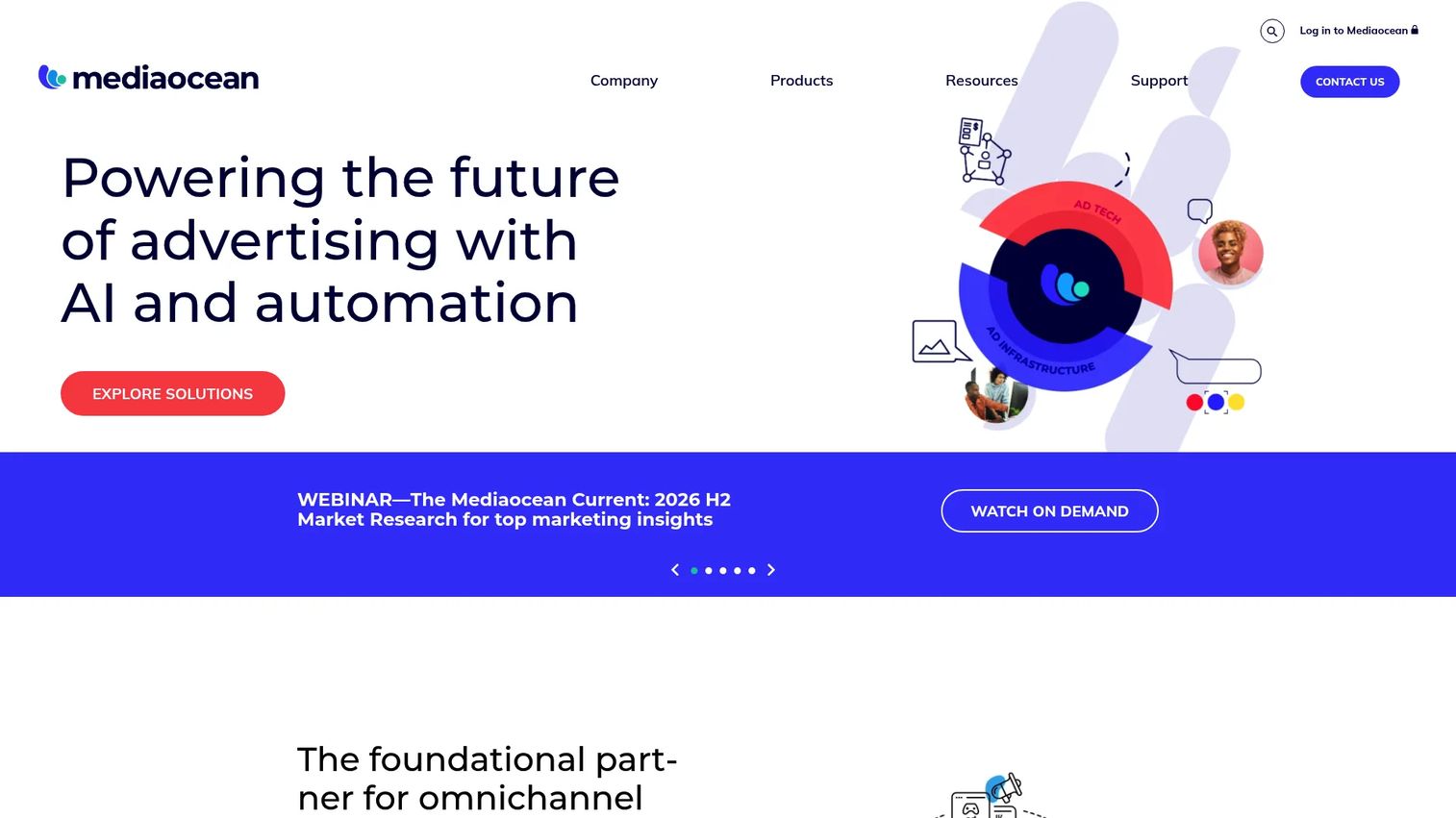
Mediaocean is an omnichannel advertising software company built for large brands and agencies that run media at serious scale. Its platform, spanning Prisma, Innovid, and Protected, connects planning, buying, ad serving, and verification in one system. Where most media planning tools stop at the plan, Mediaocean carries the workflow through to finance and reconciliation.
That end-to-end reach is the point. If your problem is that planning, buying, and finance live in separate systems, this closes the gap. Media, buying, and finance teams work from the same records, which is exactly the single source of truth enterprise teams need.
Best for: Large brands and agencies needing enterprise omnichannel ad operations and finance sync.
Key strengths
- End-to-end workflow automation for media buying and finance
- Omnichannel ad serving, creative personalization, measurement, and optimization
- Verification including brand safety, SIVT, viewability, and attention
Why choose Mediaocean: Choose it when your scale makes finance handoff the hard part. It is heavier than a lightweight planning tool, which is the trade-off for connecting buying and finance in one operational spine.
Mediaocean pricing: Mediaocean does not publish public pricing and uses a demo and contact-sales model. Expect enterprise, quote-based terms.
2. MediaPlanHQ
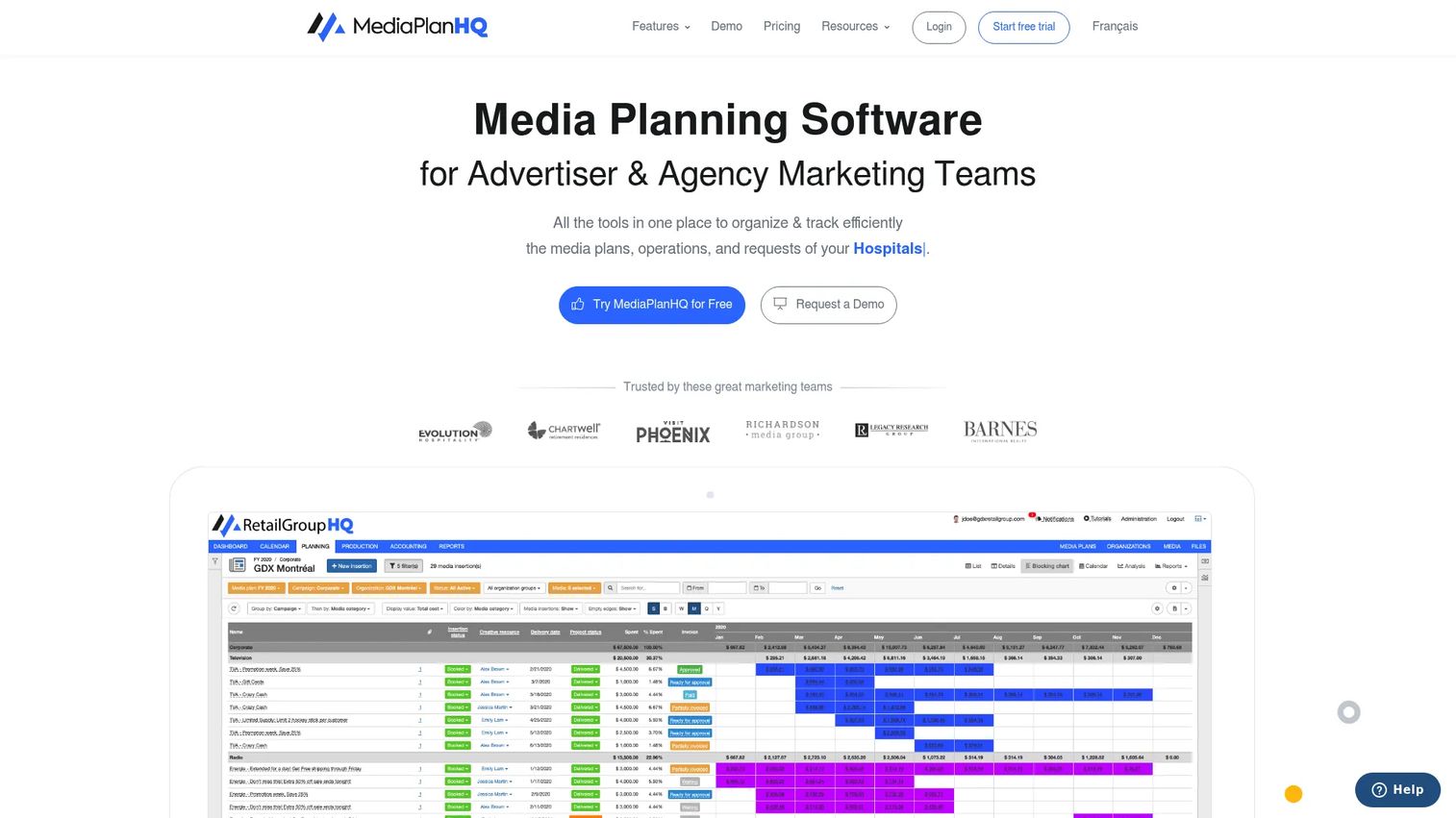
MediaPlanHQ is media planning software for advertisers and agencies to plan, track, analyze, and collaborate on media plans in one workflow. It pairs plan creation with creative project management and marketing request forms, so the plan and the work around it stay connected. That combination makes it a strong fit for agency-style coordination.
The draw here is workflow sync across the whole plan lifecycle. Requests come in through forms, plans get built and tracked, and creative moves alongside the media schedule. Fewer handoffs slip through email.
Best for: Marketing teams and agencies managing media plans and approvals in one place.
Key strengths
- Media plan creation and tracking
- Creative project management
- Marketing request forms
Why choose MediaPlanHQ: Choose it when your friction is coordination, not enterprise finance reconciliation. It centralizes plans, approvals, and creative without the weight of a full ad-ops stack.
MediaPlanHQ pricing: A 30-day free trial is available. The Standard plan is USD $45 per user per month, or $39 per user per month billed yearly with a three-user minimum. Observer licenses are free, and Collaborator licenses are $5 per collaborator per month.
3. GWI
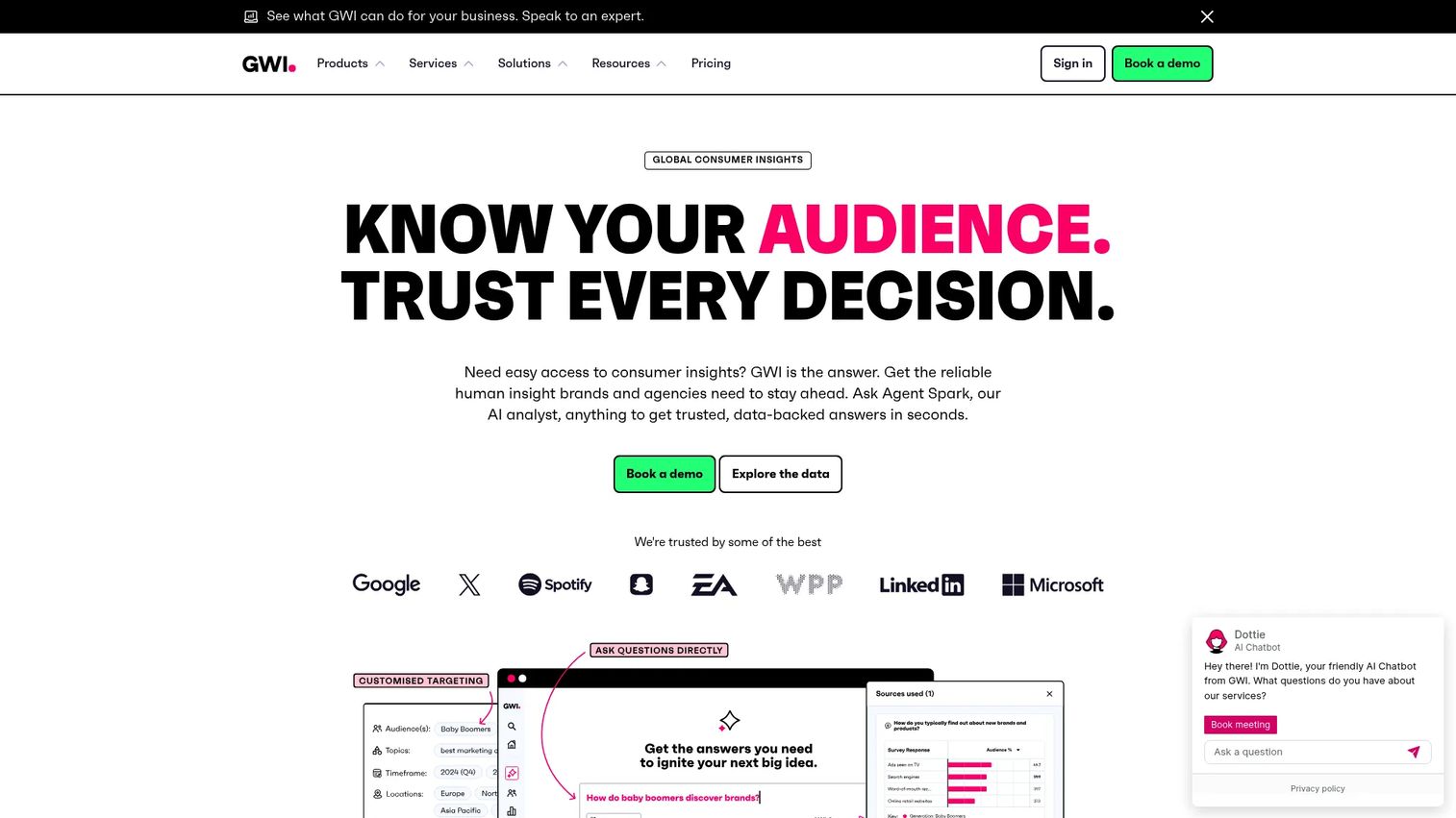
GWI is a consumer insights and audience profiling platform for brands and agencies. It builds custom audiences from more than 250,000 data points across 50-plus markets, then turns them into charts, dashboards, and crosstabs. It sits on the audience intelligence side of planning rather than the operational side.
GWI is where you start when audience understanding drives the plan. Before you allocate a dollar, you can profile who you are targeting, where they spend attention, and what they respond to. That makes it one of the more useful audience planning tools for strategy-led teams.
Best for: Teams needing global consumer data and audience insights for marketing and research.
Key strengths
- Custom audience building from 250K+ data points across 50+ markets
- Audience insights, charts, dashboards, and crosstabs
- Shared dashboards and collaboration tools
Why choose GWI: Choose it when the plan follows the audience, not the other way around. It informs the strategy behind a media plan rather than executing the plan itself.
GWI pricing: GWI offers a Free tier at $0 per month and a Plus plan at $150 per user monthly. Teams and Pro plans are quote-based through sales.
4. Nielsen
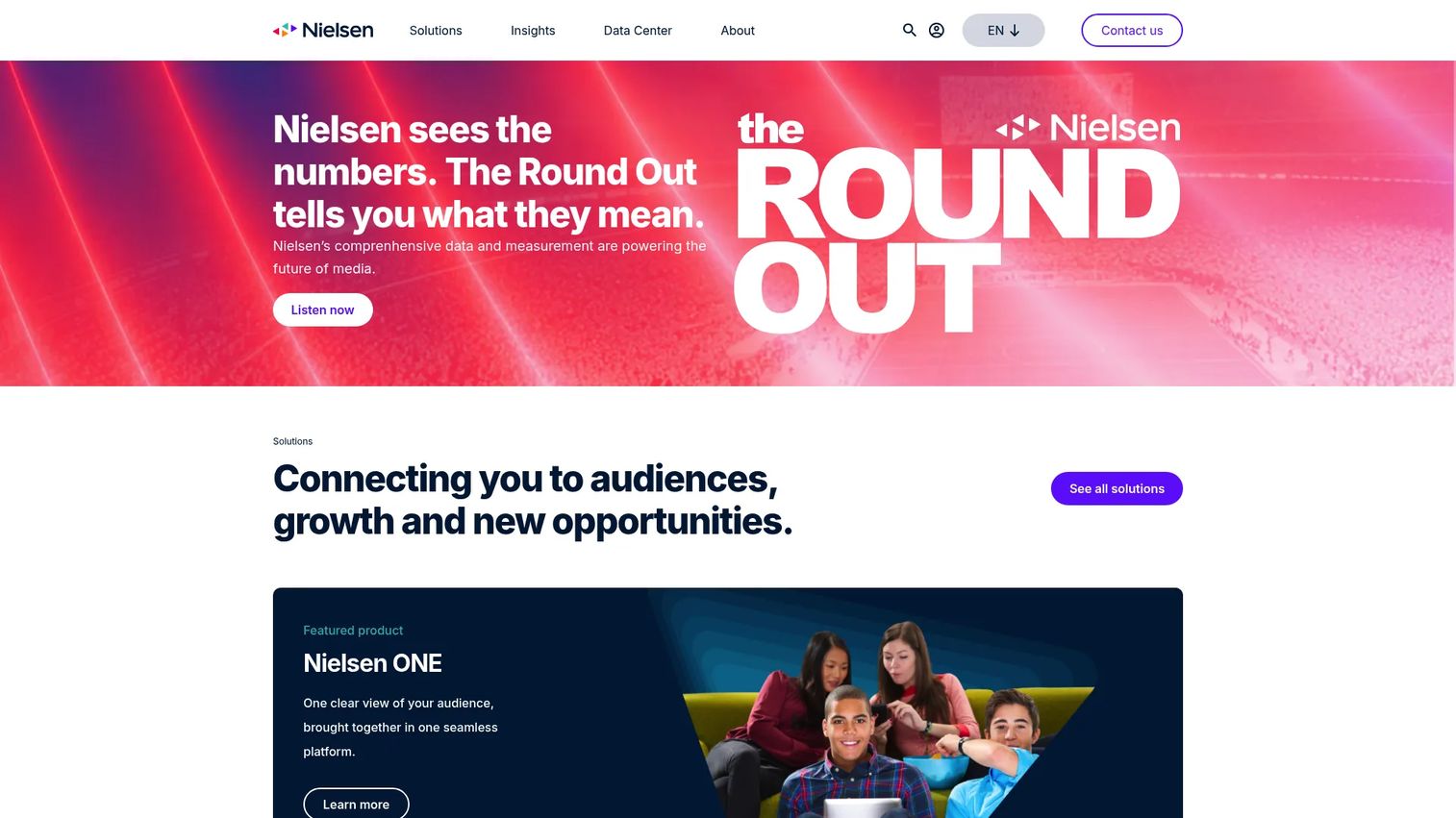
Nielsen is an audience measurement, media planning, and marketing optimization company whose data underpins how much of the industry buys and sells media. It brings cross-platform audience measurement and planning tools together with content metadata through Gracenote. For teams that need trusted research as a planning input, it is a reference point.
Nielsen's strength is credibility. When your plan has to stand up to scrutiny from partners, agencies, or leadership, measurement backed by an established methodology carries weight. It supports the planning decision with performance measurement rather than replacing your operational planning tool.
Best for: Media companies and advertisers needing audience measurement and planning data.
Key strengths
- Cross-platform audience measurement
- Media planning tools
- Marketing optimization and Gracenote content metadata
Why choose Nielsen: Choose it when trusted measurement is the input your plan depends on. It is a research and measurement layer, best paired with a system that handles day-to-day plan operations.
Nielsen pricing: Nielsen does not expose public pricing on its site. Pages route to contact and demo flows, so pricing is quote-based.
5. Comscore
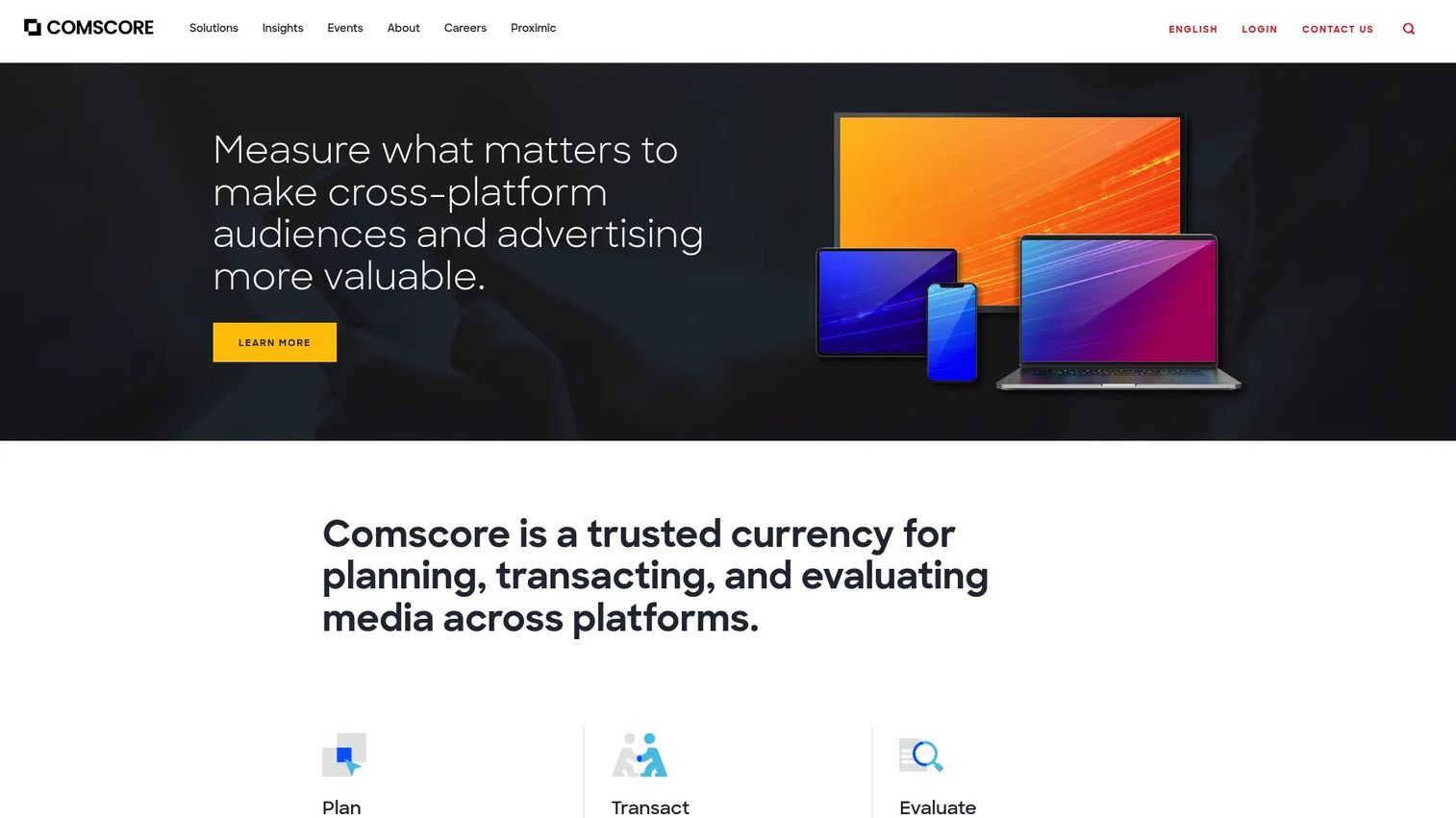
Comscore is a cross-platform audience measurement and media analytics company. It covers digital, TV, OTT, and ad effectiveness, and offers audience planning and activation solutions. For teams planning reach across fragmented screens, it delivers the audience inputs that make omnichannel planning defensible.
Comscore earns its place when your audience spans platforms and you need one measurement view across all of them. That cross-platform picture feeds cleaner channel selection and clearer reach forecasts than any single-platform report can give you.
Best for: Media buyers, publishers, and advertisers needing cross-platform audience measurement.
Key strengths
- Cross-platform audience measurement
- Digital, TV, OTT, and ad effectiveness insights
- Audience planning and activation solutions
Why choose Comscore: Choose it when cross-platform reach is the number you are planning against. It is an audience intelligence and measurement layer that strengthens the inputs to your plan.
Comscore pricing: Comscore does not publish public pricing. The site directs visitors to contact sales or request a demo, so pricing is quote-based.
6. Kantar Media Planning Suite
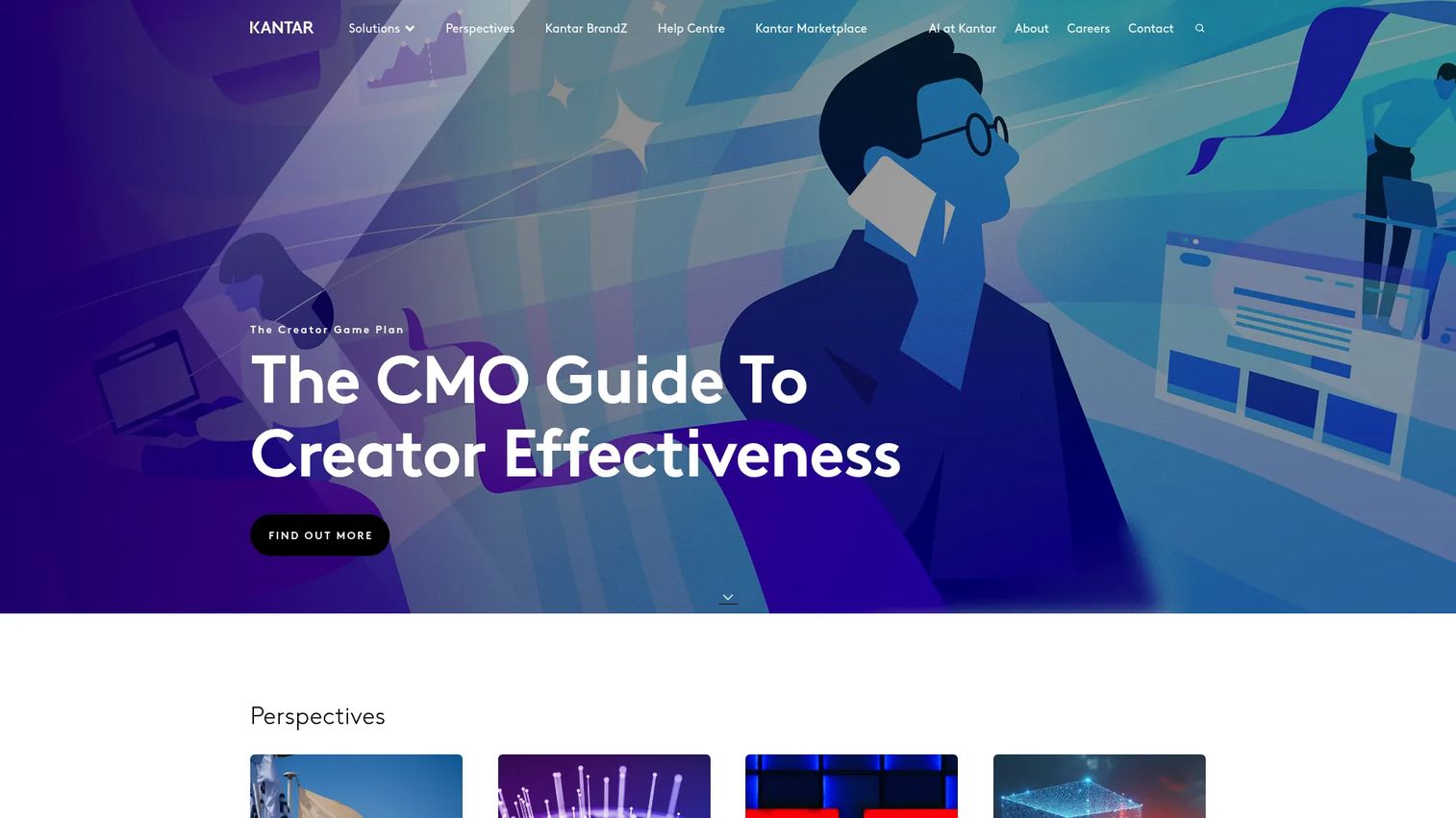
Kantar offers media planning and effectiveness capabilities for teams that want to test and optimize media decisions before and after they spend. Its media planning and effectiveness tools, surfaced through Kantar Marketplace, cover digital media optimization and contextual ad performance. For research-led global planning, it brings depth.
Kantar fits teams that treat planning as a testable hypothesis. You can validate media choices against effectiveness research rather than intuition, which matters most when budgets are large and markets are many. It complements operational planning with a measurement and effectiveness view.
Best for: Brands and agencies needing media planning and effectiveness research.
Key strengths
- Media planning and effectiveness
- Digital media optimization
- Contextual ad performance insights
Why choose Kantar Media Planning Suite: Choose it when effectiveness research should shape the plan across global markets. It sits alongside your operational planning system as the research and validation layer.
Kantar Media Planning Suite pricing: Kantar's media planning and effectiveness offering is serviced through Kantar Marketplace, which asks you to select a market to view pricing. No public numeric price is exposed, so expect quote-based terms.
7. Mediatool (Camphouse)
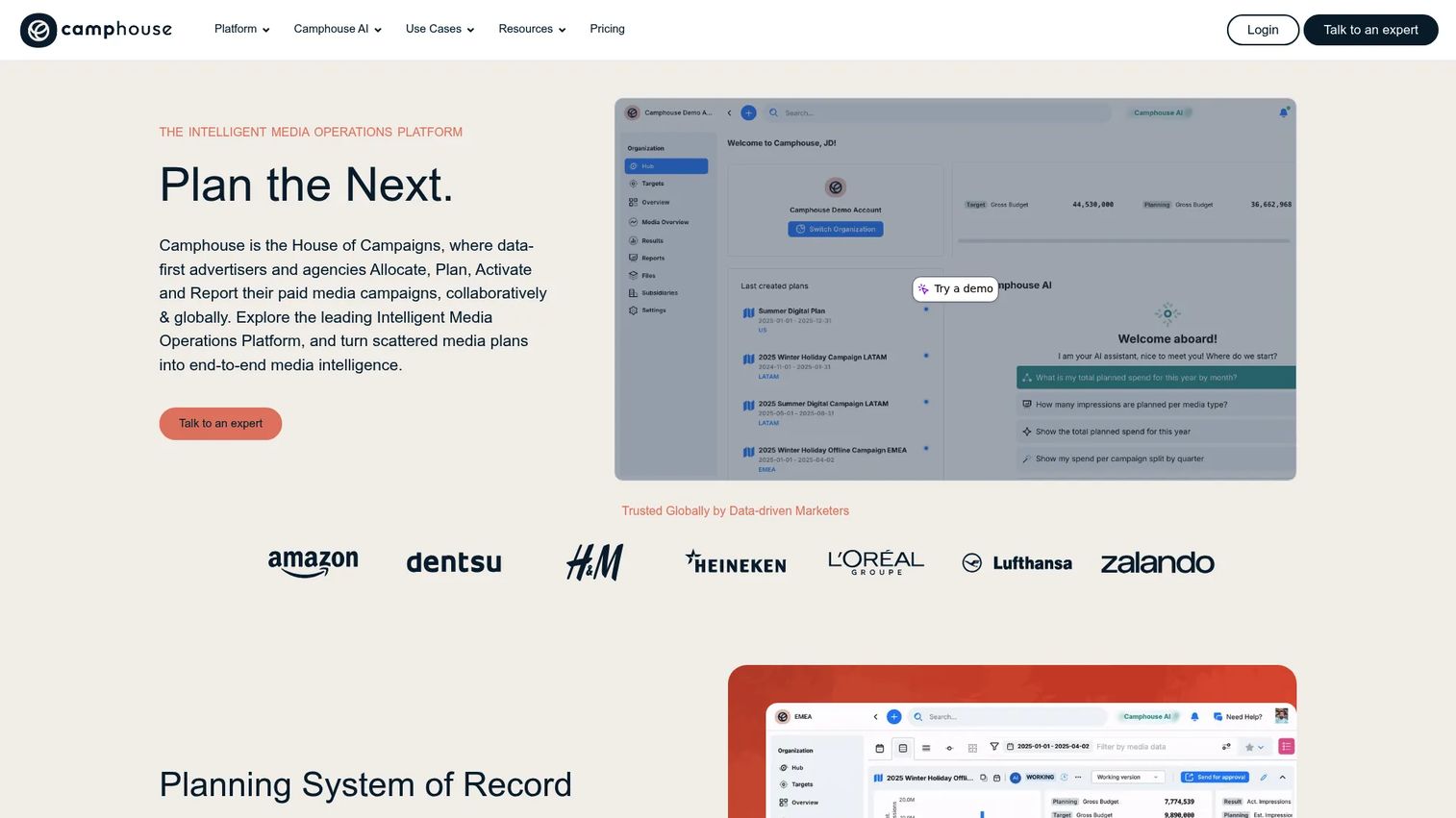
Mediatool, now operating as Camphouse, is a media operations platform for planning, activating, and reporting paid media campaigns collaboratively. It covers media planning, budget allocation, and real-time campaign reporting in one place. For teams that want an operational planning system without enterprise weight, it lands in a practical middle ground.
The appeal is collaborative simplicity. You get cross-channel planning, budget allocation, and reporting and dashboards without a long implementation. Teams that outgrew spreadsheets but do not need a full ad-ops suite find a comfortable fit here.
Best for: Enterprise advertisers and agencies managing multi-market media operations collaboratively.
Key strengths
- End-to-end media operations platform
- Media planning and budget allocation
- Reporting and real-time campaign insights
Why choose Mediatool: Choose it when you want centralized planning and reporting that a team can adopt quickly. It focuses on operational planning and visibility rather than deep audience research.
Mediatool pricing: Public pricing is not shown. The site states pricing is calculated according to customer needs and complexity, with PRO, PLUS, and Enterprise plans plus add-ons, so pricing is quote-based.
Considerations
Before you commit, run each shortlisted tool through these five checks.
Workflow fit
Look at how the tool handles planning, approvals, and handoffs. Does it match how your team actually works, or does it force a new process? The best media buying and planning software reduces steps rather than adding them. Map your current plan-to-approval flow and see where the tool removes friction.
Integrations
Check whether it syncs with your buying platforms, analytics, and finance systems. A media plan that cannot push to your ad platforms or feed your finance handoff still leaves you reconciling by hand. Confirm the specific integrations you need exist and work both ways.
Data freshness
Ask how often audience data and reporting refresh. Stale numbers lead to stale decisions. If you are planning against audience insights, data freshness determines whether your channel selection reflects this quarter or last year. Verify the update cadence before you rely on it.
Reporting depth
Test whether leadership gets dashboards they can trust. Spend visibility only matters if the CFO believes the numbers. Look for reporting that ties planned spend to actual performance measurement, not just a static export. The right depth turns reporting from a chore into a standing source of truth.
Scalability and pricing
Consider how pricing behaves as your team, channels, and markets grow. Per-user pricing scales differently than custom enterprise terms. Model your cost at next year's headcount, not today's, so a tool that fits now does not become the reason you switch later.
Conclusion
The right media planning software depends on where your pain sits.
If you run enterprise omnichannel operations and finance sync is the bottleneck, Mediaocean connects planning, buying, and finance in one spine. For agency-style plan creation, approvals, and creative coordination, MediaPlanHQ centralizes the whole workflow. When audience understanding drives the plan, GWI leads on audience insights. Nielsen and Comscore bring trusted cross-platform measurement, Kantar Media Planning Suite adds effectiveness research for global markets, and Mediatool (Camphouse) offers lightweight, collaborative planning for teams that just outgrew spreadsheets.
Come back to the same framework: centralized cross-channel planning, reporting and dashboards you trust, and workflow sync across media, creative, and finance. Shortlist two or three tools from this list, then compare them against your current stack and the integrations you already depend on. The goal is one plan, one source of truth, and spend visibility that survives a Thursday afternoon.
FAQs
It is used to plan, organize, track, and optimize advertising campaigns across channels from one system. Teams use it for cross-channel budget planning, audience and channel selection, spend tracking, and reporting. The core job is replacing scattered spreadsheets with a single source of truth for the media plan.
Prioritize cross-channel and omnichannel planning, reporting and dashboards you can trust, and workflow sync across media, creative, and finance. Then check integrations with your buying and finance systems, plus data freshness on audience data. Finally, model how pricing scales as your team and markets grow.
Planning software organizes budgets, audiences, and schedules before you spend, and tracks the plan as it runs. Media buying software executes the actual purchase and delivery of ad inventory. Media buying and planning software like Mediaocean spans both, connecting the plan to the buy and the finance reconciliation in one system.
Yes, spreadsheet replacement is the main reason teams adopt them. Instead of separate tabs for each channel and a Slack thread to reconcile them, a media planning tool holds one plan with one committed number everyone reads from. That ends the version-control chaos and gives you real spend visibility.
Growth marketers, media buyers, marketing ops, and demand gen leaders are the core users. Agencies use it to manage plans and approvals across clients, and finance teams rely on it for the spend visibility and finance handoff. Any team coordinating budgets across channels benefits from a single planning system.
Match the tool to the job. If you need to understand who to target and where they spend attention, audience planning tools like GWI, Nielsen, and Comscore lead on audience insights. If you need to build, track, and report the plan itself, operational tools like Mediaocean, MediaPlanHQ, and Mediatool fit better. Many teams use one of each.
The ones that close your biggest manual gaps. Buying platform integrations let plans push to where you actually spend, analytics integrations feed performance measurement back into the plan, and finance integrations enable a clean finance handoff. Confirm each integration you depend on exists and syncs both ways before you buy.