Logs are where teams reconstruct what happened. Paper forms, scattered spreadsheets, and stale screenshots make that reconstruction harder when a supervisor or auditor needs proof.
You aren’t buying a prettier spreadsheet. You’re buying logbook software that records who entered information, when it happened, and what the next person needs to know.
Research and Markets projected in 2026 that the electronic logbook software market would reach $1.57 billion that year. The forecast puts the market at $2.16 billion by 2032.
The category is broad. Electronic logbook software can track driver hours, inspections, shift notes, maintenance events, flight time, or mileage. Choosing the best logbook software starts with identifying the record you need to preserve.
What’s inside
This guide compares 17 tools across fleet, operations, inspections, aviation, mileage, and workforce records. Products were selected for clear category fit and current product information.
We evaluated each option using four practical criteria:
- Mobile log entry and field access
- Templates, timestamps, and record history
- Support for ELD, DVIR, audit, or inspection workflows
- Pricing, deployment fit, and verified G2 ratings
Pricing reflects vendor information available in November 2026. A missing G2 rating means no current score was verified for that product.
TL;DR
- Best for fleet compliance: Samsara, Motive, Geotab, Verizon Connect, and EROAD
- Best for inspection heavy operations: SafetyCulture, Mitti, Jolt, and Gorilla Safety
- Best for small trucking fleets: Blue Ink Tech, Matrack, and TruckSpy
- Best for aviation logs: Logbook Pro Desktop
- Best for workforce and mileage records: Timeero and TripLog Mileage Tracker
- Best for connected fleet operations: IntelliShift and Transflo
What is logbook software?
Logbook software is a digital system for recording, storing, searching, and reporting operational events, inspections, vehicle activity, shift notes, mileage, maintenance history, or compliance records.
A digital logbook replaces paper binders, shared spreadsheets, and disconnected forms with searchable records. Entries can include timestamps, assigned owners, photos, location data, and approval status.
The term “log book software” covers several distinct categories. Buyers should identify their record type before comparing products.
Core logbook types
- Fleet and ELD logbooks: Record driver hours, vehicle movement, DVIRs, and roadside inspection information
- Operational logbooks: Capture shift notes, incidents, rounds, handovers, and production records
- Inspection logbooks: Store checklists, safety observations, corrective actions, and audit preparation records
- Aviation logbooks: Track flight time, routes, currency, and license reporting
- Mileage logbooks: Record business miles, expenses, reimbursements, and tax documentation
ELD software is one specific form of electronic logbook software. It focuses on commercial driver hours and regulated fleet workflows. An inspection logbook or pilot logbook serves a different purpose.
Key features to look for
Useful digital logbook software may include:
- Timestamped entries with user attribution
- Role based permissions and approval controls
- Mobile access for field users
- Offline entry capture
- Configurable forms and templates
- Search, filtering, and exports
- GPS or asset location data
- Record history for audit preparation
- Alerts for missed tasks or upcoming maintenance
- Connections to fleet, HR, accounting, or maintenance systems
Some platforms also function as audit trail software. However, record history varies between products. Check whether edits preserve previous values and whether exports include user attribution.
A mobile logbook app should make daily entry faster than the process it replaces. If drivers, inspectors, or support staff avoid it, the record will still have gaps.
When to use logbook software
Replace paper logs and spreadsheets
Paper logs stop working when handwriting becomes unreadable, required fields get skipped, or several copies circulate. Spreadsheets add version conflicts and weak ownership.
Support teams know the pattern from incomplete ticket notes. Operations teams encounter it in compliance binders, maintenance records, and shift handovers. A paper log replacement creates a shared record that the next person can search.
Prepare for audits and inspections
Searchable records reduce the scramble before an inspection. Timestamped logs and exportable reports help teams retrieve evidence without sorting through binders or email threads.
Software can support audit preparation. It doesn’t guarantee compliance, and each industry applies different recordkeeping rules.
Track work across mobile teams
Fleet, facilities, and field service teams create records away from a desk. A logbook app can capture forms, photos, GPS data, and alerts on the device employees already carry.
Test the mobile workflow with the people entering data. A supervisor’s dashboard matters less if frontline users need several minutes to submit a routine update.
Logbook software comparison
The best logbook software depends on what you need to document. A fleet logbook software platform covers different requirements than inspection software, a mileage app, or an aviation record system.
The table below compares 17 products in the required order. Custom pricing means the vendor prepares a quote through its sales process. G2 ratings reflect the verified headline score available in November 2026.
| # | Product | Best for | Key differentiator | Pricing | G2 rating |
|---|---|---|---|---|---|
| 1 | Samsara | Enterprise fleet compliance | Fleet telematics with safety and equipment management | Custom pricing | 4.5/5 |
| 2 | Motive | Driver logs and fleet operations | Integrated fleet, workforce, spend, and equipment management | Custom pricing | 4.4/5 |
| 3 | Geotab | Data heavy fleet management | Open integrations and configurable telematics data | Custom pricing through resellers | 4.5/5 |
| 4 | IntelliShift | Connected fleet operations | Safety, maintenance, fuel, compliance, and asset intelligence | Custom pricing | 4.5/5 |
| 5 | Verizon Connect | Distributed fleets | Vehicle tracking with field service coordination | Custom pricing | 3.8/5 |
| 6 | Mitti | Operational logs and inspections | Frontline workflows across inspections, assets, and incidents | Free plan, Premium from $29 per user monthly | 4.6/5 |
| 7 | SafetyCulture | Mobile inspection workflows | Checklists with corrective actions and training | Free plan, Premium from $24 monthly | 4.6/5 |
| 8 | Matrack | Small fleet ELD and tracking | Clear device and subscription options | From $11.95 monthly, plus hardware | N/A |
| 9 | Gorilla Safety | Fleet safety records | Accident, DVIR, maintenance, and document workflows | GPS tracking from $9.99 monthly | N/A |
| 10 | Transflo | Transportation document workflows | Driver document capture and office automation | Custom pricing | 4.0/5 |
| 11 | Blue Ink Tech | Cost conscious trucking teams | ELD, weight monitoring, dashcams, and IFTA tools | ELD from $30 monthly | N/A |
| 12 | Logbook Pro Desktop | Pilot records | Windows pilot logbook with analysis and reports | From $99.95 lifetime | N/A |
| 13 | Timeero | Mobile workforce mileage logs | GPS time, mileage, scheduling, and geofencing | From $5 per user monthly | 4.8/5 |
| 14 | Jolt | Restaurant and retail checklists | Task accountability with food safety logging | Custom pricing | 4.4/5 |
| 15 | TruckSpy | FedEx linehaul operations | Automated fleet reporting and safety analytics | $12 per truck monthly | N/A |
| 16 | EROAD | Regulated commercial fleets | ELD, telematics, safety video, and asset tracking | Custom pricing | 4.1/5 |
| 17 | TripLog Mileage Tracker | Mileage reimbursement | Automatic mileage and expense approval workflows | Free trial, contact vendor for plans | 4.6/5 |
Best 17 tools for logbook software
“Logbook software” describes several different buying categories. Prioritize workflow fit before comparing feature counts.
Start with the record your team creates every day. Then test whether the product captures that record quickly, preserves its history, and produces an export others can understand.
1. Samsara
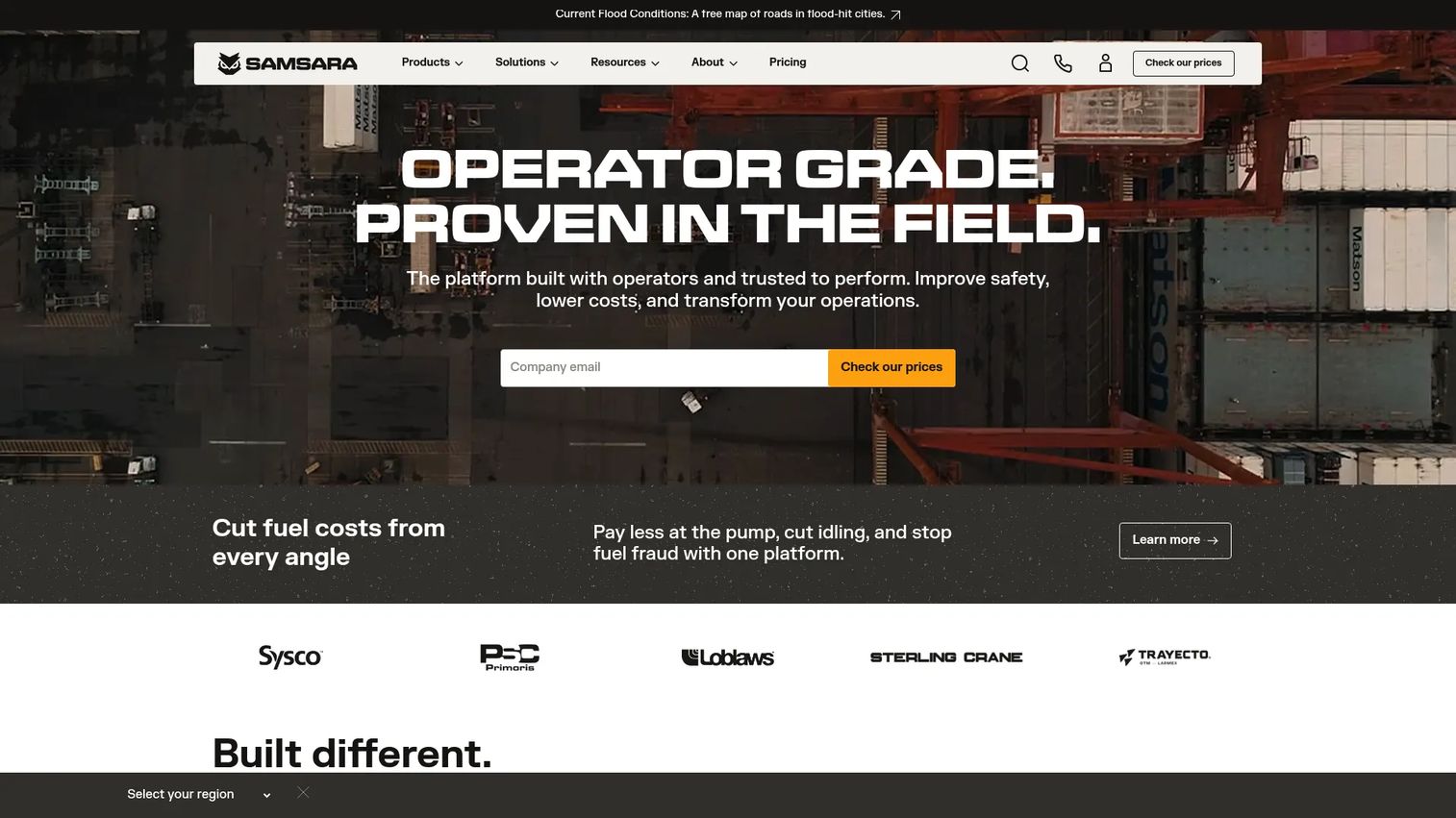
Samsara is a connected operations platform for fleets, equipment, worksites, and frontline teams. It combines electronic driver logbook functions with vehicle tracking, diagnostics, safety workflows, and operational reporting.
Its scope suits organizations that want fleet records connected to broader physical operations. Construction, transportation, and field service teams can manage vehicles alongside equipment and worksite activity.
Best for: Larger organizations that need fleet compliance, safety records, equipment visibility, and maintenance data in a shared system.
Key features
- AI cameras and driver coaching
- Fleet telematics and GPS tracking
- Fuel and compliance reporting
- Equipment diagnostics
- Maintenance and location alerts
Why choose Samsara: Choose it when ELD records need context from vehicle activity, safety events, and equipment health. A basic digital log may suit smaller teams with narrower requirements.
Samsara pricing: Custom pricing. Quotes reflect the number of vehicles or assets and selected products.
G2 rating: 4.5/5
2. Motive
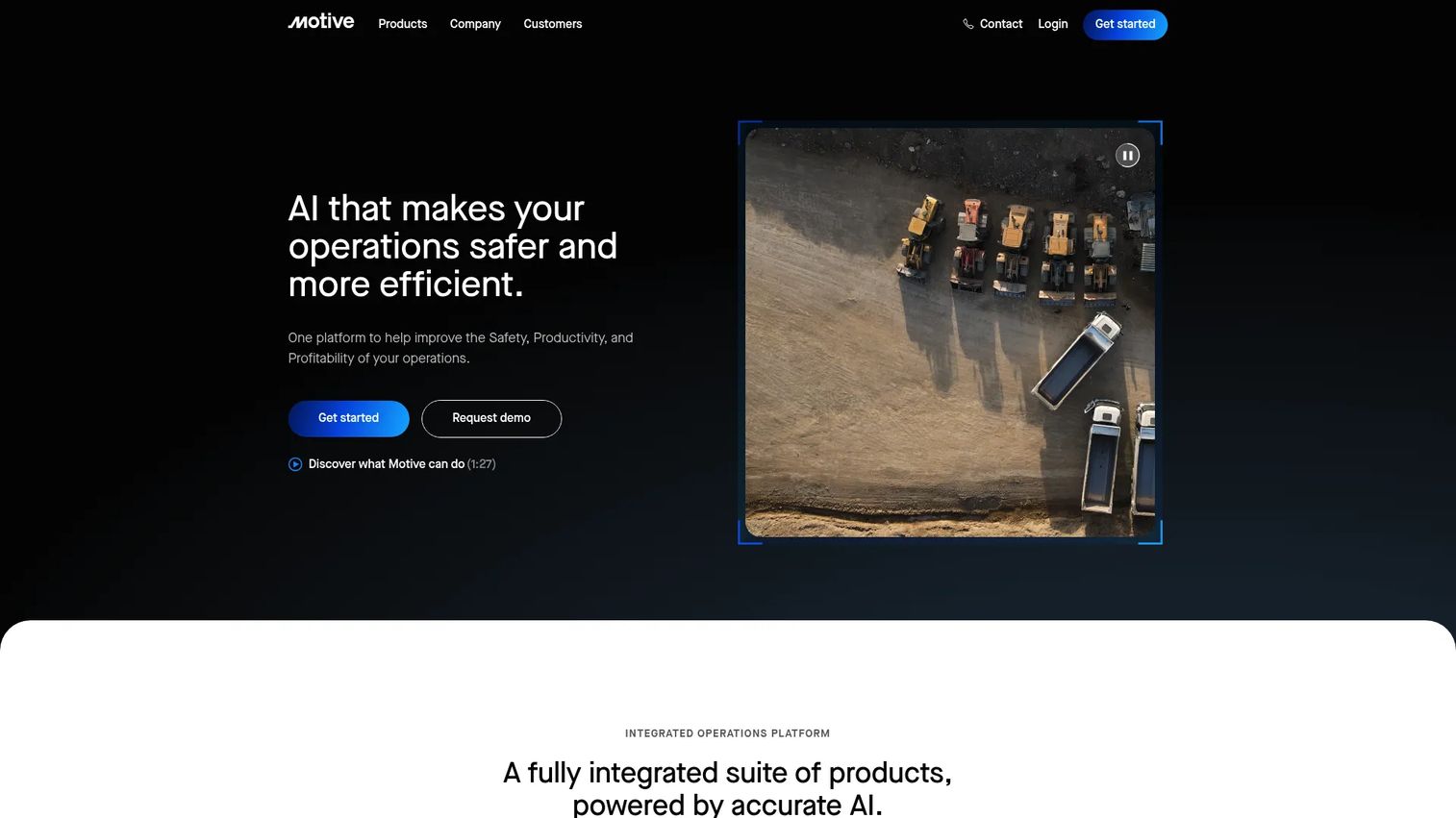
Motive covers fleet management, driver safety, equipment monitoring, maintenance, spend, and workforce operations. Its fleet tools combine GPS tracking with compliance records and driver workflows.
The platform also supports AI monitoring, fuel management, and qualifications. That breadth gives dispatchers and back office teams a wider view of driver and asset activity.
Best for: Fleet intensive businesses that want driver logs connected with safety, maintenance, equipment, and spending records.
Key features
- Driver safety and AI monitoring
- GPS fleet management
- Equipment and trailer monitoring
- Maintenance and fuel workflows
- Workforce qualification tracking
Why choose Motive: It fits commercial fleets that need driver friendly logs and operational visibility. Buyers should map required modules before comparing quotes.
Motive pricing: Custom pricing for the core platform. Some workforce functionality has a free tier, but this doesn’t cover the overall platform.
G2 rating: 4.4/5
3. Geotab
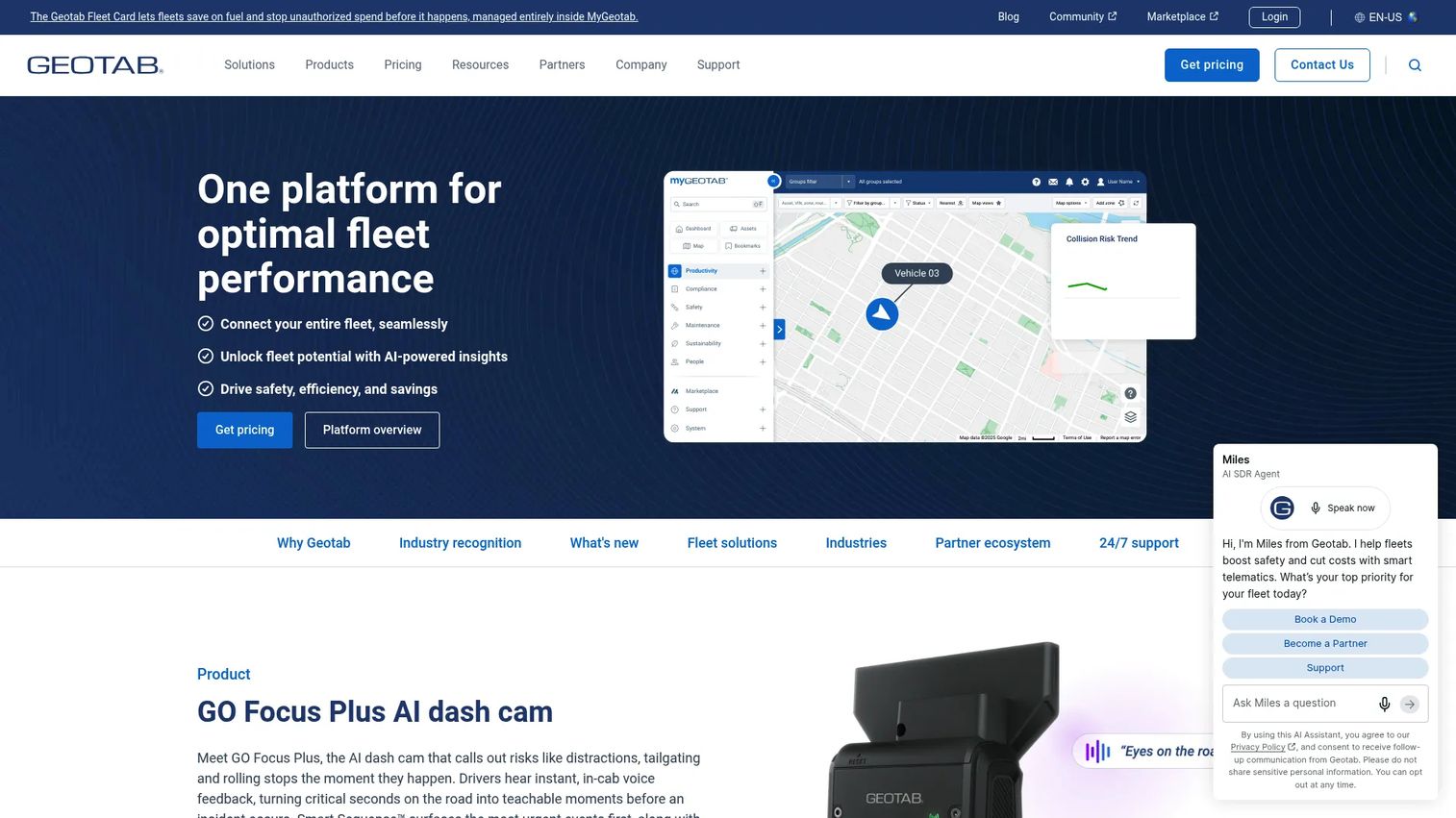
Geotab provides connected vehicle and asset management through a configurable telematics platform. Geotab Drive supports ELD workflows, while the wider system covers diagnostics, safety, maintenance, and EV data.
An open SDK and marketplace make it relevant when fleet records must feed enterprise reporting or specialist applications. Many deployments run through resellers.
Best for: Midmarket and enterprise fleets with complex data, reporting, electrification, or integration requirements.
Key features
- Geotab Drive ELD
- Live vehicle location
- Driver safety coaching
- Maintenance and engine diagnostics
- Open SDK and marketplace
Why choose Geotab: Use it when maintenance logbook software must connect with analytics or other fleet systems. Reseller selection and implementation planning can shape the final deployment.
Geotab pricing: Custom pricing through authorized resellers. Current plan documentation identifies GO Plan and Base or GO Core.
G2 rating: 4.5/5
4. IntelliShift
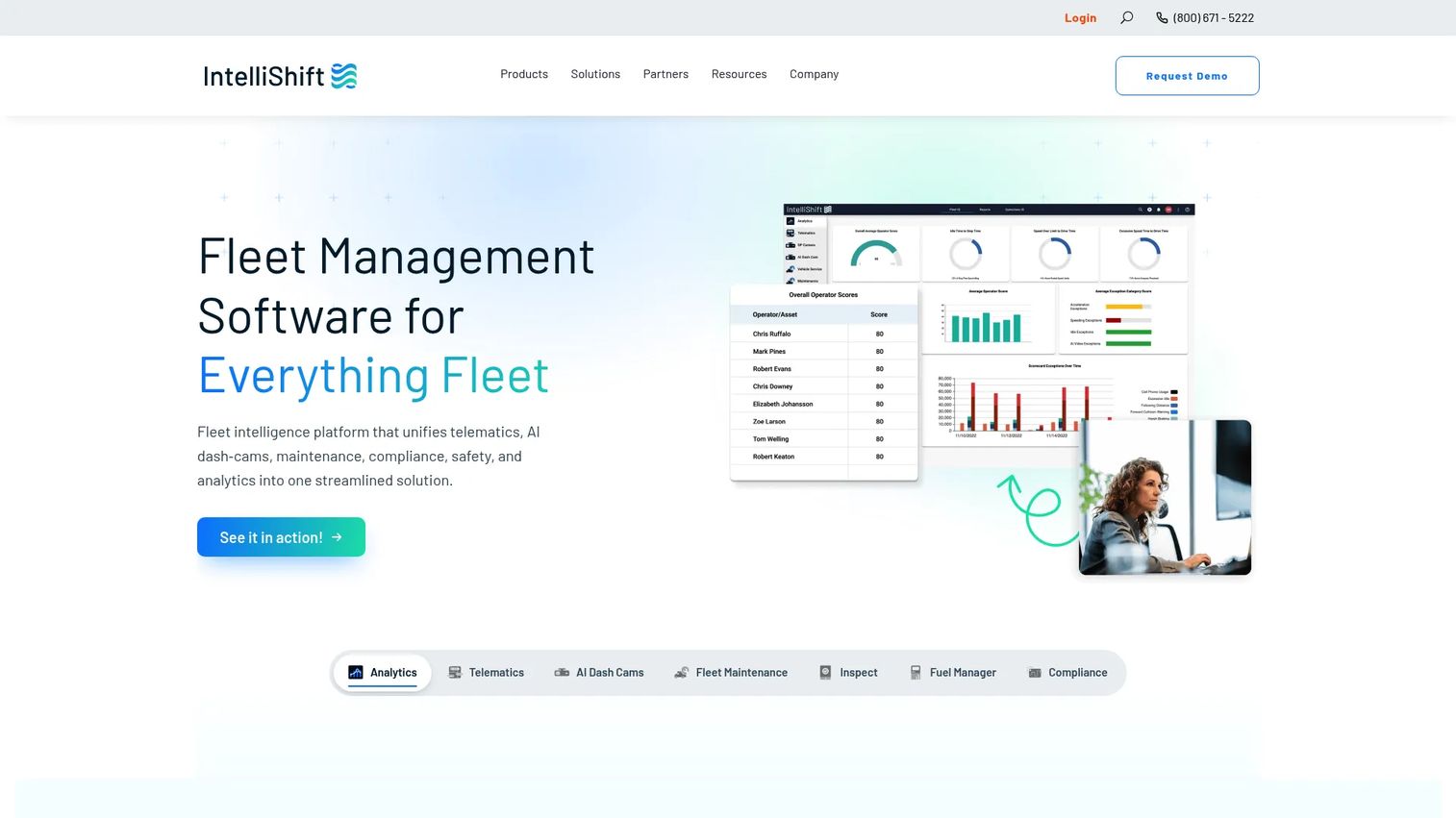
IntelliShift brings telematics, dashcams, maintenance, inspections, fuel management, and compliance into a fleet intelligence platform. It also supports asset tracking and fleet analytics.
The product works well when log records support a larger safety or maintenance program. Its focus extends beyond electronic driver logs into connected physical operations.
Best for: Construction, utility, field service, and delivery fleets managing vehicles and equipment together.
Key features
- GPS and asset tracking
- AI dashcams
- Maintenance and inspection management
- Fuel management
- ELD compliance
Why choose IntelliShift: It suits organizations that need fleet logbook software alongside safety, maintenance, and asset information. A lightweight checklist product fits better when vehicles aren’t central to the workflow.
IntelliShift pricing: Custom pricing. Request a quote covering required vehicles, assets, integrations, and fleet modules.
G2 rating: 4.5/5
5. Verizon Connect
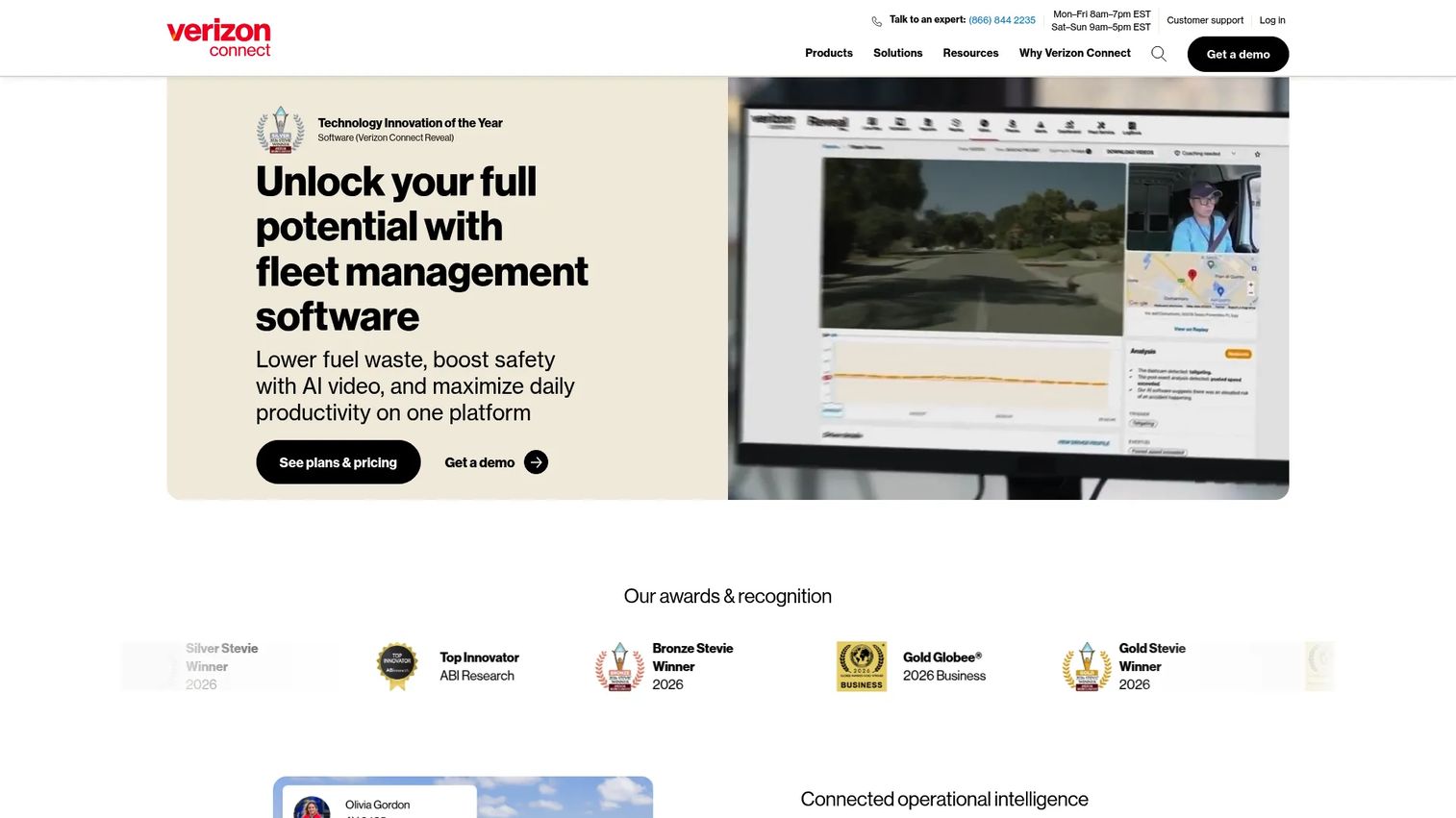
Verizon Connect provides fleet telematics for vehicle tracking, driver safety, asset monitoring, maintenance, and field service coordination. Its software supports geofences, route history, alerts, and automated reports.
Field service visibility distinguishes it from a narrow ELD product. Managers can connect driver records with technician locations and dispatch activity.
Best for: Distributed fleets and field service organizations that need vehicle oversight across mobile operations.
Key features
- Near real time vehicle tracking
- Geofences and route replay
- Maintenance tracking
- AI dashcams
- Field service coordination
Why choose Verizon Connect: It suits larger mobile workforces that need routing and driver oversight. Review contract length, hardware, and onboarding terms before purchase.
Verizon Connect pricing: Custom pricing. Request a quote for the selected fleet, asset, camera, or field service package.
G2 rating: 3.8/5
6. Mitti
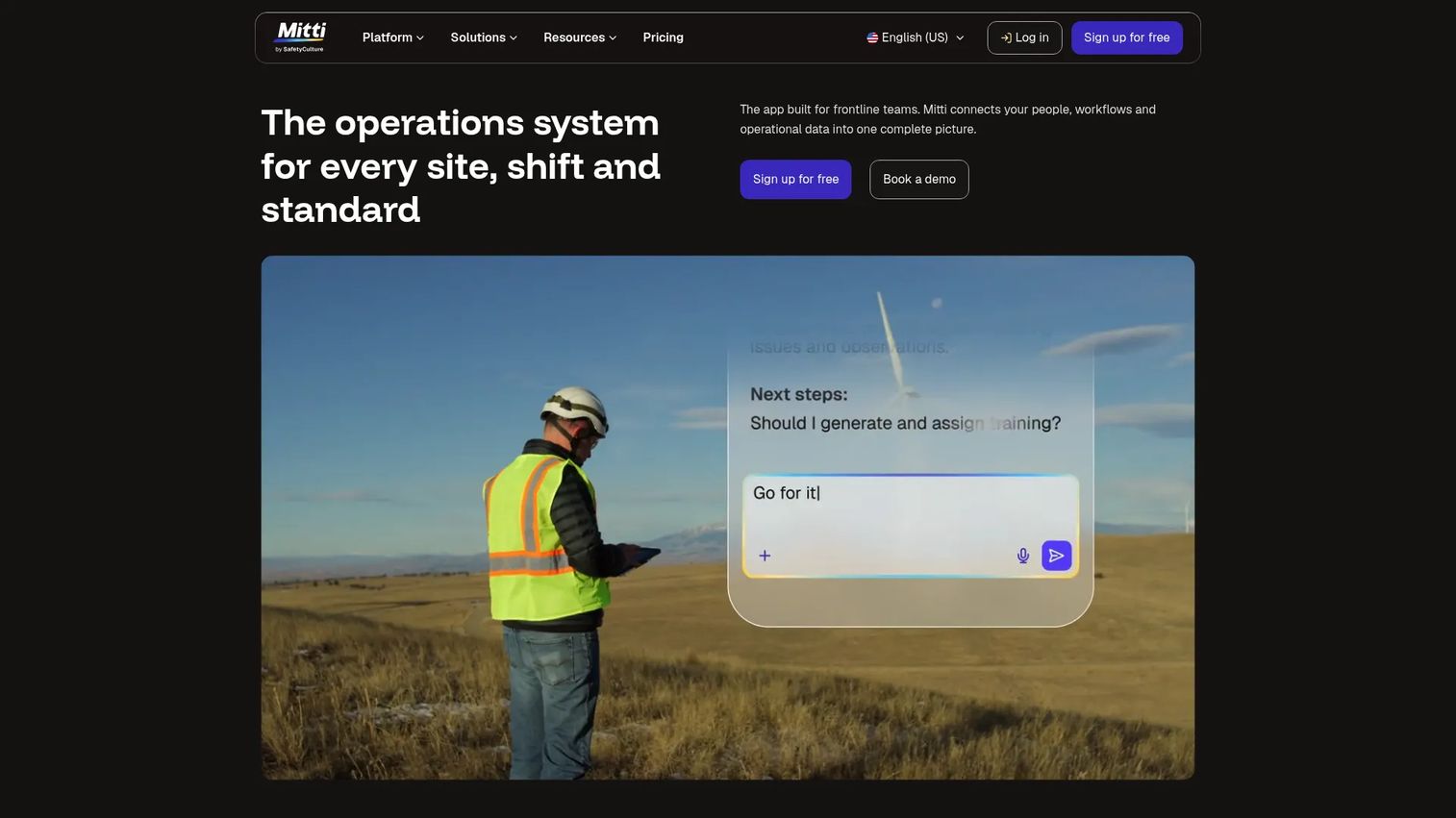
Mitti manages frontline inspections, incidents, assets, training, documents, and operational workflows. Teams can use it as inspection logbook software without adopting a full fleet telematics platform.
The product also covers corrective actions, analytics, sensors, and lone worker processes. That makes it relevant for multi site safety and operations teams.
Best for: Organizations replacing paper logs across inspections, safety records, asset maintenance, and frontline operations.
Key features
- Inspections and checklists
- Incident reporting
- Asset maintenance records
- Document management
- Analytics and integrations
Why choose Mitti: It fits configurable operational logbooks and inspection programs. Fleet operators needing dedicated ELD functions should evaluate a fleet specific product.
Mitti pricing: A Free plan is available. Premium costs $29 per user monthly, while Enterprise uses custom pricing.
G2 rating: 4.6/5
7. SafetyCulture
SafetyCulture is a frontline operations platform for digital inspections, worker training, incident reporting, and improvement tracking. Its mobile inspection workflows suit teams that treat log entries as structured checklists.
Corrective actions help move records beyond passive storage. Teams can assign follow up work after an issue appears during an inspection.
Best for: Safety, quality, and operations teams that need mobile inspections with action ownership.
Key features
- Digital inspections and checklists
- Corrective action tracking
- Mobile workforce training
- Incident investigations
- Operational analytics
Why choose SafetyCulture: It is a strong fit when checklists and inspection history drive the process. It isn’t designed as pilot logbook software or a trucking ELD system.
SafetyCulture pricing: A Free plan is available. Premium starts at $24 monthly when billed annually, while Enterprise uses custom pricing.
G2 rating: 4.6/5
8. Matrack
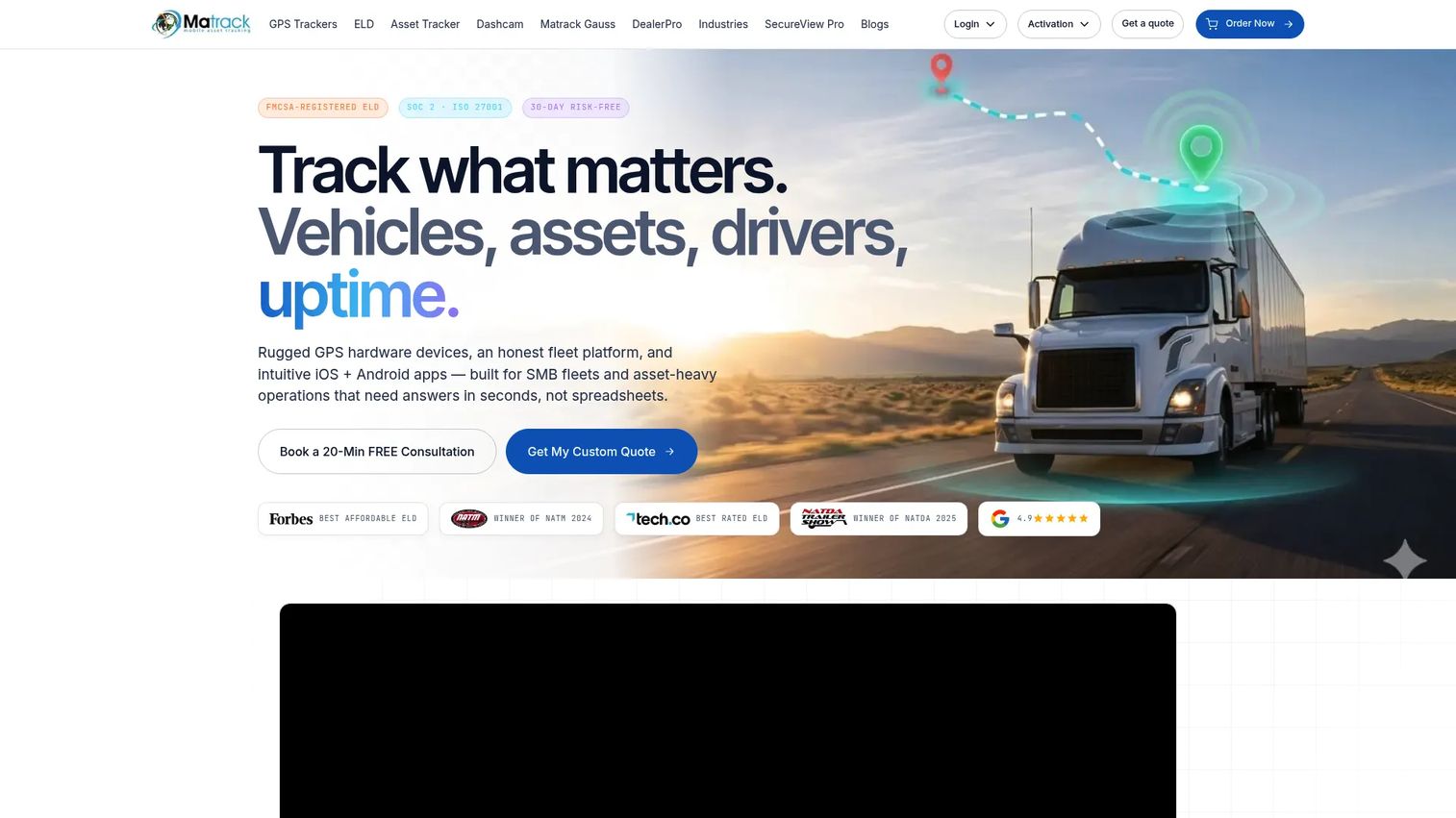
Matrack provides GPS tracking, electronic logging devices, asset monitoring, vehicle diagnostics, and AI dashcams. Its ELD supports HOS logs and IFTA reporting.
Clear device prices make it easier for small fleets to estimate deployment costs. Buyers can combine ELD hardware with tracking or camera packages.
Best for: Small and midsize fleets needing an electronic driver logbook with GPS and dashcam options.
Key features
- FMCSA registered ELD
- HOS and IFTA reporting
- GPS and asset tracking
- Driver scoring
- AI dashcam options
Why choose Matrack: It covers practical ELD and tracking needs without requiring a broad enterprise platform. Check hardware compatibility and integration depth during evaluation.
Matrack pricing: Plans start at $11.95 monthly plus a $50 asset device. ELD plans start at $19.95 per unit monthly.
9. Gorilla Safety
Gorilla Safety focuses on trucking safety, accident investigation, compliance documentation, maintenance, and electronic logging. It connects DVIR software with repair records and fleet documents.
The system also supports GPS tracking and IFTA reporting. Its package structure targets fleets that need several safety records tied together.
Best for: Trucking businesses managing DVIRs, accident files, maintenance events, and compliance documents.
Key features
- Electronic DVIR workflows
- Accident investigation
- Repair and maintenance tracking
- Document management
- ELD and GPS tracking
Why choose Gorilla Safety: Choose it when inspection records connect directly to safety files and repair work. A mileage app is more appropriate for reimbursement alone.
Gorilla Safety pricing: GPS Tracking starts at $9.99 monthly. Prime8 ELD, Fleet Xpress, and Xtreme use custom pricing.
10. Transflo
Transflo connects driver workflows, document scanning, telematics, ELD records, and office automation. It serves carriers, brokers, shippers, and factoring organizations.
The mobile document workflow is central to its value. Drivers can send records to office teams without relying on paper packets or disconnected email attachments.
Best for: Transportation businesses moving logs and documents between drivers, dispatchers, and back office teams.
Key features
- Mobile document scanning
- Driver workflow management
- ELD and HOS compliance
- Fleet tracking
- Back office automation
Why choose Transflo: It fits document heavy transportation operations where records drive downstream processing. Buyers focused only on ELD should compare its scope with dedicated devices.
Transflo pricing: Custom pricing. Contact sales for driver workflows, telematics, document processing, and office automation packages.
G2 rating: 4.0/5
11. Blue Ink Tech
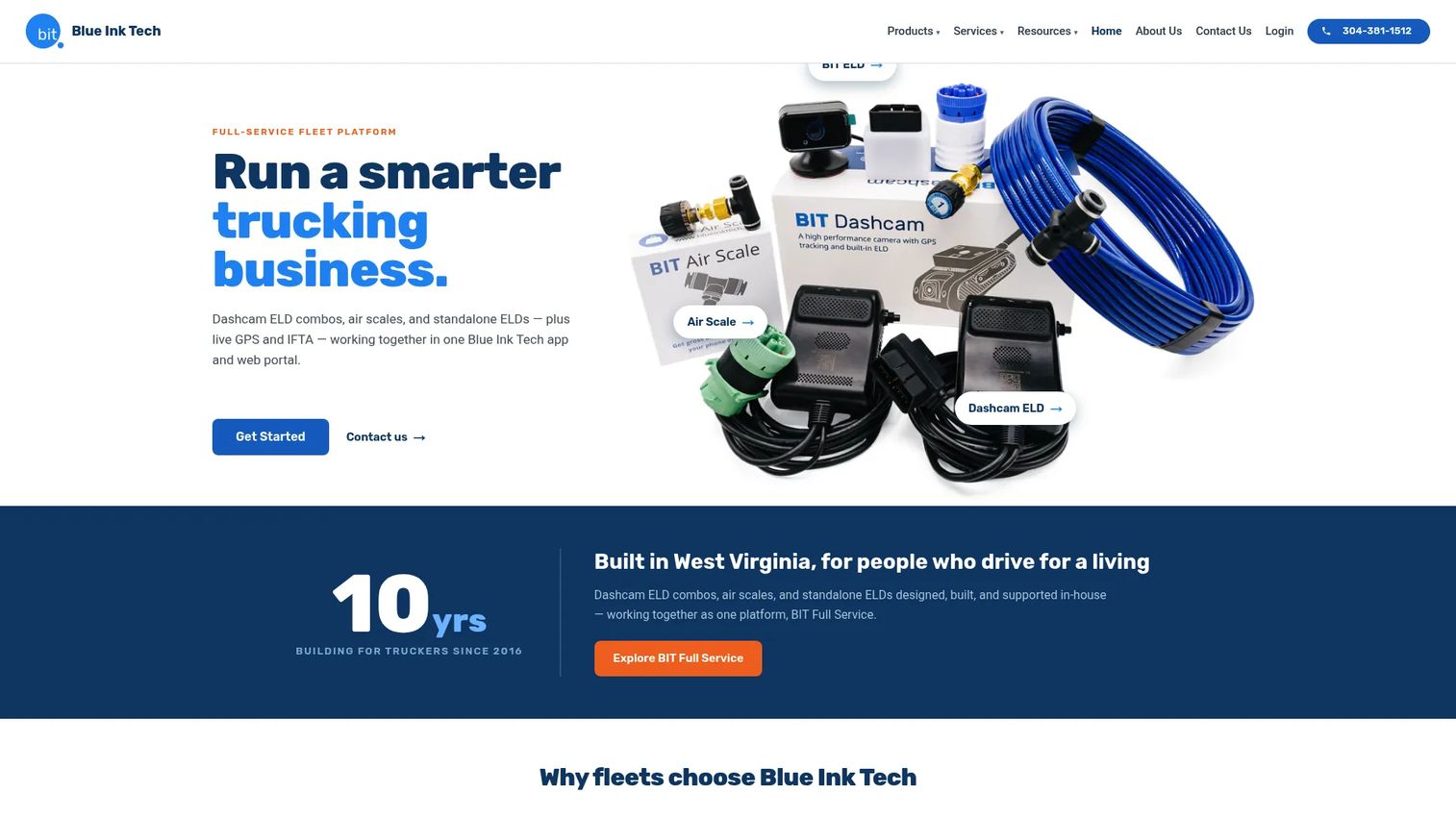
Blue Ink Tech combines an FMCSA registered ELD with GPS tracking, dashcams, onboard scales, and IFTA mileage reporting. The ELD records HOS data and DVIRs.
Its hardware choices let trucking teams add cameras or weight monitoring where required. This makes the platform practical for fleets with specific compliance and load needs.
Best for: Small trucking fleets seeking straightforward driver logs with optional camera and scale hardware.
Key features
- HOS logging and DVIRs
- Live GPS tracking
- Automatic IFTA mileage
- Dashcam safety alerts
- Axle weight monitoring
Why choose Blue Ink Tech: It fits trucking operations that want transparent ELD and hardware costs. Larger organizations may need broader analytics or integration coverage.
Blue Ink Tech pricing: BIT ELD costs $30 monthly or $300 yearly. Dashcam ELD costs $50 monthly or $600 yearly.
12. Logbook Pro Desktop
Logbook Pro Desktop is Windows based pilot logbook software for flight entry, reporting, and data analysis. The Analyzer feature helps pilots review their recorded flight history.
Optional mobile synchronization connects the desktop record with iPhone, iPad, or Android apps. The software uses lifetime licensing rather than a recurring subscription.
Best for: Pilots managing career flight records, reports, analysis, and print preparation on Windows.
Key features
- Fast flight entry
- Aviation reports
- Analyzer tools
- Optional mobile synchronization
- Windows desktop support
Why choose Logbook Pro Desktop: It fits aviation records rather than fleet or shift operations. Don’t use it for ELD, DVIR, or industrial inspection workflows.
Logbook Pro Desktop pricing: Standard costs $99.95 for a lifetime license. Professional costs $149.95, while Enterprise costs $199.95.
13. Timeero
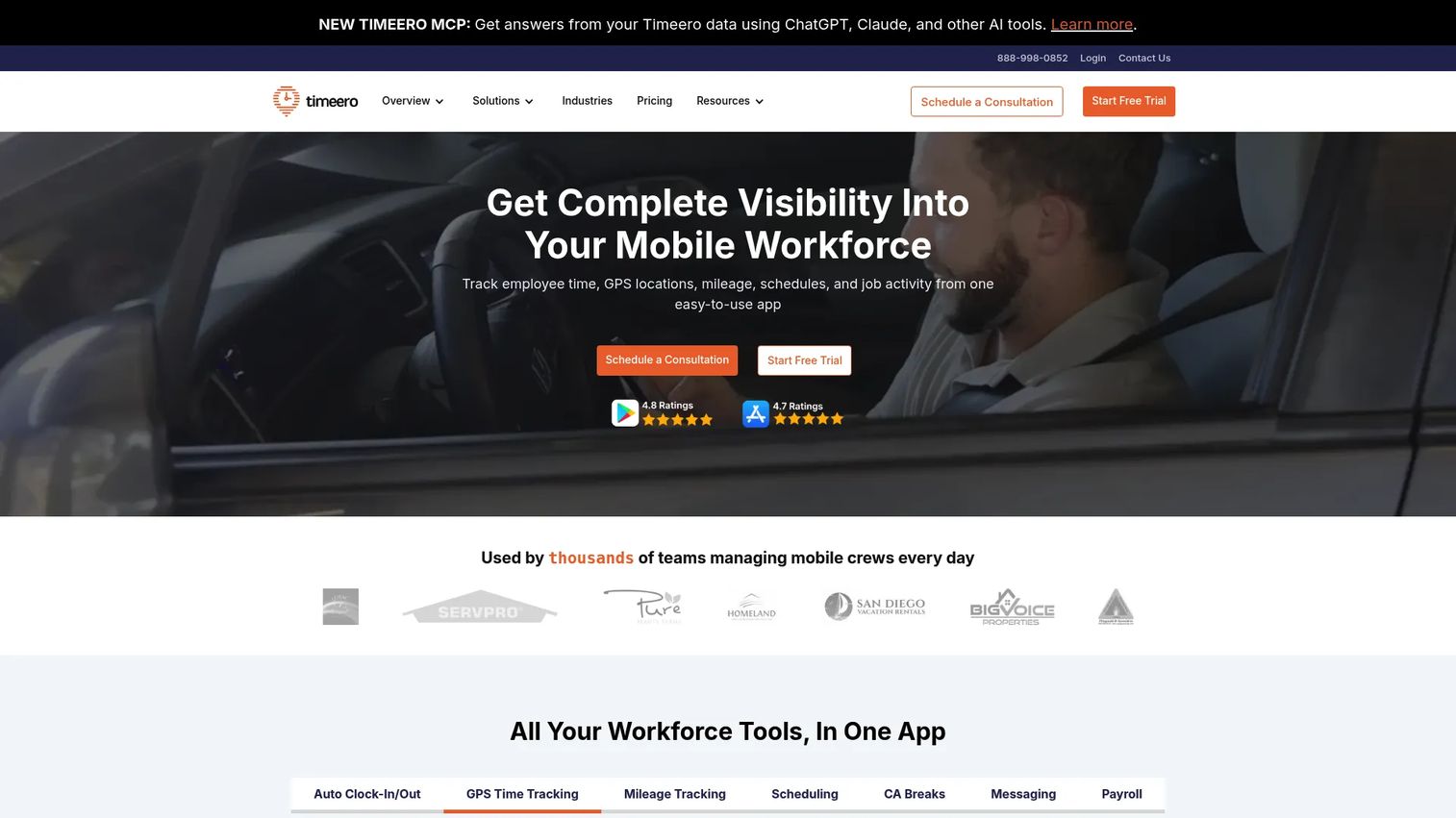
Timeero tracks employee time, GPS locations, mileage, schedules, and job activity. Its mobile focus suits field service teams that need a record of travel and working time.
Geofencing and automatic clock actions reduce manual entry. Payroll and accounting connections help move approved records into downstream systems.
Best for: Mobile workforces that need mileage logs, time records, scheduling, and location context.
Key features
- GPS time tracking
- Mileage tracking
- Employee scheduling
- Geofencing
- Payroll integrations
Why choose Timeero: It fits teams asking where employees travelled and how long work took. Regulated trucking fleets still need dedicated ELD software.
Timeero pricing: Basic starts at $5 per user monthly with annual billing, or $6 monthly. A 14 day free trial is available.
G2 rating: 4.8/5
14. Jolt
Jolt provides operations management for restaurants, retail, hospitality, and other multi location businesses. Its tools cover digital checklists, tasks, employee scheduling, and food safety logs.
Temperature monitoring gives store teams a structured record for recurring checks. Managers can use task history to follow up on incomplete work.
Best for: Shift based businesses replacing paper checklists, temperature sheets, and manager logs.
Key features
- Digital checklists
- Task management
- Employee scheduling
- Time tracking
- Temperature logging
Why choose Jolt: It works well for daily store execution and inspection records. Fleet ELD and aviation workflows sit outside its focus.
Jolt pricing: Custom pricing. Request a quote for the required locations, users, and operations modules.
G2 rating: 4.4/5
15. TruckSpy
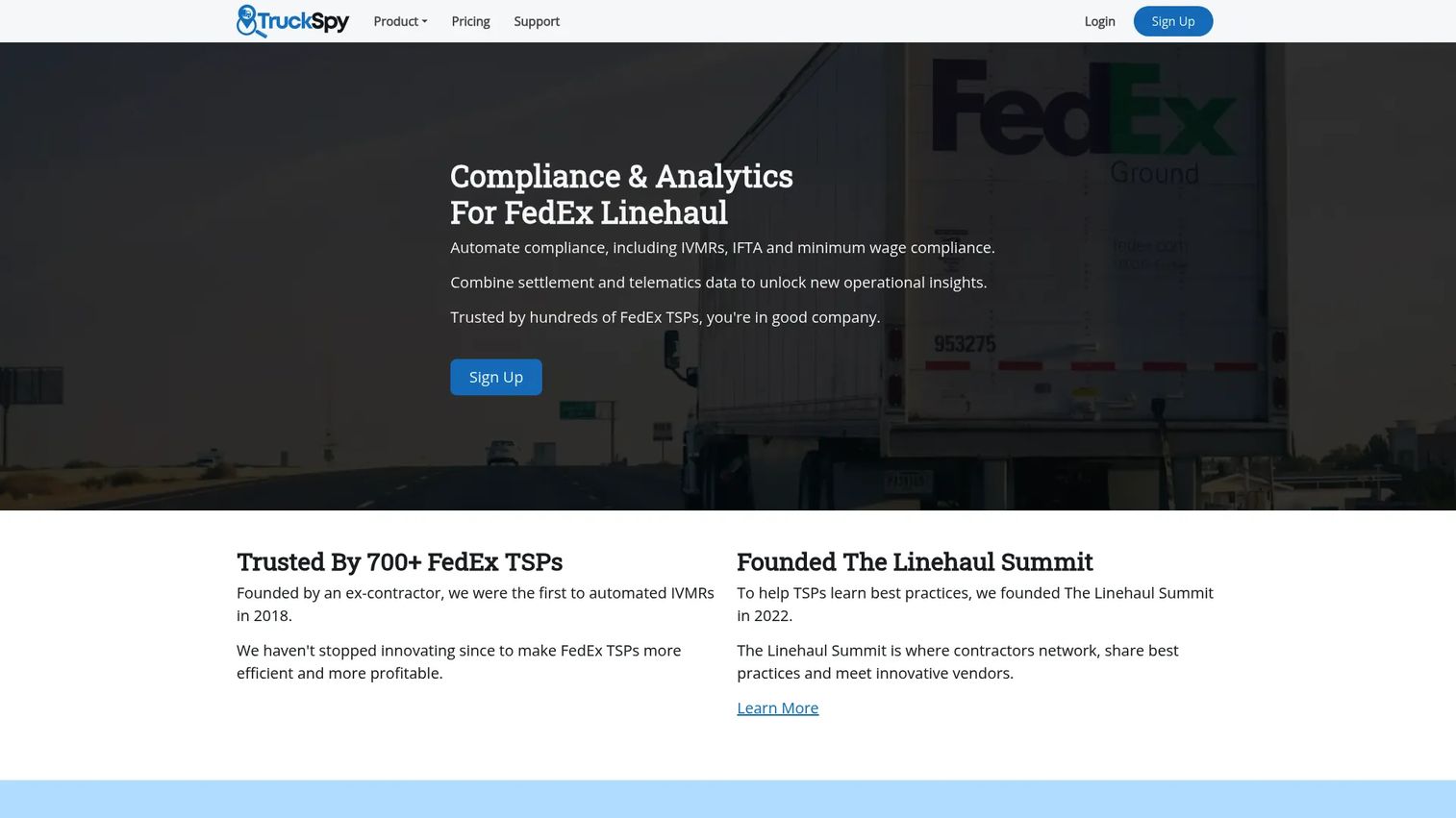
TruckSpy is a fleet compliance and analytics platform for FedEx linehaul contractors. It automates IVMR, IFTA, IRP, and driver time reporting.
Fleet maps include operational overlays such as traffic, weather, speed limits, and fuel prices. Safety tools support camera event review and HOS analysis.
Best for: FedEx linehaul contractors seeking automated reporting and fleet visibility.
Key features
- Automated IFTA and IRP reporting
- Driver time reporting
- Real time fleet maps
- HOS analysis
- Dashcam event review
Why choose TruckSpy: It fits a specific trucking operating model with recurring fleet reports. Teams outside linehaul contracting may find its workflow too specialized.
TruckSpy pricing: Plans cost $12 per truck monthly with a $50 account minimum. A 30 day free trial is available.
16. EROAD
EROAD provides fleet management technology for ELD compliance, telematics, safety video, asset tracking, and maintenance. Its platform also covers fuel reporting and cold chain operations.
The system suits regulated fleets that need vehicle data beside hours and inspection records. Trailer tracking adds another layer for asset intensive operations.
Best for: Commercial transportation fleets combining compliance records with telematics and safety management.
Key features
- FMCSA registered ELD
- Electronic DVIR
- GPS fleet tracking
- Fuel and IFTA reporting
- Asset and trailer tracking
Why choose EROAD: It fits fleets that need compliance depth and connected vehicle information. Evaluate regional coverage and contract requirements before rollout.
EROAD pricing: Custom pricing. Quotes combine in vehicle hardware with the required fleet software package.
G2 rating: 4.1/5
17. TripLog Mileage Tracker
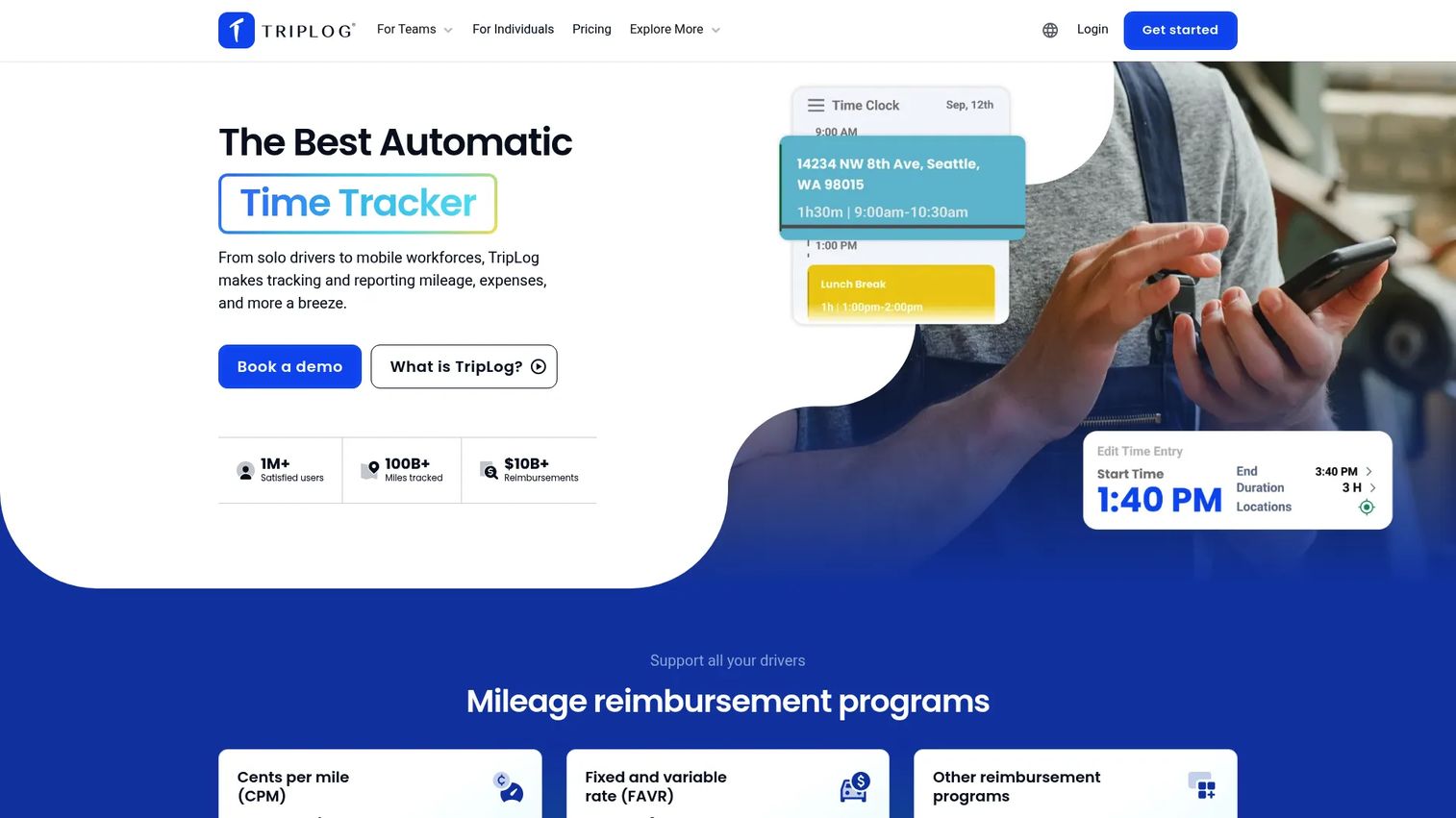
TripLog Mileage Tracker records business mileage, GPS routes, expenses, and reimbursement approvals. Mobile and web applications support individual users and teams.
MagicTrip automatically detects mileage activity. Managers can review trip records and expenses before reimbursement.
Best for: Businesses and individuals tracking mileage, expenses, and reimbursement records.
Key features
- Automatic mileage tracking
- GPS route records
- Expense capture
- Approval management
- Team reimbursement workflows
Why choose TripLog Mileage Tracker: It fits mileage reimbursement rather than fleet compliance or inspection management. Choose an ELD product for regulated driver hours.
TripLog Mileage Tracker pricing: A free trial is available without a credit card. Contact TripLog for current subscription pricing.
G2 rating: 4.6/5
Considerations when choosing logbook software
Match the product to the record
Start with the entry type. Driver hours, maintenance events, shift notes, flight time, mileage, and inspection results create different requirements.
Don’t compare a pilot logbook with fleet ELD software simply because both store timestamped entries.
Check timestamping and record history
Look for user attribution, timestamps, version history, and exportable records. These details answer basic questions such as who entered a record and whether someone edited it later.
Treat tamper evident records as an evaluation requirement. Don’t assume every platform offers them.
Test mobile access before buying
Drivers, inspectors, agents, and field teams need fast entry on their existing devices. Test photo capture, GPS, notifications, and offline behavior where each matters.
Ask frontline users to complete one routine record during the trial. Their completion time exposes adoption problems quickly.
Verify compliance fit
ELD, DVIR, IFTA, aviation records, and internal audits aren’t interchangeable. Ask each vendor which reports, regions, and record formats it supports.
Software can help organize evidence. Your team remains responsible for confirming its regulatory obligations.
Price the full deployment
Include hardware, driver fees, administrator seats, integrations, implementation, support, and data retention. A low monthly price can exclude the device or module you need.
Compare total deployment costs within the same category. A mileage app and an enterprise telematics platform solve different jobs.
Conclusion
The strongest choice depends on the record your team needs to create and retrieve.
Samsara, Motive, Geotab, Verizon Connect, and EROAD cover broader fleet compliance workflows. IntelliShift adds connected safety and maintenance management.
Mitti, SafetyCulture, Jolt, and Gorilla Safety suit inspection or operational records. Matrack and Blue Ink Tech give smaller trucking fleets clearer entry points. TruckSpy serves a specialized linehaul workflow.
Logbook Pro Desktop handles aviation records. Timeero and TripLog Mileage Tracker focus on mobile workforce or reimbursement logs. Transflo connects transportation documents with back office processing.
Shortlist products from the matching category first. Then run one live test with the people who will enter data every day.
Pick three tools, submit the same log entry in each, and compare the exported record before you sign.
FAQs
Logbook software records operational events in a searchable digital format. Common uses include fleet logs, inspections, maintenance, shift notes, aviation records, and mileage tracking.
The correct product depends on the record type. A trucking fleet and a pilot need different fields, reports, and compliance functions.
ELD software is a specific type of logbook software for commercial driver hours and fleet compliance. It records hours of service and may support DVIR or IFTA workflows.
Logbook software is broader. It can also cover inspections, shift handovers, pilot records, maintenance events, and business mileage.
Digital logbook software should include timestamped entries, configurable templates, mobile access, search, exports, permissions, and alerts. Integrations matter when records must reach accounting or maintenance systems.
Fleet buyers should also assess GPS tracking, ELD support, DVIR workflows, vehicle diagnostics, and hardware requirements.
Yes, when the product captures every required field and supports the necessary approval, export, and retention process. The replacement should also preserve ownership and record history.
Run a parallel test before removing paper forms. Compare one completed digital record with the current paper version.
Fleet oriented options include Samsara, Motive, Geotab, Verizon Connect, EROAD, TruckSpy, Matrack, and Blue Ink Tech. Each covers a different fleet size or operating model.
Verify ELD registration, DVIR support, IFTA reporting, regional coverage, and hardware requirements before buying.
SafetyCulture, Mitti, Jolt, and Gorilla Safety support inspection or operations focused workflows. They are relevant when checklists, photos, corrective actions, or handoff notes matter most.
Test whether the product preserves entry history and assigns follow up work. These details determine whether a log becomes an actionable record.
No. Pilot logbook software tracks flight time, routes, currency, and aviation records. Fleet logbook software tracks driver hours, vehicle activity, inspections, and related compliance information.
Logbook Pro Desktop belongs to the aviation category. It doesn’t replace trucking ELD software.
Pricing varies by category. Mileage and workforce apps may charge per user, while pilot software can use lifetime licensing.
Fleet platforms may combine hardware, driver subscriptions, modules, and sales led contracts. Compare the total deployment cost rather than the first listed price.