


A truck leaves the dock at 6 a.m. By noon, a customer emails asking where it is. You don't know. So you email the carrier. They don't reply. You call. Voicemail. Three hours later you learn the load has been sitting at a cross-dock since 9 a.m., and the delivery appointment is already blown.
That is a normal Tuesday for a lot of transportation teams. Blind shipments, stale ETAs, manual check calls, and disconnected systems that never talk to each other. The cost isn't just wasted time. It's missed OTIF targets, angry customers, and reactive firefighting instead of planning.
Freight visibility software fixes the blind spot. It pulls shipment location, status, ETA, and risk into one real-time view, so you stop chasing information and start acting on it. The market reflects the demand: the global real-time freight visibility platform market was valued at $4.8B in 2025 and is forecast to reach $13.9B by 2034 at a 12.5% CAGR, according to Dataintelo (2025).
The hard part is choosing. Platforms differ sharply on tracking coverage, ETA prediction quality, integration depth across TMS, ERP, and WMS, and how they handle exceptions. This guide breaks down eight platforms so you can match capability to your operating model instead of buying on a feature checklist.
What's inside
This guide is for logistics leaders, transportation managers, and product-minded evaluators comparing real-time transportation visibility platforms. We cover eight tools and how each fits a specific operating model.
We selected platforms based on four criteria that matter in production:
- Tracking coverage across modes, carriers, and data sources (GPS, [ELD, telematics, API, EDI)
- ETA prediction quality and how the platform surfaces risk
- Integration depth with TMS, ERP, and WMS systems
- Exception management and support during rollout
TL;DR
- Best for enterprise scale and API-first visibility: project44, with a broad real-time logistics data network and multimodal coverage.
- Best for system-agnostic aggregation: FourKites, which pulls signals from carriers](https://www.fmcsa.dot.gov/hours-service/elds/electronic-logging-devices) and ELDs into a control tower view.
- Best for European and multimodal shippers: Shippeo, strong on predictive ETAs and early warnings.
- Best for carrier connectivity and straightforward load tracking: Descartes MacroPoint.
- Best for control-tower-style orchestration: GoComet, which pairs visibility with procurement and freight audit.
- Best for high-value, risk-sensitive freight: Overhaul, built around in-transit security and exception response.
A logistics visibility platform is not a single-shape product. Match the shortlist below to how your freight actually moves.
What is freight visibility software?
Freight visibility software is a category of supply chain visibility software that tracks shipments in real time and predicts when they will arrive, so teams can manage exceptions before they become failures.
It works by ingesting shipment data from multiple sources and normalizing it into a single view. Those sources typically include:
- GPS and telematics feeds from trucks and trailers
- ELD data mandated for over-the-road carriers
- API and EDI connections to carriers, brokers, and TMS platforms
- Partner networks of pre-connected carriers and forwarders
Once the data lands, the platform layers on the features that make it useful. Core capabilities across real-time transportation visibility platforms include:
- Real-time shipment status and location on a map
- ETA prediction using historical and live signals
- Proactive alerts for delays, dwell time, and missed appointments
- Exception management workflows to route problems to the right person
- Predictive analytics and reporting for lane, carrier, and OTIF performance
The distinction that matters: visibility is not the same as execution. A TMS books and rates freight. Freight visibility software tells you what is actually happening to that freight after it moves, then flags what needs attention.
When to use freight visibility software
Reduce manual check calls
Check calls are the tax on a team without visibility. Someone emails a carrier, waits, calls, waits again, then updates a spreadsheet. Freight visibility software replaces that loop with automated real-time shipment status. The system pulls location and status continuously, so your team stops chasing and starts working exceptions that actually need a human.
Improve ETA confidence
A stale ETA is worse than no ETA, because people plan around it. Predictive ETA models weigh live GPS, historical lane performance, and traffic to give you a delivery window you can act on. That confidence flows downstream: dock scheduling, labor planning, and honest customer communication instead of hopeful guesses.
Catch exceptions earlier
The delay you catch at 9 a.m. is cheap. The one you find at delivery is expensive. Proactive alerts fire on dwell time, geofence breaches, and missed appointments while there is still time to reroute, re-book an appointment, or warn the customer. Early exception management is where visibility pays for itself in risk mitigation and preserved on-time delivery.
Comparison table
The table below sorts the eight platforms by relevance to core freight visibility. Pricing across this category is almost entirely quote-based, so treat the pricing column as a signal of packaging, not a published number. G2 ratings are pulled from each product's live listing.
| # | Product | Best for | Key use case | Pricing | G2 rating |
|---|---|---|---|---|---|
| 1 | project44 | Enterprise shippers and logistics teams | End-to-end multimodal visibility and execution | Contact sales | 4.7/5 |
| 2 | FourKites | Large shippers needing control-tower visibility | System-agnostic aggregation and analytics | Contact sales | 4.5/5 |
| 3 | Shippeo | Enterprise multimodal shippers | Predictive ETAs and early warnings | Contact sales | 4.7/5 |
| 4 | Descartes MacroPoint | Shippers, brokers, and 3PLs | Carrier connectivity and load tracking | Contact sales | 4.7/5 |
| 5 | GoComet | Shippers needing visibility plus procurement | Multimodal tracking and freight audit | Free tier, custom paid | 4.9/5 |
| 6 | Overhaul | High-value, risk-sensitive freight | In-transit security and exception response | Contact sales | 4.6/5 |
| 7 | FarEye | Enterprises with last-mile delivery needs | Delivery orchestration and customer experience | Contact sales | 4.7/5 |
| 8 | C.H. Robinson Navisphere | Shippers in the C.H. Robinson network | Global multimodal TMS visibility | Contact sales | 4.4/5 |
Best freight visibility software for 2026
Each platform below fits a distinct operating model. Read for capability fit, integration coverage, and how the tool handles the moment a shipment goes sideways.
1. project44
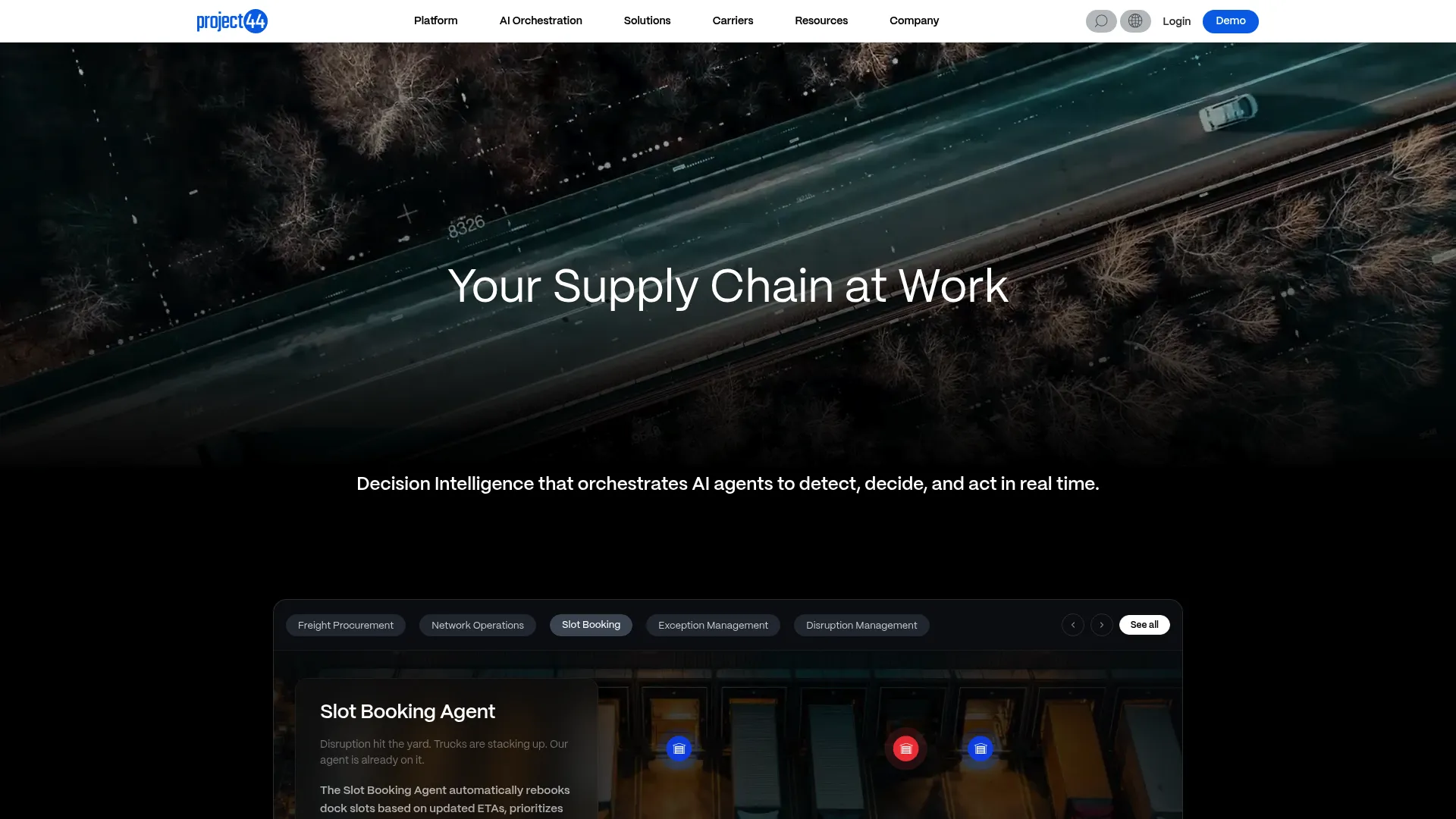
project44 runs one of the largest real-time logistics data networks in the category, built API-first and spanning multimodal freight. It positions itself as supply chain decision intelligence, combining visibility with transportation management, yard management, and eCommerce logistics. For teams that want tracking and execution in one place, that breadth matters.
The platform's strength is depth of coverage. Predictive ETAs draw on a large carrier network, and shared visibility lets shippers, carriers, and customers see the same status without a round of emails. Analytics roll shipment data up into lane and carrier performance you can act on.
Best for: Enterprise shippers and logistics teams needing end-to-end supply chain visibility alongside execution tools.
Key strengths
- Real-time shipment and inventory visibility across modes
- Transportation management with rating and booking
- Yard management with automation and IoT-enabled workflows
Why choose project44: If your operation is large and complex, and you want visibility, TMS, and yard management under one roof rather than stitched across vendors, project44's breadth is the draw. It fits teams that treat visibility as decision intelligence, not just a tracking map.
project44 pricing: Pricing is not publicly displayed. project44 directs prospects to contact sales for a quote based on scope and volume.
2. FourKites

FourKites is a system-agnostic visibility and control tower platform that aggregates signals from carriers, ELDs, and telematics into a single operational view. It tracks across truckload, LTL, rail, intermodal, ocean, and air, which makes it a fit for shippers whose freight spans several modes at once.
Where FourKites earns its place is analytics and automation. The platform layers reporting, drill-down filters, and automated report distribution on top of live tracking, plus AI-driven supply chain automation and yard management. Order-level visibility ties shipment status back to the orders customers actually care about.
Best for: Large shippers and logistics teams needing end-to-end supply chain visibility and automation.
Key strengths
- Real-time visibility across truckload, LTL, rail, intermodal, ocean, and air
- Advanced analytics with reporting, drill-down filters, and automated distribution
- Yard management and AI-driven supply chain automation
Why choose FourKites: Choose FourKites when you need broad supply chain execution visibility and lean on analytics to drive decisions. Its multimodal reach and reporting depth suit teams that want to move from tracking to proactive management.
FourKites pricing: Public pricing is not listed. FourKites uses a subscription model, and pricing is provided through its sales team based on requirements.
3. Shippeo
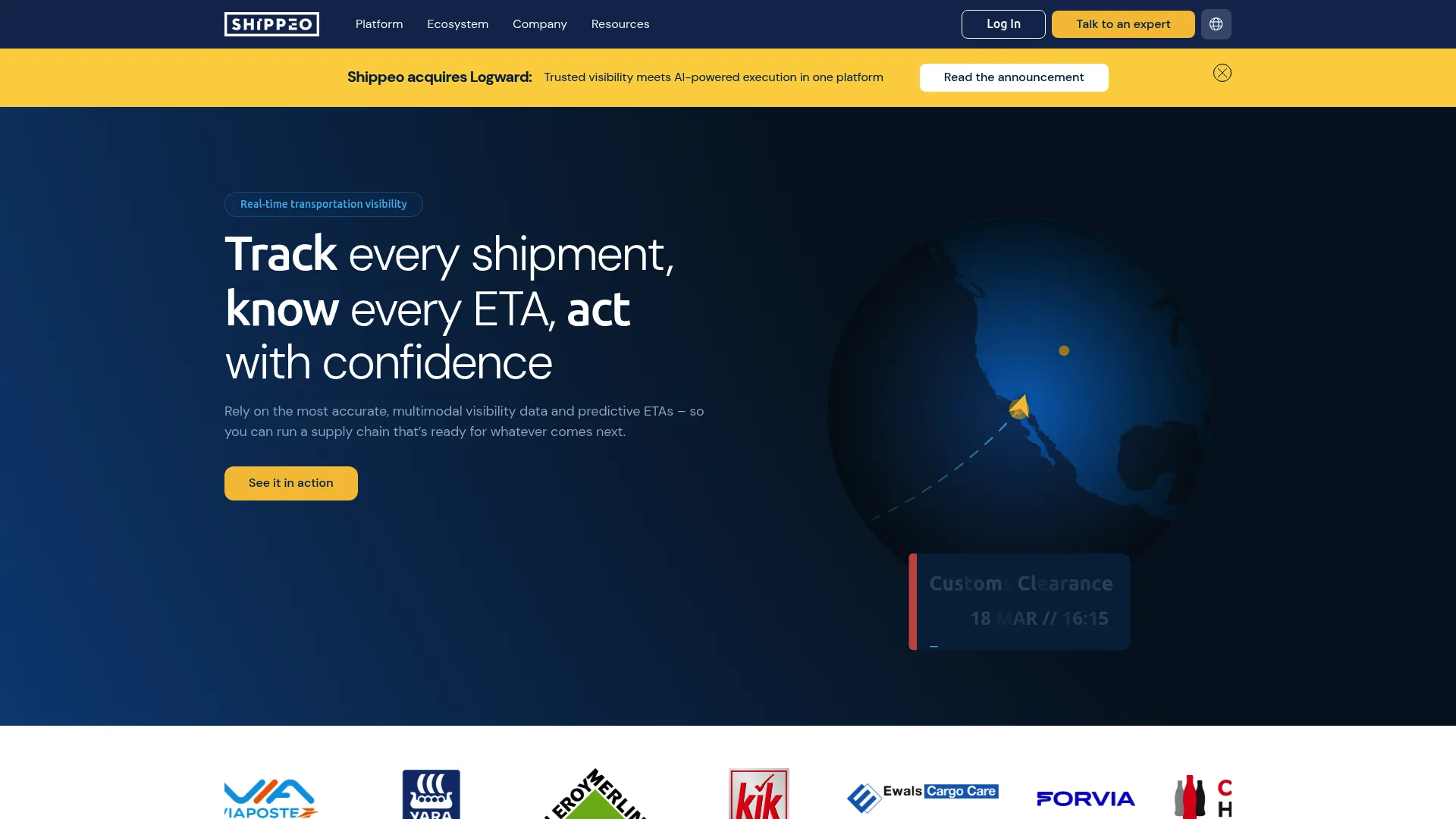
Shippeo is a real-time, multimodal supply chain visibility platform with a strong European footprint and a focus on predictive intelligence. It connects a broad carrier network and integrates with TMS and ERP systems, so shipment data flows into the tools your team already runs.
The platform's signature is predictive ETAs paired with early warnings. Instead of surfacing a delay after it happens, Shippeo flags at-risk shipments early enough to act, then supports shipment communication back to customers. That combination of prediction and actionability is what makes visibility operational rather than passive.
Best for: Enterprise shippers needing multimodal real-time transportation visibility with reliable predictive alerts.
Key strengths
- Real-time multimodal shipment tracking
- Predictive ETAs and early warnings
- Carrier, TMS, and ERP integrations with shipment communication
Why choose Shippeo: Shippeo fits shippers who need dependable multimodal visibility and value early warnings over after-the-fact reporting. If your risk sits in catching problems before delivery, its predictive layer is the reason to look closely.
Shippeo pricing: Public pricing is not shown. Shippeo directs prospects to contact sales or book a demo for a scoped quote.
4. Descartes MacroPoint
Descartes MacroPoint is freight visibility and carrier capacity software built for logistics teams that live and die by carrier connectivity. It tracks loads in real time, predicts ETAs, and surfaces exception alerts, with a large connected carrier network behind it.
The draw here is straightforward tracking backed by capacity sourcing. Beyond visibility, MacroPoint helps teams find carrier capacity through its network, which matters for brokers and 3PLs juggling coverage. Predictive analytics round out the picture with ETA confidence and risk flags.
Best for: Shippers, brokers, and 3PLs needing real-time freight visibility with strong carrier connectivity.
Key strengths
- Real-time shipment visibility
- Predictive analytics and ETAs
- Carrier capacity sourcing across a large network
Why choose Descartes MacroPoint: MacroPoint fits teams that prioritize breadth of carrier connections and want tracking plus capacity in one tool. Brokers and 3PLs managing many carriers get the most from its network reach.
Descartes MacroPoint pricing: Public pricing is not visible. The product is sold through a demo and quote flow scoped to your operation.
5. GoComet
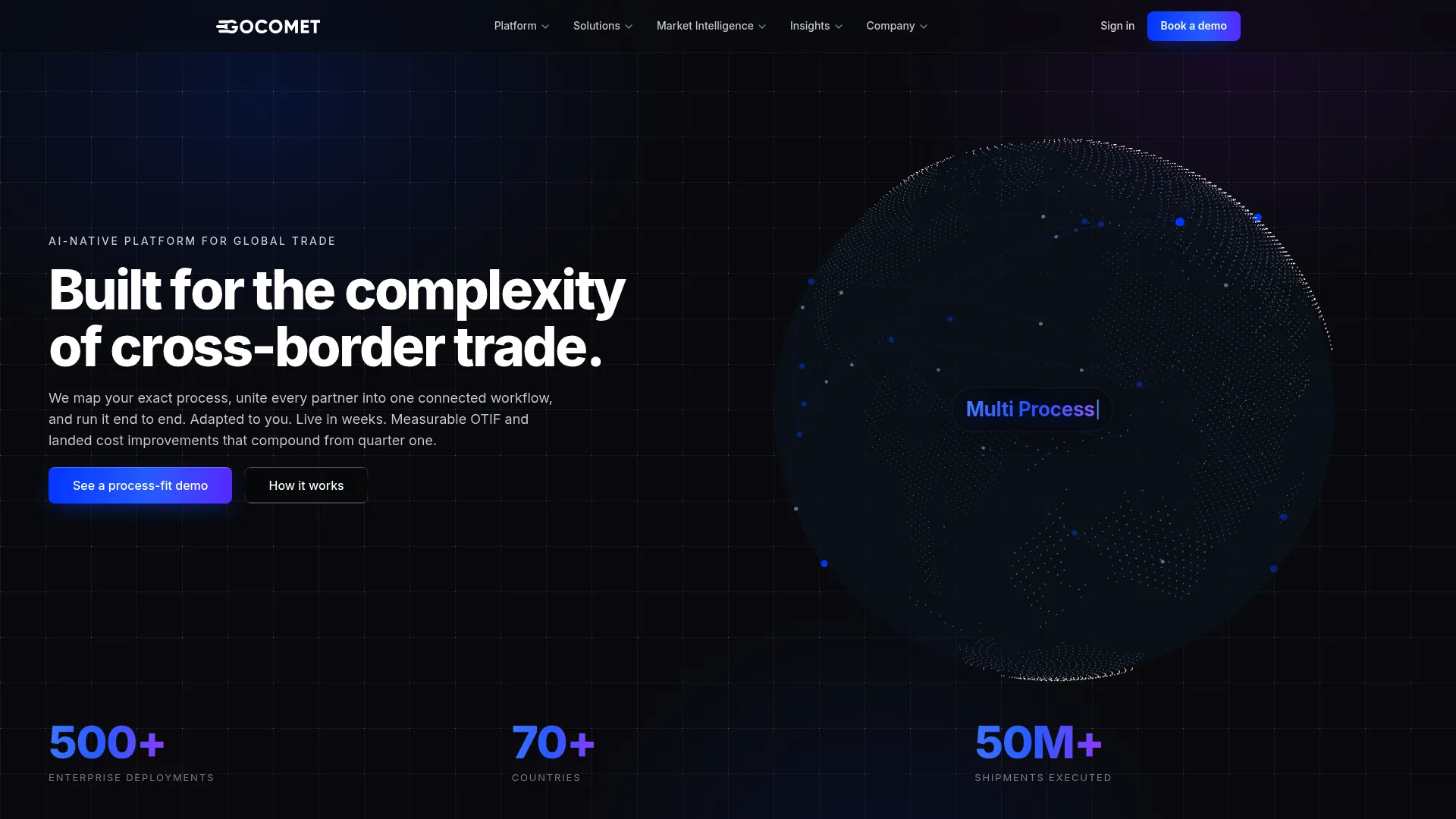
GoComet is an AI-native platform for global trade and multimodal logistics operations that pairs visibility with control-tower-style orchestration. Beyond real-time multimodal shipment tracking, it handles freight procurement, reverse auctions, and invoice reconciliation, so visibility sits inside a broader operational workflow.
That orchestration angle is the differentiator. Many teams want more than a tracking map; they want visibility connected to procurement decisions and freight audit. GoComet ties those together, with alerts and collaboration built around the shipment lifecycle rather than tracking in isolation.
Best for: Shippers needing end-to-end logistics visibility alongside procurement and freight audit workflows.
Key strengths
- Real-time multimodal shipment tracking
- Freight procurement and reverse auctions
- Invoice reconciliation and three-way match
Why choose GoComet: GoComet suits teams that want operational orchestration, not just a status dashboard. If procurement and freight audit sit next to visibility on your roadmap, consolidating them into one platform is the appeal.
GoComet pricing: GoComet offers free container tracking for basic use. Paid plans are custom-priced and depend on shipment volume and feature needs.
6. Overhaul
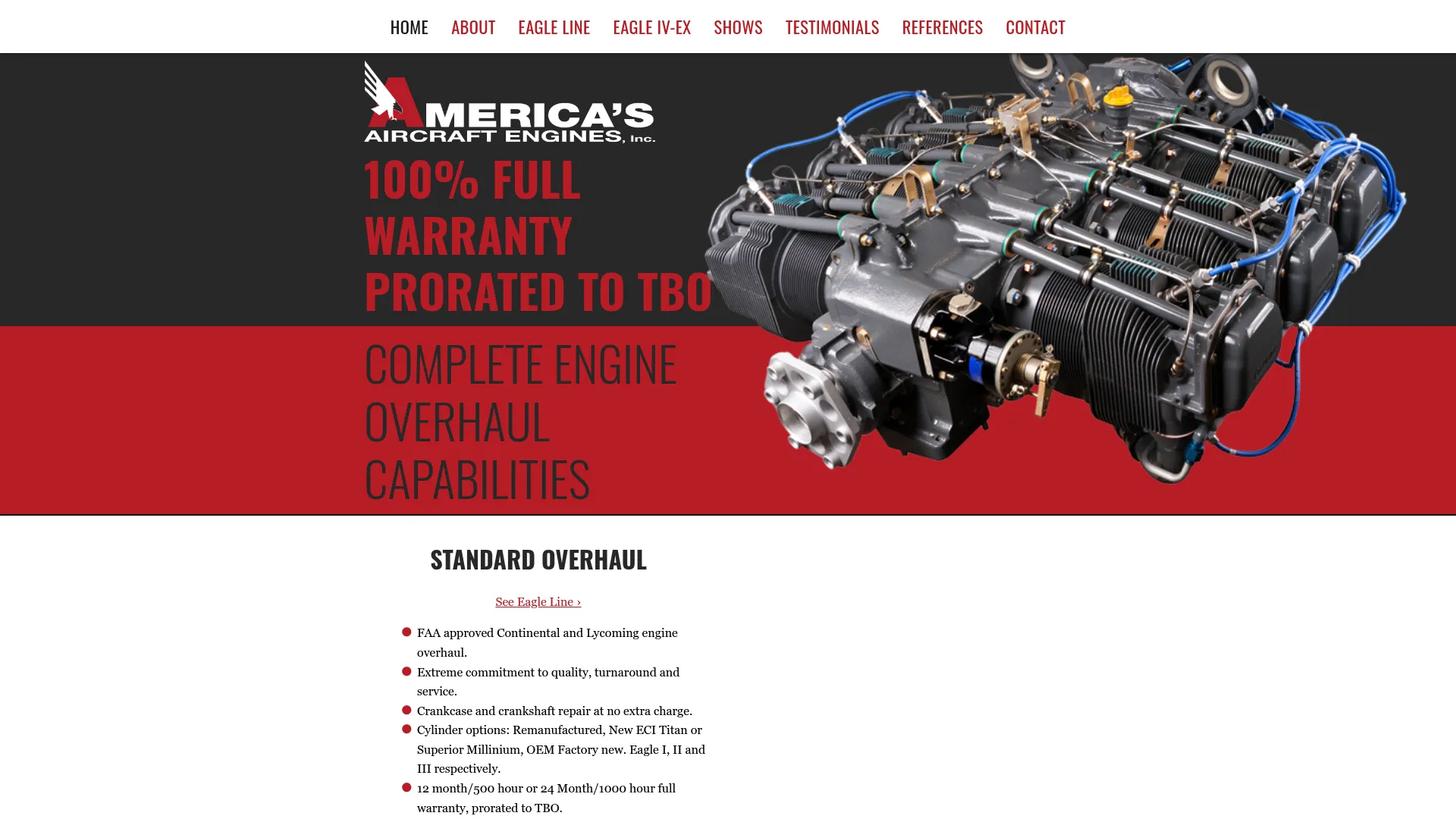
Overhaul approaches visibility through the lens of risk and in-transit security. For high-value freight where theft, tampering, and cold-chain breaches carry real cost, tracking alone is not enough. Overhaul pairs shipment monitoring with active risk detection and exception response, so a problem in transit triggers action, not just a notification.
The value shows up in risk-sensitive lanes. Instead of treating every shipment the same, the platform focuses attention on freight that needs protection, with monitoring and response workflows built for security incidents alongside standard delays.
Best for: Teams moving high-value or risk-sensitive freight that need protection, not just tracking.
Key strengths
- In-transit risk monitoring and security
- Exception detection and response workflows
- Freight protection for high-value shipments
Why choose Overhaul: Overhaul fits operations where the cost of a compromised load dwarfs the cost of the software. If your freight is high-value or security-sensitive, its risk-first model addresses a need generic tracking does not.
Overhaul pricing: Public pricing is not displayed. Overhaul scopes pricing to the operation through a direct sales conversation.
7. FarEye
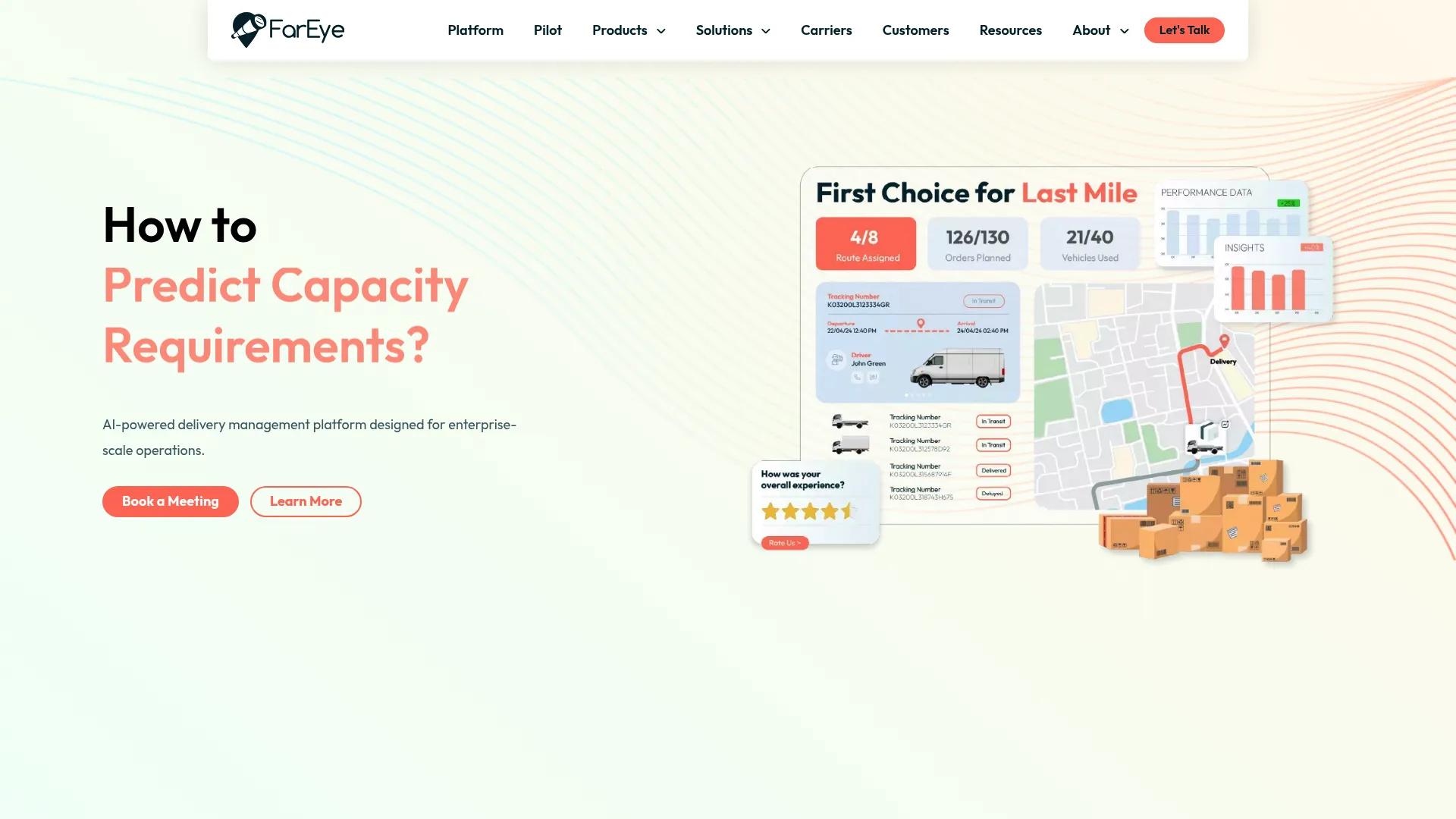
FarEye is an enterprise delivery management platform focused on last-mile execution, routing, and post-purchase experience. Where much of this category centers on line-haul and freight movements, FarEye leans into delivery orchestration and the customer-facing side of transportation visibility.
The strength is the last mile. Route planning and optimization, real-time delivery tracking, and customer delivery experience tooling combine to manage the final leg where most delivery promises are kept or broken. Returns handling extends that into post-purchase.
Best for: Enterprises needing last-mile delivery orchestration, routing, tracking, and customer experience tooling.
Key strengths
- Route planning and optimization
- Real-time delivery visibility and tracking
- Customer delivery experience and returns
Why choose FarEye: FarEye fits teams whose visibility challenge is the last mile and customer communication rather than long-haul freight. If delivery execution and post-purchase experience drive your metrics, its orchestration focus lines up.
FarEye pricing: Public pricing is not listed on the site. FarEye uses a quote-based model scoped to enterprise delivery requirements.
8. C.H. Robinson Navisphere
C.H. Robinson Navisphere is a global, multimodal transportation management system with visibility built into the freight execution it already handles. For teams operating inside the C.H. Robinson network, visibility is not a bolt-on; it lives alongside planning, booking, and billing in one platform.
The advantage is context. Navisphere manages the shipment lifecycle from planning to billing, surfaces real-time status and predictive ETAs, and connects to ERP and TMS systems plus carriers and forwarders. Visibility sits inside the workflow rather than beside it.
Best for: Shippers needing global multimodal TMS visibility, execution, and analytics in one platform.
Key strengths
- Shipment lifecycle management from planning to billing
- Real-time shipment visibility and predictive ETAs
- ERP, TMS, and carrier or forwarder connectivity
Why choose C.H. Robinson Navisphere: Navisphere makes the most sense for teams already operating inside the C.H. Robinson ecosystem, where visibility and execution share one system. That integration is the reason to choose it over a standalone visibility layer.
C.H. Robinson Navisphere pricing: Public pricing is not displayed. C.H. Robinson routes prospects to connect with an expert or request a demo.
Considerations
Before signing, pressure-test each platform against how your freight actually moves. A demo shows the happy path; production shows the gaps.
Integration coverage
Confirm real support for the systems you run: TMS, ERP, WMS, plus the data layer of ELD, API, EDI, GPS, and telematics. Ask how carriers connect and how many are already in the network. An integration listed on a slide is not the same as one running in your environment.
ETA quality
An ETA is only useful if it is accurate and fresh. Ask about predictive confidence, how often ETAs refresh, and what data feeds the model. Then ask what triggers an exception, because ETA quality and exception triggers are the same conversation.
Carrier onboarding
Visibility breaks down at the carriers you cannot connect. Check how fast a new carrier gets onboarded, what the carrier has to do, and how connections are maintained over time. Slow or manual onboarding quietly erodes coverage.
Exception management
Alerts are noise until they route to action. Evaluate how the platform surfaces delays, dwell, and missed appointments, whether it supports workflows and escalation, and how much configuration you control. The goal is proactive alerts that reach the right person early.
Support and implementation
Ask about onboarding speed, training, and ongoing support. A powerful platform with a slow rollout still leaves you blind for months. Get specifics on time-to-value, not promises.
ROI and scalability
Push for how the platform proves value across lanes, modes, and regions. On-time delivery lift, reduced check calls, and OTIF gains should be measurable. A platform that works on one lane but stalls at scale is a future problem.
Conclusion
The right freight visibility software depends on how your freight moves and where your risk sits.
For large, complex operations that want visibility and execution together, project44, FourKites, and C.H. Robinson Navisphere bring breadth and network scale. For multimodal shippers who need dependable predictive ETAs and early warnings, Shippeo is built for that. Descartes MacroPoint fits carrier-heavy brokers and 3PLs, while GoComet suits teams wanting orchestration and freight audit alongside tracking. For high-value, risk-sensitive freight, Overhaul's security-first model stands apart, and FarEye owns the last mile and customer experience.
The decision comes down to three things: integration depth with your existing stack, ETA accuracy you can plan around, and exception response fast enough to protect on-time delivery and OTIF. Start by mapping your freight modes and your biggest visibility gap, then shortlist the two platforms that fit that gap and run a scoped pilot on your worst lane.
FAQs
Freight visibility software tracks shipments in real time and predicts arrival, pulling location, status, ETA, and risk into one view. It ingests data from GPS, ELD, telematics, API, EDI, and carrier networks, then layers on alerts, exception management, and analytics so teams can act before problems escalate.
Predictive ETA models weigh live GPS and telematics signals against historical lane performance and current conditions like traffic and weather. Instead of a static appointment time, you get a refreshing delivery window that flags at-risk shipments early, which improves dock planning and customer communication.
At minimum, look for TMS integration, ERP integration, and WMS integration, plus the data sources that feed tracking: ELD, API, EDI, GPS, and telematics. Confirmed, running integrations matter more than a long list of logos, so verify each connection against your actual stack.
No. A TMS plans, rates, and books freight; freight visibility software tells you what happens to that freight after it moves. Some platforms combine both, but visibility answers "where is my shipment and what is at risk," while a TMS handles execution and procurement.
Freight visibility focuses on shipments in transit: location, status, and ETA across carriers and modes. Supply chain visibility software is broader, spanning inventory, orders, suppliers, and production alongside transportation. Freight visibility is a core layer within the wider supply chain visibility picture.
The software monitors shipments continuously and fires proactive alerts on delays, dwell time, geofence breaches, and missed appointments. Strong platforms route those exceptions into workflows with escalation, so the right person acts while there is still time to reroute, rebook, or warn the customer.
Prioritize integration coverage across your TMS, ERP, and WMS, ETA prediction quality and refresh rate, carrier onboarding speed, and exception management workflows. Then weigh support, implementation timeline, and how the platform proves ROI across lanes, modes, and regions.
Platforms built for multimodal visibility span truckload, LTL, rail, intermodal, ocean, and air in one view. project44, FourKites, and Shippeo all offer strong multimodal coverage, while GoComet adds global trade and procurement context for teams moving freight across several modes and regions.