Revenue can look healthy while cash quietly slips. Finance chases overdue invoices, customer success handles awkward payment questions, and your forecast relies on spreadsheet notes.
That gap gets expensive as volume grows. Grand View Research valued the global debt collection software market at $5.8 billion in 2025. The firm expects it to reach $13 billion by 2033.
The best debt collection software gives each account an owner, documents every interaction, and connects recovery work with payments. It should also keep founders out of routine escalations.
The hard part is choosing the right category. An agency platform, an accounts receivable tool, and voice infrastructure solve different problems. Your operating model should decide the shortlist.
What’s inside
This guide compares 17 tools for founders and finance leaders choosing debt collection software in 2026. We assessed each option using these criteria:
- Workflow fit: Agency recovery, loan servicing, B2B receivables, or subscription billing
- Collection controls: Prioritization, dunning, payment plans, promises, and escalation
- Communication support: Calls, email, SMS, letters, portals, and dialer integration
- Operational fit: Pricing, implementation scope, integrations, reporting, and buyer profile
Pricing comes from vendor pages. G2 ratings appear where a current product or seller rating was available.
TL;DR
- Best for enterprise collection agencies: Finvi supports complex workflows, omnichannel outreach, audit controls, and payments
- Best for lender and contact center collections: Latitude connects recovery workflows with agent operations and dialing
- Best for B2B SaaS finance teams: Upflow suits finance owned collections, while Chaser focuses on invoice chasing
- Best for high volume AR automation: HighRadius covers collections within broader finance automation
- Best for small accounting teams: QuickBooks and Xero provide lighter invoice follow up inside existing accounting workflows
What is debt collection software?
Debt collection software helps organizations manage overdue accounts, automate recovery workflows, document communications, process payments, and track controls throughout the collection lifecycle.
The category includes several product types. Dedicated debt collection management software can act as the system of record for accounts, activities, commitments, and recovery performance. Other products handle narrower jobs.
Core jobs debt collection software handles
- Account intake: Debtor records, balances, placement details, and ownership
- Prioritization: Segmentation, scoring, risk indicators, and collector queues
- Automated follow up: Reminders, dunning, escalation, and communication schedules
- Channel management: Calls, SMS, email, letters, and customer portals
- Payment workflows: Links, partial payments, plans, autopay, and reconciliation
- Promise tracking: Due dates, missed commitments, ownership, and escalation
- Operational controls: Communication history, audit trails, permissions, and reporting
- Integrations: Accounting, billing, CRM, payment, dialer, and data systems
Collections system of record versus communication tools
A collections system of record owns account status, workflow logic, activity history, and payment commitments. It should answer who owes what, what happened, and what comes next.
Dialers and AI voice products add communication capacity. Data providers improve contact accuracy or prioritization. Neither category replaces core debtor management, payment tracking, or reporting.
Accounting platforms sit at the other end of the spectrum. They can send invoice reminders and show aging balances. However, they usually target routine receivables rather than complex recovery operations.
Agency collections versus B2B AR collections
Collection agencies need account placement, collector queues, call controls, client reporting, and compliance documentation. Skip tracing and legal workflows may also matter.
B2B SaaS finance teams usually need invoice follow up, customer communication, payment reconciliation, dunning, and clear escalation paths. Their priority is recovering revenue without damaging an active commercial relationship.
When to use debt collection software
Recover overdue revenue without founder escalation
Use collections software when overdue accounts require repeated coordination across finance, RevOps, customer success, or support. A shared dashboard gives leadership aging visibility without pulling the founder into individual cases.
Ownership rules also prevent stalled accounts. Finance can see the next action, current status, and any promise to pay without searching through messages.
Automate reminders before accounts become bad debt
Automated debt collection software can segment accounts and schedule follow up before balances become harder to recover. Payment links and risk signals help finance match the action to the account.
Good automation avoids treating every customer alike. Strategic accounts may need human outreach, while routine late invoices can follow a standard dunning path.
Run collections inside regulatory constraints
Communication controls matter when teams use calls, texts, letters, or automated voice. Evaluate consent records, opt outs, call limits, audit trails, privacy controls, and role permissions.
Buyers should review requirements connected with the FDCPA, Regulation F, and TCPA where applicable. This article provides operational guidance, not legal advice. Ask counsel to validate your workflow.
Debt collection software comparison
This market mixes agency platforms, accounts receivable collections software, accounting systems, data products, and AI voice infrastructure.
Start with the “Best for” column. It tells you whether a product matches your debt type and operating model. Then compare the differentiator, implementation scope, pricing model, and G2 rating.
| # | Product | Best for | Key differentiator | Pricing | G2 rating |
|---|---|---|---|---|---|
| 1 | Finvi | Enterprise collection agencies | Agency workflows with communications, payments, and audit controls | Contact Finvi for a quote | 4.0/5 |
| 2 | Latitude by Genesys | Contact center led collections | Recovery workflows connected with agent operations | Contact Genesys for a quote | 4.3/5 |
| 3 | Collect! by Comtech | Small to midsize agencies | Configurable agency workflows and portals | From $699/month | N/A |
| 4 | Aktos | Modern collection agencies | Cloud based agency operations and portals | Contact Aktos for a quote | N/A |
| 5 | Maxyfi | Recovery teams needing automation | Multichannel follow up and reporting | Contact Maxyfi for a quote, 30 day trial | N/A |
| 6 | HighRadius | Enterprise AR teams | Collections within broader finance automation | Contact HighRadius for a quote | 4.3/5 |
| 7 | Chaser | SMB and midmarket B2B collections | Invoice chasing and cash flow forecasting | From $259/month | 4.3/5 |
| 8 | Upflow | B2B SaaS finance teams | Collections, payments, and AR visibility | Free plan, paid plans by quote | 4.8/5 |
| 9 | Kolleno | Complex receivables operations | Collections, payments, and reconciliation | From $545/user/month annually | 4.9/5 |
| 10 | Retell AI | AI supported collection calls | Usage based voice infrastructure | From $0.07/minute | 4.8/5 |
| 11 | Experian Collections Advantage | Debtor prioritization | Scores, monitoring, and skip tracing data | Contact Experian for a quote | N/A |
| 12 | CGI Credit Studio for collections | Banks and lenders | Default management from intervention through recovery | Contact CGI for a quote | N/A |
| 13 | Xero | Small businesses | Accounting led invoice follow up | Usually from $27/month | 4.4/5 |
| 14 | QuickBooks | Small businesses using QuickBooks | Accounting native invoicing and payment follow up | Free plan, paid plans from $38/month | 4.0/5 |
| 15 | NetSuite | Scaling companies with ERP needs | Receivables inside an integrated ERP | Annual license and implementation quote | 4.1/5 |
| 16 | Sage Intacct | Finance teams needing cloud accounting | AR controls with multi entity financial management | Contact Sage for a quote | 4.3/5 |
| 17 | Chargebee | Subscription businesses | Dunning tied to recurring billing | Free plan, paid usage pricing available | 4.4/5 |
Best 17 tools for debt collection software
1. Finvi
Finvi provides collections workflow and payment technology for accounts receivable management organizations, banks, and lenders. It supports communications across voice, email, SMS, and other digital channels.
Configurable strategies help mature operations manage account treatment at scale. Audit controls and disposition tracking support teams that need a documented history of collection activity.
This is a system of record purchase rather than a lightweight accounts receivable add on. Founders should involve the finance owner, operations lead, and internal counsel during evaluation.
Best for: Enterprise collection agencies, banks, and lenders with complex recovery operations.
Key features
- Omnichannel outreach across voice, email, and SMS
- Configurable workflow automation
- Collection strategy management
- Audit and governance controls
- Payment and reporting capabilities
Why choose Finvi: Choose Finvi when collections is a core operational function with dedicated teams and defined governance. Smaller SaaS finance groups may find its scope broader than routine invoice recovery requires.
Finvi pricing
Finvi prices by quote after a sales consultation. Contract cost will reflect the selected products, implementation scope, and operating model.
G2 rating
Finvi has a 4.0/5 G2 seller rating.
2. Latitude by Genesys

Latitude by Genesys manages precharge and postcharge accounts for creditors, debt buyers, and third party agencies. Its browser based agent interface connects account workflows with daily collection tasks.
The product emphasizes configurable business processes, compliance monitoring, dashboards, and data exchange. Genesys Cloud integration adds campaign dialing and manual call support for contact center operations.
Latitude fits organizations where recovery depends on agent routing and structured phone activity. It also supports broader account treatment beyond the calling layer.
Best for: Lenders, creditors, and agencies running high volume contact center collections.
Key features
- Configurable account workflows
- Browser based agent workspace
- Compliance monitoring
- Data exchange and ETL
- Campaign and manual dialing
Why choose Latitude by Genesys: Choose Latitude when contact center execution drives the collection process. A B2B finance team focused on invoice emails may prefer a narrower AR platform.
Latitude by Genesys pricing
Contact Genesys for a quote. Ask about implementation, agent access, integrations, support, and any contact center costs.
G2 rating
Latitude by Genesys has a 4.3/5 G2 rating.
3. Collect! by Comtech
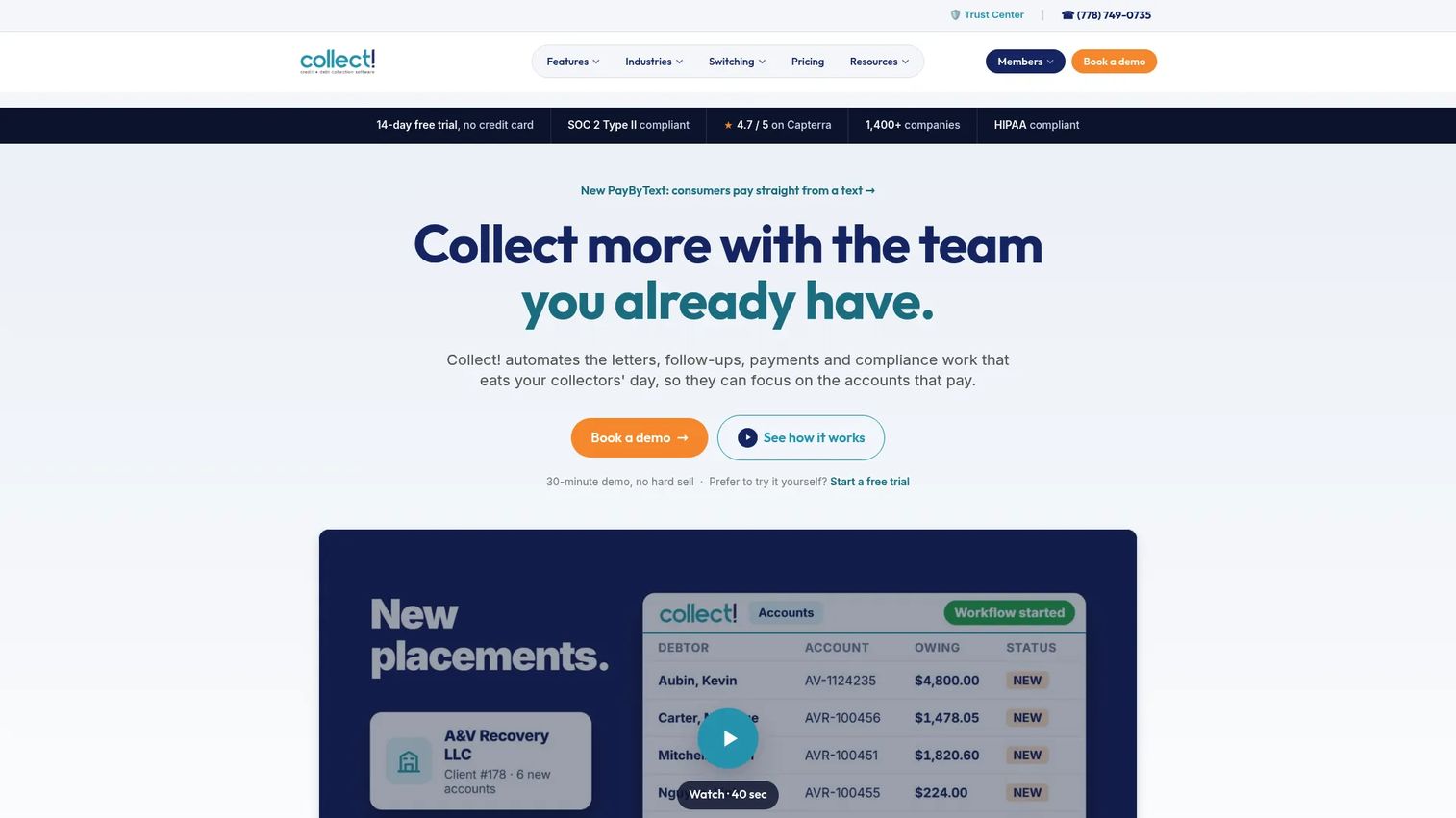
Collect! by Comtech is collection agency software covering account placement, work queues, payment processing, and client reporting. It gives agencies a structured alternative to spreadsheets or disconnected legacy workflows.
Consumer and client portals extend account access beyond internal collectors. The platform also supports scheduled letters, reports, data imports, webhooks, and Metro 2 credit bureau reporting.
Optional dialer, texting, payment, and skip related add ons let buyers expand the setup. That modular model deserves a careful total cost review.
Best for: Small to midsize agencies and creditors needing structured workflow management.
Key features
- Workflow automation and work queues
- Consumer and client portals
- Metro 2 reporting
- Scheduled letters and reports
- API and webhook connectivity
Why choose Collect! by Comtech: Choose Collect! when your agency needs a dedicated operating system without moving to a much broader enterprise suite. Review add ons against your communication plan.
Collect! by Comtech pricing
Entrepreneur costs $699 monthly, Professional costs $2,400, and Corporate costs $4,995. Annual pricing is also available, while extra users cost $104 monthly.
4. Aktos
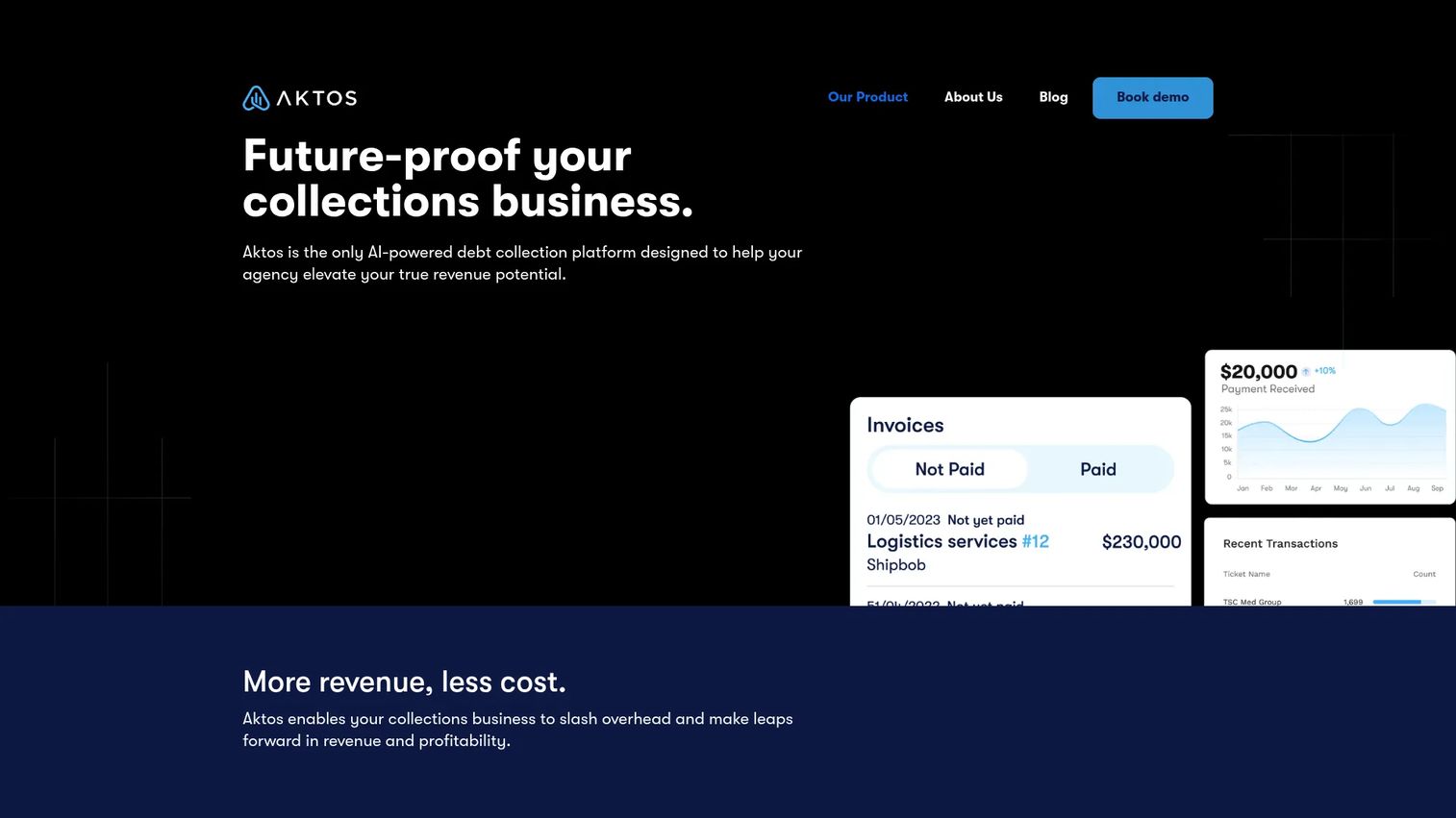
Aktos is a cloud based debt collection platform built for collection agencies. It combines account workflows, communications, reporting, and user management.
Agency, consumer, and client portals support different participants in the recovery process. No code automation helps operations teams configure repeatable handling without routing every change through developers.
Aktos also includes data import and validation capabilities. Buyers can evaluate it as a modernization option when aging infrastructure creates manual work or slows reporting.
Best for: Collection agencies seeking cloud based workflows, portals, and automation.
Key features
- No code workflow automation
- Omnichannel communications
- Agency and consumer portals
- Data import and validation
- Reporting and user management
Why choose Aktos: Choose Aktos when maintainability and cloud access matter more than preserving a legacy deployment. Confirm its integrations against your payment, dialer, and data stack.
Aktos pricing
Contact Aktos for a quote after requesting a demo. Ask how users, account volume, communications, implementation, and support affect the contract.
5. Maxyfi
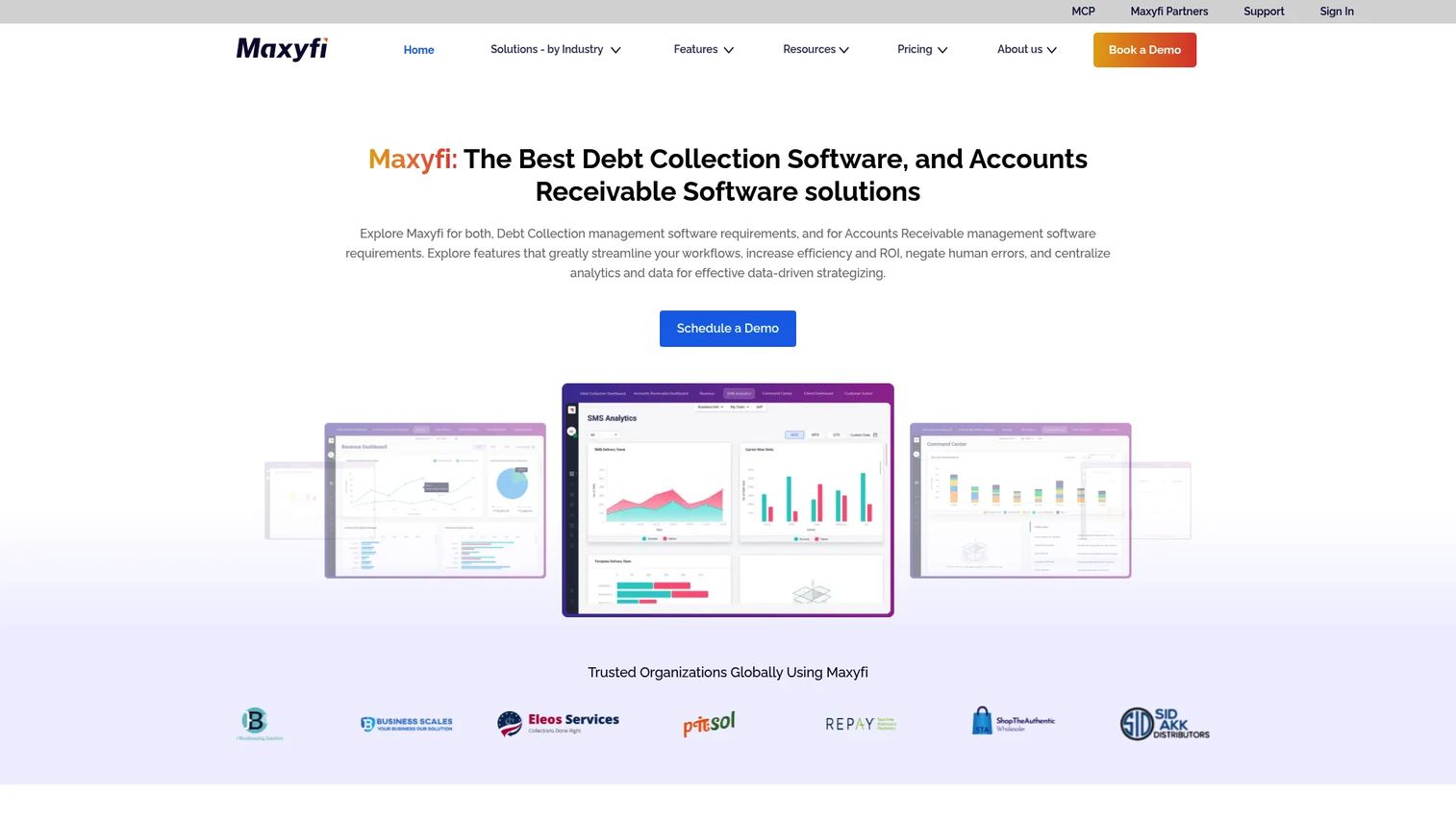
Maxyfi provides debt collection and accounts receivable management software for agencies, in house teams, debt buyers, and law firms. Its automation spans SMS, email, calls, and WhatsApp follow up.
Customer and invoice views give collectors a consolidated record for day to day recovery work. A payment portal supports self service, while dashboards help managers monitor activity and performance.
The product includes standard workflows, templates, and more than 100 business reports. Spreadsheet integration also gives teams a migration path from manual tracking.
Best for: Recovery teams that want automated communication and structured account workflows.
Key features
- Automated multichannel follow up
- Customer and invoice views
- Customer payment portal
- Analytical dashboards
- Standard workflows and reports
Why choose Maxyfi: Choose Maxyfi when repeated follow up consumes collector time and management lacks visibility. Confirm channel costs before comparing it with an all inclusive contract.
Maxyfi pricing
Maxyfi offers four pricing slabs after a sales conversation. New debt collection customers can access a 30 day free trial.
6. HighRadius
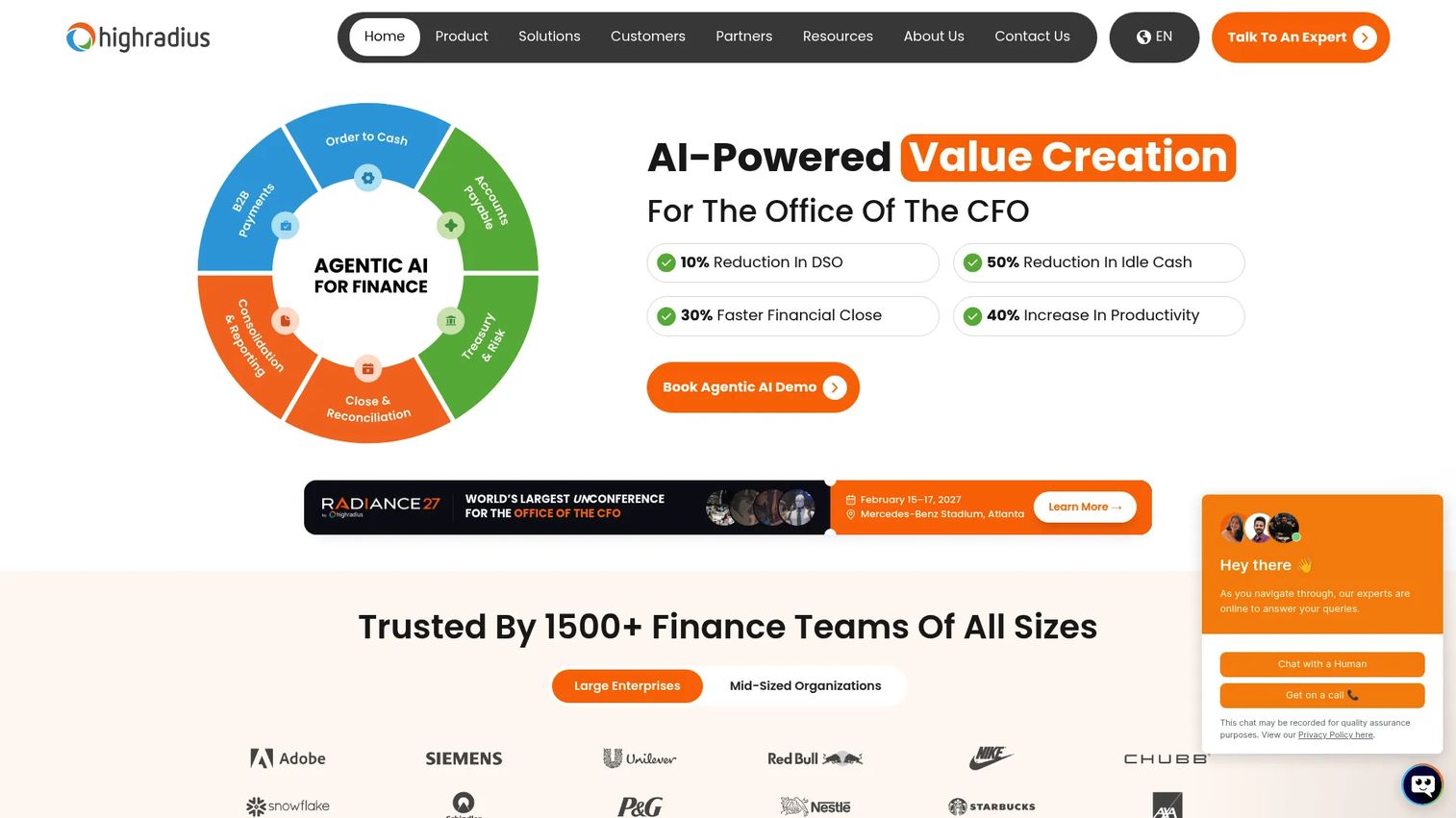
HighRadius handles enterprise finance automation across accounts receivable, treasury, payables, reconciliation, and close. Its collections capabilities sit within that broader finance scope.
For AR teams, the platform covers collections prioritization, dunning, cash application, credit management, invoicing, deductions, and payments. This makes it different from collection agency software built around placed debtor accounts.
HighRadius is most relevant when finance wants to connect collections with wider order to cash operations. Implementation scope can be substantial because modules and integrations shape the project.
Best for: Midmarket and enterprise finance teams managing high invoice volumes.
Key features
- Collections prioritization
- Dunning automation
- Cash application
- Credit and dispute workflows
- ERP connected finance operations
Why choose HighRadius: Choose HighRadius when the business case extends beyond chasing invoices into broader finance automation. Smaller teams should test whether that scope earns its place within one quarter.
HighRadius pricing
Contact HighRadius for a quote. Pricing reflects selected modules, integration requirements, and operational complexity.
G2 rating
HighRadius has a 4.3/5 G2 seller rating.
7. Chaser
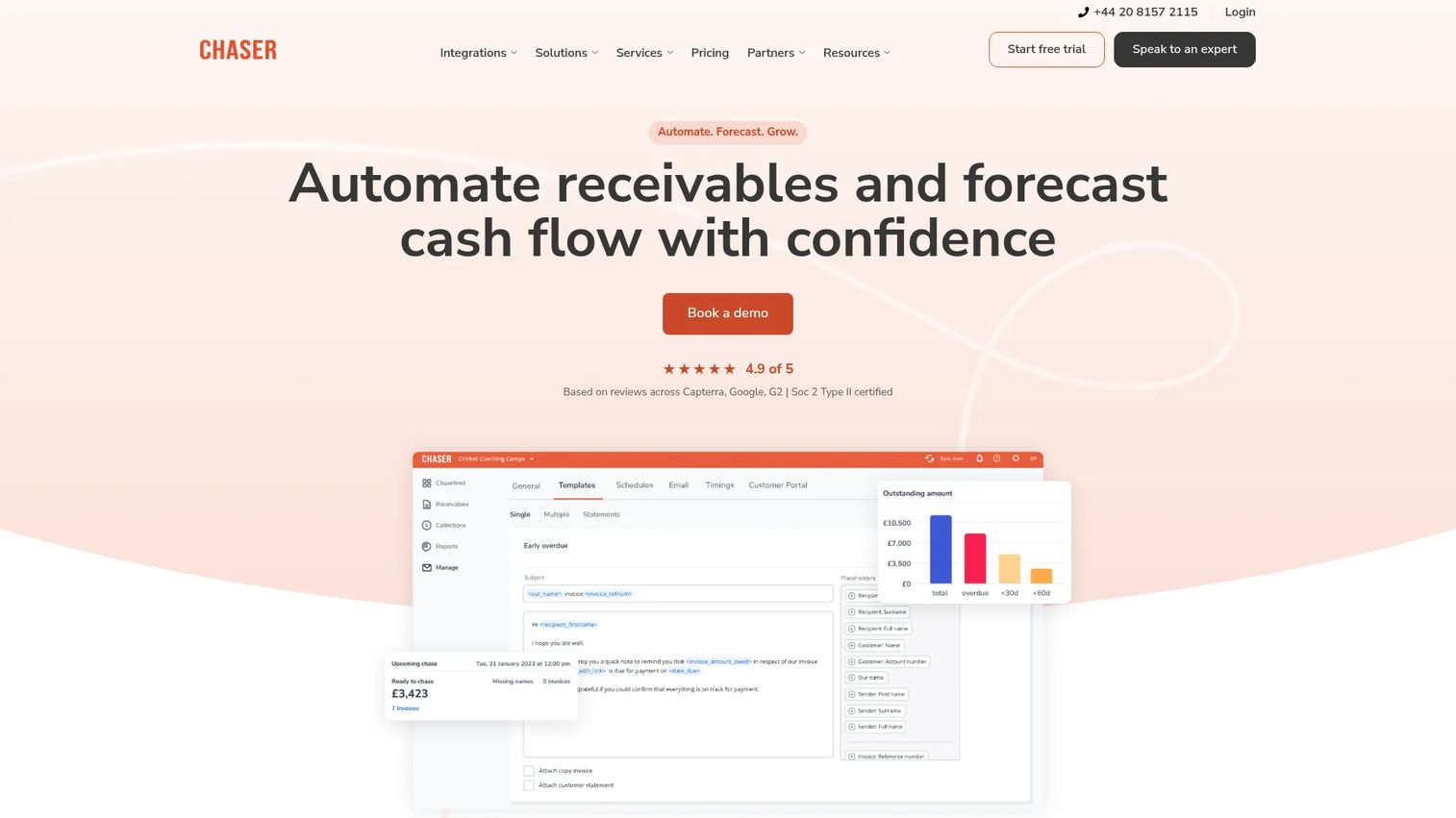
Chaser automates accounts receivable follow up for businesses collecting unpaid invoices. It combines reminder emails with cash flow forecasting, payment options, and customer communication records.
Teams can add SMS reminders, automated phone calls, letters, and payment plans. Credit monitoring and debtor risk insights help finance adjust outreach before an invoice becomes a serious recovery problem.
Chaser integrates with accounting, ERP, CRM, API, and CSV based workflows. It fits software company collections where preserving the customer relationship matters.
Best for: SMB and midmarket B2B teams that need structured invoice chasing.
Key features
- Automated payment reminder emails
- Cash flow forecasting
- Payment portal and plans
- Credit monitoring
- Accounting and CRM connections
Why choose Chaser: Choose Chaser when unpaid invoices remain active customer relationships rather than charged off accounts. It offers more collection structure than basic accounting reminders.
Chaser pricing
Compact starts at $259 monthly, Core at $779, and Complete at $1,169. Annual billing saves 10%.
G2 rating
Chaser has a 4.3/5 G2 rating.
8. Upflow
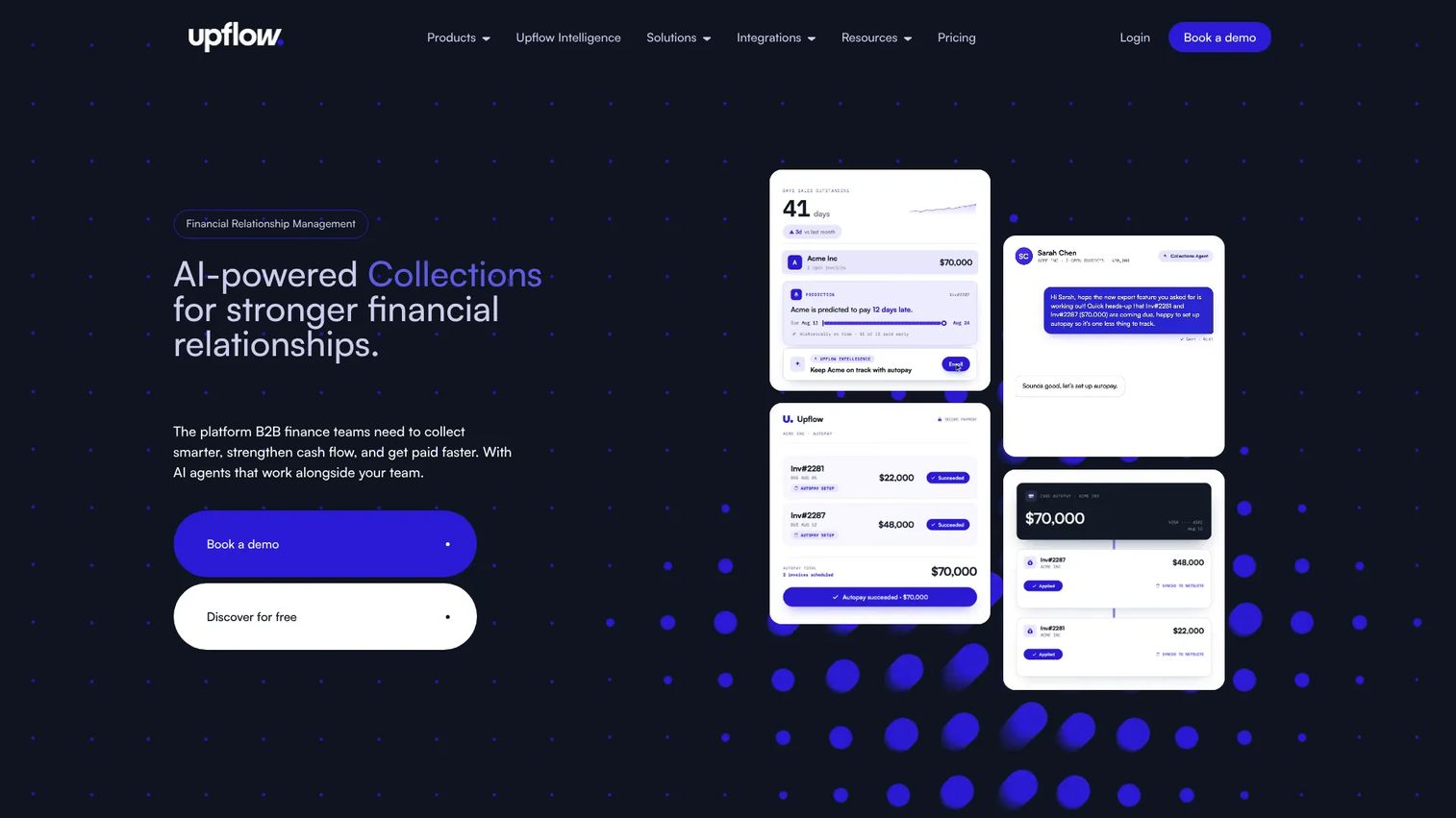
Upflow combines accounts receivable insights, collections workflows, payments, and cash application for B2B finance teams. It is one of the closest matches for a scaling SaaS company.
Automated reminders can follow personalized collection workflows rather than one universal schedule. Finance gets visibility into DSO, CEI, aging balances, and cash forecasts without stitching together several spreadsheets.
Its payment portals support online payment, autopay, and promise to pay features. That combination helps move recovery from founder escalation into a repeatable finance owned process.
Best for: B2B SaaS finance teams scaling collections and cash visibility.
Key features
- Personalized collection workflows
- DSO and aging analytics
- Cash forecasting
- Payment portals and autopay
- Promise to pay tracking
Why choose Upflow: Choose Upflow when you need finance ownership without adopting agency debt recovery software. Its pricing model also gives teams a free entry point for AR visibility.
Upflow pricing
Discover is free. Paid plans use annual gross invoiced value, while Upflow Payments adds a $390 monthly platform fee plus transaction charges.
G2 rating
Upflow has a 4.8/5 G2 seller rating.
9. Kolleno
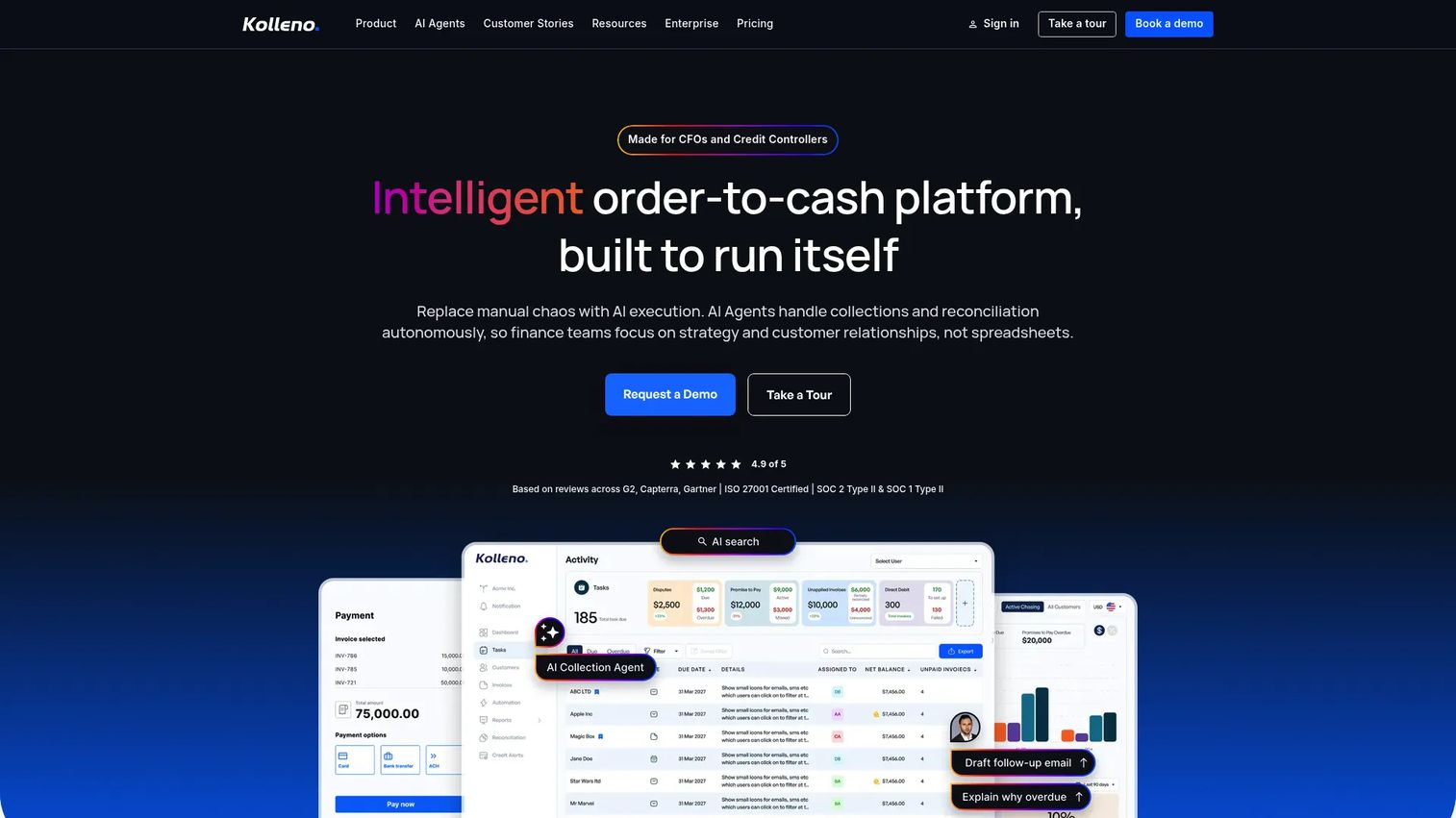
Kolleno combines collections management with payments, cash application, and reconciliation. It targets midmarket and enterprise B2B finance teams with more complex receivables.
Automated follow up keeps customer communication inside the AR workflow. Payment portals and links create a direct route from reminder to settlement.
Cash flow forecasting and credit risk management add planning context. Dispute management and autoreconciliation help finance reduce manual handling after the customer responds or pays.
Best for: Finance teams managing complex collections, payments, and reconciliation.
Key features
- Automated collection follow up
- Online payments and portals
- Cash application and autoreconciliation
- Credit risk management
- Dispute and forecasting workflows
Why choose Kolleno: Choose Kolleno when collecting the invoice is only part of the problem. It fits teams that also spend significant time matching payments and resolving exceptions.
Kolleno pricing
BusinessPay starts at $545 per user monthly with annual billing. Business Plus costs $995 per user monthly, while higher plans use custom pricing.
G2 rating
Kolleno has a 4.9/5 G2 seller rating.
10. Retell AI

Retell AI provides AI voice and chat infrastructure for automated customer interactions. Collection teams can use it to add voice capacity to an existing recovery workflow.
Its voice agents support inbound and outbound calls, transfers, IVR navigation, and knowledge based responses. Analytics and transcripts give operators records for testing and quality review.
Retell AI is not a debt collection system of record. Account status, payment tracking, communication governance, and recovery reporting must live elsewhere.
Best for: Teams adding AI calling to an established collection technology stack.
Key features
- Inbound and outbound voice agents
- Human call transfers
- IVR navigation
- Call analytics and transcripts
- Webhook and API access
Why choose Retell AI: Choose Retell AI when voice capacity is the defined bottleneck. Buyers should map consent, opt outs, call rules, and record ownership before deployment.
Retell AI pricing
Voice agents start at $0.07 per minute under usage pricing. The account includes $10 in free credits, while enterprise contracts use custom pricing.
G2 rating
Retell AI has a 4.8/5 G2 rating.
11. Experian Collections Advantage
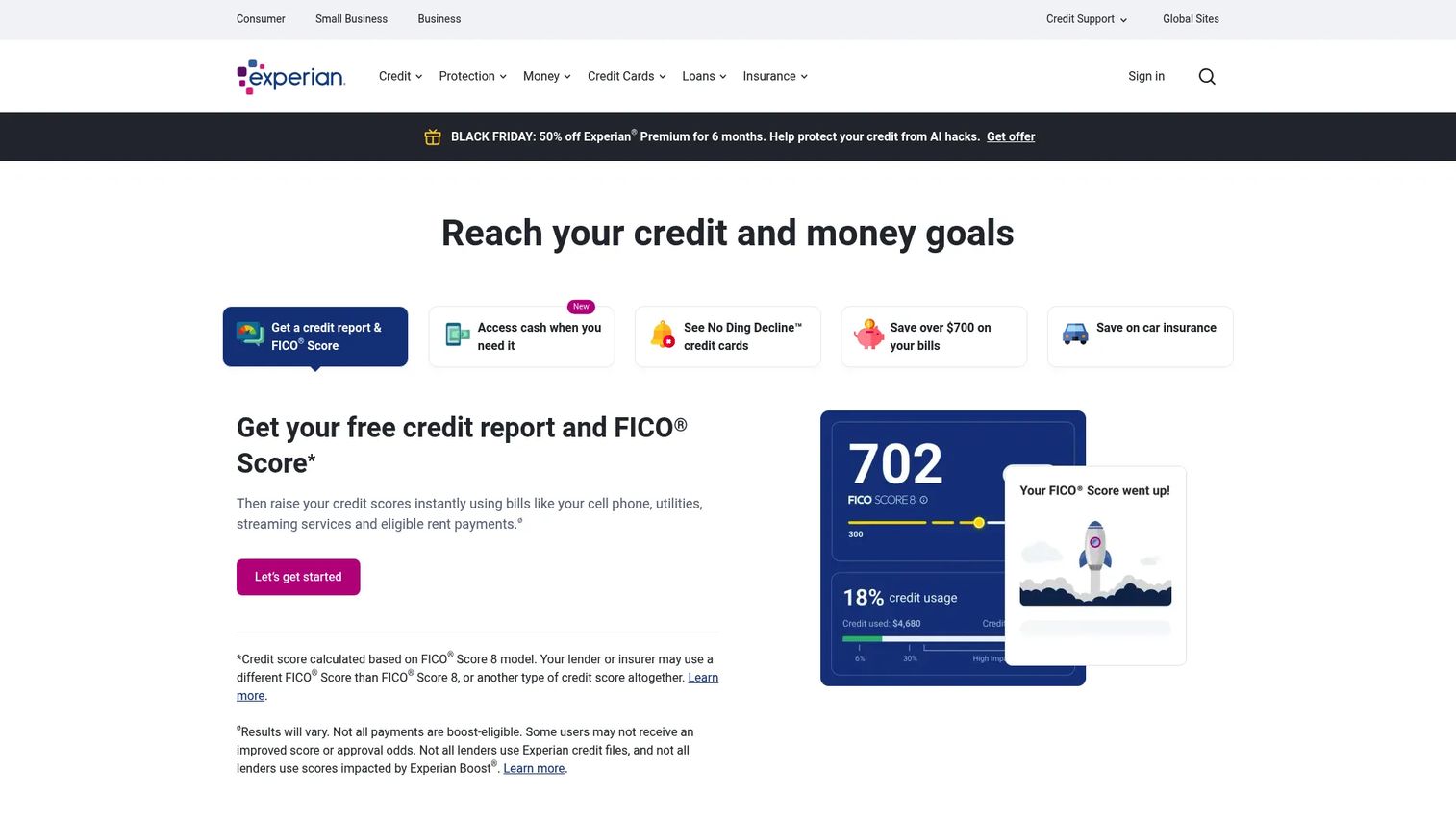
Experian Collections Advantage provides data that helps collection organizations prioritize accounts and improve contact strategies. Its role is decision support rather than full workflow replacement.
Collection specific scores and attributes help segment accounts by likely recovery value. Daily monitoring alerts teams when events may affect a consumer’s ability to pay.
Skip tracing draws from credit, public record, real estate, directory, address, and business data. Operations still need another system for workflow ownership, payments, and agent activity.
Best for: Collectors needing debtor intelligence, monitoring, and skip tracing.
Key features
- Collection specific scores
- Account segmentation attributes
- Daily monitoring alerts
- Skip tracing data
- Contact and prioritization support
Why choose Experian Collections Advantage: Choose it when weak contact data or poor prioritization limits recovery. Smaller businesses should confirm whether the data package matches their account volume and debt type.
Experian Collections Advantage pricing
Experian offers monthly subscription packages and configurable product bundles. Contact Experian for current package pricing and trial terms.
12. CGI Credit Studio for collections
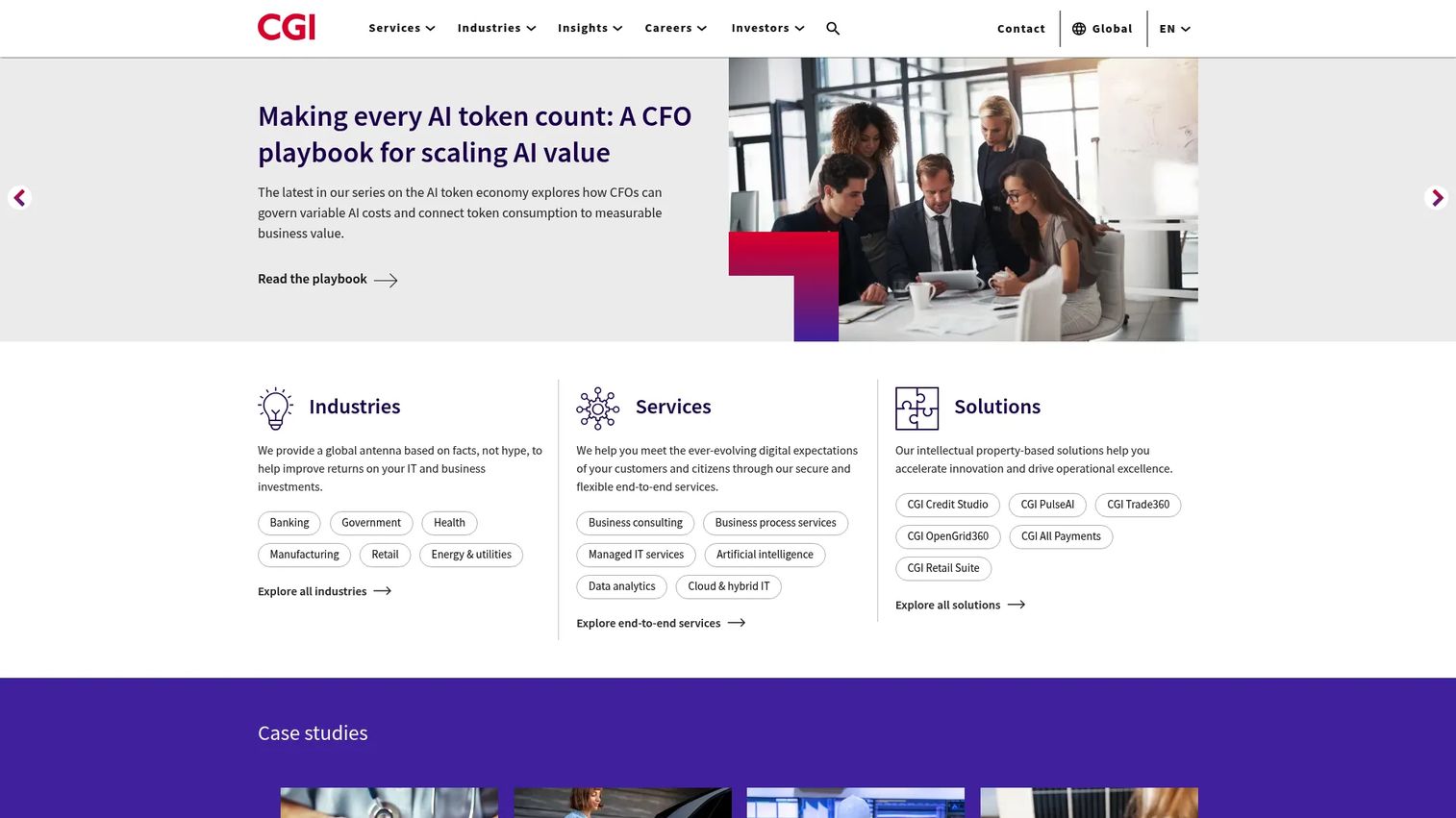
CGI Credit Studio for collections manages delinquency from early intervention through late recovery. It is built for banks, credit unions, auto finance companies, and collection organizations.
Event driven workflows support different treatment paths as account conditions change. Decisioning and analytics help operators select actions across precollection, early collection, bankruptcy, repossession, or later recovery.
The platform also provides digital self service, virtual agents, APIs, and reporting. Its architecture fits regulated credit operations rather than routine SaaS invoice chasing.
Best for: Banks and lenders managing complex default lifecycles.
Key features
- Event driven recovery workflows
- Real time decisioning
- Digital self service
- Open APIs and reporting
- Early and late stage recovery
Why choose CGI Credit Studio for collections: Choose it when collections forms part of a broader loan or credit operation. SaaS founders outside financial services will usually need less infrastructure.
CGI Credit Studio for collections pricing
Contact CGI for a quote. Buyers should ask about implementation, training, integrations, hosting, user access, and support.
13. Xero

Xero is cloud accounting software for small businesses. Its invoicing, payment acceptance, reconciliation, and reporting features provide a basic foundation for collecting overdue customer balances.
It works best when finance already uses Xero and the follow up process remains simple. Online invoices and payment options reduce the distance between a reminder and settlement.
Xero is not collection agency software. It lacks the dedicated debtor lifecycle, collector operations, and recovery controls found in specialist platforms.
Best for: Small businesses handling light invoice follow up inside accounting.
Key features
- Online invoicing
- Payment acceptance
- Bank reconciliation
- Financial reporting
- Customer accounting records
Why choose Xero: Choose Xero when overdue invoices are an accounting task rather than a dedicated collection operation. Move to specialist software when volume or control requirements increase.
Xero pricing
Early usually costs $27 monthly, Growing $59, and Established $97. Promotional prices may apply during the first six months.
G2 rating
Xero has a 4.4/5 G2 rating.
14. QuickBooks
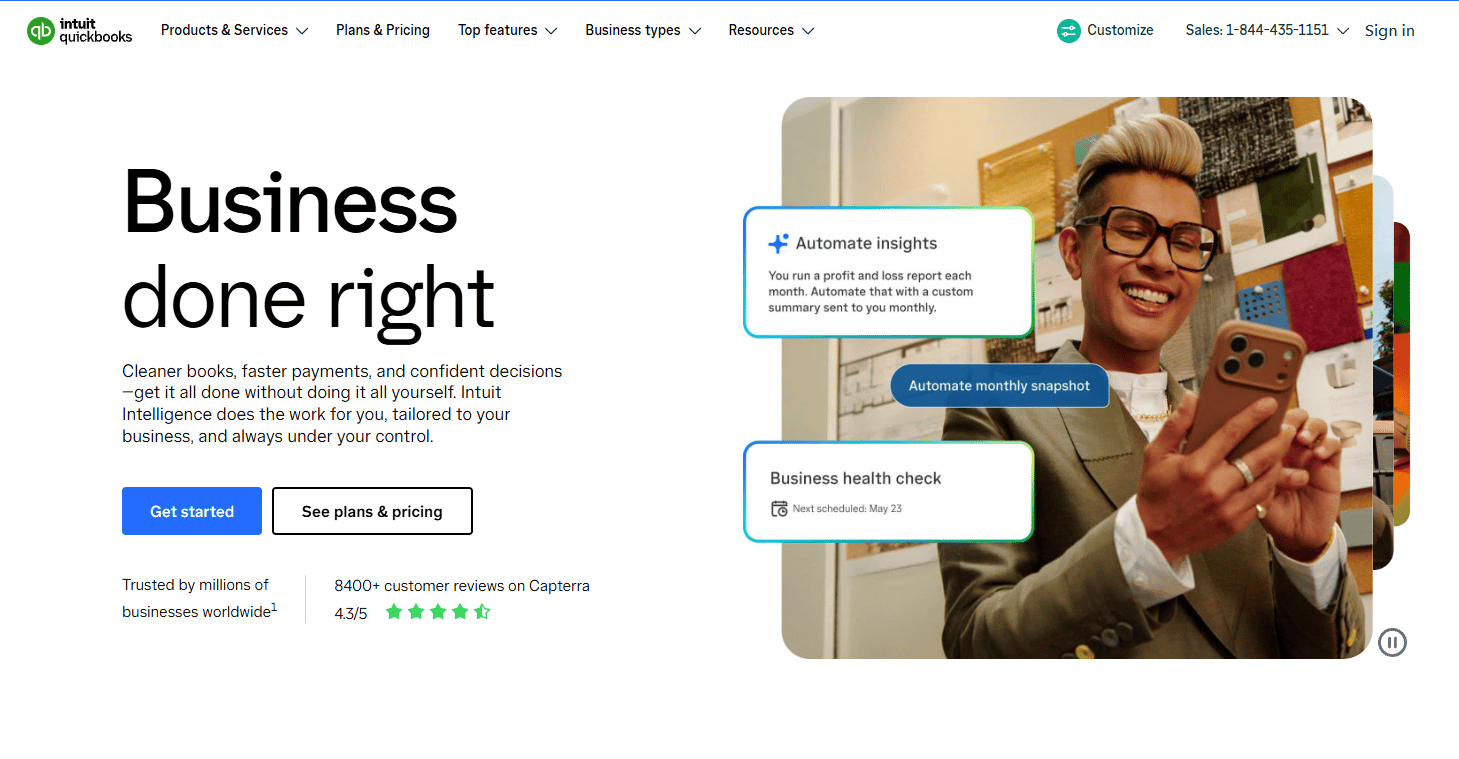
QuickBooks combines accounting, invoicing, payment acceptance, expense tracking, and financial reporting. Small businesses can manage basic collections where they already maintain customer balances.
Invoice delivery and payment acceptance help teams follow up without introducing another operating system. Reports provide visibility into receivables alongside the wider company accounts.
QuickBooks remains an accounting platform rather than dedicated debt recovery software. Complex payment plans, agency workflows, or compliance sensitive outreach need more specialized controls.
Best for: Small businesses already using QuickBooks for bookkeeping and invoicing.
Key features
- Customer invoicing
- Online payment acceptance
- Income and expense tracking
- Financial reporting
- Third party app connections
Why choose QuickBooks: Choose QuickBooks when simplicity and stack consolidation matter most. Add dedicated debt collection software once manual follow up or regulatory exposure grows.
QuickBooks pricing
A free plan is available. Simple Start costs $38 monthly, with higher plans priced at $85, $140, and $340 monthly.
G2 rating
QuickBooks Online has a 4.0/5 G2 rating.
15. NetSuite
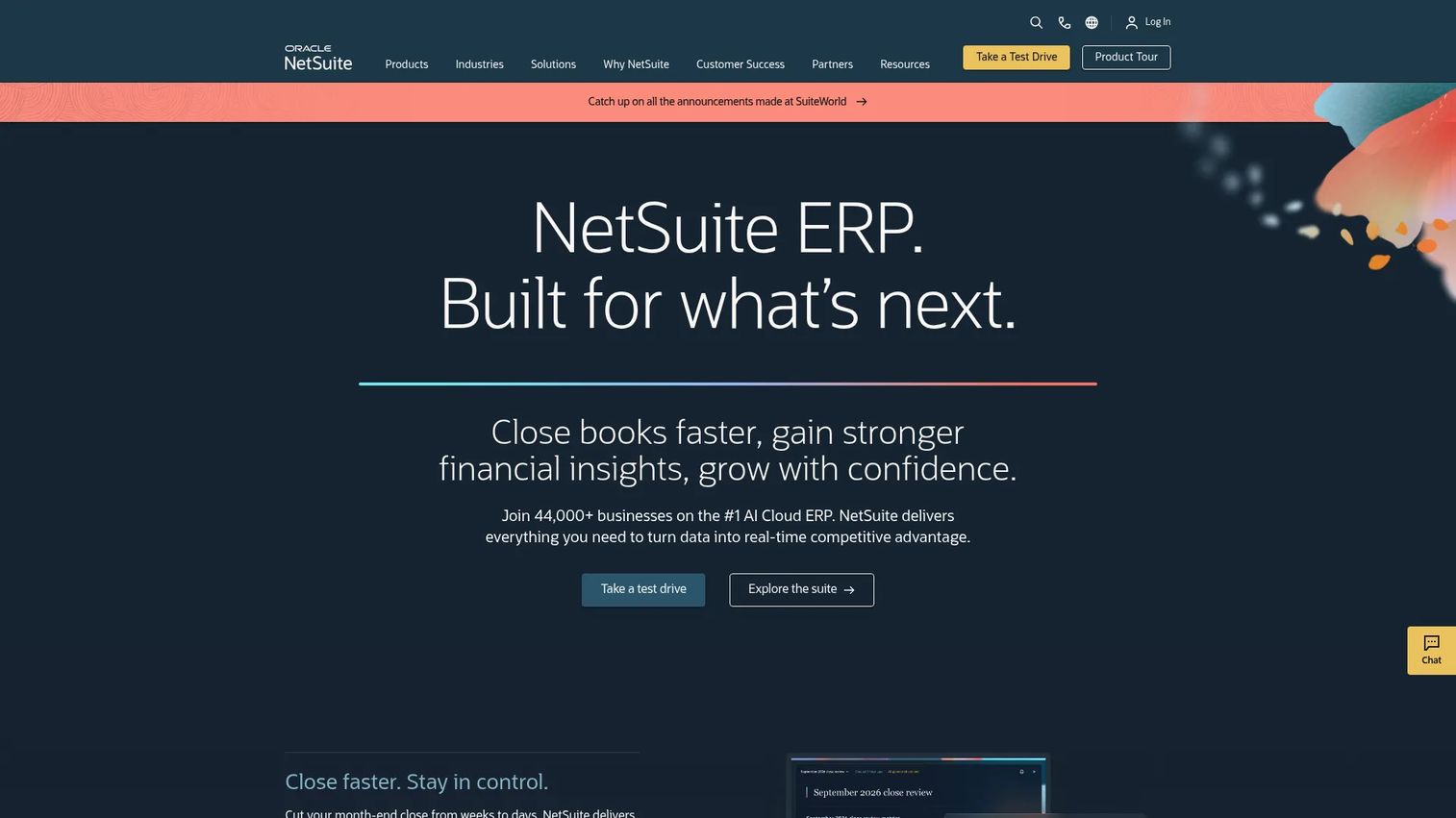
NetSuite is a cloud ERP covering financial management, operations, CRM, analytics, and commerce. Receivables and customer records sit inside that connected business system.
The strongest reason to use it for collections is consolidation. Finance can connect customer balances and reporting with orders, accounting, and operational data.
This is an ERP decision with collections capability, rather than a specialist collection agency purchase. Implementation must account for the core platform, selected modules, users, and data migration.
Best for: Scaling companies that want receivables managed inside an ERP.
Key features
- Financial management and accounting
- Customer record management
- Integrated reporting
- Role based access
- Custom workflows and integrations
Why choose NetSuite: Choose NetSuite when the company already runs on it or plans broader ERP standardization. Buying it only for invoice chasing would create unnecessary scope.
NetSuite pricing
NetSuite uses an annual license covering the core platform, modules, and users, plus implementation. QuickStart is free for eligible early stage technology companies in the United States.
G2 rating
NetSuite has a 4.1/5 G2 rating.
16. Sage Intacct
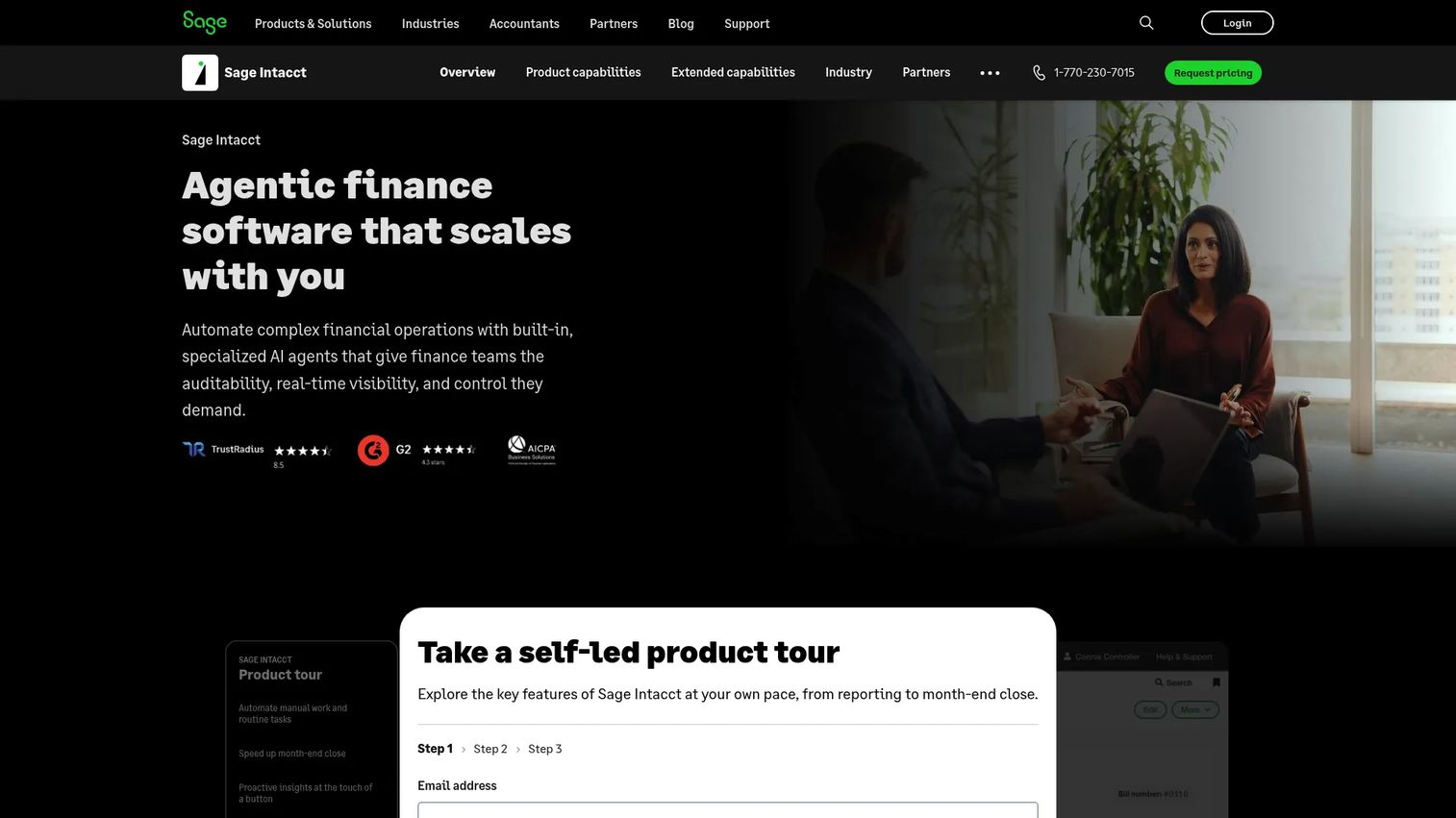
Sage Intacct provides cloud financial management for scaling and midsize organizations. Its accounts receivable automation sits alongside reporting, dashboards, multi entity accounting, and general ledger controls.
Finance teams can manage customer accounts and invoices within the same system used for wider financial operations. Multidimensional analysis supports reporting across entities or operating segments.
Like NetSuite, Sage Intacct is broader than dedicated debt collection software. Agencies needing collector queues or skip tracing should evaluate a specialist platform.
Best for: Finance teams seeking AR controls within cloud financial management.
Key features
- Accounts receivable automation
- Customer account tracking
- Real time dashboards
- Multi entity accounting
- Platform and API access
Why choose Sage Intacct: Choose Sage Intacct when finance wants one accounting foundation across entities and receivables. Confirm specialist collection requirements before relying on it alone.
Sage Intacct pricing
Sage Intacct uses custom pricing. Cost reflects organization size, selected modules, industry, and advanced functionality.
G2 rating
Sage Intacct has a 4.3/5 G2 rating.
17. Chargebee
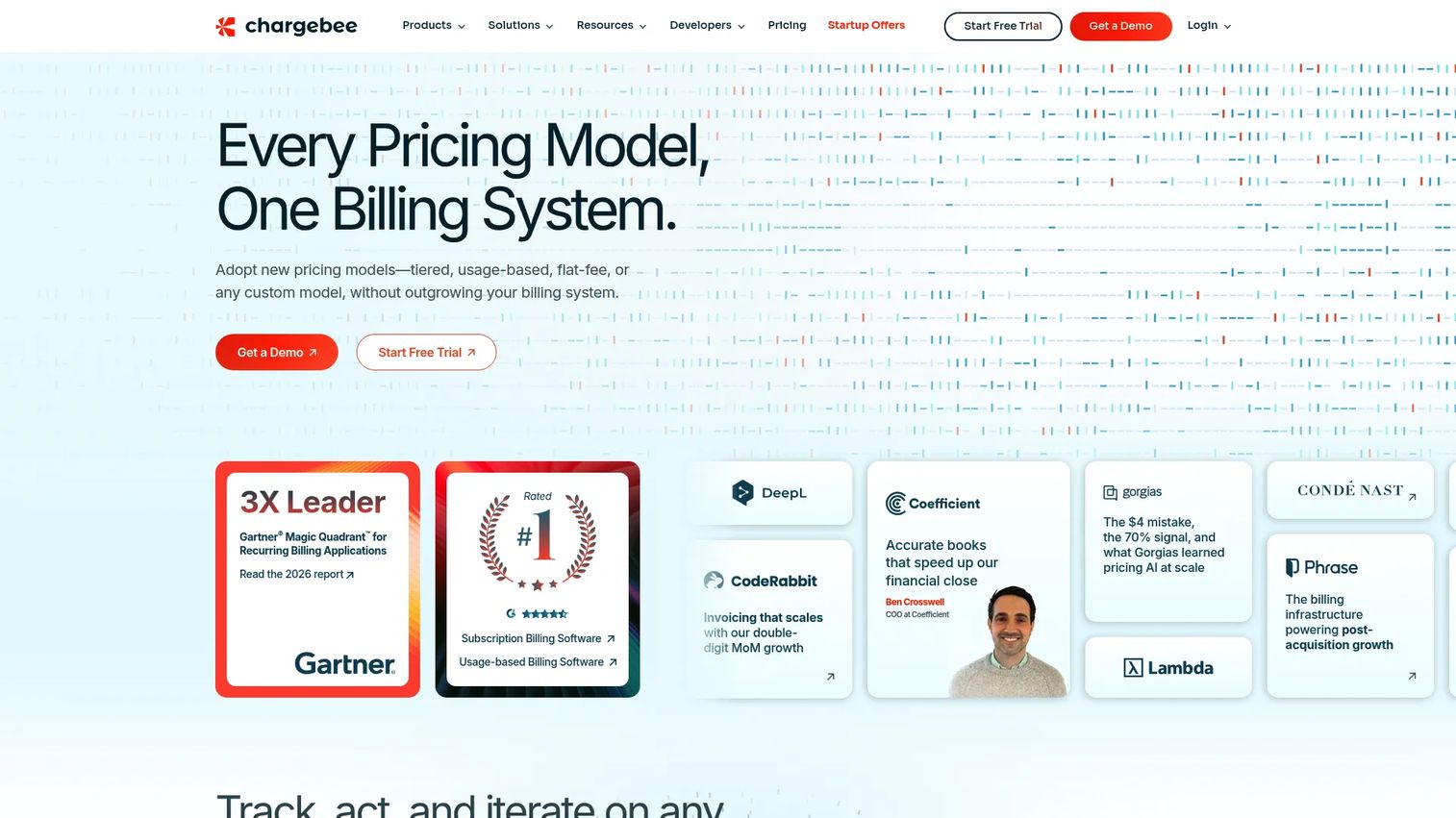
Chargebee manages billing, payments, revenue recognition, collections, and retention for subscription companies. Its strongest collection use case is failed payment recovery.
Dunning and accounts receivable automation help subscription teams retry payments and prompt customers to update payment details. These workflows protect recurring revenue before failed charges become deeper debt.
Chargebee also supports usage and hybrid billing across more than 40 payment gateway integrations. It is not designed for agency recovery or postcharge workflows.
Best for: SaaS and subscription businesses reducing failed payments and involuntary churn.
Key features
- Subscription billing
- Dunning automation
- Payment retries
- Accounts receivable automation
- Payment gateway integrations
Why choose Chargebee: Choose Chargebee when recurring payment failure drives the collection problem. It connects recovery with the billing event that created the balance.
Chargebee pricing
Flow starts at $0 plus 0.80% of monthly invoicing volume. Another Flow option costs $99 plus 0.65%, while enterprise pricing requires a quote.
G2 rating
Chargebee has a 4.4/5 G2 seller rating.
Considerations when choosing debt collection software
Match the tool to your debt ownership model
Separate first party collections, agency recovery, loan servicing, and B2B invoice follow up. A SaaS company should avoid agency software unless its workflow requires agency level controls.
Start by mapping who owns each overdue account. Then document when an invoice moves from routine finance follow up into formal recovery.
Check communication controls before automation
Review consent, opt outs, call caps, audit history, permissions, and data retention. Ask how the system applies those controls across calls, messages, and automated sequences.
Your counsel should validate requirements connected with the FDCPA, Regulation F, TCPA, and relevant state rules. Compliant debt collection software supports your process but cannot replace legal review.
Separate the system of record from communication infrastructure
Dialers, SMS systems, and AI voice tools handle outreach. Your collections platform should retain account status, activity history, payment commitments, and workflow logic.
Define which system owns each field before implementation. Otherwise, teams create duplicate records and lose a reliable source for reporting.
Verify payment plan and promise workflows
Check support for partial payments, payment links, autopay, installment schedules, and promise dates. Missed promises should trigger a defined next action.
Also test reconciliation. Recovery reports become unreliable when incoming payments require manual matching.
Calculate implementation cost beyond the license
Budget for migration, integrations, training, compliance review, reporting setup, and ongoing support. User adoption matters as much as software capability.
For a Series B founder, ask one blunt question: Can this tool earn its place in the stack within the first quarter?
Conclusion
The right platform depends on who owns the debt and how recovery happens.
Finvi, Latitude by Genesys, Collect! by Comtech, Aktos, and Maxyfi fit agency style operations. HighRadius, Upflow, Chaser, and Kolleno support finance led collections.
NetSuite and Sage Intacct make sense when receivables belong inside a broader financial system. Retell AI adds voice capacity but does not replace a collection system of record.
Experian Collections Advantage improves debtor data and prioritization. CGI Credit Studio serves lenders managing default lifecycles. Xero and QuickBooks suit lighter accounting based follow up, while Chargebee targets subscription payment recovery.
Map the workflow before booking vendor calls. Shortlist products using these questions:
- What debt type does the team manage?
- Which communication channels matter?
- What controls and audit records are required?
- Which billing, payment, and accounting systems must connect?
- How much implementation capacity can finance support?
If your buying committee needs to understand a shortlisted product before procurement, an interactive demo can clarify the workflow without another meeting.
Start your journey with Guideflow today!
Start your journey with Guideflow today!
FAQs
Debt collection software manages overdue accounts, automates recovery workflows, tracks communications, supports payments, and documents collection activity. Dedicated platforms may also provide account prioritization, collector queues, promises, and operational reporting.
Some products serve collection agencies or lenders. Others focus on B2B accounts receivable, accounting, or subscription payment recovery.
The best choice depends on billing complexity and the point where revenue becomes overdue. Upflow, Chaser, and Kolleno fit finance led accounts receivable workflows.
Chargebee focuses on recurring billing and failed payment recovery. NetSuite or Sage Intacct may suit companies that want receivables inside a wider financial system.
Debt collection software often covers the debtor lifecycle, contact strategy, recovery workflows, documentation, and agency operations. Loan collection software may also manage default stages and related decisioning.
Accounts receivable software focuses on invoices, reminders, payment collection, reconciliation, cash application, and DSO. The categories overlap, but they serve different operating models.
Small businesses may start with Xero or QuickBooks when invoice follow up is simple. Those platforms keep reminders and payments close to the accounting records.
Dedicated debt recovery software becomes more useful as account volume or workflow complexity grows. Rising communication risk and repeated manual escalation are also buying signals.
The software can retain communication history, consent records, opt outs, call activity, permissions, and audit trails. Workflow controls can also standardize approved account treatments.
Technology does not guarantee FDCPA, Regulation F, or TCPA compliance. Your legal team should review how rules apply to your debt type, channels, and jurisdiction.
Common connections include accounting, billing, CRM, ERP, payment processors, dialers, SMS, email, support, and data providers. Prioritize the systems that own balances, customer records, and payments.
Integration quality determines whether the platform reduces manual work or creates another tab. Test field ownership, update frequency, error handling, and reconciliation before committing.
AI voice software can add calling capacity and automate defined conversations. It usually does not own debtor records, payment status, promises, compliance documentation, or recovery reporting.
Most teams need voice infrastructure connected to debt collection management software. That system should remain the source for account status and workflow decisions.
Map the workflow before comparing vendors. Document the debt type, account owner, communication channels, controls, payment process, reporting needs, and required integrations.
Then shortlist two or three tools that match the operating model. Ask the finance owner to test implementation effort and first quarter value before procurement.