You booked the same flatbed to two customers for the same Saturday. One of them found out at the counter. That is the moment most trailer rental operators realize the spreadsheet has stopped working.
Manual booking looks fine until it doesn't. A shared calendar, a few text messages, a notebook for deposits, and a folder of signed contracts hold together at five units. At twenty, the gaps show up as double bookings, missed security deposits, trailers marked available that are still out on a job, and a return process nobody can reconstruct three weeks later. Every gap is either lost revenue or a lost customer.
The market has noticed. The global trailer rental software category was valued at roughly USD 0.8B in 2026 and is projected to reach USD 1.9B by 2035 at a 10.5% CAGR, according to Business Research Insights. That growth tracks a simple shift: operators are trading whiteboards for software that keeps availability, payments, paperwork, and unit status aligned in one place.
The right trailer rental management software does more than store a calendar. It runs the operating layer underneath your business, from the first online trailer booking to the final inspection at return. The wrong one adds a login nobody uses. This guide compares eight real trailer rental solutions so you can match the tool to how your fleet actually moves.
What's inside
This guide ranks eight trailer rental software tools for operators who need online reservations, trailer fleet management, payments, less paperwork, and compliance support. It is written for owner-operators and fleet managers comparing a real trailer rental app or booking platform, not a generic feature list.
We evaluated each tool on the criteria that decide daily operations:
- Booking flow and real-time availability
- Trailer unit tracking and fleet visibility
- Payments, security deposits, and refund handling
- Contracts, e-signatures, and record keeping
- Trailer-specific and equipment-style workflows
- Trust signals, pricing clarity, and mobile support
Tools are ranked by relevance to trailer rental operators, not by marketing spend.
TL;DR
Short on time? Here is how the eight tools break down by operator type.
- Best all-in-one rental operating system: Reservety, for operators who want website, inventory, bookings, payments, and delivery under one roof.
- Best website-first booking: Booqable, for operators who want an embedded booking widget, online payments, and digital contracts fast.
- Best budget entry point for small fleets: Booqable's Start plan, at a low monthly price with unlimited inventory.
- Best all-in-one heavy fleet option: Quipli, for equipment-style operators who want dispatch, maintenance, and a self-service storefront.
- Best mobile-first marketplace model: Neighbors Trailer, for owners who want app-led rentals and built-in protection with no platform subscription.
- Best for complex rental ERP needs: InTempo, for larger regional operators who need accounting and fleet operations in one system.
What is trailer rental software?
Trailer rental software is a system that manages the full rental lifecycle for trailers: reservations, real-time availability, payments, contracts, deposits, unit status, and reporting from a single place. It replaces the patchwork of calendars, spreadsheets, payment links, and paper contracts that most operators start with.
Core capabilities usually include:
- Reservations and availability: a booking calendar tied to real inventory, so a unit that is booked stops showing as bookable.
- Online trailer booking: a customer-facing storefront or embedded booking widget that takes reservations 24/7.
- Payments and deposits: automated payments, deposit holds, and refund handling at checkout.
- Contracts and paperwork: digital contracts and e-signatures attached to each booking.
- Trailer unit tracking: unit-level status for what is out, due back, in service, or available.
- Reporting: utilization, revenue, and seasonal pricing performance across the fleet.
The important thing to understand: a trailer rental booking system is not just a calendar with a payment button. It is the operating layer that connects inventory, checkout, and the pickup and return workflow. A calendar tells you a trailer is booked. Trailer fleet management software tells you which trailer, who has it, when it is due, whether the deposit cleared, and whether it needs maintenance before it goes out again.
That distinction matters most as fleets grow past a single trailer type. Utility trailers, enclosed cargo, dump, flatbed, gooseneck, and car haulers each rent differently, price differently, and get inspected differently. Equipment-style availability handling keeps those categories straight so you are not manually cross-referencing which units are truly free.
When to use trailer rental software
Not every operator needs the same depth. Here is how to tell which stage you are in.
Replace spreadsheets and whiteboards
If your bookings live in a shared calendar and a group text, you have probably already felt the cost. Double bookings happen when two people update the sheet at once. Response times slow because someone has to check availability by hand. Visibility disappears the moment a trailer goes out and nobody updates the row. Trailer rental reservation software fixes this by making availability the single source of truth. A booked unit is instantly unavailable everywhere, so the double booking stops being possible.
Let customers book online
When customers call during business hours to check availability, you lose the ones who wanted to book at 9 p.m. on a Sunday. Online trailer booking gives them instant availability and a checkout that runs without you. Some operators want a standalone booking page, others want an embedded booking widget on an existing site. Either way, the goal is the same: fewer phone calls, faster checkout, and reservations captured the moment intent is highest.
Reduce admin after pickup and return
The paperwork tax is real. Contracts to print and file, deposits to collect and refund, payments to reconcile, return status to track, and damage to document. When these steps consume hours a week, software earns its place. Digital contracts, automated payments, and a structured pickup and return workflow keep every record attached to the booking, so the handoff at both ends is faster and the audit trail is intact.
Comparison table
The best choice depends on fleet size, booking complexity, mobile needs, and how deep your workflow runs. A single-location utility trailer operator wants something different from a regional outfit renting flatbeds and goosenecks across three yards. Use the table to shortlist, then read the sections that match your motion.
| # | Product | Intent | Key use case | Pricing | G2 rating |
|---|---|---|---|---|---|
| 1 | Reservety | All-in-one rental OS | Website, inventory, bookings, payments, delivery | From $59/mo | Not yet rated |
| 2 | Booqable | Website-first booking | Embedded booking, real-time availability, contracts | From $29/mo | 4.8/5 |
| 3 | Rentle | Rental front-end and backend | Streamlined booking and operations | Quote-based | Not listed |
| 4 | Sharefox | Configurable rental stack | Booking, availability, customer self-serve | Contact sales | 4.3/5 |
| 5 | InTempo | Rental ERP | Fleet operations, rental accounting, mobile field ops | Contact sales | Not yet rated |
| 6 | Quipli | Equipment rental OS | Inventory, dispatch, maintenance, self-service storefront | $6,000/location/yr | 5.0/5 |
| 7 | RentMy | Self-serve rental commerce | Reservations, payments, contracts | Contact sales | Not listed |
| 8 | Neighbors Trailer | P2P marketplace | App-led rentals, owner protection | Set per listing | Not listed |
1. Reservety
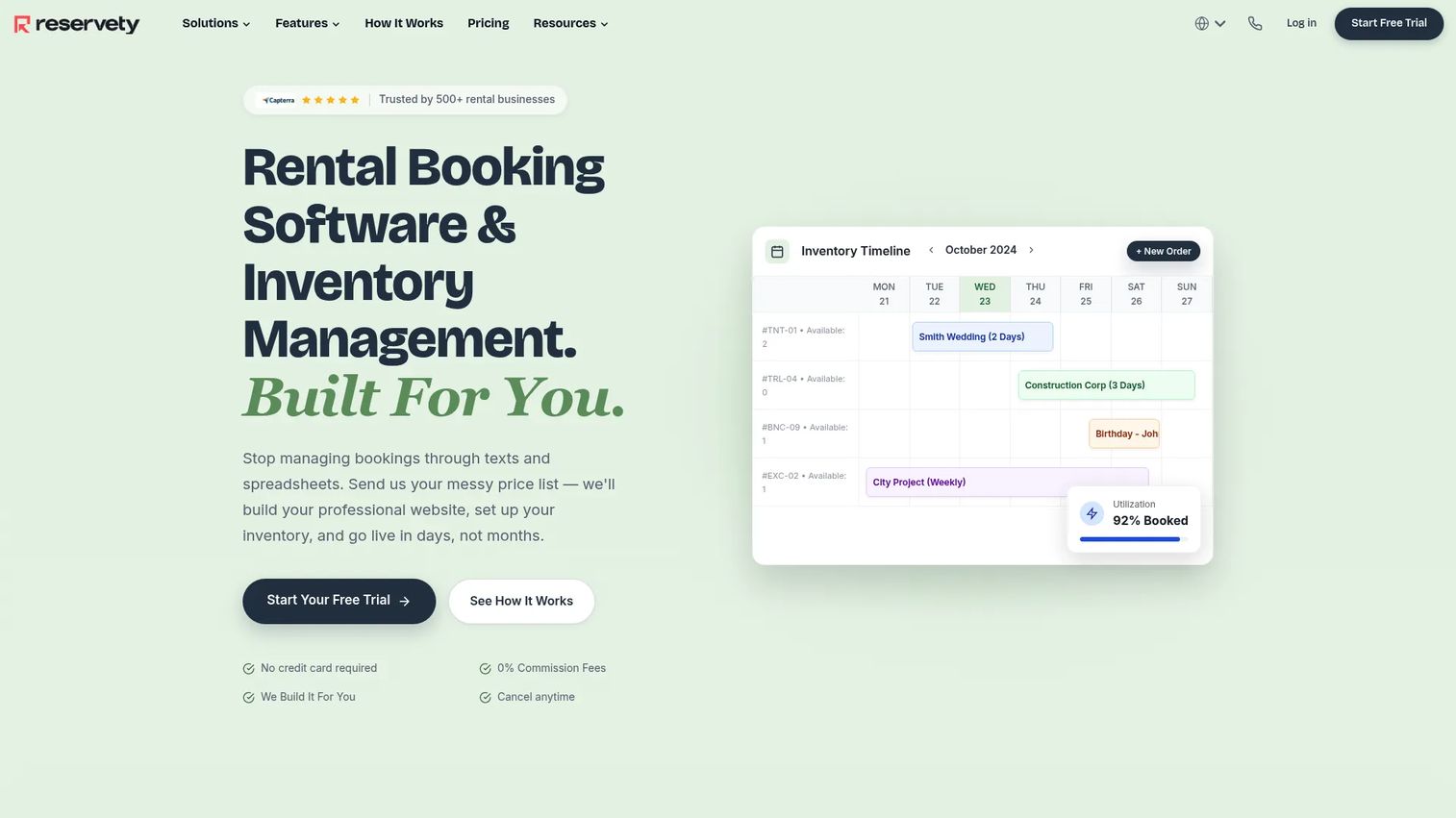
Reservety is rental management software that bundles a website builder, inventory tracking, a real-time booking calendar, payments, a point of sale, waivers, and delivery logistics into one platform. It is built for operators who want a full rental operating system rather than a bolt-on checkout form. For trailer businesses, that means the storefront customers book on, the inventory that keeps availability honest, and the payment and waiver flow all live in the same place.
The all-in-one framing is the point here. If you are running a trailer yard and also want hosting, SSL, and a branded booking site without stitching together three vendors, Reservety covers that surface. Waivers and delivery logistics are useful for operators who tow units to customers or require signed liability documents before a trailer leaves the lot.
Best for: Trailer operators who want website, inventory, bookings, payments, and delivery in a single all-in-one platform.
Key strengths
- Website builder with hosting and SSL: Launch a branded booking site without a separate web vendor.
- Inventory tracking and real-time booking calendar: Keep availability accurate so booked trailers stop showing as free.
- Payments, POS, waivers, and delivery logistics: Handle checkout, in-person transactions, liability documents, and drop-off in one flow.
Why choose Reservety: It suits operators who want to consolidate. Instead of paying for a website, a booking tool, and a payment processor separately, you run the rental motion from one dashboard. That consolidation is the draw for a growing single-location or small multi-category fleet.
Reservety pricing: Reservety uses flat-rate pricing. The Starter plan is $59 per month and the Professional plan is $99 per month. There is also a seasonal Hibernation Plan at $15 per month for operators who slow down in the off season. Reservety states a 14-day free trial with no setup fees. As of this writing, its G2 listing shows no reviews yet, so there is no established rating to cite.
2. Booqable
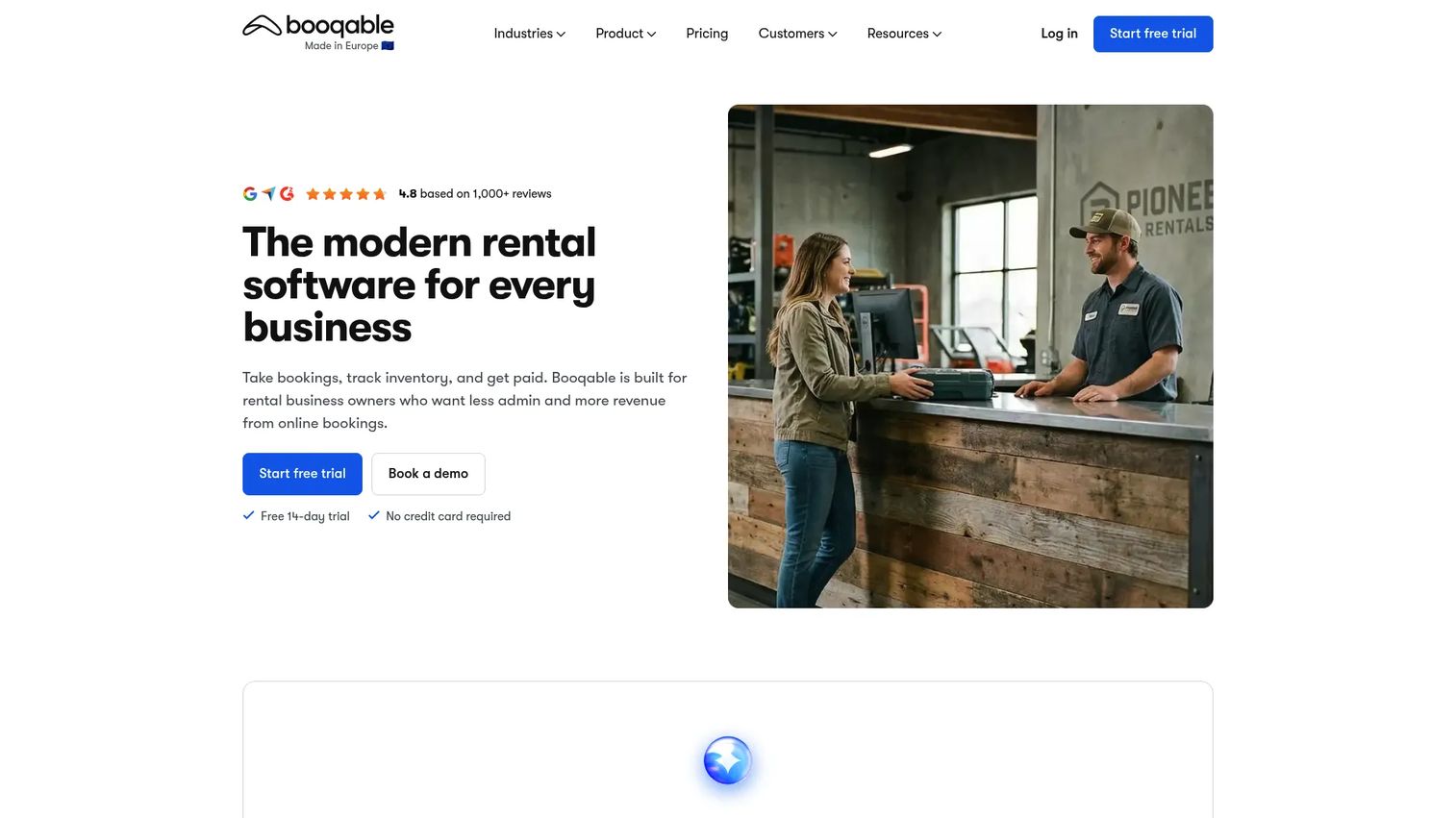
Booqable is cloud-based rental software focused on booking, inventory, and checkout in one system. Its strength is the website-first approach: an embedded booking widget and booking page that plug into your existing site, backed by real-time availability so customers only see what is genuinely free. Quotes, contracts, and invoices are built in, and there is a mobile app for iOS and Android for managing orders on the move.
For trailer operators, Booqable hits the sweet spot between simplicity and capability. You get online trailer booking, automated payments, and digital contracts without a heavy implementation. The real-time availability engine is what prevents the double-booking problem that pushes most operators off spreadsheets in the first place.
Best for: Operators who want fast website-first booking, real-time availability, and less paperwork without a long setup.
Key strengths
- Online bookings with real-time availability: Customers book 24/7 and only see units that are actually free.
- Quotes, contracts, and invoices: Generate paperwork tied to each order, reducing manual document handling.
- Website builder and booking page: Add an embedded booking widget to your site or run a standalone booking page.
Why choose Booqable: It fits operators who lead with their website and want booking to feel native to it. The mobile app extends that to the yard, so pickup and return status stays current whether you are at a desk or at the hitch.
Booqable pricing: Booqable offers three paid plans billed monthly: Start at $29 per month, Grow at $69 per month, and Scale at $149 per month. All plans include unlimited inventory and orders, and there is a 14-day free trial. Booqable also advertises 20% off yearly plans. It holds a 4.8/5 rating on G2, one of the stronger third-party scores in this list.
3. Rentle
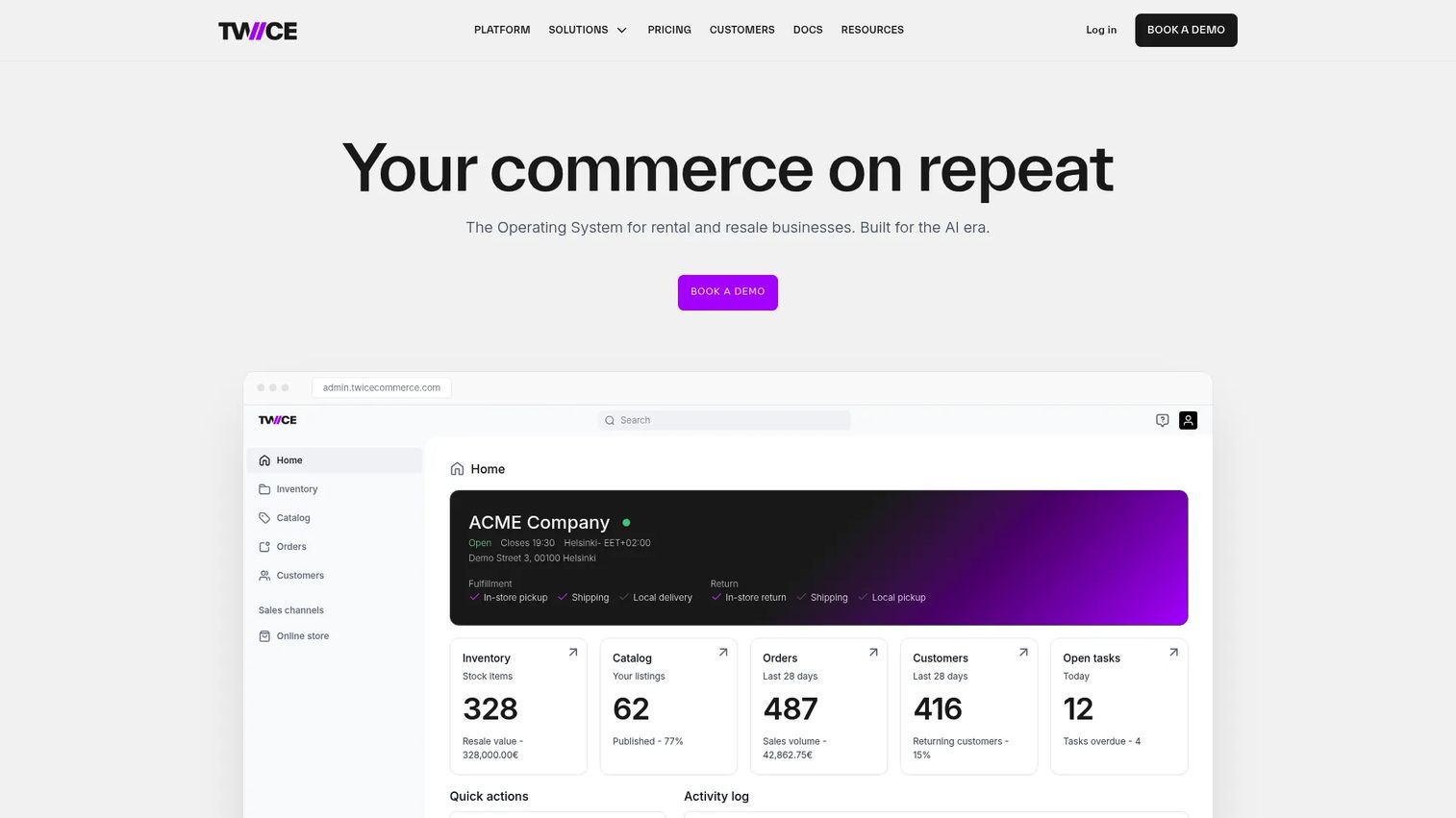
Rentle positions itself as an operations-first rental platform with a streamlined customer booking flow and an adaptable backend. The pitch is a clean front-end where reservations move quickly, paired with operational modules that handle the workflow behind the counter. For trailer operators, that translates to a booking experience customers can complete without friction and a backend that keeps fleet visibility in order.
Where Rentle earns a look is in mixed-inventory and multi-location contexts. If you rent more than trailers, or run more than one yard, an adaptable backend that flexes to your catalog matters. The emphasis on a smooth customer booking experience also fits operators who care about conversion at the point of reservation, not just internal record keeping.
Best for: Operators who want a streamlined customer booking front-end paired with an adaptable operations backend.
Key strengths
- Streamlined reservation flow: A clean booking experience designed to convert customers at the point of intent.
- Adaptable backend: Configurable operations that flex across mixed inventory and multiple locations.
- Fleet visibility: Operational modules that keep unit status and availability aligned.
Why choose Rentle: It is a fit for operators who prioritize the customer-facing booking experience and need a backend that adapts as inventory and locations grow. The flexibility is the selling point for a fleet that is not purely trailers.
Rentle pricing: Rentle uses quote-based pricing rather than published tiers. The company scopes plans around portfolio size, the modules you need, and your integration footprint, with Pilot, Operator, and Bespoke engagements described on its site. Because pricing is tailored, contact the vendor for a figure that matches your fleet. No current third-party rating was verified for this listing.
4. Sharefox
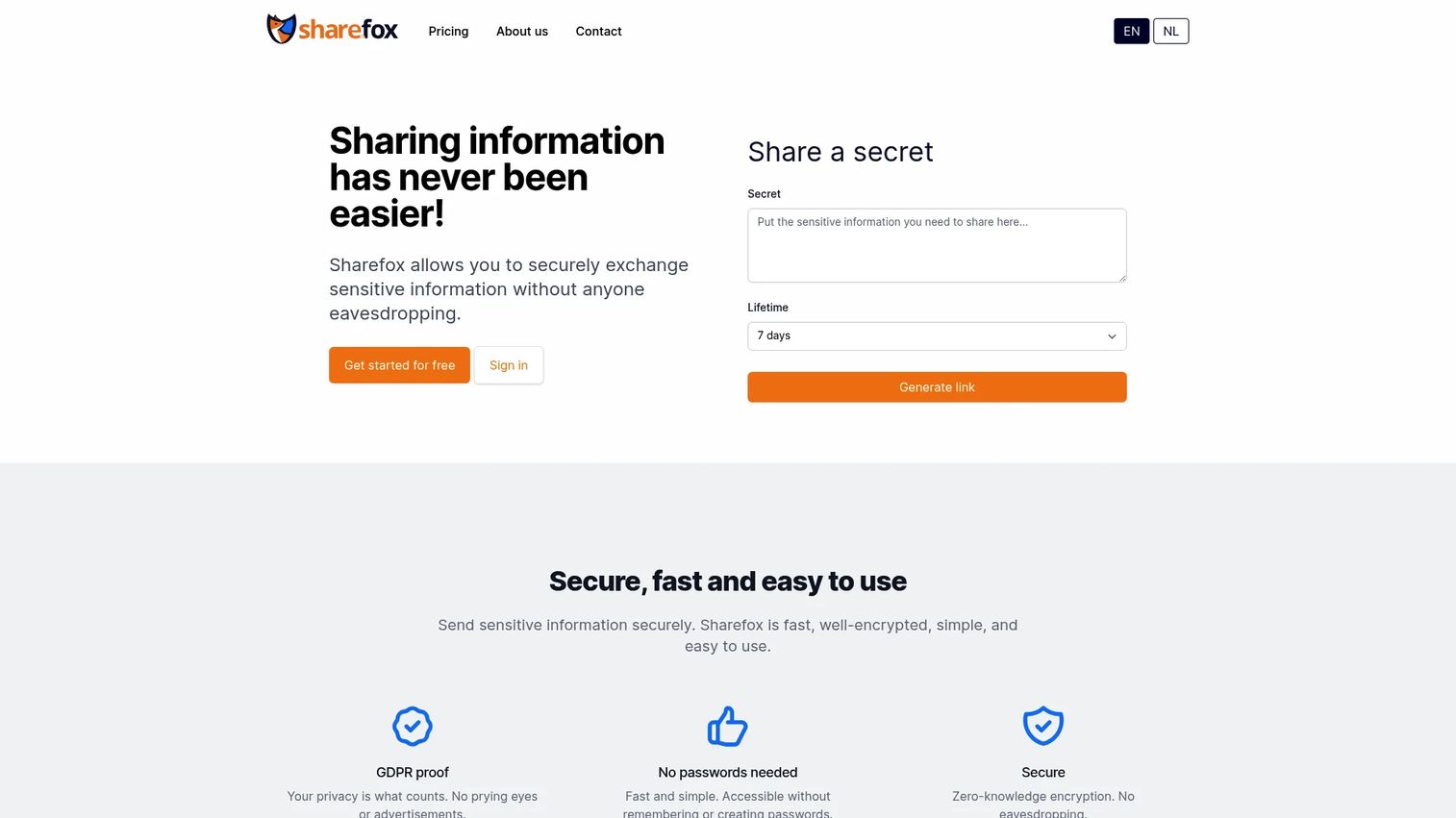
Sharefox is a configurable rental platform built around booking, availability, fleet management, and digital customer self-serve. Its position in this list is for operators who want to shape the rental stack to their own workflow rather than accept a fixed template. That configurability extends to the customer experience, so the booking flow can match how your specific trailer categories rent.
For a trailer business, the appeal is control. If your operation has quirks, like specific deposit rules by trailer type or a particular return checklist, a configurable stack lets you model that instead of working around it. Self-serve booking keeps customers moving without a phone call, while fleet management keeps unit-level visibility intact behind the scenes.
Best for: Operators who want a configurable rental stack they can tailor to specific trailer workflows.
Key strengths
- Configurable booking and availability: Shape the reservation flow to match your trailer categories and rules.
- Fleet management: Maintain unit-level visibility across your inventory.
- Digital customer self-serve: Let customers book and manage reservations without staff involvement.
Why choose Sharefox: It suits operators who have outgrown one-size-fits-all tools and want to configure the rental experience around their own operations. The tradeoff is that configurability rewards operators who know exactly how they want the workflow to run.
Sharefox pricing: Sharefox directs rental operators to contact sales for a scoped quote rather than listing a flat rental price publicly. The platform is set up around configuration and rental operations, so pricing tends to reflect your setup. Sharefox holds a 4.3/5 rating on G2. Confirm the current package and figure directly with the vendor before committing.
5. InTempo
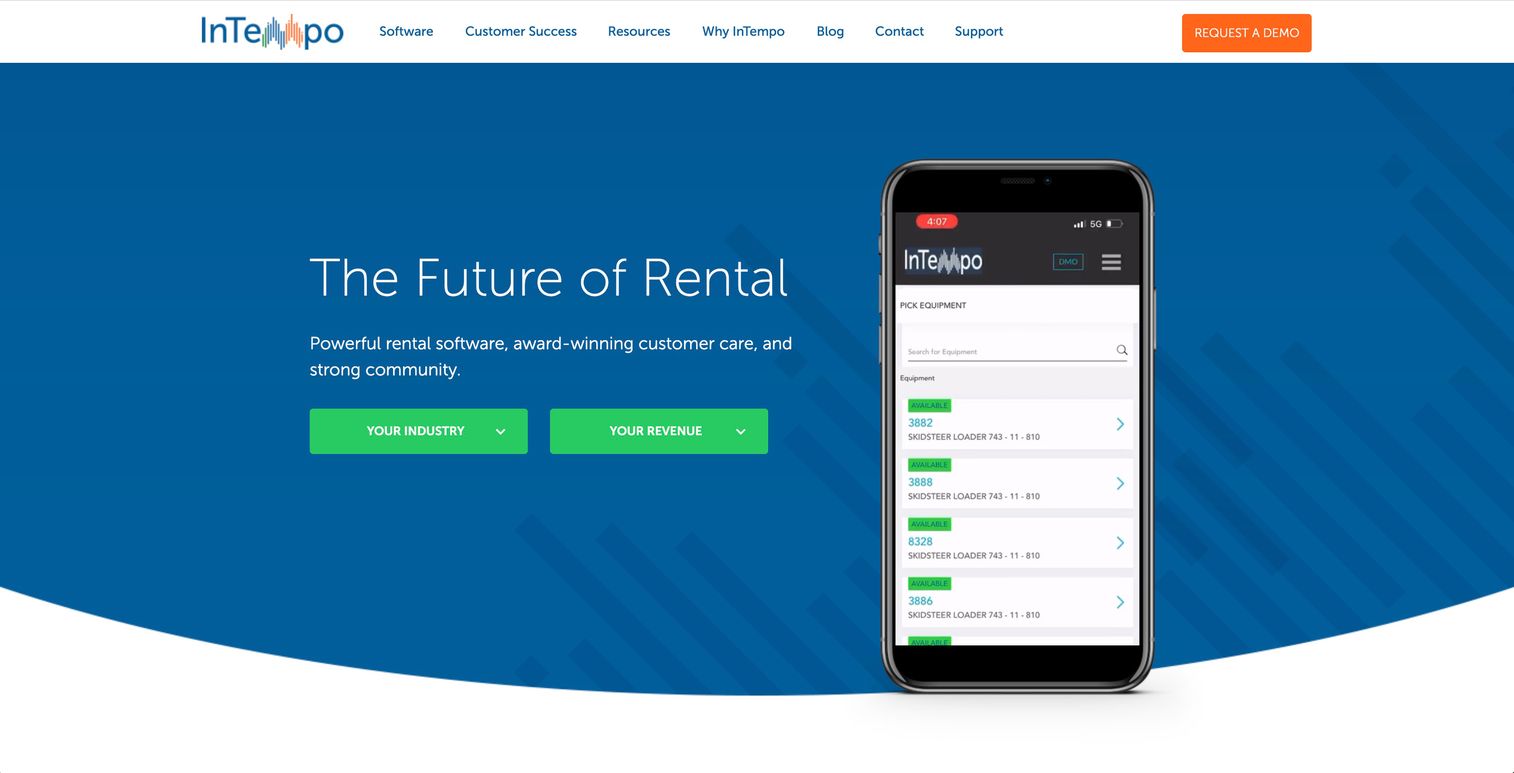
InTempo is rental management software built for equipment, tool, event, and specialty rental businesses, with a strong lean toward rental ERP. It combines all-in-one rental operations, rental accounting and finance workflows, and mobile field tools for quotes, contracts, inspections, and inventory transfers. For trailer operators with real operational complexity, that accounting-plus-operations depth is the differentiator.
InTempo is aimed at independent local and regional operators who need more than a booking calendar. If you are running multiple yards, tracking finance alongside fleet, and moving units between locations, the ERP framing fits. The mobile field capabilities matter for the pickup and return workflow: inspections and contracts happen at the trailer, not back at a desk, so the record is captured where the work occurs.
Best for: Larger local and regional trailer operators who need rental ERP with accounting and fleet operations in one system.
Key strengths
- All-in-one ERP for rental operations: Run bookings, inventory, and operations from one connected system.
- Rental accounting and finance workflows: Keep finance tied to fleet activity instead of in a separate ledger.
- Mobile quotes, contracts, inspections, and inventory transfers: Capture field work, including trailer unit tracking, from a phone or tablet.
Why choose InTempo: It is the pick for operators whose complexity has outgrown lightweight tools. When accounting depth and multi-location fleet control matter as much as booking, an ERP-grade system earns its place.
InTempo pricing: InTempo does not publish pricing on its site. Its pages direct operators to contact sales or request a demo, which is common for rental ERP platforms scoped to operation size. Its G2 seller page does not yet show an established rating. Request a tailored quote to match your fleet and locations.
6. Quipli
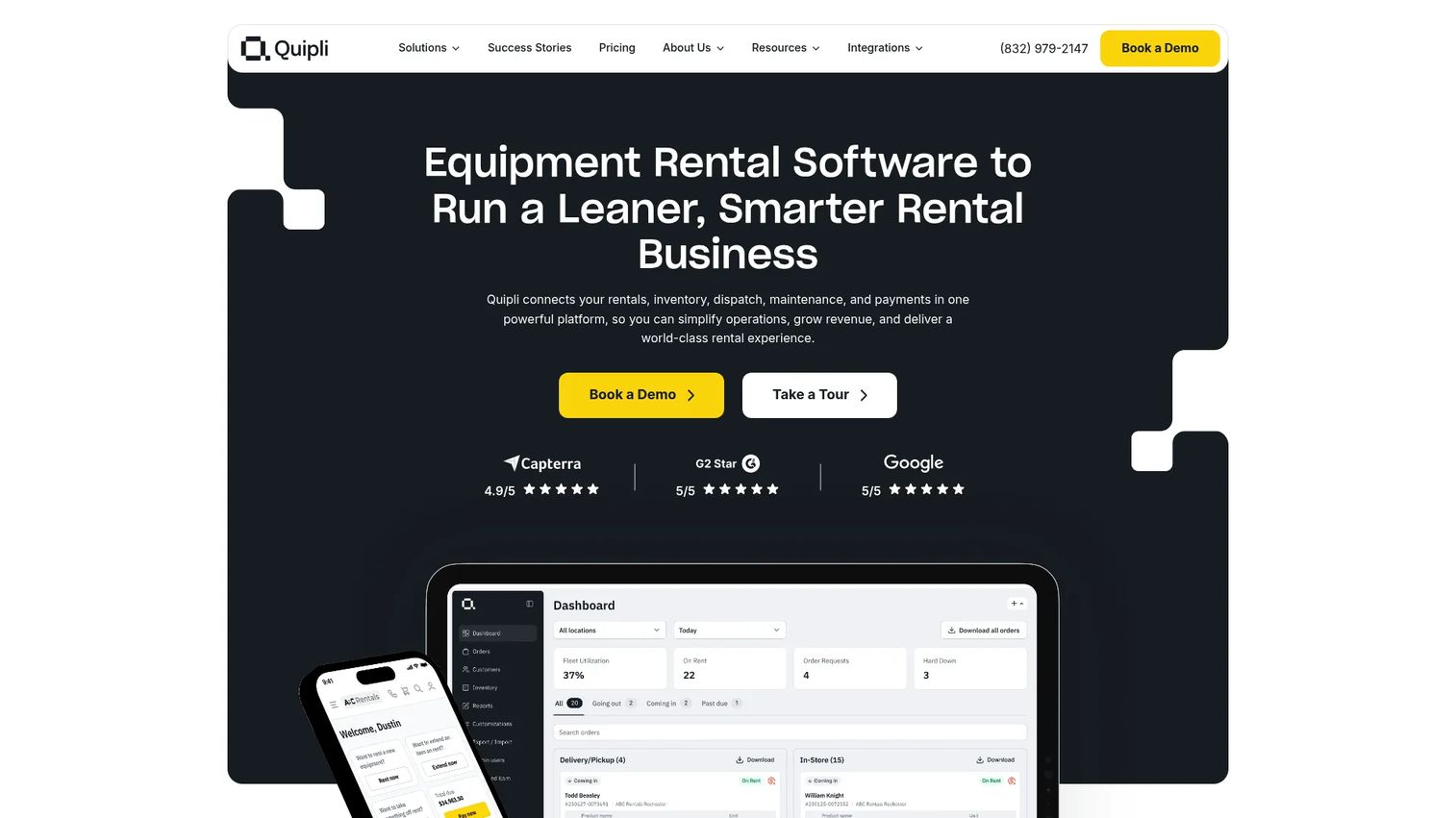
Quipli is equipment rental software that doubles as a strong fit for trailer operators who think in fleet-and-dispatch terms. It handles inventory management, a customer portal with a mobile-friendly storefront, service and repair tracking, a dispatch calendar, and QuickBooks Online integration. The combination of online reservations and operational depth makes it a real option for growing trailer rental businesses, not just heavy equipment yards.
What sets Quipli apart for trailers is the service and dispatch layer. Trailers need maintenance, they go down for repair, and they get dispatched to jobs or customers. A dispatch calendar plus service tracking keeps downtime scheduled and visible, so a trailer in the shop never shows as bookable. The customer self-service storefront handles the front-end while the operational tools run the back.
Best for: Independent trailer and equipment operators who want an all-in-one operating system with dispatch and maintenance.
Key strengths
- Inventory management with a self-service storefront: Customers reserve online while inventory stays accurate.
- Service and repair tracking plus dispatch calendar: Schedule maintenance downtime so units in service never show as available.
- QuickBooks Online integration: Keep rental revenue tied to your accounting without manual re-entry.
Why choose Quipli: It fits operators who want operational depth and a clean customer storefront in one system, with unlimited users and inventory at a flat annual rate. The maintenance and dispatch tooling is the standout for fleets where uptime is revenue.
Quipli pricing: Quipli uses flat annual pricing at $6,000 per rental location per year, which includes unlimited users and unlimited inventory. Discounts are available for multi-location operations, handled through sales. Quipli holds a 5.0/5 rating on G2 based on a modest number of reviews, and its own site cites strong third-party scores as well.
7. RentMy
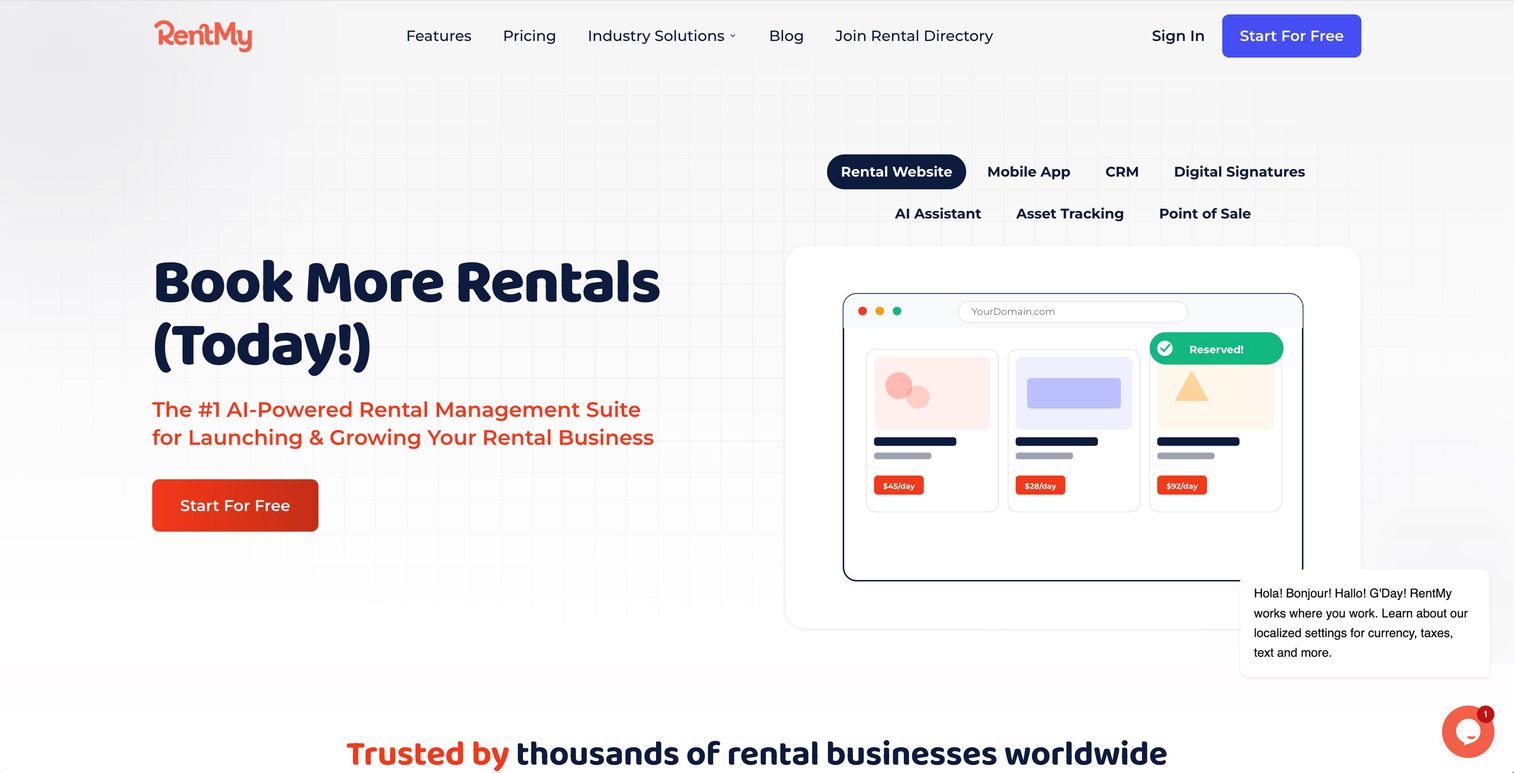
RentMy is rental software built around self-serve reservations, payments, contract handling, and day-to-day rental operations. Its position in this list is for trailer operators who value simplicity and usability over configuration depth. The idea is a straightforward path from a customer reservation to a completed rental, with the payment and contract steps handled in the flow rather than bolted on afterward.
For a trailer business that wants a trailer rental booking system without a steep learning curve, RentMy is worth evaluating. Self-serve reservations let customers book without staff, automated payments collect at checkout, and contract handling keeps the paperwork attached to the booking. That combination covers the core rental motion for operators who want to get running quickly.
Best for: Trailer operators who want a simple, usable booking system covering reservations, payments, and contracts.
Key strengths
- Self-serve reservations: Customers book online without needing to reach staff.
- Payments and contract handling: Collect payment and capture the agreement in the same flow.
- Everyday rental operations: Manage the core rental lifecycle without a heavy setup.
Why choose RentMy: It appeals to operators who prioritize simplicity and quick day-to-day usability. If you want the essentials of online booking, payment collection, and digital contracts without extensive configuration, it covers that ground.
RentMy pricing: RentMy directs prospective operators to contact the vendor for current pricing rather than publishing a flat public figure. Because packages vary by operation, request a quote that reflects your reservation volume and feature needs. Confirm the current plan structure directly with RentMy before you commit.
8. Neighbors Trailer
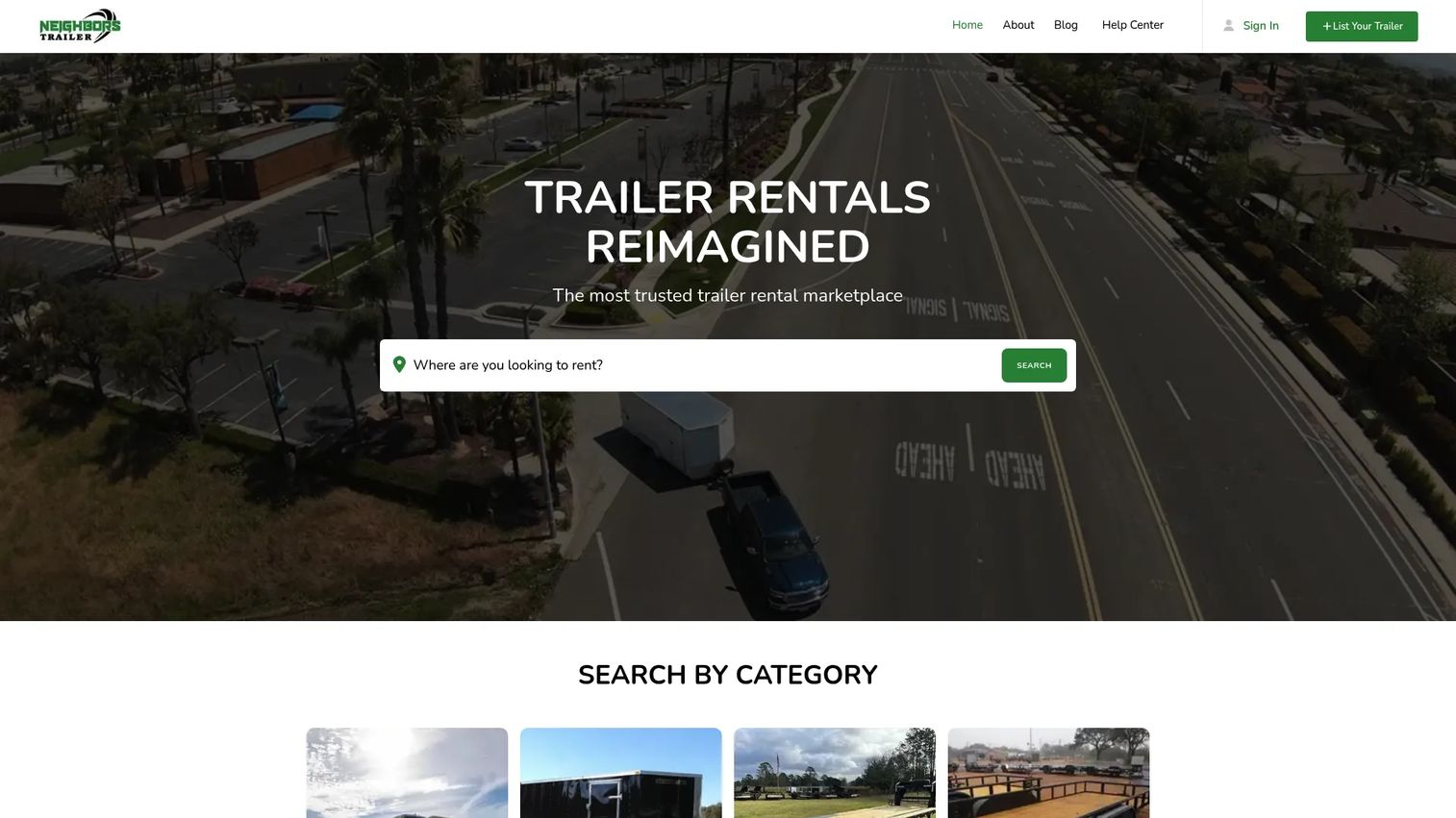
Neighbors Trailer takes a different model from the rest of this list. It is a peer-to-peer trailer rental marketplace that connects trailer owners with renters through dedicated mobile apps, with rental protection built in for owners. Rather than a subscription platform you run your own fleet on, it is a marketplace where owners list trailers and renters book them, with the app handling the transaction.
For owners who want a low-cost entry point and app-led management, this is the standout model. There is no platform subscription to run: owners set their own price on each listing, and the marketplace handles the booking, the renter and owner apps, and the rental protection layer. The protection and verification workflow is central here, since a marketplace connecting strangers has to manage trust and coverage on every rental.
Best for: Trailer owners who want an app-led marketplace with owner protection and no platform subscription.
Key strengths
- Peer-to-peer trailer rentals: List and rent trailers through a marketplace instead of running your own booking platform.
- Renter and owner mobile apps: Manage bookings and rentals through dedicated mobile app workflows.
- Rental protection for owners: Built-in coverage supports the verification and protection workflow on each rental.
Why choose Neighbors Trailer: It fits owners who want the lowest-cost, most mobile-first entry into trailer rentals. The marketplace model removes the subscription and the platform management, trading fleet-control depth for reach and simplicity.
Neighbors Trailer pricing: Pricing is set by individual owners on each listing rather than through a platform subscription, so the rate a renter pays is shown per listing. The company describes itself as America's first peer-to-peer trailer rental marketplace. No published platform pricing plan or third-party rating was verified for this listing, so confirm marketplace terms directly.
Considerations before you choose
Feature lists blur together fast. Focus your evaluation on the five things that actually run your business day to day.
Booking and availability
Real-time availability is non-negotiable. The entire reason to leave spreadsheets is to make double bookings impossible, so verify how each tool enforces availability the moment a reservation lands. Ask whether a booked unit is instantly removed from the bookable pool across every channel, including an embedded booking widget and any standalone page. Scheduling accuracy is the foundation everything else sits on.
Payments and deposits
Look closely at how the payment stack handles automated payments, security deposits, holds, and capture timing. A clean checkout should collect payment and place a deposit hold in one flow, then release or capture that hold cleanly at return. Check the refund path too. A messy refund process creates the same customer friction that pushed you to software in the first place.
Contracts and paperwork
Digital contracts and e-signatures matter because paper does not scale. Verify that each tool generates a contract tied to the specific booking and captures a signature before the trailer leaves. The record should stay attached to that reservation permanently, so if there is a dispute weeks later, the signed agreement, payment, and deposit are all in one place.
Trailer and fleet tracking
Make unit management concrete. You need unit-level visibility: what is out, what is due back today, what is in service, and what is genuinely available. For mixed fleets, confirm the tool handles trailer types distinctly, since a flatbed and an enclosed cargo unit rent, price, and inspect differently. Maintenance downtime scheduling keeps a trailer in the shop off the booking calendar.
Compliance and insurance
Practical compliance support saves headaches. Look for insurance tracking, damage coverage documentation, verification steps, and an auditable trail. The goal is that every rental leaves a record you could reconstruct: who rented, what they signed, what condition the trailer was in at pickup and return, and how any damage was handled.
Conclusion
There is no single best trailer rental software, only the best fit for how your fleet moves. The pattern is what matters. If you want everything under one roof, Reservety and Quipli lead the all-in-one options, with Quipli's dispatch and maintenance depth suiting equipment-style operators and Reservety's bundled website and delivery logistics fitting operators who want to consolidate vendors. If your website is the front door, Booqable's embedded booking and real-time availability are hard to beat, and its Start plan is the friendliest entry point for a small fleet. For rental ERP depth across multiple yards, InTempo carries the accounting-plus-operations weight. For a mobile-first, subscription-free path, Neighbors Trailer's marketplace model stands apart, while Rentle, Sharefox, and RentMy each reward operators who want a specific balance of streamlined booking, configurability, or simplicity.
Pick your top two or three based on fleet size, booking complexity, and how much paperwork you want to eliminate, then run each against your real workflow. Book a test reservation, run a mock pickup and return, and put through a deposit and refund. The tool that survives your actual process is the one worth paying for.
FAQs
It manages the full rental lifecycle in one place: reservations, real-time availability, automated payments, digital contracts, security deposits, and trailer unit tracking. Instead of juggling a calendar, spreadsheets, payment links, and paper, operators run bookings, checkout, and the pickup and return workflow from a single system. It keeps availability honest and paperwork attached to every booking.
The essentials are real-time availability, online booking, automated payments, digital contracts, and a clean pickup and return workflow with deposit handling. For larger fleets, trailer-type handling and reporting also matter, since utility, enclosed, dump, flatbed, and gooseneck trailers rent and price differently. Prioritize the features that map to your actual daily operations, not the longest feature list.
Often yes. Trailer-specific workflows tend to require equipment-style availability handling, unit-level tracking, maintenance downtime scheduling, and sometimes delivery logistics. General rental software may cover booking and payments well but lack the fleet and downtime handling trailers need. Several tools in this list serve broader equipment rental, which usually maps cleanly onto trailer operations.
Good platforms handle deposit holds, deposit capture, and refunds inside the checkout flow, so a hold is placed at booking and resolved at return. For damage coverage, look for documentation support and a claims-related workflow that keeps condition records attached to the booking. Check the payment stack and the documentation trail closely before committing.
For small fleets, ease of use, fast booking, and low admin overhead matter most. Booqable's Start plan is a strong low-cost entry with unlimited inventory and real-time availability, and RentMy suits operators who want a simple booking system covering reservations, payments, and contracts. The right pick is the one you can run without a steep learning curve.
Mobile matters most at pickup, return, and field operations, where inspections and contracts happen at the trailer. Neighbors Trailer is built around dedicated renter and owner apps, and Booqable and InTempo both offer mobile app workflows for managing orders and field tasks. Match the mobile depth to how much of your work happens away from a desk.
It depends on how much asset visibility and loss prevention you need. High-value units, long rental periods, or a history of late returns make GPS tracking worth it. For a small local fleet with short rentals and reliable customers, it may be more than you need. Treat it as a buying decision based on your risk, not a universal requirement.