
Your Salesforce renewal auto-renewed last Tuesday. Nobody caught it. The escalator clause you meant to negotiate kicked in at 9%, and now you are locked in for another 12 months at a price you never agreed to review.
This happens because renewal dates live in five places. Someone's inbox. A shared spreadsheet. A procurement email thread from last year. A finance system that tracks spend but not terms. And the vendor's own portal, which conveniently reminds you 15 days before renewal, right when you have no leverage left.
The global contract lifecycle management market that covers renewal management was valued at USD 2.9 billion in 2024 and is projected to grow at a 13.5% CAGR through 2030, according to Grand View Research. Spend is climbing because manual tracking breaks the moment renewals cross teams, systems, and quarters.
Renewal management software fixes the coordination problem. It centralizes dates, contracts, usage, and approvals so the escalator clause never surprises you again.
What's inside
This guide covers the best renewal management software for teams accountable for cost control, contract visibility, and process discipline. It is written for IT, procurement, finance, and SaaS operations.
We selected platforms based on four criteria:
- Contract visibility and renewal calendars
- Alerts and workflow automation
- Usage, license, and spend reporting
- Collaboration and integrations
The list spans SaaS management platforms, contract lifecycle management (CLM) tools, and procurement-oriented software, because renewal management touches all three categories depending on what you are trying to control.
TL;DR
- Best overall for SaaS visibility: Zylo, for teams drowning in software sprawl who need a single system of record.
- Best for negotiation support: Vendr, for procurement and finance teams that want pricing benchmarks and buying leverage.
- Best for centralized contract operations: Insight, for organizations standardizing IT procurement and maintenance renewals.
- Best for IT and app governance: BetterCloud, for SaaS ops teams that want automation and approval workflows.
- Best for asset and vendor visibility: Axonius, when your first problem is knowing what you actually own.
- Best for contract lifecycle depth: CobbleStone, for procurement and legal-heavy organizations.
- Best for enterprise contract governance: Icertis, for complex, high-volume enterprise contracting.
What is renewal management software
Renewal management software is a platform that centralizes contract renewal dates, agreements, usage data, and approval steps so teams never miss a renewal, overpay, or auto-renew by accident.
It replaces the scattered spreadsheets, calendar reminders, and inbox threads that fall apart once renewals cross multiple teams and systems. Instead of reacting to a vendor's 15-day notice, teams see every upcoming renewal months ahead with the context needed to decide whether to renew, renegotiate, or cut.
The core functions include:
- Renewal calendars and reminders: A single view of every upcoming renewal date with configurable lead times.
- Contract repository: A searchable home for agreements, terms, escalators, and hidden clauses.
- Usage and spend reporting: Data that connects each contract to actual consumption and cost.
- Workflow approvals: Routing so procurement, finance, and IT sign off before anything renews.
- Forecasting and negotiation support: Spend projections and benchmarks that inform the renewal conversation.
One distinction matters when you shop. SaaS management platforms focus on software subscriptions, usage, and license optimization. CLM tools focus on the full contract lifecycle, from authoring through obligations and renewal, across every contract type, not just software. Some tools blend both. Knowing which problem dominates for you narrows the list fast.
When to use renewal management software
Prevent missed renewals
Spreadsheets work until you hit roughly 30 to 50 vendors. Past that, dates slip through the cracks, ownership blurs, and auto-renewals fire before anyone reviews the terms. If you have already been burned by a surprise renewal or an escalator you never approved, you have outgrown manual tracking. A renewal calendar with automated alerts gives you the lead time to act while you still have leverage.
Reduce SaaS waste
Shelfware is expensive. Teams routinely pay for licenses nobody uses and tiers nobody needs. When you cannot see usage next to contract cost, you cannot rightsize. Usage analytics and license optimization matter most when your software spend is growing faster than headcount, or when finance keeps asking why the SaaS bill jumped again.
Standardize approvals and renewals
When renewals require sign-off from procurement, finance, and the department owner, ad hoc email approvals create risk and delay. A repeatable workflow with routing, audit trails, and role-based ownership becomes essential once renewals are frequent enough that no single person can track them all. This is the moment procurement and finance stop firefighting and start running a process.
Comparison table
Pricing and ratings below reflect publicly available vendor and G2 sources. Many renewal management platforms use custom, quote-based pricing tied to license count, connected apps, and modules, so confirm figures directly with each vendor before you buy.
| # | Product | Best for | Key differentiator | Pricing | G2 rating |
|---|---|---|---|---|---|
| 1 | Zylo | Enterprises managing SaaS spend and renewals | Unified SaaS and AI spend visibility | Custom quote | 4.7/5 |
| 2 | Vendr | Procurement teams wanting negotiation leverage | Pricing benchmarks from real transactions | Custom, benchmark-based | 4.6/5 |
| 3 | Insight | IT procurement and maintenance renewals | Solutions integration plus contract purchasing | Account-based | Not listed |
| 4 | BetterCloud | IT and SaaS ops governance | No-code workflow automation | Custom quote | 4.4/5 |
| 5 | Axonius | Asset and inventory visibility first | Unified asset data model | Custom | Not listed |
| 6 | CobbleStone | Procurement and legal-heavy orgs | Configurable CLM and repository | From $59/month | 4.8/5 |
| 7 | Icertis | Enterprise contract governance at scale | AI-native contract intelligence | Custom | 4.2/5 |
1. Zylo
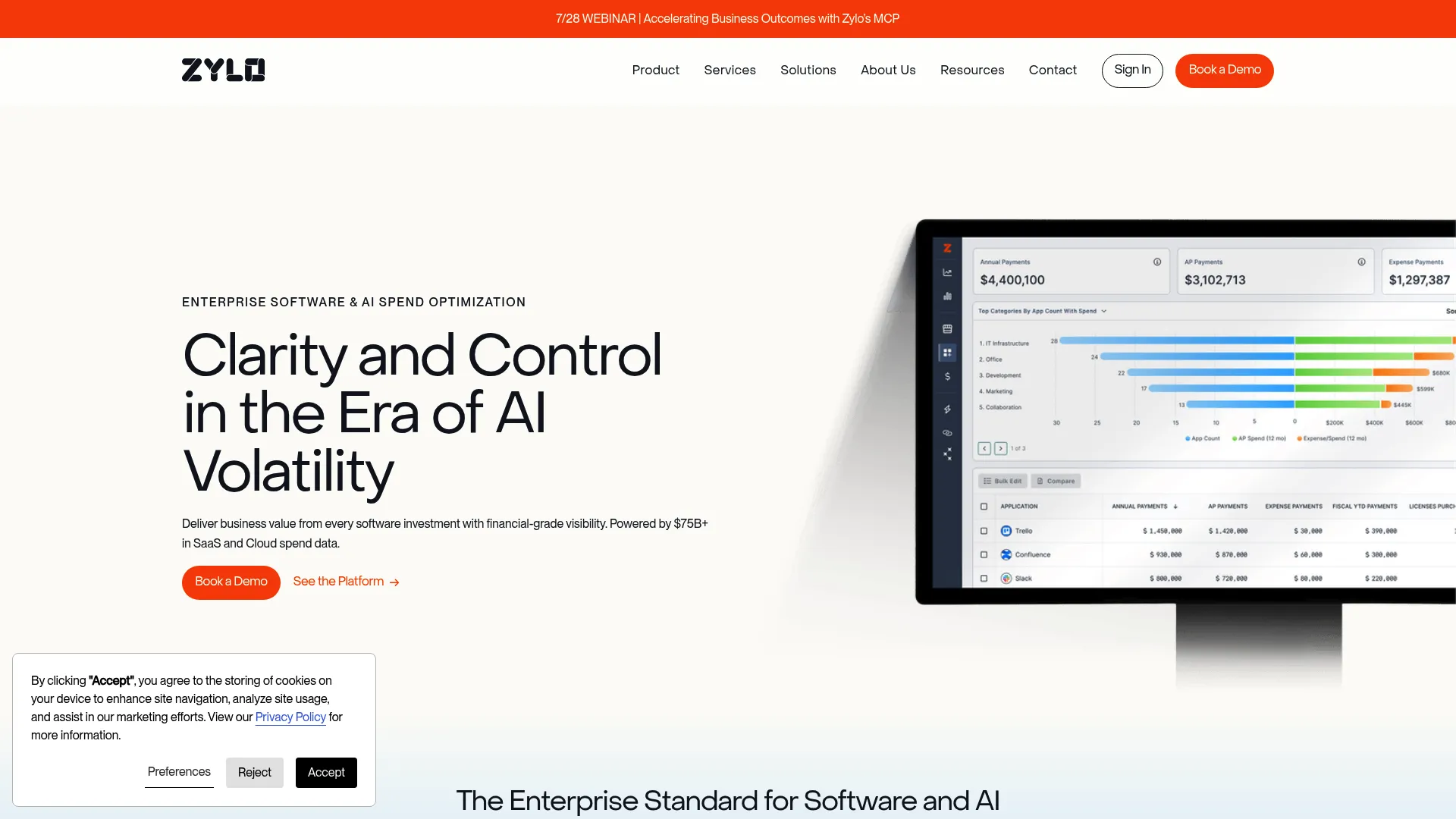
Zylo is an enterprise software and AI spend optimization platform built for visibility, cost control, renewals, and compliance. It acts as a system of record for every SaaS application in your stack, pulling contracts, usage, and spend into one place so renewals stop hiding in departmental budgets. For large organizations with hundreds of apps, this is the tool that surfaces what you actually own before a renewal date forces the question.
Best for: Large enterprises managing SaaS spend, renewals, and governance across hundreds of applications.
Key strengths
- Unified SaaS and AI visibility across the stack
- Cost optimization and savings identification
- Compliance and risk mitigation
Zylo connects contracts to real usage, which is where the renewal decision actually gets made. You see which licenses sit idle, which tiers are oversized, and which renewals are coming before the vendor reminds you. That combination of renewal visibility, waste reduction, and spend forecasting is what makes it the strongest overall pick for teams fighting software sprawl.
Why choose Zylo: If your core problem is that you have too many SaaS apps and no single source of truth for renewal dates and spend, Zylo is built for exactly that scale. It fits enterprises where software sprawl, not contract complexity, is the dominant pain.
Zylo pricing: Pricing is custom and quote-based. Zylo lists Core, Premium, and Enterprise plans, but does not publish prices; the pricing page directs you to request a quote.
2. Vendr
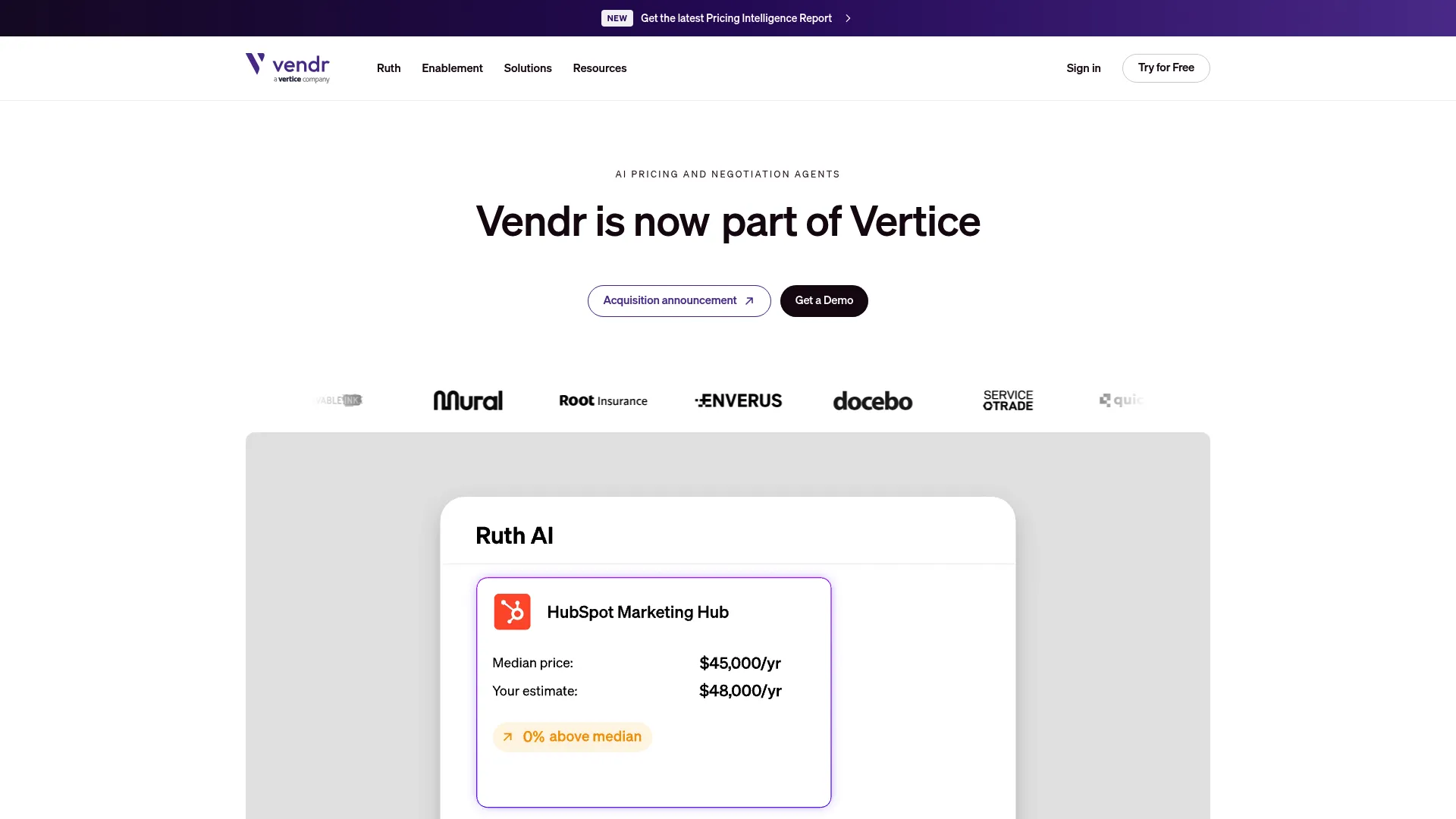
Vendr is an AI-powered SaaS procurement and pricing intelligence platform. Where most renewal tools tell you when a contract is up, Vendr tells you whether you are paying too much. It draws on pricing benchmarks from real software transactions, so when a renewal lands, you walk into the conversation knowing what comparable companies actually pay.
Best for: Procurement and finance teams that want price benchmarks and negotiation support at renewal time.
Key strengths
- Pricing benchmarks from real software transactions
- Contract and quote analysis
- Managed negotiation and procurement workflow tools
The renewal management angle here is leverage. Vendr layers a human negotiation and procurement workflow on top of its data, so you are not just tracking dates, you are actively driving down the number. For teams where the renewal problem is really a pricing problem, this changes the outcome of every conversation.
Why choose Vendr: Choose Vendr when your renewals are less about missed dates and more about paying market-fair prices. It fits procurement teams that want benchmarking and managed negotiation, not just a calendar.
Vendr pricing: Vendr offers a free Chrome extension and free requests. Its product page shows a median buyer price of $47,546 per year based on 1,010 purchases, and standard pricing is custom and benchmark-based. Confirm current terms with Vendr directly.
3. Insight
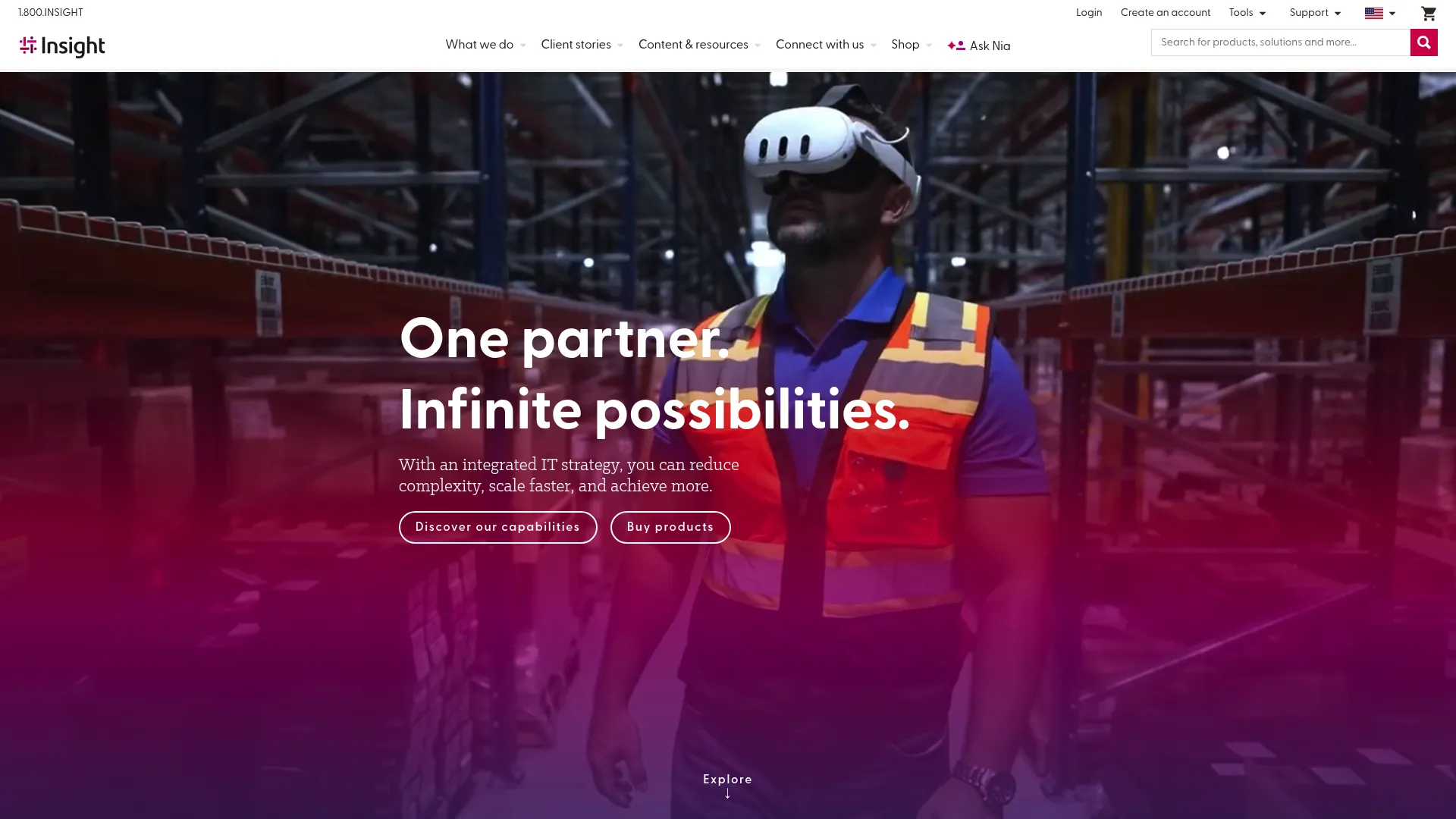
Insight is a global solutions integrator and IT provider offering hardware, software, cloud, and services, with tools to centralize contract and maintenance renewal tracking. For organizations that buy IT through a partner rather than direct, Insight consolidates purchasing, expiring contract views, and renewal visibility into one place, so hardware maintenance and software licenses renew on schedule rather than by accident.
Best for: Organizations seeking enterprise IT procurement and solutions integration alongside renewal tracking.
Key strengths
- Buy products online across hardware, software, and cloud
- Solutions and services spanning the full IT stack
- Public sector purchasing contracts
The value for renewals is centralized visibility and cost control across a mixed IT estate. When your renewals include maintenance agreements, hardware refreshes, and software licenses, having them tracked through the same partner that procures them reduces the odds that any single expiration slips past finance.
Why choose Insight: Insight fits teams that already procure IT through a solutions partner and want renewal tracking woven into that relationship rather than bolted on as a separate tool.
Insight pricing: Pricing is account-based and contract-driven rather than published as a public plan table. Insight uses specialty and contract pricing tied to your organization, so request a quote for your specific estate.
4. BetterCloud
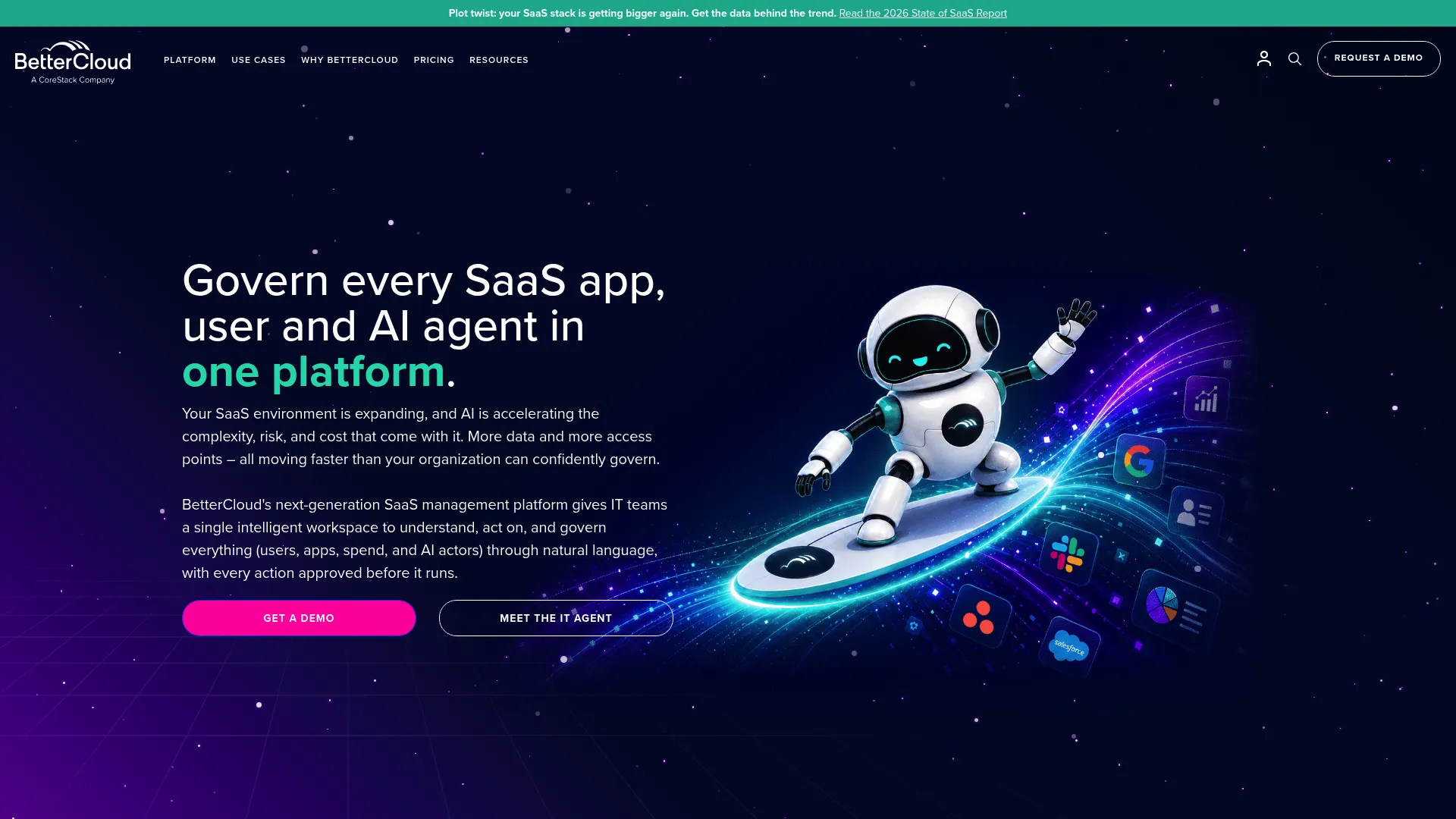
BetterCloud is an AI-powered SaaS management platform for IT governance, automation, and visibility. It pairs renewal alerts and a document repository with the operational muscle IT teams need, letting you automate the workflows around a renewal instead of chasing them manually. For SaaS ops and IT, this is where renewal management meets day-to-day app governance.
Best for: IT teams managing onboarding, offboarding, SaaS governance, and license optimization across cloud apps.
Key strengths
- No-code drag-and-drop workflow automation
- Spend optimization and license reclamation
- IT Agent with natural-language controls and approval workflows
The renewal angle is standardization. BetterCloud lets you build approval workflows so the right people sign off before a renewal proceeds, and its license reclamation surfaces the unused seats you should cut before renewing. That combination of alerts, automation, and spend optimization keeps renewals from becoming rubber-stamp exercises.
Why choose BetterCloud: BetterCloud fits IT and SaaS ops teams that want automation and approval routing baked into renewals, not just a list of upcoming dates. It is strongest where operational workflow matters as much as visibility.
BetterCloud pricing: Pricing is custom and quote-based, reflecting license count, connected apps, chosen modules, and add-ons. BetterCloud mentions a free trial for Spend Optimization and File Governance, but does not publish a public price.
5. Axonius
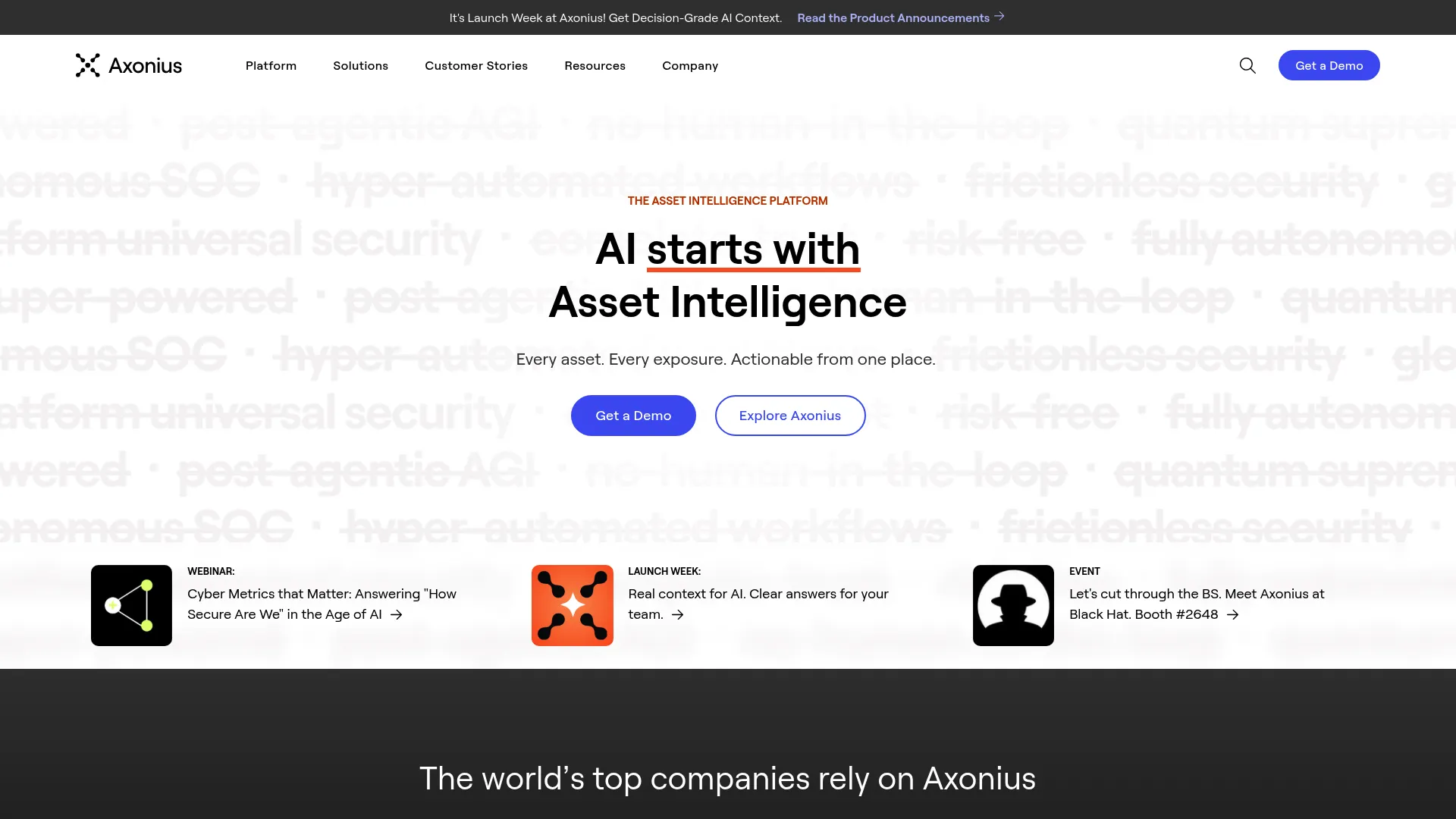
Axonius is an asset intelligence platform for security and IT teams. It matters for renewals when your first problem is not tracking dates but knowing what you actually have. Axonius continuously discovers and reconciles every device, identity, SaaS app, and cloud asset, so the inventory feeding your renewal decisions is complete rather than guesswork.
Best for: Enterprises needing unified visibility across devices, identities, SaaS, cloud, and OT/IoT assets before managing renewals.
Key strengths
- Unified asset data model across the environment
- Continuous asset discovery and reconciliation
- Automation, prioritization, and remediation workflows
Axonius surfaces renewal risk indirectly but powerfully. If you cannot see every SaaS app in use, you cannot manage its renewal, and shadow IT quietly renews outside anyone's view. By building an accurate inventory first, Axonius gives procurement and finance the ground truth they need before a renewal conversation even starts.
Why choose Axonius: Choose Axonius when inventory is the bottleneck. It fits organizations where the real issue is discovering unmanaged assets and shadow SaaS, which then feeds cleaner renewal oversight.
Axonius pricing: Axonius does not publish public pricing. The platform uses a contact-sales and demo-led model, so pricing is quoted based on your environment and asset volume.
6. CobbleStone
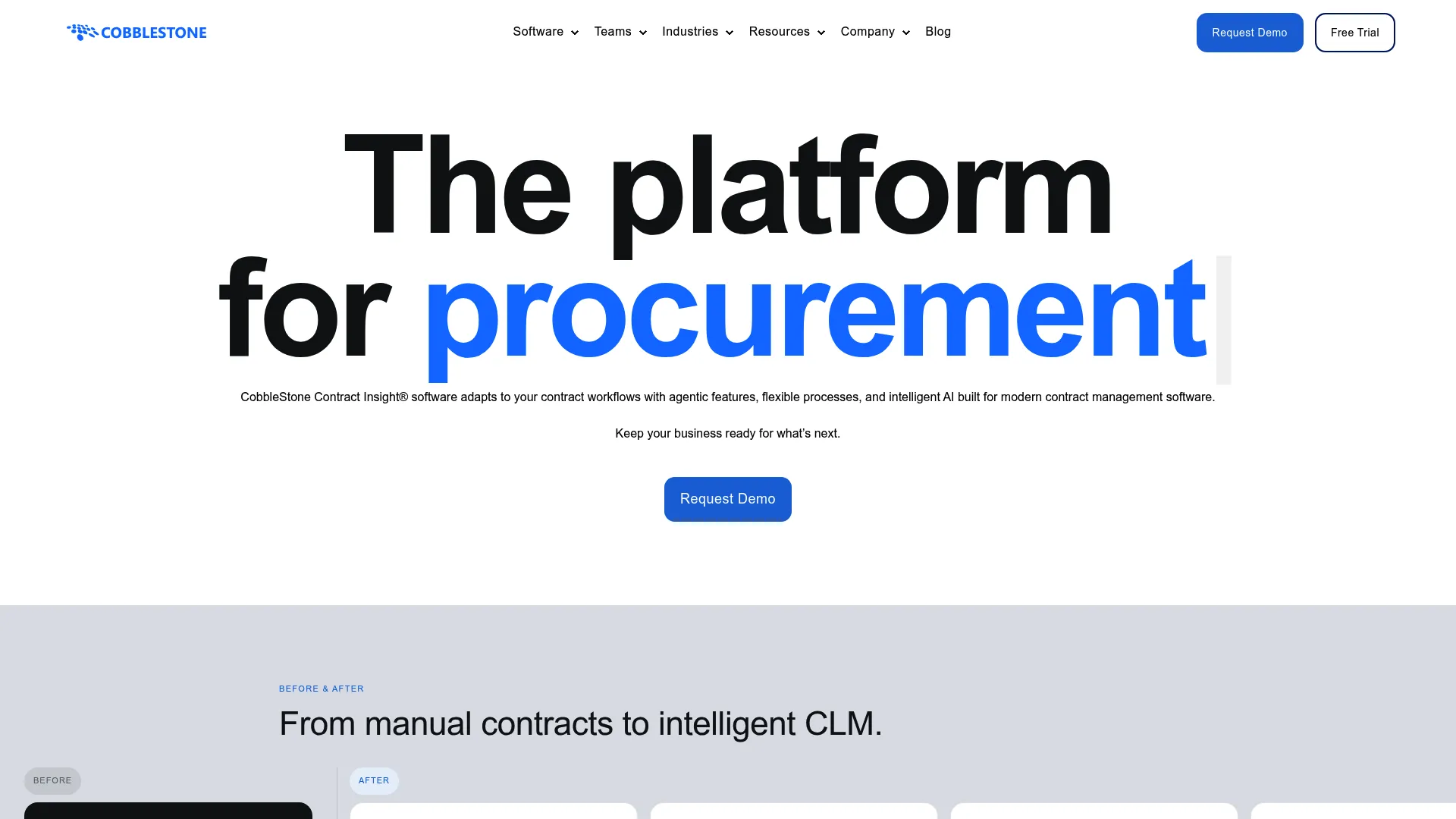
CobbleStone provides contract lifecycle management and procurement software for managing contracts, workflows, compliance, and e-signatures. For renewals, its strength is depth: a central repository, configurable workflows, and controls that treat renewal as one stage in a fully governed contract lifecycle. Procurement and legal teams get the structure to catch hidden clauses and escalators before they trigger.
Best for: Organizations needing configurable contract lifecycle management with strong workflow automation and repository control.
Key strengths
- Central contract repository and full-text search
- Configurable workflows, fields, and modules
- AI-assisted contract automation and e-signature integration
The renewal workflow depth is what sets CobbleStone apart. Rather than a bolt-on reminder, renewals sit inside a repository where every clause is searchable and every approval is routed. That makes it a fit for organizations where contract risk, not just software spend, drives the renewal process.
Why choose CobbleStone: CobbleStone fits procurement and legal-heavy organizations that want configurable, repository-driven contract management with renewal workflows built into the lifecycle. It rewards teams ready to configure a process to their exact needs.
CobbleStone pricing: G2 lists an Express plan starting at $59.00 for one user license per month. CobbleStone's own site presents pricing through a request-pricing form rather than a public price list, so confirm current tiers directly with the vendor.
7. Icertis
Icertis is an AI-native contract intelligence platform for managing, analyzing, and operating enterprise contracts. It sits at the top end of the market for organizations with complex, high-volume contracting environments. Renewal controls here are one part of a broader governance layer that tracks obligations, approvals, and contract intelligence across the entire enterprise.
Best for: Large enterprises needing AI-driven contract lifecycle management and contract intelligence at scale.
Key strengths
- AI-powered contract analysis and insights
- Contract lifecycle management with workflows and reporting
- Obligations tracking and fulfillment
- Natural-language search and copilot experience
- Enterprise integrations with SAP, Microsoft, Salesforce, and Workday
Icertis frames renewals as governance. Obligations tracking means you know not just when a contract renews, but whether both sides have met their commitments before it does. For enterprises where thousands of contracts carry renewal terms, escalators, and compliance obligations, that structure is the point.
Why choose Icertis: Icertis fits large, complex enterprises that need contract governance, obligations management, and renewal controls unified at scale. It is the pick when contract volume and complexity outgrow lighter tools.
Icertis pricing: Icertis does not publish public pricing and uses a contact-sales, demo-led model. Pricing is quoted based on contract volume, modules, and enterprise requirements.
Considerations
Visibility into contracts and dates
A reminder is only as good as the data behind it. Prioritize a system of record that holds contracts, terms, and dates in one searchable place, not just a calendar that pings you. Ask how the tool ingests contracts and whether it captures hidden clauses like escalators and auto-renewal windows.
Renewal alerts and calendars
Alerts fail when nobody owns them. Verify that you can assign a renewal owner, set custom lead times per contract, and route notifications to the right person well before the vendor's own notice window. Confirm the alert logic supports the negotiation timeline you actually need, not just a generic 30-day heads-up.
Usage, licensing, and shelfware analysis
The tools that save real money connect contracts to consumption. Evaluate whether the platform pulls actual usage and license data so you can rightsize before renewing. A renewal you can cut or downgrade is worth more than one you simply remembered to review.
Workflow and approvals
Standardized renewals need routing you can trust. Check for approval workflows, an audit trail, and role-based ownership so procurement, finance, and department leads sign off in the right order. The audit trail matters most when finance or compliance later asks who approved a given renewal and why.
Integrations and reporting
Renewal data lives across systems. Confirm the tool integrates with your CRM, finance platform, ITSM, SSO, and procurement stack so contracts, spend, and usage stay in sync. Strong reporting turns that connected data into forecasts you can take to leadership before the next budget cycle.
Conclusion
The right renewal management software depends on which problem dominates your world. If software sprawl and SaaS spend keep you up at night, Zylo gives you the system of record to see it all. If your renewals are really pricing negotiations, Vendr brings the benchmarks and leverage. Insight fits IT procurement run through a partner, and BetterCloud brings automation and approval workflows to SaaS ops.
For inventory-first problems, Axonius surfaces the shadow assets feeding your renewals. And when contract complexity dominates, CobbleStone offers configurable lifecycle depth while Icertis delivers enterprise-scale governance and obligations tracking.
Your next step is simple. Narrow this list to the two tools that match your dominant pain, whether that is SaaS visibility, procurement leverage, contract governance, or enterprise workflow depth. Then request a demo or pricing conversation with each, and bring your actual renewal calendar to the call so you can pressure-test how the tool handles your real contracts.
Start your journey with Guideflow today!
FAQs
Renewal management software centralizes contract renewal dates, agreements, usage data, and approval steps so teams never miss a renewal or auto-renew by accident. It replaces scattered spreadsheets and inbox reminders with a single source of truth for every upcoming renewal. The best platforms also connect contracts to spend and usage so you can decide whether to renew, renegotiate, or cut.
Start by consolidating every contract, renewal date, and owner into one system rather than separate spreadsheets. Renewal management tools automate this by ingesting contracts, flagging upcoming dates, and assigning owners with configurable lead times. The goal is to see renewals months ahead, with enough runway to negotiate before the vendor's notice window closes.
Set automated alerts tied to a named owner, with lead times long enough to act on. A calendar reminder alone is not enough; the alert needs to trigger a review workflow well before the auto-renewal fires. Renewal management software makes this repeatable by routing notifications and requiring sign-off before any contract renews.
CLM, or contract lifecycle management, covers the full contract journey from authoring through negotiation, obligations, and renewal, across every contract type. Renewal management is narrower, focused specifically on tracking and acting on renewals, often for software subscriptions. Some tools like CobbleStone and Icertis are full CLM platforms, while SaaS management tools like Zylo focus on software renewals and spend.
It reduces spend by connecting each contract to actual usage, so you can spot shelfware and oversized tiers before renewing. Instead of auto-renewing a license nobody uses, you get the data to downgrade or cut it. Tools with pricing benchmarks, like Vendr, go further by showing whether you are overpaying relative to comparable companies.
Most enterprise renewal management platforms integrate with CRM, finance, ITSM, SSO, and procurement systems. These integrations keep contracts, spend, and usage data in sync across your stack. Confirm the specific connectors you need during evaluation, since integration depth varies significantly between SaaS management tools and full CLM platforms.
Prioritize a searchable contract repository, configurable alerts with clear ownership, usage and spend reporting, and approval workflows with an audit trail. Then check that it integrates with your existing CRM, finance, and procurement systems. The right fit depends on whether your dominant problem is SaaS sprawl, pricing negotiation, or contract governance.
Renewals are usually shared across IT, procurement, finance, and the department that uses the software. Procurement and finance typically own the process and negotiation, while IT or SaaS operations own usage and license data. The best setup assigns a clear owner per renewal, with role-based approvals so no single expiration slips through the cracks.