Your proposal is often the first sales artifact that every stakeholder can forward, scrutinize, and compare without you in the room.
Yet many teams still build proposals from old files, route approvals through inboxes, and update the CRM later. Those gaps slow deals and make handoffs harder to manage.
The workload keeps growing. QorusDocs reported in 2026 that 68% of organizations saw proposal volume increase year over year. Adding volume to a manual process gives reps more administration without giving leadership better control.
Good proposal management software creates a shared workflow across sales, RevOps, proposal teams, finance, and legal. The right choice depends on whether you primarily send sales proposals, answer formal RFPs, or complete agreements.
What’s inside
This guide compares 15 proposal management software tools for sales teams, RevOps leaders, enablement functions, and proposal managers.
We assessed each product using four practical criteria:
- Proposal creation and approved content reuse
- Collaboration and proposal approval workflows
- CRM, eSignature, and payment support
- Engagement tracking, pricing, and current G2 ratings
The list separates sales proposal platforms from RFP response software and adjacent agreement tools. That distinction matters because document signing, proposal writing, and enterprise response management require different capabilities.
TL;DR
- Best overall for sales proposal workflows: PandaDoc combines document creation, approvals, eSignatures, payments, and CRM connections
- Best for branded sales documents: Proposify offers controlled templates, reusable content, and buyer engagement analytics
- Best for interactive web proposals: Qwilr creates browser based proposal pages with quote blocks, signatures, payments, and tracking
- Best for enterprise RFP responses: Responsive manages formal requests, security questionnaires, and governed answer libraries
- Best for response knowledge reuse: Loopio supports repeatable RFP workflows with approved content and structured reviews
- Best for document engagement: Dropbox DocSend provides secure sharing, viewer controls, and page level analytics
What is proposal management software?
Proposal management software helps teams create, approve, send, sign, and track business proposals from one controlled workflow.
Sales teams use proposal software to assemble buyer specific documents containing scope, pricing, timelines, and commercial terms. Online proposal software also gives managers control over branding, approved language, and discount approvals.
The category extends beyond sales documents. Request for proposal software helps proposal teams answer RFPs, RFIs, RFQs, DDQs, and security questionnaires. These platforms typically include answer libraries, review assignments, version history, and content governance.
Proposal automation software reduces repeated drafting by pulling approved material into new responses. CRM fields can populate account details, while quote data adds products or pricing. Completed status can then flow back into the pipeline.
Some products also manage the buyer completion stage through redlines, eSignatures, or payment collection. Others focus on tracking engagement after a document is shared. Those tools report opens, page activity, viewer identity, and completion status.
Key features to look for
- Proposal templates and branded themes
- Approved content libraries with ownership controls
- CRM field merging and quote data
- Approval routing with audit trails
- eSignatures and payment collection
- Engagement analytics and follow up alerts
- RFP, RFI, RFQ, and DDQ support
- Cycle time, reuse, and win rate reporting
The best proposal software matches your dominant workflow. A sales team sending quotes needs different controls than an enterprise proposal function answering hundreds of structured questions.
When to use proposal management software
Standardize proposals across the sales team
Use sales proposal software when reps regularly copy old documents or create inconsistent pricing pages. Templates and approved content give every seller a controlled starting point.
CRM data can reduce manual entry. Shared workflows also improve handoffs between the AE, sales engineer, enablement, and RevOps.
Route approvals before buyers see the document
A proposal approval workflow helps when discounts, contractual language, or pricing changes require internal review. It gives finance, legal, and sales leadership a defined place to approve changes.
This control prevents a buyer from receiving terms that must be reversed later. It also leaves a clearer record than scattered inbox threads.
Track buyer engagement after sending
Proposal analytics help sales teams decide when and how to follow up. Depending on the platform, reps can see opens, page activity, viewer verification, or completion progress.
These signals give the wider revenue team more context than a CRM stage alone. They are especially useful when several stakeholders review a proposal before procurement begins.
Proposal management software comparison
The table compares all 15 proposal management tools by workflow fit, differentiator, pricing, and G2 rating. Prices reflect the verified vendor information supplied for this review.
Some products cover the full sales proposal process. Others specialize in RFP responses, security questionnaires, quoting, agreement completion, or document engagement.
| # | Product | Best for | Key differentiator | Pricing | G2 rating |
|---|---|---|---|---|---|
| 1 | PandaDoc | Sales proposals, quotes, approvals, and payments | Proposal creation plus agreement completion | Free plan, Starter from $19 per seat monthly, billed annually | 4.7/5 |
| 2 | Proposify | Branded proposals and content control | Templates, approvals, and engagement analytics | Build from $49 per user monthly | 4.6/5 |
| 3 | Qwilr | Interactive web based proposals | Browser based pages with quotes and analytics | Starter from $35 per user monthly, billed annually | 4.6/5 |
| 4 | Responsive | Enterprise RFP and questionnaire teams | AI assisted response management and governed content | Custom pricing | 4.5/5 |
| 5 | Loopio | High volume RFP response teams | Reusable response library and structured reviews | Custom pricing | 4.6/5 |
| 6 | QorusDocs | Microsoft centered proposal teams | Proposal workflows connected to Microsoft 365 | Custom pricing | 4.4/5 |
| 7 | Qvidian | Enterprise proposal operations | Proposal automation and content governance | Contact Qvidian for a quote | 4.3/5 |
| 8 | Expedience Software | Word based proposal teams | Microsoft Word document assembly | Custom pricing | 4.0/5 |
| 9 | Conveyor | Security questionnaires and DDQs | AI assisted trust and response workflows | Custom usage based pricing | 4.6/5 |
| 10 | QuoteWerks | Quote heavy sales workflows | CPQ, catalogs, approvals, and procurement | From $44.92 per concurrent user monthly, billed annually | 4.4/5 |
| 11 | DocuSign | Signature heavy agreement completion | eSignature and agreement routing | Personal from $10 per user monthly, billed annually | 4.5/5 |
| 12 | RELAYTO AI | Interactive proposals and content experiences | Trackable web experiences from approved documents | Free plan, Pro from $80 monthly, billed annually | 4.7/5 |
| 13 | ClientPoint | Buyer portals and digital sales rooms | Proposal delivery with engagement tracking | Small Business from $42 monthly | 4.5/5 |
| 14 | Dropbox DocSend | Secure proposal and deck sharing | Page level analytics and access controls | Personal from $10 per user monthly | 4.6/5 |
| 15 | Jotform Sign | Lightweight proposal signing | Form based eSignature workflows | Free plan, Bronze from $34 monthly, billed annually | N/A |
Best 15 tools for proposal management software
The tools below are ordered by relevance to building, approving, sending, and tracking sales proposals. Enterprise RFP platforms and adjacent completion tools follow the broader sales proposal products.
1. PandaDoc
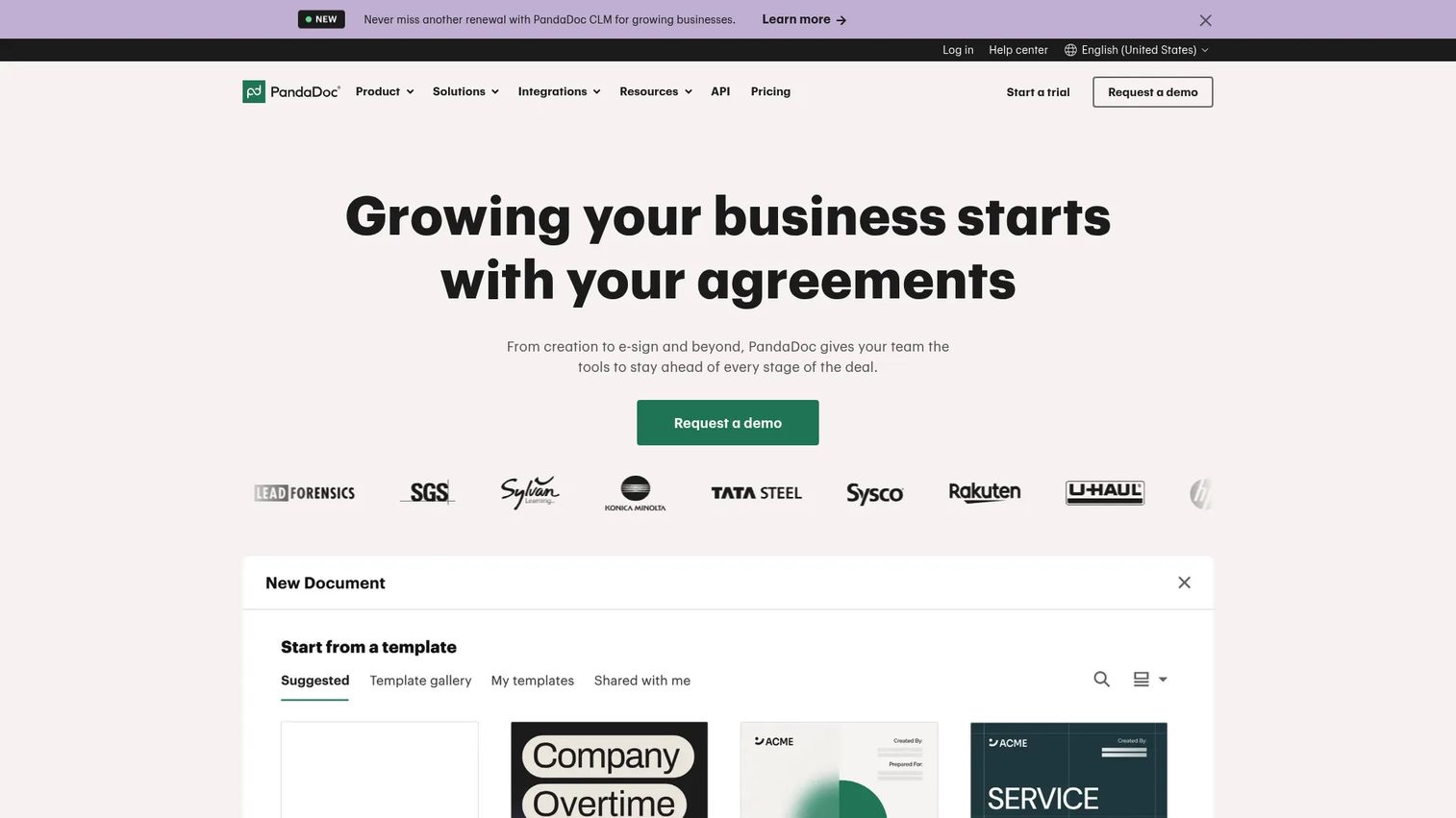
PandaDoc is an agreement management platform for creating, approving, negotiating, tracking, and signing business documents. Its workflow covers proposals, quotes, payments, and completed agreements.
Sales and RevOps teams can combine document preparation with approval workflows and CRM connected tracking. That makes PandaDoc suitable for organizations trying to replace several disconnected proposal steps.
Best for: Sales, legal, and operations teams managing proposals through completion
Key features
- Drag and drop document editor
- eSignature and signing workflows
- Pricing tables and product catalog
- CRM integrations
- Document analytics and audit trails
Why choose PandaDoc: PandaDoc covers more of the deal completion workflow than a basic proposal builder. It fits teams that want proposals, approvals, signatures, and payments connected.
A signature only requirement may not need this breadth. In that case, a focused eSignature product can cover the job with fewer proposal management features.
PandaDoc pricing: Starter costs $19 per seat monthly when billed annually. The free plan includes five documents each month, while Business costs $49 per seat monthly.
G2 rating: 4.7/5
2. Proposify
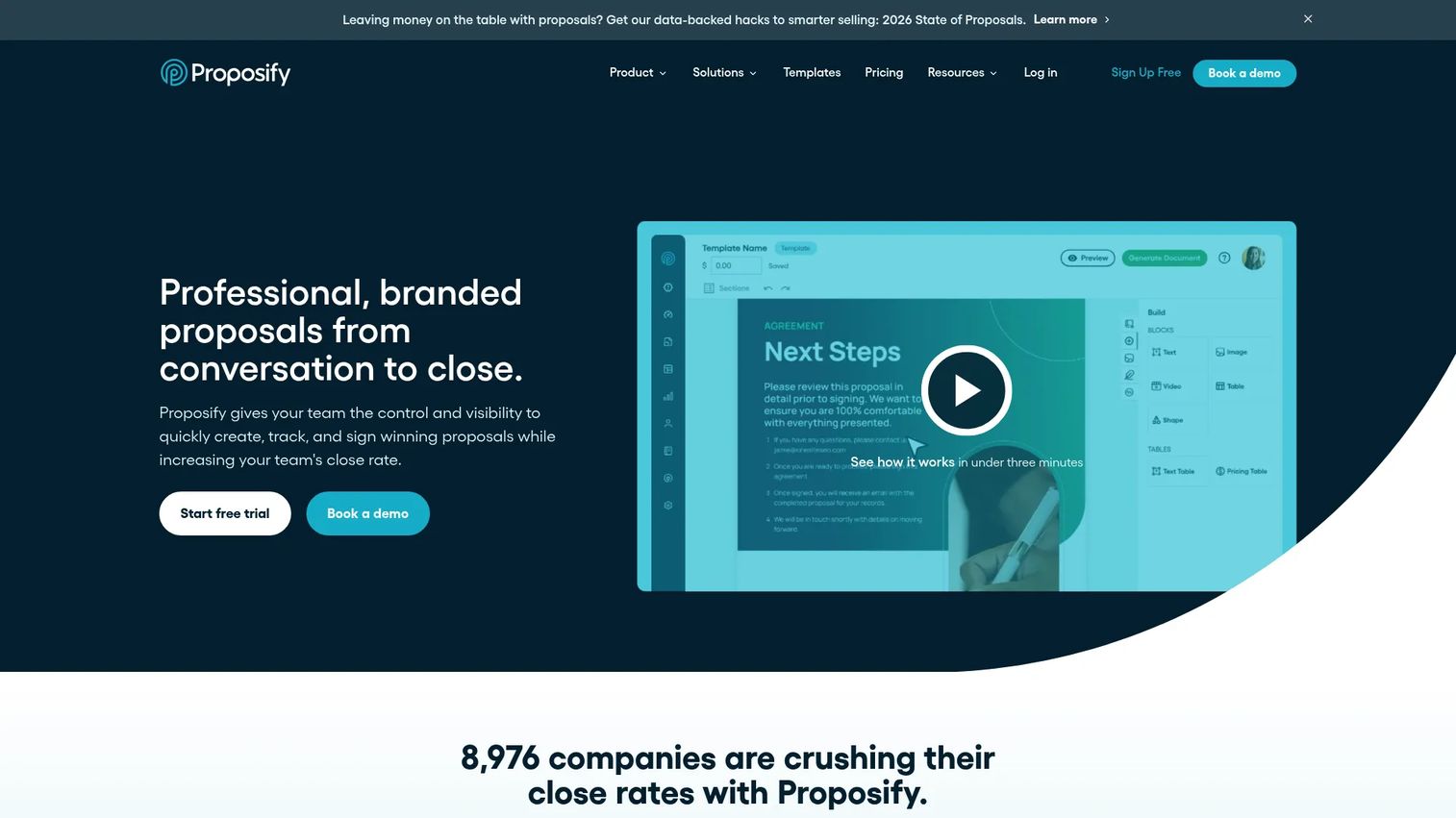
Proposify creates, sends, tracks, and closes proposals, quotes, contracts, and agreements. Its editor supports branded documents with embedded media and interactive quoting.
Reusable content helps sales managers control what reps send. Roles, permissions, and approval workflows add oversight as the team grows.
Best for: Sales and service teams prioritizing brand control and document consistency
Key features
- Branded proposal templates
- Drag and drop editor
- Reusable content library
- Approval workflows
- Engagement notifications
Why choose Proposify: Proposify suits agencies, SaaS businesses, and service teams where document presentation matters. Account metrics and custom reporting also help managers assess adoption.
The product focuses on sales documents rather than structured enterprise questionnaires. RFP teams with large answer libraries should evaluate response management software instead.
Proposify pricing: Build costs $49 per user monthly, or $39 with annual billing. A 14 day free trial is available.
G2 rating: 4.6/5
3. Qwilr
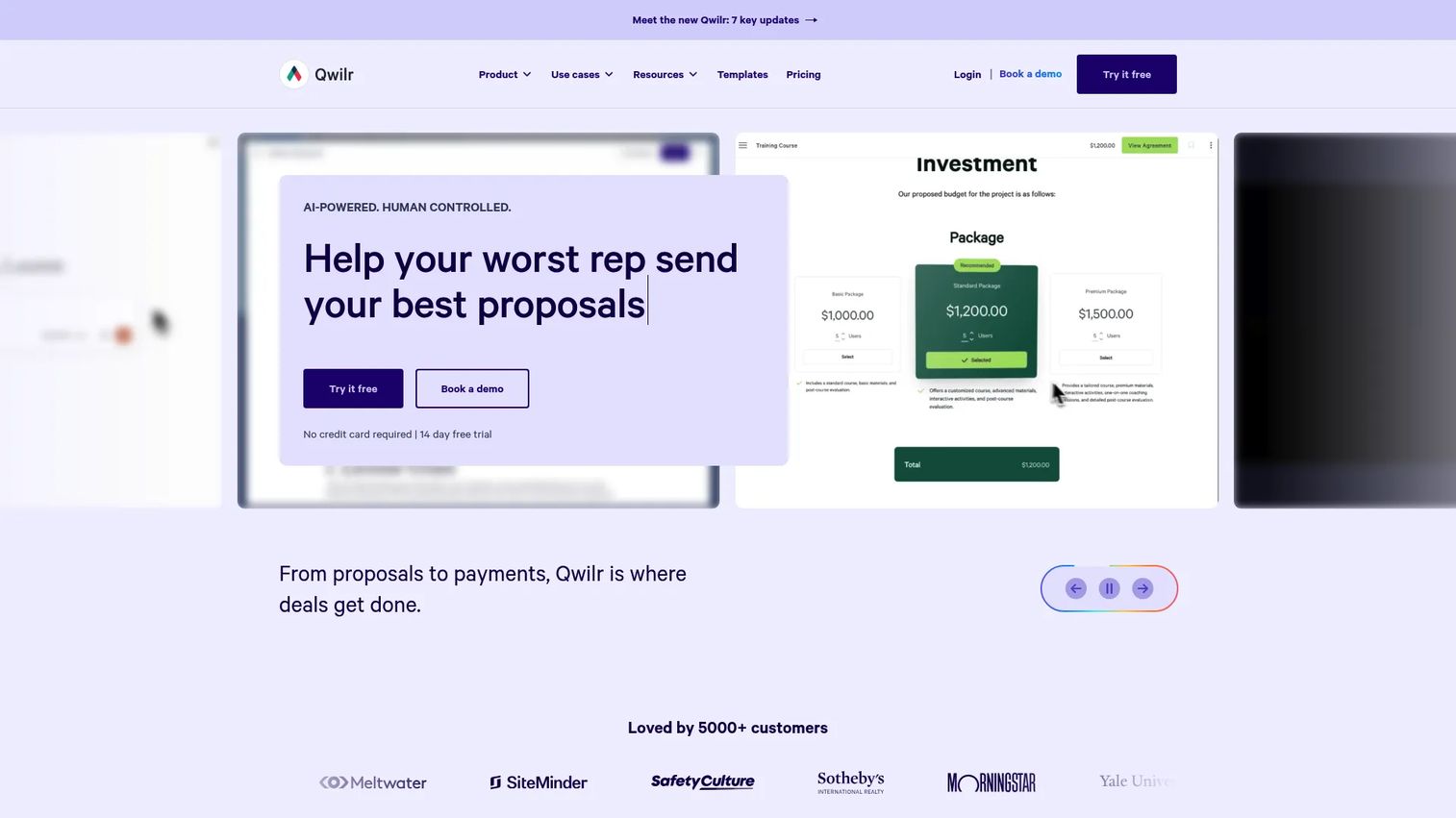
Qwilr is sales proposal software for building interactive proposals and quotes as web pages. Buyers can review pricing, sign agreements, and complete payments within the digital experience.
Its engagement analytics show how recipients interact with shared proposals. CRM connections can support proposal generation and keep account data aligned.
Best for: SaaS, agency, and consultative sales teams using web based proposals
Key features
- Interactive proposal pages
- Configurable quote blocks
- Buyer engagement analytics
- eSignatures and payments
- CRM proposal automation
Why choose Qwilr: Qwilr fits teams that want proposals to feel like branded microsites. Its browser based format also gives sellers buyer engagement signals after sharing.
Teams committed to traditional Word documents may prefer a Microsoft centered platform. Qwilr works best when the web page is the primary buying asset.
Qwilr pricing: Starter costs $35 per user monthly with annual billing, or $49 with monthly billing. A 14 day free trial requires no credit card.
G2 rating: 4.6/5
4. Responsive
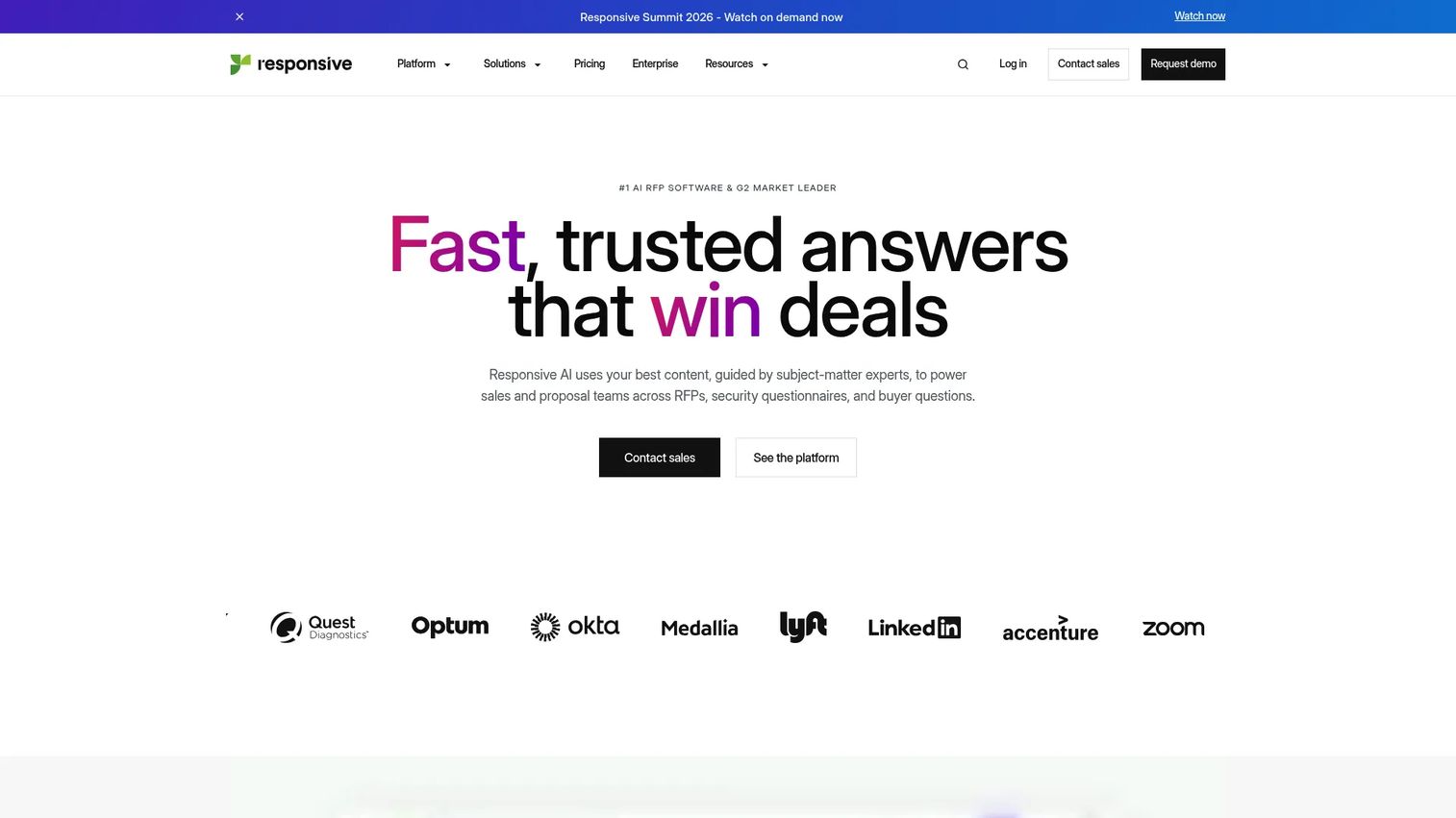
Responsive is a strategic response management platform for RFPs, RFIs, DDQs, security questionnaires, and other formal requests. It combines response projects with governed content and AI assisted drafting.
The platform supports cross functional work involving proposal managers, sales engineering, security, and revenue operations. Its library stores approved question and answer pairs alongside supporting documents.
Best for: Midmarket and enterprise teams managing complex response workflows
Key features
- Governed content library
- AI assisted response drafting
- Response project management
- Source cited answer chat
- Enterprise workflow integrations
Why choose Responsive: Responsive fits organizations where proposal work extends across many subject matter experts. Project controls help teams assign, review, and package complex responses.
Sales teams that mainly send short commercial proposals may find a dedicated sales proposal platform closer to their daily workflow.
Responsive pricing: Custom pricing. Buyers choose among Emerging, Growth, and Enterprise editions through the sales process.
G2 rating: 4.5/5
5. Loopio
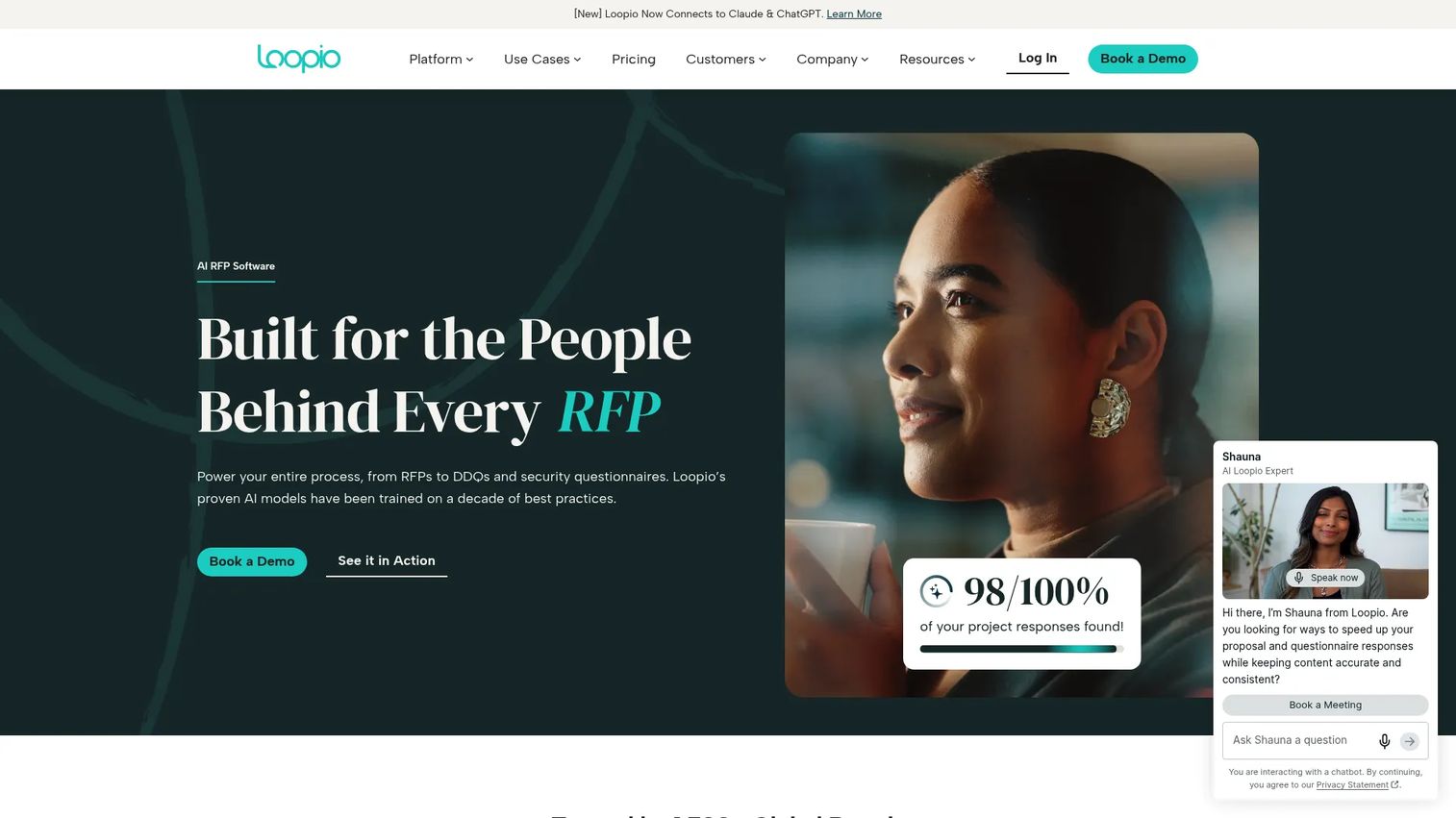
Loopio provides AI powered response management for RFPs, DDQs, security questionnaires, and related business requests. Its content library helps teams reuse reviewed answers across new projects.
Collaborative workflows support assignments and multistep reviews. Reporting helps proposal managers understand content use and response activity.
Best for: Proposal teams answering a high volume of structured requests
Key features
- Unlimited response projects
- Approved response library
- AI assisted drafting
- Multistep content reviews
- Usage and project reporting
Why choose Loopio: Loopio suits teams that repeatedly answer similar questions across sales, security, presales, and product marketing. Its knowledge reuse model can reduce repeated drafting.
It is oriented toward response management rather than payment collection or agreement completion. Sales teams needing both may pair it with another contracting workflow.
Loopio pricing: Custom pricing. Plans include Foundations, Enhanced, and Enterprise editions.
G2 rating: 4.6/5
6. QorusDocs
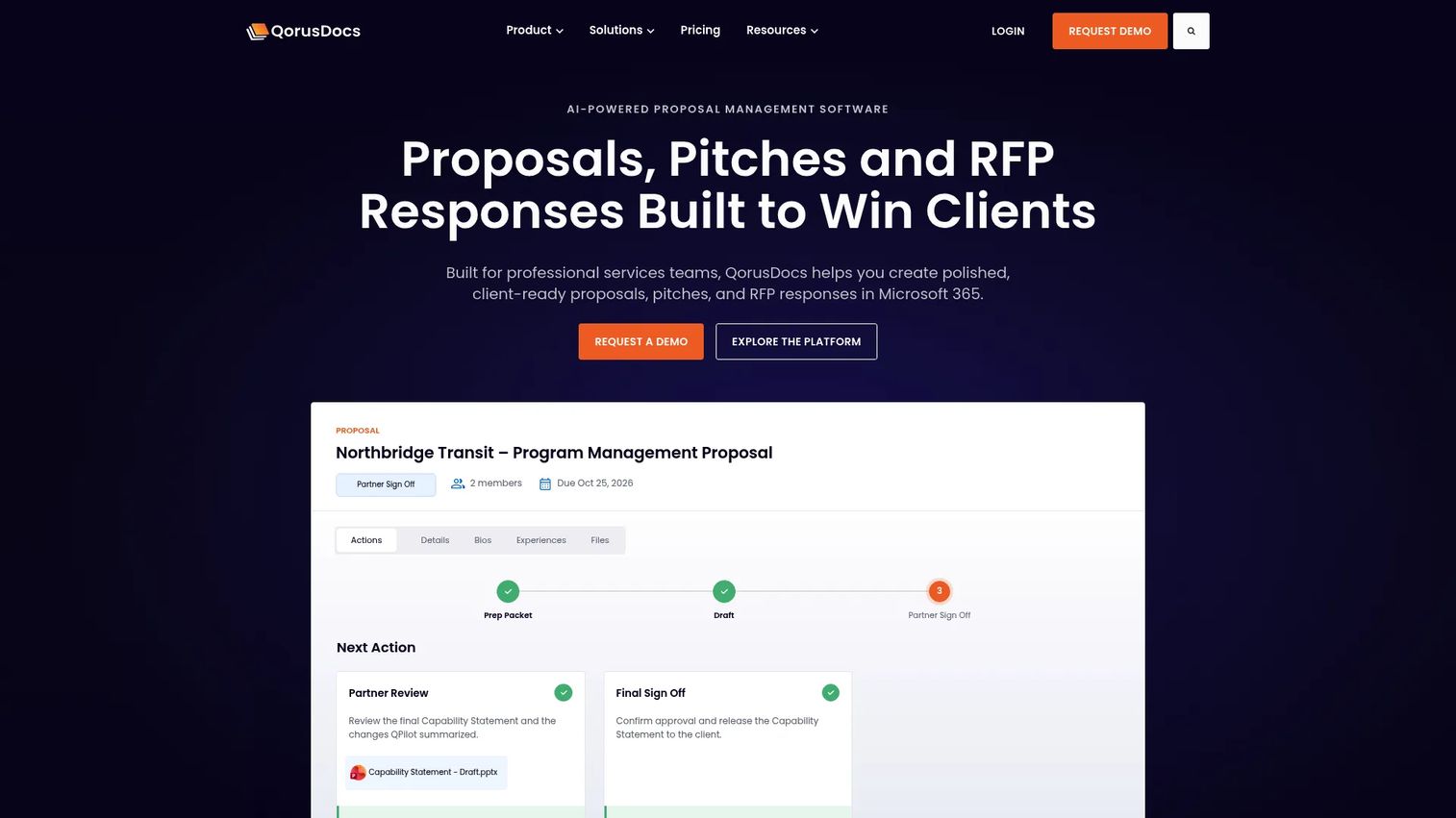
QorusDocs is proposal automation software for professional services teams. It supports proposals, pitches, business cases, and RFP responses.
The platform connects proposal work with Microsoft 365 and CRM systems, including Salesforce and Microsoft Dynamics. Teams can use approved content while continuing to work within familiar office applications.
Best for: Microsoft centered teams managing proposals and formal pitches
Key features
- Microsoft 365 proposal workflows
- AI powered proposal automation
- Approved content intelligence
- CRM connected document creation
- Engagement and productivity analytics
Why choose QorusDocs: QorusDocs fits legal, AEC, technology services, and professional services teams. It adds governance without requiring users to abandon familiar document tools.
Its buying process centers on a personalized demonstration rather than self service signup. Teams should map their Microsoft environment before that conversation.
QorusDocs pricing: Custom pricing follows a personalized product demonstration. The vendor offers ValueHub, ProposalHub, and PitchHub without a self service trial.
G2 rating: 4.4/5
7. Qvidian
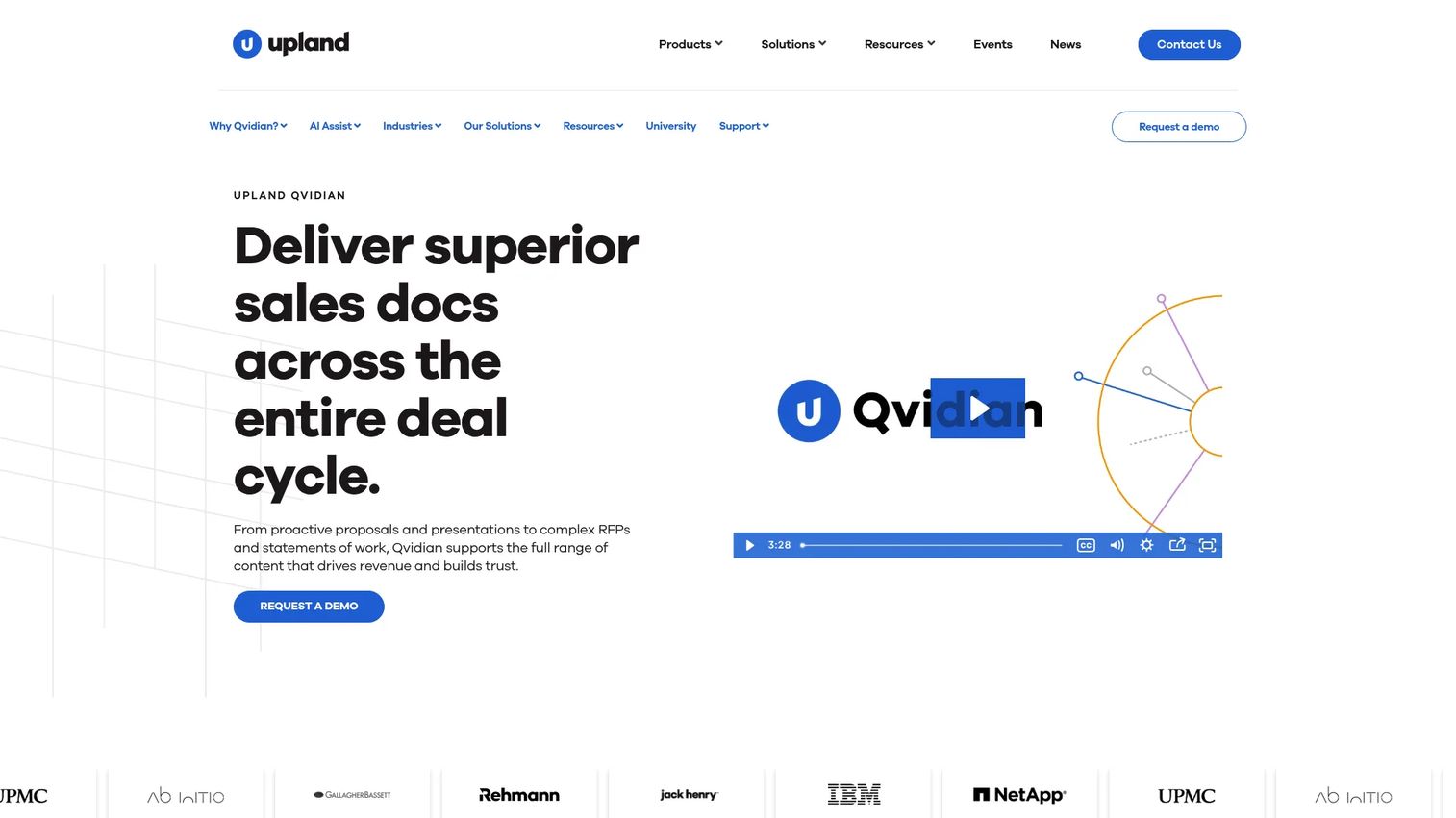
Qvidian provides enterprise RFP response and proactive proposal automation. It supports formal requests, security questionnaires, and complex sales documents.
A centralized library stores approved material for reuse. Configurable workflows manage collaboration, reviews, approvals, versioning, and audit tracking.
Best for: Enterprise proposal teams with complex governance requirements
Key features
- Centralized approved content
- Automated answer completion
- Proposal generation workflows
- Review and approval controls
- Versioning and audit tracking
Why choose Qvidian: Qvidian suits large proposal operations that need tighter control over content and review stages. Its workflow depth is relevant when many contributors touch each response.
Smaller sales teams sending straightforward proposals may prefer a product with simpler document creation and built in signing.
Qvidian pricing: Contact Qvidian for a quote. The purchasing process runs through a product demonstration and sales consultation.
G2 rating: 4.3/5
8. Expedience Software
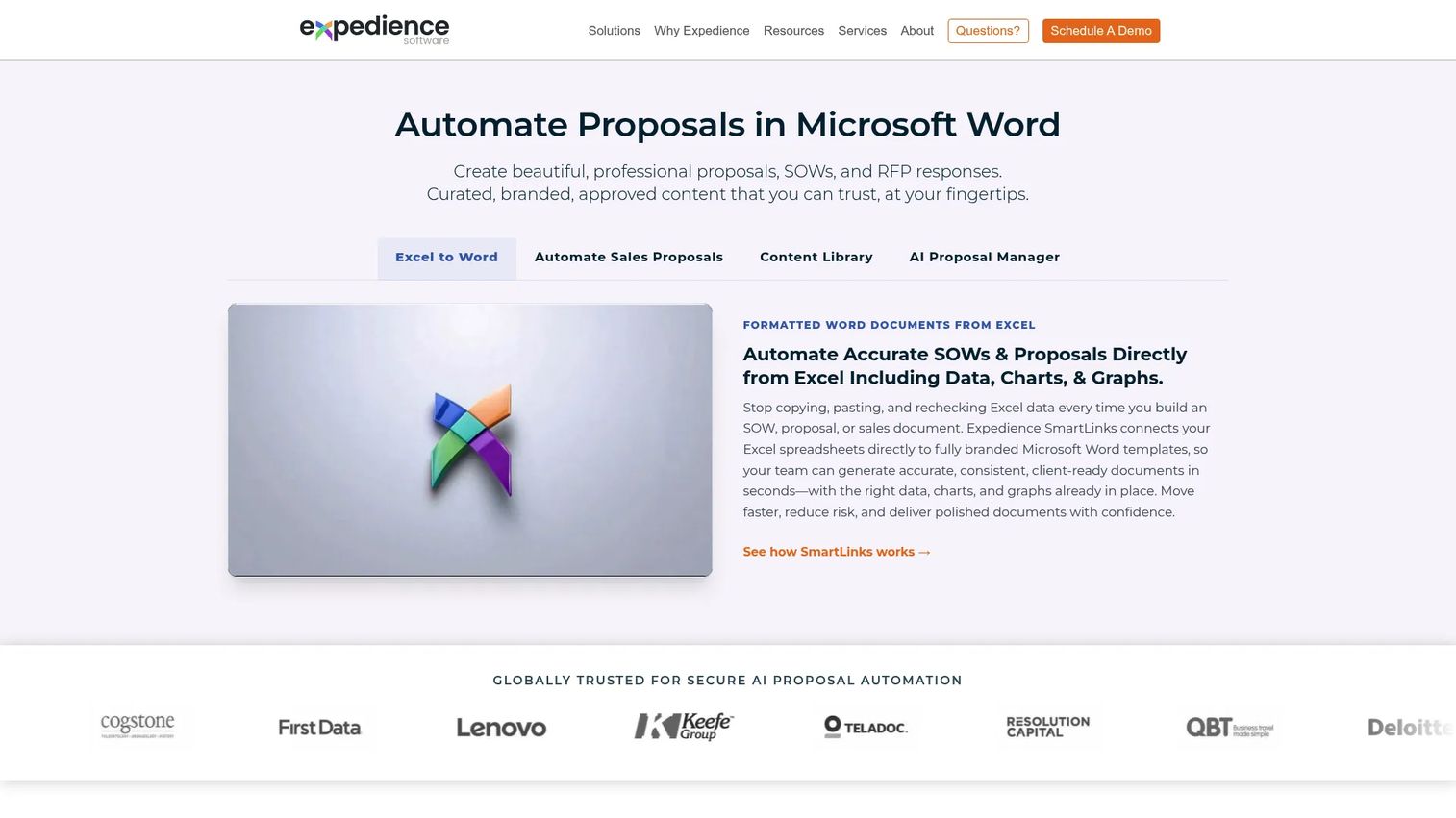
Expedience Software provides proposal writing software inside Microsoft Word. Teams can create proposals, statements of work, and RFP responses without moving document assembly into another editor.
Rules driven generation inserts approved content into Word templates. SmartLinks can move data, charts, and graphs from Excel into proposal documents.
Best for: Proposal writers who want Microsoft Word to remain central
Key features
- Word based document assembly
- Curated approved content
- Rules driven proposal generation
- RFP requirement management
- Excel to Word SmartLinks
Why choose Expedience Software: Expedience Software fits long form proposals where Word formatting remains important. It also supports teams that manage standard response content and detailed statements of work.
Organizations seeking web based proposals or native payment collection should consider a sales proposal platform instead.
Expedience Software pricing: Custom pricing. The quote reflects user count, selected features, and add ons.
G2 rating: 4.0/5
9. Conveyor
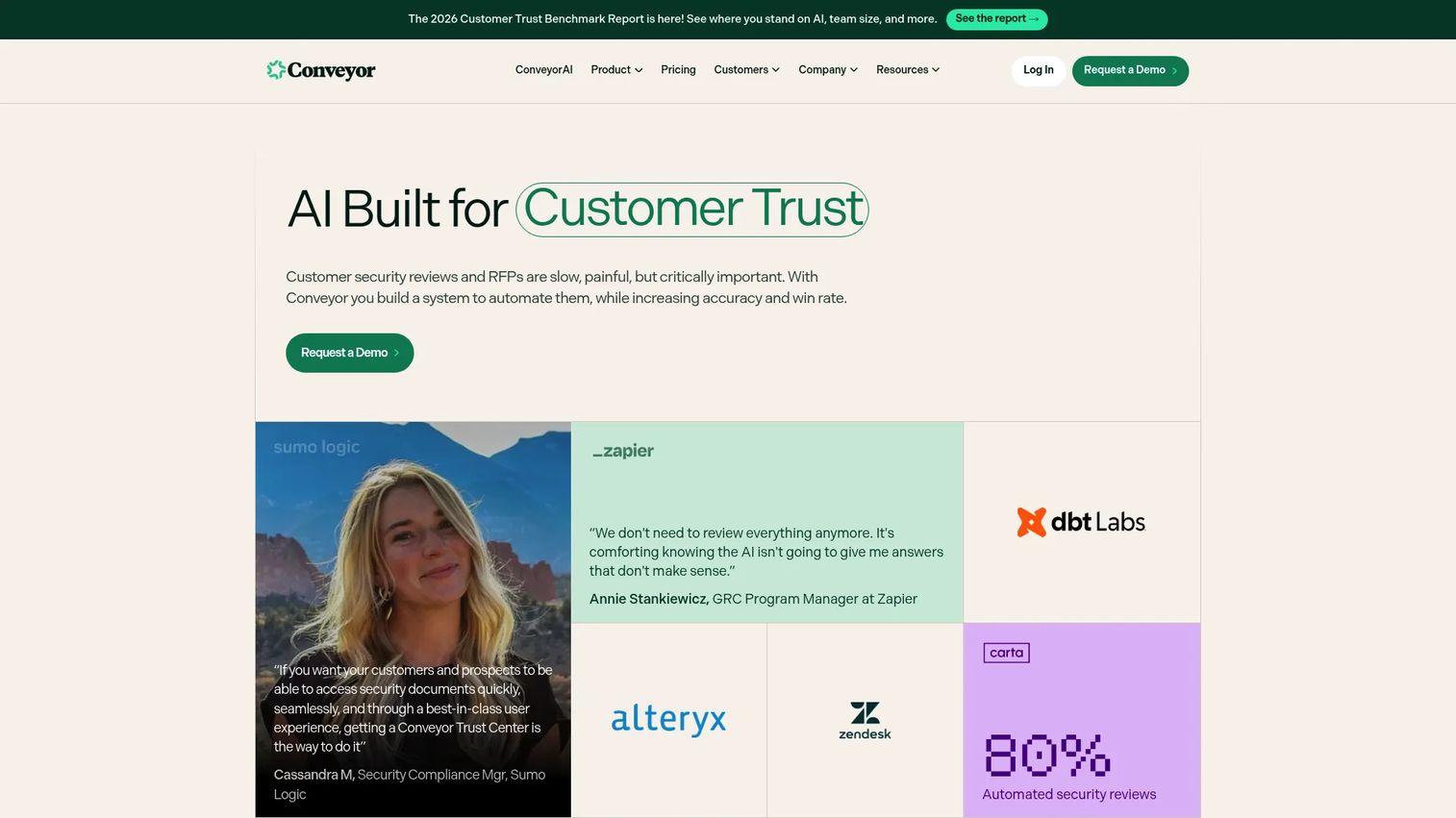
Conveyor is a customer trust platform for automating security questionnaires, DDQs, and related RFP responses. Its AI assisted workflows draw from a managed security knowledge base.
The product is adjacent to general proposal management. However, it addresses a deal stage where sales teams often lose momentum: Technical and security review.
Best for: Security, GRC, sales, and proposal teams handling trust reviews
Key features
- Security questionnaire automation
- AI assisted RFP responses
- Agent powered Trust Center
- Security knowledge management
- Customer portal automation
Why choose Conveyor: Conveyor fits sales organizations where technical questionnaires create a recurring bottleneck. Sales self service capabilities can also reduce repeated requests to security specialists.
It does not replace sales proposal software for commercial pricing, branded proposals, or agreement completion.
Conveyor pricing: Custom usage based pricing. Conveyor states that it does not charge per user or integration fees.
G2 rating: 4.6/5
10. QuoteWerks
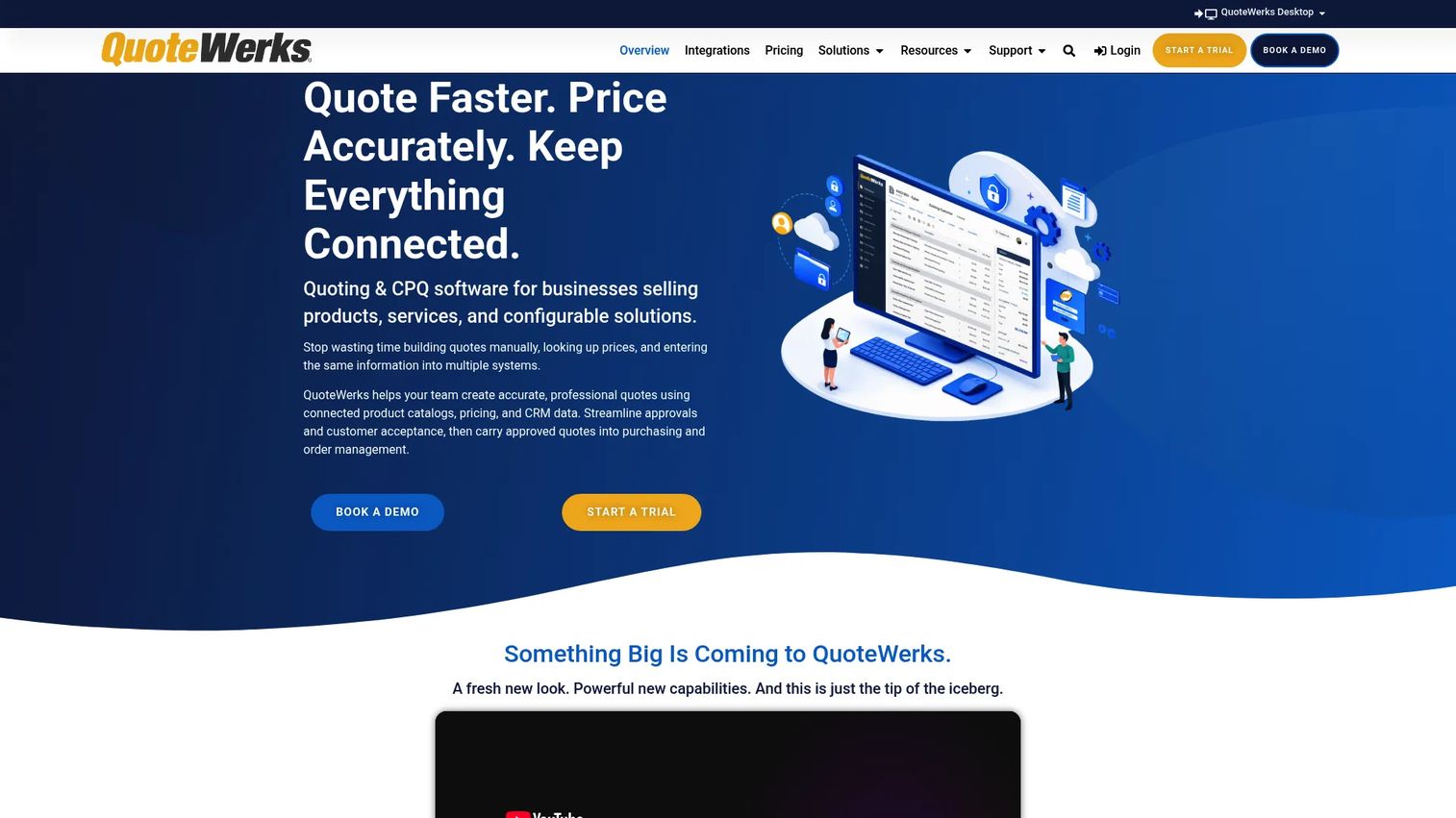
QuoteWerks is a configure, price, quote platform for professional quotes and proposals. It connects product selection with pricing, approvals, purchasing, and customer acceptance.
Distributor pricing and availability support product heavy sales motions. CRM, PSA, accounting, and procurement connections extend the quoting workflow.
Best for: VARs, IT resellers, MSPs, and complex quoting teams
Key features
- Professional quote creation
- Product catalogs and bundles
- Guided selling configurator
- Peer review and approvals
- Purchasing workflow automation
Why choose QuoteWerks: QuoteWerks makes sense when quoting depth matters more than elaborate proposal design. Its concurrent user model can also suit teams where licenses are shared across shifts.
Organizations selling services through narrative proposals may prefer a design focused document platform.
QuoteWerks pricing: Essential starts at $44.92 per concurrent user monthly, billed annually. Balanced costs $72.42, while Pinnacle costs $90.75 on the same basis.
G2 rating: 4.4/5
11. DocuSign
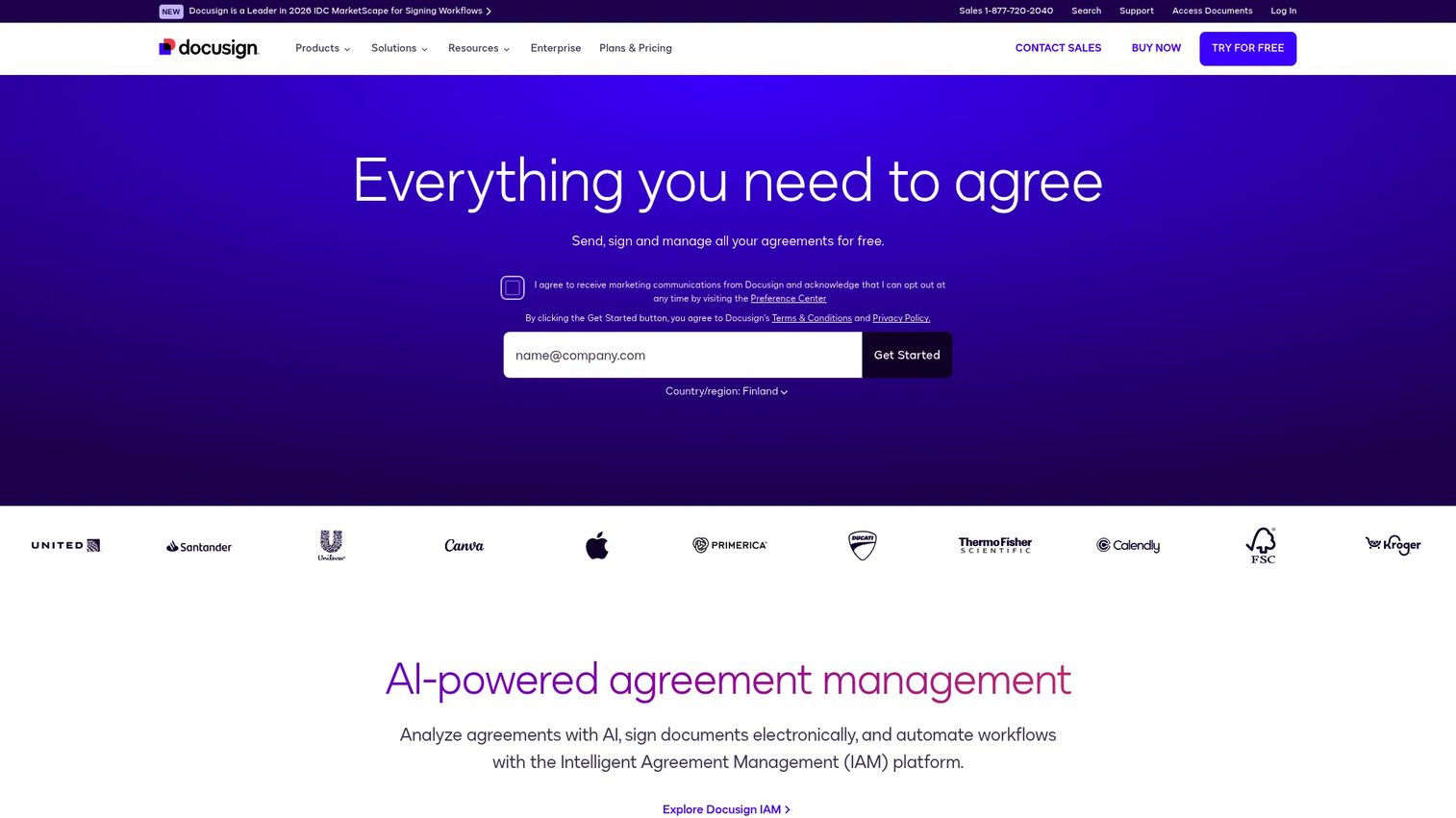
DocuSign provides electronic signatures and agreement management workflows. Teams can prepare documents, route them for signature, track status, and retain completed agreements.
Reusable templates and automated reminders support repeatable signing processes. Business Pro adds payments, web forms, conditional logic, and bulk sending.
Best for: Organizations that already create proposals elsewhere and need agreement completion
Key features
- Electronic signatures across devices
- Reusable agreement templates
- Automated routing and reminders
- Signer authentication controls
- Reporting and document retention
Why choose DocuSign: DocuSign fits signature heavy workflows where reliability and agreement routing matter most. It can sit after proposal creation as the execution layer.
It is not positioned as a full proposal content library by default. Teams needing approved answer reuse should evaluate a dedicated proposal platform.
DocuSign pricing: Personal costs $10 per user monthly, billed annually. Standard costs $25, while Business Pro costs $40 on the same basis.
G2 rating: 4.5/5
12. RELAYTO AI
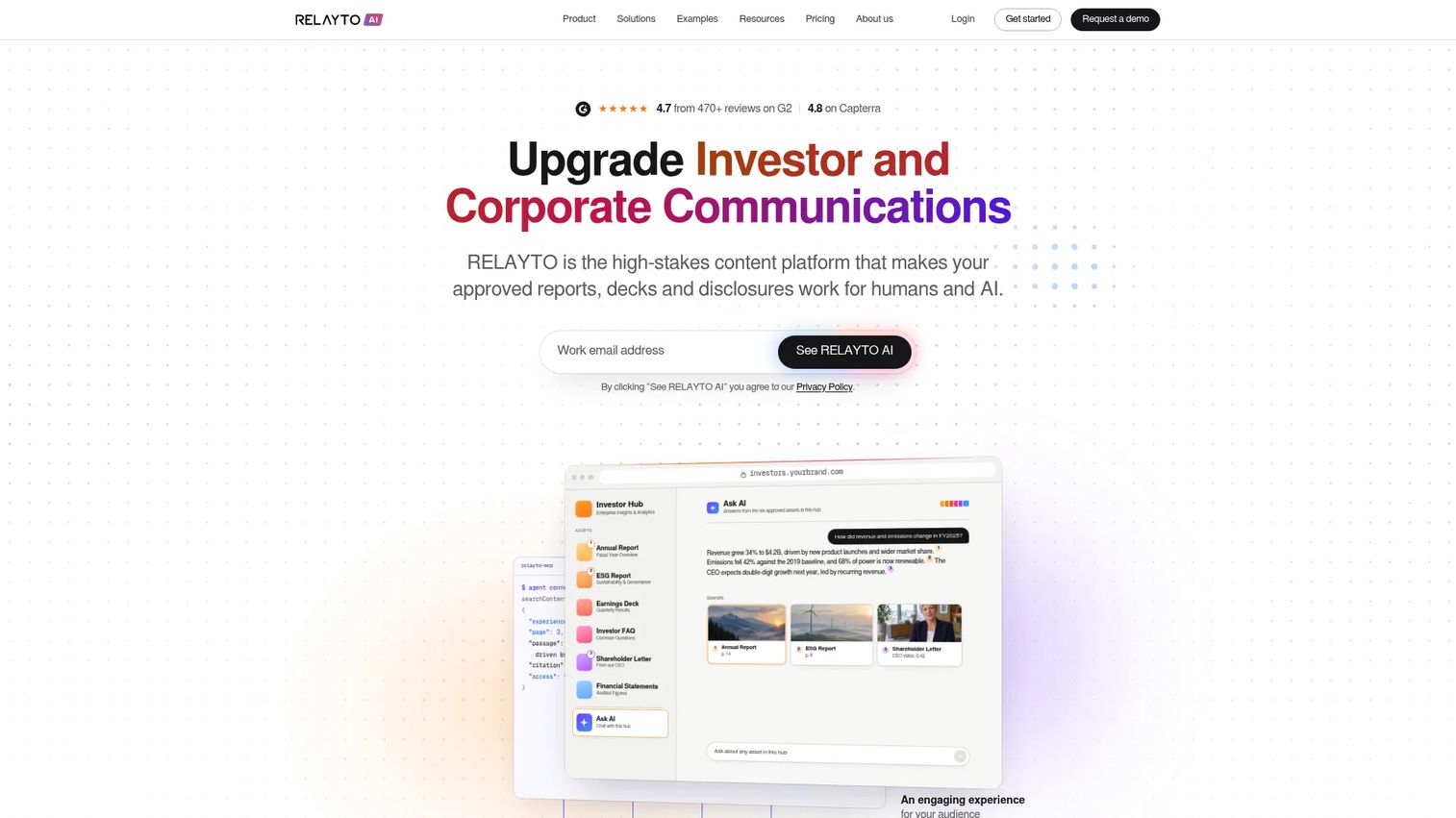
RELAYTO AI turns approved PDFs, presentations, and reports into interactive web experiences. Teams can publish single documents, microsites, flipbooks, or content hubs.
Analytics cover page views, time spent, forwards, and AI questions. Access controls include passwords, allowlists, domain restrictions, and expiry dates.
Best for: Sales and marketing teams turning existing documents into trackable experiences
Key features
- Interactive document experiences
- AI Content Chat
- Page level engagement analytics
- Controlled content access
- CRM and analytics integrations
Why choose RELAYTO AI: RELAYTO AI fits teams that already have approved proposals or decks. It adds interactivity and tracking without rebuilding all source material.
It focuses on the content experience rather than full RFP project management or complex internal approval routing.
RELAYTO AI pricing: Personal is free for individual, noncommercial use. Pro starts at $80 monthly with annual billing, while Team starts at $750.
G2 rating: 4.7/5
13. ClientPoint
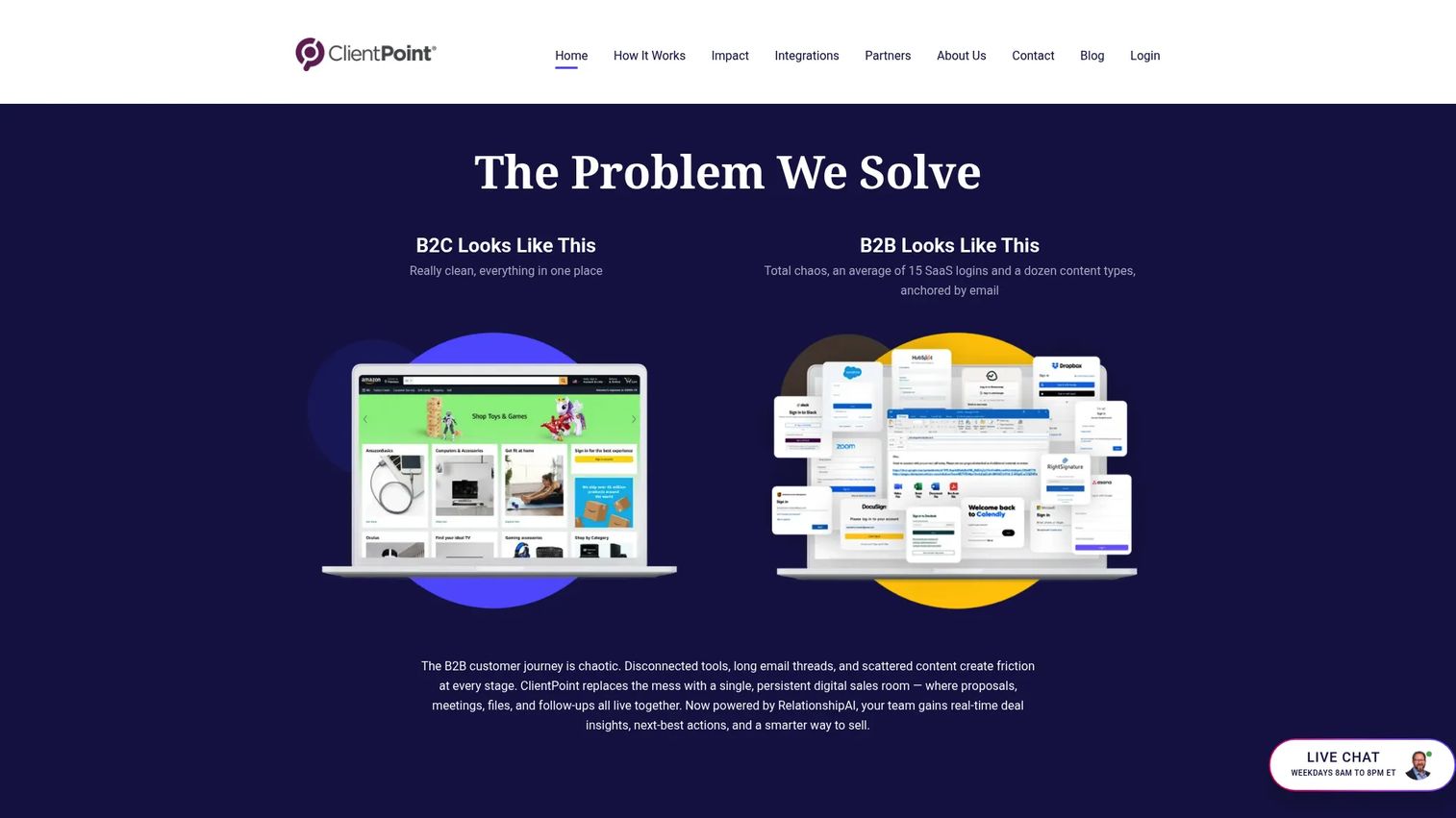
ClientPoint combines proposal automation with digital sales rooms and client engagement. Teams can share proposals, contracts, videos, and other sales material through branded portals.
Built in tracking reports buyer interaction and sends notifications. ClientPoint Sign supports electronic signatures within the customer facing environment.
Best for: Enterprise sales teams managing complex, multistakeholder opportunities
Key features
- Digital sales rooms
- Proposal and document creation
- Client engagement analytics
- Electronic signatures
- Meeting and messaging tools
Why choose ClientPoint: ClientPoint suits account based selling where several stakeholders need persistent access to deal content. It also gives sales and customer success a shared buyer portal.
Teams seeking only proposal generation may not need the broader communication and meeting features.
ClientPoint pricing: Small Business starts at $42 monthly. Enterprise pricing requires a sales conversation.
G2 rating: 4.5/5
14. Dropbox DocSend
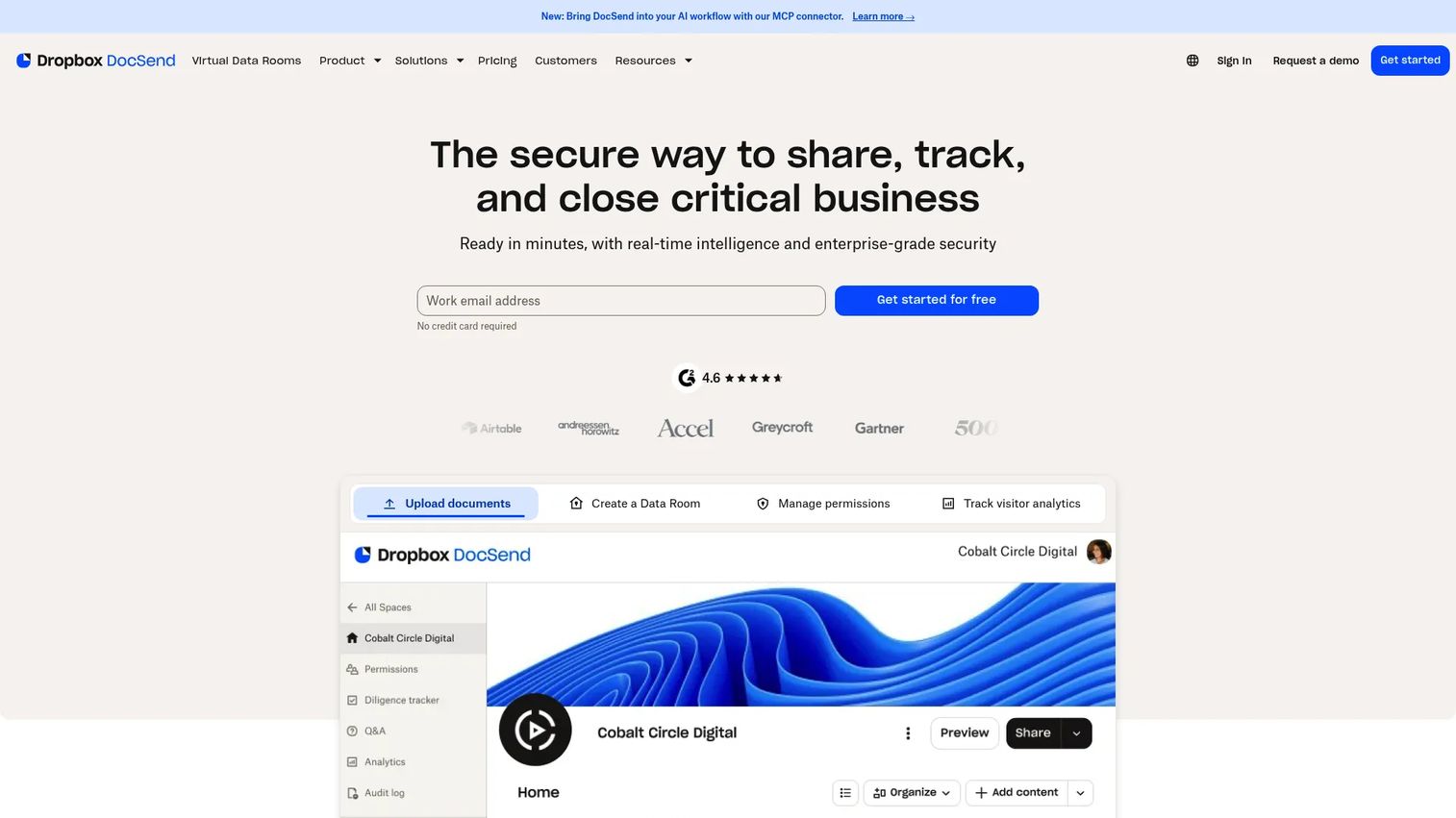
Dropbox DocSend provides secure document sharing with access controls and engagement analytics. Teams can send proposals through trackable links instead of unmanaged attachments.
Page level analytics reveal how viewers consume a document. Passcodes, email verification, expiration dates, and download restrictions help control confidential sharing.
Best for: Teams that create proposals elsewhere but need secure buyer tracking
Key features
- Secure link based sharing
- Page level viewer analytics
- Email verification and passcodes
- Watermarking and access controls
- Virtual data rooms
Why choose Dropbox DocSend: Dropbox DocSend works well for confidential sales proposals, fundraising documents, and due diligence materials. Its tracking answers what happened after the file was shared.
It does not provide the same proposal writing or approved content workflows as a dedicated proposal generation platform.
Dropbox DocSend pricing: Personal costs $10 per user monthly. A 14 day trial is available, while Standard costs $45 per user monthly.
G2 rating: 4.6/5
15. Jotform Sign
Jotform Sign is electronic signature software for creating, sharing, signing, and automating documents. Its drag and drop builder connects signing workflows with forms.
Automated approvals and reminders support repeatable processes. Audit trails and digital certificates document completion.
Best for: Freelancers and small teams with lightweight signing requirements
Key features
- Drag and drop eSignature builder
- Reusable document templates
- Automated approval workflows
- Signing reminders
- Audit trails and certificates
Why choose Jotform Sign: Jotform Sign fits teams that need simple proposal signing without adopting a larger sales platform. The free allowance also supports low document volume.
Growing sales teams may outgrow this approach when they need CRM field merging, content governance, or detailed buyer engagement analytics.
Jotform Sign pricing: Starter is free and includes 10 signed documents each month. Bronze starts at $34 monthly when billed annually.
Considerations when choosing proposal management software
Match the tool to your proposal type
Separate sales proposals from quotes, RFP responses, security questionnaires, and agreement workflows. A signature platform will not replace a governed answer library.
Start with the document that causes the most deal friction. Then identify which teams contribute before it reaches the buyer.
Check where approvals happen
Map discount approval, legal review, security language, and finance signoff. The chosen platform should reduce approval work across inboxes and chat threads.
Check whether rules can route exceptions without slowing standard deals. Audit trails also matter when leadership needs to reconstruct a pricing decision.
Audit your content library requirements
Growing teams need reusable content with clear owners, version history, and review dates. RFP heavy organizations usually require stronger governance than sales proposal builders provide.
Ask how the system handles stale answers. A large library becomes another liability when nobody owns updates.
Verify CRM and revenue workflow fit
Check which account fields can populate documents and which status changes return to the CRM. Reliable data helps RevOps protect forecasting quality.
Also review the pricing model as adoption grows. Per user costs can rise quickly across sales, presales, enablement, and operations.
Look beyond open tracking
An open alert tells you little about buyer intent. Look for page activity, stakeholder identification, completion status, and proposal outcome reporting.
The signal should help reps choose the next action. It should also give managers evidence for proposal win and loss analysis.
Conclusion
The best proposal management software depends on where your current process breaks.
PandaDoc, Proposify, and Qwilr fit teams focused on sales proposals and deal completion. Responsive and Loopio serve structured response work, while QorusDocs supports Microsoft centered teams.
Qvidian and Expedience Software address enterprise proposal operations. Conveyor focuses on security reviews, while QuoteWerks handles product heavy quoting.
DocuSign and Jotform Sign cover signature led workflows. RELAYTO AI, ClientPoint, and Dropbox DocSend add buyer engagement, controlled sharing, or persistent sales rooms.
Before choosing, map your main bottleneck:
- Proposal creation
- Internal approval routing
- RFP response management
- eSignature completion
- Buyer engagement tracking
Teams selling complex software can also pair proposals with interactive product experiences for landing pages, sales follow ups, customer onboarding, and partner enablement.
Start your journey with Guideflow today!
FAQs
Proposal management software manages the creation, approval, sending, signing, and tracking of business proposals. Sales teams use it for commercial documents, while proposal teams use it for formal RFP responses.
The software can also govern reusable content and connect document activity with CRM workflows.
Proposal software often focuses on creating and sending sales documents. Proposal management software usually adds approvals, content governance, team collaboration, analytics, and reporting.
The terms overlap in practice. Buyers should compare the workflow rather than rely on the category label.
PandaDoc fits teams seeking proposal creation and agreement completion in one workflow. Proposify emphasizes branded content control, while Qwilr focuses on interactive web based proposals.
RFP heavy organizations should consider platforms built around answer libraries and structured reviews. Signature focused teams may need a lighter agreement product.
Core features include templates, reusable content, approval routing, CRM data merging, eSignatures, and engagement analytics. Reporting should cover document status and workflow performance.
Enterprise response teams should also look for answer libraries, review assignments, version control, and questionnaire support.
Free proposal software can cover freelancers and small teams with low document volume. It may also work when the only requirement is basic signing.
Growing teams usually need approvals, CRM connections, reusable content, and stronger reporting. Check document limits and feature access before moving active deals into a free plan.
It reduces repeated drafting and moves internal approvals into a defined workflow. Built in eSignatures can also remove a separate handoff at the end of the deal.
Engagement tracking helps reps time follow up using buyer activity. Cleaner status data gives managers more context during pipeline reviews.
Proposal management software can cover commercial proposals, quotes, signatures, and buyer tracking. RFP software specializes in structured requests with many questions and contributors.
Common RFP capabilities include answer libraries, compliance matrices, review assignments, and content governance. Some enterprise platforms support both proactive proposals and formal responses.
Most sales proposal workflows benefit from built in eSignature. It reduces the need to export a final document into another signing system.
RFP teams may place less weight on signing. For them, response libraries, collaboration controls, and review governance often matter more.