
Your renewal calendar has 40 line items. Your entitlement records live in a spreadsheet last updated by someone who left. Your actual software usage lives somewhere nobody can see.
Then the audit letter arrives.
Most teams treat license compliance as an annual scramble. Pull the contracts, guess the deployment counts, hope the numbers match. They are solving the wrong problem. The issue is not the audit itself. It is that entitlements, renewals, and usage drift apart the moment you stop watching them, and nobody watches a spreadsheet in real time.
The global software license management market is projected to grow from USD 2.2 billion in 2023 to USD 7.6 billion by 2033, a 13.2% CAGR, according to Market.us (2024). That growth tells you something simple: software estates are getting large enough that manual tracking stops working, and teams are buying tools to close the gap.
This guide compares seven platforms that replace spreadsheets with continuous inventory discovery, usage monitoring, entitlement reconciliation, renewal alerts, and reporting that holds up under an audit.
What's inside
This guide is for teams responsible for software inventory, license governance, renewal control, and audit readiness. That includes IT asset managers, procurement, security reviewers, and presales engineers who meet these platforms during vendor diligence.
We selected tools based on four criteria that matter in real workflows:
- Inventory accuracy - how well the tool discovers installed and used software
- Usage monitoring - whether it tracks actual consumption, not just installs
- Alerting and reporting - renewal alerts, reconciliation, and audit-ready output
- Scalability and integrations - fit from a single business unit to a global estate
TL;DR
Short on time? Here is the quick match by need:
- Best for nationwide business licensing compliance: Harbor Compliance
- Best for vendor and user license compliance education: Thales Sentinel
- Best for SaaS-native discovery and identity governance: Josys or Zluri
- Best for enterprise SAM and cost optimization: Flexera
- Best for IT asset and software inventory workflows: ManageEngine
- Best for broad software estate visibility: Snow Software
Pick based on your estate. Business licensing, SaaS sprawl, and enterprise software asset management are three different problems, and no single tool wins all three.
What is license compliance software?
License compliance software compares the software you have installed or used against the rights you actually purchased, then flags the gaps.
The core job is reconciliation. It discovers what runs across your environment, matches that against your entitlements, surfaces overuse and underuse, tracks renewals, and produces the evidence you need when a vendor audits you. Good license management software turns a once-a-year fire drill into a continuous process.
Core capabilities to expect:
- Inventory discovery - automatic detection of installed and cloud software across the estate
- Usage monitoring - metering of actual consumption per user, device, or seat
- Entitlement management - a single record of what you bought and are allowed to run
- License reconciliation - matching deployed software against purchased rights
- Renewal tracking - alerts and calendars so contracts do not lapse or auto-renew blind
- Vendor management - contract terms, license models, and audit history in one place
- Compliance reporting - audit-ready reports for finance, IT, and legal stakeholders
- Integrations - connections to CRM, ITSM, identity, procurement, and analytics tools
The distinction that matters: installed is not the same as used. A tool that only counts installs will over-report your exposure and hide your optimization opportunities.
When to use license compliance software
Track software usage before renewals drift
Manual monthly checks miss the slow leaks. A seat gets provisioned, the employee leaves, the license keeps billing. Continuous usage monitoring catches this in near real time, so you enter every renewal knowing exactly what you actually consume, not what you bought two years ago.
Prepare for audits without spreadsheet chaos
When a vendor requests an audit, the clock starts. License compliance software centralizes entitlement records, deployment data, and renewal history in one place, so you produce evidence in hours instead of reconstructing it across shared folders and email threads. That is what audit readiness actually looks like.
Reclaim unused licenses and control spend
Usage data is negotiation leverage. If you can show a vendor that 30% of purchased seats sit idle, you renew for fewer seats or push back on price. License optimization is not just a compliance safeguard, it is a direct line to reducing over-licensing and controlling software spend.
Comparison table
The table below sorts the seven platforms by how directly they address license compliance workflows. Harbor Compliance leads for business licensing, while Flexera and Snow Software anchor the enterprise software asset management end.
| # | Product | Best for | Key differentiator | Pricing | G2 rating |
|---|---|---|---|---|---|
| 1 | Harbor Compliance | Nationwide business licensing | Managed filing plus 22,000+ requirement research engine | From $1,499 (nonprofit tier) | Not available |
| 2 | Thales Sentinel | Vendor and user licensing control | License model taxonomy and monetization | Custom | 4.5/5 |
| 3 | Josys | SaaS discovery and identity governance | Unified SaaS, user, and device visibility | From $100/mo (annual) | Not available |
| 4 | Zluri | SaaS entitlement reconciliation | Identity-linked access and reconciliation | Custom | Not available |
| 5 | Flexera | Enterprise SAM and cost optimization | Hybrid IT visibility plus FinOps | Custom | 4.4/5 |
| 6 | ManageEngine | IT asset and inventory workflows | Broad IT management across endpoints | From $23/tech/mo | Not available |
| 7 | Snow Software | Broad software estate visibility | Deep SAM across installs, users, and devices | Custom | Not available |
Best 7 license compliance software for 2026
1. Harbor Compliance
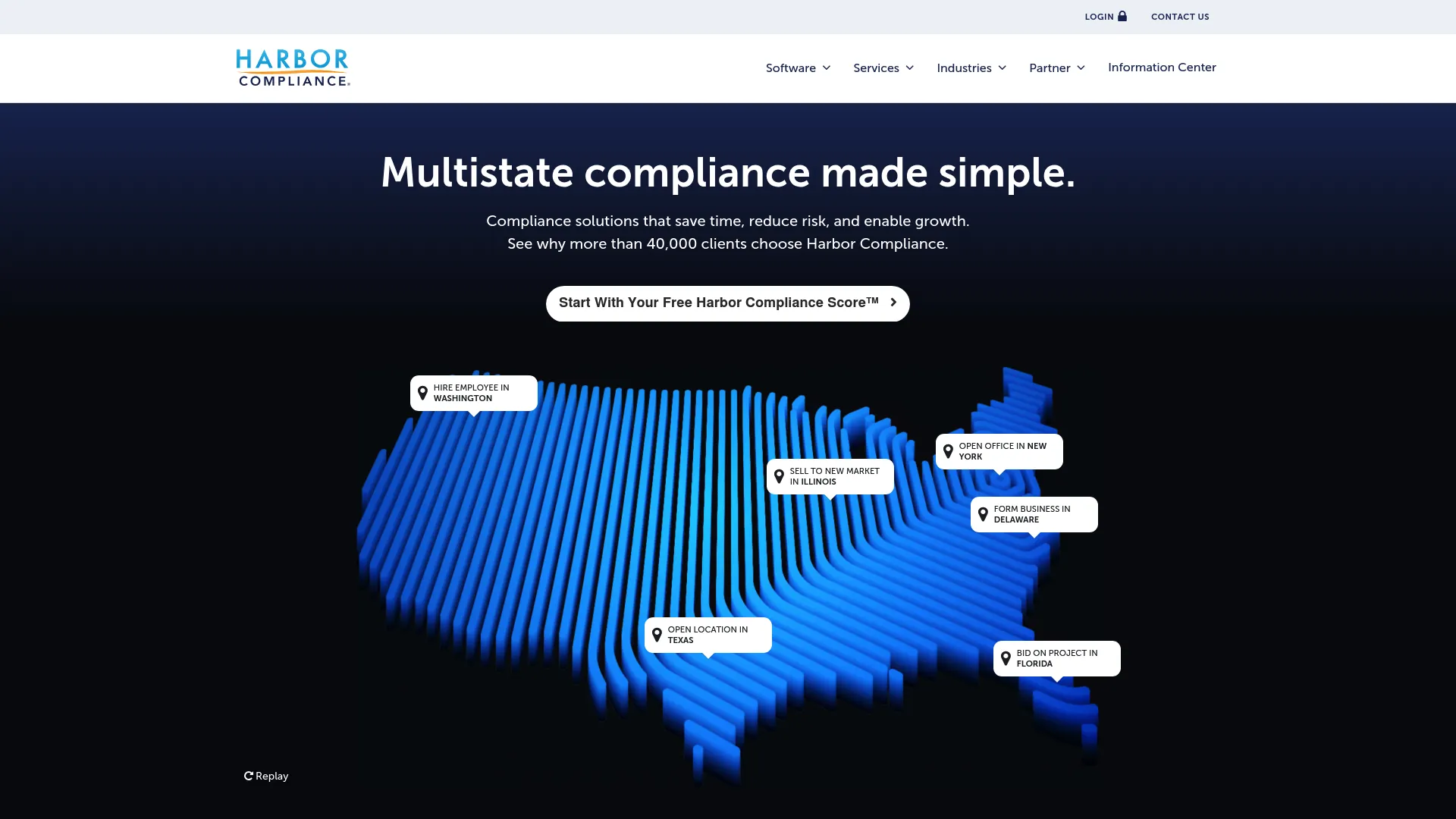
Harbor Compliance sits at the business-licensing end of this list, not the software-metering end. It combines compliance software with managed filing services, so teams handling multi-state registrations, licenses, tax, and corporate records get both the system and the people to run it. If your compliance problem is jurisdictional rather than seat-based, this is the closest fit here.
Best for: Organizations managing entity, licensing, tax, and records obligations across multiple states or jurisdictions.
Key strengths
- Entity Manager: tracks registrations and good standing
- License Manager: obtains and maintains business licenses
- Tax Manager and Records Manager: registrations and corporate records
- Requirements Research Engine: 22,000+ filing requirements
- Registered Agent Service: online document access
Why choose Harbor Compliance: Pick it when your compliance burden is regulatory filings across jurisdictions, not software entitlement reconciliation. The managed-services layer suits lean teams that want experts handling the paperwork rather than another dashboard to babysit.
Harbor Compliance pricing: Public nonprofit startup pricing shows three one-time tiers: SureSTART Express at $1,499, SureSTART Core at $2,499, and SureSTART Complete at $3,499. Pricing for the broader software offering varies by service and is quoted directly.
2. Thales Sentinel
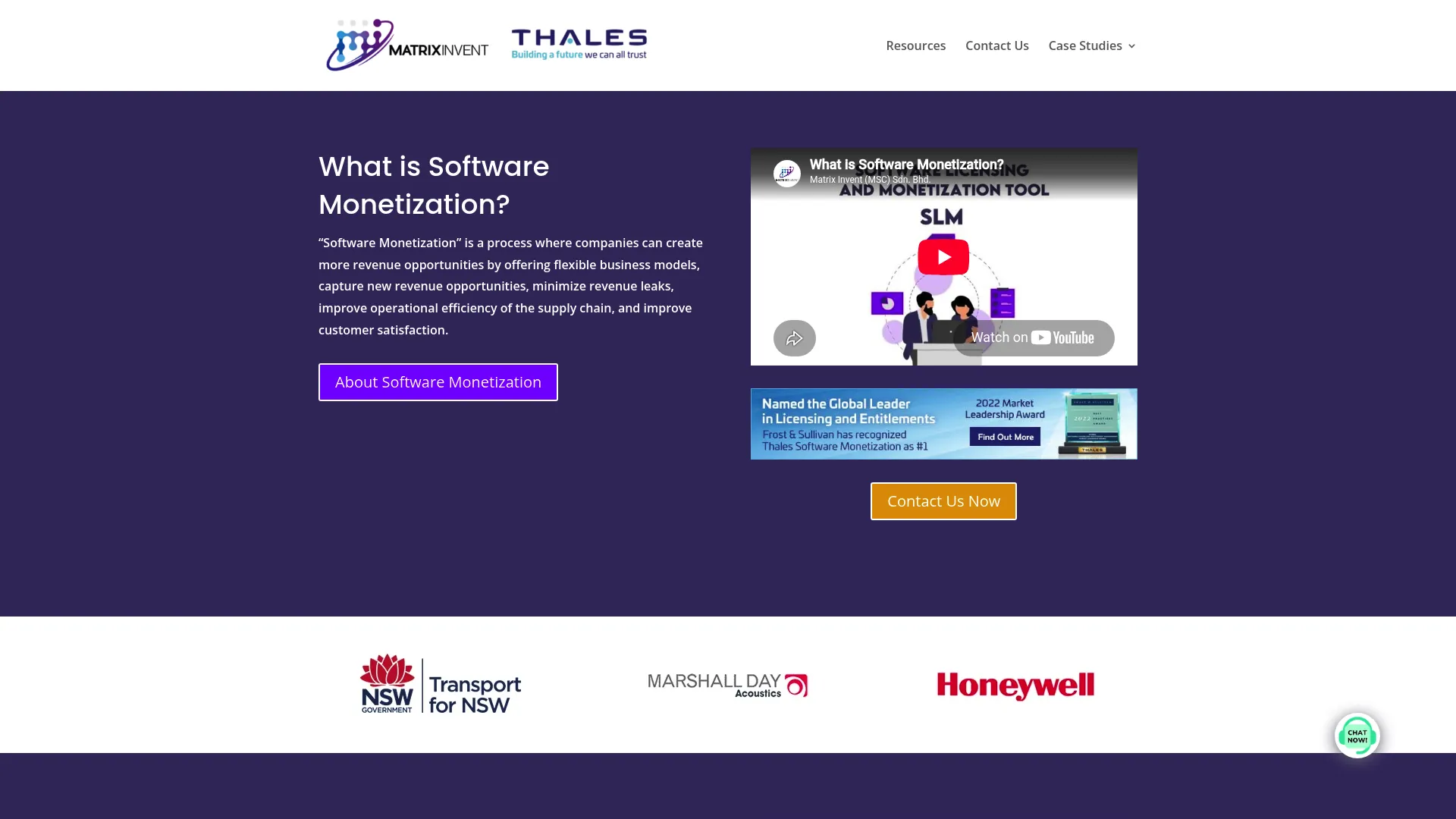
Thales Sentinel approaches licensing from the vendor side. It is a software monetization, licensing, and entitlement management platform built for software publishers and device manufacturers who need to control, enforce, and meter how their products are licensed. For presales and IT teams, understanding Sentinel matters because it defines the license models you will encounter on the buyer side: named, concurrent, floating, metered, and subscription.
Best for: Software vendors and device manufacturers needing licensing, entitlement, and monetization control.
Key strengths
- Flexible licensing and entitlement management
- Usage analytics and business insights
- Software protection and anti-piracy controls
Why choose Thales Sentinel: Choose it if you sell software and need to enforce entitlements, not just track your own consumption. It is the reference point for how license taxonomy works, which is why the buyer-side tools further down this list exist.
Thales Sentinel pricing: No public price is listed. Thales directs prospects to contact sales, so pricing is quote-based and varies by deployment and license volume.
3. Josys
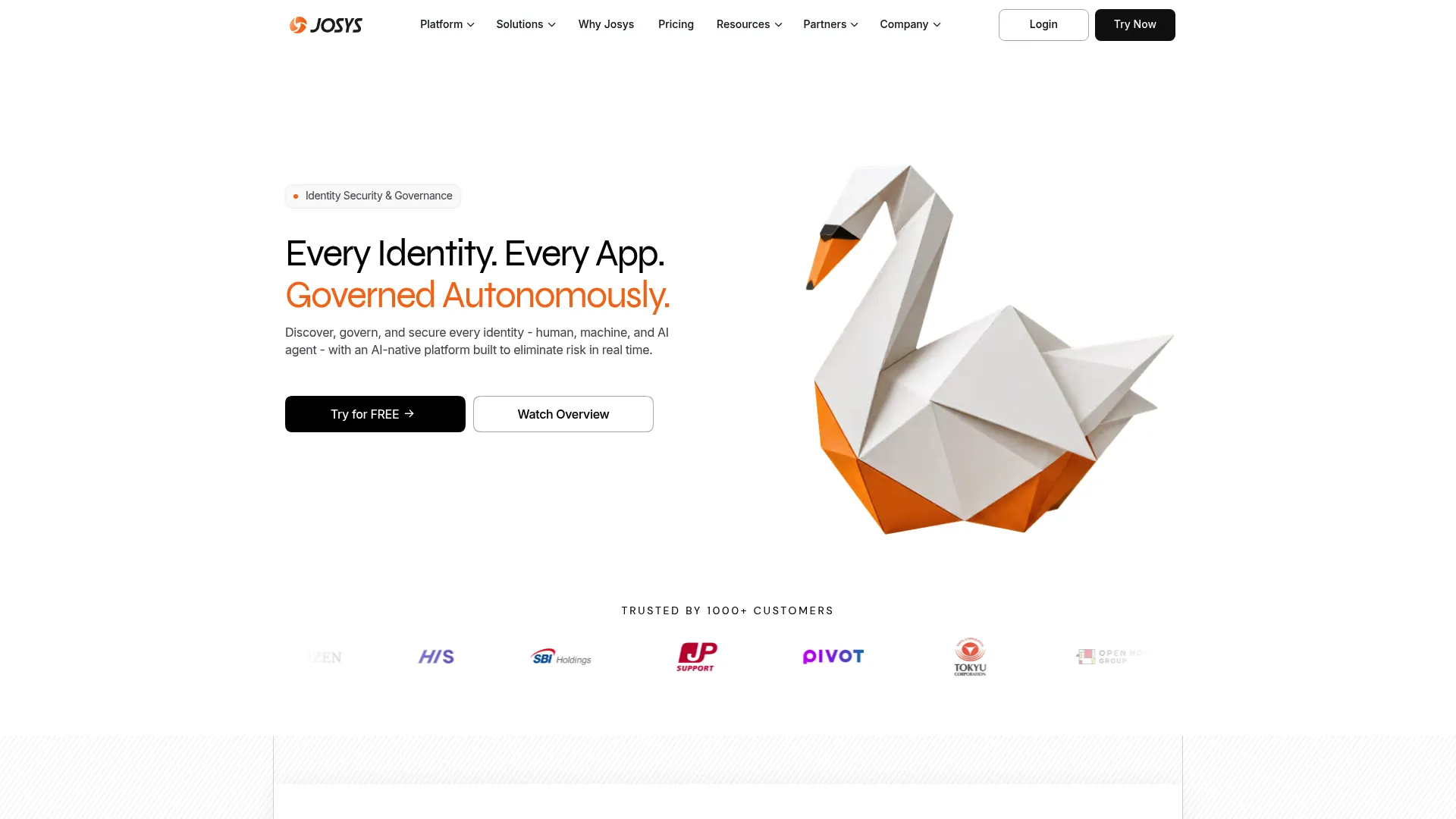
Josys is built for the modern SaaS problem: dozens of apps, shadow IT, and licenses nobody tracks. It unifies SaaS discovery, identity governance, and device management in one platform, so IT teams and MSPs see who has access to what, where the spend is going, and which subscriptions run unused. For teams whose estate is mostly cloud, this is a practical starting point.
Best for: IT teams and MSPs managing SaaS access, security, and spend at scale.
Key strengths
- SaaS discovery and shadow IT visibility
- Access reviews and identity governance
- Device management and lifecycle tracking
Why choose Josys: Pick it when SaaS sprawl is your real compliance risk, not on-prem licensing. The identity and device layers make it useful for security reviews and offboarding, where forgotten access is both a cost and a risk.
Josys pricing: A 14-day free trial is available. Josys Discovery starts at $100/month billed annually. Higher tiers, including Automated Identity Governance and Josys SaaS Management, are custom or quote-based.
4. Zluri
Zluri connects license data to identity. It is an identity security platform covering identity governance, access management, and SaaS management, which means it does not just find your apps, it ties each license to a person and their access lifecycle. That link is what makes reconciliation and remediation actionable: when someone leaves, the access and the license both get flagged.
Best for: IT and security teams managing identity governance and SaaS access at scale.
Key strengths
- Identity visibility and intelligence
- Access requests and access management
- Access reviews and identity security posture management
Why choose Zluri: Choose it when you want license tracking and access control in the same workflow. Connecting entitlements to identity turns reconciliation into a lifecycle action rather than a quarterly report, which suits teams juggling both compliance and security review.
Zluri pricing: Zluri does not publish public pricing. Plans are quote-based, so you will need to contact the vendor for a figure tied to your app count and user volume.
5. Flexera
Flexera is the enterprise software asset management heavyweight on this list. It combines IT visibility, asset inventory, SaaS management, software license optimization, and cloud cost optimization in one platform. For large estates with hybrid environments and complex vendor agreements, Flexera brings the entitlement reconciliation, usage monitoring, and negotiation support that manual tracking cannot match.
Best for: Large enterprises needing hybrid IT visibility, license compliance, and cloud spend optimization.
Key strengths
- IT visibility and asset inventory
- Cloud cost optimization and FinOps
- SaaS management and software license optimization
Why choose Flexera: Pick it when your estate spans on-prem, SaaS, and cloud, and your license models are complex enough that optimization pays for the tool. The FinOps angle means it supports both audit readiness and ongoing cost control, which matters when renewals run into seven figures.
Flexera pricing: Flexera does not publish public pricing. It uses subscription-based pricing quoted through direct sales, so figures depend on estate size and modules.
6. ManageEngine
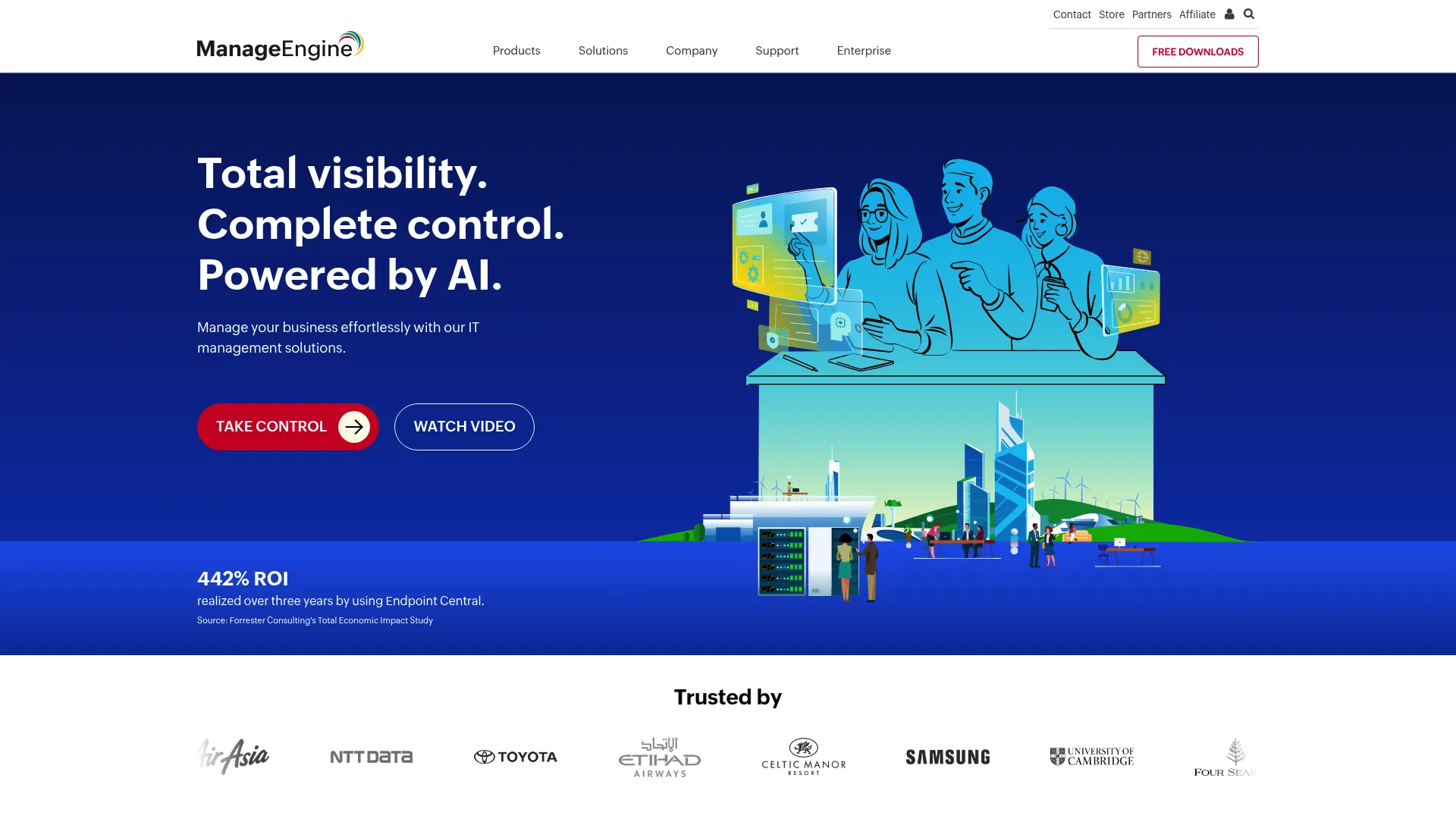
ManageEngine, Zoho Corporation's enterprise IT management division, covers a broad range of IT workflows including asset discovery, endpoint management, service management, and security. Software inventory and license tracking sit inside a wider IT operations toolset, which makes it practical for IT admins who want compliance reporting alongside the endpoint and service-desk tools they already run.
Best for: IT teams and MSPs looking for broad IT management across endpoints, service desk, security, and operations.
Key strengths
- Identity and access management
- Unified endpoint management and security
- Unified service management
- Security information and event management
Why choose ManageEngine: Choose it if you want software asset inventory as part of a wider IT management stack rather than a standalone compliance tool. The pay-as-you-go pricing keeps entry costs low for teams scaling up gradually.
ManageEngine pricing: MSP Central uses pay-as-you-go pricing with no minimum purchase. ITSM starts from US$23 per technician per month, and endpoint management starts from US$2 per endpoint per month, both billed monthly.
7. Snow Software
Snow Software focuses on software asset management with deep visibility across the estate. Snow License Manager gives teams a view of software installations, usage, users, computers, mobile devices, licenses, and agreements, pulled together through Snow Inventory and Snow Integration Manager. For organizations that need ongoing compliance operations rather than a point-in-time snapshot, that breadth is the draw.
Best for: Enterprises needing software asset management and broad software or license visibility.
Key strengths
- Software asset management across the estate
- Visibility into installations, usage, users, devices, licenses, and agreements
- Inventory and integration via Snow Inventory and Snow Integration Manager
Why choose Snow Software: Pick it when you need continuous visibility across a large, mixed estate and want reconciliation between what is installed and what is actually used. The managed-entity model suits teams treating compliance as an operational discipline, not an annual event.
Snow Software pricing: Snow Software does not publish public pricing on its site. Pricing is arranged directly with the vendor and depends on estate size and modules.
Considerations
Before you commit to a platform, run through these five criteria. They separate tools that look good in a demo from tools that hold up in an audit.
Inventory accuracy matters
Discovery quality is the foundation. If the tool misses cloud apps, containers, or unmanaged endpoints, every downstream number is wrong. Ask how it discovers software, how often it scans, and what it does with devices it cannot agent. A reconciliation built on incomplete inventory is worse than no reconciliation, because it gives you false confidence.
Usage tracking must reflect reality
Installed software and used software are different numbers. A seat can be provisioned and never opened. Confirm the tool meters actual usage, not just presence, and check the granularity: per user, per device, per feature. Usage metering is what lets you reclaim under-utilized licenses and push back on over-licensing at renewal.
Renewal workflows need ownership
Renewal alerts are only useful if someone acts on them. Look for tools that assign renewal ownership, route alerts to the right person, and track the decision, not just the date. An alert that fires into an unmonitored inbox is the same as no alert. Renewal tracking without accountability just moves the failure point.
Integrations reduce manual work
The tool has to talk to your stack. Check for connections to ITSM, identity providers, procurement, CRM, and analytics. Integration is what removes the manual export-import cycle that reintroduces the spreadsheet problem you are trying to escape. Without it, you have a second silo instead of a single source of truth.
Reporting must support audits and budgeting
Stakeholders need different reports. Finance wants spend and renewal forecasts. IT wants deployment and reconciliation. Legal wants audit evidence tied to contract terms. Confirm the tool produces software compliance reporting for each, exportable in formats an auditor accepts.
Conclusion
License compliance is a process, not an annual event. The right tool depends on the shape of your estate.
If your problem is business licensing across states and jurisdictions, Harbor Compliance pairs software with managed filing. If you are a software vendor enforcing entitlements, Thales Sentinel defines the license models. For SaaS-heavy estates where sprawl and identity are the risk, Josys and Zluri connect discovery to access. For large, hybrid environments where optimization and audit readiness both matter, Flexera and Snow Software bring enterprise-grade software asset management. And if you want inventory and compliance reporting inside a broader IT stack, ManageEngine fits.
Start by scoping your estate honestly: how many apps, how many jurisdictions, how much of it is cloud versus on-prem. Then match the tool to the problem, run a proof of concept against your real inventory, and check that the usage numbers reconcile before you sign.
Start your journey with Guideflow today!
If your team also needs to show a product through guided, self-serve experiences, Start your journey with Guideflow today! Guideflow helps teams turn a product into interactive demos, sandboxes, and demo centers for sales, onboarding, and customer education.
FAQs
License compliance focuses on staying within your purchased rights and passing vendor audits. Software asset management is the broader discipline that covers the full lifecycle: procurement, deployment, usage monitoring, optimization, and retirement. Compliance is one outcome of good software asset management, not a separate activity.
Most tools deploy discovery agents, network scans, or API connections to detect installed and cloud software. They then meter actual consumption: which users open an app, how often, and on which devices. That usage data gets matched against entitlement records to flag both over-licensing and under-utilization.
It cannot guarantee an outcome, but it materially reduces software audit risk. By keeping entitlements, deployment data, and renewal history reconciled in real time, the software lets you respond to an audit with evidence in hours. The failures usually come from stale spreadsheets and unknown deployments, which continuous tracking removes.
At minimum, the tool should handle named user, concurrent, floating, metered or usage-based, and subscription models. Enterprise estates often mix all of these across vendors. If the tool cannot represent your actual license terms, reconciliation will produce numbers that do not match your contracts.
Usage monitoring surfaces seats that are provisioned but idle. Teams review the report, confirm the seats are genuinely unused, then reharvest them for reassignment or drop them at the next renewal. This is where license optimization turns compliance data into direct cost savings.
Yes, and it is increasingly essential. SaaS sprawl and shadow IT create licenses nobody tracks and access nobody revokes. SaaS-native tools discover apps, tie licenses to identities, and flag unused subscriptions, which addresses both cost and security review in one workflow.
Start with discovery accuracy and integration depth. If the tool cannot see your entire hybrid estate and connect to your ITSM, identity, and procurement systems, the rest of the feature set does not matter. After that, prioritize usage metering granularity and audit-ready software compliance reporting.