A contract auto-renewed last week. Nobody noticed until finance flagged the invoice. Now you're locked in for another year at a rate you meant to renegotiate.
If that stings, you've lived the core failure mode of manual renewal tracking. Someone owned the spreadsheet. Then they left, changed roles, or just got busy. The notice window passed. The vendor renewed you automatically, and the leverage you had at negotiation time evaporated.
This is not a rare edge case. It is the default outcome when renewals live in inboxes and calendars nobody audits. The global contract management software market is projected to grow from $4.66 billion in 2025 to $5.37 billion in 2026, a 15.3% jump, according to The Business Research Company (2025). Teams are buying tooling because the manual approach breaks the moment ownership changes hands.
The fix is not more discipline. It is a system that centralizes contract data, tracks every renewal date, and fires automated renewal alerts before the notice window closes. That is what contract renewal software does, and it is what this guide helps you shortlist.
What's inside
This guide covers the best contract renewal management software for procurement, finance, legal, IT, and operations teams in 2026. You'll get a comparison table, nine tool breakdowns, a buyer's checklist, and FAQs built around real objections.
We picked tools for renewal-specific usefulness, not broad contract lifecycle management branding. Selection criteria:
- Renewal tracking depth: date logic, notice windows, and a real renewal calendar
- Alerts and workflow: automated reminders plus approval workflows that route to the right owner
- Visibility and analytics: usage data, spend forecasting, and audit trails
- Integrations and controls: CRM, ERP, and financial systems plus permissions and security
TL;DR
- Best all-around renewal workflow: Oneflow, for teams that want renewals inside a full contract process with signature and approval logic.
- Best for software spend and license optimization: Flexera One IT Asset Management, when renewals tie directly to usage and rightsizing.
- Best for SaaS renewal management: BetterCloud, for ops teams tracking license utilization across many apps.
- Best for enterprise governance: Icertis, for complex contract operations and deep audit trails.
- Best for procurement-led vendor renewals: Gatekeeper, for obligation tracking and supplier management.
- Fastest for lighter-weight ops: Contractbook and Juro, for smaller teams that want speed over enterprise depth.
If you're moving fast: match the tool to your current process maturity and where your renewal data actually lives today.
What is contract renewal software?
Contract renewal software is a system that centralizes contract data, tracks renewal and expiration dates, sends automated renewal alerts, manages approval workflows, and helps teams analyze usage and forecast spend before a contract rolls over.
It replaces the spreadsheet-and-inbox approach with a single source of truth. Instead of hoping someone remembers a notice window, the system owns the renewal calendar and pushes reminders to the right person on time.
Core capabilities you should expect:
- Contract repository: one searchable place for every agreement, with standard metadata
- Renewal calendar and date logic: notice windows, auto-renewal flags, and deadline tracking
- Automated renewal alerts: contract reminder software that fires before the window closes
- Approval workflows: routing, sign-off, and ownership so nothing stalls
- Usage analytics and spend forecasting: license utilization and cost visibility
- Audit trail and permissions: who changed what, and who can see it
Here is the practical contrast. A generic document store holds files. Contract renewal software acts on dates. Broad contract lifecycle management (CLM) covers the full lifecycle from drafting to signature to renewal. Renewal-focused tools tighten in on the part where money leaks: the rollover moment.
| What you're using now | What breaks | What renewal software does instead |
|---|---|---|
| Spreadsheet of dates | Owner leaves, dates go stale | Centralized renewal calendar with live dates |
| Inbox reminders | Missed notice windows | Automated renewal alerts before deadlines |
| Shared drive of PDFs | No search, no metadata | Searchable contract repository |
| Manual approvals over email | Stalls, no accountability | Routed approval workflows with audit trail |
When to use contract renewal software
When renewals are spread across teams
Procurement owns some. Finance owns others. IT tracks the SaaS stack. Legal holds the master agreements. When four teams each keep a partial list, no one has the full picture. A renewal falls through the gap between them. If your renewal data lives in four places, you've outgrown spreadsheets.
When auto-renewals and missed deadlines are costing money
The clearest signal is a surprise invoice. You meant to cancel or renegotiate, but the notice window passed and the contract rolled over. Every missed window is lost leverage and, often, overspend on licenses nobody uses. Renewal tracking software exists to give you time to act before the rollover, not after.
When you need auditability, forecasting, and approvals in one place
Once renewals matter to more than one stakeholder, you need controls. Finance wants spend forecasting. Legal wants an audit trail. Procurement wants approval workflows that prove sign-off happened. Business Research Insights (2024) reports that 73% of organizations use CLM platforms specifically to automate audit trails, ensure compliance, and cut administrative bottlenecks. That is the moment to consolidate.
Comparison table
Read this table by matching your primary need to the "best for" column, then check pricing and rating against your budget and risk tolerance. Tools are sorted by renewal-specific relevance, with the strongest all-around option first.
| # | Product | Best for | Key use case | Pricing | G2 rating |
|---|---|---|---|---|---|
| 1 | Oneflow | End-to-end contract and renewal workflow | Interactive contracts with renewal visibility | From $17/mo/user | 4.4/5 |
| 2 | Flexera One IT Asset Management | Software spend and license optimization | Renewal tied to usage and rightsizing | Custom pricing | 4.3/5 |
| 3 | BetterCloud | SaaS renewal management | License utilization and reclamation | Free tier; custom above | 4.4/5 |
| 4 | Malbek | Enterprise CLM with AI | Renewal automation and analytics | Custom pricing | 4.5/5 |
| 5 | Gatekeeper | Procurement-led vendor renewals | Obligation and supplier tracking | Custom pricing | 4.5/5 |
| 6 | Icertis | Enterprise contract intelligence | Renewal governance at scale | Custom pricing | Not listed |
| 7 | CobbleStone | Mid-market contract operations | Repository, alerts, reporting | From $3,995/yr (VISDOM+) | 4.8/5 |
| 8 | Contractbook | Smaller teams needing speed | Renewal tracking and automation | From $399/mo | 4.7/5 |
| 9 | Juro | Lighter-weight contract ops | Collaborative renewal workflows | Custom pricing | 4.6/5 |
Best 9 contract renewal software tools for 2026
1. Oneflow
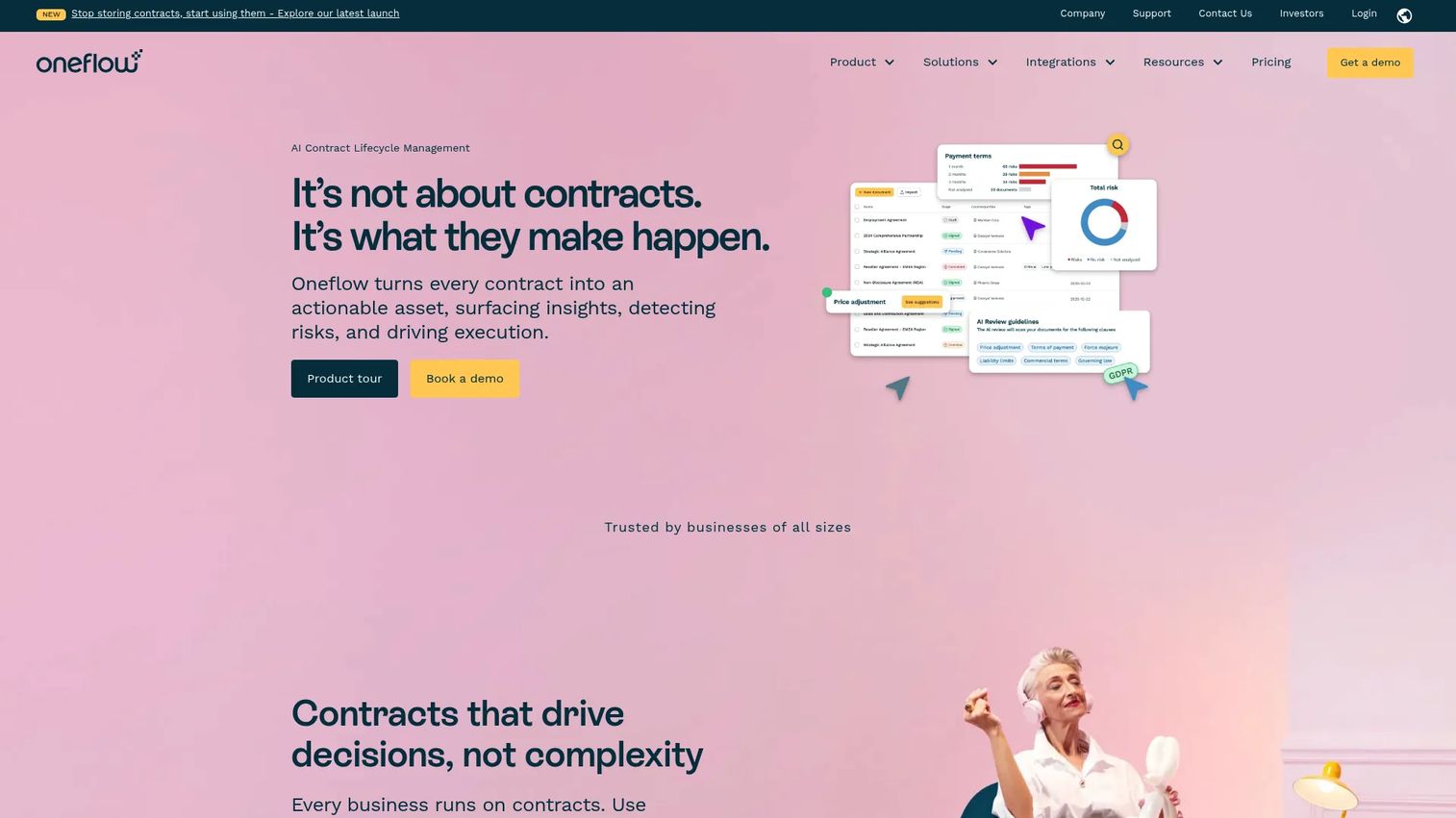
Oneflow is an AI-powered contract management platform for creating, negotiating, signing, and managing contracts in one workflow. It fits teams that want renewal visibility built into a broader contract process, not bolted on afterward. Because contracts are interactive and live inside the platform, renewal dates and terms stay tied to the agreement itself rather than a separate tracker.
Best for: procurement and legal teams that want renewals inside an end-to-end contract workflow with signatures and approvals.
Key strengths
- Interactive digital contracts with live data
- Contract templates and real-time collaboration
- AI features for drafting and review
- CRM integrations to connect contracts to deals
Why choose Oneflow: if your renewal problem is really a whole-contract problem, Oneflow keeps drafting, signature, and renewal in one place. That matters when the same agreement needs a clean approval trail and a renewal reminder from the same source of truth.
Oneflow pricing: paid plans start at Essentials for $17/mo/user, Business at $45/mo/user, both billed annually. Enterprise is custom pricing. Oneflow also offers a freemium option for basic features.
2. Flexera One IT Asset Management
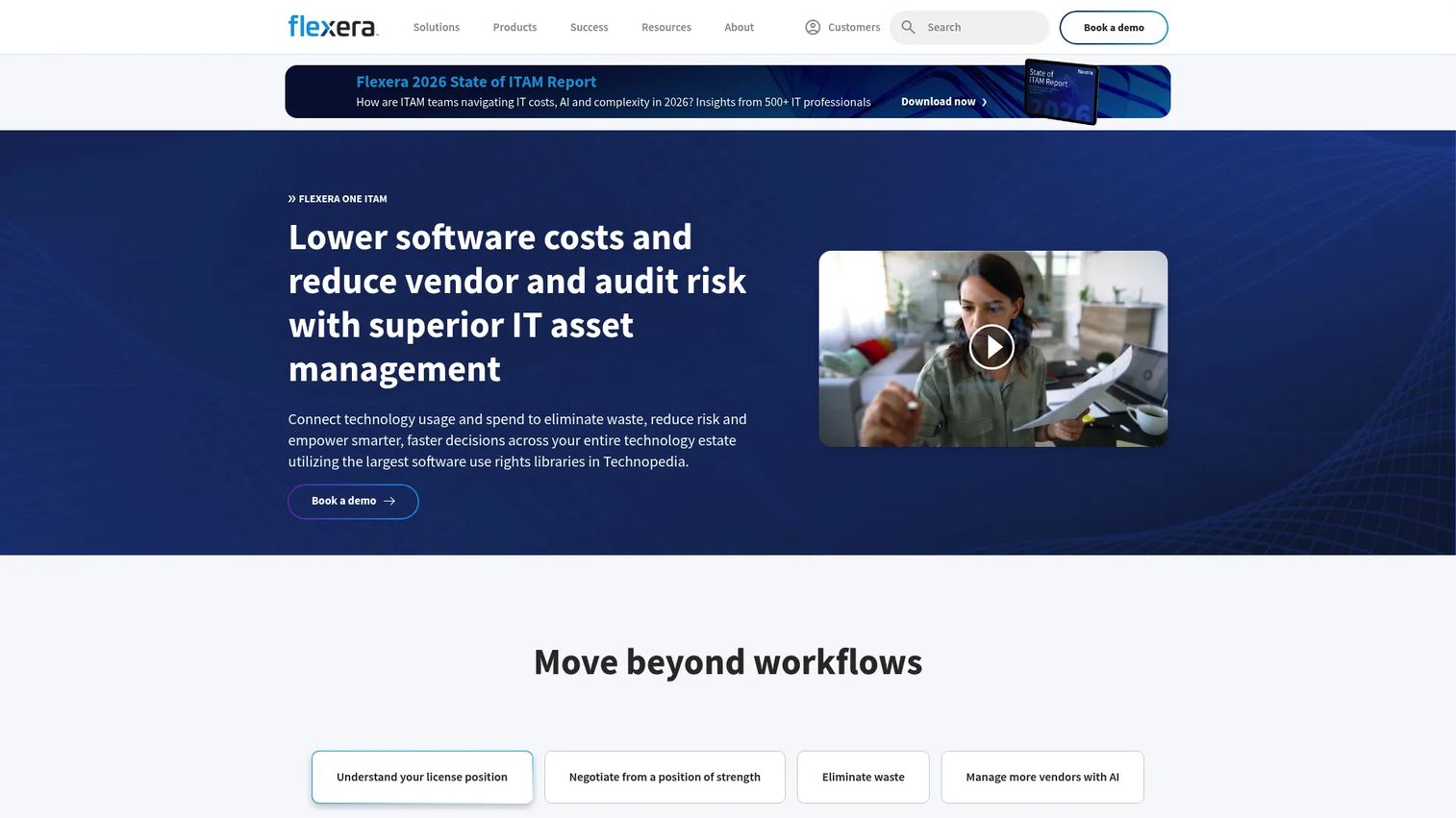
Flexera One IT Asset Management is enterprise IT asset management software for optimizing licenses, reducing waste, and managing compliance across hybrid IT estates. Its renewal angle is different from a pure CLM tool: it ties renewal decisions directly to what you actually use. That turns a renewal date into a negotiation opportunity backed by usage data.
Best for: large enterprises where software renewals should be driven by license utilization and rightsizing, not just contract dates.
Key strengths
- Automated software license optimization and use-rights analysis
- AI ingestion of contracts, entitlements, invoices, POs, and quotes
- Unused asset and waste identification across software and hardware
- Usage visibility across SaaS, on-prem, and cloud
Why choose Flexera: when your biggest renewal risk is overbuying, Flexera gives you the usage data to walk into a renewal knowing exactly how many seats you need. Shelfware reduction and negotiation prep are the payoff.
Flexera pricing: Flexera does not publish public pricing for IT Asset Management. Contact Flexera for a quote based on your estate size and modules.
3. BetterCloud
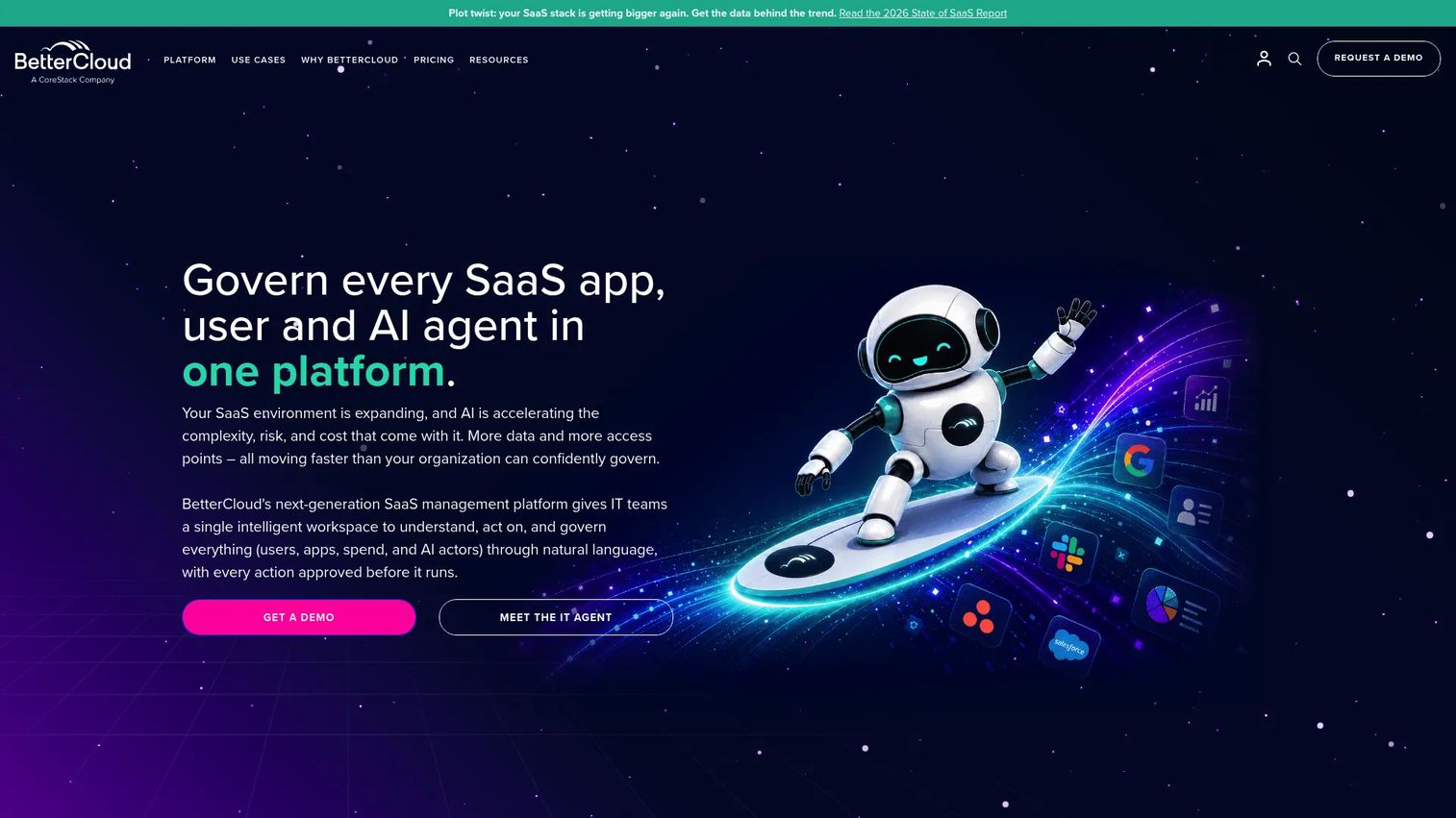
BetterCloud is an AI-powered SaaS management platform for IT governance, automation, visibility, and security. For renewals, it shines on the SaaS side: it discovers apps, tracks license utilization, and helps reclaim seats before a renewal locks you into more than you need. That makes it a strong fit for ops teams running a sprawling SaaS stack.
Best for: IT and ops teams managing SaaS renewal management, license reclamation, and spend across many applications.
Key strengths
- No-code workflow automation for onboarding and offboarding
- Spend optimization and license reclamation
- File governance and audit and compliance controls
- App discovery for shadow SaaS
Why choose BetterCloud: if your renewals are dominated by SaaS subscriptions, seeing real license utilization before the renewal date is the difference between renewing 100 seats and renewing 60. That visibility feeds directly into spend forecasting.
BetterCloud pricing: a Spend Optimization Basic tier is available at $0/month, with a free trial for Spend Optimization and File Governance. User Automation and full Spend Optimization modules are quote-based.
4. Malbek
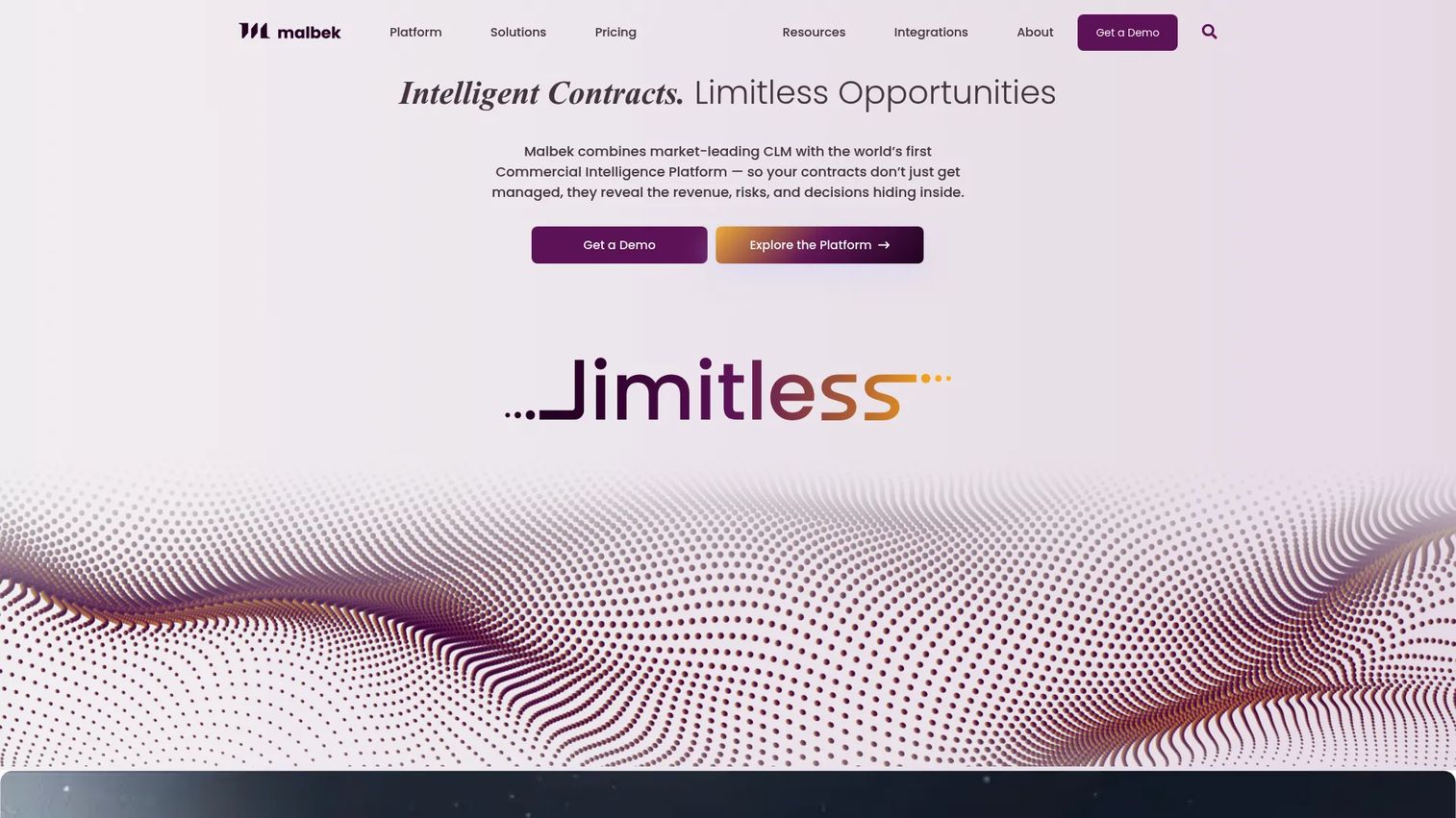
Malbek is an enterprise contract lifecycle management platform with AI and commercial intelligence. It sits closer to full CLM than to a narrow renewal tracker, which suits teams that want renewal automation alongside drafting, approvals, and analytics. The AI layer helps surface renewal risk and obligations buried in contract language.
Best for: enterprises that want a configurable CLM with AI, renewal reminders, and analytics in one platform.
Key strengths
- Full contract lifecycle management
- AI-powered contract assistance
- Commercial intelligence and BusinessIQ analytics
- Approval workflows and audit trail
Why choose Malbek: if you need renewal workflow automation as part of a broader governance story, Malbek covers compliance, approvals, and analytics without stitching multiple tools together. It is a fit when renewals are one piece of a larger contract operation.
Malbek pricing: Malbek uses custom quote-based pricing tailored to users, user type, product modules, and integration connectors. Contact Malbek for a quote.
5. Gatekeeper
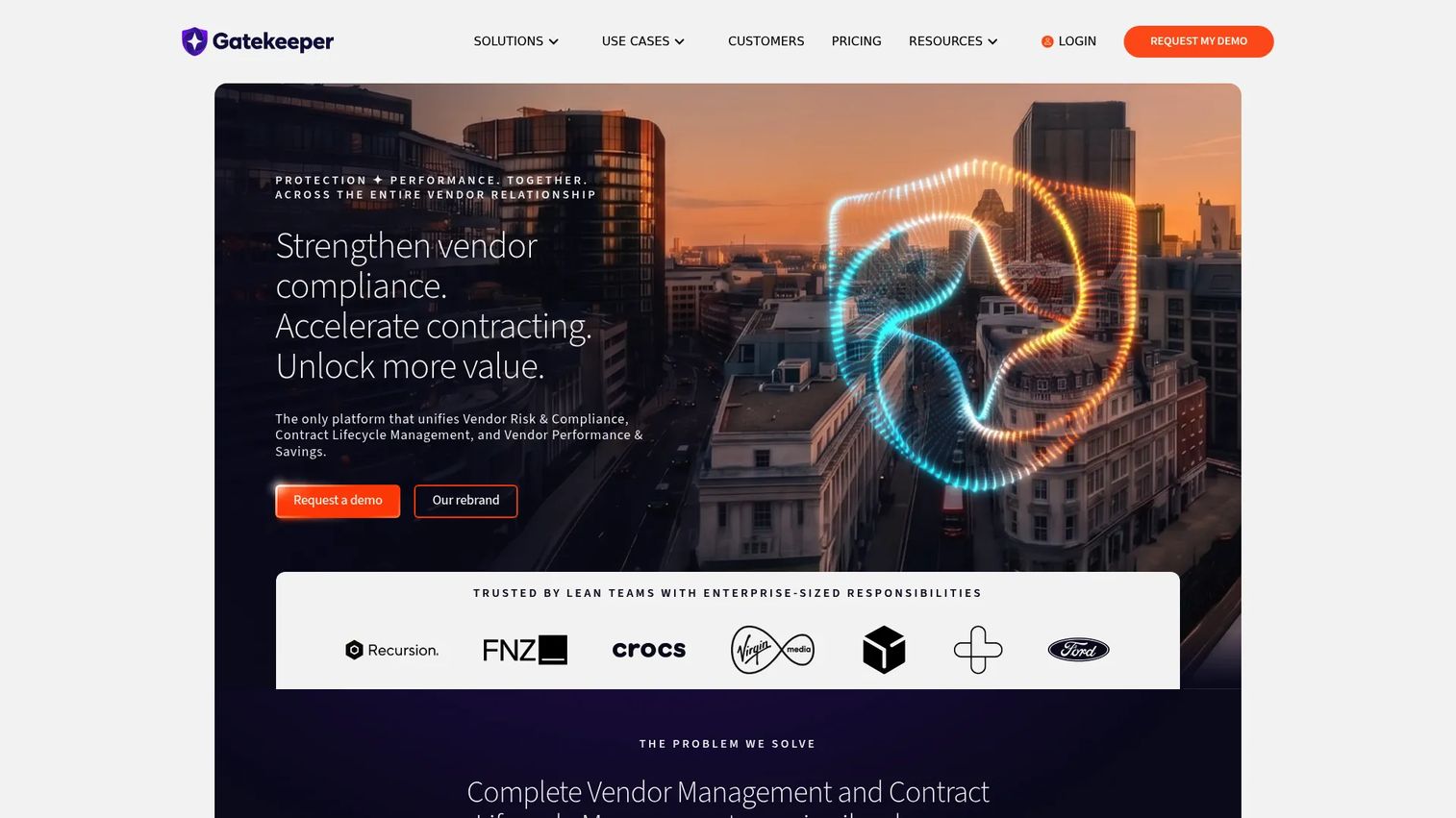
Gatekeeper is a unified vendor and contract lifecycle management platform with AI agents for risk, contracting, and spend. Its strength for renewals is the procurement lens: it centralizes vendor renewals, tracks obligations, and surfaces supplier performance so you renew with data, not habit. That makes it a natural fit for procurement-led teams.
Best for: procurement teams managing vendor renewals, obligation tracking, and supplier risk in one system.
Key strengths
- Vendor compliance and risk intake with continuous monitoring
- Contract lifecycle management with AI-assisted workflows
- Spend management and vendor performance scorecards
- Approval workflows and reporting
Why choose Gatekeeper: when renewals are really about vendor management, Gatekeeper ties renewal dates to supplier risk and spend. That lets procurement decide whether to renew, renegotiate, or exit based on how the vendor actually performed.
Gatekeeper pricing: Gatekeeper lists PRO, ENTERPRISE, and ENTERPRISE PLUS plans on annual terms, with pricing available on request. Contact Gatekeeper for a quote.
6. Icertis
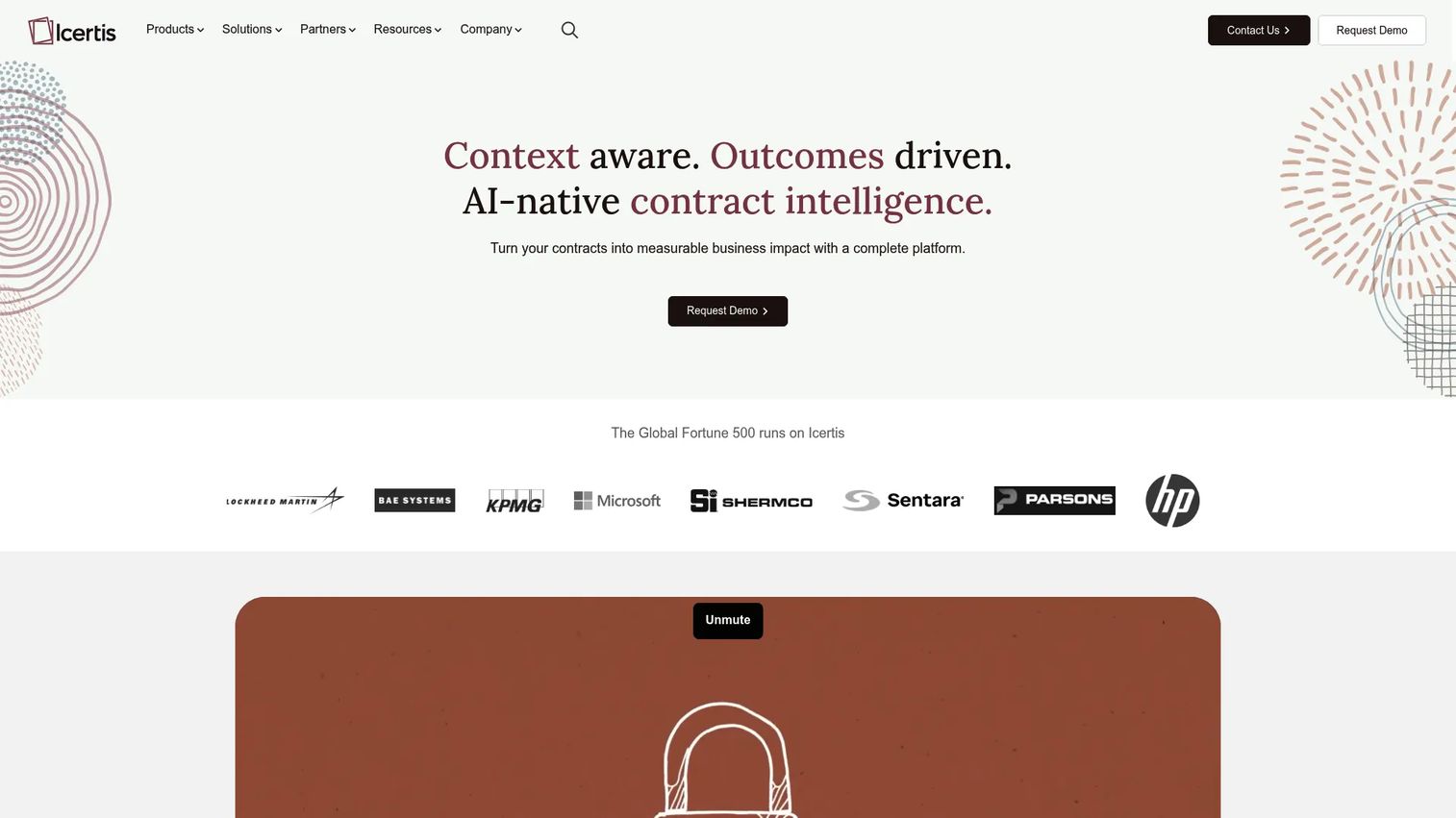
Icertis is an AI-native contract intelligence platform for enterprise contract lifecycle management. It is built for scale: complex contract operations, cross-department obligations, and the kind of audit trail large organizations need to satisfy compliance. Renewals here are one dimension of a governance-heavy platform.
Best for: large enterprises managing complex contracts, obligations, and renewal governance across departments and systems.
Key strengths
- AI-powered contract intelligence and analytics
- Contract lifecycle management workflows
- Enterprise integrations with SAP, Microsoft, Salesforce, and Workday
- Deep audit trail and obligation management
Why choose Icertis: if your renewals span thousands of contracts across business units, Icertis provides the governance depth and integration reach to keep them controlled. It is an enterprise commitment, best suited to legal and procurement teams with real scale.
Icertis pricing: Icertis routes buyers to a demo and does not publish public pricing. Contact Icertis for a tailored quote.
7. CobbleStone
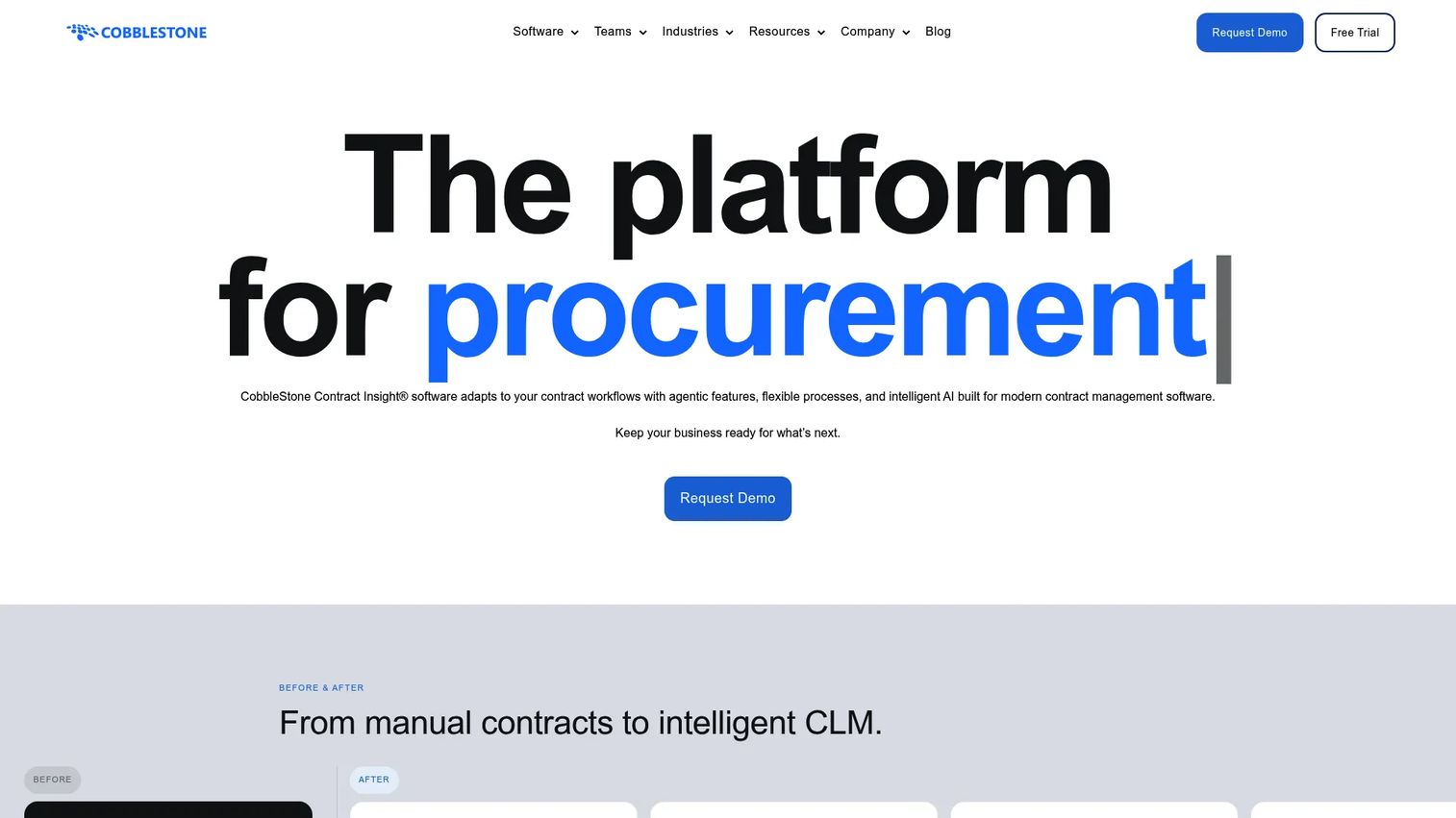
CobbleStone is a contract lifecycle management and procurement software provider with a practical, structured approach to tracking. It handles the core renewal jobs well: a searchable repository, renewal notices and alerts, and reporting that mid-market teams can actually operate without a large admin team.
Best for: mid-market operations teams needing structured contract tracking, renewal alerts, and reporting.
Key strengths
- Contract lifecycle management and repository
- Workflow automation
- AI-assisted drafting and review
- Renewal notices and reporting
Why choose CobbleStone: if you want configurable CLM without enterprise overhead, CobbleStone covers repository, alerts, and approval flow basics at a practical scale. It is a solid middle path between a spreadsheet and a full enterprise suite.
CobbleStone pricing: VISDOM+ AI packages start at $3,995/year (Starter), $6,995/year (Pro), and $29,995/year (Elite), and require a CobbleStone Contract Insight license. VISDOM AI Basic is included with that license.
8. Contractbook
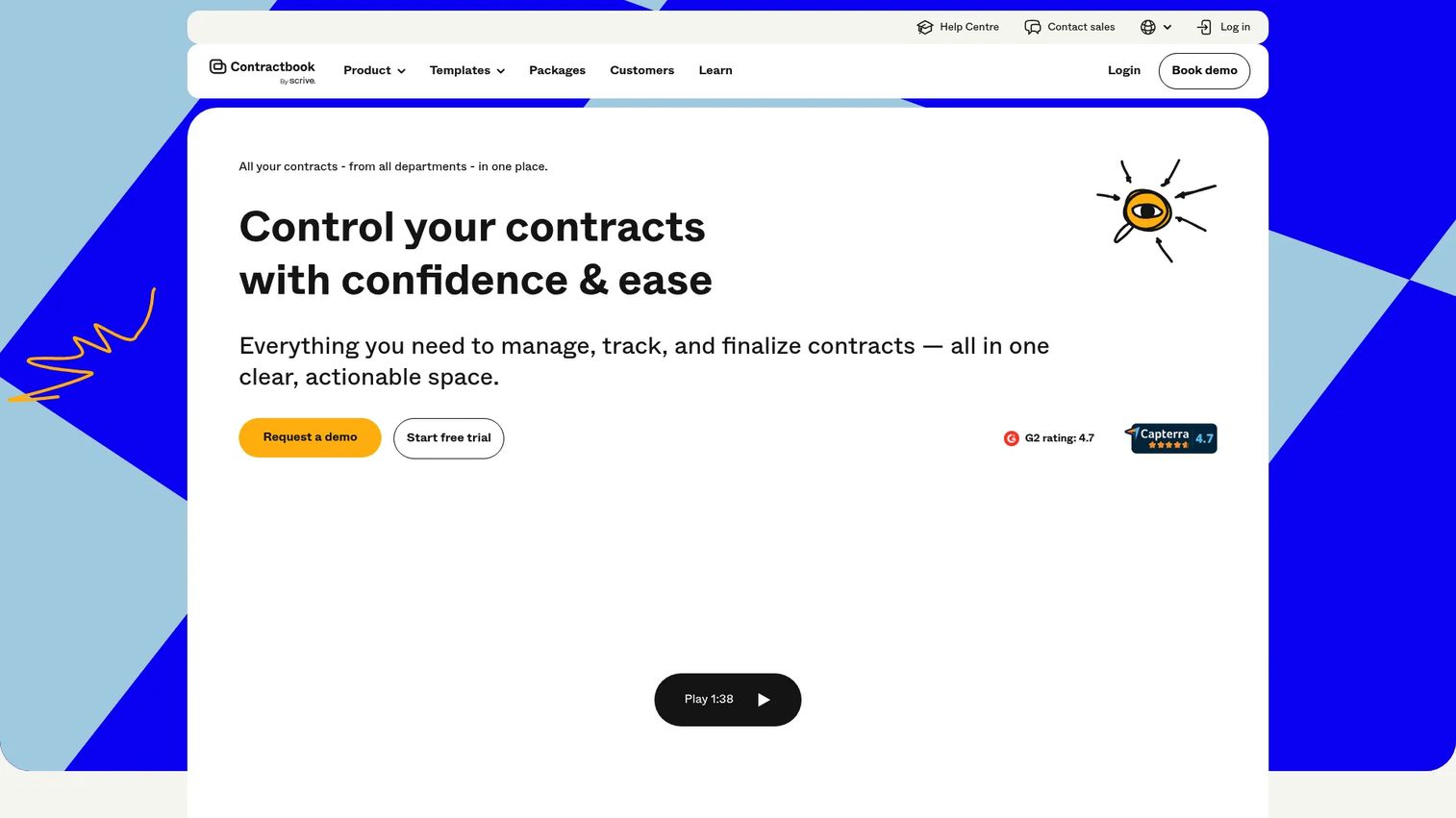
Contractbook is contract management software for creating, storing, tracking, and automating contracts. It leans toward ease of use, which makes it a fit for smaller teams that need renewal tracking and a clean repository without a long implementation. AI data extraction helps pull dates and terms out of existing contracts fast.
Best for: smaller teams that need renewal tracking, document organization, and workflow basics with quick setup.
Key strengths
- Contract creation and collaboration
- E-signatures
- AI data extraction and OCR
- Renewal tracking and repository
Why choose Contractbook: when speed matters more than enterprise governance, Contractbook gets you a working renewal repository quickly. It suits teams that want to stop losing dates without committing to a heavy rollout.
Contractbook pricing: Centralize starts at $399/month and Accelerate at $599/month, both billed annually. A 14-day trial is available, plus a limited free plan afterward. Custom pricing is available on request.
9. Juro
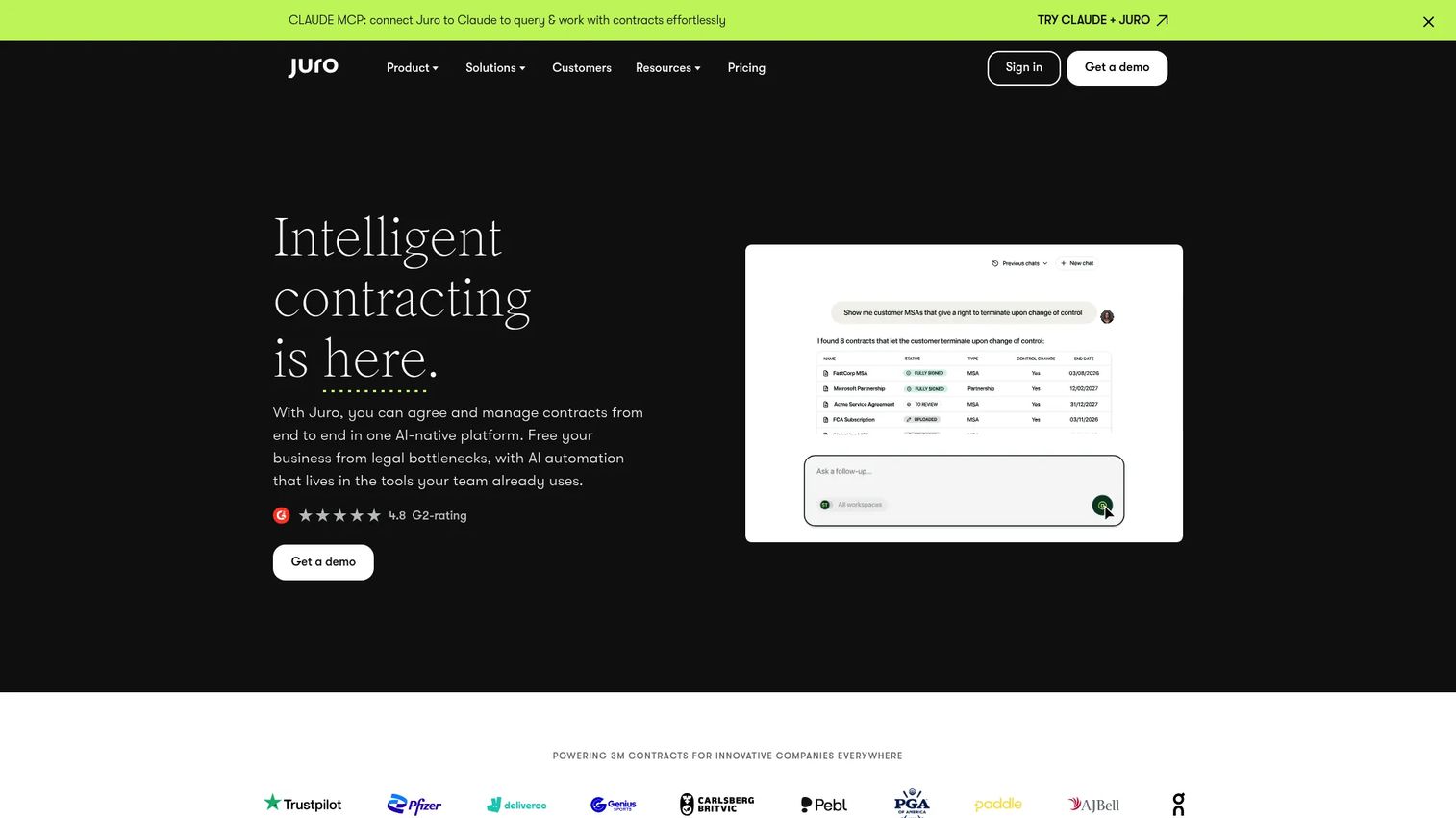
Juro is an AI contract automation and contract management platform for legal and business teams. It focuses on collaborative, self-serve contracting, which extends naturally to renewal visibility and fast approvals. The repository, search, and analytics keep renewal dates surfaced without a heavy interface.
Best for: teams that want a customizable, lighter-weight CLM for self-serve contracting and renewal workflows.
Key strengths
- AI contract review
- Automated templates and workflows
- Contract repository with search and analytics
- Collaborative editing and fast approvals
Why choose Juro: if your team values a clean, collaborative workflow over enterprise complexity, Juro keeps renewal tracking approachable. It fits legal and business teams that want to move quickly on approvals and renewals.
Juro pricing: Juro uses custom, quote-based pricing with unlimited users, workflows, and templates. Pricing scales with contract volume and integration complexity, quoted in USD, GBP, or EUR. Contact Juro for a quote.
Considerations
Use this checklist to evaluate any contract renewal software before you commit.
Central repository and search
Every renewal decision starts with finding the contract. Check that the tool imports your existing agreements, applies consistent metadata, and lets you search by vendor, date, value, and clause. If search is weak, the repository is just a slower shared drive.
Renewal alerts and date logic
The whole point is not missing a window. Confirm the tool tracks notice periods, not just end dates, and flags auto-renewal clauses. Good contract reminder software escalates: it alerts the owner, then their manager, before the deadline, not on it.
Workflow automation and approvals
A renewal that needs sign-off should route automatically to the right people. Look for configurable approval workflows, clear ownership, and reminders that keep approvals from stalling. Ask whether the workflow adapts to contract value or type.
Analytics, usage visibility, and forecasting
Renewing blind wastes money. The strongest tools pair renewal dates with usage analytics and license utilization so you renew the right quantity. Spend forecasting turns a pile of renewal dates into a budget you can plan against.
Integrations, migration, and security
Renewal timing connects to revenue and procurement systems. Verify CRM, ERP, and financial systems integrations, and ask how data migration handles messy legacy contracts. Confirm the security and compliance posture, including SSO, encryption, and access controls.
Audit trails and permissions
When a renewal is disputed, you need to prove who did what. Check that every change is logged in an audit trail and that permissions restrict who can edit dates, approve renewals, or see sensitive terms.
Conclusion
The right contract renewal software depends on where your renewals live and how mature your process is today.
- Enterprise governance: Icertis and Malbek for complex, high-volume contract operations with deep audit trails.
- SaaS renewal management: BetterCloud and Flexera for usage-driven renewals, license utilization, and shelfware reduction.
- Procurement and vendor management: Gatekeeper for obligation tracking and supplier renewals, with CobbleStone for mid-market operations.
- Contract workflow simplicity: Oneflow, Contractbook, and Juro for teams that want renewals inside a fast, collaborative contract process.
Next step: pick the two tools that match your current data reality, not your aspirational one. Start with a clean repository and a working renewal calendar, then layer in automated renewal alerts and spend forecasting as your process matures. The tool that fits your actual workflow beats the most feature-rich one you never fully adopt.
If your team also needs to show buyers how your product works during those renewal and expansion conversations, Guideflow turns your product into self-serve interactive demos in minutes.
Start your journey with Guideflow today!
FAQs
Contract renewal management software centralizes contracts, tracks renewal and expiration dates, sends automated renewal alerts, and manages approvals, usage, and spend. It differs from generic contract lifecycle management by focusing tightly on the renewal moment, where missed windows and overspend usually happen. Think of it as the system that owns your renewal calendar so no one has to remember it.
At minimum: a searchable contract repository, a renewal calendar with notice-window logic, automated alerts, approval workflows, analytics, integrations, audit trails, and granular permissions. The best tools also add usage visibility and spend forecasting, so you renew the right quantity rather than rubber-stamping last year's contract. If a tool tracks dates but ignores usage, you'll still overbuy.
It tracks the notice window, the renewal date, and the responsible owner, then fires alerts early enough to act. The key is that dates are centralized and current, not scattered across inboxes. An alert only helps if it reaches the right person before the window closes, which is why ownership and escalation logic matter as much as the reminder itself.
Yes, and it should. Integrations cut manual entry, connect renewal timing to revenue and procurement workflows, and keep reporting accurate. Most tools on this list connect to systems like Salesforce, SAP, and common financial platforms. Before buying, confirm the specific integrations you rely on are supported natively, not through a fragile workaround.
Not exactly. Contract lifecycle management covers the full journey from drafting to signature to renewal and archival. Renewal software focuses more tightly on renewal tracking, alerts, approval workflows, and optimization. Many CLM platforms include strong renewal features, so the line blurs. The practical question is whether the tool acts on renewal dates or just stores documents.
It depends on your setup, not on one universal winner. SaaS-heavy teams usually need license utilization data, auto-renewal alerts, and reclamation, which is where BetterCloud and Flexera stand out. Procurement-heavy teams may prioritize governance and approvals, favoring Gatekeeper or Icertis. Match the tool to where your renewal risk actually concentrates.
Start with a clean repository, standard metadata, and a working renewal calendar. Old contracts often need normalization, consistent field names, corrected dates, extracted terms, before automation becomes reliable. Many tools use AI or OCR to pull data from existing PDFs, but review the output. Automating on top of messy data just produces confident, wrong alerts.