Commission week hits and your RevOps team disappears into spreadsheet hell. Broken formulas, version control nightmares, and reps questioning every payout. Meanwhile, your competitors are closing deals while you're debugging VLOOKUP errors.
Sales compensation software automates the calculation, tracking, and management of commissions so your team can focus on selling instead of reconciling numbers. This guide covers the 12 best platforms for 2026, compared by use case, pricing, and the specific scenarios where each one fits.
What's inside
- What sales compensation software does and who typically uses it
- The 12 best commission management tools compared by use case, pricing, and ratings
- How to choose the right sales comp platform for your team size and plan complexity
- Key features to evaluate before buying, from CRM integrations to audit trails
TL;DR
- Sales compensation software automates commission calculations, tracks rep earnings in real time, and manages incentive plans across your sales organization.
- CaptivateIQ and Xactly lead for mid-market and enterprise teams with complex, multi-tier comp structures.
- QuotaPath and Sales Cookie work well for startups and SMBs that want fast setup without enterprise pricing.
- The single most important selection criterion: match your plan complexity to the software's modeling and calculation capabilities before evaluating anything else.
What is sales compensation software
Sales compensation software automates the calculation, tracking, and management of sales commissions and incentive plans. Instead of building fragile spreadsheet formulas every month, these platforms apply your comp plan rules automatically when deals close.
You might hear this category called incentive compensation management (ICM) software or commission tracking software. The function is the same: pull deal data from your CRM, apply your rules for tiered rates, accelerators, SPIFFs, and splits, then output accurate payouts.
RevOps, Finance, Sales Ops, and Sales leaders typically buy and administer these tools. Reps interact with dashboards to see their earnings, while admins configure plans and run reports.
Core features of commission management software
When evaluating sales commission tools, look for capabilities that match how your team actually operates.
Automated commission calculations
Commission calculation software replaces the spreadsheet formulas that break every quarter. Good platforms handle tiered rates, accelerators, SPIFFs, and multi-rep splits without manual intervention. When a rep closes a deal, the system applies your rules automatically.
Real-time earnings visibility
Rep-facing dashboards show commission tracking as deals close, not weeks later at payroll. Reps can see exactly how their work translates to earnings, which reduces payout disputes and keeps motivation high.
Comp plan modeling and scenario testing
Sales compensation plan software lets you model "what-if" scenarios before rolling out new plans. You can test how changes to rates, tiers, or accelerators would affect payouts across your team. Comp plan changes often have unintended consequences, and modeling catches problems before they hit real paychecks.
CRM and payroll integrations
Integration with Salesforce, HubSpot, ERP systems, and payroll software eliminates manual data exports. The commission tool pulls deal data automatically and can push payout information to your finance systems.
Audit trails and compliance reporting
Enterprise-grade platforms maintain records for SOX compliance, ASC 606 revenue recognition, and commission payment accuracy. Version history tracks every plan change, so you can explain exactly why a payout was calculated a certain way.
Commission analytics and optimization
Incentive analytics help identify which plans actually drive performance. Predictive analytics modules improve budgeting accuracy by up to 22%. You can track cost-of-sales, see attainment distribution across your team, and measure plan effectiveness over time.
When to use sales compensation management software
Your team has outgrown spreadsheets
The symptoms are familiar: broken formulas, version control nightmares, and hours spent on month-end calculations. Over 47% of organizations still rely on spreadsheets for incentive compensation tasks. If your finance or RevOps team dreads commission week, sales commission automation solves that pain.
Commission disputes are hurting trust
When reps don't understand how their payouts are calculated, trust erodes - 9% of reps quit over commission mismanagement. Sales compensation transparency tools give reps self-service access to see exactly how every dollar was computed.
Reps wait until payroll to see earnings
Delayed visibility means reps lose motivation because they can't connect their daily work to their compensation. Real-time sales commission tracking keeps the feedback loop tight.
You're scaling past 20 sales reps
This is typically the inflection point where manual processes break. The complexity of tracking multiple reps, territories, and plan variations makes incentive compensation management software essential.
Sales compensation software comparison table
| # | Product | Intent | Key differentiation | Pricing | G2 rating |
|---|---|---|---|---|---|
| 1 | CaptivateIQ | Mid-market to enterprise ICM | SmartGrid technology for complex plans | Custom | 4.7/5 |
| 2 | Qobra | GTM team commission visibility | No-code plan builder, mobile app | Custom | 4.7/5 |
| 3 | Everstage | Revenue team engagement | Gamification and leaderboards | Custom | 4.9/5 |
| 4 | Spiff | Salesforce-native automation | Lives inside your CRM | Custom | 4.7/5 |
| 5 | Xactly | Enterprise ICM with AI | Benchmarking data and global scale | Custom | 4.2/5 |
| 6 | Varicent | Integrated SPM platform | Territory and quota planning included | Custom | 4.1/5 |
| 7 | Performio | Complex plan flexibility | Strong implementation support | Custom | 4.3/5 |
| 8 | QuotaPath | Growing teams, easy setup | Transparent pricing, fast onboarding | Starts at $25/user/mo | 4.7/5 |
| 9 | Palette | Speed and simplicity | Fast implementation, modern UX | Custom | 4.9/5 |
| 10 | Core Commissions | Non-standard payout models | Handles any commission scenario | Custom | 4.5/5 |
| 11 | Sales Cookie | Self-service for small teams | DIY setup, affordable | Starts at $30/payee/mo | 4.9/5 |
| 12 | Compass by Giift | Gamified sales incentives | Contests, rewards, engagement focus | Custom | 4.7/5 |
1. CaptivateIQ
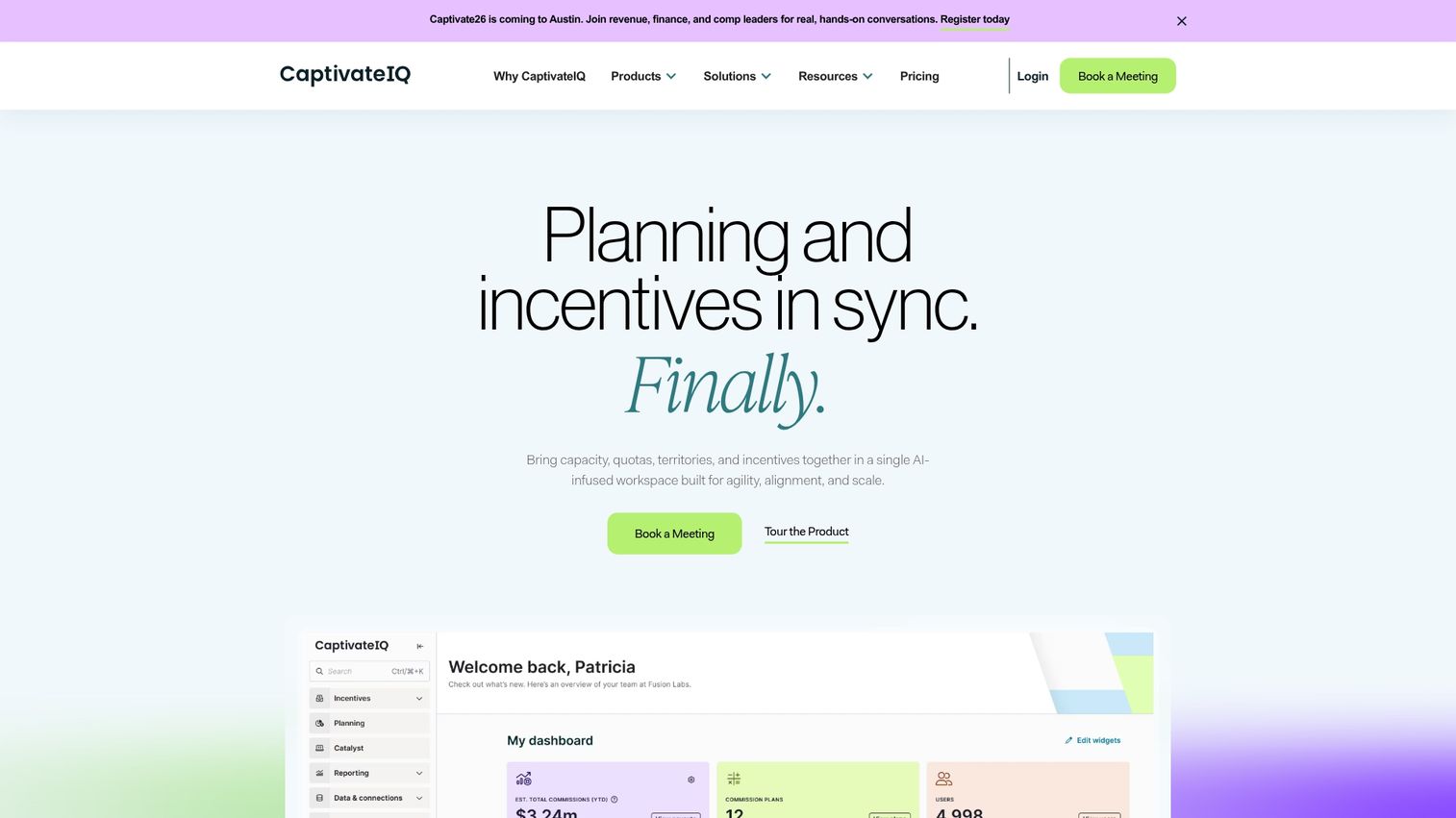
CaptivateIQ positions itself as the commission management platform for teams that have outgrown basic tools but don't want the rigidity of legacy enterprise software. The platform's SmartGrid technology handles complex incentive pay structures that would break most spreadsheet-based approaches.
Best for: Mid-market to enterprise sales organizations with multi-tier comp plans, accelerators, and complex crediting rules.
Key strengths
- SmartGrid calculation engine: Handles complex commission logic including tiered rates, accelerators, and multi-rep splits without custom development
- Plan modeling: Test new comp plan scenarios before rollout to catch unintended consequences
- Rep dashboards: Real-time earnings visibility reduces disputes and keeps reps motivated
- Salesforce and HubSpot integrations: Native connections pull deal data automatically
- Audit trails: Full version history for compliance and dispute resolution
Why choose CaptivateIQ
Pick CaptivateIQ when your comp plans are too complex for entry-level tools but you want more flexibility than legacy enterprise platforms offer. RevOps teams can make changes without waiting on vendor professional services.
Pricing
Custom pricing based on team size and requirements.
2. Qobra
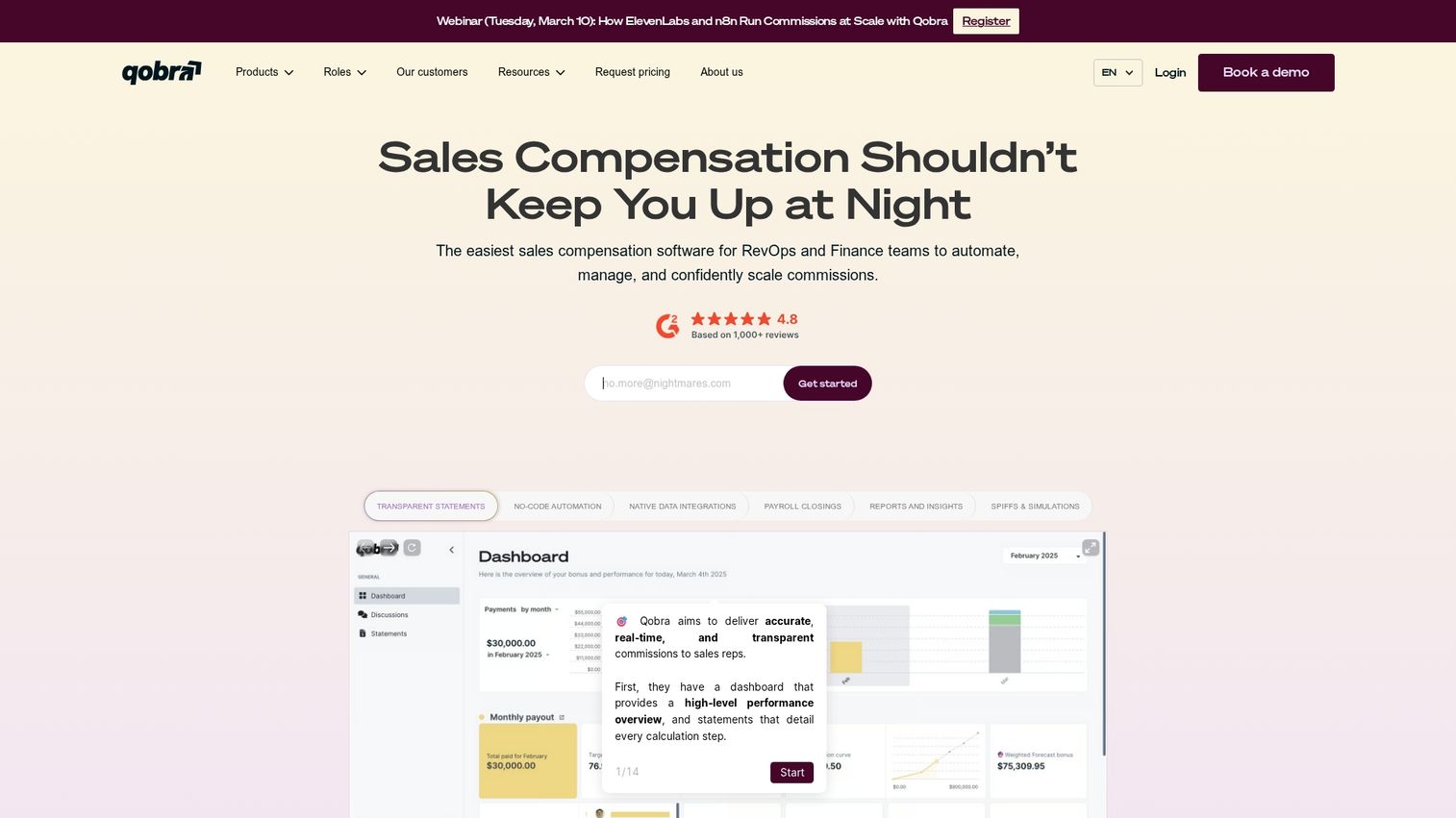
Qobra is a sales commission platform with strong traction in European markets and a focus on making commission data visible across the entire GTM organization. The no-code plan builder lets RevOps configure complex rules without engineering support.
Best for: GTM teams that want commission visibility across Finance, RevOps, Sales Ops, and Sales without building custom dashboards.
Key strengths
- No-code plan builder: Configure tiered rates, accelerators, and custom rules without developer involvement
- Real-time tracking: Reps see earnings update as deals close, not at month-end
- Mobile app: Field reps can check commissions between meetings
- Multi-currency support: Handles global teams with localized payouts
- Slack and CRM integrations: Notifications and data sync where your team already works
Why choose Qobra
Qobra works well when you want the entire revenue organization aligned on compensation data. The platform emphasizes transparency and accessibility over deep enterprise features.
Pricing
Custom pricing. Contact sales for details.
3. Everstage
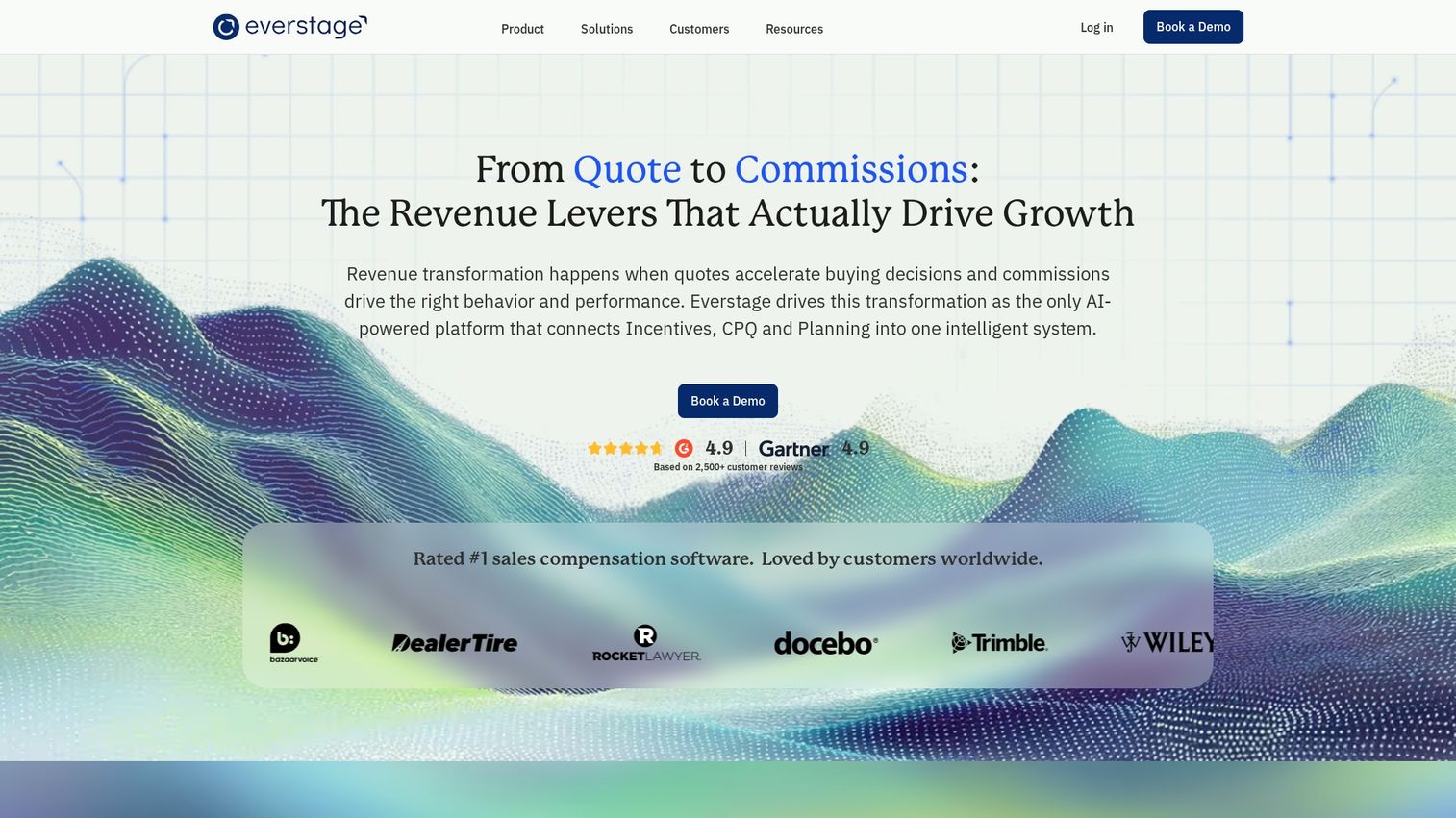
Everstage combines commission management with gamification features designed to drive rep engagement. Beyond accurate payouts, the platform includes leaderboards and performance tracking that turn compensation into a motivation tool.
Best for: Revenue teams that want to use compensation as an engagement lever, not just an accounting function.
Key strengths
- Gamification and leaderboards: Turn commission tracking into a competitive, motivating experience
- Real-time earnings visibility: Reps see exactly where they stand against quota and peers
- Plan modeling: Test new structures before rollout
- Strong CRM integrations: Native connections with Salesforce, HubSpot, and other platforms
- Mobile access: Check earnings and standings from anywhere
Why choose Everstage
Choose Everstage when rep engagement matters as much as calculation accuracy. The gamification layer adds value beyond basic commission tracking.
Pricing
Custom pricing based on team size and requirements.
4. Spiff

Spiff is now part of Salesforce, which means it lives natively inside the CRM many sales teams already use. The platform handles commission automation without requiring reps or admins to switch between systems.
Best for: Salesforce-heavy organizations that want commission tracking embedded in their existing workflow.
Key strengths
- Native Salesforce integration: Commission data lives where your deals live
- Real-time sync: Earnings update automatically as opportunities close
- Rep dashboards: Self-service access to commission details and calculations
- Plan flexibility: Handles tiered rates, accelerators, and custom rules
- Audit trails: Full history for compliance and dispute resolution
Why choose Spiff
Pick Spiff when your team lives in Salesforce and you want commission visibility without adding another tool to the stack.
Pricing
Custom pricing. Contact sales for a quote.
5. Xactly
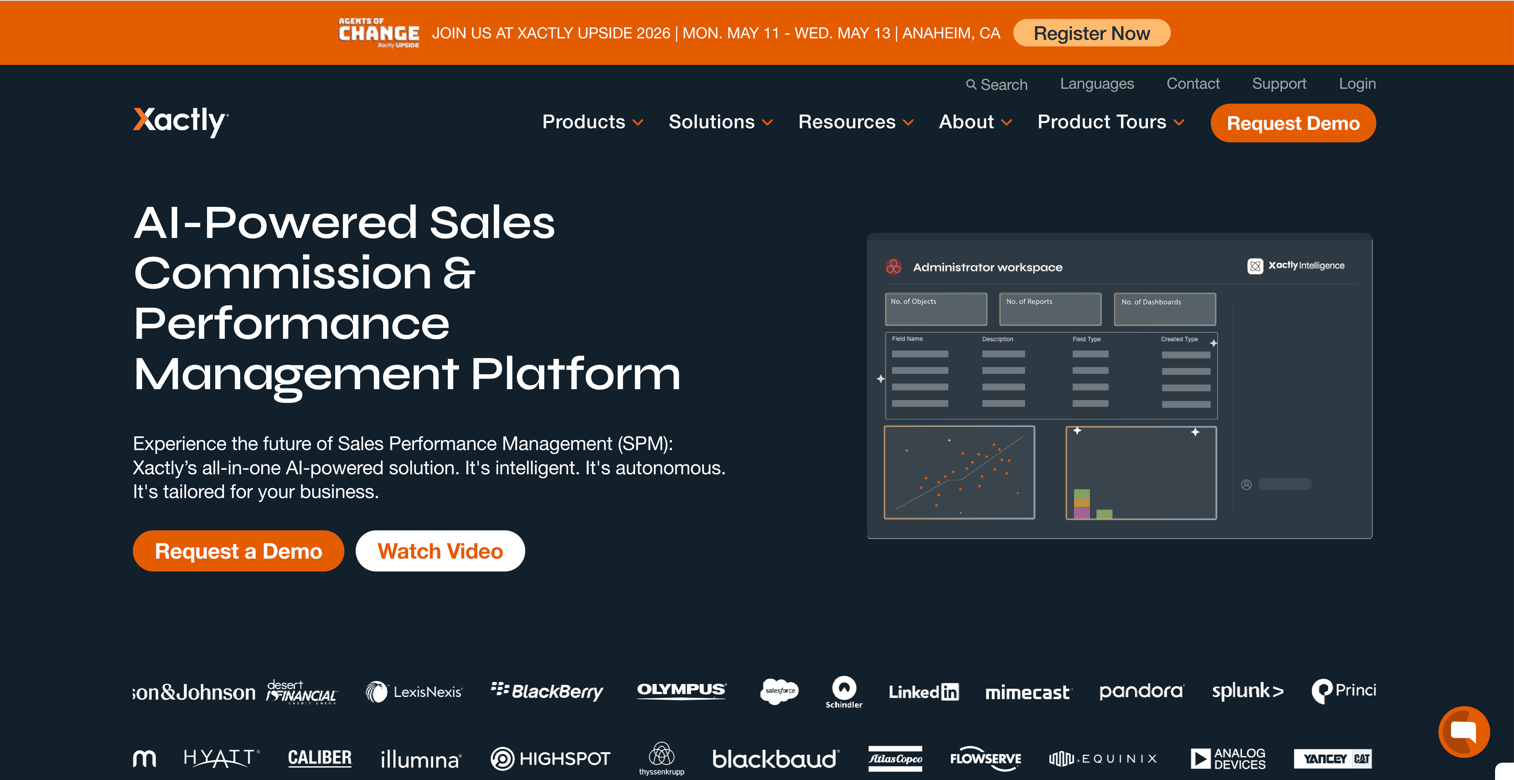
Xactly is the enterprise incumbent in incentive compensation management, with AI-powered planning and benchmarking data from thousands of customers. The platform handles global, complex comp structures at scale.
Best for: Large enterprises with complex, global compensation plans and the resources for a longer implementation timeline.
Key strengths
- AI-powered planning: Predictive analytics for quota setting and plan optimization
- Benchmarking data: Compare your comp structures against industry peers
- Global scale: Multi-currency, multi-country support for international teams
- Territory and quota management: Integrated planning beyond just commissions
- Compliance and audit: Enterprise-grade controls for SOX and ASC 606
Why choose Xactly
Choose Xactly when you're operating at enterprise scale with complex global requirements. The platform's depth comes with a longer implementation timeline.
Pricing
Custom enterprise pricing.
6. Varicent
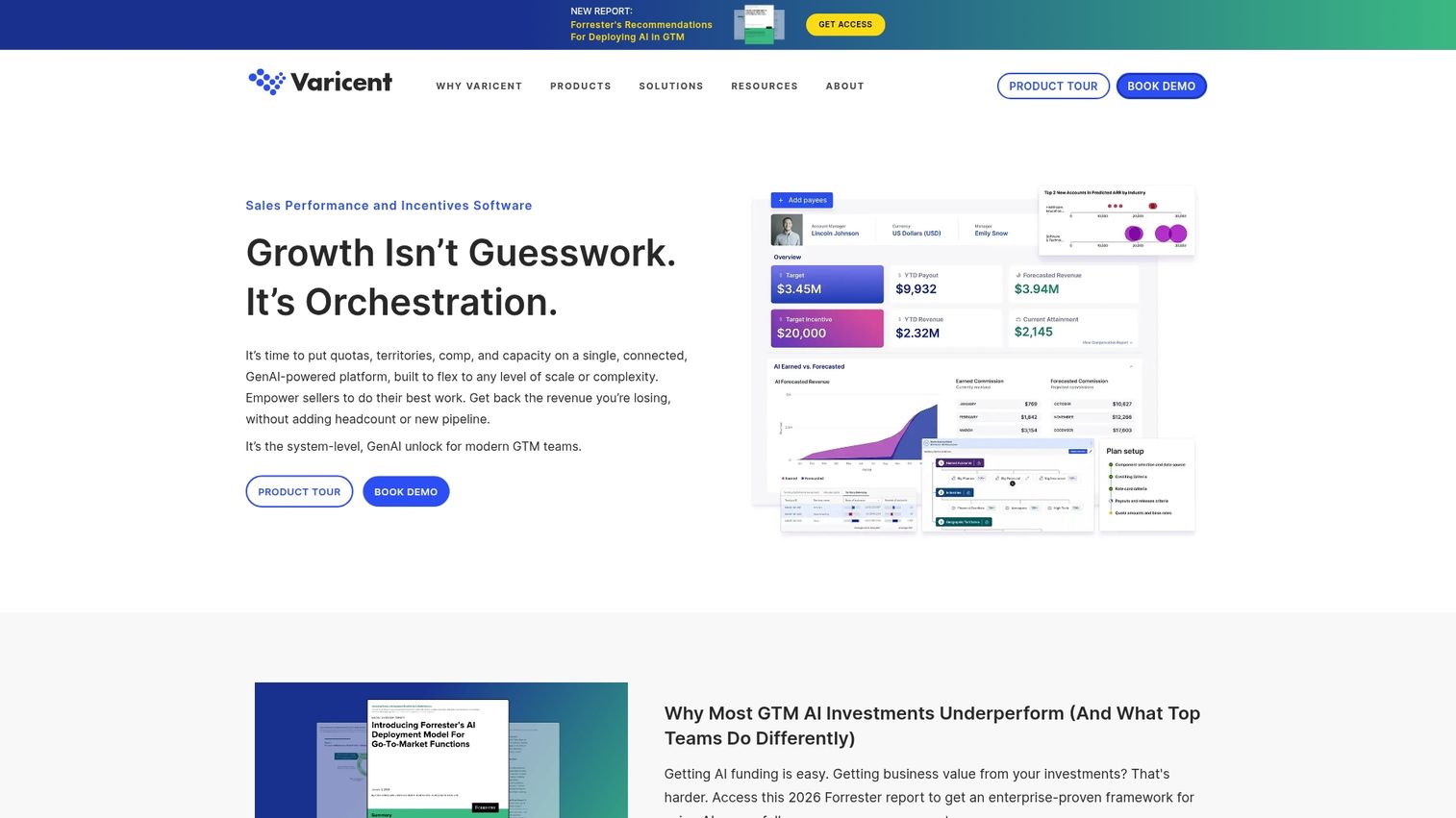
Varicent positions itself as a full sales performance management platform, combining incentive compensation with territory and quota planning. If you want one system for the entire SPM stack, Varicent offers that integration.
Best for: Organizations that want territory management, quota planning, and commission tracking in a single platform.
Key strengths
- Integrated SPM: Territory, quota, and compensation planning in one system
- Advanced analytics: Deep reporting on plan effectiveness and cost-of-sales
- Enterprise scale: Handles complex global organizations
- Workflow automation: Streamline approvals and plan changes
- Compliance controls: Audit trails and version history for regulated industries
Why choose Varicent
Pick Varicent when you want to consolidate SPM tools rather than manage separate systems for territories, quotas, and commissions.
Pricing
Custom enterprise pricing.
7. Performio
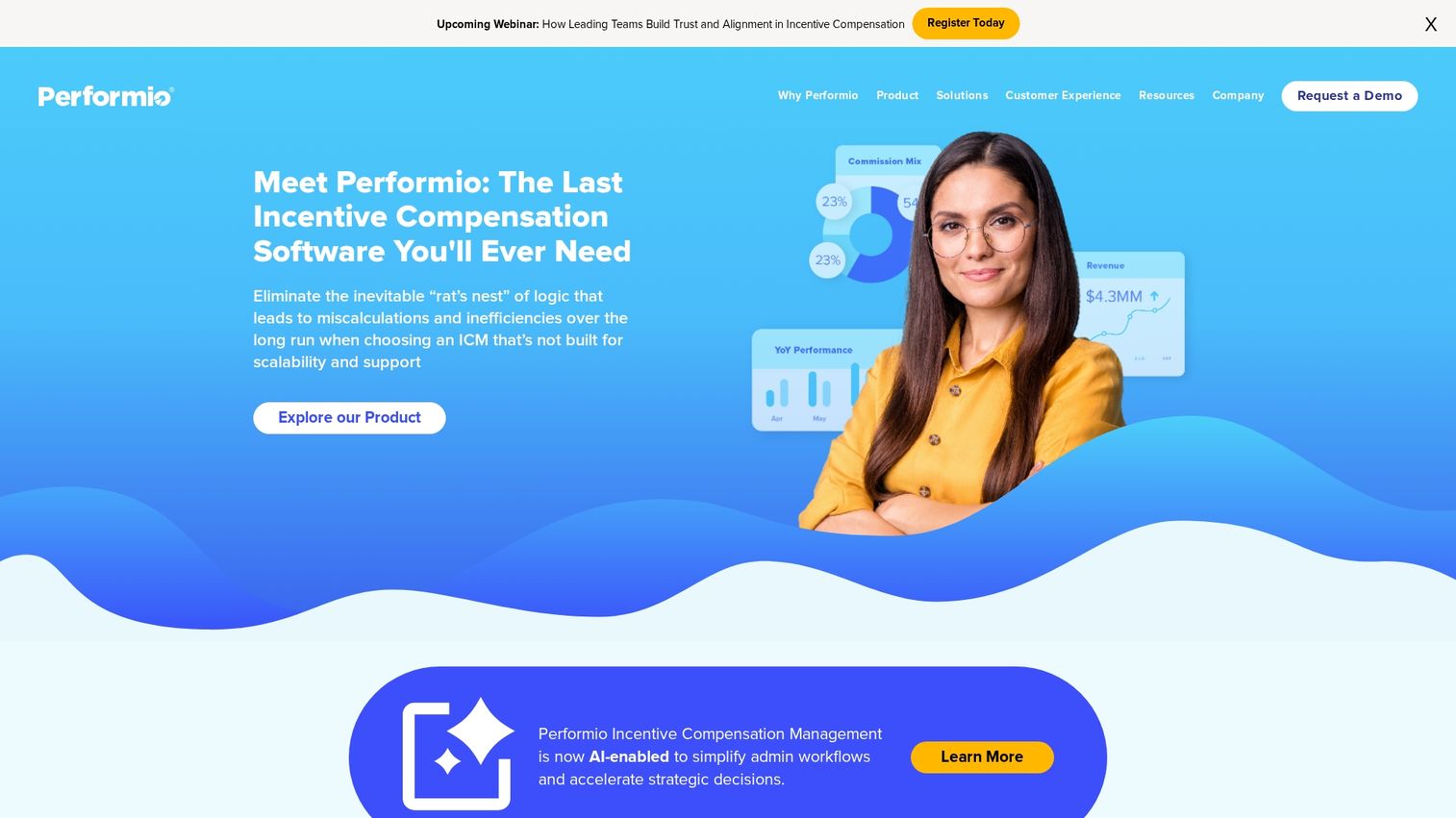
Performio focuses on flexibility for complex commission structures, with strong implementation support to get teams up and running. The platform handles multi-layered incentive plans without requiring custom development.
Best for: Mid-market companies with complex, multi-layered incentive structures who want hands-on implementation help.
Key strengths
- No-code admin: Configure complex rules without developer involvement
- Implementation support: Dedicated help getting your plans configured correctly
- Flexible calculations: Handles tiered rates, splits, overrides, and custom logic
- Rep self-service: Dashboards for earnings visibility and dispute resolution
- Integrations: Connects with major CRMs and ERP systems
Why choose Performio
Choose Performio when your comp plans are complex and you want vendor support during implementation.
Pricing
Custom pricing based on requirements.
8. QuotaPath
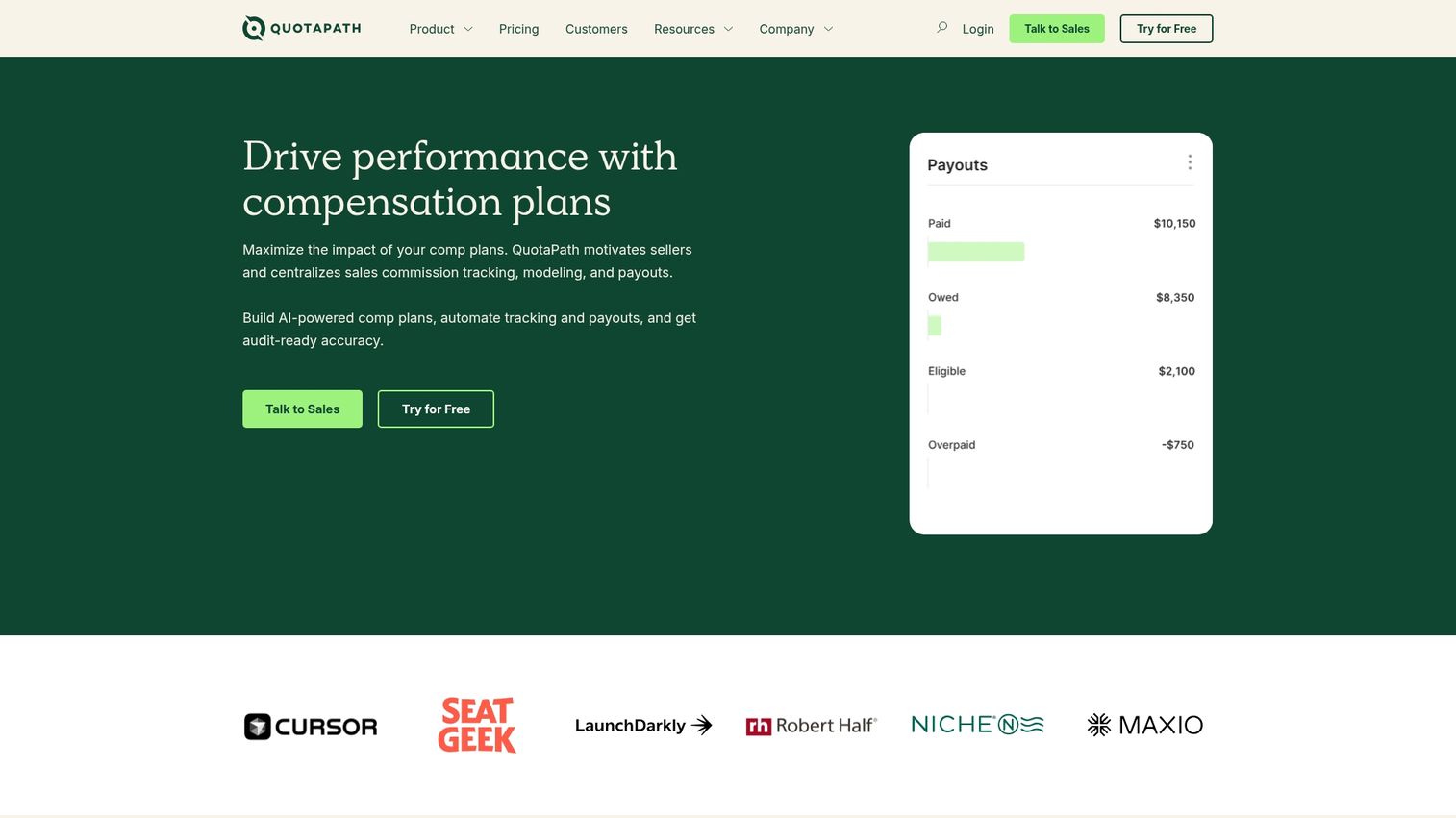
QuotaPath targets growing sales teams that want accessible commission software without enterprise complexity or pricing. The platform emphasizes ease of use and transparent pricing.
Best for: Startups and SMBs adopting their first dedicated commission tool.
Key strengths
- Easy setup: Get running in days, not months
- Transparent pricing: Published rates so you know what you're paying
- HubSpot and Salesforce integrations: Native connections with popular CRMs
- Rep dashboards: Real-time earnings visibility
- Plan modeling: Test changes before rollout
Why choose QuotaPath
Pick QuotaPath when you're moving off spreadsheets for the first time and want something that works without a lengthy implementation project.
Pricing
Starts at $25 per user per month.
9. Core Commissions
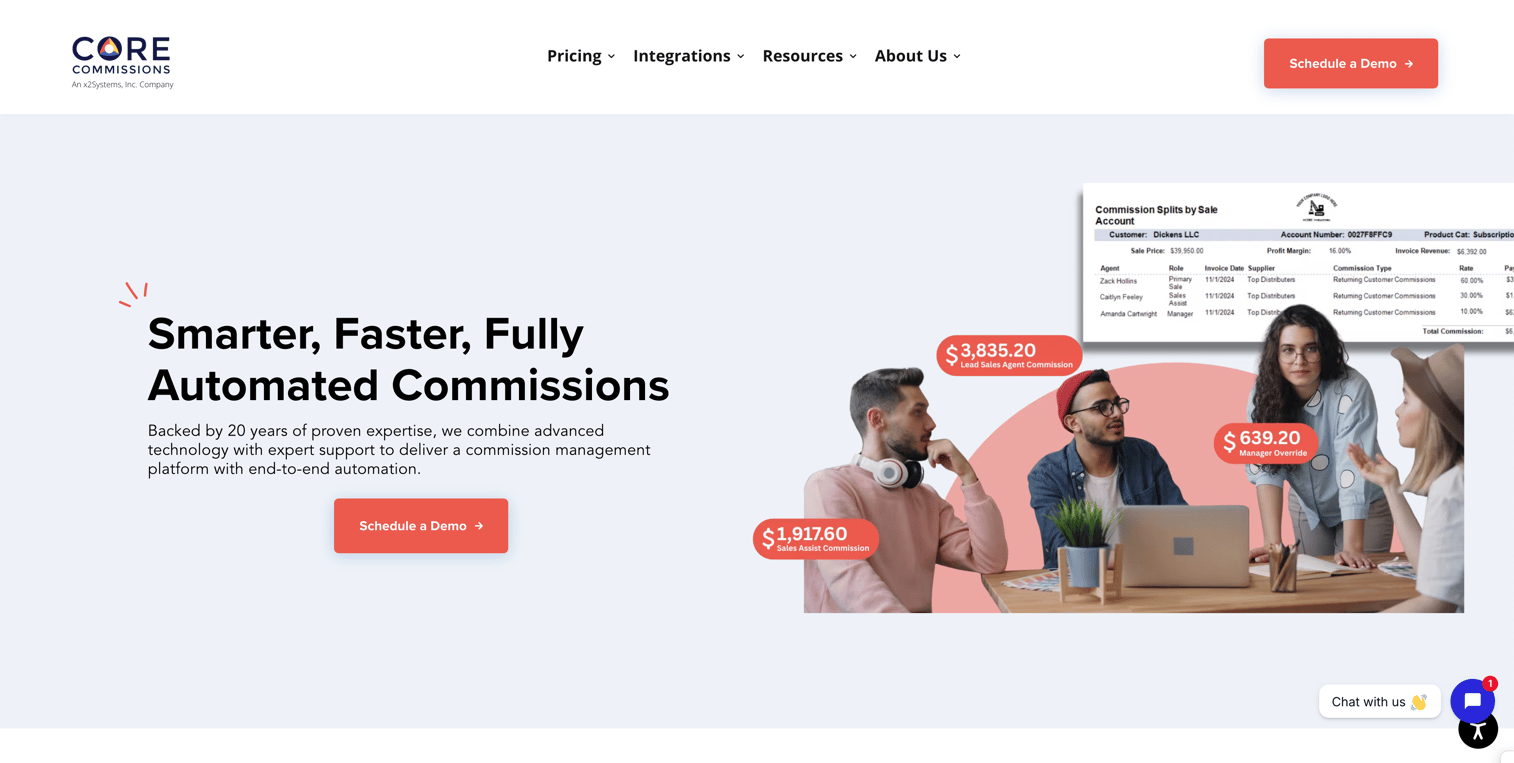
Core Commissions handles non-standard payout models that break other platforms. If you have reseller commissions, channel payouts, or multi-tier structures, the platform's flexibility becomes valuable.
Best for: Organizations with non-standard payout models like reseller, channel, or multi-tier commissions.
Key strengths
- Extreme flexibility: Handles any commission scenario you can define
- Channel and reseller support: Built for complex partner compensation
- Multi-tier calculations: Manages hierarchical payout structures
- Custom reporting: Build the reports your finance team actually needs
- Integration options: Connects with various CRM and ERP systems
Why choose Core Commissions
Pick Core Commissions when your payout model doesn't fit the standard templates other platforms assume.
Pricing
Custom pricing based on complexity and requirements.
10. Sales Cookie
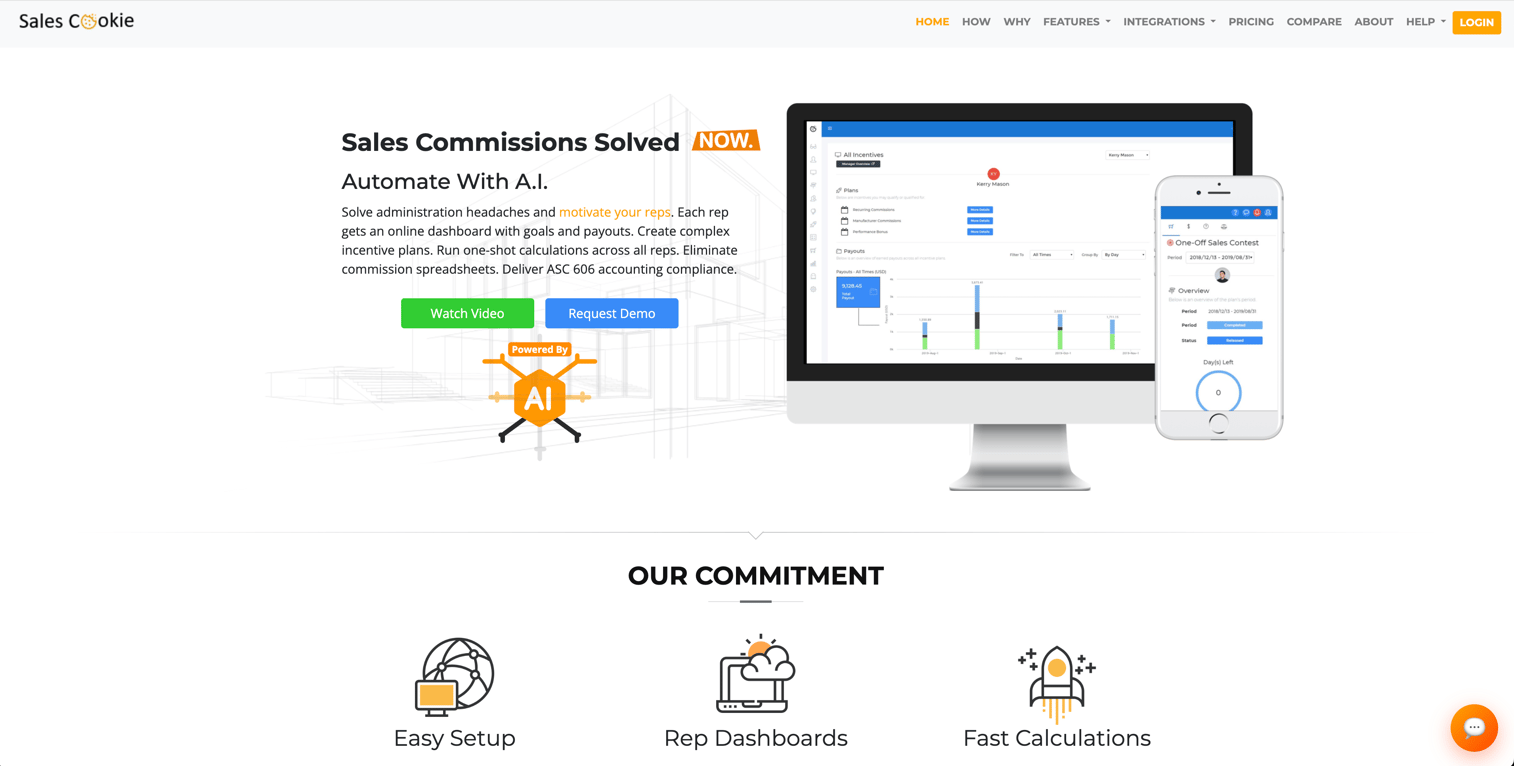
Sales Cookie offers self-service commission management for small teams that want automation without enterprise pricing or lengthy onboarding. The DIY approach keeps costs low.
Best for: Small teams that want commission automation without enterprise pricing or implementation projects.
Key strengths
- Self-service setup: Configure plans yourself without vendor involvement
- Affordable pricing: Published rates accessible for small teams
- Core automation: Handles standard commission calculations reliably
- Rep dashboards: Basic earnings visibility for your team
- CRM integrations: Connects with Salesforce and other platforms
Why choose Sales Cookie
Choose Sales Cookie when you're a small team that wants to automate commissions without the cost or complexity of enterprise tools.
Pricing
Starts at $30 per payee per month.
11. Compass by Giift
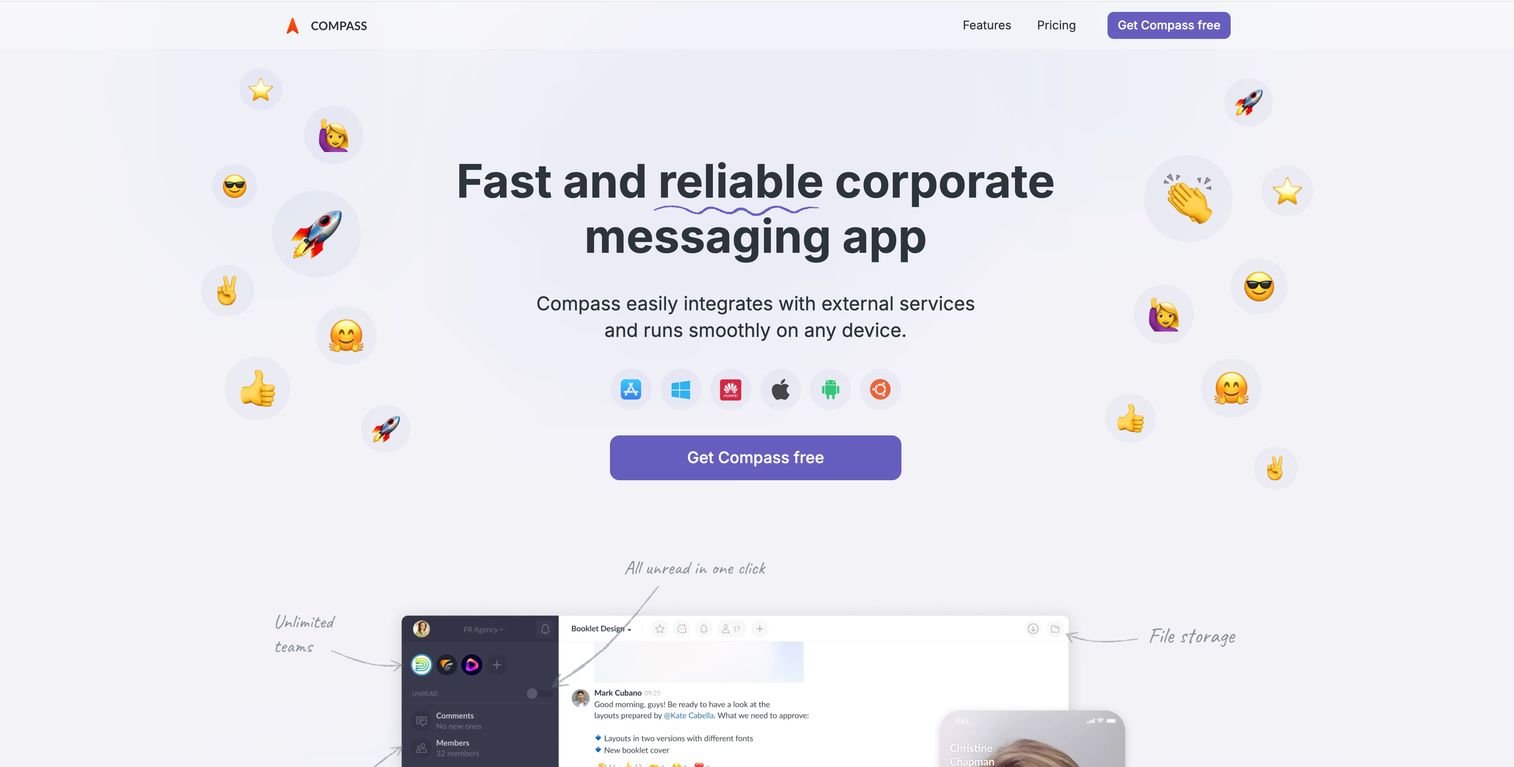
Compass by Giift combines commission tracking with gamification, contests, and rewards. The platform treats compensation as an engagement tool, not just an accounting function.
Best for: Teams prioritizing rep motivation and sales performance culture alongside accurate payouts.
Key strengths
- Gamification features: Contests, leaderboards, and challenges built in
- Rewards integration: Connect compensation to broader incentive programs
- Real-time tracking: Reps see earnings and standings as they work
- Mobile access: Check performance from anywhere
- Commission automation: Handles standard calculation needs
Why choose Compass
Pick Compass when you want to build a performance culture around compensation, not just track payouts accurately.
Pricing
Custom pricing.
How to choose the right sales compensation platform
Match plan complexity to software capabilities
Simple plans with flat rates and single tiers have different requirements than complex structures with accelerators, splits, SPIFFs, and overrides. Audit your current plans before evaluating tools. If your plans are straightforward, you don't need enterprise-grade complexity.
Prioritize CRM and ERP integration depth
Sales and commission software pulls data from your source of truth. Evaluate whether platforms offer native integrations or API-only connections with your CRM (Salesforce, HubSpot) and ERP systems (NetSuite, etc.). Native integrations typically mean less maintenance.
Evaluate implementation and onboarding timeline
Enterprise platforms like Xactly can take months to implement, while SMB tools like QuotaPath launch in weeks. Match your timeline expectations to vendor capability.
Calculate total cost of ownership
Commission payout software pricing varies: per user, per payee, flat platform fee. Factor in implementation costs, ongoing support fees, and potential overage charges.
Assess reporting and incentive analytics
Look for commission analytics that match your RevOps maturity:
- Plan effectiveness: Which comp structures drive the behaviors you want?
- Cost of sales: What percentage of revenue goes to commissions?
- Attainment distribution: How are reps performing against quota?
- Payout forecasting: What will next quarter's commission expense look like?
Drive adoption after you choose your commission tool
Even the best sales commission management software fails without proper rollout. Change management, rep training, and plan communication are critical to success.
Reps often resist new tools because they don't understand how their earnings are calculated. Interactive demos help sales teams understand new compensation plans before they go live, reducing confusion and support tickets.
FAQs about sales compensation software
Commission tracking focuses on calculating and recording payouts. ICM platforms include broader capabilities like plan modeling, territory management, and strategic planning tools. Most mid-market and enterprise buyers want ICM, while smaller teams often start with basic tracking.
Implementation ranges from a few weeks for SMB tools like QuotaPath and Sales Cookie to several months for enterprise platforms like Xactly and Varicent. Timeline depends on plan complexity, data sources, and integration requirements.
Most enterprise-grade commission management software supports multi-currency payouts and localized tax handling. Verify this capability during evaluation if you have international teams, as some mid-market tools have limitations.
Organizations typically see reduced admin time, fewer payout disputes, and improved rep trust. Specific returns vary based on team size and current process maturity. Teams moving from spreadsheets often save 10+ hours per month on calculations alone.
Use a combination of plan documentation, live training sessions, and self-serve resources that let reps explore how their earnings are calculated. The more transparent you are about the "why" behind plan changes, the smoother adoption goes.
Look for SOC 2 Type II compliance, GDPR readiness for European data, and role-based access controls to protect sensitive compensation data. ASC 606 compliance matters if you're a public company with revenue recognition requirements.
Most vendors offer data migration support and can import historical records. Plan for data cleanup and validation time during implementation. The cleaner your existing data, the faster migration goes.
Modern sales compensation platforms support mid-period plan changes with effective dating. You can apply new rules from a specific date while preserving historical calculations.