Sales performance management software automates commission calculations, quota tracking, and territory assignments so sales teams stop losing hours to spreadsheet errors and payout disputes. The category exists because manual tracking breaks down fast: one misplaced formula means reps don't trust their numbers, finance spends days reconciling, and everyone loses.
This guide covers the top 10 SPM platforms for 2026, compares their strengths by use case, and walks through the features that actually matter when you're evaluating options.
What's inside
This guide covers what SPM software does, when your team actually needs it, and the top 10 platforms compared side by side. You'll find key features to evaluate during your search, plus a decision framework for matching the right tool to your compensation plan complexity and existing tech stack.
- What SPM software is and when you need it
- A comparison of the top 10 platforms for 2026
- Key features to look for during your evaluation
- How to choose the right tool for your team
TL;DR
- SPM software automates commission calculations: replaces error-prone spreadsheets with rules-based payout logic
- Top picks vary by use case: Xactly for enterprise, CaptivateIQ for mid-market flexibility, Spiff for speed to value
- Core features to prioritize: robust rules engine, real-time rep dashboards, tight CRM integration
- The right choice depends on two factors: your compensation plan complexity and existing tech stack
What is sales performance management software
Sales performance management software automates commission calculations, tracks quota attainment, manages territories, and gives reps real-time visibility into their earnings. SPM platforms replace the manual spreadsheet tracking that sales ops and finance teams often struggle with - 70% of companies still use spreadsheets for compensation design -where errors lead to payout disputes and wasted hours reconciling data.
The core problem SPM software solves is straightforward. Sales teams waste significant time disputing commissions - 83% of companies fail to pay accurately - and finance teams spend days ensuring payout accuracy. When reps don't trust their numbers, motivation drops - 9% of reps quit over commission mismanagement. When finance can't close the books quickly, everyone loses.
Core capabilities of an SPM platform
- Incentive compensation management: automates commission calculations based on deal data from your CRM
- Sales quota management: sets, tracks, and adjusts quotas by rep, team, or region
- Territory planning: assigns accounts and regions to balance workload and opportunity
- Performance analytics: dashboards showing attainment, pipeline, and earnings in real time
- Rep self-service portal: lets sellers view their own commission statements and projections without asking sales ops
How SPM differs from CRM-native tools
CRMs like Salesforce track deals well, but they lack the sophisticated compensation logic modern sales teams require. SPM platforms connect to your CRM data and apply complex commission rules, including accelerators, SPIFs (sales performance incentive funds), and splits, to automate payouts accurately.
| Capability | CRM-native reporting | Dedicated SPM platform |
|---|---|---|
| Commission calculation | Manual or limited | Automated with rules engine |
| Multi-tier comp plans | Not supported | Fully supported |
| Real-time earnings visibility | No | Yes |
| Audit trail for payouts | Limited | Complete |
When to use sales performance management tools
SPM tools become necessary when your spreadsheet-based tracking creates more problems than it solves. You might be experiencing commission disputes that take hours to resolve, or finance spending days reconciling payouts each period.
Signs your team has outgrown spreadsheets
- Commission disputes take hours to resolve each pay period
- Finance and sales ops spend days reconciling payouts
- Reps cannot see their earnings until after close
- Comp plan changes require rebuilding entire spreadsheets
- Audits reveal calculation errors or missing data
If three or more of the items above sound familiar, you're likely losing money to inefficiency and eroding rep trust in the process.
Best fit by company size and comp plan complexity
Matching tool sophistication to your needs matters more than picking the "best" platform. An enterprise with global teams and complex accelerators typically needs Xactly or SAP. A mid-market company with straightforward plans might find CaptivateIQ or Performio to be a better fit. Startups looking for quick wins can start with Spiff.
Top 10 sales performance management solutions compared
1. Xactly
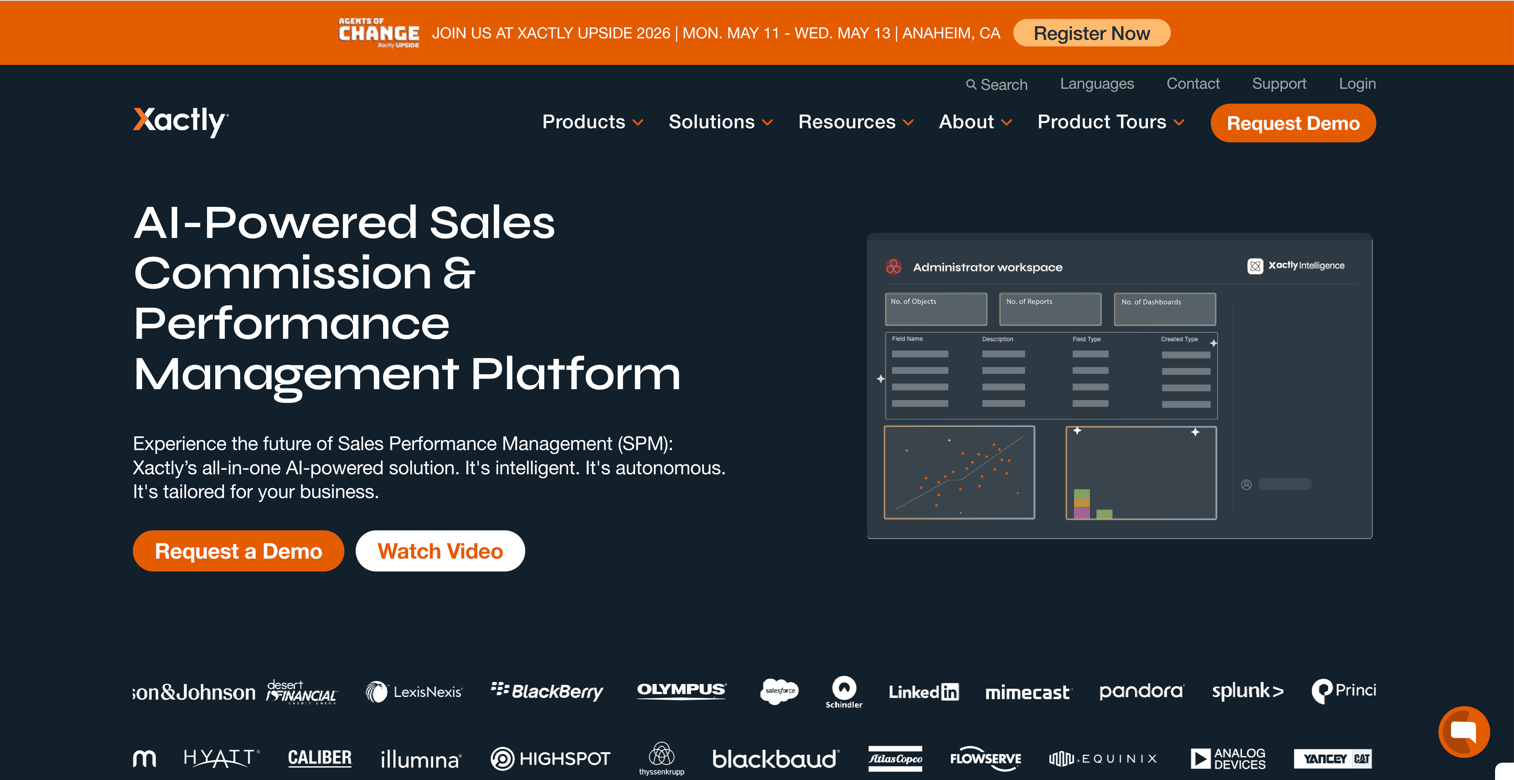
Xactly is the enterprise leader in sales performance management software. The platform includes Incent, Forecast, and Plan modules that work together to handle compensation, pipeline prediction, and territory design.
What sets Xactly apart is its proprietary benchmark data, built from years of compensation intelligence across thousands of companies. This data powers AI-driven forecasting that helps you predict attainment and adjust plans proactively.
Key strengths
- Full incentive compensation suite with territory and quota modules
- AI-driven forecasting using anonymized industry benchmarks
- Handles complex multi-tier plans, SPIFs, and accelerators
- Strong compliance and audit capabilities for regulated industries
Pricing: Custom enterprise quotes based on headcount and modules.
Why choose Xactly: When you need a complete sales performance management system at scale and want access to industry benchmark data for planning.
2. Varicent
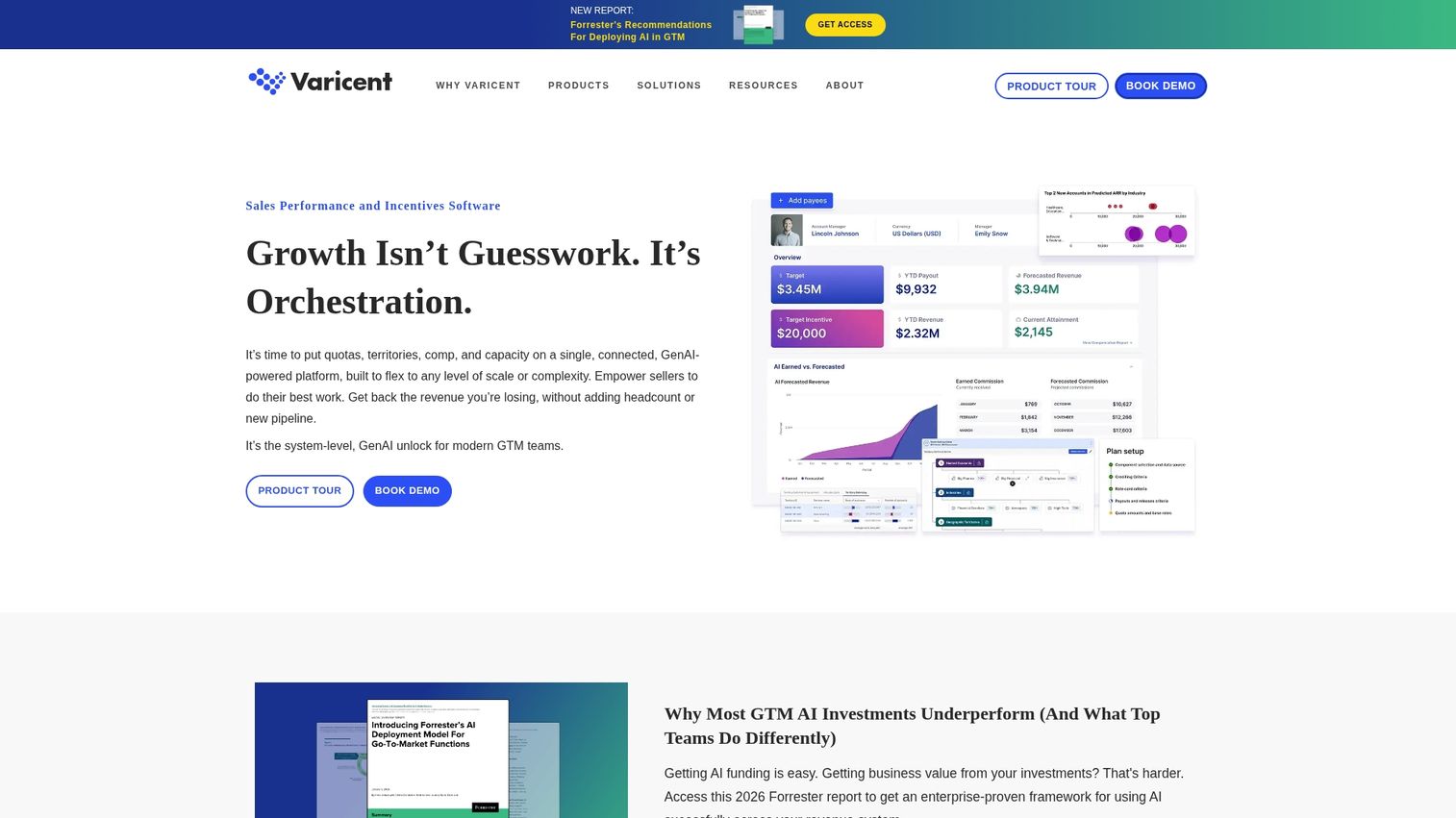
Varicent serves global enterprises with intricate territory and quota requirements. The platform combines compensation management with advanced planning capabilities that let you model different scenarios before committing to changes.
Territory optimization uses AI recommendations to balance workload and opportunity across regions. This matters when you're managing multinational teams with complex segmentation rules.
Key strengths
- Advanced sales quota management with scenario modeling
- Territory optimization using AI recommendations
- Robust commission management with split calculations
- Deep analytics for performance insights across regions
Pricing: Custom quote based on complexity and scale.
Why choose Varicent: When territory planning complexity matches your compensation complexity and you need both in one platform.
3. Salesforce Sales Performance Management
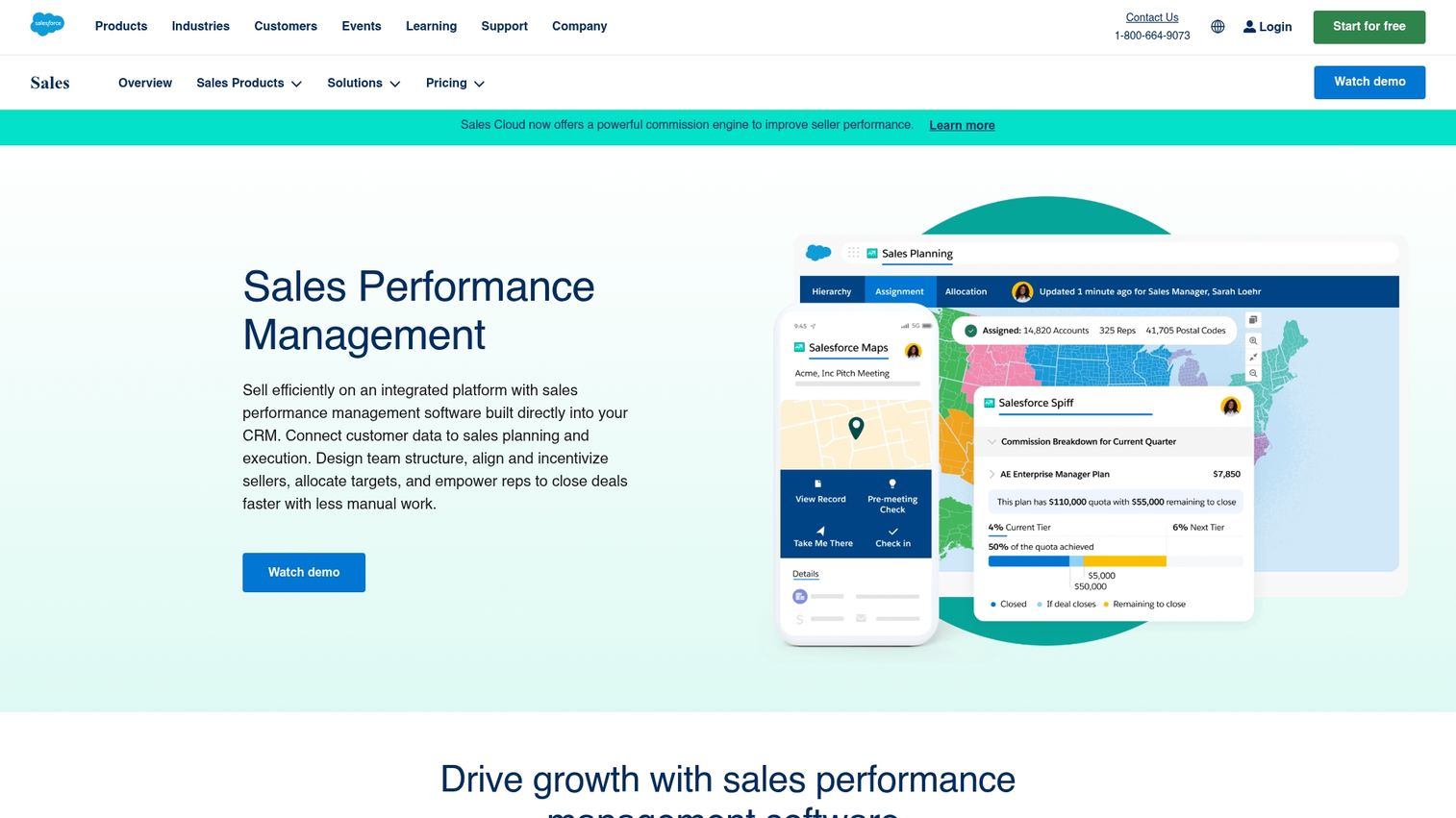
Salesforce SPM is the native offering for teams already running Sales Cloud. It includes Maps and Territory Planning built directly into the ecosystem you already use.
The main advantage here is data unity. Your deal data, territory assignments, and compensation calculations all live in the same system. No sync issues, no data discrepancies between platforms.
Key strengths
- Native integration with Sales Cloud data
- Salesforce Maps for field productivity and route optimization
- Territory and quota planning within familiar UI
- No data sync required between systems
Pricing: Add-on tiers to Sales Cloud licensing.
Why choose Salesforce SPM: When CRM consolidation matters more than specialized depth and your team already lives in Salesforce.
4. SAP Sales Performance Management
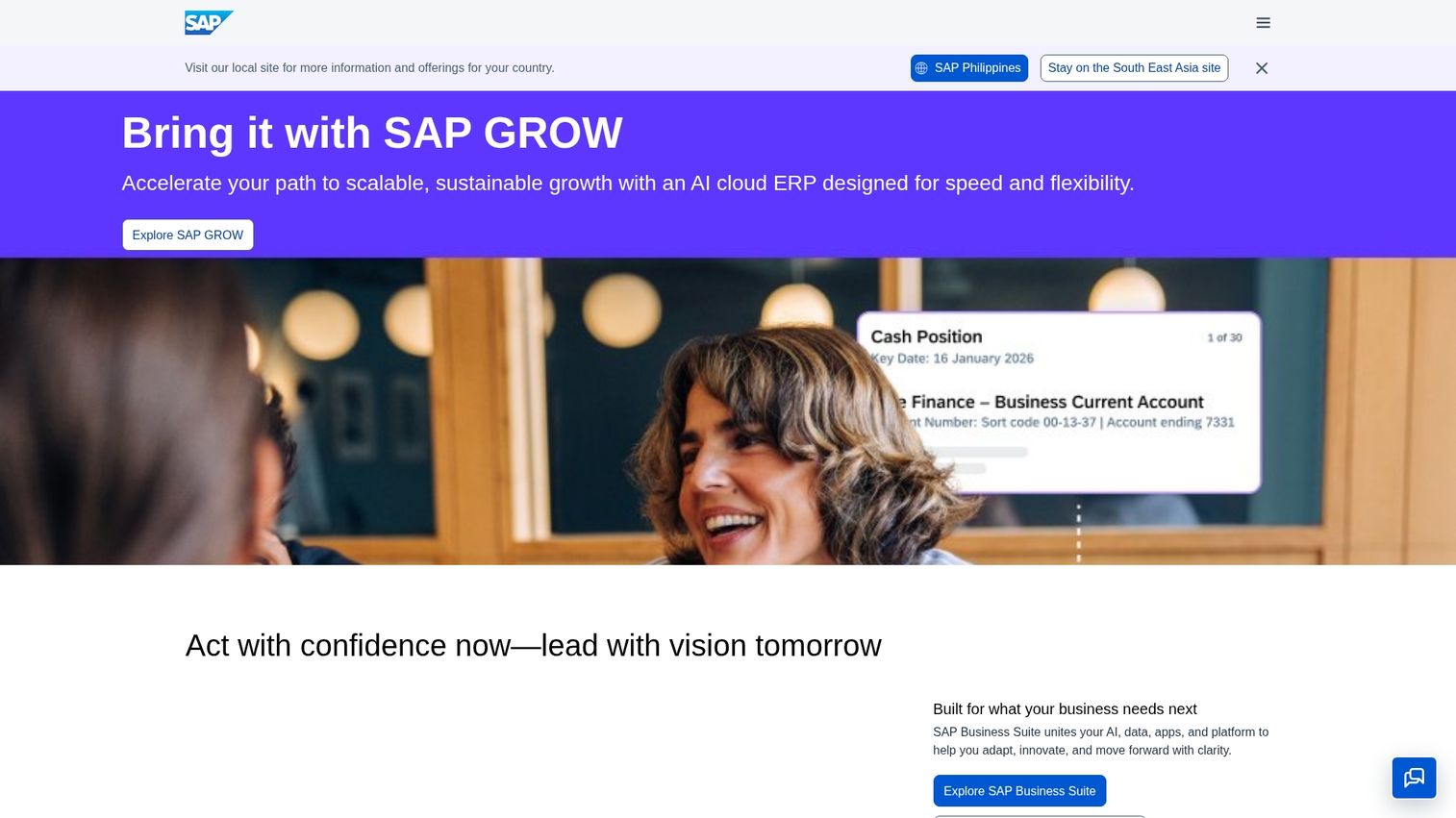
SAP SPM is purpose-built for enterprises already running SAP ERP or HCM. It's part of the SuccessFactors suite, which means your compensation data connects directly to HR and finance systems.
For organizations with complex global payroll and multi-currency requirements, this integration eliminates the manual handoffs that create errors and delays.
Key strengths
- Tight integration with SAP SuccessFactors and ERP
- Unified employee and compensation data model
- Supports complex multinational structures and currencies
- Enterprise-grade security and compliance
Pricing: Enterprise custom quote.
Why choose SAP SPM: When your HR and finance systems are SAP and you want one vendor for the entire employee lifecycle.
5. CaptivateIQ
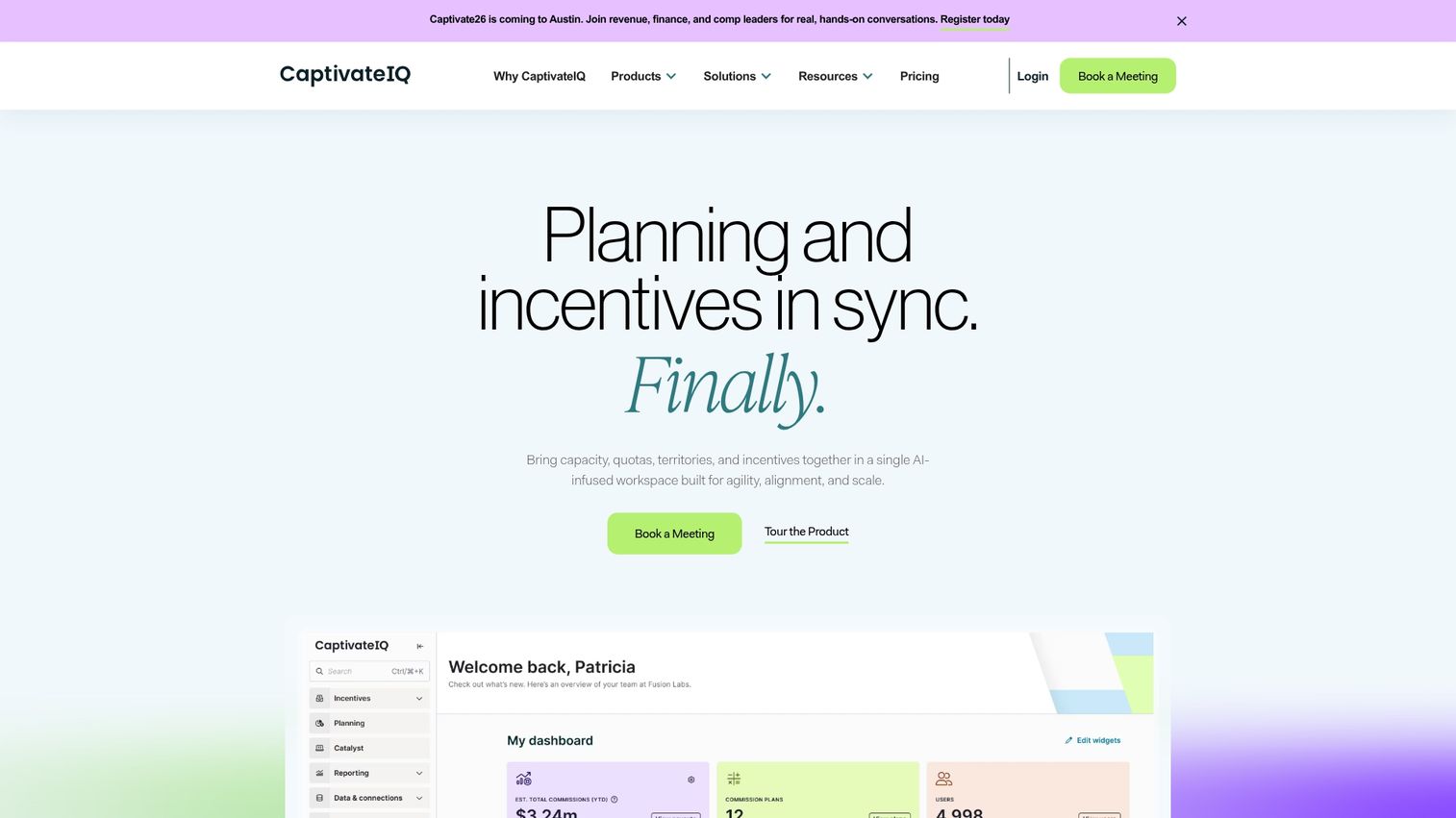
CaptivateIQ positions itself as the flexible mid-market choice for incentive compensation. The platform uses a no-code approach that lets compensation admins build and iterate on plans without engineering resources.
Implementation typically takes weeks rather than months, which matters when you're trying to get value quickly. The real-time earnings visibility helps reps trust their numbers from day one.
Key strengths
- No-code commission plan builder for fast changes
- Real-time earnings visibility for reps
- Strong integrations with CRMs and data warehouses
- Faster implementation than legacy SPM platforms
Pricing: Custom based on headcount.
Why choose CaptivateIQ: When you need flexibility without a lengthy implementation and your comp plans change frequently.
6. Performio
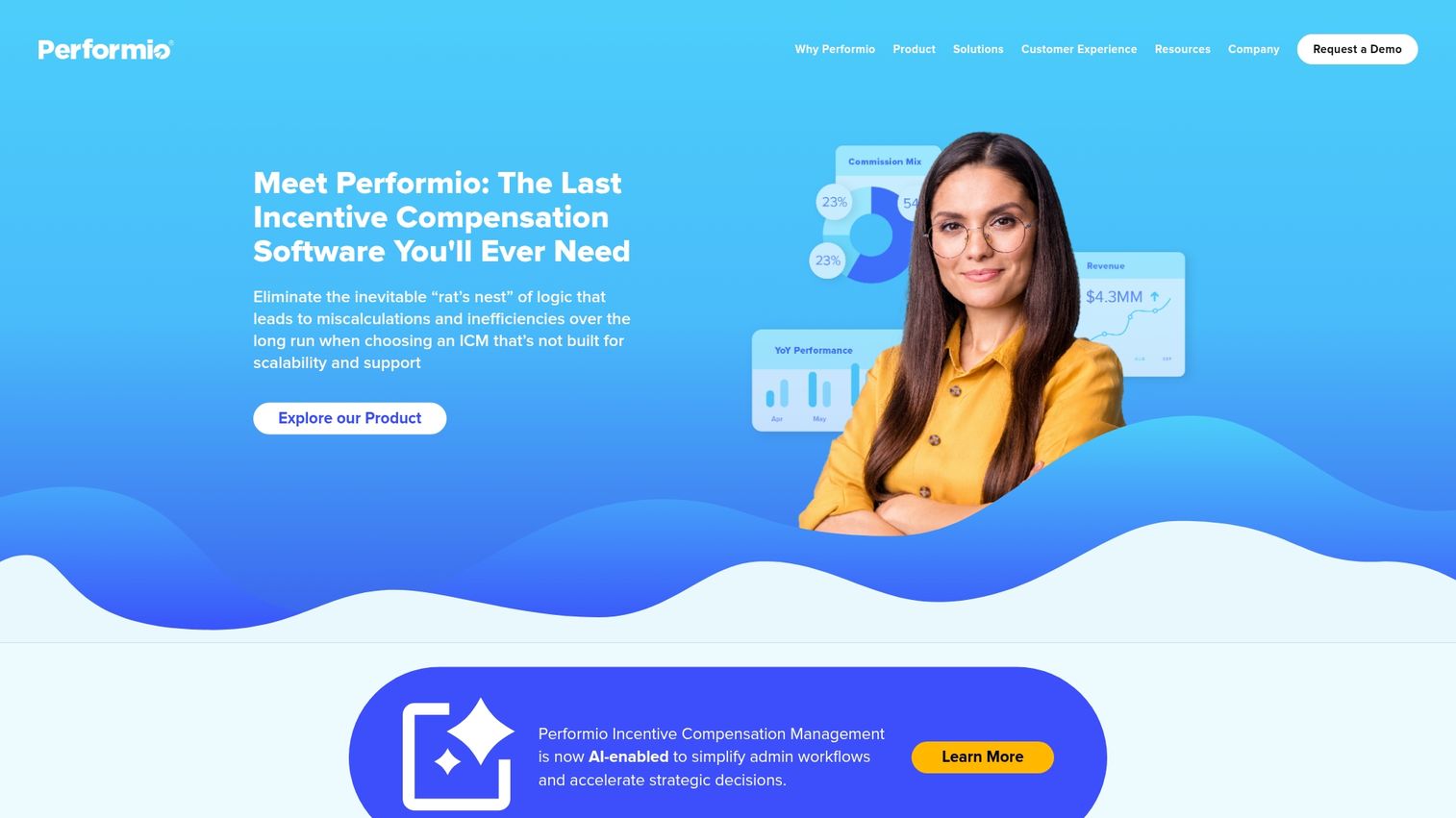
Performio focuses on transparency and audit readiness. The platform's rep portal gives sellers clear breakdowns of how their commissions were calculated, which reduces disputes and builds trust.
Strong audit trails make Performio a good fit for organizations in regulated industries or those preparing for compliance reviews.
Key strengths
- Highly configurable rep portal with earnings breakdowns
- Strong audit trails for compliance
- Flexible reporting and analysis tools
- Handles complex crediting and split scenarios
Pricing: Custom quote.
Why choose Performio: When payout accuracy and auditability are top priorities and you want reps to trust their numbers.
7. Everstage
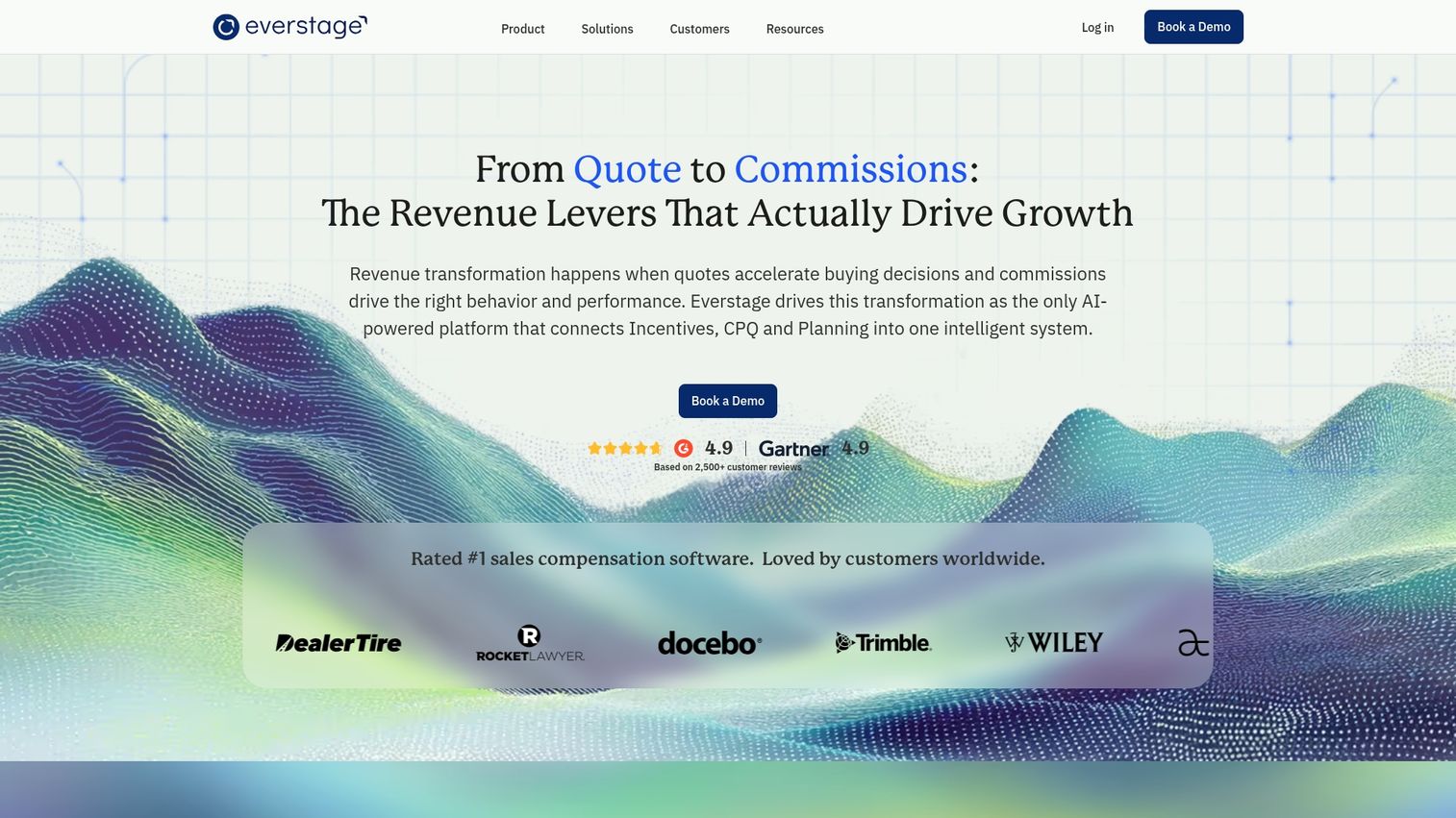
Everstage brings a modern, rep-friendly approach to sales performance management. The platform includes gamification features like leaderboards that drive engagement alongside accurate commission tracking.
The clean interface means reps actually use the system, which is half the battle with any SPM implementation.
Key strengths
- Clean, modern interface reps actually use
- Gamification and leaderboards to drive motivation
- Quick implementation for scaling teams
- Real-time commission tracking and projections
Pricing: Custom quote.
Why choose Everstage: When rep adoption and engagement matter as much as calculation accuracy.
8. Anaplan for Sales
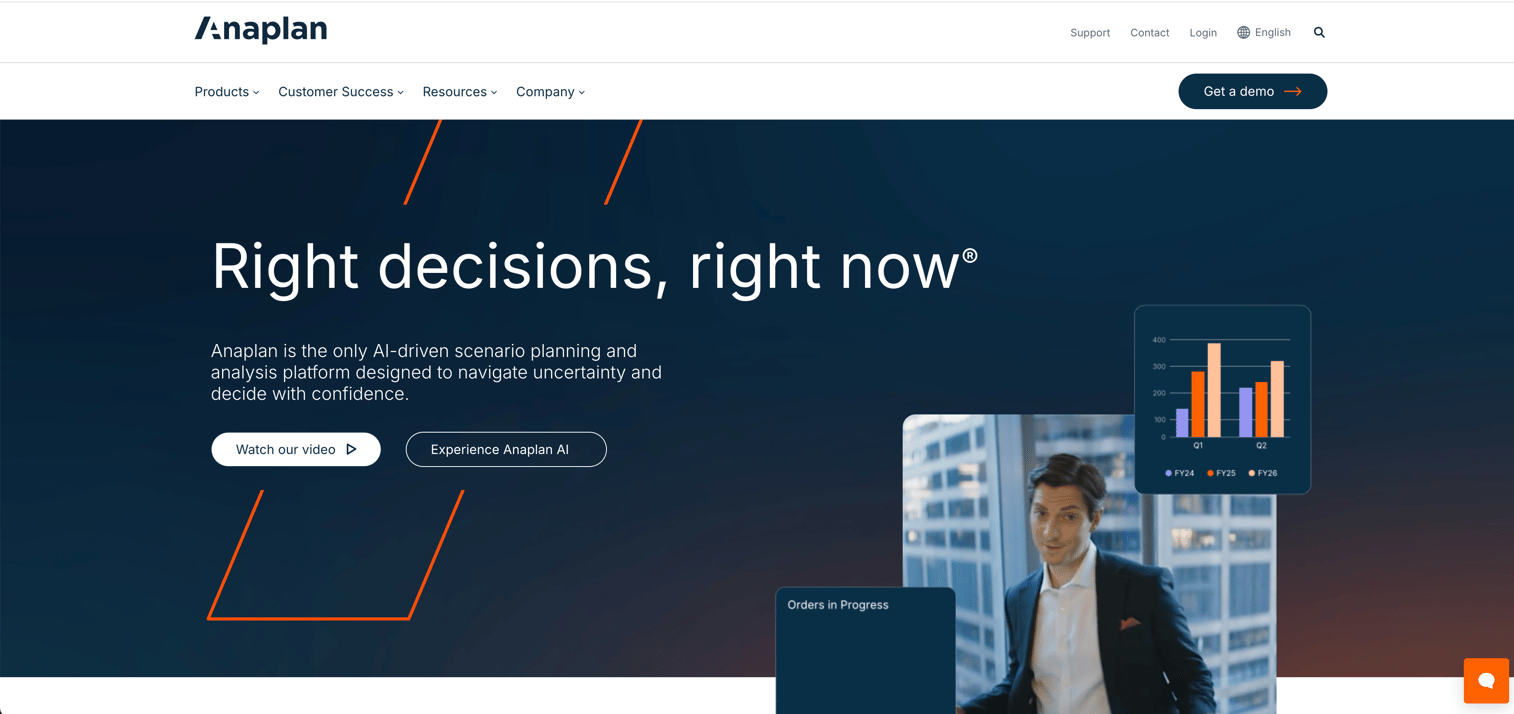
Anaplan connects SPM to broader financial planning processes. If your organization needs compensation planning to align with FP&A, capacity planning, and supply chain, Anaplan provides that connection.
The scenario modeling capabilities let you see how changes in one area affect others across the business.
Key strengths
- Connects compensation to capacity and financial planning
- Scenario modeling across sales and finance
- Handles complex quota and territory modeling
- Enterprise-scale for large organizations
Pricing: Custom enterprise quote.
Why choose Anaplan: When SPM integrates with company-wide planning processes and you need cross-functional visibility.
9. Oracle Sales Performance Management
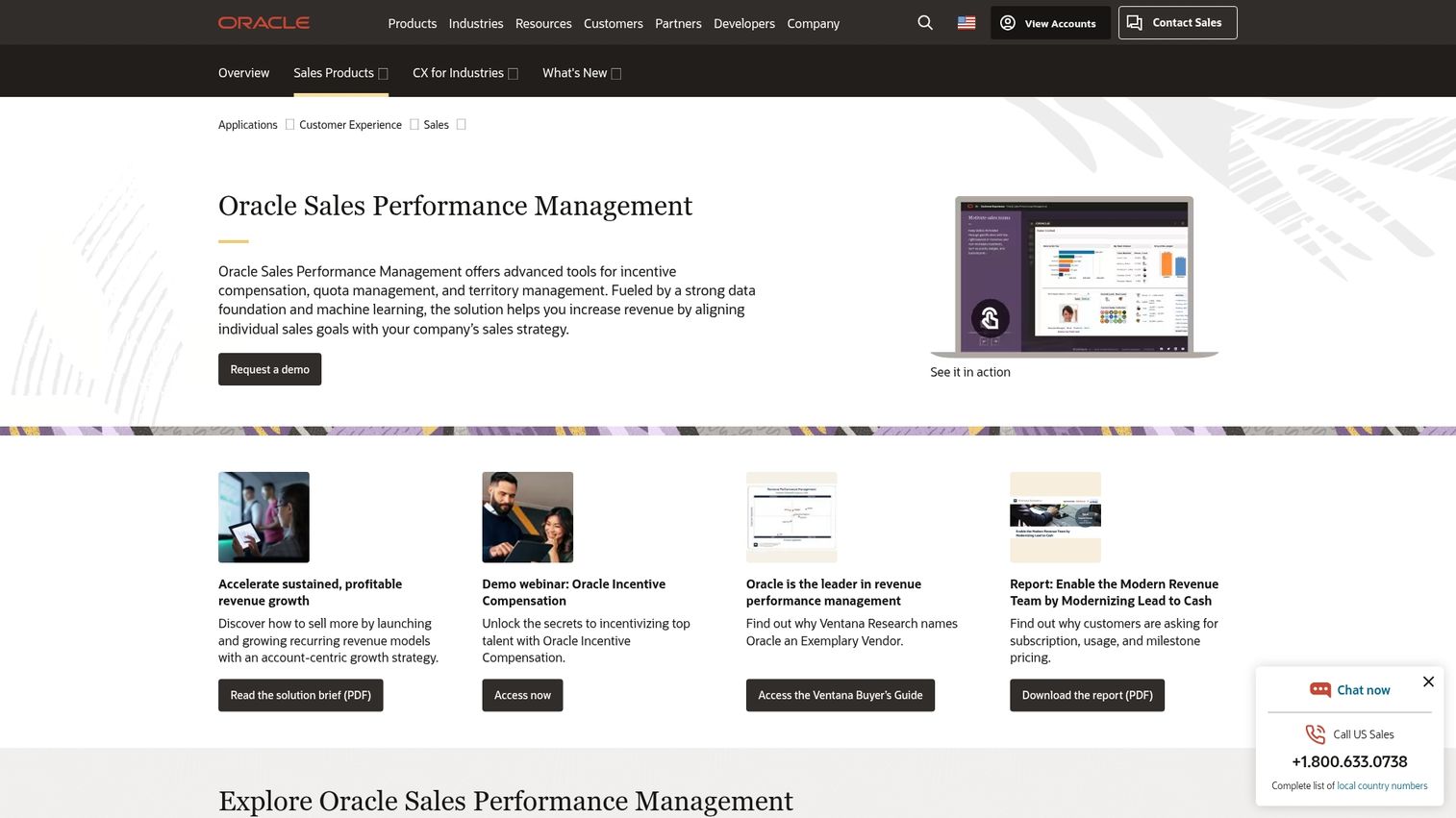
Oracle SPM serves Oracle Cloud customers who want unified data across HCM, ERP, and sales. The platform maintains a single source of truth for employee and compensation data.
For organizations already invested in Oracle, Oracle SPM eliminates the integration complexity that comes with adding a third-party SPM tool.
Key strengths
- Native integration with Oracle Cloud HCM and ERP
- Unified compensation and HR data
- Strong reporting and compliance features
- Supports complex multinational structures
Pricing: Custom enterprise quote.
Why choose Oracle SPM: When Oracle is your enterprise backbone and you want to minimize integration points.
10. Spiff

Spiff, now part of Salesforce, focuses on speed to value. The platform gets teams up and running quickly with real-time commission visibility that reps can access from mobile devices.
Implementation timelines are measured in weeks, not months, which makes Spiff a good fit for teams that need quick wins.
Key strengths
- Rapid implementation compared to enterprise SPM tools
- Real-time commission calculations and visibility
- Rep-facing app with mobile access
- Salesforce integration with broader ecosystem roadmap
Pricing: Per-user monthly model available.
Why choose Spiff: When time-to-value matters most and you want reps seeing accurate commissions quickly.
Key features to evaluate in sales performance software
The capabilities below separate adequate tools from excellent ones. Prioritize based on your specific pain points and growth trajectory.
Incentive compensation management
The platform's rules engine determines whether it can handle your compensation plan logic. Look for support for accelerators, decelerators, SPIFs, MBOs (management by objectives), splits, and overrides. Test with your actual plan structure during evaluation, not just simple scenarios.
Sales quota management and territory planning
Strong quota software lets you set quotas top-down or bottom-up, adjust mid-period, and model different scenarios. The territory planning component connects quotas to account assignments so changes cascade correctly across the team.
Real-time performance dashboards
Reps make daily decisions based on what they can see. Effective dashboards show attainment versus quota, projected earnings, and how pipeline affects future commissions. This visibility directly influences behavior and motivation.
CRM and payroll integrations
The platform connects your CRM (source of deal data) to your payroll system (destination for payouts). Compare pre-built connectors versus API-only integrations during evaluation. Poor integration strategy leads to manual data entry and errors.
Rep self-service portal
Sales reps checking their own commission numbers without asking sales ops reduces disputes and saves administrative time. Evaluate the portal for mobile access, statement clarity, and drill-down capabilities.
Tip: When evaluating SPM platforms, consider using interactive demos to let multiple stakeholders experience each tool before committing. This approach helps surface usability concerns early and builds consensus across sales ops, finance, and leadership.
How to choose the right sales performance management platform
Match platform complexity to your comp plan design
Simple plans don't require enterprise-grade SPM. Complex plans with multiple products, accelerators, splits, and global teams demand a robust rules engine. Evaluate whether a tool handles your current complexity and your needs 12-18 months out.
Evaluate integration requirements with your sales stack
List your critical integration points: CRM connector, ERP/payroll sync, data warehouse access. If your team runs on Salesforce, native options like Salesforce SPM or Spiff simplify architecture. Mismatched integrations create ongoing maintenance burden.
Prioritize rep adoption and earnings visibility
The most accurate compensation logic fails if reps don't trust or use the system. Evaluate the rep experience: can they easily see earnings projections, understand their plan, and access statements? Low adoption leads back to disputes and disengagement.
Calculate total cost of ownership
Look beyond license fees. Factor in implementation services, ongoing administrative headcount, integration maintenance, and change management. Enterprise platforms often have higher upfront costs but lower per-change costs at scale.
Build your sales performance management system for growth
The right SPM investment pays off through accurate payouts, motivated reps, and reduced administrative burden. Start by analyzing your comp plan complexity, then match it to a platform's capabilities.
If your evaluation involves multiple stakeholders across sales ops, finance, and leadership, consider letting decision-makers experience each platform through self-serve product experiences before scheduling live demos. This approach surfaces concerns early and builds alignment faster.
Start your journey with Guideflow today!
FAQs about sales performance management software
SPM software is a broader category that includes incentive compensation management plus territory planning, quota management, and performance analytics. Incentive compensation software focuses specifically on calculating and tracking commissions. Most modern SPM platforms include ICM as a core module.
Implementation timelines range from a few weeks for modern platforms like Spiff or CaptivateIQ to several months for enterprise solutions like Xactly or SAP SPM. The primary drivers are comp plan complexity, number of integrations required, and data migration scope.
Most enterprise SPM platforms support multi-currency calculations, though the depth varies. Verify that the platform handles your specific requirements around currency conversion timing, such as using deal close date versus payout date exchange rates.
SFA (Sales Force Automation) tools manage sales activities like contact tracking, opportunity management, and forecasting within a CRM. SPM software connects to SFA/CRM data to calculate compensation based on the closed deals and attainment figures tracked there. SFA and SPM are complementary systems, not competitors.
Organizations typically measure SPM ROI through reduced commission processing time, fewer payout errors and disputes, improved rep retention, and faster visibility into quota attainment. Some teams also track reduced finance headcount needed for commission administration.
At minimum, SPM software integrates with your primary CRM, whether Salesforce, HubSpot, or Microsoft Dynamics. Evaluate pre-built connectors, data sync frequency, and whether custom objects and fields transfer correctly. Poor CRM integration undermines the entire value proposition.