You have no shortage of content. Industry newsletters, Slack links from colleagues, trending LinkedIn threads, RSS folders you stopped reading in 2023. The problem is not volume. The problem is knowing what matters before the moment passes.
According to Dataintelo (2025), the global content discovery platforms market was valued at $5.8 billion in 2025 and is projected to reach $15.2 billion by 2034. That growth reflects a real gap: Marketers need faster ways to find relevant content, spot trends early, and move those signals into campaigns before the window closes.
A good content discovery platform replaces the manual tab-switching and spreadsheet curation that slow teams down. The right one depends on the job: Some tools help you monitor sources and filter noise, others help you curate and distribute, and a third category pushes your content into publisher recommendation networks at scale.
This guide breaks down 15 options across all three jobs so you can match the tool to the work, not the other way around.
What's inside
This guide covers 15 content discovery platform tools for digital marketers, content teams, PR leads, and growth operators. Items were selected based on four criteria:
- Source coverage and discovery quality: Does the tool surface genuinely relevant content, or just noise?
- Curation workflow and collaboration: Can teams filter, approve, and act on content without friction?
- Distribution fit: Does it connect to social, email, newsletters, or paid recommendation networks?
- Pricing clarity and stack fit: Are tiers clear, and does the tool replace something you already pay for?
TL;DR
- Best for AI-assisted news monitoring: Feedly, with Leo AI filtering feeds by keyword and topic
- Best for trend and competitor research: BuzzSumo, built for content analysis across domains and channels
- Best for curated newsletters and topic hubs: Scoop.it, combining discovery with branded publishing
- Best for discovery plus social publishing: ContentStudio, covering planning and scheduling in one workflow
- Best for paid content recommendation networks: Taboola or Outbrain, for distributing owned content across publisher inventory
- Best free starting point: Google News, free and instant for topic monitoring
What is a content discovery platform?
A content discovery platform is software that helps teams find, filter, recommend, distribute, and measure relevant content from owned, earned, social, paid, or third-party sources.
The category covers several distinct tool types that often get lumped together:
Content aggregation tools: Pull articles, RSS feeds, newsletters, and news sources into one workspace. Teams use these to monitor industry topics, competitors, and publications without visiting each source individually.
Content curation platforms: Go one step further by helping teams select, organize, annotate, and share useful content with specific audiences. The output is often a curated newsletter, branded topic hub, or approved social queue.
Social discovery tools: Surface trending posts, hashtags, topics, and conversations across social networks. These overlap heavily with social media management platforms.
Content recommendation networks: Promote articles or landing pages across publisher inventory through native advertising placements. These tools are about distributing owned content, not monitoring third-party sources.
PR and earned media discovery tools: Track news, journalist activity, media mentions, and industry narratives. These serve communications teams rather than content marketers.
Key features to look for across all types:
- Source monitoring and keyword tracking
- AI filtering and relevance scoring
- Approval and editorial workflows
- Social, email, and CMS distribution
- Engagement analytics and reporting
- Integrations with CRM, marketing automation, or Slack
One important distinction: Content discovery is not content creation. These platforms help you decide what to read, share, promote, or act on. Creation is a separate job.
When to use a content discovery platform
Find campaign angles before competitors do
Growth teams use content discovery to track trending pain points, competitor narratives, and customer questions in near real time. When a topic spikes in your industry, a monitoring tool surfaces it before your morning standup. That window, even a day or two, is enough to test a campaign angle before the conversation moves on.
Curate content without living in browser tabs
Content marketers building newsletters, thought leadership streams, or social queues spend real hours hunting for links. A curation platform replaces that manual scanning. You set topics, review suggestions, approve what fits, and push it to your distribution channel. The research leg of that workflow drops from an hour to ten minutes.
Distribute content where attention already exists
Some platforms help you push owned content into social queues, employee advocacy programs, or native advertising placements across publisher networks. This is a different job than monitoring, but it uses the same underlying data: Understanding where your audience's attention goes, then meeting it there.
Content discovery platform comparison
The table below covers all 15 tools with verified pricing and G2 ratings where available. Paid discovery networks (Taboola, Outbrain) use campaign spend rather than subscription tiers, so their pricing reflects the cost model, not a monthly fee. Ratings marked N/A indicate no current G2 listing was confirmed.
| # | Product | Best for | Key differentiator | Pricing | G2 rating | |
|---|---|---|---|---|---|---|
| 1 | Feedly | AI-assisted topic monitoring | Leo AI filters feeds and web sources by relevance | From $72/year | 4.7 | |
| 2 | BuzzSumo | Trend and competitor research | Finds high-performing content by topic and domain | From $199/mo (annual) | 4.5/5 | |
| 3 | Scoop.it | Curated topic pages and newsletters | Combines discovery with branded publishing hubs | Free; paid from $14.99/mo | 4.6/5 | |
| 4 | UpContent | Social and newsletter curation workflows | Approval and compliance controls for distributed teams | Free; paid from $15/mo | 4.4/5 | |
| 5 | ContentStudio | Discovery plus social publishing | Covers planning, scheduling, and analytics in one tool | From $19/mo (annual) | 4.6 | |
| 6 | Quuu | Hands-off social curation | AI suggests and publishes curated posts per profile | From $16.49/mo per profile (annual) | 4.2/5 | |
| 7 | Curata | Enterprise content curation | Self-learning curation engine with editorial workflow | Contact for pricing | 4.5 | |
| 8 | Taboola | Paid content discovery | Large publisher network for native recommendations | CPC-based campaign spend | 3.9/5 | |
| 9 | Outbrain | Native recommendation advertising | Performance-focused distribution across premium publishers | CPC from $0.03/click; $600/mo minimum | 3.4/5 | |
| 10 | Buffer | Simple social scheduling with content ideas | Low-cost per-channel model with free tier | Free; paid from $5/mo per channel | 4.3/5 | |
| 11 | Hootsuite | Social discovery and scheduling at scale | Social streams, listening, publishing, and team workflows | From $99/user/mo (annual) | 4.3/5 | |
| 12 | Cision Communications Cloud | PR and earned media discovery | Media database, monitoring, distribution, and PR reporting | Contact for pricing | 3.9 | |
| 13 | Anders Pink | Employee learning and advocacy briefings | Curated topic briefings for internal teams | Contact for pricing | 2.5/5 | |
| 14 | DrumUp | Social curation for small teams | Discovers and queues content across social channels | Contact for pricing | 4.1/5 | |
| 15 | Google News | Lightweight free news monitoring | Free topic and source tracking with no setup | Free | 4.6 |
Best 15 content discovery platform tools for 2026
1. Feedly
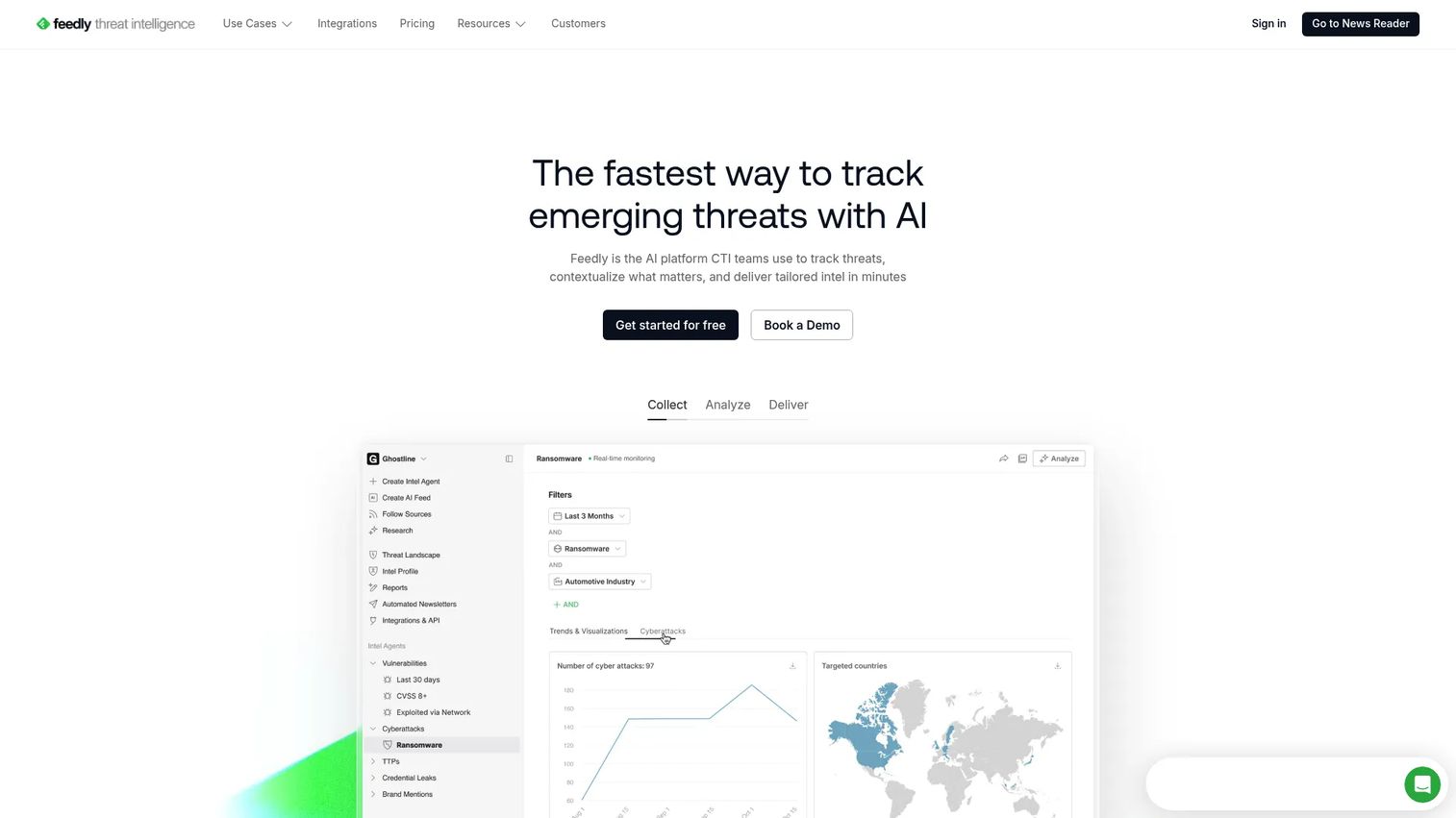
Feedly is a content reading and intelligence platform for monitoring industry topics, competitors, analysts, and publications. It aggregates RSS feeds, newsletters, and web sources into a single workspace, then layers Leo AI on top to filter noise, deduplicate articles, cluster related stories, and surface the most relevant signals automatically.
Best for: Growth and content teams that want a research workspace for daily topic monitoring without building a full media intelligence stack.
Key features
- Leo AI: Filters and prioritizes feeds by keyword, topic, or source
- RSS Builder: Creates feeds from sites without native RSS
- Article deduplication, clustering, and summarization
- Boards for saving and organizing research
- Ask AI: Queries feed and board content conversationally
Why choose Feedly: It earns its place when you need signal from many sources in one place and want AI to do the first-pass filtering. It is a monitoring tool, not a publishing or distribution platform, so pair it with a scheduler if social output is the goal.
Feedly pricing: Free plan available. Pro plan starts at $72 per year. Pro+ (which includes Leo AI and RSS Builder) runs $144 per year. Enterprise pricing requires contacting sales.
G2: 4.7
2. BuzzSumo
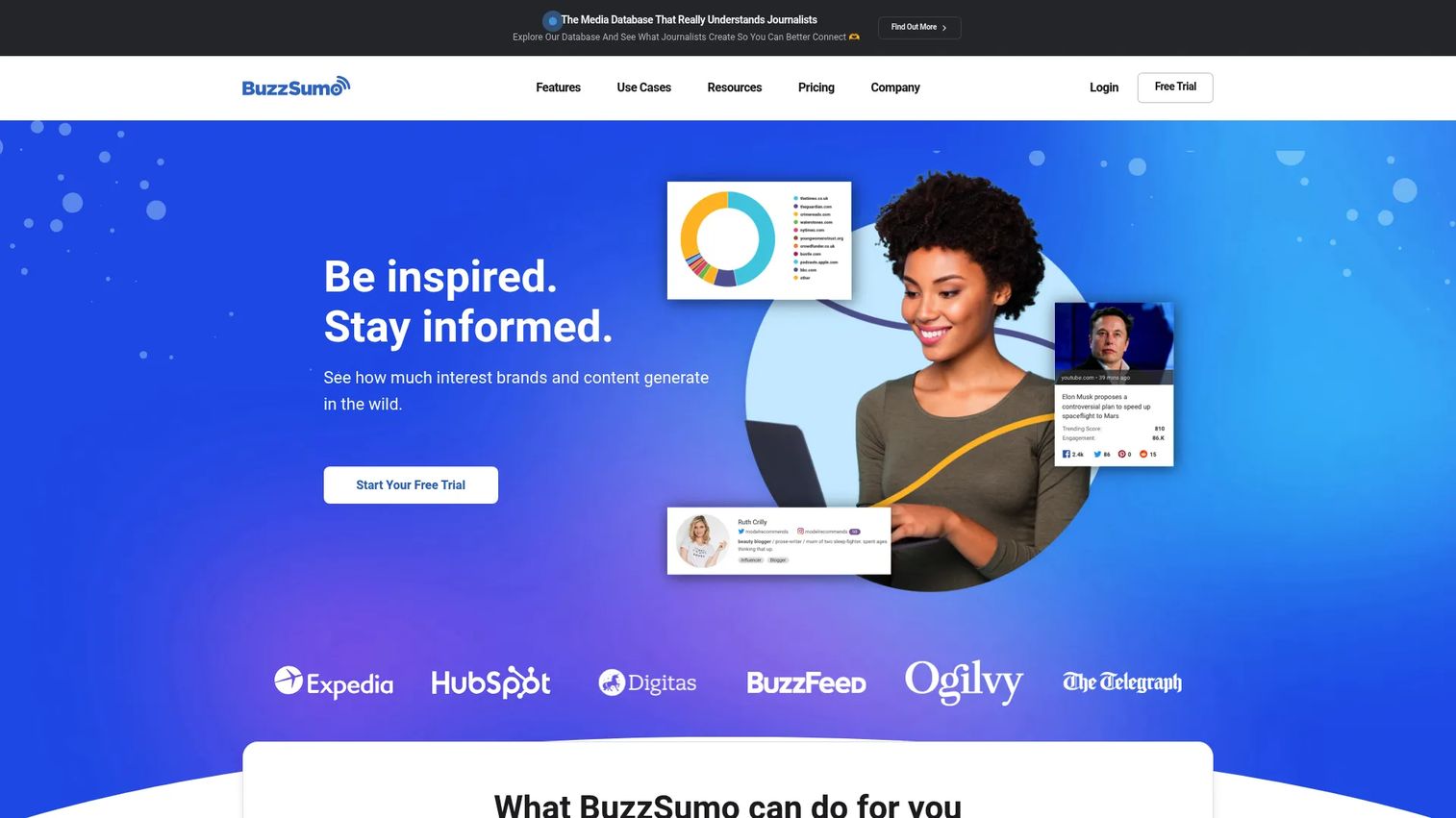
BuzzSumo is a content research and media intelligence platform built for finding high-performing content by topic, domain, and channel. It shows what content earns shares and backlinks, who the relevant influencers are, and what your competitors are publishing. For campaign teams, it answers the question "what has actually worked in this space?" before they build.
Best for: Marketers planning campaigns around proven topics who need evidence behind content selection, not just a feed of recent articles.
Key features
- Content Analyzer: Sorts content by shares, links, and engagement
- Trending Feeds: Monitors rising content by topic in real time
- Competitor and domain research
- Influencer discovery by topic and platform
- Alerts for brand mentions and keyword spikes
Why choose BuzzSumo: It is strongest for teams that treat content as a performance channel and want data to back topic selection. The entry plan at $199 per month (billed annually) prices it above pure monitoring tools, so it fits teams that run enough content volume to justify the signal.
BuzzSumo pricing: Plans start at $199 per month billed annually (Content Creation tier). PR and Comms runs $299 per month, Suite $499 per month, and Enterprise $999 per month. A free trial is available.
G2 rating: 4.5/5
3. Scoop.it
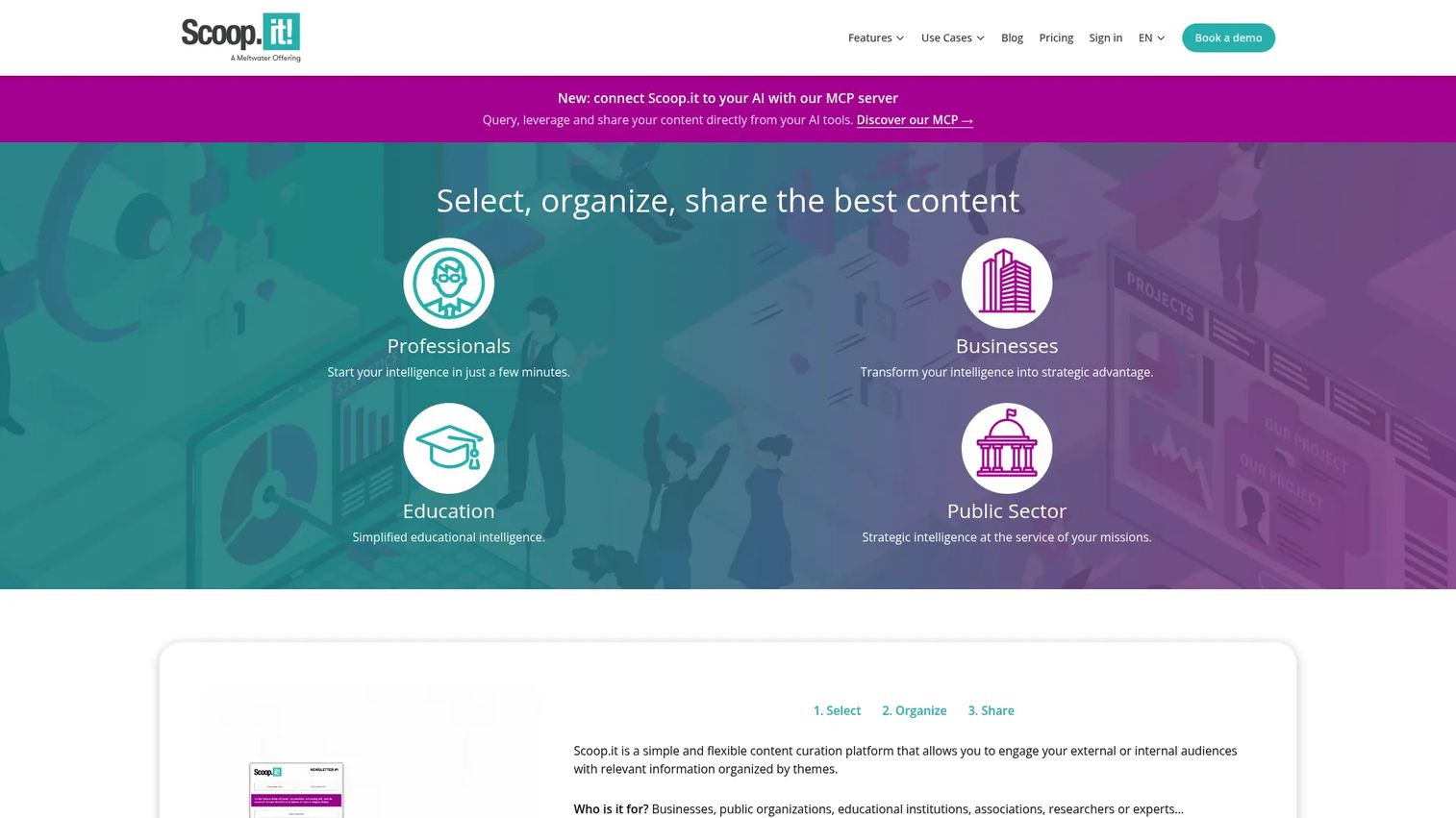
Scoop.it is a content curation and publishing platform that helps teams discover articles, build branded topic pages, and distribute curated content through newsletters, websites, and social channels. It suggests relevant content based on your defined topics, then gives you tools to annotate, schedule, and publish selections to a public or private hub.
Best for: Content and marketing teams that turn discovery into curated newsletters, thought leadership streams, or branded topic hubs.
Key features
- Semantic content suggestions by topic
- Branded topic pages (public or private)
- Newsletter publishing with email alerts
- Social media sharing and scheduling
- WordPress integration and analytics
Why choose Scoop.it: It fills the gap between finding content and doing something useful with it. If your workflow ends at a curated newsletter or a branded content hub rather than a social queue, Scoop.it handles the full path from discovery to delivery.
Scoop.it pricing: Free plan available. Pro starts at $14.99 per month (billed annually; $17.99 billed monthly). Plus runs $119 per month billed annually and adds newsletters, scheduling, and integrations. Enterprise pricing is custom.
G2 rating: 4.6/5
4. UpContent
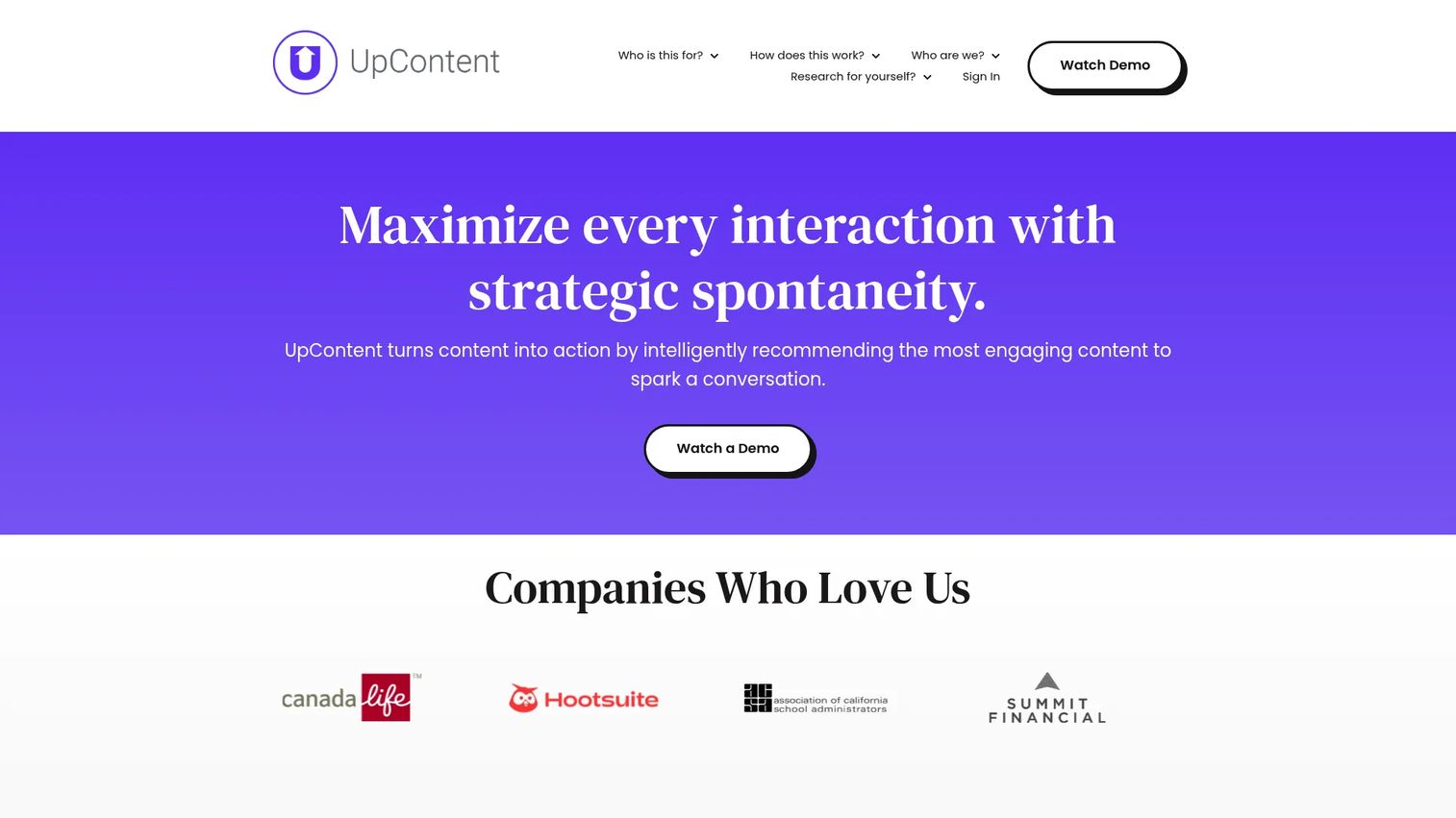
UpContent is a content curation platform for marketing teams, financial advisors, and distributed organizations that need to find, approve, and distribute relevant third-party content at scale. Its AI-powered discovery engine uses a proprietary crawler to surface articles by topic, then routes them through approval and compliance workflows before they reach social, email, or CMS destinations.
Best for: Teams in regulated industries or multi-stakeholder environments where content must clear an approval step before distribution.
Key features
- AI content discovery with proprietary crawler
- Approval and compliance workflow controls
- Automated curation rules and content policies
- Distribution to social, email, RSS, and websites
- Custom calls-to-action and engagement analytics
Why choose UpContent: The approval layer is what separates it from simpler curation tools. For financial services, healthcare, or any team with compliance requirements, that gate matters. It also works well for agencies managing content on behalf of clients who need sign-off before posts go live.
UpContent pricing: Free Forever plan available. Sharer starts at $15 per month. Curator runs $49 per month. Engager is $95 per month (six-month minimum). Orchestrator is $265 per month (six-month minimum). Enterprise pricing is custom on annual contracts.
G2 rating: 4.4/5
5. ContentStudio
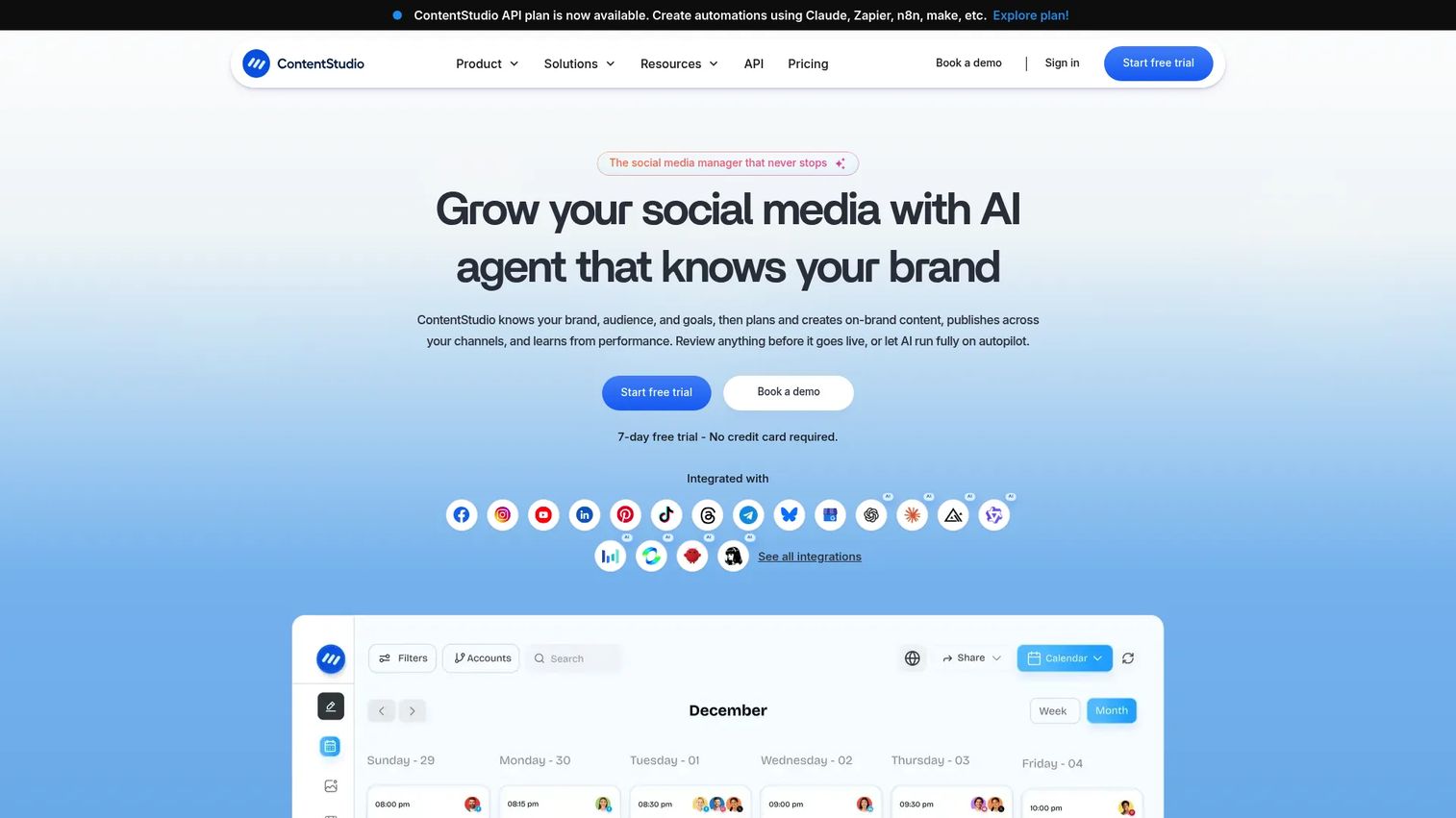
ContentStudio is an all-in-one social media management platform with built-in content discovery, AI caption generation, multi-platform scheduling, and analytics. It is built for agencies and marketing teams managing several brands or social channels simultaneously, with client workspaces, approval workflows, and white-label options as part of the higher tiers.
Best for: Growth teams and agencies that want discovery and social execution in a single tool rather than switching between a monitoring platform and a scheduler.
Key features
- Content discovery by topic and keyword
- AI-generated captions, images, and video content
- Multi-platform scheduling and content calendar
- Social inbox and engagement management
- Approval workflows and client workspaces
Why choose ContentStudio: It makes sense when social scheduling and content discovery are both daily jobs for the same person or team. Buying one tool instead of two reduces the number of dashboards, though the trade-off is that the discovery layer is shallower than a dedicated monitoring tool like Feedly or BuzzSumo.
ContentStudio pricing: Plans start at $19 per month billed annually (Standard). Advanced runs $49 per month. Agency Unlimited is $99 per month. Enterprise is custom. Monthly billing is available at $29, $69, and $139 respectively. A 7-day free trial is included.
G2: 4.6
6. Quuu

Quuu is an AI social media agent that creates, schedules, and publishes content across social networks. It learns your brand voice, generates posts (including images and carousels), and can automate publishing with minimal manual input. The curation side of the platform suggests relevant third-party content alongside AI-generated original posts.
Best for: Founders, creators, and small teams that want social consistency without researching and writing every post from scratch.
Key features
- AI content generation with brand voice learning
- Automated scheduling and publishing
- AI image and carousel generation
- Content curation suggestions
- Supports X, LinkedIn, Facebook, and Bluesky
Why choose Quuu: It suits teams that need a steady social presence but do not have time to build a full content calendar manually. The per-profile pricing keeps costs predictable as the channel count grows, though teams that want deep source monitoring or editorial control will find the curation features lighter than dedicated discovery tools.
Quuu pricing: One plan covers everything at $19.79 per profile per month (billed monthly) or $16.49 per profile per month billed annually. A 7-day free trial is available with no credit card required.
G2 rating: 4.2/5
7. Curata
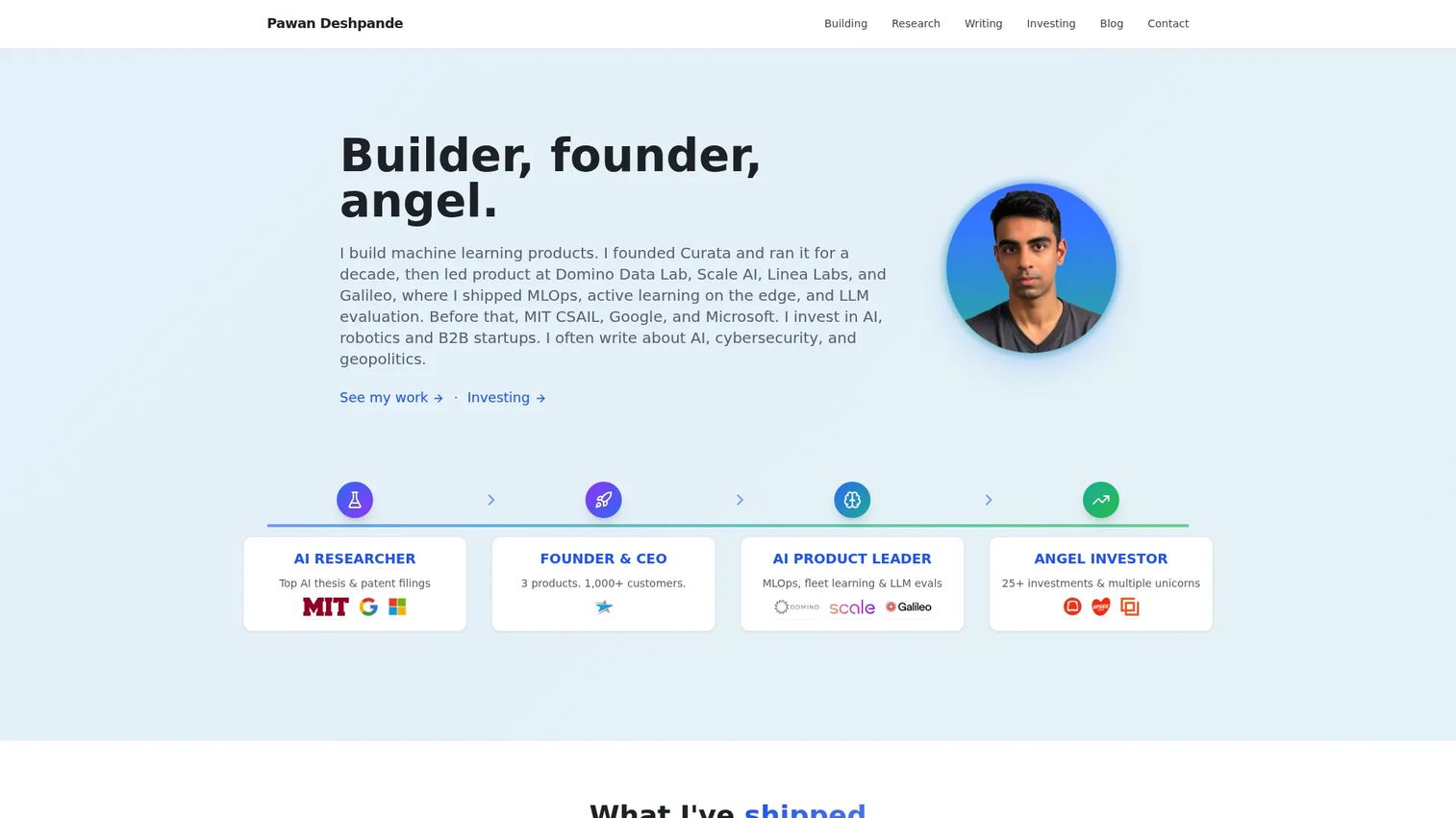
Curata is an enterprise content curation and content marketing platform for B2B teams that need to scale discovery, editorial workflow, and distribution across large content operations. Its self-learning curation engine improves relevance over time, and it connects to social media, newsletters, websites, CMSs, and marketing automation platforms.
Best for: Larger B2B marketing teams running structured content operations with governance requirements, editorial workflows, and multiple distribution channels.
Key features
- Self-learning content discovery and relevance ranking
- Editorial workflow with annotation and categorization
- Taxonomy management for large content libraries
- Publishing to social, newsletter, CMS, and marketing automation
- Content performance reporting
Why choose Curata: It fits teams where content curation is an operational process, not a personal research habit. The self-learning engine means relevance improves as the team trains it, which matters when you are sourcing content across dozens of topics and need consistent quality over time.
Curata pricing: Curata prices by quote. Contact the sales team directly for current tier and contract details.
G2: 4.5
8. Taboola
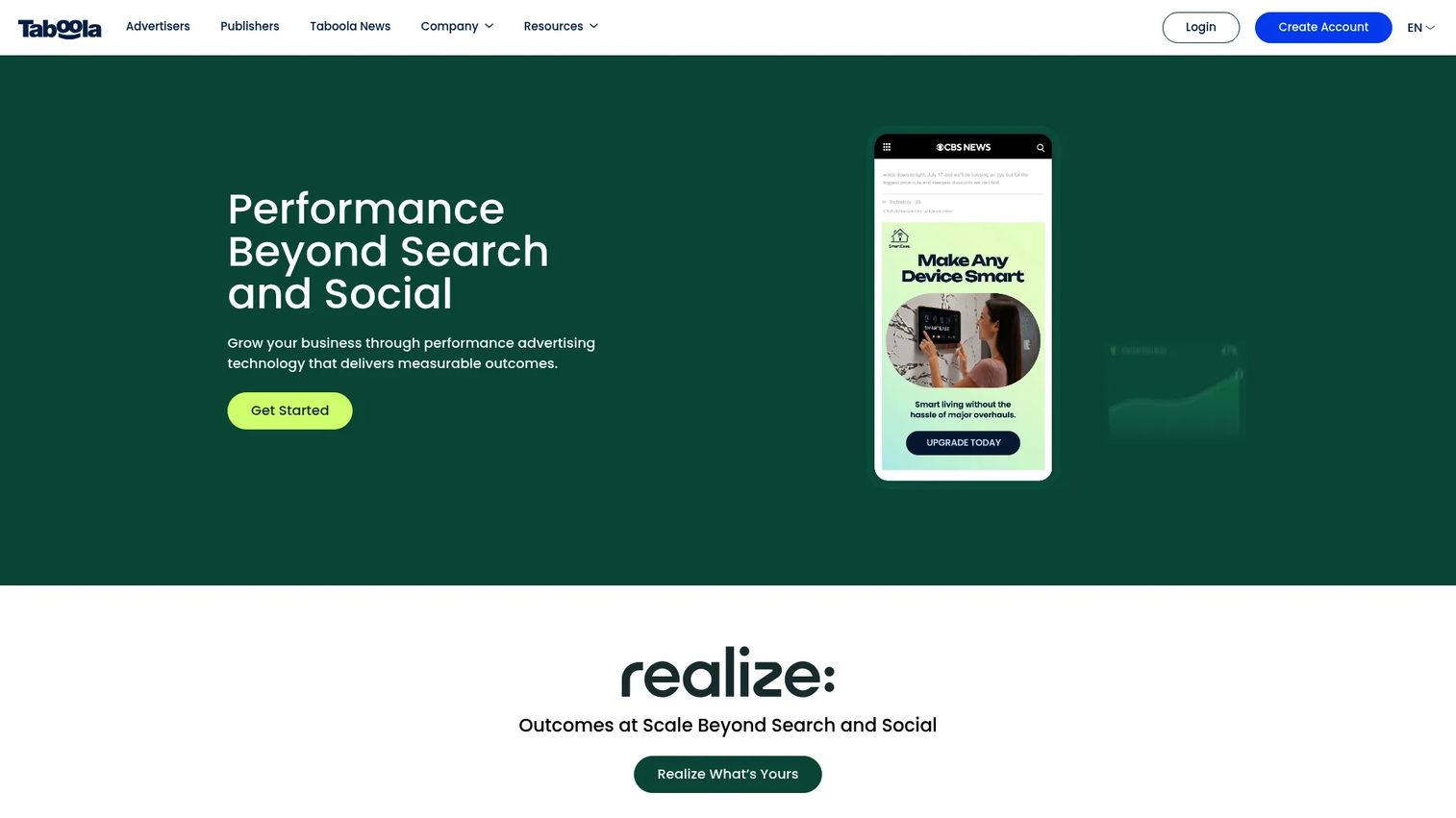
Taboola is a paid content discovery and native advertising platform. It distributes advertiser content (articles, landing pages, and editorial-style campaigns) across a publisher network through "you might also like" and "sponsored" recommendation placements. It is not a curation tool. Its job is amplifying owned content, not helping you find third-party sources.
Best for: Performance marketers promoting content at scale through paid native placements across a broad publisher network.
Key features
- Native ad placements across publisher inventory
- AI-powered predictive audience targeting
- Display, video, and commerce advertising formats
- Publisher-side audience growth and monetization tools
- Performance reporting and optimization controls
Why choose Taboola: It makes sense when paid discovery is the channel, not organic research. Teams running content-led acquisition campaigns or testing native as a supplement to paid social will find it offers scale that owned channels cannot match.
Taboola pricing: Campaigns run on negotiated or dynamic CPC, CPM, and other performance models. Contact Taboola's sales team for campaign minimums and rate details.
G2 rating: 3.9/5
9. Outbrain

Outbrain is a performance marketing platform for distributing content across the open internet through native recommendation placements on premium publisher sites. Its recommendation engine uses contextual, behavioral, and popularity signals to place ads where they are most likely to convert. Like Taboola, it is a distribution tool, not a research or curation platform.
Best for: Paid acquisition teams testing content-led landing pages, advertorials, or top-of-funnel campaigns beyond search and social inventory.
Key features
- Native recommendation placements on premium publishers
- Contextual and behavioral audience targeting
- Conversion-optimized bidding and tracking
- AI-powered ad generation and creative automation
- Reach estimation before campaign launch
Why choose Outbrain: It suits teams that have already validated a content angle organically and want to scale it through paid placement. The minimum monthly budget of $600 (equivalent to $20 per day) keeps the entry bar relatively accessible for mid-market teams testing native as a channel.
Outbrain pricing: Cost-per-click model. Minimum spend requires a monthly budget of at least $600. Outbrain's billing page shows CPC examples starting from $0.03 per click, though actual rates depend on targeting, competition, and publisher inventory.
G2 rating: 3.4/5
10. Buffer
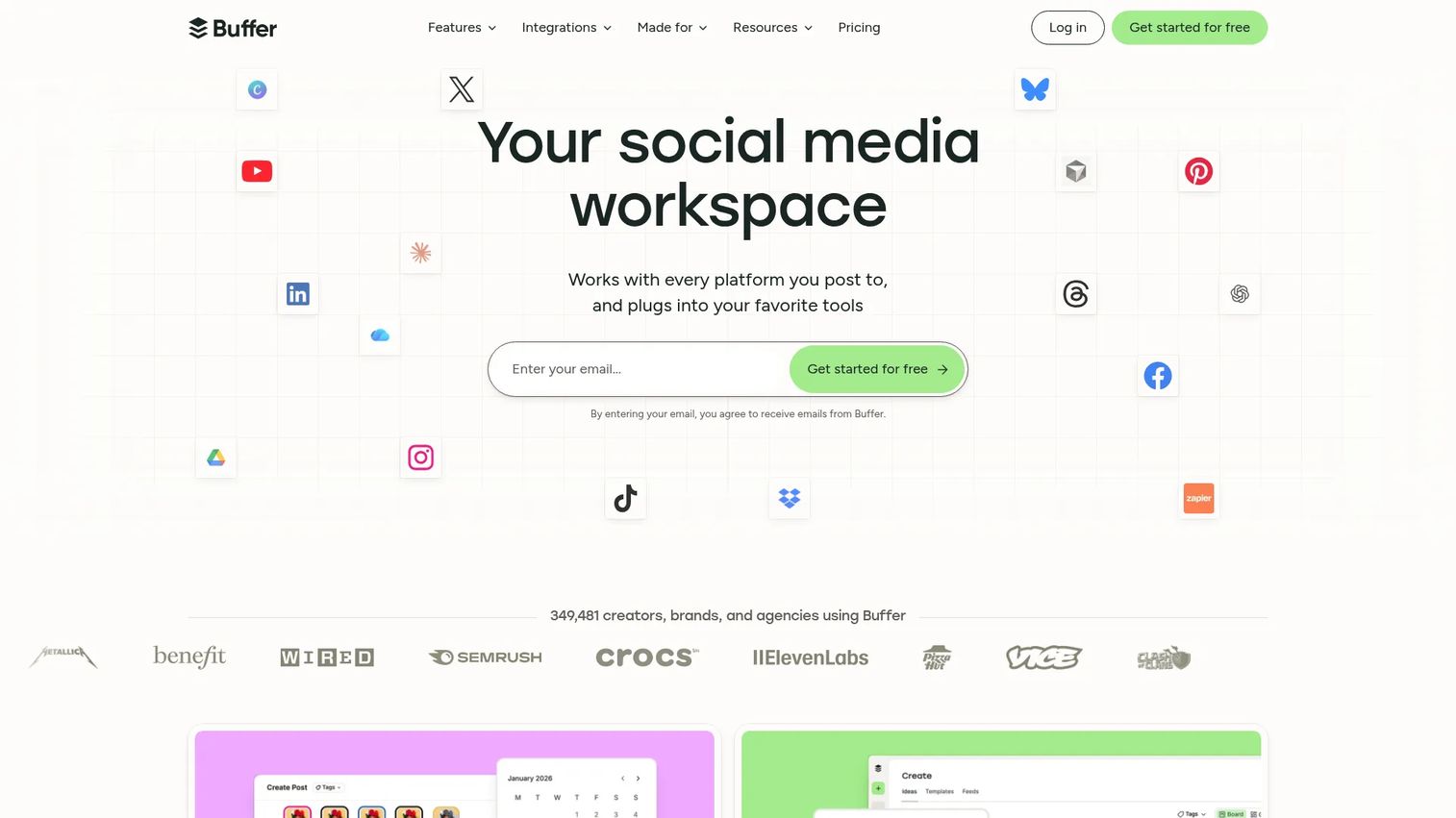
Buffer is a social media management platform for creating, scheduling, publishing, and analyzing social content. It is not a dedicated discovery or monitoring tool, but it supports lightweight content idea workflows through its AI assistant and link-sharing features. For teams that have already found content and need a simple, affordable queue, Buffer delivers without the overhead of a larger social platform.
Best for: Small marketing teams or solo operators that need low-cost social scheduling with basic content idea support.
Key features
- Social scheduling and publishing across major platforms
- AI Assistant for content creation and caption ideas
- Analytics and engagement insights
- Community management and comment replies
- Team collaboration and approval workflows
Why choose Buffer: At $5 per channel per month on the Essentials plan, it is the most cost-effective option on this list for social publishing. It fits teams that discover content through other tools and want a clean, affordable channel to distribute it. The free plan covering up to three channels makes it a practical starting point.
Buffer pricing: Free plan available (up to 3 channels). Essentials starts at $5 per channel per month (billed monthly; $60 per channel per year). Team runs $10 per channel per month and adds unlimited team members and approval workflows.
G2 rating: 4.3/5
11. Hootsuite

Hootsuite is a social media management platform covering publishing, social listening, engagement, analytics, and customer messaging across multiple accounts. The streams feature lets teams monitor keyword conversations, brand mentions, and industry topics in real time, making it one of the more capable social discovery tools on this list.
Best for: Marketing and social teams managing content discovery across multiple channels, stakeholders, and social accounts simultaneously.
Key features
- Social streams for real-time keyword and topic monitoring
- Multi-platform scheduling and publishing calendar
- Social listening, sentiment analysis, and trend monitoring
- Unified social inbox and customer messaging
- AI-powered content generation and reporting
Why choose Hootsuite: It earns its place when social monitoring and publishing are both daily requirements for the team. The Standard plan at $99 per user per month (billed annually) covers up to 10 social accounts, which suits mid-market teams. Larger enterprise setups benefit from advanced governance and listening capabilities at higher tiers.
Hootsuite pricing: Standard starts at $99 per user per month billed annually. Professional runs $199 per user per month. Advanced is $399 per user per month. Enterprise pricing is custom. A 14-day free trial is available across all self-service plans.
G2 rating: 4.3/5
12. Cision Communications Cloud
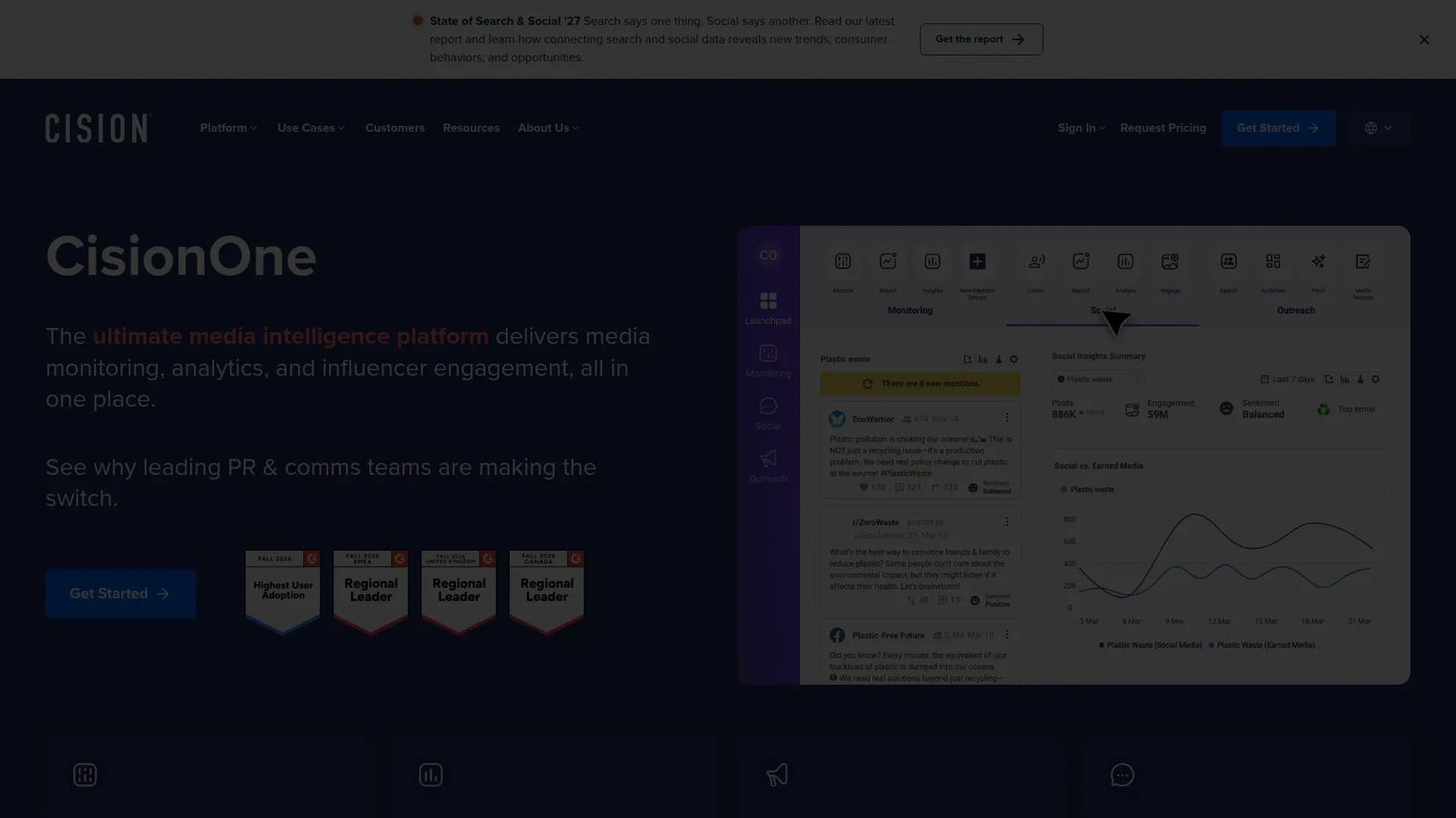
Cision Communications Cloud is an integrated communications platform for PR and media teams. It combines a journalist and media database, press release distribution through PR Newswire, earned media monitoring across online, social, print, broadcast, and podcast channels, and campaign analytics into one workflow.
Best for: PR, communications, and brand teams whose version of content discovery means finding journalists, tracking coverage, and measuring earned media impact.
Key features
- Media and influencer identification database
- Press release distribution via PR Newswire
- Multi-channel monitoring (online, social, print, broadcast, podcast)
- Campaign analytics and ROI measurement
- Executive reporting and dashboard tools
Why choose Cision Communications Cloud: It is the right tool when "content discovery" means discovering coverage opportunities and earned media narratives rather than finding articles to curate. For PR teams tracking how a campaign story spreads across media channels, it offers depth that generic monitoring tools do not.
Cision Communications Cloud pricing: Contact Cision directly for current tier and contract details.
G2: 3.9
13. Anders Pink

Anders Pink is a content curation platform focused on helping teams stay informed about competitors, industry trends, and professional development topics. It delivers curated briefings by topic, integrates with Slack, and is used for internal knowledge sharing, employee advocacy, and learning programs.
Best for: Organizations that want curated content briefings for sales enablement, learning and development, or employee advocacy rather than external campaign distribution.
Key features
- Custom topic briefings by keyword and source
- Team curation and sharing
- Slack integration
- Automated briefing updates
- Mobile access
Why choose Anders Pink: It works best when the value of content discovery is internal readiness rather than campaign output. Sales teams that need to stay current on competitive narratives, or L&D teams building curated reading programs, fit better here than teams focused on social publishing.
Anders Pink pricing: Contact Anders Pink for current plan and pricing details.
G2 rating: 2.5/5
14. DrumUp
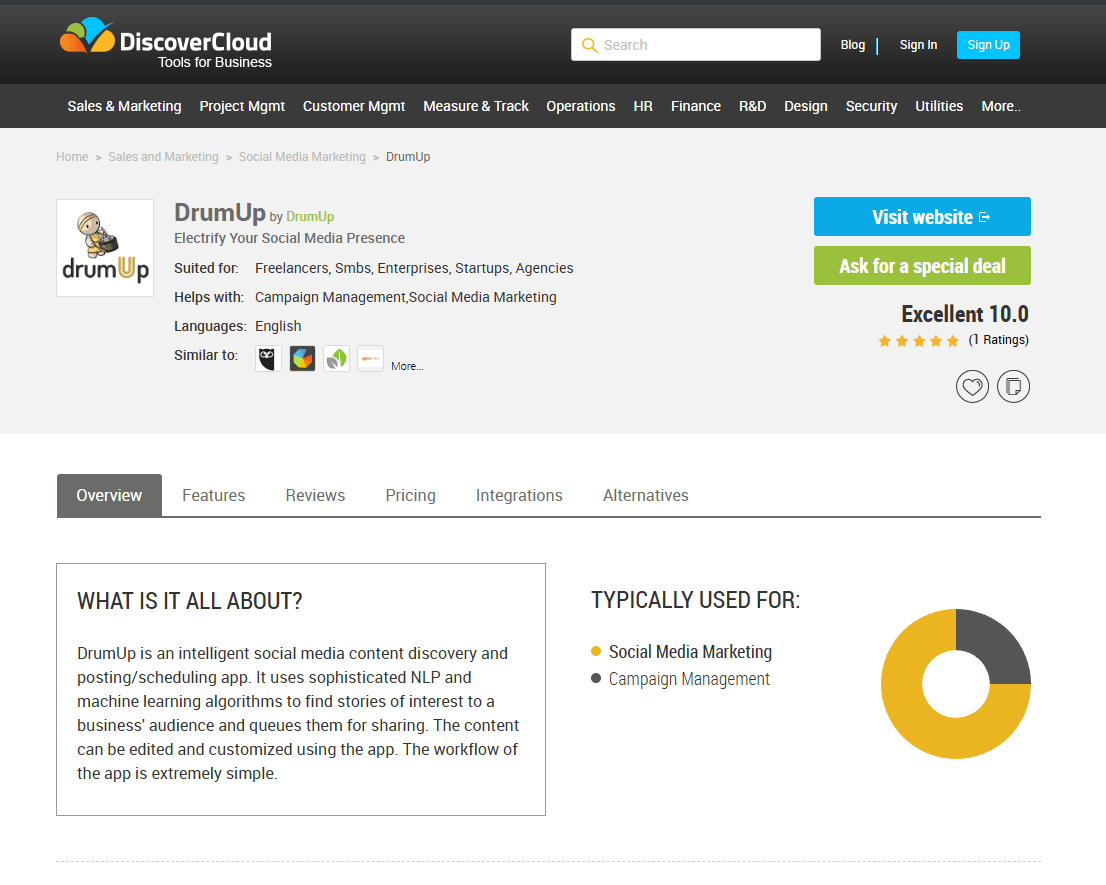
DrumUp is a social media content discovery and scheduling platform for small businesses and lean marketing teams. It monitors keyword streams and RSS feeds to surface relevant content, then lets you review suggestions and queue approved posts to social channels.
Best for: Small teams that need a simple way to find and schedule curated social content without a full content operations process.
Key features
- Content discovery by keyword and topic
- Social scheduling across multiple accounts
- RSS feed monitoring
- Employee advocacy features
- Performance analytics
Why choose DrumUp: It suits teams that want curation and scheduling in a single low-overhead tool. The discovery layer is narrower than BuzzSumo or Feedly, but the combined workflow from finding content to queuing posts is practical for a one-person or two-person marketing setup.
DrumUp pricing: Contact DrumUp for current plan and pricing details. Pricing was not publicly displayed on the official site at the time of writing.
G2 rating: 4.1/5
15. Google News

Google News is a free, personalized news service that aggregates articles by category, topic, source, and location. It is not workflow software. There are no team features, approval steps, or distribution integrations. What it offers is free, instant access to news organized by topic, which makes it a useful starting point before investing in a paid monitoring tool.
Best for: Solo marketers and early-stage teams that need free news awareness by topic and source before committing to a dedicated platform.
Key features
- Topic and keyword search
- Personalized news feed by interest
- Source and location filtering
- Sections organized by category (Business, Technology, Health, and others)
- Free access with no signup required for browsing
Why choose Google News: It is the fastest zero-cost way to get a pulse on a topic. If you are testing whether a topic is worth monitoring before buying a Feedly or BuzzSumo subscription, start here.
Google News pricing: Free.
G2: 4.6
Considerations when choosing a content discovery platform
Match the tool to the content job
Paid distribution networks, RSS monitoring tools, PR databases, and social curation platforms solve different problems. Before evaluating features, name the job: Are you finding content, approving it, distributing it, or amplifying it through paid placements? Buying Taboola when you need Feedly wastes budget on the wrong layer entirely.
Check source quality before workflow polish
A well-designed interface does not help if the sources are irrelevant. Before committing to any tool, test it against 15 to 20 of your actual keywords, competitor names, and industry topics. The question is whether it surfaces content you would have found worth reading anyway, not whether the dashboard looks clean.
Verify integrations with the current stack
The tools that earn a place in a growth team's stack are the ones that connect to existing workflows: Social schedulers, email platforms, CMS, Slack, CRM, or marketing automation. Before purchasing, map the integration path. A discovery tool that requires manual copy-paste into every downstream system does not reduce overhead.
Look at measurement depth
Some platforms track engagement, clicks, and attribution. Others only help with the discovery phase and leave measurement to other tools. Choose based on what you actually need to report. A team accountable for newsletter click-through rates or social engagement needs different analytics than a team that only needs to know what topics are trending.
Price against what it replaces
A content discovery platform earns its cost by replacing manual research time, reducing paid media waste on untested topics, or consolidating tools you already pay for. Before approving a subscription, map it against what it eliminates. The question your CFO will ask is not "what does it do" but "what did we stop paying for."
Conclusion
The right content discovery platform depends entirely on the job. For daily research and monitoring, Feedly handles AI-filtered topic tracking at a low annual cost. For trend and competitor analysis, BuzzSumo gives you the data to make content decisions with evidence behind them. Scoop.it and UpContent are both strong for teams that need to move from discovery to curated publishing, though UpContent adds compliance controls for regulated industries.
ContentStudio covers both discovery and social publishing in one tool, which suits teams trying to reduce the number of dashboards they manage. Taboola and Outbrain are not research tools; they are for distributing owned content through paid native placements once you have already validated a campaign angle.
Google News is the right starting point if your team is still deciding whether the category deserves a budget line.
Pick the tool that solves the most pressing friction in your current workflow. A content discovery platform only earns its place if it cuts research time, improves content quality, or reduces the gap between spotting a trend and acting on it.
Start your journey with Guideflow today!
FAQs
A content discovery platform is software that helps teams find, filter, recommend, distribute, and measure relevant content from third-party, owned, social, earned, or paid sources. The category includes RSS monitoring tools, content curation platforms, social listening tools, paid recommendation networks, and PR media monitoring systems. Each solves a different job within the broader category of "finding the right content at the right time."
Discovery is the act of finding potentially relevant content across sources. Curation is the act of selecting, organizing, annotating, and sharing that content with a specific audience. Many platforms handle both, but the jobs are distinct. You can discover without curating (monitoring competitors without publishing anything) and curate without a discovery tool (manually collecting links). The best curation workflow usually starts with automated discovery to reduce the manual research leg.
The answer depends on the specific job. Feedly is the strongest option for daily topic monitoring and AI-filtered research. BuzzSumo is better for validating content angles with engagement data before building a campaign. ContentStudio fits teams that want discovery and social scheduling without switching tools. Taboola and Outbrain are the right choice specifically for paid content distribution, not for organic research.
They overlap but are not identical. Content recommendation platforms typically distribute content to audiences, either through native advertising placements (Taboola, Outbrain) or personalized on-site recommendations. Content discovery platforms, in contrast, help marketers find and curate content for their own use. Some tools do both, but the buyer's question is usually different: Discovery tools help you find what to publish, while recommendation platforms help audiences find what you have already published.
Google News is the fastest zero-cost starting point for topic monitoring by keyword and source. Feedly also has a free plan, though AI filtering and RSS Builder require a paid tier. Buffer's free plan covers up to three social channels for distribution. UpContent and Scoop.it both offer free plans with limited feature access. For teams not yet ready to commit budget, Google News plus Feedly's free tier covers basic monitoring needs.
They reduce the time between spotting a relevant topic and acting on it. For growth teams, that speed matters: A trending pain point in your category is a campaign angle, a cold outreach hook, or a landing page test. Discovery tools surface those signals earlier and more consistently than manual scanning. The indirect impact shows up in content engagement rates, campaign click-through, and the reduction of wasted creative cycles on topics that do not convert.
Social media tools like Buffer and Hootsuite are optimized for scheduling, publishing, engagement, and reporting across social channels. Dedicated discovery platforms like Feedly, BuzzSumo, and UpContent are optimized for source monitoring, relevance filtering, and curation workflows. If your primary need is finding and approving content before it goes to social, a dedicated discovery tool fits better. If you have already solved the research problem and need a publishing and analytics layer, a social media platform is the right fit. ContentStudio is the clearest option when you genuinely need both.
Start by tracking research time saved per week, then compare content engagement rates before and after the tool was introduced. For teams distributing curated content, measure newsletter click-through rates, social engagement, and assisted conversions attributed to content-sourced campaigns. For paid discovery tools like Taboola or Outbrain, track CPC, conversion rate, and cost per lead against benchmarks from other paid channels. Attribution will never be perfect, but the clearest signal is whether the team is publishing more relevant content faster, and whether that content is generating measurable engagement downstream.