A rental property looks passive on a spreadsheet. Then the lease expires, the tenant calls about a broken HVAC at 10 p.m., the city sends a compliance notice, and you're suddenly running a second business without the systems to support it.
U.S. renter households reached 46.1 million in Q1 2025, according to the Harvard Joint Center for Housing Studies. That scale of demand means more owners, more competition for qualified tenants, and more operational complexity for anyone who treats residential real estate property management as an afterthought.
The owners who get it right treat property management the way a founder treats any repeatable process: Define the scope, hire for it, measure the output, and remove themselves as the bottleneck. This guide breaks down the 9 service categories that determine whether your rental runs like an asset or drains like a job.
What's inside
This guide covers the core residential property management service categories an owner should evaluate before engaging a property management company. It's written for founders and operators who own rental assets alongside a primary business and want fewer manual escalations, cleaner reporting, and clear accountability.
Items were selected based on:
- Owner visibility and reporting quality
- Vacancy reduction and tenant quality
- Maintenance response and vendor control
- Local market knowledge and compliance support
Pricing across all categories varies by market, property type, monthly rent amount, and service scope. The drivers are stated plainly in each section.
TL;DR
- Best overall starting point: Full residential property management covers leasing, tenant relations, maintenance, rent collection, and financial reporting under one operator
- Best for local provider discovery: Property manager directories and local listing pages help build a shortlist fast, without committing to anyone
- Best for vacancy reduction: Property marketing and rental listing support matter most before the first rent check arrives
- Best for risk control: Tenant screening, lease compliance, and eviction support reduce avoidable losses before they compound
- Best for owner visibility: Financial reporting, owner portals, and monthly statements keep you out of spreadsheet archaeology every quarter
What is residential real estate property management?
Residential real estate property management is the ongoing operation of rental homes, condos, townhomes, small multifamily properties, and similar residential assets on behalf of the owner.
A professional manager handles the day-to-day work so the owner receives income and reporting without running tenant calls, vendor scheduling, rent disputes, and compliance paperwork. At the category level, residential property management covers:
- Leasing and rental marketing: Pricing, listing, photography, syndication, and showing coordination
- Tenant screening and placement: Income, credit, background, eviction history, and identity verification
- Rent collection: Invoicing, payment processing, late-fee enforcement, and owner disbursements
- Maintenance coordination: Repair requests, vendor dispatch, emergency response, and work-order documentation
- Lease compliance: Renewals, inspections, enforcement, and eviction coordination when required
- Owner reporting: Monthly statements, owner portals, expense records, and tax documents
- Vendor management: Contractor selection, quality oversight, pricing controls, and repair authorization
- Local market guidance: Rent estimates, comparable rents, vacancy benchmarks, and neighborhood context
- Turnover and vacancy control: Move-out inspection, unit preparation, and re-leasing timelines
The right setup depends on ownership model. An out-of-state owner with one single-family rental needs a full-service operator. An active local investor managing a small portfolio might buy leasing support and accounting while handling day-to-day tenant communication personally. A first-time landlord often benefits from starting with full-service management until they understand the workflows.
The distinction between full-service management, tenant placement only, and specialized services such as maintenance coordination or financial accounting determines the fee structure, the accountability structure, and what the owner still has to do themselves.
When to use residential real estate property management
Remove yourself as the operational bottleneck
The right moment to bring in a property manager is when tenant calls, vendor coordination, rent collection, and emergency issues are landing on your calendar instead of someone else's. For a founder already managing a team, a fundraise, and a board, adding rental operations to the queue is a delegation failure, not a cost savings. A good manager should run the asset and surface the right data, not escalate every decision.
Fill vacancies with a repeatable leasing process
Vacancy is the cost most owners underestimate. A vacant unit generating no rent for 60 days often costs more than a full year of management fees. Marketing, pricing, listing syndication, showing coordination, and applicant qualification all affect how quickly a qualified tenant signs. Owners who hand this off to a professional with local market knowledge typically reduce vacancy time and attract better-qualified applicants.
Protect cash flow with maintenance and reporting discipline
Deferred maintenance creates larger repair bills, liability exposure, and tenant turnover. Monthly owner statements, work-order documentation, and 1099 preparation at year-end give you clean records for investment decisions and tax filings. A manager with vendor relationships and approval workflows keeps repair costs visible, controlled, and documented.
Residential real estate property management services comparison
The rows below represent the service categories an owner should compare when selecting a property management company or deciding which functions to outsource. These are service categories, not G2-listed software products, so ratings are marked N/A. Pricing represents typical market patterns; exact fees vary by provider, market, and property type.
| # | Product | Best for | Key use case | Pricing | G2 rating |
|---|---|---|---|---|---|
| 1 | Residential property management (IREM) | Owners who want one accountable operator | End-to-end rental operations | Percentage of monthly rent plus leasing fees | N/A |
| 2 | Property management services (NARPM) | Owners comparing full-service versus partial support | Selecting a scope of work | Bundled or service-based, varies locally | N/A |
| 3 | Property manager directory / local listings (Google Maps) | Owners building a local shortlist | Finding providers, reviews, and contact details | Free to search; provider fees vary | 4.7 |
| 4 | Property marketing and rental listings (Zillow) | Owners focused on vacancy reduction | Pricing, listing, syndication, and showing coordination | Often included in leasing or placement fees | 4.1 |
| 5 | Tenant screening (TransUnion) | Owners reducing applicant risk | Income, credit, background, and eviction checks | Application or placement fees; rules vary by state | N/A |
| 6 | Property maintenance (Buildium) | Owners reducing repair-related interruptions | Maintenance coordination and vendor dispatch | Pass-through repair costs plus coordination markup | 4.4 |
| 7 | Rent collection (Avail) | Owners wanting predictable payment workflows | Invoicing, collection, and late-fee process | Free plan; Unlimited Plus at $9/unit per month | 4.0 |
| 8 | Financial reporting (Buildium) | Owners needing clean records | Monthly statements, owner portals, and tax documents | Essential plan starts at $65/month | 4.4 |
| 9 | Customer reviews and testimonials (Google Business Profile) | Owners validating provider trust | Reputation checks and pattern recognition | Free to review | 4.6 |
Best 9 services for residential real estate property management
The sections below unpack each category: What it covers, what to verify before engaging a provider, and when it matters most. Each entry maps to a service function you can outsource, evaluate separately, or use as a checklist when interviewing a full-service manager.
1. Residential property management (IREM)
IREM is the Institute of Real Estate Management, a professional association that sets education, certification, and ethical standards for residential property managers. Its Accredited Residential Manager (ARM) credential and RES201 course give owners a benchmark for evaluating whether a local manager has formal training in residential operations.
Best for: Owners who want one accountable operator with verifiable professional credentials covering day-to-day rental performance.
Key features
- ARM certification pathway for residential managers
- Education covering operations, finance, leasing, and maintenance
- Professional membership with networking, discounts, and resources
- Accreditation standards for property management firms
- Referral directory for finding credentialed local managers
Why choose residential property management: Choose full-service residential management when the rental has become a second operating job. The right manager reduces owner involvement while maintaining clear reporting on occupancy, cash flow, repairs, and tenant issues. IREM credentials are a useful filter when interviewing providers.
Residential property management pricing: IREM's RES201 course costs $699 for members and $859 for non-members. Associate membership runs $325 annually. These are education and credentialing costs; actual management fees from local providers typically run 8 to 12 percent of monthly rent plus a leasing fee, though rates vary by market and property type. Before signing with any manager, verify cancellation terms, maintenance approval thresholds, reporting cadence, and leasing fee structure.
2. Property management services (NARPM)
NARPM, the National Association of Residential Property Managers, supports property management professionals through education, advocacy, professional designations, and local chapters. For owners, NARPM membership in a local provider signals commitment to professional standards and access to a peer network of practitioners.
Best for: Owners deciding which management functions to outsource and which to retain, using NARPM-affiliated providers as a starting filter.
Key features
- Professional designations including CRMC, RMP, MPM, and CSS
- Courses, webinars, conferences, and online learning resources
- Local chapter networks and referral opportunities
- Member directory for finding qualified local managers
- Advocacy and industry representation for the profession
Why choose property management services: This category is the decision layer. Some owners need a full operating partner; others only need leasing support or lease enforcement. NARPM-affiliated managers have committed to ongoing professional development, which matters when you're delegating an asset to someone you'll see quarterly in a report, not weekly in a meeting.
Property management services pricing: NARPM individual membership costs $320 annually (new members receive a $50 discount, so $270 effective). Company membership starts at $760 annually for four members, with $125 for each additional member. These are association fees. Local provider fees stack separately and may include monthly management percentages, leasing fees, renewal fees, inspection fees, and eviction coordination charges. Compare total annual cost across providers, not just the monthly management percentage.
3. Property manager directory or local provider listings (Google Maps)
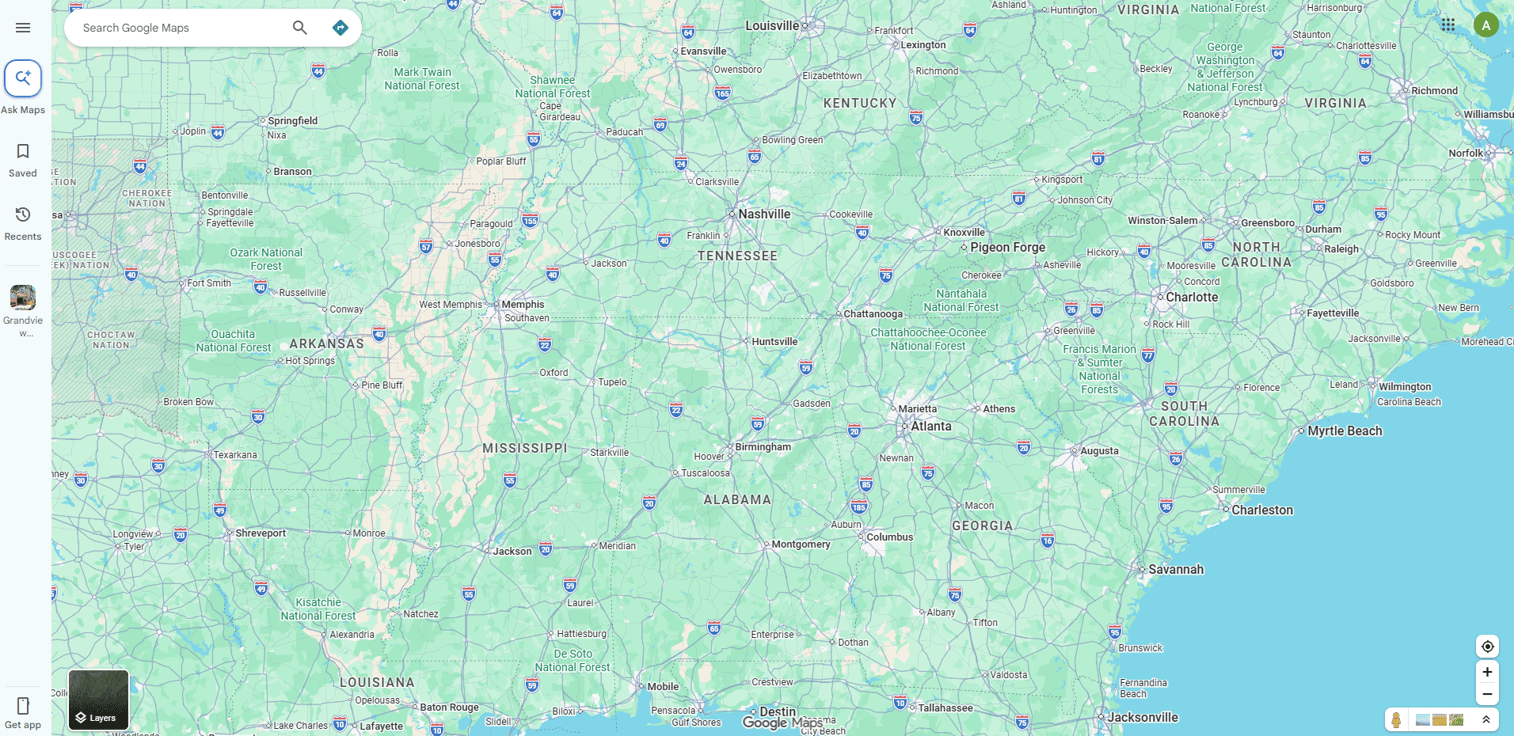
Google Maps serves as the most accessible starting point for finding property managers near me. Local Business Profiles show addresses, phone numbers, review scores, and service areas, giving owners a fast way to build a shortlist before making any calls. The directory layer is free for owners to search.
Best for: Owners who need to build a local shortlist before calling providers, especially out-of-area owners who lack a referral network in a target market.
Key features
- Local place and business search with service-area filters
- Business profiles with addresses, phone numbers, and hours
- Customer reviews and aggregate rating scores
- Street View and location context
- Directions and proximity data
Why choose property manager directory or local provider listings: Use listings to generate the first shortlist, not to make the final decision. After pulling names from Maps, check each provider's service scope, licensing requirements, management agreement terms, and fee structure. Professional association membership with IREM or NARPM is a credibility signal worth confirming. Read reviews for patterns around communication, maintenance response, statement accuracy, and tenant handling. Isolated complaints carry less weight than recurring themes across dozens of reviews.
Property manager directory or local provider listings pricing: Google Maps is free for owners to search. Google Maps Platform, used by developers who embed mapping into applications, operates on usage-based pricing not relevant to owner searches. Provider fees apply separately once you contact a manager.
G2 rating: 4.7/5 (Google Maps, verified on G2 route-planning category).
4. Property marketing and rental listings (Zillow)
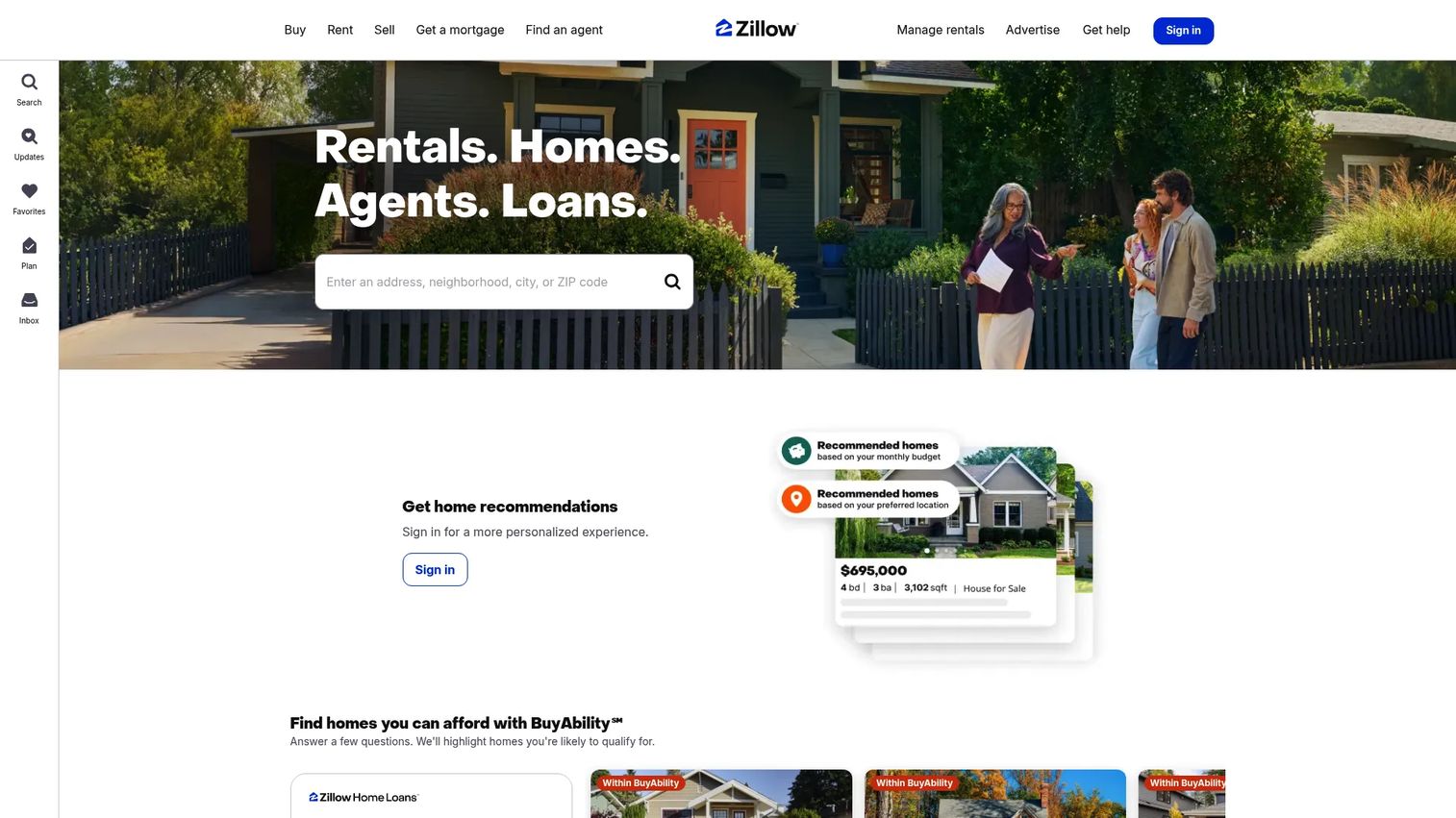
Zillow is the largest U.S. residential property marketplace, used by landlords and property managers to market rental listings, attract qualified applicants, and run leasing workflows. Rental Manager, Zillow's landlord-facing product, includes listing publication, tenant screening, online rent collection, and lease management tools.
Best for: Landlords and property managers who want broad listing exposure and an integrated leasing workflow from pricing to signed lease.
Key features
- Rental listing syndication across Zillow and partner sites
- Pricing insights and local market rent comparables
- Tenant screening with credit and background checks
- Online rent collection with payment tracking
- Lease upload, e-signing, and tour scheduling
Why choose property marketing and rental listings: Marketing is where vacancy problems begin. A property priced above local rental comparables sits empty longer. A listing without professional photography or broad syndication gets fewer qualified applicants. Zillow's market data on local rent estimates and days on market gives owners and managers a pricing anchor before publishing. Ask your manager what their average days-on-market looks like by property type in your submarket.
Property marketing and rental listings pricing: Zillow's core Rental Manager tools, including listing publication, tenant screening for landlords, and online rent collection, are available at no cost. Premium listing packages and advertising tiers carry fees that Zillow does not display numerically on its pricing page; contact Zillow's rental network for current package rates. Tenant screening fees for applicants and payment processing charges apply separately at the transaction level.
G2 rating: 4.1/5 (verified on G2).
5. Tenant screening (TransUnion)

TransUnion provides applicant screening data to landlords, property managers, and technology platforms. Its residential screening products cover identity verification, credit reports, criminal history, eviction records, and predictive risk scores that estimate future lease performance.
Best for: Owners who want to reduce avoidable tenant risk before signing a lease, using consistent, documented screening criteria.
Key features
- Identity and credit verification
- Criminal history and eviction record checks
- Fraud detection and predictive credit scoring
- Automated leasing workflow integrations
- Eviction-history and predictive-risk insights
Why choose tenant screening: Tenant screening is the risk gate for every lease. A weak or inconsistent process can turn a filled vacancy into months of collection problems, unplanned repairs, or legal expense. Written screening criteria applied consistently to every applicant also reduce fair housing risk. Ask any property manager for a sample screening policy before signing a management agreement.
Tenant screening pricing: Application fees paid by applicants often cover the cost of screening reports; rules on what can be charged to applicants vary by state and local law. Verify the current cost structure directly with TransUnion or through the property management platform integrating its data. State-level landlord-tenant law governs whether screening fees can be charged and at what amount.
6. Property maintenance (Buildium)
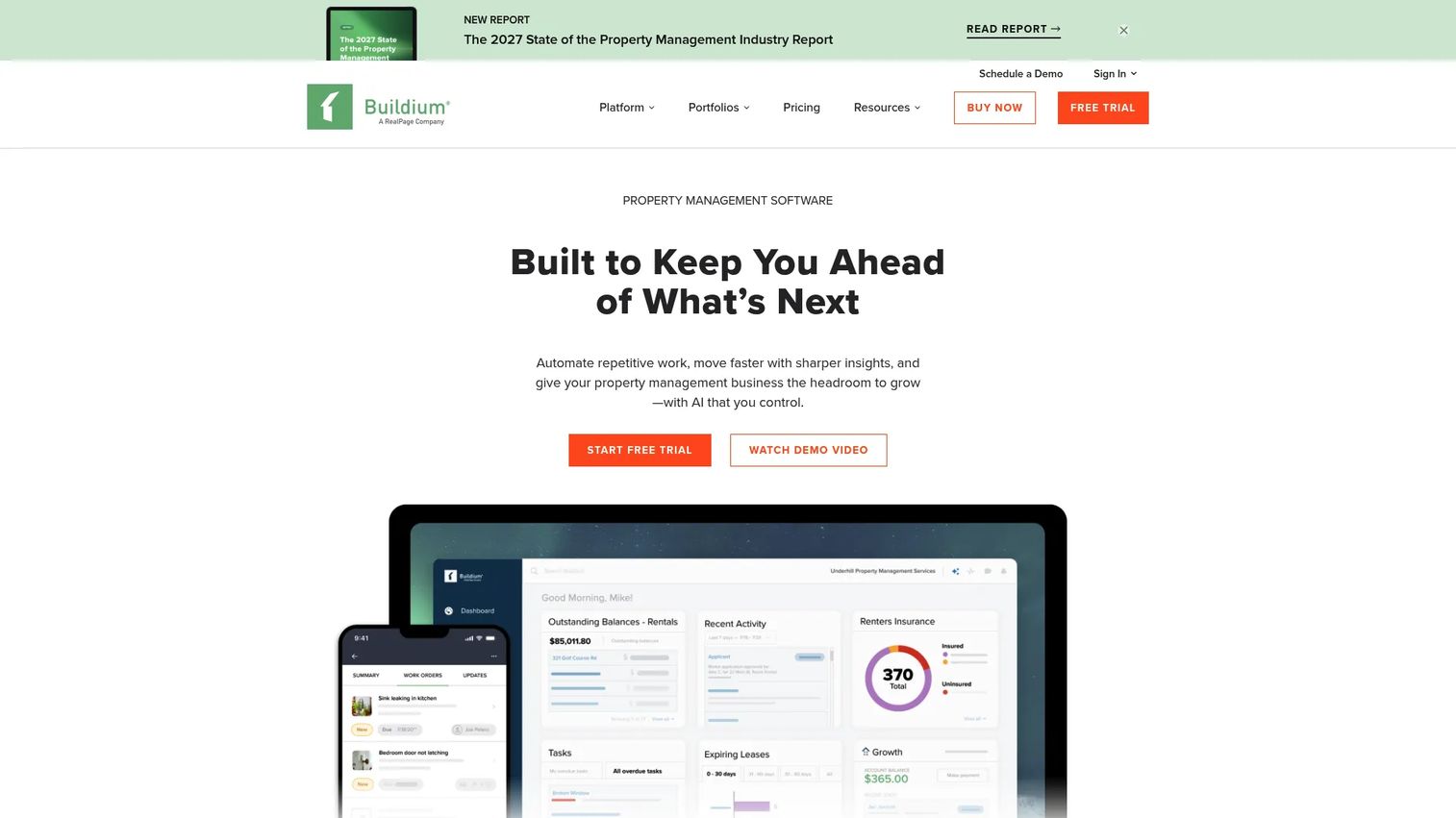
Buildium is a property management software platform that covers maintenance request intake, work-order tracking, vendor dispatch, online payments, leasing, and financial reporting in one system. Property management companies use Buildium to coordinate maintenance workflows across residential, commercial, and student housing portfolios.
Best for: Property management companies running residential portfolios that need structured maintenance coordination alongside accounting and leasing in a single platform.
Key features
- Task and work-order management with status tracking
- Vendor dispatch and maintenance project calendars
- Resident portal for submitting and tracking maintenance requests
- Staff time tracking and inspection tools
- Online payment processing for rent and bills
Why choose property maintenance: Maintenance is where cheap management often becomes expensive. Deferred or mishandled repairs generate larger bills, tenant complaints, and turnover. Strong operators define approval thresholds, document every work order, and use vendor networks with negotiated pricing. Ask any manager how repair authorizations work above a set dollar amount, who selects vendors, and whether after-hours coverage is included.
Property maintenance pricing: Buildium offers three plans: Essential at $65/month, Growth at $202/month, and Premium at $420/month, all billed monthly. A 14-day free trial is available. Owners pay repair costs directly; managers using Buildium may add coordination fees or vendor markups above pass-through costs. Confirm markup structure before engaging any management company.
G2 rating: 4.4/5 (verified on G2).
7. Rent collection (Avail)
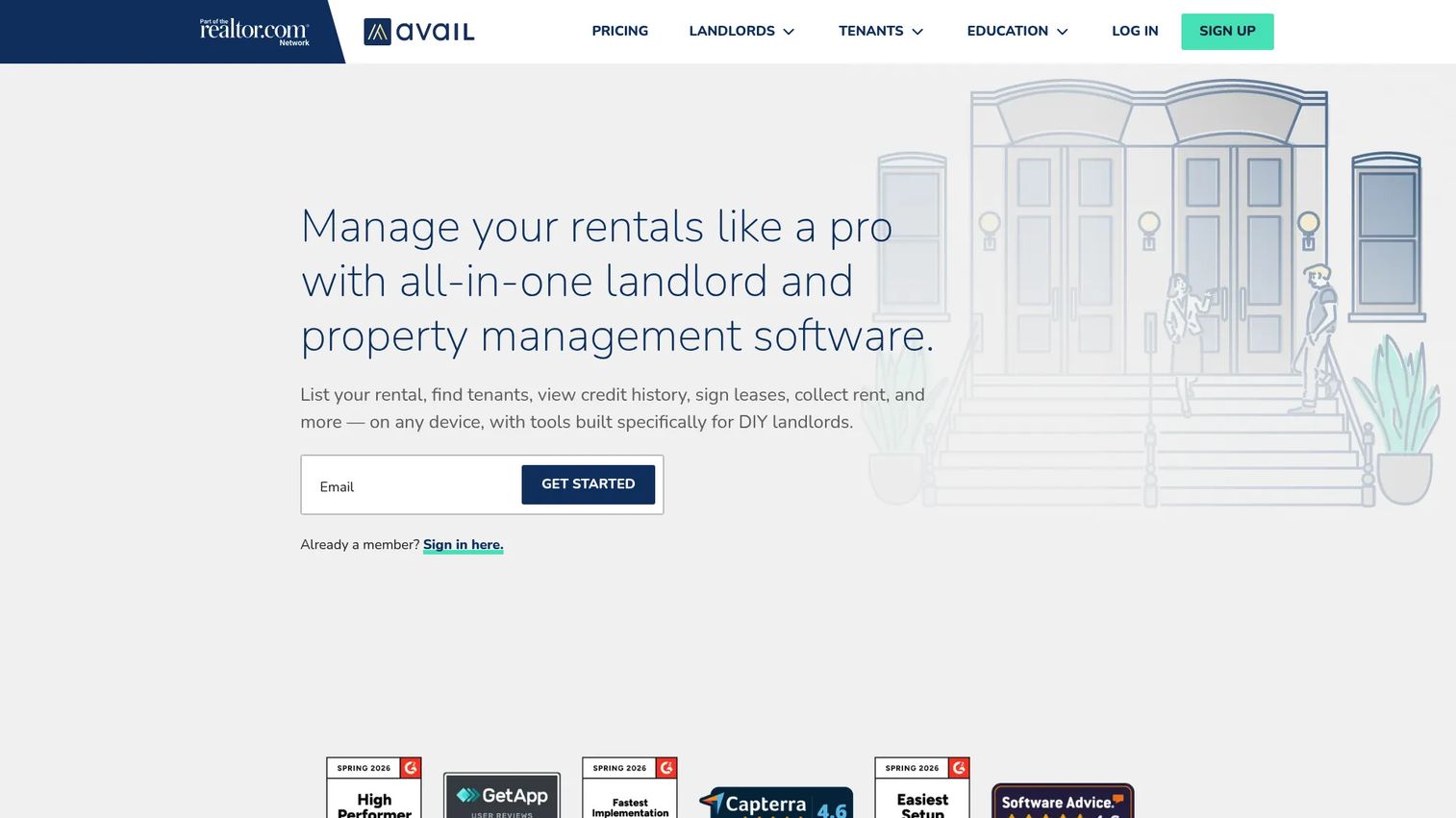
Avail is landlord software built for independent owners and small-portfolio managers. Its core functions cover rental listings, tenant applications, TransUnion-backed screening reports, digital lease signing, rent collection, and maintenance tracking. Avail is built for the owner who wants to self-manage with structure rather than hand off entirely to a management company.
Best for: DIY landlords and small property owners who want integrated rental listings, leasing, and rent collection without hiring a full-service property manager.
Key features
- Online rent collection for payments, deposits, and fees
- Rental listings syndicated to partner sites
- Tenant applications with TransUnion screening reports
- State-specific, lawyer-reviewed digital leases
- Income and expense tracking for financial reporting
Why choose rent collection: Rent collection is more than accepting payments. A repeatable process covering due dates, late-fee schedules, escalation steps, and owner disbursements removes the awkward conversations and reduces collection delays. Avail handles that workflow for self-managing owners at a low cost. For owners using a full-service manager, ask about disbursement timing, how late rent is handled, and what the escalation path looks like before legal action.
Rent collection pricing: Avail offers two plans. The Unlimited plan is free and covers core features. Unlimited Plus costs $9/unit per month and adds FastPay for faster owner disbursements, waived ACH transfer fees, custom lease templates, and priority support. Tenant payment fees apply separately: $2.50 per bank transfer on the free plan, plus 3.5% for card payments on either plan.
G2 rating: 4.0/5
8. Financial reporting (Buildium)
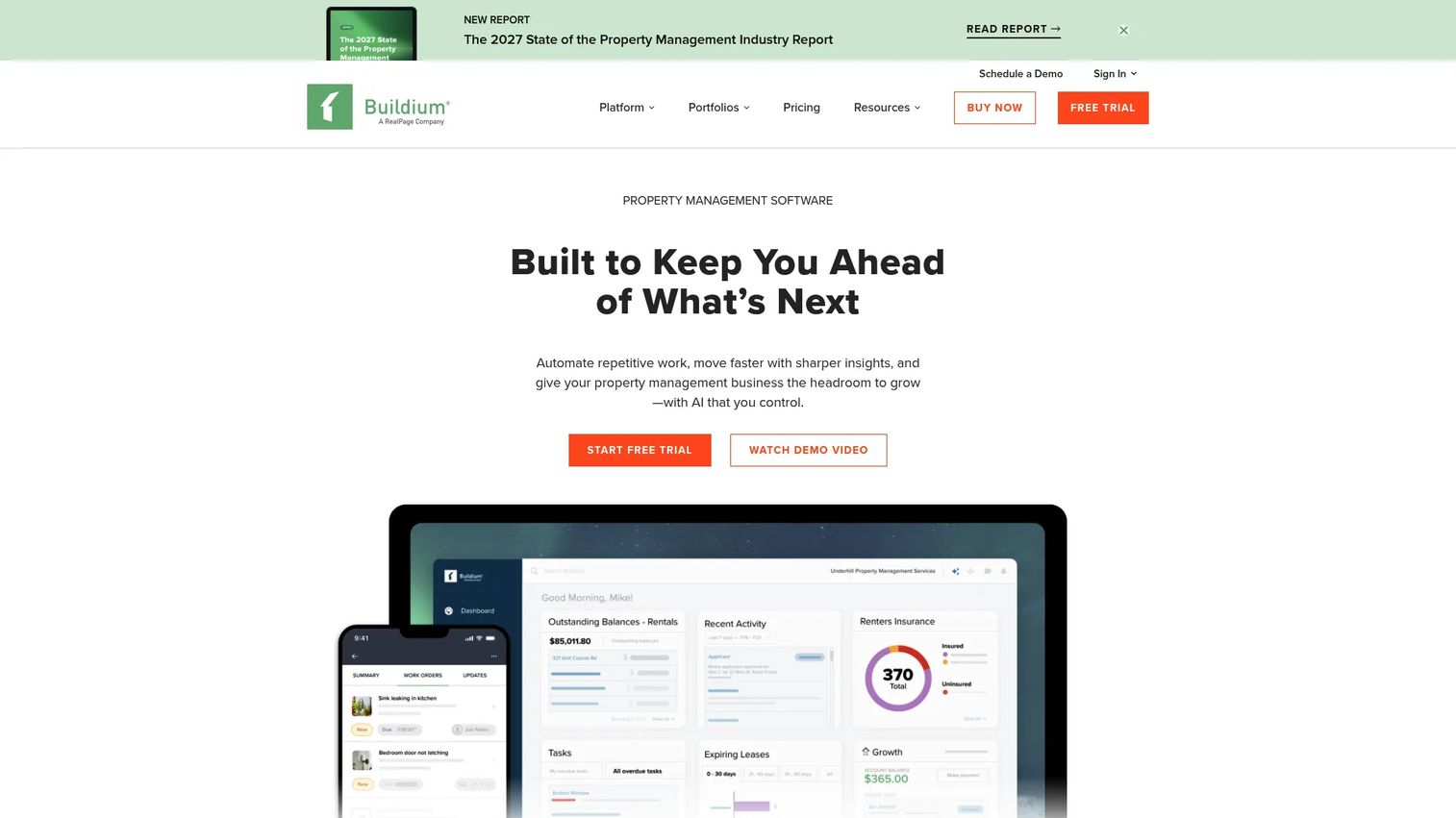
Buildium handles property-specific financial reporting alongside its full property management suite. The platform generates monthly owner statements, income and expense records, balance sheets, cash flow reports, and bank reconciliations. Property management companies using Buildium give owners portal access to their financial data without requiring a spreadsheet reconstruction each month.
Best for: Property management companies and self-managing owners who need clean, organized financial records without manually consolidating bank statements and repair receipts.
Key features
- Property-specific income and expense statements
- Balance sheets, cash flow reports, and bank reconciliations
- Online owner portal for real-time statement access
- Maintenance invoice documentation and payment history
- Year-end reporting support for tax preparation
Why choose financial reporting: Reporting is the difference between delegating and guessing. A good monthly statement shows rent received, expenses paid, repairs authorized, and net income. It should be readable in under five minutes. When evaluating any property management company, ask for a sample owner statement. If it requires cross-referencing with emails or spreadsheets to understand, that's the operational signal you need.
Financial reporting pricing: Buildium's Essential plan starts at $65/month, Growth at $202/month, and Premium at $420/month. The Essential tier includes core accounting, standard reporting, and owner portal access. Growth adds enhanced reporting automation and analytics. Premium adds Open API and advanced automation. A 14-day free trial is available across all tiers.
G2 rating: 4.4/5
9. Customer reviews and testimonials (Google Business Profile)
Google Business Profile is the platform most local property management companies use to collect and display customer reviews. It's free for businesses to manage and free for owners to read. Review patterns across dozens of clients reveal more about a manager's operational behavior than any sales conversation.
Best for: Owners validating whether a provider's service promises hold up once the management agreement is signed.
Key features
- Review collection and public display on Google Search and Maps
- Business response tools for owner-manager communication patterns
- Photo, video, and service-area information
- Review volume and recency visibility
- Integration with Google Maps local search results
Why choose customer reviews and testimonials: Reviews reveal behavior under pressure. Look for recurring themes around communication response time, maintenance handling, statement accuracy, tenant relations, and how the company responds to complaints. A high aggregate rating with no negative reviews may mean limited review volume, not perfect service. For high-value portfolios, ask shortlisted managers for two or three owner references you can call directly.
Customer reviews and testimonials pricing: Google Business Profile is free. Reading reviews requires no account or payment. Do not treat a high rating as a substitute for reviewing the management agreement, fee schedule, and maintenance policies. Reviews are one input, not a final decision.
G2 rating: 4.6/5
Considerations when choosing residential real estate property management
Service scope and accountability
Before signing any management agreement, get a complete list of what the manager owns and what falls back to you. Leasing, renewals, inspections, maintenance authorization, rent collection, and lease enforcement should each have a named owner. Ambiguity in scope is how owners end up back in the management loop they were trying to exit.
Local market expertise
A manager's service-area coverage and property-type experience matter more than proximity alone. Ask what their average days-on-market looks like for single-family homes or condos in your submarket, how they set rental pricing, and which vendors they rely on for maintenance. A manager unfamiliar with your rental type or neighborhood will price it wrong and fill it slowly.
Reporting and owner visibility
Owner portals and monthly statements are table stakes. The quality difference is in the detail: Itemized expenses, work-order documentation, disbursement timing, and year-end 1099 preparation. Ask for a sample statement from any candidate. If it takes more than a few minutes to understand, that's the reporting standard you'll live with every month.
Fee structure and total annual cost
The monthly management percentage is only one line item. The full fee stack typically includes a leasing fee (often 50 to 100 percent of one month's rent), a lease renewal fee, a setup or onboarding fee, inspection fees, maintenance coordination markup, eviction coordination charges, and cancellation terms. Compare total annual cost across providers, not just the monthly percentage headline.
Trust signals and operating discipline
Professional association membership with IREM or NARPM, formal certifications, and business longevity are useful filters. Owner testimonials and reference calls add operational texture. These signals support evaluation but do not replace a careful read of the management agreement, especially cancellation clauses, maintenance approval thresholds, and dispute resolution terms.
Conclusion
The 9 service categories above map directly to the owner problems they solve. Need one accountable operator: Start with a credentialed full-service residential property manager. Need to compare scope before committing: Use NARPM-affiliated providers as a filter. Need a local shortlist fast: Google Maps gets you there in minutes. Need fewer vacant days: Strong marketing and rental listing support, with pricing grounded in local rental comparables. Need lower tenant risk: Written screening criteria and consistent application review. Need fewer repair interruptions: A manager with structured maintenance workflows and vendor relationships. Need cleaner cash flow: A rent collection process with documented escalation and predictable disbursement timing. Need financial records that survive a tax filing or investor review: Monthly statements and an owner portal. Need to validate before signing: Read review patterns, then call references.
Build a shortlist of three local providers. Request sample owner statements and sample management agreements. Compare total annual fees across providers, not just the monthly management percentage. Then call two references per finalist.
Start your journey with Guideflow today!
FAQs
Residential real estate property management covers leasing and rental marketing, tenant screening and placement, rent collection, maintenance coordination, lease compliance, owner reporting, and local market guidance. Exact scope varies by provider. Some managers offer a full-service bundle; others sell individual components such as leasing only or accounting only.
The monthly management fee typically runs 8 to 12 percent of collected rent, though rates vary by market, property type, and service scope. The full annual cost adds leasing fees (often 50 to 100 percent of one month's rent), renewal fees, inspection fees, setup fees, maintenance coordination markups, and possible eviction coordination charges. Compare total annual cost across providers, not just the management percentage.
For out-of-area owners, time-constrained operators, or owners losing money to vacancy and slow maintenance response, yes. A manager handles the recurring operational work and surfaces reporting you can review in minutes. Hands-on local owners with one nearby property may choose partial services, such as leasing support only, rather than full-service management.
Compare service scope, local market experience, fee structure, maintenance process, reporting quality, and contract terms. Ask for a sample monthly owner statement and a sample management agreement. Call two owner references per finalist. Professional association membership with IREM or NARPM is a useful credibility filter during the initial shortlist phase.
Tenant placement covers marketing, showings, applicant screening, and lease signing. The manager's work ends at move-in. Full-service management continues with rent collection, maintenance coordination, tenant communication, lease renewals, monthly owner reporting, and compliance workflows throughout the tenancy.
Ask about vacancy rates and average days-on-market for your property type, written screening criteria and consistent application process, maintenance approval thresholds and after-hours coverage, owner disbursement timing, monthly statement format, eviction process and associated fees, vendor selection and markup practices, renewal fees, and cancellation terms including notice period and early-termination costs.
Most full-service managers coordinate maintenance requests, dispatch vendors, handle after-hours emergencies, and document work orders and invoices. Owners pay repair costs, and some managers add a coordination fee or vendor markup. Confirm before signing: How approvals work above a set dollar threshold, who selects and supervises vendors, and whether the manager carries errors and omissions coverage.
Management can support rental ROI through accurate market pricing, faster vacancy fill, stronger tenant screening, structured maintenance that prevents deferred-repair bills, and clean financial reporting for investment decisions. No manager can guarantee returns. The variables include local market conditions, property condition, economic cycles, and tenant behavior. Avoid any provider who promises guaranteed rent or vacancy-free management without clear contractual terms.