How to create a private repository in GitHub
Here is how to create a private repository in github
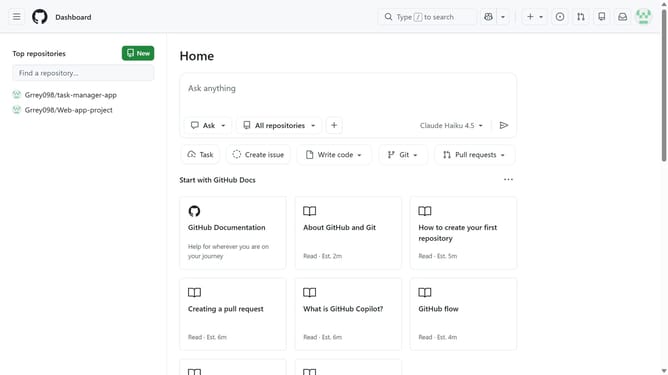
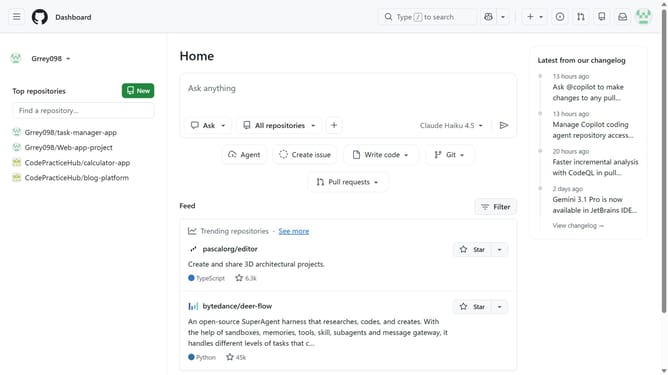
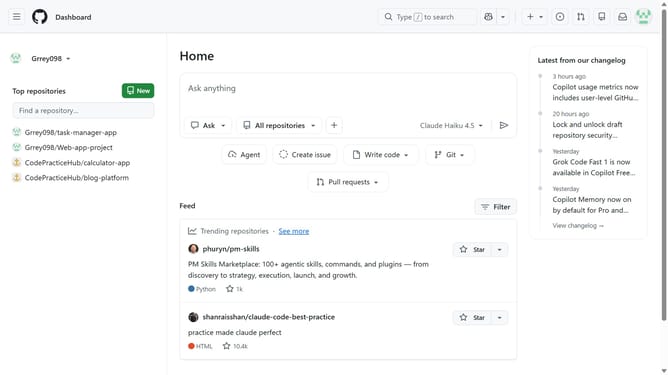
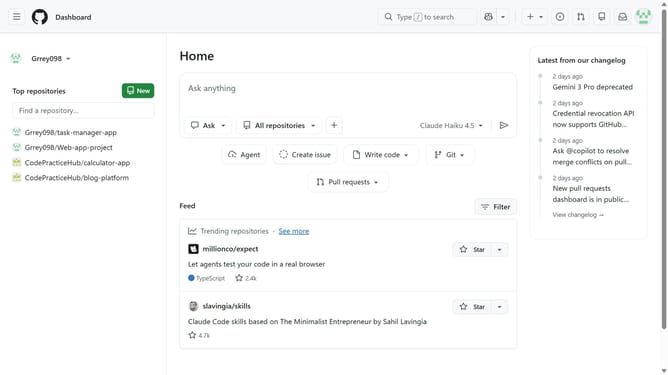
- First click on the "+" button in the top navigation bar
- Next click on the "New repository" option from the dropdown menu
- Use the “Owner” dropdown menu to select the account that will own the repository
- Enter the repository name in the “Repository name” field
- Click on the "Description" field to add an optional description for the repository
- Click on the visibility dropdown menu in the repository configuration section
- Then select the "Private" option from the visibility dropdown menu
- Toggle on “Add a README file” to include a README if needed
- Optionally add a .gitignore file and select a license
- Finally click on the "Create repository" button at the bottom of the page to create the new repository
Why should you create a private repository in GitHub
GitHub is a dynamic platform designed for collaborative coding and efficient version control.
Understanding how to create a private repository on GitHub is an essential feature for developers who value privacy and confidentiality.
Employing private repositories ensures that sensitive or proprietary code remains accessible only to selected collaborators, enhancing security.
This also allows teams to experiment freely, fostering innovation without the risk of unauthorized access.
Last update