How to create a template repository in GitHub
Here is how to create a template repository in github
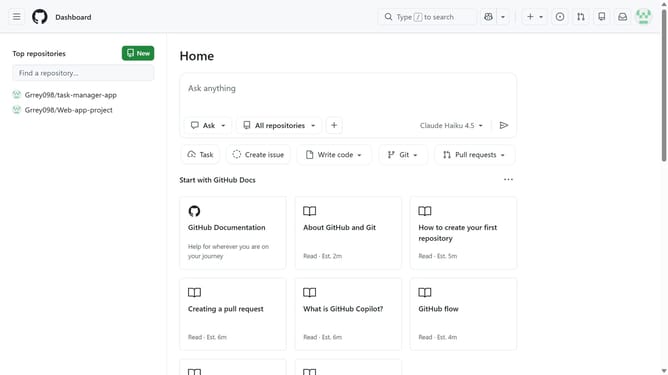
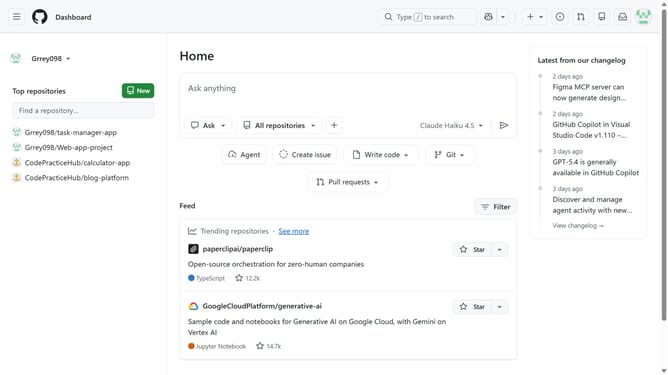
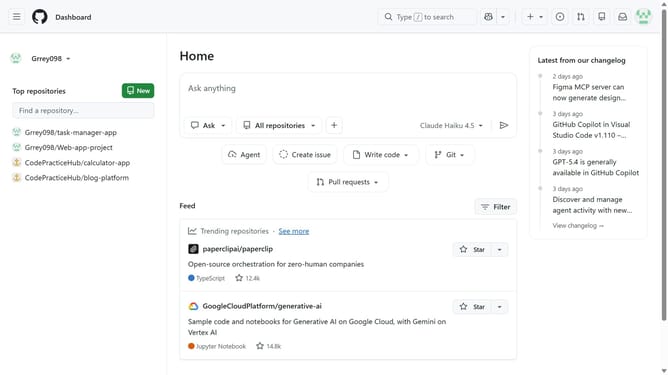
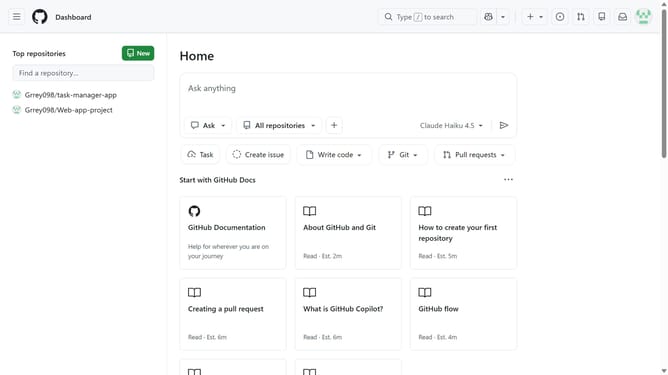
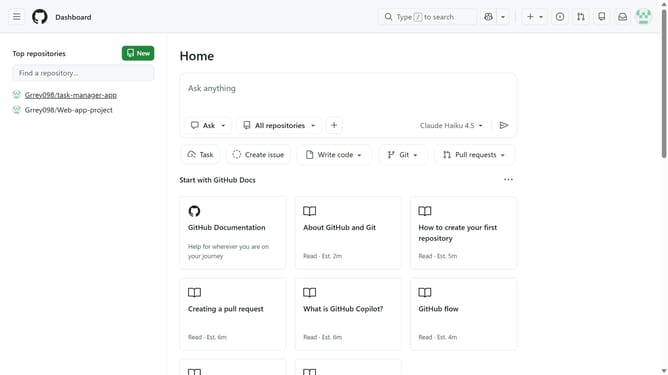
- First click on the “+” icon in the top navigation bar
- Next select "New repository" from the dropdown menu
- Use the “Owner” dropdown menu to choose the account that will own the new repository
- Then, enter the repository name in the “Repository name” field
- Enter a description in the “Description” field if needed
- Click on the visibility dropdown menu in the repository configuration section
- Then select Private or Public option from the visibility dropdown menu
- Optionally toggle on the "Add README" switch to enable it
- Next scroll down to view additional configuration options
- Click on the "Create repository" button at the bottom of the form
- After the repository is created, click on the “Settings” tab in the repository navigation menu
- Finally check the “Template repository” option to enable it
Why should you create a template repository in GitHub
GitHub is a powerful platform that simplifies collaboration and version control for developers worldwide.
Creating a template repository in GitHub streamlines project initialization and promotes consistency across multiple projects. This feature allows you to define a standard codebase that can be reused effortlessly, saving valuable time and reducing errors.
Using template repositories enables teams to maintain uniformity, especially in large projects, ensuring all developers start with the same foundation. It fosters collaboration while accelerating development progress.
Last update