
You approve a new supplier from an email thread. Their first shipment fails incoming inspection. You dig through three spreadsheets, two inboxes, and a shared drive to find who signed off, what specs you agreed to, and whether the last audit even happened. Nobody owns the trail. By the time you reconstruct it, the line is down and procurement is asking why.
That is the real cost of managing supplier quality without a system. Supplier qualification lives in one place, audit results in another, corrective actions in a fourth, and performance data nowhere you can trust. When a defect or a compliance question surfaces, you are not responding, you are excavating.
The pressure is not theoretical. In a Verdantix global survey (2025), 72% of quality decision-makers cited preventing supply chain disruptions as a top or very important driver for investing in quality management technology. The supplier quality management applications market itself was valued at USD 14.0 billion in 2025 and is projected to reach USD 42.1 billion by 2036, according to Fact.MR (2025). Buyers are moving spend toward software because manual supplier oversight stops scaling the moment your supply base grows past a handful of vendors.
A dedicated supplier quality management system centralizes qualification, audits, scorecards, corrective actions, and compliance into one auditable process. This guide walks through the platforms worth shortlisting. If you are evaluating adjacent tooling, it can help to look at how teams handle audit management software and contract lifecycle management alongside supplier quality, since these workflows often overlap in regulated environments.
What's inside
This guide is for quality, operations, and product leaders comparing supplier quality software before a purchase, not skimming a definitions article. We evaluated each platform against four criteria that decide whether a system becomes usable or just another silo: depth of native supplier quality workflows (qualification, audits, scorecards, SCAR, CAPA), compliance coverage for standards like ISO 9001, AS9100, and IATF 16949, integration fit with ERP, PLM, and MES stacks, and reporting that surfaces defect and risk trends. Pricing here is largely quote-based across the category, so we note what is publicly confirmed and flag where it is not.
TL;DR
- Best for regulated enterprises: ComplianceQuest, a Salesforce-native platform combining quality, risk, compliance, and supplier management in one system.
- Best for life sciences and regulated manufacturing: MasterControl, with strong AVL, scorecard, SCAR, and deviation control inside a broader quality platform.
- Best for fast field execution: SafetyCulture, built for mobile inspections, audits, and digital checklists your frontline teams actually complete.
- Best for SAP-native procurement: SAP Ariba, when supplier lifecycle governance needs to live inside your existing spend-management stack.
- Best for broad Oracle SCM environments: Oracle SCM Cloud, connecting supplier quality to procurement and operations at enterprise scale.
- Best for configurable EQMS depth: EtQ Reliance and IQS, when you want supplier quality embedded in a larger, configurable quality system.
What is supplier quality management software?
Supplier quality management software is a system that standardizes how an organization qualifies, audits, monitors, and corrects the quality performance of its suppliers across the full supplier lifecycle. It replaces fragmented spreadsheets and email threads with controlled workflows, audit trails, and reporting.
It helps to separate three related terms. Supplier quality management (SQM) is the discipline of governing supplier quality. A supplier quality management system (SQMS) is the software that operationalizes that discipline. A quality management system (QMS) is broader, covering internal quality processes across the whole organization, with supplier quality as one module. Some platforms bundle SQM inside a full QMS, others focus narrowly on the supplier side.
The core capabilities most buyers evaluate:
- Supplier qualification and onboarding: structured approval workflows that build a controlled Approved Vendor List (AVL) instead of ad hoc sign-offs.
- Supplier audits: scheduled and triggered audit workflows with findings, evidence, and follow-up tracking.
- Supplier scorecards: recurring KPIs like defect rate, on-time delivery, and responsiveness, scored consistently over time.
- SCAR and CAPA: supplier corrective action requests and corrective and preventive action workflows with traceability across teams.
- Deviation and nonconformance handling: logged, routed, and closed with a clear record of who did what.
- Performance monitoring and reporting: dashboards that surface supplier risk trends before they become line-down events.
For a product or operations leader, the value is not the checklist. It is turning a cross-functional process that currently lives in people's heads into an instrumented, repeatable workflow with clean data you can defend in an audit.
When to use supplier quality management software
Not every organization needs a dedicated platform on day one. Here is where the switch from spreadsheets to software starts paying off.
Centralize supplier qualification and onboarding
Manual vendor approval works until it doesn't. Once approvals span multiple reviewers, sites, or product lines, email-based sign-off becomes a risk. You lose track of who approved what, requalification lapses, and unapproved suppliers slip into production. Software creates a controlled onboarding path and a live AVL, so every supplier entering your supply base clears the same gate with a recorded trail. This matters most when your supply base is growing faster than your team.
Track supplier audits, scorecards, and performance
Recurring audits and KPI reviews are hard to run consistently by hand. Audit schedules slip, scorecards get built differently each quarter, and issues escalate too late. A platform standardizes audit workflows, automates recurring schedules, and scores suppliers on the same criteria every cycle. That gives you comparable data on defect rate, delivery reliability, and responsiveness, plus a clear escalation path when a supplier trends the wrong way.
Manage corrective actions and compliance workflows
When a defect or deviation needs a SCAR or CAPA, traceability across teams is non-negotiable in regulated environments. Manual corrective action tracking loses context between the quality engineer who opened it and the supplier who owns the fix. Software links the finding, the root cause, the action, and the verification into one auditable chain. In industries governed by ISO 9001, AS9100, IATF 16949, FDA, or GMP, that chain is often the difference between passing and failing an external audit.
Comparison table
Use this table for a fast scan before the tool-by-tool breakdown below. It sorts by relevance to supplier quality management specifically, not general procurement or operations breadth. Pricing across this category is overwhelmingly quote-based, so ratings and intent do more of the differentiating work here than published price points.
| # | Product | Intent | Key use case | Pricing | G2 rating |
|---|---|---|---|---|---|
| 1 | ComplianceQuest | Regulated enterprise QMS + SQM | Quality, risk, compliance, supplier management on Salesforce | Quote-based | 4.3/5 |
| 2 | MasterControl | Life sciences quality + SQM | AVL, scorecards, SCAR, deviation control | Quote-based | 4.4/5 |
| 3 | SafetyCulture | Operational execution | Mobile audits, inspections, digital checklists | From $5/seat/mo | 4.6/5 |
| 4 | SAP Ariba | Enterprise spend + supplier mgmt | SAP-native supplier lifecycle governance | Quote-based | 4.1/5 |
| 5 | Oracle SCM Cloud | Enterprise SCM suite | Supplier quality tied to procurement + operations | Quote-based | 4.0/5 |
| 6 | IQS | EHS + quality suite | Quality, risk, and product quality modules | Quote-based | Not listed |
| 7 | EtQ Reliance | Configurable EQMS | Audits, CAPA, document control, supplier quality | Quote-based | 4.3/5 |
Best supplier quality management software for 2026
1. ComplianceQuest
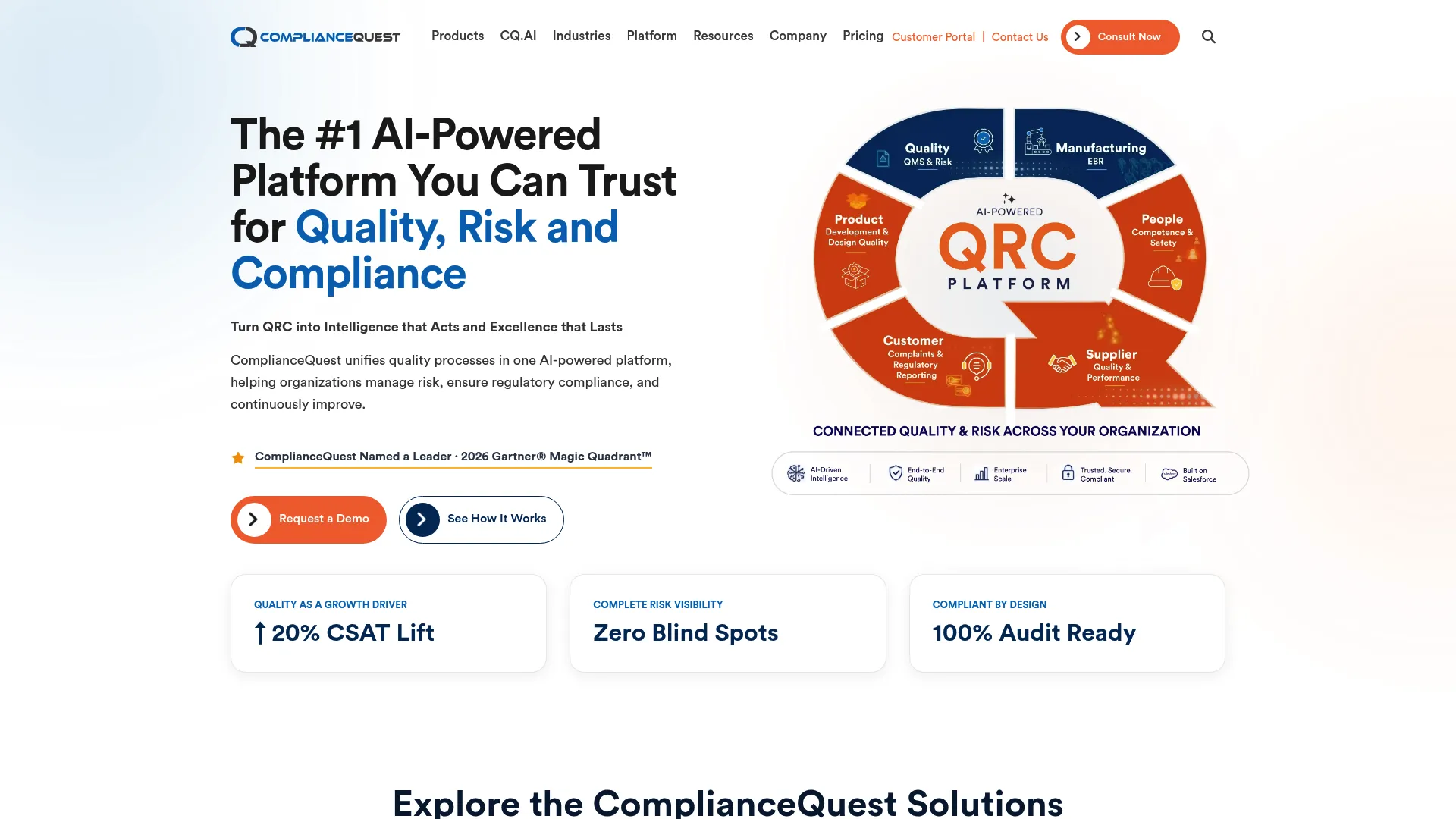
ComplianceQuest is an AI-powered platform for quality, risk, compliance, PLM, EHS, and supplier management, built natively on Salesforce. It centralizes supplier quality alongside document control and training management, which makes it a strong fit for regulated enterprises that want one system of record rather than a patchwork of point tools. Because it sits on Salesforce, teams already living in that ecosystem inherit familiar access controls, reporting, and integration patterns.
Best for: Regulated enterprises needing an integrated QMS and compliance platform on Salesforce.
Key strengths
- Integrated quality and compliance: Supplier quality, risk, and compliance run in one platform instead of disconnected modules.
- Document control: Controlled documents, revisions, and approvals stay traceable for audit readiness.
- Training management: Ties competency and training records to quality processes, useful in regulated operations.
Why choose ComplianceQuest: If your organization is already invested in Salesforce and needs supplier quality to sit inside a broader compliance and risk system, ComplianceQuest reduces the integration burden of stitching separate tools together. It suits teams where a single, auditable source of truth across quality domains matters more than a narrow supplier-only tool.
ComplianceQuest pricing: ComplianceQuest does not publish numeric pricing. The company states pricing is quote and demo based, tailored by number of users, modules, sites, integrations, and compliance scope. You will need to engage sales for a figure specific to your deployment. It holds a 4.3/5 rating on G2.
2. MasterControl

MasterControl is cloud-based quality, manufacturing, and asset management software built for regulated life sciences organizations. Its Quality Excellence QMS handles supplier quality within a broader digital quality platform, with strong support for AVL management, supplier scorecards, SCAR automation, and supplier deviation workflows. For teams in pharma, medical devices, or biotech, that regulated pedigree is often the deciding factor.
Best for: Regulated life sciences teams needing an integrated quality and manufacturing platform.
Key strengths
- Quality Excellence QMS: Supplier quality workflows sit inside a mature, validation-ready quality system.
- Manufacturing Excellence MES: Connects quality data to production, useful for closing the loop on supplier-caused defects.
- Asset Excellence CMMS: Extends the platform into asset and maintenance management for operations teams.
Why choose MasterControl: MasterControl fits organizations that treat supplier quality as one part of an end-to-end regulated quality operation, not a standalone concern. If you need AVL, scorecards, and SCAR embedded in a system that also handles document control and manufacturing quality under FDA and GMP scrutiny, it is a serious contender.
MasterControl pricing: MasterControl does not publish numeric pricing. Its pricing page directs prospects to contact representatives for a quote tailored to the organization's needs, which typically scales with users, modules, and sites. It holds a 4.4/5 rating on G2.
3. SafetyCulture
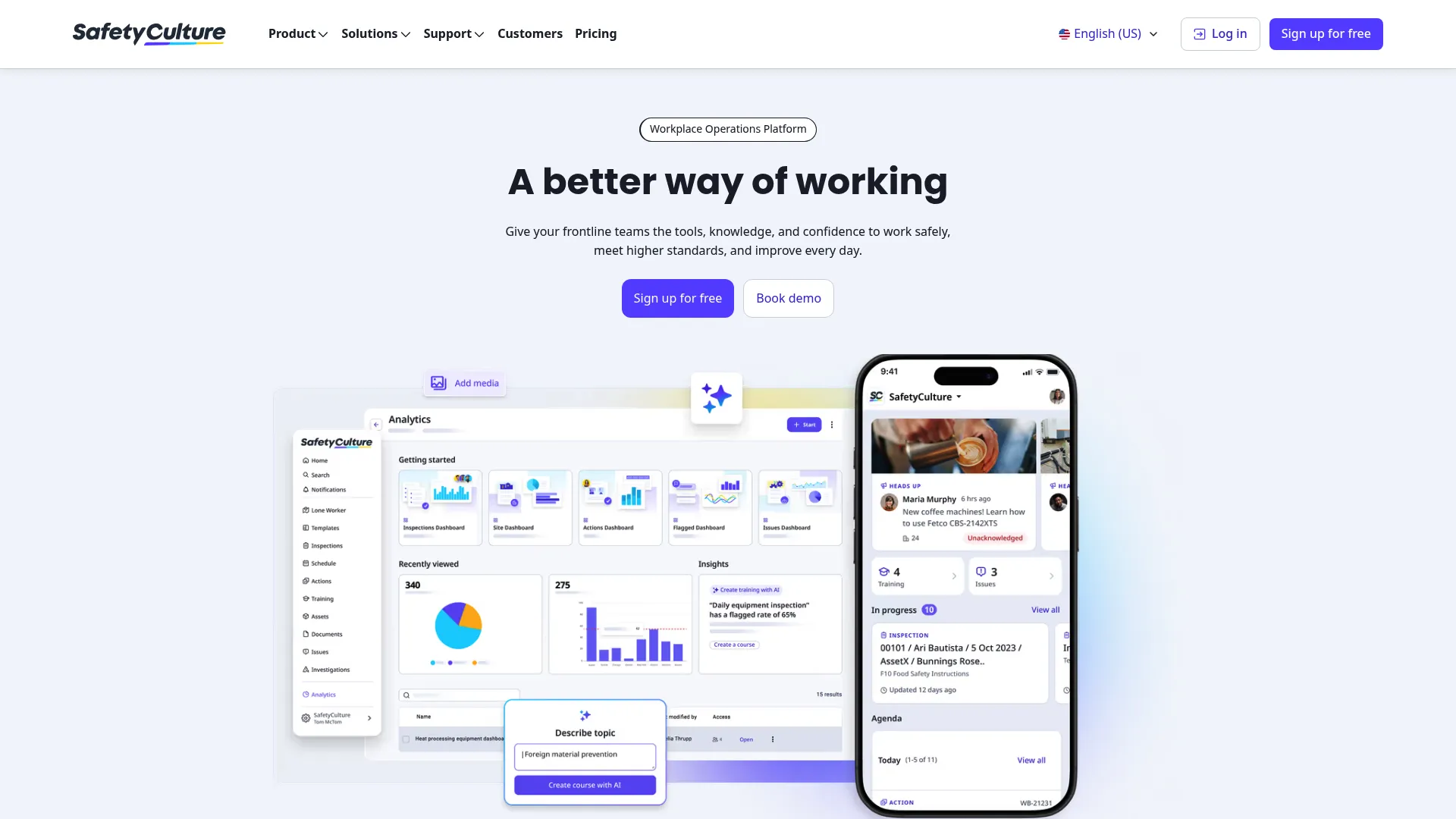
SafetyCulture is a workplace operations platform for inspections, issues, assets, training, documents, and analytics. Its strength in supplier quality is execution: mobile-first audits, inspections, and digital checklists that frontline and field teams actually complete. Where enterprise QMS platforms excel at governance and traceability, SafetyCulture excels at getting audit and inspection data captured quickly, in the field, without friction.
Best for: Teams digitizing inspections and frontline operations workflows, including supplier and incoming-goods audits.
Key strengths
- Inspections, audits, and checklists: Build and run supplier audits from a phone or tablet, with photos and evidence attached.
- Training and onboarding: Deliver supplier and staff training tied to the same platform.
- Asset, task, and document management: Manage follow-up tasks and controlled documents alongside inspection data.
Why choose SafetyCulture: If your bottleneck is getting consistent, timely audit and inspection data out of the field rather than deep regulated-QMS governance, SafetyCulture is built for that reality. It suits operations-led teams that want fast adoption and mobile execution over heavyweight configuration.
SafetyCulture pricing: SafetyCulture publishes tiered pricing. The Lite seat is $5/seat/month billed annually, the Full seat is $24/seat/month billed annually, and Enterprise is contact-us. SafetyCulture also offers a free plan per its help center. It holds a 4.6/5 rating on G2, the highest in this list.
4. SAP Ariba
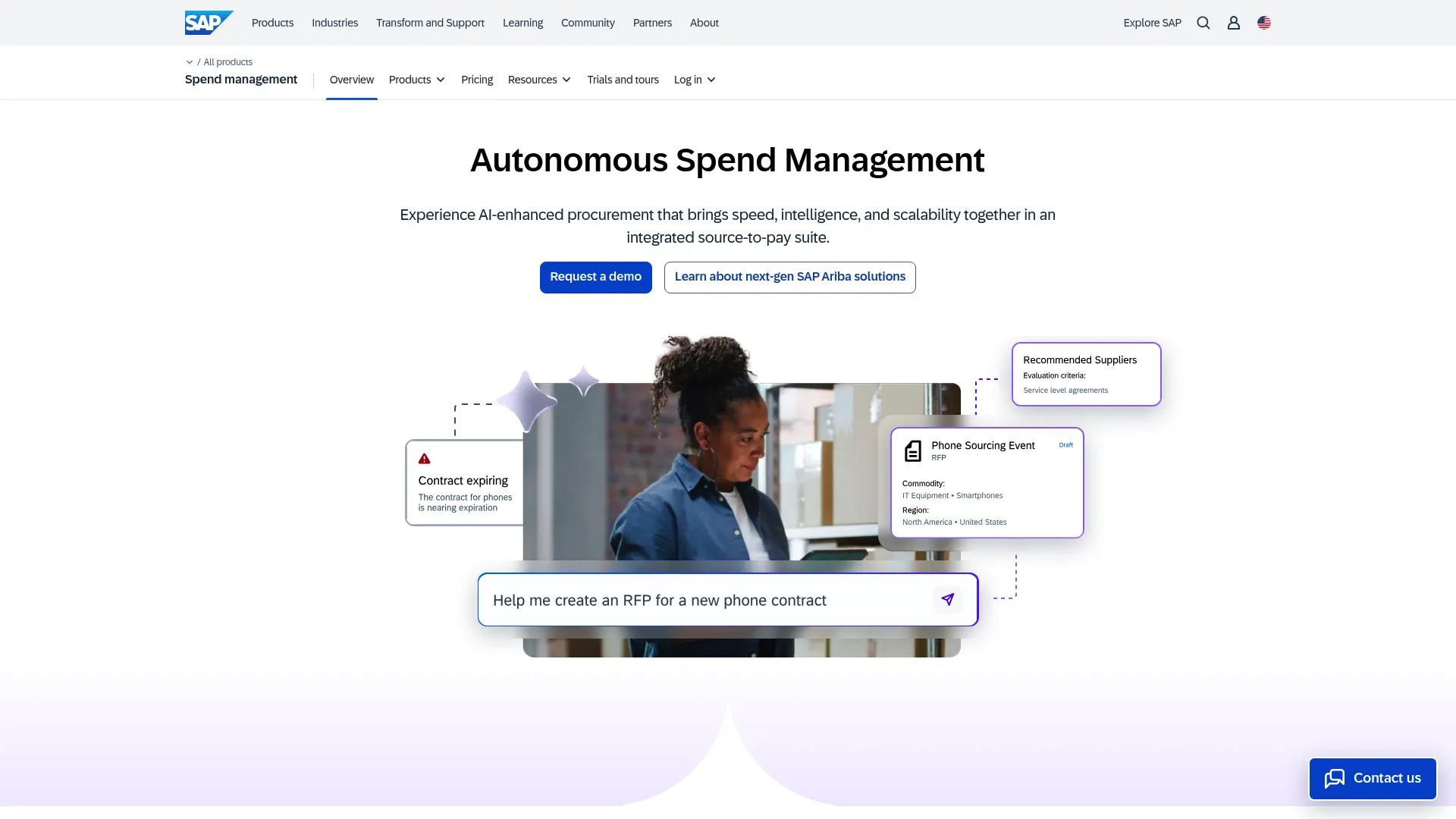
SAP Ariba is SAP's spend-management suite for sourcing, procurement, invoicing, and supplier collaboration. Its relevance to supplier quality is lifecycle governance at enterprise scale: managing supplier onboarding, qualification, and collaboration inside the same environment that runs your sourcing and procurement. For organizations already standardized on SAP, that native fit is the core argument.
Best for: Enterprise procurement and sourcing teams needing a broad SAP-native spend-management platform with supplier governance.
Key strengths
- AI-driven sourcing automation: Streamlines sourcing events and supplier selection at scale.
- Supplier discovery: Finds and connects suppliers through SAP Business Network Discovery.
- Extensibility: Integrates and extends via SAP Business Technology Platform, connecting to the wider SAP stack.
Why choose SAP Ariba: SAP Ariba makes the most sense when supplier quality is one facet of a much larger procurement and spend-management motion, and when the rest of your enterprise already runs on SAP. It leans toward supplier lifecycle governance and collaboration rather than deep regulated quality workflows like SCAR and CAPA, so pair it accordingly if quality traceability is your primary need.
SAP Ariba pricing: SAP does not publish numeric pricing for Ariba. The Ariba Sourcing and Buying and Invoicing pricing pages use price-upon-request and request-demo flows. Expect enterprise-scale, quote-based pricing. It holds a 4.1/5 rating on G2.
5. Oracle SCM Cloud
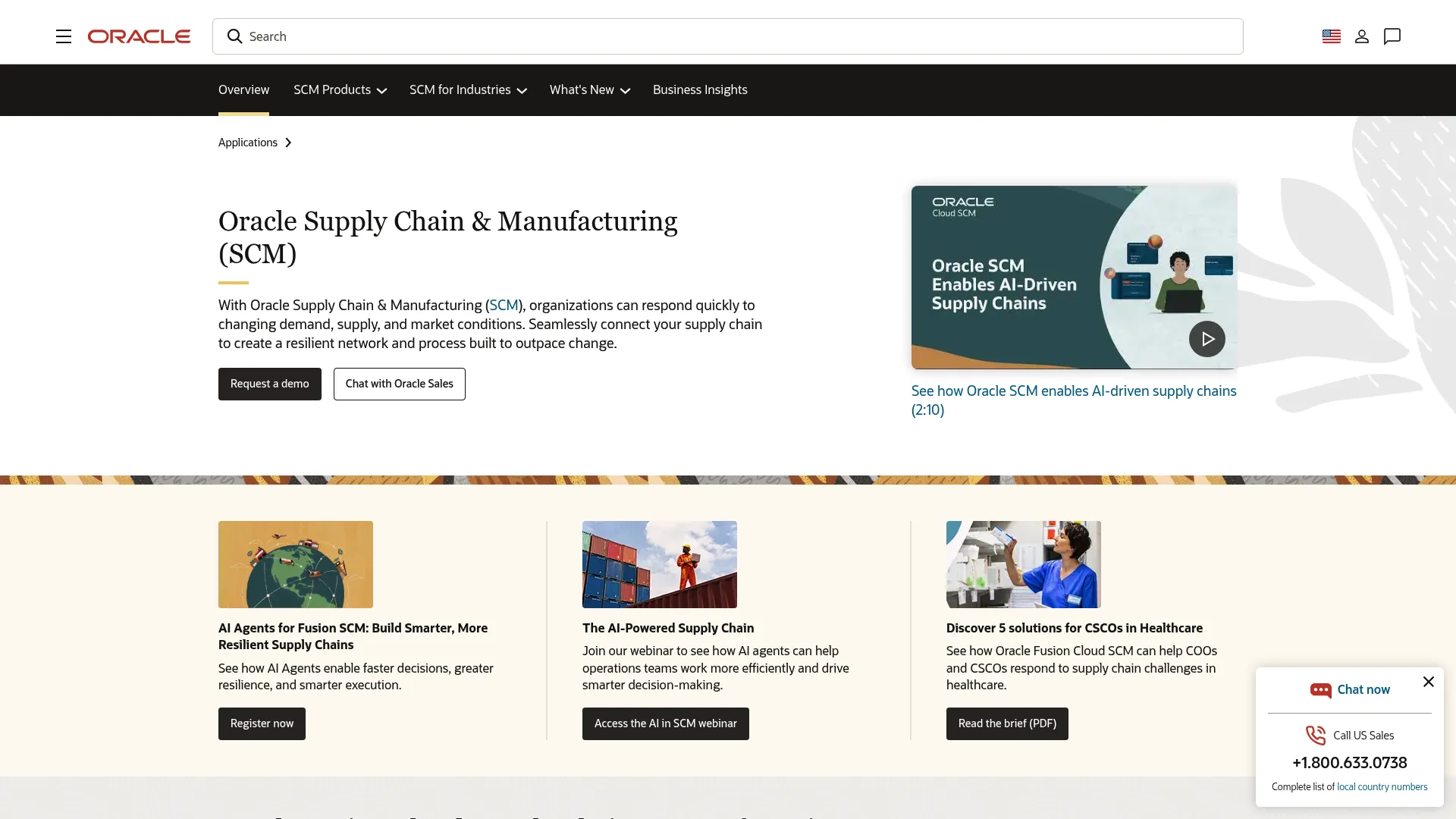
Oracle SCM Cloud is Oracle's cloud supply chain suite covering planning, inventory, manufacturing, maintenance, logistics, order management, and procurement, with built-in AI and agentic applications. Supplier quality fits inside this broader SCM footprint, which appeals to large enterprises that want supplier quality connected directly to procurement and operations rather than run as an isolated system.
Best for: Enterprises needing a broad, integrated cloud SCM suite where supplier quality connects to procurement and operations.
Key strengths
- Supply chain planning: Aligns supplier performance with demand and inventory planning.
- Manufacturing and procurement: Connects supplier quality data to production and purchasing decisions.
- Built-in AI and agentic applications: Adds automation across the SCM footprint.
Why choose Oracle SCM Cloud: Oracle SCM Cloud suits organizations that want supplier quality embedded in an end-to-end supply chain platform, especially those already invested in Oracle. Integration depth and enterprise governance are the draw. As with other broad suites, verify how deeply native supplier quality workflows like scorecards and corrective actions are supported versus adjacent procurement features.
Oracle SCM Cloud pricing: Oracle does not publish public numeric pricing for SCM Cloud on its first-party site; it directs buyers to contact sales or request a demo. Expect enterprise-scale, quote-based pricing. It holds a 4.0/5 rating on G2.
6. IQS
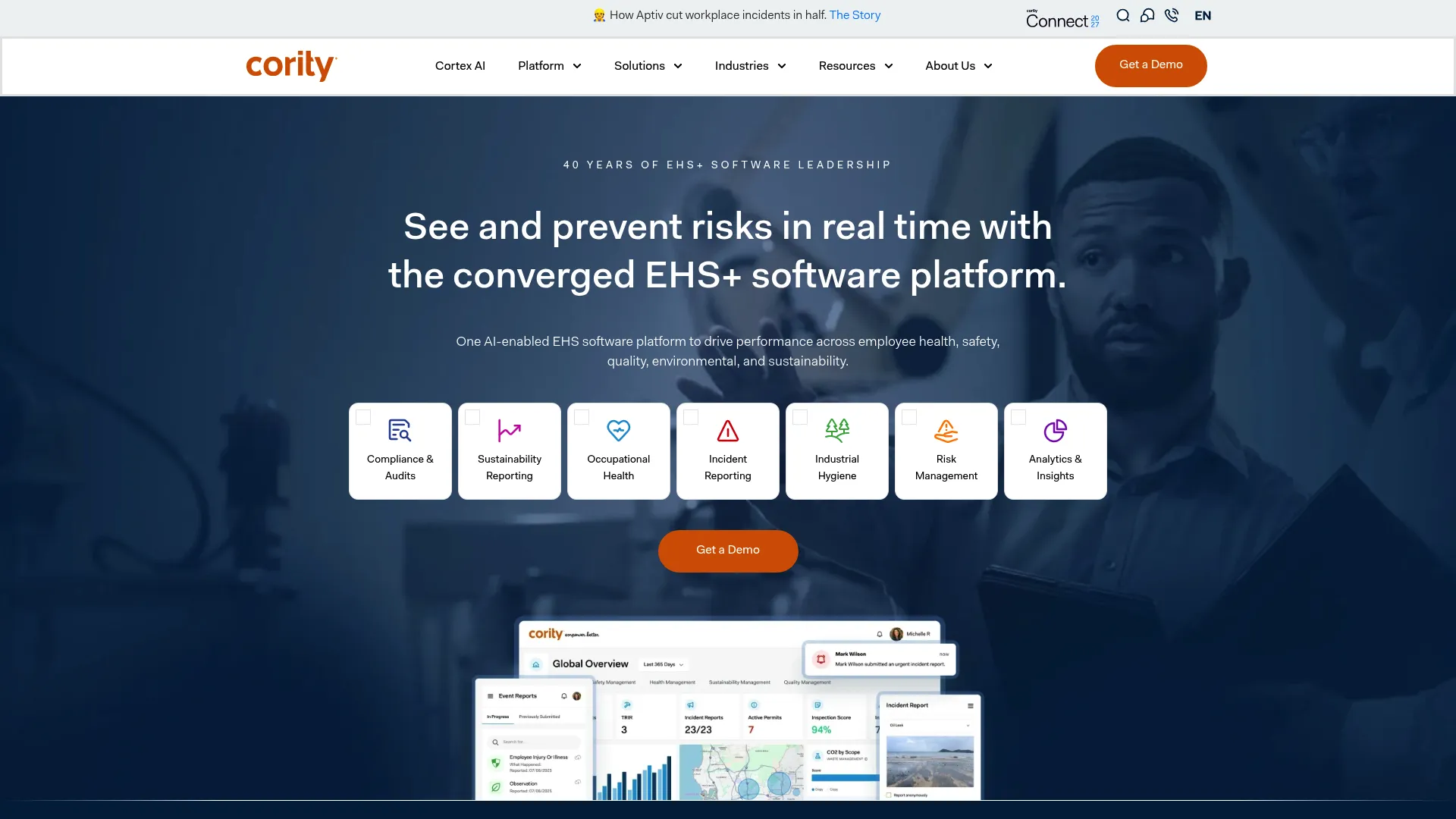
IQS is enterprise EHS and quality management software from Cority, delivered through the CorityOne EHS+ platform. It brings supplier quality workflows together with risk management, incident management, environmental compliance, sustainability, and product quality modules. That makes it a fit for manufacturing organizations that want configurable quality processes, including nonconformance, audits, and corrective actions, inside a broader EHS and quality system.
Best for: Large organizations needing EHS, quality, and sustainability software with configurable quality workflows.
Key strengths
- CorityOne EHS+ platform: Unifies quality with environment, health, and safety management.
- Risk and incident management: Handles risk assessment and incident workflows alongside quality.
- Product quality modules: Supports nonconformance, audits, and corrective action processes.
Why choose IQS: IQS suits teams that see supplier quality as part of a combined EHS and quality mandate rather than a standalone function. If you need configurable quality workflows that live next to environmental compliance and incident management, its breadth is the advantage.
IQS pricing: IQS does not publish public pricing on its brand site, and no numeric figure was available at review. Pricing is quote-based; you will need to contact the vendor for a scoped estimate. A current G2 rating was not listed at the time of review.
7. EtQ Reliance

EtQ Reliance is a cloud-native eQMS for managing quality, compliance, and related workflows. Supplier quality sits inside this larger enterprise quality management system, alongside strengths in audits, CAPA, and document control. Its codeless application designer and advanced analytics make it a fit for teams that want to embed supplier quality in a configurable EQMS they can adapt without heavy development.
Best for: Enterprise manufacturers needing a configurable quality management platform where supplier quality is one embedded workflow.
Key strengths
- Integrated quality applications: Supplier quality, audits, and CAPA share one connected system.
- Codeless application designer: Configure and adapt workflows without custom code.
- Advanced analytics: Predictive AI dashboards surface quality and supplier risk trends.
Why choose EtQ Reliance: EtQ Reliance fits organizations that want supplier quality governed inside a broader, highly configurable EQMS rather than a supplier-only tool. If audits, CAPA, and document control across the whole quality operation matter as much as the supplier layer, its configurability and analytics are the draw.
EtQ Reliance pricing: EtQ does not publish numeric pricing. It states pricing depends on users, applications, and sites, and directs prospects to sales for a quote. It holds a 4.3/5 rating on G2.
Considerations
Before you shortlist, pressure-test each platform against the criteria that actually decide fit. A demo looks good; the checklist below is what separates a system that becomes your source of truth from one that becomes another silo.
Compliance scope
Confirm the platform supports the exact standards you are held to, whether that is ISO 9001, AS9100, IATF 16949, FDA, or GMP. Ask specifically about audit trails, electronic signatures, and validation support, not just a marketing claim of "compliance-ready." In regulated industries, traceability is the feature, so verify that every action leaves a defensible record.
Workflow depth
Map how deeply the tool handles supplier qualification, audits, scorecards, deviations, SCAR, and CAPA. Some platforms treat these as native, first-class workflows; others bolt them on as add-ons or lighter modules. Ask to see the actual SCAR and CAPA screens, not a slide, and confirm the corrective action chain links finding to root cause to verification.
Integration requirements
Verify fit with your ERP, PLM, MES, CRM, and document management systems before anything else. Integration fit often decides whether the system becomes usable or just another disconnected tool. If supplier and quality data cannot flow between systems, you will end up re-keying data and undermining the single source of truth you bought the platform for. Teams evaluating adjacent workflows often review contract management and application performance monitoring tools at the same time, since integration debt compounds across the stack.
Reporting and metrics
Validate the dashboards, not just their existence. You want defect rate, delivery reliability, lead time, cycle time, and supplier risk trends surfaced without exporting to a spreadsheet. Treat measurement as a core evaluation criterion. A platform that cannot show you a supplier trending toward failure before the shipment arrives is not doing the job.
Implementation and ownership
Decide who owns the process before you buy: quality, procurement, operations, or engineering. Supplier quality is inherently cross-functional, and an unclear owner is the most common reason a rollout stalls. Confirm implementation effort, validation needs, and whether you have internal capacity to configure and maintain the workflows over time. Buyers frequently look at best onboarding flow and event management tooling in parallel when planning cross-team rollouts.
Conclusion
The right supplier quality management platform depends on where your gravity already sits. For regulated enterprises that want quality, risk, and compliance in one auditable system, ComplianceQuest and MasterControl lead, with MasterControl especially strong for life sciences. If your challenge is fast, consistent field execution, SafetyCulture is built for mobile audits and inspections. For SAP or Oracle shops, SAP Ariba and Oracle SCM Cloud keep supplier governance inside the ecosystem you already run. And for teams wanting supplier quality embedded in a configurable EQMS, EtQ Reliance and IQS deliver depth.
Do not buy on feature lists. Buy on process control and visibility. The question is not which tool has the most modules, it is which one turns your fragmented supplier oversight into an instrumented, auditable workflow your team will actually use.
Next step: shortlist two or three platforms, map your real supplier quality workflows against each, and validate integrations and compliance coverage with a working demo before you commit. The tool that fits your stack and your standards beats the one with the longest feature page every time.
FAQs
Supplier quality management software is a system for qualifying, auditing, monitoring, and correcting supplier quality across the supplier lifecycle. It centralizes supplier audits, scorecards, corrective actions like SCAR and CAPA, and supplier qualification into controlled workflows with audit trails, replacing spreadsheets and email threads with one traceable process.
A QMS governs quality across your entire organization; supplier quality management is the supplier-focused slice of that. SQM software concentrates on the supplier lifecycle, from qualification and AVL management through audits, scorecards, and corrective actions. Many enterprise platforms bundle both, offering supplier quality as one module inside a full quality management system.
Prioritize native workflows for supplier qualification, supplier audits, scorecards, SCAR, and CAPA, plus reporting that surfaces defect and risk trends and integrations with your ERP, PLM, and MES. Tie each feature to an outcome: faster qualification, consistent audit data, and traceable corrective actions. Compliance coverage for your standards is non-negotiable in regulated settings.
Regulated manufacturing, life sciences, automotive, and aerospace need it most, because compliance and traceability are mandatory there. Standards like ISO 9001, AS9100, IATF 16949, FDA, and GMP require defensible audit trails across the supplier chain. Any organization with a complex supply base and high defect or compliance exposure benefits from a controlled system.
Supplier scorecards score suppliers on recurring KPIs like defect rate, on-time delivery, and responsiveness, using the same criteria every cycle. That consistency turns subjective supplier opinions into comparable data. Teams use scorecards to evaluate performance, trigger escalations when a supplier trends downward, and support qualification and re-qualification decisions with evidence.
Verify standards support for your specific regulations, integration depth with ERP, PLM, MES, and document systems, reporting quality for defect and risk trends, and native versus add-on workflow depth for SCAR and CAPA. Also confirm implementation effort, validation needs, and clear internal ownership of the process before you commit.
Yes, software can centralize qualification, audits, corrective actions, and performance data that currently live in scattered files and inboxes. But the tool alone is not enough. Adoption and clear workflow ownership still decide whether it works. Without disciplined use and an accountable owner, even the best platform becomes another silo.